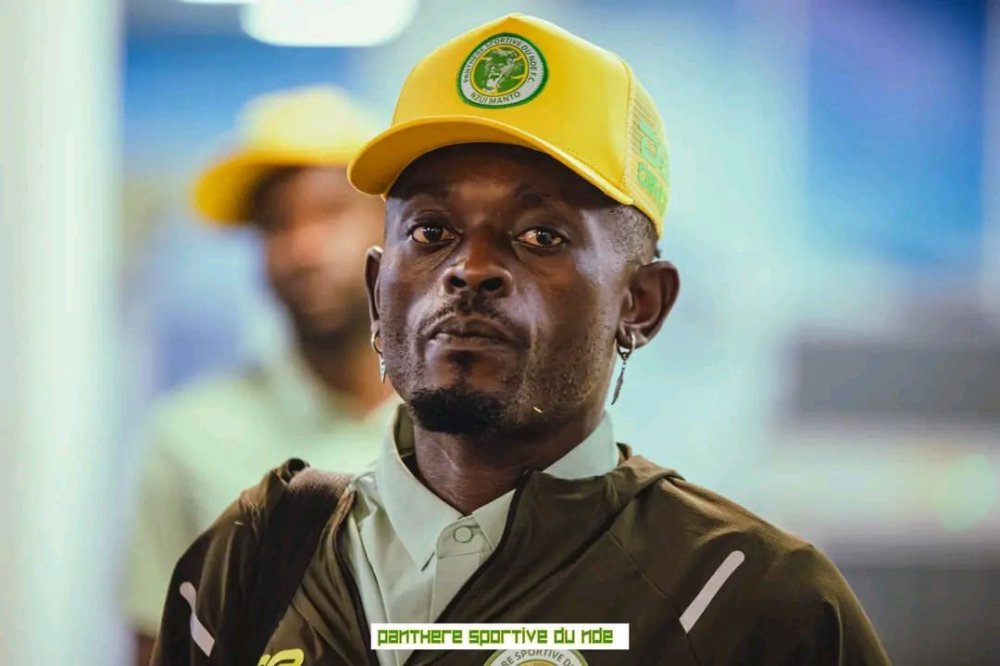
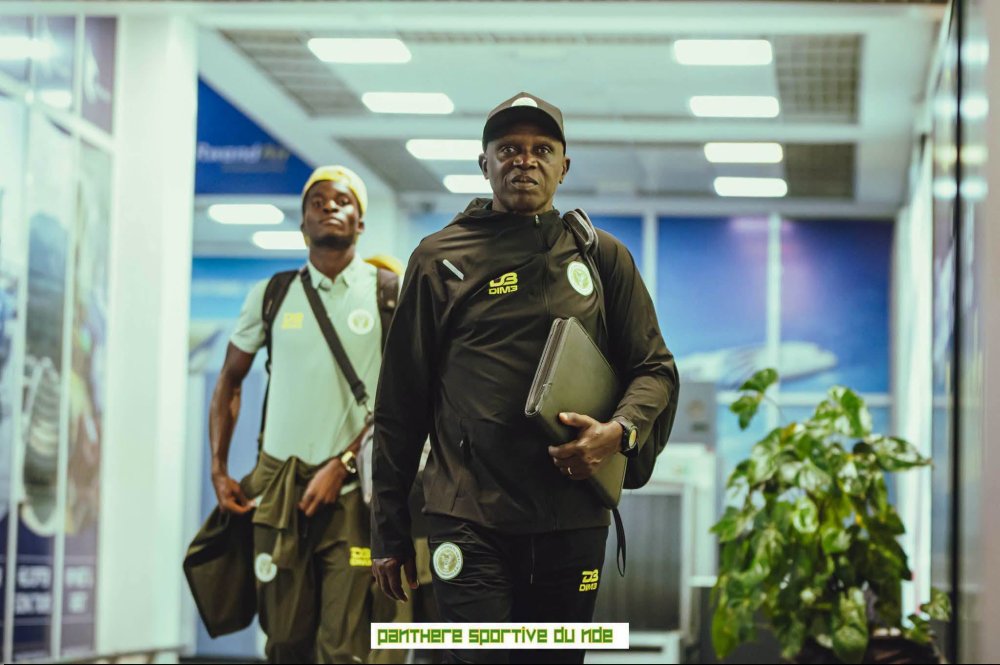
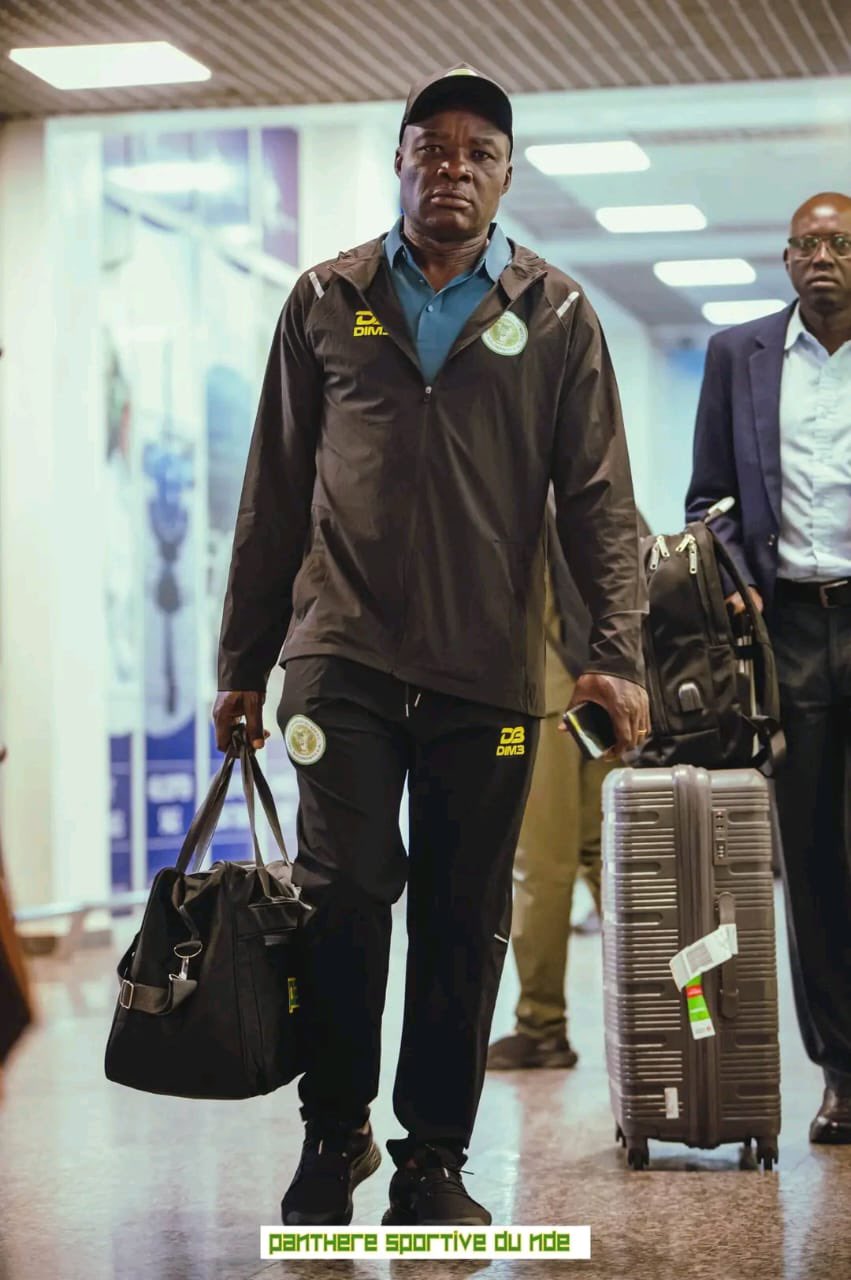
The players, coaches and accompanying officials arrived at Kigali International Airport in Kanombe in the early hours of Thursday, September 10, 2026.
The team arrived in Rwanda a day after another delegation representing the club had travelled to Kigali to prepare for its arrival.
The first leg, played in Cameroon, ended in a 1-1 draw. The return leg is scheduled for Saturday, September 12, at Amahoro Stadium.
The winner between Rayon Sports and Panthère Sportive du Ndé will face the winner of the second-round tie between Comoros' Atomic Ngomé and Mozambique's African Black Bulls in the second preliminary round, scheduled for October.
The Cameroonian side touched down in Kigali ahead of Saturday's decisive encounter at Amahoro Stadium.Panthère Sportive du Ndé players arrive at Kigali International Airport ahead of their CAF Confederation Cup return leg against Rayon Sports.Panthère Sportive du Ndé coaches arrive in Kigali with players.
The meeting took place ahead of the International Space Summit, which is being held in Paris on September 9-10.
According to a statement from the Office of the President, Kagame and El-Enany discussed Rwanda's cooperation with UNESCO in key areas including education, science and technology, cultural heritage and the preservation of memory.
Rwanda has two properties inscribed on the UNESCO World Heritage List, both added in September 2023 during the 45th session of the World Heritage Committee.
Nyungwe National Park was inscribed as a natural heritage site in recognition of its rainforest ecosystem, rich biodiversity and importance as a habitat for endangered species, including the eastern chimpanzee.
The second inscription, the Memorial Sites of the Genocide: Nyamata, Murambi, Gisozi and Bisesero, is a serial cultural heritage site comprising four memorial sites dedicated to preserving the memory of the 1994 Genocide against the Tutsi.
The inscription placed the sites on the global heritage list and recognised their importance in preserving memory and educating future generations about the genocide.
UNESCO, the United Nations Educational, Scientific and Cultural Organization, works through international cooperation in education, science, culture and information. Its mandate includes protecting cultural and natural heritage, supporting education systems, promoting scientific cooperation and safeguarding freedom of expression and access to information.
Kagame's meeting with El-Enany came a day after his visit to Oman, where Rwanda and Oman signed two agreements and six MoUs covering areas including trade, investment, agriculture and logistics. The two countries also agreed to open residential embassies in each other's capitals.
In Paris, Kagame is also attending the International Space Summit, co-organised by France and Germany and hosted by French President Emmanuel Macron.
The September 9-10 summit brings together nearly 120 foreign delegations, including political leaders, astronauts, scientists and representatives of the space industry.
The summit focuses on strategic autonomy, space capabilities, security, regulation and the sustainable use of outer space.
The meeting between President Kagame and UNESCO Director-General Khaled El-Enany took place ahead of the International Space Summit, which is being held in Paris on September 9-10.
These are among the findings in the 2025 Food Balance Sheet released by the National Institute of Statistics of Rwanda (NISR) in September 2026.
The report found that plant-based foods supplied 98.14 percent of dietary energy available in the country, while animal-source foods contributed just 44 kilocalories per person per day.
Starchy roots remained the largest component of the plant-based food supply.
According to the report, sweet potatoes, cassava and Irish potatoes contributed 256.5 kilograms per person per year, accounting for 43 percent of available plant-based foods. Fruits supplied 99.8 kilograms, while cereals contributed 90.4 kilograms per person per year.
The report also shows a strong concentration of dietary energy in carbohydrates. Carbohydrates supplied 1,838.6 kilocalories per person per day, representing 77.8 percent of total dietary energy.
This was above the 45–65 percent acceptable range cited in the report. Fat, by comparison, accounted for 12 percent of dietary energy, below the recommended 22.6–35.4 percent range.
Protein availability increased by 1.2 percent to 59.8 grams per person per day in 2025. However, the report found that about 94.2 percent of the protein supply came from plant-based foods.
Cereals provided 19.8 grams and pulses 17.8 grams per person per day, while meat contributed 1 gram, milk 1 gram and fish and seafood 1.5 grams.
The picture varied across vitamins and minerals. The report found that supplies of vitamin A, folate and vitamin C were above the average recommended levels used in its analysis.
However, several other nutrients remained below those levels. Vitamin B12 was available at 0.2 micrograms per person per day, compared with 2 micrograms recommended, while vitamin D stood at 0.7 micrograms against 5.7 micrograms.
Rwanda's food supply continued to draw on both domestic production and imports. The report put the country's Self-Sufficiency Ratio at 79.7 percent in 2025, up slightly from 79.4 percent in 2024. At the same time, the Import Dependency Ratio stood at 56.1 percent, compared with 56 percent the previous year.
Food losses also edged down. The Food Loss Index fell from 85.92 in 2024 to 85.89 in 2025, while the Food Loss Percentage was estimated at about 4.3 percent. The report notes that the index has declined from its 2017 baseline of 100.
On undernourishment, the report recorded a further decline. The prevalence fell from 31.3 percent in 2024 to 29.9 percent in 2025, with the estimated number of undernourished people dropping from 4.3 million to 4.1 million. The 2025 rate was also below the 40.2 percent recorded in 2019.
Plant-based foods continued to account for the vast majority of dietary energy available in Rwanda.
Minister of Education Joseph Nsengimana said the deadline is now less than four years away, requiring East African countries to move faster in addressing regulatory differences and other barriers that limit the movement of students, academics, professionals and qualifications across borders.
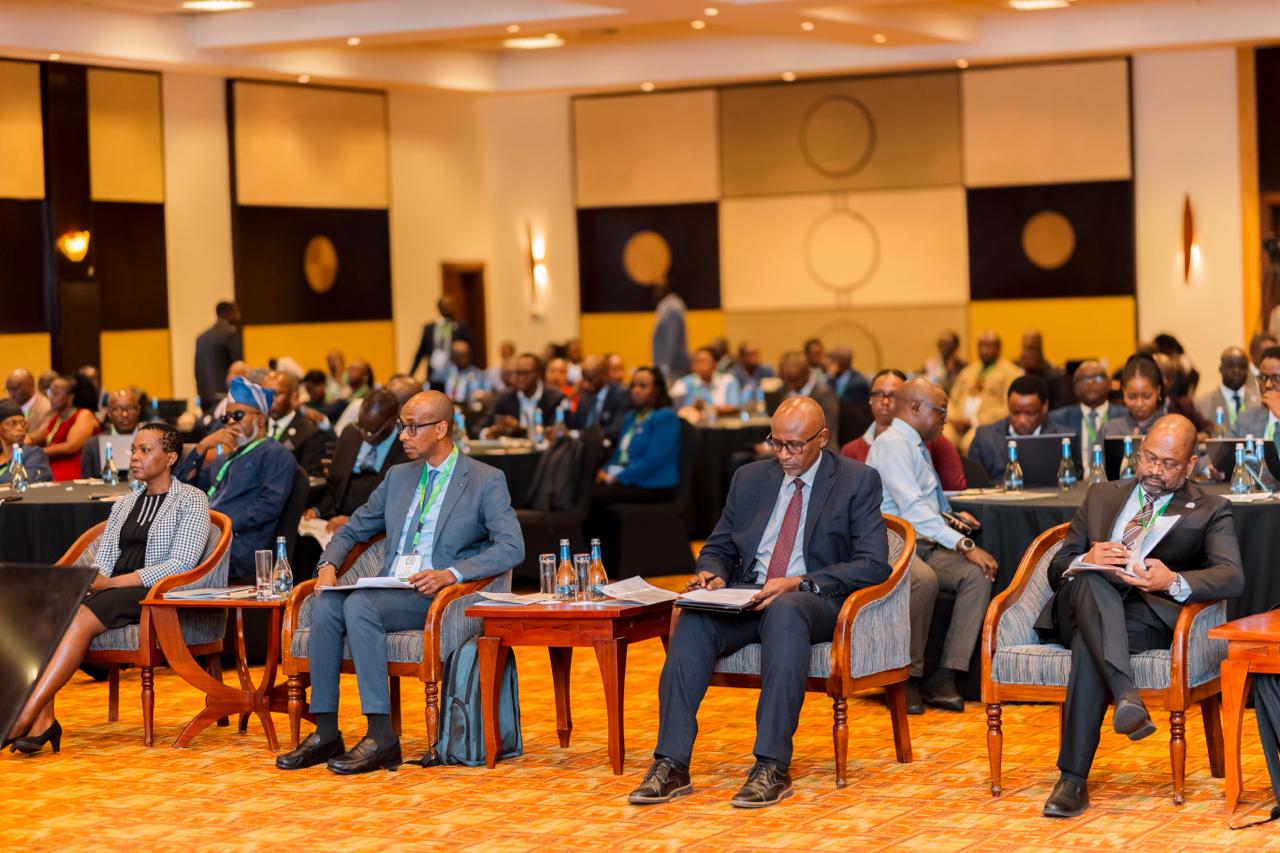
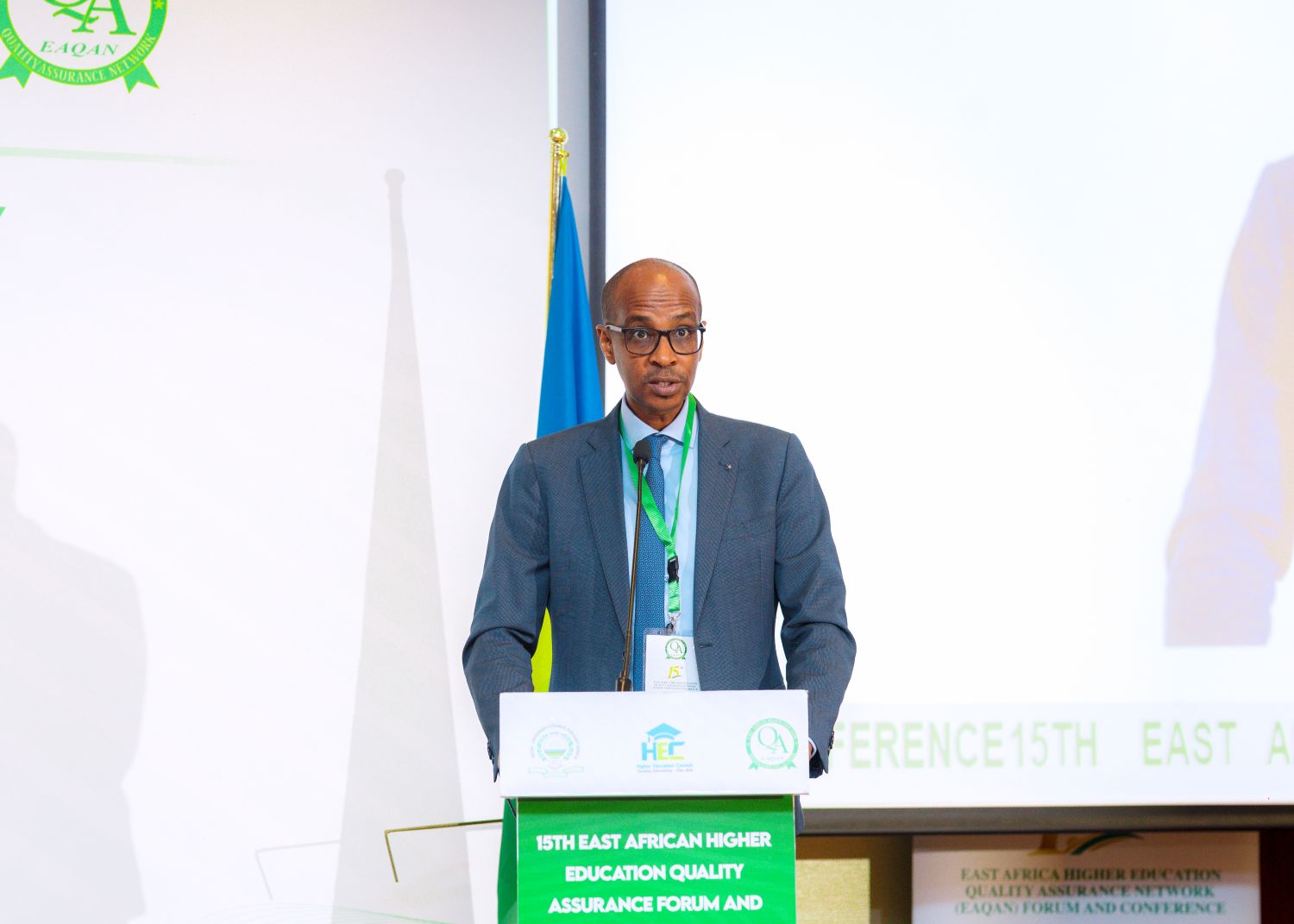
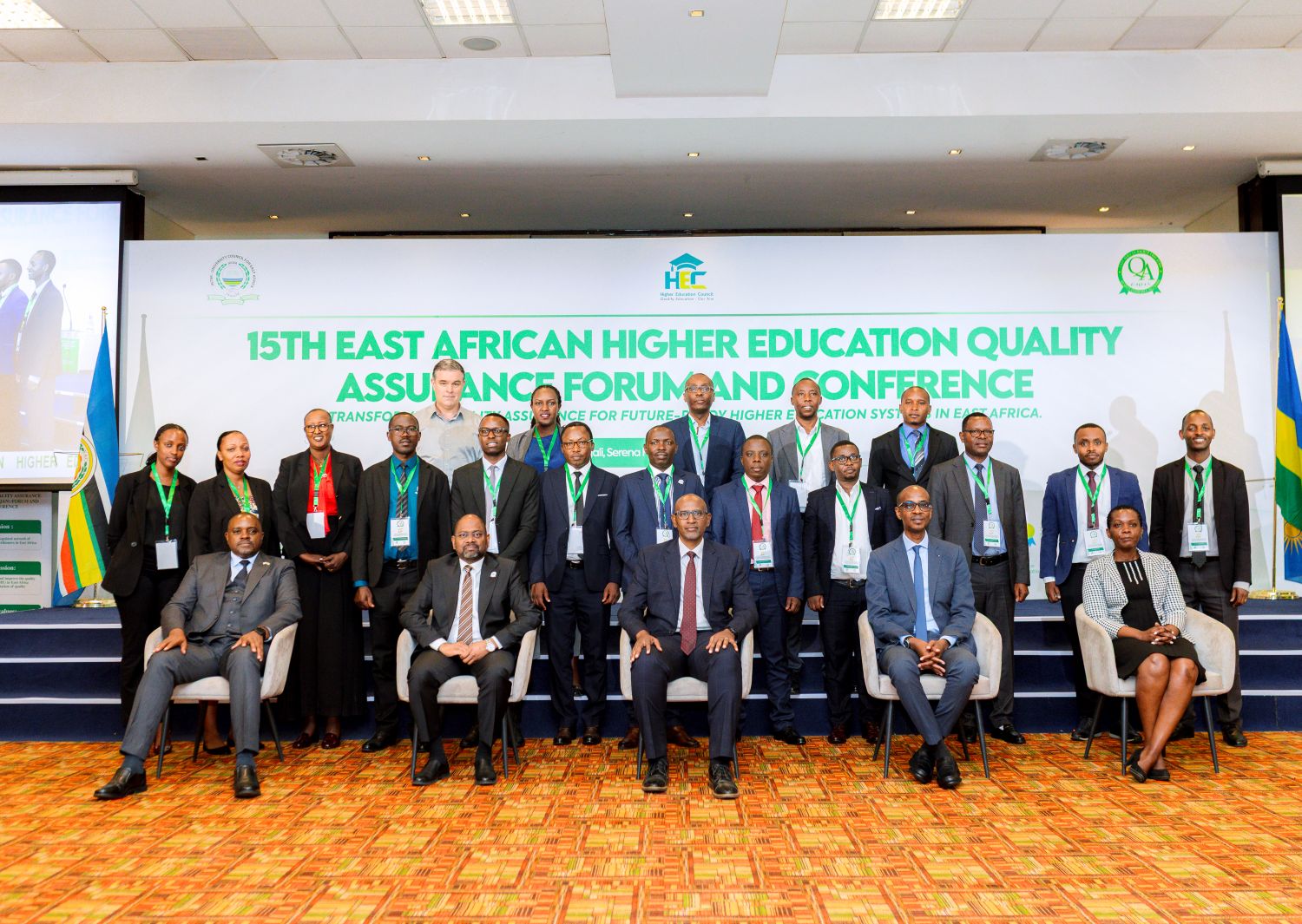
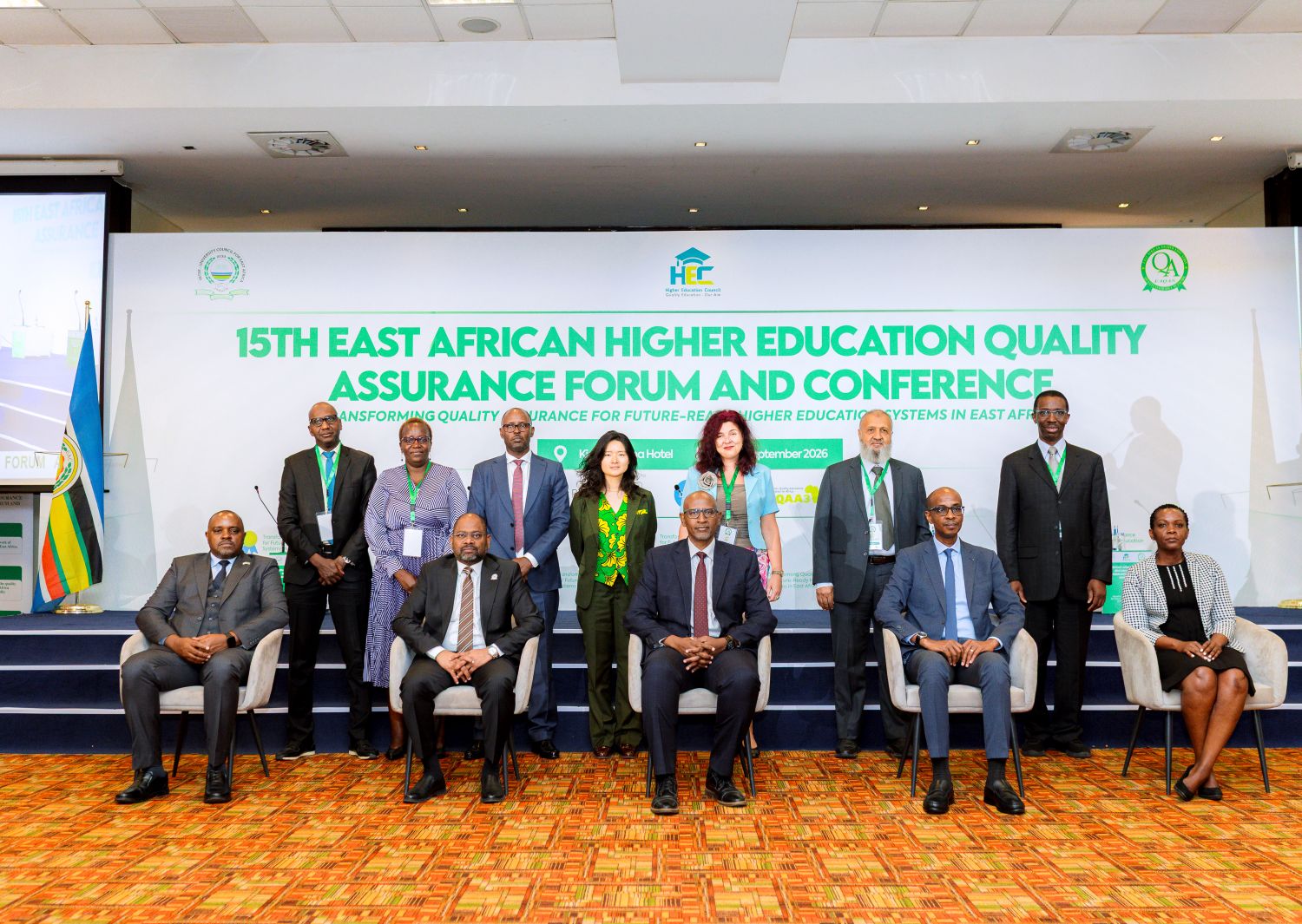
Nsengimana made the call on September 7 at the 15th East African Higher Education Quality Assurance Forum and Conference in Kigali, which brings together higher education stakeholders from across the region.
'Our heads of state and ministers responsible for education in the East African Community have set the ambitious goal of operationalising this Common Higher Education Area by 2030. The deadline is now fewer than four years away. This should not create anxiety, but it must create urgency,' he remarked.
'To achieve this, we must accelerate harmonisation, address gaps in international regulatory frameworks, and confront the resource and administrative constraints that continue to slow our progress.'
He said a common higher education area would enable qualifications earned in one East African country to be recognised more easily in another, while allowing students and professionals to move across borders with fewer administrative barriers.
The minister said quality assurance should serve as the foundation for building this trust, describing it as an 'invisible infrastructure of trust' that allows qualifications, knowledge, research and human capital to move across the region.
The forum brings together regional higher education stakeholders.
The push comes as the Inter-University Council for East Africa (IUCEA) shifts its focus from developing regional frameworks towards putting them into practice.
Prof. Idris Rai, Acting Executive Secretary of IUCEA, said the council's 2026–2031 strategic plan places the operationalisation of the Common Higher Education Area at the centre of its work.
The strategy includes strengthening regional programme accreditation, qualifications frameworks and recognition, credit accumulation and transfer, policy harmonisation and quality assurance systems.
Rai said East Africa also needs to update its quality assurance tools to reflect emerging forms of education, including artificial intelligence-supported learning, digital education and micro-credentials.
Removing barriers to mobility
Participants at the forum identified differences in qualification frameworks, credit systems and recognition of prior learning as some of the challenges that continue to complicate cross-border mobility.
Other barriers include differences in curricula and academic calendars, language, bureaucracy, financial constraints, limited access to internships and industry placements, and varying levels of quality assurance development across countries.
Prof. Mary Okwakol of Uganda's National Council for Higher Education said national qualification frameworks should align with the East African Qualifications Framework for Higher Education rather than operate in isolation.
She said the long-term objective should be automatic recognition of authentic formal qualifications across the region.
Dr. Edward Kadozi, Director General of Rwanda's Higher Education Council, argued that the main challenge is not necessarily determining whether qualifications are equivalent, but building trust in the quality of education behind them.
He said quality assurance should become a continuous part of university operations rather than an exercise carried out only during inspections or audits.
'Quality assurance should be the daily heartbeat of institutions,' Kadozi said, arguing that universities must focus on learning outcomes, practical skills, critical thinking and adaptability as technology and labour markets evolve.
Dr. Edward Kadozi, Director General of Rwanda's Higher Education Council, said building trust in the quality of education remains the key challenge.
The discussions also highlighted the role of student and staff mobility in strengthening regional integration.
Prof. Didas Kayihura of the University of Rwanda said cross-border mobility benefits both individuals and institutions, while international students can contribute to a richer learning environment.
However, he identified financing as one of the major constraints and called for stronger links between universities and the private sector to create more cross-border internships and align curricula with labour market needs.
Universities join regional AI network
The regional integration agenda is also extending to artificial intelligence, with six universities selected to anchor a new regional AI network aimed at strengthening education, research and innovation.
The University of Rwanda is among the institutions selected, alongside the University of Dodoma in Tanzania, Dedan Kimathi University in Kenya, SIMAD University in Somalia, the University of Burundi and Kabale University in Uganda.
Rai said the network forms part of IUCEA's wider plan to establish a federated regional Centre of Excellence in Artificial Intelligence, linking universities across the East African Community through specialised institutional nodes.
The initiative is expected to support collaboration in AI education, research and innovation, as the region seeks to prepare universities and graduates for increasingly technology-driven economies.
IUCEA is also considering an AI foundational module for university students across the region, alongside training for lecturers and a policy framework governing the use of AI in teaching, learning and research.
The 15th East African Higher Education Quality Assurance Forum and Conference is being held at Kigali Serena Hotel from September 7 to 10 under the theme, 'Transforming Quality Assurance for Future-Ready Higher Education Systems in East Africa.'
The meeting brings together regional higher education stakeholders as East Africa seeks to turn the goal of a Common Higher Education Area by 2030 from a policy ambition into an operational system.
The 15th East African Higher Education Quality Assurance Forum and Conference closes on September 10, 2026.The forum brings together regional higher education stakeholders.
The revenues were recorded between August 31 and September 4, 2026, during which Rwanda exported 9,145 tonnes of agricultural and livestock products to international markets.
Coffee was the country's top export earner during the week, generating $6.67 million from the export of 961 tonnes.
Tea ranked second, generating $1.28 million after Rwanda exported 419 tonnes.
Vegetable exports generated $991,055, with 270 tonnes shipped to international markets during the week.
Rwanda also exported 364 tonnes of fruits, earning $454,980. The fruits were mainly sold to markets in the United Arab Emirates, the Netherlands and other African countries.
Flower exports, meanwhile, generated $50,898 from 10 tonnes shipped to markets in the Netherlands and the United Kingdom.
Livestock products generated $425,294 after Rwanda exported 295 tonnes, with most of the products destined for African markets.
Rwanda's agricultural exports generated over Rwf22 billion in one week
Reports indicate that the fighting is concentrated southwest of Masisi town, particularly in Nyamaboko I groupement, where AFC/M23 fighters are mainly facing Wazalendo militias supporting FARDC.
The clashes intensified after AFC/M23 captured Ngululu and advanced towards Humura and Kazinga. The advance has brought fighting and pressure closer to Kyumba and Langira in Walikale Territory.
A separate front has emerged south of Masisi, in Ufamandu I groupement, where AFC/M23 controls the areas of Miko, Kaleta and Remeka.
Wazalendo fighters are attempting to retake some of these positions, which are about 15 kilometres from Biriko, one of the first towns reached on the route into Walikale.
Further north, FARDC and Wazalendo fighters are seeking to push AFC/M23 from Chad Hill, Kasumba and the village of Kazumba. Reports indicate that AFC/M23 has deployed additional fighters to reinforce its positions in Ihula.
East of Walikale town, AFC/M23 is also strengthening its positions in Kashebere and Kibati, where its fighters face government forces deployed along the Mungazi-Kibua line.
Fighting has also continued in the highlands of Fizi, Uvira and Mwenga territories in neighbouring South Kivu Province.
In those areas, FARDC and Wazalendo fighters are engaged in clashes with AFC/M23 and the Twirwaneho armed group, which is aligned with the coalition.
AFC/M23, which has cited the marginalisation of Kinyarwanda-speaking communities and poor governance as reasons for its armed struggle, says it is continuing to defend its positions, particularly around an area known as Point Zéro.
The clashes intensified after AFC/M23 captured Ngululu and advanced towards Humura and Kazinga. The advance has brought fighting and pressure closer to Kyumba and Langira in Walikale Territory.
The Minister of Education Joseph Nsengimana says that over the next five years, children completing Primary Three should be able to read and write proficiently in both Kinyarwanda and English, while also being able to communicate effectively in English.
Rwanda has introduced several reforms aimed at improving the quality of education, including changes taking effect in the 2026/27 academic year to raise the academic qualifications of primary school teachers, with teachers expected to attain university-level qualifications in the future.
The government is also placing greater emphasis on activities that complement the curriculum, recognising that when students are given opportunities to apply what they learn, they are better able to understand and use the knowledge in everyday life.
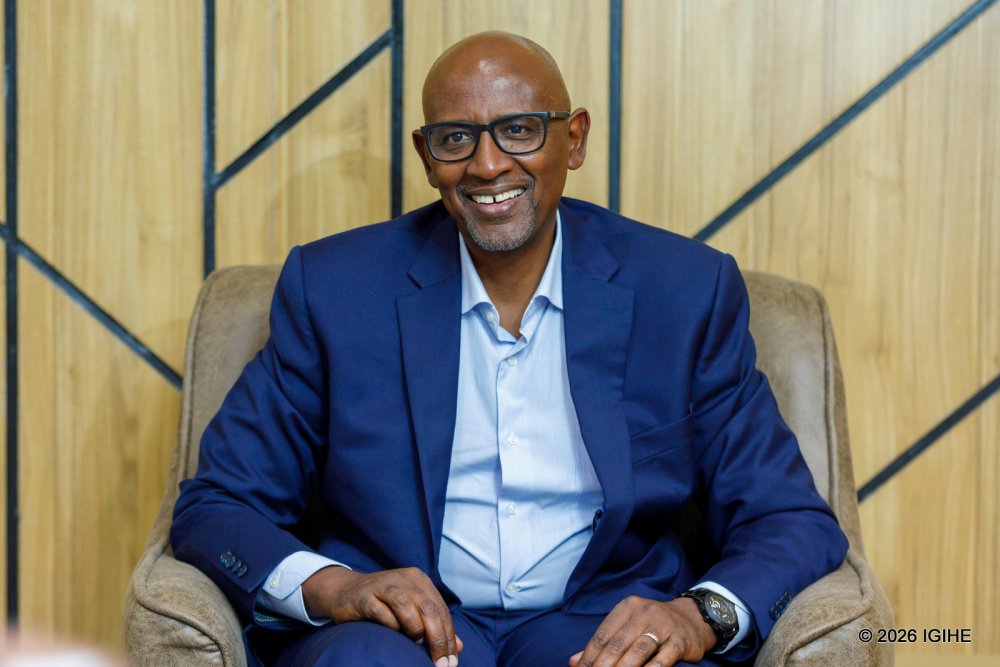
Speaking to IGIHE, Minister Nsengimana said the reforms being implemented are expected to deliver significant improvements over the next five years, particularly in foundational learning.
'Over the next five years, a child should complete Primary Three able to read, write, in Kinyarwanda and English, speak English well enough to have a conversation with someone and be understood, perform mathematics at the Primary Three level and understand science at that level,' he said.
The 2025 Learning Achievement in Rwandan Schools (LARS 2025) assessment found that 70.8% of Primary Three pupils reached the required level in reading a passage of connected words, with an average reading speed of 45 words per minute.
However, comprehension remains a major challenge. At national level, only 43.6% of Primary Three pupils were able to correctly answer at least six of the seven questions assessing their understanding of a passage they had read.
Nsengimana said improving reading, writing and comprehension in both English and Kinyarwanda would be a key measure of progress.
'More importantly, it is about reading and writing, and understanding what they have read in English and Kinyarwanda. If every child completing Primary Three reaches that level, then we will be in a good position,' he said.
He added that pupils completing primary school should have a strong foundation for secondary education, while those completing secondary school should be prepared to pursue higher education and eventually enter the workforce.
'The other thing is that a child completing primary school should have a solid foundation to enable them to pursue secondary education, and someone completing secondary school should be able to go to university, choose what they want to study, succeed in their studies, enter the workforce and perform well,' he said.
The minister said the same standards should apply to students who do not pursue university education but instead enter the workforce after completing Technical and Vocational Education and Training (TVET).
'Whether it is someone who studies TVET and goes directly into the workforce, they should graduate able to produce something of quality. The same applies to someone who studies general education and produces quality work, or someone who studies nursing or accounting and performs their duties with quality,' he said.
'For us to produce people with knowledge across all these areas, that is when we will say we have made progress in improving the quality of education. Within five years, I believe we should have achieved what we have discussed: the child completing Primary Three, the one completing primary school and moving to secondary school, and the one completing secondary school and moving to university.'
Primary teachers to receive higher qualifications
Among the reforms in the education sector is an increase in the duration of teacher-training programmes, with students in teacher education expected to study for five years and graduate with an Advanced Diploma (A1) qualification.
Nsengimana said the reform would gradually raise the quality of teaching as both newly trained teachers and those already in the profession attain higher qualifications.
'Although we will not have completed the process, teachers will start coming with A1 qualifications, while those already teaching will also have reached this level. The quality of education will therefore improve immediately,' he said.
He added that universities should also produce graduates with practical knowledge and skills that enable them to contribute meaningfully to the economy.
'Universities will produce people who are not the kind that people complain about, but people who come with demonstrable knowledge and are able to immediately start contributing to productivity.'
Universities to track graduates' employment
Nsengimana also said that from 2026, universities will be required to track their graduates and report on where they end up after completing their studies.
'Now all universities will conduct follow-up on the students they have trained to show, for example, after three, six or nine months, how many of those who graduated have found jobs and how many have created jobs for themselves,' he said.
The findings will then be submitted to the Higher Education Council (HEC) for publication, allowing parents, students and other stakeholders to compare how graduates from different universities are performing and the contribution they are making to national development.
The minister said the system would also encourage universities to work more closely with the private sector and ensure that the programmes they offer are aligned with the needs of the labour market.
More than 13,000 international students were studying at universities in Rwanda as of June 2026.
By the 2024/25 academic year, Rwanda had 39 higher learning institutions and universities, up from 37 the previous year.
Looking ahead to the next decade, the Ministry of Education expects university enrolment to increase, including a rise in the number of international students.
'There are now more than 13,000 foreign students studying in Rwanda's universities, but we want this number to increase so that Rwanda becomes a destination where people from everywhere want to come and study. That is at the university level, but the majority of students will still be Rwandans,' Nsengimana said.
Minister Nsengimana said that over the next five years, students should graduate with knowledge and skills appropriate to the level of education they have completed.
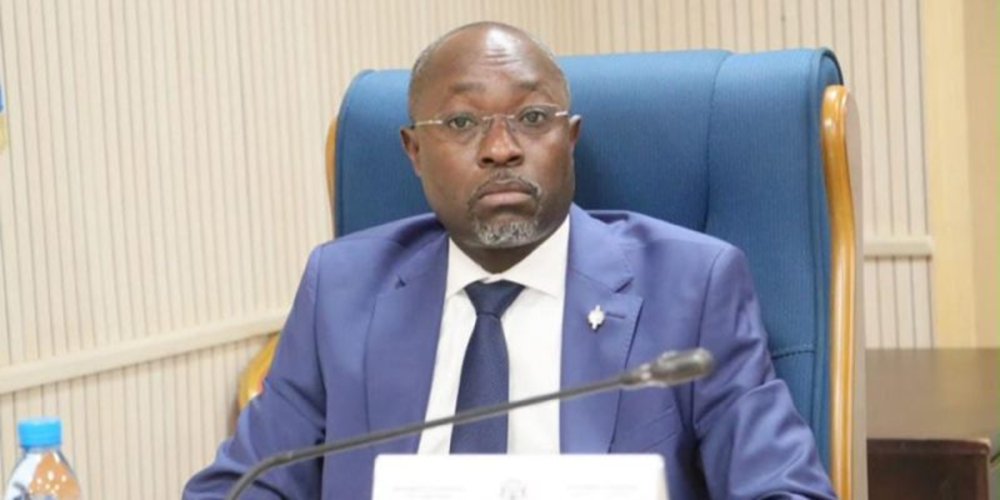
The Speaker of Gabon's Parliament, Michel Régis Onanga Ndiaye, said Yembi had been released by Rwandan judicial authorities and handed over to Gabon.
Yembi had been detained in Rwanda pending trial over allegations of assaulting a RwandAir employee at Kigali International Airport. Rwandan authorities allowed him to leave the country on September 6.
Gabon's Parliament said the development followed diplomatic efforts by both countries and reflected the relations between Gabonese President Brice Clotaire Oligui Nguema and Rwandan President Paul Kagame, according to media reports from Gabon.
How the incident unfolded
Videos circulated by Gabonese media appear to show the lawmaker slapping an airport employee. The circumstances that led to the confrontation had not initially been explained.
Yembi is reported to have arrived in Rwanda while in transit to another country. After landing at Kigali International Airport, he reportedly had several hours before his connecting flight and decided to leave the airport and stay at a hotel.
When the time for his flight approached, he returned to the airport like other passengers, went through the required checks and was issued a boarding pass.
Sources indicate that Yembi consumed alcoholic beverages while at the hotel and returned to the airport.
After receiving his boarding pass, he proceeded through the airport towards the final access point leading to the boarding area. At the last gate, he was asked to present his boarding pass and passport.
According to sources, Yembi refused to provide the documents and attempted to proceed without showing them. When airport staff insisted, he reportedly placed the documents on a desk and slapped an airport employee.
He was immediately arrested and detained. Rwandan authorities informed their Gabonese counterparts, after which diplomatic discussions began and eventually led to his release and return to Gabon.
Yembi's return to Gabon does not mean the matter has been concluded. He is expected to face proceedings in Gabon, who will review the circumstances surrounding the incident and determine what action should follow.
Gabon's Parliament said it was awaiting the official case file before deciding on any measures that could affect Yembi's position as a lawmaker, particularly matters related to the legal immunity enjoyed by members of Parliament.
Gabonese MP Augustin Lobelle Yembi reportedly assaulted a RwandAir employee who had asked him to present his passport and boarding pass.
The Organisation for Economic Co-operation and Development (OECD), which organises PISA, found that 22% of disadvantaged Rwandan students were among the top quarter of science performers in the country.
The OECD describes such students as academically resilient because they achieve relatively strong academic results despite coming from socio-economically disadvantaged backgrounds.
Rwanda's 22% is almost twice the OECD average of 11.9%, placing the country among only four participating education systems that recorded a proportion of at least 22%. The others were Cambodia, Kenya and Uzbekistan.
The finding from the 9th edition stands out in Rwanda's first participation in PISA, which assessed how 15-year-old students use their knowledge and skills to solve problems and respond to real-life situations.
It suggests that coming from a disadvantaged household does not necessarily prevent some Rwandan students from achieving strong results, even though the country's overall performance remained well below the OECD average.
The OECD also found a relatively small difference in science performance between Rwanda's most advantaged and disadvantaged students.
The gap was 30 points, compared with an OECD average of 85 points.
Socio-economic status accounted for only 3% of the variation in science performance among Rwandan students, compared with 12% across OECD countries.
The findings provide an indication that socio-economic background may have a weaker relationship with academic performance in Rwanda than it does in many other education systems.
However, the picture becomes more complicated when overall performance is considered.
Overall learning remains a challenge
Rwanda participated in PISA for the first time in 2025, with 6,622 students from 213 schools taking part, representing about 99,000 15-year-olds across the country.
Only 13% of Rwandan students reached at least Level 2 proficiency in science, compared with an OECD average of 74%.
In mathematics, 8% reached the minimum proficiency level, against 65% across OECD countries, while reading recorded the lowest result, with only 4% reaching Level 2 compared with 69% across OECD countries.
This means that while Rwanda has a notable group of academically resilient students, the broader education system still faces the challenge of raising basic proficiency across the student population.
PISA also revealed a gender gap in Rwanda, with boys outperforming girls in all three assessed areas.
In science, boys recorded an average score of 332 compared with 306 for girls. In mathematics, boys scored 325 against 302 for girls.
Reading showed a smaller difference, with boys scoring 304 compared with 298 for girls.
The reading result is notable because girls generally outperform boys in reading across OECD countries.
Technology use raises another question
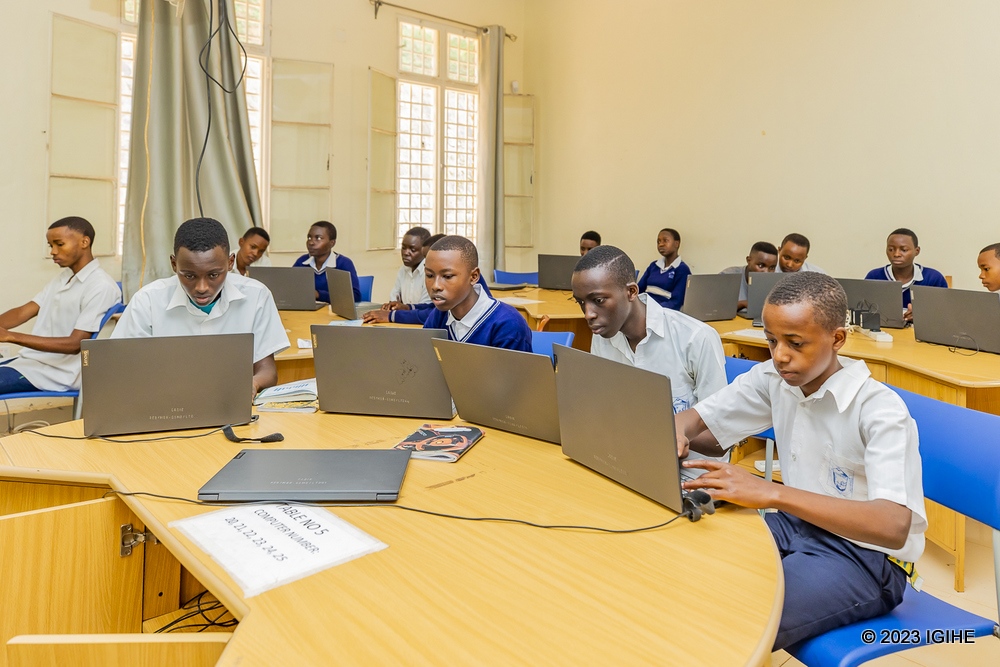
The assessment also highlighted Rwanda's relatively extensive use of digital devices in schools.
Students reported spending an average of 3.2 hours a day using digital devices at school for learning, compared with 1.7 hours across OECD countries.
They also reported spending 2.9 hours a day using digital devices for leisure at school, against an OECD average of 1.1 hours.
The figures do not establish that technology use caused or contributed to Rwanda's academic performance. They do, however, provide an important area for the education sector to examine as the country expands digital learning.
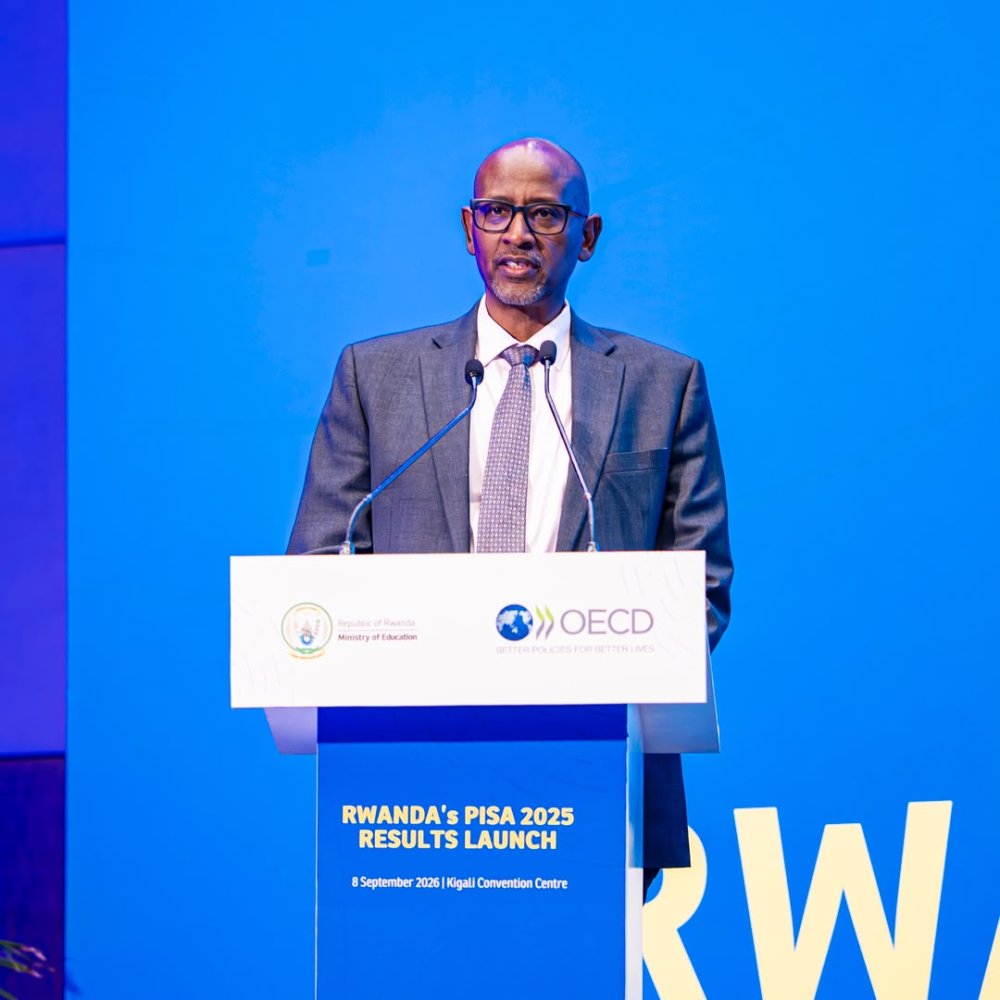
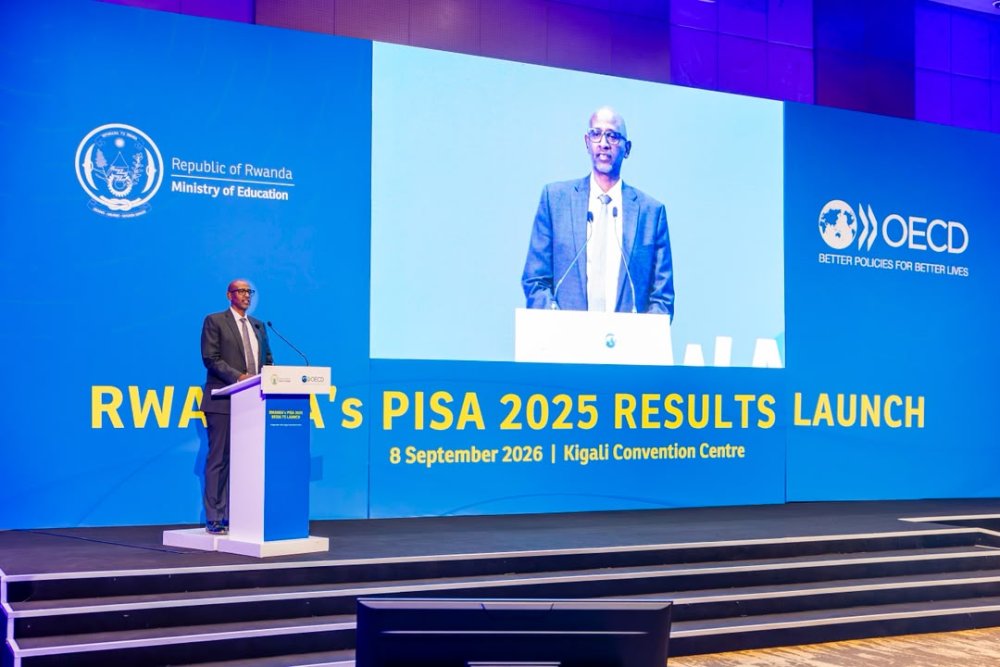
Speaking at a ceremony held in Kigali on September 8, 2026, to present the results of the assessment, Minister of Education Joseph Nsengimana said Rwanda had drawn important lessons from the exercise.
He said Rwanda's performance fell short of expectations, adding that the results would help identify gaps and guide improvements in education.
Minister Nsengimana further explained that Rwanda participated in the PISA 2025 assessment to strengthen its use of data and evidence in making decisions.
On September 17, Rwanda will host PISA Regional Dialogue, bringing together the five African countries that participated in PISA 2025 to jointly review the findings and identify areas that need improvement as well as lessons they can learn from one another.
The dialogue will also bring together countries from other continents that performed well and those that demonstrated reforms in PISA 2025, allowing African countries to learn from their experiences and gain insights into how they can strengthen their education systems.
Education Minister Joseph Nsengimana said Rwanda will use the PISA findings to identify gaps and guide improvements in the education sector.Rwandan students reported spending an average of 3.2 hours a day using digital devices for learning at school, compared with 1.7 hours across OECD countries.The findings of Rwanda's first participation in PISA 2025 were presented in Kigali on September 8, 2026.
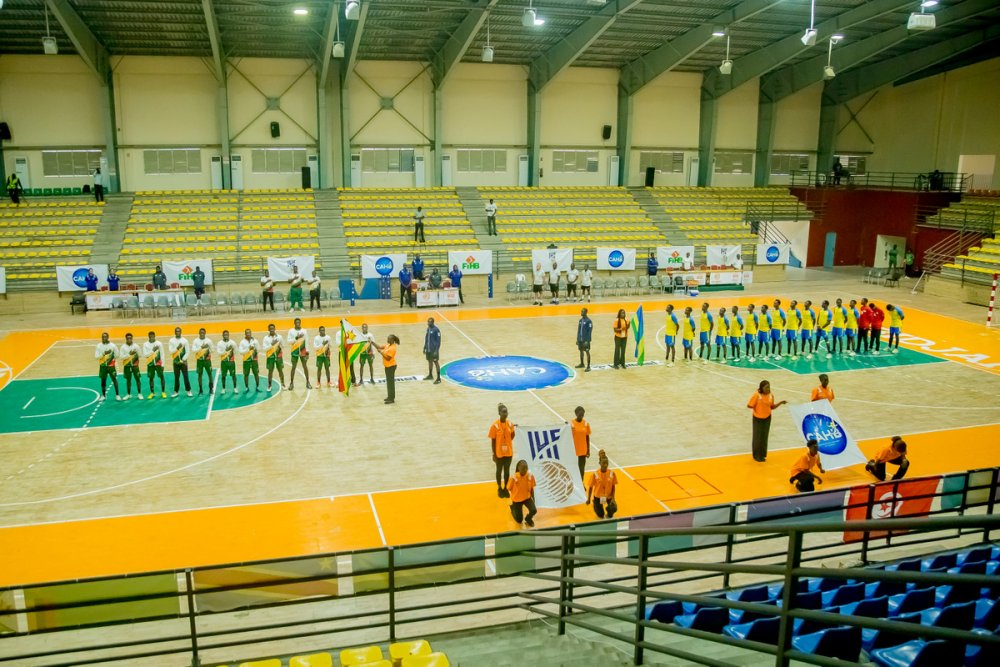
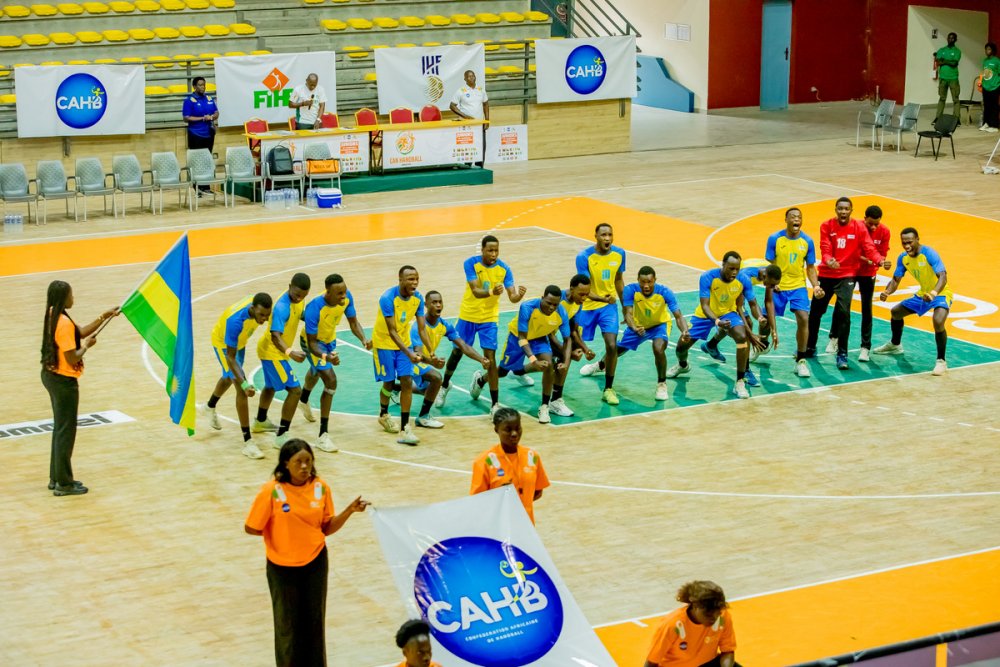
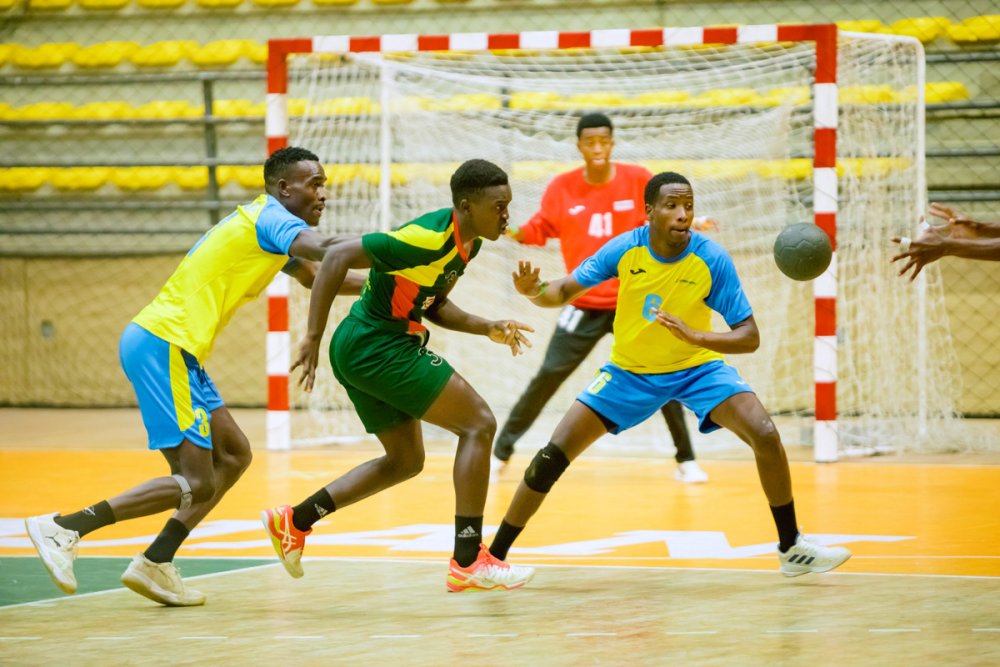
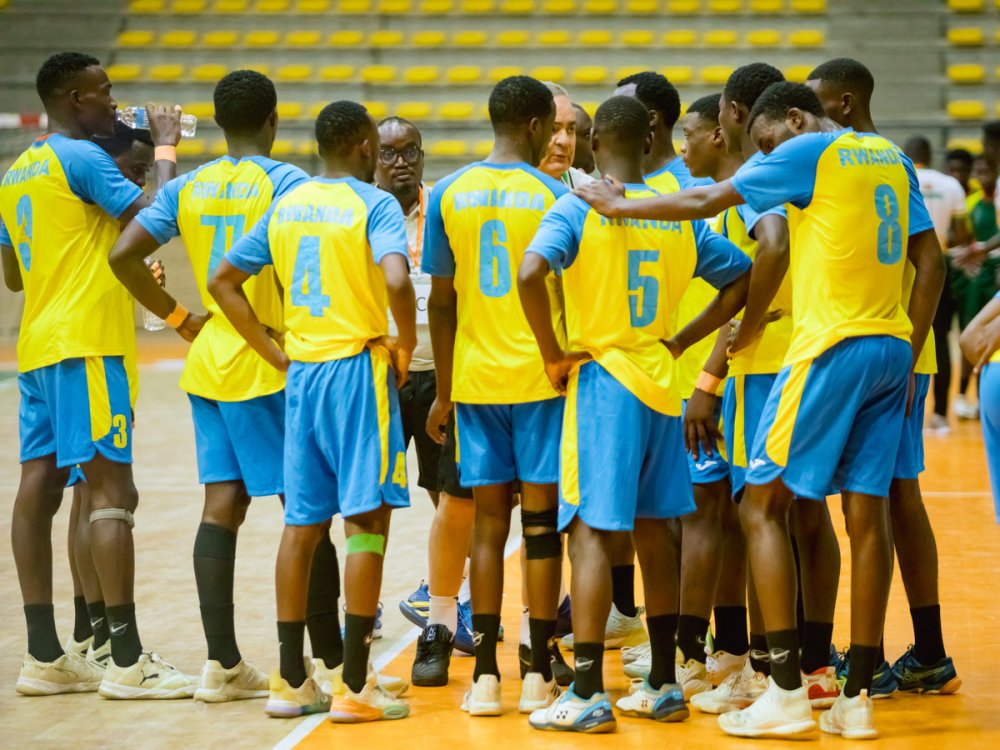
The victory at Salle Polyvalente in Abidjan secured Rwanda's place in the knockout stage after they finished second in Group A with four points.
Rwanda entered the match needing a win after losing 36-20 to Guinea in their opening game before bouncing back with a 30-25 victory over hosts Côte d'Ivoire.
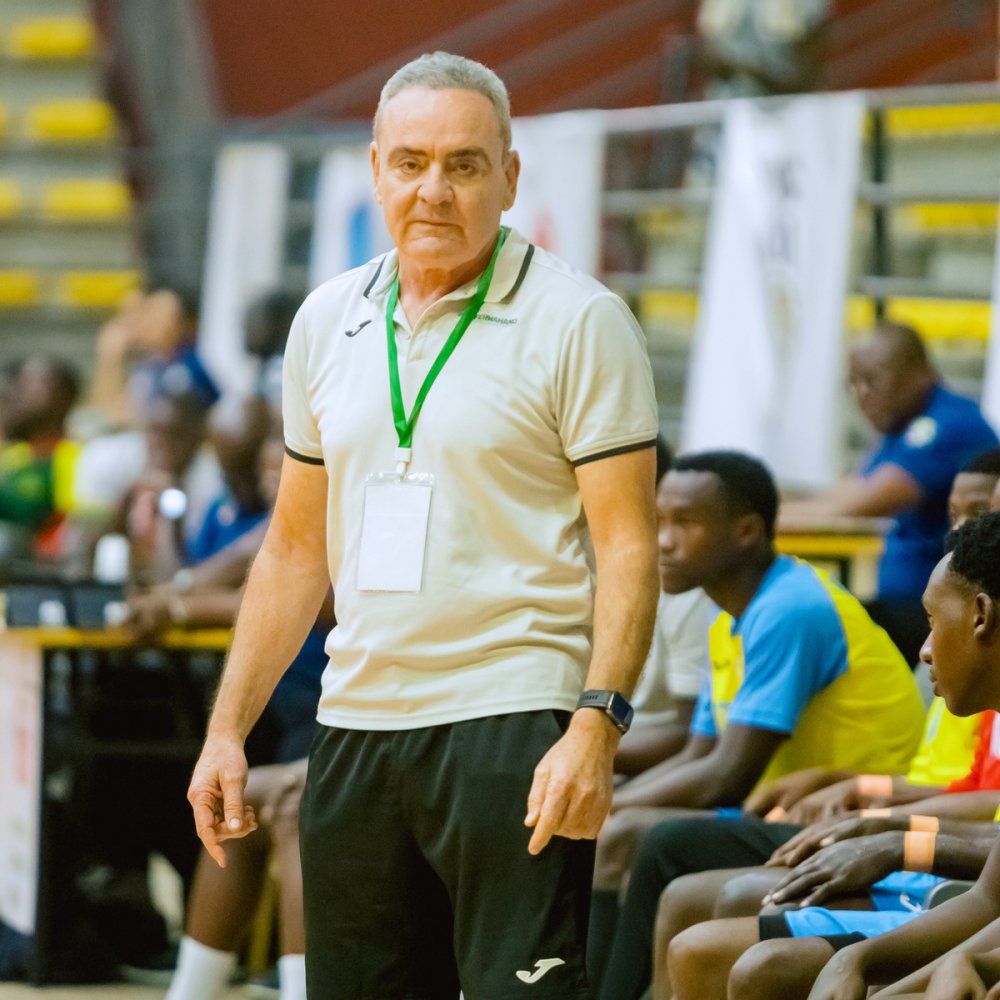
Coach Hafedh Zouabi's side dominated Zimbabwe from the outset, taking an 18-5 lead into half-time before completing a 32-16 victory.
Guinea topped Group A with six points after beating Côte d'Ivoire 32-14 in the other group match.
Rwanda will face Angola in the quarter-finals on Wednesday, September 9, with the match scheduled for 2 p.m. Kigali time.
It will be Rwanda's third appearance at the Africa U-20 Handball Championship.
Rwanda first competed in the tournament in 2022 when they hosted the championship in Kigali and finished eighth. They returned in 2024, finishing sixth in the edition held in Tunisia.
The victory at Salle Polyvalente in Abidjan secured Rwanda's place in the knockout stage after they finished second in Group A with four points.Rwanda entered the match needing a win after losing 36-20 to Guinea in their opening game before bouncing back with a 30-25 victory over hosts Côte d'Ivoire.Coach Hafedh Zouabi's side dominated Zimbabwe from the outset, taking an 18-5 lead into half-time before completing a 32-16 victory.