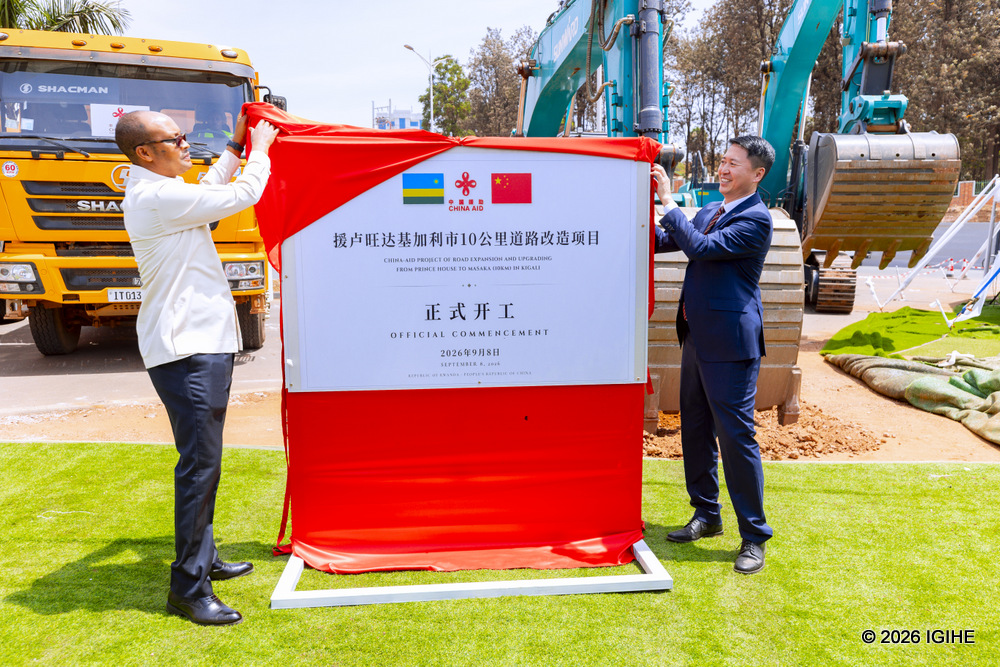
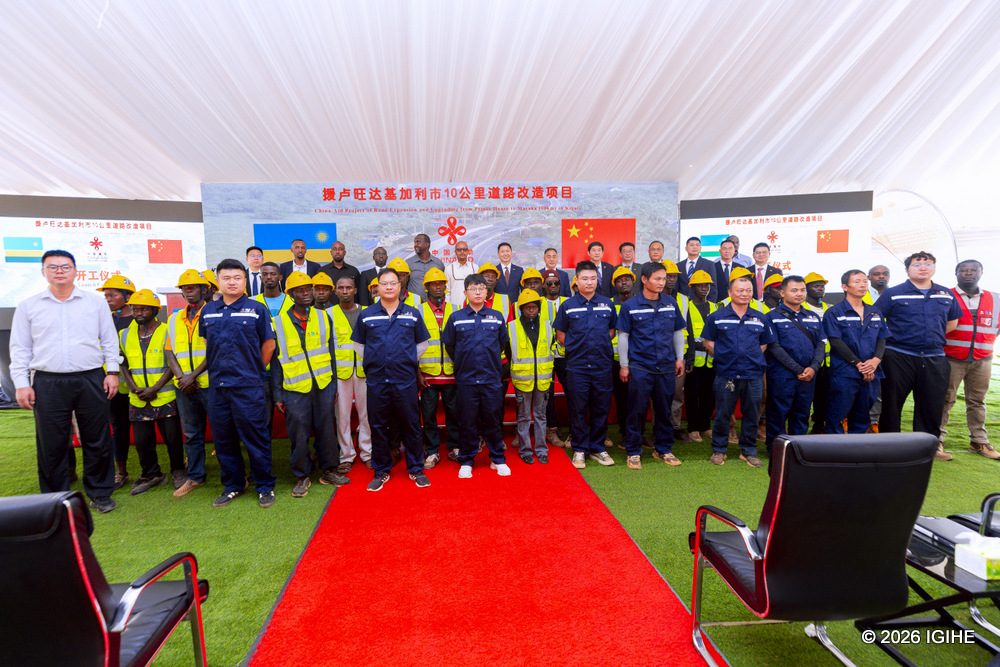
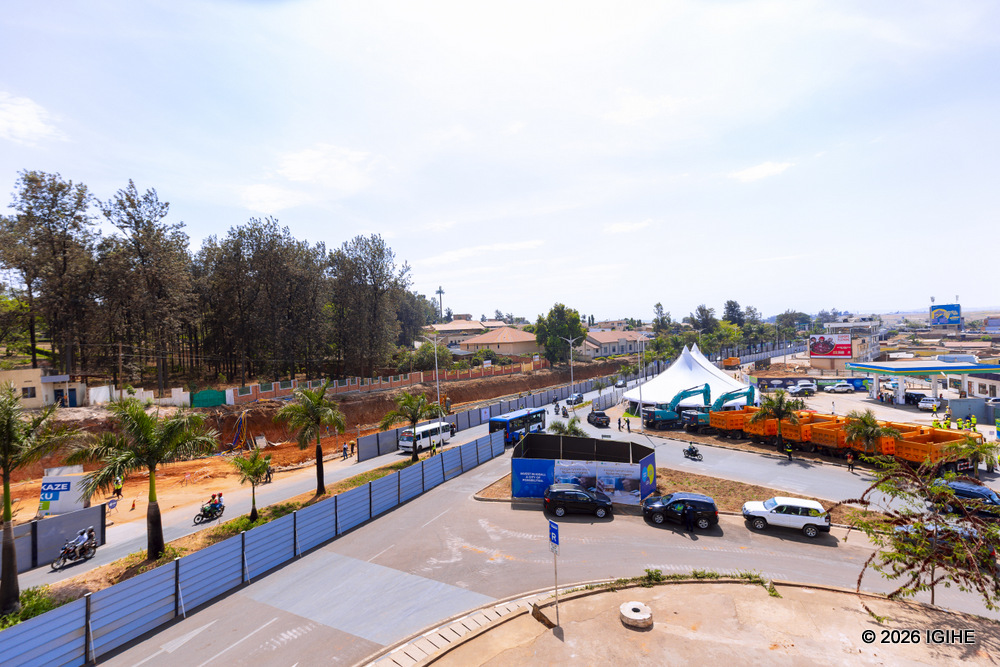
The groundbreaking ceremony was held on Tuesday, September 8, although physical construction activities had already started on August 30 as preparations for the project progressed.
The project is being implemented through a partnership between Rwanda and China, with China contributing about Rwf95 billion and Rwanda providing about Rwf35 billion towards the works.
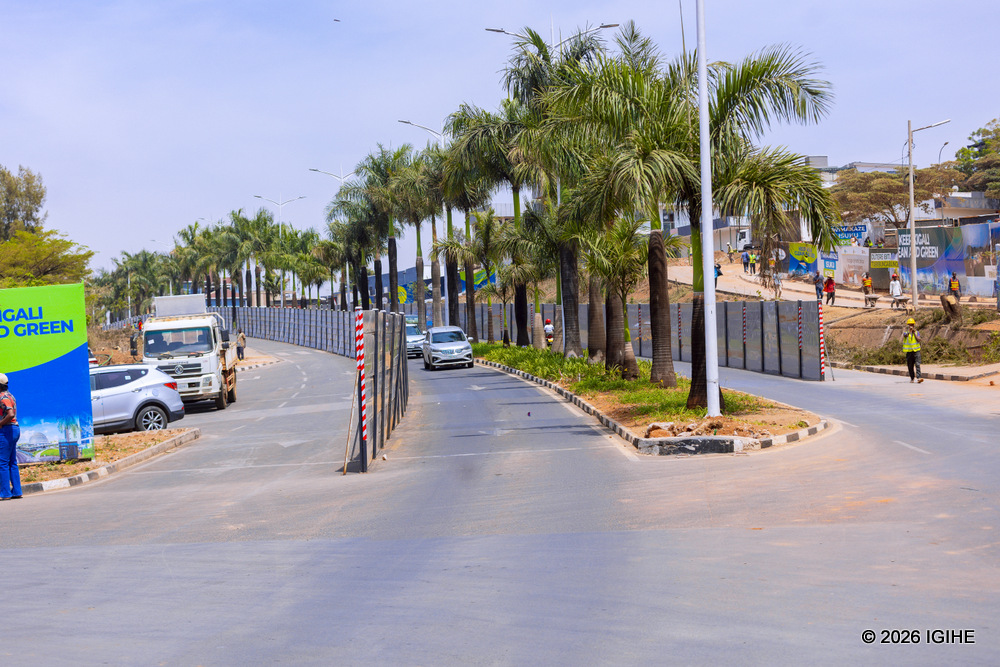
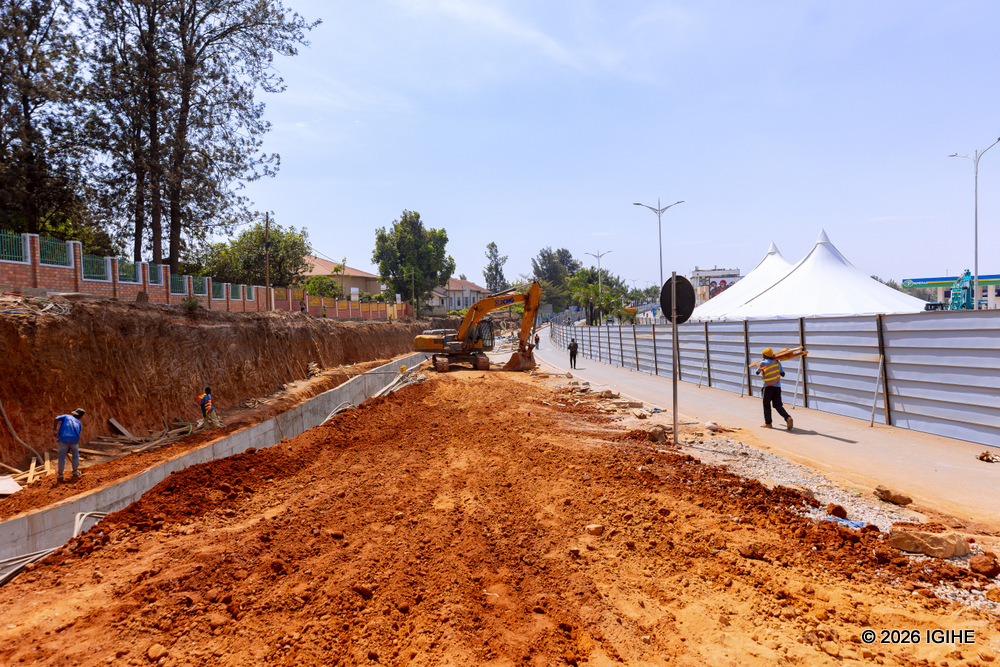
It is expected to take about 30 months to complete and will transform the existing corridor into a modern multi-lane urban transport route.
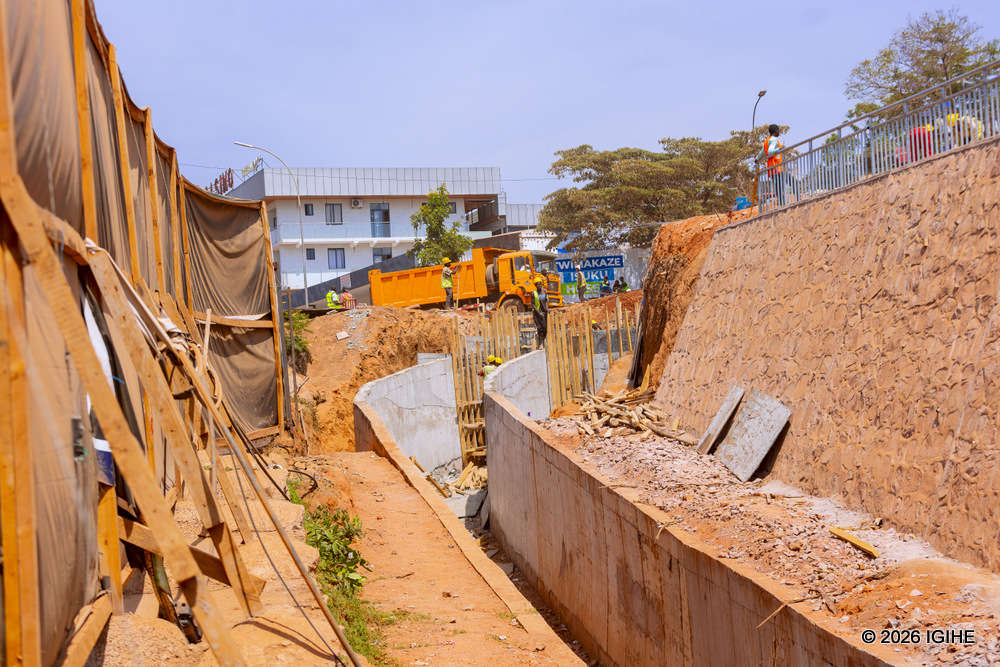
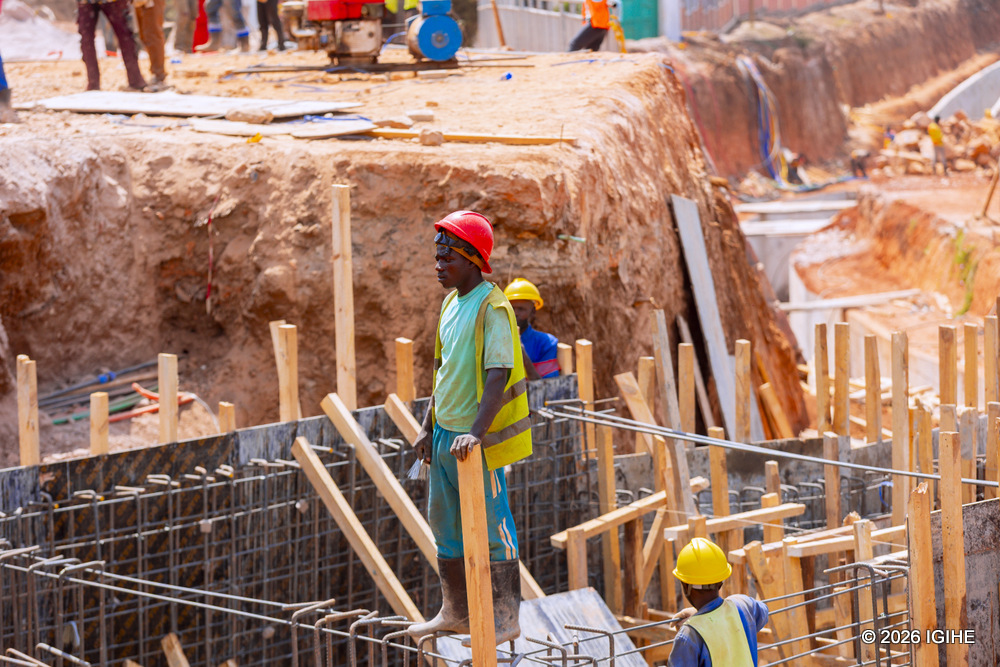
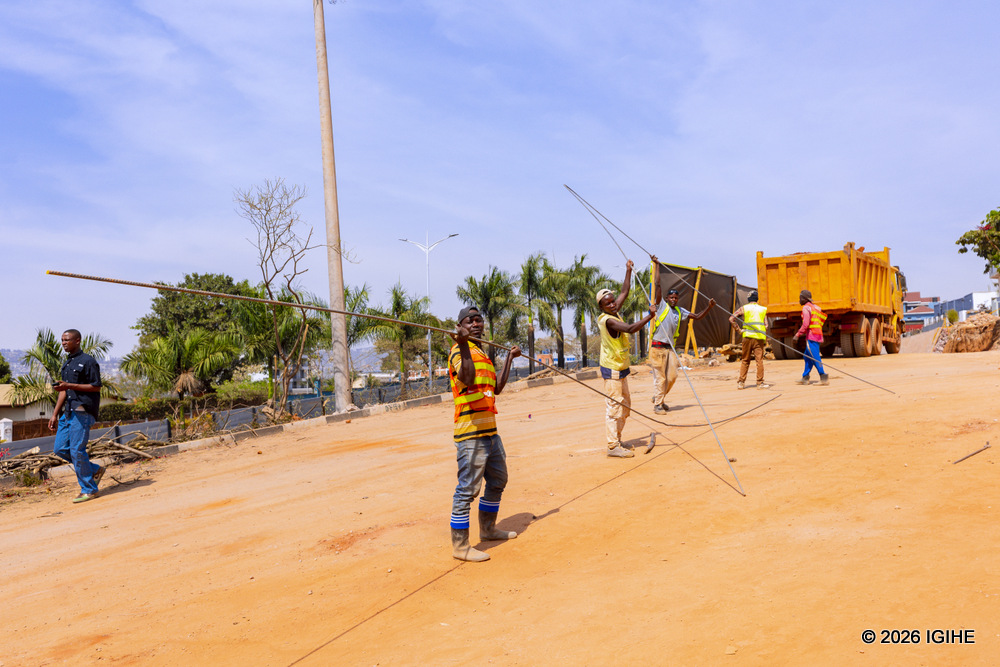
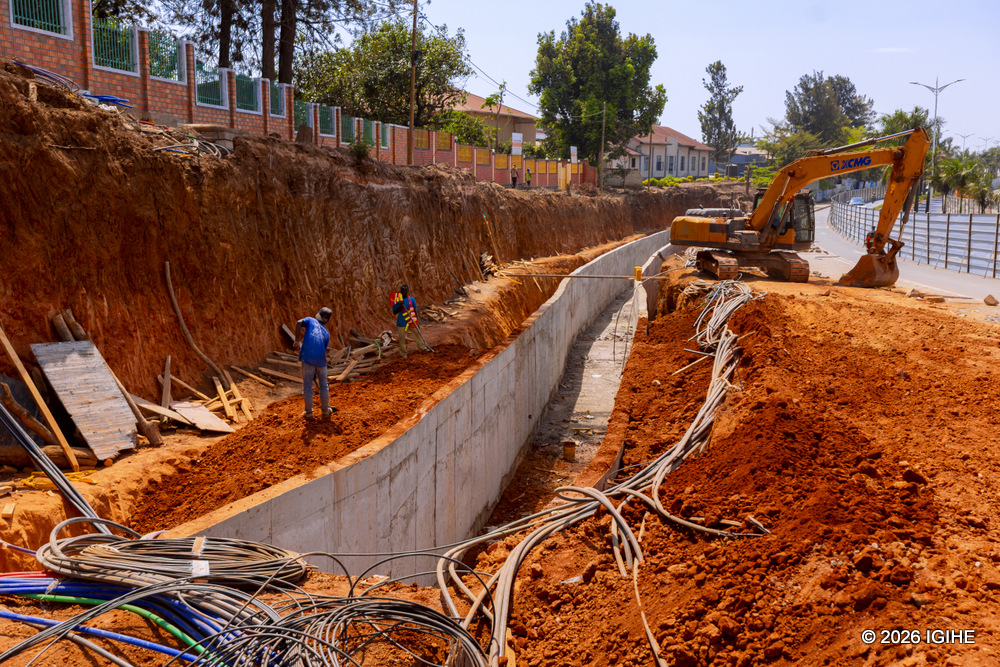
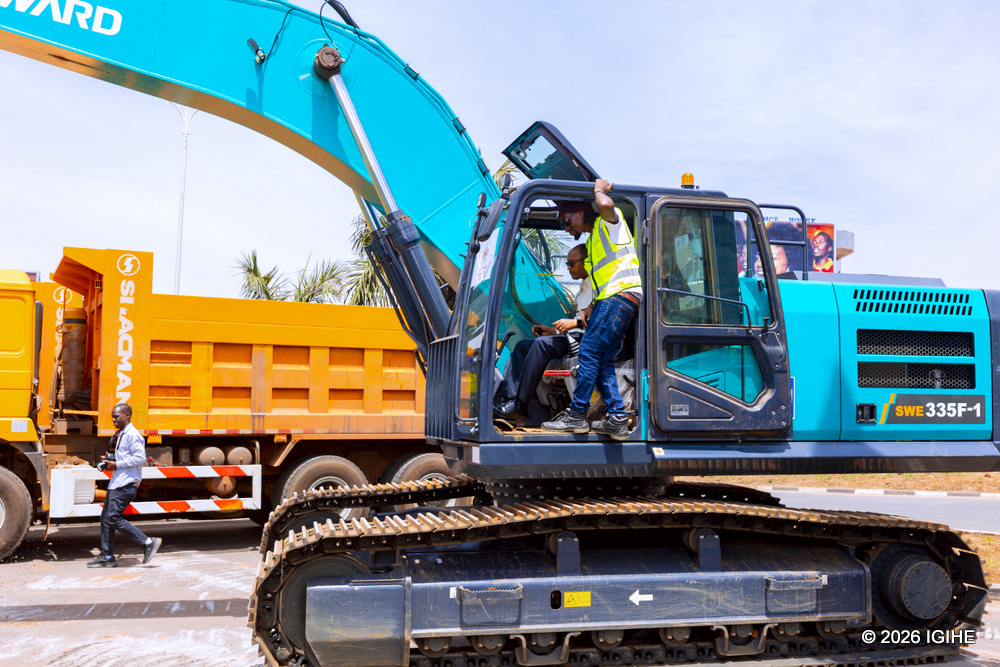
The works include a flyover, underpasses, interchanges, bridges, drainage systems and street lighting, alongside the expansion of the road into a fully upgraded dual four-lane carriageway, with some sections reaching up to eight lanes.
Speaking at the ceremony, Chinese Ambassador to Rwanda Gao Wenqi described the project as a major milestone in China-Rwanda cooperation, linking infrastructure development with economic growth and public welfare.
'The groundbreaking of this road carries great significance and far-reaching implications.It stands as a road of friendship embodying the shared aspiration of our two nations,' Amb. Gao said.
He noted that the project had been identified as a key bilateral initiative by Presidents Xi Jinping and Paul Kagame during Xi's 2018 state visit to Rwanda.
The road will connect central Kigali with the Kigali Special Economic Zone, the new Bugesera International Airport and the Eastern Industrial Zone, while linking to the wider eastward transport corridor towards regional seaports.
'Upon completion, the road will effectively cut logistics and transportation costs and continuously boost business prosperity along its route,' he said.
The ambassador also highlighted the road's expected role in improving access to the Masaka Medical Complex and surrounding communities, saying it would serve as an important link for medical services and urban mobility.
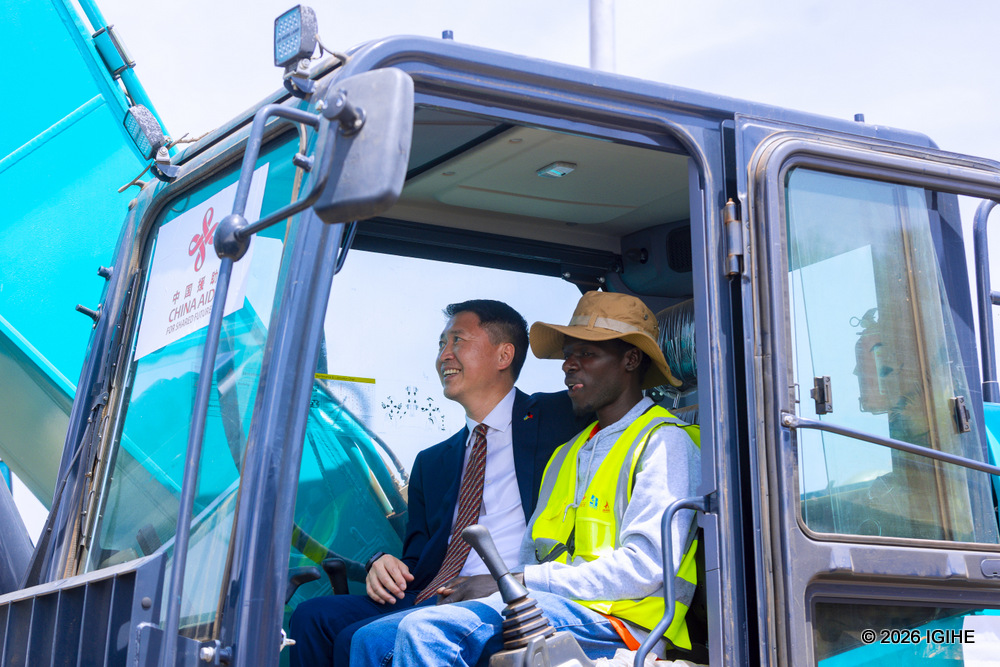
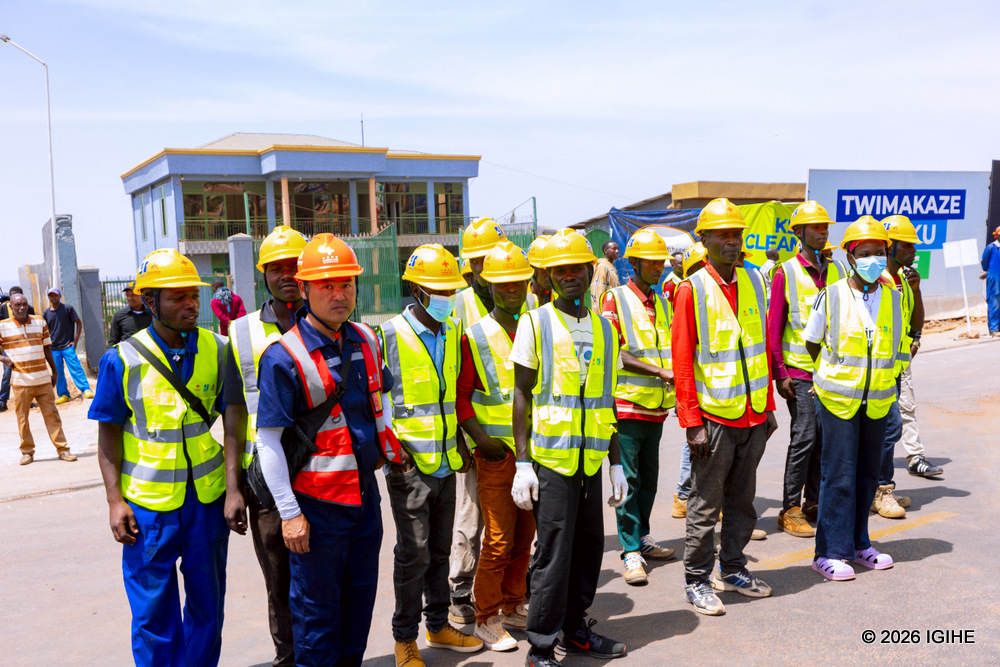
Amb. Gao also highlighted skills transfer through the 'Luban Classroom – Road and Bridge' programme, which is being conducted at the construction site to provide Rwandan engineers and young workers with practical training and technical knowledge.
Minister of State in the Ministry of Infrastructure, Col Claudien Bizimungu, said the project comes at a critical time as Kigali continues to expand and demand for efficient urban transport increases.
Col Bizimungu said the improvements are expected to reduce travel time, improve road safety and strengthen connectivity across the capital while providing better access to jobs, markets and essential services.
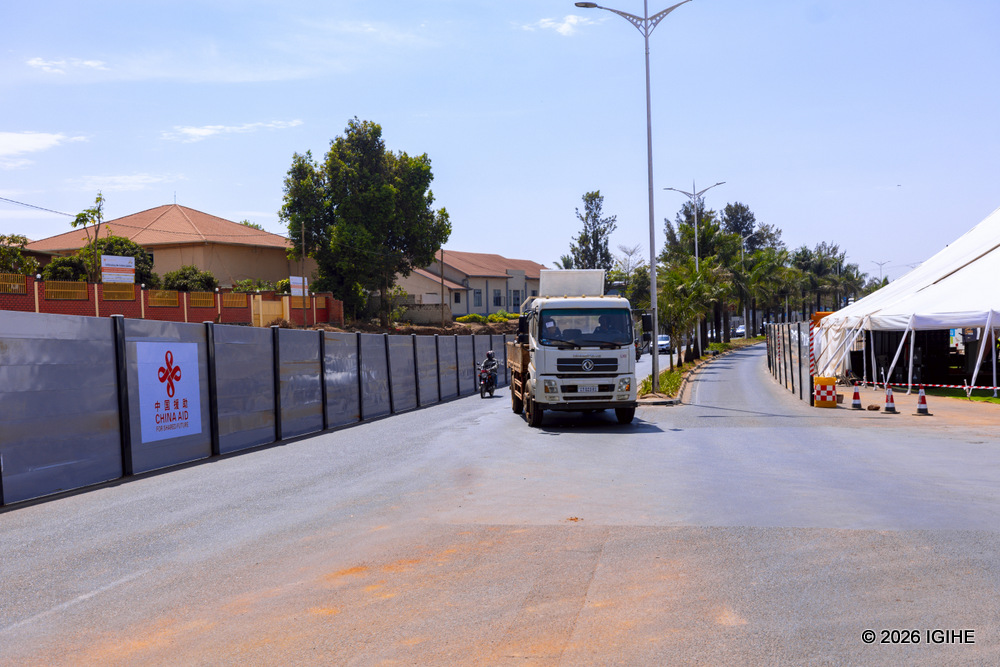
He acknowledged that construction would temporarily cause congestion and inconvenience to road users and urged the public to cooperate with traffic management measures and use designated alternative routes.
He also called on the contractor and relevant institutions to explore ways of completing the project before the scheduled 30-month contract period.
'The Government expects a high standard of quality, safety, accountability and value for money, while ensuring that the works are completed as quickly as possible,' Col Bizimungu said.
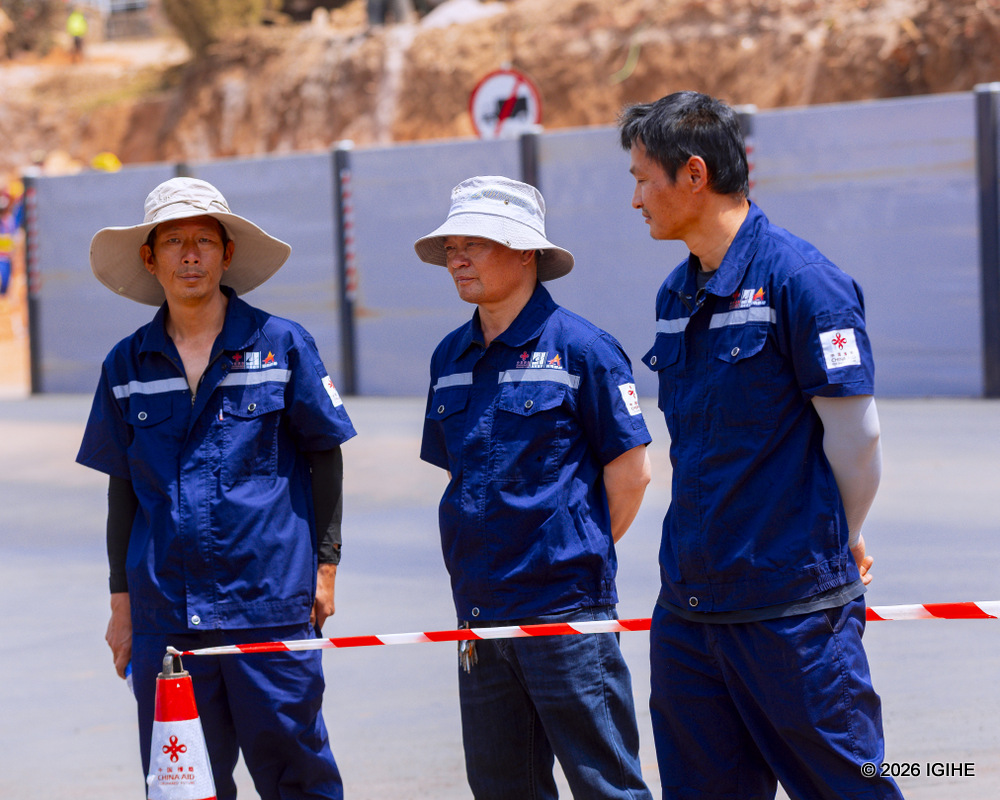
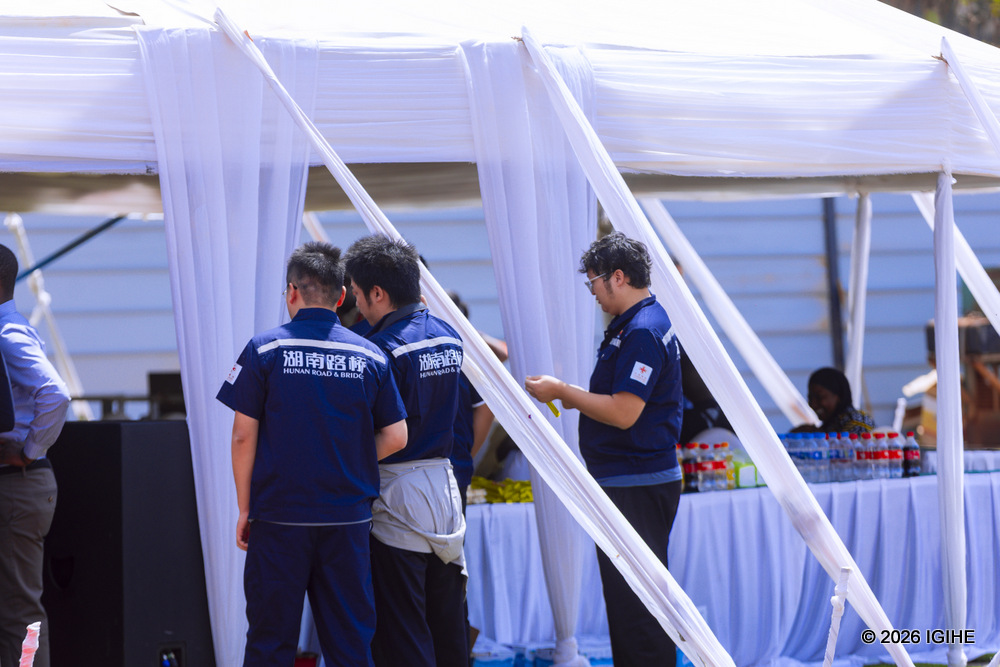
The project is being implemented in partnership with Hunan Road and Bridge Construction Group.
Authorities have identified alternative traffic routes around Giporoso, Sonatube, Kimironko, Zindiro, Ndera, Gasogi, Kabuga, Kicukiro and surrounding areas to help manage traffic during construction.
The facility, which cost 580 million Chinese yuan, equivalent to more than Rwf124 billion, will become the new home of the University Teaching Hospital of Kigali (CHUK), expected to relocate there by the end of 2026.
With 837 beds, 22 operating theatres and capacity for up to 2,000 outpatient visits a day, the hospital is the largest healthcare facility in Rwanda.
Both projects are part of the longstanding infrastructure and development cooperation between Rwanda and China.
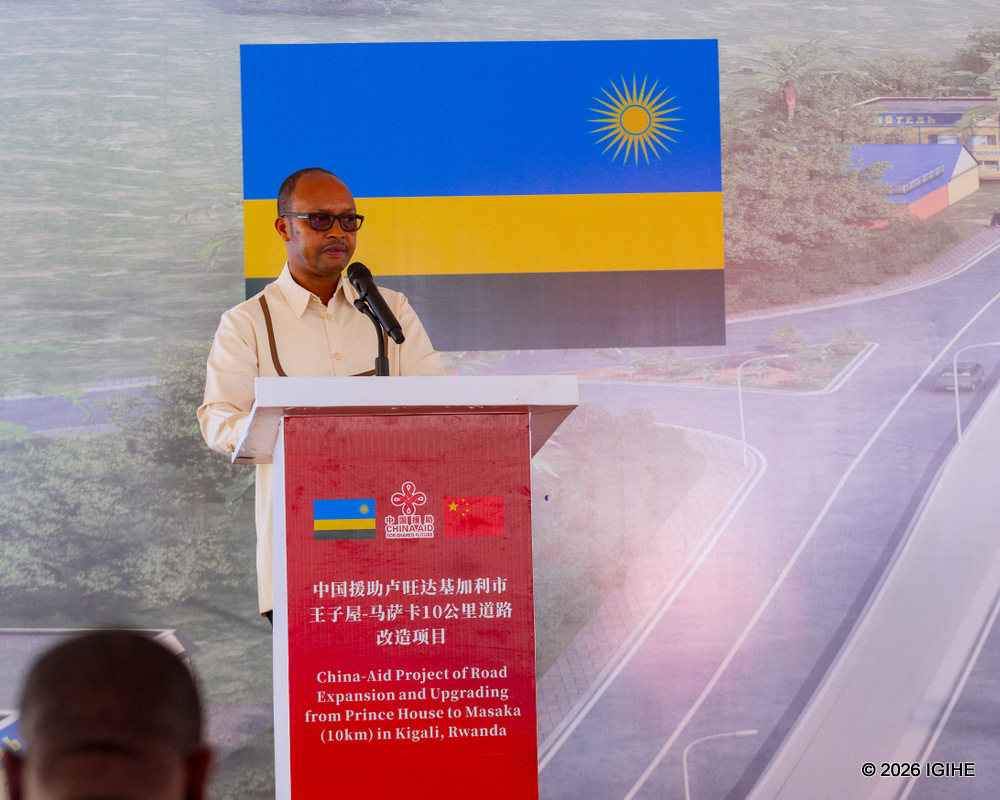
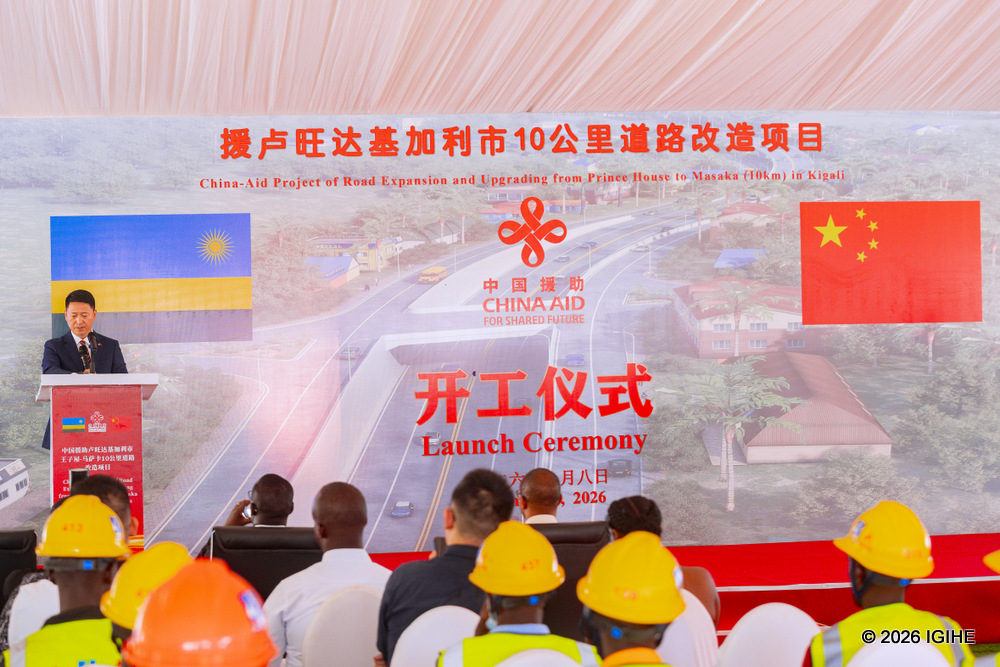
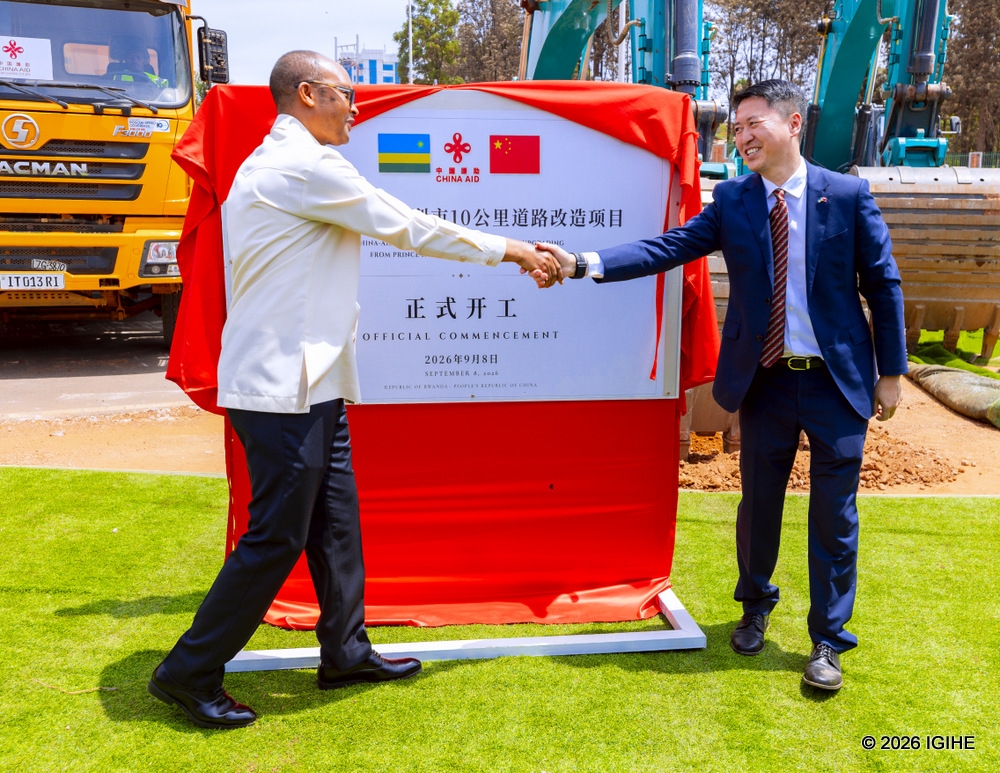
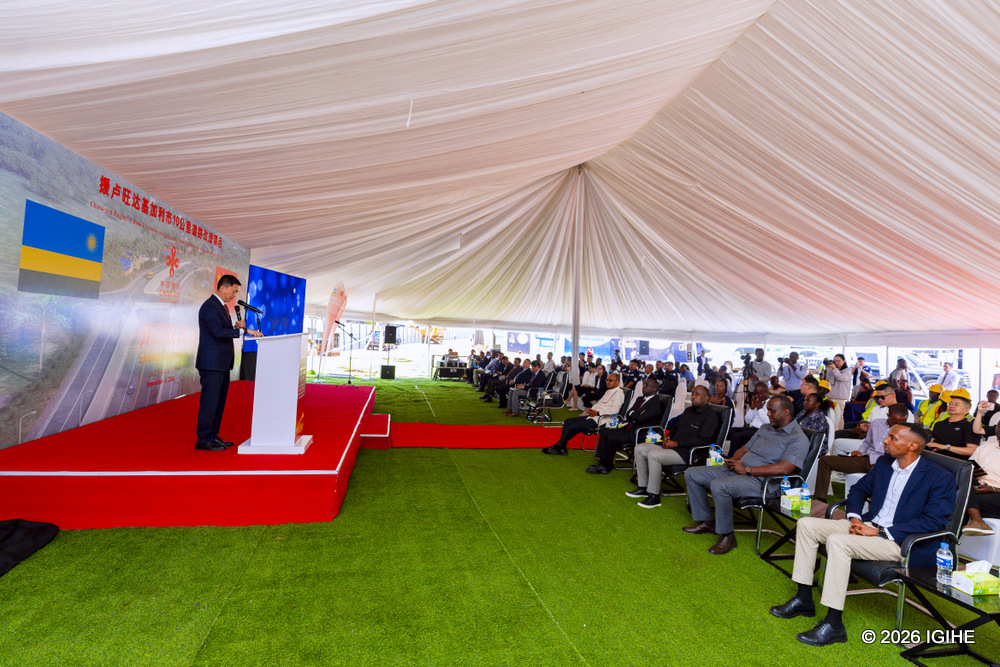
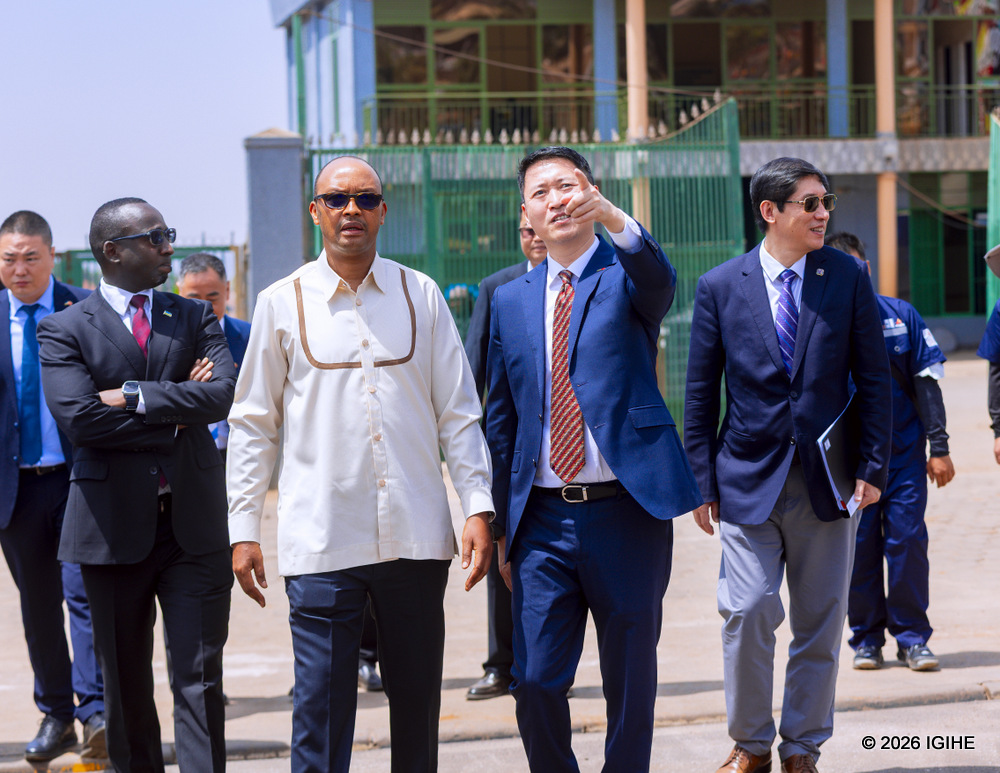
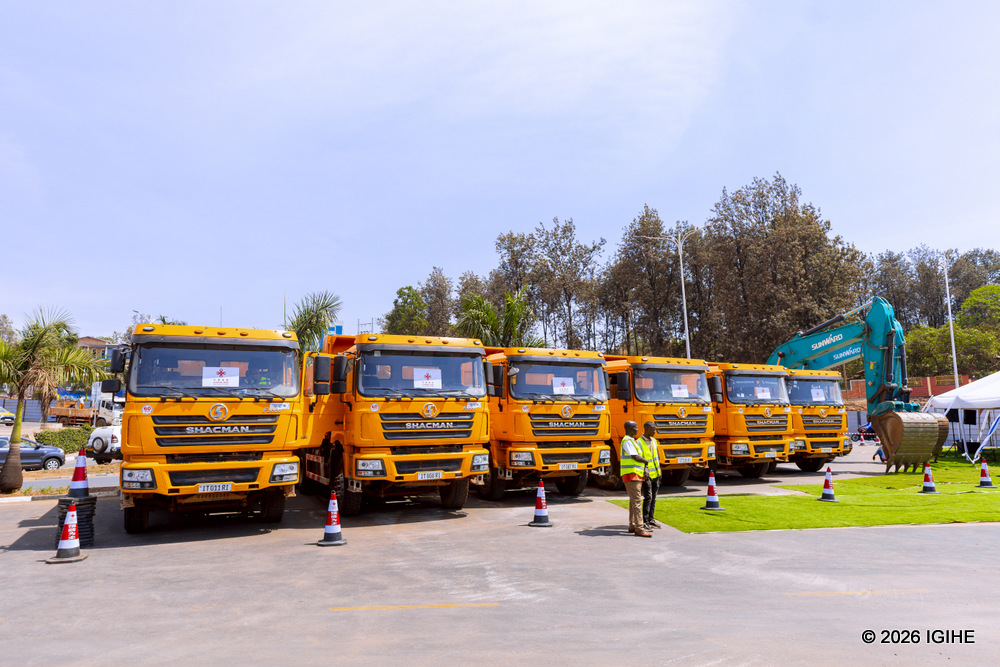
Chinese Ambassador to Rwanda Gao Wenqi and Minister of State in the Ministry of Infrastructure Col Claudien Bizimungu unveil the plaque marking the official groundbreaking of the Prince House-Giporoso-Masaka road project.Minister of State in the Ministry of Infrastructure Col Claudien Bizimungu addresses guests during the groundbreaking ceremony in Kigali.Chinese Ambassador to Rwanda Gao Wenqi speaks during the official groundbreaking ceremony for the Prince House-Giporoso-Masaka road project on September 8, 2026.The groundbreaking marks another major infrastructure project under the longstanding cooperation between Rwanda and China.Officials from Rwanda and China attend the ceremony marking the official groundbreaking of the 10.3-kilometre Prince House-Masaka road project.Engineers from Hunan Road and Bridge Construction Group will work alongside their Rwandan counterparts to implement the project and share technical expertise.Chinese Ambassador Gao Wenqi and Minister of State Col Claudien Bizimungu joined other officials at the official groundbreaking ceremony of the road project.The Prince House-Giporoso-Masaka road project is set to introduce major upgrades to Kigali's transport infrastructure.The upgraded road will connect central Kigali with the Kigali Special Economic Zone and other major economic areas.The Prince House-Giporoso-Masaka corridor is being upgraded to strengthen the movement of people and goods in Kigali.The upgraded corridor is expected to improve access to jobs, markets and essential services for communities along the route.The project will add bridges, drainage systems and street lighting along the 10.3-kilometre corridor.The 10.3-kilometre corridor will be expanded into a modern multi-lane carriageway as part of the project.Rwandan engineers and young workers are expected to gain practical experience through skills-transfer programmes linked to the road project.
At 22, Bradford was already working on youth enterprise and social impact, but being named one of the Queen's Young Leaders in 2016 felt far removed from the life of an ordinary young person.
'I thought it was some kind of joke. I was like, 'No, this can't be for real,'' Bradford recalled in an exclusive interview with IGIHE.
It was real. And the experience would become one of the defining moments of his life.
Today, Bradford is the co-founder and CEO of Green Horizon Ventures, a Kigali-based social enterprise working across environmental protection, youth development and consultancy. His work includes supporting young creatives through schools and youth centres, working with farmers and foresters on environmental sustainability, and providing technical support to development programmes.
His path to Rwanda, however, is closely intertwined with the experience that began at Buckingham Palace a decade ago.
From disbelief to the Palace
The Queen's Young Leaders programme was established to recognise young people across the Commonwealth who were making a difference in their communities.
Bradford was among those selected in 2016, an honour he credits with opening his eyes to the scale of what young people were accomplishing around the world.
The programme brought together young leaders from across the Commonwealth, exposing Bradford to people who were tackling social problems with passion, ideas and, in many cases, very limited resources.
For him, that was as important as the award itself.
'I think we all talk about the word leadership and the word leaders all the time, but this was probably the first time really when I was 22 when I found out about the award that I actually noticed that there were so many young people who were using their passion, their ideas, their skills, some of them with very little resources to tackle issues and raise awareness and create change.'
The experience changed how he viewed leadership.
It showed him that leadership was not necessarily about age, position or resources. It could begin with an individual who simply decided to act.
In his early 20s, Bradford was recognised as one of the Queen's Young Leaders in 2016 for his work in youth enterprise and social impact.
Meeting a Queen who made people laugh
Meeting Queen Elizabeth came with all the expected royal protocol.
There were formalities, the appropriate greetings and the recognition of her status.
But Bradford's strongest memory was not the ceremony. It was the person behind it.
'She's incredibly friendly, very approachable and very chatty,' he remembers.
The Queen, he recalls, made an effort to speak to people and put them at ease.
One of the things that surprised him most was her sense of humour.
'She has such an amazing sense of humour. She's so funny, and she really tried to make everybody smile.'
For Bradford, that was more than a charming personal quality. It was a lesson in leadership.
He remembers leaving the encounter with the feeling that the young leaders had been taken seriously by someone who occupied one of the highest-profile positions in the world.
He also met Prince Harry during the occasion, describing him as equally 'cheeky and funny'.
But it was the Queen's message to the young leaders that remained with him.
She reminded them that the future would be shaped by their decisions and actions.
For Bradford, that was a powerful vote of confidence.
'It was an important message for someone in her position to say that she trusted us, from the highest level, to make the world a better place than it is today,' he says.
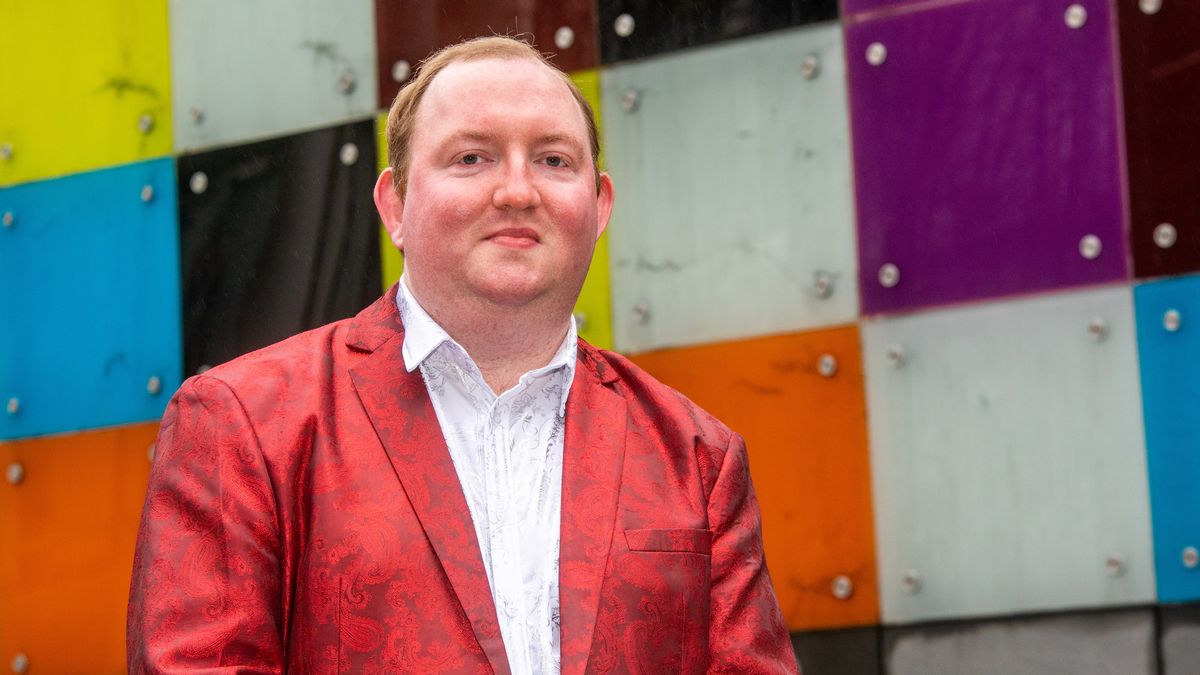
Bradford is the co-founder and CEO of Green Horizon Ventures, a Kigali-based social enterprise working across environmental protection, youth development and consultancy.
A responsibility, not just an award
The recognition did not simply give Bradford confidence. It gave him a sense of responsibility.
He came to see the award less as a personal achievement and more as an obligation to help other young people believe that they, too, could create change.
'For anybody who's had such an award from the Royal Family, you see it as a responsibility to raise the standards for the next generation of youth,' he adds.
That mindset became central to his subsequent work.
Rather than keeping the recognition as a personal milestone, Bradford sought to use the networks and lessons from the programme to support other young people.
He also became one of the founding advisers of the Queen's Commonwealth Trust, an initiative created to support young people leading projects across Commonwealth countries.
When he joined, the organisation was still an idea on paper.
His role involved helping shape how it could identify young people doing important work on the ground and understand what they actually needed to move their projects forward.
'It's easy, I think, to sit and make a decision from Buckingham Palace where you have that privilege,' he observes. 'But what's happening on the ground?'
The objective was to ensure that young people in Africa, Asia, the Caribbean and other parts of the Commonwealth were not simply being spoken about, but were being listened to.
Bradford takes particular pride in seeing the initiative grow from an idea into a programme that eventually supported hundreds and thousands of young people.
The Queen and the road to Africa
Bradford believes the experience at the Palace helped influence his decision to look more seriously towards Africa.
That eventually brought him to Rwanda.
His decision to remain in Rwanda after the Commonwealth Heads of Government Meeting (CHOGM) in 2022, he explains, was driven largely by what he saw in the country's leadership and development story.
'I think one of the most inspiring stories of development has come from Rwanda.'
For a social entrepreneur interested in environmental protection and youth development, he found a country where ambition and experimentation resonated with his own philosophy.
Bradford was particularly drawn to the idea of challenging assumptions about what is possible.
'A lot of it is what's possible when you say, let's break the rules as they used to be, let's dream beyond what others have said is possible and try and do something bigger and better.'
That philosophy, he believes, is visible across sectors in Rwanda, from infrastructure and governance to environmental initiatives.
His decision to stay, he adds, was not simply about a business opportunity, but about finding a place where he felt ideas could be turned into action.
Today, through Green Horizon Ventures, he works with young people and communities on environmental and youth-development initiatives, while also consulting on projects led by others working towards social impact.
His youth programmes have engaged and trained thousands of young people, while environmental projects are reaching hundreds of people and are still expanding.
Turning personal challenges into advocacy
Bradford's leadership journey has also been shaped by experiences far removed from royal ceremonies and international programmes.
As a teenager, he was diagnosed with autism, an experience that has influenced how he thinks about difference, leadership and inclusion.
He describes autism as something that can present challenges but also bring different ways of thinking.
For him, that different way of processing information has become useful in business, particularly when analysing problems and developing solutions.
But Bradford is equally interested in changing how society views neurodiversity.
He believes families and communities should recognise the abilities of people on the autism spectrum rather than defining them primarily through their challenges.
His own experience has made him more willing to speak publicly about autism, which he sees as a way of challenging stigma and encouraging greater understanding.
That same instinct to turn personal experience into public advocacy has appeared elsewhere in his life.
Bradford's work includes supporting young creatives through schools and youth centres, working with farmers and foresters on environmental sustainability, and providing technical support to development programmes.
From family crisis to gambling reform
Another defining chapter began with a deeply personal family crisis.
When Bradford was in his early 20s, his father was imprisoned after stealing money connected to a gambling addiction.
The family had not fully understood what was happening until the consequences became impossible to ignore.
As the eldest son, Bradford found himself having to help support his family, deal with the financial consequences and make sense of how an addiction could push someone into such a difficult situation.
The experience led him into advocacy around gambling regulation in the United Kingdom.
He began campaigning for stronger safeguards and greater support for people vulnerable to gambling addiction, particularly young people.
His efforts contributed to changes in policy and regulation, as well as greater attention to support for people experiencing gambling-related harm.
It is a chapter of his life that now intersects with his work in Africa.
Bradford has advised and engaged with gambling-related issues in several African countries, including Rwanda, Kenya, South Africa and Nigeria.
In Rwanda, he welcomes the development of a more structured regulatory environment and hopes the gambling industry will become more conscious of the potential risks to vulnerable people.
The leadership lesson that stayed with him
For Bradford, the lasting lesson from Queen Elizabeth was that leadership can begin at a young age. He continues to encourage young people to focus on practical solutions, build sustainable ventures and remain resilient through setbacks, rather than waiting for others to solve their problems.
'She was a beacon, like a role model for all of the millions of youth in the Commonwealth and the whole world, to say that you can be a leader from a very young age and it's a good thing to do.'
That philosophy also informs the legacy Bradford hopes to leave through his own work. He wants his projects and ideas to give people another way of thinking and show that challenges can be approached differently. For him, even influencing one person to see a new possibility and improve their life would be a meaningful contribution.
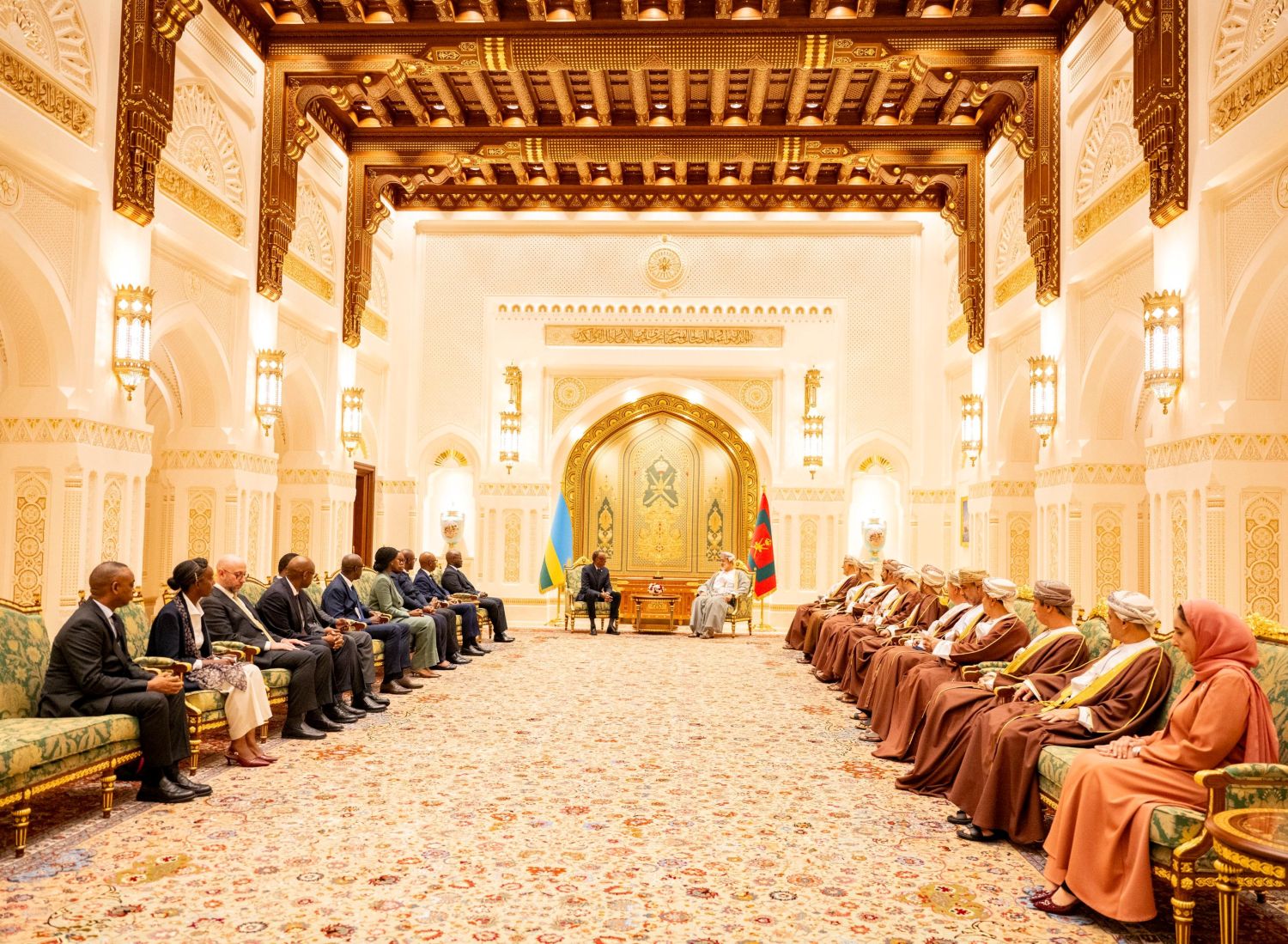
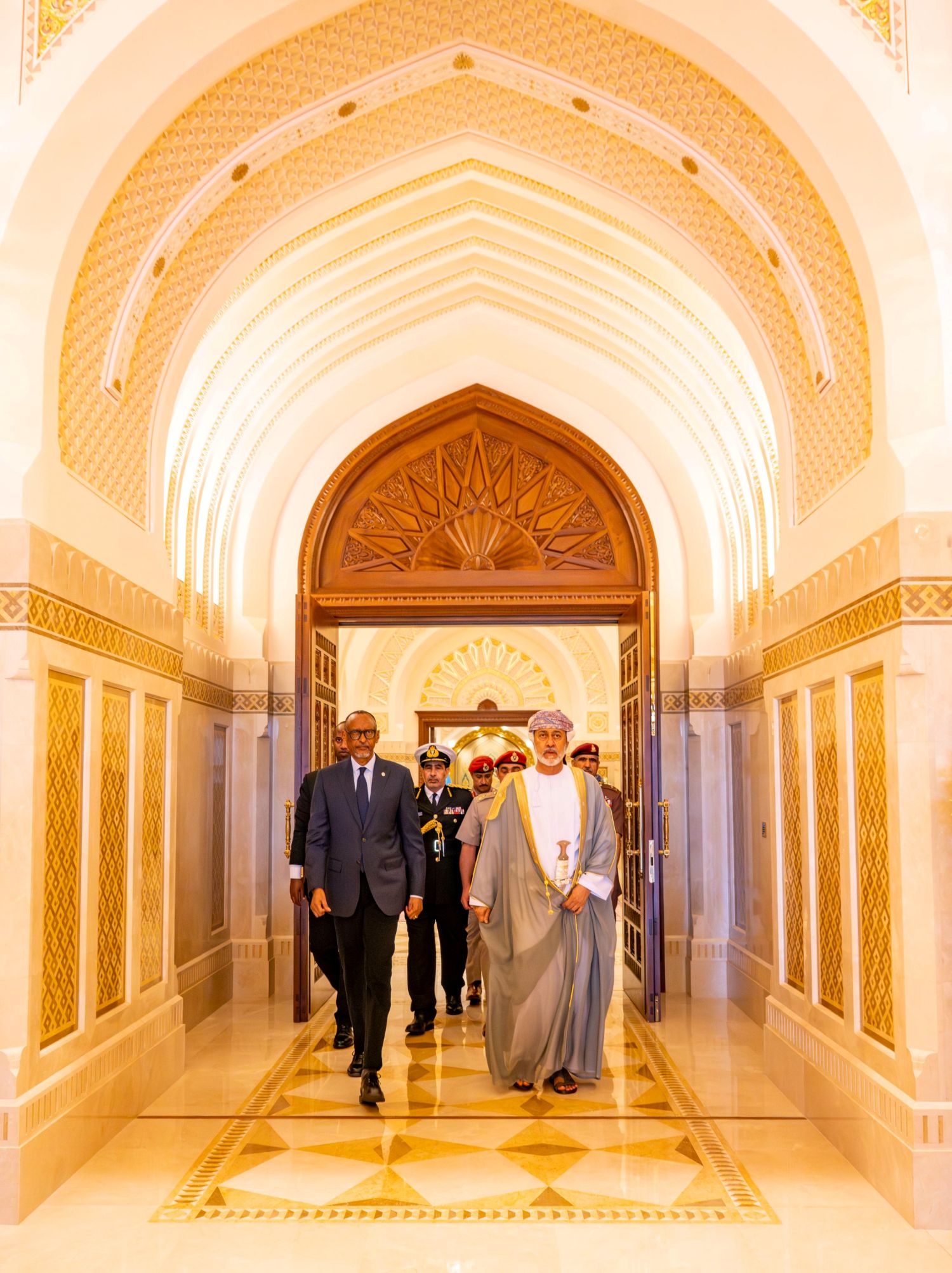
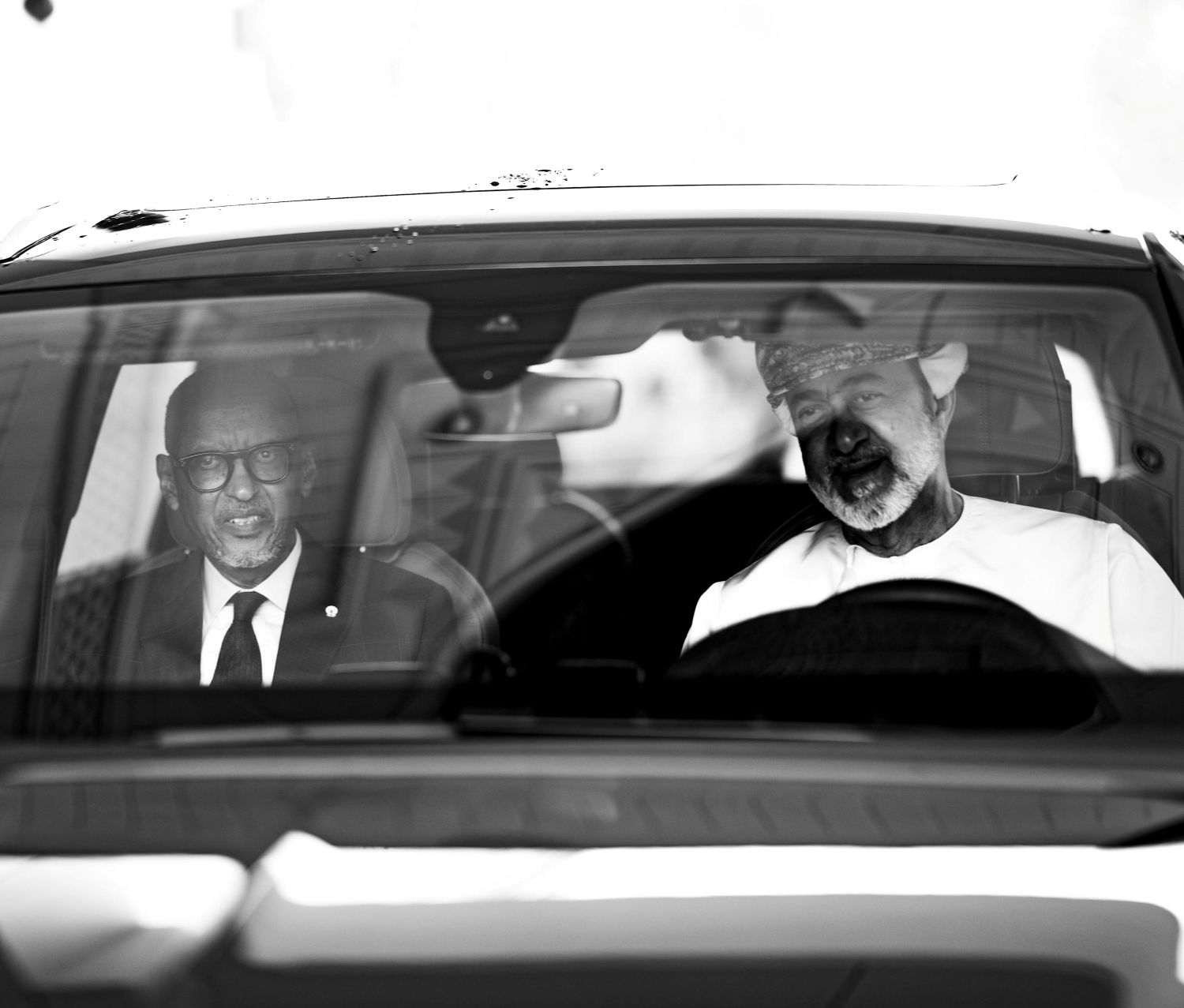
The decision was among the key outcomes of Kagame's two-day official visit to Oman, held from September 7 to 8, 2026, at the invitation of Sultan Haitham bin Tarik.
Currently, Oman's ambassador to Rwanda, Nasra bint Salim bin Mohammed Al Hashmi, is a non-resident ambassador based in Nairobi, Kenya, while Rwanda's ambassador to Oman, Dan Munyuza, is based in Cairo, Egypt.
Establishing resident embassies is expected to strengthen the diplomatic presence of both countries and provide a closer institutional framework for advancing growing cooperation.
Rwanda and Oman agreed to establish resident embassies during President Kagame's September 7–8 official visit to Oman.
In a joint statement issued at the conclusion of Kagame's visit, Rwanda and Oman said they had also agreed to establish a Joint Committee and a Joint Business Council, as well as implement a technical cooperation programme.
The new mechanisms are intended to support the implementation and follow-up of cooperation between the two countries as they seek to expand their partnership.
During talks between Kagame and Sultan Haitham, the two leaders reaffirmed their commitment to strengthening bilateral relations and identified investment, transport, energy, mining, tourism, logistics and communications among the sectors with potential for deeper cooperation.
The two countries also highlighted opportunities in banking and finance, while encouraging greater partnerships between public and private sector institutions and efforts to increase trade.
The visit further witnessed the signing of two agreements and six memoranda of understanding (MoUs) aimed at expanding bilateral cooperation across areas including trade, investment, agriculture, logistics and food security.
Among them was an agreement on mutual visa exemption for holders of diplomatic, special and service passports, as well as an agreement on the avoidance of double taxation.
The six memoranda of understanding provide a framework for cooperation in political consultations, labour, trade and investment, logistics and the development of inland and dry ports, agriculture, investment promotion, and strategic partnership and investment activation.
The two leaders also praised the growth of bilateral cooperation, particularly in transport, communications and information technology.
The two leaders reaffirmed their commitment to supporting efforts aimed at promoting security and stability and resolving disputes through peaceful means in accordance with international law.
Rwanda and Oman's economic relationship has gained momentum in recent years, with the two countries expanding cooperation in trade, energy, transport and investment.
A key development is an arrangement under which Rwanda will receive direct shipments of refined petroleum products from Oman through Tanzania's Port of Tanga.
Prime Minister Justin Nsengiyumva has said Rwanda expects to receive one shipment each month, with the imports aimed at strengthening fuel supply security and helping stabilise prices.
Air connectivity between the two countries has also improved following SalamAir's launch of direct flights between Muscat and Kigali on July 21, 2026.
The route is expected to support travel, trade, tourism and investment while giving passengers from Rwanda access to SalamAir's wider network across the Gulf, Asia and Europe.
During their discussions, Kagame and Sultan Haitham also exchanged views on regional and international issues of common interest.
The two leaders reaffirmed their commitment to supporting efforts aimed at promoting security and stability and resolving disputes through peaceful means in accordance with international law.
Kagame praised Oman's role in supporting regional dialogue and peace, while Sultan Haitham expressed appreciation for Rwanda's role in promoting stability, dialogue and peaceful solutions in its region.
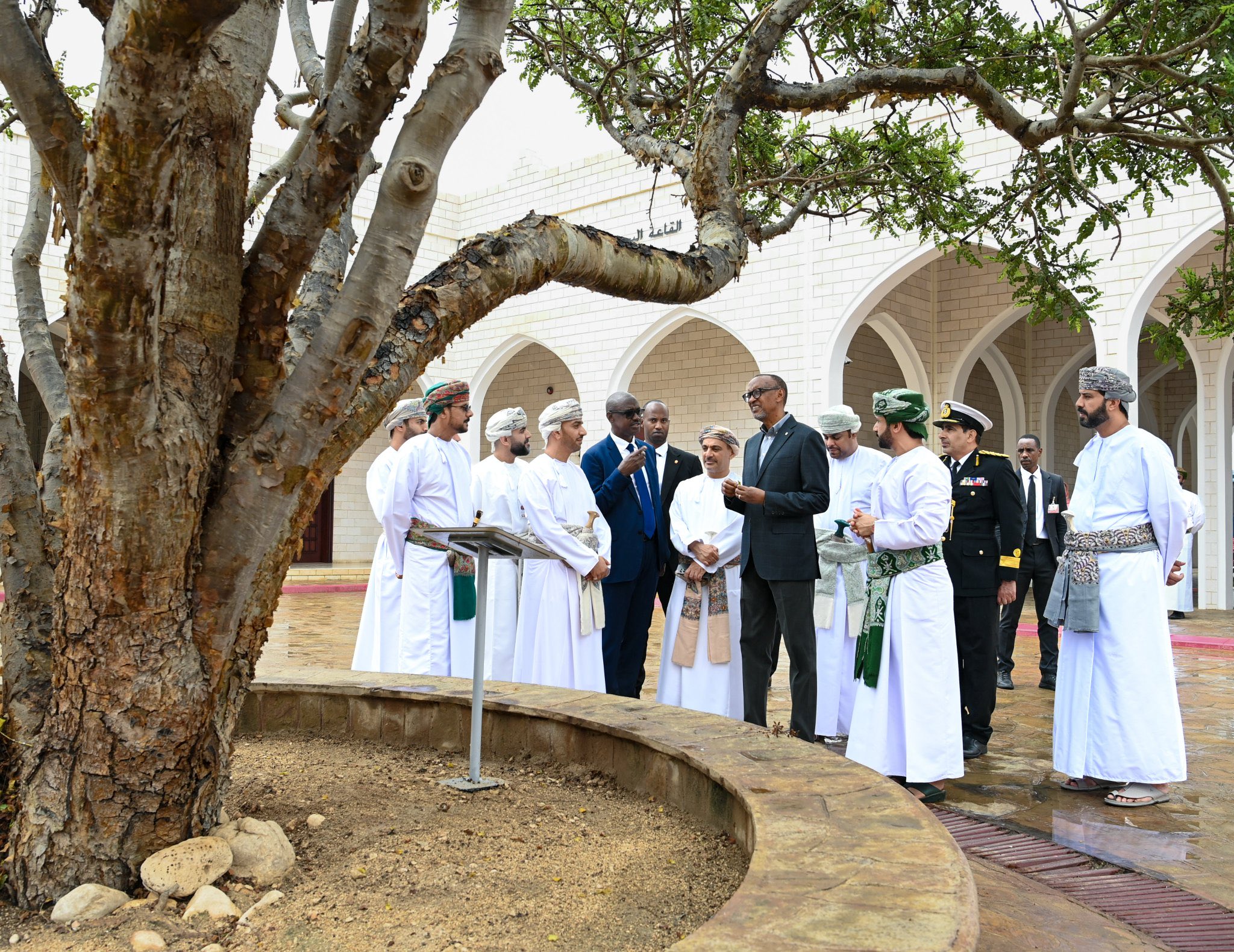
During the visit, Kagame also toured the Museum of the Frankincense Land, located within the Al Baleed Archaeological Park, a UNESCO World Heritage Site, as well as the Kagame Razat Royal Farm in Dhofar Governorate.
At the conclusion of the visit, Kagame expressed appreciation for the hospitality extended to him and his delegation and invited Sultan Haitham to visit Rwanda.
President Kagame concluded his official visit to Oman on Tuesday.
In a statement issued on September 8, State House said the government would conduct an 'orderly regularisation exercise' over the next 90 days to allow affected foreign nationals to comply with the law.
The exercise will be coordinated by relevant government agencies in consultation with the embassies concerned.
'At the conclusion of the 90-day regularisation period, immigration, work-permit, registration and licensing requirements will be enforced firmly and strictly in accordance with the law and due process,' State House Spokesperson Hussein Mohamed said.
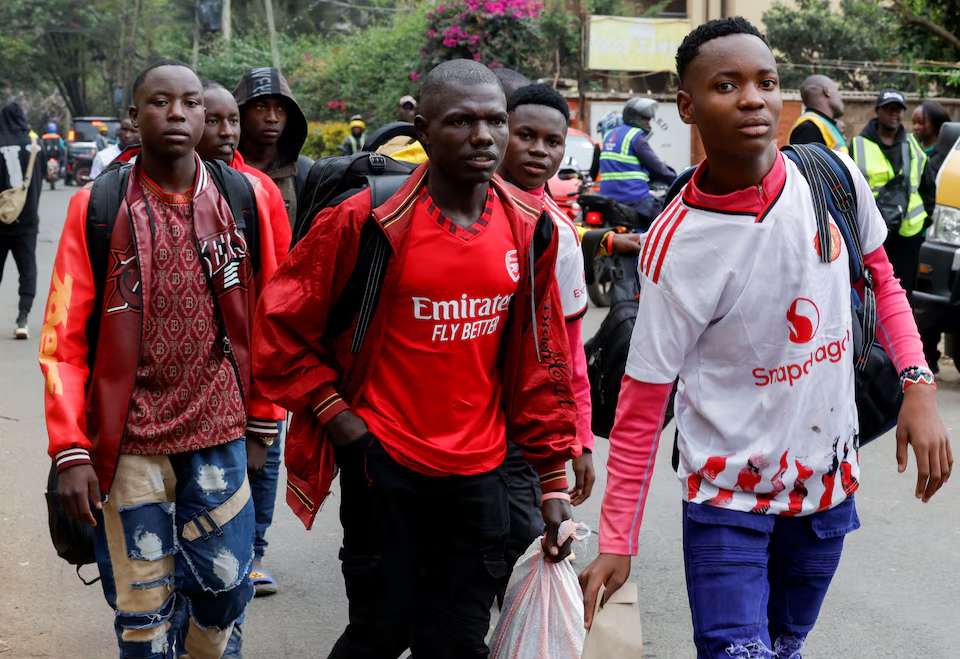
The announcement comes after days of uncertainty among foreign traders, particularly Burundians living in Kenya, following concerns that Ruto's directive targeting foreign participation in small-scale businesses could force them to shut down their operations or leave the country.
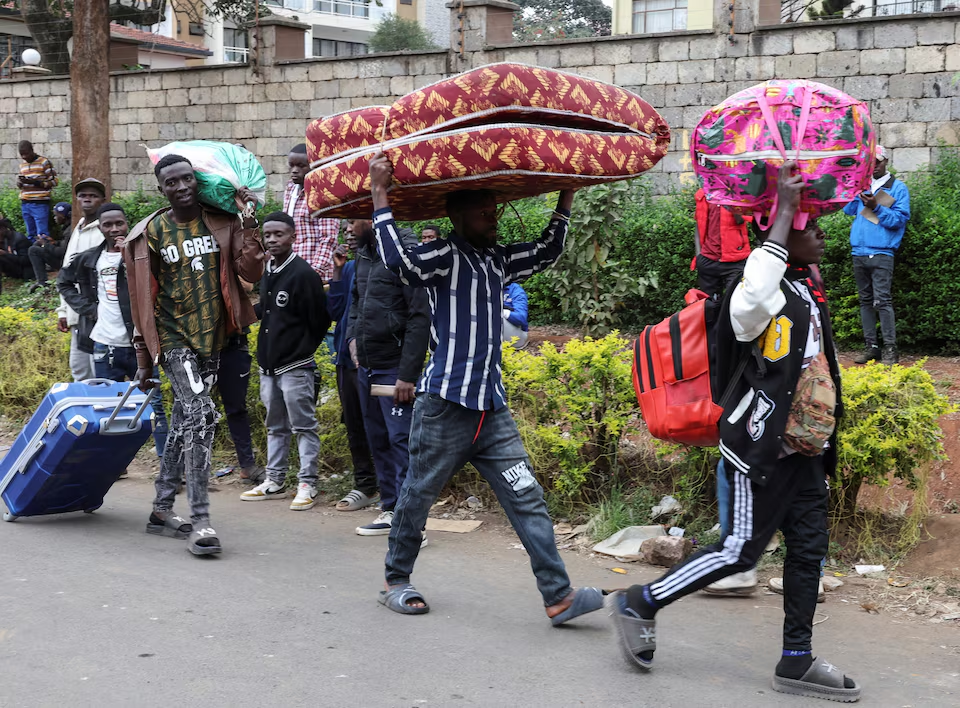
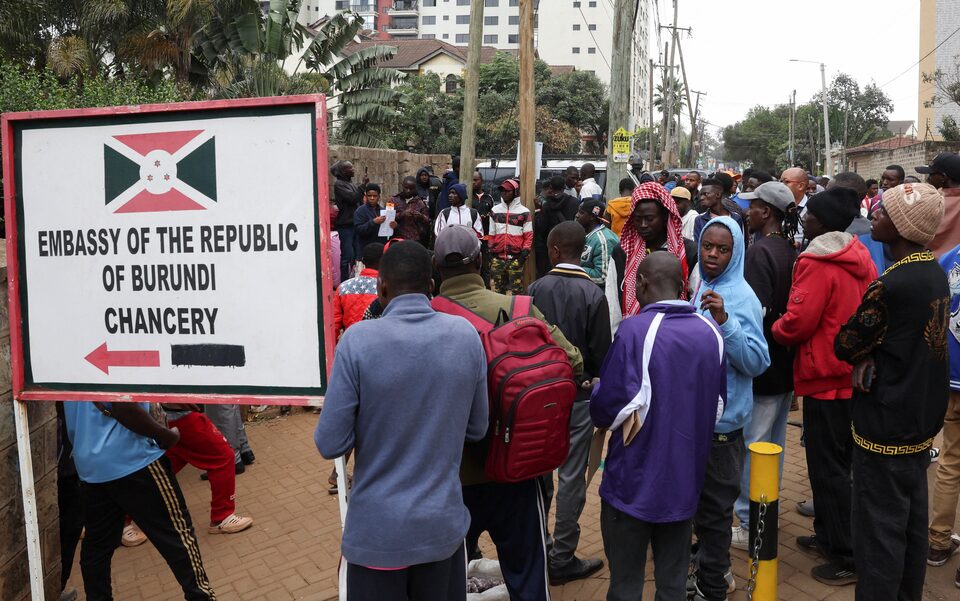
Long queues were reported outside Burundi's embassy in Nairobi on Monday as some Burundian nationals sought emergency travel documents amid uncertainty over their future in Kenya. Some were also seen trying to secure transport back home.
The Kenyan government has, however, sought to reassure foreign nationals that there is no blanket ban on foreign traders.
State House said Ruto had received representations from Kenyan traders over the growing participation of foreign nationals in small-scale businesses and informal trade, and the impact this was having on Kenyans who depend on such activities for their livelihoods.
The President subsequently directed that the Local Content Bill, 2025, currently before Parliament, be expanded to establish a clear framework governing participation in small-scale trade and enterprise.
Under the proposed framework, some categories of economic activity could be reserved for Kenyan citizens, while foreign nationals legally entitled to work, invest or conduct business in Kenya would continue to receive protection.
'Kenya will protect economic opportunities for its citizens, especially within the micro and small-enterprise sector, while remaining open to lawful foreign investment, enterprise and employment,' Mohamed said.
The government stressed the two objectives were complementary and would be pursued in line with Kenya's Constitution, laws and international obligations.
It also warned against harassment or attacks targeting foreign nationals and their businesses, saying the enforcement and interpretation of the law remained the responsibility of authorised State agencies.
'No individual or group has the authority to harass, intimidate, threaten or interfere with foreign nationals or their businesses,' the statement said, warning that those engaging in such conduct would face action under the law.
The clarification follows reports of growing anxiety among Burundians and other East African nationals living in Kenya, with concerns that hostility towards foreign traders could escalate into xenophobic attacks similar to those witnessed in South Africa.
Burundi's Foreign Affairs Minister Edouard Bizimana had raised concerns over reports of harassment and warned that continued hate speech against Burundians could have wider consequences.
A senior Kenyan foreign affairs official, Korir Sing'oei, also apologised to Burundian nationals who had faced harassment, saying the President's directive had been misunderstood.
The Kenyan government has now said the 90-day regularisation period will be administered fairly, consistently and without discrimination, while reaffirming the country's commitment to the East African Community, regional integration and the free movement of people, labour, services and capital within applicable legal frameworks.
The government is also expected to use the period to clarify which categories of small-scale businesses could eventually be reserved for Kenyan citizens under the proposed legislative framework.
Long queues were reported outside Burundi's embassy in Nairobi on Monday as some Burundian nationals sought emergency travel documents amid uncertainty over their future in Kenya.
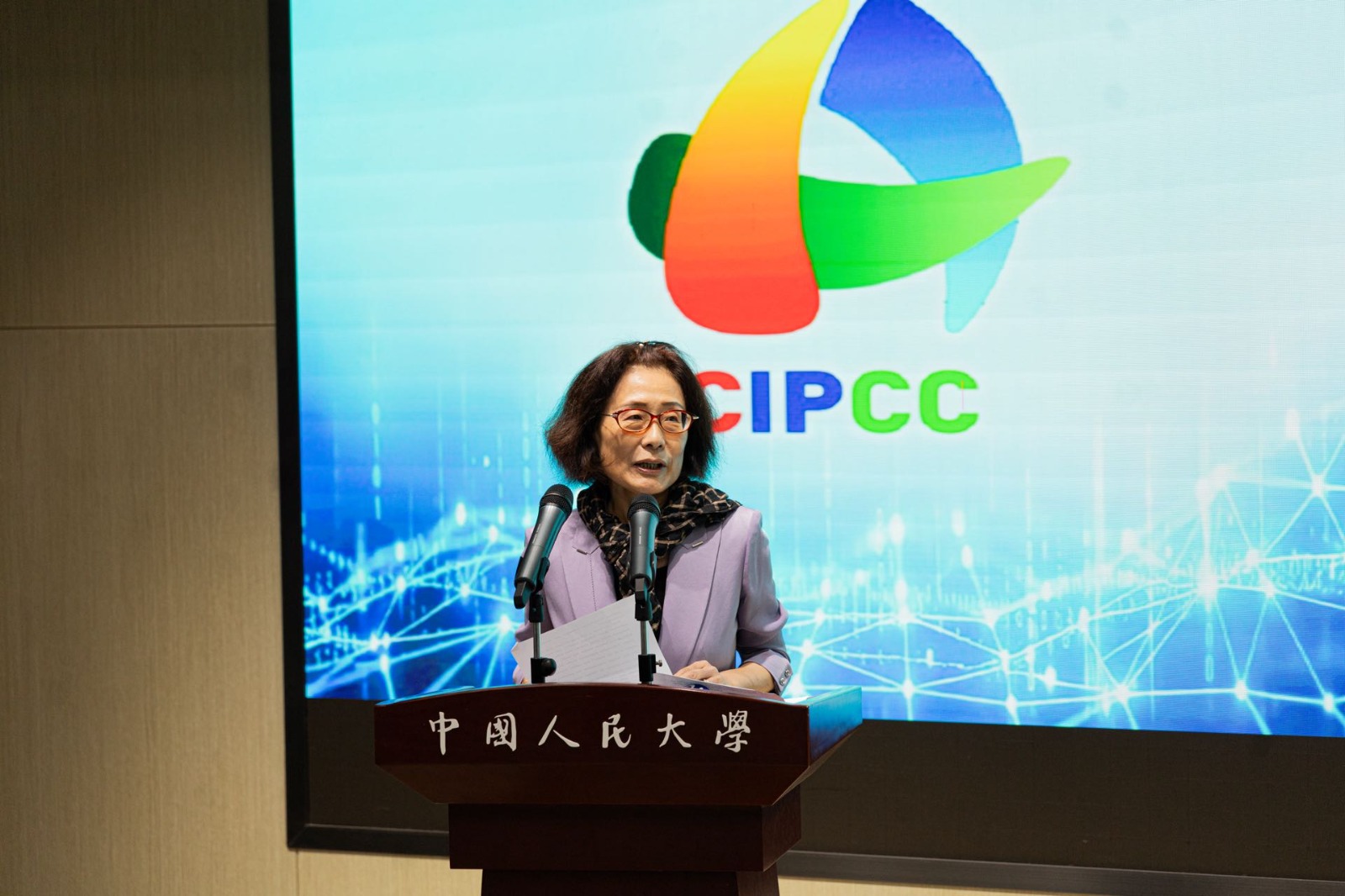
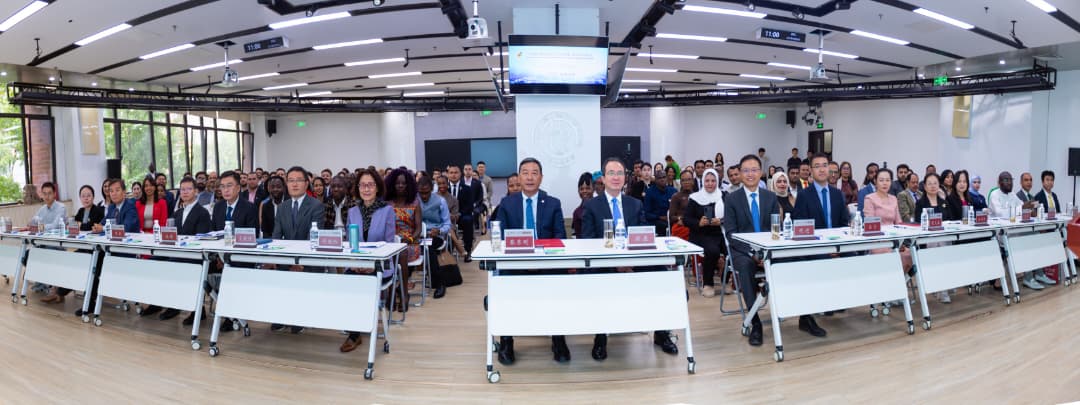
The programme officially opened on September 8 at the School of Journalism and Communication of Renmin University of China in Beijing, with journalists from Africa, Asia-Pacific, Europe, Latin America and the Middle East taking part.
Organised by the China Public Diplomacy Association under the guidance of China's Ministry of Foreign Affairs, the four-month programme combines professional journalism training with field visits, cultural exchanges and discussions on China's economic development, technology, governance and international cooperation.
Participants will visit institutions and communities, interact with experts and explore different aspects of China's economic, technological, cultural and social development as part of the programme.
Since its establishment in 2014, CIPCC has hosted journalists from different regions of the world, providing opportunities for foreign reporters to experience China firsthand and report on developments from direct observation.
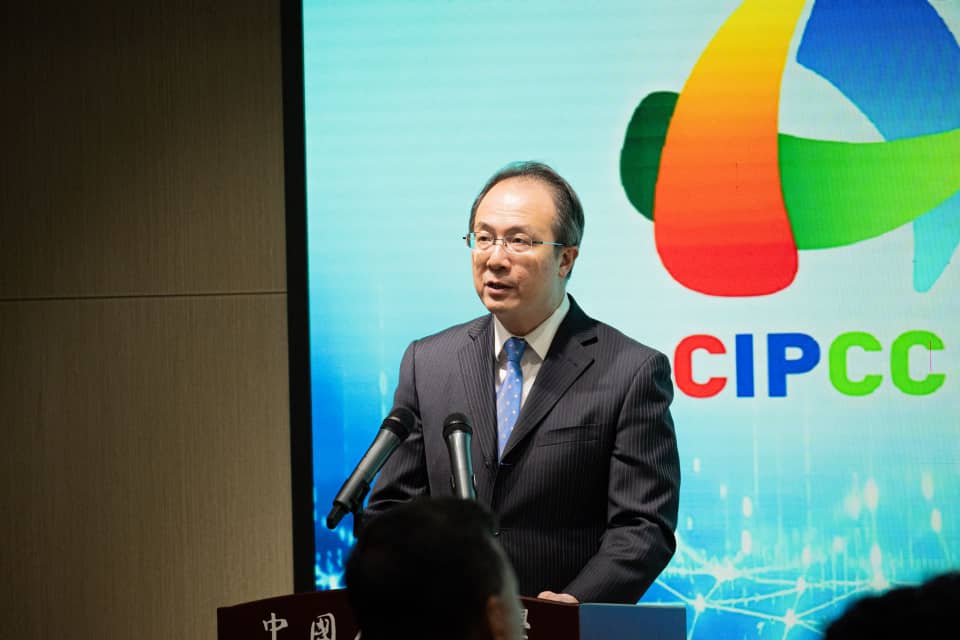
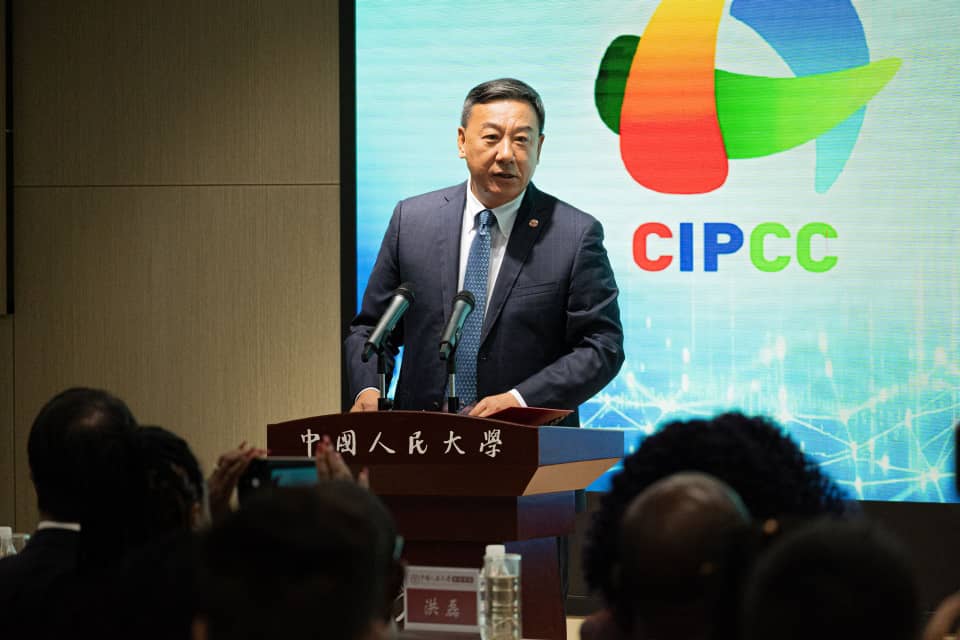
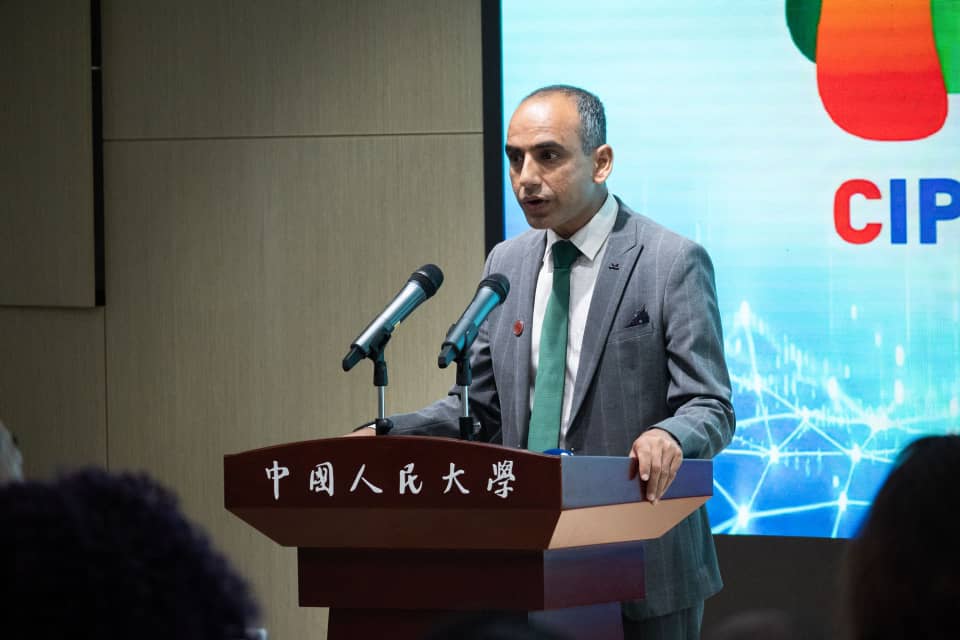
Speaking at the opening ceremony, Hong Lei, Assistant Foreign Minister of the People's Republic of China, linked the changes in journalism over recent decades to China's broader transformation.
He recalled that more than three decades ago, journalists travelling outside Beijing faced long journeys, limited communication tools and slower methods of disseminating news.
Today, high-speed rail and digital infrastructure have changed the working environment for journalists, allowing reporters to travel between major cities within hours and use smartphones to record, edit and publish stories almost instantly.
'This shows the progress in journalism. But more importantly, it is a microcosm of the rapid development of China,' Hong said.
Over the past decades, China has undergone significant economic and social transformation, with its gross domestic product surpassing 140 trillion yuan (more than US$20.8 trillion), making it the world's second-largest economy and accounting for approximately 17 percent of the global economy.
China has also contributed around 30 percent of global economic growth in recent years, becoming one of the major drivers of the world economy.
On poverty reduction, Hong said China had lifted nearly 100 million people out of poverty, achieving the United Nations' poverty eradication target under the Sustainable Development Goals about 10 years ahead of schedule.
Life expectancy has increased from around 35 years in the early 1950s to 78.2 years, while basic medical insurance now covers more than 1.36 billion people.
China has also expanded its global presence in areas including high-speed rail, 5G technology, aerospace, artificial intelligence and other emerging technologies.
Tong Xiaoling, Vice President of the China Public Diplomacy Association, said international media exchanges can help countries understand one another and reduce misconceptions.
She said CIPCC's work over the past 12 years has given journalists opportunities to travel across China, experience its culture and document its development.
'China foreign media engagement is not a one-month encounter, but a long-term partnership. Inter-civilizational mutual learning is not one-way output, but two-way empowerment,' Tong said.
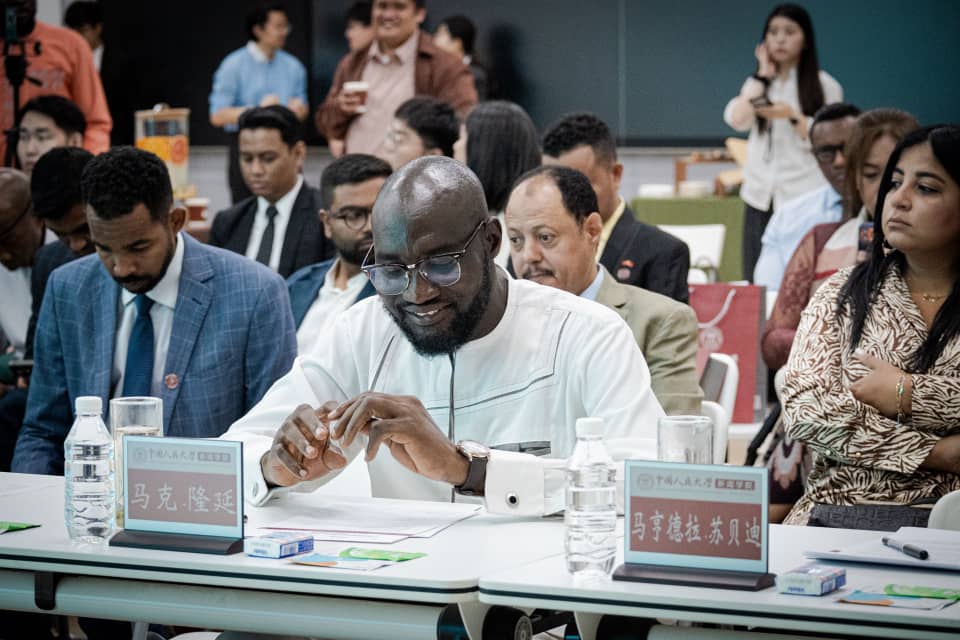
Representing journalists participating in the second-half 2026 programme, Mark Longyen, Editor at the News Agency of Nigeria, said journalists have a responsibility to go beyond simply repeating information and instead develop a deeper understanding through observation and investigation.
'Our job is not to repeat what we are told, but to observe, investigate, verify, and tell stories that help our audiences make sense of a changing world,' Longyen said.
He highlighted China-Africa relations as an important area for deeper reporting, with cooperation expanding in infrastructure, telecommunications, education, trade and technology.
Longyen also encouraged journalists to embrace artificial intelligence and other emerging technologies while maintaining the core principles of journalism, including accuracy, independence, ethics and public trust.
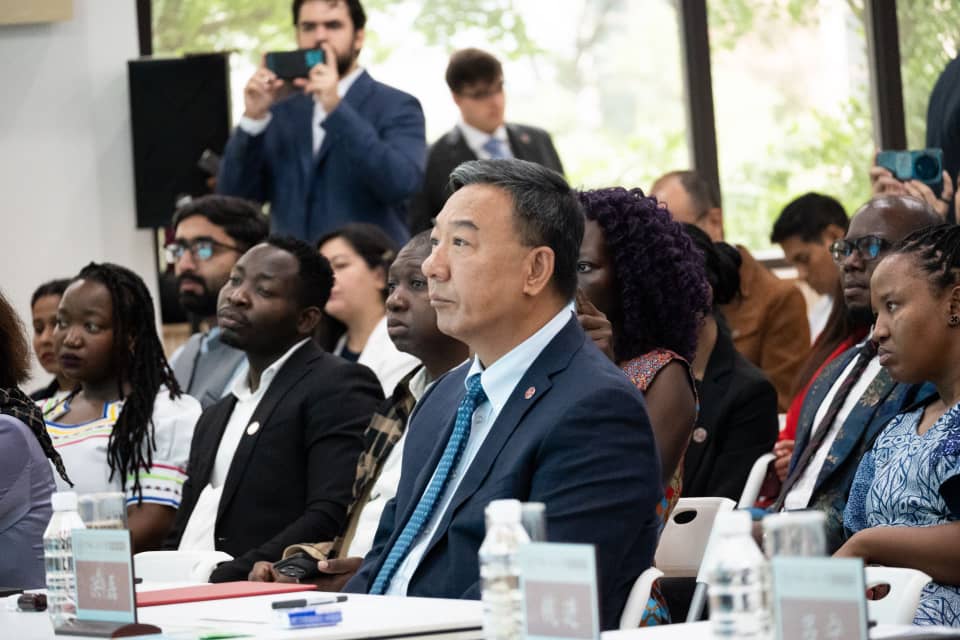
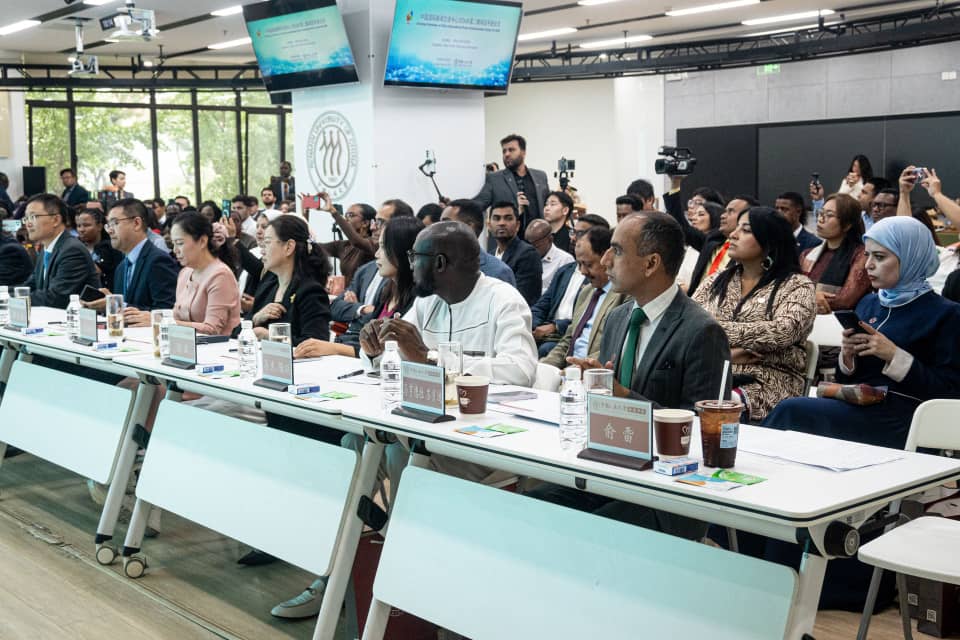
Tong Xiaoling, Vice President of China Public Diplomacy Association, addresses participants during the opening ceremonyHong Lei, Assistant Foreign Minister of China, speaks at the opening of the 2026 CIPCC Journalism Training Programme in BeijingProfessor Zhang Donggang, Secretary of the CPC Renmin University of China Committee, addresses participants during the opening ceremony of the 2026 CIPCC Journalism Training ProgrammeJournalists from 101 countries attend the opening ceremony of the 2026 CIPCC programme in BeijingMark Longyen, Editor at News Agency of Nigeria, speaks on behalf of journalists participating in the programme
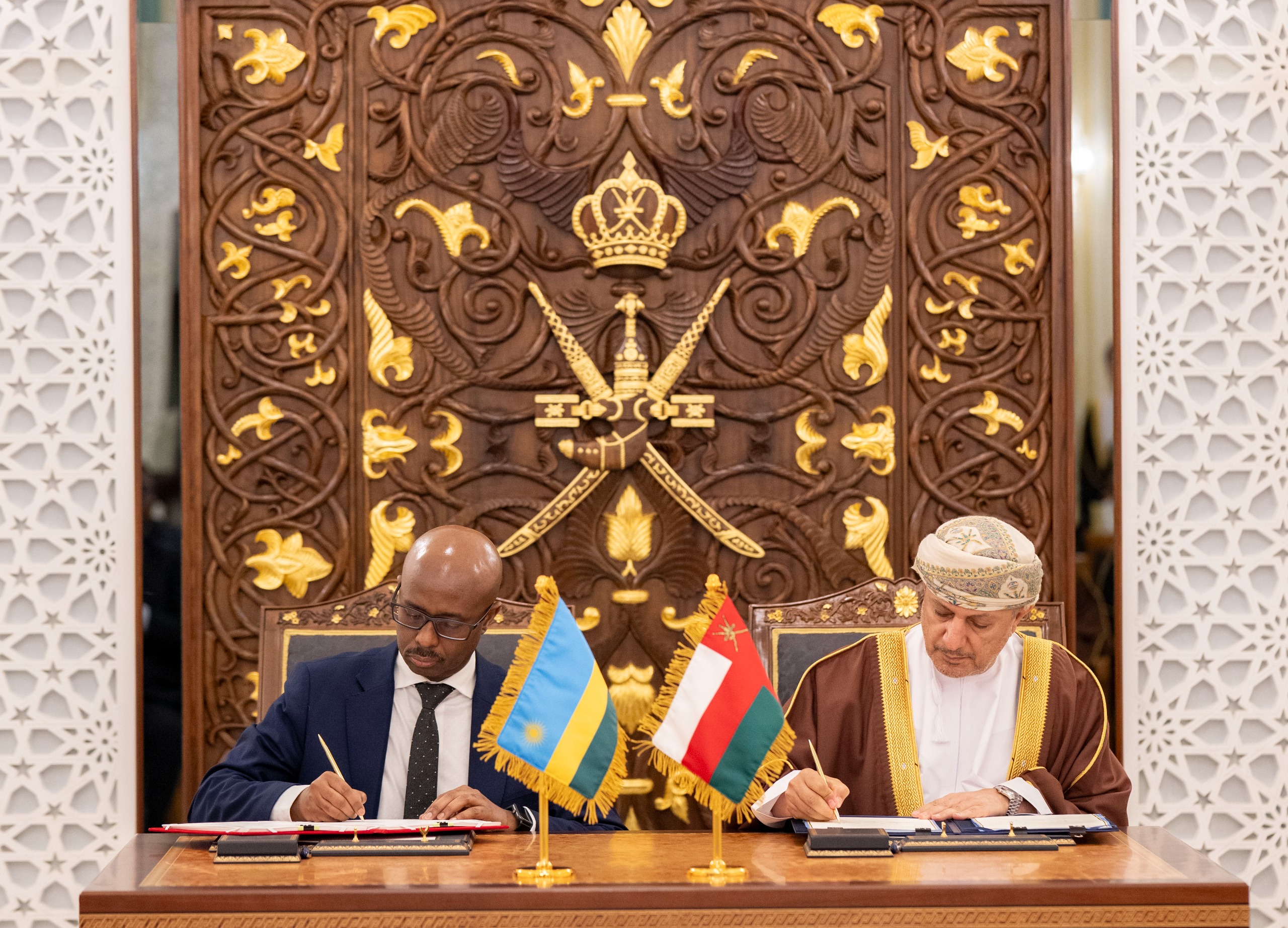
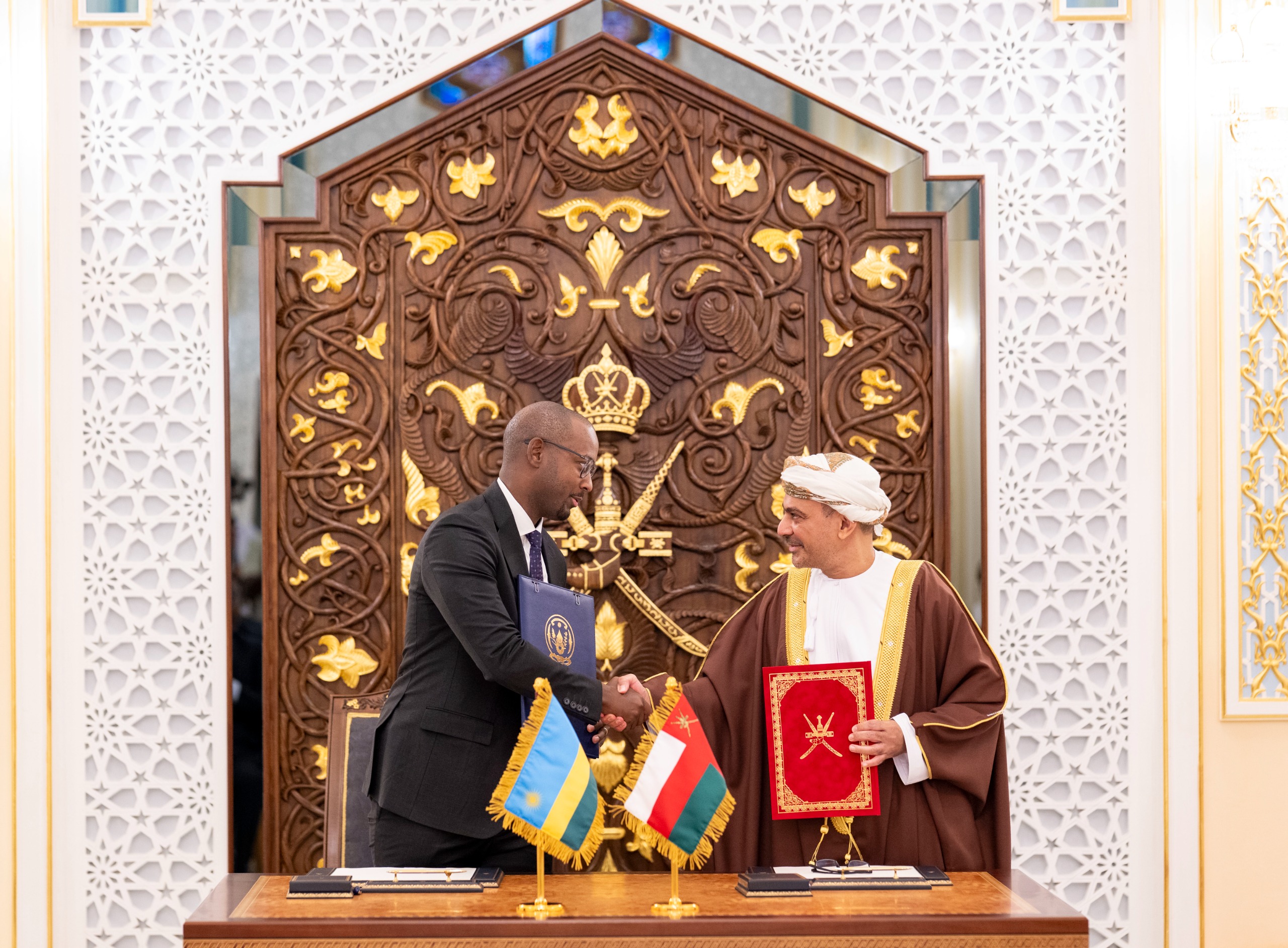
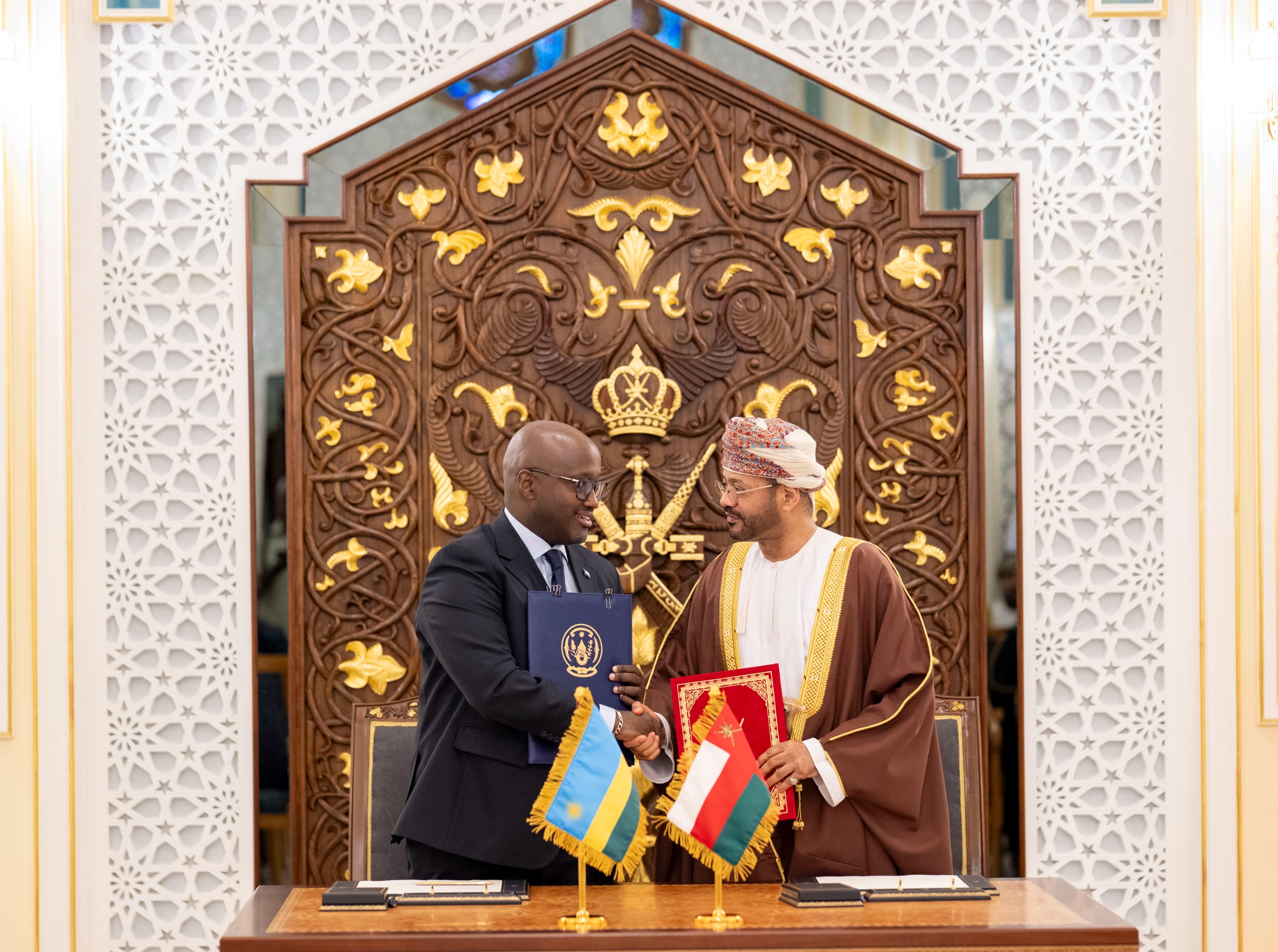
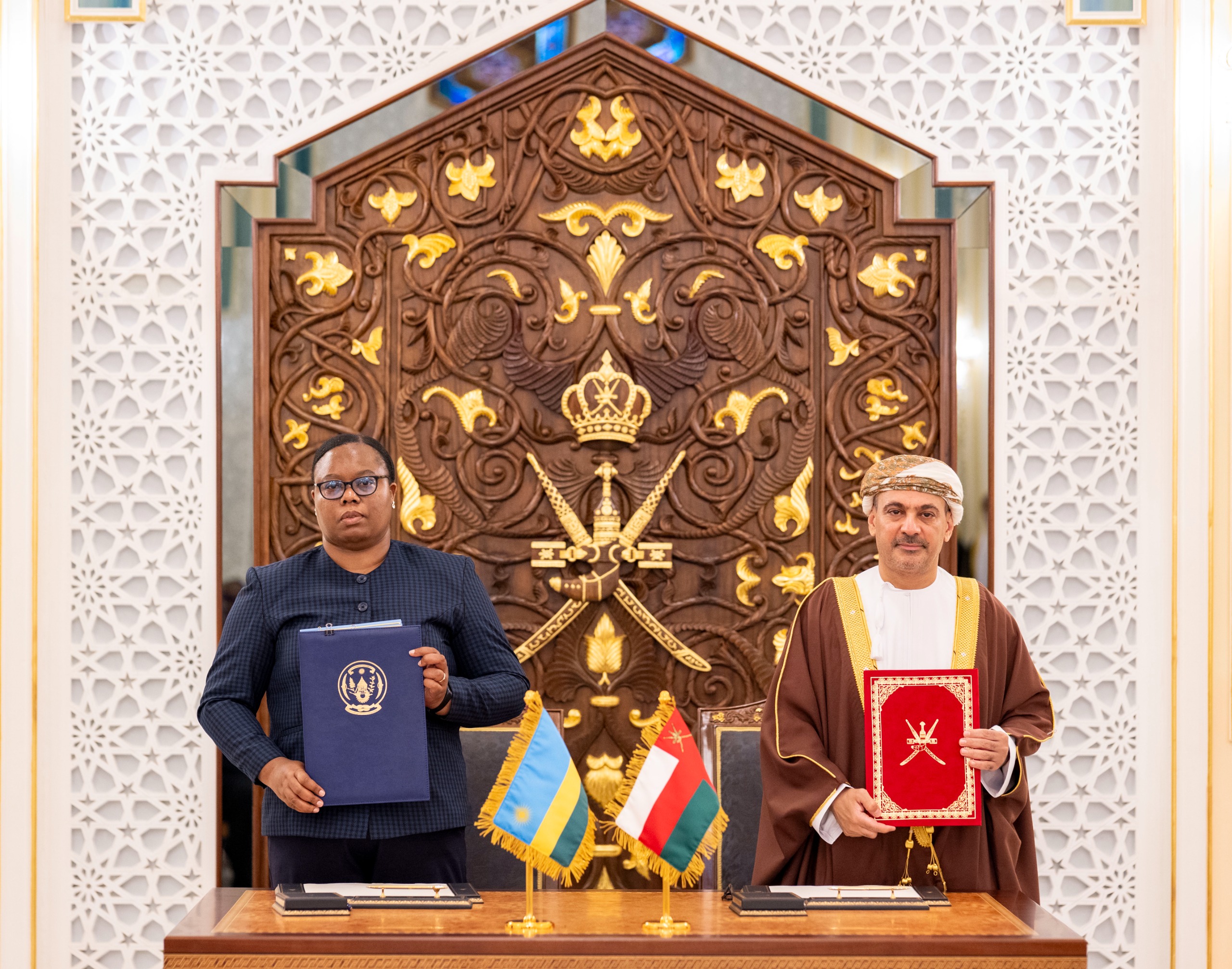
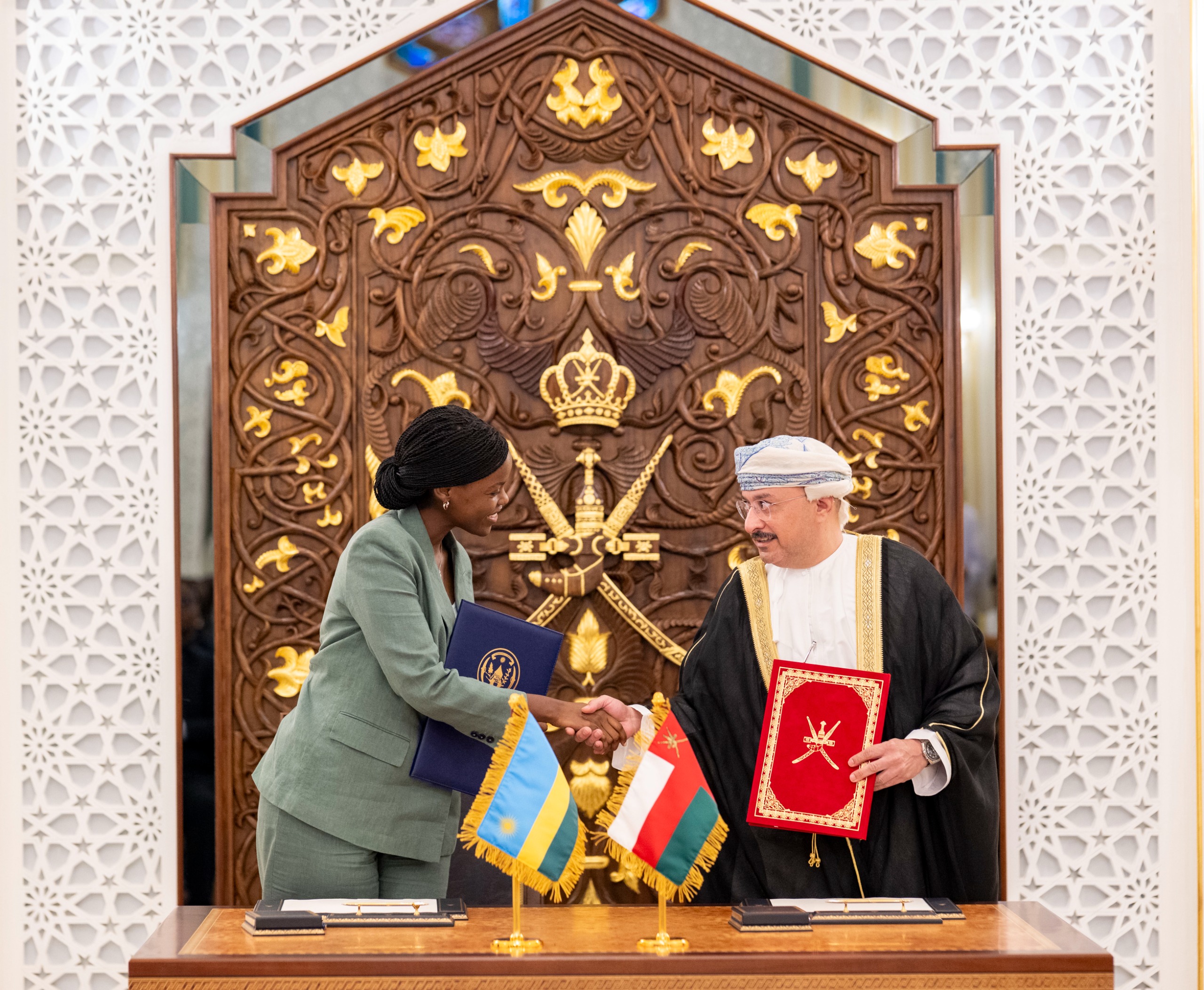
The deals were signed at Al Hosn Palace in Salalah during President Paul Kagame's two-day official visit to Oman, the first visit by a Rwandan head of state to the Gulf country.
The agreements cover visa exemption for holders of diplomatic, special and service passports, as well as the avoidance of double taxation between the two countries.
The six MoUs provide a framework for cooperation in political consultations, labour, trade and investment, logistics, agriculture, and strategic partnership and investment activation.
The deals were signed at Al Hosn Palace in Salalah during President Paul Kagame's two-day official visit to Oman.
The signing of the eight deals comes a day after Kagame held bilateral talks with Oman's Sultan Haitham bin Tariq as the two countries explored ways to strengthen cooperation in sectors of mutual interest.
According to the Office of the President, the two leaders highlighted the longstanding ties between Rwanda and Oman and opportunities to build on them through closer collaboration.
'Both leaders highlighted the historical ties between Rwanda and Oman, and the opportunity this visit offers to build on that strong foundation, including through closer collaboration in multiple sectors including energy, logistics, and food security,' the Office of the President said.
Kagame arrived in Salalah on Monday and was received by Sultan Haitham at Al Hosn Palace, where he was accorded an official welcoming ceremony before the two leaders held talks, later joined by their respective delegations.
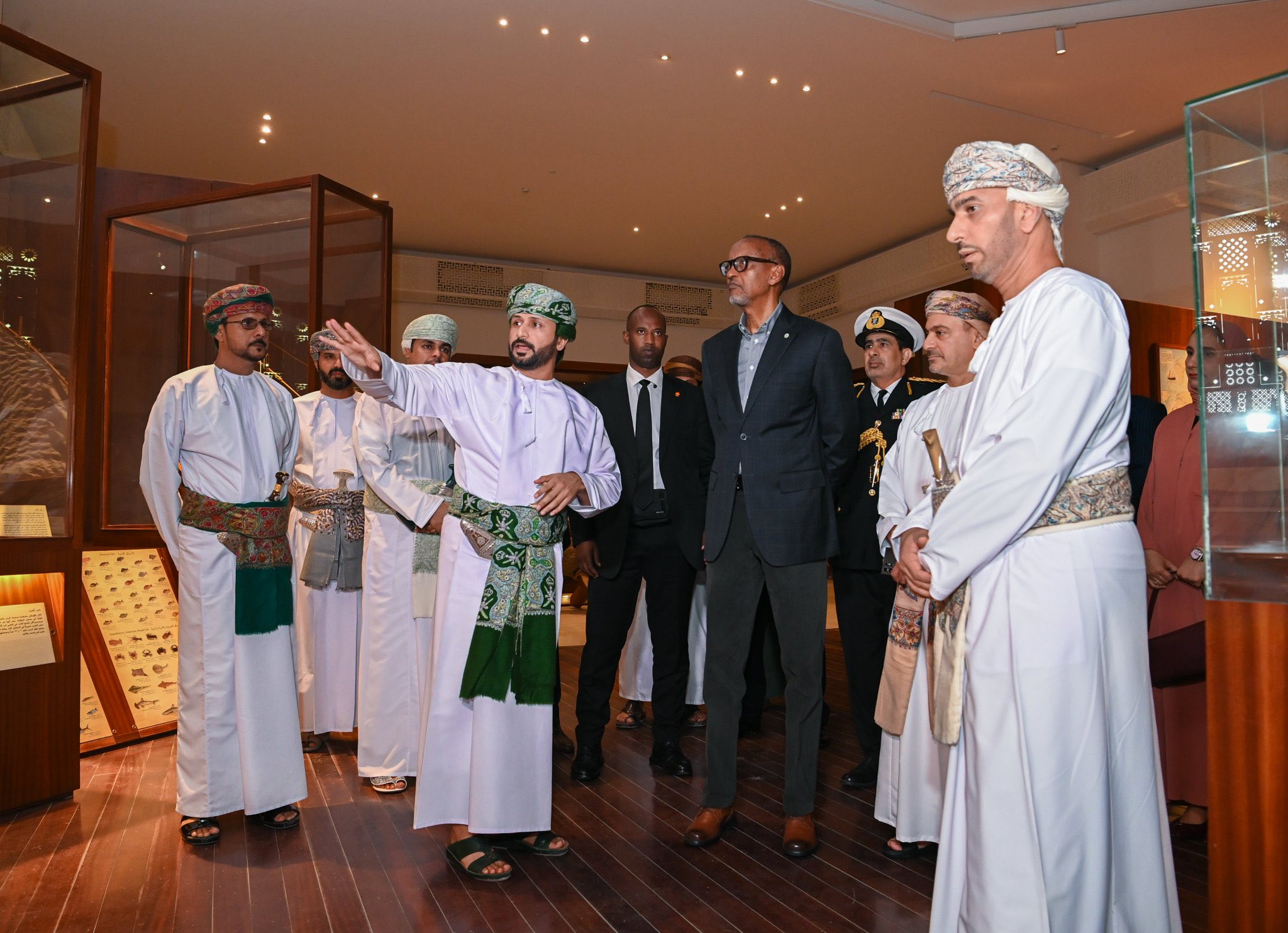
During the second day of his visit, President Kagame toured the Museum of the Frankincense Land, located within the Al Baleed Archaeological Park, a UNESCO World Heritage Site.
President Kagame tours the Museum of the Frankincense Land, located within the Al Baleed Archaeological Park.
The museum documents the history and heritage of the Dhofar region, including the role of the frankincense trade in shaping its social and economic development, as well as Oman's long history of seafaring and maritime trade.
Rwanda's relations with Oman have gained momentum in recent years, with the two countries expanding cooperation in areas such as trade, energy, transport and investment.
A key development is an arrangement under which Rwanda will receive direct shipments of refined petroleum products from Oman through Tanzania's Port of Tanga.
Prime Minister Justin Nsengiyumva has said Rwanda expects to receive one shipment each month, with the imports aimed at strengthening fuel supply security and helping stabilise prices.
The two countries have also strengthened air connectivity. Oman's SalamAir launched direct flights between Muscat and Kigali on July 21, 2026, creating a direct link between the two countries for travellers, businesses and tourists.
The route is expected to support trade, tourism and investment while giving passengers from Rwanda access to SalamAir's wider network across the Gulf, Asia and Europe.
The agreements cover visa exemption for holders of diplomatic, special and service passports, as well as the avoidance of double taxation between the two countries.The six MoUs provide a framework for cooperation in political consultations, labour, trade and investment, logistics, agriculture, and strategic partnership and investment activation.
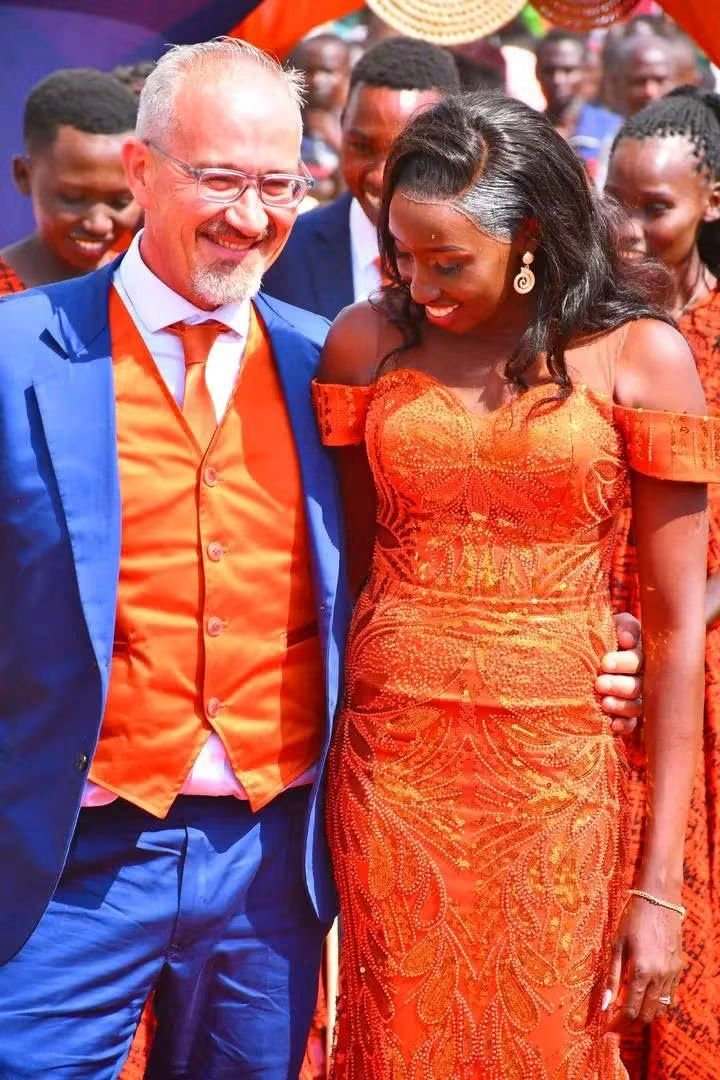
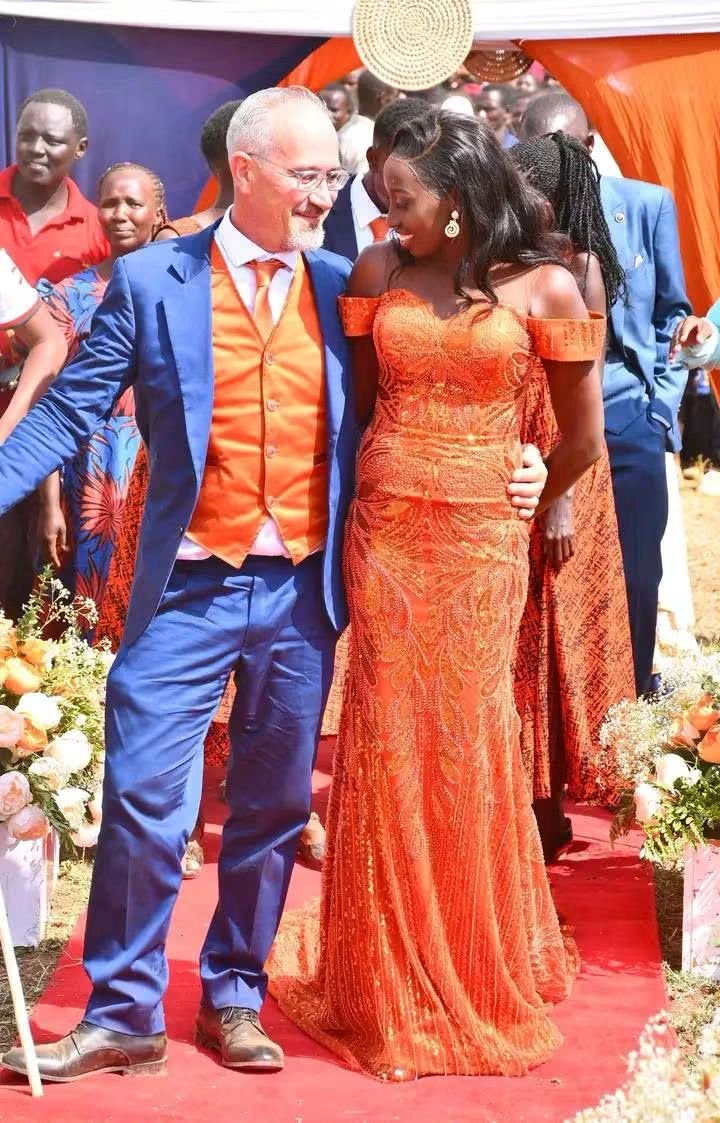
Sandro Ferretto, 55, married Sharon Jepng'ok in a traditional Koito ceremony held on Sunday, September 6, 2026, at Seretion Village in Kasiela, Baringo South.
The ceremony brought together the couple's families, elders, local leaders and Jepng'ok's colleagues, as they took part in traditional proceedings that included family meetings, dowry discussions and blessings.
Ferretto, who spent about 12 years serving as a Catholic missionary in Kenya, was ordained for the Diocese of Padua in Italy before travelling to the country in 2008.
He served under the Diocese of Nyahururu, working as a parish priest in Kasiela and Mochongoi in Baringo County, where he became known locally as Father Sandro.
His work extended beyond parish duties, with Ferretto taking part in pastoral activities, youth programmes and community projects. It was during his years working in Baringo that he met Jepng'ok.
From Kenya back to Italy
Ferretto returned to Italy in December 2020 alongside fellow missionary Father Mariano Dal Ponte, according to Italian newspaper Il Gazzettino.
By 2023, he was overseeing a pastoral unit covering eight churches in Saletto, Borgo Veneto, in the Diocese of Padua.
Later that year, however, Ferretto stepped away from parish duties after celebrating what was reported as his final Mass.
At the time, Il Gazzettino reported that he wanted to take a break from parish work. The Diocese of Padua clarified that he remained a priest and that his decision was not connected to any controversy.
He subsequently volunteered with the Levante cooperative in Padua, an organisation involved in supporting migrants.
A return to Kenya
Ferretto eventually returned to Kenya, where he reunited with Jepng'ok, the woman he had met during his missionary years in Baringo.
Their relationship eventually led to marriage, with the couple choosing to formalise their union through a traditional Koito ceremony.
The ceremony featured traditional attire, family gatherings, negotiations over dowry and blessings from elders, with Ferretto taking part in the proceedings alongside his bride and their families.
Images from the event showed the former priest embracing the celebrations and participating in the traditions of his bride's community.
The unusual journey has attracted attention on Kenyan social media, with many users commenting on Ferretto's transformation from a Catholic missionary known as Father Sandro to a groom returning to Kenya to marry the woman he met during his years of service.
Italian missionary priest Fr. Sandro Ferretto has quit the Catholic priesthood after 12 years serving Baringo County, Kenya — and married Sharon Jepng'ok, a local Tugen woman he met during his ministry. The couple wed in a traditional Koito ceremony in Kasiela on Sept 6. pic.twitter.com/D8P5KpLkCj
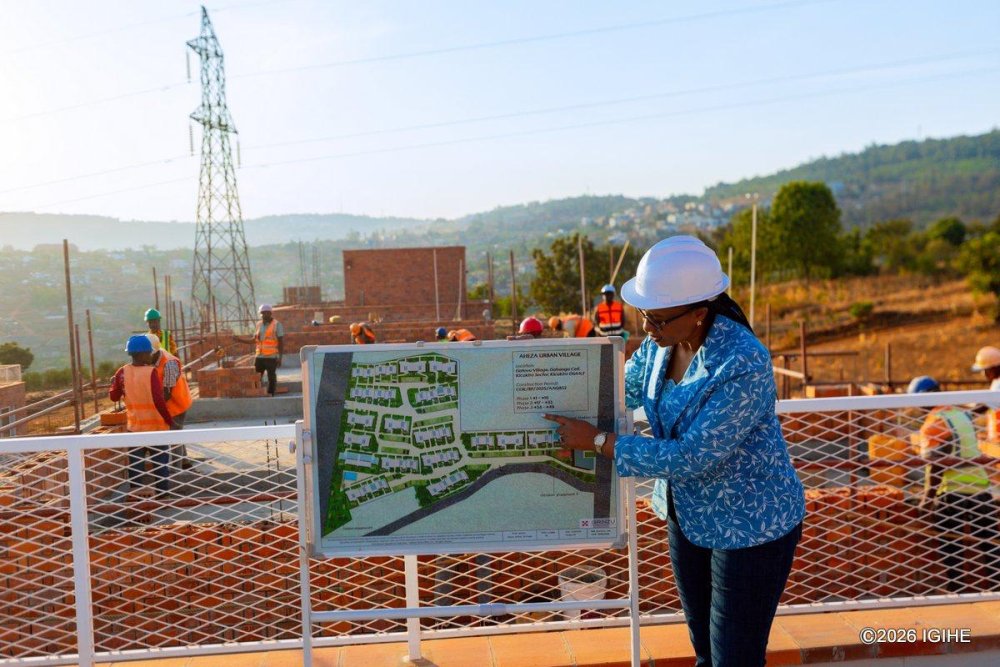
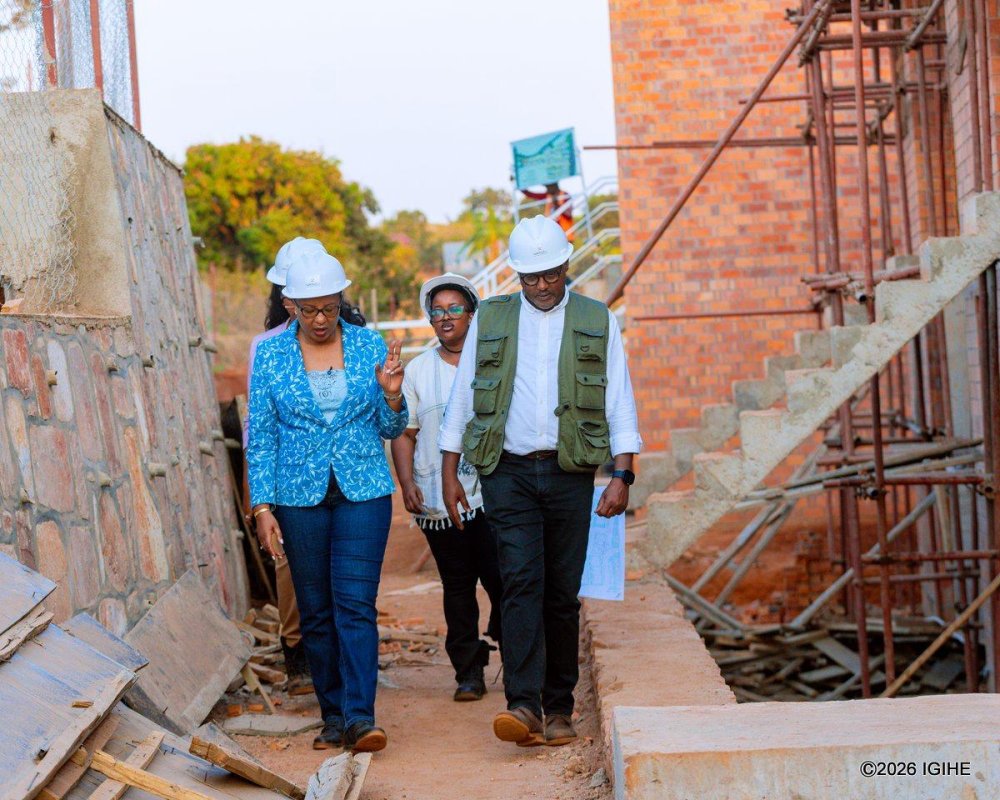
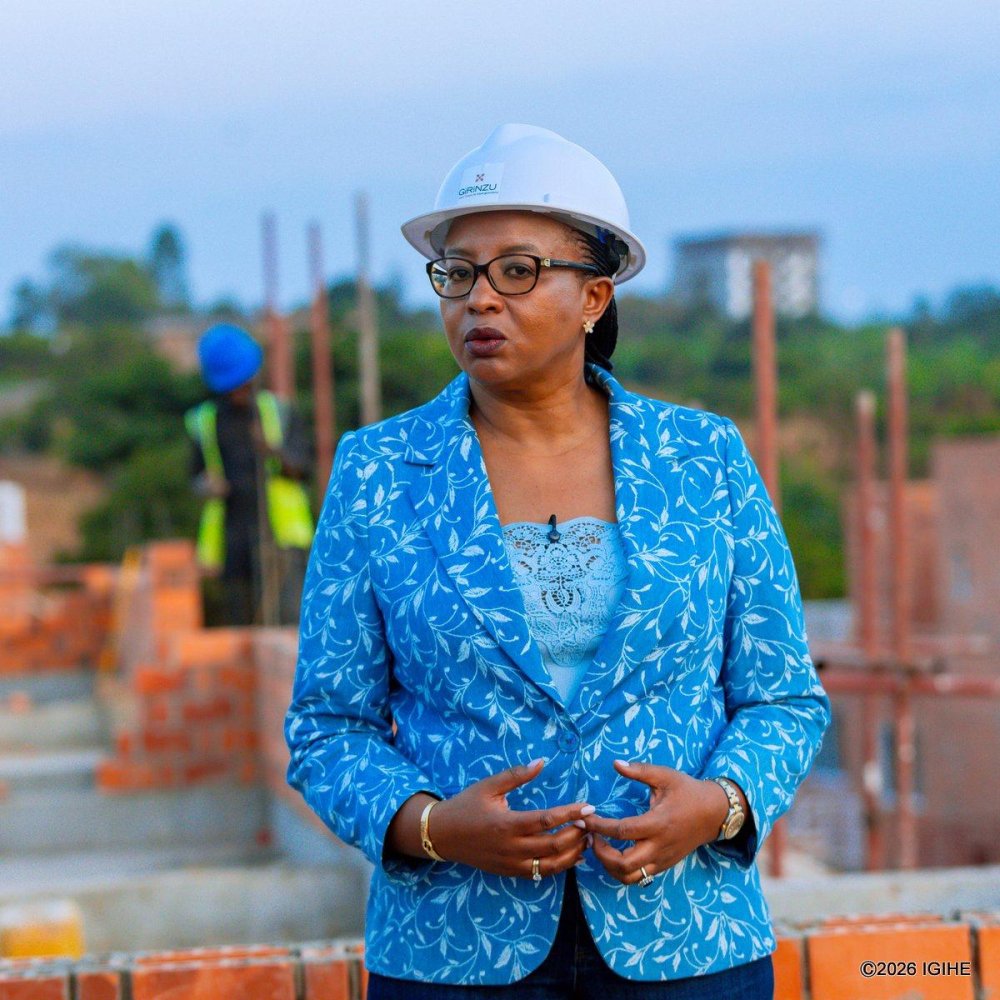
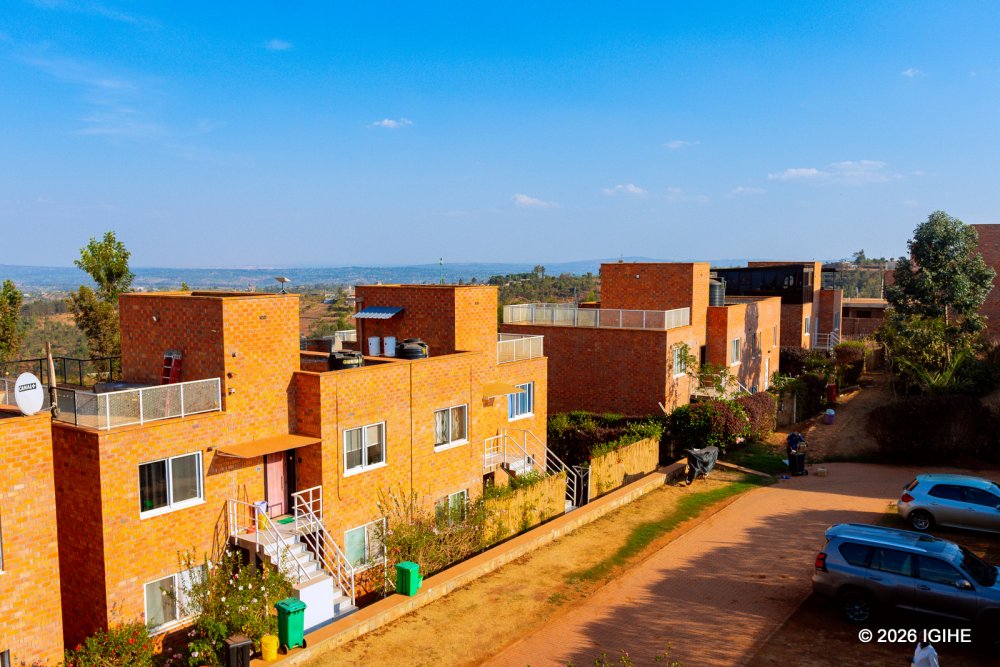
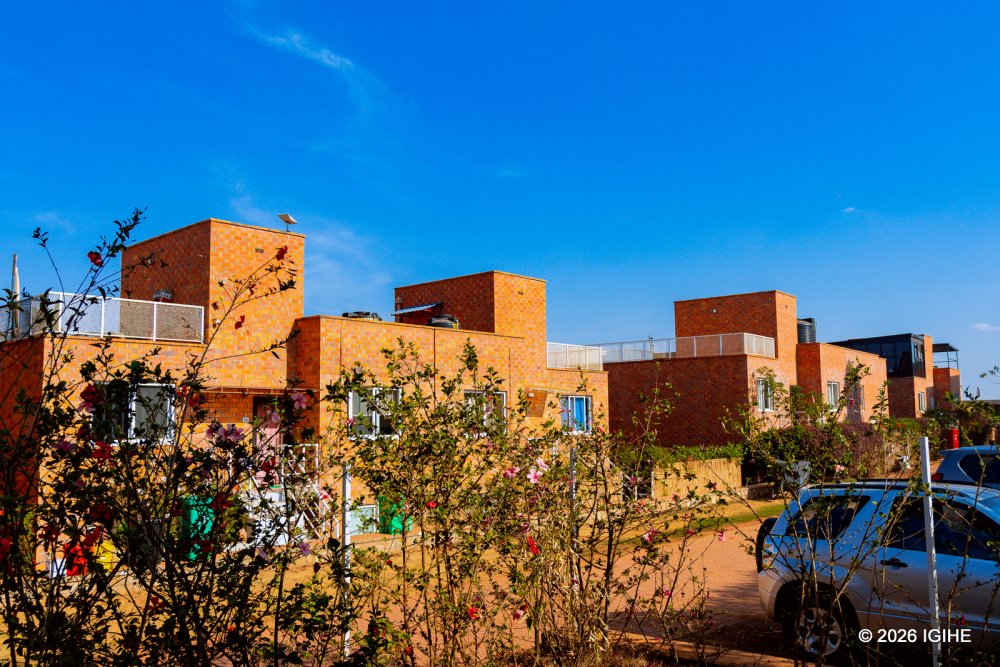
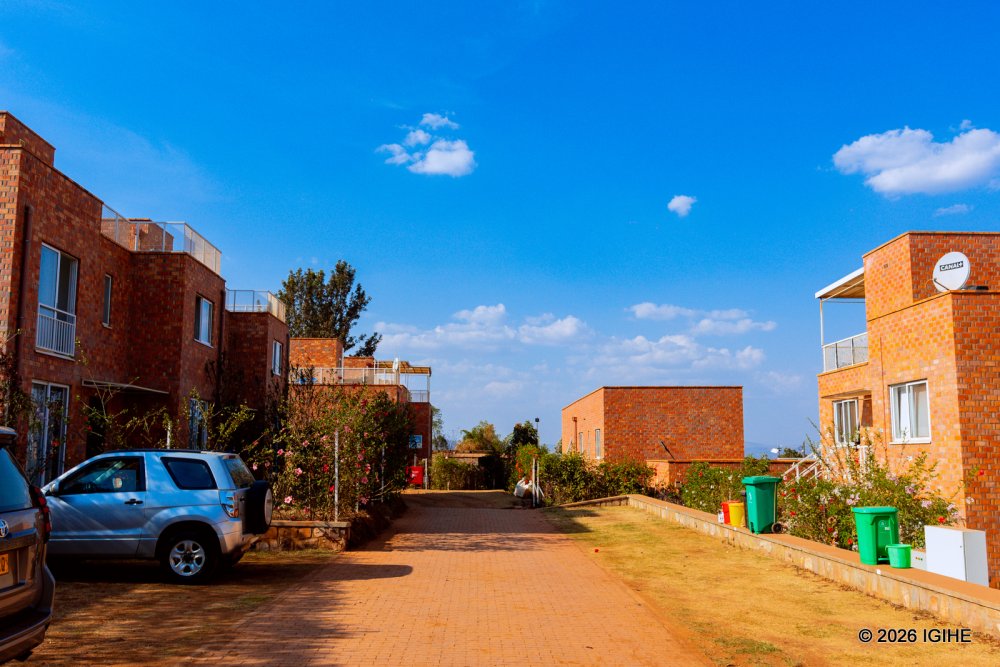
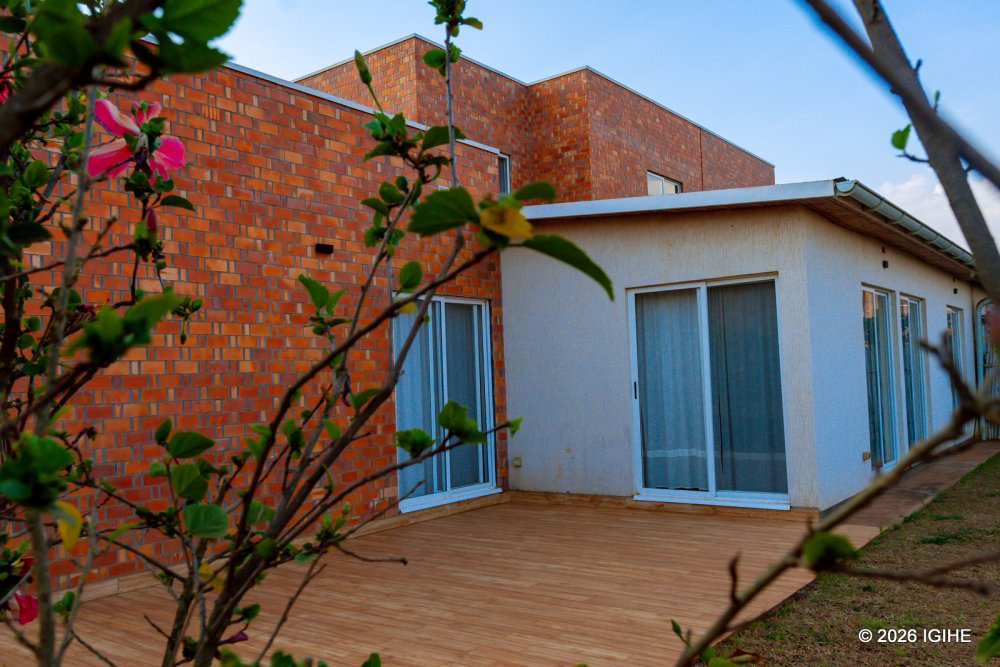
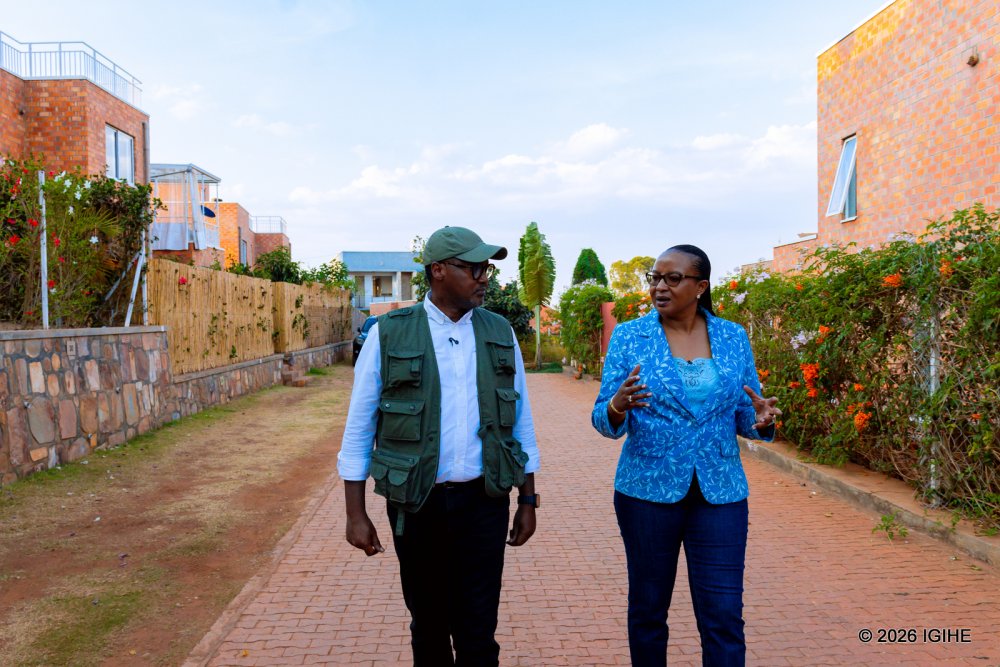
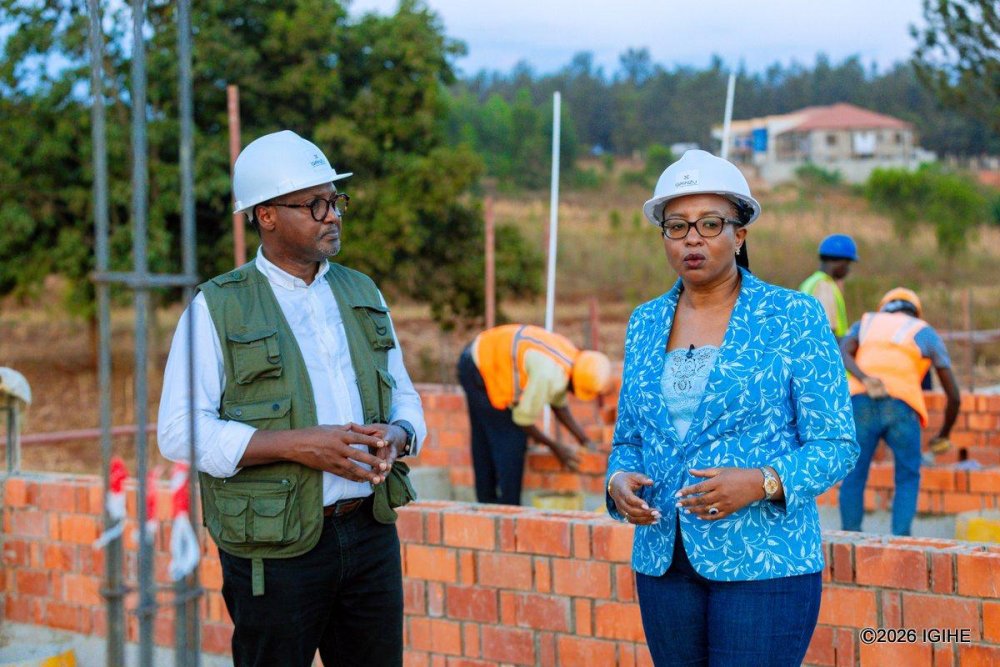
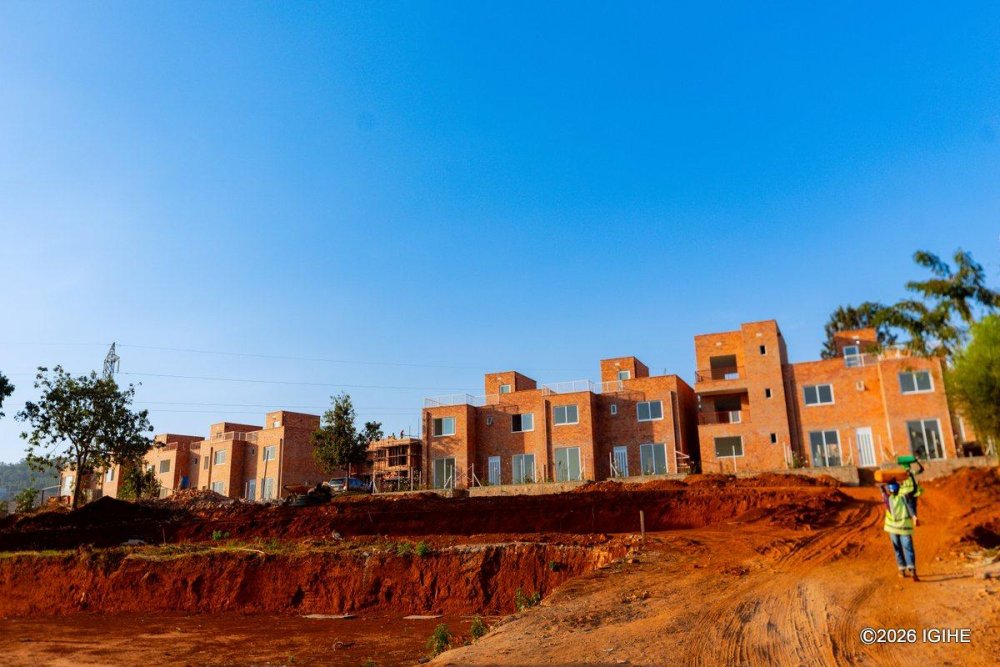
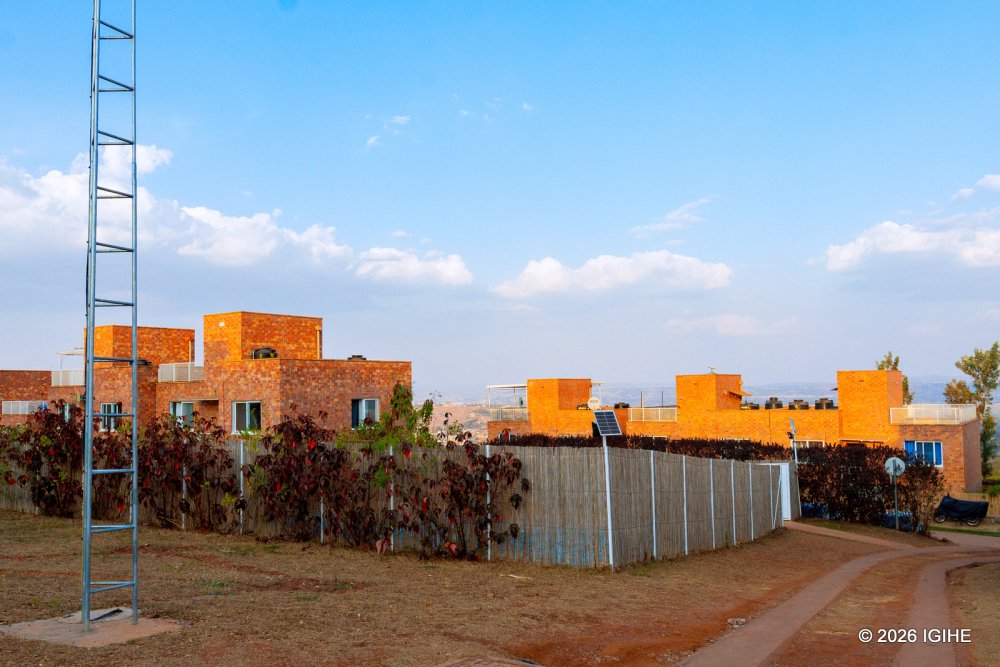
The company's founder and Chief Executive Officer, Jackeline Wibabara, said the first project, located in Gahanga Sector, Kicukiro District, was successfully completed, with all 90 homes sold and occupied.
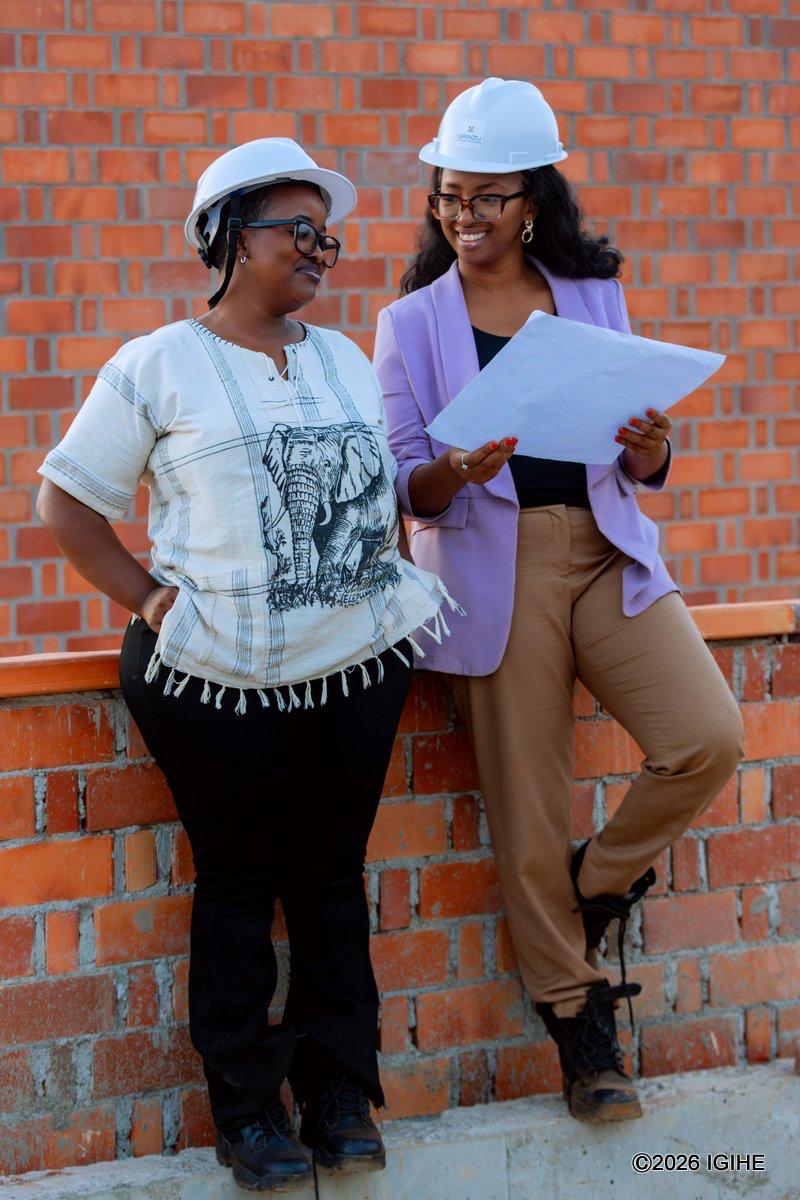
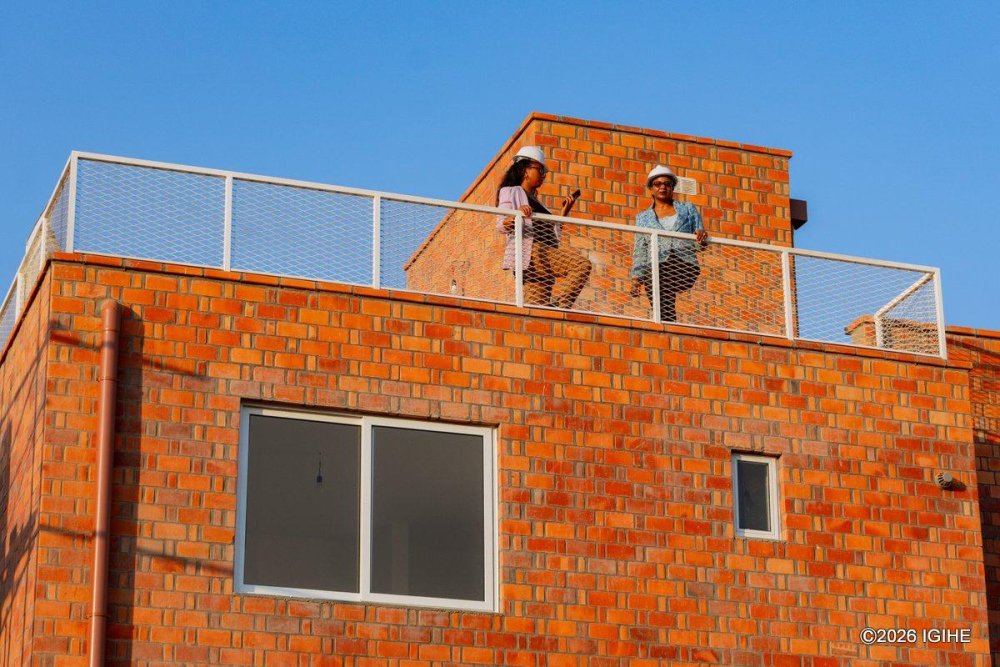
GIRINZU is a five-year-old real estate company involved in construction and helping people living in Rwanda and abroad access quality housing.
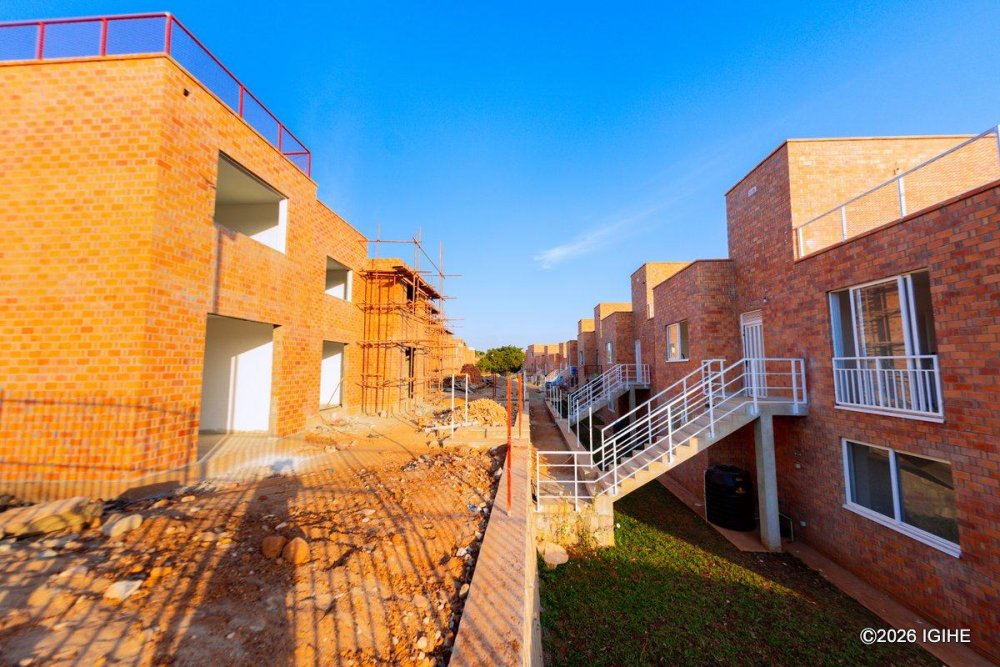
Wibabara said the successful completion and sale of all homes in Umutuzo had encouraged the company to begin a second project, known as Aheza.
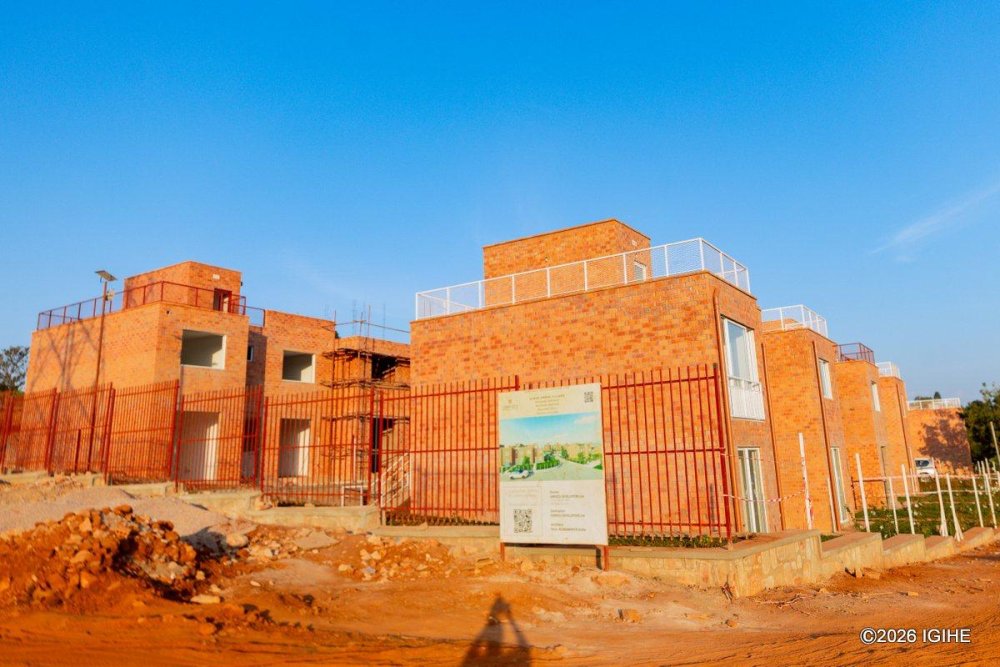
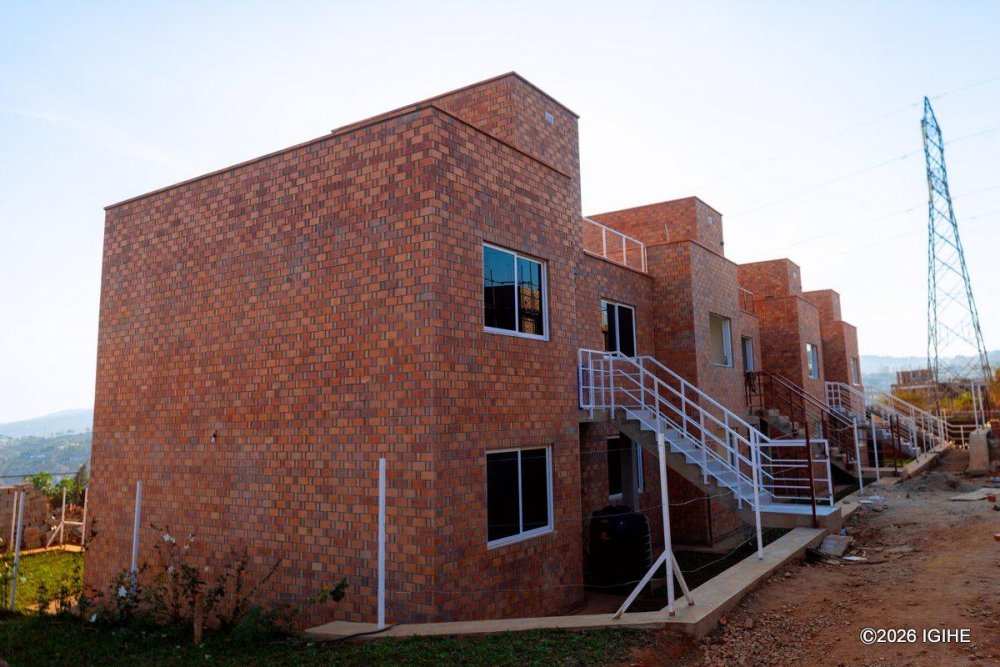
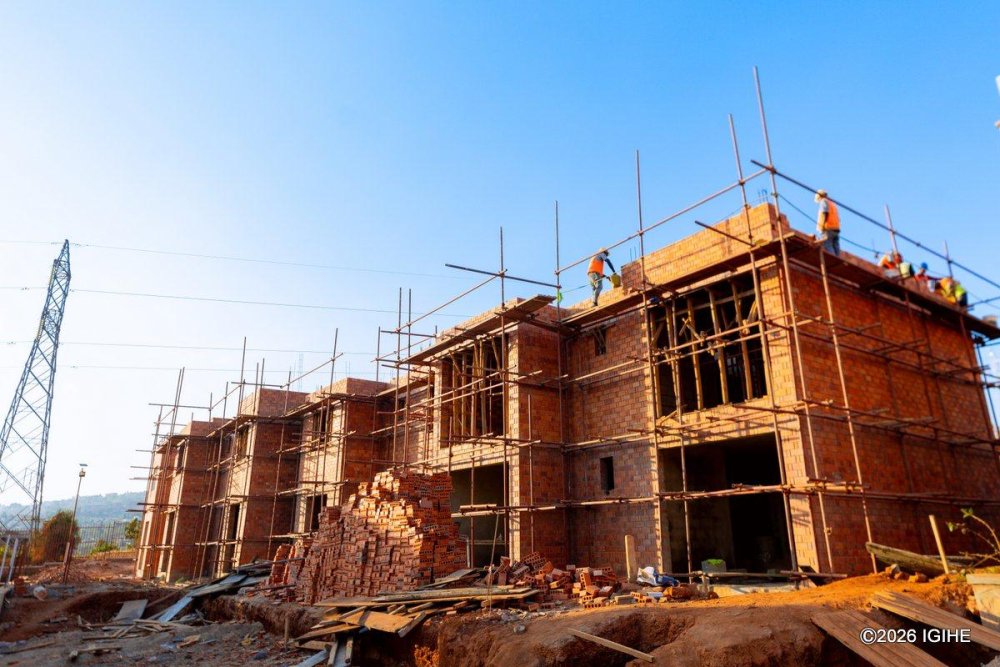
'At GIRINZU, as usual, we first conducted an in-depth feasibility study for the Gahanga 2 project, just as we did for the first project. In that study, we pay particular attention to how water flows through the land and the terrain before beginning construction. In Gahanga 2, which we call Aheza, we have already built 33 houses. So far, 85% of the homes have been sold, and the project is planned to have 114 houses,' she said.
She explained that the homes attract buyers even before construction is completed because early buyers can benefit from lower prices.
'The earlier people buy, the greater the opportunity to buy at lower prices. You can see how the international market is performing; transportation has been affected by the war in Iran, causing prices to rise. Although we use many locally produced construction materials, some materials are sourced from abroad,' Wibabara said.
She added that property investment can generate significant returns over time.
'Someone recently sold their house and made a 40% profit. No bank would give you an interest return of that level. Therefore, someone who buys a house early is effectively saving for themselves. For example, in this new Aheza Village that we are building in Gatovu, a 400-square-metre plot used to cost Rwf 15 million, but it now costs at least Rwf 42 million, with some going for Rwf 45 million, without anything else built on them,' she said.
Wibabara said Aheza Village would, like the first Gahanga development, provide adequate parking for residents and their visitors, electric vehicle charging facilities and recreational spaces for children, including different playgrounds.
Aheza will comprise homes with between two and four bedrooms. All houses will have kitchens, indoor toilets and bathrooms, as well as outdoor gardens. Prices start at Rwf 86.8 million.
'When we build estates, we divide them into phases so that a completed phase is not disrupted by other phases that are still under construction. We want people to get their homes as early as possible. In Aheza too, the first phase has been completed and someone has already moved in,' Wibabara said.
Buyers from Rwanda and abroad
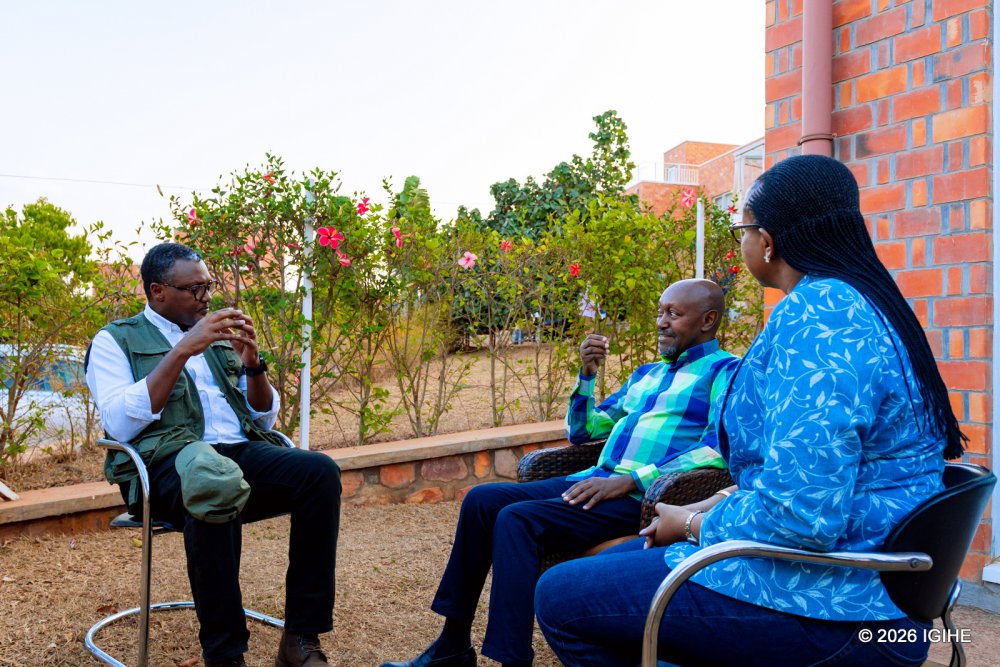
Alice Durand Gahunga, who lives in France, is among the people who bought a home early in Umutuzo Village. She said she chose GIRINZU because she wanted to have a home in Rwanda.
'My husband and I wanted to have a place we could call home in this country. But when you live far away, in Europe, building a house is not easy. After learning about the GIRINZU project, we took time to gather enough information and conduct thorough due diligence before buying. We are now living there,' she said.
Gahunga said she was happy to once again live in a community where she could interact with neighbours, hear children playing and enjoy a safe environment, particularly in Rwanda, her home country.
She added that she was also pleased to invest her money in a secure country. According to her, many Rwandans who have lived abroad for years want to own homes in Rwanda, either to live in when they return home or to rent out and generate income.
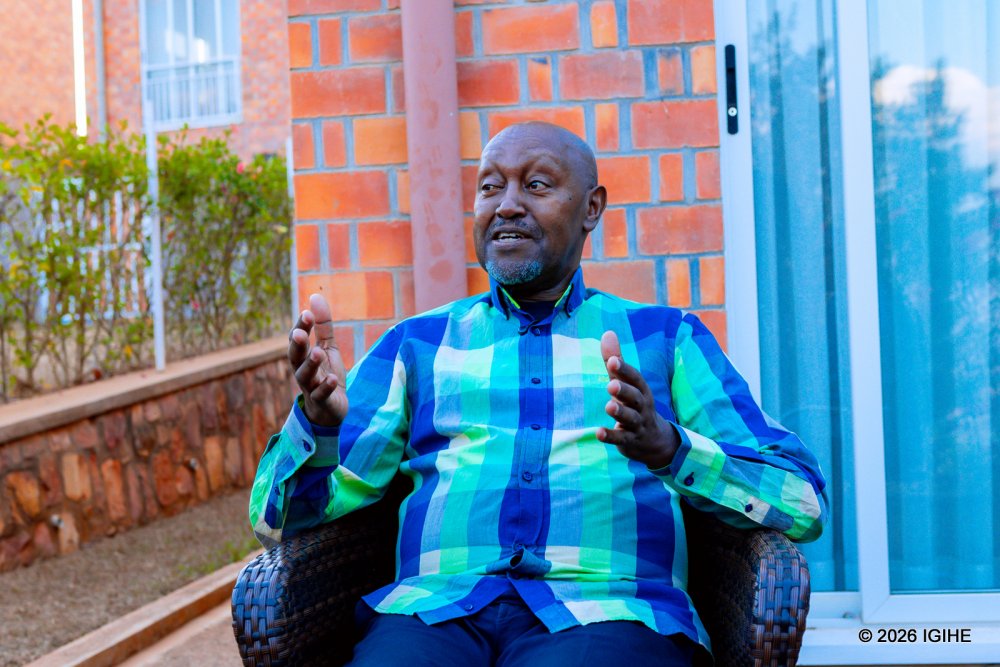
Mukunzi Rupia Jean, another resident of Umutuzo Village, shared his experience with IGIHE.
He said he had lived in different places and countries but had never found a community quite like Umutuzo because of the many advantages it offers.
'I am getting older, and I wanted a place where I could have neighbours, and I found them here. GIRINZU has brought us together; many of us participate in different activities that we organise. We also share many common values, even though we come from different parts of the world,' he said.
'The challenge we currently have is the road coming from the upper side, but the main tarmac road will also reach here before long.'
Different housing options
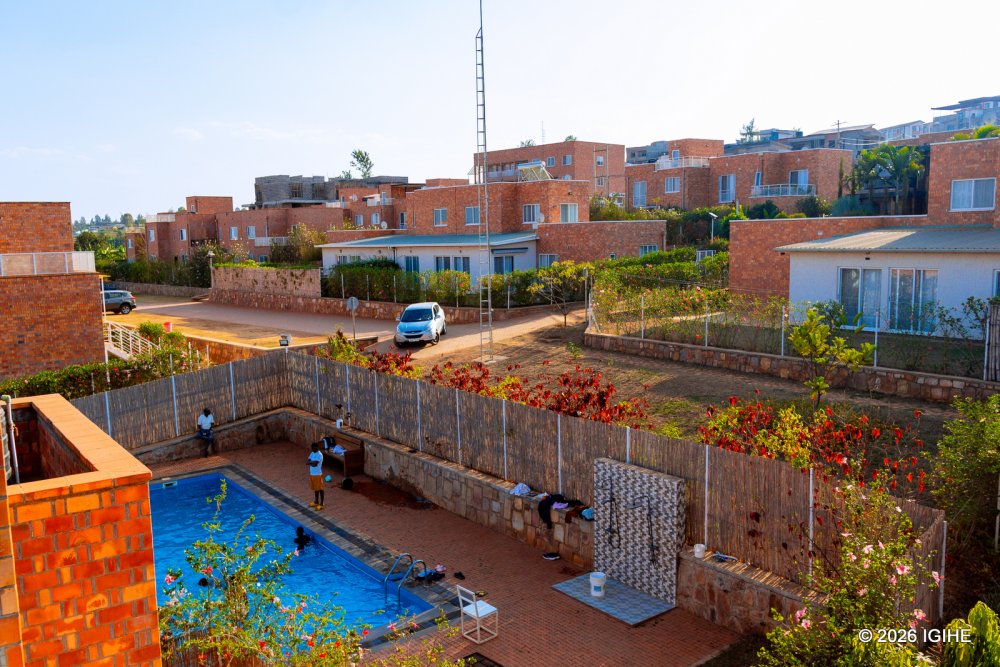
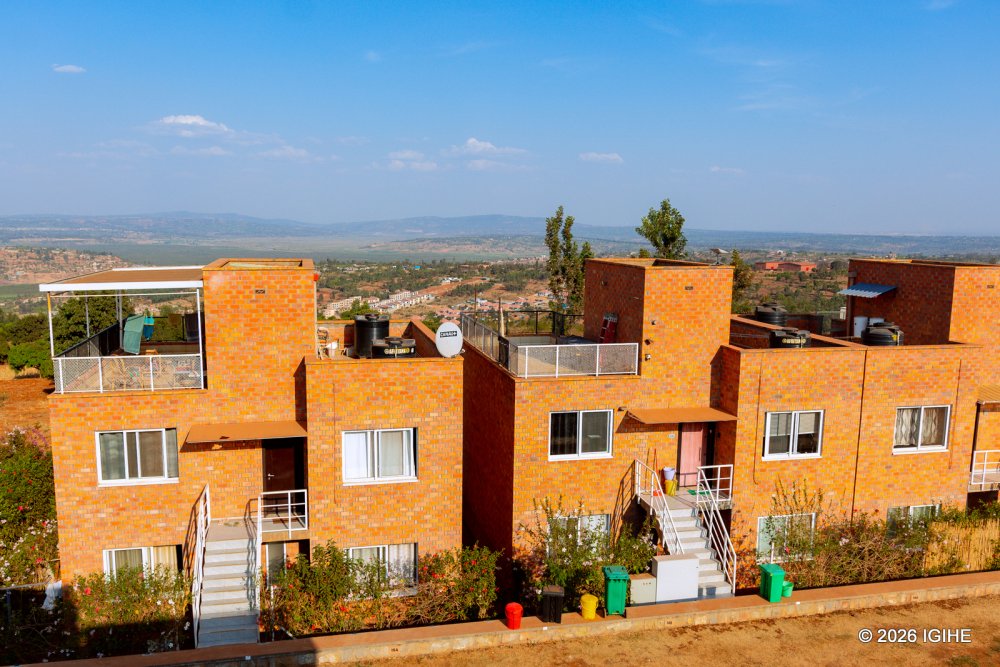
Umutuzo Village occupies two hectares and consists of three categories of homes designed to give buyers options based on their needs and financial capacity.
The first category comprises two-bedroom homes with a living room, one modern bathroom, a kitchen and a landscaped garden.
The second category consists of two-storey homes, each with three bedrooms, a living room, a bathroom and a landscaped garden.
The third category comprises four-bedroom homes with a living room, two bathrooms, a modern kitchen and a spacious garden.
At Aheza Estate, most homes in the first phase have already been sold, while registration for buyers interested in the second phase has started. Buyers are required to make an initial payment of 10% of the home's value.
The project offers different housing options, ranging from two-bedroom homes starting at $59,800 to four- or five-bedroom villas priced at $175,000.
Aheza Estate has been designed as a modern and environmentally conscious residential community. It will include a swimming pool, basketball court, outdoor gym, children's playground, shops, pedestrian and cycling paths, a car wash and electric vehicle charging facilities.
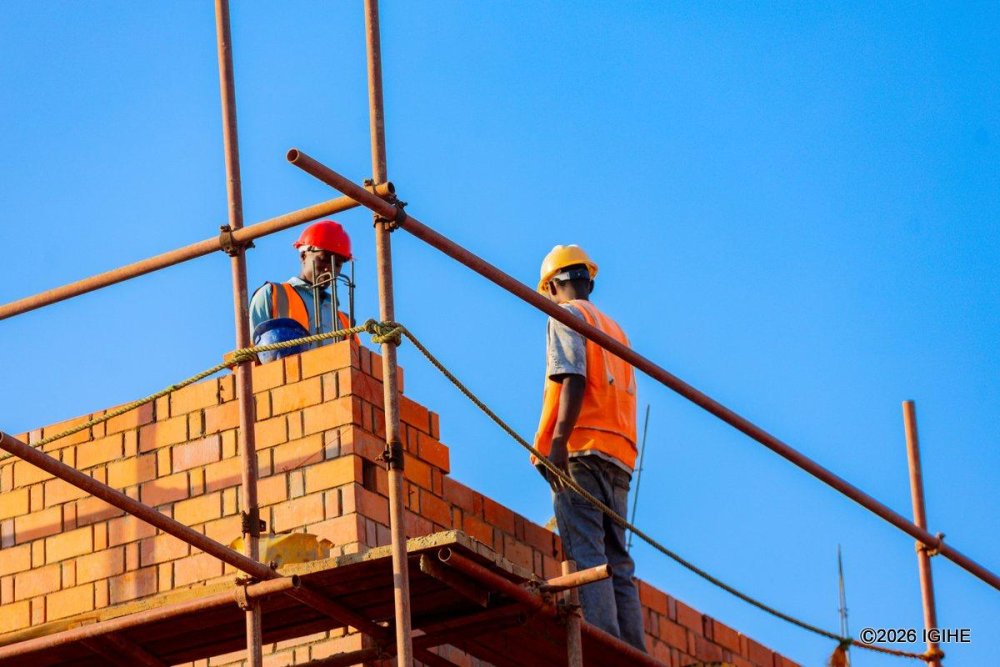
The estate will also have 24-hour security and two access gates. GIRINZU offers flexible payment arrangements while homes are under construction. Construction of an individual house takes between seven and eight months.
The company also has partnerships with Rwandan banks, including Bank of Kigali and I&M Bank, to help buyers access housing loans at preferential interest rates.
To make it easier for buyers, particularly Rwandans living abroad, GIRINZU offers virtual home viewing and allows contracts to be signed electronically. Plots and houses are allocated based on the order in which buyers make their requests.
The company also offers discounts to buyers who pay at least 75% of the home's value upfront when signing the purchase agreement, as well as buyers who purchase an entire building comprising two homes.
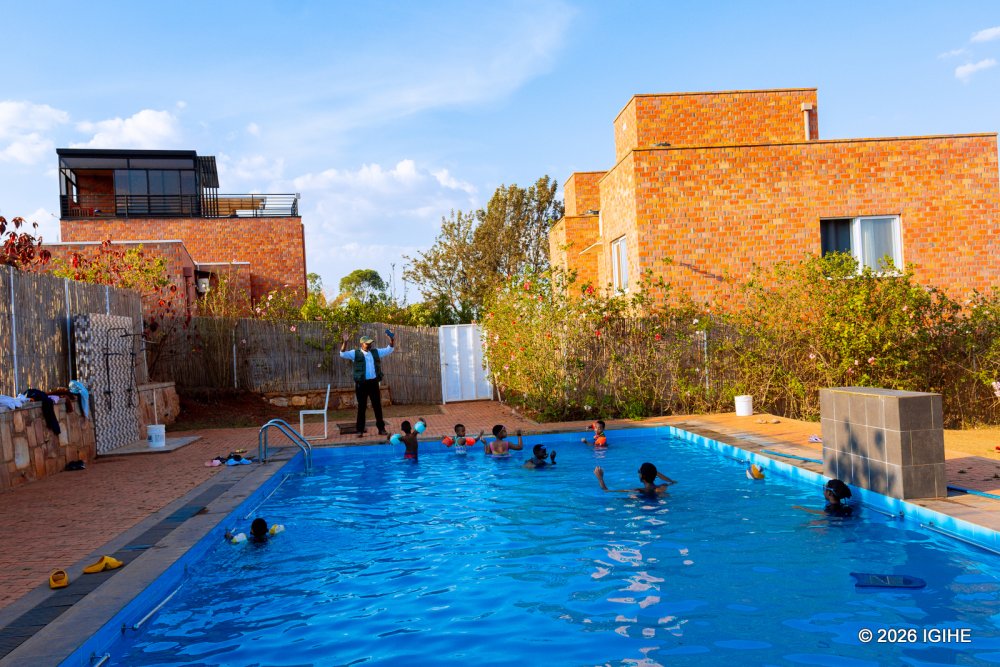
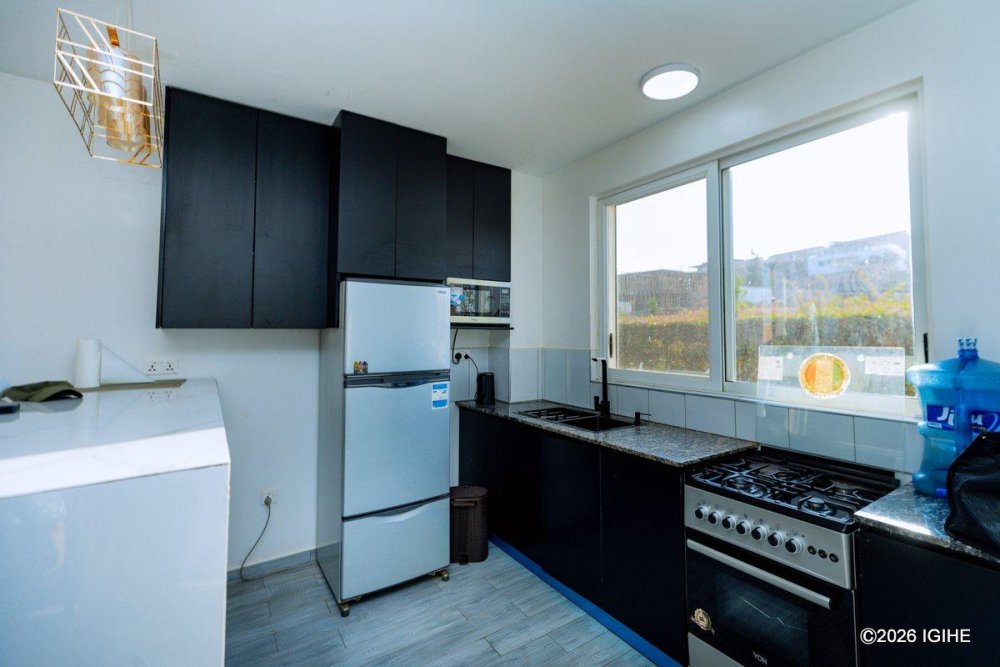
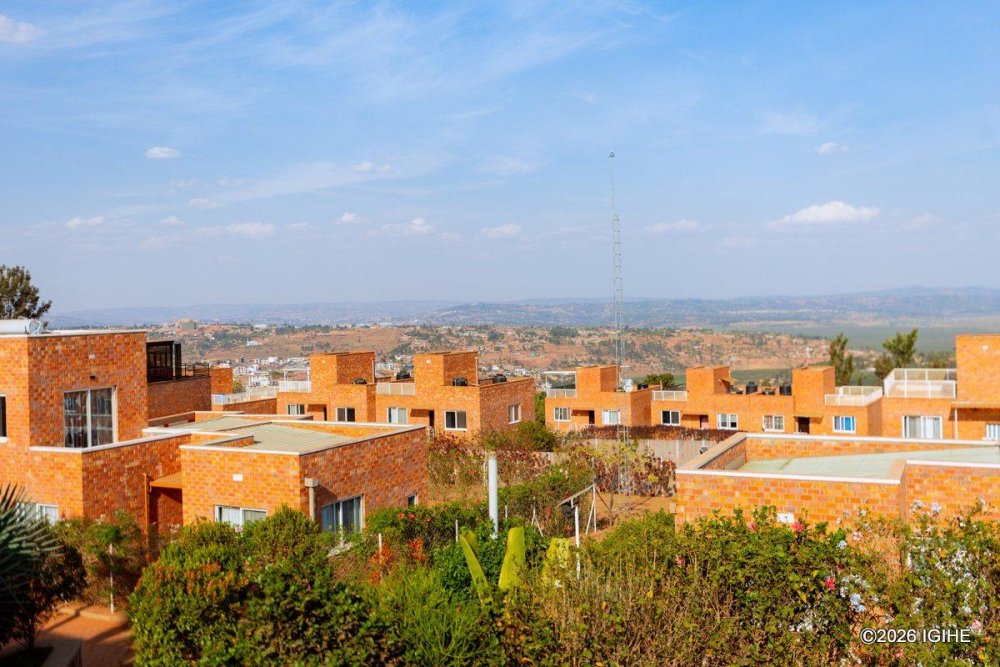
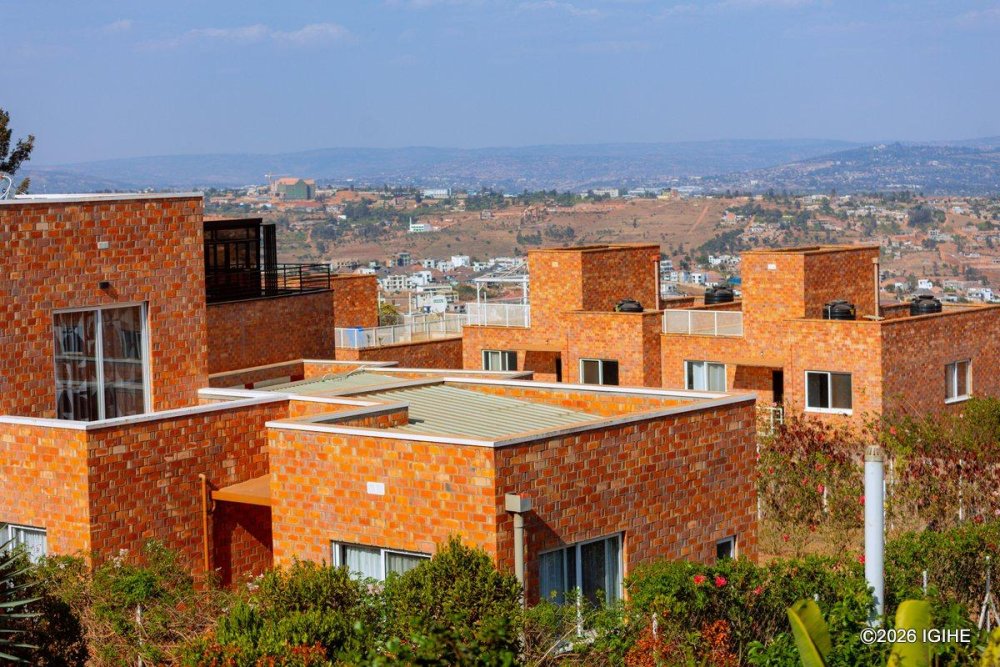
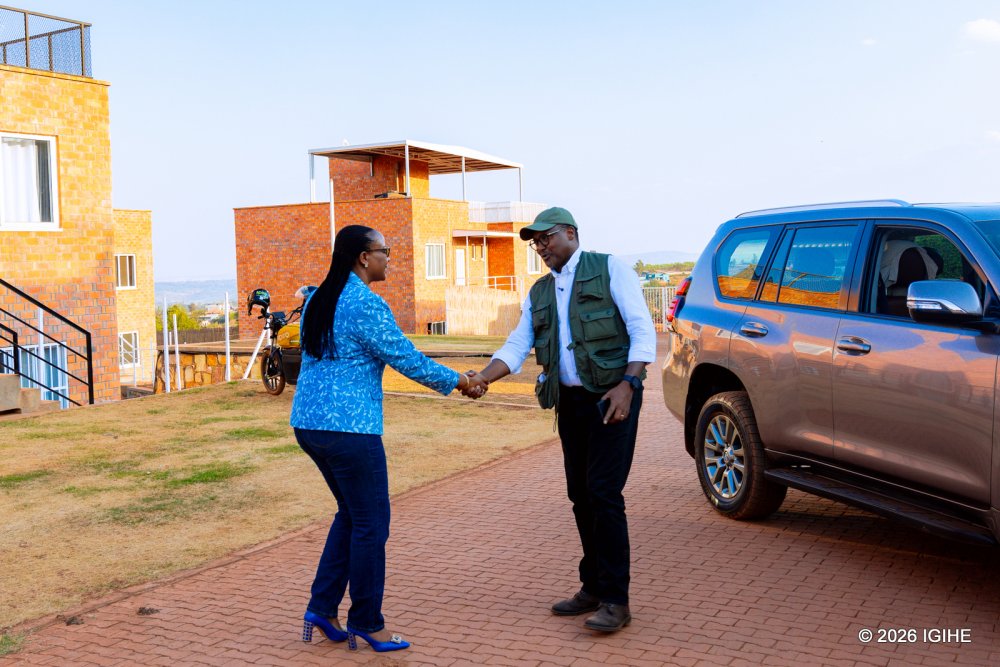
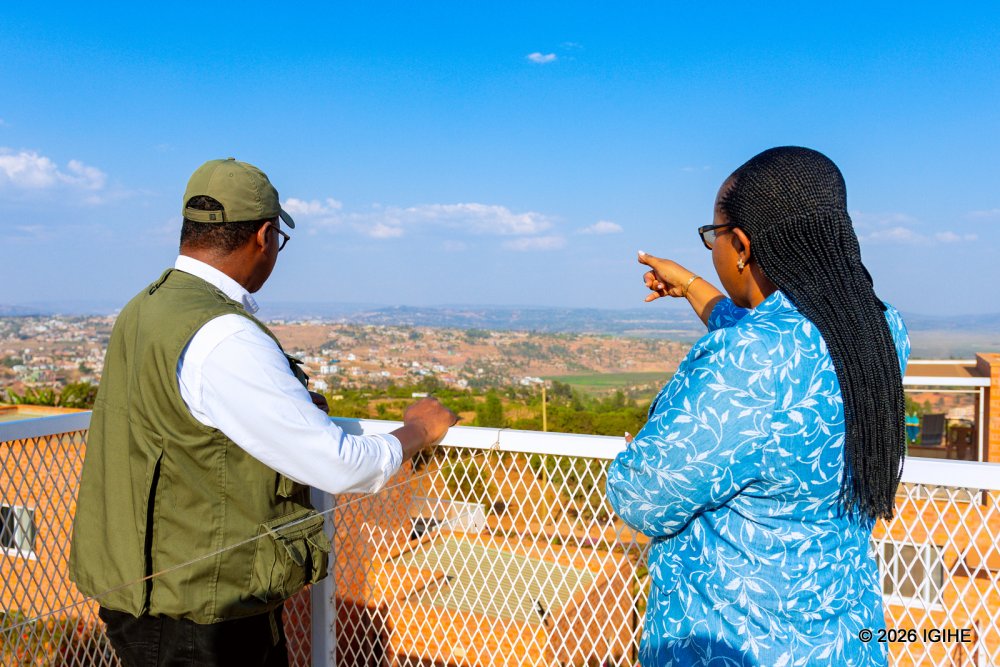
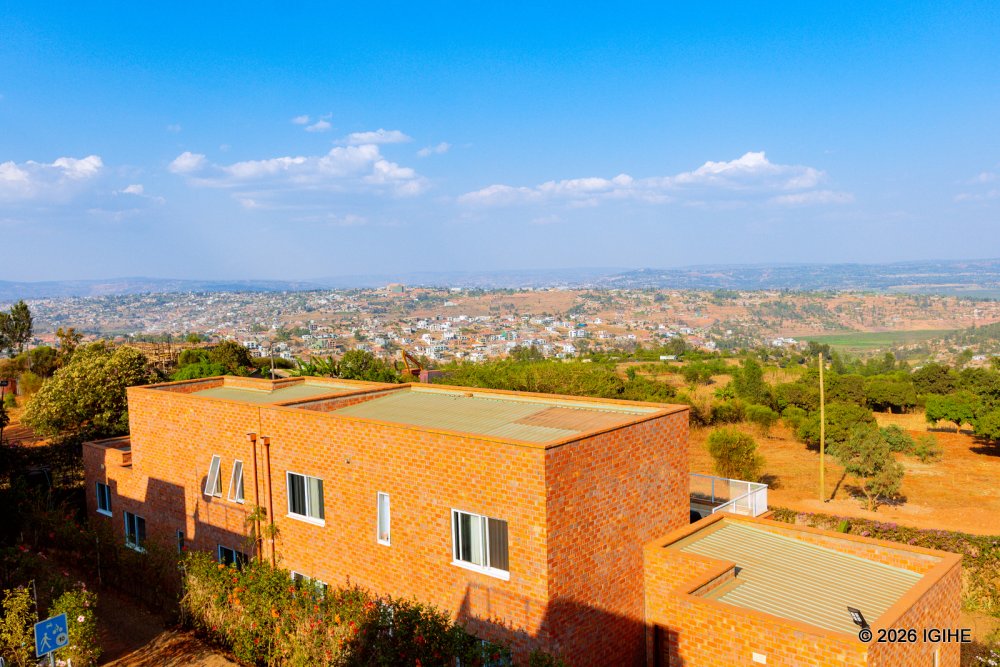
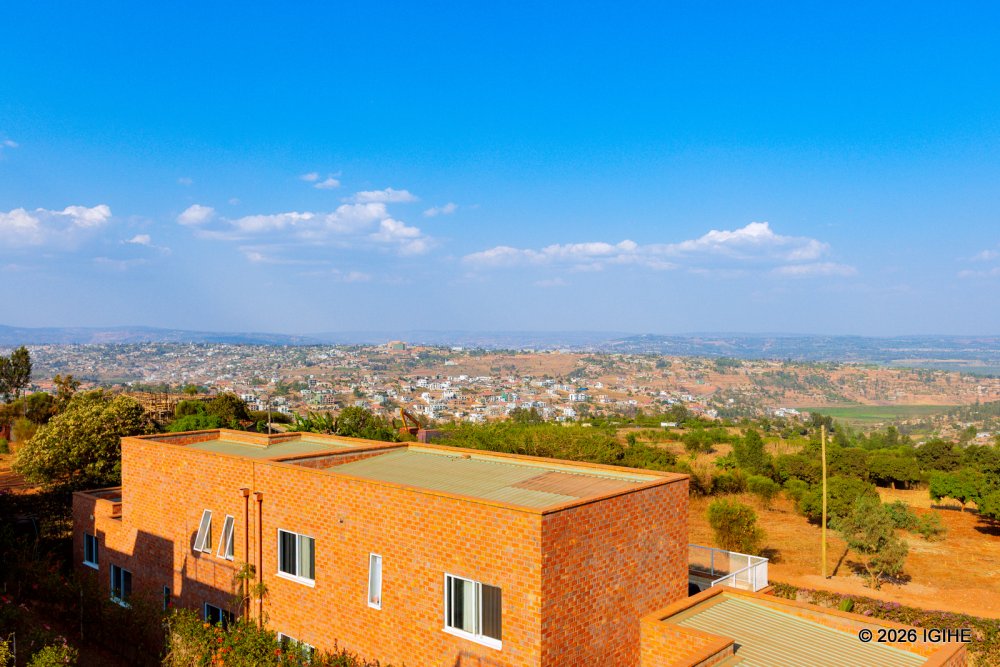
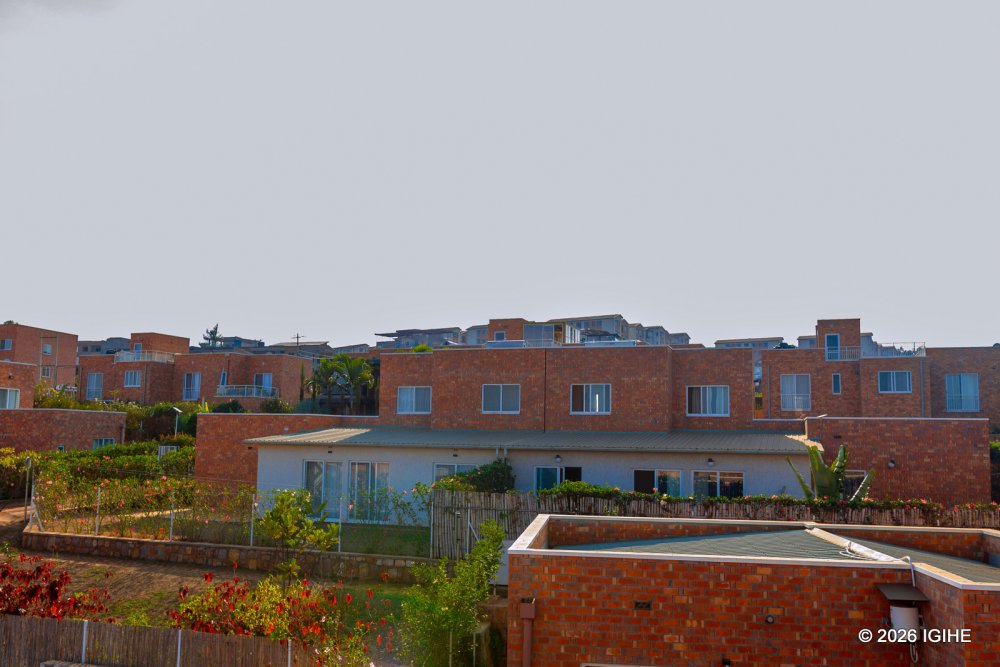
Alice Durand Gahunga, who lives in France, was among the early buyers at Umutuzo Village. Alice Durand Gahunga, a resident of Umutuzo Village, is pleased with her home in the GIRINZU community. She lives in France.The interior of one of the homes purchased at Umutuzo Village.GIRINZU founder and CEO Me Jackeline Wibabara welcomes IGIHE journalist on siteChildren and adults can be seen enjoying the swimming pool and other shared facilities at the village.Residents of GIRINZU homes can enjoy views of different parts of Kicukiro District, Bugesera District and beyond.GIRINZU places the safety and security of residents and their property among its priorities.Mukunzi Rupia Jean, head of residents' association at Umutuzo Village, speaks to IGIHE.GIRINZU CEO Me Jackeline Wibabara explains the Gahanga 2 development to IGIHE journalist.
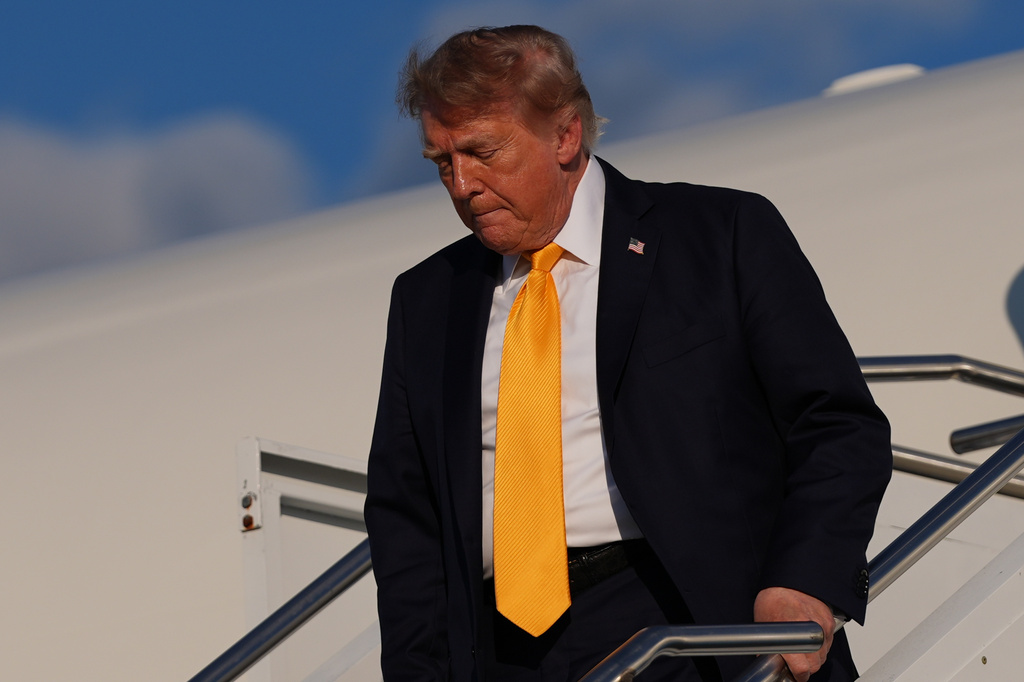
The apparently AI-generated map, posted on his Truth Social platform, shows the American flag covering the United States along with Canada, Mexico, Cuba, as well as Greenland — a self-governing territory within the Kingdom of Denmark — and several other countries and territories in North America and the Caribbean.
Trump offered no caption or explanation for the image.
The post followed a message on Sunday, in which Trump shared an image bearing the words 'THE MOON IS OURS' alongside a U.S. flag.
In another post on Sunday evening, the president labeled New Mexico, a mountain state in the U.S. Southwest, as 'New America,' though a president lacks unilateral authority to rename a state.
Trump signed an executive order last month directing the Department of the Interior to rename Lake Ontario 'Lake America' amid heightened trade tensions with Canada.
The change does not alter Canada's usage or constitute an internationally binding renaming.
In January 2025, Trump signed a separate executive order directing the renaming of the Gulf of Mexico as the 'Gulf of America,' a move that remains unrecognized internationally.
President Donald Trump arrives on Air Force One at Morristown Airport, Friday, Sept. 4, 2026, in Morristown, N.J. (AP Photo/Julia Demaree Nikhinson)
The network is part of a wider plan by the Inter-University Council for East Africa (IUCEA) to establish a federated regional Centre of Excellence in Artificial Intelligence, linking universities across the East African Community through specialised institutional nodes.
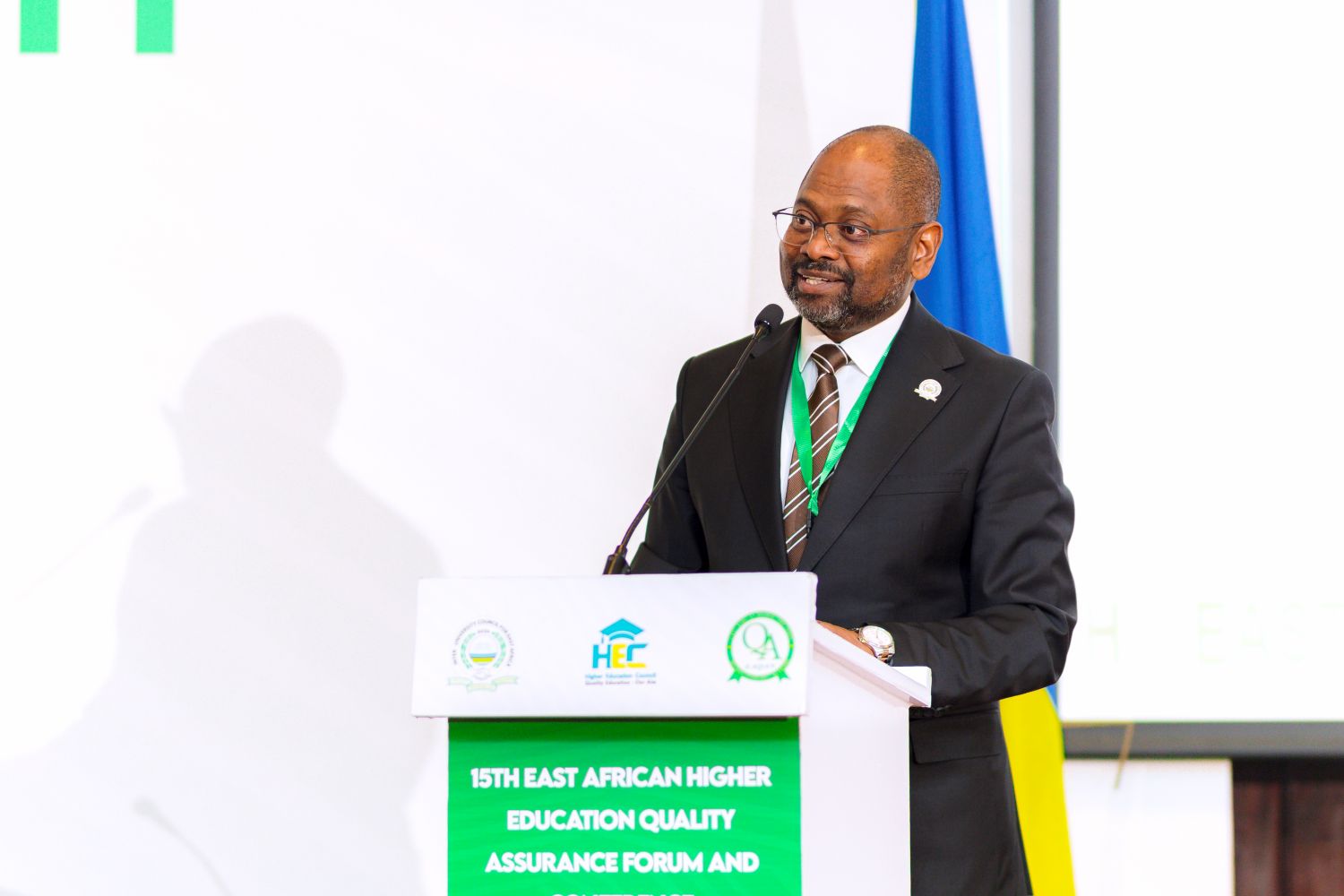
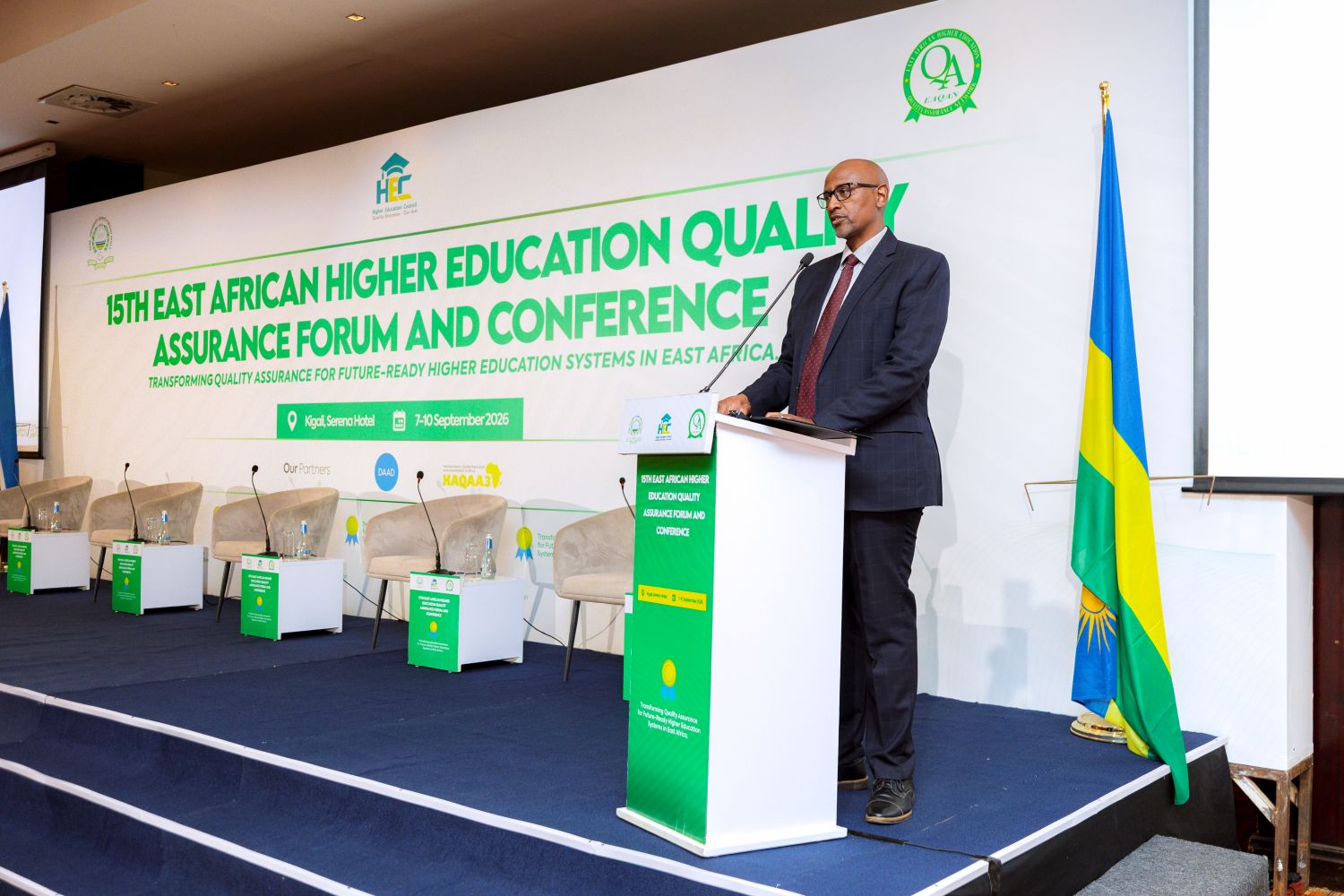
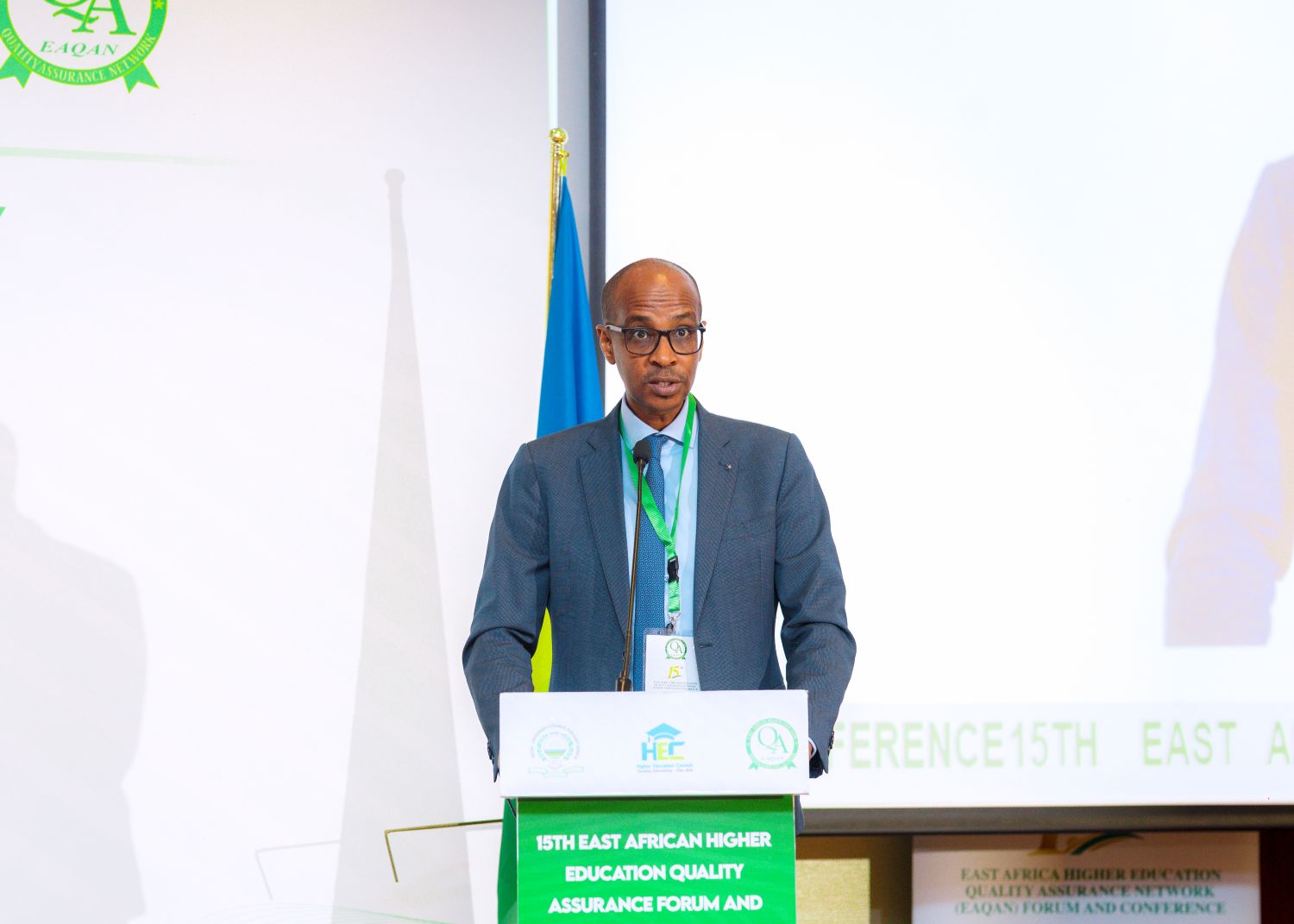
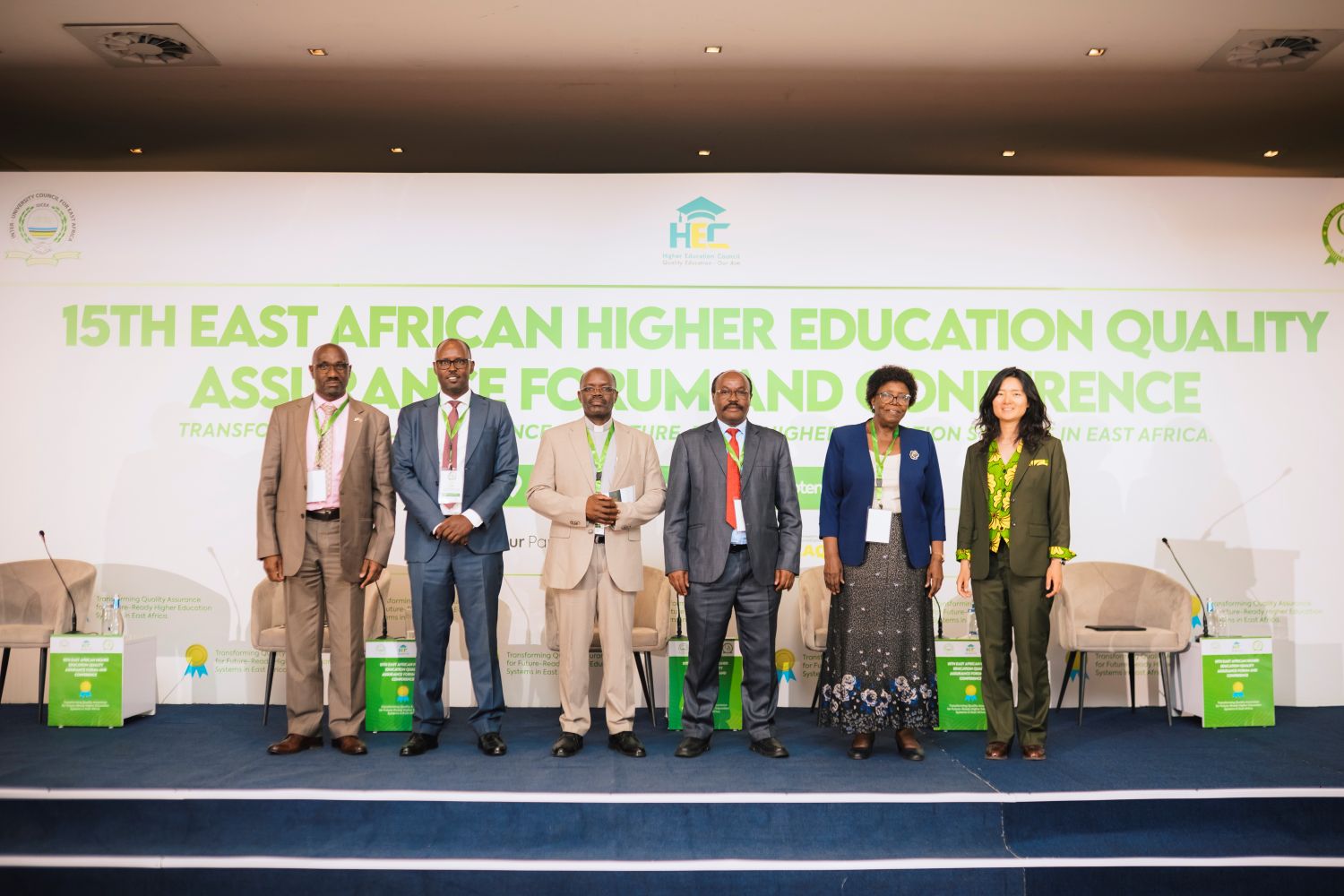
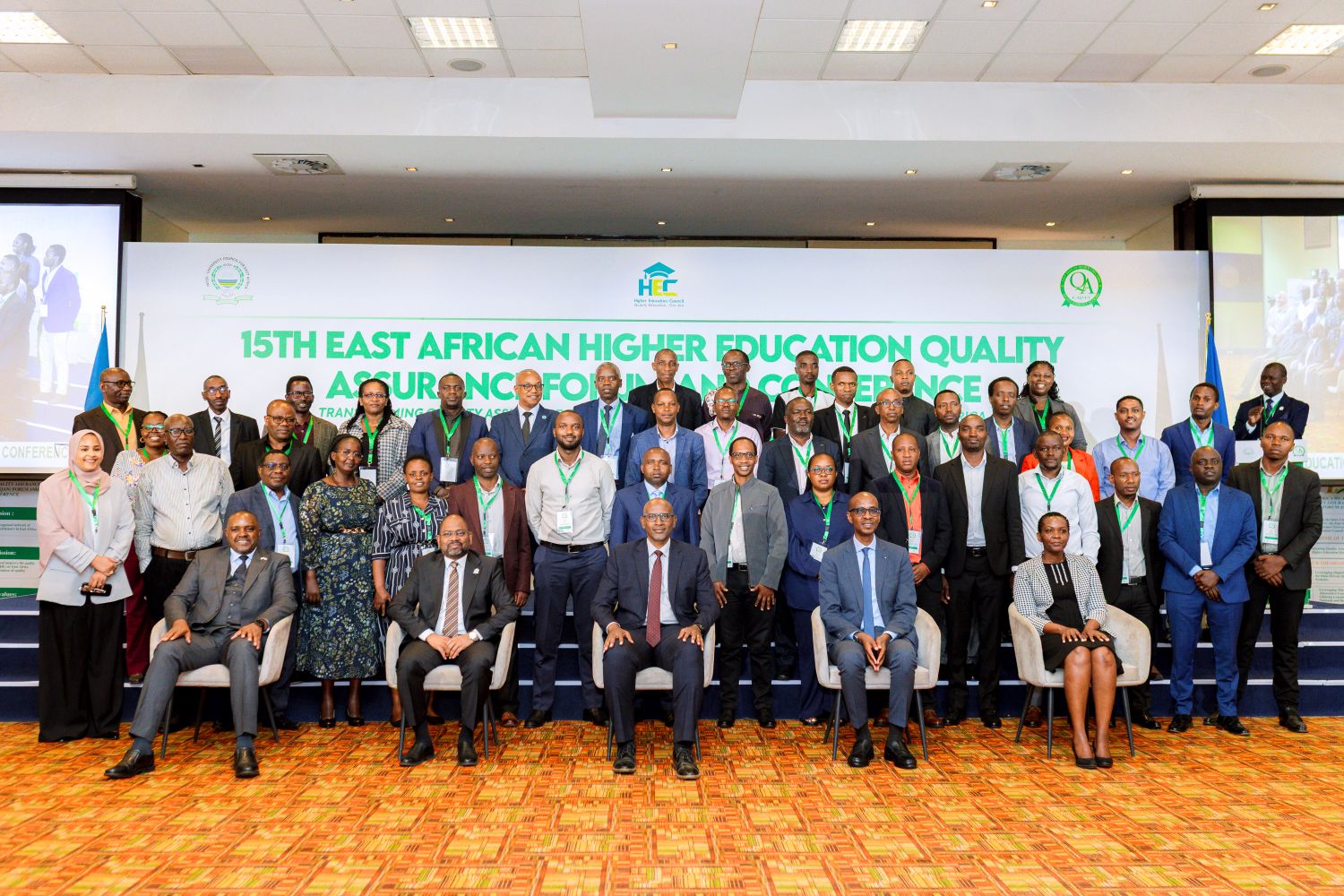
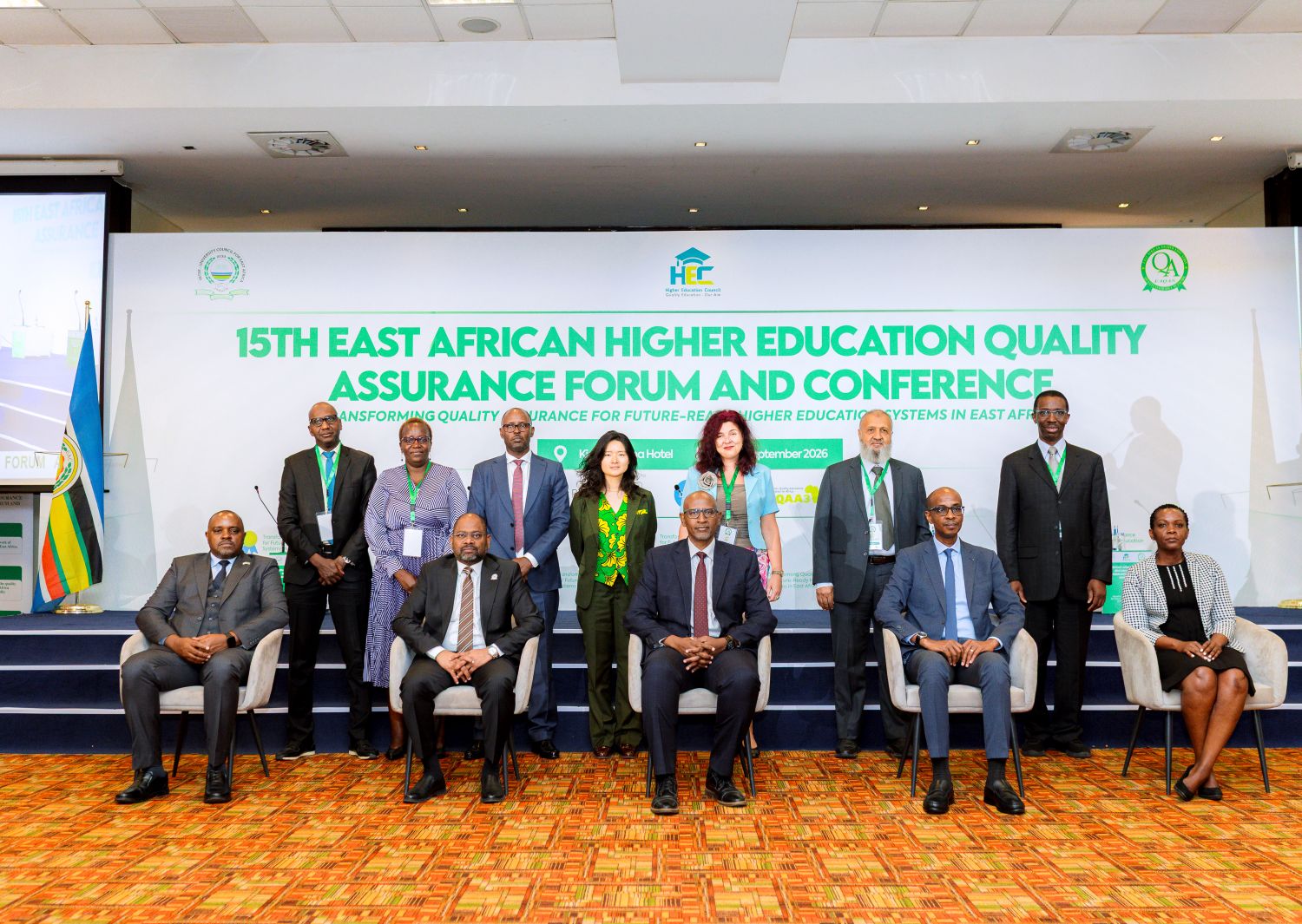
The Acting Executive Secretary of IUCEA, Prof. Idris Rai, highlighted the development on Monday, September 7, 2026, during the 15th East African Higher Education Quality Assurance Forum and Conference in Kigali.
The institutions named include the University of Rwanda, the University of Dodoma in Tanzania, Dedan Kimathi University in Kenya, SIMAD University in Somalia, the University of Burundi and Kabale University in Uganda.
The Acting Executive Secretary of IUCEA, Prof. Idris Rai, speaks on Monday, September 7, 2026, during the 15th East African Higher Education Quality Assurance Forum and Conference in Kigali.
Prof. Rai said discussions were still ongoing with two EAC partner states that are yet to identify representative institutions to join the collaborative network.
The regional network was officially launched in Nairobi in July and is expected to form the foundation for the future East African Centre of Excellence in AI Education and Research.
Prof. Rai said the initiative builds on discussions held during an IUCEA conference in Kigali in 2023, which focused on higher education in the age of artificial intelligence and data science.
The discussions identified the need for universities to build institutional capacity while developing a collaborative platform for teaching, research and innovation in AI.
'In 2024, our Executive Committee approved the establishment of a regional centre of excellence in AI — a federated regional centre of excellence, whereby each partner state will identify one node or university to take part in developing that regional collaborative framework on AI,' Prof. Rai said.
He revealed that the network will support the development of benchmarks and curricula in areas including data science, artificial intelligence and robotics, covering both undergraduate and postgraduate education.
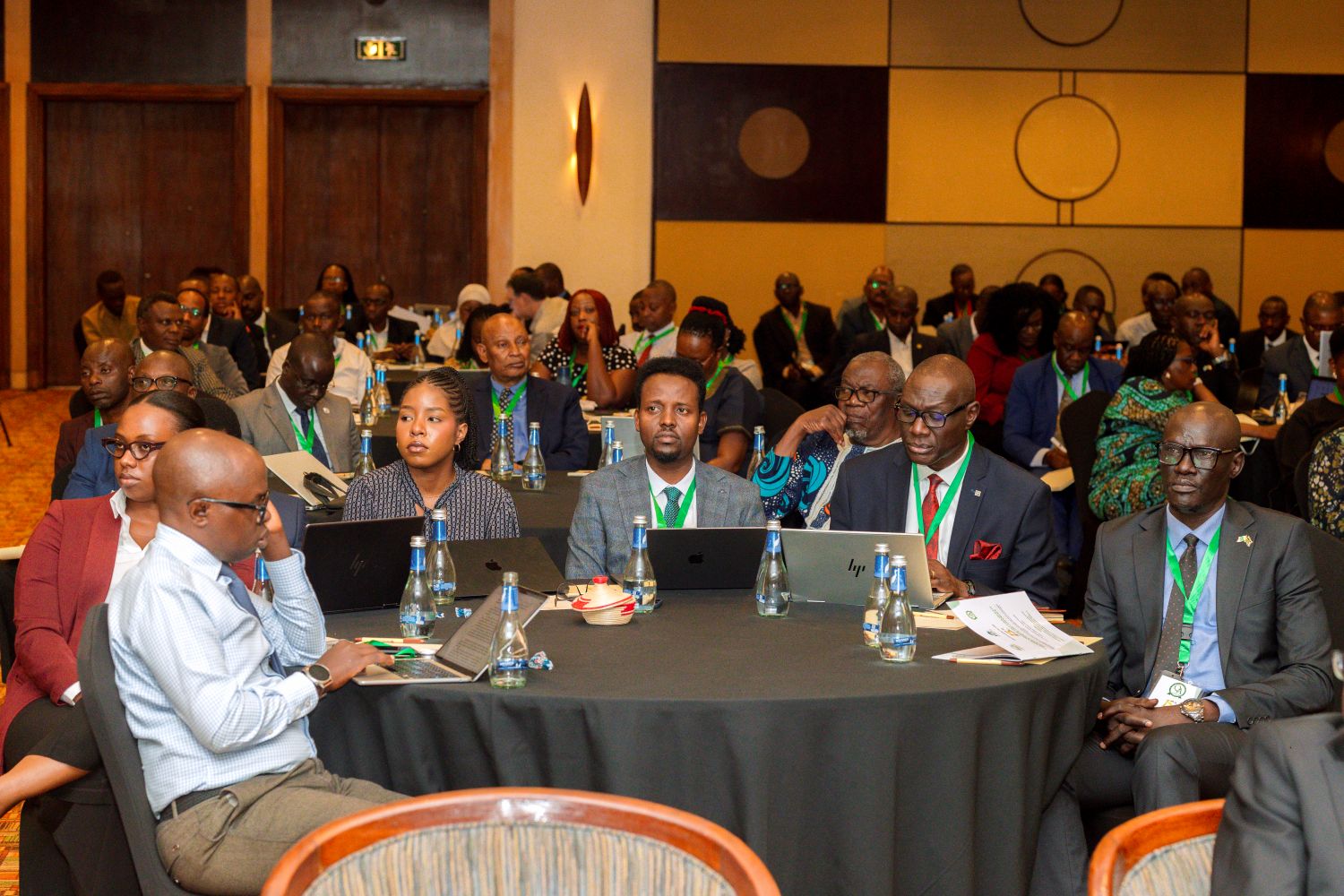
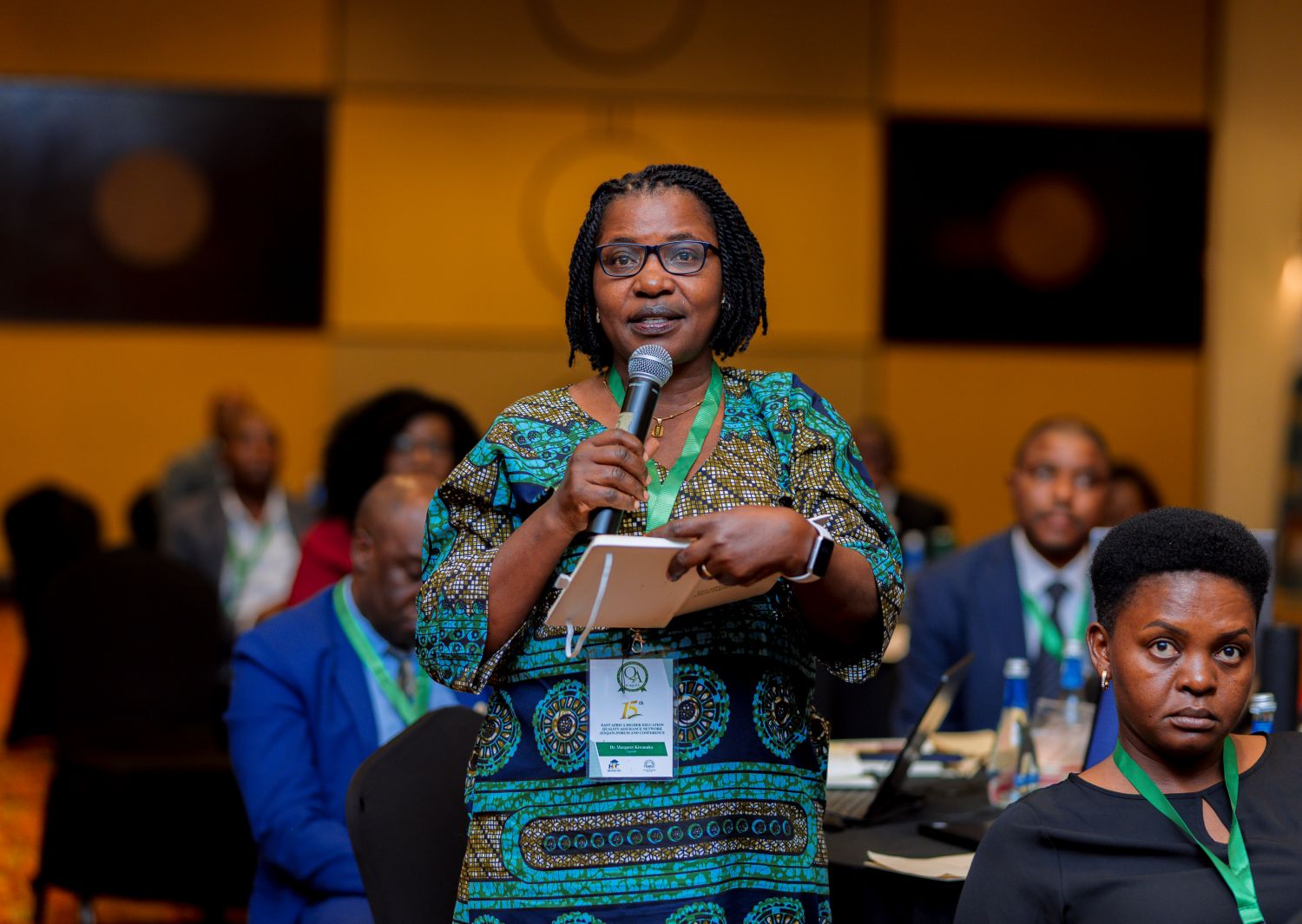
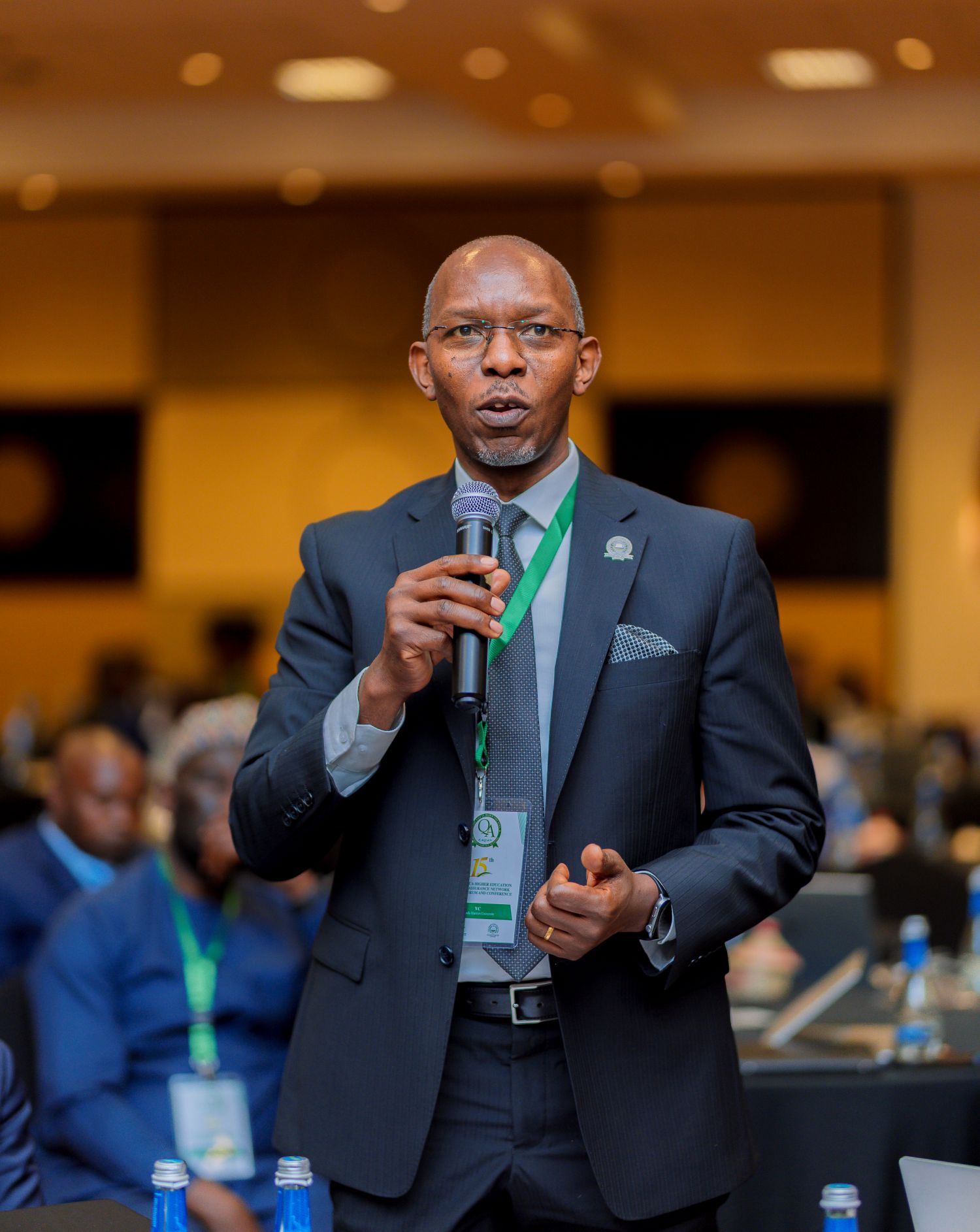
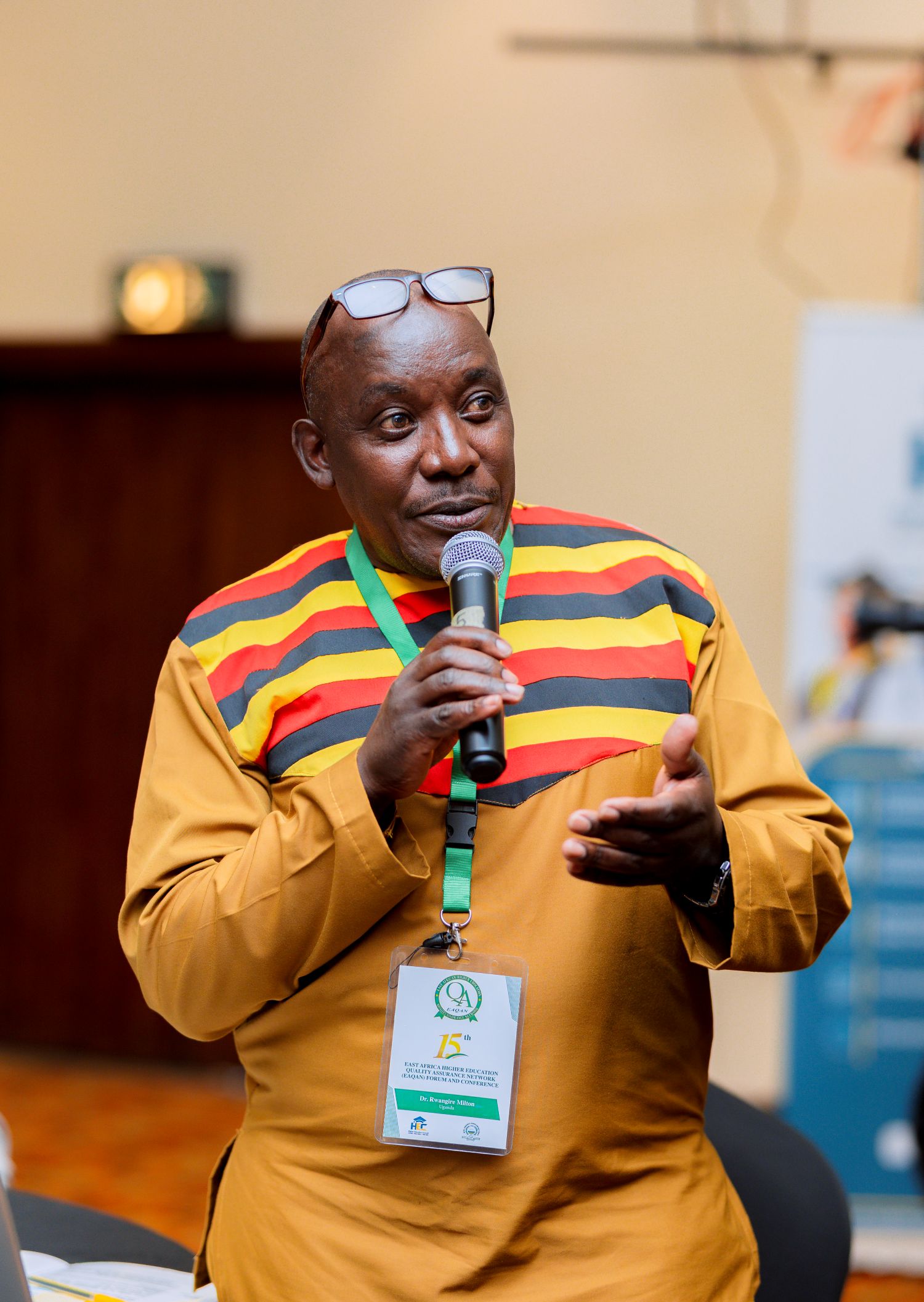
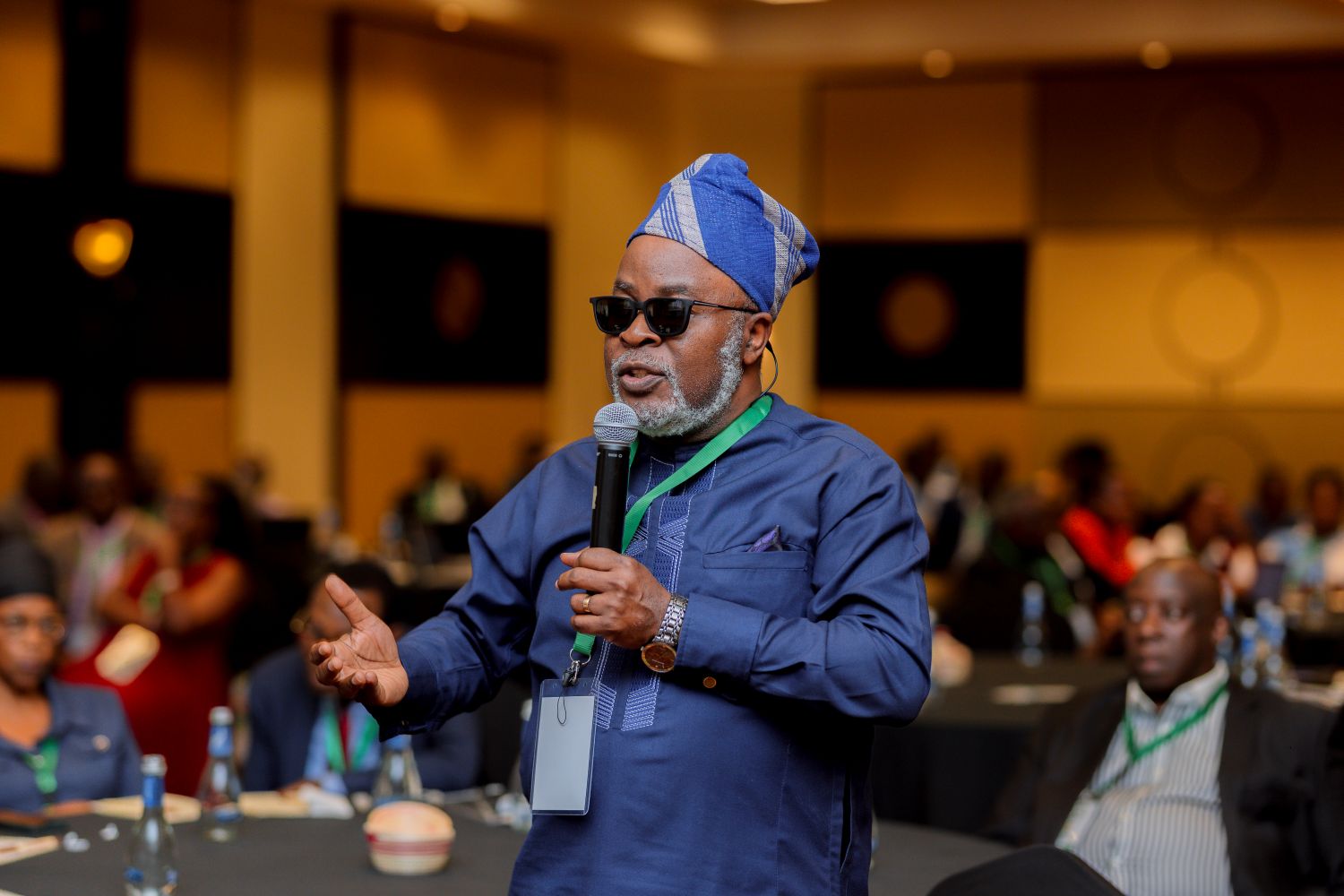
The forum has brought together university leaders, higher education regulators, academics and development partners.
AI literacy for university students
Among the major initiatives being developed is an AI foundational module that could introduce basic artificial intelligence literacy to university students across East Africa.
Prof. Rai said the module is in its final stages of development and could eventually become part of university education across the region.
'We are in the final stages of development of what we call an AI foundational module,' he said.
'Imagine you have a foundational module in AI whereby all students who go through our universities must take it, so that they know about AI, provide AI literacy.'
IUCEA is also developing learning pathways for lecturers who will teach the module and a policy framework to guide the use of AI in teaching, learning and other areas of higher education.
The network will further support collaborative and multidisciplinary research among participating universities.
For Rwanda's Minister of Education, Joseph Nsengimana, the rapid growth of AI is raising fundamental questions about whether universities are adequately preparing students for a changing world.
'The world for which our universities are preparing our graduates is changing rapidly. Artificial intelligence is transforming how knowledge is produced, taught and applied,' Nsengimana said.
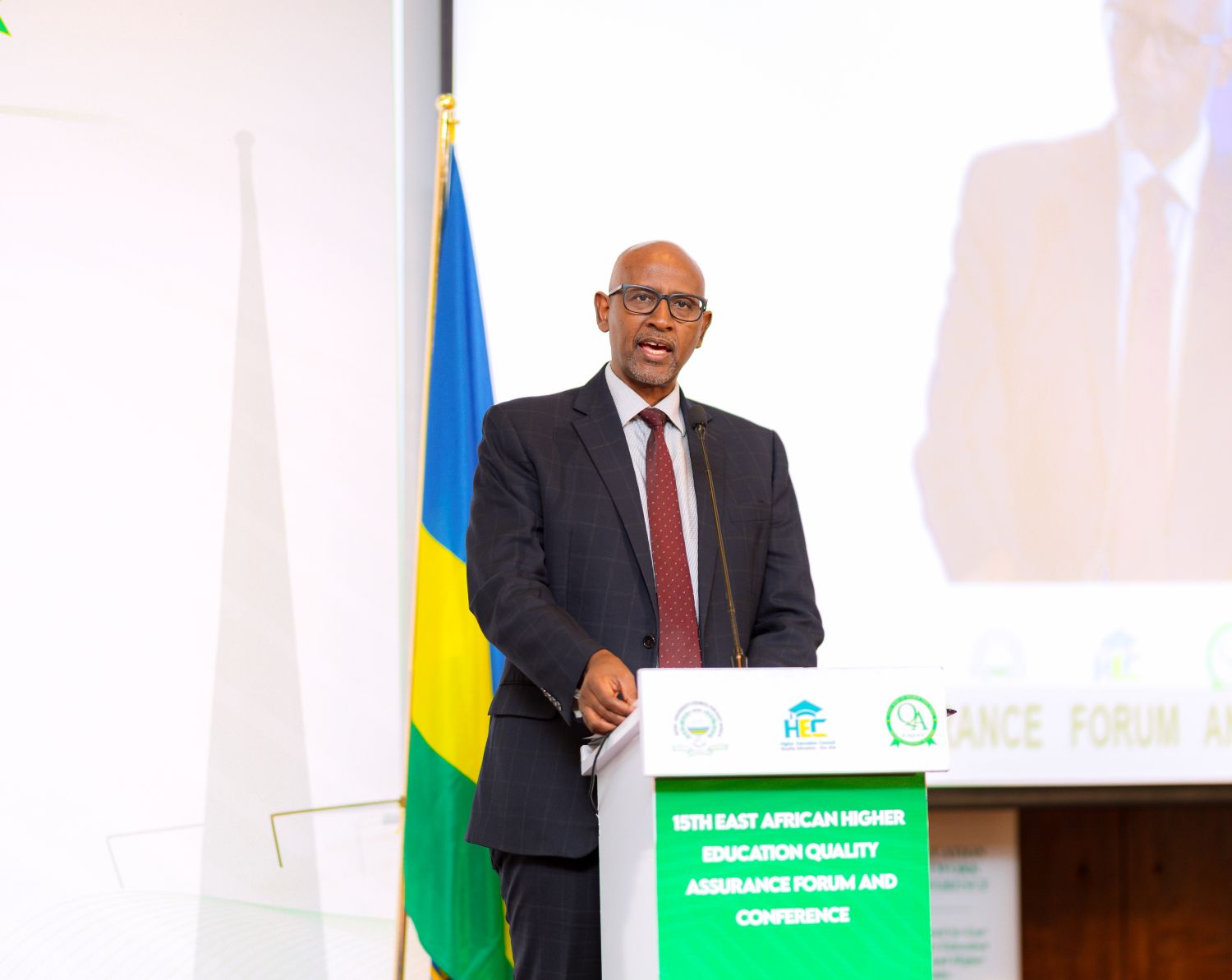
Rwanda's Minister of Education, Joseph Nsengimana, said the rapid growth of AI is raising fundamental questions about whether universities are adequately preparing students for a changing world.
He noted that the urgency was particularly significant for East Africa, where more than 60 percent of the population is under the age of 25, saying higher education will play a major role in determining whether the region's young people are equipped to turn their talent into opportunities in a rapidly changing economy.
'Will the education we receive today prepare us for the world of tomorrow?' Nsengimana said, referring to what he described as an urgent question facing young people across the region.
'Our answer must be a resounding yes.'
He said digital transformation and artificial intelligence should be central to efforts to modernise higher education, while universities and regulators must ensure that technology is used responsibly.
'Technology alone is not enough,' he stated, stressing the need to equip academic staff and regulators with the capacity to use emerging technologies responsibly while protecting data, maintaining ethical standards and ensuring equitable access.
Future-ready universities
Dr. Edward Kadozi, the Director General of Rwanda's Higher Education Council, said universities could no longer focus only on preparing students for the jobs that exist today.
'Higher education is no longer preparing students simply for the jobs of today. It must prepare them for jobs, technologies and challenges that are still emerging,' he remarked.
Kadozi said technological development, digitalisation and AI were changing how knowledge is created and delivered, while also reshaping the skills required by economies.
He warned that qualifications alone would not be enough if graduates leave universities without the practical skills, adaptability and critical thinking required in the workplace.
'If graduates leave our institutions with qualifications but without practical skills, adaptability and critical thinking required by the workplace, then we have not fully delivered on our responsibilities to them,' Kadozi said.
He added that quality assurance systems must also evolve alongside changes in higher education.
'We must modernise our evaluative tools. We must strengthen our technical capacities. We must embrace appropriate technologies. And we must continuously review our regulatory processes to ensure that they keep pace with the sector we oversee.'
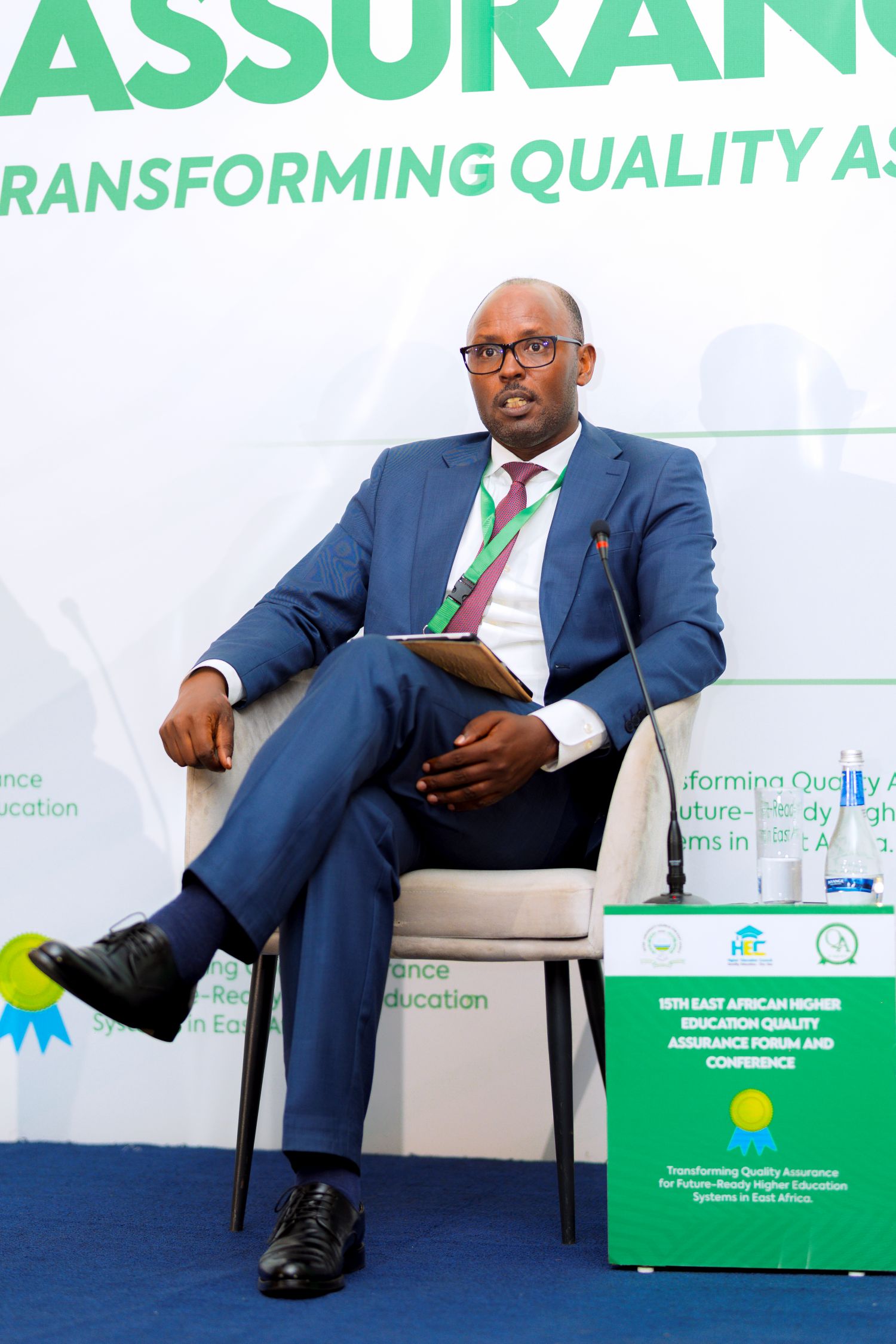
Dr. Edward Kadozi, the Director General of Rwanda's Higher Education Council, said universities could no longer focus only on preparing students for the jobs that exist today.
The regional push for AI-ready higher education has also attracted support from international partners.
A representative of the German Academic Exchange Service, DAAD, announced plans to establish a new African Centre of Excellence for Applied and Responsible Artificial Intelligence in Kenya, which is expected to serve the wider East African region.
Dr. Dorothee Weyler, Regional Director, DAAD, said the centre will focus on strengthening institutional capacity in applied and responsible AI research while integrating teaching, research, early-career development and knowledge transfer.
The development comes as Rwanda's higher education sector increasingly positions itself within regional efforts to strengthen digital skills, research and innovation.
Through its role in the new network, the University of Rwanda is expected to contribute to the development of AI expertise and collaborative research while helping build the institutional capacity needed to support the responsible adoption of the technology across East Africa.
Prof. Didas Kayihura, Vice Chancellor of the University of Rwanda, said such regional collaboration has already proven valuable for staff and institutions engaging with partner universities across East Africa.
'That exposure itself changes the staff quite a lot,' he said, adding that lessons learned abroad are typically brought back and shared with colleagues at home.
Prof. Didas Kayihura, University of Rwanda Vice Chancellor, said regional university collaboration is already benefiting staff and institutions across East Africa.
The Regional AI Network follows a federated model in which participating universities contribute their individual strengths while collaborating on joint programmes, research and other regional initiatives.
Meanwhile, DAAD also announced plans to host a Master of Science in electrical power systems scholarship programme at the University of Rwanda for the next three years, with applications opening on September 24.
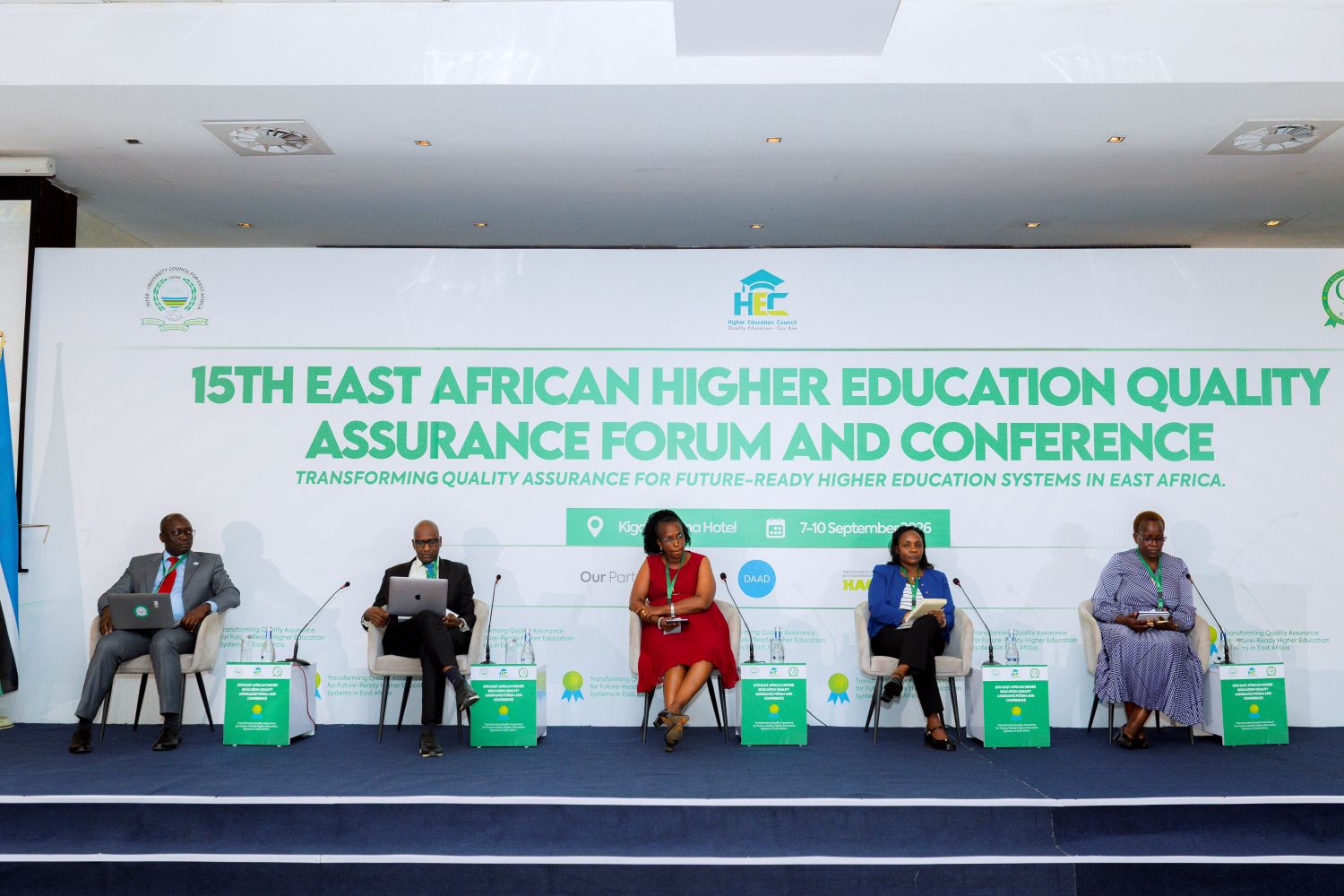
The 15th East African Higher Education Quality Assurance Forum and Conference is being held at the Kigali Serena Hotel under the theme, 'Transforming Quality Assurance for Future-Ready Higher Education Systems in East Africa.'
The four-day forum has brought together university leaders, higher education regulators, academics and development partners to discuss how East Africa can prepare its universities and graduates for emerging technologies and the changing demands of the labour market.
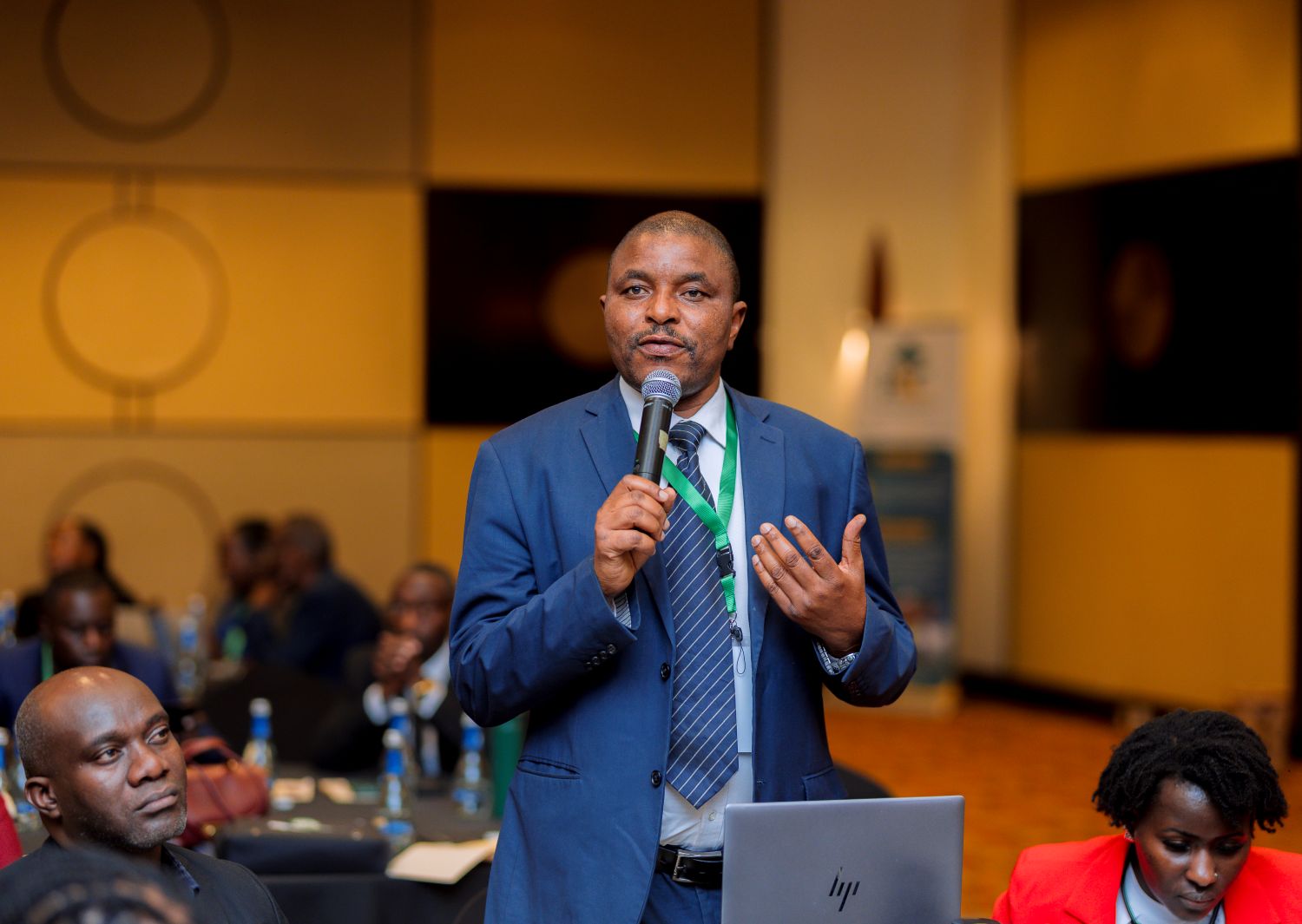
The forum has brought together university leaders, higher education regulators, academics and development partnersThe stakeholders are discussing how East Africa can prepare its universities and graduates for emerging technologies and the changing demands of the labour market.

 Gist – News lifestyle (@Tessyspice1)