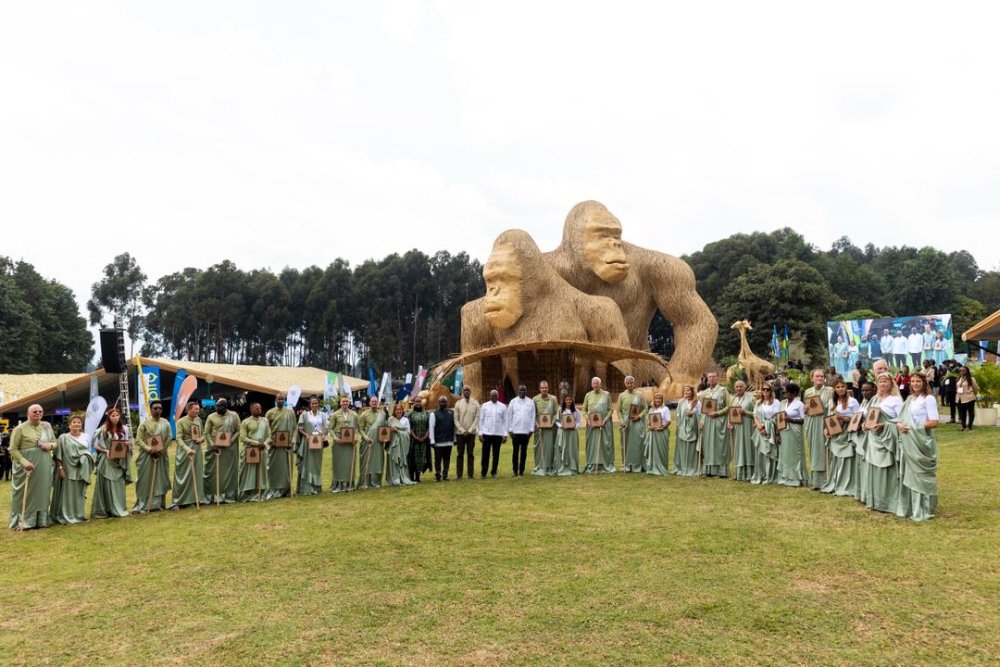
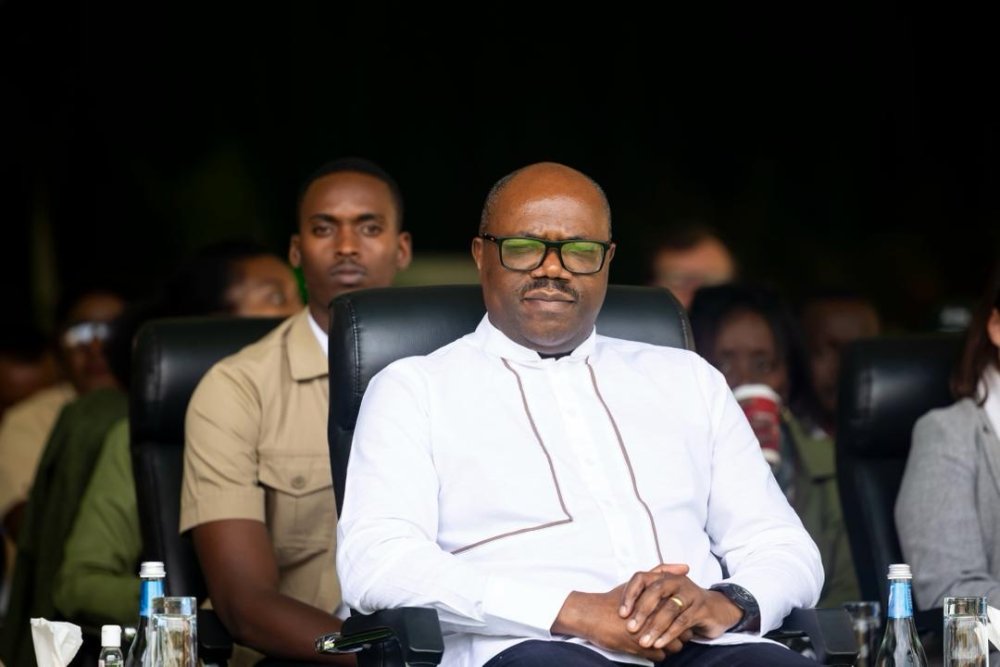
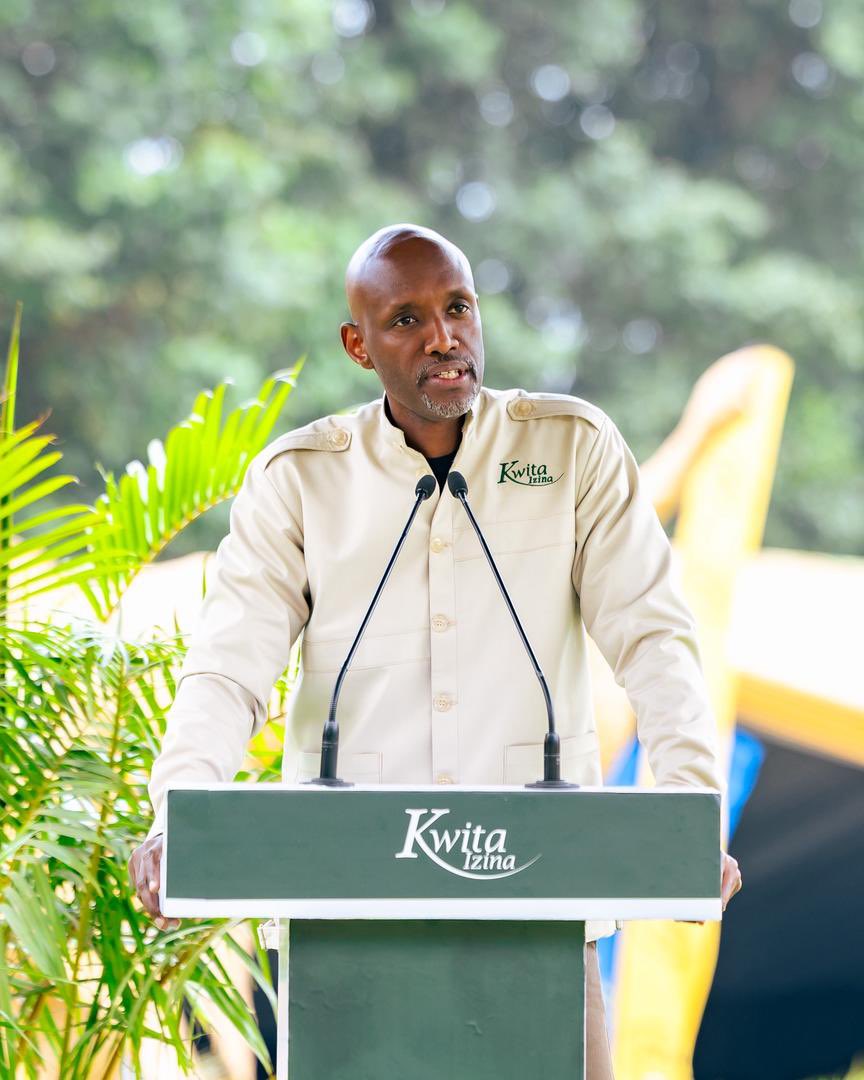
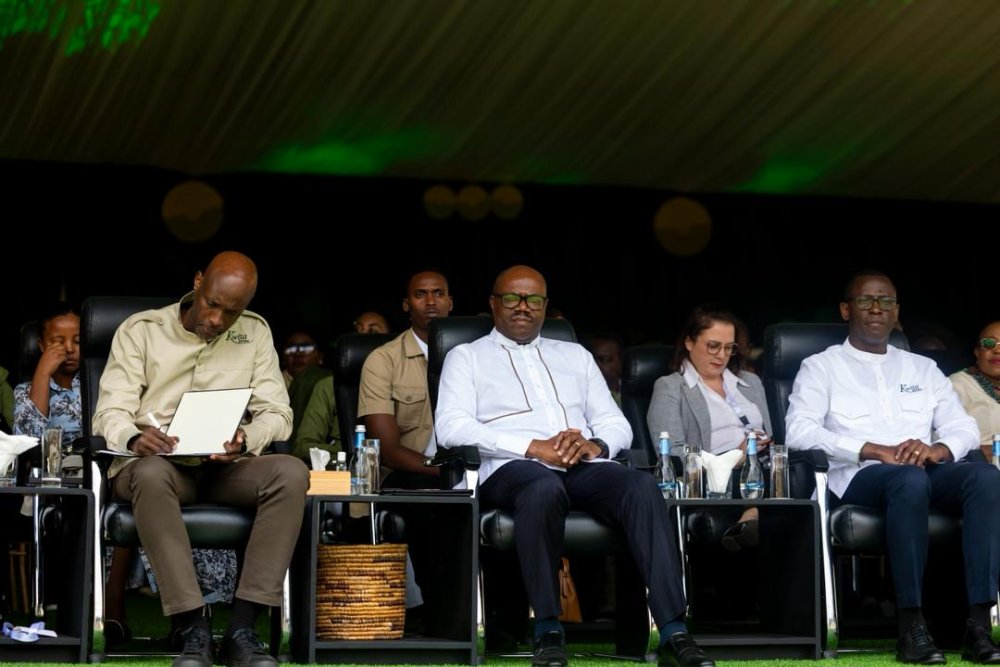
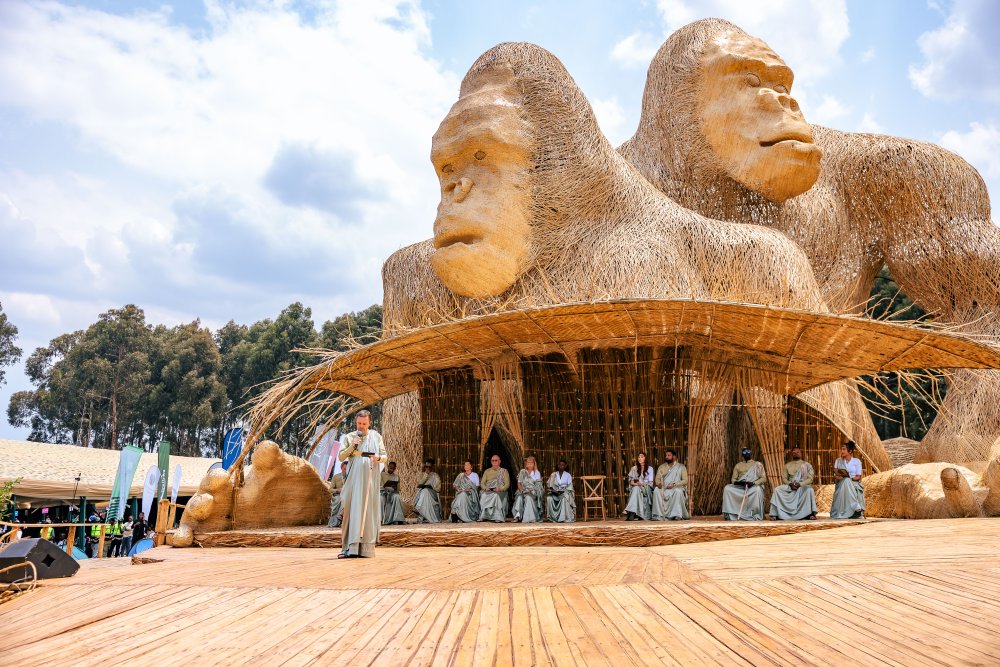
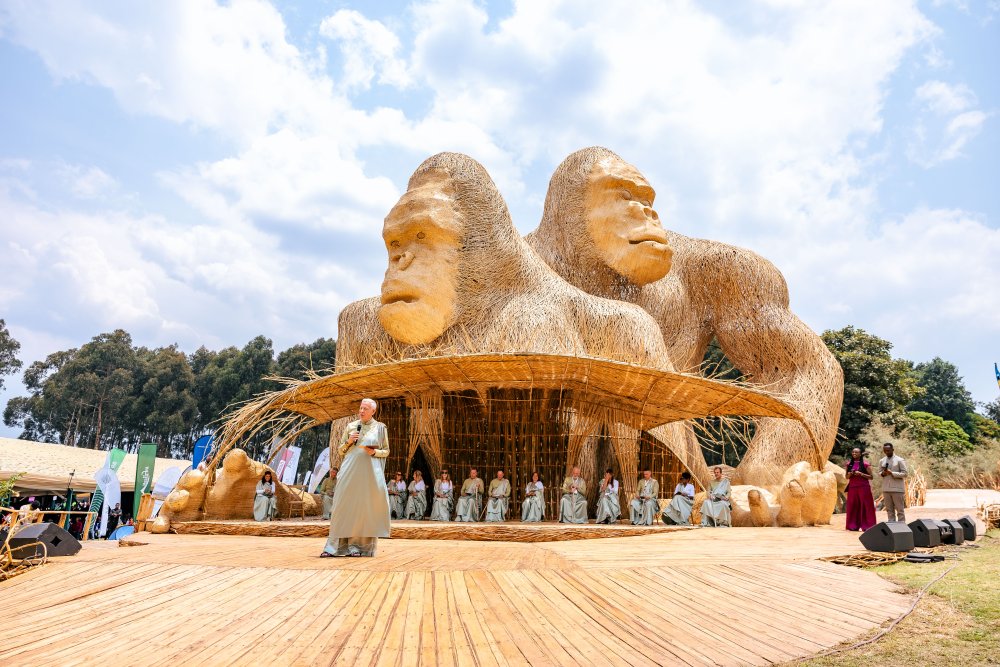
The Prime Minister was speaking on Friday, September 4, at the foothills of Volcanoes National Park in Musanze District, where 22 baby mountain gorillas were named, bringing the cumulative number of gorillas named through Kwita Izina since its inception in 2005 to 460.
He said Rwanda's experience in protecting mountain gorillas demonstrates that conservation cannot be treated separately from human development, as the country seeks to sustain the recovery of a species once pushed close to extinction.
'Protecting nature cannot be separated from improving people's lives, just as national conservation efforts cannot be separated from international cooperation. Rwanda's experience here in the Virunga Mountains is tangible proof of this concept,' Dr. Nsengiyumva said.
Kwita Izina is rooted in a Rwandan tradition in which newborn children are named in the presence of family, friends and neighbours as a public welcome and a commitment to their protection and wellbeing.
Dr. Nsengiyumva said the same principle applies to the gorillas, making each name a commitment to safeguard their future.
'We extend that same spirit to the gorillas we have named today, because a name for us is more than a celebration: it is a promise. And the promise we make to these gorillas is that they will have the protection, the habitat and the conditions they need to grow, to thrive and to reproduce,' he said.
The Prime Minister recalled that in the early 1980s, only about 250 mountain gorillas remained in the Virunga Massif, with poaching, habitat loss and social conflicts threatening the species.
Today, more than 1,060 mountain gorillas live in the wild, including more than 600 in the Virunga Massif.
Dr. Nsengiyumva attributed the recovery to decades of conservation work involving rangers, veterinarians, researchers, governments, communities, the private sector and international partners.
'This remarkable recovery did not happen by chance. It was built through the dedication of rangers who walk these mountains daily, the expertise of veterinarians and researchers, strong conservation policy, responsible tourism, and above all, the recognition that no single actor could do this job alone,' he said.
The economic impact of conservation has also extended beyond wildlife protection, with gorilla tourism contributing to jobs, local businesses, investment and livelihood opportunities for communities around the park.
Dr. Nsengiyumva noted that construction of a smart green village was launched the previous week through an investment of more than $49 million to provide 547 households affected by the park's expansion with modern housing, essential services and sustainable livelihood opportunities.
'This reflects our belief that conservation must advance with human development,' he said.
Rwanda Development Board (RDB) CEO Jean-Guy Afrika echoed the message, describing the growth of the mountain gorilla population as an 'extraordinary conservation achievement' while warning that the progress requires sustained investment and cooperation.
'The progress we celebrate today took many years to build. Sustaining it will require continued vigilance, long-term investments and strong partnerships across generations,' Afrika said.
Afrika also linked the Volcanoes National Park expansion to both conservation and community development, saying it would create additional habitat for growing gorilla families while providing neighbouring communities with better housing, infrastructure, services and economic opportunities.
The RDB chief also called on the 22 distinguished namers to use their influence to keep conservation efforts in the global spotlight, saying their role extends beyond the ceremony.
'Today, you have done much more than announce 22 names. Each name gives identity to a gorilla and meaning to its story. Each name reminds us of our shared responsibility to ensure that these gorillas remain safe and that their habitat remains protected,' Afrika said.
The namers included Shaikha Al Nuwais, Secretary-General of UN Tourism, as well as football legends Mamadou Sakho and Patrice Evra.
The business community was represented by Dominic Barton, Chairman of Rio Tinto and LeapFrog Investments, and Miguel Ángel Gil Marín, CEO and majority shareholder of Atlético de Madrid.
David Lappartient, President of the Union Cycliste Internationale (UCI) and a member of the International Olympic Committee (IOC), also took part, alongside Qatar's Olympic high-jump champion Mutaz Essa Barshim.
The ceremony also brought together figures from the creative and conservation sectors, including award-winning filmmaker Alastair Fothergill, known for productions such as Planet Earth and Blue Planet, and Rwandan gospel singer Israel Mbonyi.
They joined other personalities from conservation, business, entertainment and philanthropy who took part in this year's ceremony.
The ceremony welcomed a distinguished group of international personalities from sports, business, conservation, entertainment and philanthropy.Rwanda Development Board CEO Jean-Guy Afrika called for continued vigilance, long-term investment and strong partnerships to sustain the gains made in mountain gorilla conservation. The 21st Kwita Izina gorilla naming ceremony took place at the foothills of Volcanoes National Park in Musanze District on September 4, 2026.
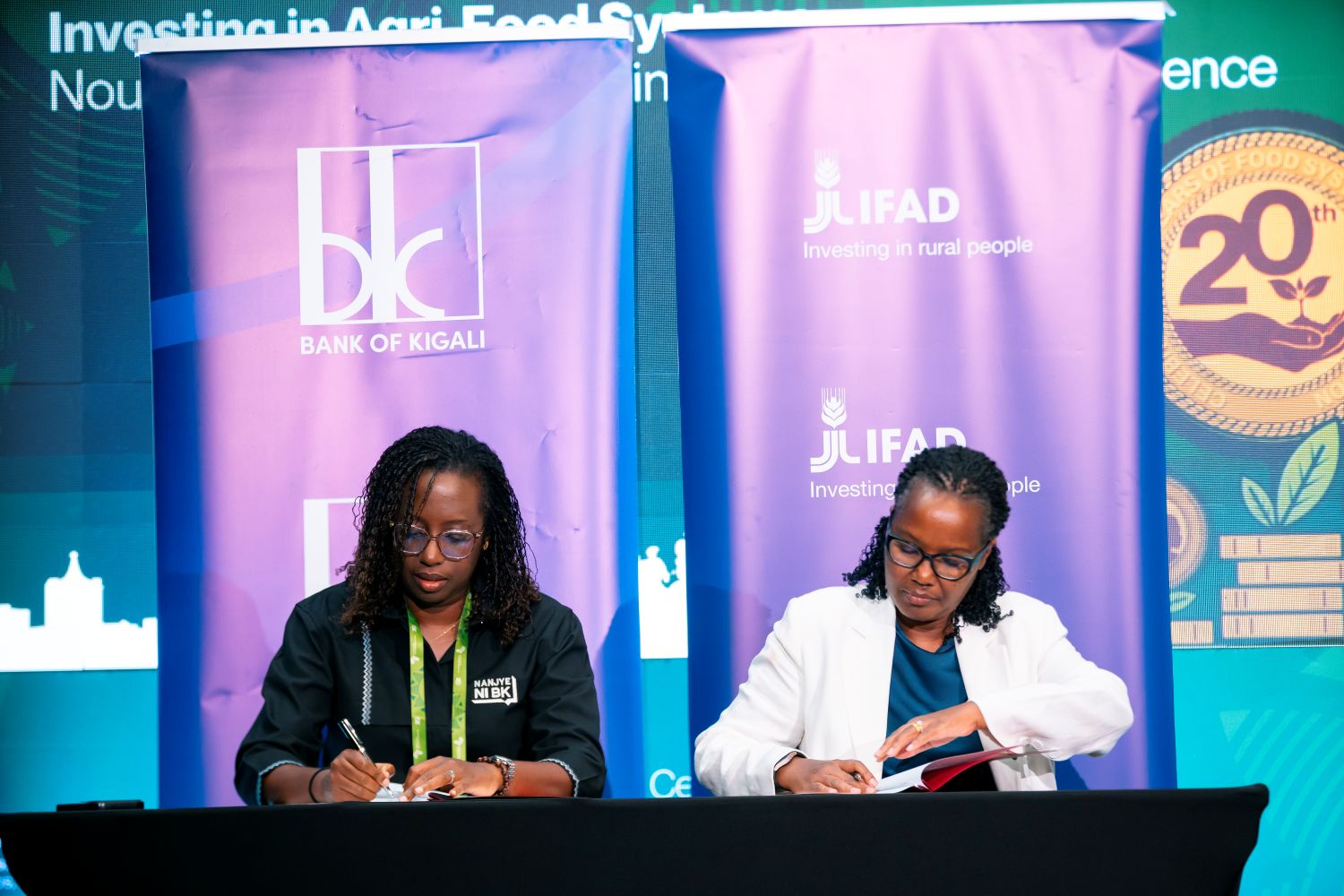
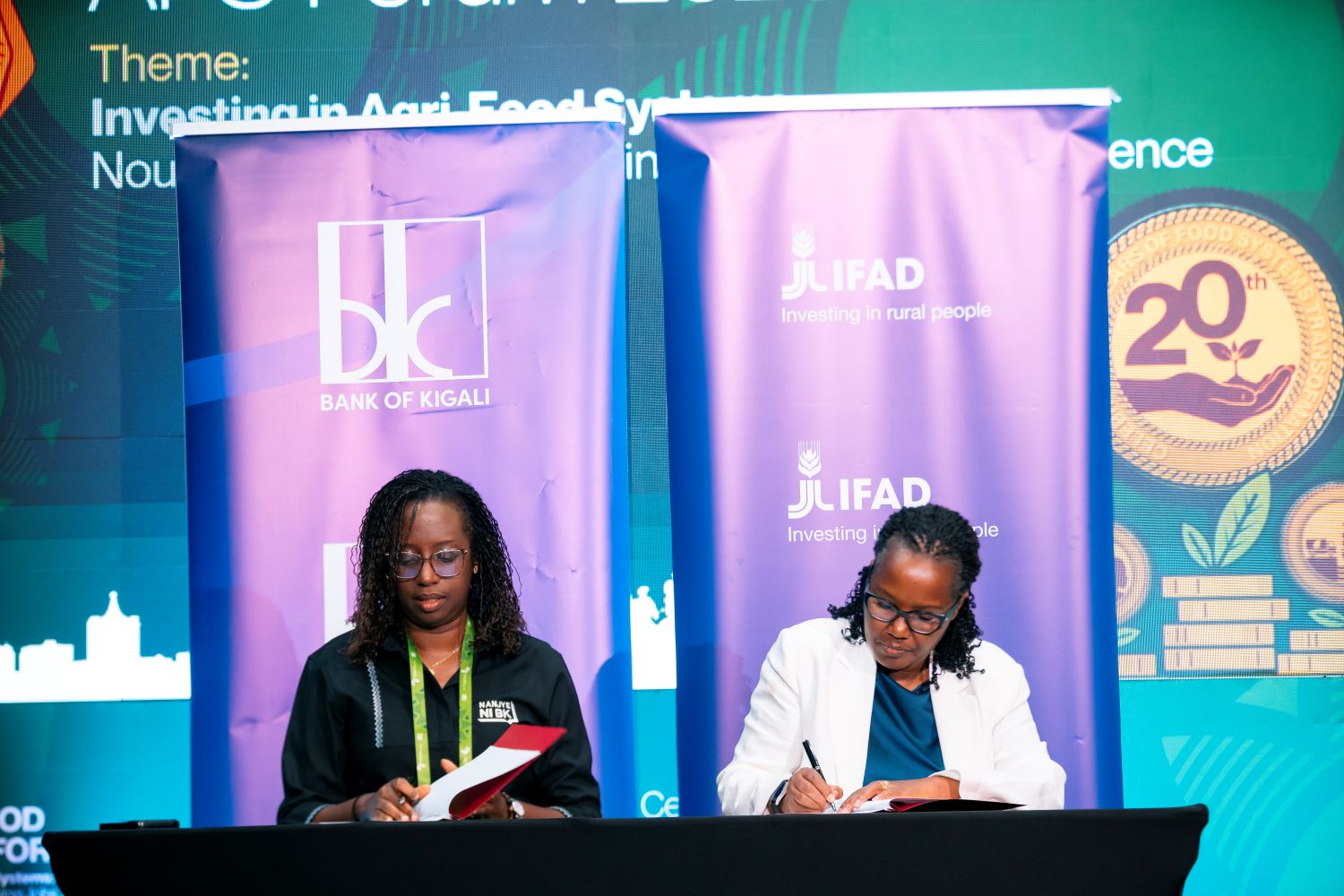
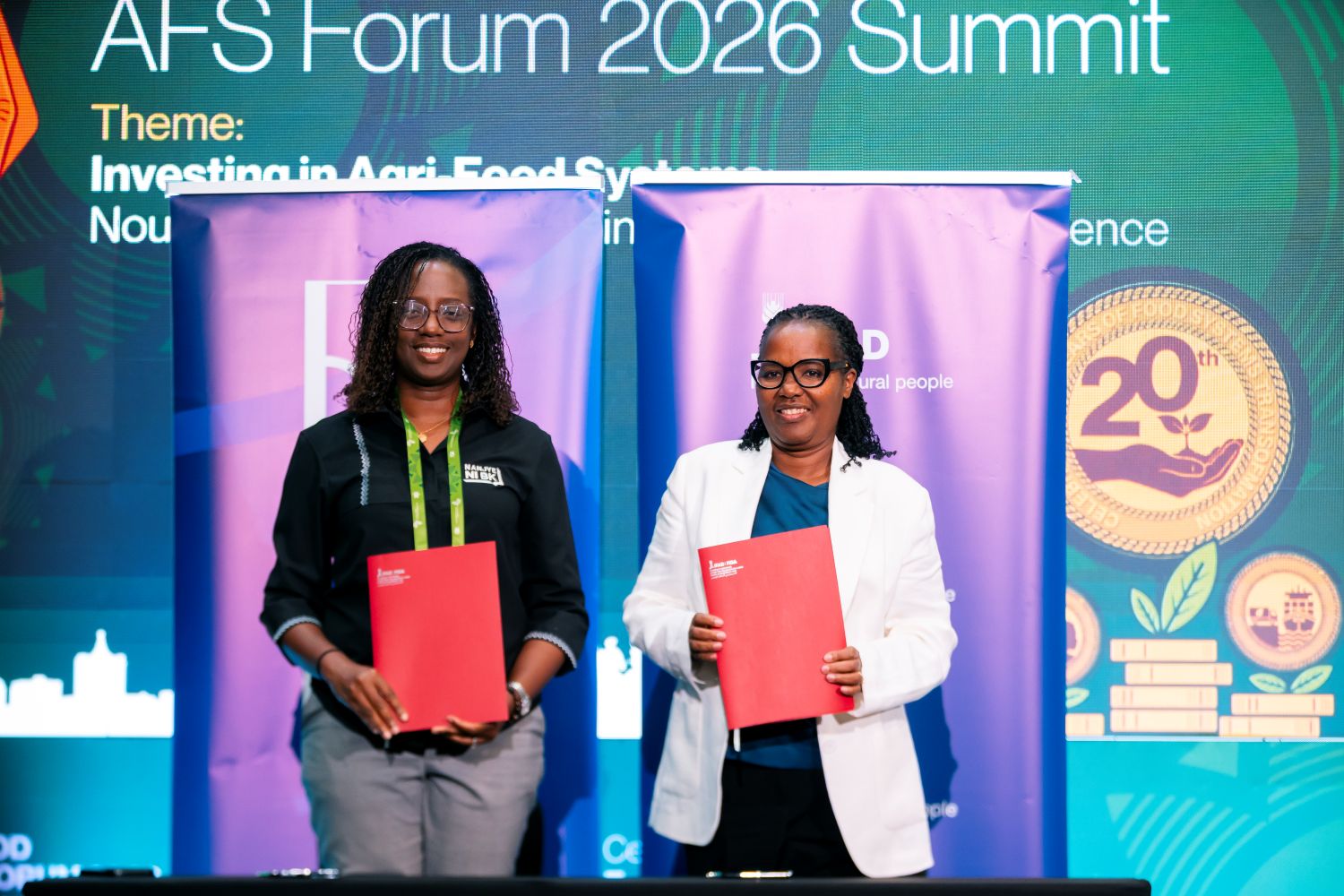
The Farmers' Organizations Financing Programme-Rwanda (FOFP-R) will combine $12 million in financing from IFAD with $9 million in co-financing from Bank of Kigali.
The deal, signed on the sidelines of the Africa Food Systems Forum in Kigali on Friday, September 4, is expected to strengthen about 215 farmers' organisations, provide financing to around 172 of them and benefit more than 35,000 smallholder farmers, particularly women and young people.
The programme will target key agricultural value chains, including maize, rice, cassava, dairy and horticulture.
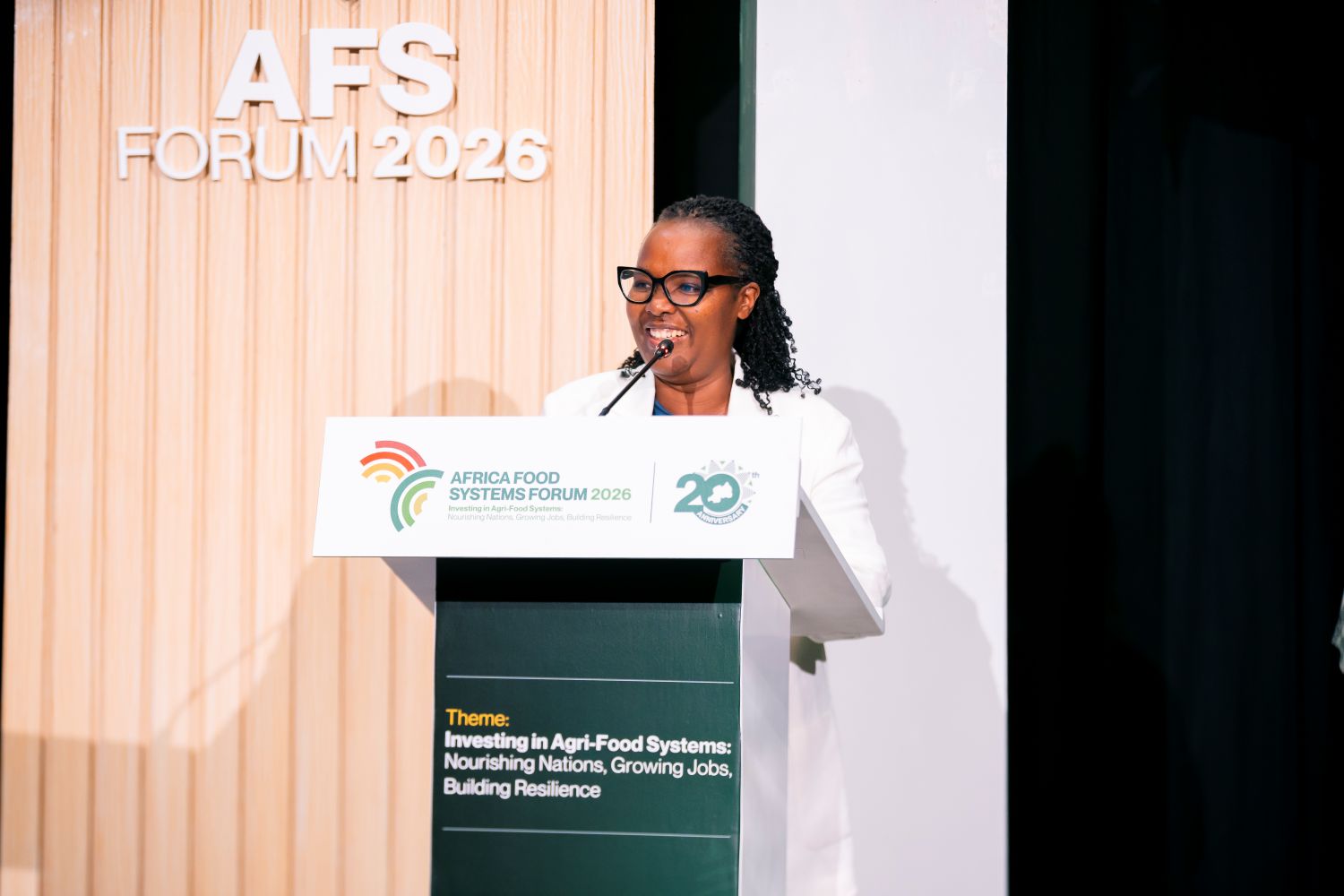
IFAD Vice-President Gérardine Mukeshimana said the programme reflects a broader push towards innovative approaches to agricultural financing.
'The significance of Farmers' Organizations Financing Programme-Rwanda represents a broader shift towards innovative financing solutions. Innovation goes beyond technology; it is also about finance, institutions, partnerships and entrepreneurship,' she said.
'FOFP-R is expected to reduce risk, attract additional investment and expand opportunities for rural entrepreneurs, farmers' organizations and small-scale producers.'
Agriculture employs more than 70 per cent of Rwanda's population and contributes about 25 per cent of the country's gross domestic product.
However, access to finance remains a major constraint for the sector, with agricultural lending accounting for only a small share of total credit.
Farmers' organisations play a key role in aggregating production, facilitating access to inputs and markets, and connecting farmers with financial services. However, about 70 per cent of their financing needs remain unmet, according to IFAD.
The financing gap has been linked to challenges including limited collateral, inadequate financial records and low financial literacy, which can increase lenders' perception of risk.
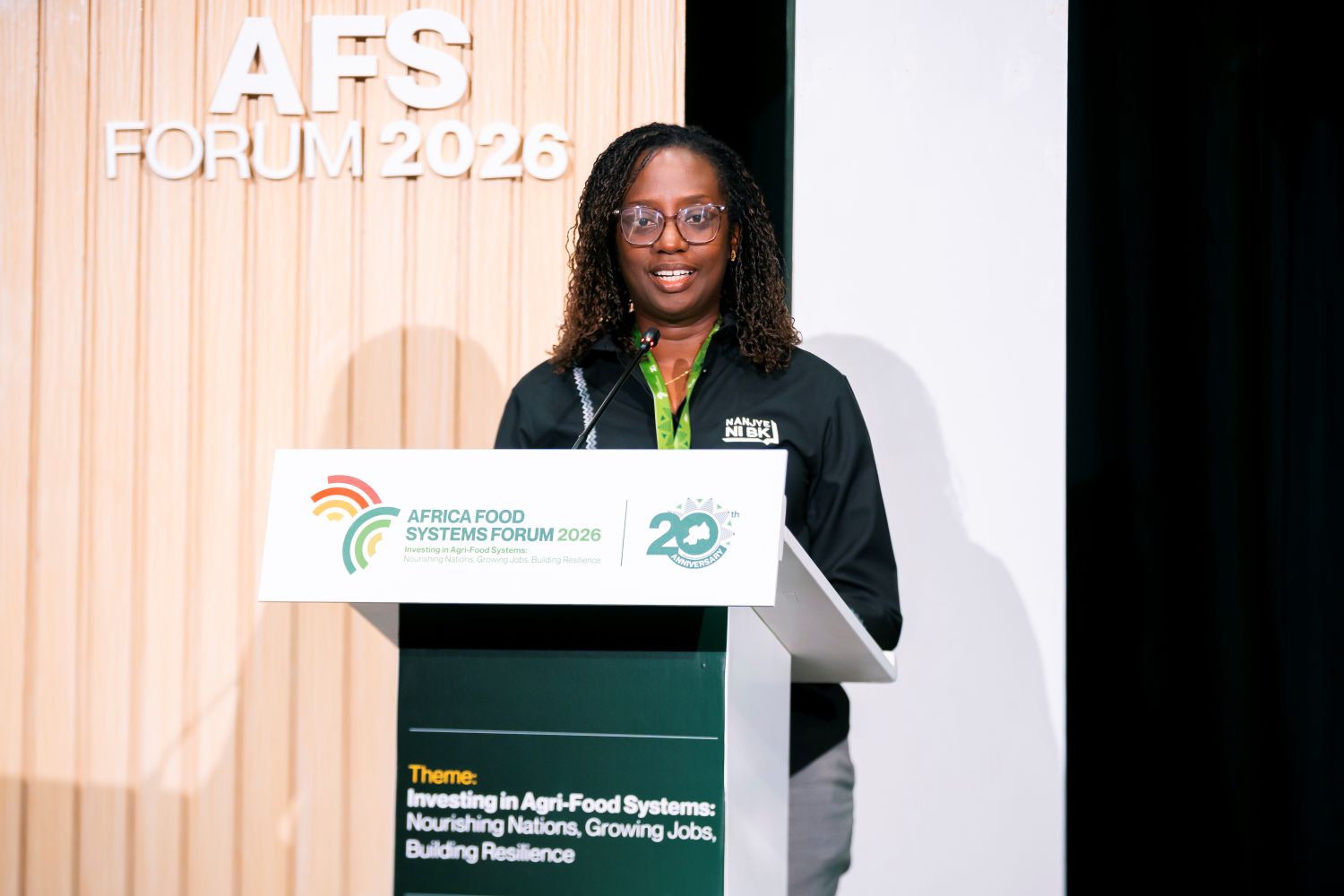
Bank of Kigali Chief Executive Officer Diane Karusisi said the partnership would combine financing with support aimed at strengthening farmers' organisations.
'Farmers' organizations are the backbone of Rwanda's agricultural economy, yet they have long been underserved by traditional financing,' Karusisi stated.
'Through this partnership with IFAD, Bank of Kigali is bringing innovative, inclusive financing solutions to the people who need them most, combining capital with the technical support these organizations need to strengthen their governance and financial systems.'
How the financing will work
IFAD's $12 million package consists of a $9 million loan, a $1.8 million grant for risk sharing and a $1.2 million technical assistance grant.
The technical assistance component will support farmers' organisations in improving governance, financial management and digital capacity.
It will also help Bank of Kigali develop the tools and expertise required to sustainably serve farmers' organisations.
The initiative has also benefited from a $6 million allocation to IFAD through the Business Investment Financing Track (BIFT), a financing mechanism of the Global Agriculture and Food Security Program (GAFSP).
BIFT provides multilateral development finance institutions with flexible grant and concessional financing to support financial innovations targeting smallholder farmers and early-stage micro-, small- and medium-sized agribusinesses in low-income countries.
GAFSP Head Shobha Shetty said the financing mechanism would help expand access to capital in Rwanda's agri-food sector.
'This innovative finance solution offered by the BIFT will support more inclusive capital markets in Rwanda to help the most vulnerable working in the agri-food sector, including smallholder farmers, women, and youth, make transformative investments for their future,' Shetty noted.
The programme is financed through IFAD's Private Sector Trust Fund and has received support from GAFSP and the Government of Canada.
The deal was signed on the sidelines of the Africa Food Systems Forum in Kigali on Friday, September 4The Farmers' Organizations Financing Programme-Rwanda (FOFP-R) will combine $12 million in financing from IFAD with $9 million in co-financing from Bank of Kigali.Bank of Kigali Chief Executive Officer Diane Karusisi said the partnership would combine financing with support aimed at strengthening farmers' organisations.IFAD Vice-President Gérardine Mukeshimana said the programme reflects a broader push towards innovative approaches to agricultural financing.The programme is financed through IFAD's Private Sector Trust Fund and has received support from GAFSP and the Government of Canada.
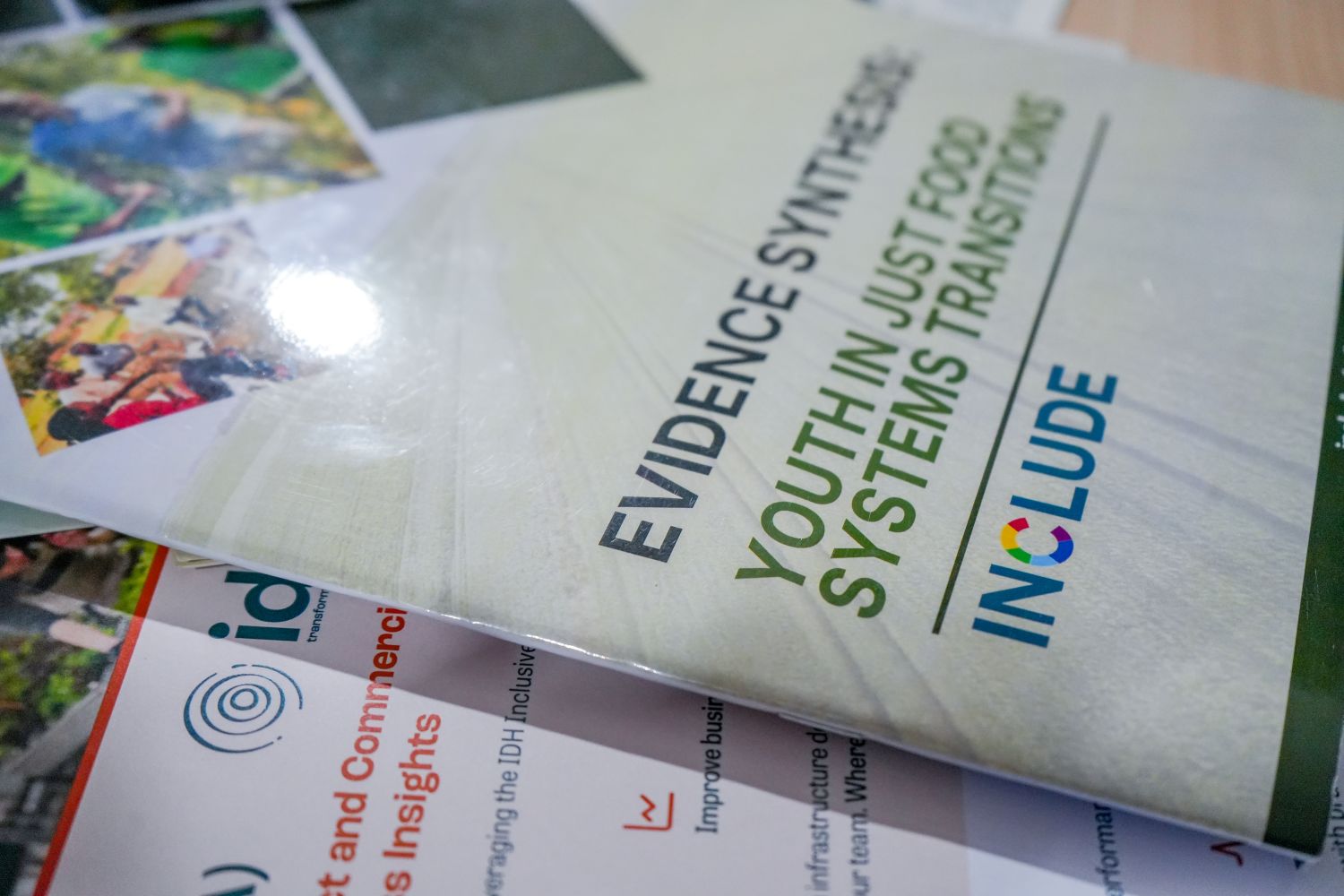
The evidence synthesis by INCLUDE, drawing on country case studies from Benin, Ghana, Rwanda, Somalia and South Africa, found that skills development is important but cannot by itself ensure that young people benefit from emerging opportunities in the agri-food sector.
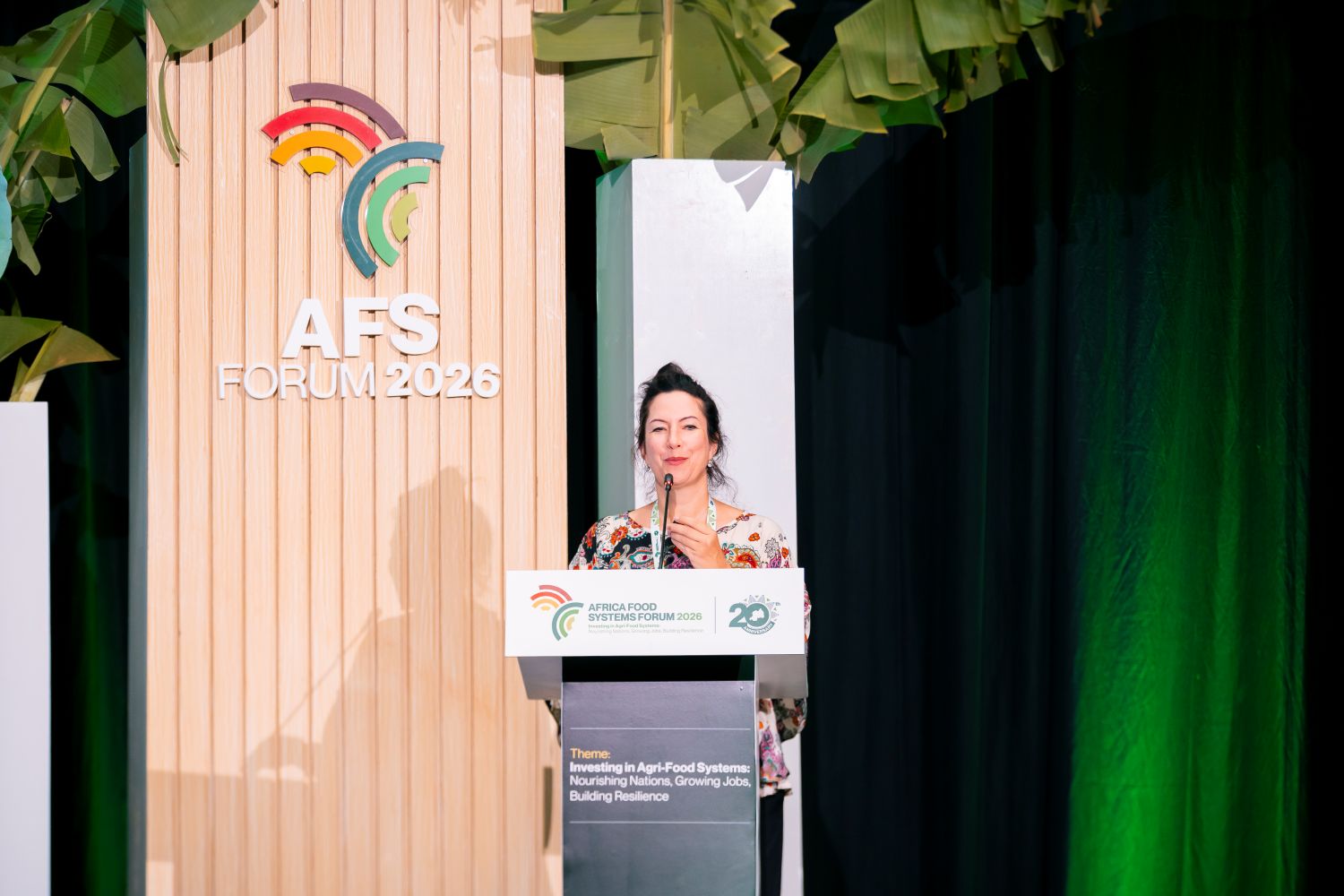
The findings were presented at the Africa Food Systems Forum 2026 in Kigali by Brian Kithinji, a Research Consultant at INCLUDE and Executive Director of Policy Action Initiative in Kenya.
'Skills entrepreneurship is important for young people to be able to engage and benefit from agri-food systems, but more importantly, the structural issues are,' Kithinji said.
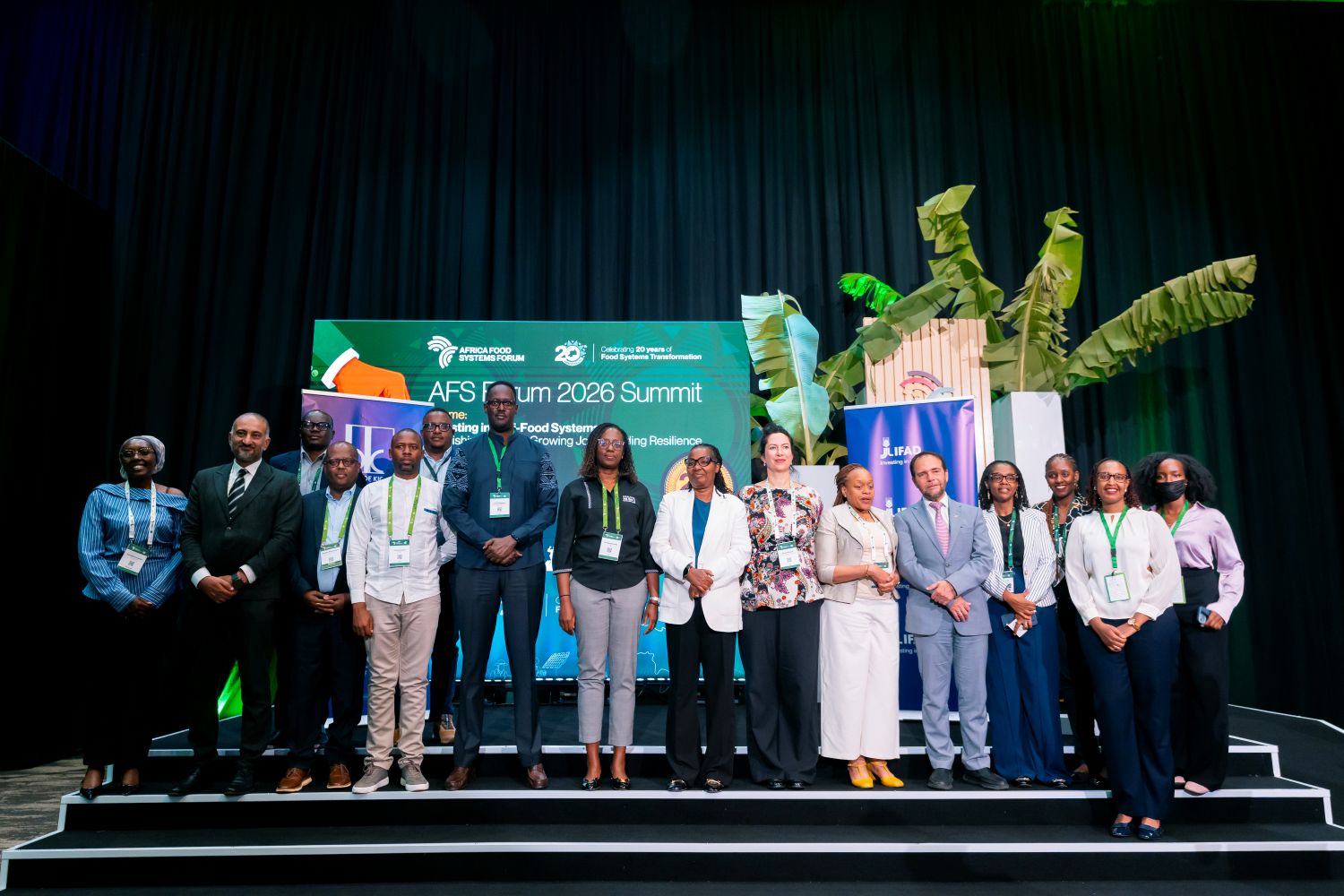
The findings were presented at the Africa Food Systems Forum 2026 in Kigali by Brian Kithinji (far left), a Research Consultant at INCLUDE and Executive Director of Policy Action Initiative in Kenya.
He pointed to access to finance, land and markets, gender-related barriers and regulatory requirements such as licensing and certification as some of the factors that continue to shape young people's ability to enter and grow businesses in food systems.
The findings come as African governments and investors are placing greater emphasis on agriculture and food systems as engines of employment, resilience and economic growth.
While opening the forum in Kigali this week, Prime Minister Dr. Justin Nsengiyumva urged young Africans to view agriculture as a modern sector offering opportunities in entrepreneurship, technology and investment rather than as a last resort.
'Our youth should start seeing agriculture not as a sector of last resort, but as a modern and dynamic sector full of opportunities,' Nsengiyumva said.
He highlighted opportunities beyond primary farming, including irrigation, energy, mechanisation, digital services, insurance, processing and retail.
The Prime Minister also stressed the need to connect capital with these opportunities, noting that a productive farm also depends on infrastructure, storage, logistics, processing and reliable markets.
Who benefits from growing investment?
The INCLUDE research argues that the success of food-system investment should not be measured only by the amount of capital mobilised or the number of jobs created.
The evidence synthesis by INCLUDE draws on country case studies from Benin, Ghana, Rwanda, Somalia and South Africa.
It also raises questions about who can access those opportunities and whose voices influence the policies and investments shaping Africa's food systems.
In Benin, for example, the research found significant barriers to land access among young people, while in Somalia more than 70 percent of young agripreneurs surveyed reported difficulty accessing funding for their ventures.
The evidence synthesis also highlights gender as a persistent structural factor.
In Somalia, women make up an estimated 80 percent of agricultural labour but control less than 20 percent of land and receive less than 10 percent of credit.
In South Africa, the research found that digitalisation can increase awareness of jobs and markets without necessarily removing the financial, certification and productive-asset barriers that prevent young people from accessing them.
Kithinji said the findings point to the need to address the conditions around young people's participation, rather than focusing only on giving them new skills.
'What is more important are the structural issues,' he said, citing access to land, finance and markets, as well as policy and regulatory barriers.
The issue of access to finance has also featured prominently at the Kigali forum.
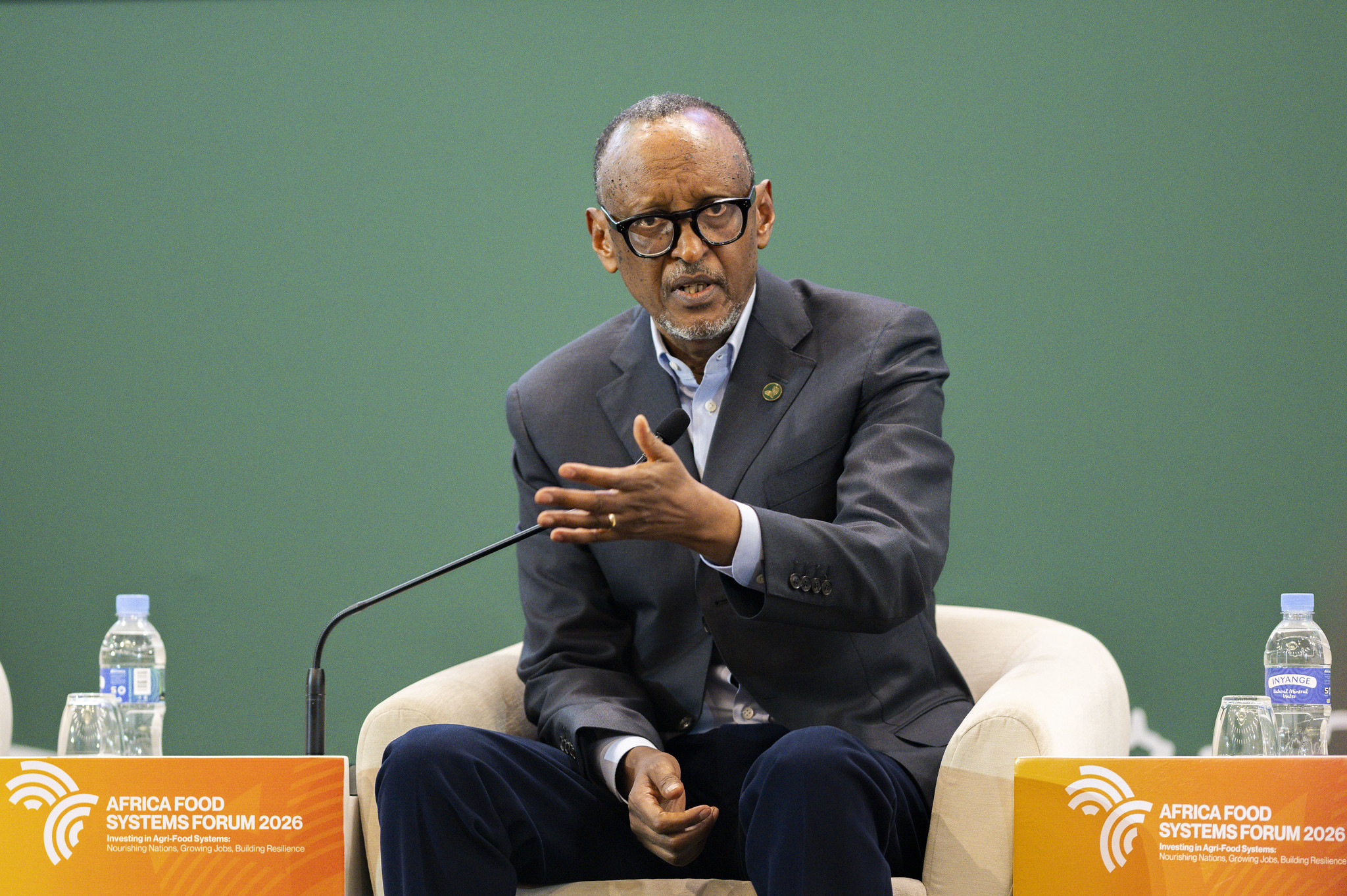
President Paul Kagame, speaking during a conversation with young entrepreneurs on Thursday, said financial systems are often structured in ways that make capital more accessible to people who already have collateral.
He called for greater risk-sharing between governments and financial institutions to enable more young entrepreneurs to access capital.
'Unfortunately, a number of parts of financial systems on our continent are framed in such a way that they mostly avail capital to those who have collateral,' Kagame noted.
President Kagame said financial systems across the continent are often structured in ways that make capital more accessible to people who already have the resources and collateral required to secure financing.
He said governments can use development financing and other mechanisms to help reduce risks for financial institutions and expand access to capital for people who have viable businesses but lack sufficient collateral.
The discussion comes as new financing commitments are being announced at the forum.
The International Fund for Agricultural Development and partners are launching a $200 million blended-finance facility to expand climate adaptation financing for farmers in Rwanda, Kenya, Tanzania and Uganda.
IFAD is also launching a $10 million facility to support small agribusinesses, while a separate $21 million blended-finance facility is being developed with Bank of Kigali to support farmers' organisations.
IFAD Vice-President Dr. Gérardine Mukeshimana said public financing alone would not be sufficient to transform Africa's food systems and should instead help reduce risks and unlock private investment.
Rwanda's experience offers opportunities to build on
The INCLUDE research also points to positive developments in Rwanda, particularly around youth cooperatives and institutional efforts to connect young people with opportunities in agriculture.
Kithinji said youth cooperatives are creating avenues for young people to build skills, develop businesses and connect with institutions involved in agriculture.
He also highlighted the role of the Rwanda National Youth Council in capacity building and creating linkages between young people and institutions such as the Ministry of Agriculture and Animal Resources and the Rwanda Agriculture and Animal Resources Development Board.
'Rwanda is a leader and it provides a unique model for the entire continent on how you can meaningfully engage young people,' Kithinji stressed.
He said the experience provides a foundation that can be strengthened further by expanding access to productive resources, markets and finance.
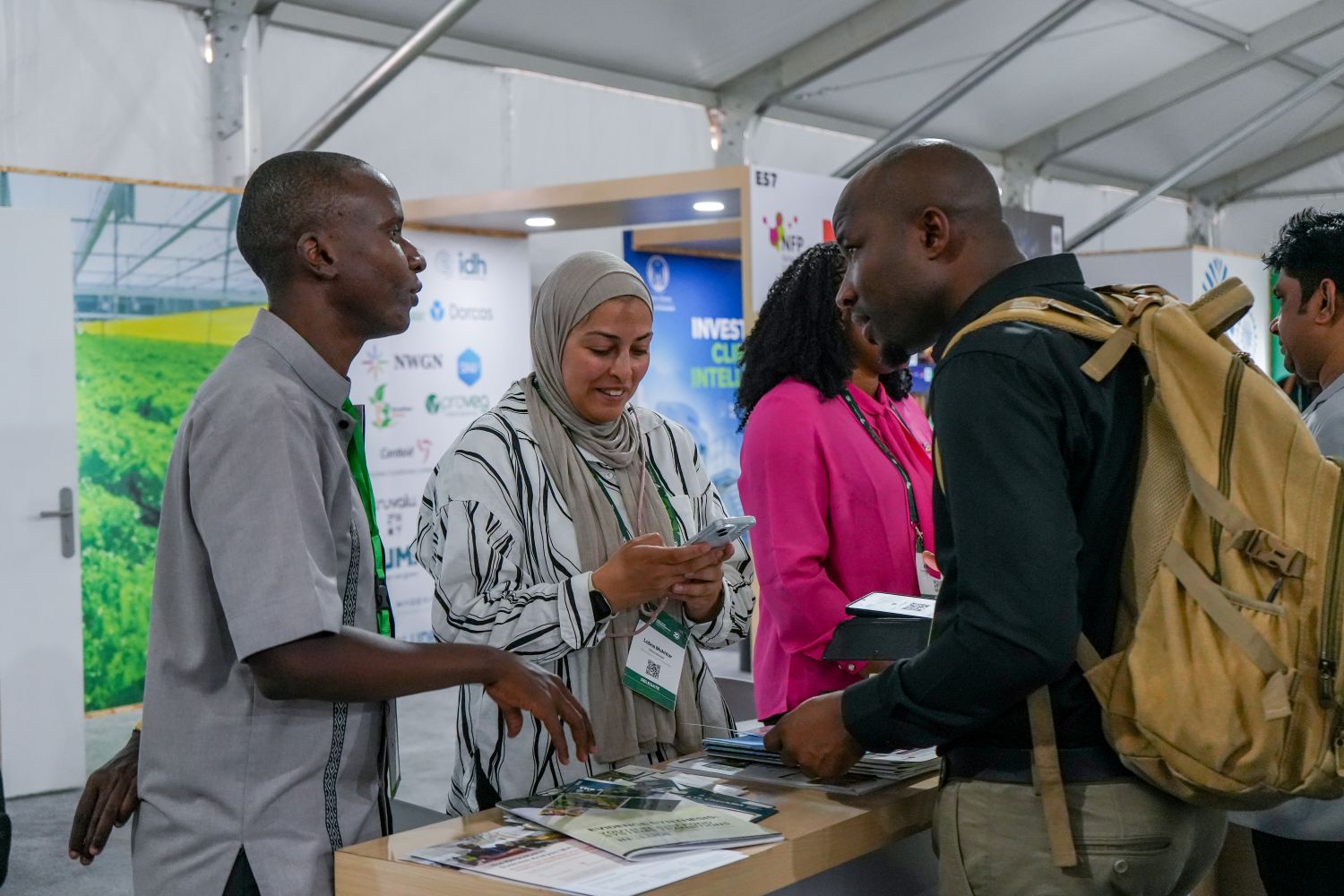
The country's broader approach to youth participation was also visible at the forum, where young entrepreneurs and innovators from across Africa, including a significant number from Rwanda, showcased businesses and solutions across the food value chain.
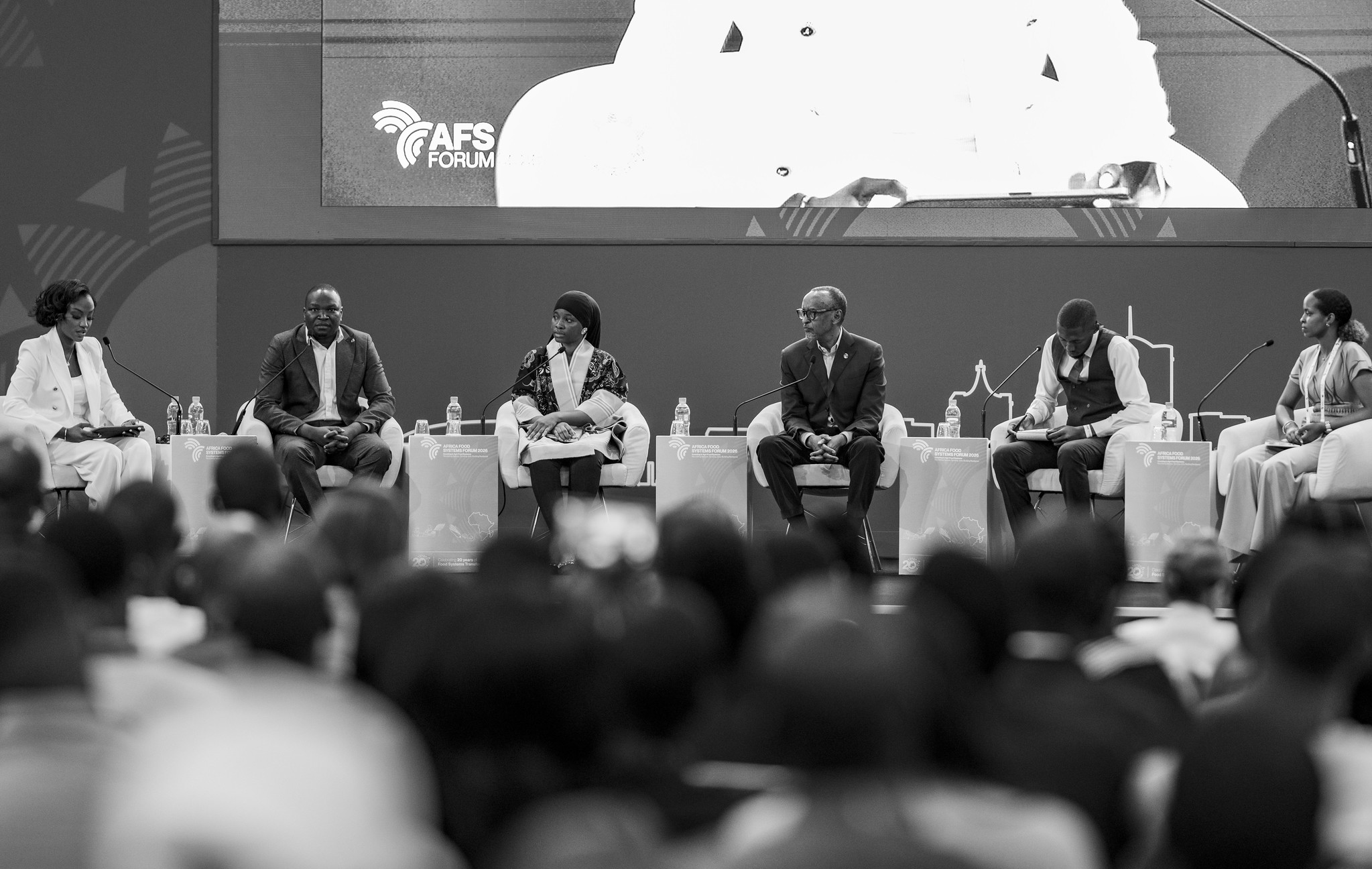
President Paul Kagame speaks during a presidential conversation with young entrepreneurs at the Africa Food Systems Forum 2026 in Kigali on Thursday. Some of the entrepreneurs showcased their products at the forum.
For Kithinji, the next step is to ensure that participation translates into greater influence over the policies and programmes that affect young people's livelihoods.
From participation to influence
INCLUDE's second publication presented at the forum focuses specifically on meaningful youth engagement in food-systems research and policymaking.
The publication calls for expanding youth participation from attending workshops, conferences and panel discussions to giving young people greater opportunities to shape the decisions that affect their livelihoods and futures.
It introduces a '4 I's Framework' for meaningful youth engagement: intentional, inclusive, intersectional and impactful.
The framework encourages policymakers, researchers, funders and programme implementers to involve young people from the design stage through implementation and evaluation.
Kithinji said young people should not only be consulted as respondents but should also have opportunities to shape research questions, methods and policy discussions.
'If you're going to engage young people, you should engage them at a stage where it's going to be more meaningful, have more power,' he said.
The framework also recognises that young people are not a homogeneous group, with experiences differing according to gender, geography, socioeconomic circumstances, disability and livelihoods.
This approach aligns with the wider push at the Africa Food Systems Forum to position young people as entrepreneurs, investors, innovators and decision-makers within the continent's food economy.
During his conversation with young entrepreneurs, Kagame also encouraged them to look beyond farming itself and identify opportunities across the wider food value chain, including logistics, technology, irrigation, storage and markets.
'If we had the opportunity to think about that now, there is actually a whole long chain of things you can think about,' he remarked.
Turning investment into opportunity
The forum's discussions have increasingly focused on moving from commitments to implementation, with African leaders calling for investment that strengthens entire food systems rather than isolated parts.
African Union Commissioner for Agriculture Moses Vilakati said the continent's challenge is increasingly one of implementation, calling for stronger political commitment, investment, partnerships and accountability.
Nsengiyumva similarly called for credible, investable agricultural projects backed by clear priorities, realistic financing, strong institutions and measurable targets.
For INCLUDE, ensuring that young people can benefit from these investments will require attention to the structural barriers identified in its research.
Kithinji said African governments should examine the barriers within their own systems, including complicated procedures that can prevent young farmers from accessing existing financing.
He argued that making finance more accessible could be as important as mobilising additional capital.
With more than 5,000 delegates from over 50 countries attending the 2026 Africa Food Systems Forum, the focus is now increasingly shifting from identifying opportunities to ensuring that the continent's young population is positioned to participate in and benefit from them.
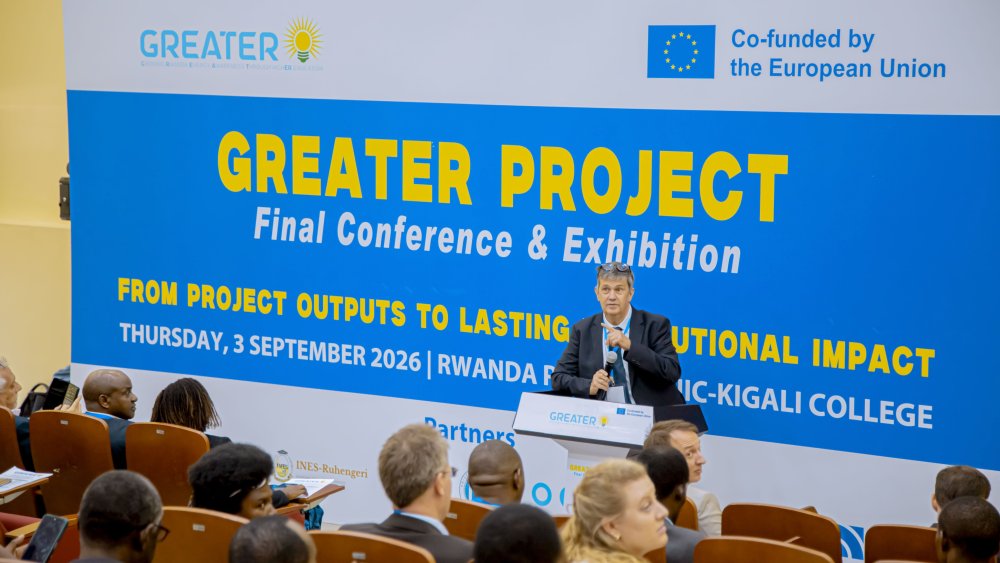
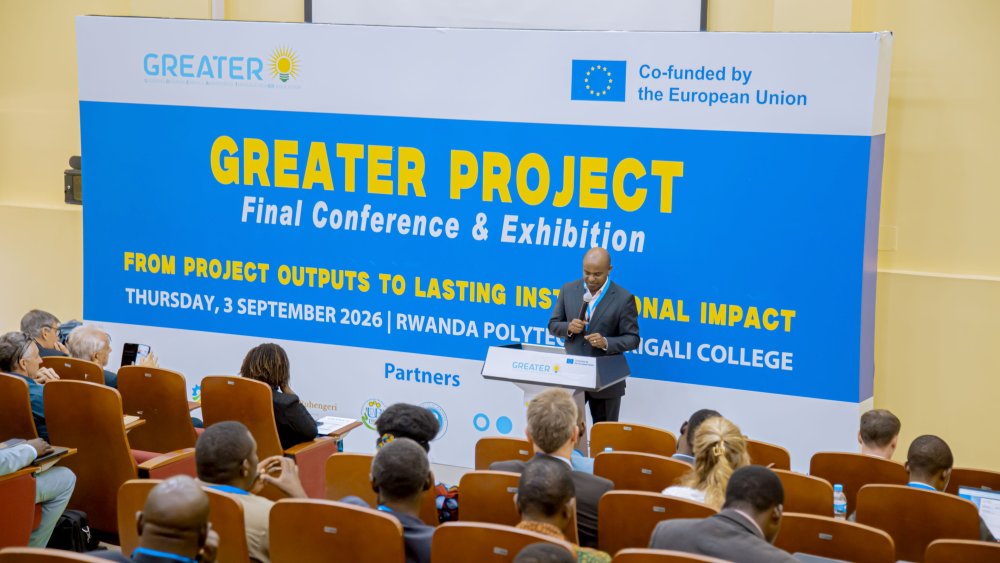
The beneficiaries are from the University of Rwanda, RP Tumba College, INES Ruhengeri and UTAB. They participated in the Growing Rwanda Energy Awareness Through Higher education (GREATER) project, a three-year initiative aimed at promoting the use of renewable energy through education.
The project brought together the four Rwandan institutions and four European higher learning institutions. It facilitated exchanges between lecturers and students, with a particular focus on enabling Rwandan academics and students to learn from European universities with advanced experience in renewable energy.
More than Rwf 1.3 billion was invested in the project, funding activities including renewable energy projects implemented by each participating university in local communities, curriculum development, and exchanges involving lecturers and students.
The initiative supports Rwanda's target of having renewable energy account for 50% of the country's electricity by 2050. As part of this broader effort, a study is expected to be completed by the end of 2026 to identify a suitable site for a solar power plant with a planned generation capacity of 200 megawatts.
Speaking during the closing of the GREATER project in Kigali on September 3, 2026, Hategekimana Jean Bosco, a renewable energy lecturer at RP Tumba College, said the knowledge he gained at Hochschule Bonn-Rhein-Sieg in Germany had significantly strengthened his practical skills.
'Together with lecturers from Germany, we learned how to build solar panels from scratch. I can now make one from nothing, complete it and have it generate the electricity I need. We also learned another technology that allows us to monitor how much energy a solar panel is generating in real time without having to physically go to where it is installed,' he said.
Hategekimana said the skills would not only enable him to train students but could also contribute to Rwanda's efforts to reduce energy costs.
He noted that the institution where he teaches spends about Rwf 4 million a month on electricity, while a renewable energy system could potentially reduce the monthly cost to below Rwf 1 million, depending on the system and its performance.
As part of the project, RP Tumba College also developed an initiative to install solar power systems for residents of Muyanza Model Village in Rulindo District who had struggled to access electricity due to limited financial resources.
The institution plans to extend similar initiatives to other communities to promote the use of renewable energy, which can offer a more affordable alternative to conventional electricity sources.
Eng. Gatabazi Pascal, Chief Technical Adviser at the Ministry of Education, said the government is increasingly focused on the quality of graduates rather than simply increasing the number of people completing university and higher education programmes.
'In the past, we focused on the number of university graduates and wanted that number to increase, but now we need to move from numbers to competence. We want a student who graduates from university to have the skills to work and contribute to the country's development. This means focusing on programmes that respond to labour market needs, trained lecturers and the necessary equipment,' he said.
the European Coordinator of Growing Rwanda Energy Awareness Through Higher education (GREATER) project
The European Coordinator of GREATER project Prof. Paolo Ciampolini, a lecturer at the University of Parma in Italy, said Rwanda already has a foundation for teaching renewable energy, but the project sought to strengthen the practical component.
He said this would enable students and lecturers to develop and manufacture renewable energy equipment locally, reducing reliance on imports which is more expensive and can become a barrier to its wider adoption.
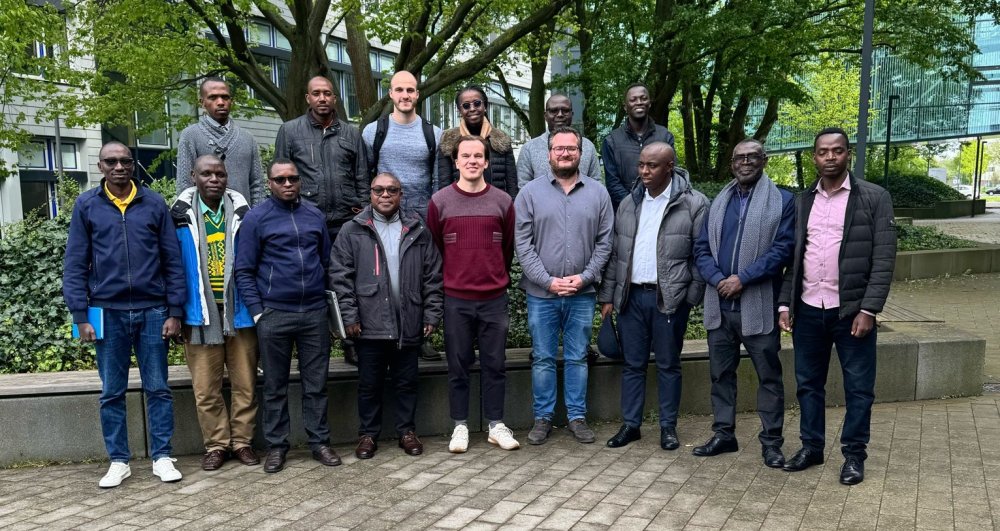
Twenty lecturers and six students from four Rwandan higher learning institutions have returned from Europe after receiving training in renewable energy under the GREATER project.Prof. Paolo Ciampolini, coordinator of the GREATER project, said the initiative focused on strengthening practical renewable energy skills and reducing reliance on imported equipment.Eng. Gatabazi Pascal, Senior Technical Adviser at the Ministry of Education, said Rwanda is shifting its focus from the number of university graduates to the quality and skills they possess.
Xi made the remarks during his talks with Egyptian President Abdel Fattah El-Sisi, while emphasizing China's support for regional countries in building a new security architecture in the Middle East via upholding a vision of common, comprehensive, cooperative and sustainable security.
Enhancing bilateral exchanges
Noting that Egypt was the first Arab and African nation to establish diplomatic ties with the People's Republic of China in 1956, Xi said that the older-generation leaders of the two countries led their peoples in striving side by side for national independence and against imperialism and colonialism, forging an unbreakable bond of friendship.
Over the past seven decades, China-Egypt relations have weathered challenges and developed distinctive features of equality and mutual trust, friendship and mutual learning, solidarity and mutual support, as well as win-win cooperation, he said.
Xi said the China-Egypt comprehensive strategic partnership has achieved leapfrog development in recent years under the guidance of the two heads of state. The two sides share similar views and have closely aligned strategies in pursuing development and revitalization, improving people's well-being, and upholding international fairness and justice, he added.
Xi emphasized that China and Egypt should firmly support each other, maintain the momentum of high-level exchanges, enhance exchanges and cooperation in all fields and at all levels, and strengthen exchanges and mutual learning on governance experience.
Xi said the two sides should promote mutually beneficial cooperation, better align their development strategies, tap the potential for cooperation in traditional fields such as infrastructure development, power, agriculture and communications technology, and foster new highlights of cooperation in green energy, electric vehicles, aerospace, the digital economy and modern agricultural technology.
The two sides should promote people-to-people exchanges, comprehensively expand exchanges and cooperation in culture, education, science and technology, health, sports and other fields, and facilitate personnel exchanges and enhance people-to-people bonds, Xi said.
The two sides should strengthen security cooperation, jointly combat transnational crime, deepen international cooperation in anti-corruption, firmly support each other's anti-terror efforts, and safeguard their common security, Xi said.
The two sides should strengthen multilateral collaboration, further enhance coordination and cooperation on multilateral platforms such as the United Nations and the BRICS, jointly promote the development of the China-Arab States Cooperation Forum and the Forum on China-Africa Cooperation, jointly oppose unilateralism and acts of bullying, and promote a more just and equitable global governance system, Xi said.
For his part, Sisi welcomed Xi's historic state visit to Egypt on the occasion of the 70th anniversary of diplomatic ties between the two countries.
Sisi said that since the establishment of diplomatic relations, bilateral ties have developed in a sound and steady manner, and cooperation across various fields has yielded fruitful results.
Egypt firmly adheres to the one-China principle and is committed to further advancing the Egypt-China comprehensive strategic partnership, Sisi added.
Egypt is ready to work with China to deepen cooperation in trade and investment, manufacturing, infrastructure development, finance, science and technology, and new energy, strengthen military and security exchanges, and promote closer people-to-people exchanges, so as to benefit the two peoples and contribute to regional development and prosperity, Sisi said.
Sisi said China, as a permanent member of the UN Security Council, plays an important and constructive role in international affairs. Egypt is ready to strengthen coordination with China at multilateral platforms, jointly address global challenges, and work together to uphold international fairness and justice, he added.
The two heads of state jointly witnessed the signing of multiple cooperation documents on Belt and Road cooperation, artificial intelligence, economic and trade, and industrial and supply chain cooperation.
The two sides also issued a joint statement on further deepening their comprehensive strategic partnership, and signed more than 20 cooperation documents covering such areas as digital economy, science and technology, education, and transportation.
New regional security architecture
In the talks, Xi raised a four-point proposal on building a new security architecture in the Middle East, saying that China supports countries in the region in developing good-neighborly and friendly relations.
To promote common security in the region, Xi said that efforts should be made to foster the internal driving force for common security in the region.
People in the Middle East should remain masters of their own affairs, and external interference should be rejected, Xi said, noting that China supports regional countries in strengthening dialogue on peace and security, exploring the building of a new security architecture for the Middle East, and taking their future into their own hands.
Xi said that a comprehensive approach should be adopted to advance common security in the region and that given the multiple hotspots in the Middle East and their close interconnections, comprehensive solutions should be pursued.
The Palestinian issue remains at the core of the Middle East question and should never be overlooked or marginalized, he added.
The foundation for common security should be strengthened through development, Xi said, noting that lasting peace and stability in the Middle East fundamentally depend on development.
China stands ready to work with Middle East countries to safeguard the security of international shipping lanes, advance development cooperation, promote the convergence of interests of regional countries, gradually enhance mutual trust, and eliminate the root causes of the conflict, he said.
Xi urged that international coordination for common security in the region should be strengthened, and the UN Charter and international law should serve as the fundamental principles for handling Middle East affairs.
The international community, especially external powers, should abandon double standards in the Middle East, respect the sovereignty and territorial integrity of regional countries, and safeguard regional peace and stability, Xi added.
He also urged support for the United Nations' effective role in Middle East affairs.
Sisi said that Egypt highly appreciates China's consistent, objective, and impartial stance on the Middle East question, noting that Egypt is committed to promoting de-escalation in the region, resolving conflicts and differences through political means, and advancing regional security and development.
Egypt stands ready to continue strengthening coordination with China to ease tensions in the Middle East, safeguard regional stability, and explore a regional security architecture, Sisi said.
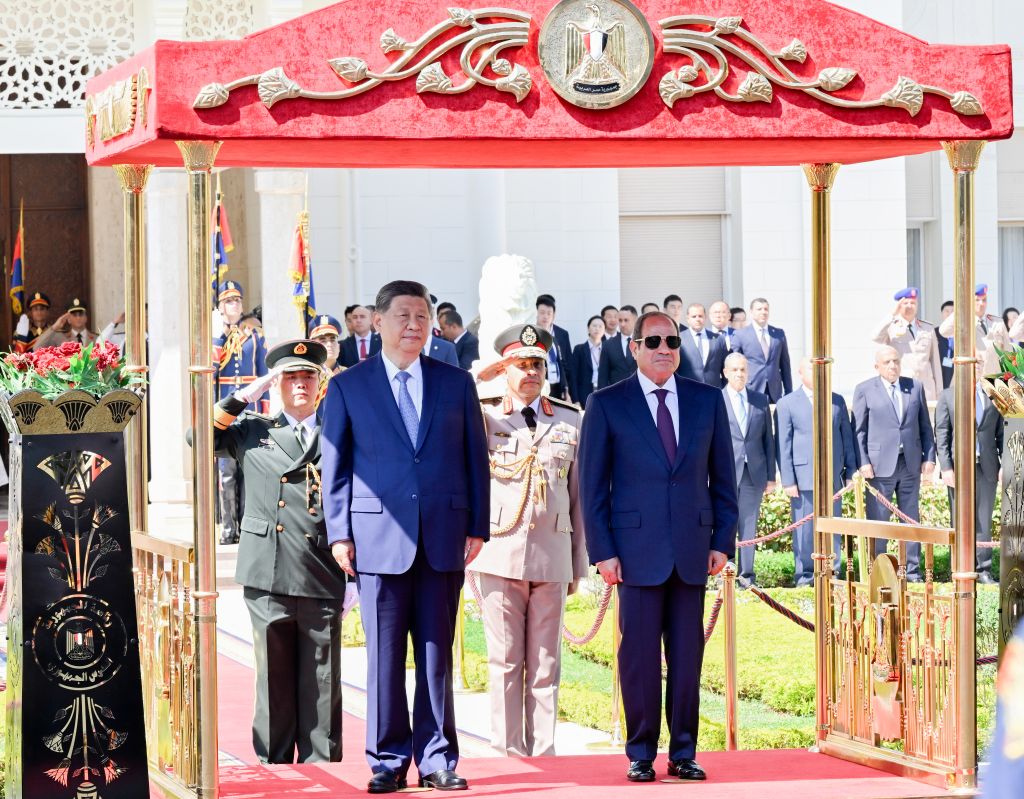
Chinese President Xi Jinping attends a welcome ceremony held by Egyptian President Abdel Fattah El-Sisi prior to their talks in Cairo, Egypt, Sept. 2, 2026. Xi held talks with Egyptian President Abdel Fattah El-Sisi in Cairo on Wednesday. (Xinhua/Shen Hong)
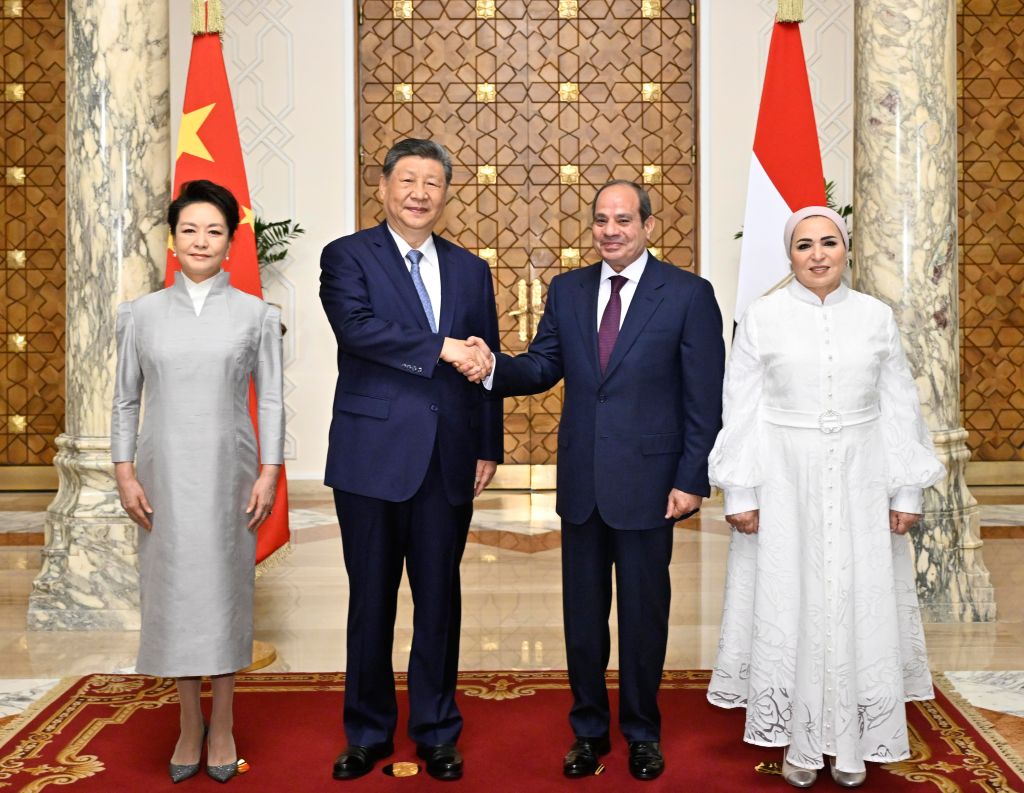
Chinese President Xi Jinping and his wife Peng Liyuan pose for a group photo with Egyptian President Abdel Fattah El-Sisi and his wife Entissar El-Sisi in Cairo, Egypt, Sept. 2, 2026. Xi held talks with Egyptian President Abdel Fattah El-Sisi in Cairo on Wednesday. (Xinhua/Yin Bogu)
The study, led by researchers from the University of Oxford and published in Nature Astronomy, suggests that Mars could have experienced complex geological processes similar to those associated with Earth, despite lacking Earth-style plate tectonics.
Mars is generally described as a 'stagnant lid' planet because its outer shell is not divided into moving tectonic plates like Earth's.
On Earth, plate tectonics plays an important role in volcanism, recycling crustal material and the formation of continents.
Because Mars does not have this system, scientists have traditionally thought that its crust developed through relatively simple volcanic processes.
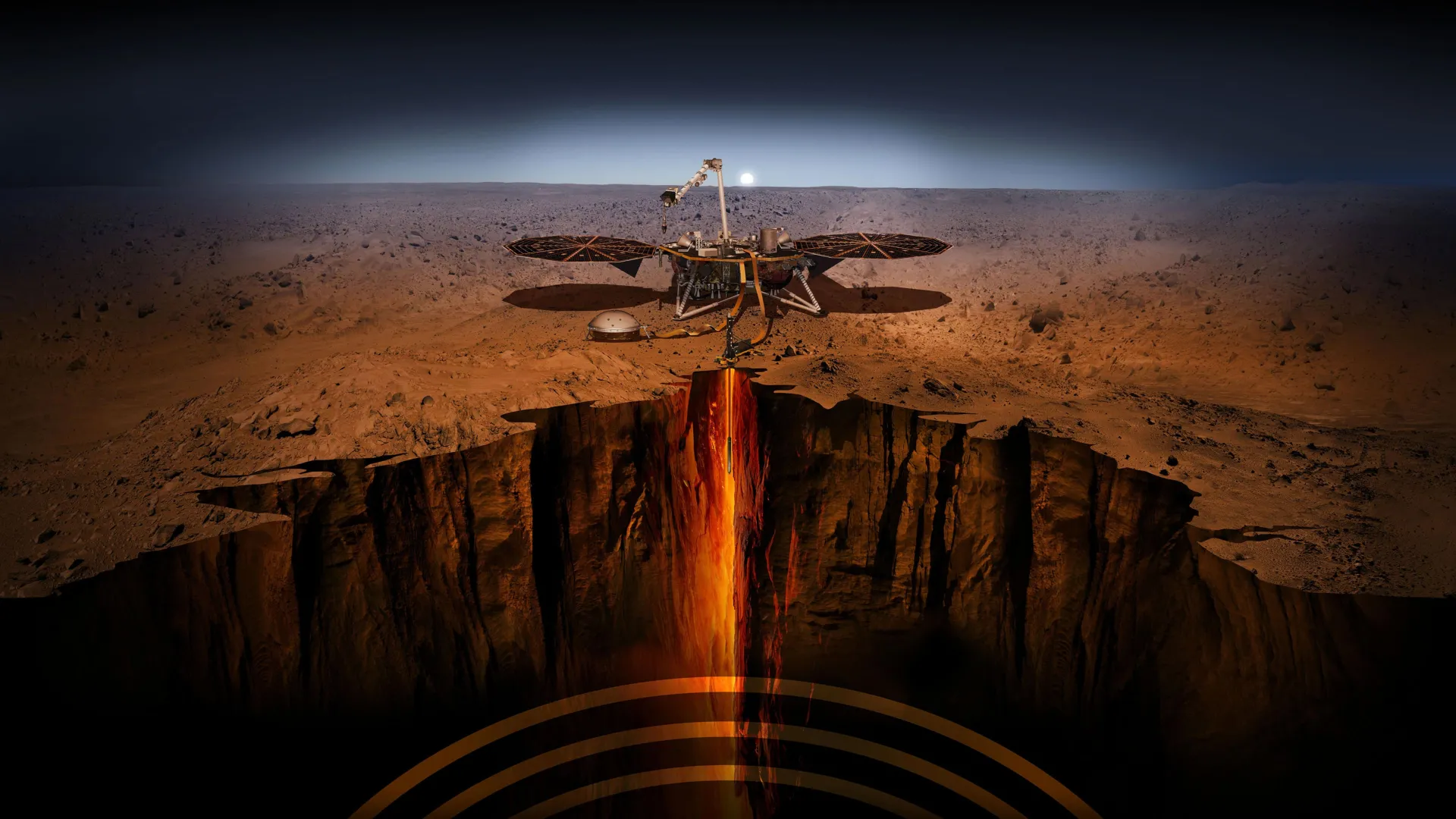
Researchers analysed seismic data collected by NASA's InSight mission, including signals produced by marsquakes and meteoroid impacts.
They focused on an unusual boundary located about 24 kilometres below the Martian surface.
Although scientists had previously identified the boundary, its origin was not fully understood.
The research team compared the seismic measurements with hundreds of possible rock compositions.
Using thermodynamic modelling and statistical analysis, they found that the material below the boundary was most consistent with ultramafic rocks, which are rich in iron and magnesium but contain relatively little silica.
The rocks above the boundary were more consistent with mafic material, which contains a higher proportion of silica.
According to the researchers, the difference could have been created by large quantities of molten rock accumulating deep within the Martian crust and gradually separating into different materials.
As the magma cooled, heavier crystals could have settled deeper underground while lighter, chemically evolved molten material moved upward.
Similar processes occur on Earth beneath volcanic regions and can contribute to the formation of continental crust.
The researchers believe the geological system on Mars may have been much larger than previously imagined.
The buried layer could extend across hundreds or potentially thousands of kilometres in the planet's northern hemisphere.
This suggests that ancient Mars may not have been dominated only by isolated volcanic centres. Instead, large interconnected magma systems may have operated throughout significant portions of the planet's crust.
The process is known as transcrustal magmatism, in which molten rock moves and evolves through much of a planet's crust.
The study provides evidence that such complex magmatic activity may have occurred on Mars even without Earth-like plate tectonics.
The discovery could also change how scientists think about potentially habitable planets.
On Earth, geological recycling helps influence the atmosphere, oceans and long-term cycling of water and other elements.
Plate tectonics is an important part of this process, leading scientists to consider tectonic activity potentially significant for maintaining habitable environments.
However, the Mars findings suggest that complex geological recycling may not always require plate tectonics.
If Mars was capable of developing a chemically evolved crust through large-scale internal recycling, similar processes could potentially occur on other rocky planets that do not have Earth-like tectonic systems.
The researchers say this raises the possibility that planets previously considered less promising because they lack plate tectonics could still develop geological conditions relevant to habitability.
The findings were made possible by NASA's InSight mission, which landed on Mars in 2018 and carried the first seismometer specifically designed to study the planet's interior.
By analysing seismic waves travelling through Mars, scientists have been able to investigate structures deep beneath its surface that cannot be directly observed.
The study, titled Seismic evidence for a melt-depleted lower crust and transcrustal magmatism on Mars, was conducted by researchers from the University of Oxford, the University of Bristol and Oxford's Department of Statistics.
The findings do not mean that Mars currently has an active Earth-like system of plate tectonics.
Instead, they provide evidence that the planet's ancient geological history may have been far more complex than previously believed.
The discovery adds to growing evidence that Mars once had a much more dynamic interior and could help scientists better understand how rocky planets evolve, including worlds beyond our solar system.
Seismic data from NASA's InSight mission revealed evidence of an ancient, vast magmatic system deep beneath Mars.
The development was confirmed by the Office of the President, Village Urugwiro, on Thursday evening.
The meetings took place on the sidelines of the Africa Food Systems Forum (AFS Forum) 2026, which was held in Kigali and brought together leaders and stakeholders to discuss ways of strengthening Africa's food systems.
IFAD is a United Nations specialised agency that works with rural communities to address poverty, improve food security and nutrition, and strengthen agricultural productivity and livelihoods.
The organisation focuses on supporting rural people, particularly small-scale farmers and vulnerable communities, to improve their livelihoods, expand businesses and build resilience to challenges affecting their development.
The discussions come as African countries continue to seek ways to transform agriculture, strengthen food production and build more resilient food systems amid changing economic and environmental conditions. With the global population projected to reach about nine billion by 2050, pressure on food systems is expected to increase, making agricultural transformation and food security key priorities for developing countries.
IFAD directs much of its work towards countries and communities where poverty and hunger are most prevalent, supporting rural populations to improve their livelihoods and strengthen their ability to withstand economic, social and environmental challenges.
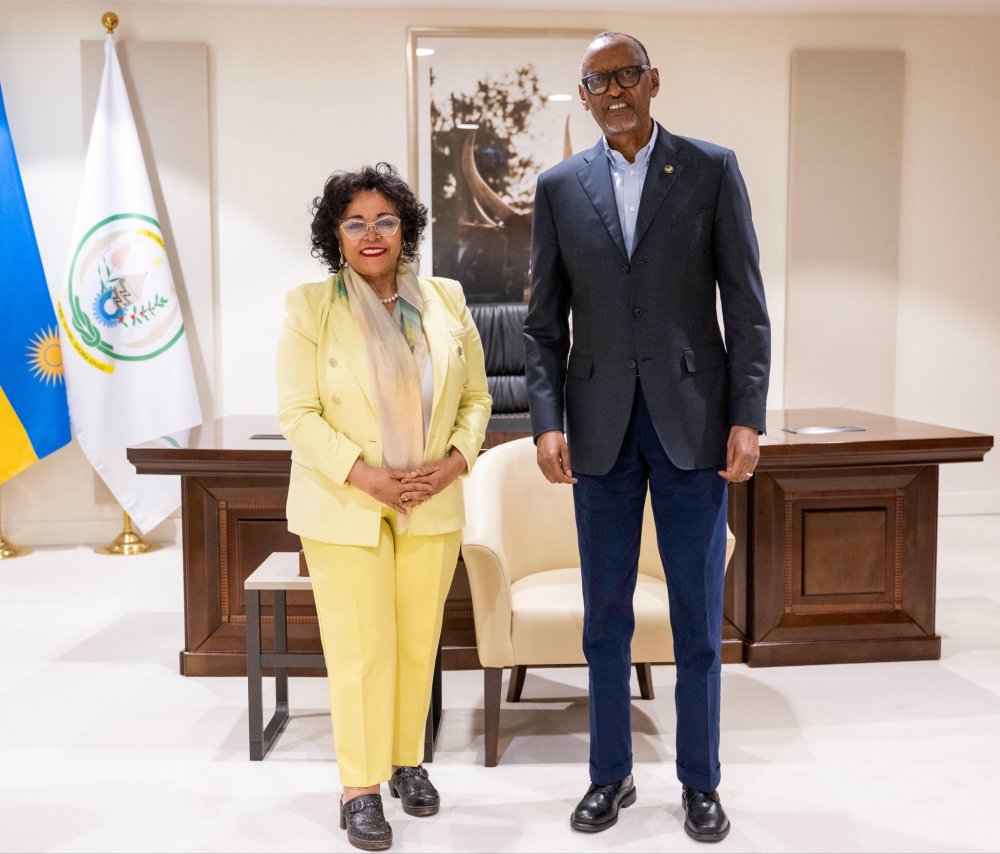
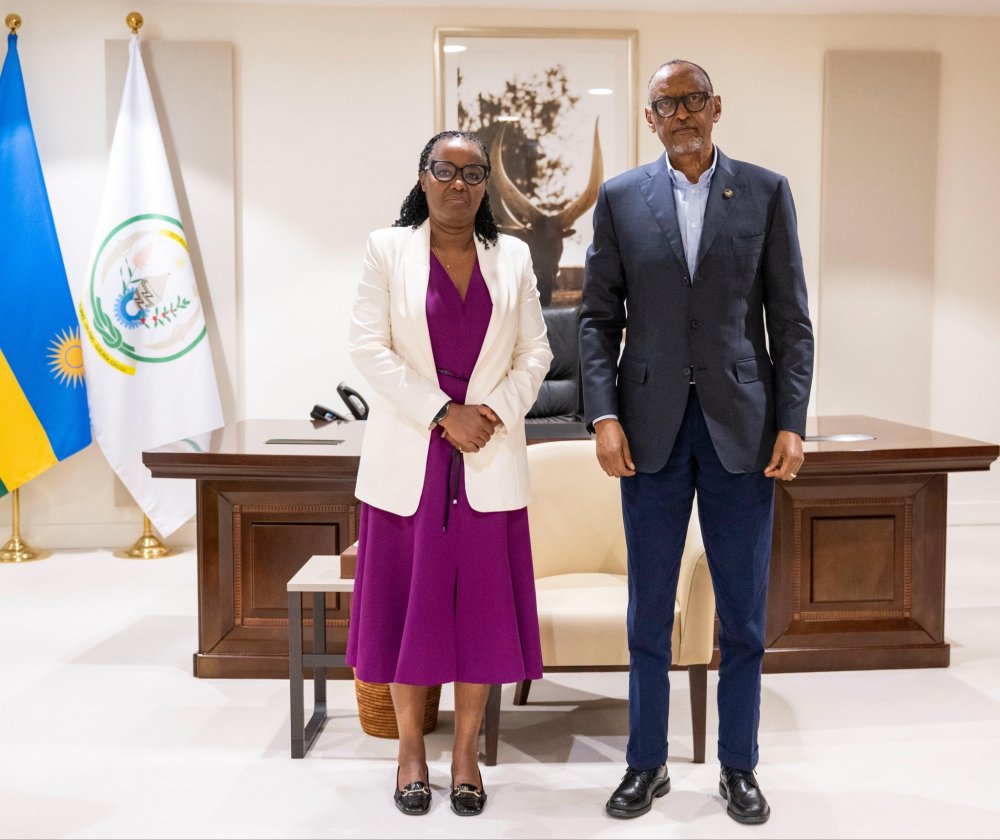
President Kagame held talks with AUDA-NEPAD CEO Nardos Bekele-Thomas on advancing Africa's agricultural transformation.President Kagame met with IFAD Vice President Dr. Gérardine Mukeshimana on the sidelines of AFS Forum 2026.
Earle, 25, discussed the conflict during the season finale of her family's Netflix reality series, Earle Meets World, which premiered on September 4.
The dispute between the two internet personalities became public earlier this year after Cooper, 32, called out Earle in a TikTok posted in April. Cooper accused Earle of creating 'fake drama' as a distraction from other issues in her life.
At the time, Earle responded briefly but largely stayed quiet about the situation. In the reality show's finale, however, she opened up about what happened and discussed the situation with her family.
Earle said she felt as though Cooper's public comments were an attempt to provoke her into responding. She also admitted that she was 'scared' and 'intimidated' by the Call Her Daddy host.
The tension dates back to Earle's professional relationship with Cooper's Unwell media network.
Earle was among the first creators signed to the company after joining in 2023, while her podcast, Hot Mess, was part of the network.
The podcast left Unwell in March 2025, and Earle said she learned that the professional relationship had ended through media reports.
Looking back, Earle claimed that there had been ongoing problems with Unwell and said her experience with the company was different from what she had expected.
Her father, TJ Earle, also alleged that his daughter did not receive the same production support as some of the other shows under the network.
According to him, Earle did not have adequate resources to film and produce Hot Mess.
Earle said she had admired Cooper before their professional relationship deteriorated.
She described Cooper as someone she had looked up to and hoped would serve as a mentor as she entered the entertainment industry.
Instead, Earle said she eventually felt taken advantage of and manipulated.
The influencer also revisited her January 2025 appearance on Cooper's Call Her Daddy podcast. During the episode, the two participated in a 'Truth or Drink' game that involved alcohol and personal questions.
Earle alleged that she became uncomfortable with some of the sexual questions asked during the recording.
She said she had asked for part of the interview to be removed, but claimed Cooper believed the material was entertaining.
Earle also discussed the impact the interview had on her family because she spoke about her family's complicated history, including the past relationship between her stepmother, Ashley Dupré, and former New York Governor Eliot Spitzer.
Dupré, who is married to Earle's father, said in the episode that she was hurt by the way her past was discussed publicly.
She explained that she had spent years rebuilding her life and working to maintain a positive relationship with her family.
However, Earle's biggest focus remained her relationship with Cooper and how their professional partnership ended.
During the finale, Earle considered sending Cooper a lengthy private message.
In the draft, she accused Cooper of being manipulative and toxic and said she believed the business relationship had involved false promises.
Earle also claimed that Cooper had previously warned her against entering into a public conflict with her.
Despite considering sending the message, it remains unclear whether Earle actually sent it.
The dispute has attracted significant attention because of the two influencers' former professional relationship and Earle's status as one of the major creators associated with the Unwell network.
For now, neither side appears to have publicly resolved the disagreement. PEOPLE reported that it reached out to Cooper for comment.
All eight episodes of Earle Meets World are currently available to stream on Netflix.
Alix Earle has spoken publicly about her fallout with Alex Cooper and their former professional relationship.
In experiments involving mice, the treatment helped damaged brain tissue develop new blood vessels, supported the growth of nerve fibres and improved movement.
The researchers say the approach works partly by creating an environment that encourages the body's own immune cells to participate in the healing process.
Ischemic strokes occur when a blood clot blocks blood flow to part of the brain.
Emergency treatments can restore circulation and protect brain tissue that has not yet died. However, once brain tissue is permanently damaged, restoring blood flow cannot bring the lost tissue back.
Severe strokes can therefore leave a cavity where healthy brain tissue once existed.
Rehabilitation can help the brain's surviving circuits adapt, but it does not directly rebuild the damaged area.
To address this problem, Duke researchers developed a material known as a microporous annealed particle scaffold, or MAPS.
It is made from tiny hydrogel particles that form a porous structure, creating space where cells can enter and potentially support tissue repair.
The researchers combined the scaffold with extracellular vesicles produced by astrocytes, star-shaped cells found in the brain.
Extracellular vesicles are tiny packages released by cells that carry biological signals, including proteins, lipids and genetic material, which can influence other cells.
Rather than injecting these vesicles alone, the researchers attached them to the surface of the hydrogel particles.
This helped keep the signals concentrated in the damaged area, allowing incoming cells to interact with them.
The scientists found that a combination of two signalling molecules, IL-4 and C1q, was particularly effective at attracting immune cells to the damaged region.
Among the cells recruited were macrophages and neutrophils.
Neutrophils are commonly associated with inflammation and tissue damage during the early stages of stroke, but the study suggests they may have a different role later in recovery when exposed to the appropriate signals and environment.
When researchers reduced the population of neutrophils, the formation of new blood vessels decreased and the scaffold underwent less remodeling.
This suggested that the cells were contributing to the repair process.
The treatment also produced physical improvements in the mice. Researchers observed more axonal fibres in and around the damaged area.
Axons are structures that allow nerve cells to communicate with one another.
The treated mice also performed better on a grid-walking test that measures movement and coordination.
After eight weeks, their performance was statistically similar to that of healthy control mice, and the improvement continued for the rest of the study.
The researchers also tested the extracellular vesicles without the biomaterial scaffold.
The vesicles alone did not produce the same level of blood vessel repair, suggesting that the scaffold itself plays an important role by keeping the biological signals concentrated within the injured area.
Despite the promising results, the treatment is still at an early, preclinical stage.
The experiments so far have been conducted in mice, with the material injected directly into the damaged part of the brain.
More research is needed to determine the treatment's safety, understand how different immune cells contribute to recovery and establish whether the approach can work in larger animals and eventually humans.
The research team is also exploring the use of extracellular vesicles produced by human induced pluripotent stem cell-derived astrocytes, which could provide a more scalable and clinically relevant source of the therapeutic material.
Duke researchers developed an injectable biomaterial that helped damaged brains regrow blood vessels and improve movement in mice.
The high-profile namers include former football stars, global business leaders, conservation advocates, artists, sports executives and philanthropists, reflecting the international reach of Rwanda's conservation efforts.
Among the prominent figures expected at the ceremony is Shaikha Al Nuwais, Secretary-General of UN Tourism and the first woman to lead the organisation in its 50-year history.
The list also features football legends Mamadou Sakho, whose professional career spanned from 2007 to 2025, and Patrice Evra, who played professionally between 1998 and 2018. Both are former France internationals with distinguished club careers.
Manchester United legend Patrice Evra, who played professionally between 1998 and 2018, is among the high-profile personalities taking part in Kwita Izina 2026.
Sakho, who captained Paris Saint-Germain during his six-year senior spell at the club (2007–2013), went on to play for Liverpool (2013–2017) and Crystal Palace (2017–2021) in the English Premier League. He later had a stint at Montpellier before concluding his career at Georgian side Torpedo Kutaisi. He earned 29 caps for the French national team between 2010 and 2018.
Evra, who earned 81 international appearances for France between 2004 and 2016, served as captain for both his country and Manchester United. During his eight-year tenure at Old Trafford (2006–2014), he won five Premier League titles and the 2008 UEFA Champions League, before later playing for Juventus, Marseille and West Ham United.
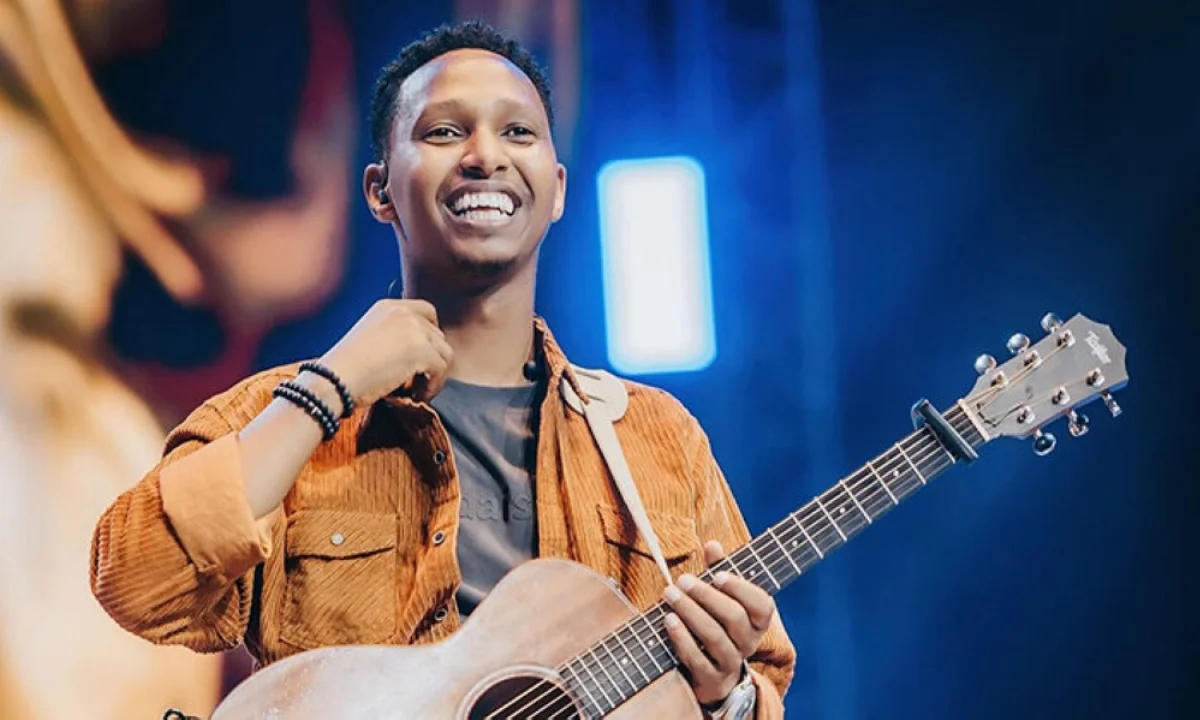
Rwanda will also be represented among the namers by gospel singer and songwriter Israel Mbonyi, one of the country's most recognised musical voices.
Mbonyi, who has built a large following in Rwanda and across Africa, joins one of the country's most celebrated conservation traditions as a namer.
Gospel singer Israel Mbonyi has built a large following in Rwanda and across Africa.
The business and investment community will be represented by Eng. Ahmed Sadek, Chairman of Elsewedy Electric, a global energy and infrastructure company that has been involved in Rwanda's electrification efforts.
Global business leader Dominic Barton, Chairman of Rio Tinto and LeapFrog Investments, will also join the ceremony. Barton previously served as Global Managing Partner of McKinsey & Company and as Canada's Ambassador to China.
Miguel Ángel Gil Marín, CEO and majority shareholder of Atlético de Madrid and a member of the UEFA Executive Committee, is another high-profile name on the list.
The hospitality investment sector will be represented by Olivier Granet, Managing Partner and Co-CEO of Kasada Capital Management, a hospitality investment platform and investor in Mövenpick Hotel Kigali.
Sports will also feature prominently among this year's namers.
Francesco Calvo, President of Business Operations at Aston Villa, will join the celebration, alongside global sports executive Paul Danforth, President of CAA Sports and a former Senior Vice President of Sales for the New York Mets.
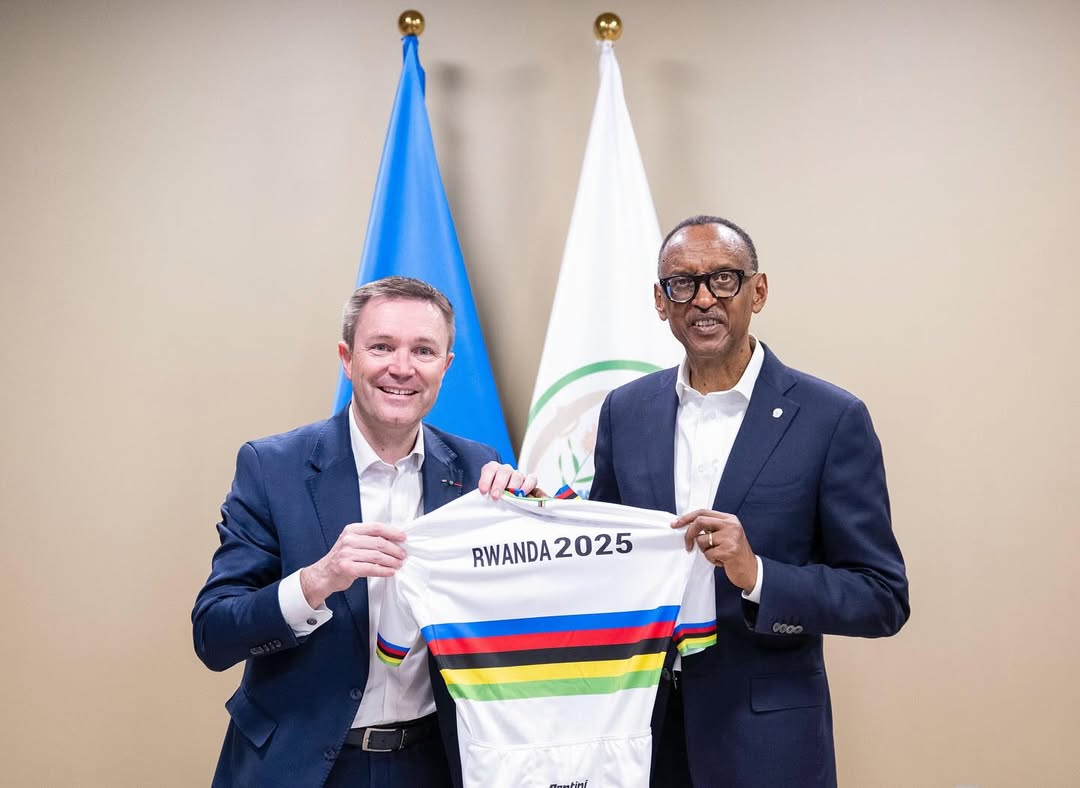
David Lappartient, President of the Union Cycliste Internationale (UCI) and a member of the International Olympic Committee (IOC), will also return to Rwanda. His participation comes after Rwanda made cycling history in 2025 by hosting the UCI Road World Championships.
David Lappartient, President of the Union Cycliste Internationale (UCI) and a member of the International Olympic Committee (IOC), holds the yellow jersey alongside President Paul Kagame during the historic competitions in Rwanda last year.
Olympic champion Mutaz Essa Barshim of Qatar is another prominent sports figure taking part. A three-time world champion, Barshim is one of the most accomplished high jumpers of his generation and will join Rwanda in celebrating mountain gorilla conservation.
Conservation will also feature prominently among this year's namers.
Jeannette Uwimbabazi, a Nyungwe National Park ranger, has been recognised for her dedication to protecting Rwanda's biodiversity and will take part in the ceremony as a representative of those working on the front lines of conservation.
Kelly O'Meara, Executive Director of the Pan African Sanctuary Alliance (PASA), is another conservation advocate among the namers. She works to promote primate protection and welfare across Africa.
Neil McDougall, Founder and Chairman of delAgua Group, will also join the 21st Kwita Izina as a namer. He leads efforts to expand access to clean cooking and improve livelihoods across Africa.
The ceremony will also bring together leading voices from wildlife filmmaking. Alastair Fothergill, the award-winning filmmaker behind productions including Planet Earth, Blue Planet and A Gorilla Story: Told by Sir David Attenborough, is among those set to name a gorilla.
Rwandan filmmaker Marie-Clémentine Dusabejambo will also take part. Her film Ben'Imana was selected for the Un Certain Regard section of the 2026 Cannes Film Festival, and she now joins Rwanda's conservation celebration as a namer.
The list extends to personalities using their public platforms to support social causes.
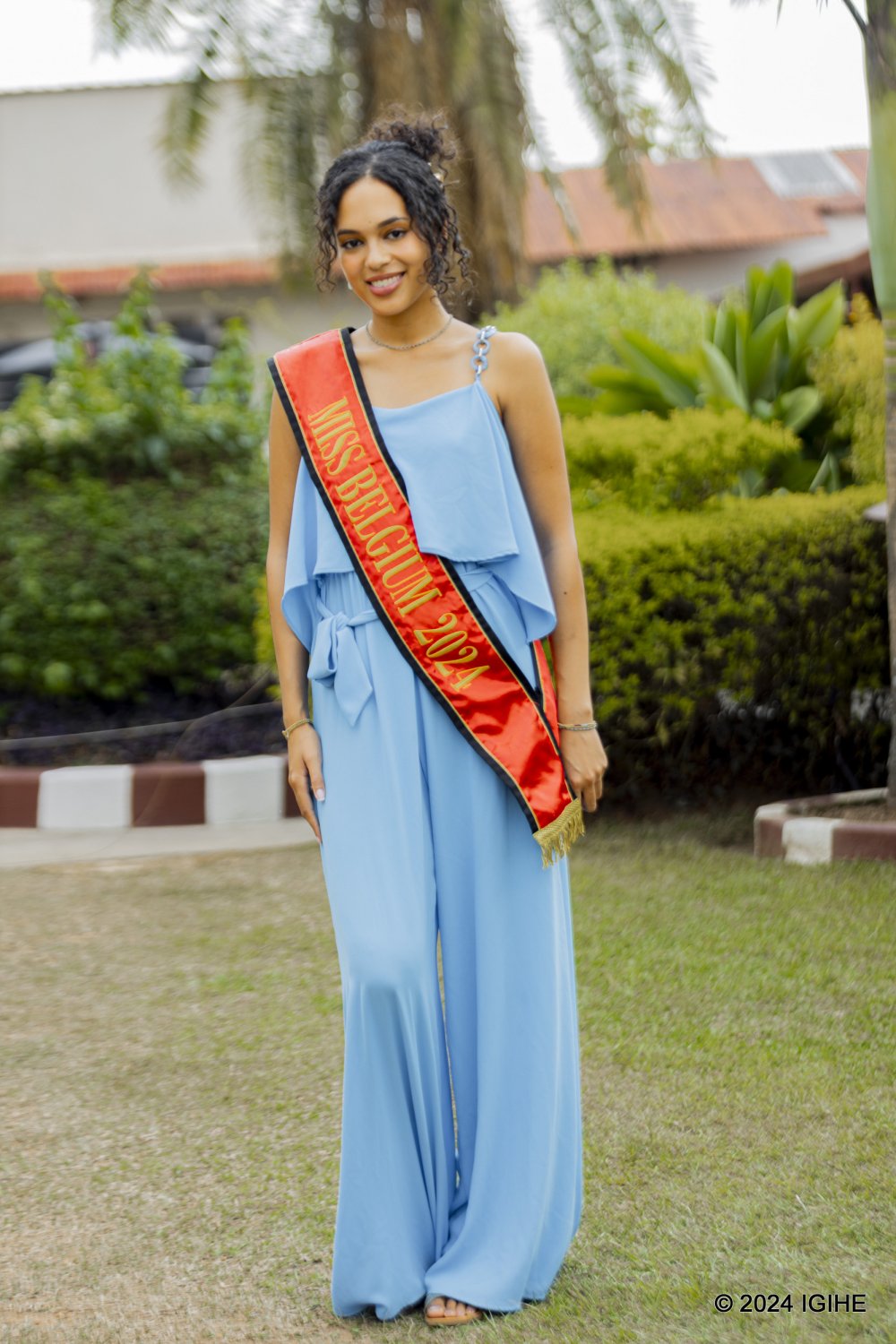
Kenza Johanna Ameloot, Miss Belgium 2024 of Rwandan heritage, is among the namers. She has used her platform to advocate for children affected by cataracts.
Kenza Johanna Ameloot, Miss Belgium 2024 of Rwandan heritage, is among the namers.
Former Aston Villa captain and Wales international James Chester will also take part. Chester helped Aston Villa return to the Premier League and represented Wales at UEFA Euro 2016.
Philanthropy and social impact will be represented by several namers.
Susan Hollern, Founder and President of Hope Haven Rwanda, will join the ceremony. She has worked to advance education and family transformation in Rwanda since 2011.
Philanthropy leader Dominique Plewes, Founder of SOF Support Foundation, will also take part. The foundation supports research and humanitarian initiatives in conflict-affected communities.
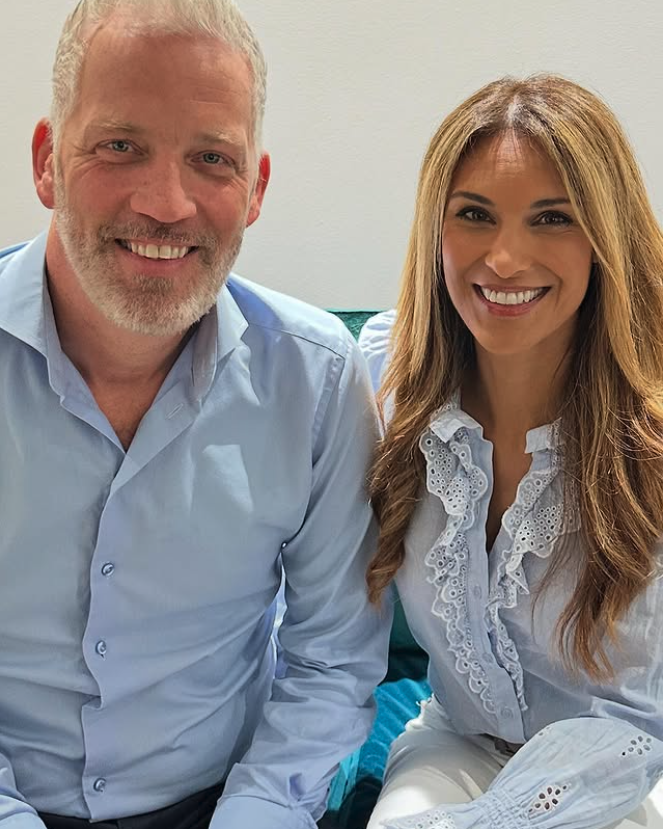
Philanthropists Garreth and Nicola Wood will also join the ceremony.
Garreth Wood MBE, a Scottish entrepreneur and philanthropist, chairs The Wood Foundation. Together with his wife, Nicola Wood MBE, he co-founded Kids Operating Room, a global health charity focused on expanding access to safe paediatric surgery in low-resource settings.
Garreth Wood MBE will attend the baby gorilla naming ceremony with his wife, Nicola Wood MBE, who will also take part as a namer.
Their participation adds a global philanthropy dimension to this year's ceremony, which continues to use gorilla conservation as a platform for bringing together people from different sectors and parts of the world.
Kwita Izina has grown into one of Rwanda's most prominent conservation events, drawing international attention to the protection of mountain gorillas and the communities living alongside their habitat.
The 2026 edition will once again bring together personalities whose influence spans sports, tourism, business, conservation, entertainment and philanthropy, with each namer playing a role in celebrating Rwanda's commitment to protecting its iconic mountain gorillas.
According to the Rwanda Development Board's (RDB) 2025 annual performance report, Rwanda's tourism sector generated $685 million in revenue in 2025, nearly four times the $164 million recorded in 2021.
Tourism revenue rose to $455 million in 2022 as the sector recovered from the effects of the Covid-19 pandemic, before reaching $620 million in 2023 and $647 million in 2024.
In 2025, tourism revenue increased by 6% compared with the previous year, supported by growth in visitor numbers and air travel. Revenue from air travel rose by 9% to $594 million.
Gorilla tourism accounted for a significant share of those earnings, generating $248 million in 2025, an increase of 7%.
Rwanda received 1.49 million visitors during the year, up from 1.36 million in 2024, representing a 9% increase. Visitors arriving by air increased by 23%.
The growth illustrates how the conservation of a species once considered highly vulnerable has become closely intertwined with Rwanda's tourism ambitions.
Bringing tourism benefits to communities
Rwanda has also sought to ensure that the economic value created by conservation reaches communities living near national parks.
Through its tourism revenue-sharing programme, 10% of tourism revenues is allocated to communities living around protected areas.
The funds are invested in projects such as schools, health centres, water infrastructure and other community facilities.
RDB says more than Rwf23 billion has been invested in nearly 1,300 community projects since the programme began.