Category: Uncategorized

  • How Rwanda is using fortified whole grains to improve school meals (Video) #rwanda #RwOT

    The initiative, supported by The Rockefeller Foundation and implemented with partners including Vanguard Economics and the World Food Programme (WFP), seeks to replace refined maize flour with fortified whole-grain alternatives in school meals.

    Diane Dusabeyezu, Consultant and Programme Manager at Vanguard Economics, said the initiative is being implemented as part of broader efforts to strengthen regenerative school meals and improve nutrition among children.

    Speaking to IGIHE during the Africa Food Systems Forum (AFSF) in Kigali, Dusabeyezu explained that the approach goes beyond simply changing what is placed on children's plates.

    'It's an entire value chain actor in the initiative program with whom we are engaging in running this project in Rwanda,' she said.

    The initiative works with farmers, millers, premix companies, government institutions and other stakeholders to ensure the product can be produced, supplied and accepted at scale.

    From farmers to schoolchildren

    Dusabeyezu noted that Vanguard Economics has supported food processors through training on fortified whole grain production, access to quality inputs and premix, as well as efforts to ensure millers have the necessary certification to supply school feeding programmes.

    Farmers are also being trained and supported with access to appropriate inputs and assistance in developing business cases to help them secure financing.

    'We have been providing training to farmers. We have been supporting them in getting the right inputs. We have also been supporting them in writing a business case to get the financial support they need,' she said.

    The initiative also involves engagement with Rwanda's Ministry of Agriculture and Animal Resources and Ministry of Education, as well as private-sector companies and development partners.

    Dusabeyezu stressed that such collaboration is important because introducing a new food product requires awareness and acceptance among the different actors who will ultimately be involved in its production and consumption.

    The Rockefeller Foundation describes this broader approach as 'regenerative school meals', which connects local farmers with public school procurement systems to improve children's nutrition while strengthening local economies and food systems.

    The broader approach was also showcased through Solid Africa, a Rockefeller Foundation grantee working to improve nutrition through school meals and stronger local food systems. During a field visit in Kigali, participants visited Solid Africa's model, which includes a kitchen garden, nutrition education and a centralised kitchen supplying meals to schoolchildren.
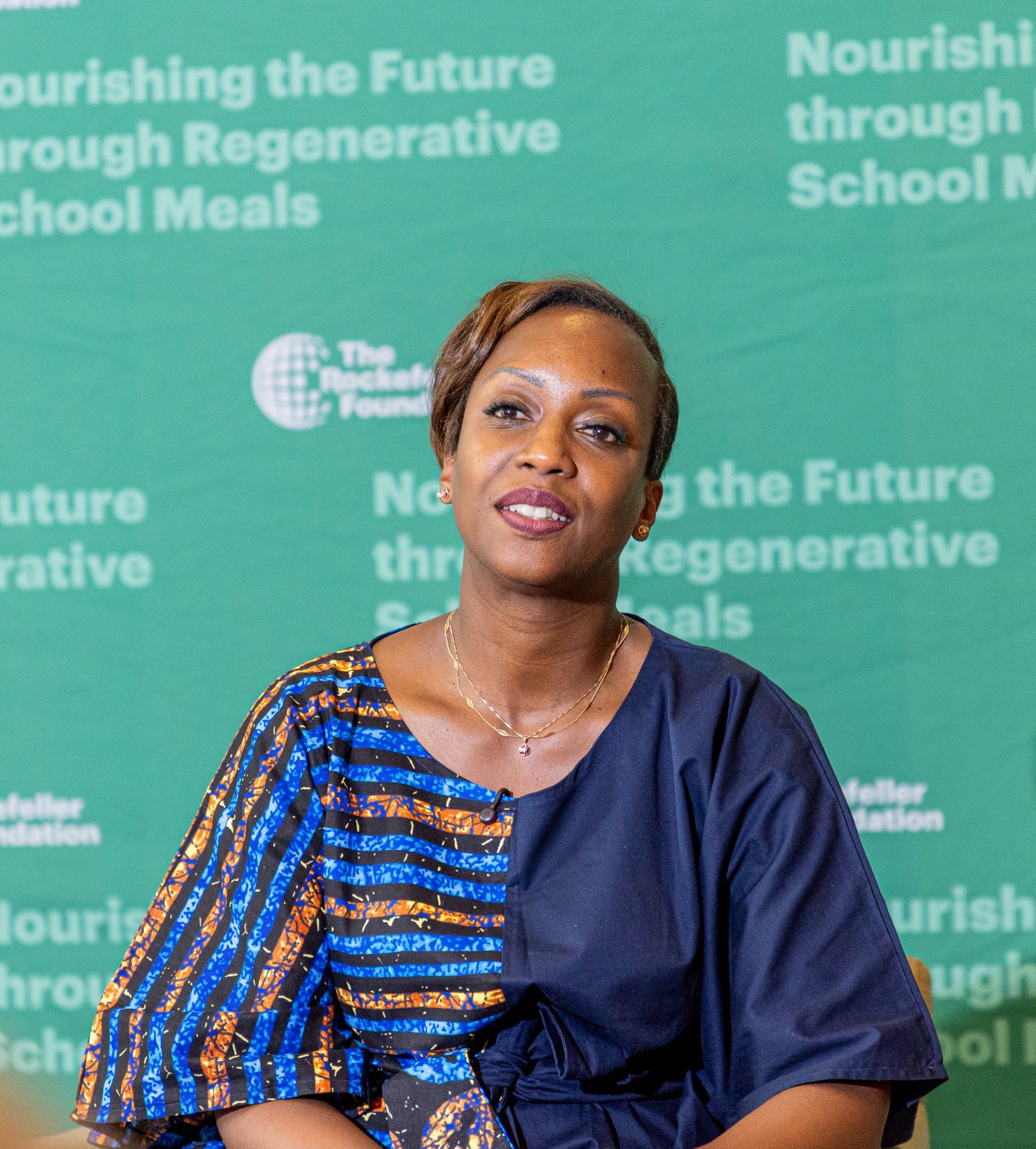
    Diane Dusabeyezu, Consultant and Programme Manager at Vanguard Economics, said the initiative is being implemented as part of broader efforts to strengthen regenerative school meals and improve nutrition among children.

    Why whole grain?

    Unlike refined maize flour, fortified whole grain flour uses the entire grain, including the bran and germ, which contain important nutrients.

    The Rockefeller Foundation says fortified whole grain foods can provide substantially more nutrition than refined alternatives, while the Rwanda pilot found that the product could be produced at the same cost as refined maize flour.

    Rwanda's school feeding guidelines also identify fortified maize flour or whole grain meal as an important source of micronutrients in school meals.

    The initiative was initially piloted in 18 schools in Rwanda. According to WFP, more than 13,500 children were reached during the initial phase, with 73% of children demonstrating awareness of the nutritional benefits of fortified whole grains and 97% preferring the whole grain product to its refined equivalent.

    The programme subsequently expanded, with the Rockefeller Foundation reporting that nearly 74,000 students in 81 schools had been reached in Rwanda by January 2023.

    Testing before scaling

    Dusabeyezu recalled that the project spent time developing and testing the product before expanding its reach.

    'We did consumer research because you need to do a testing of the product. You need to take it to the household. They test, then you improve the quality, the texture, the colour,' she said.

    The initiative also worked with early childhood development centres and conducted pilots to establish whether children would accept the product.

    She pointed to the experience as evidence that programmes seeking to achieve lasting impact should involve government, private-sector players and food processors from the beginning.

    'When the pilot is successful, it's easy to scale up,' she said.

    The initiative is being expanded through a phased approach, with the long-term ambition of reaching more than 3 million schoolchildren across Rwanda.

    Rwanda's experience has already attracted interest beyond the initial pilot. A 2024 initiative involving the National Industrial Research and Development Agency (NIRDA) and Vanguard Economics sought to increase the capacity of local maize millers to produce fortified whole grain maize flour, including through technical assessments, plant upgrades and training.
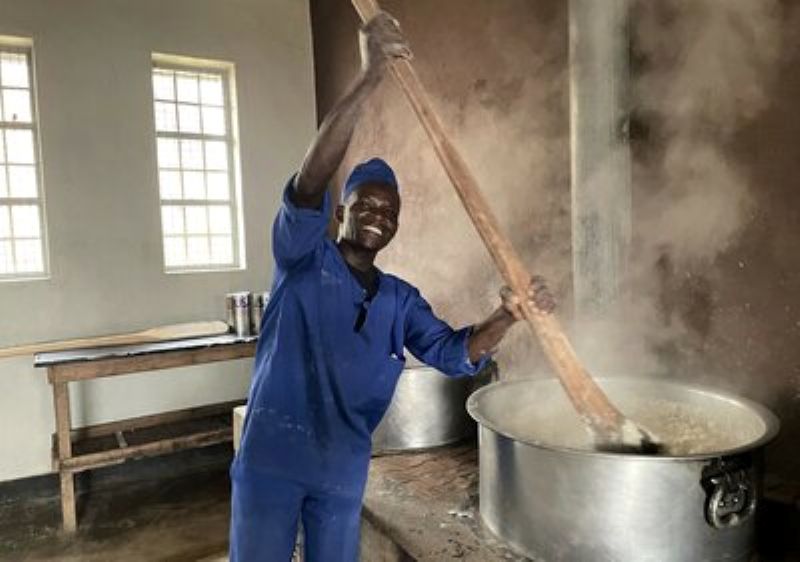
    Unlike refined maize flour, fortified whole grain flour uses the entire grain, including the bran and germ, which contain important nutrients.

    Government ownership key to sustainability

    For Dusabeyezu, one of the most important lessons from the project is the importance of government ownership.

    She argued that initiatives are more likely to become sustainable when they are integrated into existing government policies and programmes rather than operating as separate projects.

    'The key, very important point is really the government ownership,' she said.

    The fortified whole grain initiative is being implemented within Rwanda's existing school feeding system, rather than creating a separate programme.

    Rwanda formally launched its National School Feeding Programme in October 2021, while its school feeding policy provides for nutritious meals for children in pre-primary, primary and secondary schools.

    Dusabeyezu said Rwanda's adoption of universal school feeding provides an experience that other African countries could study and potentially adapt to their own circumstances.

    Measuring acceptance and future nutrition impact

    At its current stage, the initiative is primarily tracking product acceptance, certification of millers and the quality of premix used in production.

    Baseline and endline surveys are being conducted among schoolchildren to assess acceptance of the fortified whole grain product.

    Dusabeyezu indicated that the longer-term objective is to track the nutritional impact on children as the initiative expands.

    The broader approach is consistent with the Rockefeller Foundation's school meals strategy, which seeks to use school feeding not only to address child nutrition but also to strengthen local food systems and create markets for farmers.

    A model for other African countries

    Dusabeyezu said the Africa Food Systems Forum provides an opportunity for countries to share experiences and identify approaches that can be adapted to different national contexts.

    She pointed to Rwanda's universal school feeding system, local sourcing and the involvement of farmers and food processors as some of the experiences that other countries could examine.

    'The delegates that will attend the forum will learn from what is already being implemented in Rwanda,' she said, adding that they could take lessons from the country's experience and consider how to replicate them in their own contexts.

    The 20th Africa Food Systems Forum is being held in Kigali through September 4, 2026, bringing together more than 5,000 delegates from over 50 countries to discuss investment, nutrition, food security, climate resilience, youth, technology and intra-African trade.

    The Rwanda initiative forms part of a broader effort by The Rockefeller Foundation to strengthen school meal programmes globally. In 2025, the Foundation committed $100 million over five years to support efforts to provide more nutritious school meals to 100 million children worldwide, with a focus on locally and regeneratively grown food.

    For Rwanda, the fortified whole grain initiative represents an attempt to make school meals serve a broader purpose: improving children's diets while creating demand for locally produced food, strengthening value chains and demonstrating how public food programmes can support wider food-system transformation.


    Source : https://new.igihe.com/english/how-rwanda-is-using-fortified-whole-grains-to-improve-school-meals-video/

  • Mindfulness may improve heart health within eight weeks, study finds #rwanda #RwOT

    Researchers from the University of Illinois Urbana-Champaign reviewed 18 randomized controlled trials examining positive psychology and mindfulness programmes designed to improve mental and physical health.

    The programmes included activities such as mindfulness exercises, gratitude journaling, optimism training and motivational sessions.

    The studies involved adults who already had an increased risk of cardiovascular problems, including people with uncontrolled high blood pressure and heart failure.

    Most programmes lasted between six and 12 weeks and combined regular sessions with activities participants completed at home.

    The researchers found that programmes involving frequent practice and regular reinforcement produced the most consistent improvements in cardiovascular health.

    In some groups, eight weeks of mindfulness-based programmes were associated with reductions in systolic blood pressure and inflammation.

    One 12-week digital programme based on spirituality recorded a reduction of 7.6 points in systolic blood pressure measured with a standard cuff.

    The research also showed that some programmes encouraged healthier behaviours.

    An eight-week WhatsApp-based programme combined weekly sessions with daily activities designed to encourage participants to exercise more, improve their diets and take their medications as prescribed.

    Another programme using motivational interviewing increased participants' physical activity by about 1,800 steps per day while also improving medication adherence.

    Researchers said the benefits appeared strongest when participants practised these techniques daily and received weekly reinforcement over an eight to 12-week period.

    However, they noted that continued support may be necessary to maintain behavioural changes over the longer term.

    The findings highlight a growing connection between psychological well-being and cardiovascular health.

    Previous research has linked characteristics such as optimism, gratitude and positive emotions with healthier hearts.

    Rosalba Hernandez, who led the research team, said the findings suggest that positive psychology approaches could become an additional tool for cardiovascular disease prevention and treatment.

    Researchers also emphasized the importance of addressing mental and behavioural health as part of heart care.

    They suggested that routine screening and access to behavioural interventions could help improve cardiovascular health.

    The study does not suggest that mindfulness or positive thinking should replace medical treatment.

    Instead, researchers see these practices as potential additions to existing approaches for preventing and managing cardiovascular disease.

    The findings provide further evidence that mental well-being and physical health are closely connected.

    Simple practices such as mindfulness, gratitude and optimism could offer an accessible way to support heart health, particularly when they are practiced consistently and combined with healthy lifestyle changes.

    Researchers found that mindfulness, gratitude and optimism programmes may improve blood pressure and other measures of cardiovascular health within eight to 12 weeks.

    Source : https://new.igihe.com/english/mindfulness-may-improve-heart-health-within-eight-weeks-study-finds/

  • Kelly Rowland urges KATSEYE to stay resilient amid changes to lineup #rwanda #RwOT

    Rowland, 45, shared the advice in a new interview with Rolling Stone published on September 2, drawing from her own experience as a member of Destiny's Child and the pressures that come with working in the music industry.

    'In an industry as fast-paced as music, where there are constantly eyes on you and pressure to keep rising, your health is one of the most sacred things you have,' Rowland said.

    She added that her experience with Destiny's Child taught her that artists can remain committed to their fans and groups while also paying attention to their individual needs.

    'My advice to the KATSEYE girls would be to listen to themselves, be kind to themselves, and continue supporting one another through every season,' she said.

    Rowland also stressed the importance of creating time for rest, particularly while touring.

    'Especially on tour, it's so important to intentionally carve out time to rest and reset in their daily routines,' she said. 'Taking care of your mind and body is what allows you to bounce back, stay resilient, and keep doing what you love.'

    Her comments come as KATSEYE has experienced significant changes to its six-member lineup.

    Manon Bannerman was the first member to step away from group activities. In February, the group announced that the 24-year-old singer would take a temporary hiatus to focus on her health and wellbeing.

    KATSEYE said at the time that the members fully supported her decision.

    In August, 23-year-old Sophia Laforteza also announced that she would temporarily step back from the group to focus on her mental health and wellness.

    The departures have left Daniela Avanzini, Lara Raj, Megan Skiendiel and Yoonchae Jeung continuing activities as the remaining active members, while publicly expressing their support for Bannerman and Laforteza.

    Raj previously said that prioritizing the members' wellbeing was important to KATSEYE and that the group stood firmly behind both members.

    KATSEYE was formed through the 2023 reality competition series The Debut: Dream Academy, a collaboration between HYBE and Geffen Records.

    The group's journey was later documented in the Netflix series Pop Star Academy: KATSEYE.

    The group officially began its music career in 2024 and has since built an international following with its multicultural lineup and pop sound.

    Rowland's comments also carry particular weight because she experienced major lineup changes during her years with Destiny's Child.

    The group initially featured Rowland alongside Beyoncé, LeToya Luckett and LaTavia Roberson.

    Luckett and Roberson later left the group and were replaced by Michelle Williams and Farrah Franklin, with Franklin eventually departing as well.

    Despite those changes, Destiny's Child went on to become one of the most successful girl groups in music history.

    For KATSEYE, Rowland's message comes at a time when the group is balancing growing international success with the personal demands of life in the spotlight.

    Kelly Rowland has urged KATSEYE members to prioritize their wellbeing amid lineup changes

    Source : https://new.igihe.com/english/kelly-rowland-urges-katseye-to-stay-resilient-amid-changes-to-lineup/

  • Kagame urges greater risk-sharing to unlock capital for young Africans #rwanda #RwOT

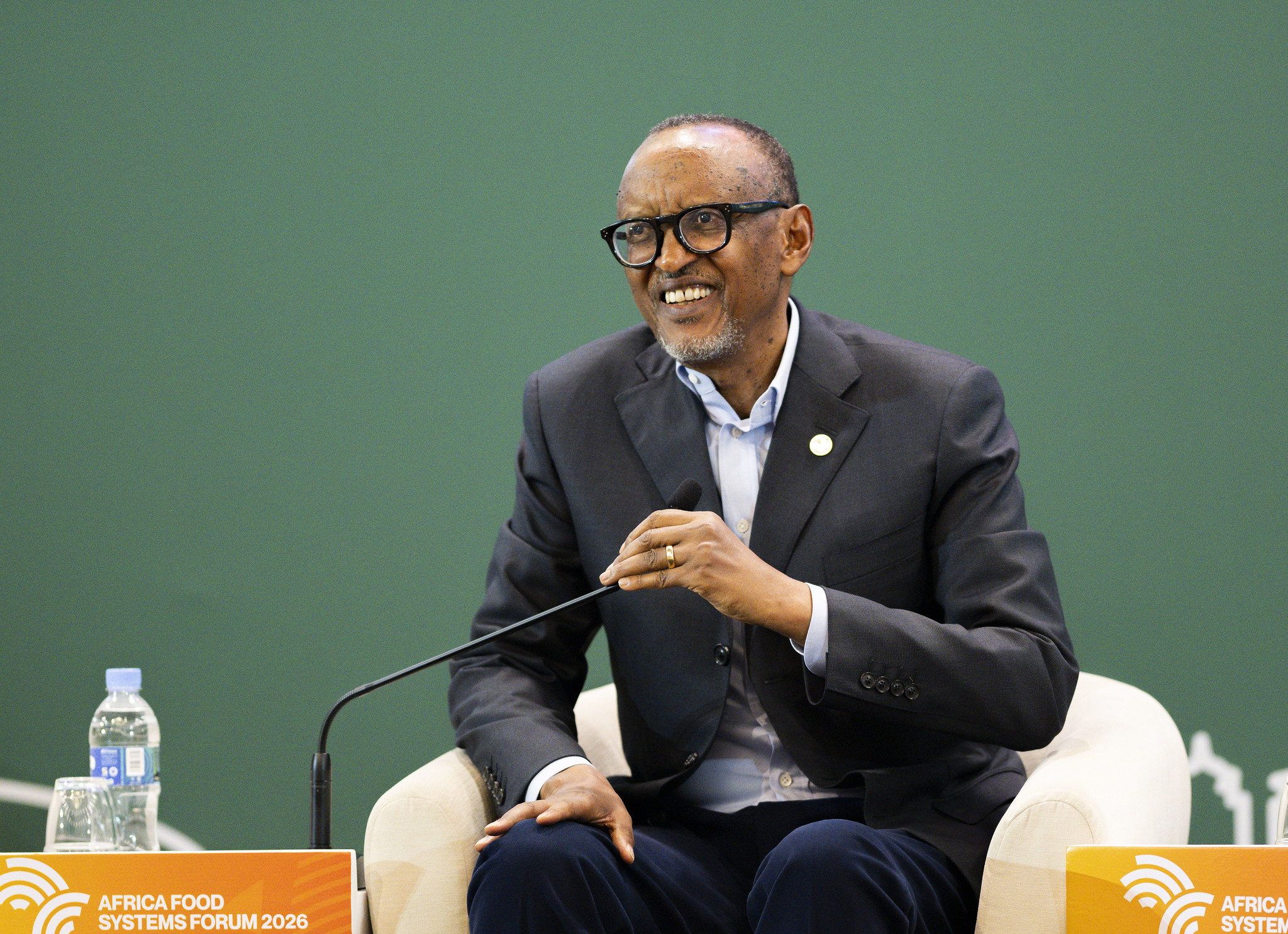
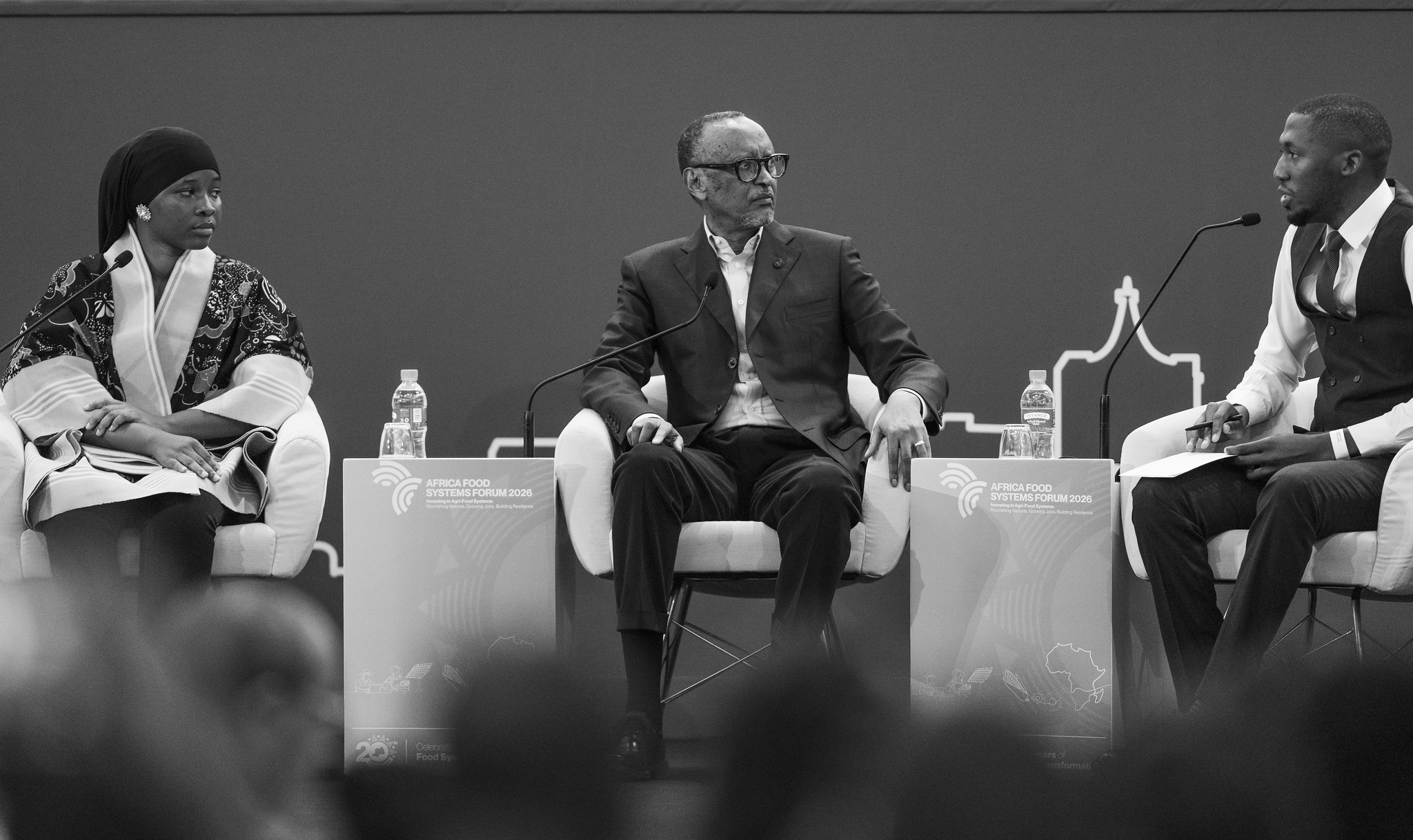
    Speaking during a presidential conversation with young entrepreneurs at the Africa Food Systems Forum 2026 in Kigali on Thursday, President Kagame said financial systems across the continent are often structured in ways that make capital more accessible to people who already have the resources and collateral required to secure financing.

    'Unfortunately, a number of parts of financial systems on our continent are framed in such a way that they mostly avail capital to those who have collateral,' Kagame noted.

    He argued that governments have a role to play in reducing the risks faced by financial institutions when lending to young entrepreneurs who may have viable businesses but lack sufficient collateral.

    Kagame pointed to Rwanda's experience with development financing as an example of how public resources can help make capital available to groups that would otherwise struggle to access it.

    According to the President, the government and its partners had put resources into a development fund aimed at ensuring capital reaches a wider section of the population, particularly young people who cannot easily afford financing.

    The President was responding to a question from Mussa Mishamo, a 34-year-old agricultural engineer and founder of Rada360 from Tanzania, who told him that young Africans have brilliant ideas and innovations in agriculture but often lack access to capital and collateral.

    Mishamo explained that Rada360 maps farms and uses digital solutions to monitor farmers from planting to harvesting, including crop health and climate shocks such as flooding, drought and wildfires. The company also provides traceability services to help farmers meet emerging market requirements.

    He asked what should change in Africa's existing financial institutions to enable them to take greater risks on young entrepreneurs.

    In response, Kagame linked the issue to the broader responsibility of governments to create an environment in which young people can turn their capabilities and ideas into businesses.

    Earlier in the conversation, Fareeda Mustapha, co-founder and CEO of PureLube Ghana, asked Kagame what governments must do differently to make agri-food systems a major engine of job creation.

    Kagame stressed that governments must find ways to support people who have the capacity and desire to contribute to the economy but lack some of the resources needed to do so.

    He also highlighted the breadth of opportunities available across Africa's food economy, urging young entrepreneurs to look beyond farming itself and consider gaps in areas such as logistics, technology, irrigation, storage and markets.

    'If we had the opportunity to think about that now, there is actually a whole long chain of things you can think about,' Kagame remarked.

    The President encouraged young entrepreneurs to identify opportunities that match their passions and skills, while recognising that Africa's food system extends from the farm through communities and national markets to international markets.

    The conversation also focused on leadership, with Lydia Murekatete, co-founder of Rwanda-based All Greens, asking Kagame what lesson from Rwanda's transformation young African leaders and entrepreneurs should carry with them.

    Kagame stressed that leadership ultimately requires action, rather than simply ideas or inspiration.

    He advised young people to begin by examining themselves before attempting to solve problems around them, saying self-reflection can help entrepreneurs identify and prioritise the challenges they are best positioned to address.

    'Before you set out to go and address problems out there, think about yourself first,' the Head of State advised.

    Murekatete said All Greens grows vegetables in climate-controlled greenhouses and distributes them through company-owned stores and direct business-to-business supply channels. She added that the company has provided market access to more than 200 farmers.

    The presidential conversation brought together young entrepreneurs from across Africa and formed part of the weeklong Africa Food Systems Forum 2026, which closes on Friday, September 4, in Kigali.

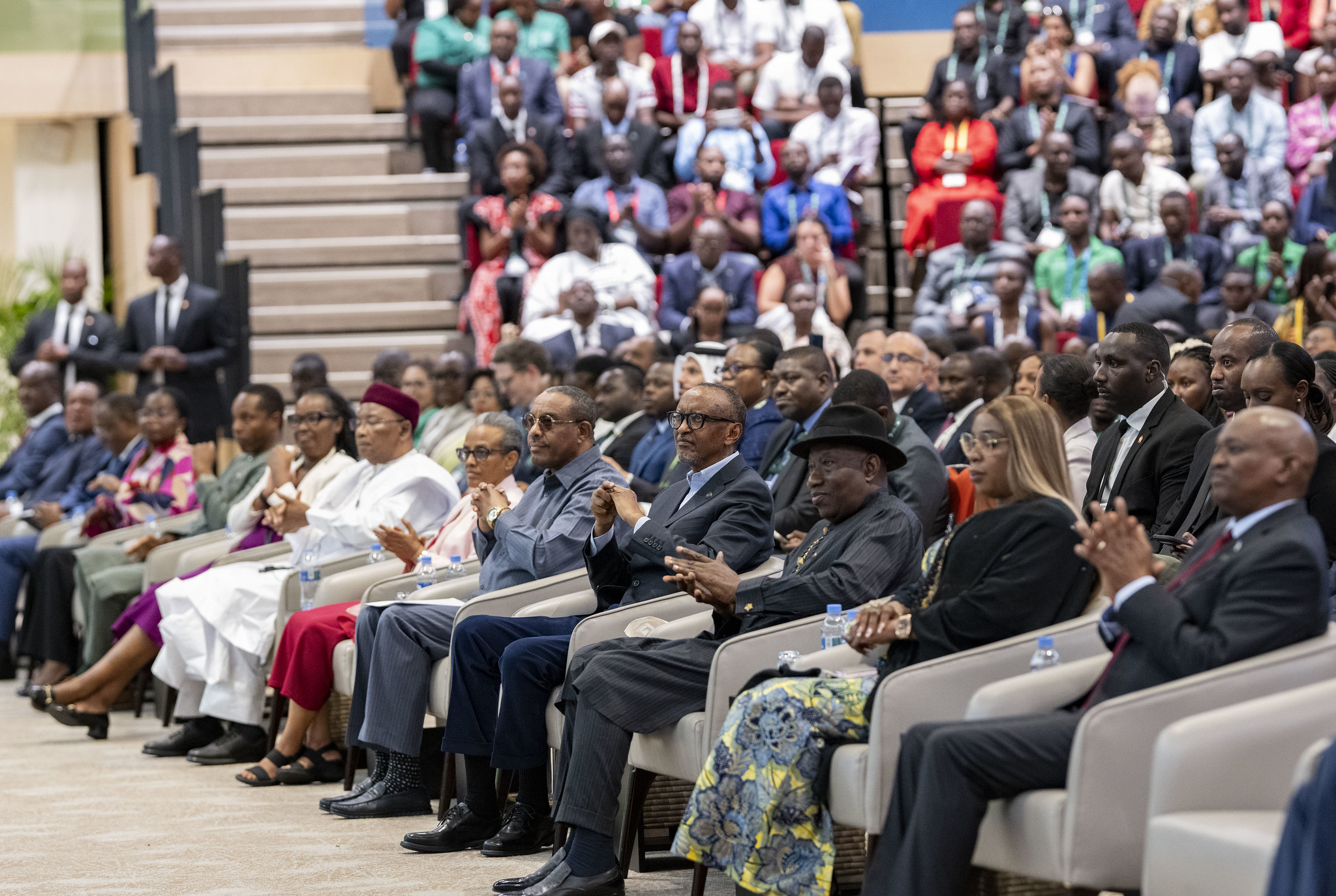
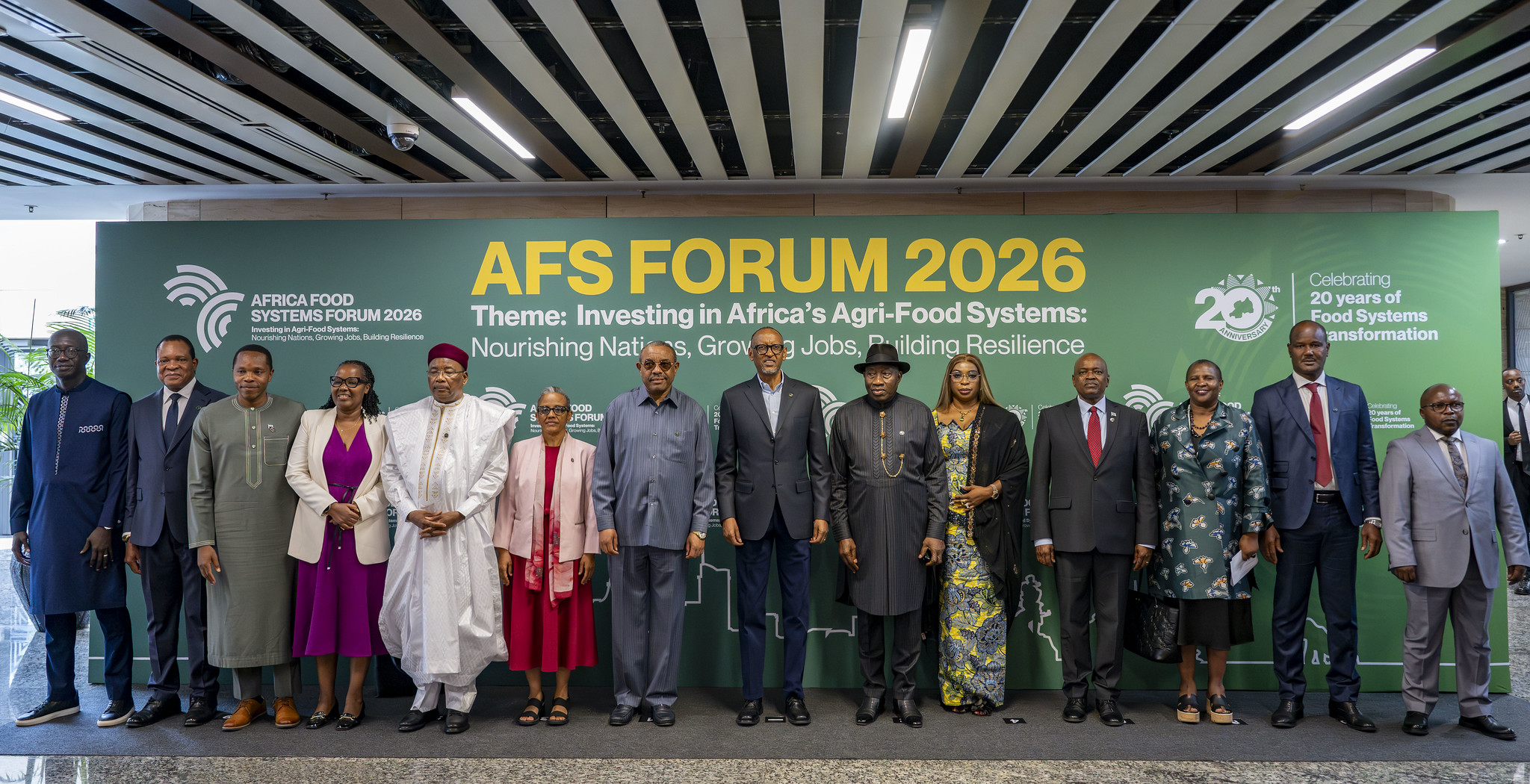
    The forum has brought together more than 5,000 delegates from 50 countries, including government leaders and policymakers; investors and financial institutions; farmers and smallholder representatives; scientists and researchers; youth entrepreneurs and innovators; private-sector executives and business leaders; civil society organisations; and academia.

    The broader forum has focused on accelerating the transformation of Africa's food systems, with discussions around investment, innovation, climate resilience, trade, technology and the role of young people in creating jobs and transforming agricultural economies.

    In a video message to the forum, United Nations Deputy Secretary-General Amina Mohammed also called for greater investment in Africa's food systems, including responsible private investment and affordable finance for smallholder farmers and small businesses.

    She highlighted that the African Continental Free Trade Area offers an opportunity to strengthen regional value chains, expand intra-African trade and create more jobs on the continent.

    President Paul Kagame spoke during a presidential conversation with young entrepreneurs at the Africa Food Systems Forum 2026 in Kigali on Thursday,
    President Kagame said financial systems across the continent are often structured in ways that make capital more accessible to people who already have the resources and collateral required to secure financing.

    Source : https://new.igihe.com/english/kagame-urges-greater-risk-sharing-to-unlock-capital-for-young-africans/

  • Military, intelligence, schools and politics: Ex-combatant reveals how FDLR operates #rwanda #RwOT

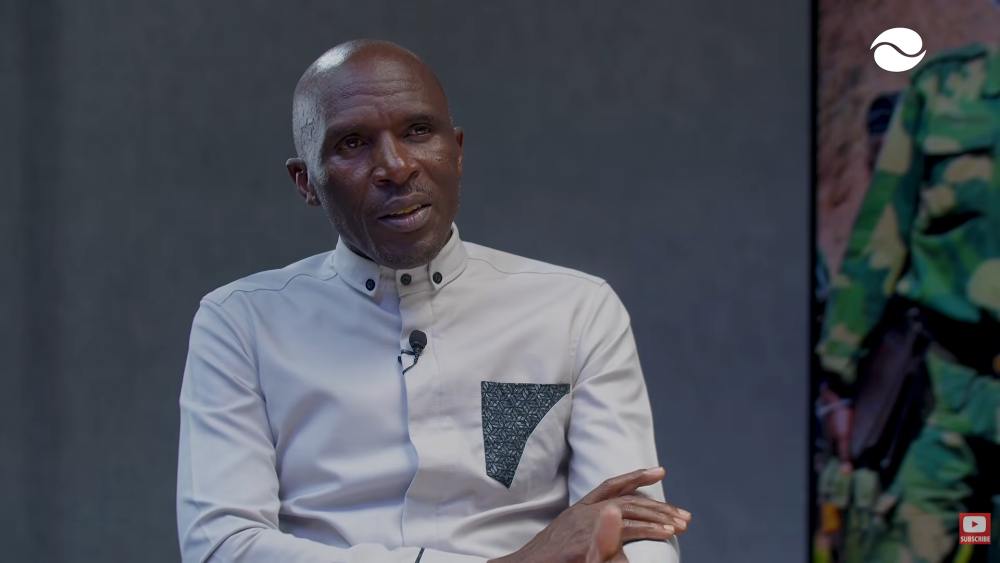
    Nshimiyimana Augustin, formerly known as 'Colonel Bora Manasse' while serving in the FDLR, said the group has senior military and political leadership structures extending down to lower levels that resemble provincial administrations.

    Col Bora said the military wing, known as FDLR/FOCA, is led by Ntawunguka Pacifique, also known as General Omega, who is deputized by Uzabakiriho Cyprien, known as Kolomboka.

    He explained that FDLR/FOCA has departments responsible for personnel, known as J1; intelligence, J2; operations, J3; logistics, J4; and planning, J5.

    'J1 is led by Emile Ruterimbere, J2 by Uwimbabazi Sebastien, commonly known as Kimenyi, J3 by Nzabanita Lucien, J4 by Gaterura, and J5 by Nouvelle. That is how it is structured at the headquarters.'

    How FDLR organises its military operations

    Col Bora explained that the FDLR has different groups of fighters deployed across various parts of eastern DRC.

    He said some of its units are based in Kalehe and other parts of South Kivu, as well as in Virunga National Park and the Pinga area of Walikale Territory.

    The FDLR also has a special combat unit known as CRAP, which, according to Col Bora, is led by Guillaume Rurakabije.

    He said the group also has lower-level structures known as sub-sectors, including those referred to as Canaan and Sinai. One is led by Gustave Omega, while the other is led by Gustave Kubwayo, also known as Sirkoof.

    Col Bora further explained that the FDLR established a special structure responsible for recruiting and enrolling new fighters, known as Groupement des Écoles.

    According to him, the structure is responsible for recruiting fighters among Rwandan refugees living in the DRC, their descendants and Congolese nationals.

    However, he said the structure is no longer operating effectively as it once did because areas where it operated have come under attacks by AFC/M23.

    'These days, M23 is firing in those areas, so it is no longer operating, but it is still there. It is called Groupement des Écoles, and it is responsible for recruiting soldiers to strengthen the group,' he said.

    FDLR's political leadership

    In addition to its military structures, Col Bora said the FDLR also has a political leadership that oversees the group's activities more broadly.

    At the political level, the FDLR is headed by President Byiringiro Victor, also known as Gaston Iyamuremye or Rumuri.

    The political leadership also includes Commissioner Busogo, who is responsible for military affairs; Rukorera, who oversees mobilisation; and Cure Ngoma, who is responsible for intelligence and serves as the group's spokesperson.

    There is also a special military adviser, Colonel Binego, while Mihigo Cyrille, known as Henganze, is responsible for military and civilian intelligence.

    Binego previously served as the burgomaster of Satinsyi Commune in the former Gisenyi Prefecture.

    Col Bora said FDLR's lower-level structures include what he called 'Regional Committee', which he compared to provincial administrative structures.

    'I would compare them to a governor who is responsible for knowing the problems of refugees at the grassroots level, preparing reports and sending them to the commission responsible for refugees or to Rumuri. Issues they cannot resolve are sent to Kinshasa,' he said.

    The FDLR has operated in eastern DRC for decades and has been accused of contributing to insecurity in the region.

    The group was formed by Interahamwe militia members and former soldiers and political officials who were involved in the 1994 Genocide against the Tutsi and fled to the DRC.

    Brig Gen Ezechiel Gakwerere (front) was arrested in 2025 while serving as the FDLR Secretary General.
    Col Bora Manasse explained that the FDLR is organised along both military and political lines.

    Source : https://new.igihe.com/english/military-intelligence-schools-and-politics-ex-combatant-reveals-how-fdlr-operates/

  • Sight and Life brings African leaders together at AFS Forum 2026 to advance fermentation from evidence to scale  #rwanda #RwOT

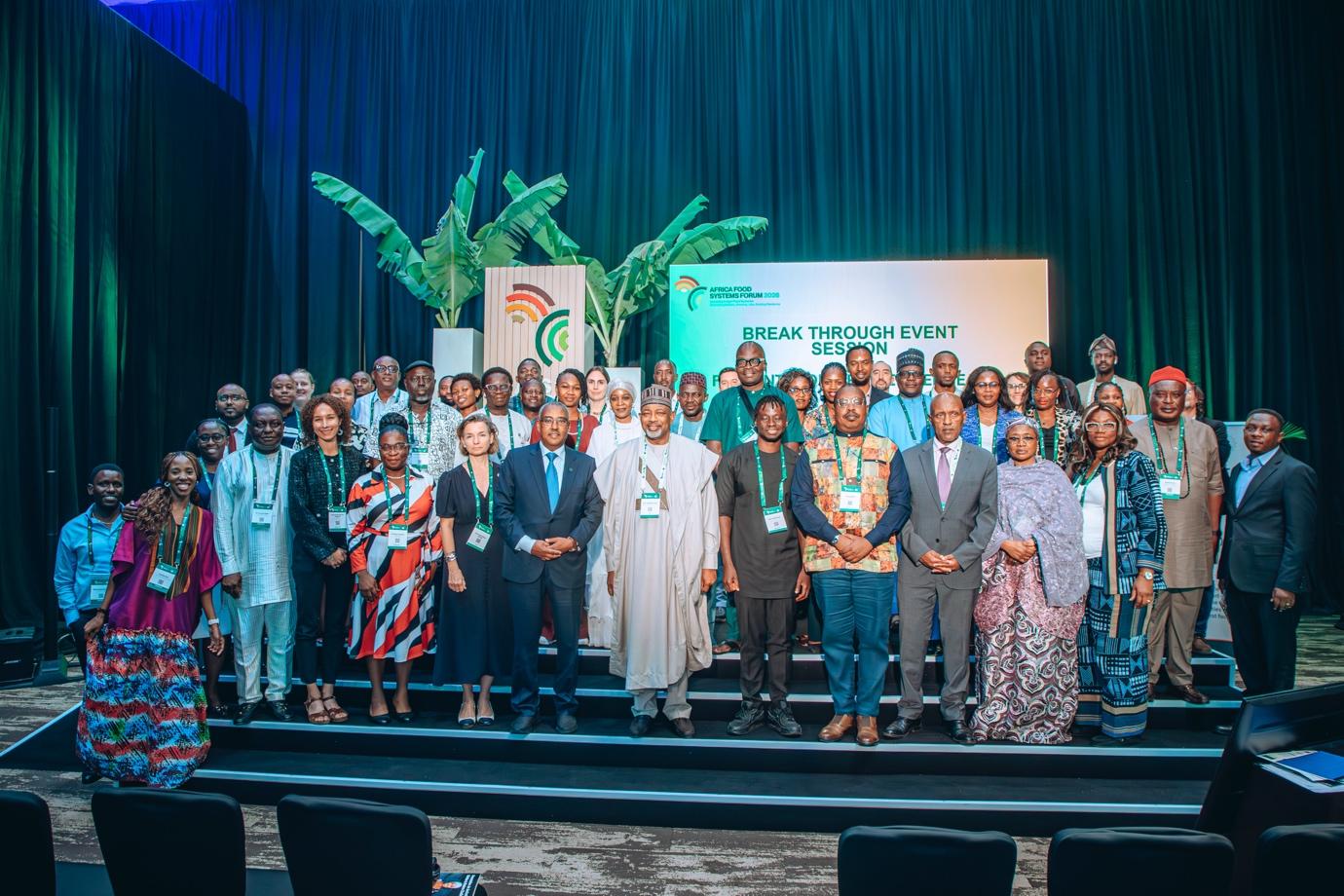
    The call came during 'Fermentation: from Evidence to Scale,' a high-level Breakthrough Event convened by Sight and Life at the Africa Food Systems Forum 2026 in Kigali, Rwanda.

    The session brought together senior leaders from Rwanda, Nigeria and Ethiopia, including representatives from the Ministry of Agriculture of Rwanda and Nigeria, the former Deputy Prime Minister of Ethiopia and the French Ambassador to Rwanda, alongside representatives from philanthropy, science and Africa's culinary community to examine what is needed to move fermented foods from longstanding traditional practice towards wider recognition, investment and responsible scale.

    Fermentation has been part of African food cultures for generations, transforming locally produced foods and supporting preservation, dietary diversity and livelihoods. Yet despite its widespread use, its potential remains relatively underrepresented within contemporary nutrition and food systems strategies. 

    'Fermentation has long been part of how African communities produce, preserve and enjoy food. The opportunity now is to strengthen that foundation with better evidence, innovation and investment so it can contribute more to nutrition, livelihoods and resilience,' said Elvis Gakuba, Africa Director at Sight and Life. 'We need to back fermentation as a practical, locally rooted pathway to healthier diets, stronger local economies and more resilient food systems,' he said.

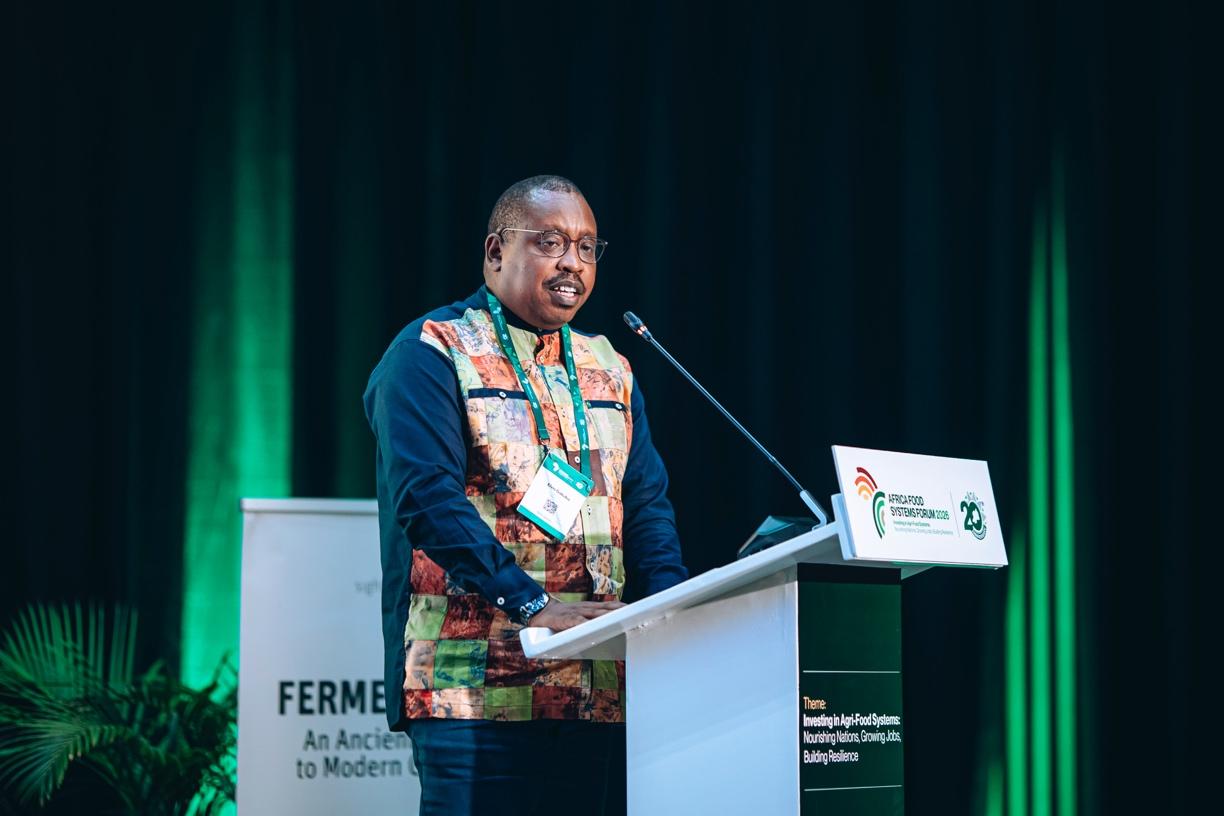
    Elvis Gakuba – Africa Director, Sight and Life

    Moving an African food tradition onto the food systems agenda

    Discussions throughout the session underscored a central message that fermentation should not be viewed simply as a tradition to preserve, but as an existing part of African food systems whose potential can be strengthened through science, policy and investment.

    Speakers explored the diversity of fermented foods already consumed across the continent and the opportunity to build on knowledge embedded within communities rather than beginning solely with solutions developed elsewhere.

    Speaking on behalf of Dr. Telesphore Ndabamenye, Minister of Agriculture and Animal Resources of Rwanda, Dr. Patrick Karangwa, Director General of Agriculture Modernization at the Ministry, highlighted the importance of recognising fermentation within the broader shift towards African-led food systems solutions.

     'Fermentation is not a foreign solution being introduced to Africa. It is rooted in our own food traditions and communities,' said Dr. Karangwa. 'The opportunity is to strengthen that knowledge through science, standards and policy so that it can contribute more deliberately to nutrition and food systems transformation. We welcome Sight and Life's leadership in bringing this conversation to the African Food Systems Forum.'

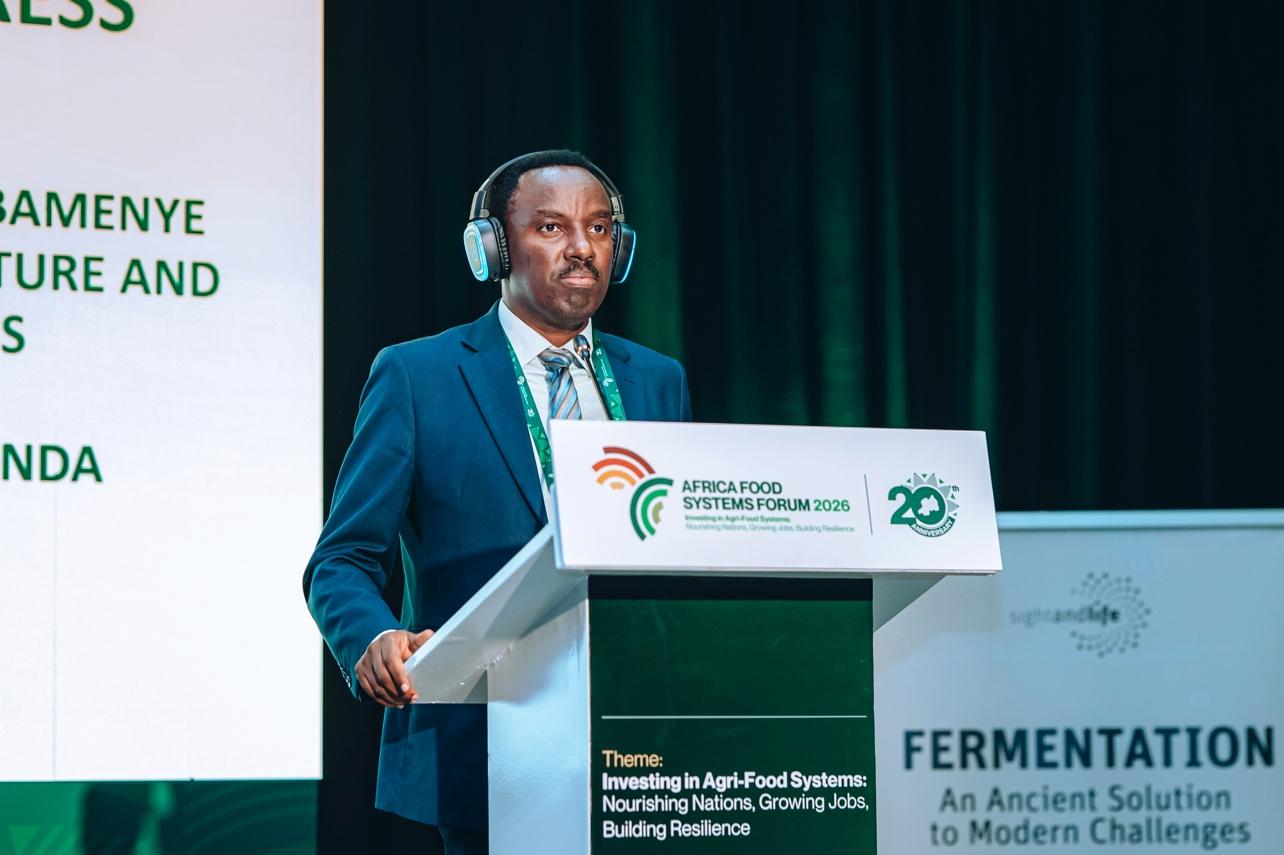
    Dr. Patrick Karangwa, Director General of Agriculture Modernization for the Ministry of Agriculture and Animal Resources, Republic of Rwanda

    The discussion also examined the practical role governments can play, including strengthening research, food composition data, food safety and quality standards, dietary guidance and other policies that create an enabling environment for fermented foods.

    Nigeria: linking fermentation with food security and local value addition

    Nigeria's long history of fermented foods was another important focus of the dialogue. 

    Senator Abubakar Kyari, CON, Minister of Agriculture and Food Security of Nigeria, highlighted the relevance of fermentation to Nigeria's wider priorities around food security, domestic processing and agricultural value addition.

    'Nigeria already has a rich diversity of fermented foods and generations of knowledge around how they are produced. The opportunity is to strengthen what already exists, through research, improved processing, standards, innovation and stronger markets,' said Senator Kyari. 'This can create opportunities for better nutrition, for farmers, processors, women entrepreneurs and local businesses throughout our food value chains.'

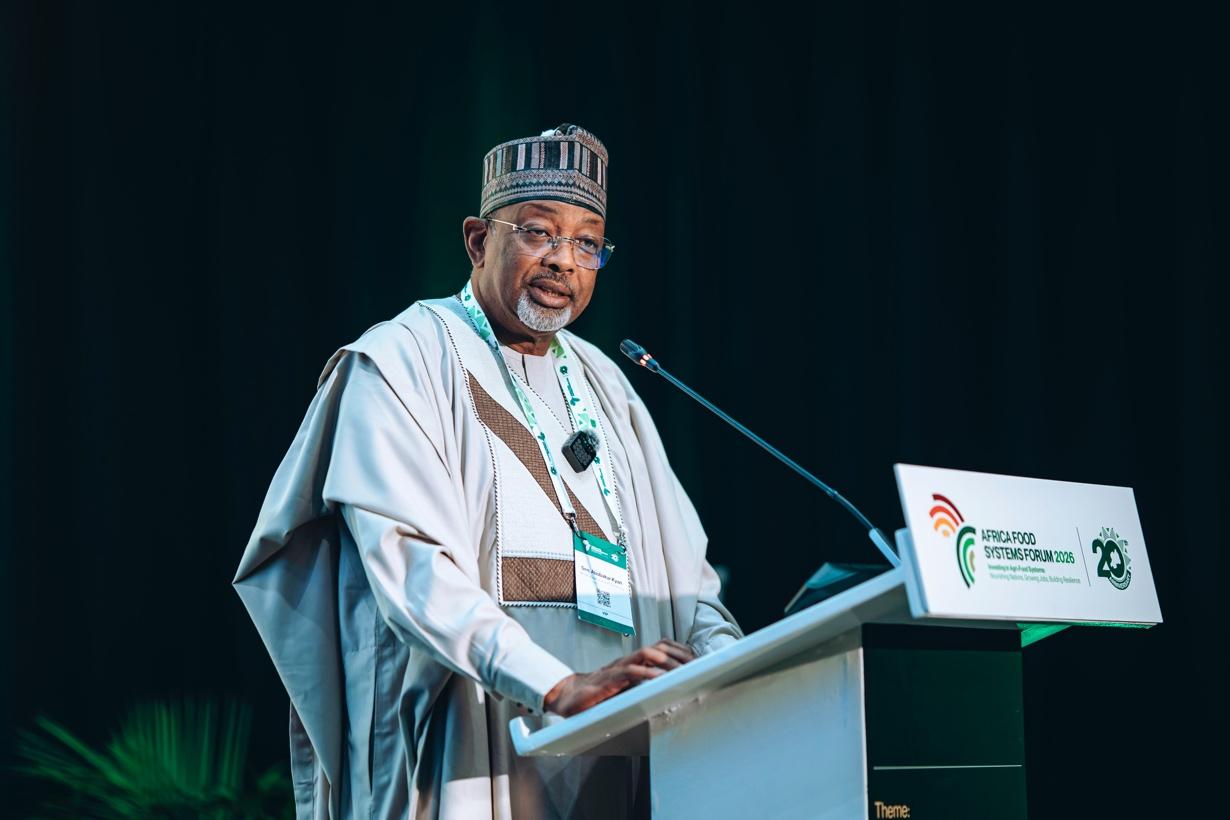
    Senator Abubakar Kyari, CON, Minister of Agriculture and Food Security of Nigeria

    Speakers emphasised that women are particularly important to this agenda. Across many African communities, women play a central role in the production, processing and sale of fermented foods. Expanding access to finance, technology, markets and business support could therefore enable fermentation to contribute more strongly to both nutrition and women's economic participation.

    A Global South solution rooted in existing knowledge

    The session also drew attention to Ethiopia's extensive fermentation heritage, including foods such as injera that have long been central to diets and culture.

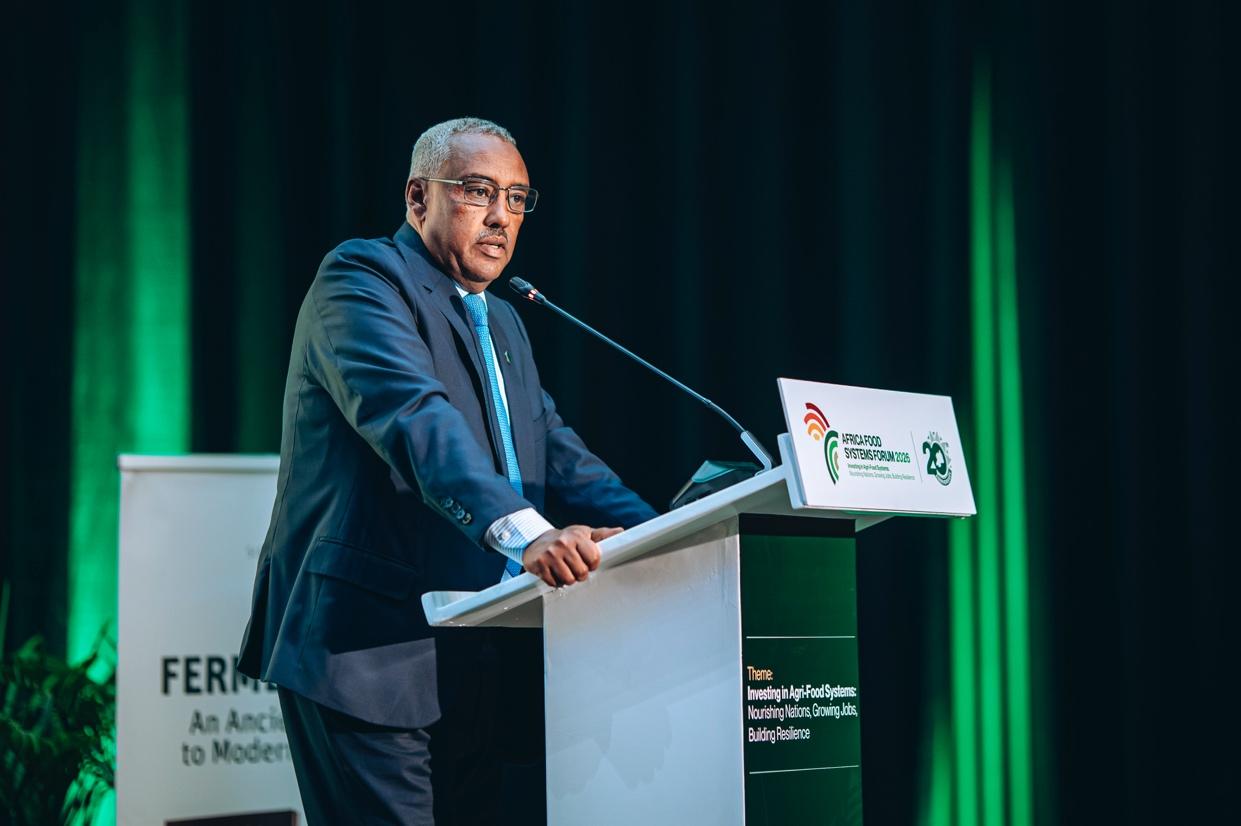
    Demeke Mekonnen Hassen, former Deputy Prime Minister of Ethiopia and Founder and Board Chairperson of YADAM Foundation, argued that fermentation demonstrates the value of looking within African food systems for solutions that can be strengthened through science.

    'This is a strong example of an initiative emerging from the Global South and building on practices African communities have carried for generations,' said Demeke Mekonnen Hassen. 'In Ethiopia, fermented foods are already deeply embedded in our diets and culture. The next step is to strengthen the research around them and create the policy, regulatory and investment environment that allows promising solutions to move to scale.'

    Demeke Mekonnen Hassen, former Deputy Prime Minister of Ethiopia; Founder and Board Chairperson of YADAM Foundation

    He also reaffirmed YADAM Foundation's interest in working with Sight and Life to strengthen research and explore how fermentation can contribute to nutrition and public health priorities in Ethiopia.

    Bringing the evidence to Africa

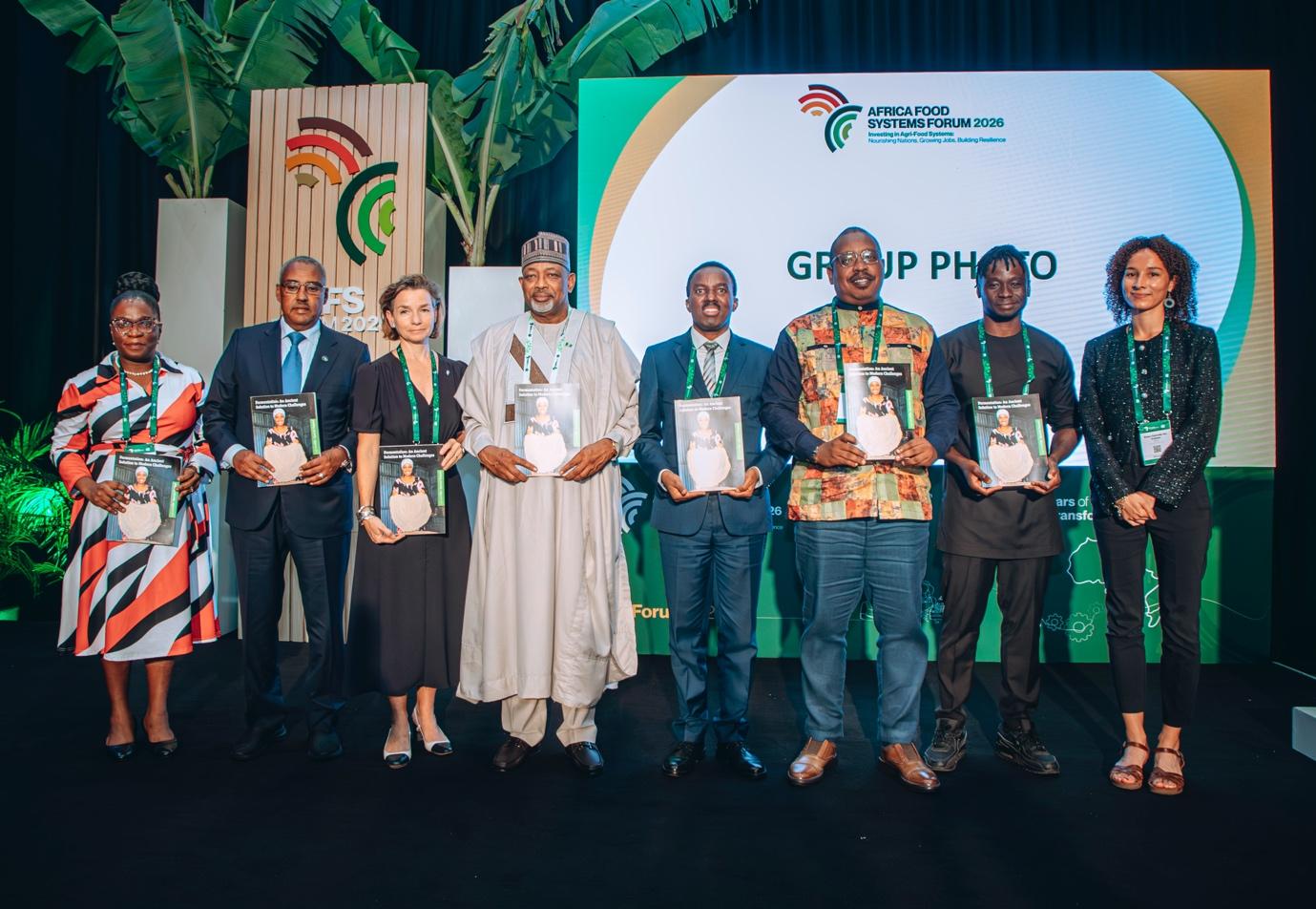
    A central part of the session was Sight and Life's Special Report, Fermentation: An Ancient Solution to Modern Challenges.

    The report brings together the science behind fermentation, examines barriers and opportunities for scale, presents experiences from low- and middle-income countries and outlines a framework for moving from evidence towards action.

    At AFSF, Sight and Life shared key insights from the report with a high-level continental audience, while scientists at the session examined what is known, and what still needs to be understood about the nutritional and health potential of African fermented foods.

    Dr. Elmer Nayra Ametefe, Senior Lecturer at the University of Ghana, stressed the need to strengthen Africa's own evidence base.

    'Africa's fermented foods carry generations of knowledge, but science can help us understand their full potential,' said Dr. Ametefe. 'By strengthening the evidence around their nutritional and health benefits, we can better position these foods as part of the solutions for healthier diets and stronger food systems.'

    The conversation also highlighted the need for greater investment in characterising traditional fermented foods, understanding their composition and safety, and translating scientific findings into products, programmes and policies.

    From evidence to investment

    Speakers also discussed how funders, development partners and investors can support the evidence, innovation and partnerships needed to take fermentation to scale.

    'At CIFF, we are pleased to support this work because it brings together three things that matter for scale: strong evidence, locally rooted solutions and the partnerships needed to move from research into practice. Fermentation is already part of people's diets and communities; the opportunity now is to strengthen the evidence and enabling conditions so that its potential can be realised more widely and sustainably,' Anna Hakobyan, Chief Impact Officer and Executive Director, Nutrition, Children's Investment Fund Foundation said.  

    That emphasis on locally relevant solutions was echoed by Zouera Youssoufou, Managing Director and CEO of the Aliko Dangote Foundation, who highlighted the importance of supporting solutions that can operate within existing food systems and reach communities at scale.

    'For the Aliko Dangote Foundation, tackling malnutrition means backing solutions that are practical, locally grounded and capable of reaching people at scale,' said Youssoufou. 'Fermentation offers that opportunity, building on foods Nigerians already know, produce and consume, while using evidence and innovation to unlock greater nutritional value, strengthen livelihoods and improve food and nutrition security.'

    Participants agreed that moving fermentation to scale will require collaboration across sectors. Governments have a role in creating enabling policy and regulatory environments; researchers must continue strengthening the evidence; businesses and entrepreneurs can translate knowledge into products and markets; and philanthropic and development partners can help support innovation and de-risk early investment.

    From conversation to action

    Sight and Life used the AFSF session to call for fermentation to receive greater consideration within Africa's nutrition and food systems agenda.

    Rather than creating an entirely new solution, the opportunity lies in strengthening practices and foods that already exist, supporting them with the science, standards, investment and partnerships required to increase their contribution to nutrition, economic opportunity and resilient food systems.

    'The question is no longer simply whether fermentation has potential,' Elvis Gakuba added. 'The question is what we are prepared to do collectively, through research, policy, partnerships and investment, to unlock that potential. Kigali has helped move that conversation forward, and our focus now must be on turning that momentum into action.'

    Sight and Life is expected to continue working with governments, researchers, philanthropic organisations and other partners to strengthen the evidence around fermented foods and identify pathways towards responsible scale.

    About Sight and Life

    Sight and Life is a Swiss-based innovation and systems-transformation foundation, working to end malnutrition and build resilient food systems. Founded four decades ago on the belief that better evidence can improve lives, we bridge science, governments, markets and communities to turn nutrition research into solutions that reach people at scale.

    About the Africa Food Systems Forum

    The Africa Food Systems Forum is a leading continental platform for African agriculture and food systems, bringing together governments, businesses, researchers, development partners, farmers and other stakeholders to advance practical action on food systems transformation. 

    Its mission is to inform, influence and catalyse the transition to sustainable, resilient and inclusive food systems across Africa, with a strong focus on investment, policy reform, women and youth.

    For the 2026 edition, the Forum is being held in Kigali, Rwanda, under the theme 'Investing in Africa's Agri-Food Systems: Nourishing Nations, Growing Jobs, Building Resilience.' 

    Speakers with the Sight and Life Special Report on Fermentation

    Source : https://new.igihe.com/english/sight-and-life-brings-african-leaders-together-at-afs-forum-2026-to-advance-fermentation-from-evidence-to-scale/

  • Xi calls on SCO to work toward more just, equitable global governance #rwanda #RwOT

    Xi made the remarks in his speech at the 'SCO Plus' meeting in the Kyrgyz capital of Bishkek.

    'The meeting today focuses on strengthening the role of the United Nations and building a multipolar world, and it demonstrates SCO's commitment to reforming and improving global governance as required by our times,' Xi said.

    'Currently, major changes unseen in a century are accelerating across the globe. Hegemonism, unilateralism and protectionism are resurging against historical trends. Nevertheless, the overwhelming majority of the world do not condone power politics, conflict and confrontation, or isolation and backwardness,' he added.

    What they want instead, Xi said, is to hold a place on the world stage through national development and international cooperation.

    Xi noted that in recent years, the rise of the Global South is driving a profound shift in the international balance of power, adding that the trend toward a multipolar world is irreversible.

    'What kind of multipolarity does the world need? How are countries going to take part in and promote it? The international community should build consensus and make the right choice that can stand the test of practice and history,' Xi said.

    Noting that as a responsible major country, China advocates for an equal and orderly multipolar world, Xi said sovereign equality and mutual respect are fundamental principles; balance, order and the rule of law are inherent requirements; multilateralism, dialogue and consultation are essential pathways; mutual benefit, win-win and inclusiveness are the way forward for development.

    'We should ensure equal rights, equal opportunities and equal rules for all countries, regardless of their size, strength and wealth,' Xi said, adding that 'as an important part of a multipolar world and a key driving force behind it, the Global South countries ought to have greater representation and voice in international affairs.'

    He called on various parties to promote the common values of humanity, reject double standards, exceptionalism, foreign interference, bullying and the law of the jungle, and advance the rule of law in international relations.

    'Major countries in particular should take the lead in observing international norms and honoring the rule of law, and work together to tackle global challenges,' he added.

    Xi also said that world affairs should be discussed by all, and international norms should be set by all.

    'The authority and vitality of the United Nations need to be restored. Multilateral mechanisms, global and regional, should enhance their coordination and improve their efficiency,' he said.

    'We should focus on the development agenda, uphold openness and cooperation, and bridge the digital and AI divides, so that technological revolution and development achievements can benefit all nations,' Xi added.

    Xi noted that after a 25-year journey, the SCO has successfully set a stellar example in conducting relations among big countries, among neighbors, and among countries of different sizes.

    The SCO, Xi said, has successfully brought together half of the world's population and a quarter of the global economy, generating strong driving forces for development, adding that a more united and vibrant SCO is fully capable of making greater contributions to a multipolar world.

    'It is important that SCO member states and partners ride the trend of history and shoulder the responsibility of our times. Let us take the people-centered and action-oriented approach, jointly advocate an equal and orderly multipolar world, make global governance more just and equitable, and build a community with a shared future for humanity,' Xi said.

    To further enhance the SCO's role, Xi called for advancing common prosperity in the vast continent straddling Asia and Europe with the SCO Strength.

    'We should continue to leverage our strengths, unlock our potential, and connect the multiple growth poles across the continent through high-quality Belt and Road cooperation. We should empower each other, help each other succeed, and work together to create new opportunities and promote shared prosperity,' Xi said.

    'We should promote the development and rise of the Global South through the SCO Wisdom,' Xi said, calling on various parties to 'carry forward the Shanghai Spirit, strengthen and expand the SCO Plus partnerships, and jointly speak up for peace, foster synergy for development, build bridges for cooperation, and pave the way for win-win outcomes.'

    Xi also proposed that the SCO countries should guide the reform and improvement of global governance through the SCO Action.

    'We should stay committed to building partnerships rather than alliances, and engaging in dialogue rather than confrontation,' he said.

    Xi also called for sticking to the principle of 'planning together, building together and benefiting together' to encourage equal participation in global governance by all countries and ensure all will benefit from it.

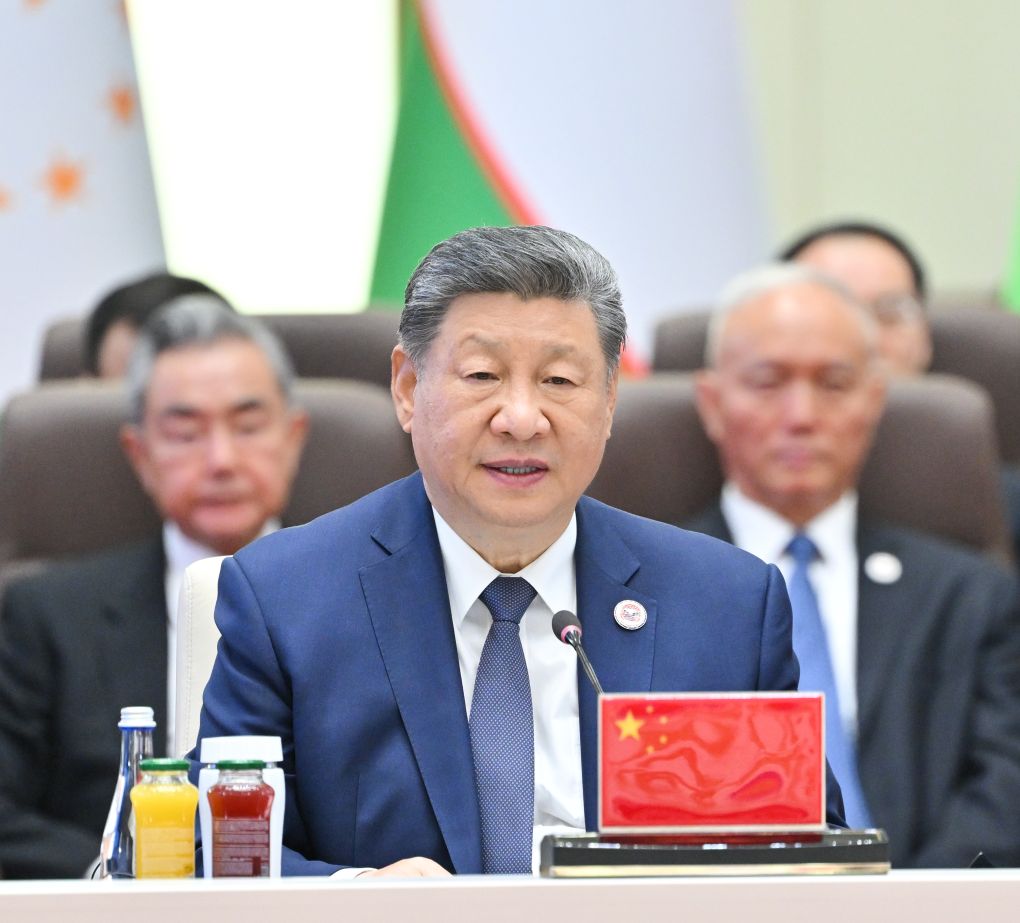
    Chinese President Xi Jinping delivers an important speech during the 'Shanghai Cooperation Organization (SCO) Plus' meeting in Bishkek, Kyrgyzstan, Sept. 1, 2026. (Xinhua/Zhai Jianlan)
    Chinese President Xi Jinping attends a group photo session during a welcome banquet held by Kyrgyz President Sadyr Japarov ahead of the 'Shanghai Cooperation Organization (SCO) Plus' meeting in Bishkek, Kyrgyzstan, Sept. 1, 2026. Xi attended the 'SCO Plus' meeting and delivered an important speech on Tuesday. (Xinhua/Wang Ye)

    Source : https://new.igihe.com/english/xi-calls-on-sco-to-work-toward-more-just-equitable-global-governance/

  • Rwanda's AI farming tools point to 20% yield gains as government targets millions of farmers #rwanda #RwOT

    The emerging technology push is part of a wider government effort to use AI to extend agricultural expertise to millions of farmers, improve the timing and accuracy of farming decisions and address some of the constraints limiting productivity.

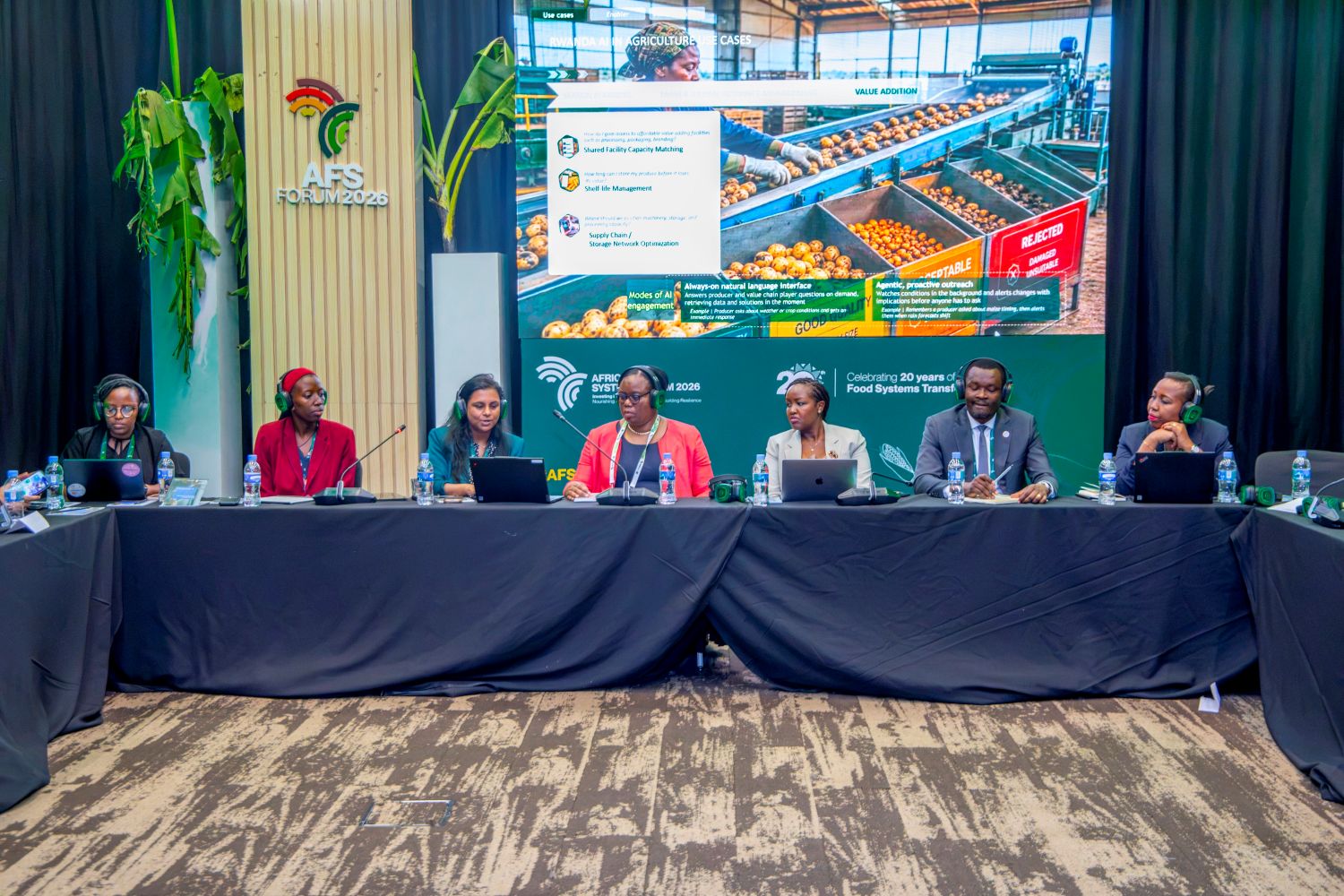
    Martine Nezerwa, Chief Digital Officer at the Ministry of Agriculture and Animal Resources (MINAGRI), presented the tools on Tuesday, September 1, on the sidelines of the Africa Food Systems Forum 2026 at the Kigali Convention Centre. The tools use data on local conditions to recommend crops, planting periods and fertiliser application.

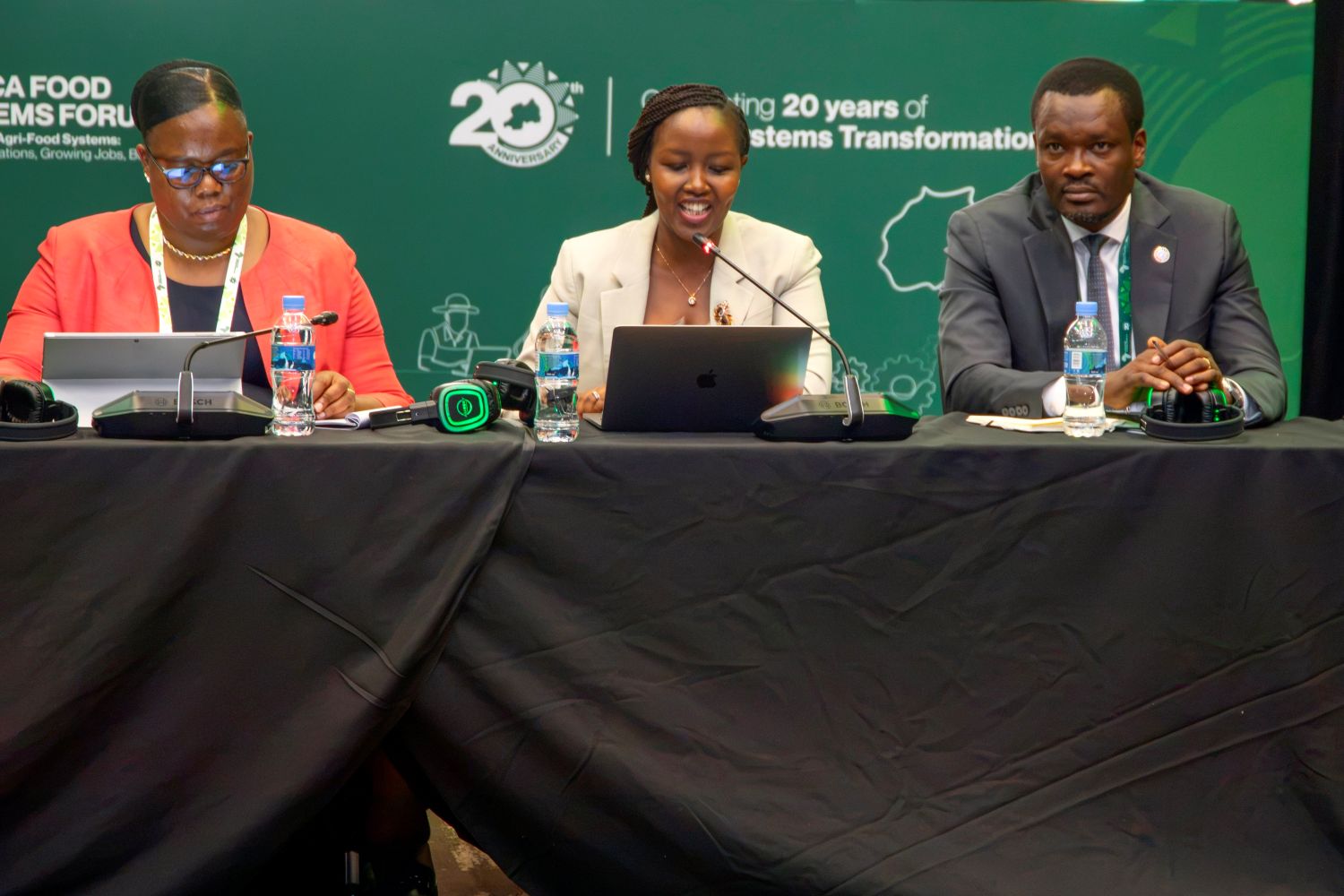
    Speaking during the session, ICT Minister Paula Ingabire said agriculture presents both a major opportunity and an urgent need for AI, given the sector's importance to employment across sub-Saharan Africa.

    She said nearly half of employment in sub-Saharan Africa is in agriculture, yet many farmers continue to make critical decisions about planting, fertiliser application, crop diseases, harvesting and markets with limited information or information that arrives too late.

    She stressed that AI should not be viewed as a replacement for farmers or agricultural experts, but as a tool to put better intelligence in their hands.

    The minister said Rwanda wants to increase agricultural extension coverage from 35 per cent in 2023 to 69 per cent by 2029, a target that would enable the country to reach more than 2.5 million farmers.

    She said expanding the number of agricultural extension officers alone would not be enough to close the gap, making technology an important multiplier.

    'This is where technology will become an enabling or multiplier factor in ensuring that we can reach more farmers with fewer extension officers,' she said.

    One example of this approach is Tunga, an AI-powered voice assistant being tested through the agriculture ministry's call centre.

    Tunga allows farmers to ask questions in Kinyarwanda and provides responses based on a validated agricultural knowledge base developed by MINAGRI, the Rwanda Agriculture and Animal Resources Development Board (RAB) and partners.

    During the testing phase, Ingabire said Tunga was able to correctly address at least 60 per cent of the questions it received, while questions it could not confidently answer could be escalated to a human expert.

    Ingabire said developing AI systems that work in local languages and through channels accessible to farmers would be critical to achieving scale.

    'A brilliant model that requires an expensive smartphone and continuous broadband will not solve the problem for many of our farmers,' she stated, noting the importance of solutions that can work through voice, basic phones, extension agents and existing agricultural platforms.

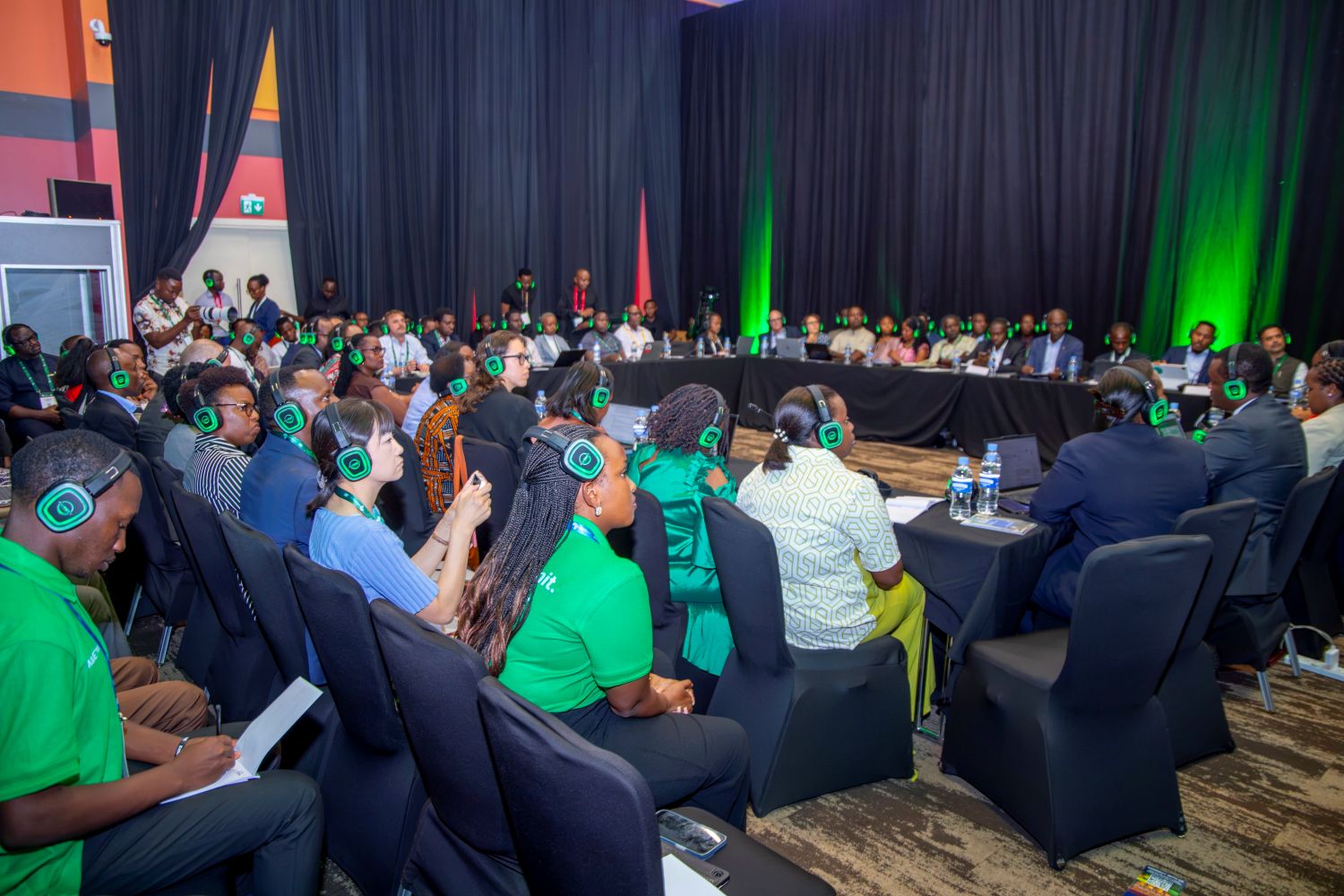
    The roundtable discussion at the Africa Food Systems Forum 2026 focused on unlocking the potential of artificial intelligence to transform agriculture.

    Four priority areas

    Ingabire outlined four areas in which Rwanda is prioritising AI applications in agriculture.

    The first is farmer advisory, with the aim of providing personalised, timely advice in local languages.

    The second is crop and livestock intelligence, including earlier detection of pests, diseases and other agricultural risks.

    The third is markets and finance, where AI could help connect farmers to buyers while improving access to prices, credit and insurance.

    The fourth is government intelligence, which could help authorities better understand production, anticipate shocks and target input subsidies and other resources.

    The minister said Rwanda's challenge is no longer demonstrating that AI can be used in agriculture, but taking successful applications beyond small-scale pilots.

    'Africa has no shortage of pilots. What we need is patient multi-year financing to take solutions that are working for 10,000 farmers to millions of farmers,' she said.

    Rwanda has already spent years building digital systems that can provide a foundation for AI applications.

    Ingabire cited the e-Soko platform, which digitised the collection and sharing of agricultural market prices, and Smart Nkunganire, which digitises the agro-input subsidy value chain.

    More than 1.5 million farmers are registered on Smart Nkunganire and can order subsidised seeds and fertilisers through USSD transactions, she said.

    According to the minister, these systems have created a growing digital footprint of Rwanda's agricultural economy, alongside investments in connectivity, digital identity and digital public infrastructure.

    She said the next step is to extract greater value from these foundations through AI.

    The roundtable discussion brought together government officials, technology experts, agriculture specialists and other stakeholders to explore how artificial intelligence can be harnessed to transform agriculture and improve productivity across Africa.

    Focus on locally relevant AI

    The minister also called for investment in agricultural data, African-language datasets and locally validated AI models.

    She said farmers in Africa grow crops that may be poorly represented in global datasets and often speak languages that are underrepresented in existing AI systems.

    'We need African language datasets, agriculture knowledge bases, as well as locally validated models,' she stressed.

    She also called for greater investment in the last mile so that AI-powered services are accessible to farmers who do not have smartphones or reliable broadband connectivity.

    For Rwanda, the government wants to move from isolated AI projects to an integrated system that brings together agricultural data, advisory services, markets, finance and government decision-making.

    The country is also seeking to coordinate investment in computing infrastructure across sectors rather than having agriculture, healthcare, education and other sectors develop separate requirements for computing power and GPUs.

    Ingabire said Rwanda's approach to AI sovereignty is focused on maintaining strategic autonomy and avoiding irreversible dependence on external players while continuing to encourage innovation.

    Meanwhile, Minister of State for Agriculture and Animal Resources Dr. Solange Uwituze said AI would be necessary if Rwanda is to meet its long-term food production ambitions.

    She said Rwanda's Vision 2050 targets feeding a population of roughly 23 million people on the country's existing land area, requiring major increases in production.

    'We need to do things differently. We need to multiply 15 times our current production levels, and we need to adopt vertical agriculture,' Uwituze said.

    She pointed to precision agriculture, farmer cooperative management, irrigation, post-harvest handling and market linkages as areas where AI could support the transformation.

    Rwanda is also using food basket sites, where farmers are organised around larger land-use areas and provided with inputs, extension services, irrigation, post-harvest facilities and market and financial linkages.

    Uwituze said these systems will generate large amounts of data that can be used to improve agricultural decision-making.

    She also noted that Rwanda has completed soil profiling to identify nutrient deficiencies in different locations and is moving away from a one-size-fits-all approach to fertiliser application.

    Through cooperation with Morocco, Rwanda has begun developing tailored fertiliser recommendations based on local soil conditions.

    With early tests pointing to potential yield gains of about 20 per cent, Rwanda is now looking to move these applications from promising pilots to tools that can reach millions of farmers.

    Speaking during the session, ICT Minister Paula Ingabire said agriculture presents both a major opportunity and an urgent need for AI, given the sector's importance to employment across sub-Saharan Africa.

    Source : https://new.igihe.com/english/rwandas-ai-farming-tools-point-to-20-yield-gains-as-government-targets-millions-of-farmers/