Category: Uncategorized

  • John Ternus takes over as Apple CEO #rwanda #RwOT

    Ternus, a longtime Apple executive and hardware engineering expert, became CEO on Tuesday, September 1, succeeding Cook, who led the company through a period of major growth and expansion.

    During Cook's time as CEO, Apple's market value increased dramatically, reaching about $4.6 trillion, driven largely by the continued success of the iPhone and the expansion of the company's products and services.

    The leadership change comes at a critical moment for Apple as the technology industry undergoes rapid changes driven by artificial intelligence.

    Apple has faced criticism for moving more slowly than some of its major competitors in developing and introducing artificial intelligence features.

    The company has made recent efforts to strengthen its position, including upgrades to its Siri voice assistant and other AI-related features, with a focus on privacy and practical everyday use.

    Ternus now faces the challenge of helping Apple compete more strongly in the rapidly developing AI sector while maintaining the company's reputation for innovation and high-quality hardware.

    The new CEO has extensive experience within Apple's hardware division. During his career at the company, he played important roles in the development of major products including the Apple Watch, AirPods and Apple Vision Pro.

    His background in hardware engineering, however, means that his new role will require him to take on broader responsibilities, including dealing with artificial intelligence, global supply chains and important political and business relationships.

    One of those relationships is with US President Donald Trump. Cook developed close ties with Trump during his time as CEO, particularly as Apple dealt with trade policies and tariffs affecting countries in Asia where many of the company's products are manufactured.

    Cook is not leaving Apple entirely. He will become the company's executive chairman, a position that is expected to allow him to continue supporting Apple and helping maintain important external relationships.

    Ternus is also preparing for one of his first major appearances as CEO. He is expected to lead Apple's upcoming iPhone launch at the company's headquarters in Cupertino, California.

    The transition marks one of the most significant leadership changes at Apple since Cook succeeded co-founder Steve Jobs in 2011.

    While Cook leaves behind a company that has grown into a technology giant, Ternus begins his tenure at a time when artificial intelligence is reshaping the industry and increasing pressure on major technology companies to innovate.

    His leadership will be closely watched as Apple seeks to strengthen its position in AI while continuing to build on the success of the products that have made it one of the world's most influential companies.

    John Ternus has taken over as Apple CEO, succeeding Tim Cook after 15 years at the helm.

    Source : https://new.igihe.com/english/john-ternus-takes-over-as-apple-ceo-ending-tim-cooks-15-year-tenure/
  • PM Nsengiyumva urges African youth to see agriculture as an opportunity, not a last resort #rwanda #RwOT

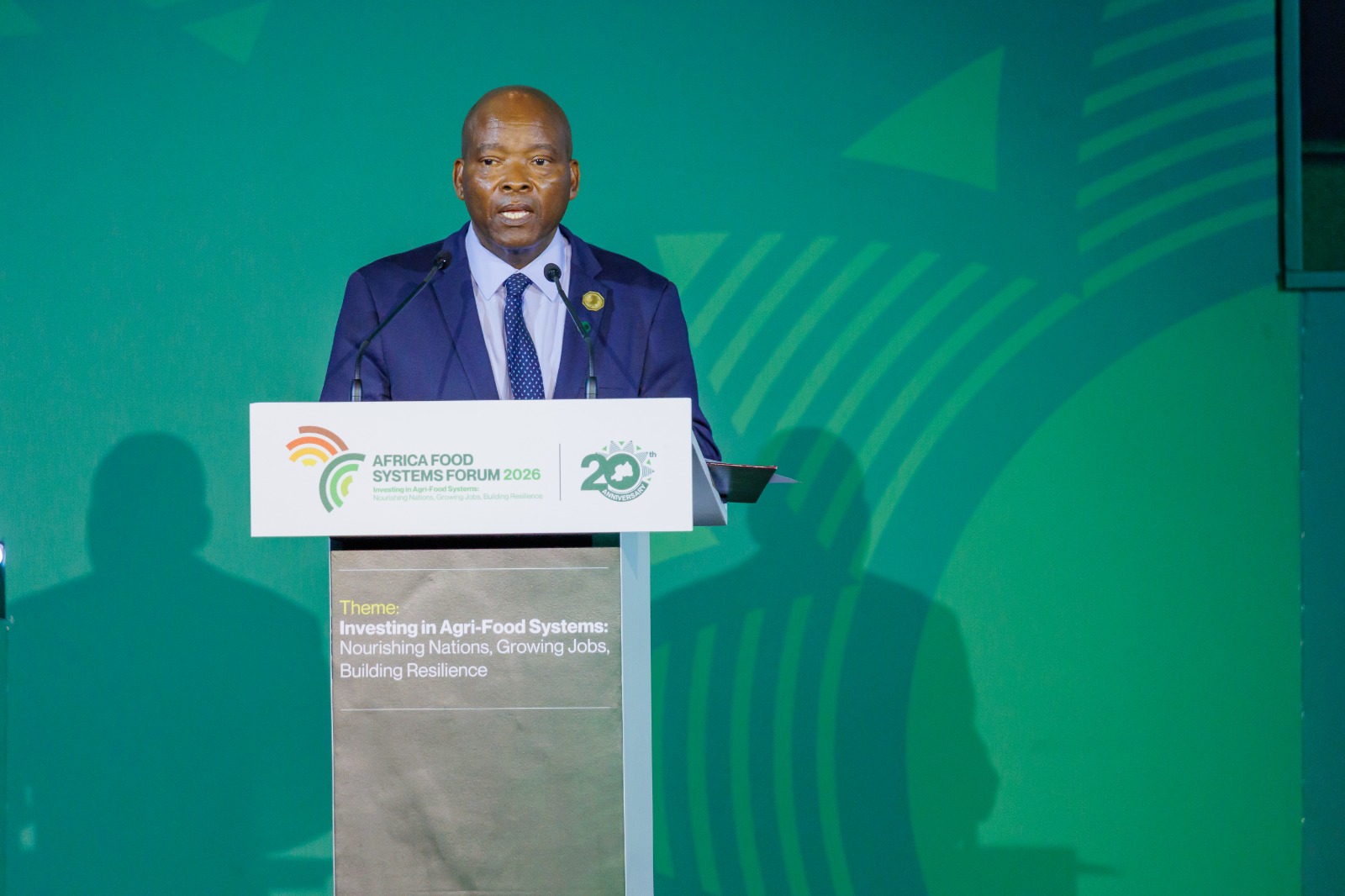
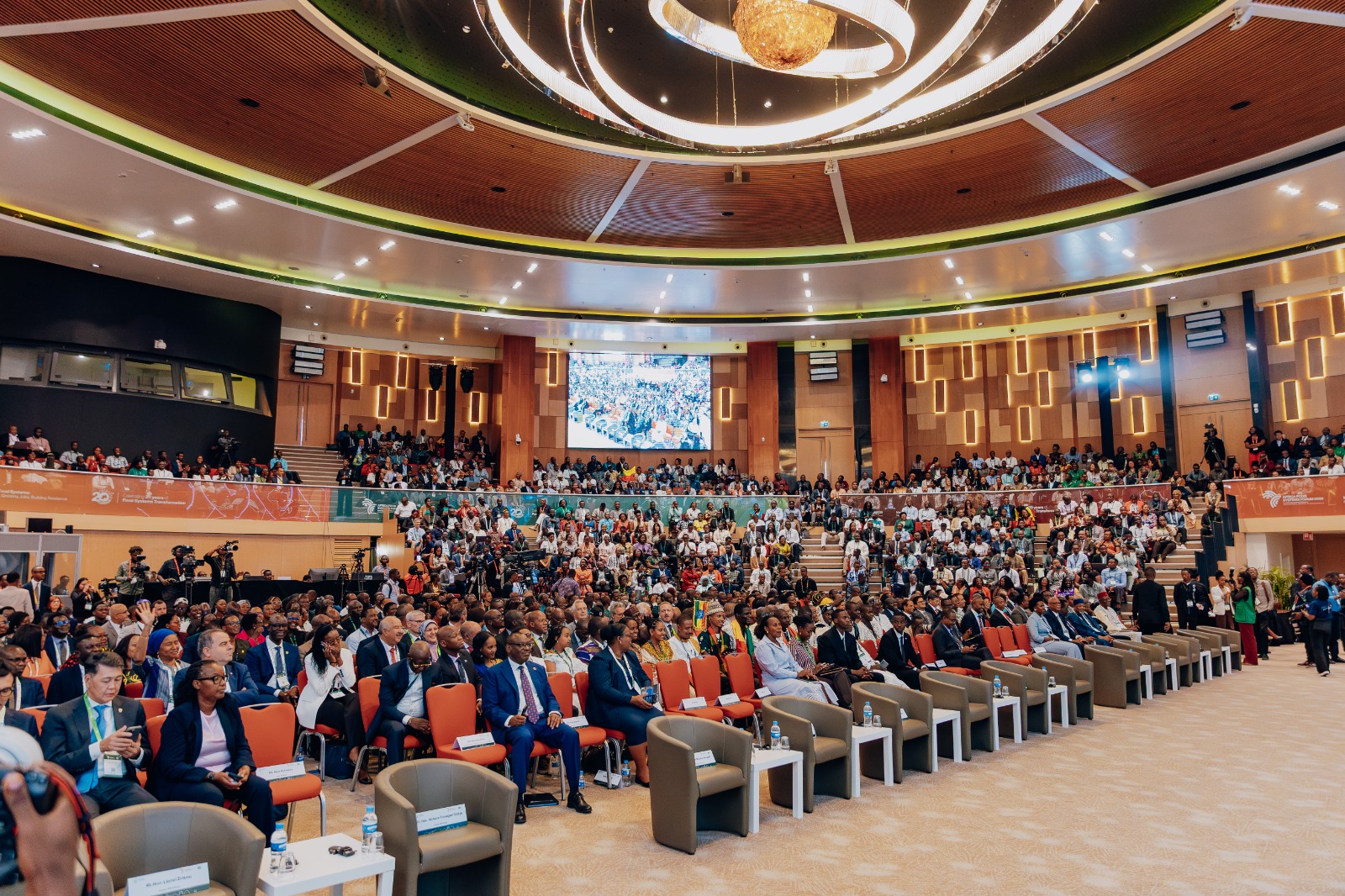
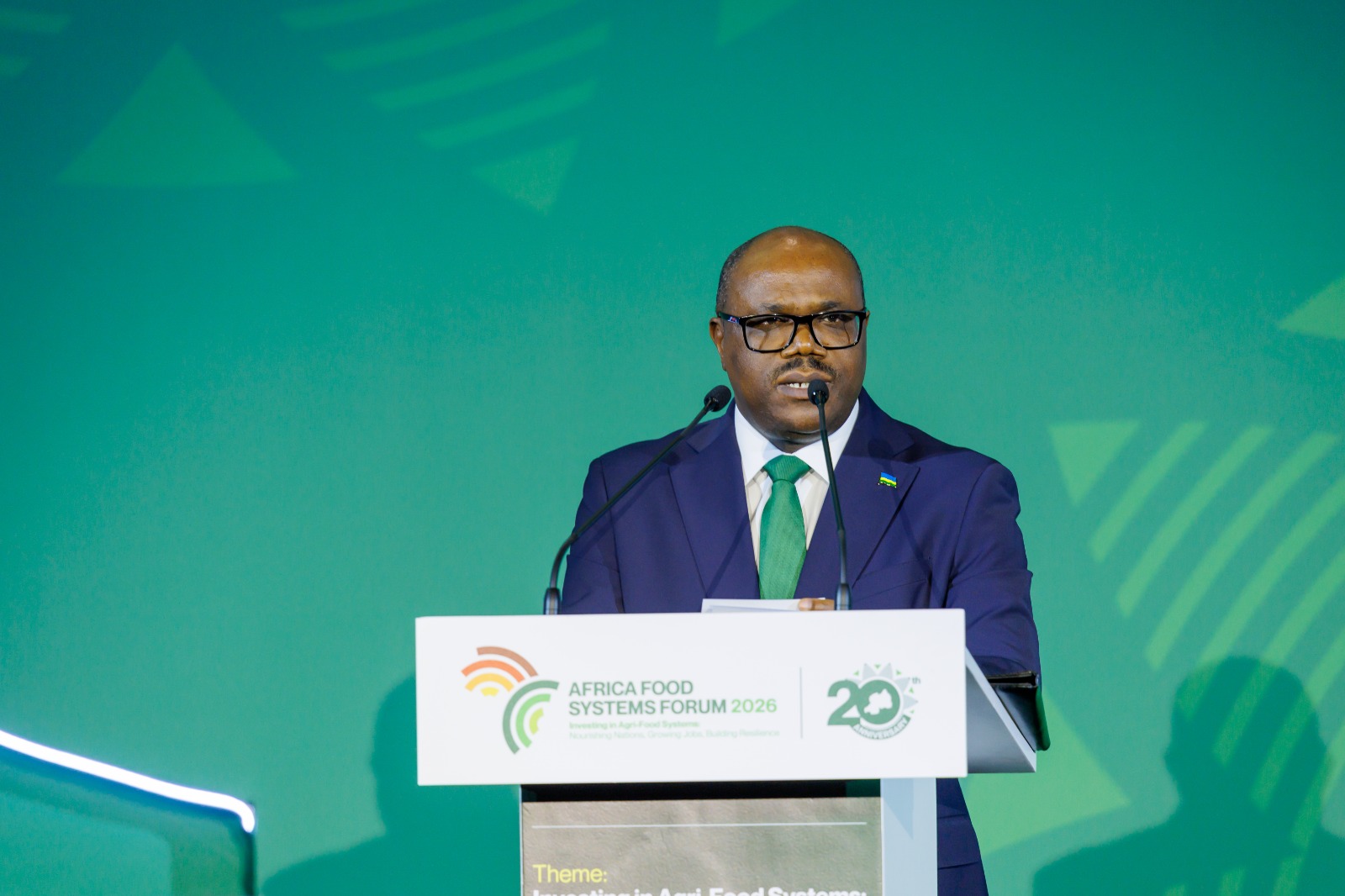
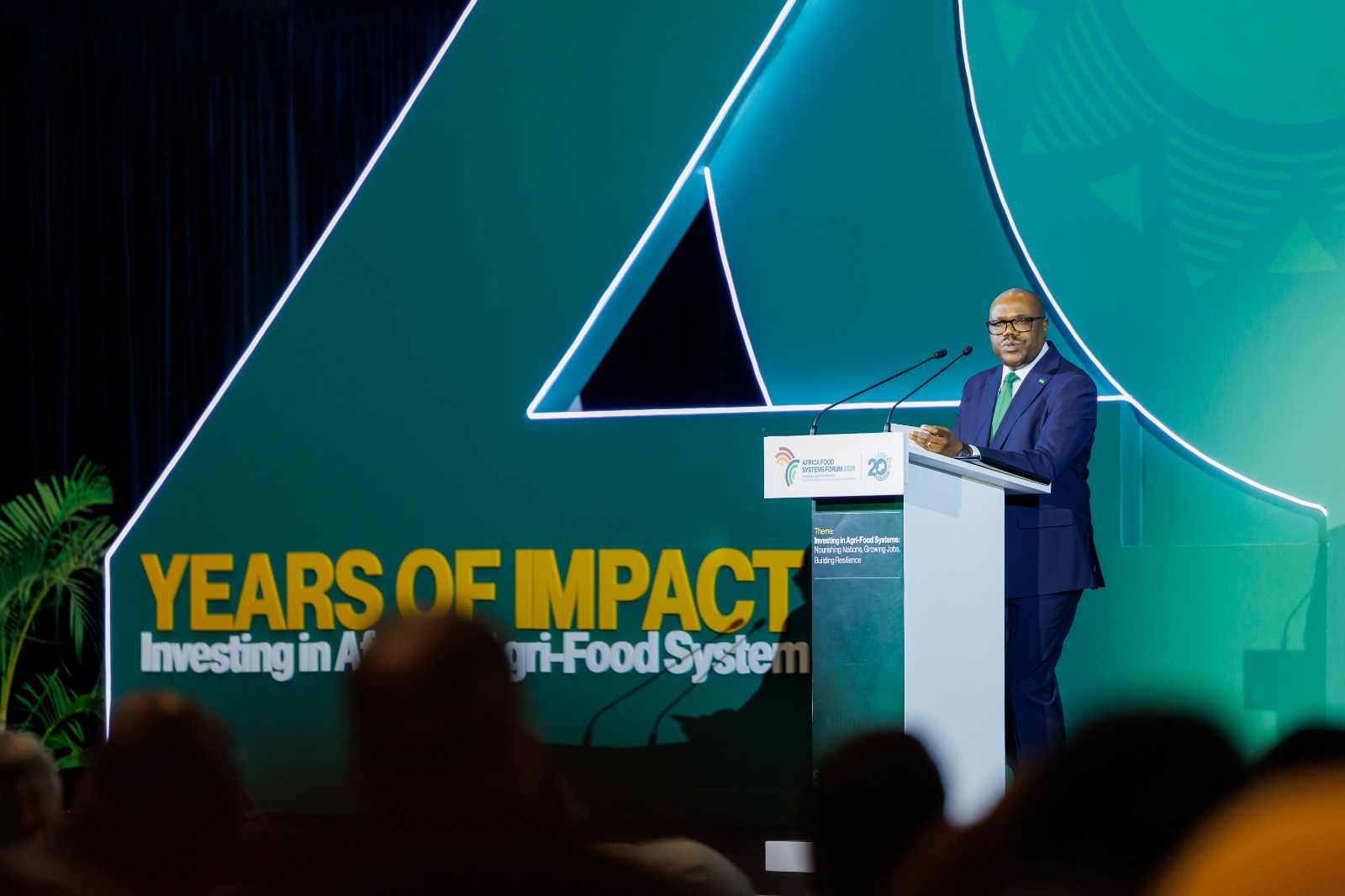
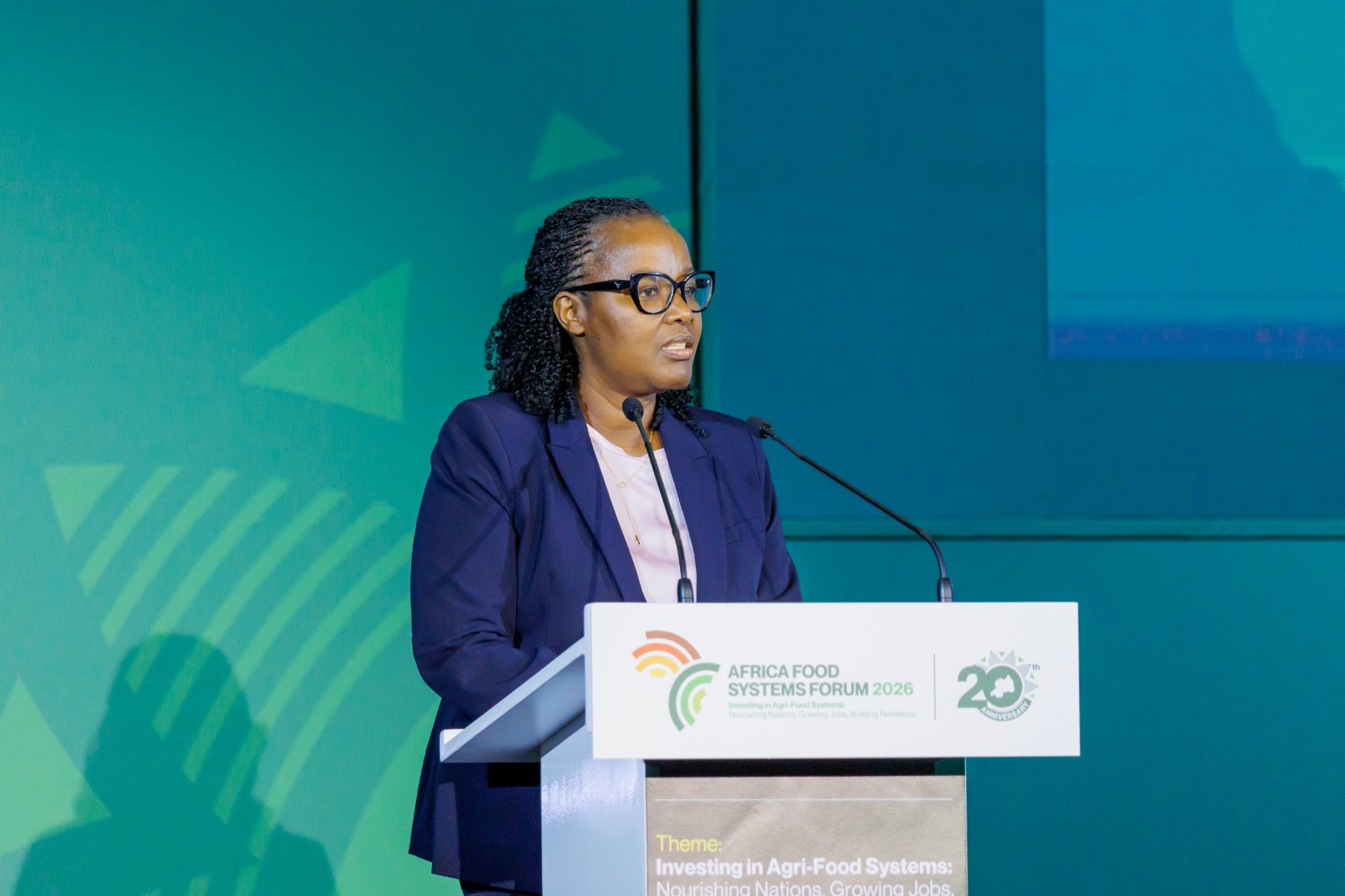
    Nsengiyumva made the call on Wednesday, September 2, while opening the 2026 Africa Food Systems Forum (AFSF) in Kigali, where more than 5,000 stakeholders from over 50 countries are discussing investment in Africa's food systems.

    'Our youth should start seeing agriculture not as a sector of last resort, but as a modern and dynamic sector full of opportunities,' Nsengiyumva said.

    He highlighted that opportunities extend beyond farming to areas such as irrigation, energy, mechanisation, digital services, insurance, processing and retail, urging the private sector to invest across the food value chain.

    'The task before us is to build credible partnerships that connect capital to these opportunities,' he remarked.

    Nsengiyumva made the call on Wednesday, September 2, while opening the 2026 Africa Food Systems Forum (AFSF) in Kigali.

    Nsengiyumva also called for investments that ensure smallholder farmers, women and young people benefit from the growth of Africa's food economy.

    Africa has abundant land and water resources, sunshine and a young population, but continues to face food insecurity. Nsengiyumva said about 309 million Africans were affected by hunger in 2025, while about 57 percent experienced moderate or severe food insecurity.

    'This contrast defines our task. We need to turn potential into productivity and we need to turn productivity into prosperity for all Africans,' he said.

    The call for greater investment was reinforced by new financing initiatives announced at the forum.

    Dr. Gérardine Mukeshimana, Vice-President of the International Fund for Agricultural Development (IFAD), said IFAD and partners are launching a $200 million blended finance facility to expand climate adaptation financing for farmers in Rwanda, Kenya, Tanzania and Uganda.

    Dr. Gérardine Mukeshimana, Vice-President of the International Fund for Agricultural Development (IFAD), addresses delegates at the Kigali Convention Centre.

    IFAD is also launching a $10 million facility to support the growth of small agribusinesses, while it will partner with Bank of Kigali on a $21 million blended finance facility for farmers' organisations later this week.

    Mukeshimana said public financing alone cannot deliver the transformation Africa needs and should instead be used to reduce risks and unlock private capital.

    She cited IFAD evidence showing that projects involving private-sector participation generate income gains of more than 64 percent, compared with projects without private-sector participation.

    Former Ethiopian Prime Minister Hailemariam Desalegn, Chair of the Africa Food Systems Forum Partners Group and Board Chairperson of AGRA, follows proceedings during the 2026 Africa Food Systems Forum in Kigali.

    From commitments to action

    Nsengiyumva said Africa must also improve the way agricultural investments are planned and executed, calling for credible, investable projects backed by clear priorities, realistic financing, strong institutions and measurable targets.

    He noted that investments should strengthen entire food systems rather than isolated parts.

    'A productive farm cannot thrive without roads, energy, irrigation, storage, finance, logistics, processing and reliable markets,' he said.

    The Prime Minister also urged African countries to scale successful agricultural innovations instead of leaving them as small pilot projects.

    The call was echoed by African Union Commissioner for Agriculture Moses Vilakati, who said Africa's challenge is no longer knowing what needs to be done, but having the political will, investment, partnerships and accountability to implement existing commitments.

    Vilakati urged Africa to reduce its dependence on food imports and use local production to create jobs and business opportunities for young people.

    He said the continent needs 'a decade of implementation,' arguing that the success of the Africa Food Systems Forum should ultimately be measured by investments mobilised, jobs created and improvements in the lives of farmers and other food-system actors.

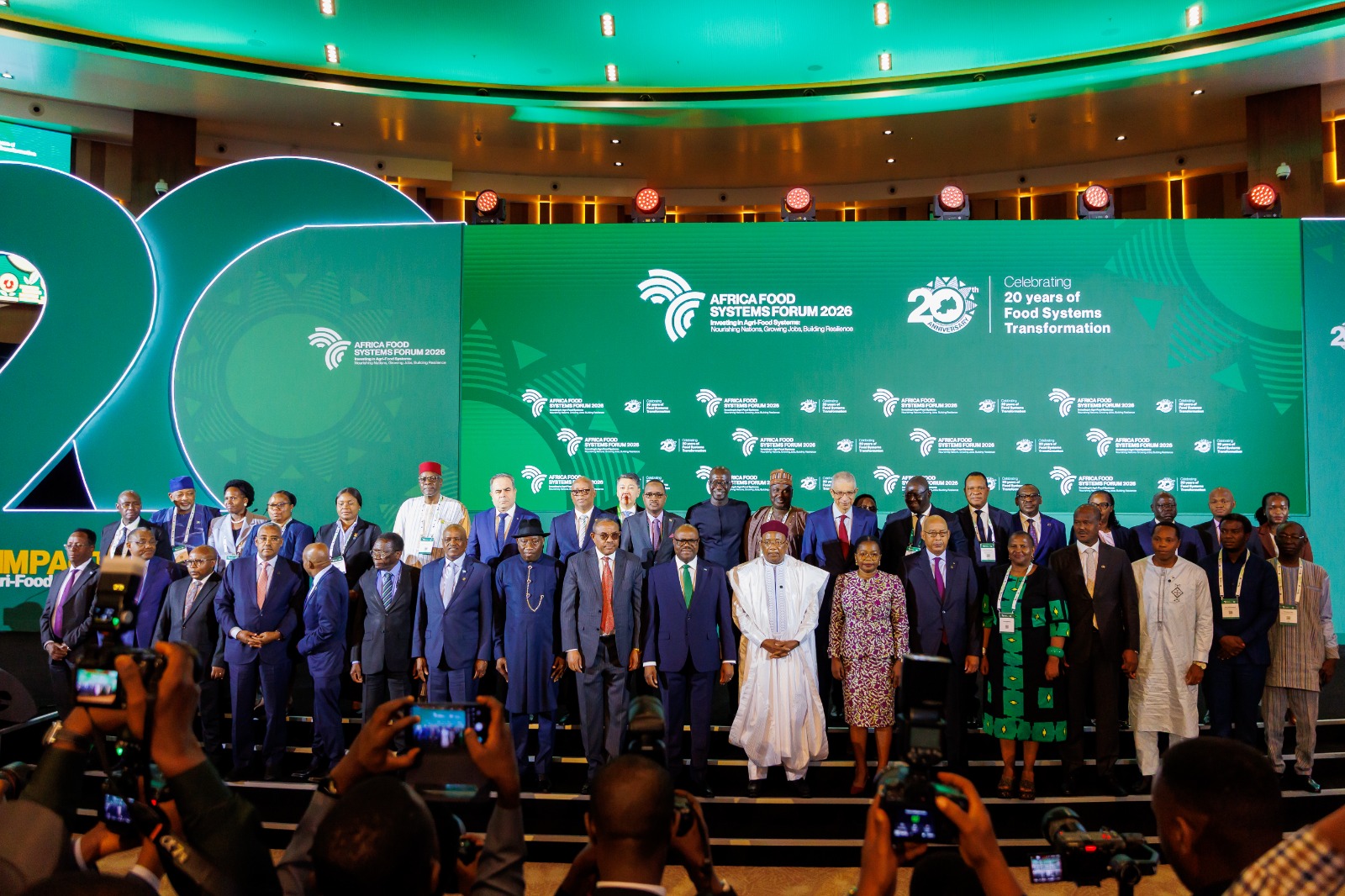
    The 2026 AFS Forum marks 20 years of the platform and is being held under the theme 'Investing in Africa's Agri-Food Systems: Nourishing Nations, Growing Jobs, Building Resilience.'

    Prime Minister Dr. Justin Nsengiyumva officially opened the 2026 Africa Food Systems Forum (AFSF) in Kigali on Wednesday, September 2.
    More than 5,000 stakeholders from over 50 countries have gathered in Kigali to discuss investment in Africa's food systems.

    Source : https://new.igihe.com/english/pm-nsengiyumva-urges-african-youth-to-see-agriculture-as-an-opportunity-not-a-last-resort/

  • John Lennon's son Sean Ono Lennon welcomes first child with Charlotte Kemp Muhl #rwanda #RwOT

    The couple announced the arrival of their baby boy, Aurelius, on September 1, sharing the news on social media alongside photographs of themselves with their newborn son.

    Sean, 50, and Kemp Muhl, 39, appeared in matching black-and-white outfits as they introduced their son to the world.

    The announcement marks a new chapter for the couple, who have been together for many years and have also worked together musically.

    Their relationship began after they met at the Coachella Valley Music and Arts Festival in 2005. They began dating in 2007 and later formed the musical duo 'The Ghost of a Saber Tooth Tiger', combining their interests in music and art.

    Kemp Muhl has also built her own career as a musician, model and creative artist, while Sean has continued his career as a singer, songwriter and producer.

    He has worked on several musical projects, including collaborations with his mother, Yoko Ono, and other prominent artists.

    Sean's new role as a father also adds another generation to one of music history's most famous families.

    John Lennon and Yoko Ono welcomed Sean on October 9, 1975, which was also John Lennon's 35th birthday. Lennon was killed in December 1980, when Sean was only five years old.

    Sean has spoken over the years about the lasting influence of his father and how music helped him maintain a connection with him after his death.

    He has also played an important role in preserving and promoting his parents' musical legacy.

    Aurelius is the first known grandchild of John Lennon and Yoko Ono, making his arrival a significant moment for the Lennon family.

    The birth has already attracted congratulatory messages from musicians and other public figures, including Patti Smith and Willow Smith.

    Kemp Muhl has also offered glimpses of the couple's early experience as parents, joking about the challenges of sleepless nights and adjusting to life with a newborn.

    Sean Ono Lennon and Charlotte Kemp Muhl have welcomed their first child, a baby boy named Aurelius.

    Source : https://new.igihe.com/english/john-lennons-son-sean-ono-lennon-welcomes-first-child-with-charlotte-kemp-muhl/

  • Spain records more than 2,100 heat-related deaths in August #rwanda #RwOT

    Data from Spain's Health Ministry showed that 2,149 excess deaths were attributed to heat in August.

    The figure makes it the second-deadliest August for heat-related deaths since Spain's Daily Mortality Monitoring System, known as MoMo, began monitoring heat-related mortality in 2015.

    The highest number was recorded in August 2025, when an estimated 2,184 deaths were linked to excessive heat.

    The latest figures also reveal the wider impact of extreme temperatures during the summer.

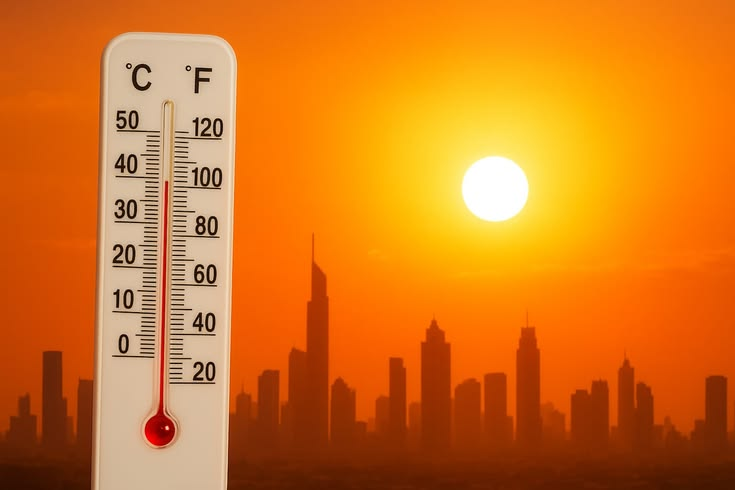
    Between May 15 and August 31, Spain recorded an estimated 5,234 heat-related deaths, making 2026 the deadliest summer for heat-related mortality since the monitoring system was introduced.

    Catalonia recorded the highest number of heat-related deaths in August, with an estimated 1,164 deaths. Valencia followed with 227, while Andalusia recorded 138.

    Older people were among those particularly vulnerable to the extreme heat.

    High temperatures can place significant stress on the body and worsen existing health problems, particularly cardiovascular and respiratory conditions.

    Heat-related deaths are not always recorded directly on death certificates because extreme temperatures can aggravate underlying illnesses rather than being identified as the immediate cause of death.

    Spain's monitoring system therefore estimates heat-related mortality by examining mortality patterns alongside temperature conditions.

    The figures come after a summer of unusually high temperatures across Spain and other parts of Europe.

    Spain experienced several intense heatwaves, with temperatures in some areas rising above 40 degrees Celsius.

    The country's national weather agency, AEMET, reported exceptionally high temperatures during the summer, adding to concerns about the growing health risks associated with prolonged periods of extreme heat.

    Spain's experience is part of a broader trend affecting Europe, where increasingly frequent and intense heatwaves are creating serious public health challenges.

    Experts have warned that climate change is contributing to more extreme heat events, increasing the risk to vulnerable populations.

    Health authorities have encouraged people to take precautions during periods of extreme heat, including staying hydrated, avoiding prolonged exposure to high temperatures and paying particular attention to elderly people and those with existing health conditions.

    With more than 5,200 estimated heat-related deaths recorded between May and August, the figures highlight the potentially deadly consequences of extreme temperatures and the growing need for effective heat-warning systems and measures to protect vulnerable communities.

    Spain recorded an estimated 2,149 heat-related deaths in August 2026 as extreme temperatures continued across the country.

    Source : https://new.igihe.com/english/spain-records-more-than-2100-heat-related-deaths-in-august/

  • New $200m facility targets climate adaptation for Rwanda and East Africa's farmers #rwanda #RwOT

    The facility was announced by Dr. Gérardine Mukeshimana, Vice-President of the International Fund for Agricultural Development (IFAD), during the forum's opening ceremony. It brings together IFAD, Equity Bank, the Nordic Development Fund (NDF), Finland and the Green Climate Fund (GCF) as partners.

    Mukeshimana said public finance alone cannot deliver the transformation Africa's food systems need, and that public resources must be used to reduce risks and unlock private capital. She cited IFAD's own evidence showing that projects with private sector participation generate income gains of over 64%, four times greater than projects without private sector involvement.

    'Public resources must be used strategically to remove constraints, to reduce risks and to unlock private sector capital,' she said, adding that IFAD focuses its investments on 'the first mile of the food systems where risks are greatest, finance is the scarcest and impact is greatest.'

    Dr. Gérardine Mukeshimana, Vice-President of the International Fund for Agricultural Development (IFAD), addresses delegates at the Kigali Convention Centre on Wednesday, September 2, 2026.

    The announcement was one of several financing commitments made at the forum. IFAD also announced a $10 million facility, in partnership with AGDV, to support the growth of small agribusinesses across the continent. Separately, the Bank of Kigali and IFAD are set to sign a $21 million blended finance agreement on Friday to support farmers' organisations.

    Mukeshimana said approximately 60% of IFAD's core resources are currently invested in Africa, and linked the new commitments to IFAD's ongoing 14th replenishment process, known as IFAD14, which aims to strengthen the institution as an investment platform that scales proven approaches and attracts private capital to underserved areas.

    She also referenced a recent report by the Food and Agriculture Organization (FAO), the State of Food Security and Nutrition in the World, which found that the rise of hunger in Africa has halted. She described this as encouraging news, but said the task now is to turn that progress into lasting transformation by making nutritious diets more affordable, creating decent jobs and building resilience.

    The announcement came on the opening day of the AFSF 2026, held under the theme 'Investing in Africa's Agri-Food Systems: Nourishing Nations, Growing Jobs, Building Resilience.' The forum, marking its 20th anniversary this year, has drawn more than 5,000 stakeholders from over 50 countries to Kigali.

    In his opening remarks, Prime Minister Dr. Justin Nsengiyumva said about 309 million Africans were affected by hunger in 2025, representing roughly 20% of the continent's population, while about 57% of Africans experience moderate or severe food insecurity. He called on the forum to help translate commitments into investable plans, strengthen entire food value chains, and scale successful innovations across the continent.

    Minister of Agriculture and Animal Resources Dr. Telesphore Ndabamenye said Rwanda's experience shows what is possible when policy, investment, institutions and partnerships are aligned under effective governance, pointing to the country's Vision 2050 and National Strategy for Transformation as frameworks guiding its agricultural transformation.

    In his opening remarks, Prime Minister Dr. Justin Nsengiyumva said 309 million Africans faced hunger in 2025, urging the forum to turn commitments into investable plans and strengthen food value chains.
    More than 5,000 stakeholders from over 50 countries have gathered in Kigali to discuss investment in Africa's food systems.

    Source : https://new.igihe.com/english/new-200m-facility-targets-climate-adaptation-for-rwanda-and-east-africas-farmers/

  • Scientists uncover cosmic forces that may have shaped Earth's climate #rwanda #RwOT

    The protective bubble, known as the heliosphere, is created by the solar wind released by the Sun. It helps shield Earth and other planets from some particles and radiation coming from interstellar space.

    Scientists from NASA's SHIELD science center used computer simulations to study how the heliosphere may have changed as the solar system travelled through the Milky Way.

    Their findings suggest that the Sun may have passed through extremely cold and dense clouds of gas and dust several times.

    The pressure from these clouds could have compressed the heliosphere, potentially shrinking it to a size smaller than Earth's orbit.

    Researchers identified possible encounters around 2 to 3 million years ago, 6 to 7 million years ago and 13 to 14 million years ago.

    During these periods, Earth may have been more exposed to material from interstellar space. Scientists have found evidence of interstellar particles in places including deep-sea sediments, Antarctic samples and lunar material.

    The researchers believe changes in the heliosphere could have influenced Earth's atmosphere and climate by allowing more interstellar material to reach the planet.

    A second NASA-funded study examined Earth about three billion years ago, when the young Sun produced only around 70% of the energy it produces today.

    Despite receiving less sunlight, geological evidence shows that liquid water existed on Earth.

    Scientists suggest that powerful eruptions from the young Sun may have helped keep the planet warm.

    Energetic particles from these eruptions could have triggered chemical reactions in the atmosphere, producing greenhouse gases such as nitrous oxide.

    These gases may have trapped enough heat to keep Earth warm enough for liquid water to remain on its surface.

    Together, the studies suggest that Earth's climate and ability to support life may have been influenced by both the Sun's activity and the solar system's changing environment as it moved through the Milky Way.

    The findings provide new insights into Earth's ancient climate and may help scientists understand whether similar conditions could support life on planets around other stars.

    Scientists say the Sun's journey through the Milky Way and its violent early activity may have influenced Earth's climate and helped create conditions suitable for life.

    Source : https://new.igihe.com/english/scientists-uncover-cosmic-forces-that-may-have-shaped-earths-climate/

  • Court remands Shema Fabrice for 30 days #rwanda #RwOT

    The ruling was delivered on September 2, 2026, after the prosecution requested 30 days of remand, arguing that there were substantial grounds to believe Shema committed the alleged offences and that he could abscond if released while investigations continued.

    The case stems from a contract worth more than €1 million between Africa Medical Supplier Plc, a company owned by Shema that deals in medical equipment, and ABZL International General Trading LLC. The agreement, signed on January 23, 2024, was linked to World Bank procurement for the supply of medical equipment to the Democratic Republic of Congo.

    Under the agreement, Africa Medical Supplier was required to pay ABZL within 60 days. The prosecution told the court that the company failed to meet the payment deadline and repeatedly delayed ABZL before eventually promising to settle the outstanding amount by email.

    On August 5, 2025, Shema allegedly issued ABZL two cheques worth $400,000 and $200,000. The prosecution said the cheques were dishonoured because the company's account did not have sufficient funds between August 1 and 10, 2025.

    Shema denied the charges, saying ABZL was a financial services company based in the United Arab Emirates with which he had maintained business relations since 2017. He said their previous contracts had been successfully completed.

    He told the court that Africa Medical Supplier had paid $400,000 in May 2024 and another $400,000 in December 2024, but that the second payment could not be completed because of an issue with ABZL's account. He said the contract required ABZL to provide an alternative account in such circumstances.

    Shema also said a dispute between ABZL shareholders led one of them to take the cheques, add payment instructions and request that the money be paid into a US bank account. He questioned why cheques originally intended for payment in Dubai would be redirected to the United States.

    Shema maintained that he would not flee if released and told the court that he owns assets worth more than Rwf5 billion that could be used as security.

    His defence counsel challenged the validity and handling of the cheques, arguing that the bank had cancelled them on July 16, 2025, before the alleged offence date of August 5. The lawyer also pointed to a change in the payment destination from the UAE to a US bank account on June 25, 2025.

    The defence asked the court to grant Shema bail, arguing that the dispute arose from a commercial contract rather than a personal criminal matter.

    The defence also said they submitted evidence of a $600,000 payment made through BK and a letter requesting assistance from the Rwanda Investigation Bureau (RIB) to transfer the funds to the designated account.

    The court also noted discrepancies in the cheques, including the fact that both bore the same cheque number. The original did not have a date, while the copy presented to the court was dated either August 5 or August 8, 2025. Both documents bore Shema's signature.

    The prosecution, however, told the court that when RIB asked the bank whether the cheques were covered, the bank confirmed that they were not, noting that the Africa Medical Supplier account held just over $1,000.

    After considering the submissions, the court remanded Shema in custody for 30 days as investigations continue.

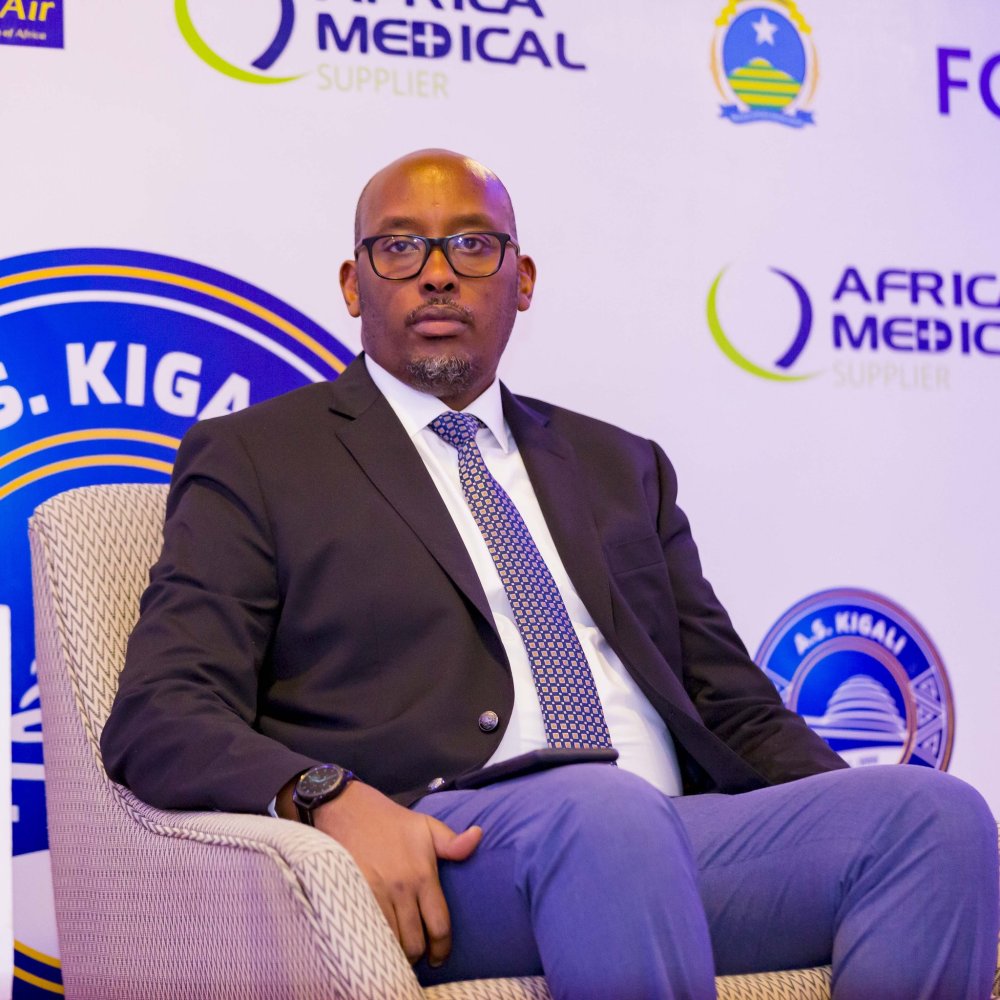
    Nyarugenge Primary Court has remanded Shema Fabrice for 30 days

    Source : https://new.igihe.com/english/court-remands-shema-fabrice-for-30-days/

  • Ebola death toll in DR Congo surpasses 3,000 #rwanda #RwOT

    Figures released by the DRC Ministry of Health show that 6,186 people have contracted the virus, including 3,007 who have died, since the outbreak was declared in mid-May 2026. It is now the fastest-spreading Ebola outbreak ever recorded.

    The outbreak has mainly affected parts of eastern DRC, where efforts to contain its spread have been hampered by several challenges, including insecurity, attacks on health workers and limited medical infrastructure.

    The World Health Organization (WHO) has warned that the outbreak could become the most serious Ebola epidemic on record, potentially surpassing the West Africa outbreak of 2014 to 2016, which killed about 11,000 people.

    The outbreak is caused by the Bundibugyo virus, one of the less common Ebola species. There is currently no approved vaccine or specific treatment for the virus.

    Despite this, the DRC government continues to use the Ervebo vaccine, which has been used in previous Ebola outbreaks, with WHO saying it may help protect people who receive it.

    The Ebola virus has so far spread to six provinces in the DRC.

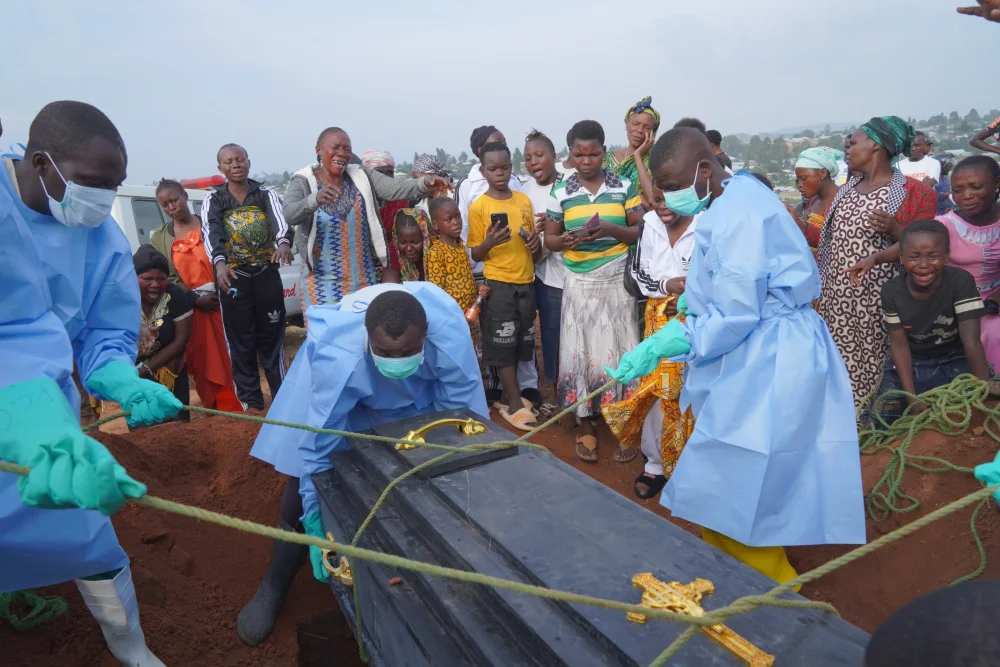
    More than 3,000 people have died from an Ebola outbreak in the Democratic Republic of Congo.

    Source : https://new.igihe.com/english/ebola-death-toll-in-dr-congo-surpasses-3000/

  • Minister Nduhungirehe criticises DRC over inaction on hate speech #rwanda #RwOT

    Amb. Nduhungirehe made the remarks in response to DRC Government Spokesperson and Minister of Information and Communication Patrick Muyaya, who welcomed the arrest of Denise Mukendi Dusauchoy in Tanzania and her transfer to Kinshasa on August 31, 2026.

    Dusauchoy, who became widely known on social media platforms including TikTok, is accused of offences including spreading false information and inciting division among Congolese, in connection with messages she posted in support of AFC/M23.

    Commenting on a statement by the DRC Ministry of Justice explaining Dusauchoy's arrest, Muyaya said she was the first person on a long list of wanted individuals and that justice would reach them wherever they were.

    'She is the first on a long list. Wherever you are in the world, justice will reach you. As an example, we have a responsibility to protect our children, and therefore the State will do what is necessary,' Muyaya said.

    Amb. Nduhungirehe responded that several people in the DRC, including Major General Sylvain Ekenge, MP Justin Bitakwira, Martin Fayulu, Jean-Claude Mubenga, Gabriel Mokia, Chancella Tshala Balandi and Kalonji Kabamba wa Mulumba, have made statements promoting hatred and division but have not been prosecuted.

    'Meanwhile, those who, on social media and on state television in Kinshasa, openly engage in hate speech and genocide ideology against Congolese Tutsi are clearly on no 'list' and are therefore not being pursued by Congolese justice,' Amb. Nduhungirehe said.

    He said some of the individuals were known in the DRC for referring to Congolese Tutsis as insects or as 'cockroaches and a virus that must be eradicated,' while others had called on Congolese not to marry them or had made statements calling for their extermination in the country.

    Amb. Nduhungirehe also reminded Muyaya that instead of being prosecuted, some of these individuals, including MP Bitakwira, had been received by DRC President Félix Tshisekedi and his wife, Denise Nyakeru, with whom they took a commemorative photograph.

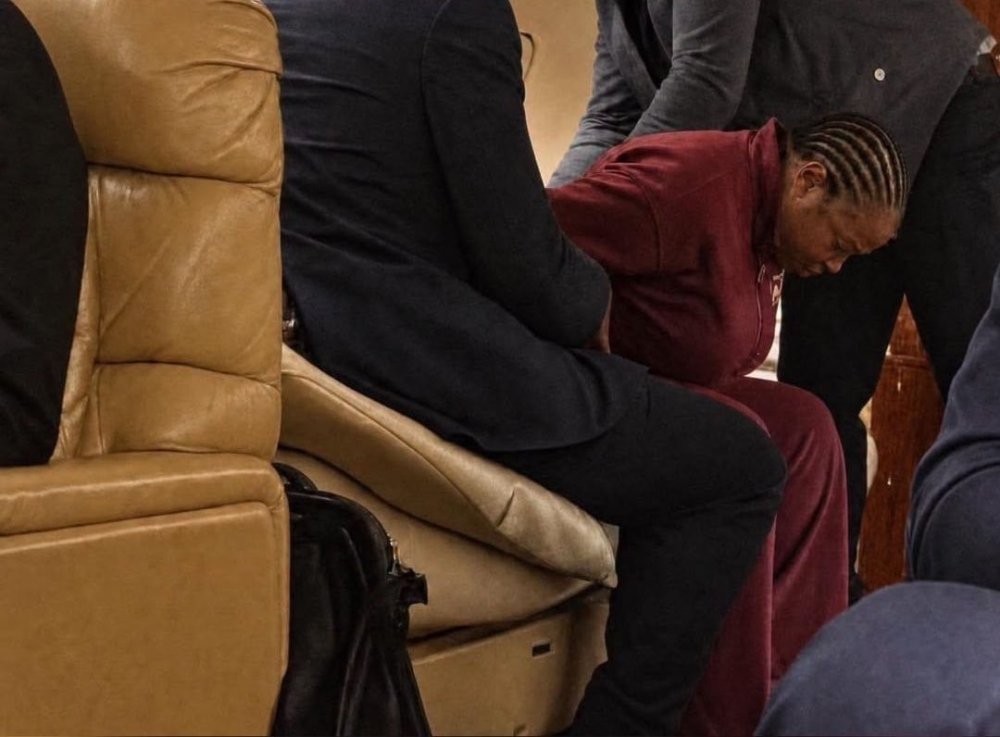
    Denise Mukendi Dusauchoy was arrested in Tanzania and transferred to Kinshasa on August 31, 2026, where she faces allegations including spreading false information and inciting division among Congolese.
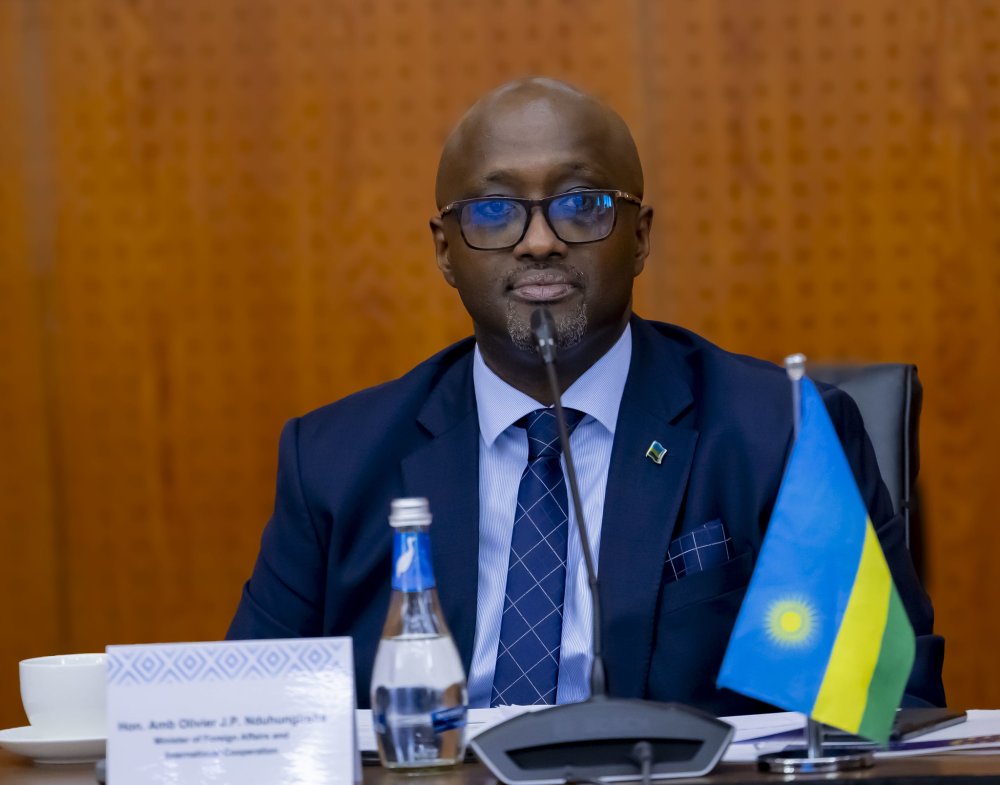
    Rwanda's Foreign Affairs Minister Olivier Nduhungirehe has questioned the DRC's response to hate speech, saying some individuals who have made inflammatory statements against Congolese Tutsi have not faced legal action.

    Source : https://new.igihe.com/english/minister-nduhungirehe-criticises-drc-over-inaction-on-hate-speech/

  • Rwanda gets 30 bulls to improve dairy and beef production #rwanda #RwOT

    She made the remarks on Monday, August 31, 2026, during a visit by International Fund for Agricultural Development (IFAD) Vice President Dr. Gérardine Mukeshimana and senior officials from several countries to projects aimed at adding value to milk production in Nyagatare District.

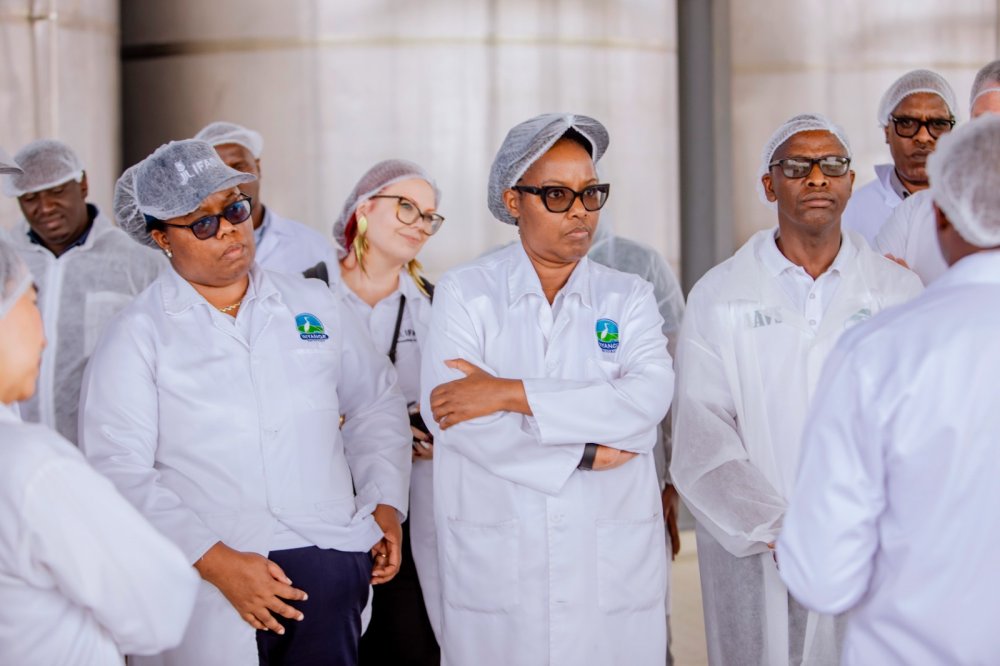
    The delegation visited Nyagatare Daily Marketing Cooperative, which is supported by the Rwanda Dairy Development Project Phase II (RDDP II), funded by IFAD. They also visited private veterinary practitioners operating in Nyagatare and the Inyange powdered milk processing plant.

    Rugamba Sam, who collects about 100 litres of milk per day, said farmers still face challenges in accessing high-yielding dairy cattle that would enable them to operate commercially.

    He said that although dairy farming is profitable, farmers have yet to gain sufficient access to cattle capable of producing large quantities of milk.

    Mukansanga Cecile, who keeps eight cows, said they produce about 50 litres of milk per day. However, during the dry season, production drops significantly, with her four lactating cows producing only slightly more than 10 litres per day.

    She called for support to help farmers access cattle with higher milk yields.

    Uwituze said Rwanda is continuing to promote livestock farming based on market demand.

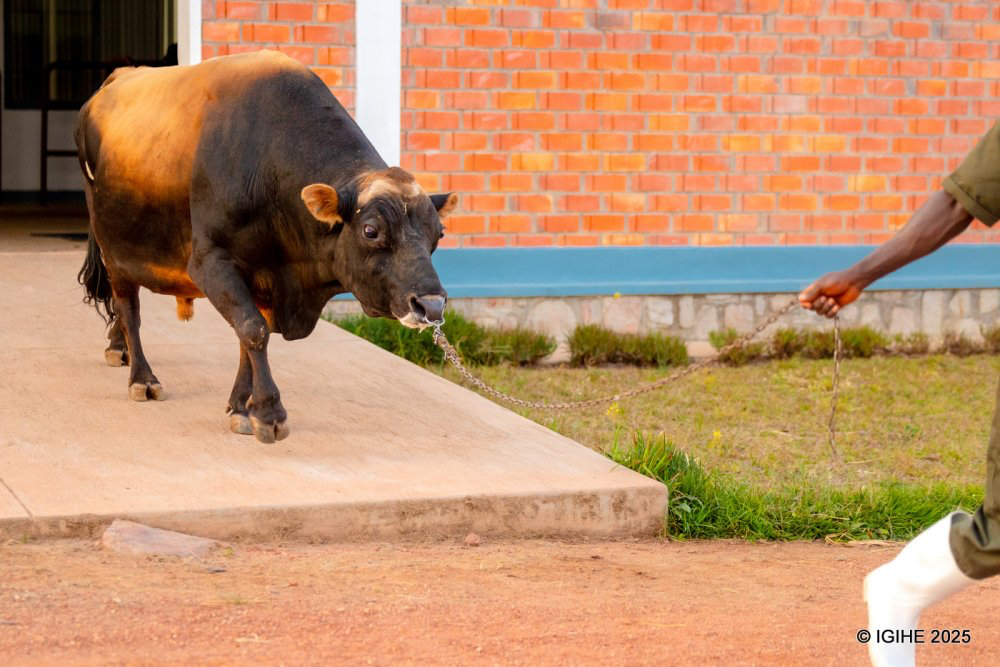
    'We currently have 30 bulls. This year, we renewed our stock and brought in 30 new ones, which are now available at our Isonga Centre. We have three breeds of dairy cattle, as well as breeds of beef cattle. We brought them in to provide breeding material for beef cattle to farmers. They are now doing well.'

    Dr. Uwituze said the semen from the bulls will be used to improve cattle breeds among farmers and increase the availability of animals suited for both dairy and beef production.

    She also said the government is testing a system that could allow farmers to access sexed semen from next year, enabling them to know whether the resulting calf will be male or female.

    'There are investors we are talking to so that they can come and support us. The discussions are already underway.'

    Meanwhile, IFAD Vice President Dr. Gérardine Mukeshimana called for greater investment in smallholder farmers and livestock keepers to enable them to meet market demand.

    She said 70 percent of agricultural and livestock production comes from smallholder farmers and called for efforts to build their capacity so they can increase production and better meet market needs.

    State Minister for Agriculture and Animal Resources, Dr Solange Uwituze, said Rwanda has acquired 30 bulls from Switzerland, Finland and other countries, which are expected to provide new breeding stock.
    The disclosure was made on Monday, August 31, during a visit by IFAD Vice President Dr Gérardine Mukeshimana and other officials to milk production projects in Nyagatare.

    Source : https://new.igihe.com/english/rwanda-gets-30-bulls-to-improve-dairy-and-beef-production/