The AFC/M23 coalition and the MRDP-Twirwaneho movement have controlled Point-Zéro since the night of July 3-4, 2026. The area was previously controlled by the Congolese army, Burundian troops and Wazalendo militia.
According to reliable sources involved in the preparations, the Congolese government has increased the number of troops and military equipment deployed in the province ahead of planned operations targeting positions held by AFC/M23 and Twirwaneho.
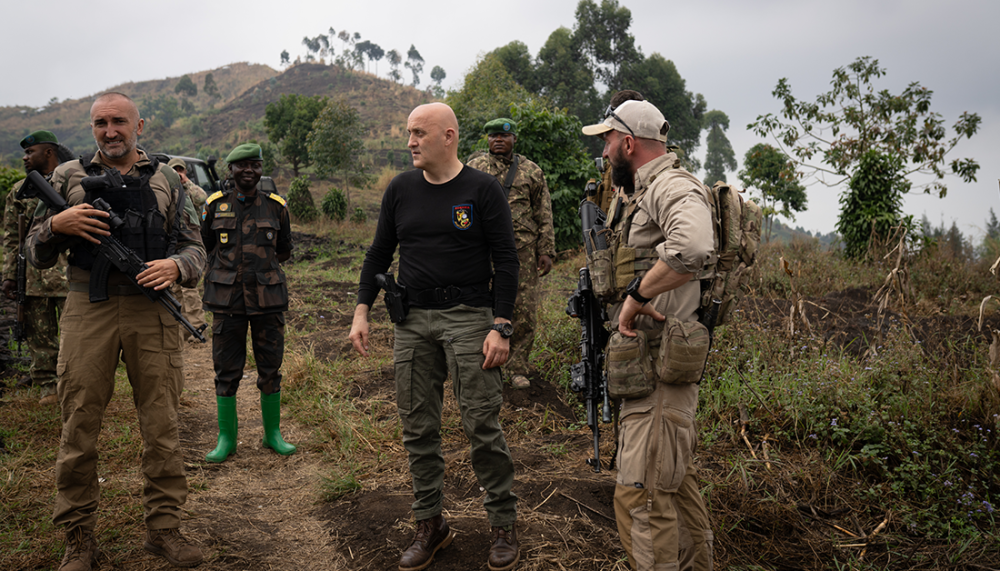
The number of foreign mercenaries operating in the area also increased towards the end of August. American and Colombian mercenaries reportedly increased from 10 to 35 and are operating around Lusuku and Alaba, near Point-Zéro, alongside members of the DRC's special forces unit known as Hiboux.
The mercenaries are expected to take part in specialised operations, including directing air strikes and operating attack drones targeting AFC/M23 and Twirwaneho positions.
On August 28, the Congolese army increased its troop presence in several parts of Uvira Territory, including Murunga, Munanira, Ndolera, Kashabiro and Lemera.
On the night of August 29, a Hiboux battalion moved from the Bilende area in Fizi Territory towards Point-Zéro.
The preparations come as Congolese and Burundian troops, together with Wazalendo fighters, continue to deploy in areas surrounding the Minembwe commune in Fizi, Uvira and Mwenga territories.
Sources also reported that the Congolese army has continued to send military equipment through Burundi. Between August 5 and 7, three aircraft reportedly travelled from Kinshasa to Bujumbura carrying equipment before it was transported to South Kivu.
On August 9 and 10, Burundian military vehicles carrying troops, equipment and military drones reportedly crossed the Gatumba-Kavimvira border towards Baraka in Fizi Territory.
The Chief of Staff of the Congolese Armed Forces, Lt Gen Banza Mwilambwe Jules, and his Burundian counterpart, Gen Prime Niyongabo, also travelled to Kalemie in early August, where they followed preparations for planned operations in Minembwe.
The DRC government expects the mercenaries to help direct airstrikes and operate attack drones.
Researchers at Columbia University's Zuckerman Institute found that microglia, immune cells that play an important role in protecting and developing the brain, take several years to mature in humans.
The findings suggest that the unusually slow development of these cells could be one of the factors behind the complexity and cognitive abilities of the human brain.
Microglia are the brain's most abundant immune cells. Besides protecting the brain from harmful substances and helping remove damaged cells, they also play an important role in shaping developing brain circuits.
Researchers found that human microglia can take approximately four to eight years to mature. By comparison, microglia in mice reach maturity in about three weeks.
The study focused on SRGAP2, a gene with copies that emerged specifically in humans.
Earlier research had shown that these human-specific copies influence neurons by increasing the number of connections between them while slowing the process through which those connections mature.
In the latest study, scientists made an unexpected discovery. The human-specific copies of SRGAP2 were found to be nearly 10 times more abundant in microglia than in neurons.
Experiments involving mice and human cells showed that the gene significantly slows the development of human microglia.
Scientists believe this slow developmental process may allow microglia and neurons to develop in coordination, helping shape the sophisticated networks found in the human brain.
The researchers linked the finding to a process known as neoteny, in which human development occurs over a much longer period compared with many other mammals.
The extended development of the human brain is believed to contribute to the emergence of advanced cognitive abilities.
The researchers now want to understand more precisely how SRGAP2 controls the development of microglia and other brain cells.
They also hope the findings could provide new insight into conditions involving brain development and degeneration, since microglia have been linked to neurodevelopmental disorders and neurodegenerative diseases.
The study, published in the journal Neuron, provides new evidence that the distinctive development of the human brain may depend not only on neurons but also on the immune cells that help organize and maintain brain circuits.
Scientists have identified gene linked to the unique development of the human brain
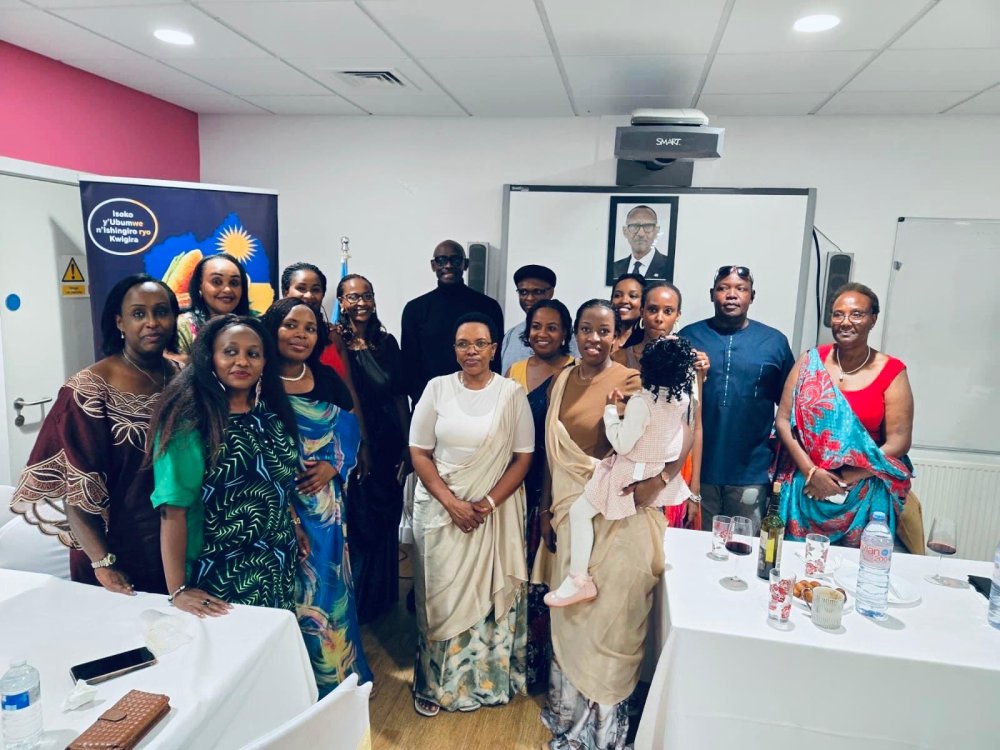
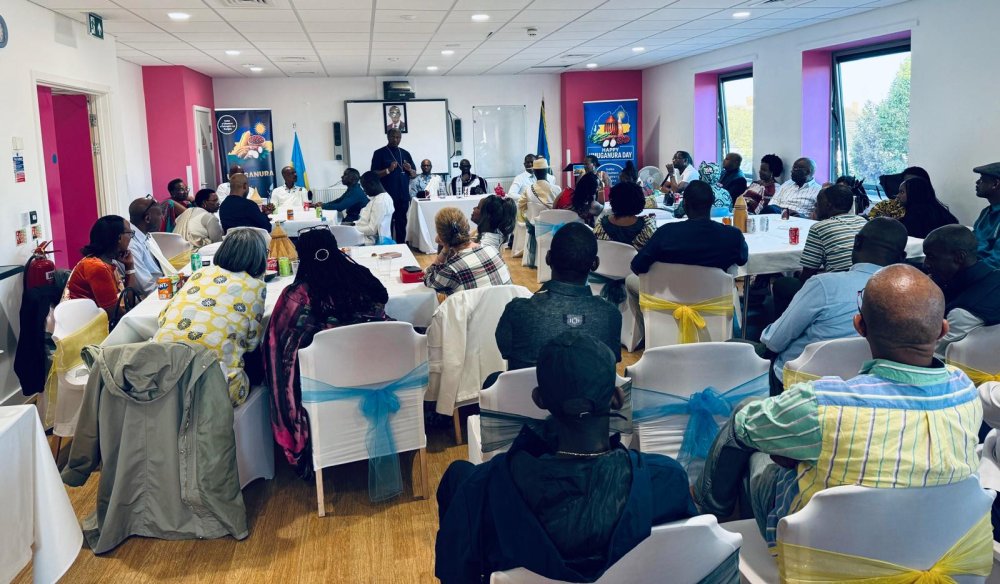
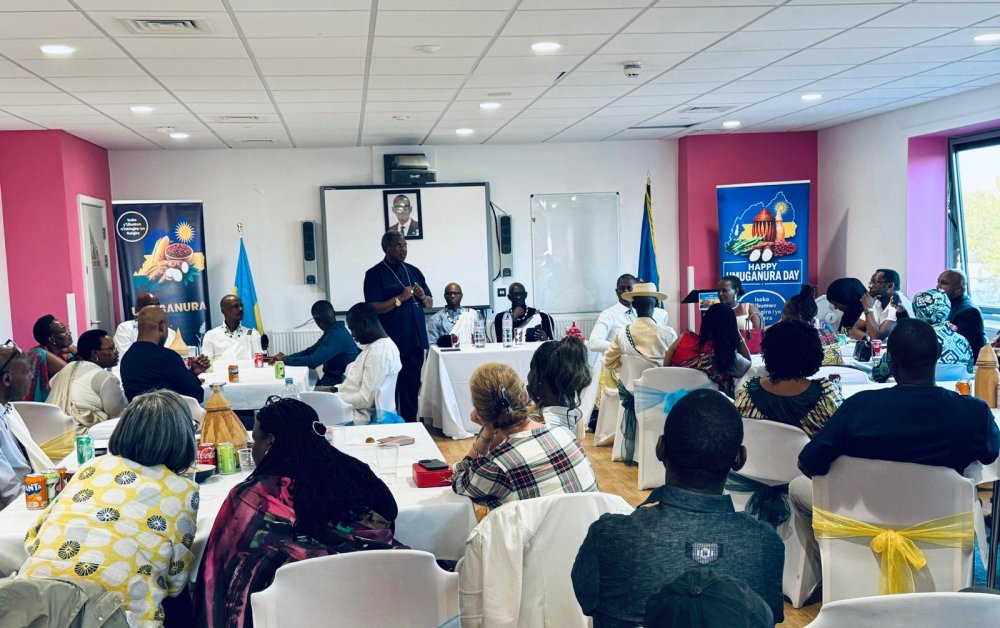
The celebration was held on August 29, 2026, and was attended by Rwanda's High Commissioner to the United Kingdom, Johnston Busingye, who joined members of the Rwandan community and friends of Rwanda.
Held in Oxford, the event provided an opportunity for Rwandans living in the UK to come together, preserve their cultural heritage and share Rwanda's values with friends and other members of the wider community.
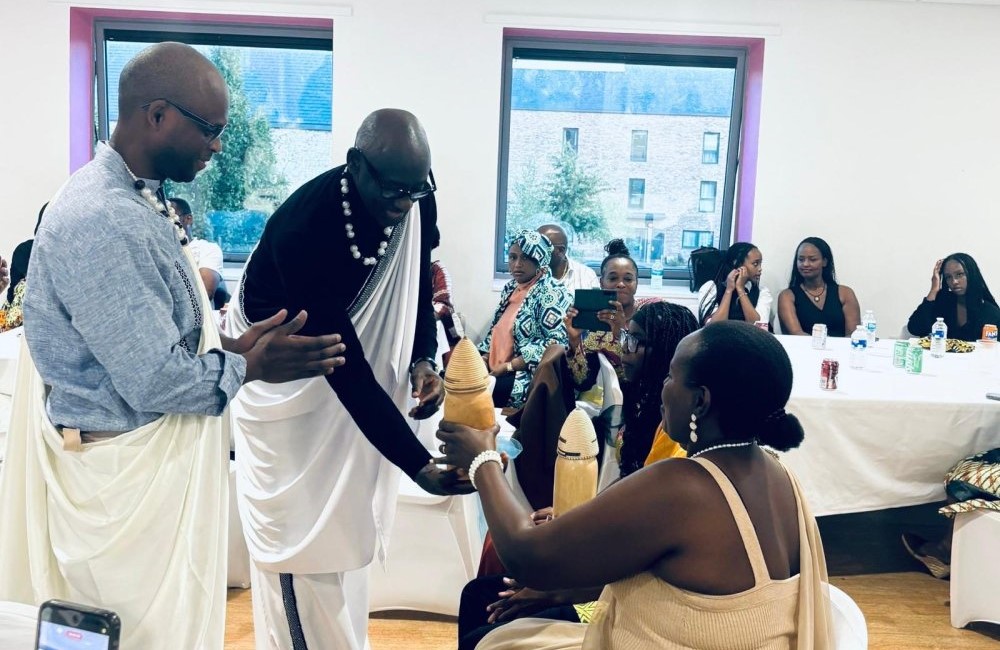
Umuganura is traditionally known as a celebration of the harvest. Today, however, it carries a broader meaning, providing an opportunity to reflect on achievements, express gratitude and remind individuals of their role in the development of their families, communities and country.
For Rwandans living in the UK, the celebration also served as an opportunity to preserve Rwandan culture and its values while passing them on to younger generations.
High Commissioner Johnston Busingye stressed the importance of preserving Rwanda's values.
'Umuganura reminds us that wherever Rwandans live, our values of unity, gratitude, hard work and shared responsibility remain with us,' he said.
He added that as Rwandans celebrate their achievements, they should also reflect on the contribution each person can make to the wider community and Rwanda's development.
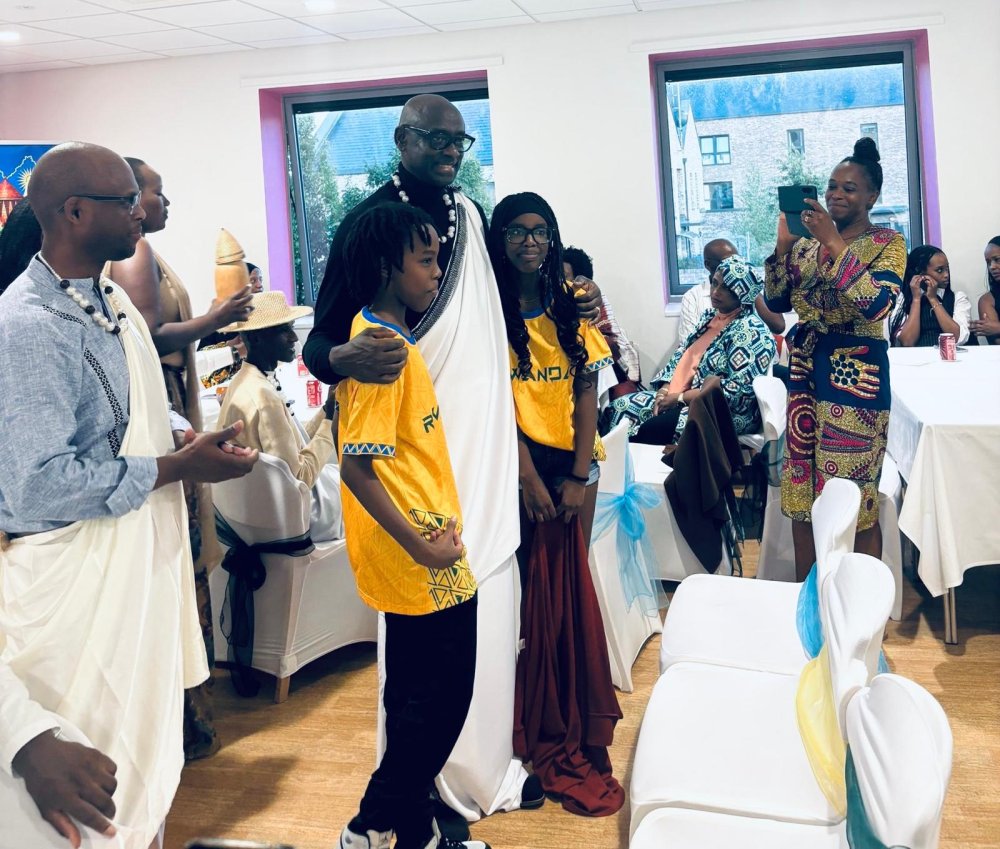
Young people were given particular attention during the celebration, with children and Rwandans who grew up in the UK given an opportunity to learn about the traditions, values and history passed down by their parents and elders.
Organisers said preserving Rwandan culture does not prevent Rwandans from integrating into the wider UK community. Instead, they said, it helps them maintain a connection with their roots and better understand their cultural identity.
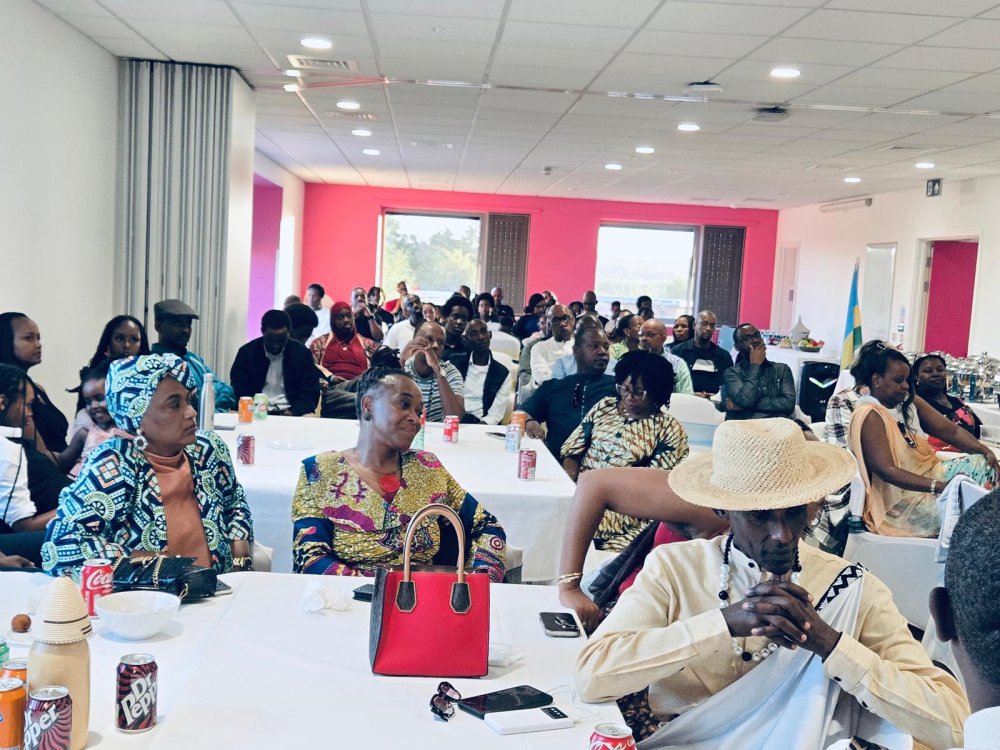
Friends of Rwanda also attended the celebration, giving them an opportunity to learn more about Rwandan culture and its values while engaging with a community whose members come from diverse backgrounds but are connected by their life in the UK.
Participants learned more about Rwanda through its culture, values and the experiences of its people.
Community leaders thanked those who attended and encouraged Rwandans living in the UK to continue organising activities that bring people together and strengthen connections between generations.
The Umuganura celebration also highlighted the role of the Rwandan diaspora in strengthening ties between Rwanda and the United Kingdom.
Rwandans living in the UK continue to contribute to different sectors, including business, education, healthcare, technology, entrepreneurship and community development.
The celebration also provided an opportunity to look ahead, with participants emphasising the importance of continued cooperation, contribution and collective efforts for the benefit of future generations.
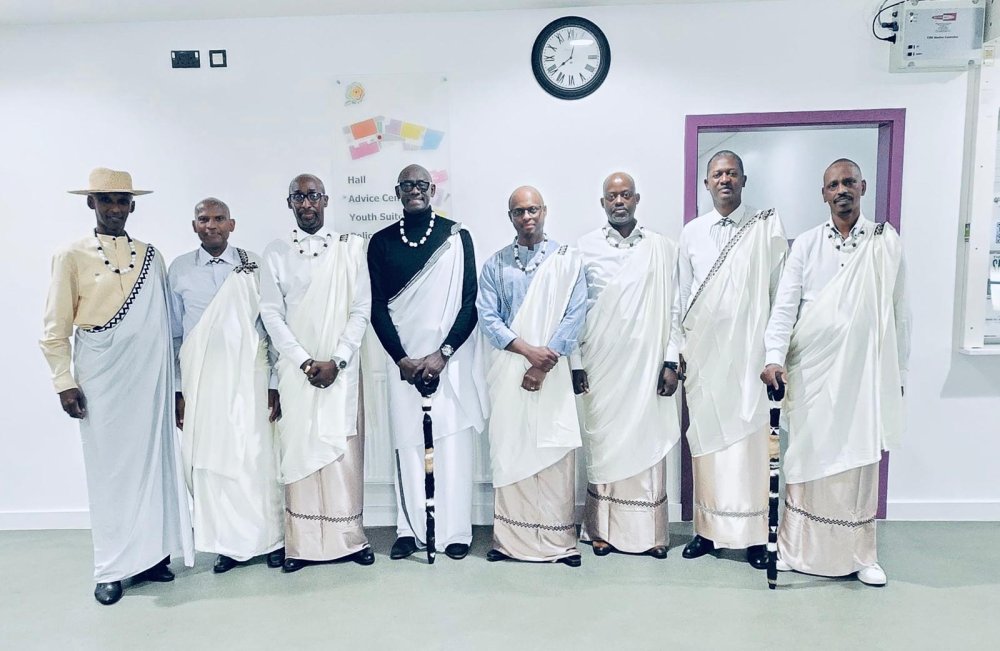
Rwandans in Oxford marked Umuganura with a celebration that highlighted culture, community and the importance of preserving connections between generations.Rwanda's High Commissioner to the UK, Johnston Busingye, joined Rwandans in Oxford as they celebrated Umuganura and reflected on the importance of preserving the country's cultural values.The celebration in Oxford provided an opportunity for Rwandans in the UK to come together and reflect on unity, gratitude and shared responsibility.Rwandans living in the United Kingdom gathered in Oxford to celebrate Umuganura and honour their cultural heritage.Young Rwandans growing up in the UK took part in Umuganura celebrations aimed at strengthening their connection to Rwandan culture and heritage.The Umuganura celebration brought together members of the Rwandan community in the UK, alongside friends of Rwanda.
BK Group said the transaction covers its entire shareholding in the insurance company and values each of the 3 million ordinary shares at Rwf 10,567, based on an independent valuation. The initial price was Rwf 1,000 per share.
The completion of the transaction is part of BK Group's consolidation strategy, under which the Group is focusing on two core businesses: commercial banking through Bank of Kigali Plc and investment banking through BK Capital Ltd.
According to the notice, the strategy places emphasis on 'product diversification, market expansion, cross-collaboration synergies and a strengthened capital markets offering.'
BK Group said the sale of BKGI reflects this shift as it concentrates its operations on banking and investment banking.
The Group has also completed the integration of BK Techouse Ltd (BKTH) into Bank of Kigali Plc.
Under the integration, BKTH's assets, technology platforms and relevant contracts have been transferred to Bank of Kigali, while the technology functions previously performed by the company will continue under the bank's Digital division.
BK Group said the change will not disrupt customer services and that BKTH has ceased to operate as a separate subsidiary.
Proceeds from the transaction enabled BKTH to settle all its liabilities, with any surplus remaining at the closure of the company to be transferred to BK Group.
The integration will have no effect on BK Group's consolidated net asset value, according to the notice.
Both transactions received the required regulatory clearances, including non-objections from the National Bank of Rwanda.
BK Group said the two developments are aligned with its efforts to streamline the Group and strengthen its focus on its core banking and investment banking businesses.
The move follows RSSB's acquisition last month of all the remaining shares in Inyange Industries and Ruliba Clays, two companies that were subsidiaries of Crystal Ventures Ltd (CVL).
RSSB has completed the acquisition of BK General Insurance from BK Group for Rwf 31.7 billion, marking another major investment by the pension fund as it expands its presence across key sectors of Rwanda's economy.
Under the agreement, Venezuelan interim authorities have granted North American Blue Energy Partners (NABEP), a privately held company and the country's second-largest private oil producer, 100-year concessions for 17 oil fields with proven reserves of approximately 65 billion barrels.
In turn, NABEP has granted the U.S. Department of War's Office of Strategic Capital a 35 percent equity stake in its corporate parent. The company has also granted the U.S. Department of State the right to purchase, at production cost, 20 percent of the output from all current and future fields it operates, as well as the right of first refusal to purchase the remaining 80 percent.
The U.S. government will have veto power over the appointment of any member of NABEP's board of directors, while a majority of the board members must be U.S. citizens, according to the fact sheet. The agreement between the U.S. government and NABEP is governed by U.S. law and subject to the jurisdiction of U.S. courts.
The fact sheet said millions of barrels of new Venezuelan output would be processed through U.S. refineries and pumped using American rigs and infrastructure.
The U.S. government said the deal would come 'at zero cost' to American taxpayers.
Trump is scheduled to meet Tuesday with directors of large and small oil refineries, reports said on Monday.
Brent crude oil price has surged around 28 percent amid U.S. military operation against Iran.
A pedestrian walks past a mural featuring oil wells in Caracas, Venezuela, Saturday, Aug 29, 2026, a day after President Donald Trump announced a deal giving the United States a stake in Venezuela's oil reserves. (AP Photo/Pedro Mattey)
The emotional message is included with the final book children receive through the literacy programme when they turn five, marking the end of their time in the programme as they prepare to begin school.
Parton died on August 25, 2026, leaving behind a legacy that extended far beyond her music career, including decades of work supporting children's literacy and education.
In the letter, Parton reflects on how quickly the children have grown since they first began receiving books as babies.
She encourages them not to stop reading after graduating from the programme and urges them to make use of their local public libraries.
'Every book is a treasure,' Parton wrote, encouraging the young readers to see books as opportunities to meet new friends and discover new places through their imagination.
She also offered advice to the children as they prepared to start school, reminding them that there is no limit to what they can achieve.
Parton encouraged the young graduates to dream big, continue learning and care for the people who care for them.
She concluded the letter with a message of affection, signing it, 'I Will Always Love You, Dolly.'
The letter was not written as a farewell following her death. Instead, it formed part of the regular graduation experience for children completing the Imagination Library programme.
Parton founded the Imagination Library in 1995 through the Dollywood Foundation. The programme was inspired in part by her father, Robert Lee Parton, who could not read or write.
The initiative provides free, age-appropriate books to children from birth until they turn five, regardless of their families' income. It has since expanded internationally and become one of the world's largest early childhood book-gifting programmes.
The programme has distributed more than 300 million books worldwide, reaching millions of children and helping promote early childhood literacy and a love of reading.
Parton frequently described the Imagination Library as one of the achievements of which she was most proud.
Her final message to the young readers now offers a lasting reflection of the values she hoped to pass on: a love of books, the courage to dream and the importance of caring for others.
Dolly Parton's final letter to Imagination Library graduates highlights her lasting commitment to children's literacy.
The Ethiopian government announced Monday that it has repatriated nearly 100,000 nationals facing dire conditions abroad over the past 12 months under an ongoing government-led initiative.
The Ministry of Women and Social Affairs said in a statement that more than 98,900 Ethiopians were safely returned home during the latest round of a coordinated repatriation initiative, which began on Sept. 15 last year.
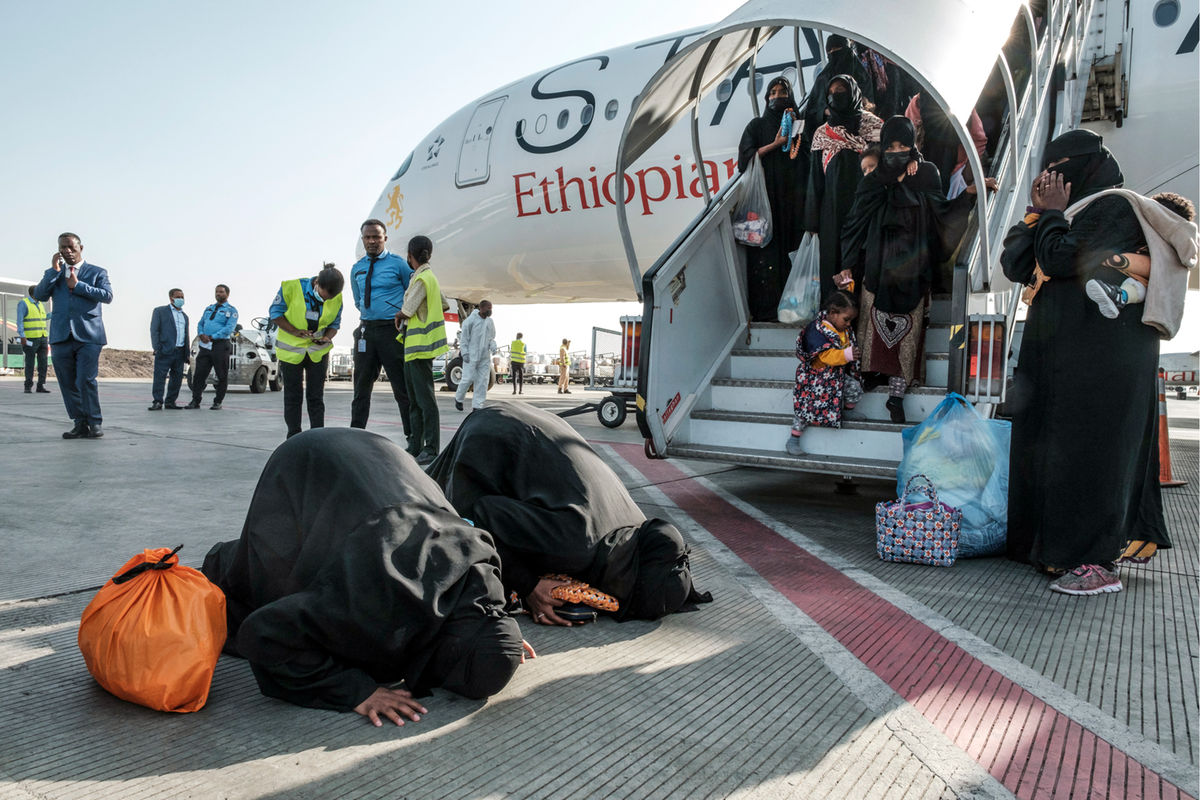
As part of these efforts, some 2,463 undocumented citizens were repatriated last week alone from Saudi Arabia, where they were said to be 'stranded in difficult conditions,' according to the ministry.
The Ethiopian government and humanitarian partners are currently implementing coordinated initiatives to provide returning citizens with appropriate support and care at temporary facilities, as well as rehabilitate and reunite them with their families, it was noted.
Despite government-led public awareness campaigns regarding the dangers of human trafficking, estimates indicate that thousands of Ethiopians are trafficked annually to Saudi Arabia and other Gulf countries, where they work primarily in the informal economy.
In addition to the risk of imprisonment and other hardships, Ethiopian migrants often face life-threatening dangers as they attempt to navigate the perilous Red Sea route in hopes of reaching the Gulf countries through war-torn Yemen.
Ethiopian women repatriated from Saudi Arabia react as they disembark from the airplane at the Bole Airport, in Addis Ababa, on March 30, 2022. (Photo by EDUARDO SOTERAS / AFP)
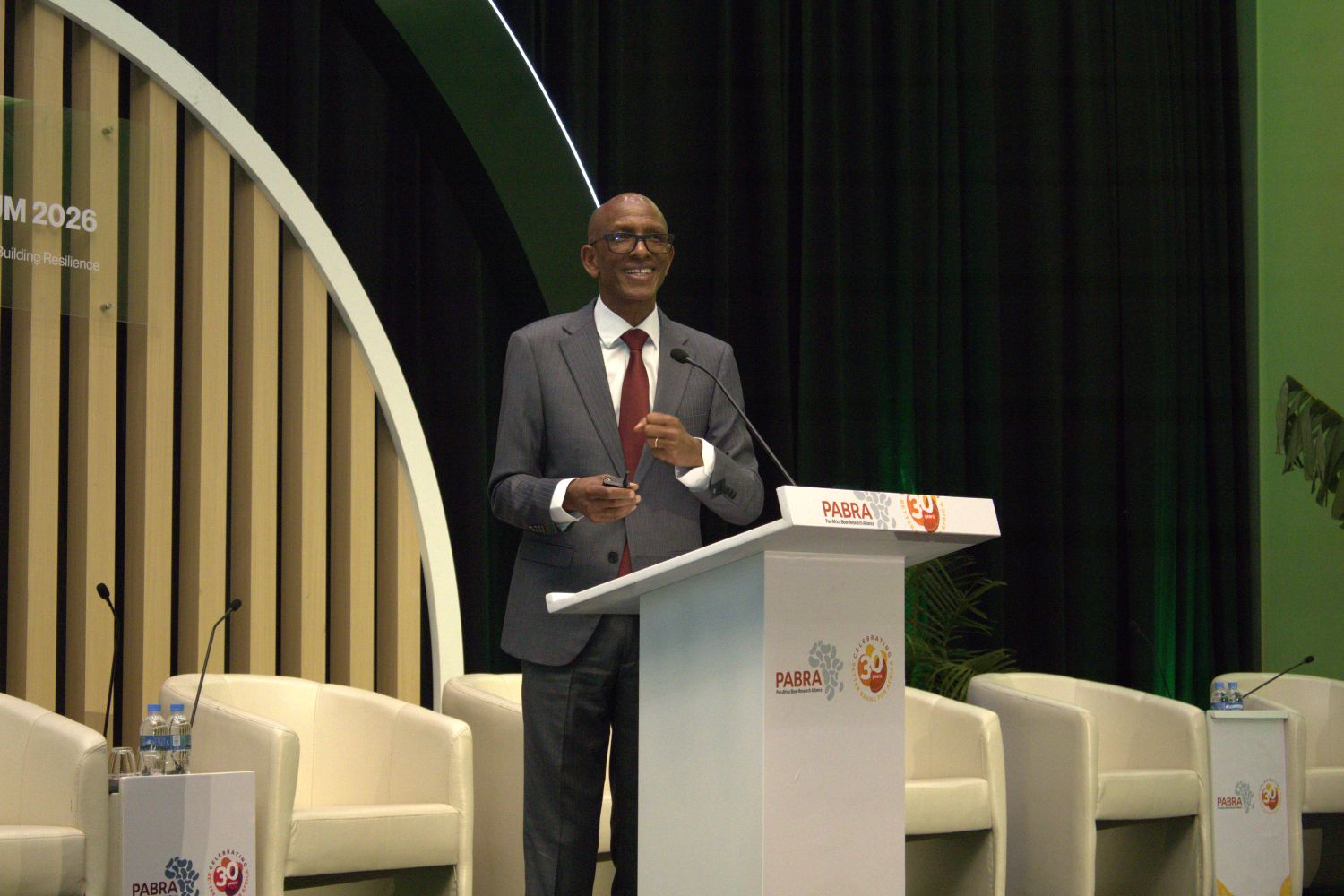
Jean Claude Rubyogo, Director of PABRA and Global Bean Program Leader at the Alliance of Bioversity International and CIAT, told the gathering that around 150 million people in Africa consume beans regularly, and that PABRA's roots stretch back further than its formal 1996 founding, to three regional bean research networks that had already been operating for nearly a decade with support from the Swiss Agency for Development and Cooperation (SDC).
'Why don't we come together?' Rubyogo recalled asking at the time. 'Today we have a strong network of national programmes working as one regional system.'
He said PABRA has released 624 improved bean varieties over the past 30 years, now reaching more than 46 million farmers across the continent, 58 percent of them women.
Juan Lucas Restrepo, Director General of the Alliance of Bioversity International and CIAT, said the alliance's strength lies in bringing together public sector, private sector and farming communities around shared goals.
'It is not about beans per se,' he said. 'It is about the economic opportunities they create, allowing more women to participate in business, opening opportunities for youth, and connecting producers to expanded markets.'
Rwanda's own bean story
Florence Uwamahoro, Director General of the Rwanda Agriculture and Animal Resources Development Board (RAB), said Rwanda has both benefited from and contributed to the wider African bean sector. She cited varieties such as RWR 2245, RWR 3194, RWR 2154 and RWR 1129, bred in Rwanda and shared through PABRA's regional networks for adoption elsewhere. With bean consumption in Rwanda exceeding 100 grams per person per day, she said, 'investment in beans means investing in healthy populations, food security and economic well-being.'
Rubyogo pointed to the same shift from Rwanda's side of the story: climbing beans, which occupied only about 5 percent of Rwanda's bean-growing area in 1985, now account for around 45 percent. Six or seven varieties bred in Rwanda are now grown as far afield as Tanzania, Uganda, Cameroon and Burundi, he said, while a recent study found farmers who adopted the new varieties cut the number of days they went without beans in their meals by about 20 days a month.
Rwandan entrepreneurs described how that research reaches the field. Emma Uwera, founder of I&JJ Harvest Seed Company, said PABRA and RAB's Bean Programme shaped her career from her undergraduate studies onward and helped her grow from supplying seed in eastern Rwanda to marketing nationwide.
'Farmers believe what they see,' she said, describing demonstration plots where 100 to 200 farmers at a time watch new varieties grow from planting to maturity before deciding to buy the seed.
Rose Kabuye, a retired Rwandan lieutenant colonel, grain trader and off-taker who has worked in bean exports since 2020, said the market increasingly rewards varieties that cook quickly and generate higher returns for farmers and traders. She said poor-quality grain still undercuts the market, particularly in school feeding programmes, where nutrition is a key consideration, and called for continued investment in post-harvest handling.
School meals link farms to classrooms
A major theme of the day was the link between bean research and school nutrition. Jean Damascène Nsengiyumva, Director General of School Health and Wellness at Rwanda's Ministry of Education, said the Scale Sustainable School Feeding Innovation Project is being implemented in 509 schools across Karongi, Nyamasheke and Rusizi districts, with the ambition of reaching more than 445,000 schoolchildren, supported by the SDC and implemented by the Alliance of Bioversity International and CIAT with MINEDUC, MINAGRI, RAB and other partners.
'A nutritious school meal begins long before it reaches the plate,' Nsengiyumva said. 'It begins with the soil, the seed, the farmer, the school garden, the knowledge of the teachers and the communities.'
Today, more than 1,000 school staff and 1,000 teachers, including agronomists and community health workers, have been trained under the project in high-iron bean and vegetable production, nutrition, fertilizer application and post-harvest management.
Dr. Olivier Kamana, Permanent Secretary at the Ministry of Agriculture and Animal Resources, said the model aligns with Rwanda's Agricultural Transformation agenda and called for continued investment in biofortified crops, school garden programmes and climate-smart farming. Rubyogo added that governments in Rwanda, Kenya and Tanzania have all prioritised school feeding, with new varieties bred to cut cooking time by around 30 percent, easing pressure on firewood and the time women spend preparing meals.
Markets, jobs and research gains
Eliud Birachi, Project Leader for Markets and Business Development at the Alliance of Bioversity International and CIAT, said PABRA's commodity corridor approach now spans about ten corridors across Eastern, Southern, Central and West Africa, drawing in around 200 enterprises collaborating within the bean system.
Rubyogo added further detail on research outcomes: in Ethiopia, nationally developed varieties have almost tripled yields compared with older ones, while yellow bean varieties popular in East Africa have doubled yields in places. He said the time between a variety's release and its widespread use by farmers has fallen from 10-15 years in the network's early period to roughly three years today. Mobile threshers introduced through PABRA's partnerships with local artisans have reached 152,000 smallholders since 2018 and created close to 6,500 jobs, while bean exports from Ethiopia have grown from about $8 million to more than $100 million a year.
Looking ahead, Rubyogo said climate resilience will remain central to PABRA's work as rising temperatures and shifting rainfall patterns threaten production, and pointed to Africa's rapid urbanization, with cities such as Lagos and Kinshasa expected to reach tens of millions of residents by 2050, as a reason to keep developing affordable, nutritious bean varieties.
The event, themed 'PABRA beyond #30, and beyond Beans,' was organised by CGIAR through the Alliance of Bioversity International and CIAT on behalf of PABRA, a partnership of more than 934 partners across 31 countries. Discussions also touched on extending PABRA's demand-led, corridor-based model to other crops, including groundnuts and sorghum, and on the launch of PABRA's 10-year strategy for 2027-2037.
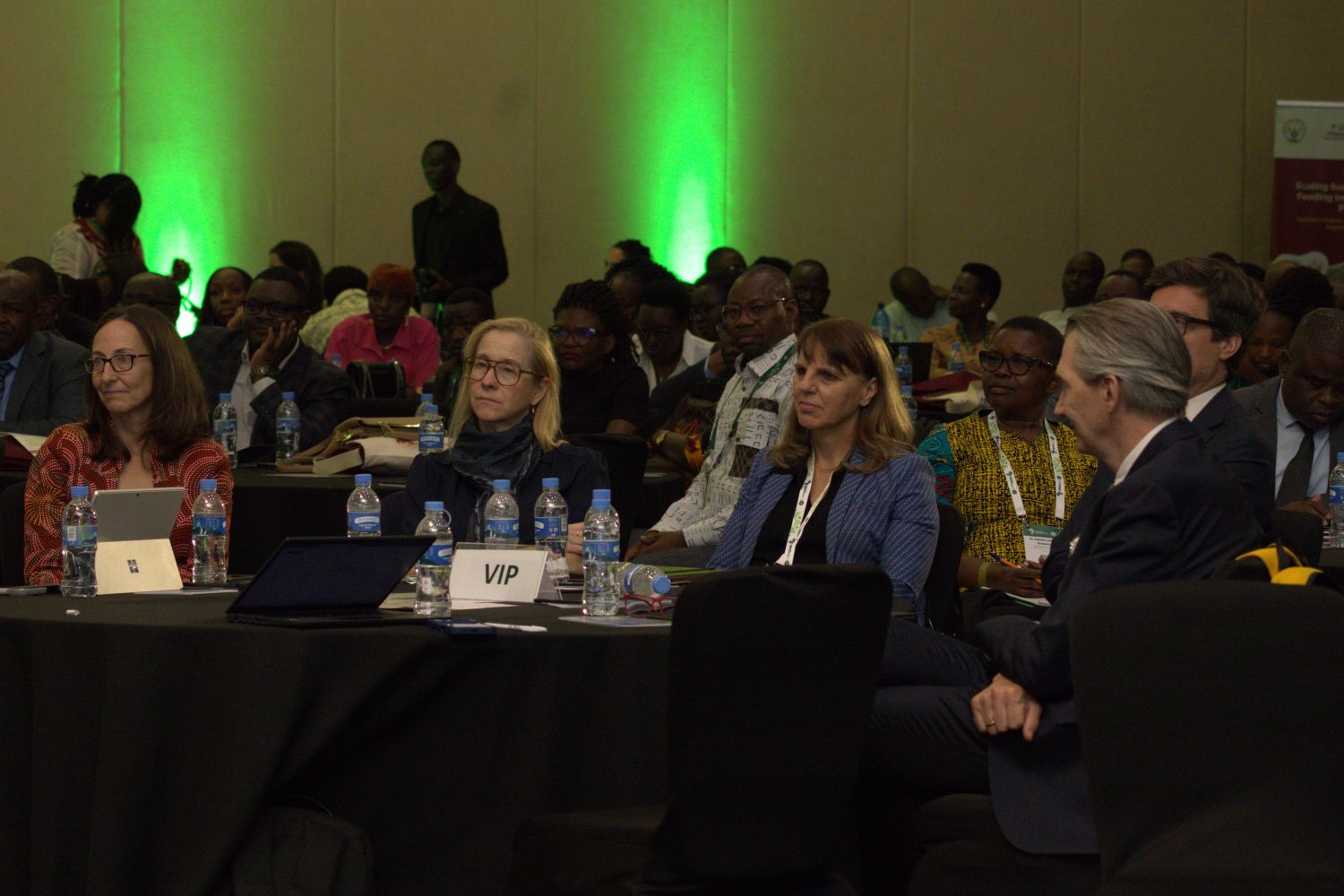
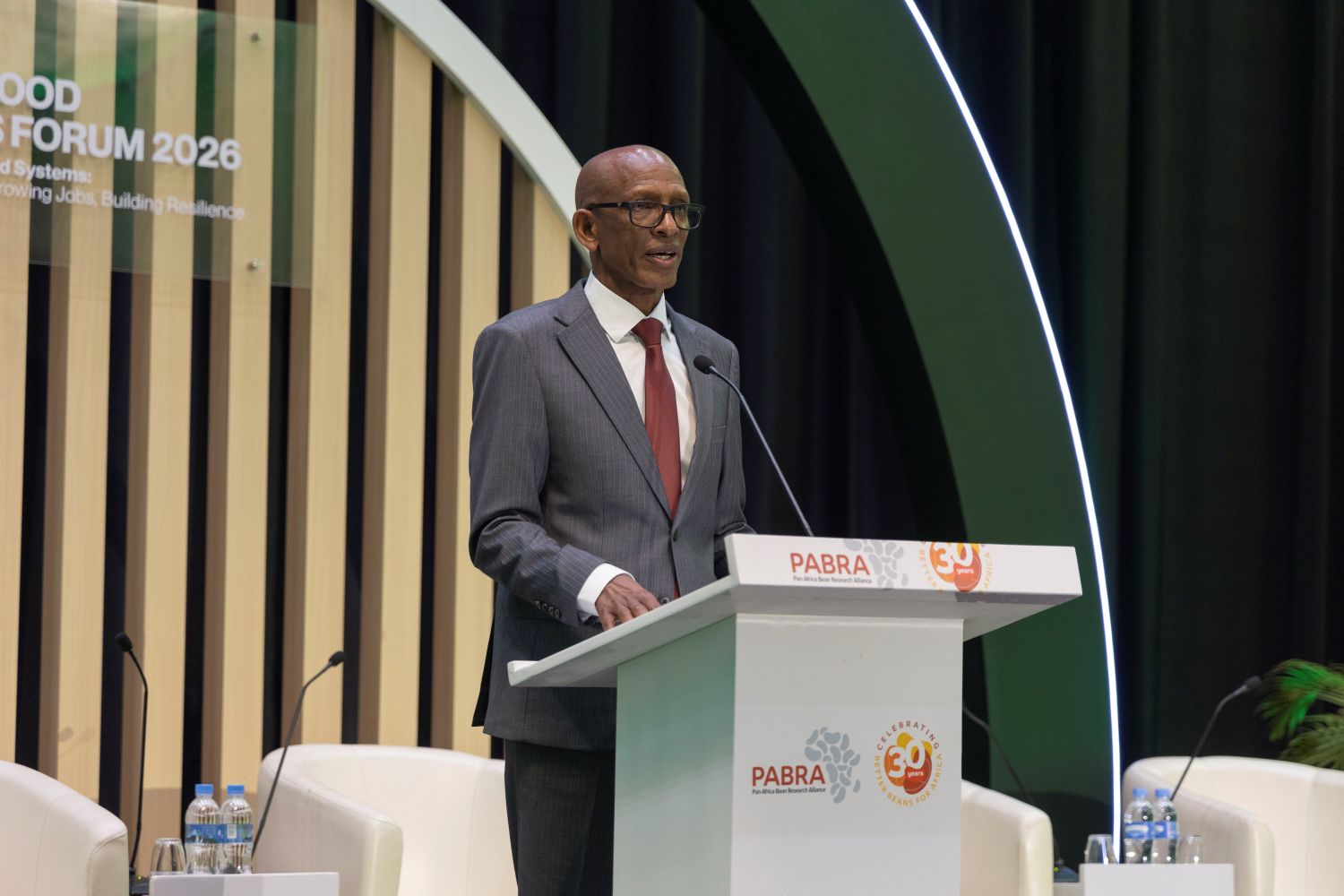
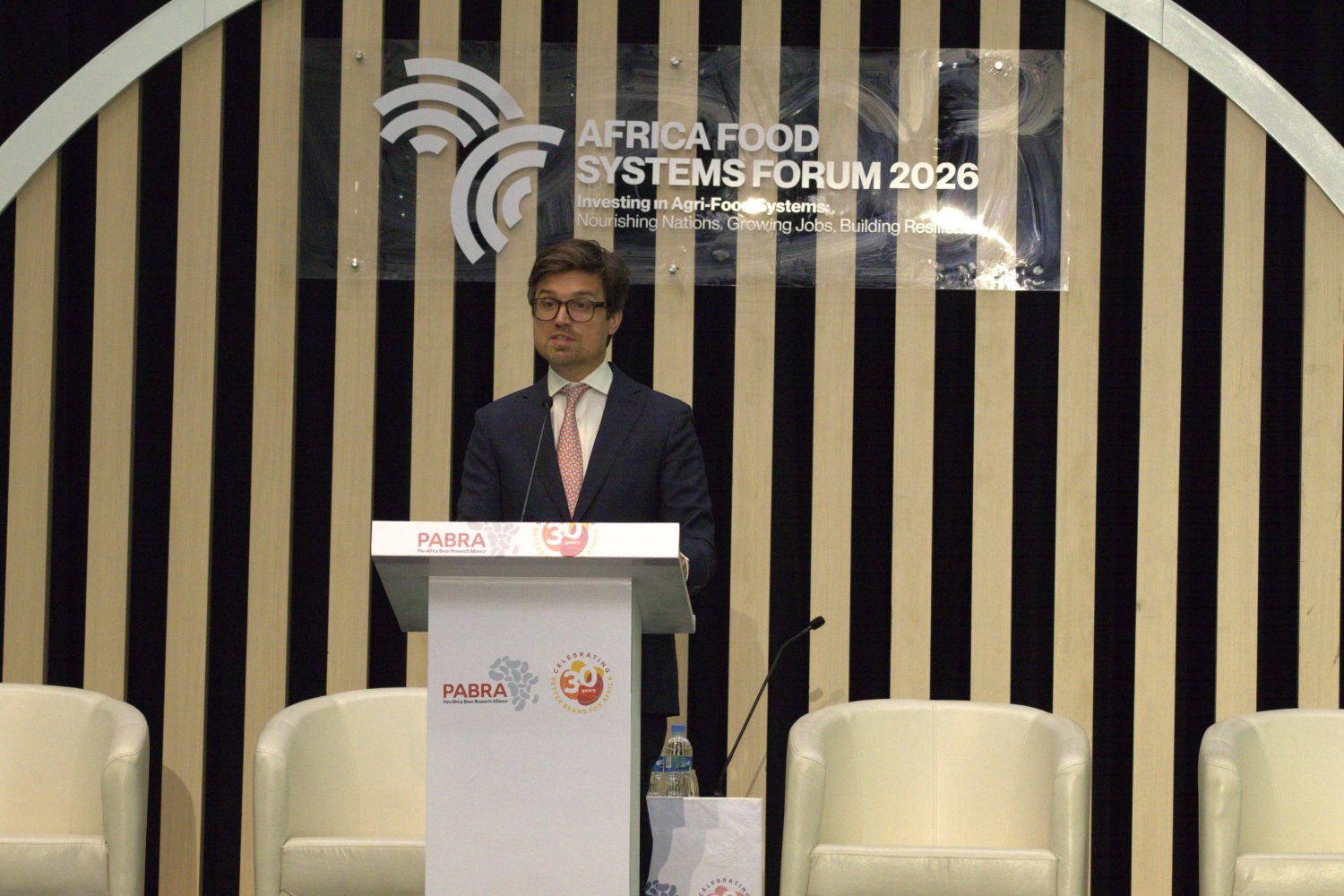
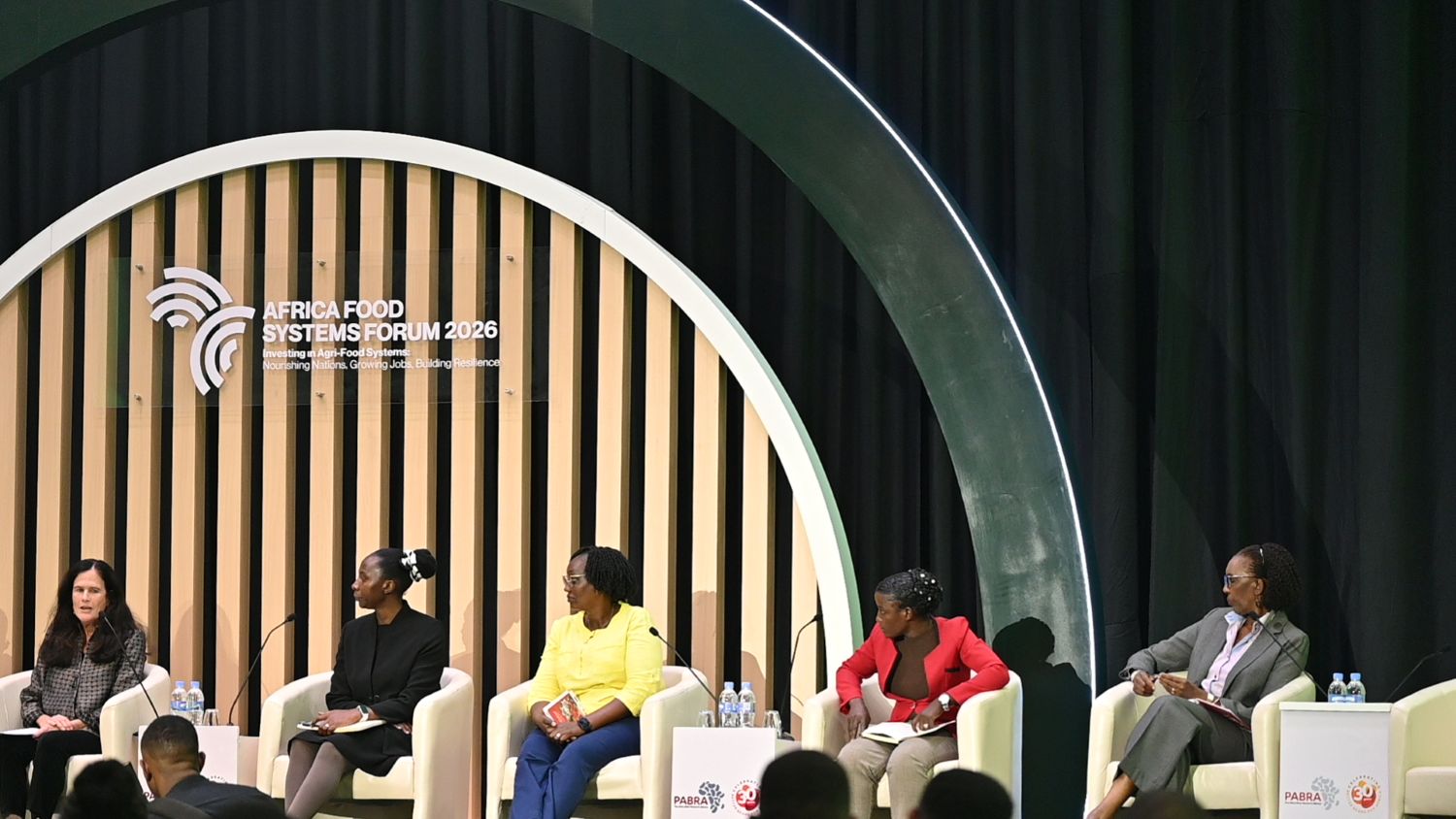
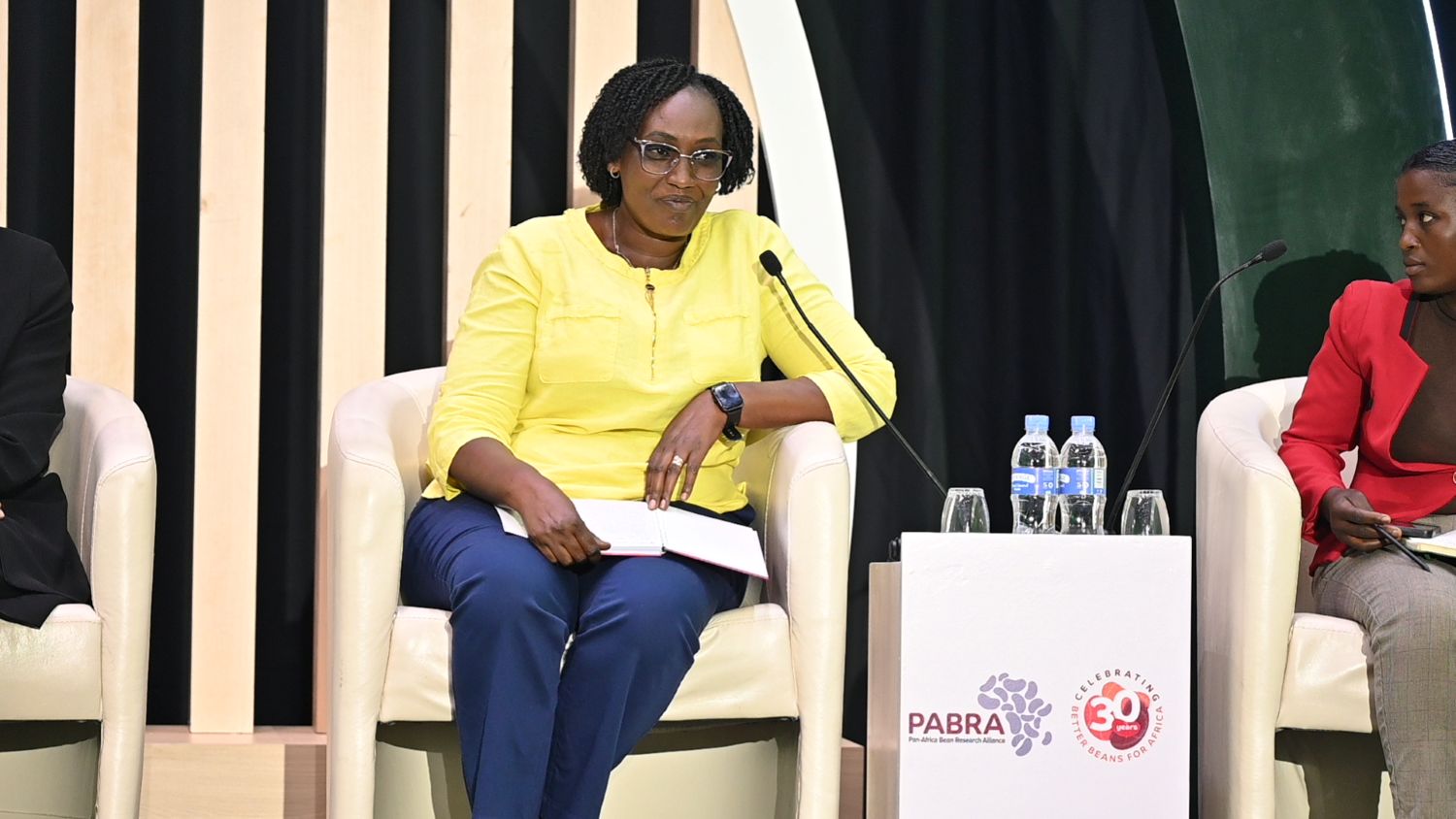
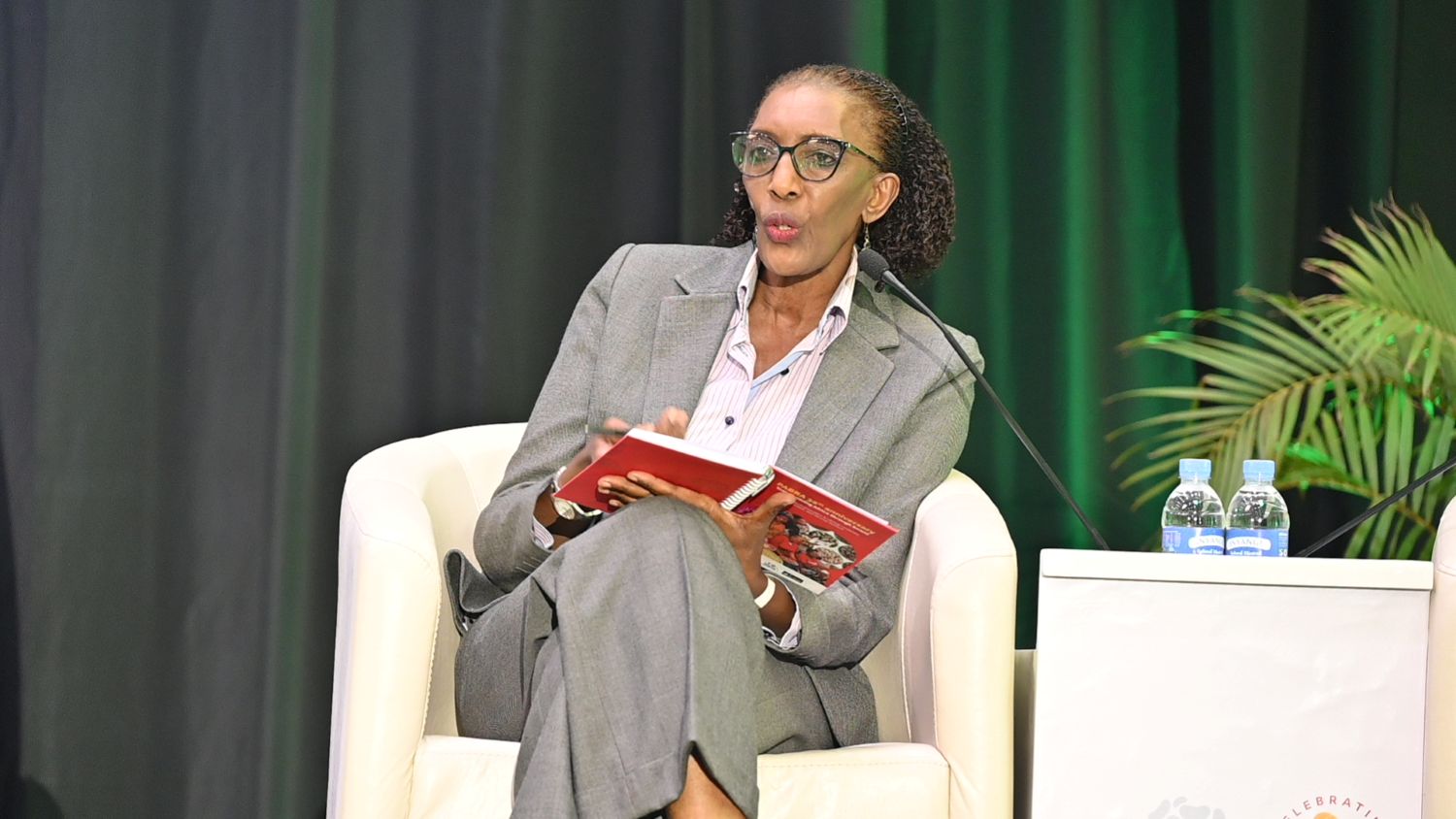
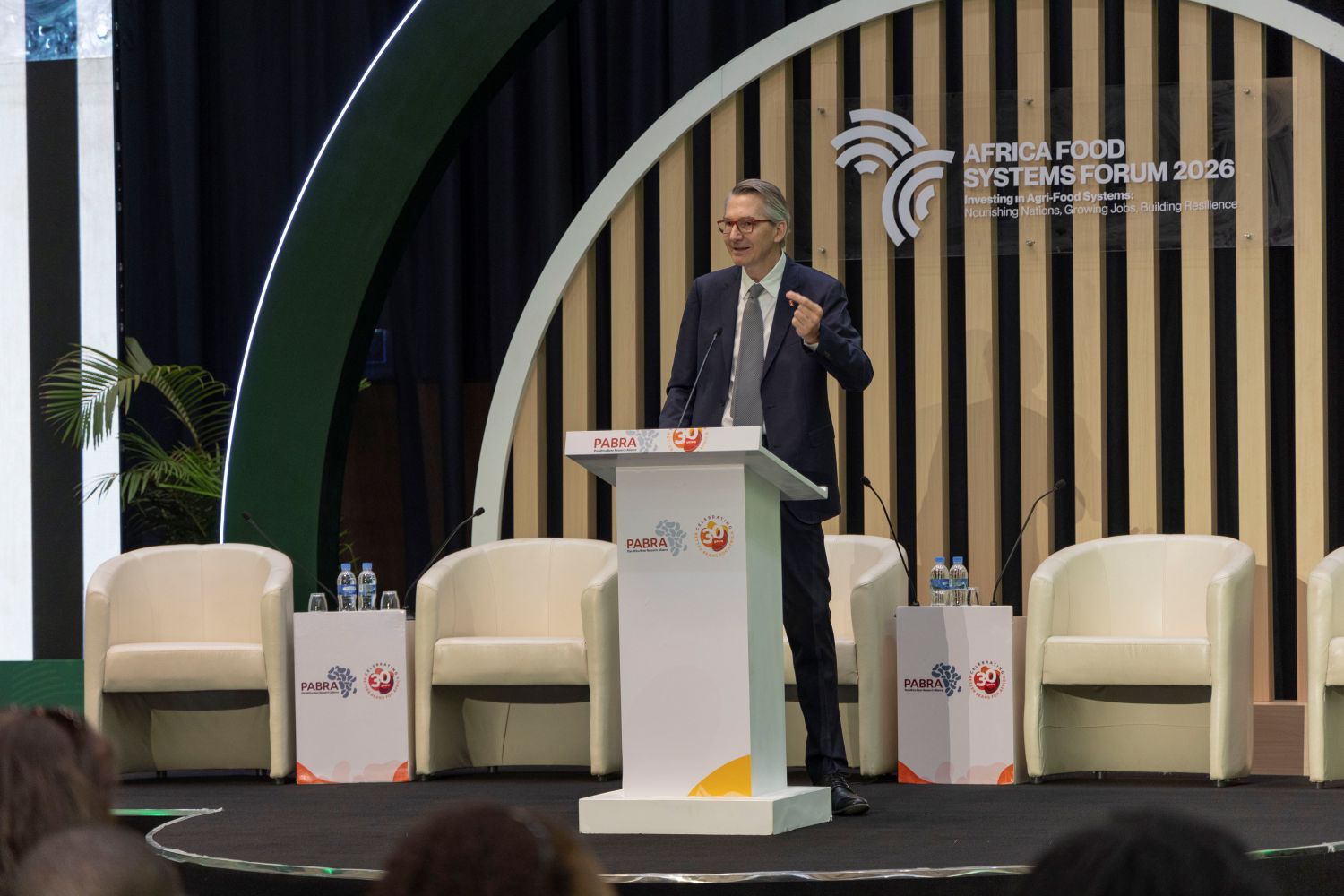
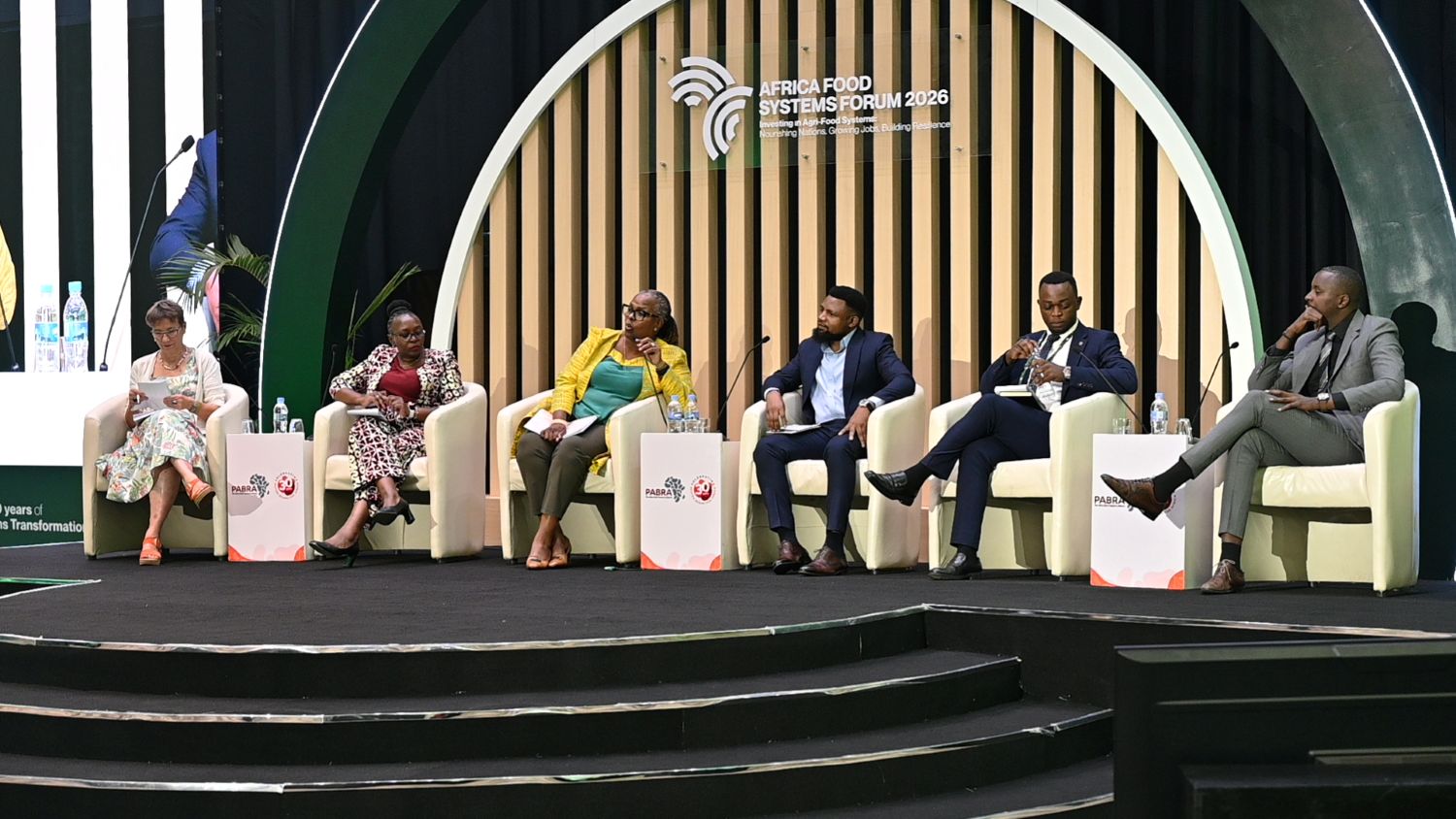
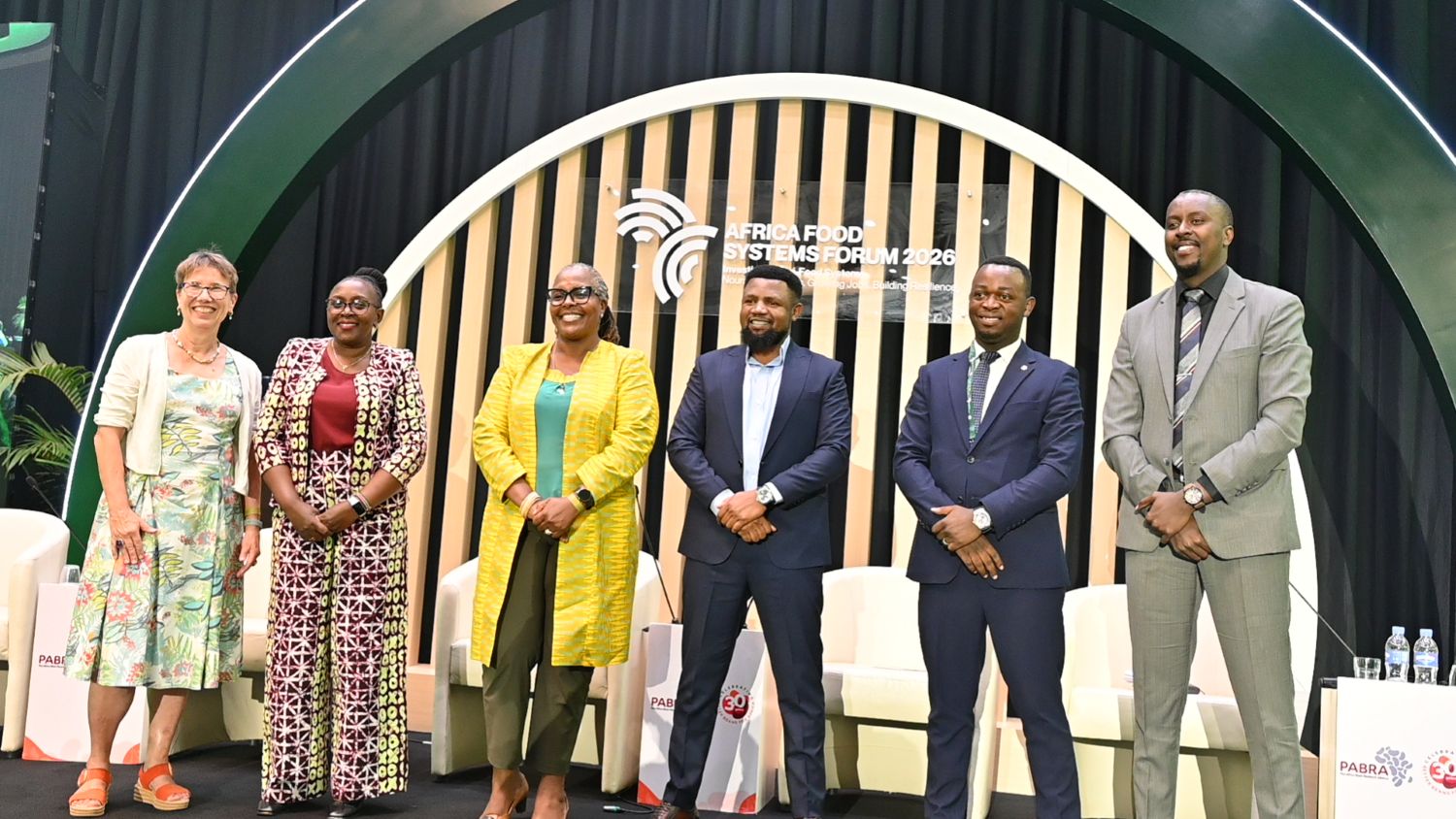
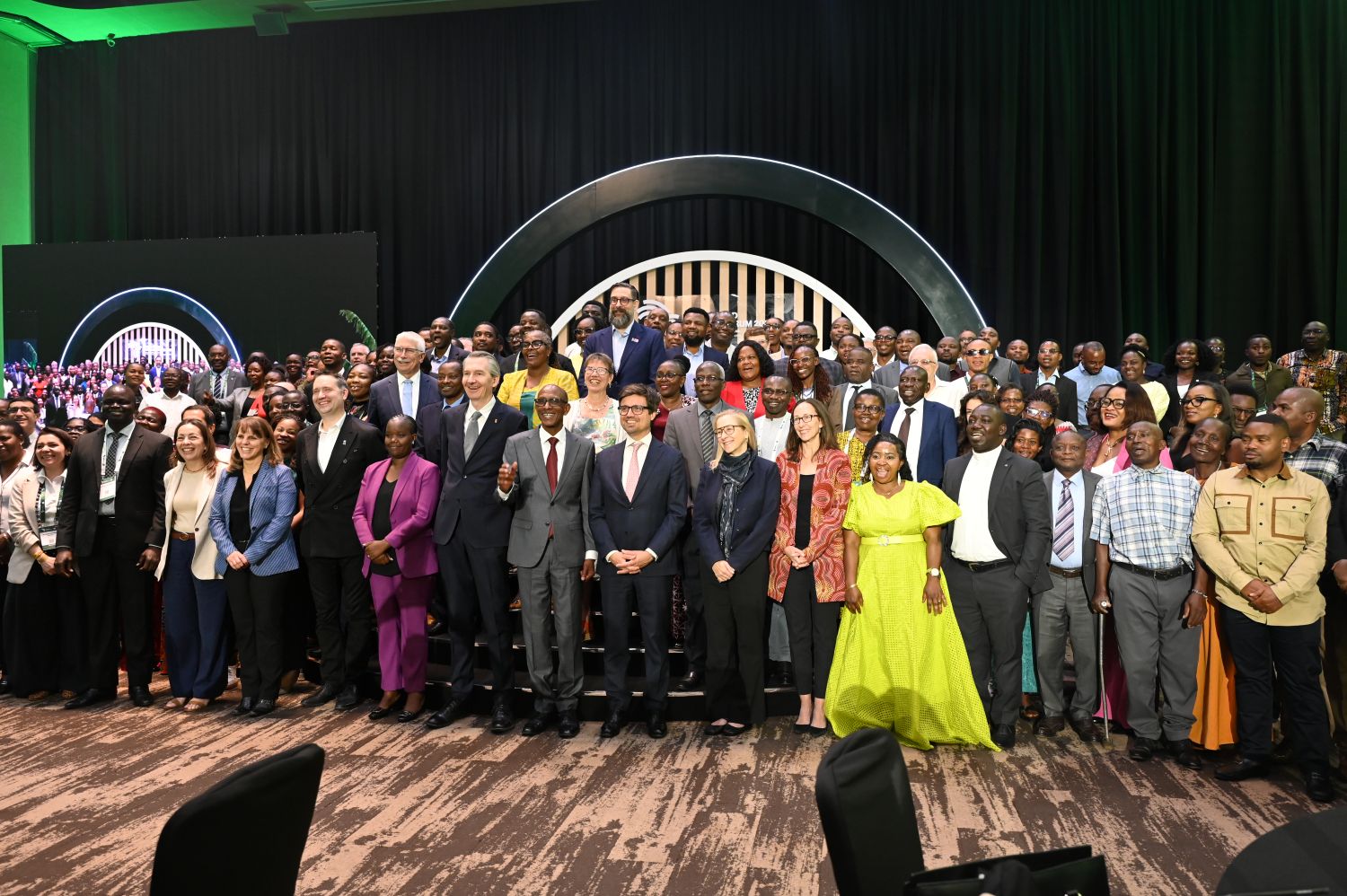
Jean Claude Rubyogo, Director of PABRA and Global Bean Program Leader at the Alliance of Bioversity International and CIAT, speaks during PABRA's 30th anniversary event in Kigali.The event brought together government officials, researchers, farmers, development partners and other stakeholders to mark PABRA's 30th anniversary in Kigali.Rubyogo pointed to the same shift from Rwanda's side of the story: climbing beans, which occupied only about 5 percent of Rwanda's bean-growing area in 1985, now account for around 45 percent.A major theme of the day was the link between bean research and school nutrition. The event featured rich panel discussions.Emma Uwera, founder of I&JJ Harvest Seed Company, said PABRA and RAB's Bean Programme shaped her career from her undergraduate studies onward and helped her grow from supplying seed in eastern Rwanda to marketing nationwide.Rose Kabuye, a retired Rwandan lieutenant colonel, grain trader and off-taker who has worked in bean exports since 2020, said the market increasingly rewards varieties that cook quickly and generate higher returns for farmers and traders.
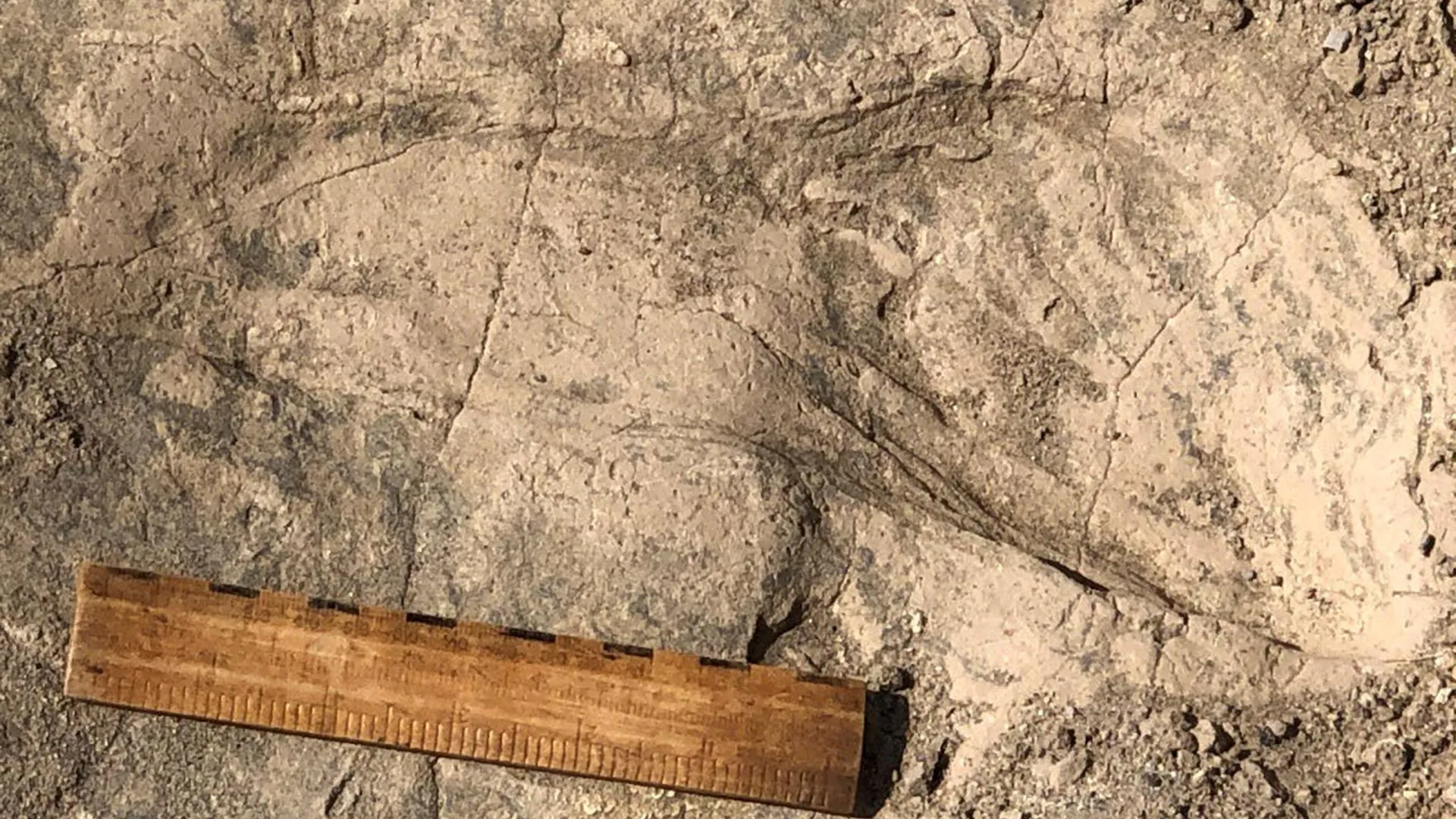
The footprints, preserved near an ancient lakeshore, appear to belong to eight individuals of Paranthropus boisei who may have been travelling together at roughly the same time.
Researchers from the United States and Kenya believe all eight individuals were adults. More importantly, the footprints suggest that some members of the species were much larger than previously estimated.
According to the researchers, the footprints indicate that some Paranthropus boisei individuals may have reached about 1.8 metres in height and weighed around 75 kilograms, giving them body sizes comparable to those of modern humans.
For decades, most fossils of Paranthropus boisei have consisted of skulls, including specimens with large jaws and teeth.
Because remains from other parts of the body are much rarer, scientists have had limited information about the species' overall body size.
The newly discovered footprints are therefore providing important evidence that challenges earlier estimates suggesting that Paranthropus boisei was considerably smaller than Homo erectus, another human relative that lived during the same period.
The footprints also offer clues about the social behaviour of the species. Researchers found that the eight individuals appeared to have travelled together, and most were likely adult males. There was no clear evidence of females or children among the group.
Scientists say this could indicate a more complex social structure than previously understood.
The individuals may have lived in larger groups in which males competed for mates but sometimes travelled together for protection in potentially dangerous environments.
The discovery is part of a larger collection of hominin footprints found around Lake Turkana.
Researchers have documented hundreds of footprints at more than six sites in the region, highlighting the importance of ancient lakeshores to early human relatives.
Scientists believe these environments provided important resources that repeatedly attracted hominins over long periods.
The research demonstrates that fossil footprints can reveal information that bones alone cannot, including body size, movement, group behaviour and the environments in which ancient human relatives lived.
Researchers plan to continue investigating the footprint sites in Kenya, hoping to uncover more evidence about human evolution during the Early Pleistocene.
Ancient 1.4-million-year-old footprints in Kenya are revealing new clues about the size and social behaviour of Paranthropus boisei.
Josey has been cast in the upcoming drama The Burning Valley, a film written and directed by Evan Coury. The movie recently began filming in Pennsylvania.
In the film, Josey will play a character credited as 'Boy,' while his father will play 'Father.' The project marks Josey's first on-screen film role and comes six years after the death of his mother.
The Burning Valley tells the story of a steelworker whose life changes after a local mill announces its closure.
The film explores the impact of industrial decline on a community and follows the character as he reflects on his life and the history of his Rust Belt town.
For Coury, the project also marks his feature-film directorial debut.
Although this will be Josey's first film appearance, it is not his first experience performing. He previously appeared in a 2024 production of Seussical Jr. in West Virginia, where he took part in a children's theatre production.
Josey has been raised by his father since Rivera died in July 2020 at the age of 33. Rivera drowned at California's Lake Piru after taking Josey, who was four years old at the time, on a boating trip. Josey was later found safely aboard the rented boat.
Rivera was best known for playing Santana Lopez on the hit television series Glee, a role she portrayed from 2009 to 2015. She also appeared in shows including The Royal Family, Devious Maids and Step Up: High Water.
Ryan Dorsey has continued to raise Josey while keeping his late former wife's memory alive. Dorsey has previously spoken about his son's creativity and interest in different activities, including music and performing.
Josey's first film role represents another step into the entertainment industry for a child whose parents both built careers as actors. His appearance alongside his father also makes The Burning Valley a notable father-son project.
The film is currently in production, with further details about its release yet to be announced.
Naya Rivera's son Josey Hollis Dorsey is set to make his film debut alongside his father, Ryan Dorsey, in The Burning Valley.