Rwanda's Minister of Foreign Affairs and International Cooperation has laid out three steps that could put an end to the security crisis in neighbouring DR Congo.
Olivier Nduhungirehe elaborated on these steps during the fifth ministerial meeting on the peace and security eastern DR Congo attended by his counterparts Therese Kayikwamba Wagner of DR Congo and Tete Antonio of Angola, in the Angolan capital Luanda on October 12.
Nduhungirehe reiterated that the conflict, which has caused a diplomatic rift between Rwanda and DR Congo would be solved if the latter took 'ownership of this crisis' instead of blaming Rwanda for it.
A coalition of the Congolese armed forces (FARDC) has been fighting the M23 rebels in North Kivu since November 2021. The FARDC coalition has since grown to include forces from Burundi, the Southern African Development Community (SADC) and militias such as the genocidal FDLR and local groups known as Wazalendo.
'Actually, the solution to this crisis in Eastern DRC is not that complicated when you look at it. We need political will, just political will on the side of DRC,' the minister said.
First, Nduhungirehe said the Congolese government needs to 'take ownership of this crisis, stop scapegoating Rwanda in all official visits and international conferences, and find a lasting solution to the conflict.'
'This should be done through a direct political dialogue with the M23, addressing the root causes of the crisis, which include hate speech, historical marginalization, discrimination and persecution of the Congolese Tutsi,' Nduhungirehe said.
Second, he noted that the Congolese government should 'neutralize, in good faith, the FDLR génocidaires, who not only are embedded in the Congolese army, but are also spreading genocide ideology within the FARDC coalition and in the whole region.'
The FDLR, which was founded by perpetrators of the 1994 Genocide against the Tutsi, has launched attacks on Rwanda for more than two decades. Its links with the Congolese military and political leaders have on various occasions pointed out by the Rwandan government and United Nations.
For Nduhungirehe, the third step to end the conflict in eastern DR Congo should be the disengagement of the Burundian troops and the SADC mission (SAMIDRC).
'The African countries that provided troops to fight alongside the FARDC/FDLR coalition (Burundi and SAMIDRC contingents), as well as the European mercenaries, which were deployed in violation of the international law, [should] think twice about their presence in eastern DRC, which is fueling an already tense situation,' the Rwandan minister said.
'Should the DRC have the political will to take those important steps, this would significantly contribute to the resolution of the long-standing conflict in eastern DRC,' Nduhungirehe said, adding that 'Rwanda is willing to support this process.'
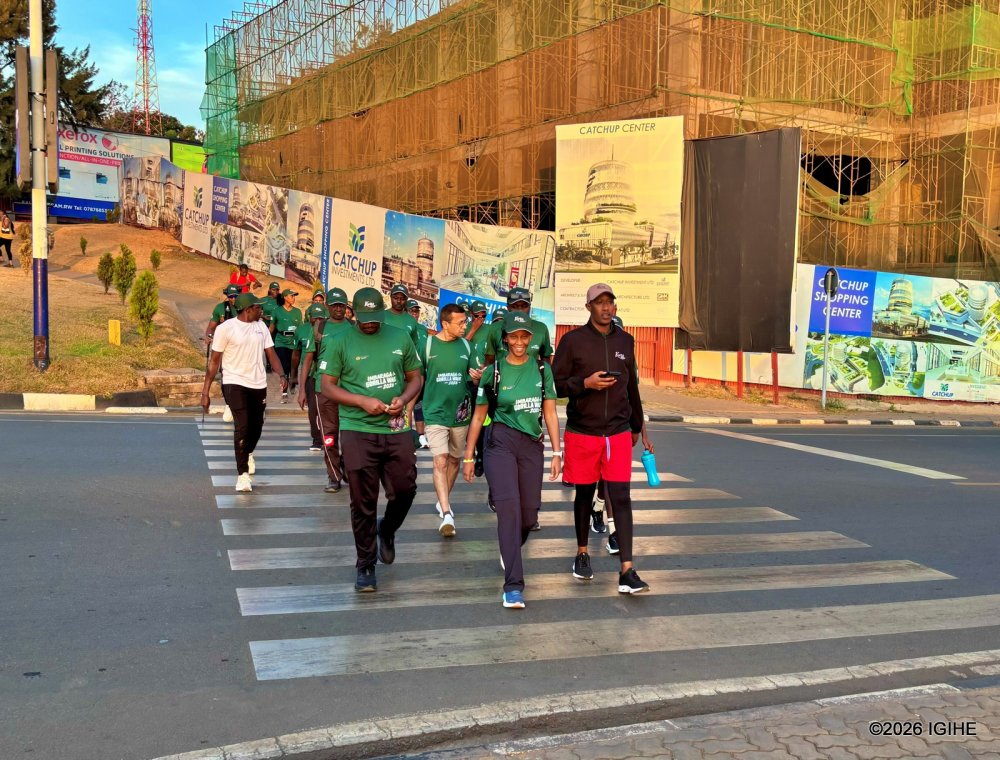
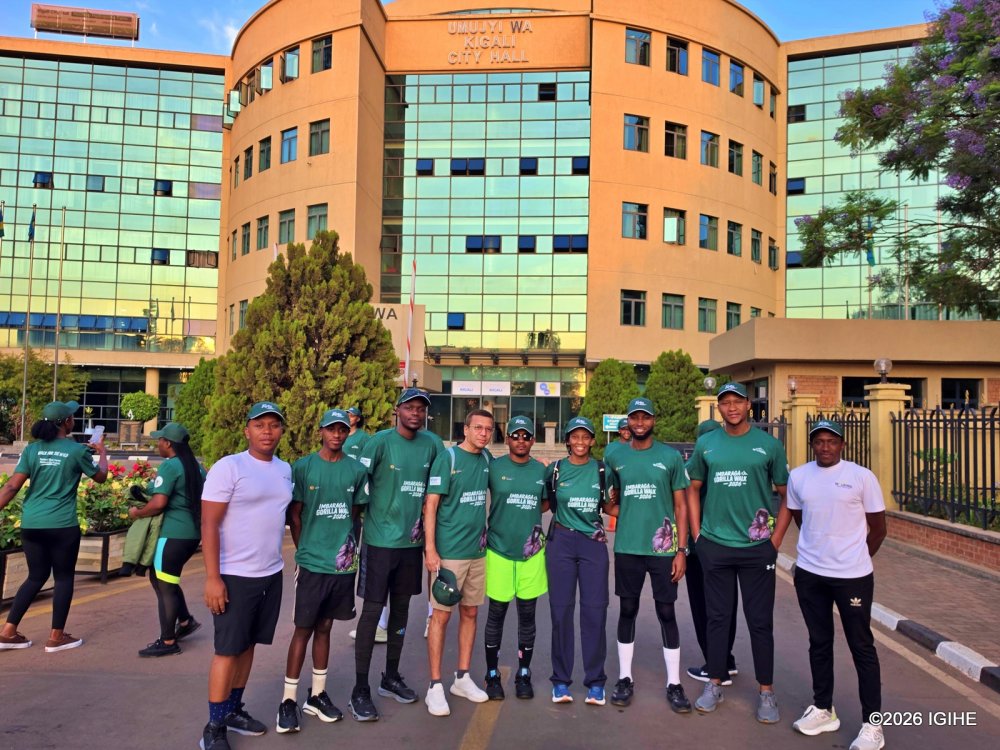
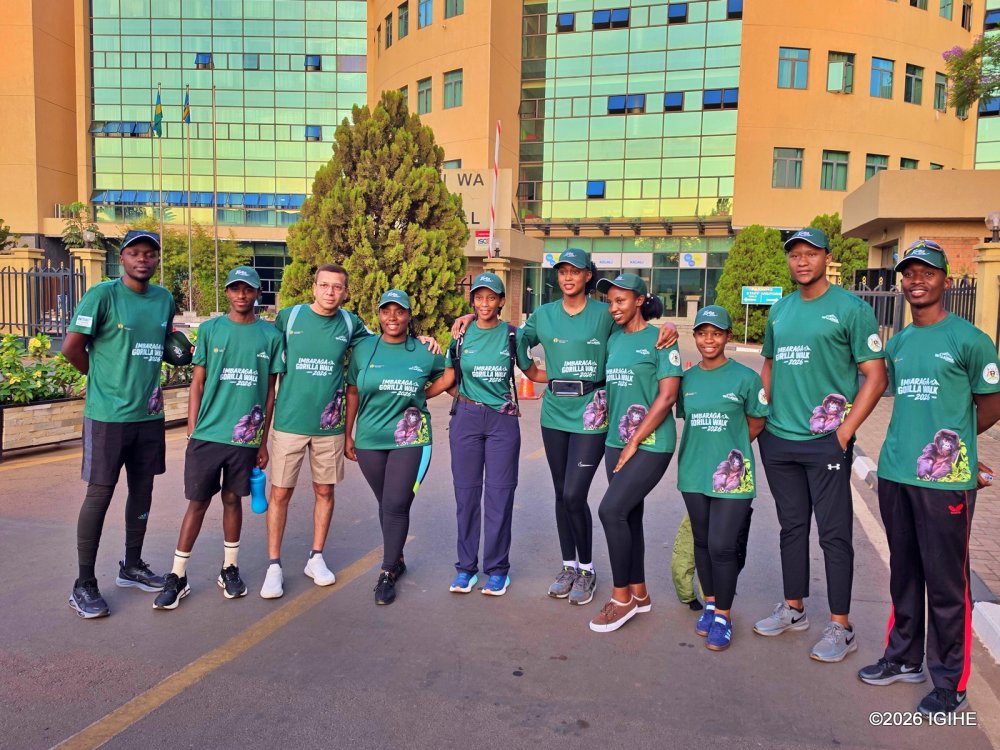
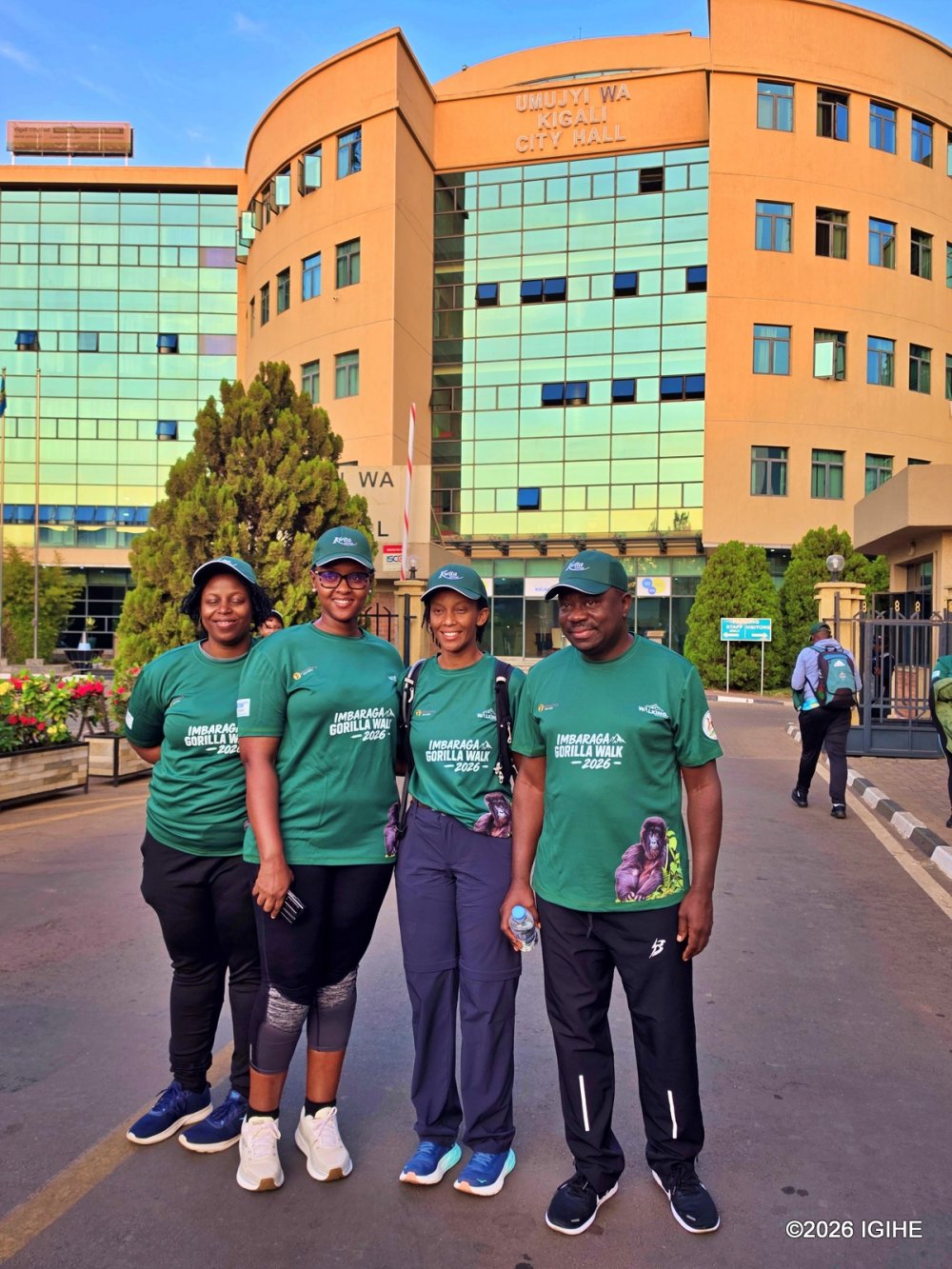
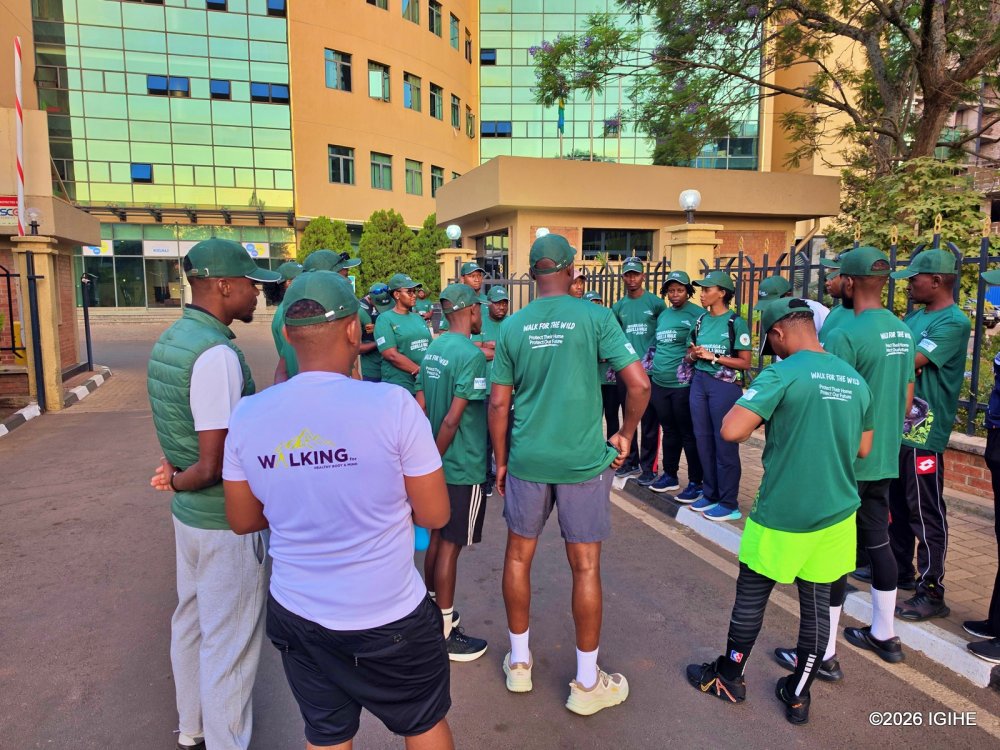
The group gathered at the Kigali City offices before beginning the journey to Musanze, where they are expected to arrive on September 3. On September 4, they will travel to Kinigi to attend Kwita Izina.
Speaking to IGIHE before their departure, Bazongere said the group would spend the first night at Nyirangarama before continuing to Musanze the following day.
'We will spend two days on the journey. Today, we will spend the night at Nyirangarama, and tomorrow, September 3, 2026, we will spend the night in Musanze,' she said.
Bazongere organised the journey, dubbed 'Imbaraga Gorilla Walk'. She is passionate about sports and has previously organised various walking journeys to raise awareness about different causes.
She said the initiative is intended to use the journey as a way to promote environmental conservation and encourage people to take part in protecting Rwanda's natural heritage.
'The goal is not simply to walk, but to use our journey as a way to promote healthy living, promote tourism in Rwanda and encourage people to play a role in conserving our natural heritage,' Bazongere said.
Bazongere said 'Imbaraga Gorilla Walk 2026' brings together sport, wellbeing, tourism and environmental conservation, while also promoting efforts to protect mountain gorillas and other wildlife.
The walk comes as Rwanda prepares to host the 2026 Kwita Izina ceremony in Kinigi on September 4, an annual event that celebrates the conservation of mountain gorillas and brings together local and international conservationists, tourists, officials and other stakeholders.
Members of the Imbaraga Gorilla Walk group begin their journey from Kigali to Musanze on September 2, 2026.Bazongere Rosine and other participants set off from Kigali as part of the Imbaraga Gorilla Walk 2026.More than 20 participants gather at the Kigali City offices before setting off on foot for Musanze.The group will walk along the Kigali-Musanze route during a two-day journey linked to Kwita Izina.Participants in the Imbaraga Gorilla Walk 2026 use the journey to promote healthy living, tourism and environmental conservation.
The discussions focused on the role of capital markets in mobilising long-term capital, attracting domestic and international investment, and broadening financing options for enterprises. They also considered the importance of deeper and more competitive capital markets in supporting private-sector growth and Rwanda's wider economic priorities.
Chairperson Holtzman expressed his appreciation to President Kagame for his leadership and continued support for the development of Rwanda's capital markets.
Chairperson Holtzman noted 'Thank you, Your Excellency President Kagame for your visionary and inspirational leadership. Every day you motivate us to work harder and do better for our great country. Thank you for the opportunity to serve and to try to make a difference.'
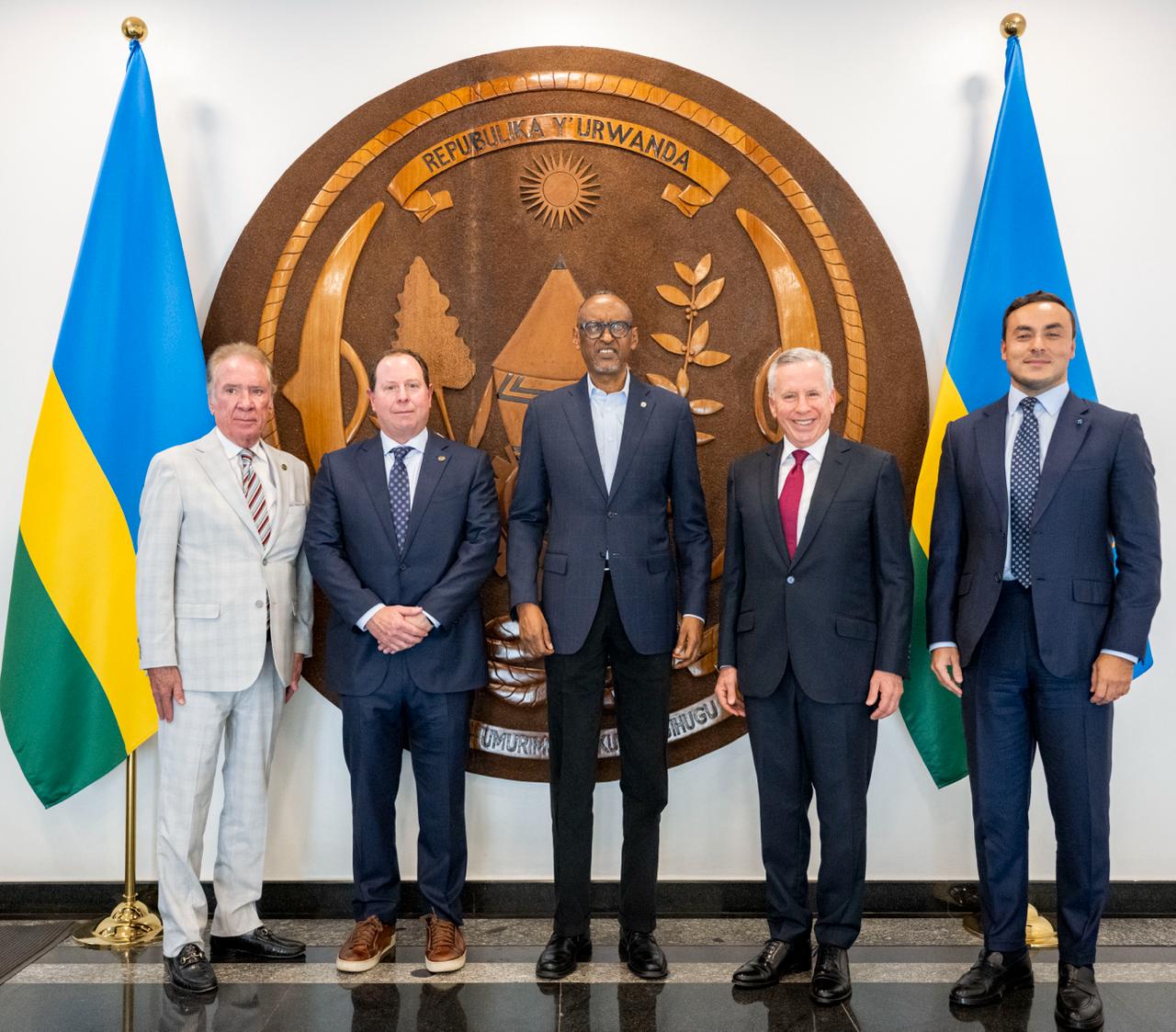
He was joined by Blair Richardson, founder of Denver-based Bow River Capital, a US$7.5 billion private equity fund; Dan Green, CEO of JA Green Development, the largest operator of a logistics hub at America's third-largest airport in Denver; and Korab Toplica, CEO of Mabetex Africa, a US$8 billion Swiss-based construction and development company.
Chairperson Holtzman also commended President Kagame for his support for Rwanda's capital market development and the broader reform agenda that has strengthened the country's investment environment.
He noted the importance of a sound policy and regulatory framework in attracting capital, widening access to finance and positioning the capital markets as a key source of long-term funding for Rwanda's economy.
CMA's Chairperson Marc Holtzman has met President Kagame on Rwanda's Capital Markets Development
Ndikuriyo had planned to travel to Kigali with Aigle Noir FC for its CAF Champions League qualifying match against Sudan's Al-Hilal.
He revealed his plans to journalists on August 22, 2026, while discussing CNDD-FDD activities.
'Do you think I am afraid of Kigali? After all, I am an officer! Do you think there is an everlasting fire? The only thing is that I do not know how my work schedule will be because we plan things day by day. So, if the Eagles [Aigle] were going to Kigali to play football, would I miss going there to enjoy myself? Only work would prevent me from going there,' Ndikuriyo said.
Sources familiar with the matter said Ndikuriyo's planned four-day visit raised concerns for President Évariste Ndayishimiye amid strained relations between Burundi and Rwanda.
According to the sources, Ndayishimiye questioned the CNDD-FDD Secretary General about why it was necessary for him to accompany his team to Rwanda and instructed him not to travel to Kigali.
Although the trip was presented as an effort to support Aigle Noir FC, analysts say Ndikuriyo's political influence in Burundi made the planned visit more significant than an ordinary football trip.
Some CNDD-FDD members and opposition figures describe Ndikuriyo as one of the party's influential figures with the political weight to challenge Ndayishimiye.
He is also said to have a strong following at the grassroots level of the ruling party, making his movements and activities a subject of close attention from the country's top leadership.
Against this background, his planned stay in Kigali for several days was viewed by some as having political implications beyond football.
Burundi-Rwanda relations remain strained
The reported disagreement comes as relations between Burundi and Rwanda remain tense. Burundi closed its land borders with Rwanda after accusing Kigali of supporting the RED-Tabara rebel group, which opposes the government in Gitega. Rwanda has denied the allegations.
The strained relations have affected movement between the two countries, cross-border trade and other activities involving their citizens.
Analysts say the prospect of a senior CNDD-FDD official spending several days in Kigali may have been viewed through a political lens rather than as a routine sporting trip.
The episode also highlights how tensions between Burundi and Rwanda can extend beyond politics into areas such as sport and business.
In 2024, Burundi's Dynamo BBC refused to wear jerseys bearing the 'Visit Rwanda' logo after the country's basketball federation, FEBABU, instructed the team not to display the sponsor's branding amid worsening relations between the two countries.
Dynamo BBC was taking part in the Basketball Africa League (BAL) at the time. The team was forfeited after refusing to play in the sponsor-branded jerseys and was subsequently eliminated from the competition.
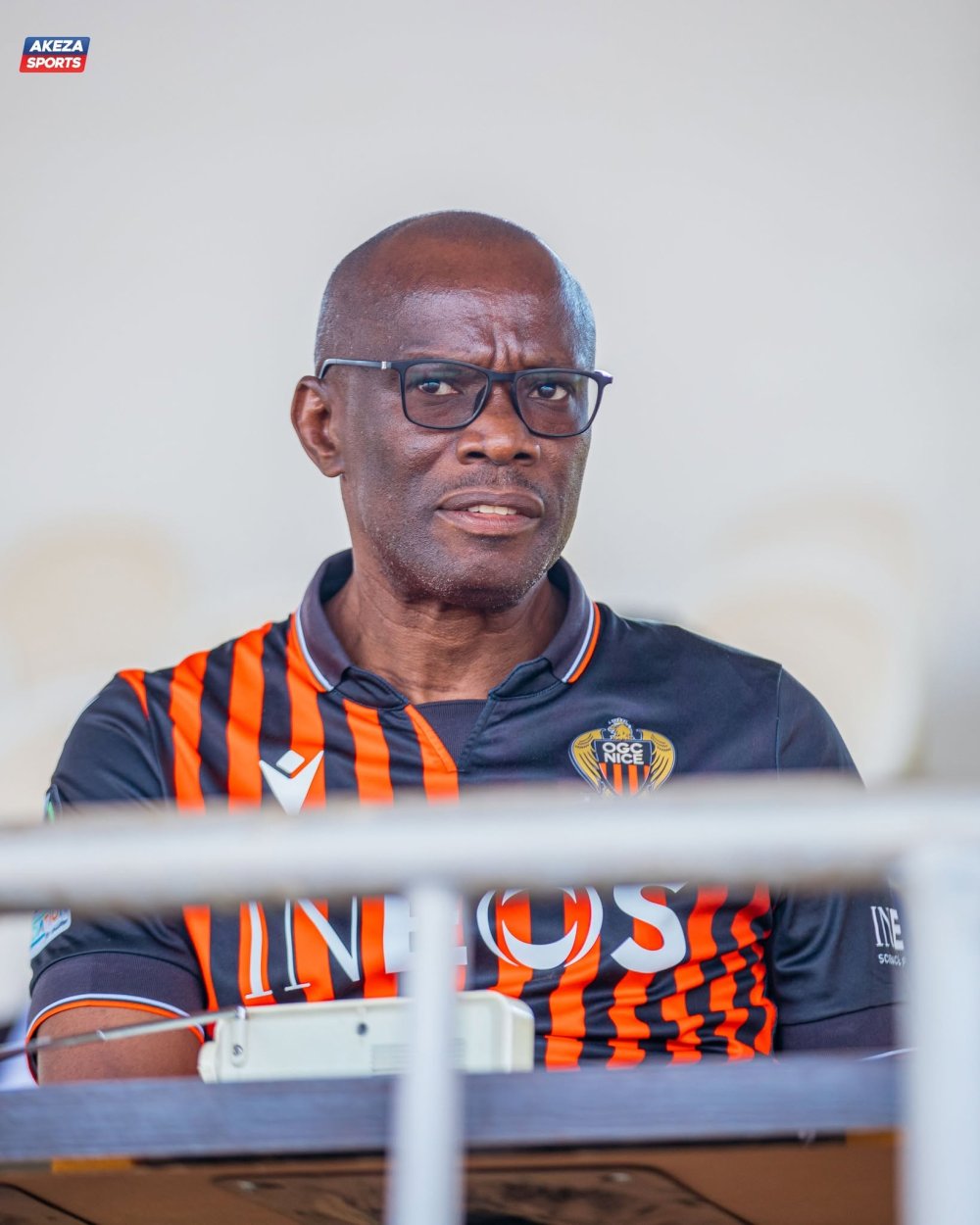
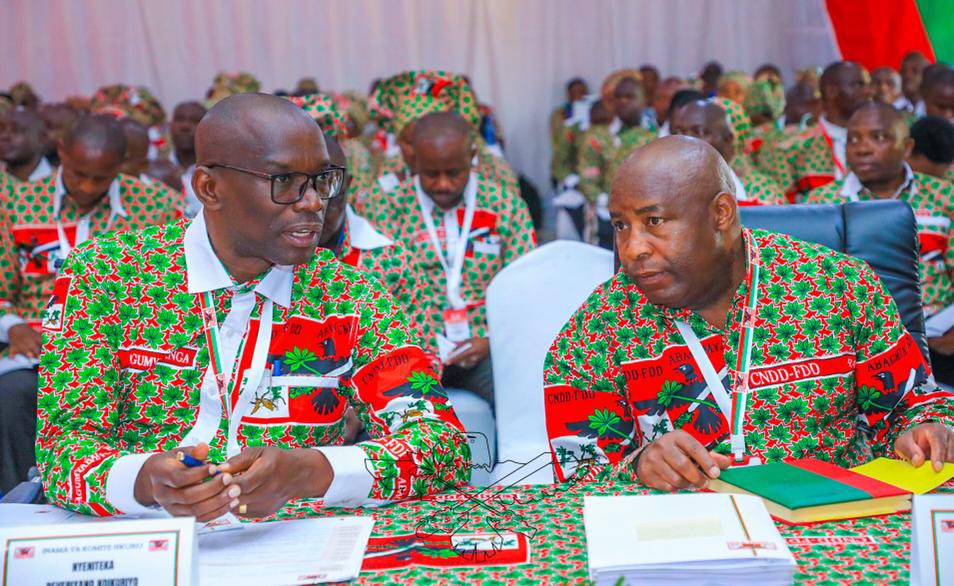
Révérien Ndikuriyo is the president of Aigle Noir FC and Secretary General of Burundi's ruling CNDD-FDD party.Aigle Noir FC president and Secretary General of the ruling CNDD-FDD party Révérien Ndikuriyo (left) with Burundian President Ndayishimiye during a past public engagement in Burundi.
A report by the AfricaNenda Foundation, an organisation that promotes instant payment systems across Africa, shows that the continent currently has 36 IPS platforms operating in 31 African countries.
The report indicates that total transaction volumes increased by an average annual growth rate of 35%, reaching over 64 billion transactions in 2024. Total transaction values increased by an average annual rate of 26% from $775.5 billion in 2020 to $1.98 trillion in 2024.
The rise of digital payments in Africa
Instant Payment Systems (IPS) are among the innovations introduced across Africa to make financial services easier and more accessible. Previously, making payments, depositing money, or withdrawing cash often required physical visits to banks or financial institutions.
This process was time-consuming and inconvenient. However, as technology advanced, financial institutions introduced various digital solutions for transferring money.
This led to the growth Mobile Money services, Mobile banking applications, USSD-based financial services, all of which have made it easier for people to send and receive money.
However, while these solutions reduced the need for frequent trips to financial institutions, they also created another challenge: the emergence of multiple payment systems operated separately by different financial institutions.
To address this challenge, banks, telecommunications companies, and other financial service providers began working together to enable interoperability, allowing customers to transfer money between different banks and mobile money platforms.
The Deputy Chief Executive Officer of AfricaNenda Foundation, Sabine F. Mensah, said Africa's digital payment sector has reached an encouraging stage of development.
'Between 2024 and 2025, five new IPSs came live, which is the highest number of IPS in a given year since we've started tracking the ecosystem with the first SIPS 2022 report,' she said.
However, Mensah noted that challenges remain, with more than 400 million Africans still relying on traditional methods of transferring and payment methods.
She explained that this is mainly because some countries have not yet introduced modern payment systems, while in countries where such systems exist, many are still not fully interconnected.
'The inclusivity and interoperability journey remains a challenge. Although we already have 50% of the systems that are cross-domain, 18 out of 36, it also means that there are still 18 more that are not,' she said
'That is the reason why we are focused on driving inclusivity of this instant payment system and working with the different countries and IPSs to ensure that inclusivity is top of mind and is being developed across here in time to meet the needs of consumers and ensure that all have access to financial services through instant payment systems,' she added
Rwanda has addressed the interoperability challenge
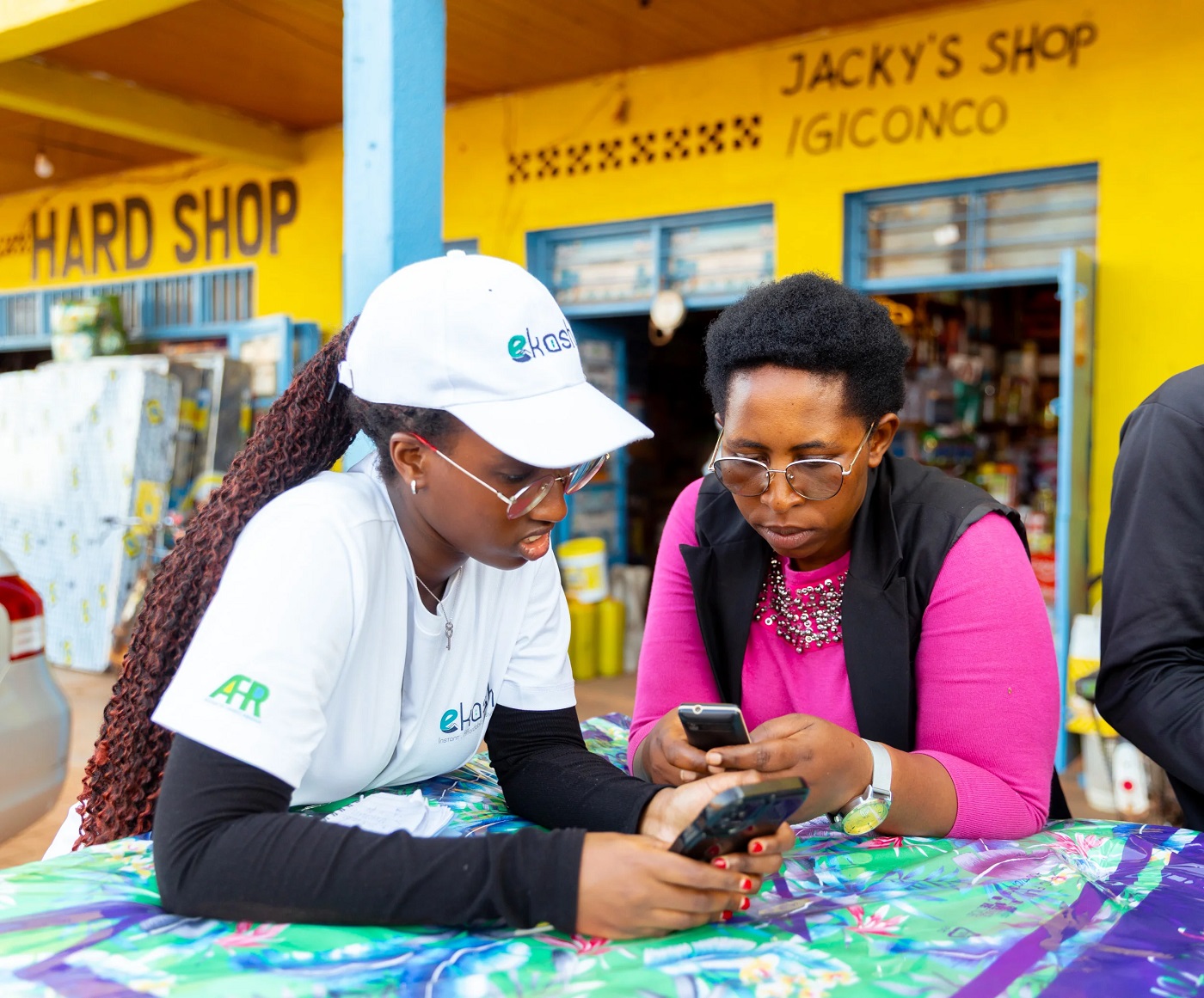
On July 14, 2026, Rwanda rolled out eKash, a new fast and fully interoperable payment system.
eKash is a digital payment platform that connects different financial institutions, allowing customers to send and receive money and make payments between licensed financial service providers.
The system aims to make digital payments more accessible, secure, affordable, and available to everyone.
The platform has gained significant adoption. By August 6, 2026, eKash had processed more than 10.5 million transactions, with the total value exceeding Rwf 960 billion.
The number of users making payments between different financial institutions increased by 166%.
Digital payments are reducing costs and boosting economic activity
Economic analyst Teddy Kaberuka said increased adoption of digital payment services helps countries reduce the costs associated with producing and managing physical money.
'Using cash has a high cost because producing banknotes and coins is expensive. In some cases, producing money can cost up to 20% of its value. However, with digital payments, such costs are significantly reduced because fewer physical notes and coins are needed,' he said.
He added that digital payments also increase the movement of money within the economy.
'Another advantage of instant payment systems is that they increase liquidity flow. Money moves faster, economic activities continue without interruption, and more transactions can happen within a shorter period,' he explained.
Kaberuka, however, stressed that protecting users' financial information and educating citizens about fraud prevention remain key priorities as digital payments continue to grow.
The FinScope 2024 survey showed that 96% of Rwandans have access to financial services.
Rwanda's national digital payment system, eKash, aims to make digital payments more accessible, secure, affordable, and available to everyone.
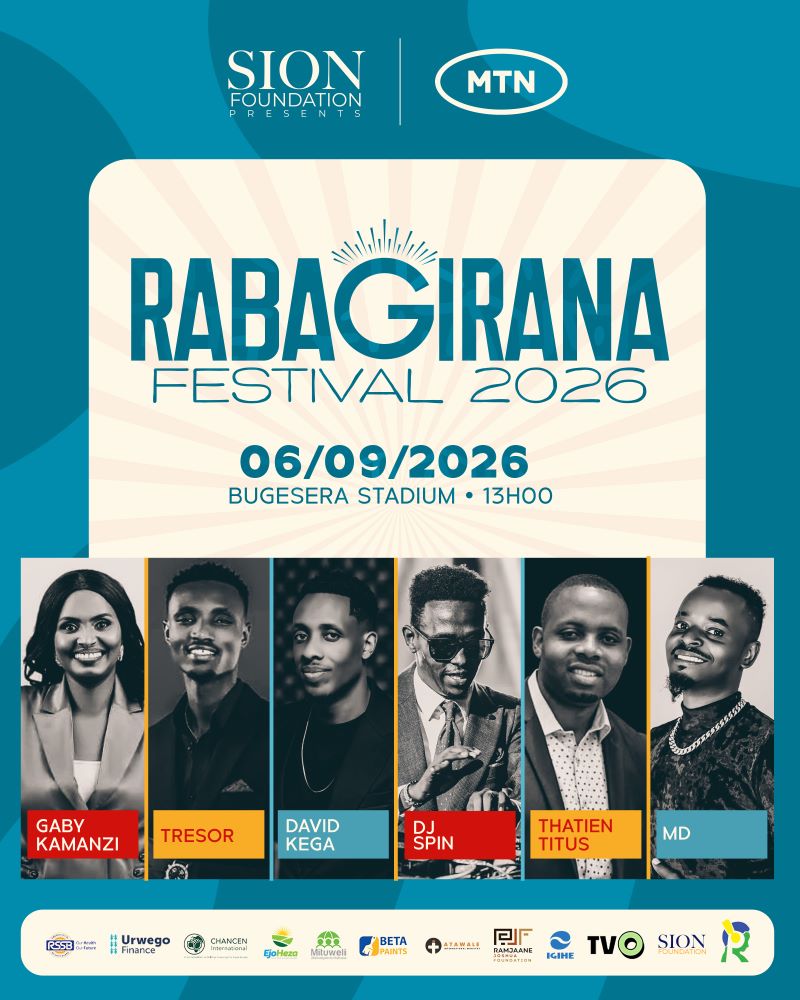
Organised by Sion Foundation, a Christian organisation registered in Rwanda, the festival will begin at 1pm and bring together Gospel music lovers, churches, families and young people for an afternoon of music, worship, entertainment and messages centred on faith, hope and positive social change.
The lineup also includes MD and other Christian performers, with organisers saying the event will use music and creative arts to encourage young people to make positive and purposeful choices.
Beyond entertainment, the festival will feature initiatives targeting education, savings and access to health insurance.
Chancen International will provide 1,000 young people aged 18 to 35 with opportunities to pursue education through a study-now, pay-later model. The initiative will cover bachelor's degree programmes, short courses and professional training, allowing beneficiaries to defer payment under applicable arrangements.
The festival will also promote participation in Ejo Heza, Rwanda's long-term savings programme, by providing attendees with a starting contribution towards subscriptions.
Sion Foundation will further support social programmes aimed at helping vulnerable people access Mutuelle de Santé, Rwanda's community-based health insurance scheme.
Organisers say the initiatives are intended to make the festival a platform for spiritual, educational, social and economic empowerment, particularly among young people.
Rabagirana Festival 2026 will later continue in Muhanga, Ruhango and Rubavu as part of a nationwide outreach programme.
The organisers say the festival seeks to encourage young people to embrace faith, education, entrepreneurship, professional development and responsible citizenship while avoiding drug abuse, alcoholism and other destructive behaviours.
The Bugesera event is open to the public, with young people, churches, families and communities in Bugesera and surrounding areas invited to attend.
RSSB announced on August 27, 2026 that it had acquired the remaining shares in Inyange Industries Ltd, one of Rwanda's leading food and beverage processors, and Ruliba Clays Ltd, a manufacturer of clay-based construction materials.
The transactions brought RSSB's ownership in both companies to 100 percent, after it previously held 40 percent of Inyange and 50 percent of Ruliba.
Five days later, on September 1, RSSB announced that it had completed the acquisition of the entire shareholding in BK General Insurance Ltd (BKGI) for Rwf31.7 billion. BKGI will now be integrated with RSSB's existing insurance businesses, SONARWA General Insurance and SONARWA Life Assurance.
In an exclusive interview with IGIHE, RSSB Chief Executive Officer Regis Rugemanshuro said the acquisitions reflect a broader shift in how the pension fund intends to manage its growing investment portfolio.
'The short answer is that RSSB is entering its next phase as an investor, and these businesses are entering theirs,' Rugemanshuro said.
RSSB's assets under management reached Rwf3.9 trillion at the end of June 2026, having doubled over the previous five years. The institution generated investment returns of 15.06 percent, equivalent to about Rwf401 billion, in 2024–2025 and 12.8 percent, or approximately Rwf438 billion, in 2025–2026.
Rugemanshuro said the growth has given RSSB greater capacity to invest, but also places greater responsibility on the institution to ensure members' money is deployed prudently.
Under its new five-year strategy, RSSB is seeking to get more value from businesses it already owns while identifying investments capable of generating sustainable, long-term, risk-adjusted returns.
Why take full ownership?
For Inyange and Ruliba, RSSB was already familiar with the businesses and had participated in financing their productive capacity.
Inyange's revenues increased from Rwf28 billion in 2021 to Rwf68.9 billion in 2025, while its profit after tax reached Rwf1.35 billion last year.
Its milk powder plant can process up to 650,000 litres of fresh milk per day into products including milk powder, butter, ghee and UHT milk. RSSB sees significant room to increase utilisation, develop new products, improve distribution and expand exports.
Ruliba, meanwhile, has more than doubled its annual production capacity following the construction of a second plant, from roughly 62,000 tonnes to more than 126,000 tonnes.
Rugemanshuro said the timing of the acquisitions is important because the companies are moving from investing heavily in production capacity to generating greater commercial value from those investments.
'That is why the timing matters. We are acquiring greater control just as these businesses move from building capacity to realising its full commercial value,' he said.
Full ownership, he added, will allow RSSB to make decisions faster, align capital allocation with strategy and establish clearer accountability for performance.
But RSSB does not necessarily intend to remain the sole owner forever.
Once the companies become stronger, the institution could bring in strategic or institutional investors or consider public listings.
'Full ownership is not a trophy. It is a platform for value creation and gives us the freedom to choose the future ownership structure that best serves members,' Rugemanshuro said.
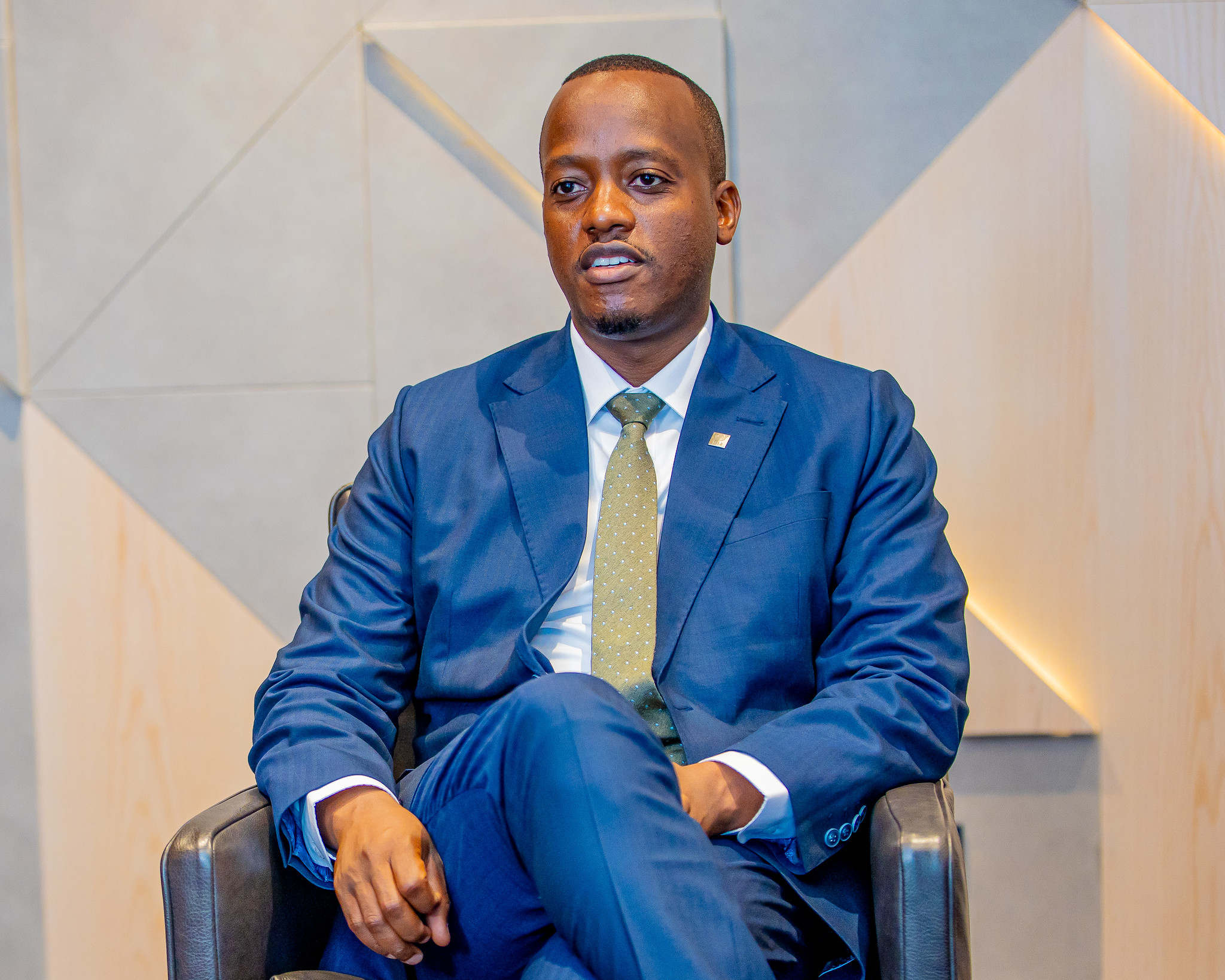
RSSB CEO Regis Rugemanshuro says the institution's next phase will focus on active ownership, regional growth and prudent investment of members' savings.
Building a larger insurance business
BKGI presents a different opportunity. The insurer's profit after tax increased from Rwf2.7 billion in 2021 to Rwf4.7 billion in 2025. RSSB valued the company at approximately Rwf32 billion and subjected the transaction to independent valuation and scrutiny.
Rugemanshuro said the objective is not simply to combine insurance companies to reduce costs, but to build a stronger Rwandan insurer capable of handling larger risks.
'The ambition goes well beyond combining businesses to reduce costs. We want to build a Rwandan insurance champion with the scale, capital, expertise and technology to compete at a much higher level,' he said.
The larger group could participate more meaningfully in risks linked to infrastructure, energy, aviation, manufacturing and construction, while also developing new products and improving customer service. RSSB ultimately wants the insurance platform to compete regionally, potentially with the involvement of a strategic partner.
What does this mean for members?
Rugemanshuro says the central test for all three acquisitions remains whether they protect and grow members' savings.
'A pension fund does not protect your savings by putting them in a vault. It protects them by investing them prudently so that they grow and are available when benefits fall due,' he said. Diversifying across sectors also reduces RSSB's dependence on a single industry or source of returns.
The fund expects the businesses to improve their performance over time, but Rugemanshuro cautioned against judging every investment by the headline return of the entire RSSB portfolio.
A manufacturing company, insurer and government bond have different risk and cash-flow characteristics, he explained. What matters is whether each investment produces an appropriate return relative to its risk.
Over the next 12 to 24 months, Rugemanshuro said, members should look for higher capacity utilisation and broader product availability at Inyange, increased production and market reach at Ruliba, and a disciplined execution of the insurance consolidation.
In less than one month, the Rwanda Social Security Board (RSSB) has taken full ownership of three major businesses, including Inyange Industries Ltd, Ruliba Clays Ltd and BK General Insurance Ltd (BKGI).
From Rwanda to regional markets
RSSB's ambitions extend beyond strengthening the companies' positions in Rwanda.
For Inyange, the immediate focus is on increasing production, strengthening the agricultural supply chain and expanding exports. Greater utilisation of the milk powder plant is expected to create additional demand for quality milk, potentially giving farmers more predictable markets.
At Ruliba, the new production capacity is expected to serve Rwanda's construction industry while opening greater opportunities for exports.
The same regional ambition applies to insurance, although through a different model involving regional corporate clients, partnerships and potentially direct market entry.
'Regional expansion must improve returns, diversify earnings and strengthen the business,' Rugemanshuro said.
Regis Rugemanshuro has outlined how RSSB plans to turn its growing investment portfolio into stronger businesses, higher returns and lasting value for members.
A more active RSSB
The acquisitions point to a broader ambition for RSSB to become a more sophisticated institutional investor while remaining focused on its core social-security mandate.
Rugemanshuro said RSSB will become more active as an owner where intervention can genuinely improve performance, but it will not seek control simply for the sake of control.
As its asset base grows, RSSB also expects to gradually increase investment outside Rwanda to reduce concentration risk and strengthen portfolio resilience.
'We will be active where active ownership can genuinely change the outcome. We will not seek control where it adds complexity without adding value,' he said.
Ultimately, Rugemanshuro says the success of the latest acquisitions will be judged not by the number of companies RSSB owns, but by whether those businesses become more profitable, more competitive and more valuable while generating sustainable returns for members.
'Ultimately, the test is simple: did we protect members' capital, grow it meaningfully and build businesses that are more valuable because RSSB owned them?'
Five years from now, he wants to see Inyange supporting a stronger agricultural value chain and expanding into regional markets, Ruliba contributing to Rwanda's industrial and construction capacity, and the insurance group becoming financially stronger, more innovative and capable of underwriting larger risks.
For RSSB, the wider objective is to build an institution capable of protecting today's members while ensuring it has the financial strength to meet the obligations of future generations.
RSSB CEO Regis Rugemanshuro says the fund's latest acquisitions are aimed at creating greater long-term value for members while strengthening the businesses it owns.
The problem was found during routine preparations for the mission. Engineers detected an oxidizer leak, involving a chemical that helps fuel burn inside the spacecraft's propulsion system and allows the vehicle to maneuver in space.
NASA and SpaceX are now carrying out additional tests and reviewing data to understand the problem. Any necessary repairs will be completed before the spacecraft is cleared for launch.
NASA has not yet announced a new launch date.
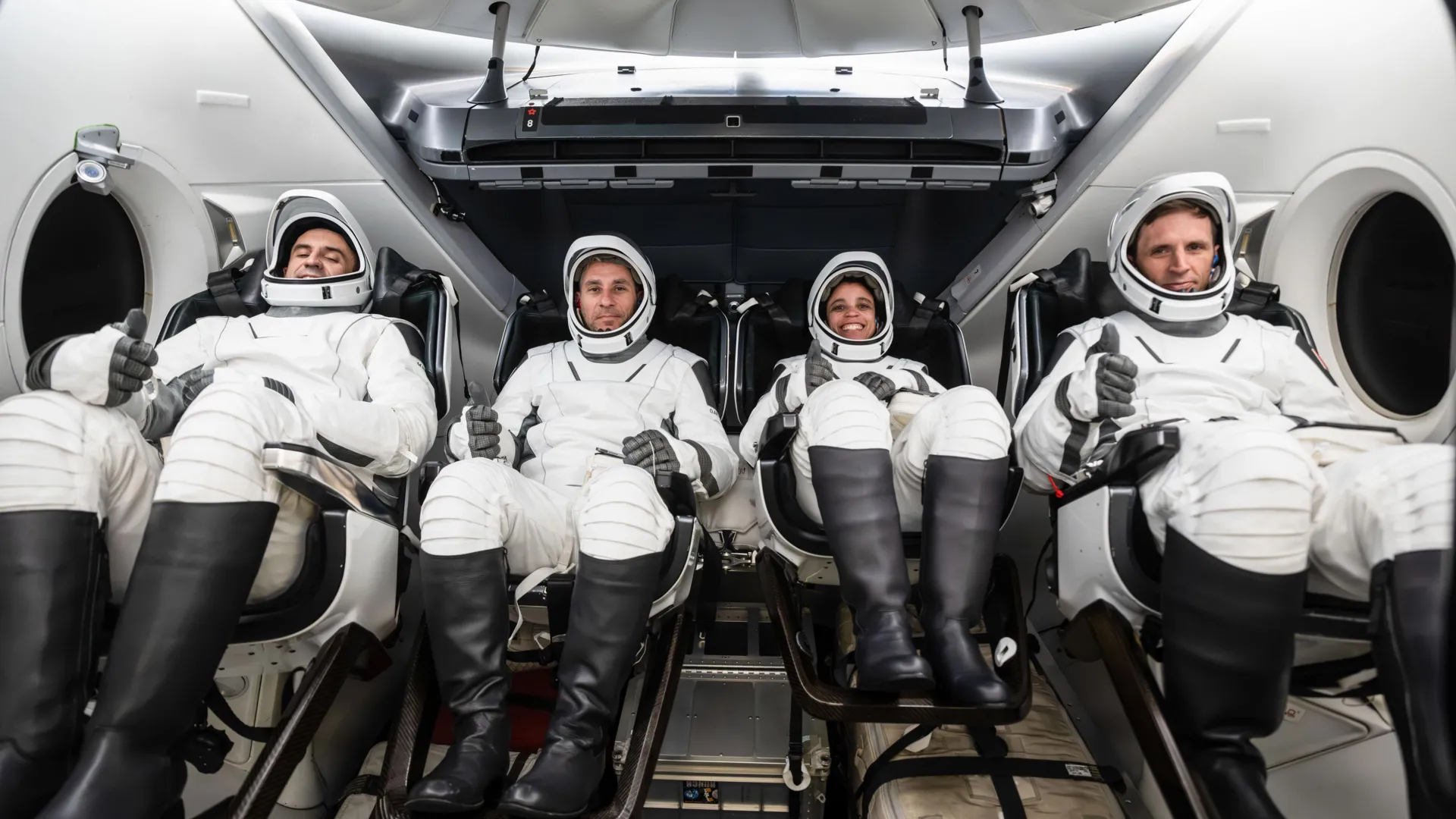
Crew-13 will carry four astronauts to the International Space Station.
NASA astronauts Jessica Watkins and Luke Delaney will serve as the mission's commander and pilot.
They will be joined by Canadian Space Agency astronaut Joshua Kutryk and Roscosmos cosmonaut Sergey Teteryatnikov, who will serve as mission specialists.
Once they arrive at the International Space Station, the four will become part of Expedition 75. The crew will support scientific research, maintenance and other activities aboard the orbiting laboratory.
Before travelling to space, the astronauts will spend about two weeks in quarantine at NASA's Johnson Space Center in Houston. The measure is designed to reduce the risk of them becoming sick shortly before the mission.
When the spacecraft is ready, Crew-13 will travel aboard SpaceX's Dragon spacecraft, which is designed to transport astronauts to and from orbit.
The Dragon will be launched by a SpaceX Falcon 9 rocket from Space Launch Complex 40 at Cape Canaveral Space Force Station in Florida.
NASA and SpaceX will announce a new launch date after engineers complete their testing, review the spacecraft's data and carry out any necessary repairs.
For now, the priority is to make sure the spacecraft is safe before the astronauts begin their journey to the International Space Station.
NASA and SpaceX have delayed the Crew-13 mission to the International Space Station after engineers discovered an oxidizer leak in the SpaceX Dragon spacecraft's propulsion system.
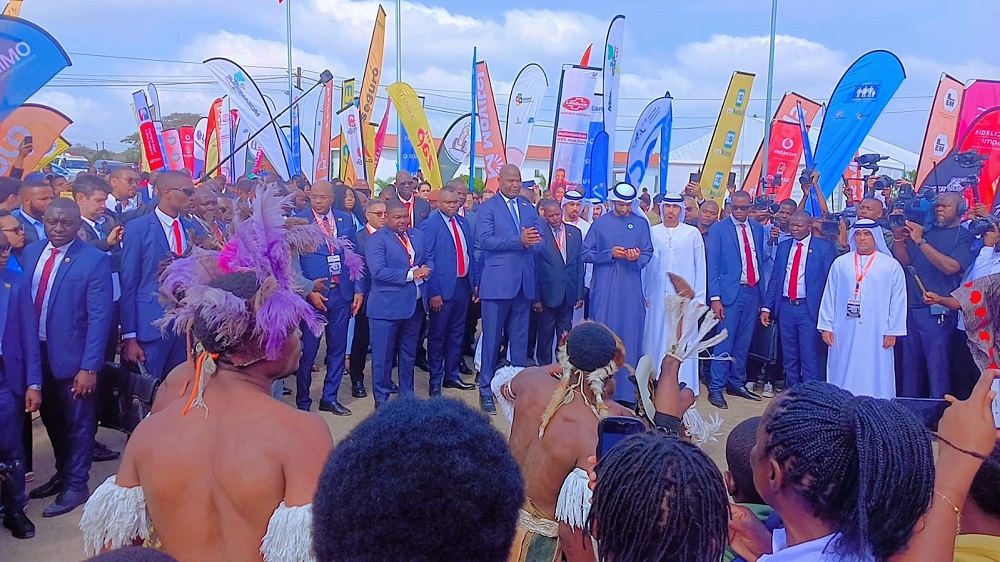
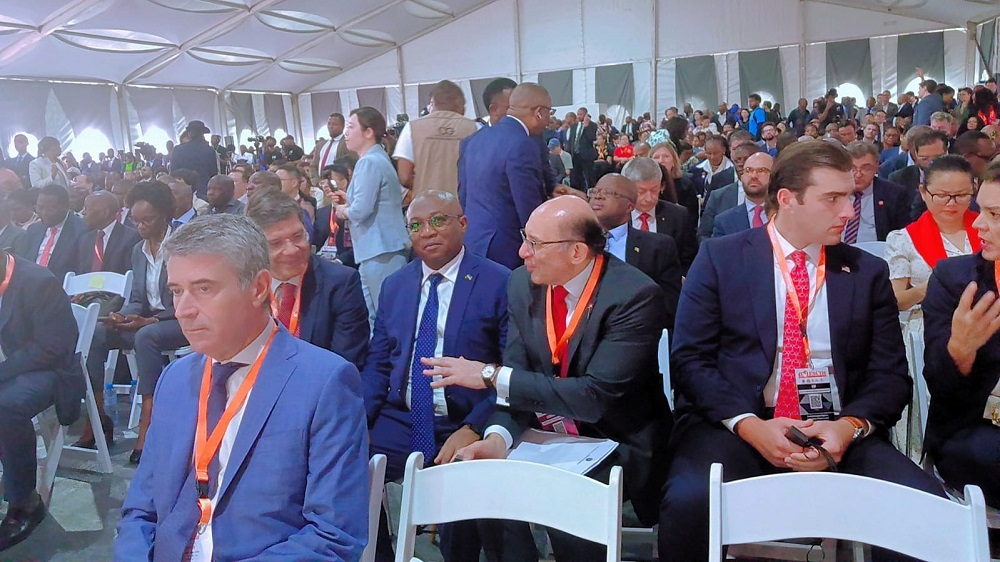
The six-day trade fair was officially opened by Mozambique's President, Daniel Francisco Chapo, at a ceremony attended by Rwanda's High Commissioner to Mozambique, Col (Rtd) Donat Ndamage.
The exhibition has brought together 29 countries, including Rwanda, with products and services from 300 foreign companies and 1,950 Mozambican businesses on display.
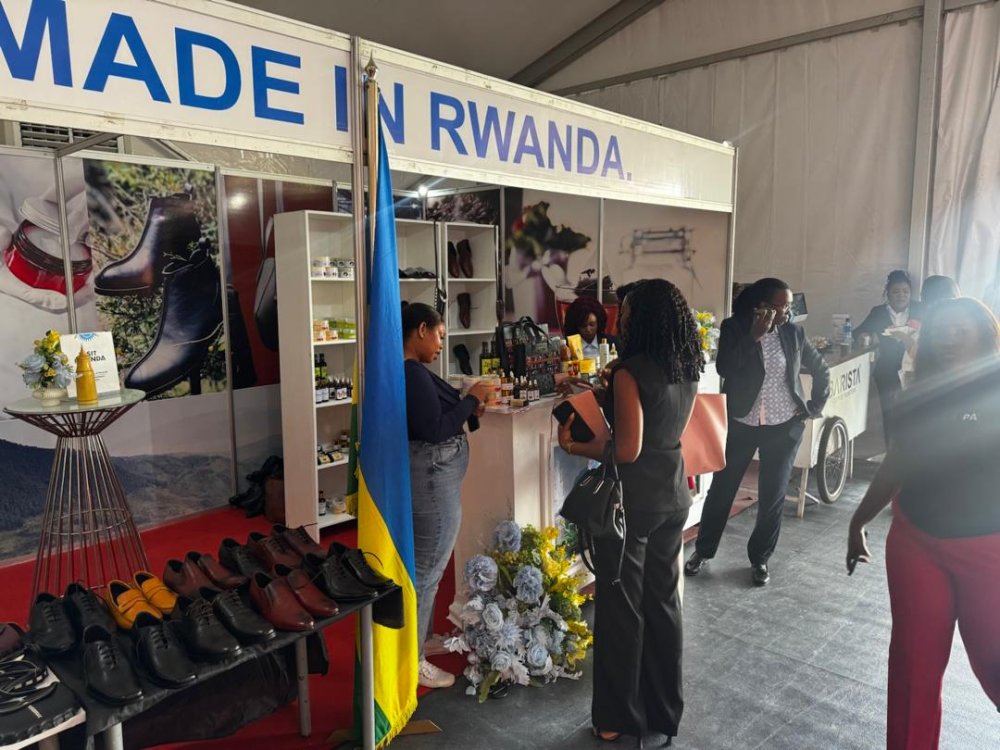
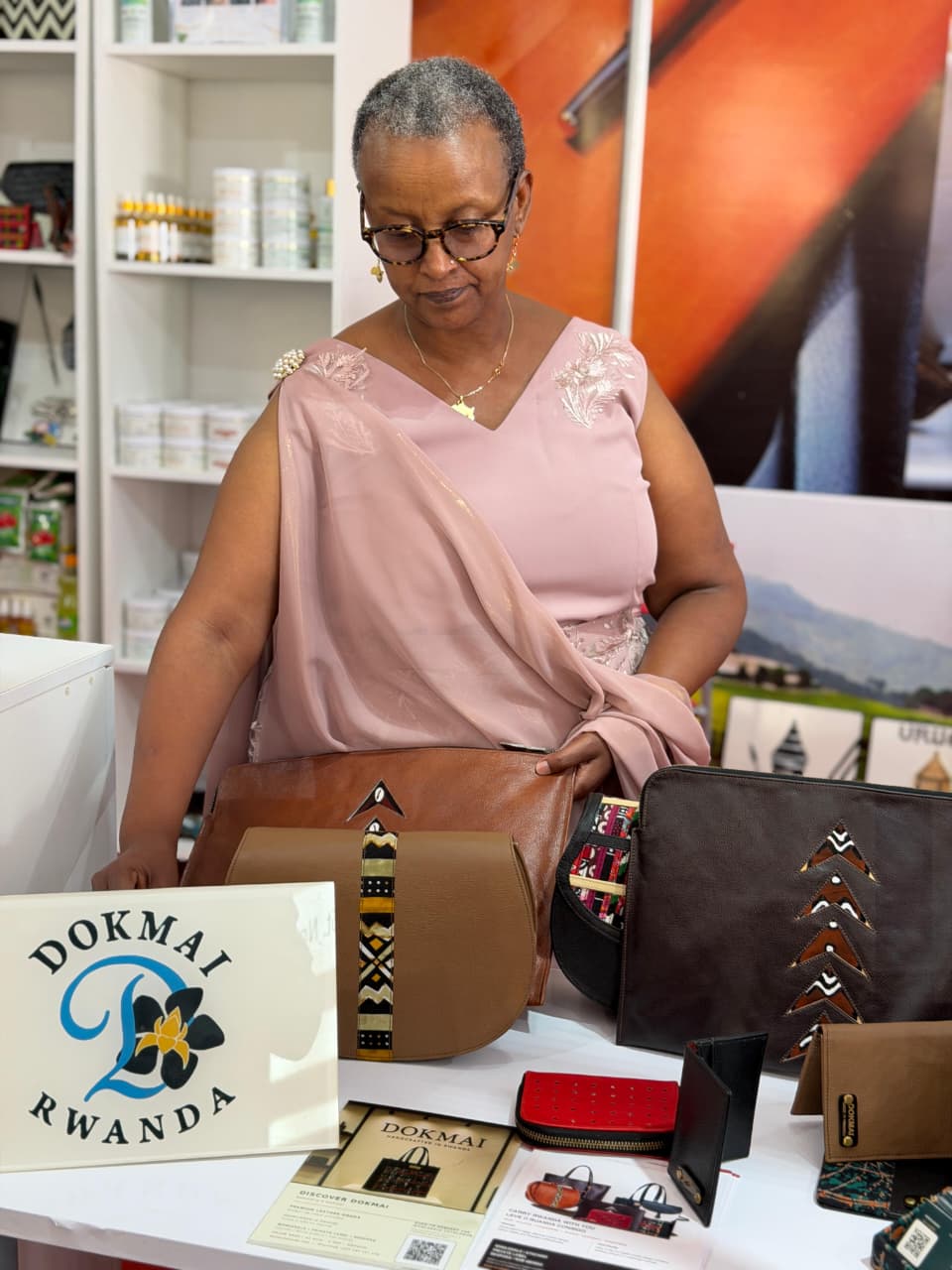
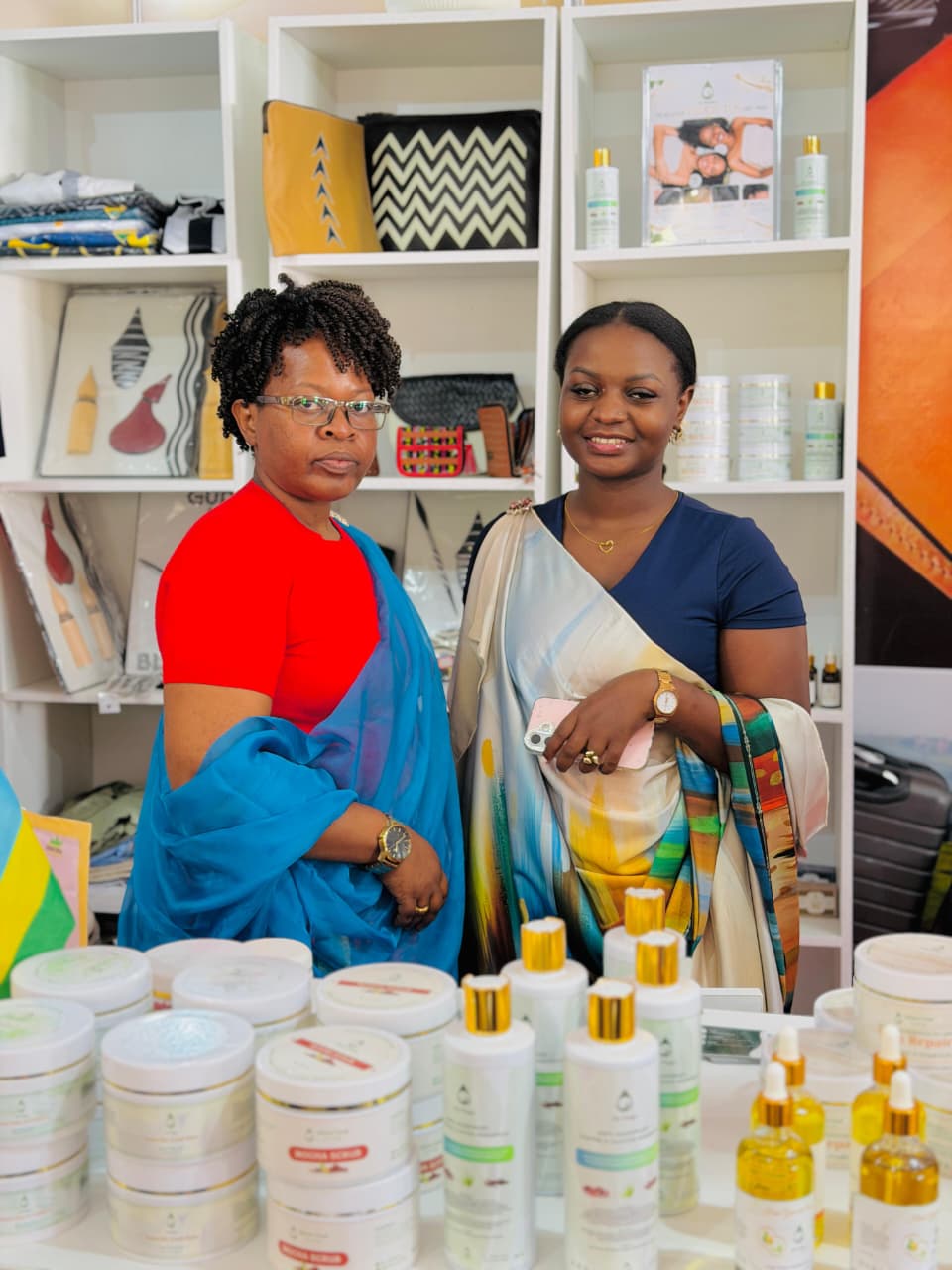
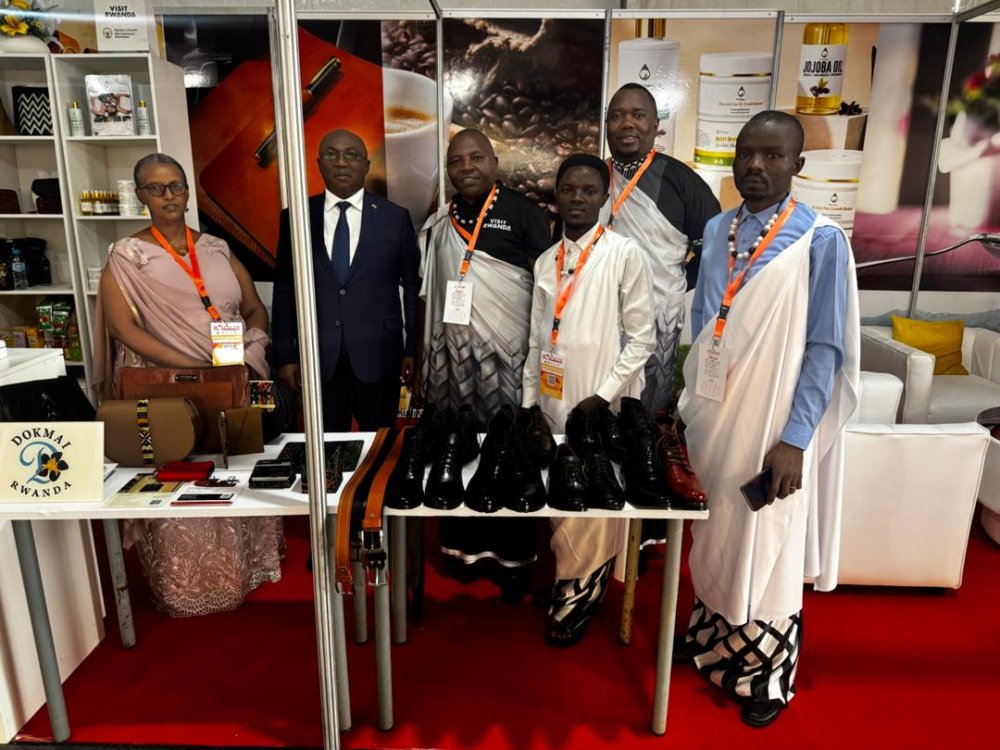
The Rwandan delegation comprises entrepreneurs involved in processing agricultural products, manufacturing leather shoes and bags, and producing hair oils.
The businesses travelled from Kigali with the aim of expanding their market presence in Mozambique and exploring investment opportunities in the country.
President Chapo visited various exhibitors at the fair, learning about the products and the distinctive activities of each business.
He also visited the Rwandan exhibitors accompanied by High Commissioner Ndamage and was briefed on their products.
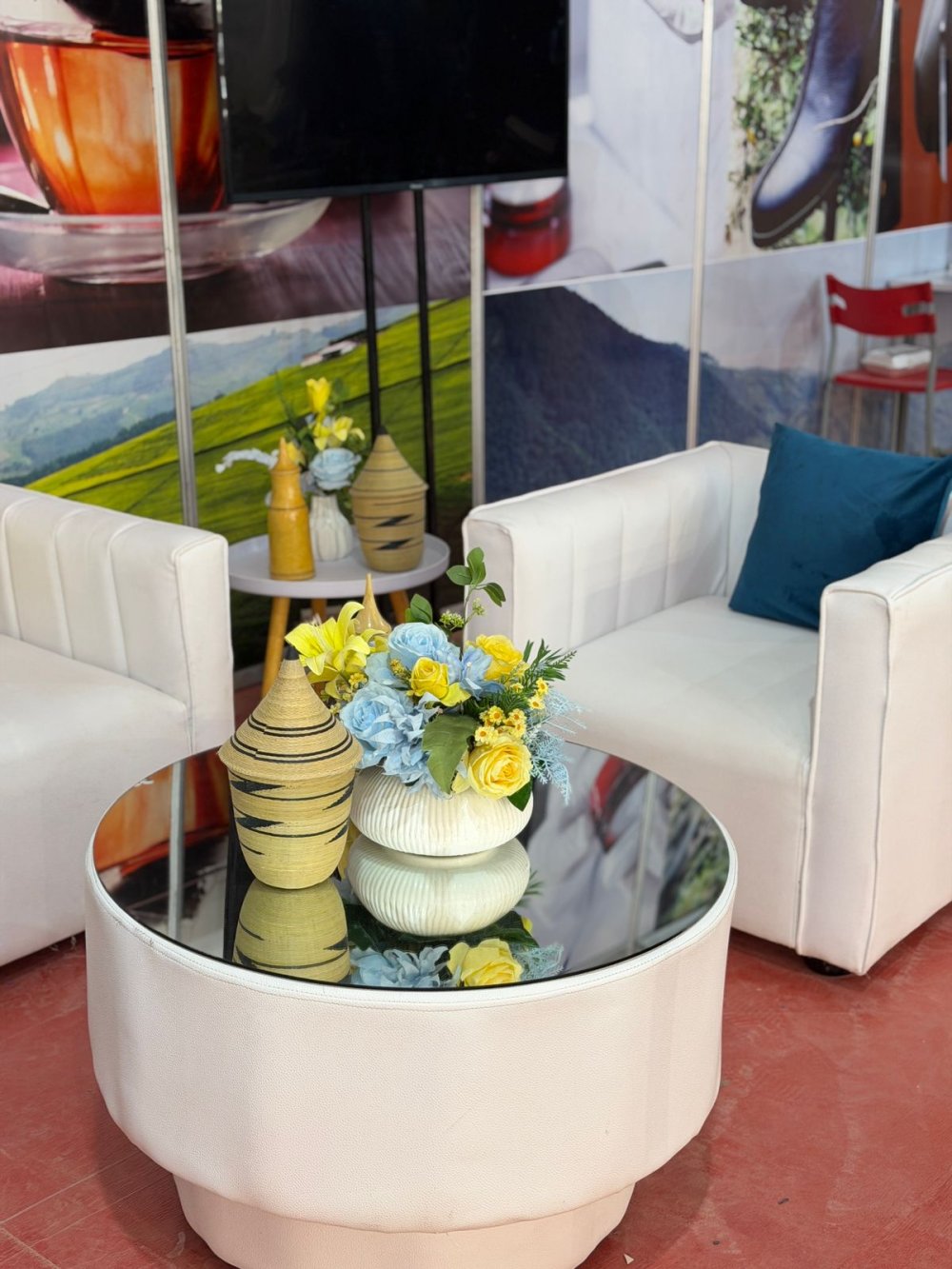
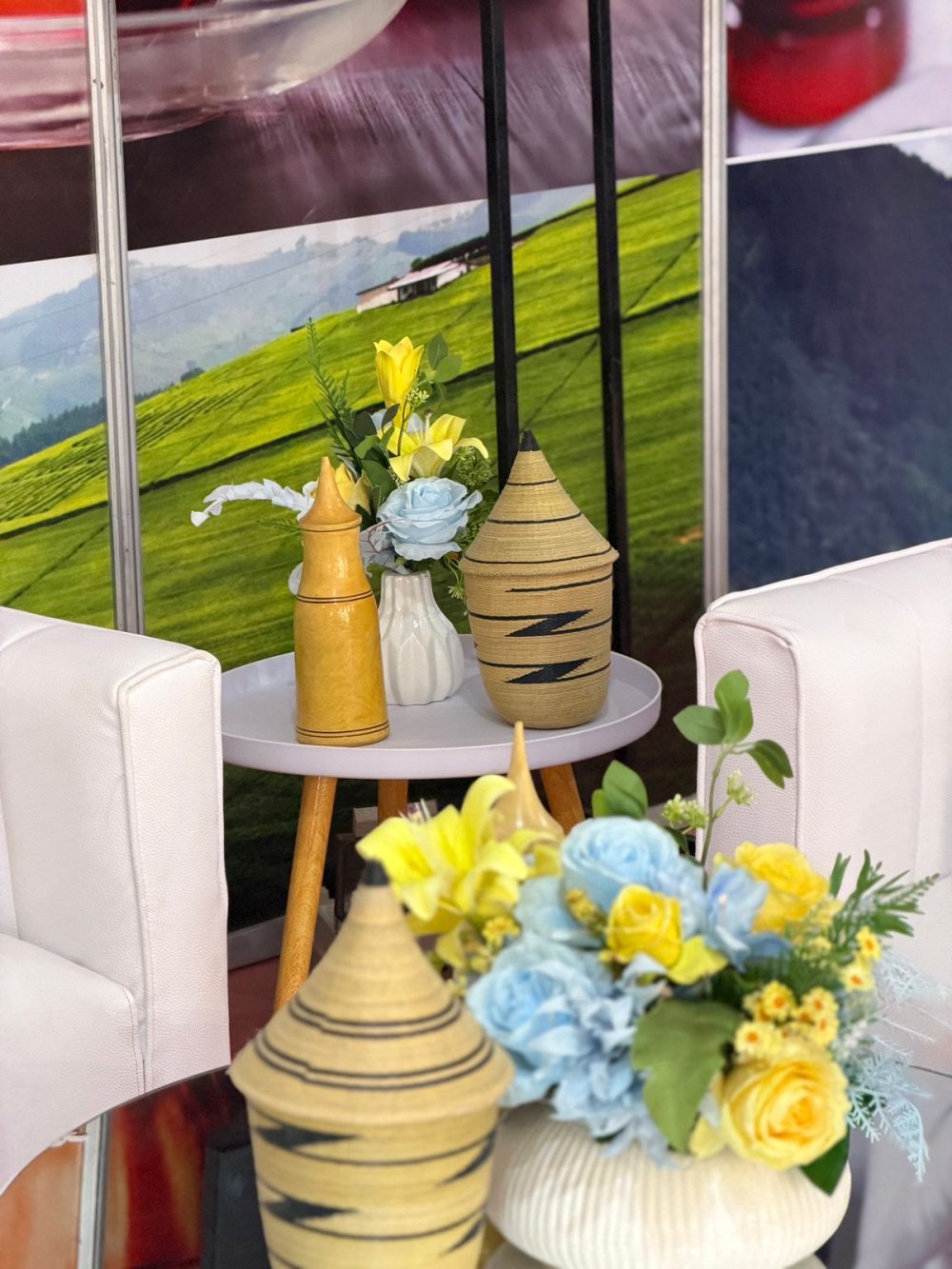
Mozambique's President officially opened the Maputo International Trade Fair.Government officials and diplomats attended the opening ceremony.Rwandan exhibitors showcased products made in Rwanda.Leather-made bags were among the products displayed by Rwandan exhibitors.A variety of oils and fragrances were also showcased at the fair.Rwanda's High Commissioner to Mozambique, Col (Rtd) Donat Ndamage, joined Rwandan exhibitors to support their participation at the fair.
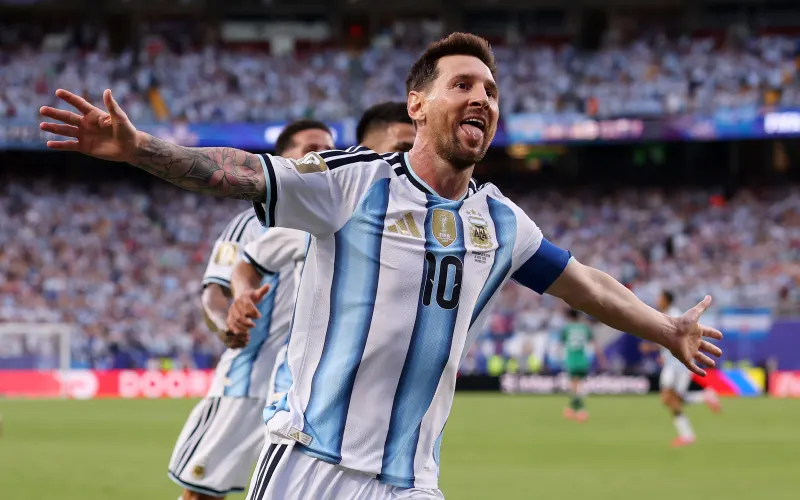
Messi made the announcement on Monday, August 31, 2026, through an emotional message shared on his Instagram account.
The announcement comes weeks after Argentina's 1-0 defeat to Spain in extra time in the 2026 FIFA World Cup final on July 19, 2026.
The painful defeat at MetLife Stadium ended Argentina's hopes of defending the World Cup title they won in Qatar in 2022, when Messi finally lifted the trophy that had eluded him for much of his career.
Although many expected Messi to announce his decision immediately after the World Cup final, he revealed that he had written his farewell message on July 21, just two days after the tournament ended.
However, he delayed making the announcement following a private family tragedy.
His father, Jorge Messi, had been battling severe health problems during the tournament and died on August 8, 2026.
'Today, after what happened with my dad, I'm even more convinced of this decision than before,' Messi wrote in a poignant Spanish message shared with his fans.
'It is a decision that hurts my soul, but I know it is time. I have emptied myself: now I have nothing more to give.'
Messi made his senior Argentina debut in 2005 and leaves the national team as its all-time leader in both appearances and goals.
He ended his international career with 207 appearances and 125 goals.
His journey with Argentina was marked by both painful defeats and historic triumphs.
After losing the 2014 FIFA World Cup final to Germany and suffering consecutive defeats in the Copa América finals, Messi briefly retired from international football in 2016 before later reversing his decision.
His perseverance was eventually rewarded with three major international trophies.
He led Argentina to victory at the 2021 Copa América, followed by the 2022 FIFA World Cup in Qatar. He then helped the country win the 2024 Copa América.
These victories cemented his status as one of the most successful players in Argentina's football history.
Messi's retirement from international football does not mark the end of his playing career.
The forward will continue playing club football in the United States with Inter Miami CF in Major League Soccer.
He is under contract with the club through the 2027 season.
Messi leaves the Argentina national team as its most decorated player, bringing to a close one of the most remarkable international careers in football history.
The 39-year-old has announced his retirement from international football after 21 years with the national team.