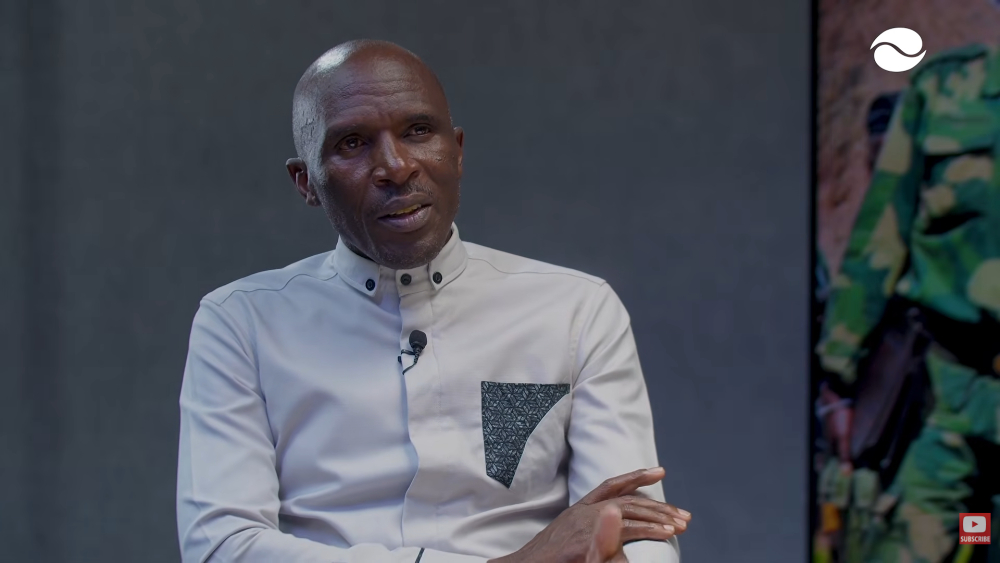
According to former FDLR member Augustin Nshimiyimana, known within the group as Colonel Bora Manassé, the movement's military ties with the Congolese armed forces go back decades.
Nshimiyimana said the group, initially known as ALiR, did not enter Zaire solely as a refugee population. Instead, its members maintained a military structure similar to that of the former Rwandan army and hoped to eventually return to Rwanda and regain political power.
Over the years, members of the group developed close relationships with successive Congolese governments and the country's armed forces. Some were eventually integrated into the Congolese military, particularly during the process of incorporating armed groups into the national army following the 2002 Sun City agreements.
Nshimiyimana told IGIHE that after the Rwanda Patriotic Army's victory in Rwanda, some Ex-FAR and Interahamwe members remained in eastern Zaire while others, including himself, crossed the Congo River and joined the Congolese armed forces, then known as the FAC.
'During those movements, many joined the FARDC. Many of them remain there today,' he said.
He identified several former ALiR members whom he said went on to occupy senior positions in the FARDC. Among them, he named Rucyahana Jean Baptiste, known as Colonel Jules Mulumba among the Wazalendo, and Annaclet Nsengiyumva, who rose to the rank of colonel and currently works in the DRC's military intelligence structure.
Nshimiyimana also cited Mbangu Mbangu, who he said had been a corporal in ALiR but later became a colonel in the FARDC and commanded a regiment in Ituri Province.
Another former ALiR fighter known as 'Karati,' he said, rose from the rank of corporal to lieutenant colonel in the Congolese army and commands a battalion in Misisi, Fizi Territory, in South Kivu Province.
He further revealed that other former members of the group occupy positions in different FARDC units.
'We know each other, we lived together, and there are many of them,' Nshimiyimana said.
From refugee camps to armed networks
Nshimiyimana also described how former Rwandan combatants became involved in conflicts involving armed communities in eastern Congo.
He said that when Ex-FAR and Interahamwe members arrived in eastern Zaire in 1994, they brought with them the ideology and military structures associated with the Rwandan conflict. According to him, they subsequently became involved in local conflicts and provided weapons and training to Congolese combatants.
'We gave them the guns we had brought with us,' he said.
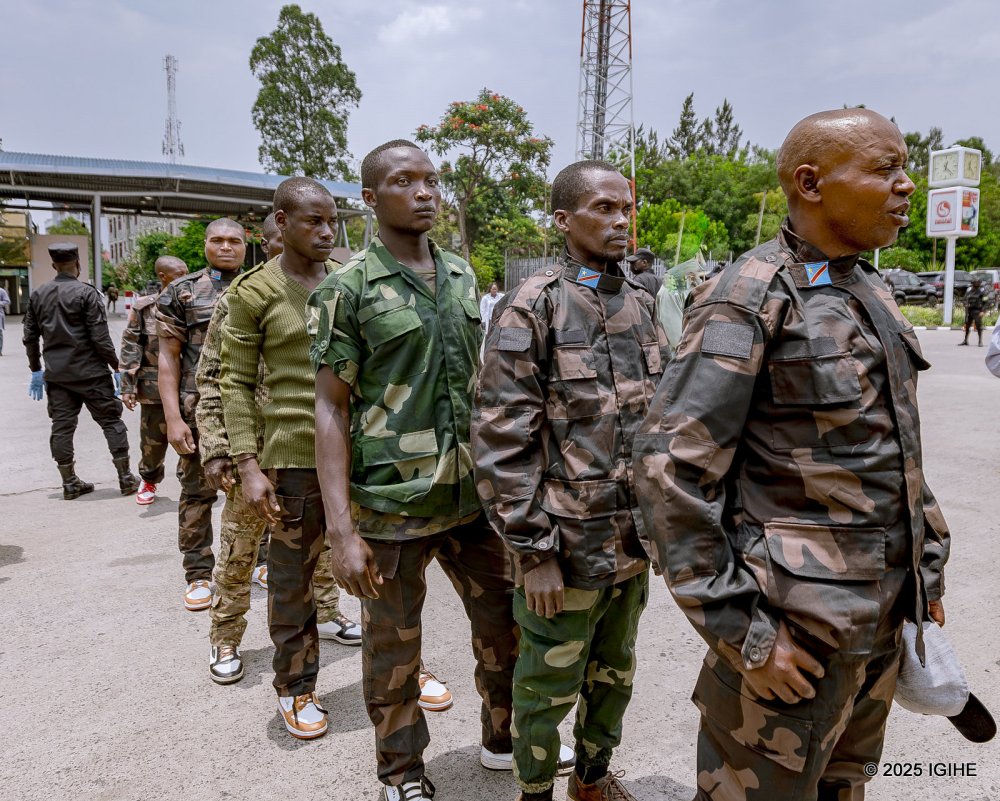
Nshimiyimana named several Congolese military figures whom he claimed had received training or support from former Rwandan combatants, including Brigadier General Mugabo Hassan, Major General Mayanga and Brigadier General Davide.
Blurred lines between the FARDC and FDLR
Nshimiyimana argues that the presence of former FDLR and ALiR members within the Congolese military has created overlapping networks that make it difficult to distinguish between the FDLR and elements of the FARDC.
He described some former combatants now serving in the Congolese army as effectively acting as 'FDLR ambassadors.'
'So who is going to attack the FDLR? It is present within the FARDC, and it is present within the Wazalendo,' he said, arguing that the integration of former combatants has blurred the distinction between armed groups and state forces.
Commenting on the DRC's claim that the FDLR had agreed to voluntarily lay down its arms, he said the process could be complicated by the involvement of individuals and networks with past ties to the FDLR in operations against the group.
The former FDLR combatant suggested that stronger international pressure on Kinshasa could encourage the DRC government to more clearly separate its armed forces from the FDLR and take steps toward dismantling the group.
According to former FDLR member Augustin Nshimiyimana, known within the group as Colonel Bora Manassé, the movement's military ties with the Congolese armed forces go back decades.The FARDC and FDLR have been working together for many years and have become deeply intertwined.
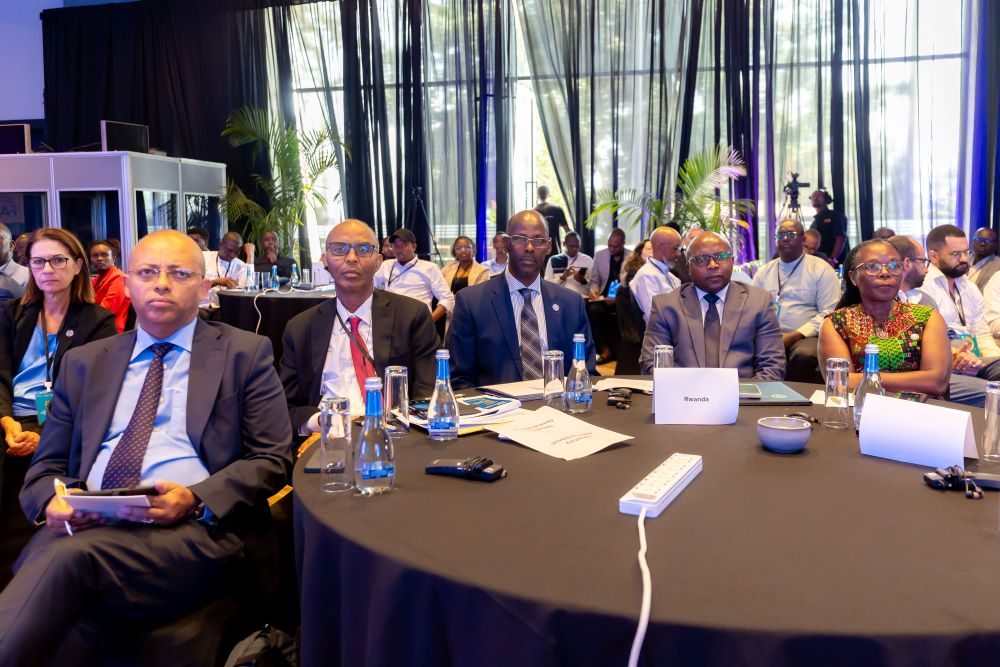
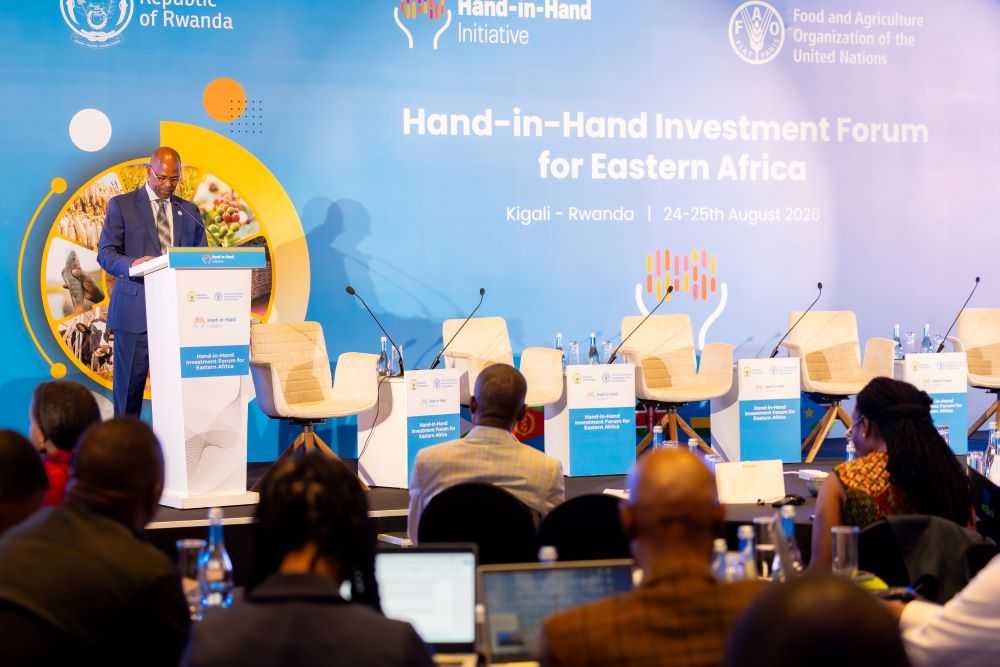
The Hand-in-Hand Investment Forum for Eastern Africa began on August 24, 2026, bringing together representatives from Djibouti, Eritrea, Ethiopia, Kenya, Rwanda, Somalia, South Sudan and Uganda.
FAO Representative in Rwanda Mohamed Aw Dahir said the success of the forum would not be measured by discussions alone, but by its ability to turn ideas into concrete investments that benefit farmers, businesses and rural communities.
'We need to move from discussions to concrete action, and the success of this forum will not be measured only by the discussions, but by our ability to turn ideas into investments that deliver tangible benefits to farmers, the private sector and rural communities,' Dahir said.
He said the Hand-in-Hand initiative seeks to help countries move beyond projects that rely mainly on aid towards sustainable investments capable of transforming agriculture and food processing.
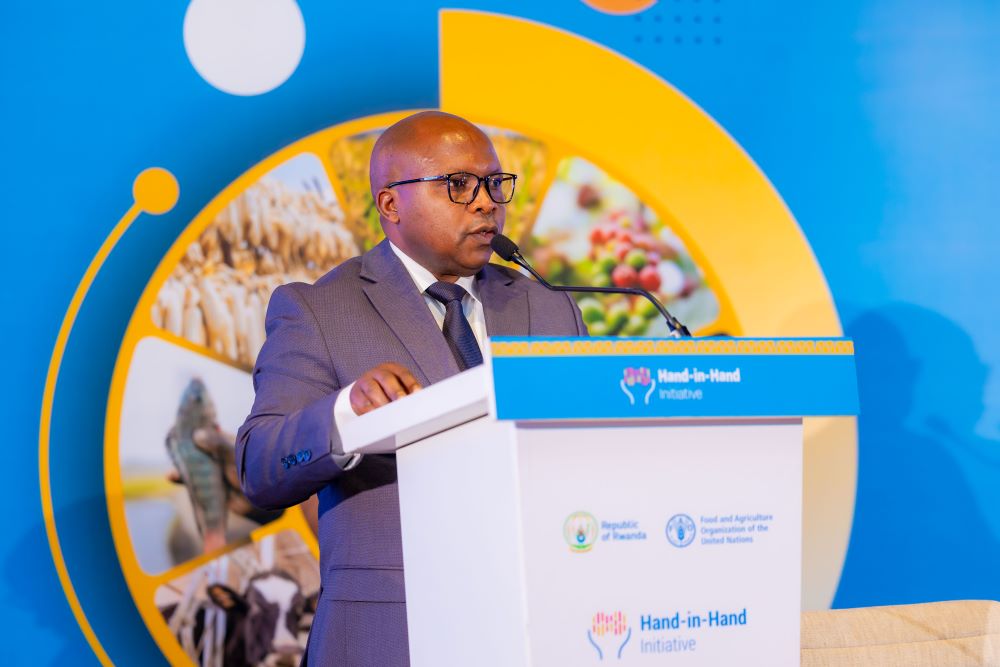
Rwanda's Minister of Agriculture and Animal Resources, Dr. Telesphore Ndabamenye, said the challenge was not a lack of projects, but ensuring that existing opportunities are converted into profitable investments.
'The opportunities are there. What remains is to turn them into investments that can generate returns, scale up and contribute to development,' he said.
Dr. Ndabamenye said Rwanda is working with FAO to identify investment opportunities across agricultural value chains and develop projects that can connect investors with the capital, technology and expertise they need.
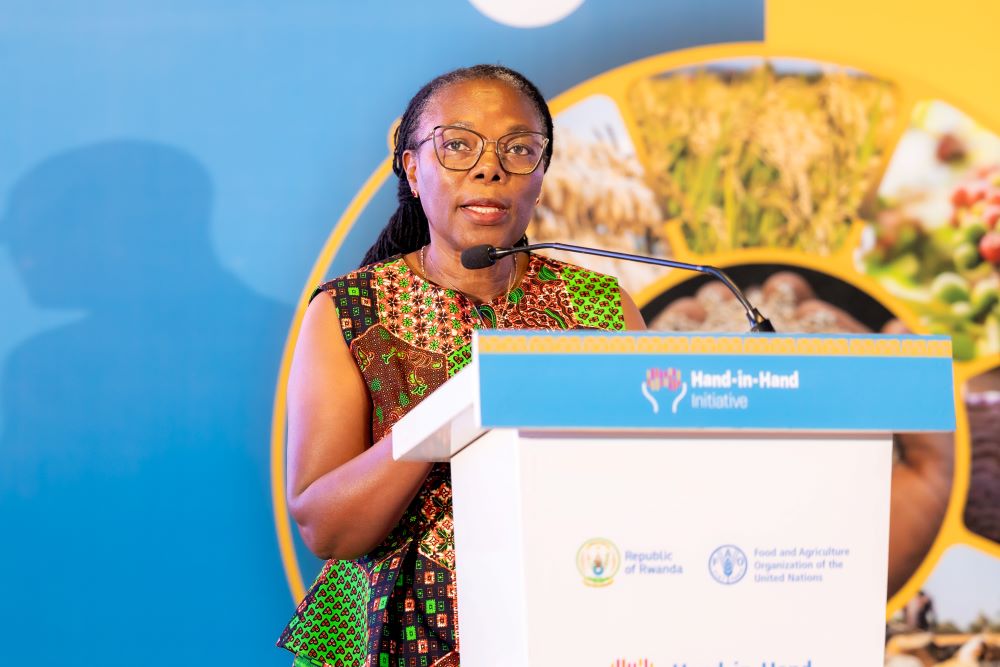
FAO Subregional Coordinator for Eastern Africa Farayi Zimudzi said opportunities exist in coffee, livestock and dairy, fisheries, horticulture, cereals and oil-producing crops.
However, she identified climate change, inadequate infrastructure, high transport costs and limited access to finance as some of the challenges constraining agricultural investment.
Zimudzi called for stronger cooperation among governments, the private sector, financial institutions, development partners and technology experts.
She said all eight participating countries are part of the Hand-in-Hand initiative, which seeks to attract investment that adds value to agricultural production, expand trade and strengthen regional cooperation.
The forum aims to showcase investment opportunities, connect investors with project developers and facilitate agreements that can accelerate transformation in East Africa's agriculture and livestock sectors.
The meeting comes ahead of the Africa Food Systems Summit scheduled to take place in Kigali in the first week of September 2026, as well as the global FAO Hand-in-Hand Investment Forum planned for Rome, Italy, in October 2026.
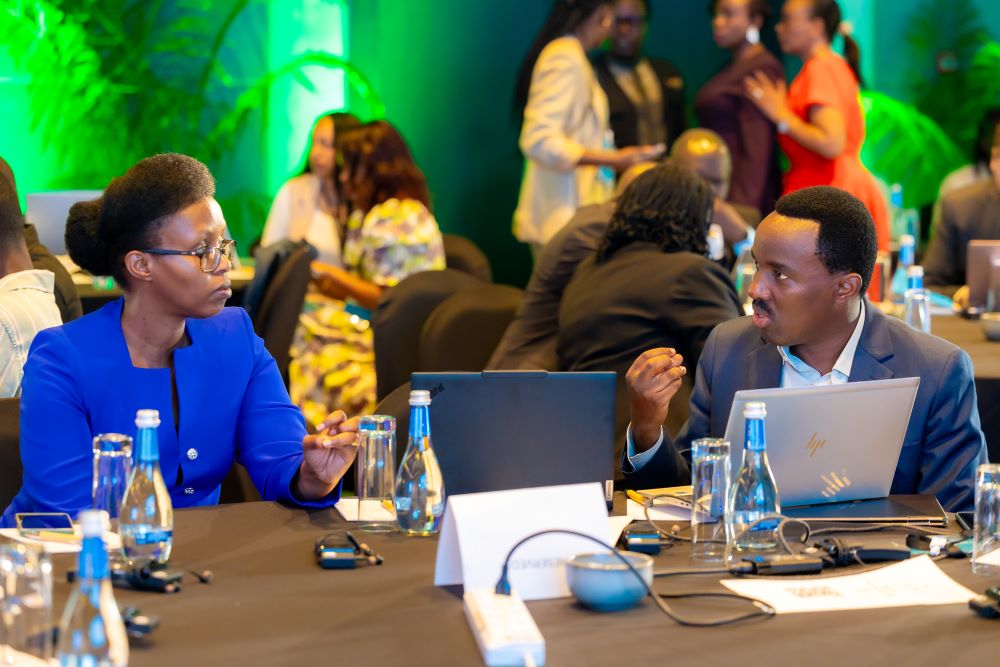
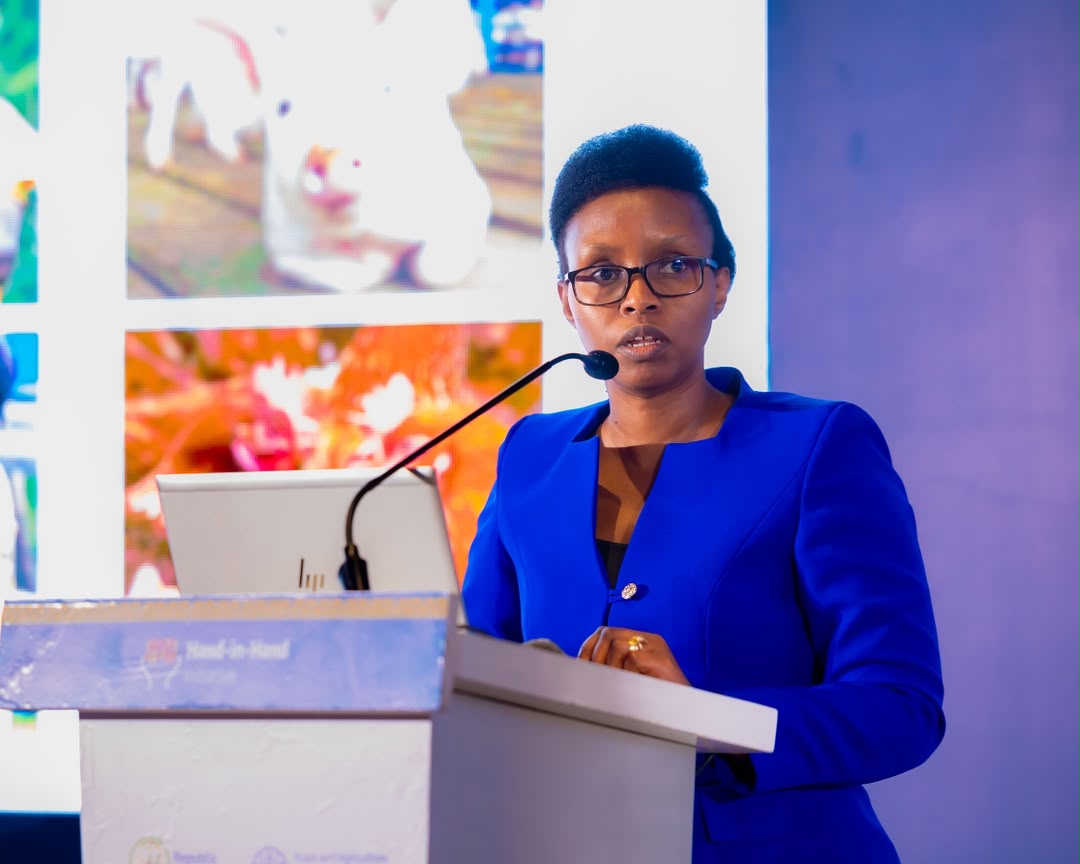
Eight East African countries have gathered in Kigali to explore investment opportunities in agriculture, livestock and agro-processing.FAO Representative in Rwanda Mohamed Aw Dahir has said rising food demand and the region's young population have created significant opportunities for agricultural investment.Agriculture Minister Dr. Telesphore Ndabamenye has called for greater investment to transform Eastern Africa's agrifood systems into engines of economic growth and job creation.FAO Subregional Coordinator for Eastern Africa Farayi Zimudzi has described the region as one of Africa's most promising frontiers for agrifood investment.Participants of the forum posing for a group photo The Kigali forum has brought together governments and partners seeking to turn agricultural opportunities into concrete investments.The Hand-in-Hand Investment Forum has created a platform for countries to showcase agricultural investment opportunities.Dr. Chantal Ingabire, Director General of Planning at the Ministry of Agriculture and Animal Resources, also participated in the Kigali forum as stakeholders sought to showcase investment opportunities across its agricultural sector.
For young entrepreneurs, women-led businesses and micro, small and medium enterprises, AfCFTA could open doors to markets far beyond their home countries. However, accessing those opportunities will require more than simply knowing that the agreement exists. Businesses will need quality products, market knowledge, innovation and an understanding of the rules governing cross-border trade.
In an exclusive interview with IGIHE, National AfCFTA Youth and Women Champion Amos Akandwanaho Seromba encouraged young Africans to think beyond their domestic markets and take advantage of the opportunities presented by continental trade.
Seromba described AfCFTA as an important framework for strengthening trade among African countries by reducing barriers and making it easier for businesses to access markets across the continent.
'Governments sign agreements; it is businesses that actually trade,' Seromba said, stressing that the success of AfCFTA will ultimately depend on how effectively businesses use the opportunities created by the agreement.
Trading under the AfCFTA framework began in 2021, marking an important step from negotiations towards practical implementation. The agreement seeks to progressively reduce tariffs, facilitate trade in goods and services and strengthen economic integration among African countries.
For entrepreneurs, the potential is significant. A business established in Rwanda can seek opportunities in other African markets, provided its products meet the relevant rules, standards and requirements in the countries where it intends to operate.
Rwanda has played a prominent role in the AfCFTA process. The agreement was signed in Kigali in 2018, placing the country at the centre of an initiative considered one of Africa's most important efforts towards economic integration.
The country has also worked to improve its business environment and facilitate the establishment and operation of businesses.
Seromba believes these efforts can provide a foundation for Rwandan entrepreneurs to expand beyond the domestic market.
He argues that businesses should not view Rwanda as the end of their commercial journey but as a starting point for reaching customers across Africa.
For young entrepreneurs, this requires a change in mindset. Rather than waiting for opportunities to come to them, they need to identify markets where their products or services can solve real problems.
AfCFTA is not only for governments and large companies
Seromba emphasised that AfCFTA is not an initiative meant exclusively for governments or large corporations.
Young people, women entrepreneurs, innovators and MSMEs have an important role to play in making the continental market a reality.
The agreement covers areas including trade in goods and services, intellectual property and digital trade, creating opportunities for businesses in a wide range of sectors.
Preferential tariff arrangements for qualifying products, improved customs procedures and efforts to address trade barriers could make it easier for businesses to reach customers in other African countries.
But access to a larger market does not automatically translate into success.
Entrepreneurs must first understand what consumers in their target markets need and whether their products can compete in terms of quality, price, packaging and reliability.
National AfCFTA Youth and Women Champion Amos Akandwanaho Seromba encouraged young Africans to think beyond their domestic markets and take advantage of the opportunities presented by continental trade.
Market research remains essential
Seromba urged African entrepreneurs to conduct proper market research before attempting to enter new markets.
A product that performs well in Rwanda, for instance, may not necessarily have the same demand in another African country.
Entrepreneurs therefore need to study consumer preferences, competitors, regulations, standards and purchasing power before investing in a new market.
Value addition is also critical.
Africa has significant natural resources, but much of the continent's economic potential remains tied to the export of raw materials. By processing and packaging products locally, entrepreneurs can create greater value and improve their competitiveness.
Seromba also sees technology as an important tool for young businesses.
Artificial intelligence and other digital technologies can help entrepreneurs research markets, improve productivity, develop products, reach customers and make better business decisions.
His message to young entrepreneurs is centred on preparation and competitiveness.
'Focus first on high-quality products and genuine value addition,' he said, urging businesses to ensure that what they offer can compete in an increasingly connected African market.
Businesses still face barriers
Despite the opportunities created by AfCFTA, businesses still face significant obstacles when trading across African borders.
Non-tariff barriers remain among the challenges affecting intra-African trade. Businesses may encounter different regulatory requirements, product standards, documentation procedures and customs processes from one country to another.
The movement of people also remains an important issue for entrepreneurs who need to travel to meet customers, establish partnerships and develop markets.
Insecurity in some parts of the continent can further discourage investment and make the transportation of goods more difficult.
Seromba also identified limited awareness as a major challenge.
While many young Africans have heard about AfCFTA, fewer may understand the practical steps required to benefit from it.
Knowing about the agreement is not enough. Entrepreneurs need to understand issues such as certificates of origin, product standards, market access requirements and procedures for addressing trade barriers.
Seromba urged African entrepreneurs to conduct proper market research before attempting to enter new markets.
Governments and businesses must act together
Seromba believes governments and businesses must work together to ensure that AfCFTA delivers tangible benefits.
Governments have a responsibility to create supportive policies, simplify trade procedures, improve infrastructure and address barriers that make cross-border commerce difficult.
The private sector, on the other hand, must develop competitive products, comply with standards and actively seek opportunities in other African markets.
Regular engagement between policymakers and businesses is particularly important for youth, women and MSMEs because their experiences can help identify barriers that may not always be visible at the policy level.
'The private sector, particularly MSMEs, must be at the forefront of this opportunity,' Seromba noted, highlighting the importance of ensuring that smaller businesses are not left behind as continental trade expands.
Kagame calls for action on AfCFTA
President Kagame recently also stressed that the success of AfCFTA will depend on how effectively it is implemented.
Speaking during a press conference at the Kigali Convention Centre on Monday, Kagame said the agreement was an important step towards boosting trade among African countries, while acknowledging concerns over the slow pace of progress and persistent non-tariff barriers.
He called on African countries to work together to address the remaining challenges and deliver on the agreement's ambitions.
'We can't just keep complaining. We have to find a way of getting together and doing what we have to do,' Kagame said.
Looking beyond national markets
Looking towards the next five to 10 years, Seromba hopes to see further progress towards the free movement of people, goods and services across Africa.
He believes that reducing remaining trade barriers, improving security, closing regulatory gaps and strengthening implementation will be essential if the continent is to realise the full potential of AfCFTA.
A more integrated market could allow African businesses to expand more easily, increase production, create jobs and contribute to economic growth.
For Rwanda, the opportunity is particularly relevant to young entrepreneurs and women-led businesses seeking to move beyond a relatively small domestic market.
For Seromba, the success of AfCFTA will depend on whether African businesses, particularly young people, women and MSMEs, can turn the opportunities created by the agreement into real trade, investment and jobs.
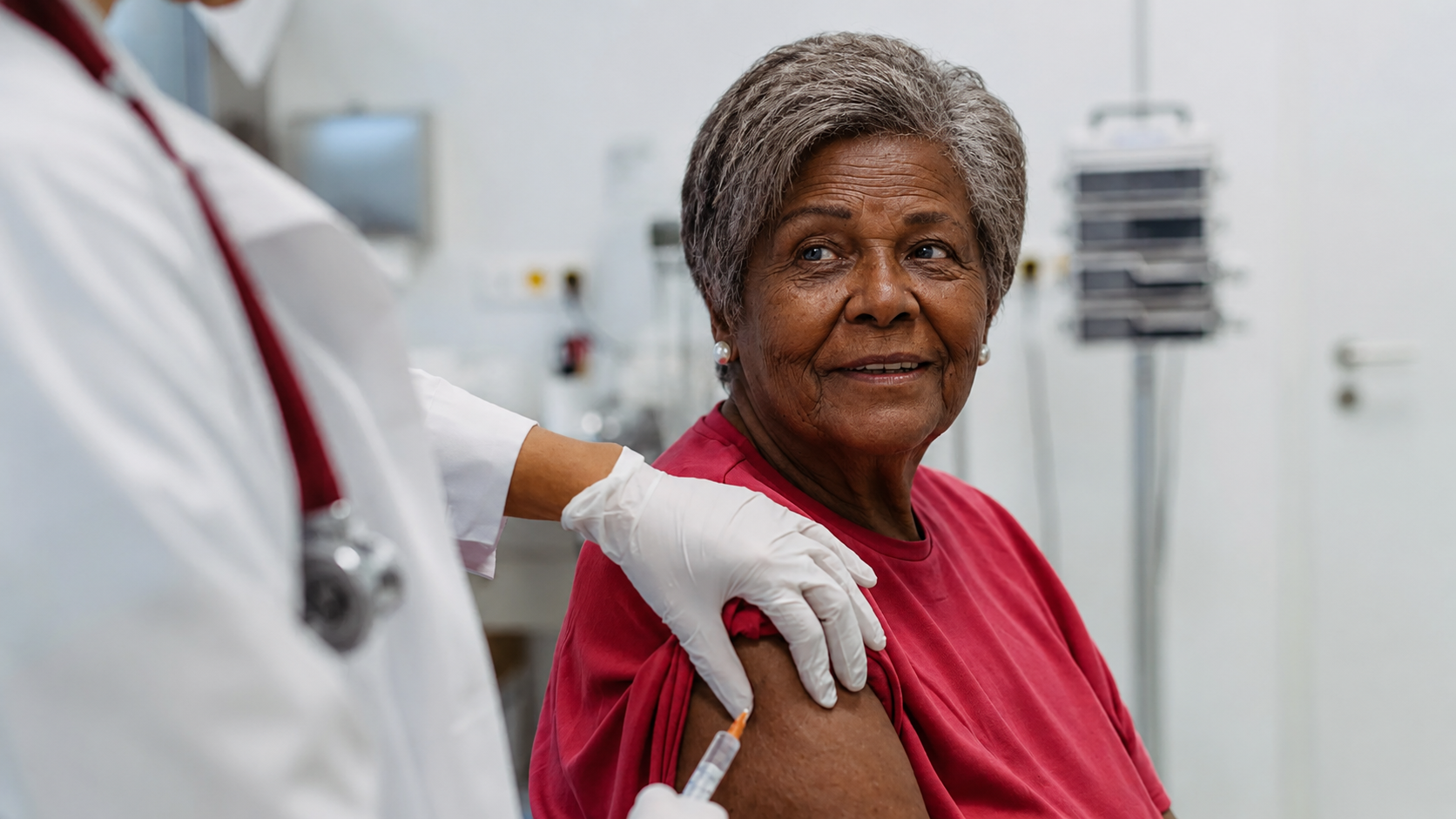
Researchers found that people who received at least one dose of the recombinant shingles vaccine had a 24% lower risk of dementia compared with those who were not vaccinated.
The study analysed health records and Medicare data from more than 500,000 adults aged 66 and older who had been admitted to skilled nursing facilities.
The research focused on 509,926 people admitted to more than 5,500 skilled nursing facilities across the United States between 2017 and 2022. Among them, 8,843 received the Shingrix vaccine.
After four years of follow-up, dementia was diagnosed in 18.8% of vaccinated participants, compared with 24.6% among those who remained unvaccinated.
Researchers estimated that the difference could translate to approximately one dementia case potentially prevented for every 17 people vaccinated.
The study was led by Kaley Hayes, an assistant professor at Brown University's School of Public Health, together with researchers from Brown University, the University of Delaware, the Providence Veterans Affairs Medical Center and other institutions.
The researchers used a method known as target trial emulation, which attempts to reproduce some of the conditions of a randomised clinical trial using existing health data. Participants were eligible for shingles vaccination and had no previous diagnosis of dementia.
The findings add to previous research that has also observed a relationship between shingles vaccination and a lower risk of dementia. Scientists say this has raised the possibility that vaccines designed to prevent infections could have additional effects on brain health.
However, researchers caution that the findings should not be interpreted as proof that the shingles vaccine prevents dementia.
Because the study was observational, it cannot establish a direct cause-and-effect relationship.
People who received the vaccine were generally slightly younger and healthier than those who did not, although researchers adjusted their analysis for these differences and found that they did not fully explain the association.
Further research, particularly clinical trials, will be needed to determine whether Shingrix itself directly reduces the risk of dementia.
The study was published in the Annals of Internal Medicine. The researchers also disclosed that the study received funding from GlaxoSmithKline, the manufacturer of Shingrix, although they reported that the company had no control over the study's design, analysis or publication decision.
A new study suggests that the Shingrix shingles vaccine may be associated with a lower risk of dementia among older adults.
The other countries are Ghana, Guinea-Bissau and the Republic of Congo. The WHO Regional Office for Africa confirmed the closure of the outbreaks following independent technical assessments conducted between January and June 2026.
The assessments reviewed disease surveillance, laboratory and epidemiological data, vaccination coverage and the quality of outbreak response activities before determining that transmission had been interrupted in all five countries.
While confirming the closure of the outbreaks, WHO Regional Director for Africa Dr Mohamed Janabi cautioned against complacency, stressing that continued disease surveillance and high immunization coverage remain essential to prevent future outbreaks.
Uganda and Burundi make progress
In Uganda, health authorities intensified surveillance and outbreak response measures after poliovirus was detected in May 2024. The response involved coordination between national and subnational authorities, alongside efforts to strengthen the country's capacity to identify and contain further transmission.
Uganda also upgraded its laboratory capacity earlier this year, improving its ability to detect poliovirus and respond rapidly to vaccine-preventable diseases.
In Burundi, a circulating poliovirus type 2 outbreak was declared in March 2023. Authorities subsequently strengthened routine immunisation, epidemiological investigations and environmental surveillance, supported by the Global Polio Eradication Initiative (GPEI).
Targeted vaccination campaigns were also used to close immunity gaps and protect children in communities at risk.
The WHO said the experience of the five countries demonstrates the importance of rapid detection, strong government leadership, sustained surveillance, community engagement and high-quality vaccination campaigns in stopping poliovirus transmission.
WHO noted that outbreak closure is a country-specific technical determination based on evidence showing that transmission linked to a particular outbreak has been interrupted. It does not mean that countries are permanently protected from future detections or importations.
'Every outbreak closed means more children protected from a disease that can cause lifelong paralysis,' said Mike McGovern, Chair of the GPEI Polio Oversight Board and Rotary International's International PolioPlus Committee.
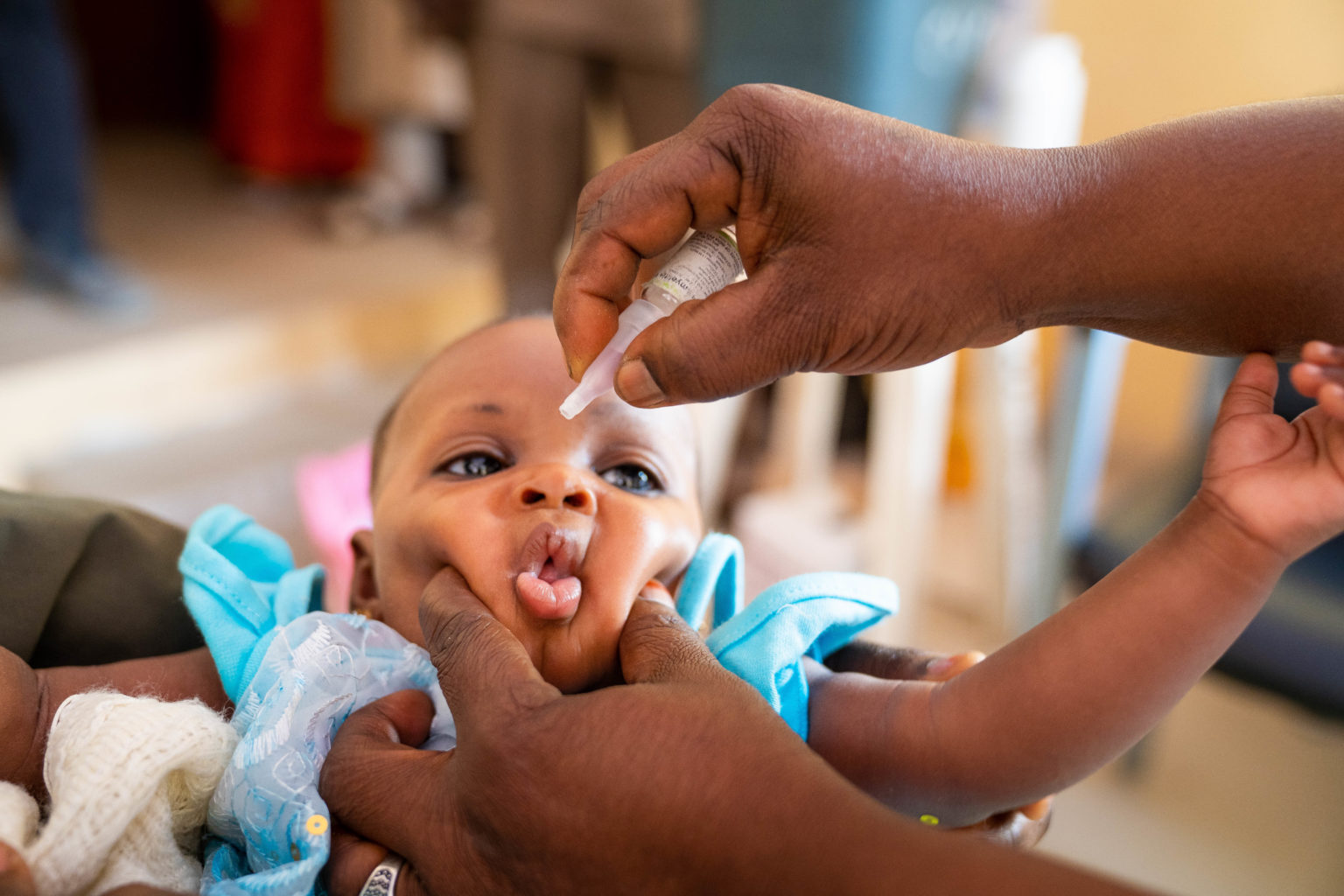
Polio is a highly infectious disease that can cause irreversible paralysis. There is no cure, but vaccination can prevent the disease.
Rwanda was declared polio-free in 2004 after reporting its last case of wild poliovirus in 1993.
Uganda and Burundi are among five African countries that have successfully stopped the transmission of poliovirus type 2, according to the World Health Organisation (WHO), marking a significant milestone in efforts to protect children from paralysis caused by the disease.
Ntihanabayo appeared in court on Tuesday, August 25, 2026, alongside some of the other suspects in a case involving 80 people accused of offences related to the production, sale, distribution or importation of substandard alcoholic beverages commonly known as 'Ibyuma.'
Sixteen of the suspects appeared before the court to argue their cases on provisional detention.
At around 10 a.m., the judge announced the start of the proceedings and explained that the suspects would be heard in groups of three or four.
Ntihanabayo appeared alongside Twahirwa Fulgence, Ingufu Gin's quality control officer, and Katushabe Donias Donias, who is responsible for production at the company. They were among the first suspects to appear before the court.
Prosecution cites alleged quality and safety violations
Prosecutors told the court that investigations into the production of alcoholic beverages that have raised concerns among the public found that some manufacturers, including Ingufu Gin, had allegedly failed to comply with required quality and safety standards.
The prosecution said one of the grounds for seeking Ntihanabayo's pre-trial detention was his alleged failure to ensure compliance with quality standards, resulting in the production of beverages that did not meet the required standards.
Prosecutors said manufacturers are expected to conduct tests to determine whether substances contained in their products could pose health risks to consumers, but alleged that such testing was not carried out at Ingufu Gin.
'When such testing is not conducted, it can have adverse health effects on people who consume these beverages over a long period,' the prosecutor told the court.
The prosecution also alleged that Ingufu Gin did not have documentation showing that the tanks used to store beverages at the factory were properly cleaned and sanitised.
It further alleged that ethanol was not stored in accordance with safety requirements. Investigators reportedly found that the ethanol was kept in an area where temperature levels were not controlled and whose conditions did not comply with applicable standards.
According to prosecutors, these conditions could cause the concentration of ethanol to rise to as high as 94%, potentially affecting the quality of the products.
The prosecution said ethanol at such a concentration could pose a significant fire risk.
It argued that improper storage increased the risk of fire and could expose factory workers to health risks through inhalation.
Another ground cited by prosecutors concerned the alleged improper storage of flavouring substances used to give alcoholic beverages their taste, aroma and colour.
The prosecution told the court that the flavours used in Ingufu Gin's alcoholic beverages did not indicate their source or origin.
Investigators also allegedly found that some of the caps used to seal the beverages had exceeded their recommended period of use. Prosecutors said this could pose health risks to consumers.
Ntihanabayo denies personal responsibility
Ntihanabayo told the court that he is an investor whose role was to establish different departments within the company responsible for ensuring that operations were properly conducted and products met the required quality standards.
He argued that if violations had occurred, the employees responsible for the relevant areas should be held accountable because they had been given the authority to oversee them.
The judge questioned whether Ntihanabayo's position as an investor and the existence of employees responsible for quality control meant that the alleged violations did not concern him personally.
'Does that mean that your company is separate from you as an individual?' the judge asked.
The judge further told Ntihanabayo that the prosecution was alleging that he had personally played a role in the violations, despite his argument that specific employees had been assigned responsibility for quality control.
Ntihanabayo asked the court to allow him to remain free while investigations continue, saying he had no intention of interfering with or obstructing the investigation.
Ntihanabayo's lawyer challenged some of the grounds presented by the prosecution, including the allegation that the factory used expired caps to seal its alcoholic beverages.
The lawyer argued that liqueurs generally do not have an expiry period in the same way as some other products and questioned the prosecution's claim that the caps had exceeded their permitted period of use.
The lawyer also asked the court to allow Ntihanabayo to remain free while the case proceeds, arguing that his detention could affect several other investments he has made.
These include a school and a project to build a market in Biryogo, which the lawyer said could be delayed if Ntihanabayo is remanded.
The court will consider the arguments from both sides before ruling on the prosecution's request for 30 days of pre-trial detention.
Prosecution has sought 30-day remand for Ingufu Gin owner
According to PEOPLE, sources close to Harry say he 'never really stopped missing home,' despite establishing a new life with Meghan in California.
The couple are planning to establish a private home in the UK while maintaining their residence in Montecito, California.
Their children are expected to begin school in Britain in September, making the move an important step in reconnecting the family with Harry's home country.
The return also comes as Harry continues his involvement with charitable activities and prepares for the 2027 Invictus Games, which will be held in Birmingham.
The decision represents a change from Harry's previous position on bringing his family back to Britain.
In May 2025, he told the BBC that he could not imagine returning to the UK with Meghan and their children, citing concerns about security.
However, sources say circumstances have changed, and the idea of spending more time in Britain has been developing for about a year.
For Meghan, the move is also connected to new professional opportunities.
She is reportedly preparing to return to acting, nearly a decade after leaving the profession. Her work is said to be among the factors making the family's extended stay in the UK possible.
The move could also bring Harry closer to his father, King Charles III. Harry, Meghan and their children privately reunited with Charles in July, marking the first time the King had seen Archie and Lilibet in more than four years.
The meeting was viewed as a positive development in the relationship between father and son.
Harry's relationship with his brother, Prince William, remains more complicated.
The two brothers have been estranged for years, and there is no indication that the UK return will immediately resolve their differences.
However, being closer geographically could create opportunities for their relationship to improve over time.
The Sussexes are not returning as working royals. They will continue their lives as private individuals while maintaining their connections and activities in the United States.
Prince Harry and Meghan Markle are set for major UK return with their children.
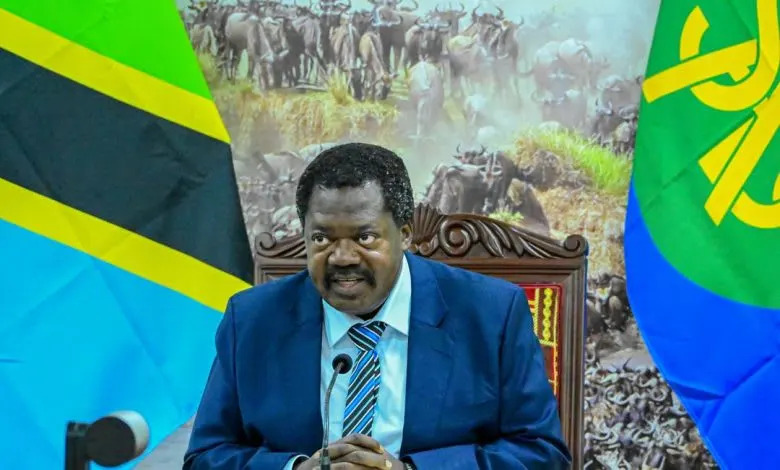
Nchimbi said on Tuesday, August 25, that he had written to President Samia Suluhu Hassan informing her of his decision to resign, effective September 4, 2026.
He said the resignation was made in accordance with Articles 50(2)(c) and 149(2) of Tanzania's Constitution.
Nchimbi said his decision was also linked to a commitment he made to President Samia in August 2025, when he pledged to support her and the country with loyalty and said he would relinquish his position if she ever felt that another vice president was needed.
'I have satisfied myself, beyond doubt, that H.E. the President desires a change; therefore, I have decided to fulfill my promise,' Nchimbi said in a public notice.
He said he would continue serving as 'a good citizen of Tanzania' after leaving public office.
His resignation comes amid media reports of a fallout between Nchimbi and President Samia, although neither side has publicly detailed the circumstances behind the reported differences.
Nchimbi was sworn in as vice president in November 2025 after serving as Samia's running mate in the October 2025 presidential election.
Before becoming vice president, Nchimbi served as secretary-general of the ruling Chama Cha Mapinduzi (CCM). He previously held senior government positions, including minister of information and minister of home affairs, and later served as Tanzania's ambassador to Brazil and Egypt.
Tanzania's Vice President Emmanuel Nchimbi has announced his resignation from the position and from public service, effective September 4, 2026.
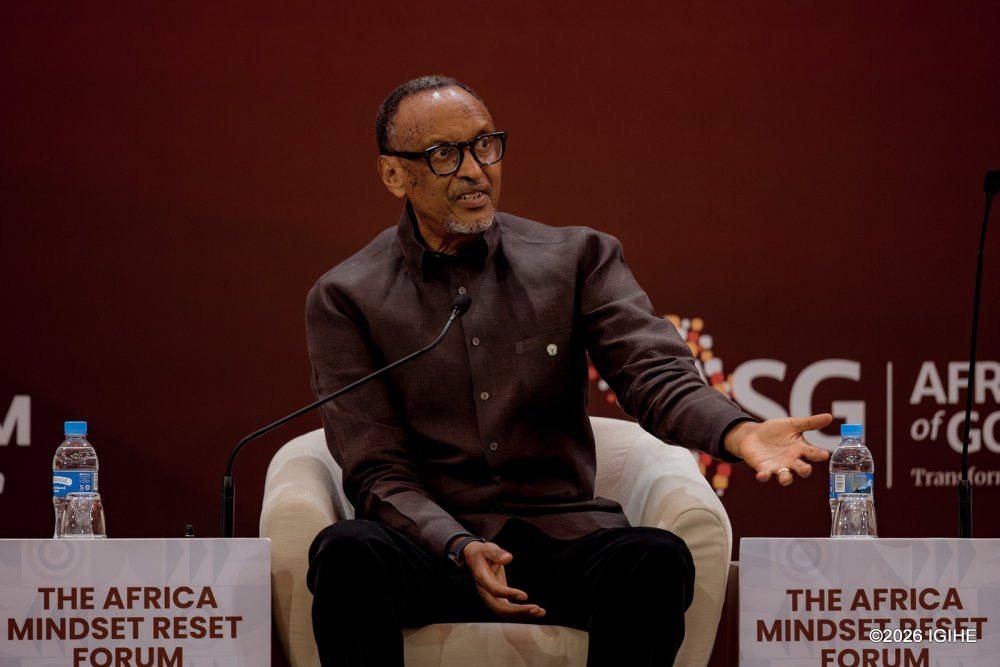
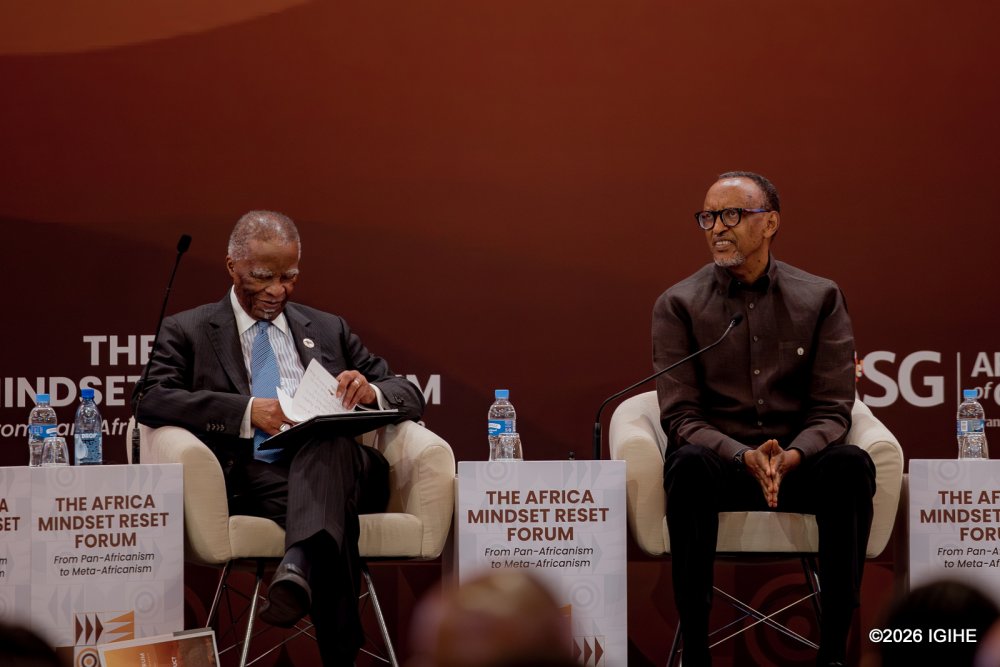
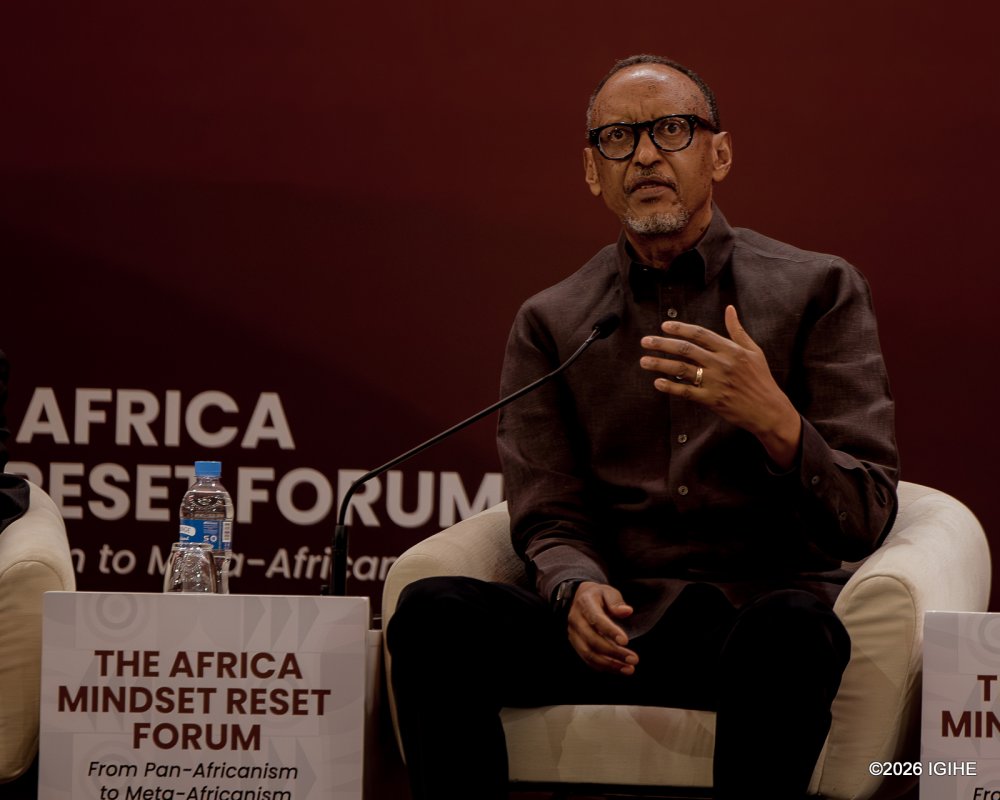
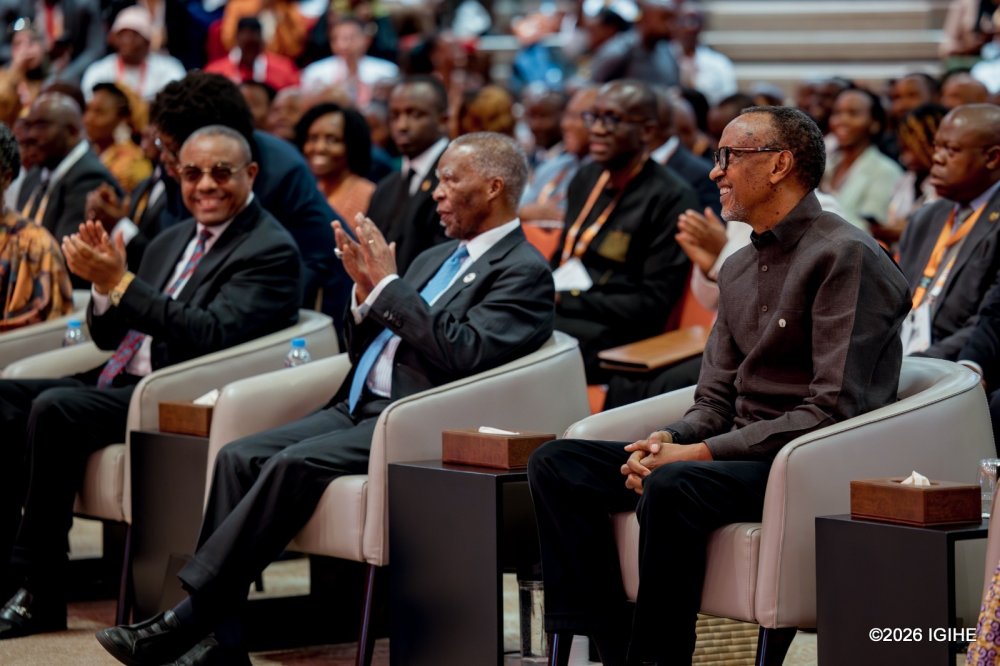
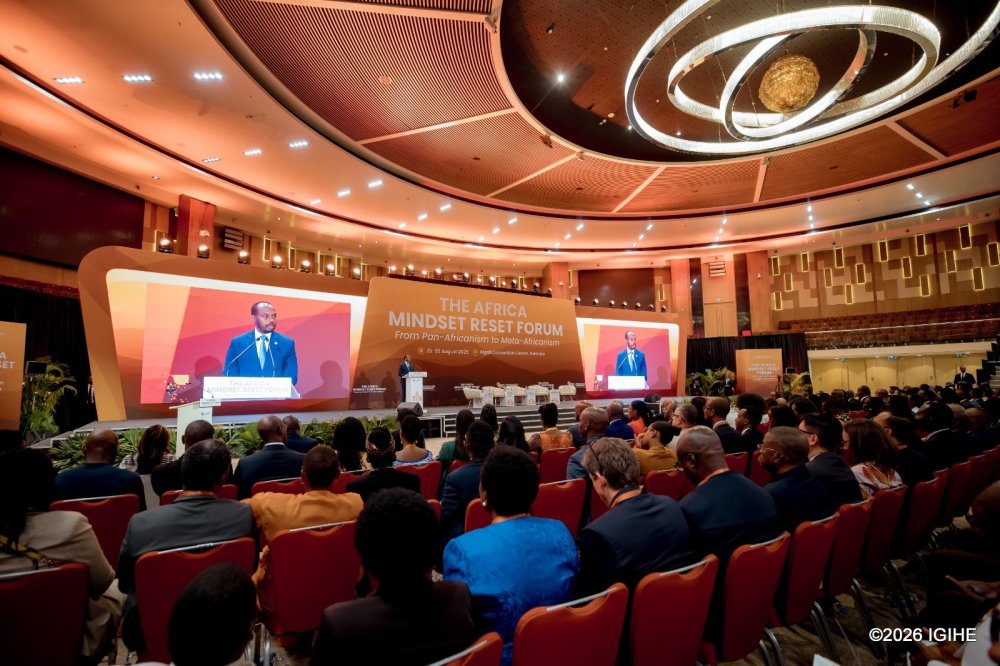
Speaking during a panel discussion at the Africa Mindset Reset Forum hosted by the African School of Governance (ASG) in Kigali on Tuesday, President Kagame said young people should not be driven into confrontation simply because they have the energy or ability to fight, but should first establish whether a cause is justified and worth the sacrifice it demands.
'You have to be selective. There has to be justification for a fight. Don't just pick fights for the sake of it,' Kagame said.
'Don't just pick a fight because you can fight. Choose a moment, choose what for. And it must be a just cause. And when you have been clear about it, you've done all the checks, then give it the fight it deserves. But be selective. Choose,' he stressed.
Kagame's advice was rooted in his own experience as a Rwandan refugee. His family fled Rwanda amid persecution and violence in the early 1960s, and he spent much of his childhood and early life in Uganda as a refugee.
He told the forum that the hardships of life in exile shaped the determination among many Rwandans to reject a future of permanent displacement and seek a different life.
'We can't live as refugees forever,' Kagame said, recalling the circumstances that pushed many Rwandans to make difficult choices about their future. He said some who had endured years of hardship reached a point where they felt they had to try to build 'a life that is worth something' and one they could stand up and fight for.
In October 1990, the Rwandan Patriotic Front (RPF) launched an armed liberation struggle aimed at ending decades of exclusion and allowing refugees to return home. Kagame, who became commander of the RPF's military forces, played a central role in the four-year struggle.
Reflecting on the decision to join the struggle, Kagame said it was a conscious choice made despite the enormous risks involved.
'When I was young, there were all kinds of problems that came with a silver lining, in the sense that they made a number of us who lived that life say, 'We shouldn't accept this,'' he recalled.
'Together with others, we made that choice, and we decided to shape the kind of life we wanted,' Kagame added, noting that those who took such decisions understood that the cost could be high.
The President said such choices also create a lasting sense of responsibility, particularly when they are made with the hope of improving the lives of others. Having taken risks to change their circumstances, he said, those who survive and succeed have an obligation to ensure that future generations do not experience the same hardships.
He urged young people to find a purpose that goes beyond themselves and to consider how their choices can affect the lives of others.
'It's in your capacity, in your ability, in your every possibility to say, to give your life a purpose and to make a choice, a choice that you know, if you have made it, is not just going to be confined to your life, but it has impact on other people's lives,' Kagame noted.
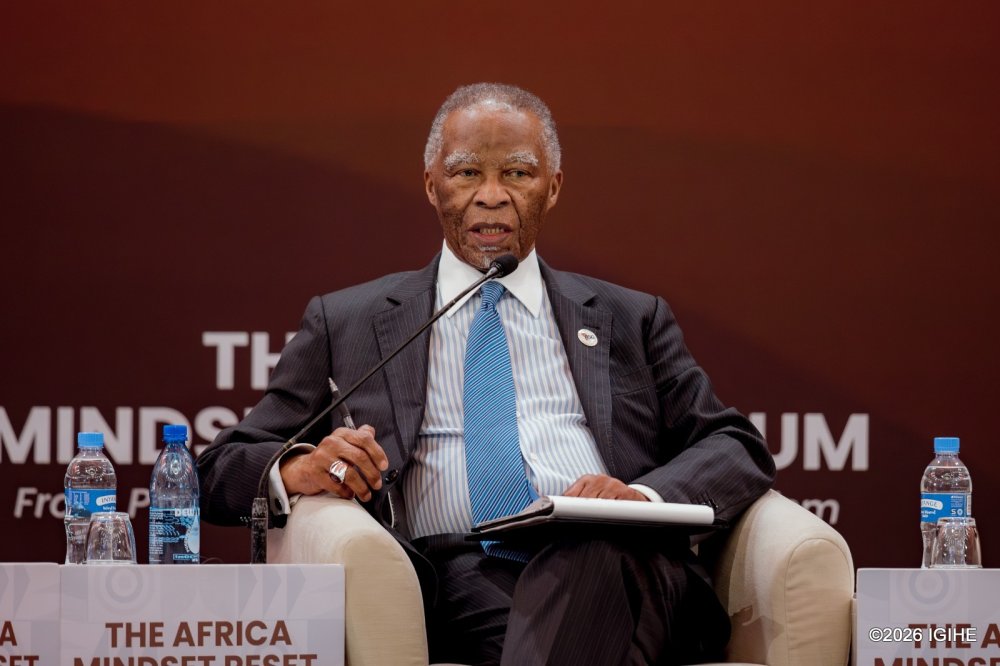
Former South African President Thabo Mbeki also reflected on his experience of joining the African National Congress Youth League at the age of 13, drawing lessons from South Africa's long struggle against apartheid.
'The struggle hasn't ended. So you stay with the struggle, you stay on course. The commitment you made as a 13-year-old, you stay with it,' he reflected.
He urged young Africans to persevere in the pursuit of 'the Africa we want,' even when the journey becomes difficult, echoing Kagame's call for young people to choose meaningful causes and commit themselves to them.
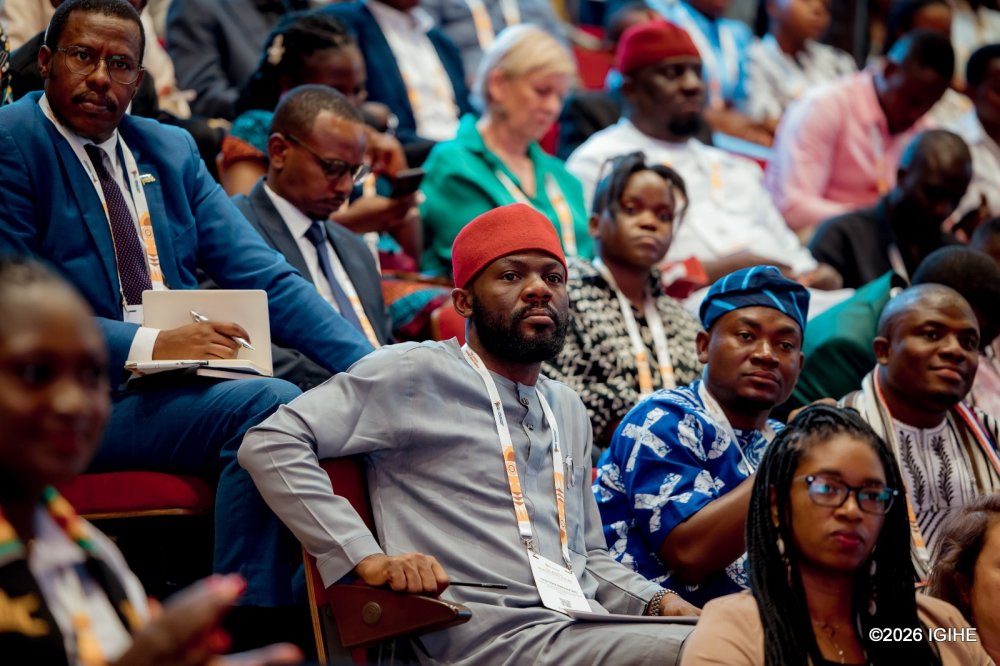
The discussion took place at the inaugural Africa Mindset Reset Forum, which seeks to encourage a shift in attitudes and approaches needed to accelerate Africa's transformation, moving beyond identifying the continent's challenges towards collective action and implementation.
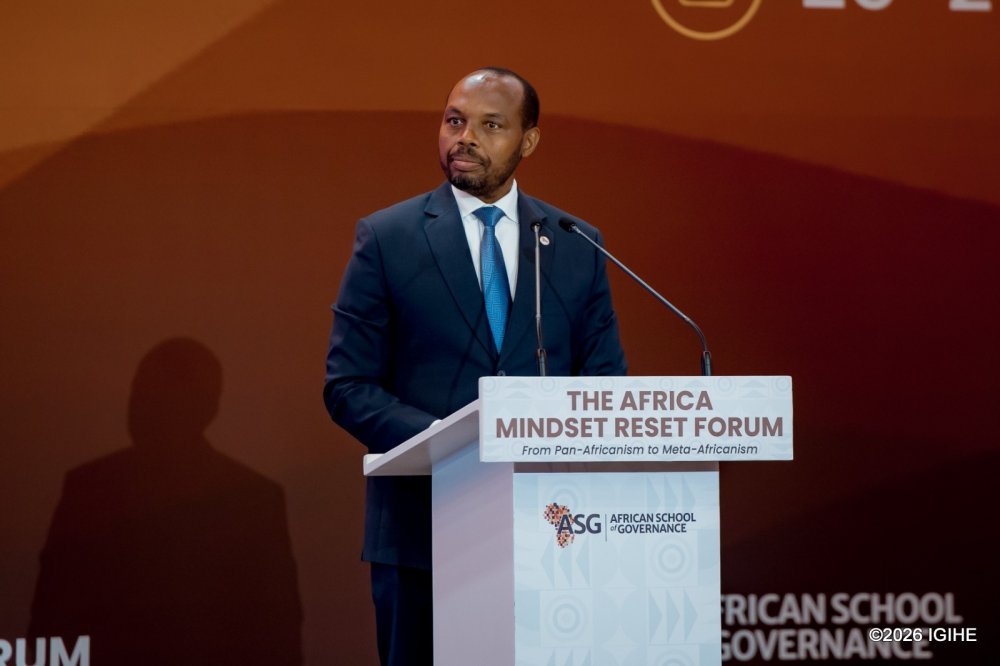
The two-day forum is being hosted by the African School of Governance, a pan-African institution for leadership, public policy and management co-founded by Kagame and former Ethiopian Prime Minister Hailemariam Desalegn. The school was officially inaugurated in January 2025 after receiving accreditation from Rwanda's Higher Education Council.
In his opening remarks, ASG President Francis Gatare said the school was founded on the conviction that Africa does not lack ambition, resources or talent, but needs the leadership mindset required to build strong institutions and deliver results. He said its mission is to help develop a new generation of ethical African leaders with a transformative mindset and a commitment to public service.
Gatare also welcomed the school's new cohort, comprising 238 participants from 22 African countries, who are beginning programmes ranging from the Master of Public Administration to executive education and leadership programmes for young, emerging and senior leaders.
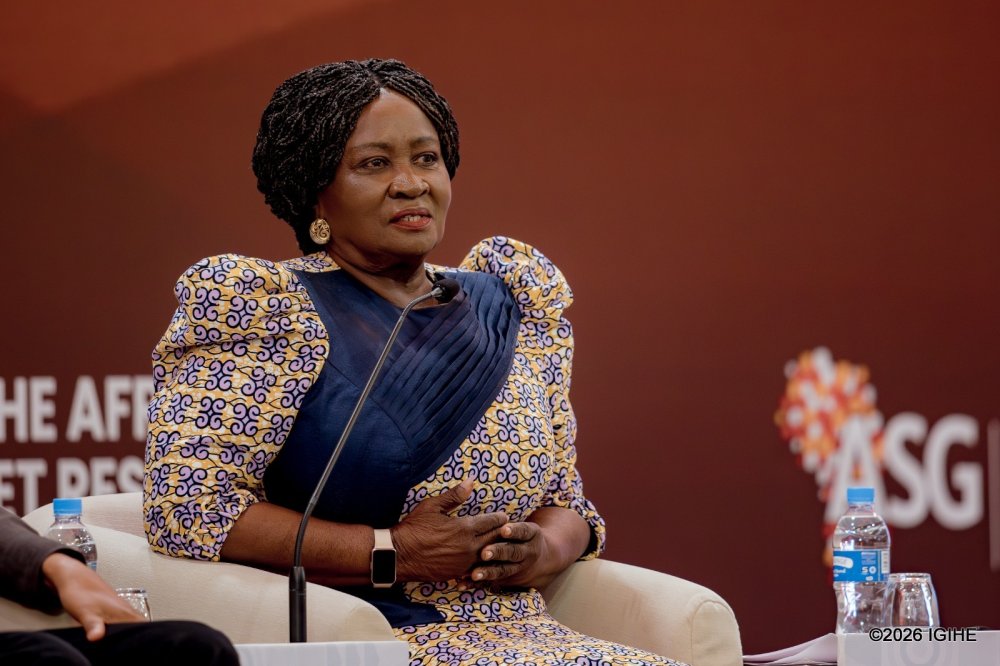
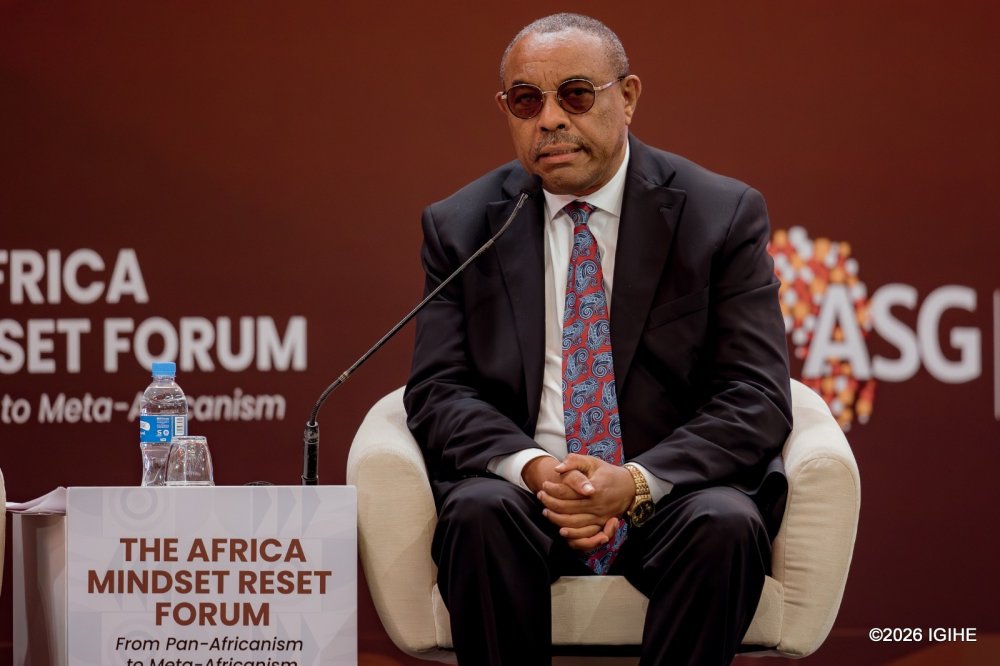
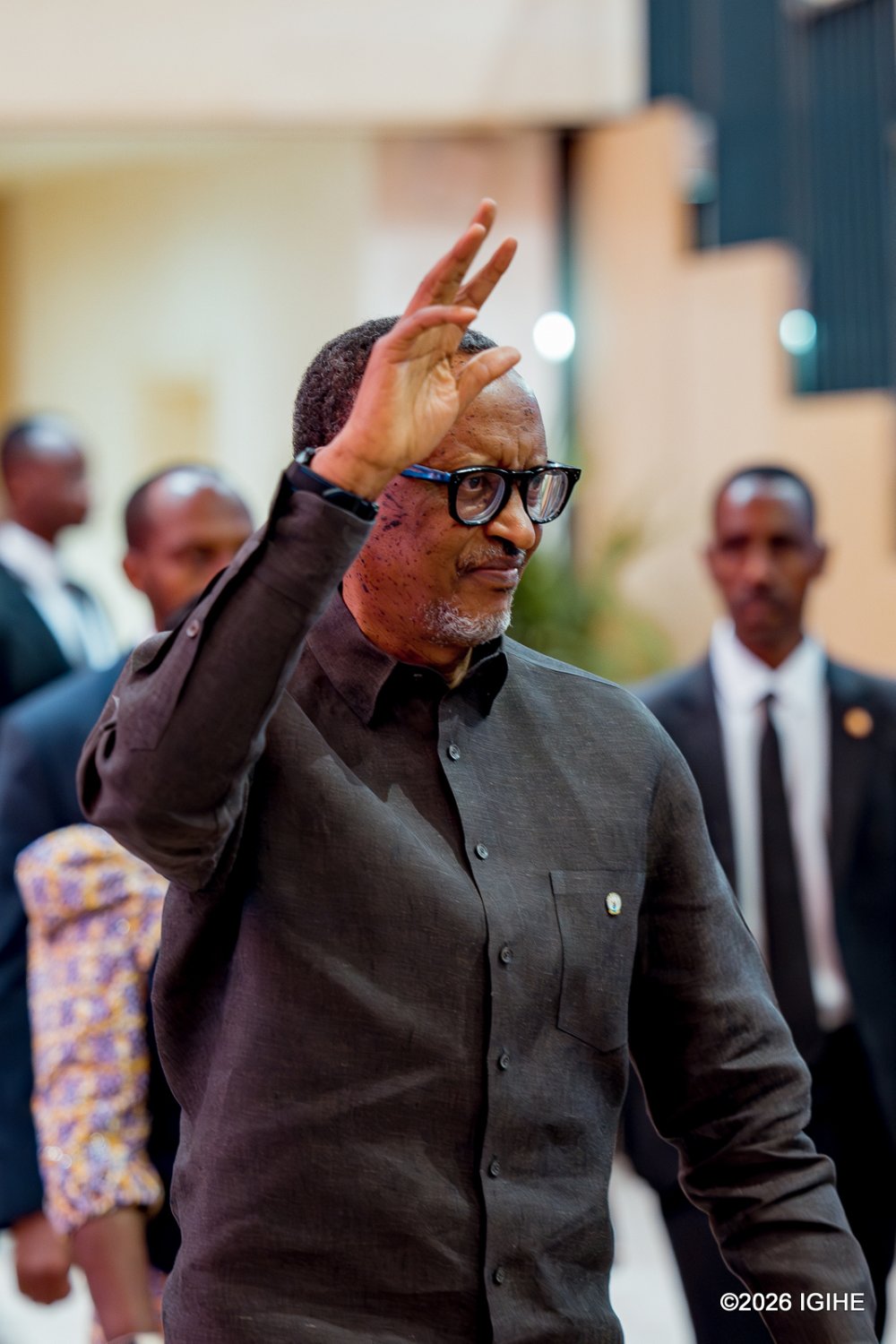
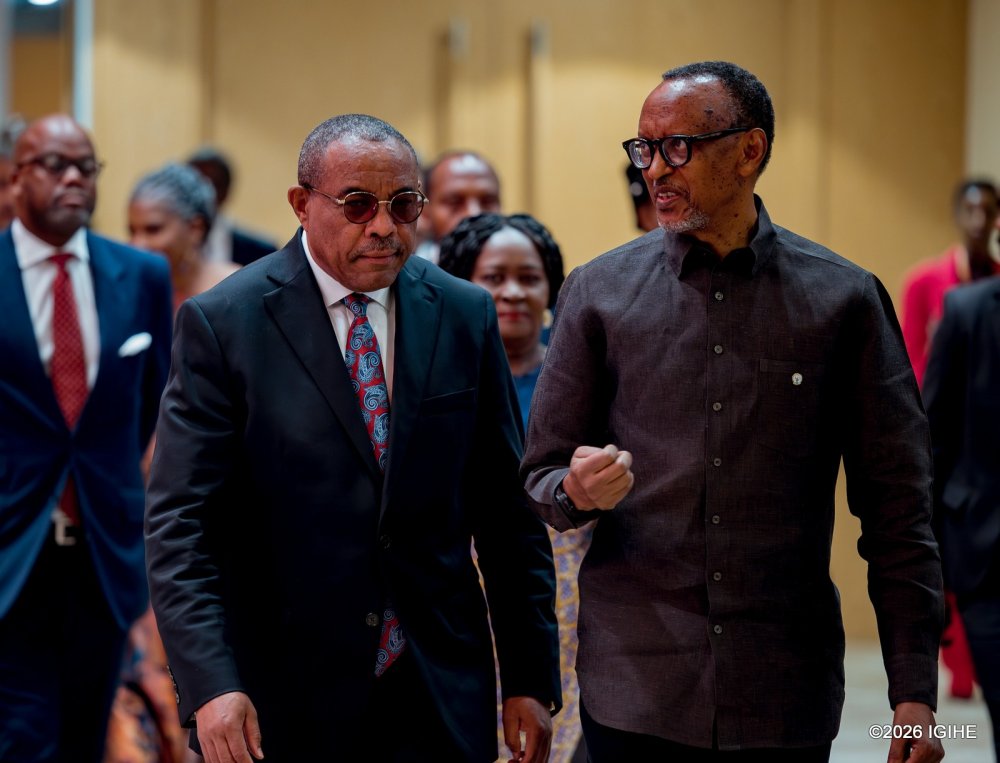
President Kagame was speaking during a panel discussion at the Africa Mindset Reset Forum hosted by the African School of Governance (ASG) in Kigali on Tuesday.President Kagame said young people should not be driven into confrontation simply because they have the energy or ability to fight, but should first establish whether a cause is justified and worth the sacrifice it demands.Former South African President Thabo Mbeki also reflected on his experience of joining the African National Congress Youth League at the age of 13, drawing lessons from South Africa's long struggle against apartheid.Professor Jane Naana Opoku-Agyemang, the current Vice President of Ghana, was also a panellist at the forum.The African School of Governance was co-founded by Kagame and former Ethiopian Prime Minister Hailemariam Desalegn (pictured).ASG President Francis Gatare said the school was founded on the conviction that Africa does not lack ambition, resources or talent, but needs the leadership mindset required to build strong institutions and deliver results.
The incident occurred on August 25, 2026, in Rubindi Cell, Gataraga Sector, where the six women had gone to excavate soil used to make bricks.
Northern Province Police spokesperson CIP Ignace Ngirabakunzi confirmed the incident to IGIHE.
He said the excavation was being carried out illegally and that the site collapsed while the women were digging.
'The site was being used to illegally excavate soil for making bricks. It collapsed on six women, killing four and seriously injuring two others. It is suspected that they lacked the necessary knowledge of proper excavation and dug improperly, causing it to collapse,' he said.
Authorities and rescue teams arrived at the scene after the incident was reported. The two injured women were taken to Ruhengeri Hospital for treatment.
IGIHE has learned that the owner of the excavation site was arrested shortly after the incident and is currently being held at the Rwanda Investigation Bureau (RIB) station in Busogo.
CIP Ngirabakunzi urged residents to ensure that excavation activities are carried out safely, warning that improper practices can lead to accidents and loss of life.
He also urged residents to avoid illegal excavation activities and called on site owners to comply with regulations governing excavation and obtain the required insurance.