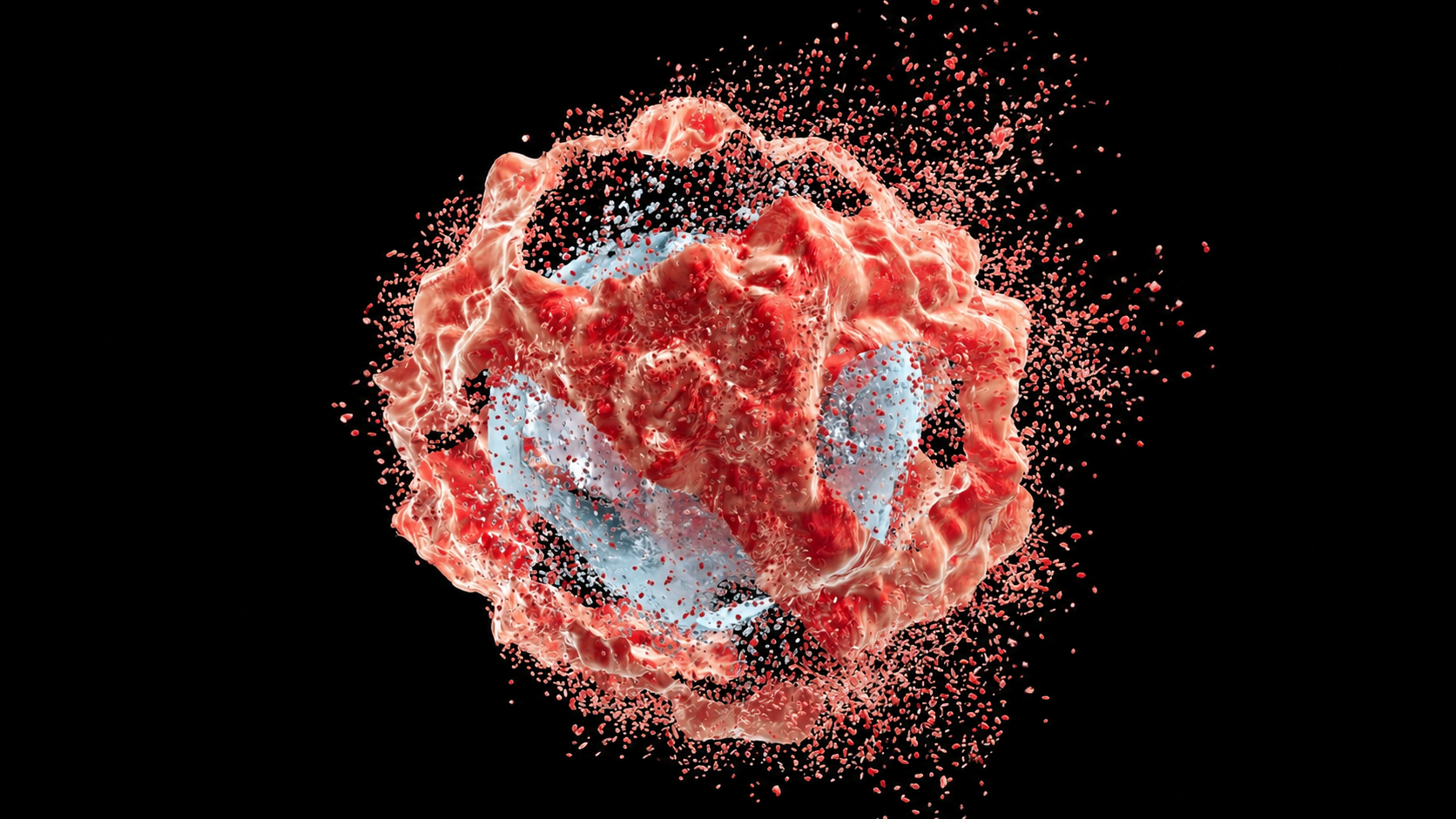
Researchers at Sylvester Comprehensive Cancer Center, part of the University of Miami Miller School of Medicine, found that blocking a receptor known as IL1RAP can disrupt an inflammatory network that helps pancreatic tumors survive and resist treatment.
Pancreatic cancer is among the most difficult cancers to treat successfully.
One of the challenges is the tumor microenvironment, which consists of surrounding cells and tissues that can support tumor growth and help cancer cells withstand treatment.
According to the researchers, IL1RAP plays an important role in connecting tumor cells, immune cells and fibroblasts, helping create an environment that protects the cancer.
In preclinical experiments, blocking IL1RAP changed this environment in several ways.
Researchers observed fewer immune-suppressive cells, increased activity of cancer-fighting T cells and reduced fibrosis, a buildup of scar-like tissue that can contribute to treatment resistance.
The researchers also found that tumors responded more strongly when IL1RAP inhibition was combined with other treatments, suggesting that targeting the receptor could potentially improve the effectiveness of chemotherapy and immunotherapy.
Jashodeep Datta, a pancreatic and hepatobiliary surgical oncologist at Sylvester and senior author of the study, said IL1RAP acts as a shared receptor through which several inflammatory signals communicate.
Rather than attempting to destroy cancer cells directly, the approach aims to dismantle some of the biological support systems surrounding the tumor, potentially leaving the cancer more vulnerable to existing treatments.
The research, published in JCI Insight, has now moved toward the next stage.
Sylvester researchers are advancing a neoadjuvant clinical trial, in which IL1RAP-targeted treatment will be combined with chemoimmunotherapy in patients with operable pancreatic cancer before surgery.
The trial could also allow researchers to compare tumor samples before and after treatment, giving them an opportunity to observe how the cancer changes in response to the therapy.
However, the researchers stress that the findings so far come from preclinical studies.
Further testing in patients will be needed to determine whether targeting IL1RAP is safe and effective as a treatment for pancreatic cancer.
The study was supported by a Translational Research Grant from the V Foundation.
The researchers received $800,000 over four years to help move the work from laboratory research toward early-stage clinical testing.
Researchers are studying IL1RAP as a potential target for weakening pancreatic cancer's defenses.
The disclosure was made in the company's latest threat intelligence report, which details several cases in which individuals and groups allegedly attempted to exploit AI technology for malicious purposes.
Anthropic said some of the activity involved efforts that could support the development of biological weapons.
The company also reported cases involving conventional weapons, including firearms, missiles, armed drones, bombs and other ammunition, according to reporting on the company's findings.
The report comes amid growing concern about the potential misuse of increasingly capable AI systems.
Technology companies and security researchers have warned that AI tools could lower the technical barriers for people seeking to carry out sophisticated cyberattacks or other harmful activities.
Anthropic also said its Claude model had been used in a Russia-linked cyber-espionage campaign.
The company reported that the cases it detected over the past eight months ranged from fraudulent dating applications and hotel Wi-Fi scams to surveillance systems designed to identify dissidents.
The company said its investigation also uncovered the use of Claude by an Iranian propaganda institution.
Anthropic has previously positioned safety and restrictions on the use of its AI systems as a central part of its approach to developing advanced models.
The latest report illustrates the difficulty technology companies face in preventing their systems from being exploited by people with malicious intentions.
The report also includes allegations concerning Chinese AI companies, which Anthropic said had attempted to replicate capabilities associated with Claude.
The developments come shortly after a former senior Anthropic researcher publicly warned about the potential risks posed by increasingly powerful AI systems.
Those warnings have intensified debate over how quickly advanced AI should be developed and what safeguards should be put in place.
Anthropic said it released the threat intelligence report because it believes it has a responsibility to disclose how its services are being misused.
The company said the cases involved a range of actors, including suspected state-backed groups, cybercriminals, spyware providers, political actors and institutions linked to state propaganda.
The revelations highlight a growing challenge for the AI industry: while advanced AI can be used for scientific research, productivity and other beneficial purposes, the same capabilities can potentially be exploited for criminal, military or other harmful activities.
Anthropic's findings do not mean that AI systems themselves independently developed biological or conventional weapons.
Rather, the company says people attempted to use its AI model to assist with activities that could contribute to such development.
Anthropic says it disrupted attempts to misuse its Claude AI model for potentially harmful activities.
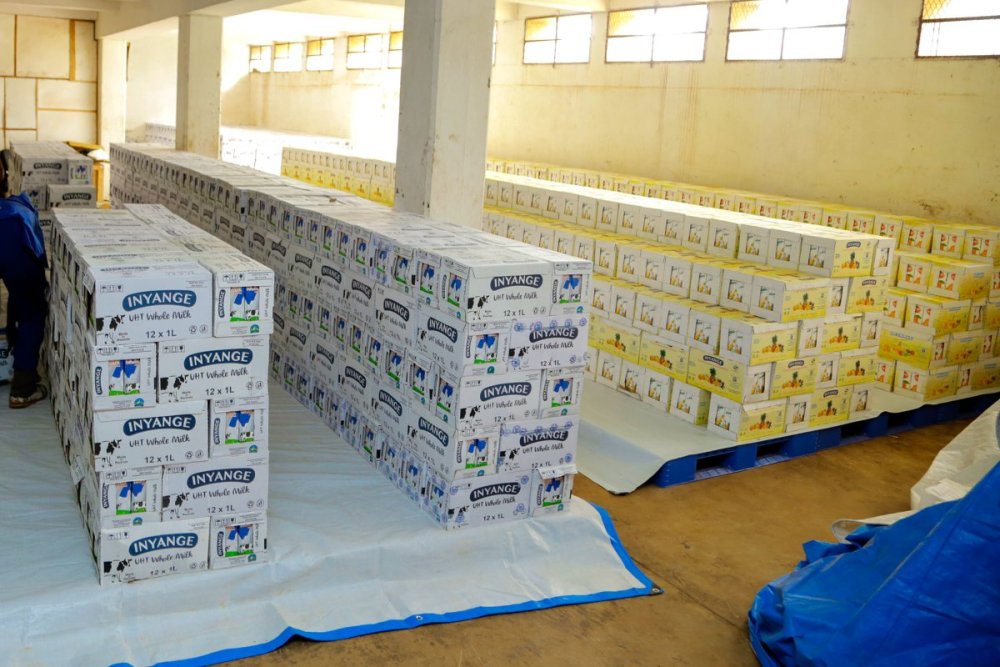
The company issued the clarification in a public statement on September 11, 2026, after some traders were reported to be selling a carton containing 12 packs of 500ml Inyange milk for as much as Rwf20,000.
Concerns over the rising prices and availability of Inyange milk have also been raised on social media, with some consumers questioning the reasons behind the increase and reporting difficulties finding the product in some areas.
IGIHE visited Nyabugogo, where the price of a carton of Inyange milk had reached Rwf19,000 in some shops. Traders attributed the increase to higher prices from their suppliers.
One trader, who requested anonymity, said they previously sold the carton for Rwf8,500 but had increased the price because of the higher amount they were paying suppliers.
In its public statement, Inyange Industries said a prolonged dry season this year had 'drastically affected' its milk production volumes.
However, the company said its prices to distributors had not changed since March 2026.
According to the statement signed by Managing Director James Biseruka, a carton of 12 packs of 500ml whole milk is sold at Rwf8,000 to distributors and Rwf8,500 at Milk Zones.
Inyange also said pasteurised whole milk sold at all Milk Zones is priced at Rwf800 per litre.
The company said any future changes to its prices would be announced publicly and in advance through its official communication channels.
'We hope that milk production will soon normalise,' Biseruka said.
Meanwhile, a survey of different markets in Kigali found that Inyange milk was being sold at varying prices in ordinary shops, while some supermarkets were still selling a carton for Rwf8,500.
Inyange Industries is one of Rwanda's major dairy-processing companies. It also produces other products, including juices and drinking water.
Inyange has reacted to milk price and supply concerns. The company is one of Rwanda's major dairy-processing companies.
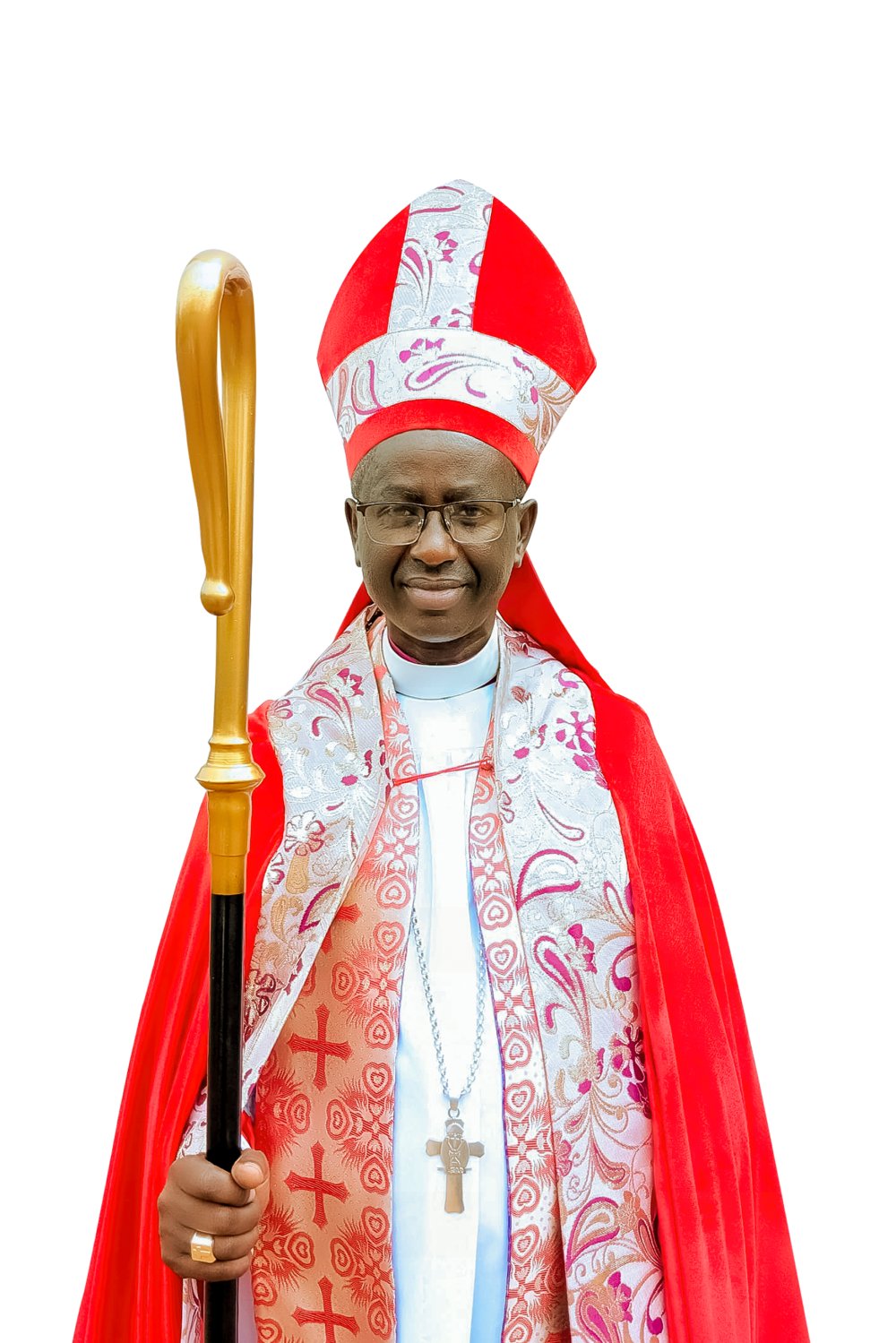
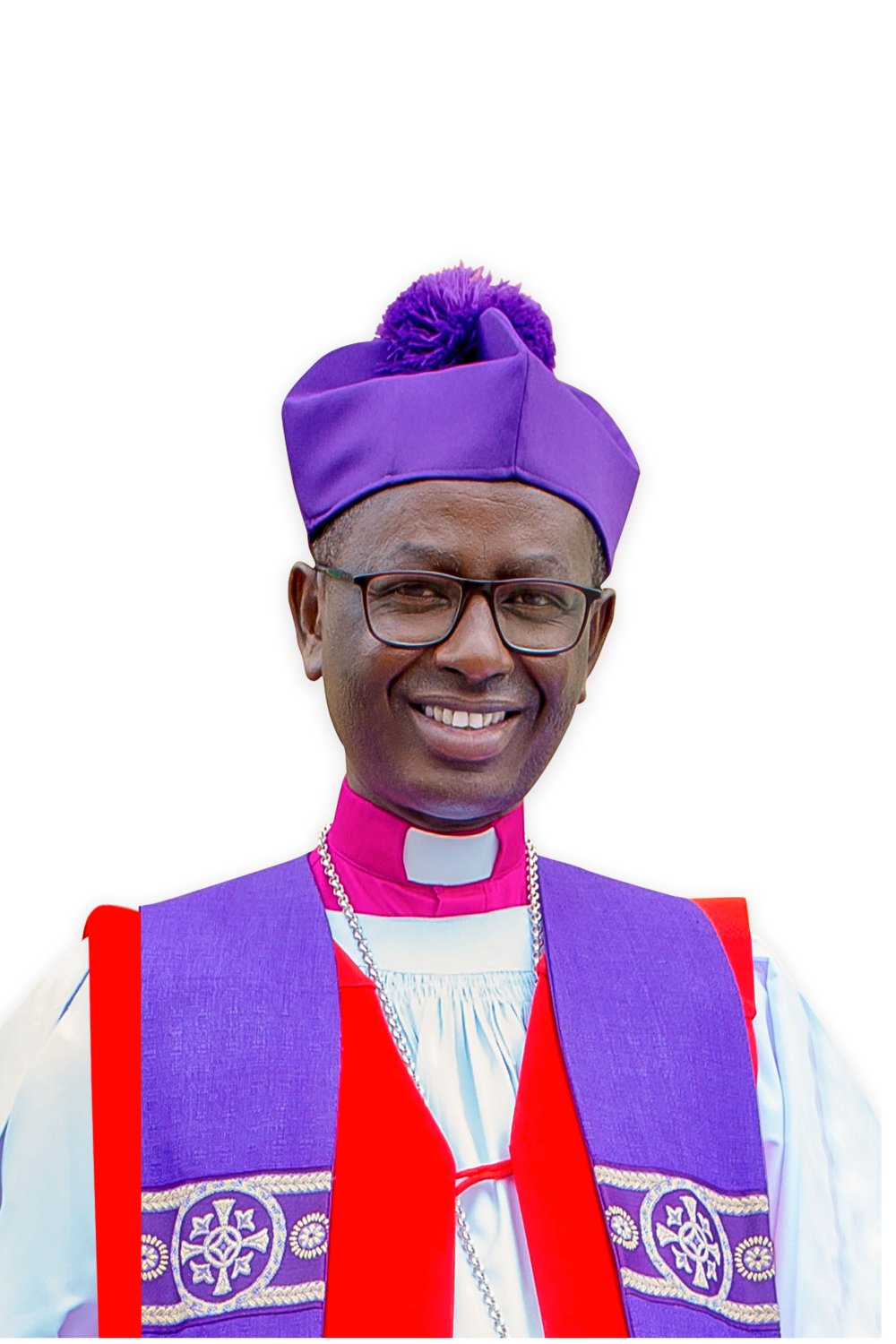
Dr. Gahima was elected on September 11 to succeed Dr. Mbanda, whose tenure has been marked by the church's growing membership, efforts to achieve financial self-reliance and its decision to distance itself from the Church of England over what it considers departures from biblical teachings.
Speaking to IGIHE, Dr. Mbanda said he was satisfied with the election of his successor and described Dr. Gahima as a humble, trustworthy and experienced leader who has served in education, local government and the church.
'He is a person who loves evangelism and is a leader,' Dr. Mbanda said, adding that he and the other bishops were pleased with his election.
Dr. Mbanda said he leaves the Anglican Church in Rwanda in a strong position after eight years of growth. He said every diocese has recorded an increase in membership and expanded its evangelism activities.
He cited the Community Bible Study programme, which started in one diocese and has now expanded across all dioceses, reaching about 200,000 people who study the Bible while also receiving support aimed at improving their livelihoods.
The church has also established two new dioceses since 2018, in Karongi and Nyaruguru, while new parishes and churches have been established in different parts of the country.
Dr. Mbanda said one of the major challenges during his tenure was changing people's understanding of the church's mission. He argued that evangelism should address both spiritual and material needs, including food, healthcare and livelihoods.
He said the church has also prioritised financial self-reliance and has reduced its dependence on external funding.
Asked what he would like his successor to focus on, Dr. Mbanda said Dr. Gahima should preserve the unity of the church and maintain its direction while building on the foundation already established.
'I would advise him to remain firm in Christ, keep Christ at the centre of the church, uphold the Word of God and place it at the centre of the church,' he said.
Dr. Mbanda also addressed the Anglican Church in Rwanda's disagreement with the Church of England, saying the dispute was primarily about biblical teachings rather than the appointment of a woman to leadership.
He said the Anglican Church in Rwanda has women in leadership positions, including female pastors, and that the central issue was what he described as the promotion of teachings that conflict with the Bible.
On same-sex relationships, Dr. Mbanda said people should not be prevented from attending church or hearing the Word of God.
'We do not prevent anyone from hearing the Word of God,' he said. 'We believe it changes people and that people need to be saved.'
However, he said the church would not accept people in same-sex relationships serving as bishops or pastors, arguing that church leaders must meet the standards set out in the Bible.
Dr. Mbanda said the decision to distance the Rwandan church from the Church of England had not harmed it financially or otherwise. He said the church had lost some forms of support but had replaced them through its own activities.
'When you are self-reliant, you have a voice,' he said, arguing that the church should not compromise its beliefs for financial support.
Although Dr. Mbanda will leave the position of Archbishop in October, he said he would remain active in Christian ministry and expected to undertake other responsibilities within the Global Anglican Communion.
Dr. Laurent Mbanda has reflected on his eight years at the helm of the Anglican Church in Rwanda and the legacy he leaves for his successor.
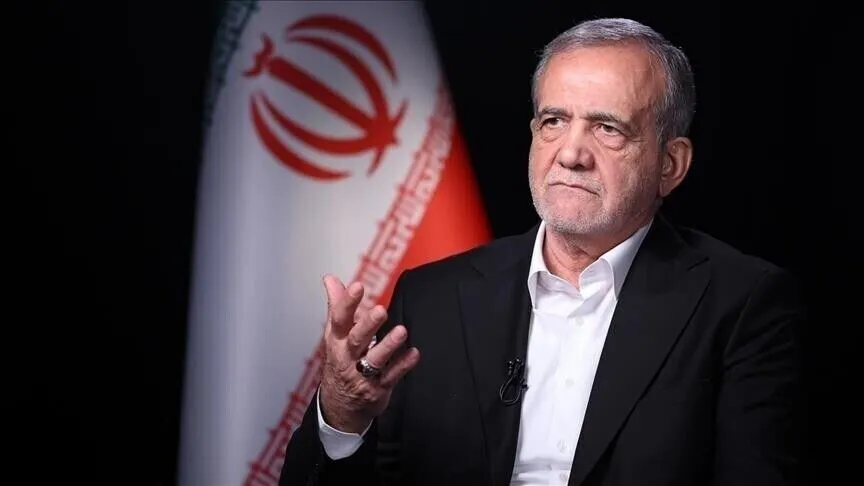
'Since the United States cannot force Iranians to surrender through bullying, it seeks to make them capitulate owing to livelihood problems and a lack of facilities. However, the Iranian people will not surrender,' Pezeshkian said at a meeting with Indian religious leaders, elites and businessmen in New Delhi, according to the official IRNA news agency.
He condemned the U.S. naval blockade and economic war against Iran, saying Washington does not want Iran to be an independent country, 'but we will not bow to its bullying.'
Iran has been under a U.S.-imposed naval blockade for several months and has recently witnessed an unprecedented intensification of pressure on its economy by Washington.
Last month, U.S. President Donald Trump announced 'the most crushing economic operation ever taken' against any country providing a lifeline to Iran, adding that 'this will be economic warfare and isolation on an unprecedented scale.'
Iranian President Masoud Pezeshkian said on Friday that the Iranian people will not surrender to U.S. economic pressure.
Dr. Gahima was elected on Friday during the General Assembly of leaders of the Anglican Church in Rwanda held at its headquarters in Kigali.
He was among the leading candidates for the position and faced Bishop Assiel Musabyimana, Bishop of the Diocese of Kigeme, in the final stage of the election.
Nathan Rusengo Amooti, Bishop of the Diocese of Kigali, had also initially been listed among those eligible for the position but later withdrew, leaving two candidates in the final race.
In March 2026, Dr. Gahima was elected chairperson of the Council of Protestant Churches in Rwanda (CPR). His election to that position brought his name into wider consideration as a potential successor to Dr. Mbanda as head of the Anglican Church in Rwanda.
Dr. Gahima had been serving as Bishop of the Diocese of Gahini and was the second bishop to lead the diocese.
Born in 1970, he grew up in Uganda after his family fled to the country. He completed his primary education at Kasonga in Uganda before continuing his secondary education at Kololo and St Andrea Kahwa's College.
He later obtained a degree in education and pursued higher education in business studies at what was then known as Umutara Polytechnic, now part of the University of Rwanda.
He also holds postgraduate degrees in human resource management and theology, as well as a PhD in theology.
Before joining the leadership of the Anglican Church, Dr. Gahima worked in education and local government.
From 1995 to 1997, he served as deputy head of Lycée de Kigali, where he was responsible for students studying in English.
Between 1997 and 2001, he served as mayor of the former Karangazi Commune, and from 2004 to 2005, he was mayor of the former Gabiro Commune.
Following reforms in Rwanda's local government structures, Dr. Gahima moved into church leadership in the Diocese of Gahini, where he served as deputy diocesan leader.
In 2019, he was consecrated Bishop of the Diocese of Gahini, a position he held for seven years before being elected to lead the Anglican Church in Rwanda.
Dr. Gahima is married and has eight children.
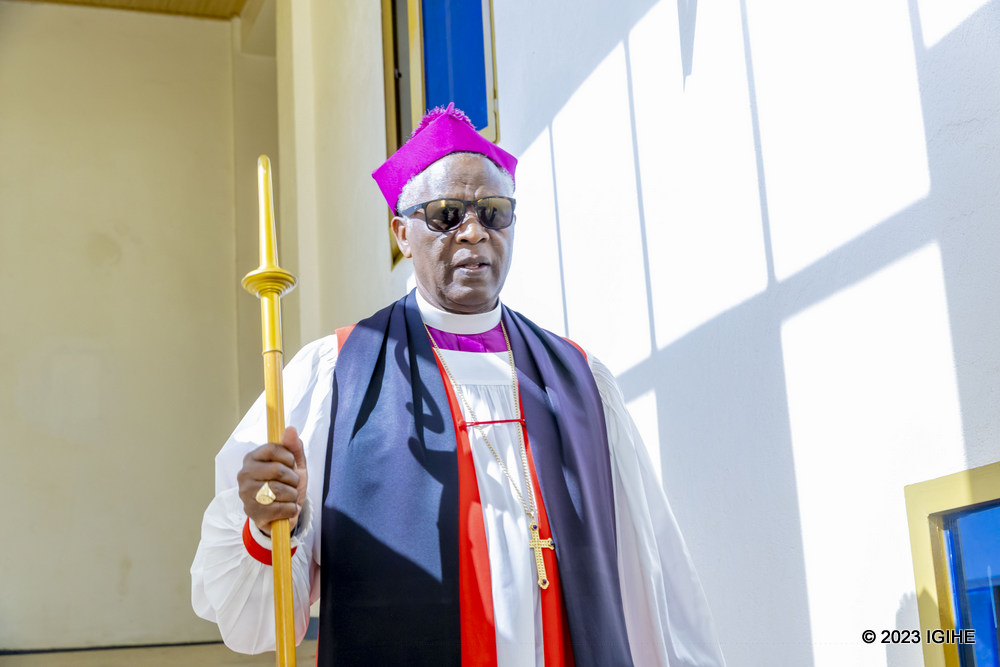
Dr Manasseh Gahima is married and a father of eight children.Dr Manasseh Gahima succeeds Dr Laurent Mbanda as Archbishop of the Anglican Church in Rwanda.Dr Manasseh Gahima is the newly elected Archbishop of the Anglican Church in Rwanda.
At 8:46 a.m., a hijacked American Airlines plane crashed into the World Trade Center. Seventeen minutes later, at 9:03 a.m., a second hijacked plane struck the South Tower. There was little doubt that the United States was under attack.
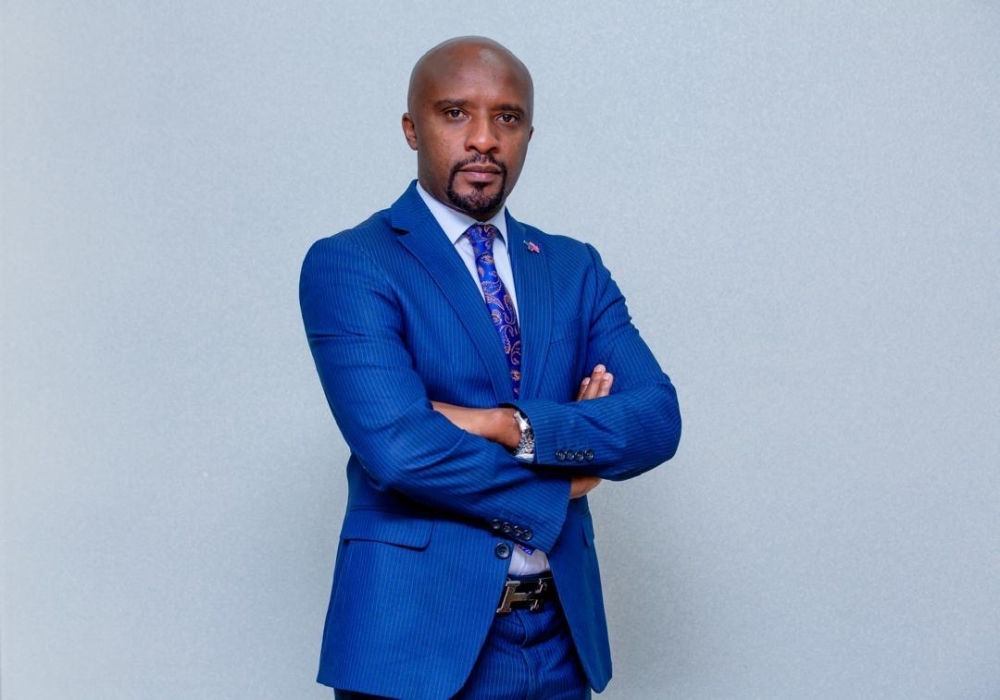
Rwabukumba, who now heads the Rwanda Stock Exchange and serves as President of the African Securities Exchanges Association (ASEA), was among the Rwandans in New York that day.
Speaking to IGIHE, he said that 25 years later, the images of that day remain vivid.
'It happened in the morning as I was going to work, before the market had opened. I was trading stocks in New York. The buildings had collapsed, there was dust everywhere and there was a strong smell.'
As people around him struggled to come to terms with what was happening, Rwabukumba said his colleagues were surprised that he appeared less shaken than they were.
'The white people I worked with in New York were immediately terrified. They asked me, 'How come you don't seem as shaken as we are?''
His response was shaped by his own experience of Rwanda's history.
'The image it brought back to me was Rwanda in 1994, during the Genocide against the Tutsi. One of the things it left us with was resilience.'
Rwabukumba said he saw a significant difference between the two tragedies. The Genocide against the Tutsi in Rwanda was aimed at exterminating Tutsi because of who they were, while those killed on September 11 were people going about their daily lives, whether at work, on planes or elsewhere, without being selected on the basis of ethnicity.
The September 11 attacks killed 2,977 people from 90 countries. Of these, 2,753 were killed in New York, 184 at the Pentagon and 40 aboard United Airlines Flight 93, which crashed in Pennsylvania.
The victims also included emergency responders, including 343 New York firefighters, 23 NYPD officers and 37 officers from the Port Authority Police Department.
102 minutes that changed America
The first plane struck the World Trade Center at 8:46 a.m., followed by the second at 9:03 a.m. At 9:37 a.m., American Airlines Flight 77 crashed into the Pentagon, the headquarters of the US Department of Defense.
At 9:59 a.m., the South Tower collapsed after burning for 56 minutes. At 10:03 a.m., United Airlines Flight 93 crashed near Shanksville, Pennsylvania, after passengers attempted to wrest control of the aircraft from the hijackers.
At 10:28 a.m., the North Tower also collapsed.
Within a short period, the area known as the heart of New York's financial and commercial district was engulfed in dust, smoke and debris.
His family thought he was dead
One of his strongest memories is the disruption of communications. Damage to power and telecommunications infrastructure in Lower Manhattan made it difficult even for financial institutions outside the immediate attack sites to continue operating.
For Rwabukumba, the problem was not only about work. His family could no longer establish whether he was alive.
'The phones came back later, and that was when we called each other and I told them that I was alive. They were devastated; they thought I was dead.'
The Rwandan Embassy also sought information about Rwandans in the area.
'They called us to ask whether we were safe, and we told them we were fine. Rwandans also reassured one another.'
Although many Americans were deeply frightened, Rwabukumba said most of the Rwandans he knew did not immediately consider leaving the country.
The New York Stock Exchange had not opened when the first planes struck the World Trade Center. Power, communications and security problems contributed to the closure of US financial markets. The NYSE reopened on September 17, 2001, six days later.
Rwabukumba said the attacks also came at a time when the US economy was already facing difficulties.
Data from the National Bureau of Economic Research shows that the US recession had begun in March 2001, six months before the September 11 attacks.
According to Rwabukumba, investors were already concerned following the technology-sector downturn that had begun in 2000.
'The overall economic picture was not good. People were wondering where to invest their money. When the attacks happened, they pushed things much further backwards.'
Rwanda Stock Exchange CEO Pierre Célestin Rwabukumba, was in New York during the September 11, 2001 attacks.
More than 4,500 planes ordered to land
The attacks also immediately transformed air travel in the United States.
At 9:25 a.m., the Federal Aviation Administration (FAA) halted all flights scheduled to depart. At 9:45 a.m., it ordered all aircraft in US airspace to land at the nearest airports.
More than 4,500 aircraft were in the air at the time. By 12:15 p.m., the skies over the 48 contiguous US states were clear of commercial and private aircraft. It was the first time the United States had taken such a sweeping measure.
Rwabukumba said the experience still comes to mind when he travels. 'Even today, when I go through an airport and I am asked to remove my shoes or belt, I immediately think about how the world changed after that attack.'
The requirement to remove shoes, however, was specifically tightened after another incident on December 22, 2001, when Richard Reid attempted to detonate explosives hidden in his shoes aboard American Airlines Flight 63.
Muslims faced suspicion
Rwabukumba also remembers how Muslims, Arabs and people perceived to resemble them increasingly faced suspicion following the attacks.
'Life became difficult for foreigners, starting with Muslims, Arabs and people who looked like them.'
Looking back, Rwabukumba said the attacks did not fundamentally change who he was. Instead, they reinforced lessons he had already learned from Rwanda's history: resilience and the need to seek solutions rather than wait for others to provide them.
'It changed my mindset and taught me to become even stronger and to look for solutions within myself. It taught me that I should not wait for someone else to come and solve my problems.'
More than two decades after working in New York's financial sector, Rwabukumba is the CEO of the Rwanda Stock Exchange and serves as President of ASEA, an association bringing together securities exchanges across Africa.
For him, there is a meaningful connection between the work he once did in the United States and what he does today in Rwanda.
'Today, I work with others to build my country without having to go or live in New York. I am doing what I know and love in my own country. There, I was working with other people's assets; today, we are building our own. We have our own Wall Street and our own financial system.'
The World Trade Center was destroyed in the September 11, 2001 attacks.
The agreement was signed on September 8, 2026, by Rwanda's Ambassador to Brazil, Lawrence Manzi, on behalf of the Ministry of Education (MINEDUC), and Prof. Dr. Carlos Gilberto Carlotti Junior, Provost for International Cooperation at USP.
The MoU provides a framework for cooperation between USP and Rwandan higher learning institutions in areas of mutual interest.
Under the agreement, the institutions will facilitate exchanges of students, faculty members, researchers, as well as technical and administrative staff.
They will also collaborate on joint research projects, scientific and cultural activities, and the exchange of academic information, publications and programmes.
The agreement builds on growing education ties between Rwanda and Brazil.
In November 2025, the two countries signed an agreement on cooperation in education. This was followed by the signing of 35 memoranda of understanding between Rwandan and Brazilian universities in May 2026.
In August 2026, the first group of Rwandan Master's and doctoral students arrived in Brazil to pursue their studies at three Brazilian universities, marking the beginning of the implementation of some of the academic cooperation agreements between the two countries.
The latest agreement with USP is expected to create additional opportunities for Rwandan students and researchers while strengthening collaboration between higher learning institutions in the two countries.
The partnership is also in line with Rwanda's efforts to build a knowledge-based economy through investment in education, technology, innovation and research.
USP, one of Brazil's leading universities and research institutions, is expected to provide a platform for Rwandan academics and students to access research opportunities, develop joint projects and exchange knowledge with their Brazilian counterparts.
The cooperation also adds to broader Rwanda-Brazil relations by strengthening institutional and people-to-people ties and promoting South-South cooperation in education and research.
Rwanda's Ambassador Lawrence Manzi and USP's Prof. Dr. Carlos Gilberto Carlotti Junior exchanging documents during the signing ceremony.The agreement was signed on September 8, 2026
The results were released on Friday, September 11, 2026.
NESA Director General Dr Bernard Bahati said 108,732 students registered for the examinations, including 55.5% girls and 44.95% boys.
Of the 108,405 students who sat for the examinations, 102,000 passed, representing an overall pass rate of 94.33%.
The pass rate among boys stood at 95.9%, compared with 93% among girls.
This year's performance marks an improvement from the previous academic year, when 89.1% of the 106,078 students who sat for the senior secondary national examinations passed.
Manzi Nshuti Kabanda Brave, who studied Mathematics, Chemistry and Biology (MCB) at Petit Séminaire Saint Aloys in Rusizi District, emerged as the top-performing student in the 2025/2026 examinations, scoring 98.40%.
Umwali Deborah, who studied History, Literature and Psychology (HLP) at Cornerstone Leadership Academy in Rwamagana, came second with 97.52%.