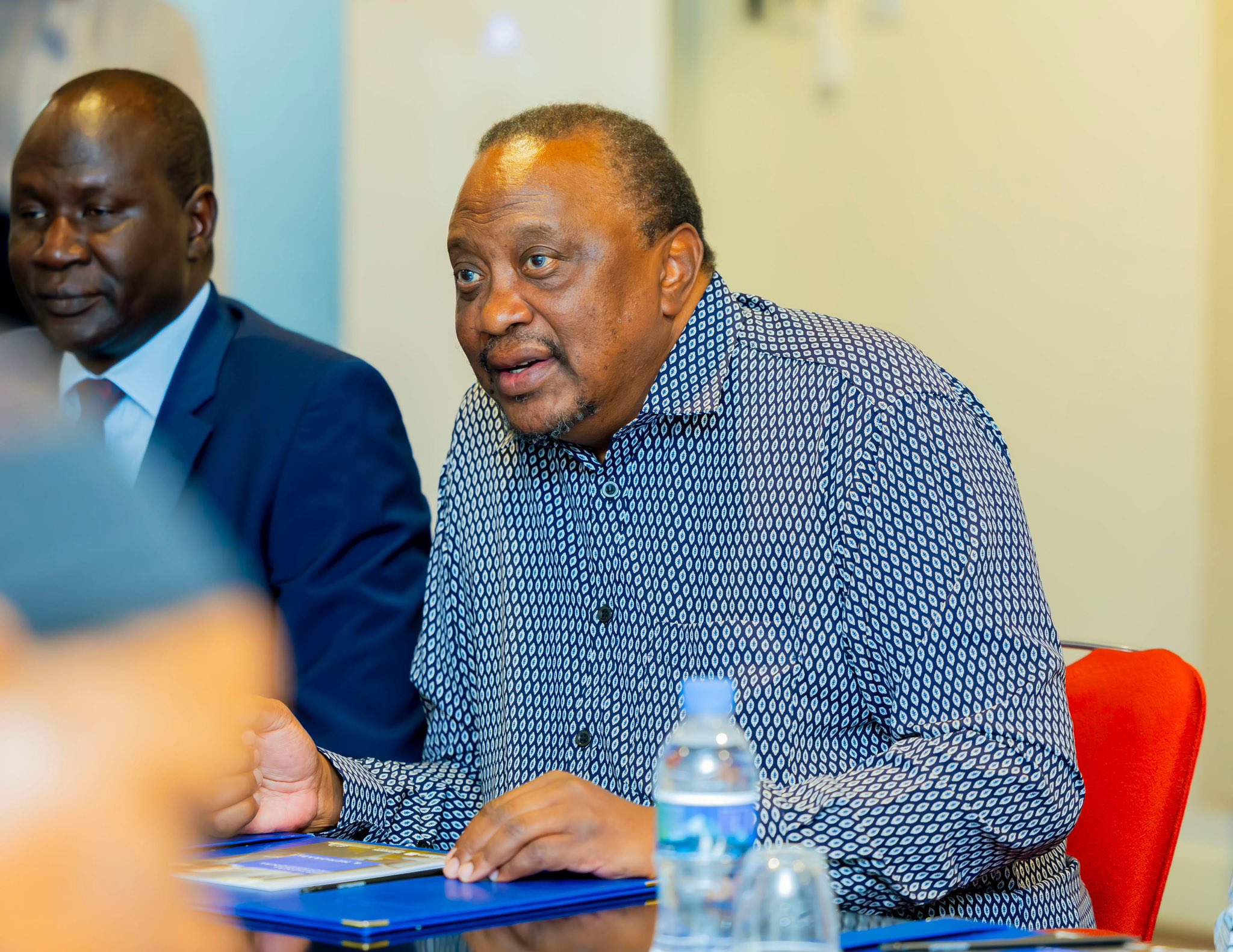
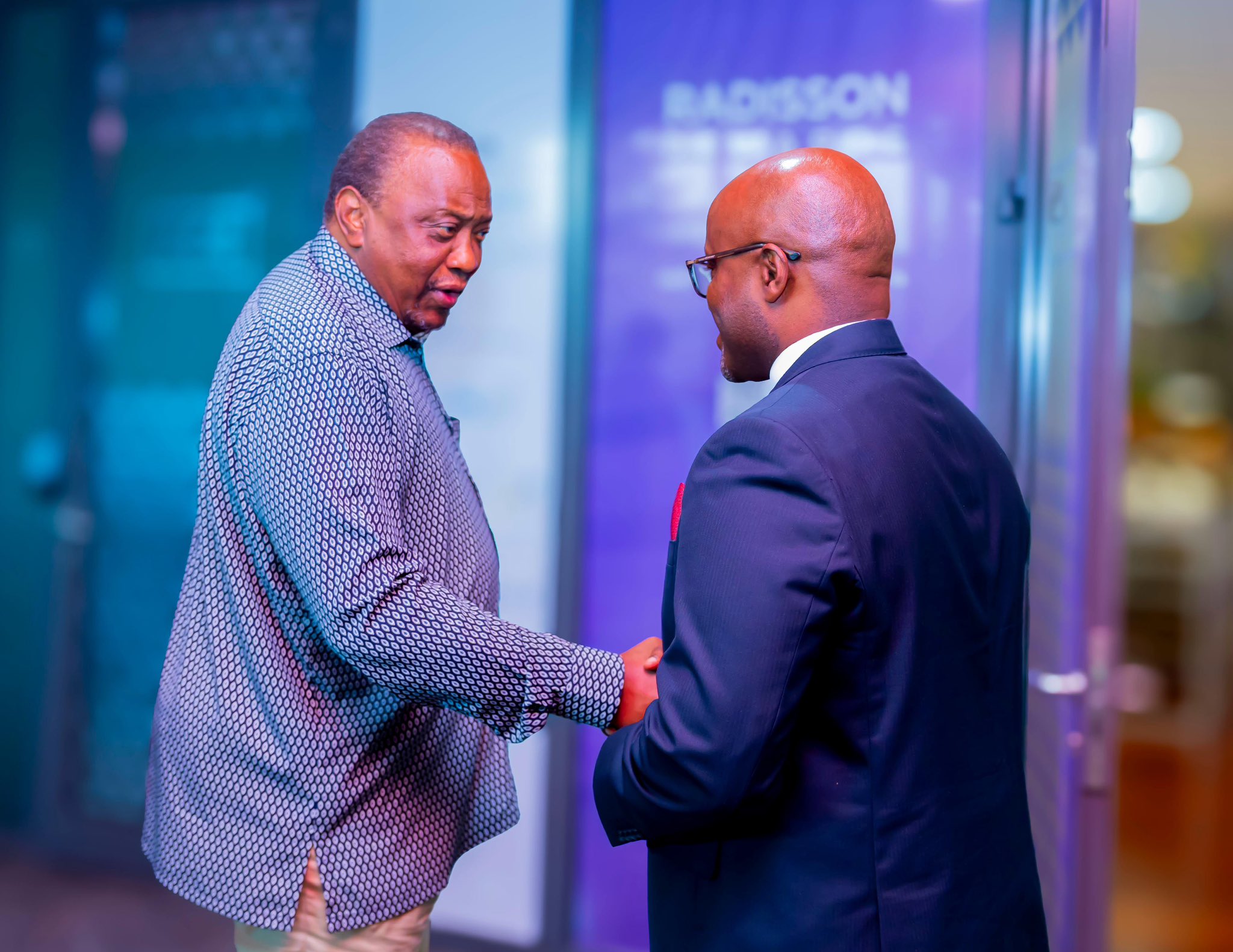
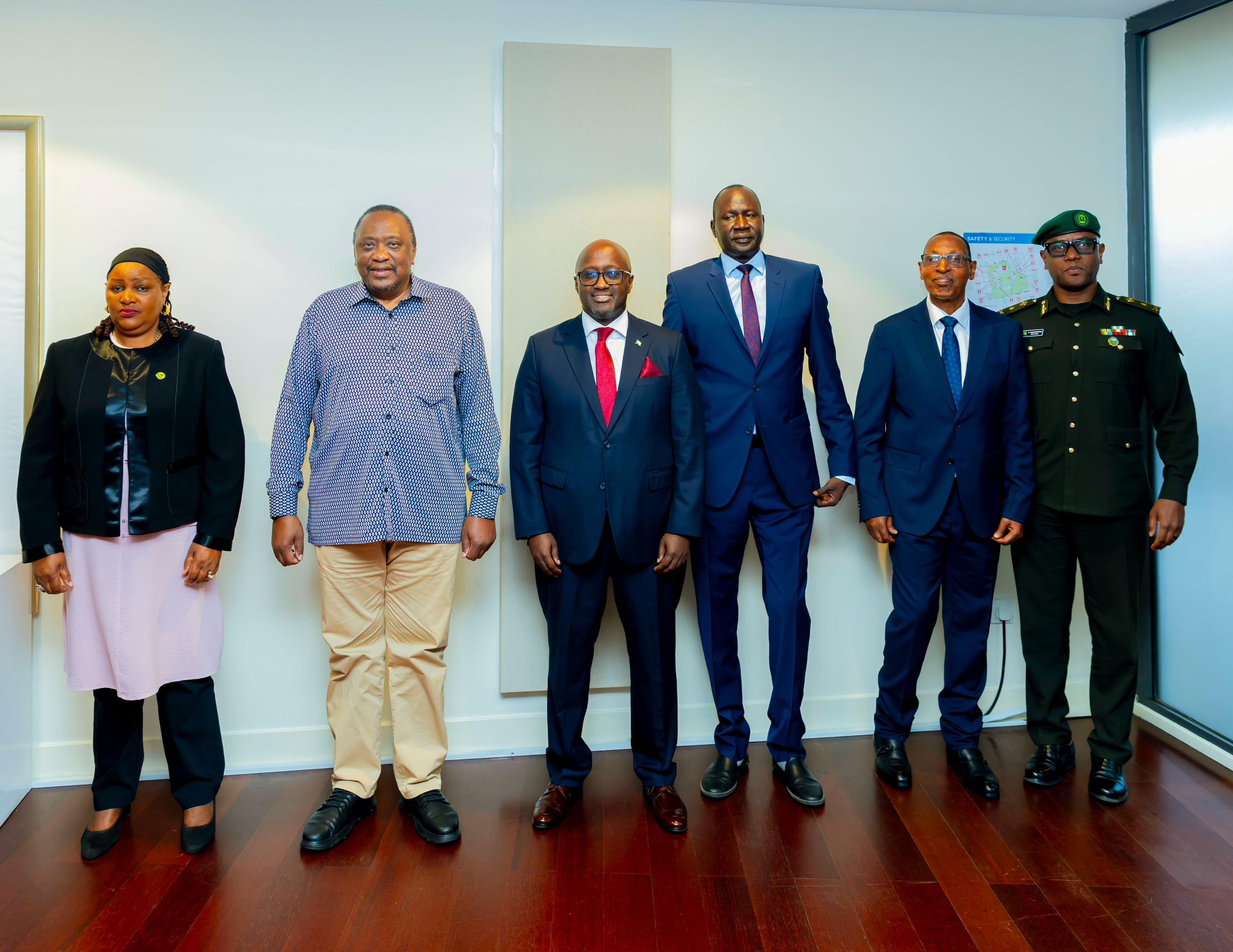
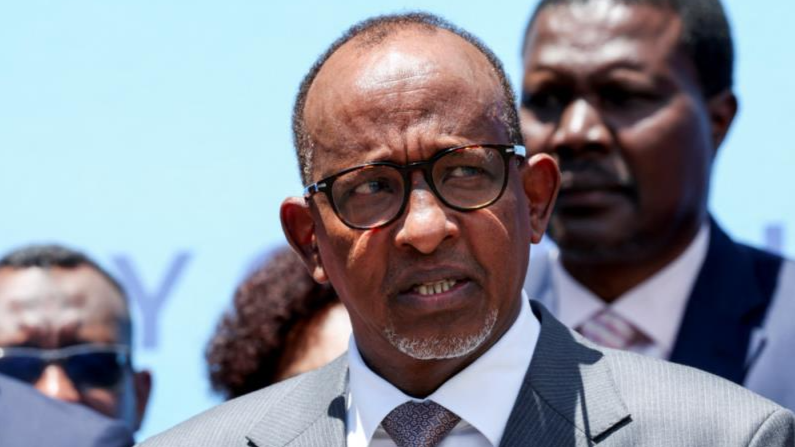
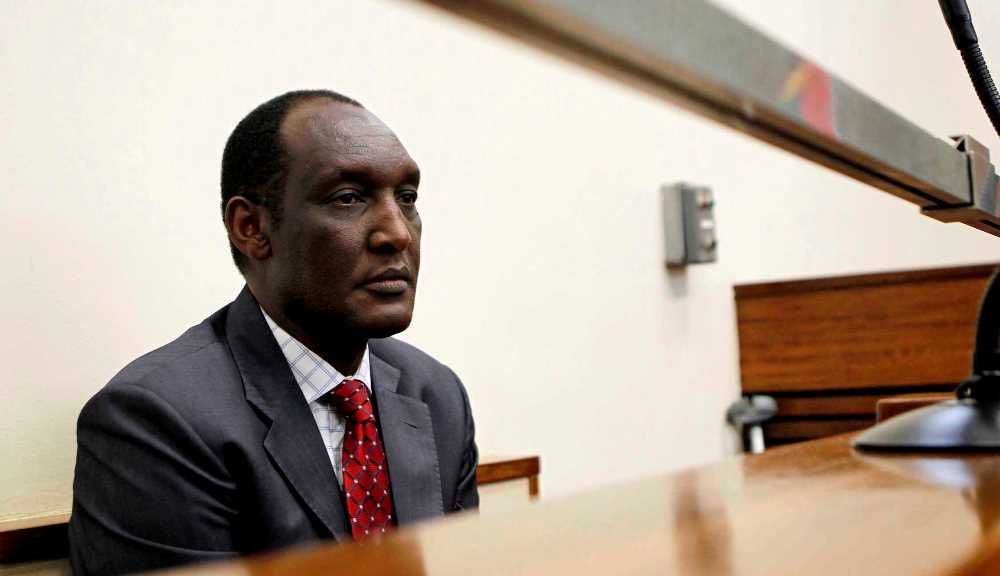
A statement shared by the Ministry of Foreign Affairs on Wednesday indicated that Nduhungirehe received Kenyatta alongside other senior government officials. Kenyatta is a member of the African Union Panel of Facilitators supporting the peace process in eastern DRC.
'Discussions focused on the work of the Panel of Facilitators and ongoing efforts to advance the AU-led peace process,' the ministry said.
The meeting came after Kenyatta and other members of the Panel held consultations in Goma on October 5 as part of efforts to support the AU-led peace process aimed at addressing the conflict in eastern DRC.
The delegation, led by former Ethiopian President Sahle-Work Zewde, also included former Botswana President Mokgweetsi Masisi. They met representatives of the UN Stabilization Mission in the DRC (MONUSCO), the UN Office for the Coordination of Humanitarian Affairs (OCHA), the International Committee of the Red Cross (ICRC), the Expanded Joint Verification Mechanism Plus (EJVM), and the AFC/M23 rebel alliance.
The consultations covered the peace process, the security and humanitarian situation, and measures needed to strengthen confidence among the parties.
In a statement issued on Wednesday, the Panel reaffirmed that lasting peace requires political dialogue and called for continued engagement in good faith in the Doha process involving the Kinshasa administration and AFC/M23.
It also urged all parties to respect ceasefire commitments, cooperate fully with verification mechanisms and exercise restraint against actions that could undermine the peace process.
The Panel highlighted the need to protect civilians, particularly women and girls, prevent sexual and gender-based violence and ensure accountability for violations. It also called for safe and unhindered humanitarian access and protection of essential services and educational facilities.
The Panel said it would convey the outcomes of the Goma consultations to the AU Mediator and the DRC government as it continues efforts to strengthen civilian protection, build confidence and advance the peace process.
According to Rwanda's Ministry of Foreign Affairs and International Cooperation, the discussions focused on the work of the Panel of Facilitators and ongoing efforts to advance the AU-led peace process.The meeting came after Kenyatta and other members of the Panel held consultations in Goma on October 5.
The meeting brought together high-level representatives and high technical teams to review progress since the 9th Session in Kigali in April 2023, assess implementation of existing agreements, address outstanding challenges and identify new areas of collaboration.
The 2023 session produced ten Memorandum of Understanding signed in the presence of Presidents Paul Kagame and William Ruto, who directed that the JPCC meet biennially with annual mid-term reviews.
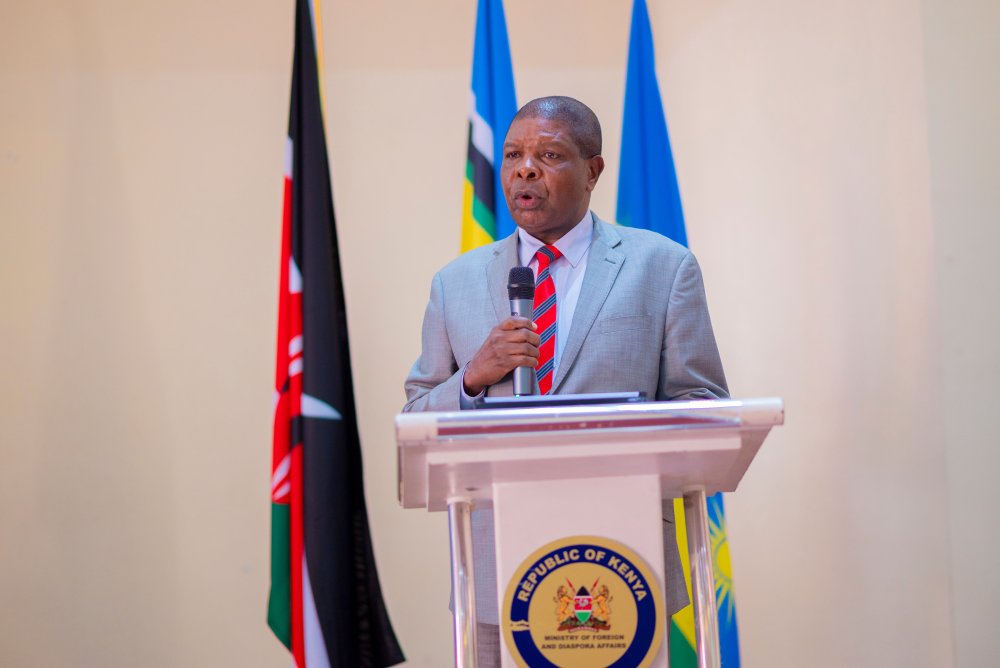
Kenya's Principal Secretary for Foreign Affairs, Dr. A. Korir Singoei, opened the session by welcoming his Rwandan counterpart, Ambassador Fidelis Mironko, and underscoring the breadth of the relationship.
'Kenya and Rwanda have enjoyed warm and longstanding relations, and over the years our partnership has grown well beyond traditional diplomatic engagement,' he said.
Kenya and Rwanda established diplomatic relations in 1965. Cooperation now spans trade and investment, infrastructure, energy, security, education, agriculture, ICT and institutional capacity building.
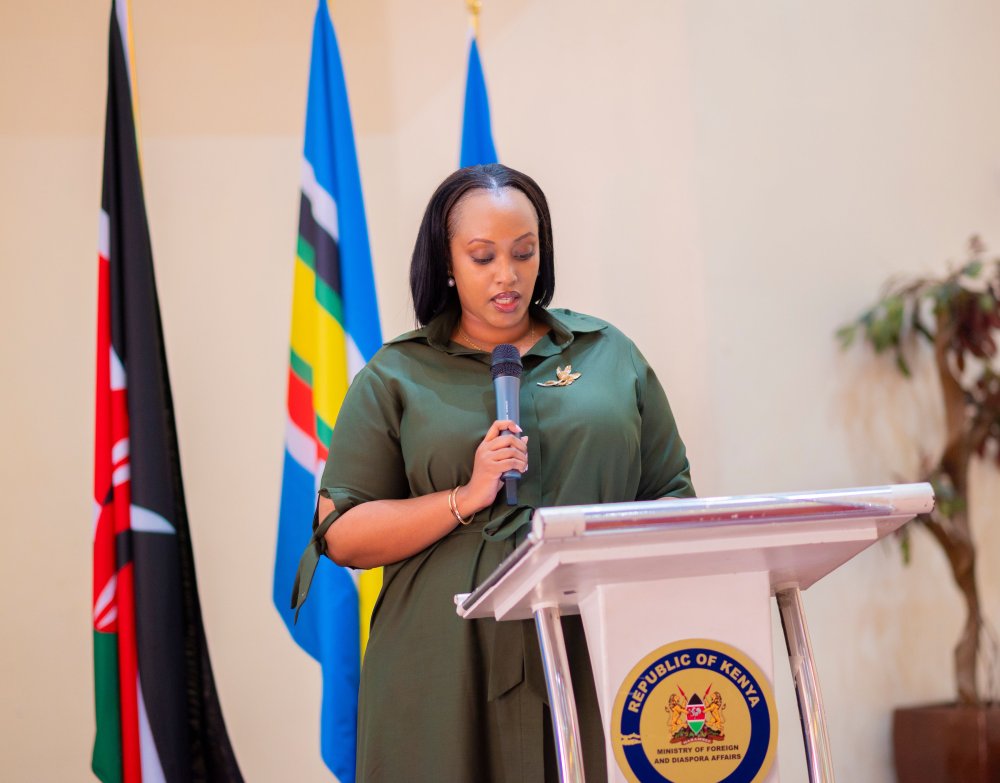
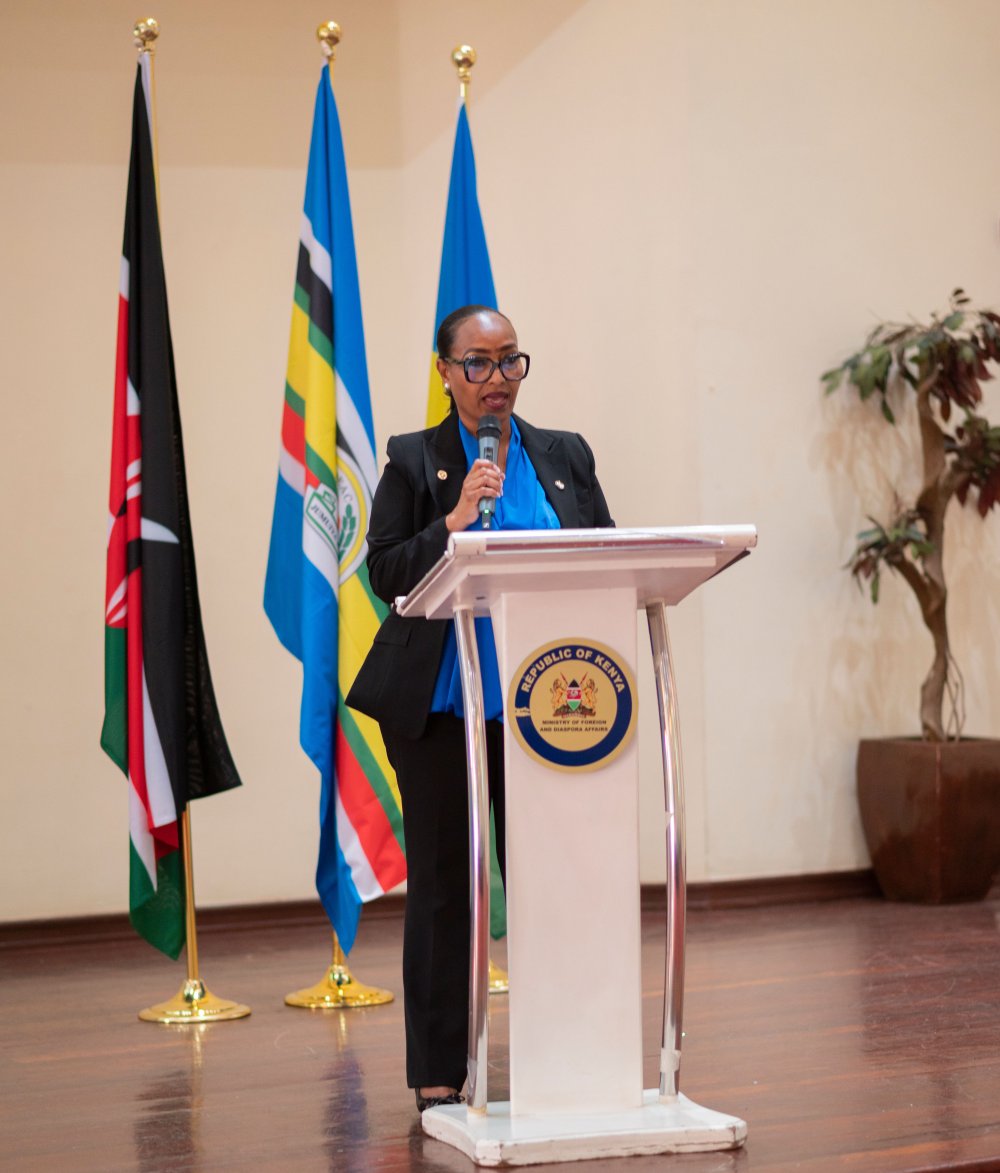
Janet Mwawasi Oben, Kenya's High Commissioner to Rwanda since 2024, highlighted tangible advances during her tenure.
These include the January 2026 Memorandum of Understanding operationalising the Kenya Ports Authority (KPA) Liaison Office in Kigali, which has improved logistical coordination and trade flows along the Northern Corridor.
That framework delivered results almost immediately. On September 29, 2026 the vessel MT Sea Wolf berthed at Kipevu Oil Terminal 2 in Mombasa with Rwanda's first consignment of 40,000 metric tonnes of refined petroleum products from Oman.
Ernest Rwamucyo, Rwanda's High Commissioner to Kenya, described the shipment as a concrete demonstration of what partnership can achieve.
'This new route through the Northern Corridor will help strengthen Rwanda's energy security, make our supply chain more efficient and reduce logistics costs. It also shows what our two countries can achieve when we work together,' Amb. Rwamucyo said.
Both sides also pointed to growing two-way private-sector engagement.
Kenyan institutions including KCB, Equity Bank, NCBA, I&M Bank, Serena Hotels and others maintain a significant footprint in Rwanda across banking, insurance, hospitality, manufacturing and agribusiness.
Rwanda, in turn, has demonstrated confidence in Kenyan infrastructure by acquiring a 1.05 per cent equity stake in the Kenya Pipeline Company through its recent Initial Public Offering and by participating in the launch of major investments such as the Dangote Group project in Lamu.
Kenya has also received land from Rwanda for the construction of a permanent Chancery in Kigali, a gesture both sides described as an important institutional commitment.
An estimated 10,000 Kenyans live and work in Rwanda, roughly 4,000 of them registered with the High Commission and organised under the Association of Kenyans living in Rwanda.
Officials noted that cultural events, diaspora engagement and institutional exchanges including recent collaboration between the Kenya Foreign Service Academy, the Kenya School of Government and Rwandan counterparts continue to deepen mutual understanding.
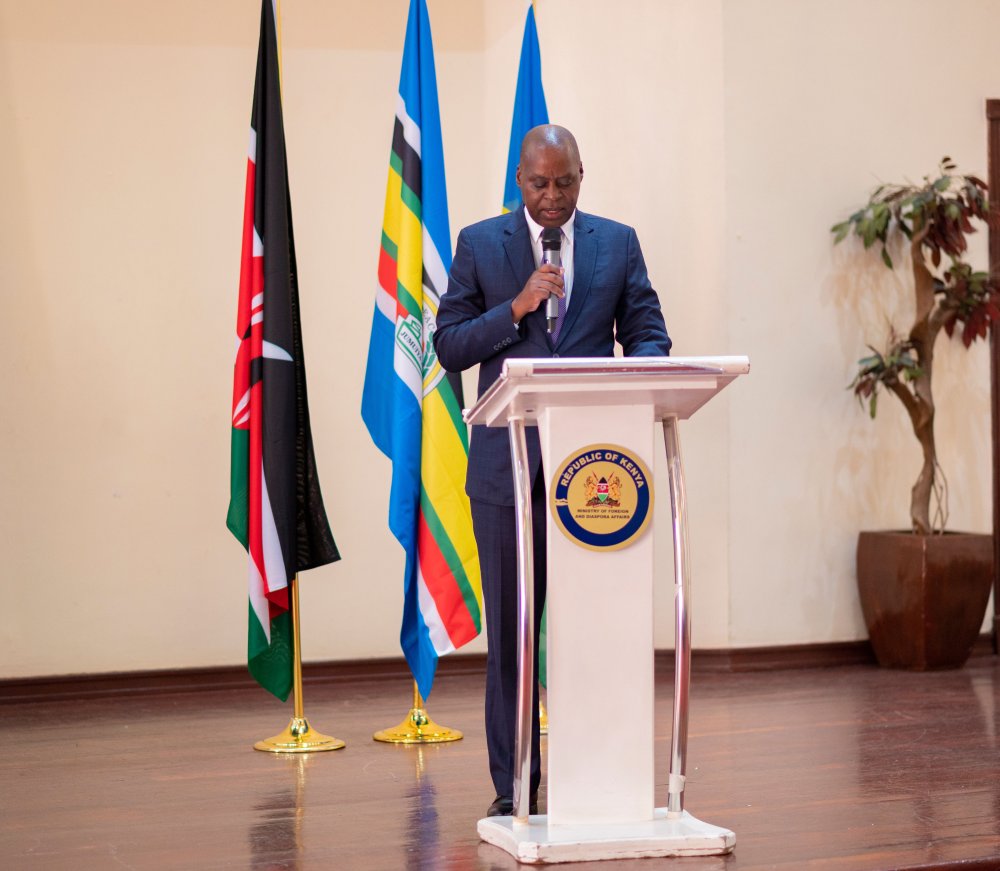
Teta Gisa Rwigema, the Director General responsible for Africa at the Ministry of Foreign Affairs and International Cooperation also called for focus on delivery.
'This 10th JPCC provides us with an important opportunity to move beyond reviewing progress and to ensure that our bilateral commitments translate into tangible outcomes for the people of Rwanda and Kenya,' she noted.
Speakers framed the session as an opportunity to consolidate gains while adapting to a more uncertain international environment.
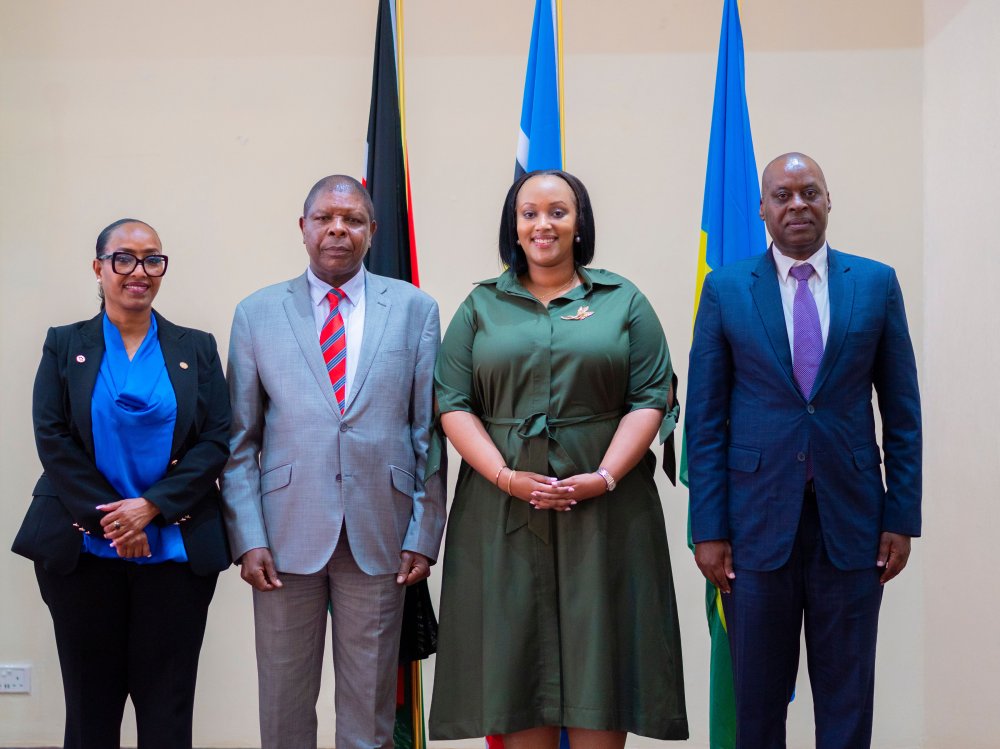
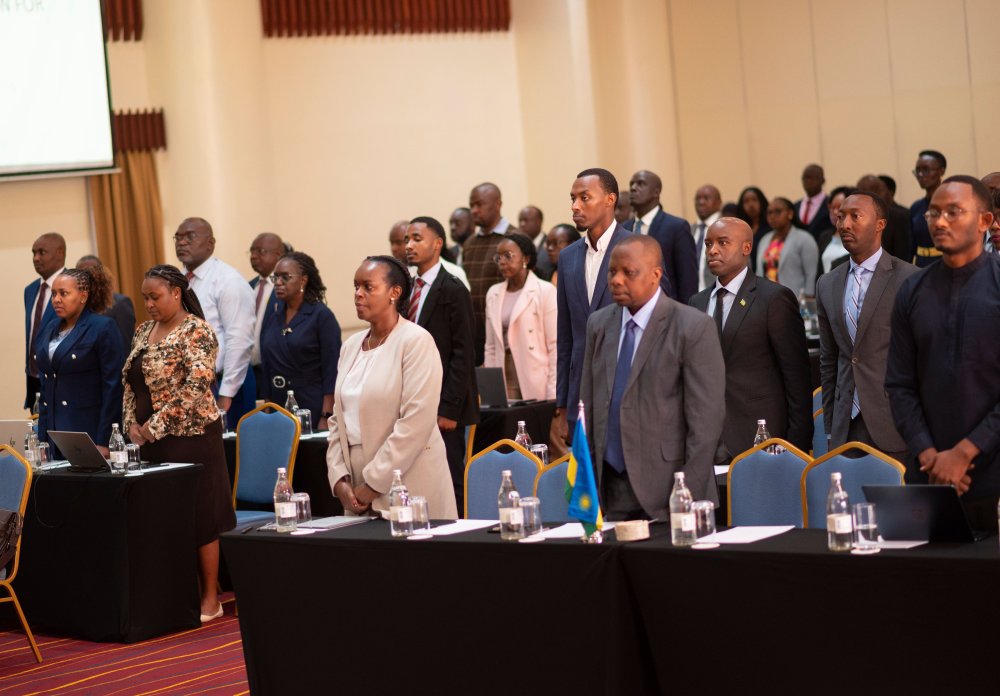
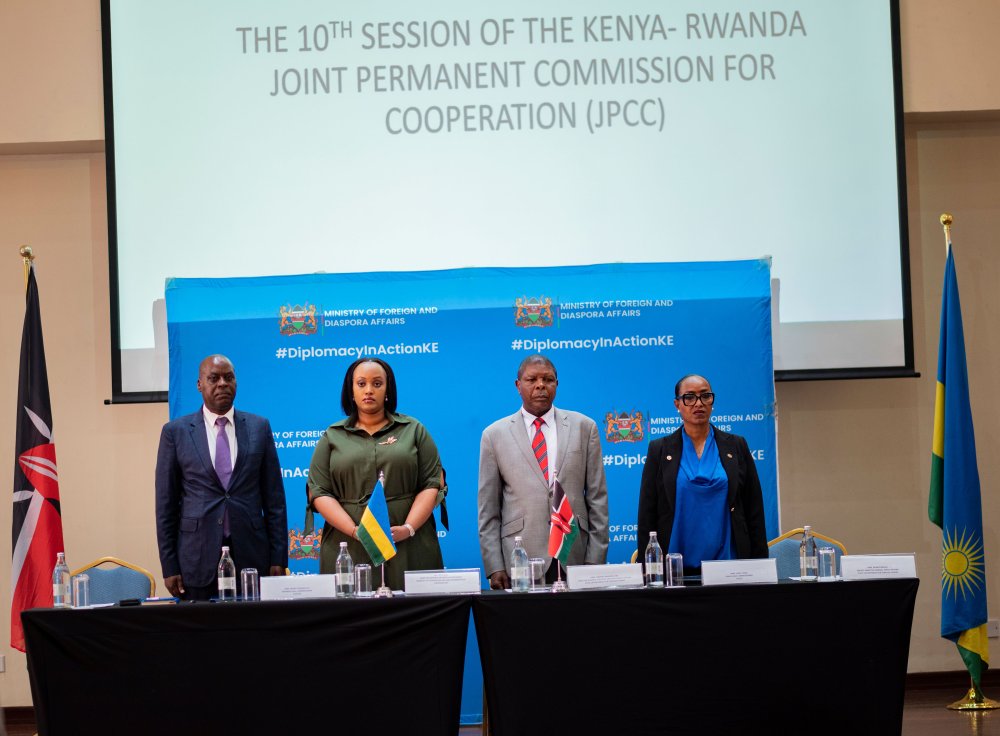
Kenya and Rwanda have reviewed progress in their bilateral cooperation during the 10th Session of the Joint Permanent Commission for Cooperation in Nairobi.Kenya's Principal Secretary for Foreign Affairs, Dr A. Korir Sing'oei, has welcomed Rwanda's delegation to the 10th Joint Permanent Commission for Cooperation in Nairobi.Teta Gisa Rwigema highlighted the need for both countries to move beyond reviewing progress and focus on translating bilateral commitments into tangible outcomes. Rwanda's High Commissioner to Kenya, Ernest Rwamucyo, has described Rwanda's first petroleum shipment through the Port of Mombasa as a milestone in bilateral cooperation.Kenya's High Commissioner to Rwanda, Janet Mwawasi Oben, has highlighted progress in bilateral cooperation between the two countries.Officials from Kenya and Rwanda have identified new areas of cooperation while addressing outstanding challenges in their bilateral partnership.
The September 30 incident on Flight FZ1073 began when the co-pilot attacked the captain with an emergency axe while the aircraft was flying from Dubai to Tel Aviv.
The injured captain managed to open the cockpit door, allowing passengers and two off-duty pilots travelling on the aircraft to intervene. The plane then made an emergency landing in Tabuk, Saudi Arabia.
All 172 passengers, mostly Israelis and crew members on board, survived. The captain and co-pilot were taken for medical treatment, with the suspect later transferred to the United Arab Emirates, where he is being questioned as part of the investigation.
Speaking exclusively to IGIHE, Israel's Deputy Ambassador to Rwanda, Ron Margalit, said the incident exposed a failure in the implementation of security requirements governing foreign airlines operating flights to Israel.
The aircraft had plunged more than 16,000 feet during the attack before control was restored.
Margalit praised the passengers and crew who intervened, saying their actions prevented what could have been a major disaster.
Speaking exclusively to IGIHE, Israel's Deputy Ambassador to Rwanda, Ron Margalit, said the incident exposed a failure in the implementation of security requirements governing foreign airlines operating flights to Israel.
Israel investigating how Omani pilot cleared security
A central question is how an Omani national was permitted to operate a flight to Israel.
Israel and Oman do not have diplomatic relations, and Israeli authorities have said pilots from countries without diplomatic ties to Israel are subject to restrictions on operating flights to the country. Israeli officials have questioned how the suspect passed the relevant checks.
'There was a failure,' Margalit said, while stressing that the investigation would have to establish where the failure occurred.
The investigation is examining whether responsibility lay with Flydubai, security authorities in the United Arab Emirates or other parts of the system.
The issue has gained further attention as reports have emerged that the suspect had previously worked for Oman Air and had been moved away from flying duties following concerns over his views. Investigators are now examining how that history was handled when he was later employed by Flydubai.
The UAE has formally described the incident as an attempted terrorist attack and is leading the investigation. Authorities are also examining the suspect's motive and whether he acted alone or had outside support.
The September 30 incident on Flight FZ1073 began when the co-pilot attacked the captain with an emergency axe while the aircraft was flying from Dubai to Tel Aviv.
Netanyahu orders review of foreign airline security
Israeli Prime Minister Benjamin Netanyahu has since ordered a comprehensive review of security arrangements for foreign civil aviation operating flights to Israel.
Netanyahu instructed National Security Council chief Shmuel Ben Ezra to appoint an examiner to review 'all aspects' of security for foreign civil flights to Israel.
The move came after Netanyahu described the suspect as having undergone Islamist radicalisation.
'As time passes, the picture is becoming clearer; the attacker underwent Islamist radicalization. He came to crash the plane with its passengers,' Netanyahu said in a statement on October 2.
He added that Israel was investigating whether the attacker had been sent by someone else.
Netanyahu had earlier described the suspect as suicidal and said investigators were examining whether he had been directed by others.
Margalit said Israel would now ensure that foreign airlines operating to the country comply fully with its security requirements.
He did not call for sanctions against Flydubai, stressing instead the importance of maintaining the air link between Israel and the UAE while ensuring that required security measures are followed.
Margalit praised the passengers and crew who intervened, saying their actions prevented what could have been a major disaster.
Passengers and crew credited with saving lives
The captain's actions and the intervention of passengers and other pilots were critical in preventing the aircraft from being brought down.
Margalit said about six Israeli passengers helped overpower the attacker. One of them, a doctor, also assisted the injured captain.
Two off-duty pilots who were travelling on the aircraft subsequently helped regain control and land the plane safely in Tabuk.
Margalit described the passengers as having acted under extraordinary pressure to protect the other people on board.
Despite the security concerns, Margalit said Israel does not want the incident to damage its relationship with the UAE or disrupt flights between the two countries.
He said Israel wants Emirati airlines to continue operating flights to the country, provided they meet the required security standards.
Wider regional security concerns
The Flydubai incident comes against the backdrop of broader tensions in the Middle East, with Margalit identifying Iran and its regional proxies as major security concerns for Israel.
He said Israel was closely monitoring developments in the Gulf, including the activities of the Houthis in Yemen and threats linked to Iran.
Margalit argued that Iran's activities represented a wider regional and global security issue rather than a challenge affecting Israel alone.
He also said Israel was closely watching international efforts to prevent Iran from obtaining nuclear weapons.
For Israel, Margalit said, the priority is to prevent another attack on the scale of October 7 and ensure that neighbouring countries cannot acquire capabilities that Israel considers an existential threat.
The couple was photographed arriving hand in hand at Torrisi, an Italian restaurant in the SoHo neighborhood of Manhattan, on Monday, October 5, as Kelce celebrated his 37th birthday.
Swift, 36, chose an elegant black lace-trimmed midi dress for the occasion.
She paired the dress with strappy heels and a black leather bomber jacket, creating a look that combined a more feminine style with an edgier touch.
Kelce, meanwhile, opted for a coordinated black outfit. The Kansas City Chiefs tight end wore an autumnal black cardigan with black trousers and leather dress shoes.
Their matching dark looks gave the couple a polished appearance as they made their way into the restaurant together.
The birthday outing comes as Swift and Kelce continue their new chapter as a married couple.
The pair tied the knot at Madison Square Garden in New York City on July 3 in a star-studded ceremony attended by family, friends and several celebrities.
Swift has also recently released the deluxe edition of her 2025 album, The Life of a Showgirl: The Encore, which includes the song 'Cleveland!', an apparent nod to Kelce's hometown.
Kelce and his brother, Jason Kelce, discussed the song during the September 30 episode of their New Heights podcast.
Travis praised Swift for giving Cleveland 'a little more life,' while Jason said the song was enjoyable and that he and his wife, Kylie Kelce, had been listening to it at home.
Swift also released a lyric video for 'Cleveland!' featuring personal footage of herself and Kelce visiting his hometown.
The couple's latest appearance continues their frequent public outings since their wedding.
Their relationship has remained a major focus of entertainment and fashion coverage, with fans often paying close attention to their coordinated appearances.
Taylor Swift and Travis Kelce arrive hand in hand at Torrisi in New York City's SoHo neighborhood for Kelce's 37th birthday dinner.
The agreement follows discussions between an IMF team led by Rwanda Mission Chief Albert Touna Mama and government officials from September 23 to October 6.
Rwanda will be able to access the funds once the agreement is approved by IMF management and the IMF Executive Board, which is expected to consider the review in December.
Addressing the press in Kigali on Tuesday, October 6, 2026, Touna said Rwanda's programme implementation has been satisfactory, with all quantitative performance targets for the end of June 2026 met.
The government is also advancing reforms aimed at strengthening the investment framework and deepening the domestic securities and foreign exchange markets.
'Better public investment management and closer monitoring of fiscal risks will reinforce these efforts,' Touna said.
Addressing the press in Kigali on Tuesday, October 6, 2026, IMF's Rwanda Mission Chief Albert Touna Mama said the country's programme implementation has been satisfactory.
Rwanda's economy grew by 9.7 percent in the first half of 2026, supported by strong export and remittance inflows, while foreign exchange reserves remained at about four months of import cover.
However, inflation remains a key concern. Headline inflation reached 15.7 percent in August, well above the National Bank of Rwanda's medium-term target of 5 percent.
The IMF attributed the elevated inflation to existing price pressures and higher international oil and fertilizer prices, including spillovers from the war in the Middle East.
The central bank has responded by tightening monetary policy, with the IMF calling for an appropriately tight and data-driven approach to bring inflation back towards its target.
The IMF also noted that Rwanda's fiscal performance had strengthened, with the budget deficit falling to 4.8 percent of GDP in the 2025/26 financial year.
It said strong tax collections and the full pass-through of higher international prices to fuel pump prices helped limit pressure on government finances.
Looking ahead, the IMF urged continued fiscal consolidation to maintain Rwanda's moderate risk of debt distress and rebuild financial buffers.
It also called for stronger domestic revenue mobilisation, including through the planned second Medium-Term Revenue Strategy, as well as careful prioritisation of foreign-financed capital projects.
Asked whether this would mean higher taxes, Finance and Economic Planning Minister Yusuf Murangwa said Rwanda does not plan to rely primarily on tax increases to repay its loans.
'We do not plan to repay primarily by raising taxes. We aim to repay from an economy that is more productive than the amount borrowed,' Murangwa said.
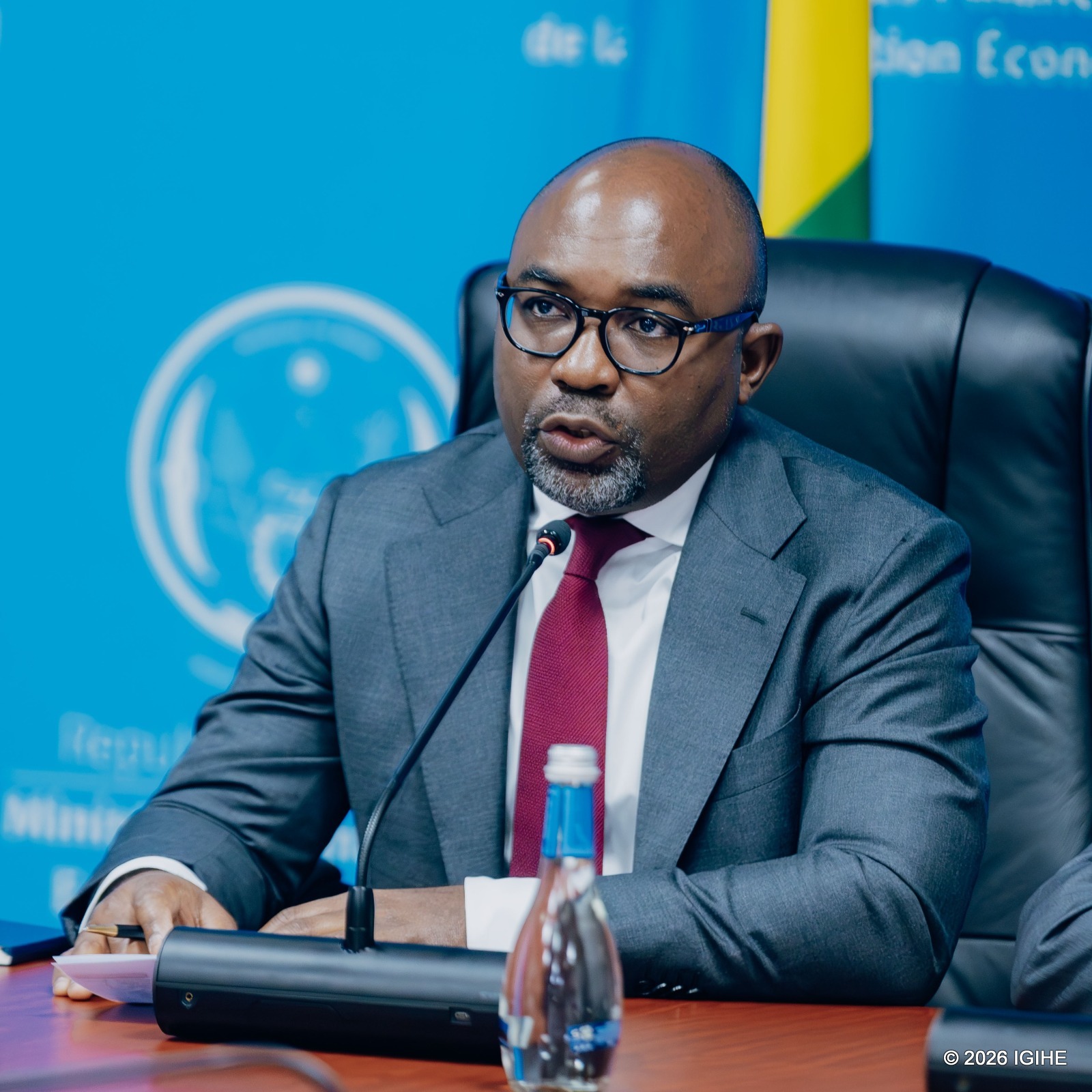
Finance and Economic Planning Minister Yusuf Murangwa said Rwanda does not plan to rely primarily on tax increases to repay its loans.
Murangwa highlighted that the government already has a tax calendar running to around 2030 and reviews it periodically, adding that some revenue gains could come through improved tax administration rather than new taxes.
Murangwa also noted that the government was not planning to halt major investments because of tighter fiscal conditions. He said any changes in the pace of investment would depend on financing conditions, while stressing that this would not amount to an overall slowdown.
On Bugesera International Airport, he said the project remains on track for completion by the end of 2027 or early 2028.
The IMF projects Rwanda's economy to grow by 7.8 percent in 2026 and 7 percent in 2027, while identifying global commodity price volatility, geopolitical tensions, climate shocks linked to El Niño and tighter global financing conditions as downside risks.
On the upside, the IMF said Rwanda's new petroleum procurement framework with Kenya, alongside a separate route through Tanzania, could strengthen fuel supply security and make procurement more competitive.
The IMF said it would continue supporting Rwanda's efforts to preserve macroeconomic stability, reduce inflation and advance priority reforms.
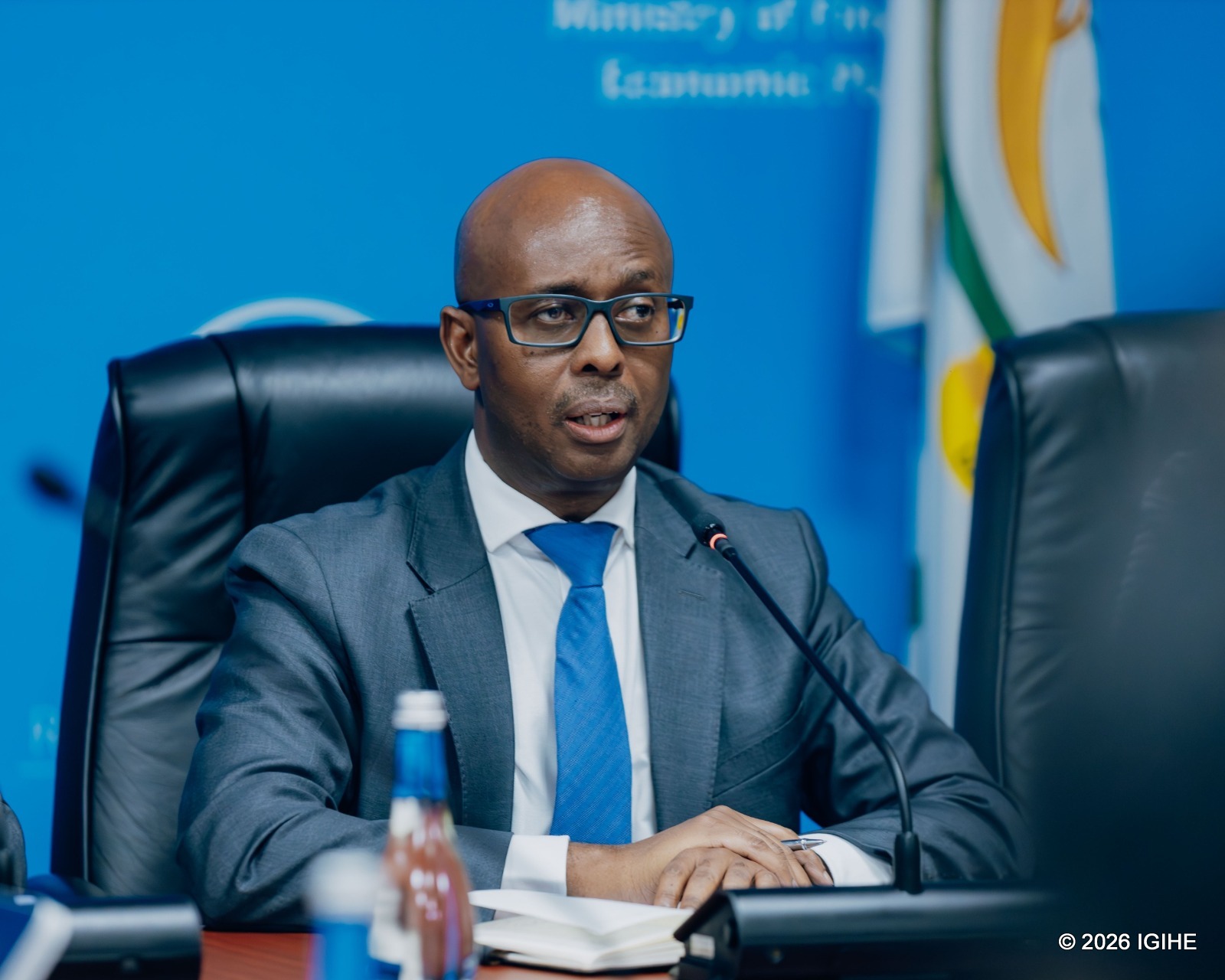
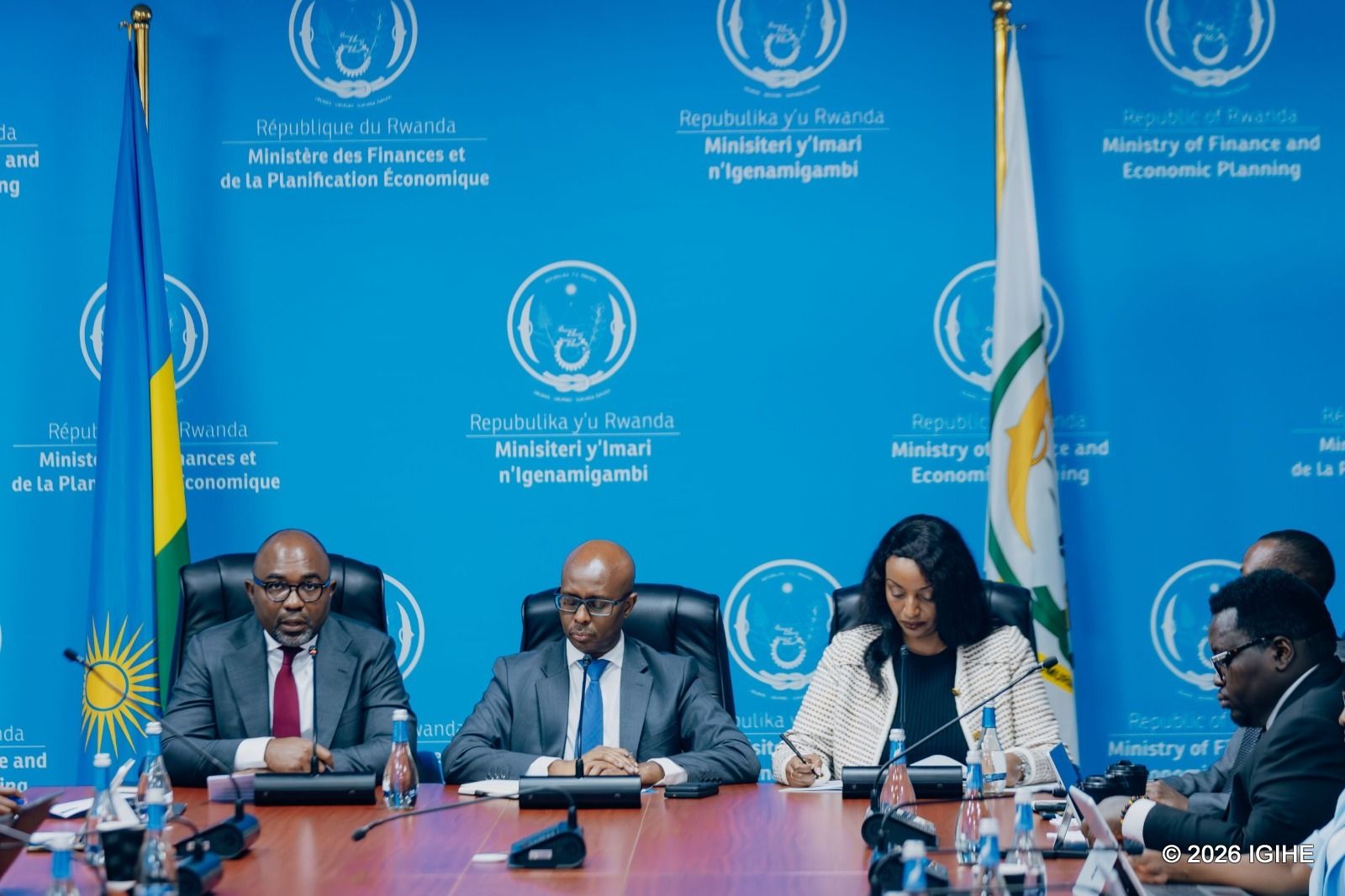
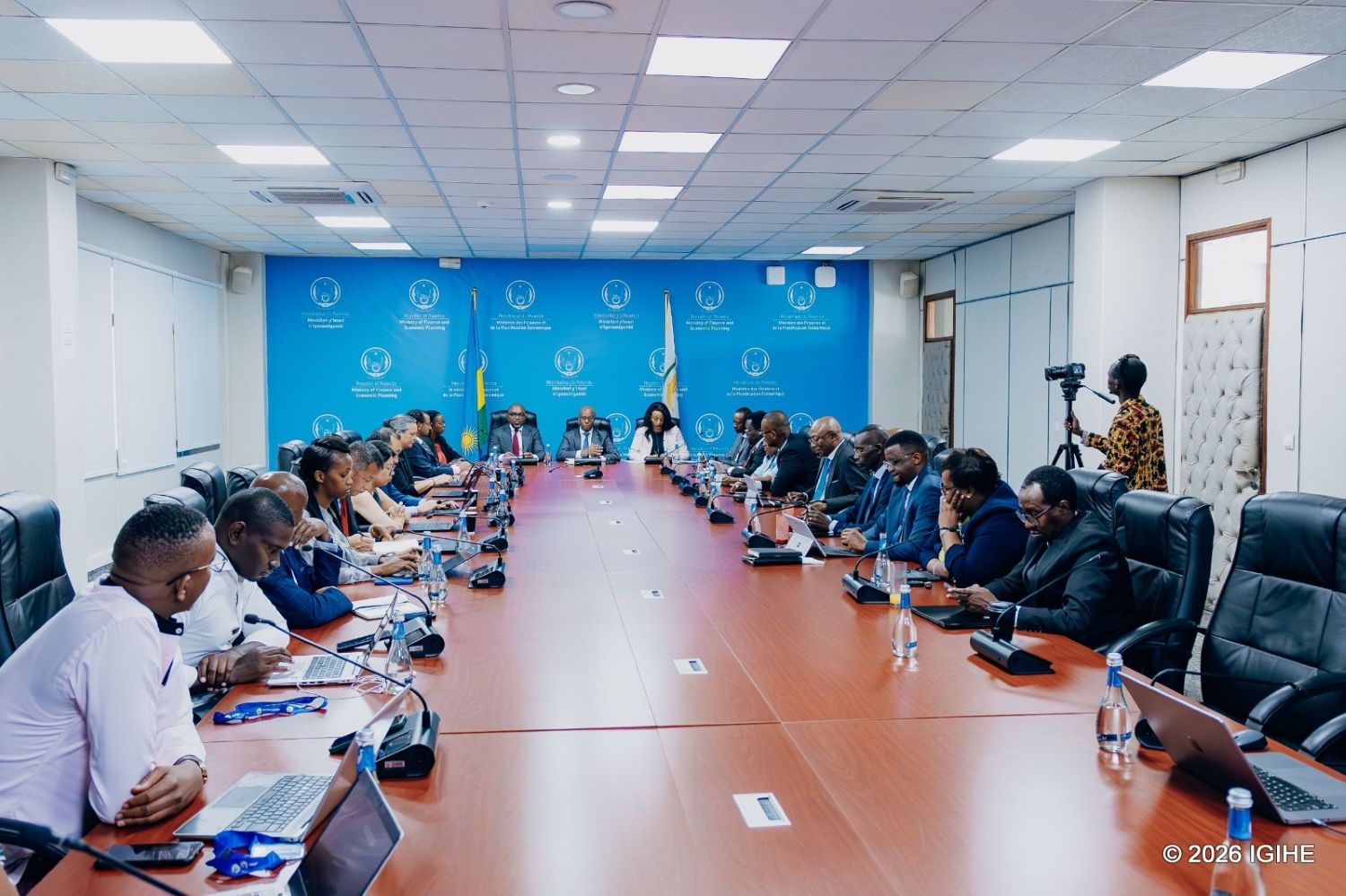
The agreement follows discussions between an IMF team led by Rwanda Mission Chief Albert Touna Mama and government officials from September 23 to October 6.The officials addressed members of the press in Kigali on Tuesday, October 6, 2026.
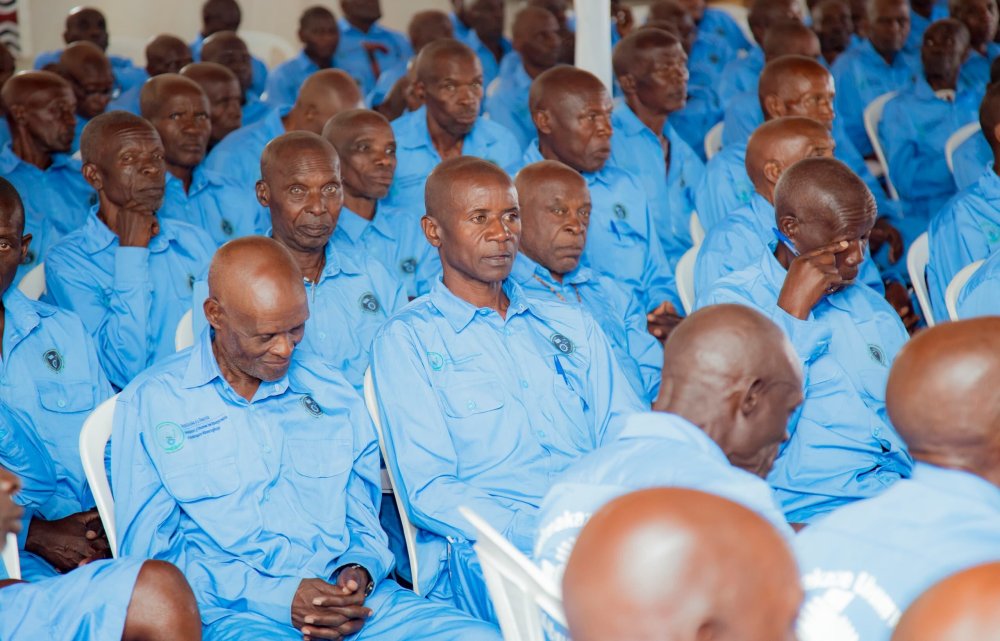
The training, which started on October 5, 2026, will run until December 31 and brings together prisoners from 17 correctional facilities. Half of the participants have spent more than 30 years in prison.
The programme is the 10th cohort of an initiative by the Ministry of National Unity and Civic Engagement (MINUBUMWE), implemented with the Rwanda Correctional Service (RCS) and other partners.
Kayumba Alice Uwera, Executive Director in charge of National Unity and Community Resilience at MINUBUMWE, said the programme prepares prisoners to return to society peacefully and avoid behaviour that could undermine national unity.
She said some may face challenges after release, including stigma, isolation, loss of confidence and strained relationships with their families or those of people they harmed.
Others may still hold genocide ideology, refuse to acknowledge their crimes, seek forgiveness or reveal the location of victims' remains for dignified burial.
'This is why participants are taught the country's history, the consequences of the Genocide against the Tutsi, their role in building national unity and resilience, and how they can contribute to the development of their families and the country,' Uwera said.
The training also helps participants understand their responsibilities after release, adjust to changes within their families and rebuild trust.
Uwera urged them to uphold Rwandan identity and live peacefully with their families, neighbours and survivors of the Genocide against the Tutsi.
'Focus on building on the principle of Rwandan identity and living peacefully with those you will find there: your families, neighbours and survivors of the Genocide against the Tutsi, while avoiding reoffending, particularly discrimination and division, as well as genocide ideology,' she said.
RCS Deputy Commissioner General Theos Badege urged the participants to take the training seriously as they prepare to leave prison.
'We ask those benefiting from this training to listen carefully and understand that they are between the correctional facility and the families they are about to rejoin,' Badege said.
He urged them to return to their communities ready to contribute positively and demonstrate behavioural change.
'We do not want to see you again in our records. Start preparing to contribute as much as possible so that people can see that you have changed and have moved away from anything that could lead you back into the correctional system,' he said.
MINUBUMWE said preparing prisoners for release should also involve preparing the families they will return to, to promote peaceful relations and understanding.
By September 2026, 2,103 prisoners had completed the programme through its first nine cohorts. The 10th cohort will bring the total to 2,629 participants.
The 10th cohort will bring the total to 2,629 participants.
The patient had lived in the DRC for seven years and fell ill about a month before travelling to Kenya, Health Minister Aden Duale said Tuesday.
The patient was treated at several hospitals in the DRC before travelling by road to Kampala, Uganda. From Kampala, he boarded Jambojet flight 8523 and arrived in Nairobi on October 3.
Duale said the patient underwent routine health screening at Jomo Kenyatta International Airport (JKIA) before being taken by a relative and a friend to Nairobi Hospital.
He was initially isolated in the hospital's emergency room before being transferred to an isolation facility in the East Wing, which had been used during the Covid-19 pandemic.
Medical tests were conducted after doctors identified symptoms consistent with viral haemorrhagic fever.
The patient presented with fever, intense fatigue, weakness, muscle pain, painful swallowing, sore throat and bleeding under the skin at the injection site.
'Doctors suspected a viral haemorrhagic fever based on his symptoms and travel history and collected samples for testing. The sample tested positive for Ebola Bundibugyo virus,' Duale said.
Kenya's Minister of Health Aden Duale speaks during a press conference on the first case of Ebola in the country, in Nairobi, Kenya, October 6, 2026.
Despite receiving supportive treatment, the patient died at 11:30 pm on Monday.
His burial is planned for Tuesday under public health protocols intended to prevent further transmission.
Kenyan health authorities have identified 28 people who had contact with the patient, including relatives and healthcare workers. They are also tracing 23 passengers and four crew members who were on the Jambojet flight from Kampala to Nairobi.
Duale said arrangements had been made to quarantine people considered to be at risk as authorities step up efforts to contain the disease.
Kenya's confirmation comes as the DRC continues to battle an outbreak of the Bundibugyo strain of Ebola, which was declared in May. As of October 2, the DRC had reported 8,442 confirmed cases and 4,080 deaths, making it the country's largest Ebola outbreak on record.
Uganda also reported cases linked to the outbreak earlier this year, including two deaths, but was declared Ebola-free in August.
The Bundibugyo virus is a relatively rare strain of Ebola. The disease can cause fever, vomiting, diarrhoea and, in severe cases, bleeding.
Kenyan authorities have maintained heightened surveillance since the outbreak was declared in the DRC.
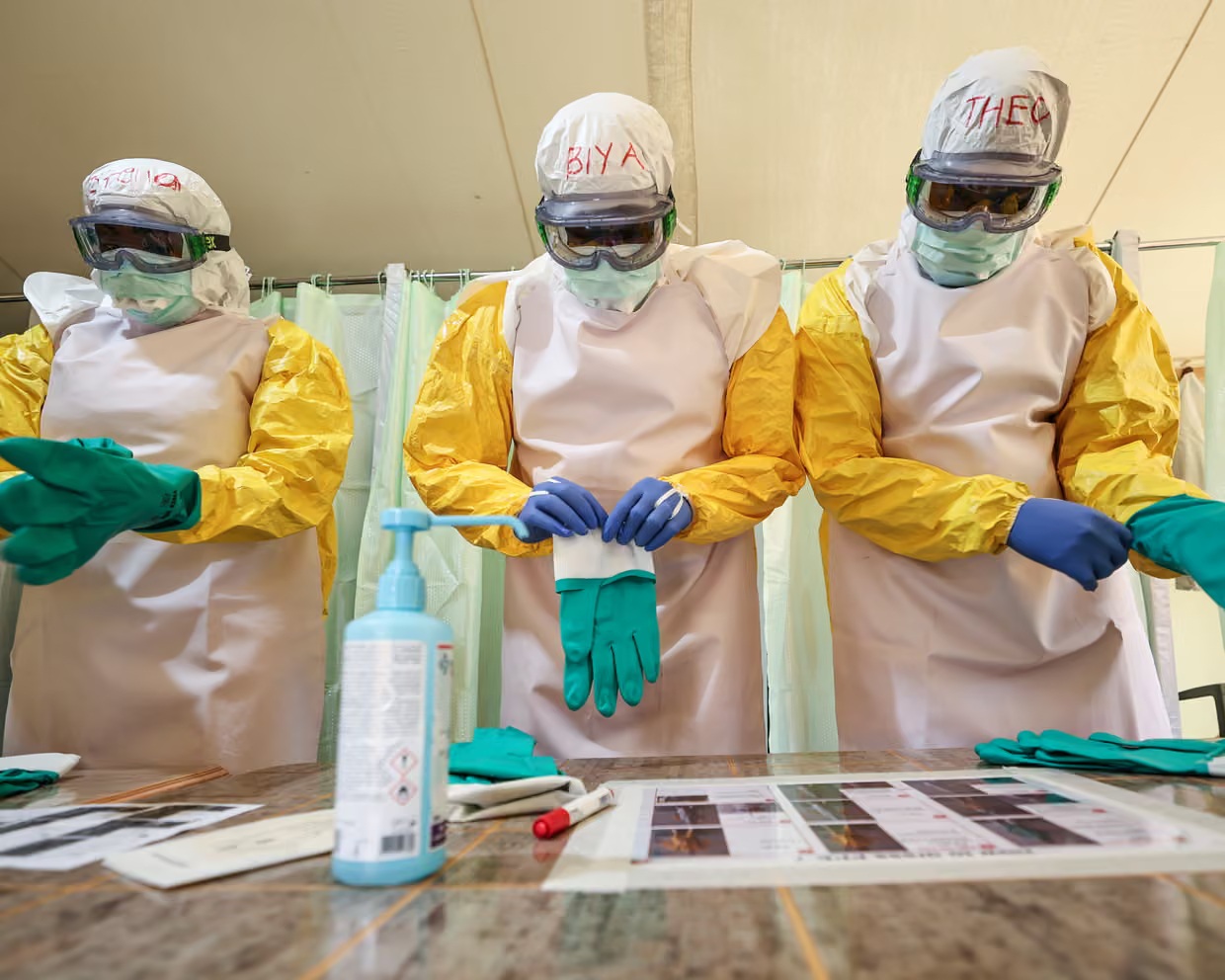
Volunteer health workers at an Ebola emergency response training session conducted by Médecins Sans Frontières in Ongata Rongai, Kenya, in August.
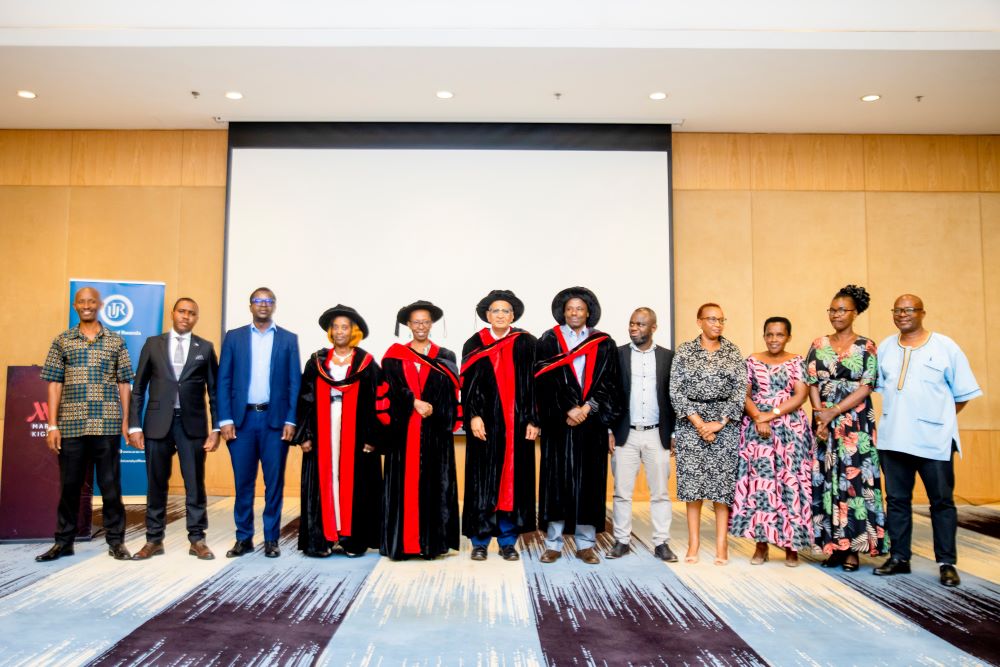
Data from the Ministry of Education shows that the number of lecturers with PhDs increased from 1,091 in 2023/2024 to 1,360 in 2024/2025, representing a 24.6% increase in one year.
Of the 1,360 lecturers with PhDs, 1,144 were men and only 216 were women. Women therefore accounted for 15.9% of lecturers with PhDs, compared with 84.1% for men. Despite the wide gender gap, the number of women with PhDs has generally increased over the past five years.
There were 141 women with PhDs in 2020/2021, rising to 162 in 2021/2022 and 179 in 2022/2023, before falling slightly to 169 in 2023/2024. The number then rose to 216 in 2024/2025.
This represents an increase of 47 women, or nearly 28%, in one year. Among men, the number of PhD holders increased from 922 in 2023/2024 to 1,144 in 2024/2025.
Overall, the number of lecturers with PhDs increased from 976 in 2020/2021 to 1,360 in 2024/2025. However, women's share of lecturers with PhDs grew only modestly, from 14% to 15.9% over the same period.
The gender gap is not limited to lecturers with PhDs. In 2024/2025, universities and higher learning institutions in Rwanda had 5,463 lecturers, including 4,283 men and 1,180 women. Women accounted for 21.6% of all lecturers, while men represented 78.4%.
There has nevertheless been progress compared with previous years. In 2020/2021, women accounted for 809 of the 4,301 lecturers, or 18.8%. Their number had increased to 1,180 by 2024/2025, raising their share to 21.6%.
Public higher learning institutions had 2,517 lecturers, including 539 women, representing 21.4%. Private institutions had 2,946 lecturers, of whom 641, or 21.8%, were women.
Most lecturers hold Master's degrees
The report shows that while the number of PhD holders is increasing, Master's degree holders make up the largest group of university lecturers.
In 2024/2025, 2,935 lecturers, or 53.7% of the total, held Master's degrees. They included 2,265 men and 670 women.
PhD holders numbered 1,360, accounting for nearly a quarter of all lecturers. Another 936 lecturers held Bachelor's degrees, including 683 men and 253 women, while 232 had qualifications below Bachelor's degree level.
The Ministry of Education says the rise in the number of lecturers with PhDs reflects continued efforts by academics to advance their educational qualifications.
However, the low number of women reaching PhD level remains an area requiring greater support to enable more women to pursue advanced studies.
The increase in PhD holders came as the overall number of lecturers at universities and higher learning institutions also grew.
The number of lecturers rose from 4,577 in 2023/2024 to 5,463 in 2024/2025, an increase of 886 lecturers, or 19.3% in one year.
The number of lecturers with PhDs in Rwanda increased from 976 in 2020/2021 to 1,360 in 2024/2025.
Rutabana served as RNC Commissioner in charge of training. He left Europe on September 4, 2019, and arrived in Uganda the following day, but disappeared shortly after arriving in the country.
Rutabana's wife, Diane Rutabana, said that after her husband went missing, she contacted RNC members, who gave her conflicting accounts. Some reportedly told her that they knew where he was and that he was safe.
RNC Secretary General Gervais Condo said there had been information that someone had seen Rutabana on October 2, apparently suggesting that he was still alive after the date when he was initially reported missing.
Diane said she was also told by RNC members that the group had discussed the possibility that her husband would be arrested once he reached Uganda. She also said Rutabana had told her before leaving that he was having problems with Frank Ntwari, the brother-in-law of RNC leader Kayumba Nyamwasa.
These accounts led Diane to argue that RNC knew what had happened to her husband, although Kayumba Nyamwasa reportedly sent someone to contact her and reassure her.
Rutabana's disappearance also contributed to divisions within RNC, with some former members arguing that the group has been reduced to a name, following what they described as internal disputes stemming from the case.
On September 20, 2026, Jean Paul Turayishimye and other Rwandans living abroad who oppose the government held an event dedicated to Ben Rutabana, seven years after his disappearance.
Rutabana's sister, Adeline Rwigara, was invited to speak about her brother's life. Her remarks triggered a strong reaction from the RNC.
In a prayer during the event, Adeline recalled how Rutabana had introduced her to RNC and Kayumba Nyamwasa, saying she was later shocked by what she described as their betrayal of her brother and his subsequent disappearance.
She accused RNC of being built on lies and misleading people, saying some had defended the organisation and Kayumba without knowing its true nature.
Adeline also accused Kayumba and Ntwari of playing a leading role in what she described as the betrayal of her brother. She said she was grateful that the RNC had collapsed because, in her view, it had been built on lies, cruelty and betrayal.
Her remarks angered RNC spokesperson Ignace Rusagara, who argued that Adeline should not have used a prayer to insult the organisation.
Turayishimye, who previously served as RNC spokesperson before breaking away from the group following Rutabana's disappearance, later criticised Rusagara, saying he appeared confused and did not understand the case.
After coming under criticism from Adeline, RNC published a statement on social media on October 4 saying that, seven years on, Rutabana's whereabouts remain unknown.
'Seven years have passed, but what happened to Ben Rutabana remains unknown. His family needs answers, his relatives need the truth. Witnesses should be heard and Ben deserves justice,' RNC said.
The group also said a song had been produced to ensure that Rutabana's name would not be forgotten, while calling for a credible investigation into all circumstances surrounding his disappearance.
One person responding to RNC's statement reminded the group that Rutabana's family had called for an investigation years ago, but that RNC had rejected the request and stripped him of his membership before the circumstances surrounding his disappearance were clarified.
The critic also questioned RNC's decision to comment on Rutabana's disappearance, pointing to allegations that senior figures within the group, including Kayumba Nyamwasa and his brother-in-law, had played a significant role in the matter amid disputes involving Rutabana.
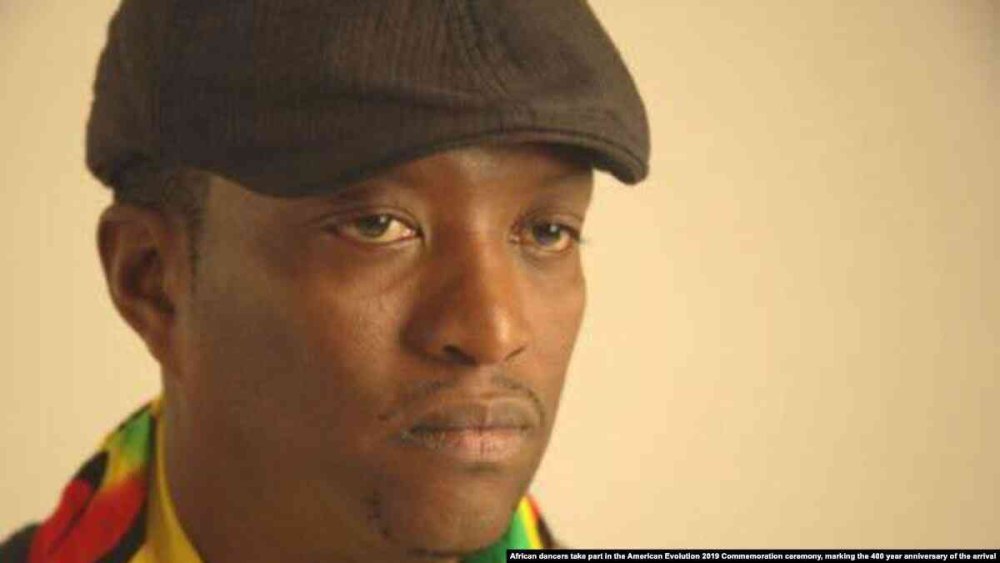
Ben Rutabana disappeared in early September 2019 after travelling to Uganda for RNC-related activities.Kayumba Nyamwasa and his brother-in-law, Frank Ntwari, have been accused of playing a significant role in Ben Rutabana's disappearance.
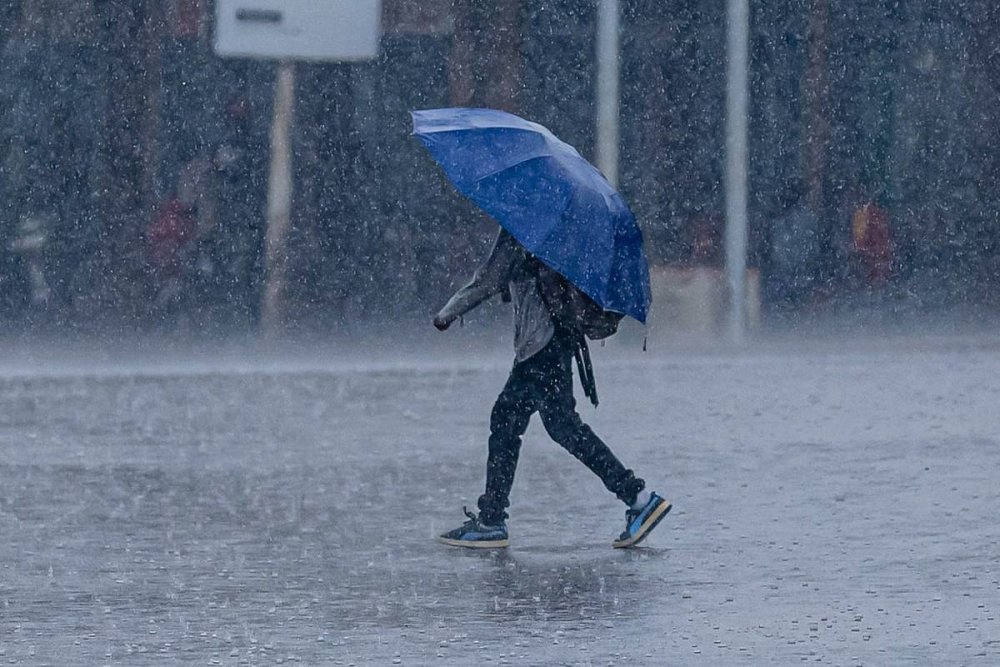
In its weather outlook issued on October 5, 2026, Meteo Rwanda forecast rainfall ranging between 90 and 300 millimetres during the month, which is above the normal average for October.
Daytime temperatures are expected to range between 20°C and 31°C, while nighttime temperatures will range from 9°C to 19°C.
The country is also expected to experience moderate winds that could occasionally become strong, with speeds ranging between four and 14 metres per second.
The expected heavy rainfall will increase soil moisture in many parts of the country. Meteo Rwanda said this is expected to benefit agricultural activities during the 2027 Season A planting period and contribute to increased water availability.
The agency noted that soil moisture had declined in some parts of the country in September 2026 due to below-average rainfall, but is expected to improve in October as more rain falls.
September recorded below-average rainfall
Meteo Rwanda reported that most parts of the country received below-average rainfall in September 2026.
Of the 44 stations used to analyse rainfall during the month, 40 recorded below-average rainfall, while only four recorded above-average rainfall.
Rainfall totals in September ranged from 1.2mm to 124.6mm. The highest amount was recorded at Ntendezi in Nyamasheke District, with 124.6mm, while the lowest was recorded in Nyamata, Bugesera District, with 1.2mm.
In Kigali, Kigali International Airport recorded 38.1mm of rainfall, while the Gitega station in Nyarugenge District recorded 47.1mm.
Meteo Rwanda said the low rainfall in September affected land preparation and crop planting activities for the 2027 Season A, as well as livestock farming due to reduced pasture and water availability.
The rainfall expected in October is expected to improve soil moisture and water availability, supporting agriculture and livestock farming, particularly crop planting activities.
Meteo Rwanda urged residents to continue following weather updates issued at different intervals, including six-hourly, daily, five-day, seven-day and 10-day forecasts.
The Rwanda Meteorology Agency (Meteo Rwanda) has forecasted above-average rainfall in October