Category: Uncategorized

  • Rwanda briefs diplomats on efforts to tackle illicit alcohol #rwanda #RwOT

    The briefing, held on August 21, 2026, provided an opportunity for the government to engage diplomatic partners, share Rwanda's approach to the issue and highlight ongoing efforts to address the challenges posed by illicit alcoholic beverages.

    The Government of Rwanda said it remains committed to safeguarding public health, strengthening societal resilience and working with partners to advance solutions that protect communities.

    The briefing comes as Rwanda steps up efforts to tackle illicit alcoholic beverages amid growing concerns about their impact on public health and families.

    In just two weeks, authorities in Kigali closed 30 factories found to be producing alcoholic beverages that did not meet required standards. They also shut down 840 bars and 10 liquor stores for failing to comply with regulations.

    The crackdown has also exposed alleged failures and misconduct among some officials responsible for regulating and certifying alcoholic beverages. On August 13, the Rwanda Investigation Bureau (RIB) presented 18 suspects, all public servants, including the Director General of the Rwanda Food and Drugs Authority, Prof Emile Bienvenu. Ten of those presented were Rwanda FDA employees, while others were officials from the Rwanda Standards Board and local government institutions.

    RIB spokesperson Dr Murangira B. Thierry said 104 people had been arrested since July 20 in connection with offences related to the production and distribution of substandard alcoholic beverages. Of these, 97 case files had been prepared and submitted to the prosecution.

    According to RIB, preliminary investigations found that some licences for alcoholic beverage factories were allegedly issued without following recommendations from Rwanda FDA's Internal Technical Licensing Committee. Officials from the Rwanda Standards Board are also being investigated over the alleged issuance of quality certification to companies whose products did not meet required standards.

    Five local government officials have also been arrested over allegations that they helped factory operators evade enforcement, including by warning them about planned inspections or allowing facilities that had been closed to resume operations.

    As part of the wider crackdown, Rwanda has closed more than 150 factories suspected of producing substandard alcoholic beverages and launched operations to seize and destroy the products. Authorities are also pursuing people suspected of being involved in their production and distribution.

    In Kigali alone, authorities have seized more than 470,000 litres of ethanol allegedly used to manufacture the drinks and collected nearly four million bottles of substandard alcoholic beverages.

    The government's response follows reports from health authorities linking the consumption of illicit alcohol to serious health consequences. More than 500 people have received treatment, over 50 have died and more than 100 others have reportedly suffered vision loss.
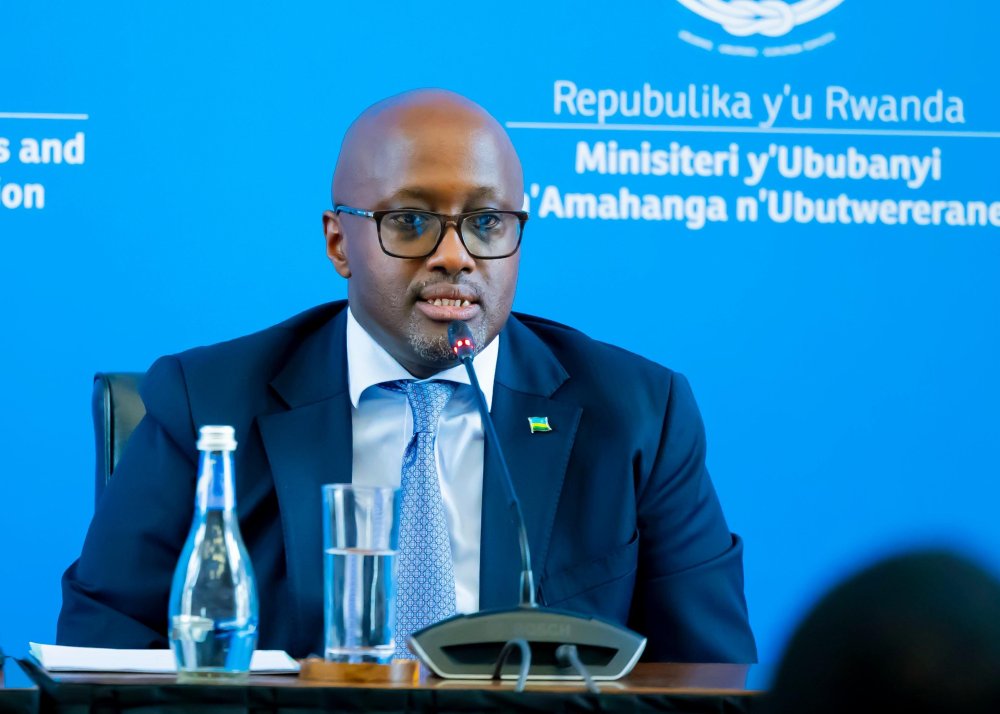
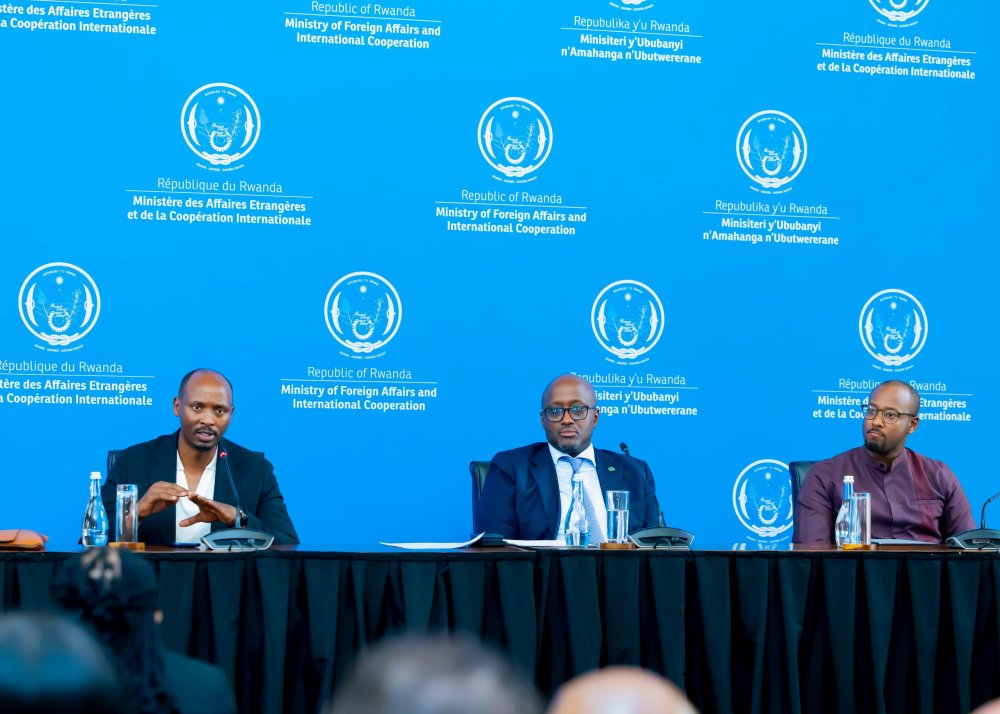
    Rwanda's Minister of Foreign Affairs and International Cooperation, Olivier Nduhungirehe addressing diplomats.
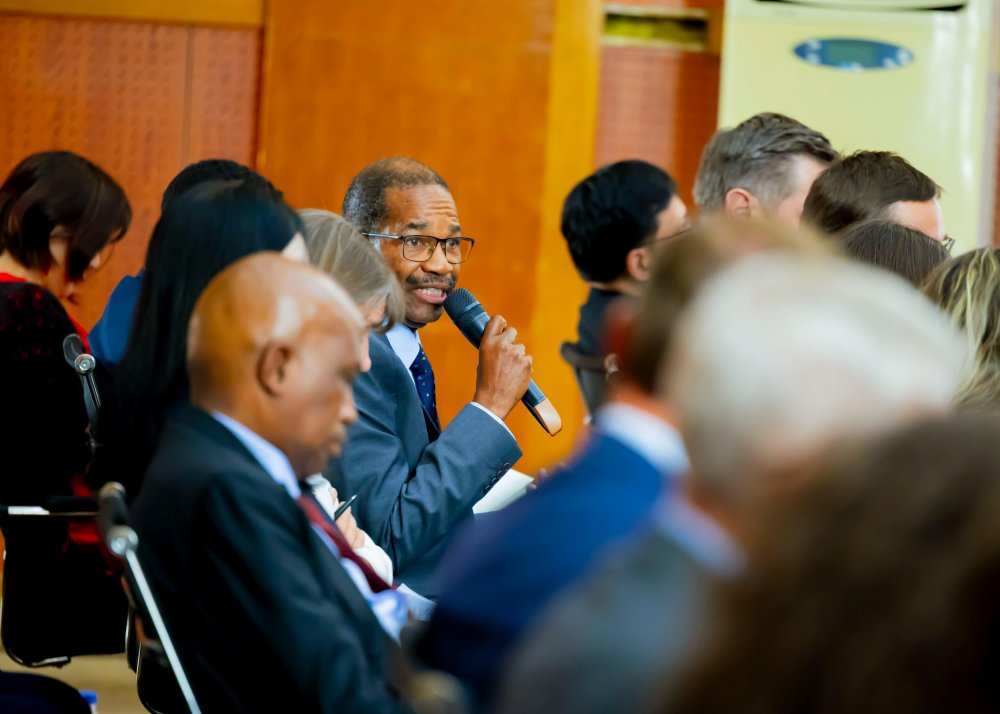
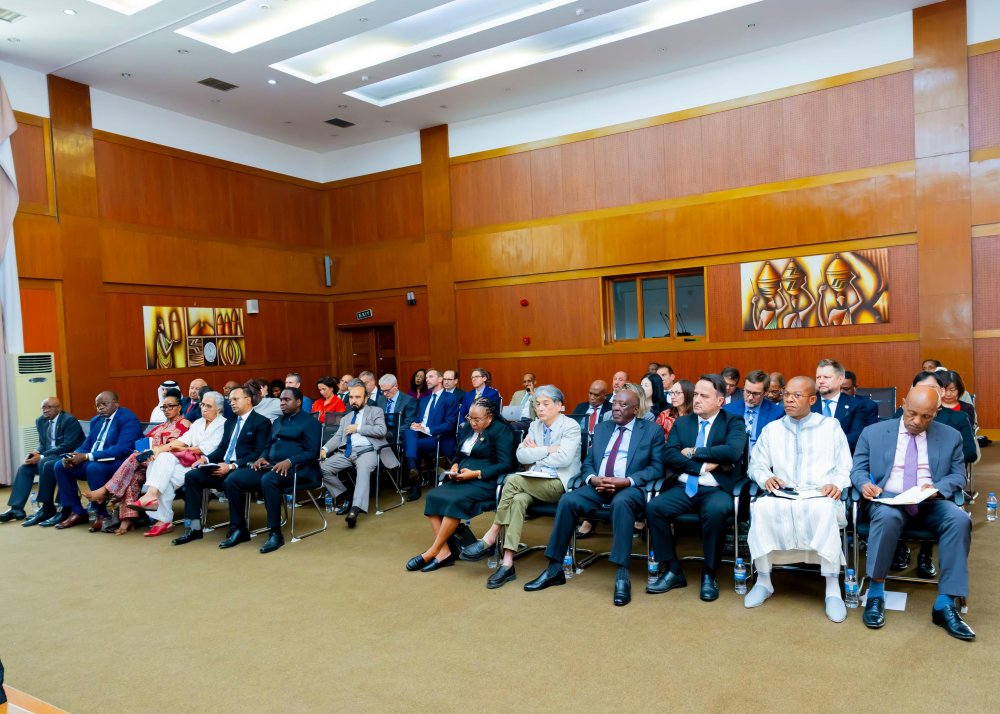
    Diplomats accredited to Rwanda attended the briefing.
    Rwanda's Minister of Foreign Affairs and International Cooperation, Olivier Nduhungirehe, with Health Minister Dr Sabin Nsanzimana and Minister of Trade and Industry Tony Kajangwe during the briefing with diplomatic representatives in Rwanda.
    The diplomats had an opportunity to seek further clarification on the decision to crack down on illicit alcoholic beverages.

    Source : https://new.igihe.com/english/rwanda-briefs-diplomats-on-efforts-to-tackle-illicit-alcohol/

  • US imposes 50% tariffs on Canadian goods after trade talks fail #rwanda #RwOT

    The move marks a fresh escalation in trade tensions between US President Donald Trump and Canadian Prime Minister Mark Carney, despite several days of intensive negotiations aimed at reaching a deal before the tariff deadline.

    US and Canadian trade officials held negotiations in Washington for several days, with hopes of resolving major disagreements over tariffs and access to each other's markets.

    The talks had initially appeared promising. Canadian Trade Minister Dominic LeBlanc said the two countries were 'very close' to reaching an agreement.

    A proposed deal was expected to reduce tariffs on Canadian-built vehicles from 25% to 15% and cut tariffs on Canadian steel and aluminum to 25%.

    However, the negotiations broke down after disagreements over changes proposed by the US side late in the discussions.

    Canada said it could not accept the changes, while Washington accused Ottawa of seeking concessions beyond what the United States was prepared to offer.

    Following the collapse of the talks, Carney announced that Canada would suspend negotiations with Washington and respond to the new US tariffs with measures on a dollar-for-dollar basis.

    The newly imposed US tariffs affect about 5% of Canada's exports to the United States.

    Although most Canadian exports are not covered by the new measures, the tariffs could increase costs for businesses and put pressure on affected industries and jobs.

    The dispute adds pressure to the broader economic relationship between the two countries and could complicate future negotiations over the United States-Mexico-Canada trade agreement.

    The two governments had also been discussing issues including Canadian restrictions on US alcohol sales and rules governing automotive trade.

    With the negotiations suspended and no new talks scheduled, businesses on both sides of the border now face increased uncertainty as the latest tariffs take effect.

    US has imposed 50% tariffs on Canadian goods after trade talks fail

    Source : https://new.igihe.com/english/us-imposes-50-tariffs-on-canadian-goods-after-trade-talks-fail/

  • Study finds honeybee queens offload pesticides into their eggs #rwanda #RwOT

    The process, known as maternal offloading, is the first documented evidence of this response in honeybees.

    Researchers say it may help queens reduce their own chemical burden, but could expose developing offspring to harmful levels of pesticides. The findings were published in Current Biology.

    Worker bees normally protect the colony by filtering contaminants from food before they reach the queen and developing larvae.

    However, the study found that this protection can become less effective as pesticide exposure continues.

    Researchers created small experimental colonies containing one queen and 60 worker bees.

    The bees were given food contaminated with methyl parathion, a pesticide carrying a low-level radioactive marker that allowed scientists to track its movement.

    On the first day, workers filtered out 95% of the pesticide and deposited it in the honeycomb.

    By the 10th day, their filtering rate had dropped to 86%, suggesting that the colony's protective system can eventually become overwhelmed.

    As pesticide contamination accumulated in the queens, some of it was transferred to their eggs.

    Researchers say this could become a serious concern if pesticide levels in eggs become high enough to interfere with normal development.

    Sascha Nicklisch, the study's senior author, warned that there could be a tipping point where heavily contaminated eggs fail to develop properly, potentially contributing to a gradual decline in colony health.

    The researchers used biological accelerator mass spectrometry to track extremely small amounts of the pesticide.

    They noted that the pesticide concentrations used in the experiment were not lethal and were environmentally relevant.

    Honeybee queens can lay between 1,500 and 2,000 eggs per day, making their health essential to colony survival.

    Honeybees also pollinate about one-third of the world's food crops, meaning threats to their colonies could have wider implications for agriculture and food security.

    Researchers say further studies are needed to determine how long queens can transfer pesticides to their eggs, the long-term effects on colonies and whether the process occurs with other pesticides.

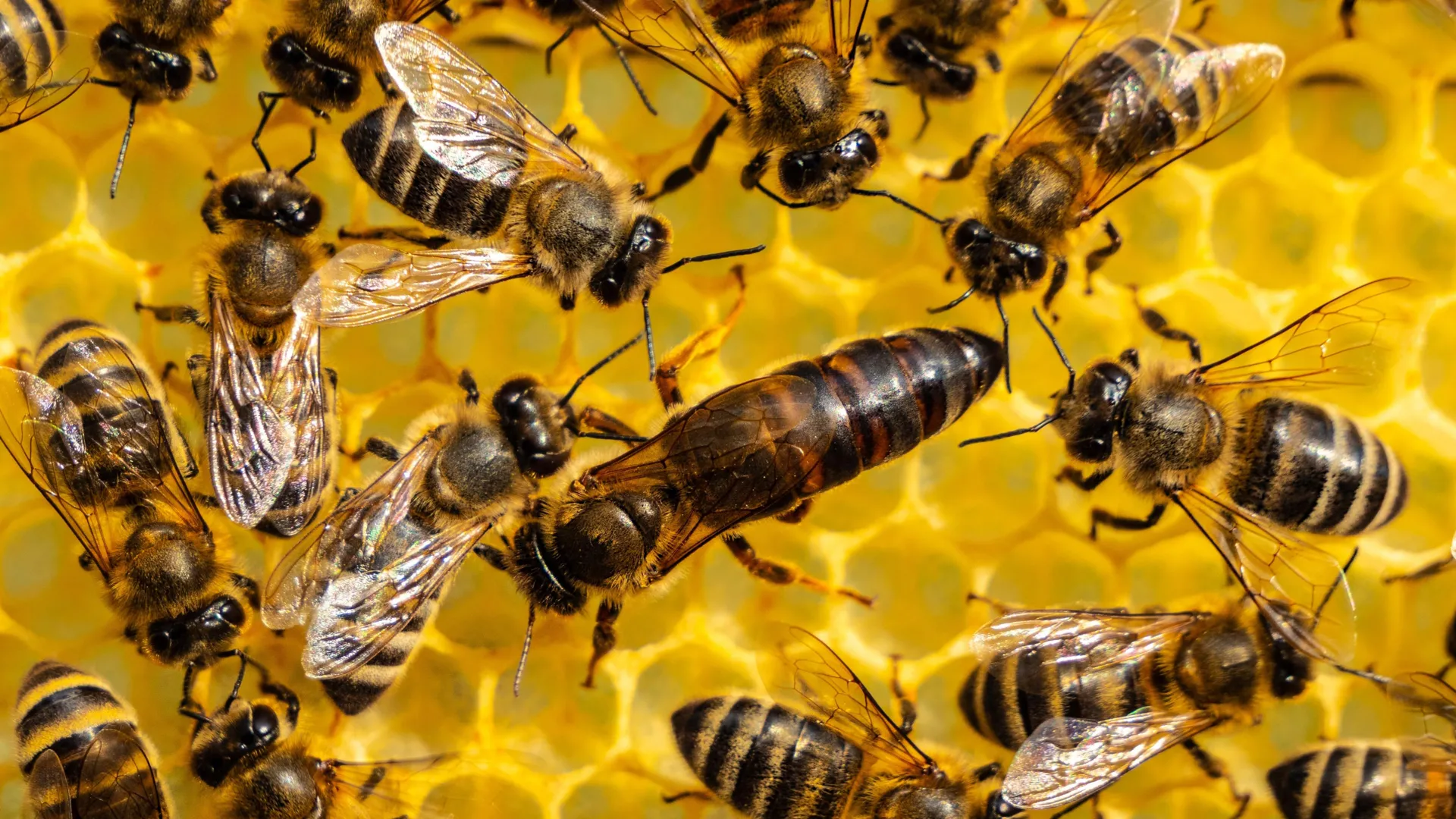
    Honeybee queens transfer pesticides to eggs as colony defences weaken

    Source : https://new.igihe.com/english/study-finds-honeybee-queens-offload-pesticides-into-their-eggs/

  • China orders Tesla to recall nearly 3 million vehicles #rwanda #RwOT

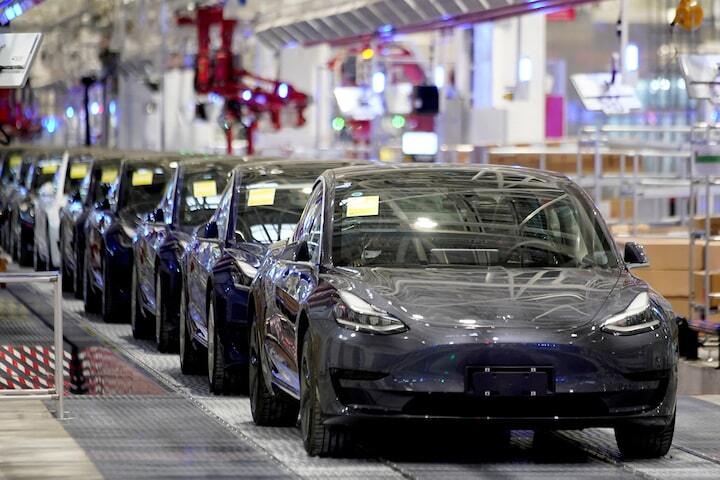
    China's State Administration for Market Regulation said Friday that Tesla would recall about 2.98 million vehicles, including 973,156 Model 3 cars manufactured between March 4, 2019, and April 29, 2026, and 1.96 million China-made Model Y vehicles produced between November 16, 2020, and April 30, 2026. The recall also covers more than 35,000 imported Model 3s, around 8,000 Model X vehicles and roughly 2,000 Model S cars.

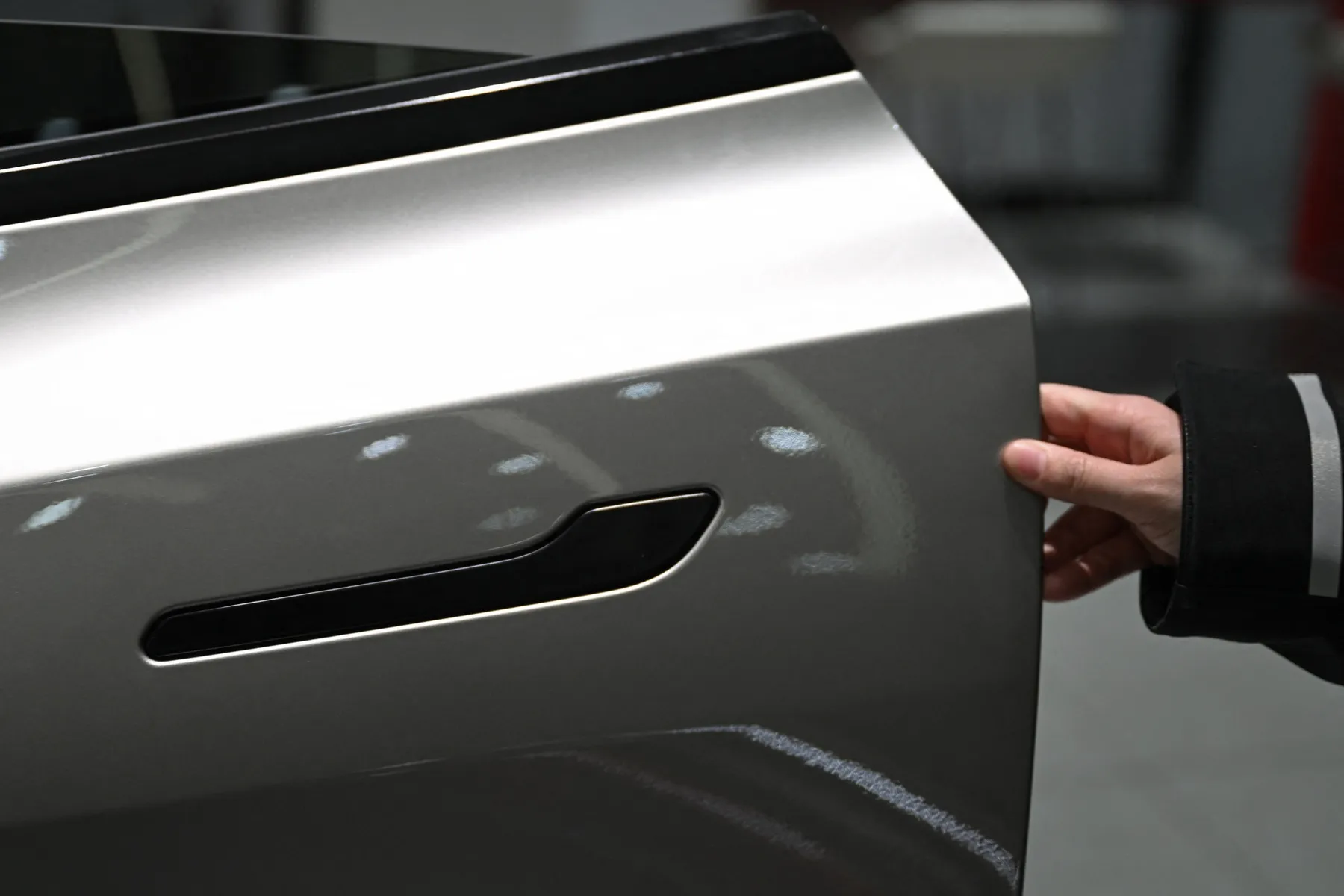
    The vehicles are equipped with electronic door latches and mechanical emergency releases that can be difficult to identify in an emergency. Tesla will install warning labels free of charge to help occupants locate the manual releases.

    A woman opens the door for a Tesla Model YL electric vehicle at a showroom in Beijing.

    The recall is part of a broader Chinese effort involving 11 automakers to address concerns surrounding emergency door mechanisms. Nine manufacturers, including Tesla, will add warning labels, while all 11 companies will issue software updates as part of the recall campaigns. Xiaomi, Xpeng, and Geely brands Zeekr and Lynk & Co. are among the other automakers affected.

    Electronic door latches have become increasingly common as automakers seek to offer more seamless entry systems, including smartphone and NFC-based access. However, such systems can become unusable when a vehicle loses power after a crash. Manual releases are generally installed as a backup, but some are concealed behind panels or placed in locations that may not be obvious to passengers.

    China announced in February, following a two-year review, that it would ban hidden electronically actuated exterior door handles from 2027.

    Tesla has faced similar scrutiny in the United States. The country's top auto safety regulator opened an investigation into Tesla's door-latching systems late last year after concerns were raised about the accessibility of emergency releases. U.S. lawmakers have also proposed legislation requiring manual releases to be intuitive and readily accessible.

    Tesla, which helped popularise flush exterior door handles and electronic latches, has said it is working to redesign its door handles in future vehicles. The company's latest recall in China adds to growing regulatory pressure on automakers to ensure passengers can quickly escape vehicles when electronic systems fail.

    China has ordered Tesla to recall nearly three million vehicles over concerns that emergency door releases could be difficult for occupants to locate following a serious crash or power failure, marking the electric vehicle maker's largest-ever recall campaign in the country.

    Source : https://new.igihe.com/english/china-orders-tesla-to-recall-nearly-3-million-vehicles/

  • Rwanda, Burundi and DRC discuss Belgium's colonial legacy and reparations #rwanda #RwOT

    The conference, titled 'Belgium's Colonial Injustice and the 101-Year Path to Reparations,' was held on August 21 and organized by the Baku Initiative Group (BIG).

    The discussions took place on August 21 during a conference titled 'Belgium's Colonial Injustice and the 101-Year Path to Reparations,' organized by the Baku Initiative Group (BIG).

    The meeting brought together representatives of Rwanda, Burundi, the DRC, Morocco and South Africa, alongside UN Human Rights Council experts, diplomats, parliamentarians, human rights advocates, historians and international law experts.

    Rwanda was represented by Lt Gen (Rtd) Charles Kayonga, the country's ambassador to Türkiye, who also represents Rwanda in Azerbaijan, Kazakhstan and Lebanon.

    Participants examined the historical, political, economic and social consequences of Belgian colonial rule and discussed whether its legacy continues to shape the region. They also considered the restoration of historical justice, reparations and the return of cultural heritage taken from Central Africa during the colonial period.

    A colonial legacy across the Great Lakes

    Rwanda, Burundi and the DRC came under Belgian colonial rule in the aftermath of the First World War. Belgian administration of Ruanda-Urundi, which comprised present-day Rwanda and Burundi, began in 1916 after Germany lost control of the territory.

    The Belgian colonial period formally ended as the countries gained independence between 1960 and 1962, but participants at the Baku conference argued that its effects have continued to be reflected in political, economic and social structures.

    In Rwanda, the country had first been placed under German rule in the late 19th century, following the European partition of Africa associated with the Berlin Conference of 1884–1885.

    Belgian rule later introduced policies that placed particular emphasis on economic production for colonial interests, including export-oriented agriculture and compulsory labour.

    The colonial administration also played a significant role in reshaping Rwanda's social and political structures. One of the most contested aspects of this period was the way Belgian authorities classified Rwandans along ethnic lines and institutionalized those classifications through identity documents.

    Those policies contributed to the entrenchment of divisions that later continued under successive post-independence governments.

    The colonial legacy remains a subject of debate in Rwanda, particularly because of the way policies introduced during the Belgian period were later maintained and adapted by governments after independence.

    Rwanda became independent on July 1, 1962, while Belgian influence remained present during the early years of the new state.

    The political divisions that had been reinforced during the colonial period continued into the First and Second Republics and formed part of the broader historical context preceding the 1994 Genocide against the Tutsi.

    Calls for historical justice

    At the Baku conference, BIG Executive Director Abbas Abbasov said addressing colonial crimes should go beyond financial compensation.

    He called for recognition of historical responsibility, official apologies, reparations and legal safeguards, noting that the DRC, Rwanda and Burundi have long awaited concrete action.

    Abbasov said reparations should be pursued transparently and in accordance with international law.
    Rwanda's Ambassador Charles Kayonga said colonialism had left a lasting legacy that continues to affect former colonies.

    He underscored the need to address that legacy in discussions on responsibility and reparations.

    Participants also discussed the appropriation and restitution of cultural heritage from the colonial period, noting that Belgium's Royal Museum for Central Africa holds around 85,000 objects from Central Africa.

    The conference further highlighted the five forms of reparation set out in UN General Assembly Resolution 60/147: restitution, compensation, rehabilitation, satisfaction and guarantees of non-repetition.

    The discussions come as debates continue across Africa over the historical consequences of slavery and colonialism, with countries and organizations increasingly examining how historical injustices can be addressed through recognition, restitution and reparations.

    Participants at the Baku conference called for greater international recognition of colonial-era injustices, stronger legal mechanisms and more systematic discussions on reparations.

    They stressed that restoring historical justice is important not only for addressing the past, but also for building a fairer international system for future generations.

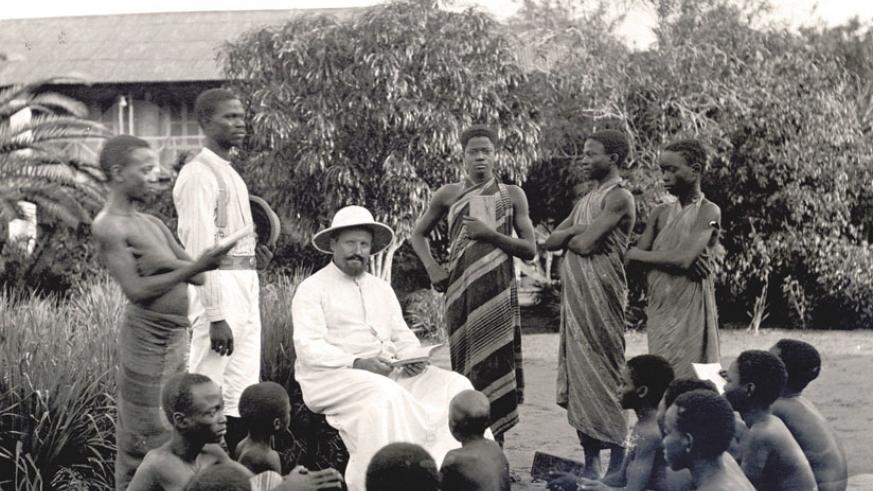
    Belgian colonial authorities are accused of imposing policies in Rwanda to advance their own interests.

    Source : https://new.igihe.com/english/rwanda-burundi-and-drc-discuss-belgiums-colonial-legacy-and-reparations/

  • The motorcycle that could change how Africa moves #rwanda #RwOT

    Now, that familiar machine is changing. The emergence of electric motorcycles such as Spiro's electric bikes is quietly challenging one of the oldest assumptions in African transport: that moving around the city must depend on petrol. The significance is not simply that the bikes are electric.

    It is what happens to the economics of the motorcycle when petrol disappears from the equation.
    A conventional motorcycle requires a rider to repeatedly spend money on fuel. An electric motorcycle replaces that recurring fuel expense with electricity and, in Spiro's model, battery swapping. Instead of waiting for a battery to recharge, riders can exchange it for a charged one and return to the road.

    For a motorcycle taxi rider whose income depends on how many trips can be completed in a day, that is not a technological curiosity.

    It is a business proposition. And this is where Africa's electric-mobility story becomes particularly interesting.

    The continent does not need to copy the electric-vehicle transition taking place in Europe, China or North America. Its transport realities are different.

    Africa has enormous motorcycle fleets, rapidly growing cities, relatively low car ownership and millions of people whose livelihoods depend directly or indirectly on two-wheel transport.

    That makes the electric motorcycle one of the most logical entry points into mass electrification.
    Spiro's experience illustrates the potential. The company says it has deployed more than 95,000 electric motorcycles across African markets and built more than 2,500 battery-swapping stations. It is effectively testing whether electric mobility can become part of everyday African commerce rather than remaining a premium product for wealthier consumers.

    The implications go beyond the rider. Every electric motorcycle creates demand for a wider ecosystem: batteries, swapping stations, electricity, software, maintenance, financing and technical skills.
    That ecosystem could eventually become an industrial opportunity.

    This is perhaps the most important part of the story. Africa has historically been a major consumer of imported transport technology. The electric-mobility transition gives the continent an opportunity to do something different.

    Instead of simply importing electric motorcycles, Africa could increasingly assemble them, maintain them, develop the software that manages their fleets, build charging and swapping networks, and eventually manufacture more of the components.

    The motorcycle could therefore become the starting point for something much larger.

    But there is a warning. Electric motorcycles will not automatically transform African transport. The transition requires affordable financing, reliable electricity, sufficient battery infrastructure and policies that make it possible for businesses to invest for the long term.

    Governments also need to think beyond incentives for buying electric vehicles.

    They should be asking a more ambitious question: what African industry do we want the electric-mobility transition to create?

    Rwanda has an opportunity to be part of that answer. Its experience with electric motorcycles provides a practical laboratory for understanding what happens when technology meets one of Africa's most important transport sectors.

    Spiro's electric bikes are therefore worth watching for a reason that goes beyond their batteries.
    They represent a test of whether Africa can turn a daily necessity – the motorcycle – into a platform for a new industrial economy.

    The real revolution may not be the moment Africa buys its millionth electric motorcycle.
    It may be the moment the continent stops seeing electric mobility simply as a cleaner way to move and starts seeing it as a way to build, employ, innovate and compete.

    That is when the electric motorcycle stops being just a vehicle. It becomes infrastructure for Africa's future.

    The writer, Innocent Ninsiima Ihinda, is a Government Relations Strategist.

    Spiro's electric motorcycles are emerging as more than a cleaner alternative to petrol bikes, with their battery-swapping model offering riders a potentially more efficient way to work and move across African cities.

    Source : https://new.igihe.com/english/the-motorcycle-that-could-change-how-africa-moves/

  • Messina heist: Why stolen masterpieces can't simply be sold #rwanda #RwOT

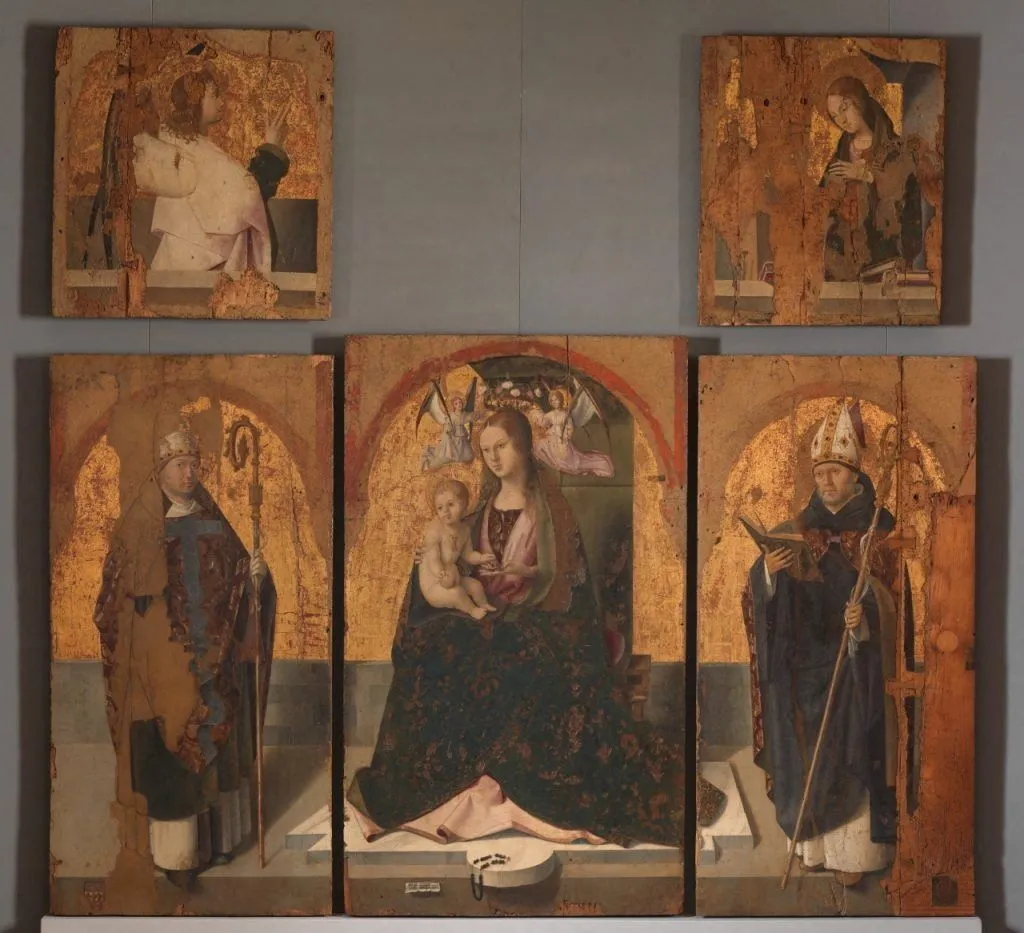
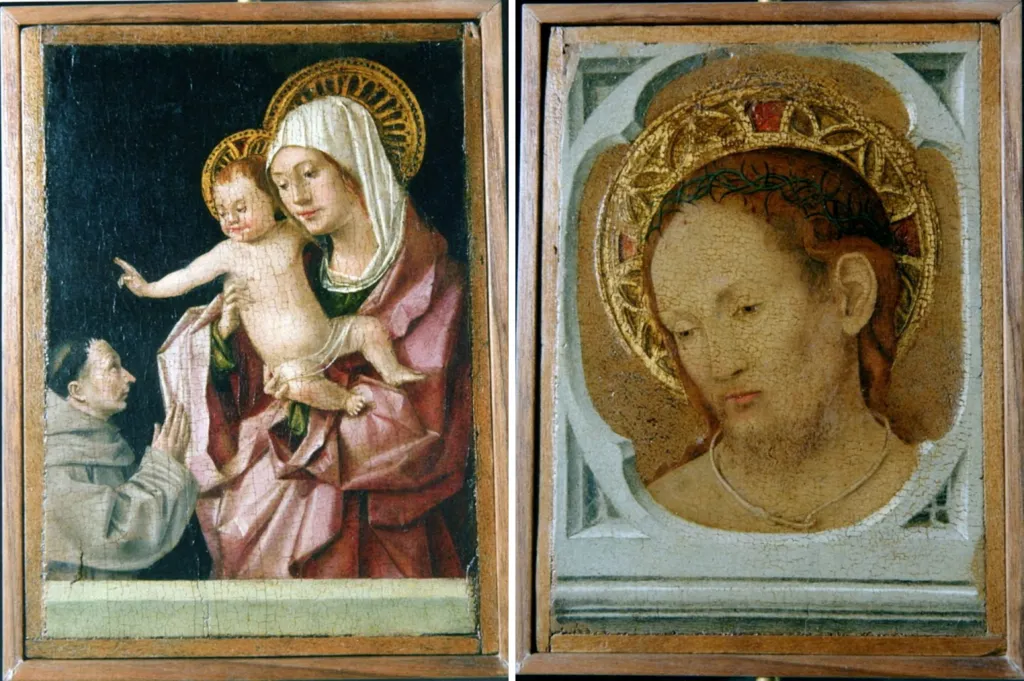
    In minutes, they took four masterworks by 15th-century painter Antonello da Messina, the city's native artist. The loot included three panels from the 1473 San Gregorio Polyptych and a double-sided devotional panel featuring the Virgin Mary and Christ, which was cut out of an armored glass display case.

    The stolen pieces carry an estimated valuation of $80 million to $92 million (about Rwf 136 billion) on the open art market. Yet, this heist leaves behind an intriguing economic contradiction: the stolen works are almost impossible to convert into cash.

    Three of the five surviving panels of the Polyptych of San Gregorio were taken.

    Antonello da Messina (c. 1430–1479) is a central figure of the Early Italian Renaissance. He bridged the gap between Northern and Southern European traditions by introducing Flemish oil-painting techniques, known for luminous light and fine detail, to the structured geometry of Italian painting. Fewer than 40 confirmed works by Antonello survive globally.

    Earlier this year, the Italian government bought his devotional painting Ecce Homo at a Sotheby's sale for $14.9 million. The four pieces stolen in Messina represented the last remaining Antonello masterpieces in his hometown, having survived the catastrophic 1908 earthquake that destroyed the original monastery where the San Gregorio altarpiece was housed.

    For the perpetrators, the stolen masterpieces present a severe operational challenge because famous art cannot be sold through legitimate market channels. Once an artwork of this caliber is entered into global police networks and INTERPOL's Stolen Works of Art Database, legitimate auction houses, private dealers, and galleries cannot touch it.

    Art crime specialists note that on the illicit market, stolen masterworks rarely function as liquid assets. Instead, they typically move through three main channels: as non-monetary collateral for transactions between criminal syndicates (such as securing loans for arms or narcotics trades), held hostage for 'artnapping' ransoms or legal plea bargains, or, in rare instances, kept concealed in private spaces for corrupt collectors.

    During the getaway, two additional altarpiece panels that had been taken were abandoned outside the museum building and subsequently recovered by police. This sudden abandonment suggests the thieves faced physical weight or time constraints during their escape.

    The remaining missing pieces represent a significant cultural loss for Messina, stripping the city of the last surviving works by its most influential artist. The Carabinieri's specialized art protection unit continues its investigation, seeking to recover the missing panels before they disappear into illegal underworld networks.

    A double-sided panel of the Madonna with Child and Christ in Pietà was also stolen.

    Source : https://new.igihe.com/english/messina-heist-why-stolen-masterpieces-cant-simply-be-sold/

  • AfDB to invest Rwf590 billion in Rwanda's agriculture over next three years #rwanda #RwOT

    The commitment is contained in the AfDB Group's 2025 Country Portfolio Performance Review (CPPR) report for Rwanda, released on August 20, 2026, which assesses the performance of Bank-funded operations in the country as of November 2025.

    According to the report, Rwanda's active AfDB portfolio is heavily concentrated in infrastructure, which accounts for 87% of total commitments. Water supply and sanitation alone represents 34% of the portfolio, followed by energy at 30%, multi-sector operations at 11%, finance at 10%, and transport at 9%. By contrast, agriculture, communications, social and urban development together make up just 6% of the portfolio's value.

    The report describes this infrastructure dominance as reflecting the Bank's 'longstanding support to the government's foundational utility priorities,' but warns that such concentration 'poses a significant risk, potentially constraining the case for additional stand-alone infrastructure investments.'

    In response, and in direct alignment with Rwanda's Second National Strategy for Transformation (NST2, 2024/25–2028/29), the Government of Rwanda has requested a strategic pivot toward agriculture. The reorientation is intended to rebalance the portfolio, mitigate concentration risk, and 'catalyse
    transformative growth in high-priority productive sectors,' the report states.

    NST2 itself prioritises private sector-led growth, agricultural modernisation, and export-oriented manufacturing, alongside efforts to accelerate inclusive growth and create jobs for youth and women.

    Existing agriculture pipeline

    The planned $400 million push builds on a currently modest agriculture portfolio. As of January 2026, AfDB-financed agriculture operations in Rwanda stood at just UA 11.2 million (approximately $15.2 million), representing only 9.2% disbursement, and centred on the Development of Agroforestry and Sustainable Agriculture project.

    A larger agriculture operation is already in the pipeline: the Climate Smart Agriculture Results-Based Financing (RBF) programme, valued at USD 348 million (UA 254 million), blending ADF and ADB loan financing, according to the report's annex on the Indicative Operations Programme.

    Wider portfolio

    The agriculture pivot comes against the backdrop of a rapidly growing but increasingly strained AfDB portfolio in Rwanda. As of 31 January 2026, the Bank's active portfolio comprised 29 operations, 27 public sector and 2 private sector, with total commitments $2.6 billion), a 71% increase from $1.49 billion) in November 2023.

    However, the share of red-flagged projects facing performance challenges doubled from 13% in 2023 to 26% in 2025, driven largely by procurement delays and weaknesses in contract management. The cumulative disbursement rate across the portfolio currently stands at 36%.

    The Bank and the Government of Rwanda, through the Ministry of Finance and Economic Planning (MINECOFIN), have endorsed a 2025 Country Portfolio Improvement Plan (CPIP) aimed at addressing these bottlenecks, including measures to fast-track project readiness, strengthen contract management, and streamline procurement processes.

    The 2025 CPPR report has been submitted for information to the AfDB's Committee on Operations and Development Effectiveness (CODE).

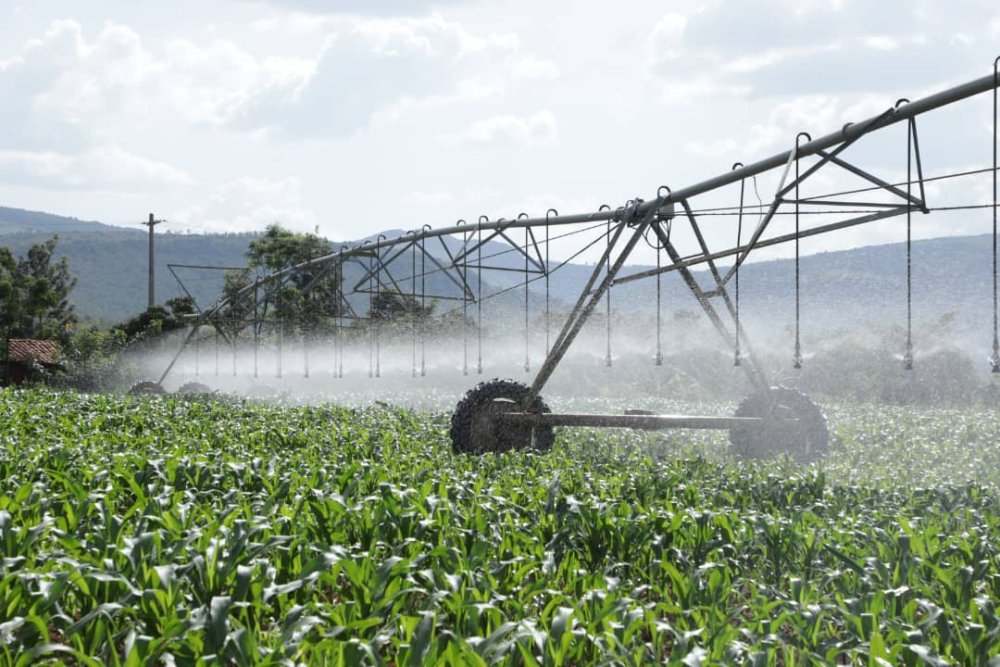
    The African Development Bank (AfDB) plans to invest over $400 million (approximately Rwf590 billion) in Rwanda's agriculture sector over the next three years, as part of efforts to rebalance a portfolio currently dominated by infrastructure, which accounts for 87% of total commitments.

    Source : https://new.igihe.com/english/afdb-to-invest-rwf590-billion-in-rwandas-agriculture-over-next-three-years/

  • Three Rwandan referees picked for CAF Women's qualifiers in Kigali #rwanda #RwOT

    The three are Henriette Buyukenya, Aline Umutoni and Regine Mukayiranga.

    The tournament kicks off on Friday, August 21, at Kigali Pele Stadium, with teams competing for a place in the group stage of the CAF Women's Champions League.

    Ahead of the competition, the Council of East and Central African Football Associations (CECAFA) announced the officials who will oversee the matches.

    Ali Ahmed, a member of the CECAFA Referees Committee, said the officials are in good condition and ready for the tournament.

    'We are pleased with the level of the referees and their assistants who have been invited and are here today. We are confident that they will give their best to ensure that the matches run smoothly,' he said.

    The tournament will run from August 21 to 31 in Kigali and will feature 10 teams. A total of eight referees and nine assistant referees have been appointed for the competition.

    Umutoni is the only Rwandan referee on the list. She recently officiated at the Women's Africa Cup of Nations in Morocco and will be joined in Kigali by Kenya's Josephine Wanjiku, who also officiated at the continental tournament.

    The other referees are Henriette Buyukenya and Regine Mukayiranga of Rwanda; Diana Murungi and Immaculate Ongiera of Uganda; and Joseyline Nsabimana and Anitha Niyokindi of Burundi.

    The officiating team also includes Kenya's Josephine Wanjiku and Virginia Wangui, Deka Muse of Djibouti, Mary Sulaimani and Zawadi Yusuf of Tanzania, Yordanos Mulgeta and Woinshet Abera of Ethiopia, Arsema Haile of Eritrea, and Emmanuella Ako and Stella Sebit of South Sudan.

    The 10 participating teams are Rayon Sports WFC, Yei Joint Star FC, Mafunzo SC, Denden FC, CBE FC, Kawempe Muslim Ladies, FC Ujeco, Simba Queens, Kenya Police Bullets FC and Top Girls Academy FC.

    The three are Henriette Buyukenya, Aline Umutoni and Regine Mukayiranga.

    The tournament kicks off on Friday, August 21, at Kigali Pele Stadium, with teams competing for a place in the group stage of the CAF Women's Champions League.

    Ahead of the competition, the Council of East and Central African Football Associations (CECAFA) announced the officials who will oversee the matches.

    Ali Ahmed, a member of the CECAFA Referees Committee, said the officials are in good condition and ready for the tournament.

    'We are pleased with the level of the referees and their assistants who have been invited and are here today. We are confident that they will give their best to ensure that the matches run smoothly,' he said.

    The tournament will run from August 21 to 31 in Kigali and will feature 10 teams. A total of eight referees and nine assistant referees have been appointed for the competition.

    Umutoni is the only Rwandan referee on the list. She recently officiated at the Women's Africa Cup of Nations in Morocco and will be joined in Kigali by Kenya's Josephine Wanjiku, who also officiated at the continental tournament.

    The other referees are Henriette Buyukenya and Regine Mukayiranga of Rwanda; Diana Murungi and Immaculate Ongiera of Uganda; and Joseyline Nsabimana and Anitha Niyokindi of Burundi.

    The officiating team also includes Kenya's Josephine Wanjiku and Virginia Wangui, Deka Muse of Djibouti, Mary Sulaimani and Zawadi Yusuf of Tanzania, Yordanos Mulgeta and Woinshet Abera of Ethiopia, Arsema Haile of Eritrea, and Emmanuella Ako and Stella Sebit of South Sudan.

    The 10 participating teams are Rayon Sports WFC, Yei Joint Star FC, Mafunzo SC, Denden FC, CBE FC, Kawempe Muslim Ladies, FC Ujeco, Simba Queens, Kenya Police Bullets FC and Top Girls Academy FC.

    Three Rwandan referees have been selected to officiate the 2026 CAF Women's Champions League CECAFA qualifiers, which bring together top women's clubs from East and Central Africa.

    Source : https://new.igihe.com/english/three-rwandan-referees-picked-for-caf-womens-qualifiers-in-kigali/

  • Harry and Meghan's surprise plan to move back to the UK revealed #rwanda #RwOT

    The couple, who have lived in California since 2020 after stepping back from their roles as senior working royals, are expected to settle in a private residence outside London. Their return could mark a significant new chapter for the family, particularly as their two children, Prince Archie and Princess Lilibet, are expected to begin at a British school in September.

    Harry and Meghan stepped back from their royal duties in 2020, saying they wanted to become financially independent and spend more time away from the pressures of life as senior royals. Their decision came amid growing tensions over media coverage, privacy and their position within the Royal Family. They later settled in California, where they have lived for more than six years.

    Prince Harry and Meghan had last been in the UK together at the late monarch's funeral.

    The latest move has reportedly surprised members of the Royal Family. King Charles was informed about the plans last weekend and is said to welcome the opportunity to spend more private time with his son and grandchildren.

    Royal commentator Robert Hardman summed up the surprise surrounding the news, telling BBC Radio 4's Today programme: 'Surprise is an understatement.' He added that the Sussexes 'have always been very good at delivering surprises'.

    Hardman also highlighted the importance of Archie and Lilibet starting school in Britain, saying it suggested the children would be raised as 'British rather than American'.

    There are no plans for Harry or Meghan to return as working royals. They will remain private individuals.

    The news comes after Harry's visit to the UK in July, when he met his father at the King's Highgrove home in Gloucestershire. The meeting was described by the Palace as a private family occasion and was reportedly the first time the King had seen Archie and Lilibet in person for more than four years.

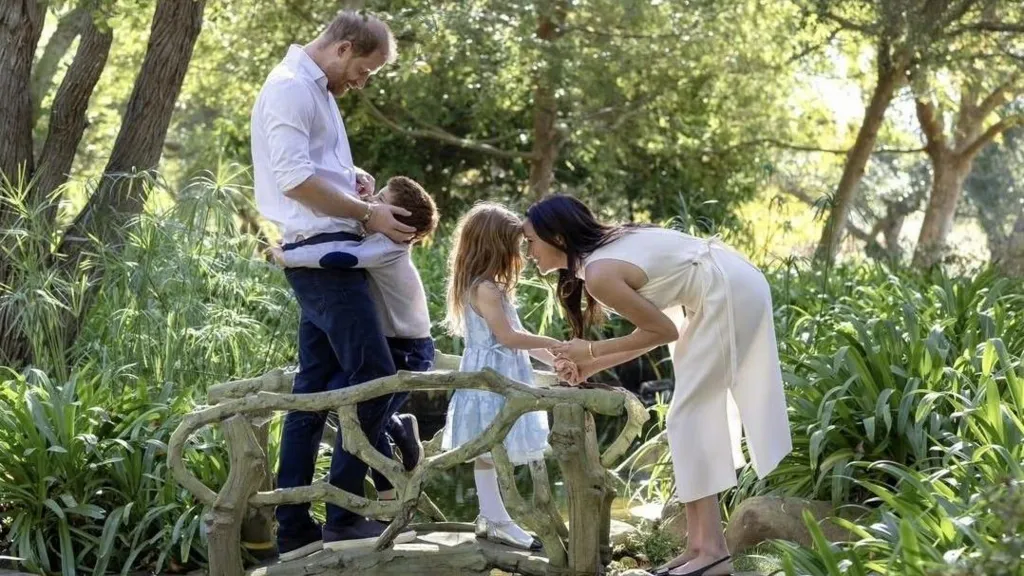
    The Sussexes' children Archie and Lilibet are enrolled in a British school.

    However, the return also raises questions about security. Harry has previously expressed concerns about bringing his wife and children to Britain and lost a legal challenge over the level of protection provided to him after he stepped down as a working royal.

    It remains unclear what security arrangements will be in place when the family moves back. Hardman suggested some security issues may have been resolved, although details of the arrangements and who will pay for them remain unknown.

    The Sussexes have not yet publicly commented on their plans.

    Their return is likely to attract considerable interest in Britain and beyond, particularly because of the couple's complicated relationship with the Royal Family and the British press. For their young children, meanwhile, the move could mark the beginning of a new chapter as they experience life and education in the country where their father was born.

    Source : https://new.igihe.com/english/harry-and-meghans-surprise-move-back-to-the-uk-revealed/