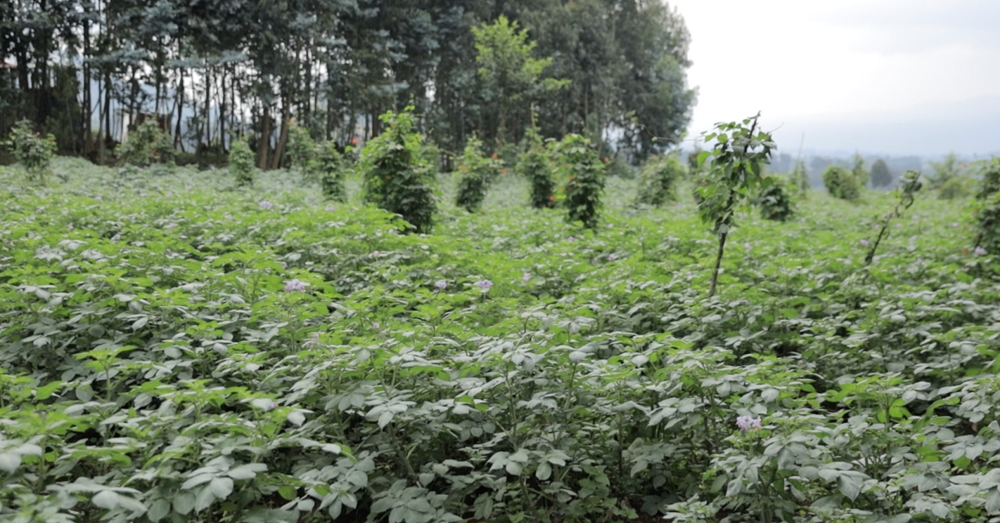
The Rwanda Agriculture and Animal Resources Development Board (RAB) said 100,000 hectares will be cultivated using soil conservation practices, while 246,000 hectares will be located in designated Food Basket Sites (FOBASI). Of the FOBASI area, 100,000 hectares will receive special attention.
The plans were announced on Tuesday, August 18, 2026, during an expanded meeting held in the Eastern Province to assess preparations for the 2027A agricultural season and discuss measures to strengthen food security.
The Acting Director General of RAB, Dr. Florence Uwamahoro, said soil conservation farming will be among the key priorities during the upcoming season.
'Soil conservation farming is one of the approaches we want to invest in during this agricultural season. We tested it through research to find ways of addressing the effects of climate change,' Dr. Uwamahoro said.
She explained that the approach allows farmers to protect the soil while preparing their fields for planting.
According to Dr. Uwamahoro, farmers clear the land, make planting holes where crops will be planted, apply manure or fertilizer, and continue with weeding and mulching to improve soil conditions and increase production.
She said RAB has already trained a significant number of people who will work with farmers and help them adopt the soil conservation practices.
Government targets higher production in FOBASI areas
Dr. Uwamahoro said RAB is also targeting a significant increase in production from FOBASI areas.
She explained that the institution aims to double the production recorded last year, which has contributed to the decision to increase the area under cultivation.
Eastern Province Governor Pudence Rubingisa said preparations for the 2027A season have already begun, with authorities placing particular emphasis on soil conservation and ensuring farmers have the necessary inputs before the rainy season.
He said farmers have started being encouraged to register through Smart Nkunganire so that they can access fertilisers and seeds in time.
The aim is to ensure that farmers are ready to plant as soon as adequate rainfall begins, rather than starting preparations only after the rains have arrived.
'We have also set a target of reaching eight tonnes per hectare in both irrigated and rain-fed areas, while for rice, we aim to reach seven tonnes per hectare,' Rubingisa said.
Maize, beans, rice and soybeans among priority crops
The crops expected to receive particular attention during the 2027A season include maize, beans, rice and soybeans.
Authorities have also urged people who own large areas of farmland but do not cultivate them to allow other residents to use the land for farming.
The measure is intended to increase the amount of land under cultivation and contribute to higher agricultural production.
The preparations for the 2027A season are part of Rwanda's broader efforts to improve agricultural productivity, strengthen food security and help farmers adapt to the effects of climate change.
Rwanda is set to cultivate 760,000 hectares during the 2027A Agricultural Season
Researchers from SWPS University and the Nencki Institute of Experimental Biology studied 180 young adults aged 18 to 35 who experienced fear of failure.
The participants took part in four therapy sessions over two weeks, focusing on difficult childhood experiences involving criticism.
The researchers tested different imagery based techniques. One group recalled situations that had caused fear or anxiety.
Another used a technique called Imagery Rescripting, in which participants recalled a painful childhood experience and imagined a supportive defender entering the situation, confronting the person who was criticizing them and protecting the child.
A third group received a similar treatment but included a 10 minute delay designed to strengthen the intervention's effect.
The researchers found that all the imagery based approaches led to significant and lasting reductions in fear of failure.
Participants also experienced lower levels of sadness and guilt. Their physical stress responses when recalling childhood criticism also decreased.
Importantly, the improvements were still visible three and six months after the therapy sessions, suggesting that the effects were not temporary.
The researchers also discovered that imagery rescripting appeared to work particularly well when participants experienced a moment of surprise.
They explained that this may happen when what a person expects differs from what actually happens in the new imagined experience.
This mismatch, known as prediction error, may help the brain loosen established emotional patterns and create new responses to painful memories.
The researchers say the findings suggest that difficult childhood memories do not necessarily have to remain emotionally painful forever.
By creating safer and more supportive endings to distressing experiences, therapy may help people respond differently to challenges in their lives.
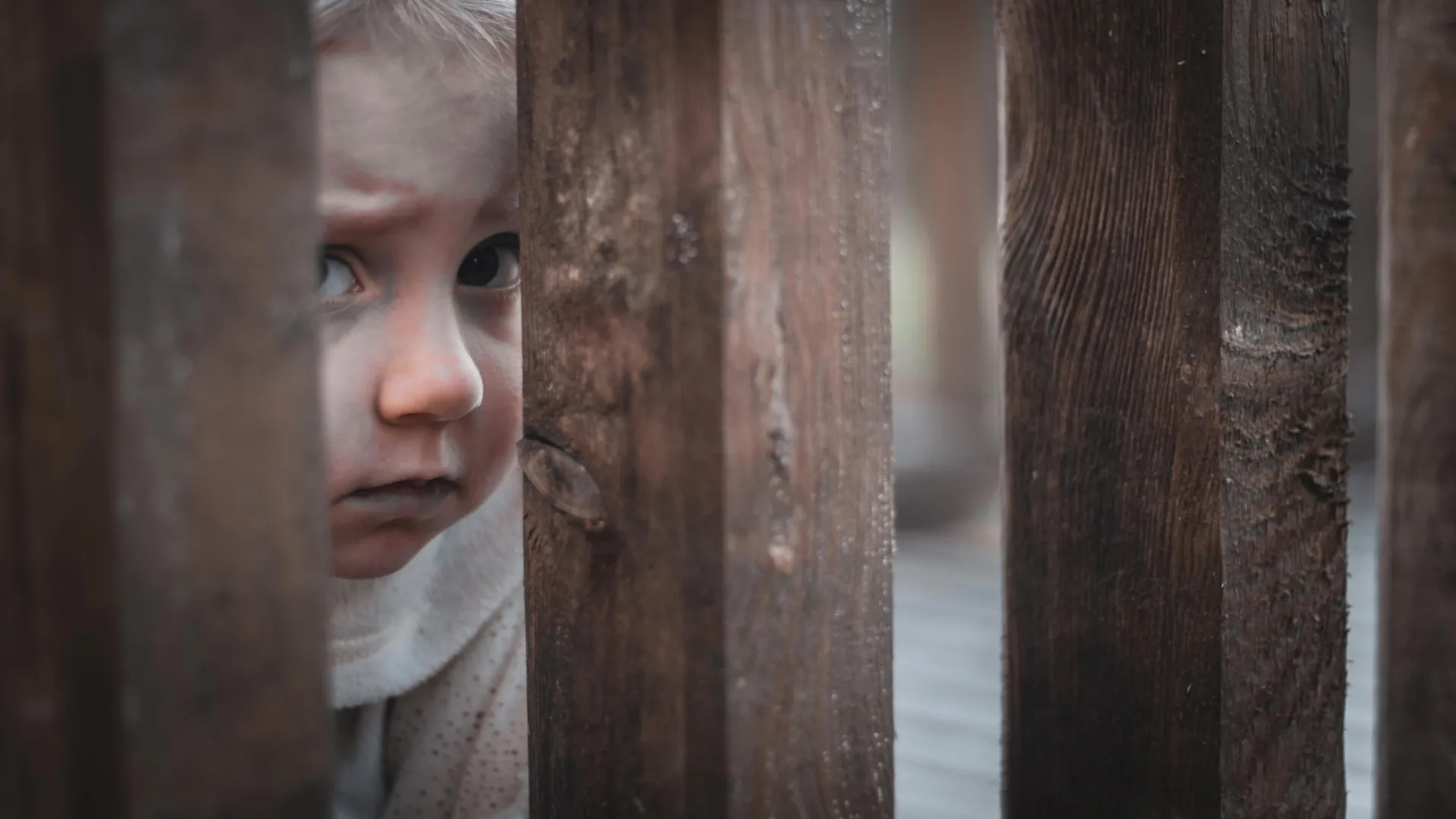
Rewriting painful childhood memories may help people overcome fear of failure
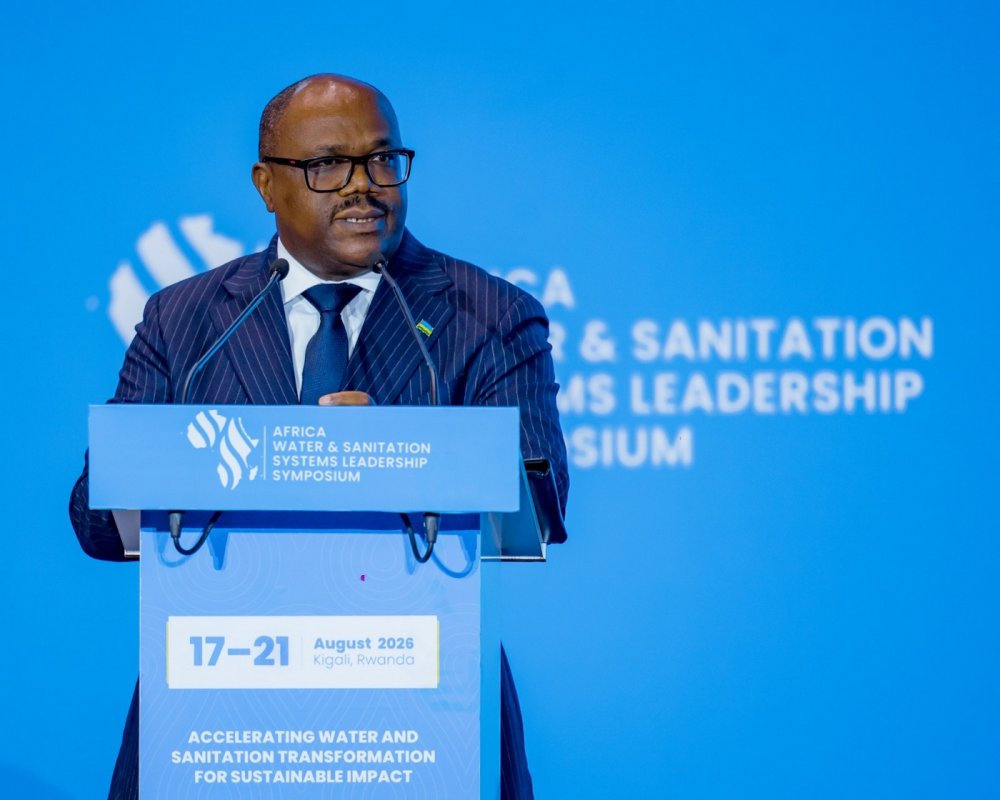
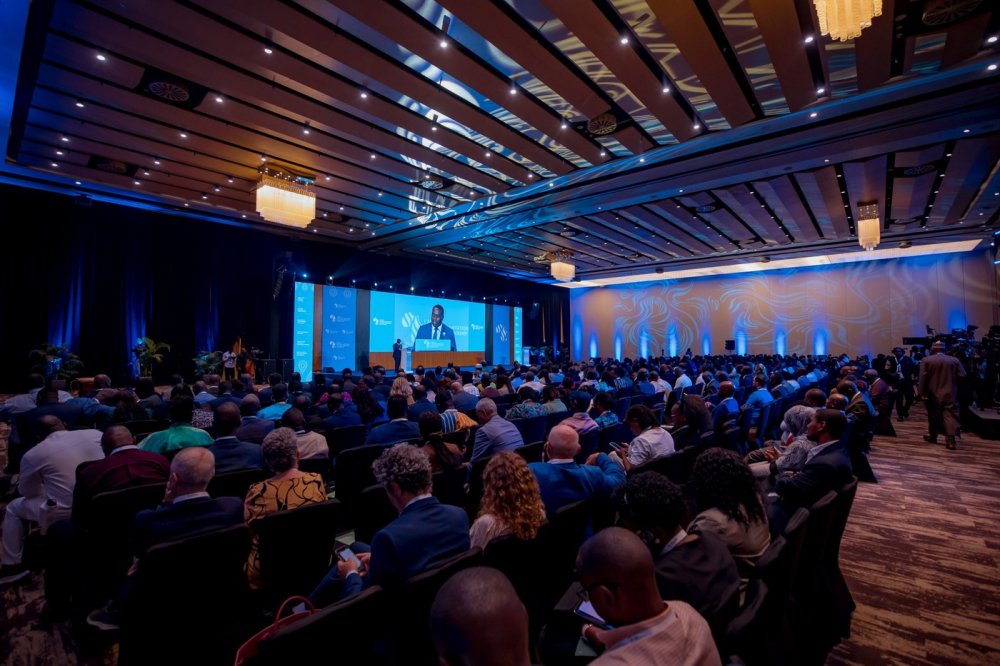
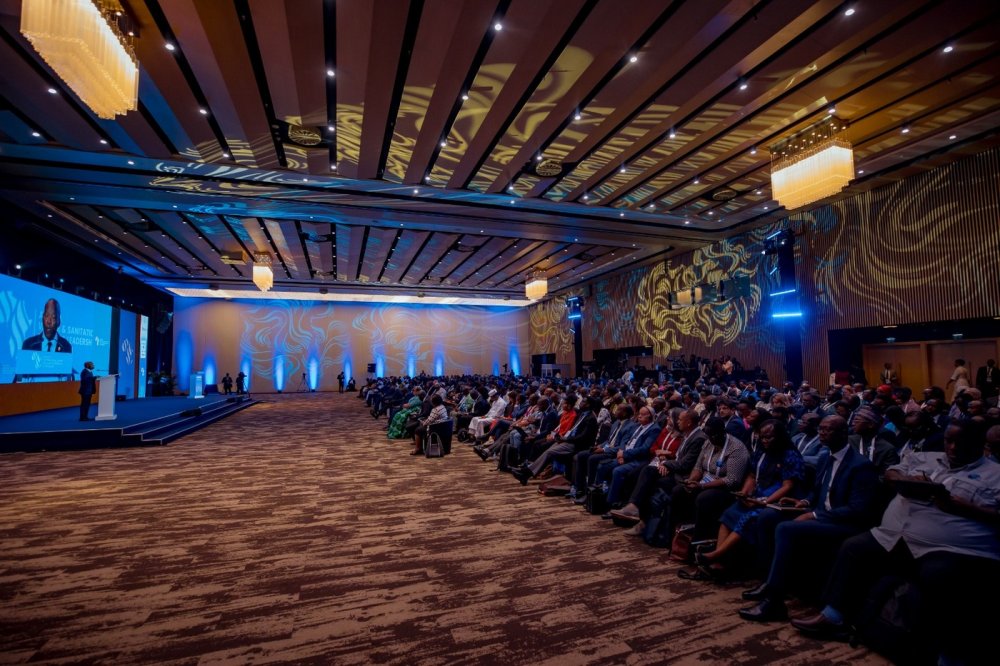
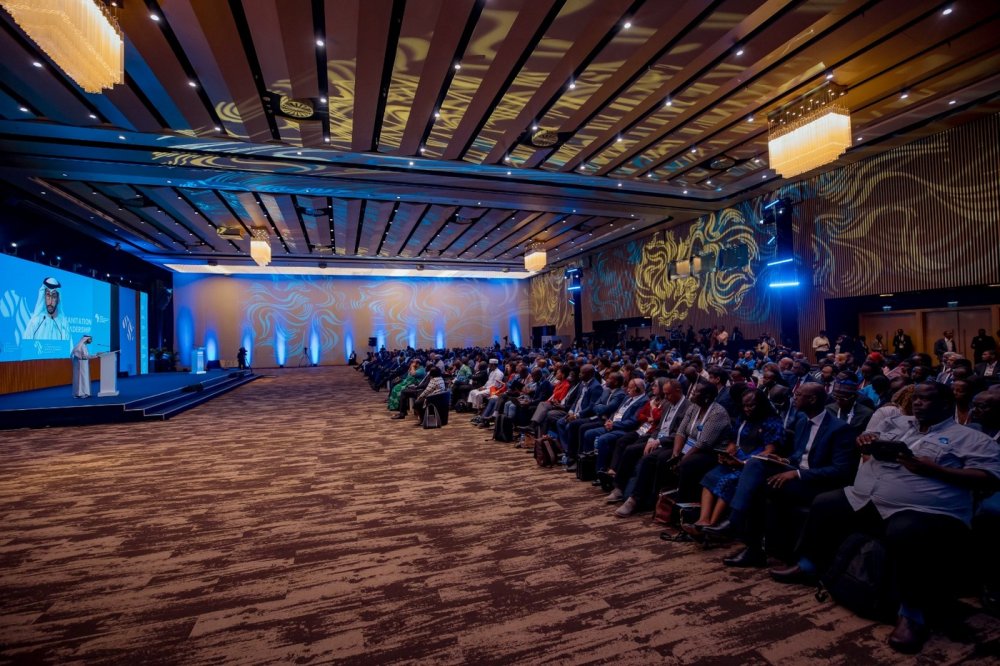
Nsengiyumva made the remarks on Tuesday, August 18, 2026, while opening the Africa Water and Sanitation Systems Leadership Symposium at the Kigali Convention Centre.
The five-day symposium, running through August 21, is jointly organised by the African Union, the African Ministers' Council on Water (AMCOW) and the Government of Rwanda, and facilitated by IRC, a global water, sanitation and hygiene organisation.
The event brings together African leaders, reformers, financiers and development partners to discuss ways of strengthening water and sanitation systems and mobilising sustainable investment.
Nsengiyumva said Africa remains significantly off track in meeting the Sustainable Development Goal on water and sanitation as the 2030 deadline approaches.
'Across Africa, 418 million people still lack basic water services, 779 million lack basic sanitation, and 839 million lack basic hygiene,' he said.
He noted that African countries have invested heavily in infrastructure, including water pipelines, boreholes and treatment plants, but said many of these facilities are not delivering services effectively.
'The lesson is clear: building infrastructure is important but, to a large extent, it is only the beginning; ensuring that the built infrastructure functions effectively and reaches communities over the long term is the real measure of success,' Nsengiyumva said.
He argued that stronger institutions, effective governance, sustainable financing and accountable leadership are needed to turn infrastructure investments into reliable and lasting services.
The Prime Minister also pointed to the African Union's endorsement in February 2026 of the Africa Water Vision and Policy 2063, saying it places governance and leadership at the centre of efforts to achieve water security on the continent.
He said better governance could also help African countries unlock more domestic resources for the sector.
According to Nsengiyumva, an African Union panel on water investment found that improved governance, including sound tariffs, effective revenue collection and disciplined financial management, could unlock about $11.5 billion annually, while stronger domestic resource mobilisation could generate another $17.5 billion.
'Africa's water future can and should be paid for by Africans,' he said, while stressing that investors are more likely to commit capital to institutions that demonstrate financial discipline and accountability.
He urged participants to shift the conversation from simply seeking additional funding to building institutions capable of attracting and effectively managing investment.
Nsengiyumva also acknowledged challenges within Rwanda's own water sector, including high non-revenue water and ongoing efforts to improve rural water service delivery, including through private operators.
'There is nothing 'non-revenue' about water that has been treated and pumped, but never reaches the people it is meant to serve,' he said, describing such losses as both a waste of resources and a failure to deliver services to citizens.
The symposium is expected to produce the Kigali Communiqué on Systems Transformation for the Realisation of the Africa Water Vision and Policy 2063.
Nsengiyumva urged participants to make the commitments in the communiqué specific and measurable, saying the success of the gathering should ultimately be judged by changes in the institutions, decisions and services delivered after participants return to their respective countries.
He also called for the discussions to continue beyond Kigali, urging participants to carry the commitments and proposed solutions to Abu Dhabi in December.
'I encourage all of you: ministers, regulators, utility leaders, mayors, financiers, civil society organisations and young professionals, to make this a document you truly own,' he said.
The symposium is focused on accelerating water and sanitation transformation for sustainable impact, with particular emphasis on financial credibility as a foundation for sustainable investment and resilient water and sanitation systems.
PM Nsengiyumva made the remarks on Tuesday, August 18, 2026, while opening the Africa Water and Sanitation Systems Leadership Symposium at the Kigali Convention Centre.The five-day symposium, running through August 21, is jointly organised by the African Union, the African Ministers' Council on Water (AMCOW) and the Government of Rwanda, and facilitated by IRC, a global water, sanitation and hygiene organisation.
Panettiere, best known for her roles in Heroes, Nashville and the Scream franchise, died on August 16, 2026, at the age of 36. Sleepwalker, which was filmed in 2025, became her final film role.
Chatwin, who previously worked with Panettiere on Heroes, reunited with her years later while filming Sleepwalker.
He said the experience allowed him to reconnect with the actress and see what she was going through at that stage of her life.
Speaking to PEOPLE, Chatwin described Panettiere as a warm and kind person with 'one of the biggest hearts' he had encountered.
However, he said he could also see that she was struggling and felt lonely outside the filming environment.
Chatwin reflected on the nature of acting, explaining that performers can spend hours surrounded by colleagues on set before returning home alone.
'At the end of the day, you go home from a warm fun movie set where everyone's telling you you're great and you're alone in your house,' he said.
He said he enjoyed talking with Panettiere and valued the opportunity to reconnect with her while working on the film.
Sleepwalker is a psychological thriller in which Panettiere plays a woman dealing with trauma following the loss of her daughter. The film also stars Chatwin and other actors.
Panettiere had previously spoken openly about some of the challenges she faced throughout her life, including addiction and postpartum depression. She also addressed her experiences in her memoir, This Is Me: A Reckoning.
Chatwin's recollections provide a personal perspective on the actress during the final stage of her career, highlighting not only the difficulties she faced but also the kindness and warmth he remembered.
Panettiere began acting as a child and went on to build a successful career in television and film, becoming widely recognized for her roles in Heroes and Nashville.
Her final performance in Sleepwalker now stands as the last chapter of a career that spanned decades.
Justin Chatwin recalls Hayden Panettiere's loneliness while filming her final movie.
Researchers studying a highly magnetic neutron star called a magnetar observed signs of a phenomenon known as vacuum birefringence.
This effect occurs when extremely strong magnetic fields change the way light travels through what appears to be empty space.
The idea was predicted in the 1930s through work associated with quantum electrodynamics.
According to the theory, a vacuum is not truly empty because quantum fluctuations can produce temporary changes involving virtual particles.
Under normal conditions, these effects are far too weak to detect. However, the enormous magnetic fields surrounding magnetars could make them visible.
The research team studied the magnetar 1E 1547.0-5408, using NASA's Imaging X-ray Polarimetry Explorer, or IXPE, together with the NICER X-ray telescope and Australia's Murriyang Parkes radio telescope.
The scientists examined X-rays and radio signals from the magnetar and found an unusual pattern in the polarization of the X-rays.
The polarization was closely connected to the star's magnetic field and matched observations of its radio emissions.
The researchers say the results provide compelling evidence for vacuum birefringence, although more observations are needed to completely confirm the explanation.
Magnetars are especially useful for this research because they possess some of the strongest magnetic fields known in the universe.
These fields are estimated to be more than 100 million times stronger than anything scientists can create on Earth.
If future observations confirm the discovery, it could provide an important test of quantum physics under extreme conditions and help scientists better understand how light, space and matter behave in the most powerful environments in the universe.
Magnetar's powerful magnetic field helps reveal a hidden quantum effect.
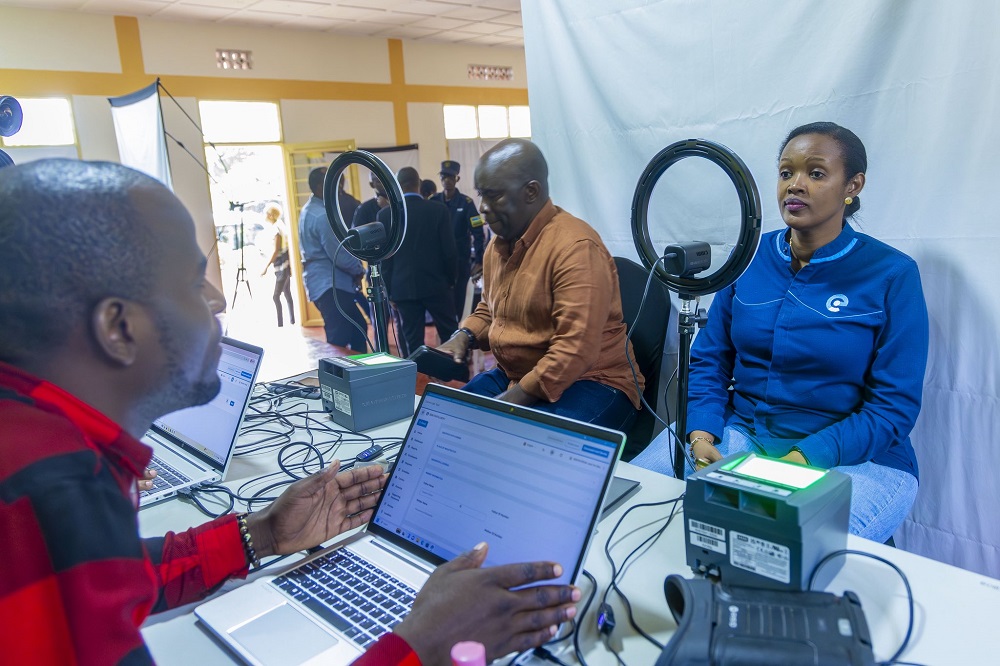
NIDA Director General Josephine Mukesha said the exercise is currently being completed in the Northern and Western provinces.
'We are finishing the exercise in the Northern and Western provinces. Our teams are in Gakenke, Karongi, Gicumbi and Rutsiro, and we will start in Rulindo on Tuesday,' Mukesha told The New Times.
'We have reached over eight million people who have been registered, and more than seven million have already been photographed,' she said.
The government aims to phase out the current national identity cards by June 2027, by which time more than 14 million citizens are expected to have been photographed.
Mukesha said incomplete or inaccurate personal information remains one of the challenges slowing participation in the exercise. This is particularly the case for children who have not been registered in civil-status records or whose details contain errors.
She urged parents who have not yet registered their children to do so at their local sector offices before the photographing exercise begins. Citizens can also use the Irembo platform to review and correct personal details, including dates of birth.
The digital ID exercise began in the Southern Province in October 2025 before expanding to other parts of the country.
In Kigali, the photographing exercise had already been completed, meaning residents who missed it would ordinarily have to travel to another province. However, NIDA opened a stand at the International Trade Fair in Gikondo to allow Kigali residents who missed the exercise to complete the process.
The government says the digital ID will make it easier for citizens to access public services while giving them greater control over their personal information. Unlike the current national ID, which contains multiple personal details, the digital system is expected to allow citizens to share only the information required for a particular service.
The government aims to phase out the current national identity cards by June 2027, by which time more than 14 million citizens are expected to have been photographed.
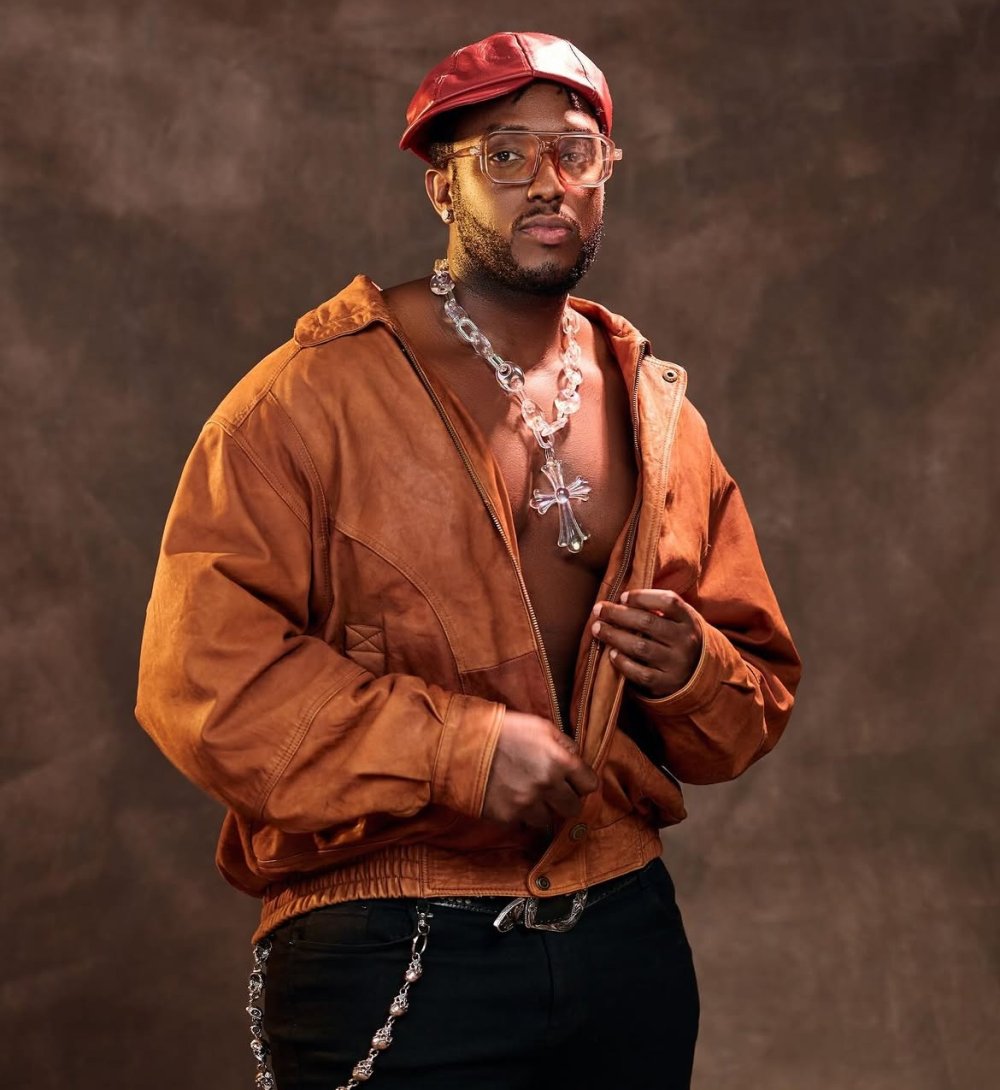
The Ben made the remarks in an interview with IGIHE after Inshallah broke the record for the fastest song by a Rwandan artist to surpass one million YouTube views.
'It induces pride to me and the people I work with. I don't think there is an artist who would not be happy to release a song and see people enjoying it,' The Ben said.
'On the other hand, it is a sign that Rwandans love the music produced by their artists. This gives us even more motivation to work harder. I consider this a debt, and I will repay it by giving people more great music.'
Inshallah was released on August 15, 2026, and quickly attracted attention from music fans. Within 48 hours, its music video had surpassed one million views on YouTube.
The achievement saw The Ben overtake a record previously held by fellow Rwandan singer Meddy, whose song My Vow had reached one million views within 48 hours.
The milestone comes as The Ben faces growing expectations from his fans, many of whom have previously criticised him for taking too long to release new music.
The singer, however, used the occasion to assure his fans that more projects are on the way, suggesting that they should expect a change in how frequently he releases music.
He said the response to Inshallah had further strengthened his determination to keep creating and give his audience more songs to enjoy.
Rwandan singer The Ben has said the success of his latest song, Inshallah, is a sign of the strong support Rwandans have for local music
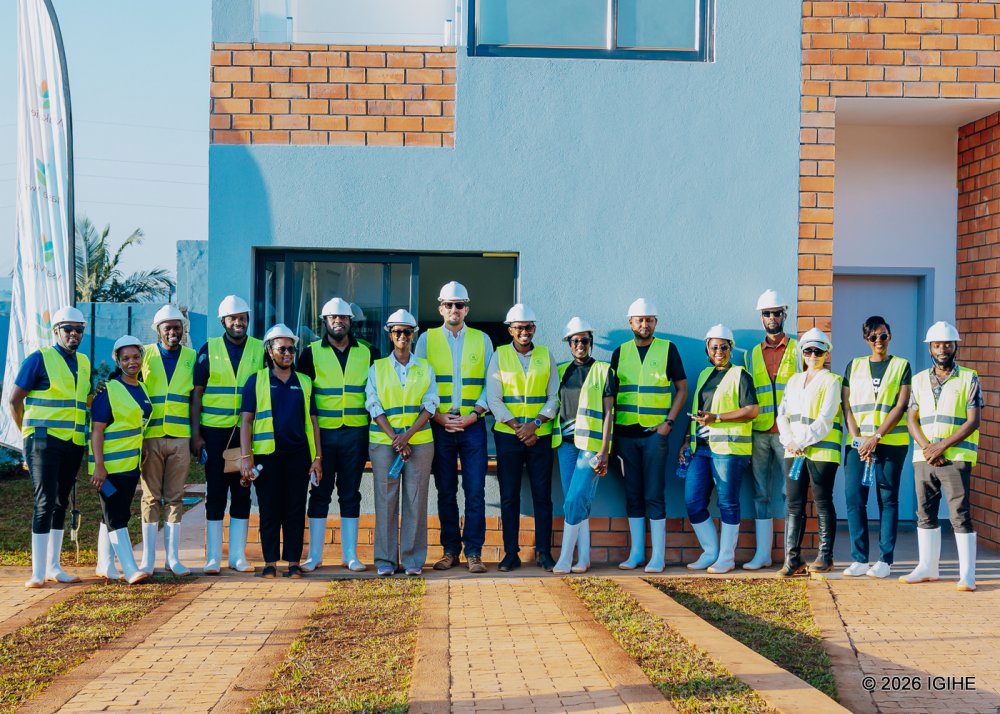
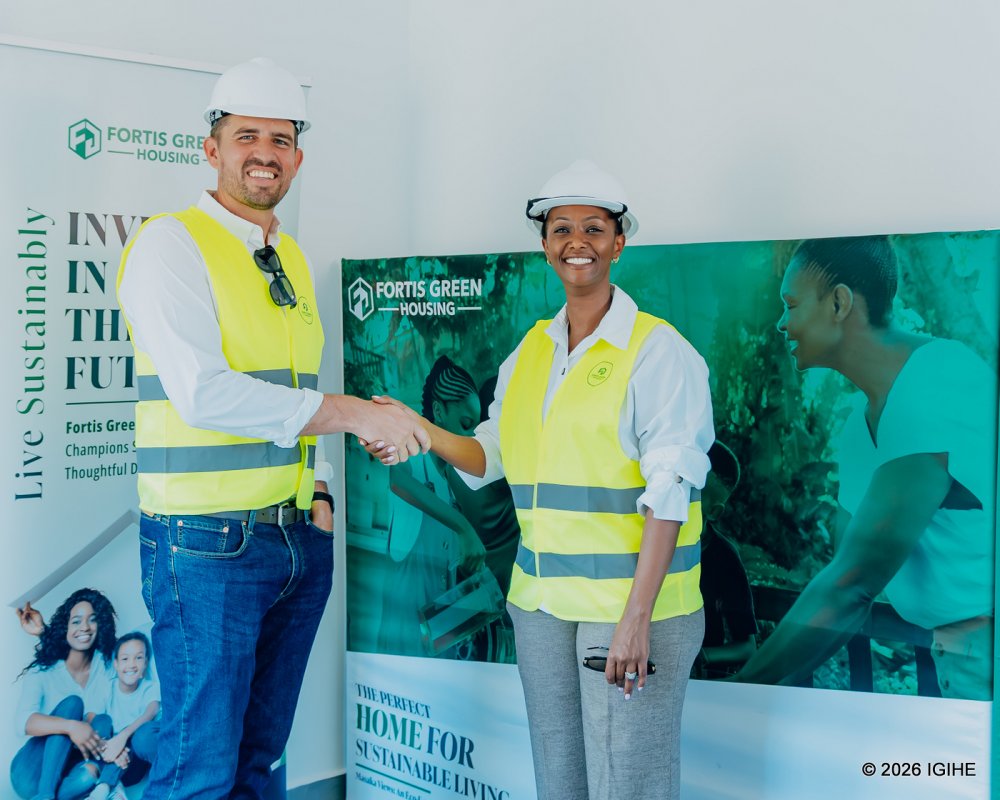
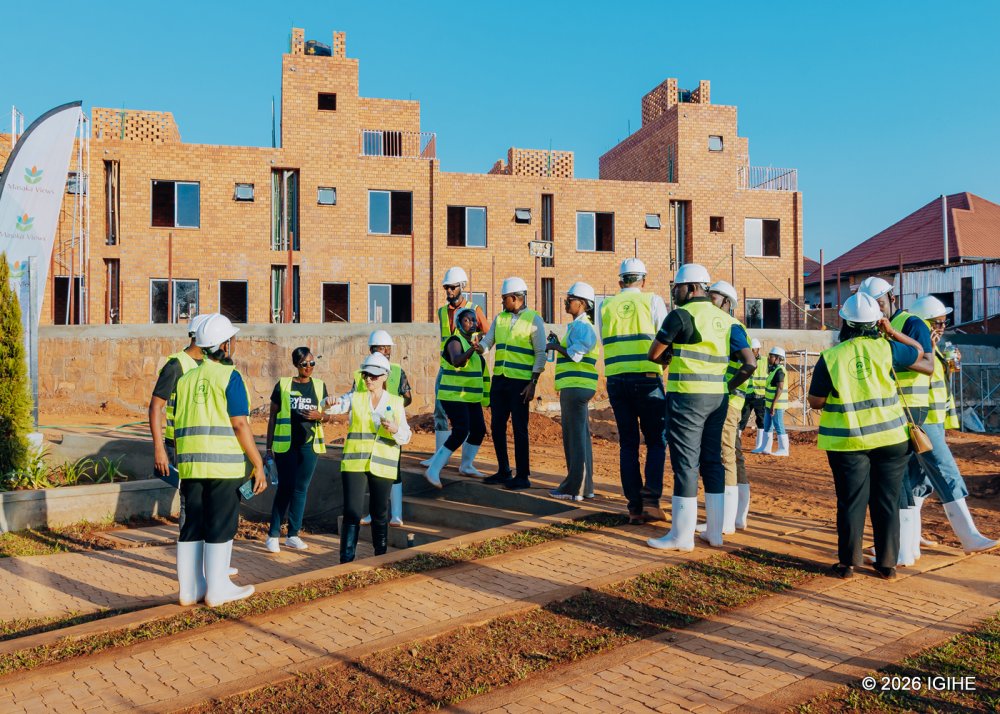
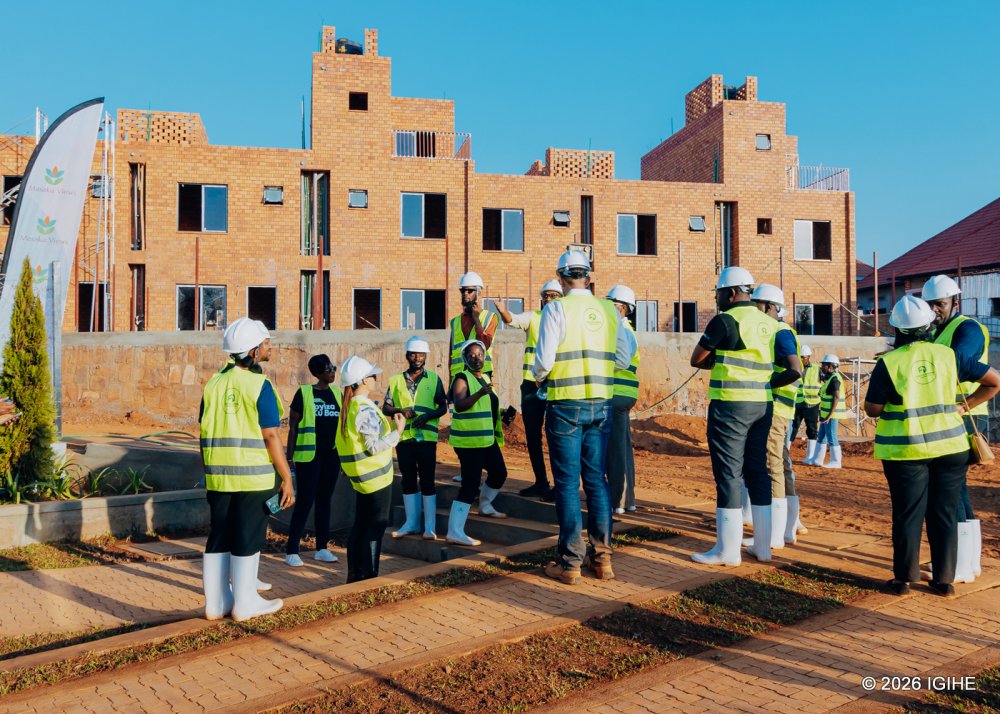
The partnership was launched on August 13, 2026, when BPR Bank Rwanda Plc management visited the site of the housing project in Masaka, Kicukiro District.
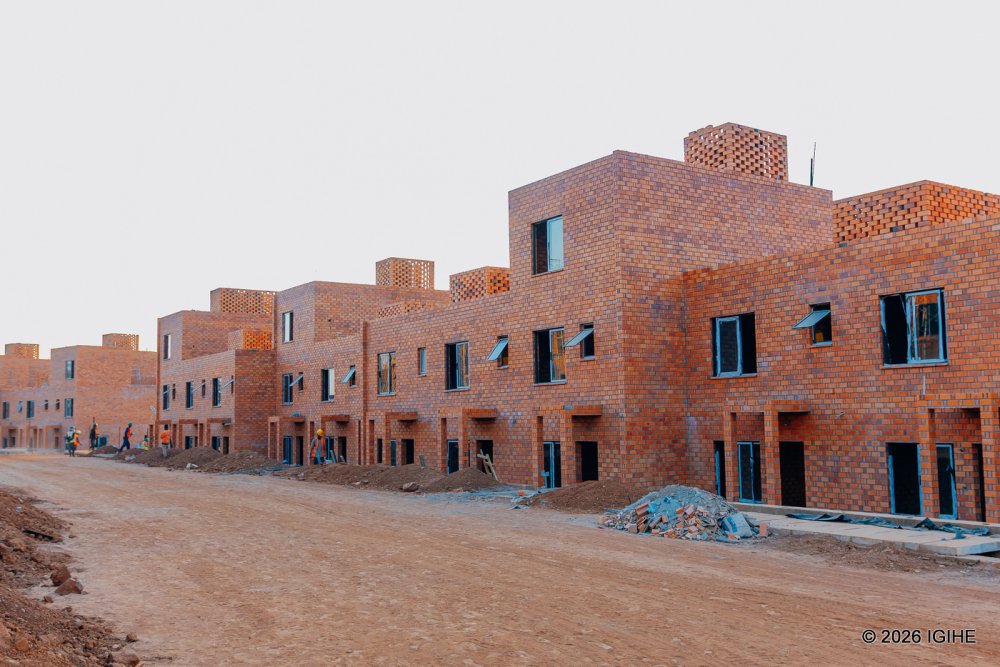
Masaka Views Eco Estate is a residential development comprising a 302-unit apartment block with one- to three-bedroom apartments, 51 standalone family houses and 33 townhouses.
Under the partnership, BPR Bank Rwanda will provide financing options to prospective homeowners through its existing housing loan products, including loans for construction and home purchases.
The arrangement is intended to help people who want to buy homes in the estate but may not have enough funds to make an upfront payment.
Eligible buyers can access financing and repay the loan over an agreed period. The bank said the partnership will also give prospective buyers an opportunity to secure homes early, given the limited number of units available in the development.
BPR Bank Rwanda said the partnership supports its efforts to help Rwandans achieve their homeownership goals while promoting access to modern, comfortable and environmentally sustainable housing.
Patience Mutesi, Managing Director of BPR Bank Rwanda Plc, said access to appropriate and affordable financing is an important factor in helping more Rwandans achieve their homeownership goals.
'Our partnership with Fortis Green Housing will enable us to provide financial solutions tailored to the needs of our customers across the different categories of this project. By combining accessible home financing options with quality and sustainable housing developments, we are creating more opportunities for people to invest in homes that meet their needs,' Mutesi said.
As part of the partnership, BPR Bank Rwanda will advise customers on the most suitable loan options based on the type of house they intend to purchase within the estate.
Customers who choose homes that are still under construction will also receive support to finance the purchase and follow the progress of construction until the property is completed and handed over.
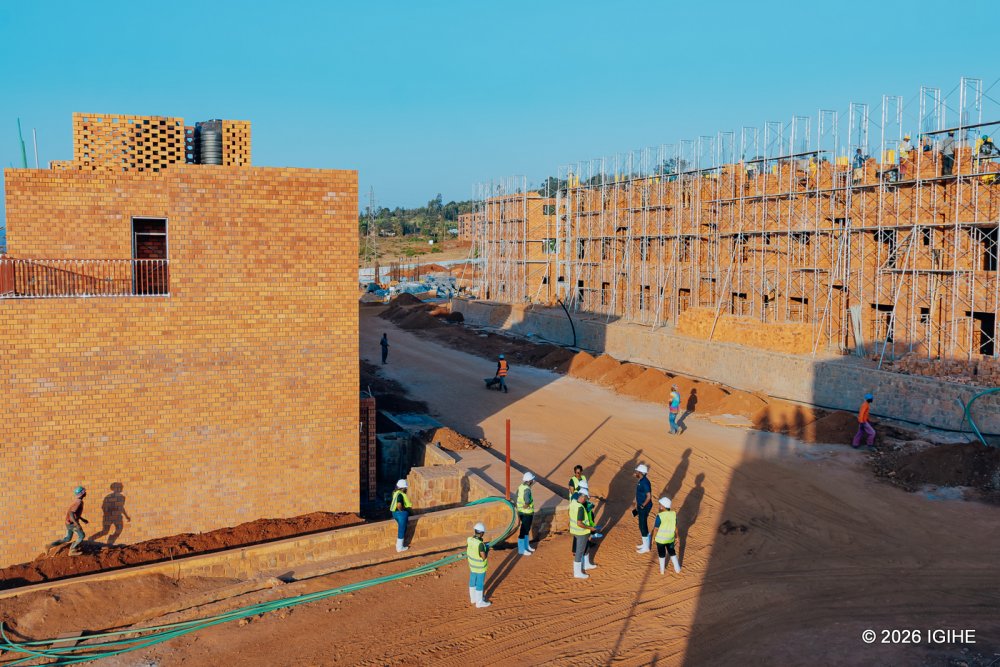
Construction of Masaka Views Eco Estate began in 2025. The homes currently on sale are priced between Rwf 103 million and Rwf 235 million.
BPR Bank Rwanda Plc and Fortis Green Housing have partnered to help Rwandans access modern, quality homes.Masaka Views Eco Estate features townhouses with two or three bedrooms.BPR Bank Rwanda Plc and Fortis Green Housing have partnered to make homeownership more accessible to Rwandans.Masaka Views Eco Estate is a model residential development under construction in Masaka, Kicukiro.BPR Bank Rwanda Plc staff toured different sections of the housing development under construction in Masaka.
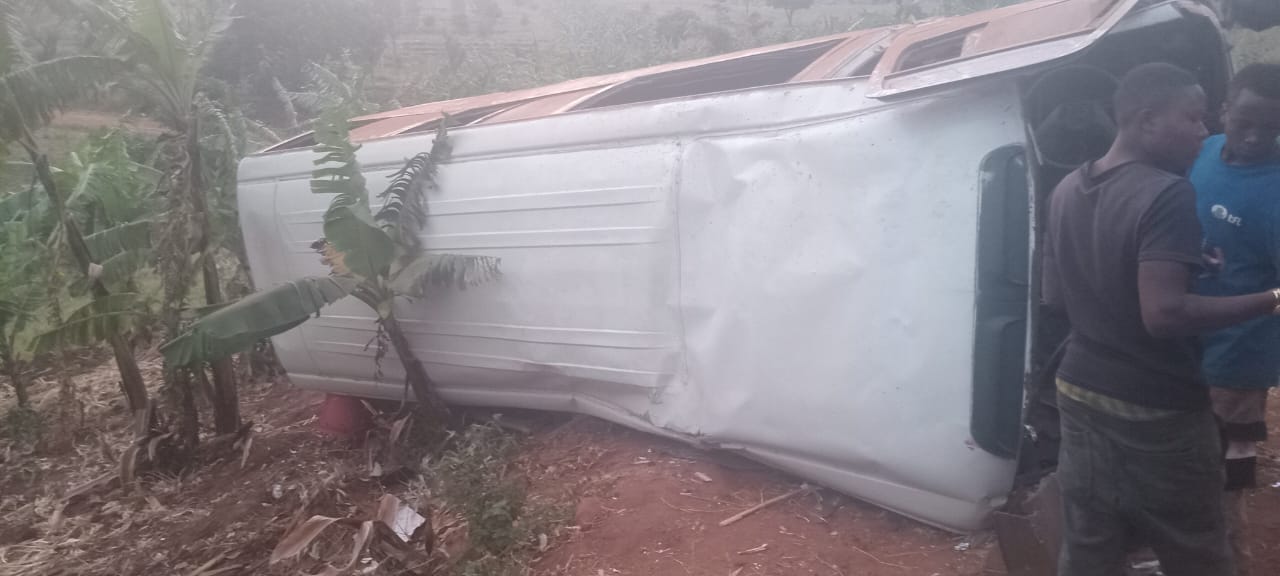
The accident occurred in the early hours of August 18, 2026, in Kagese Cell, Nasho Sector.
SSP Twizeyimana Hamdun, Rwanda National Police spokesperson in the Eastern Province, told IGIHE that the crash involved a Coaster passenger vehicle.
He said two people died at the scene, while two others died on the way to hospital.
'We have not yet established the cause of the accident, but the driver said the vehicle lost its brakes. The area has a steep descent, so speed could have contributed to the crash,' SSP Twizeyimana said.
He urged motorists to avoid speeding, refrain from driving under the influence of alcohol and regularly check the roadworthiness of their vehicles.
SSP Twizeyimana also warned against driving while fatigued, saying tiredness has contributed to road crashes in recent days.
He further urged passengers to report dangerous driving and speak up when drivers engage in risky behaviour.
'Passengers should not overlook mistakes made on the road. If a driver is making mistakes while driving, they should inform the Police early so that action can be taken.
'Passengers can also tell the driver when they notice dangerous driving. This helps everyone look out for one another,' he said.
The 16 people injured in the crash are currently receiving treatment at different hospitals.
SSP Twizeyimana also warned against driving while fatigued, saying tiredness has contributed to road crashes in recent days.
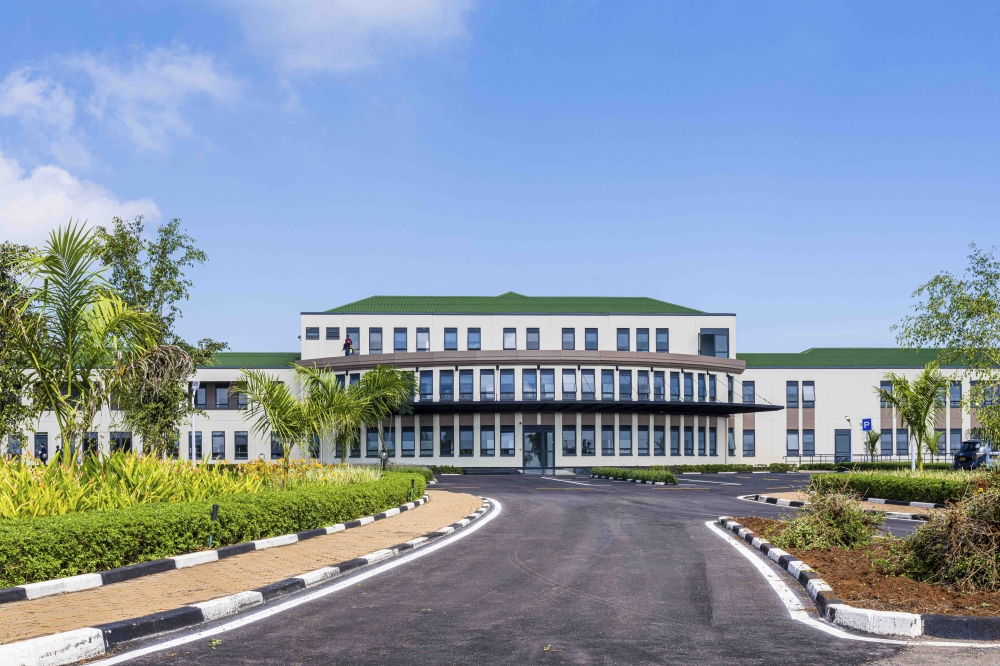
Located in Musagara Village, Kanazi Cell, Nyamata Sector in Bugesera District, about 45 minutes from Kigali, the school grew out of an idea championed by members of the Ntare School Old Boys Association (NSOBA), alumni of Ntare School in Uganda. Among those associated with the school's alumni community are Rwandan President Paul Kagame and Ugandan President Yoweri Kaguta Museveni.
Today, the school is seeking to build on that legacy with an education model that places students at the centre of the learning process.
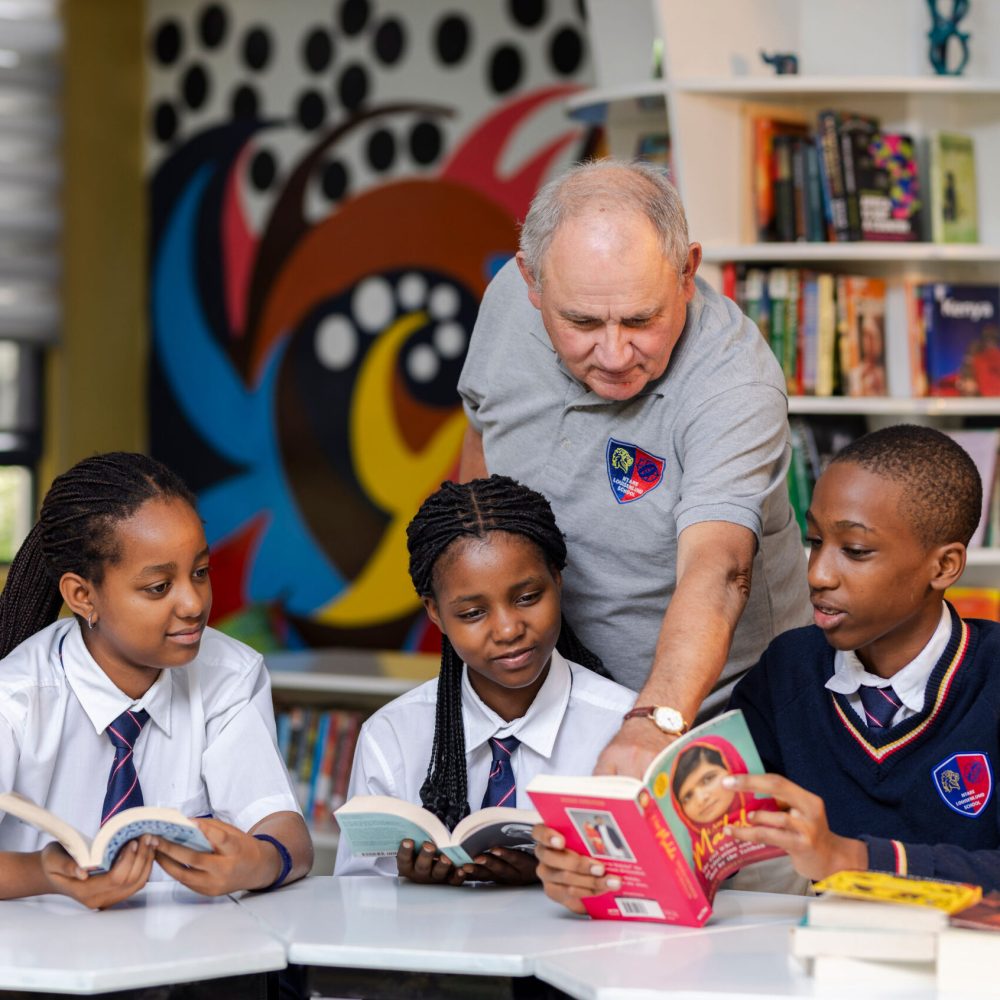
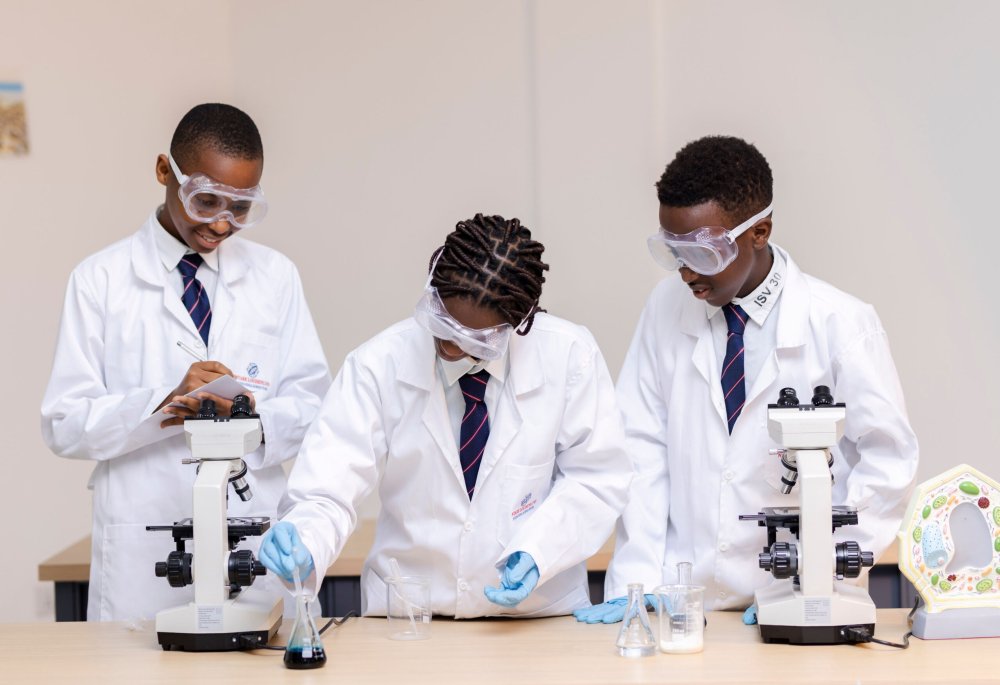
From its library and creative studios to its makerspace, STEM-focused learning and student-led initiatives, Ntare Louisenlund offers an environment where students are encouraged to participate in shaping both their education and their community.
A tour of the campus offers an early glimpse of that approach. The library, for example, was created with students in mind and features books covering subjects ranging from business and nature to religion, fiction and different cultures. Students are also involved in creating and decorating spaces around the school.
One student points out a feature she helped design, while an art exhibition nearby displays works made from recycled materials, including used cups, bottles, bottle tops and cheesecloth.
At the school, creativity is not treated as an activity separate from learning, but as part of it.
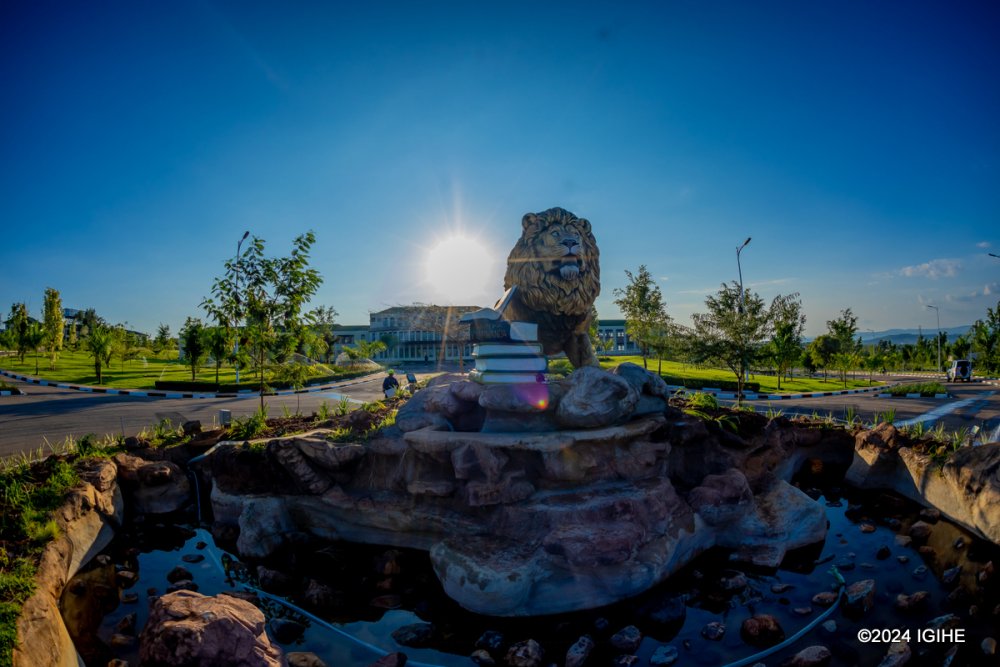
On its 60-hectare campus in Bugesera, Ntare Louisenlund is building an education model centred on students and their individual potential.
Learning beyond the classroom
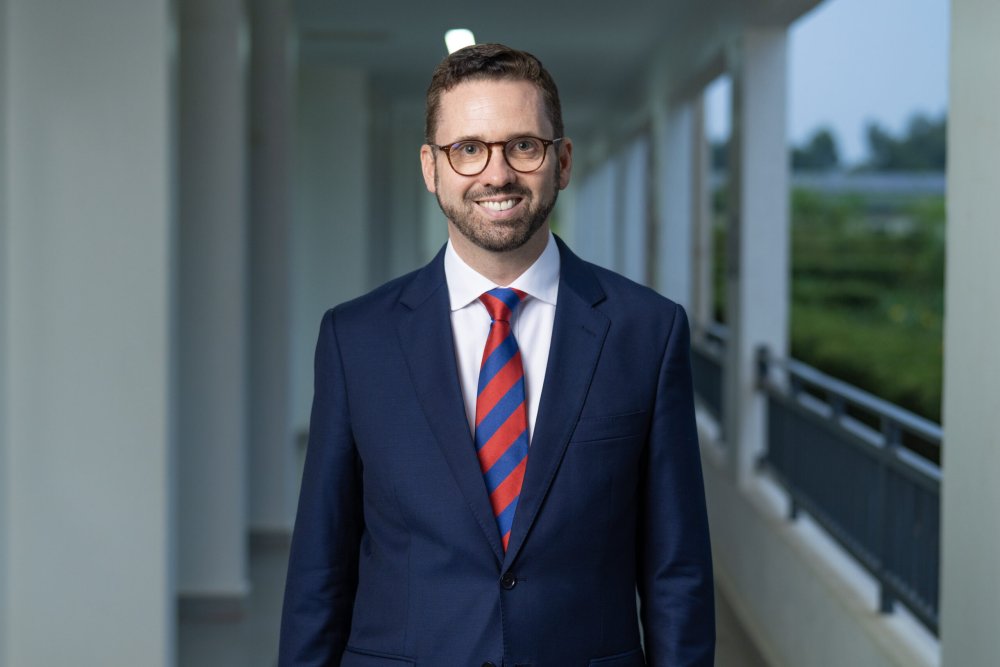
Damien Paul Vassallo, the Head of Ntare Louisenlund School, says the institution was established as an 'innovative school of the future' with a mission to develop a new generation of leaders, particularly in science, technology, engineering and mathematics.
'We do that through a very practical, hands-on approach by giving students learning experiences that are relevant to them, that pique their interest, that inspire their curiosity,' Vassallo says.
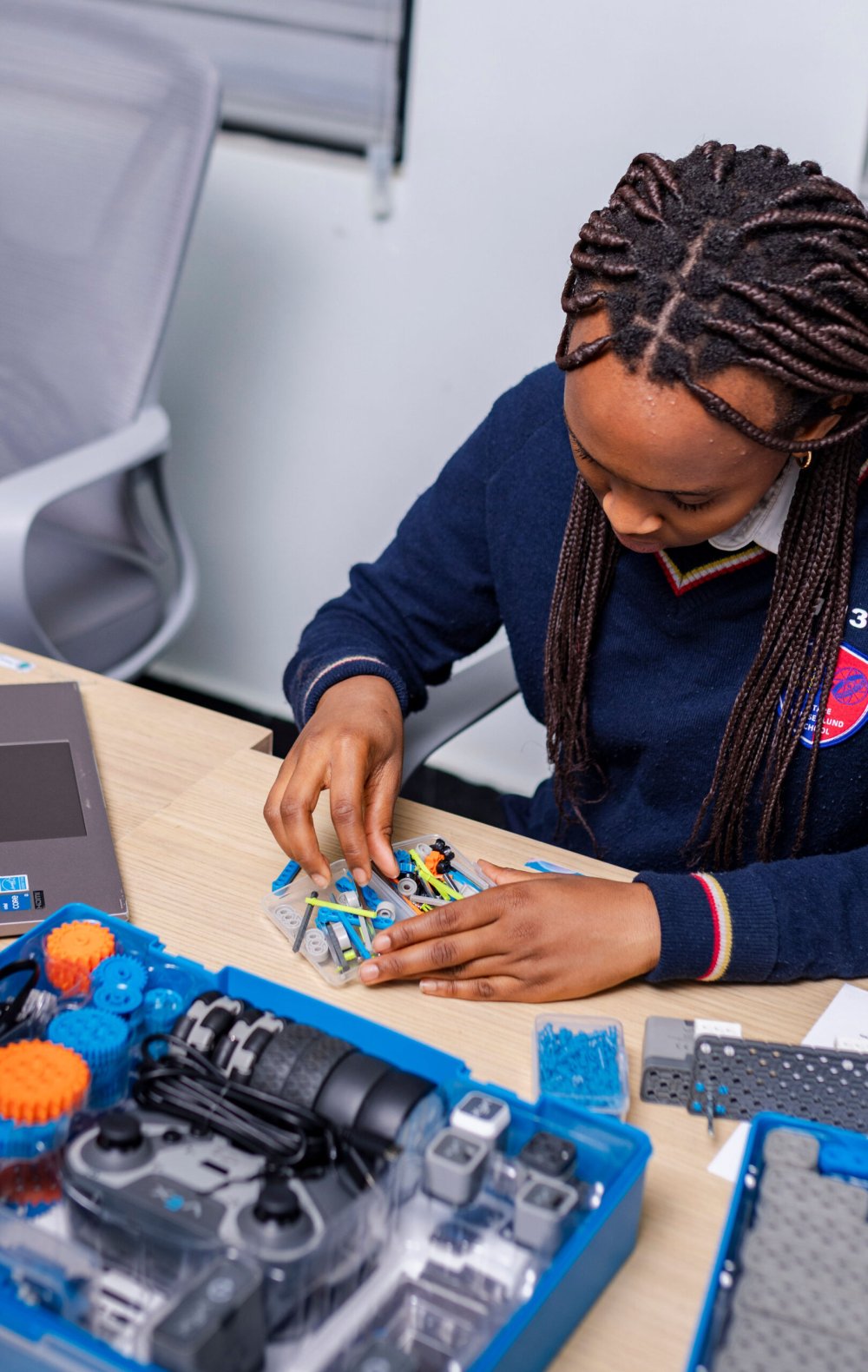
That philosophy is visible in the school's makerspace, where students work with wood and other materials to create practical products.
Design projects can involve building lamps, furniture, models and other objects, with students expected to present their finished work and be assessed on the final product. 'It's really about the fun and the making, and not just always learning through books and cramming stuff,' says Ariella Gatera Igihozo, a student at the school.
The school also puts considerable emphasis on giving students responsibility. It has eight houses, each with its own identity and values, including justice, unity, strength, innovation, creativity, generosity, kindness, warmth and courage.
The houses operate much like communities within the wider school, with students taking leadership positions and competing for points throughout the year. The top-performing house is recognised during an annual awards ceremony.
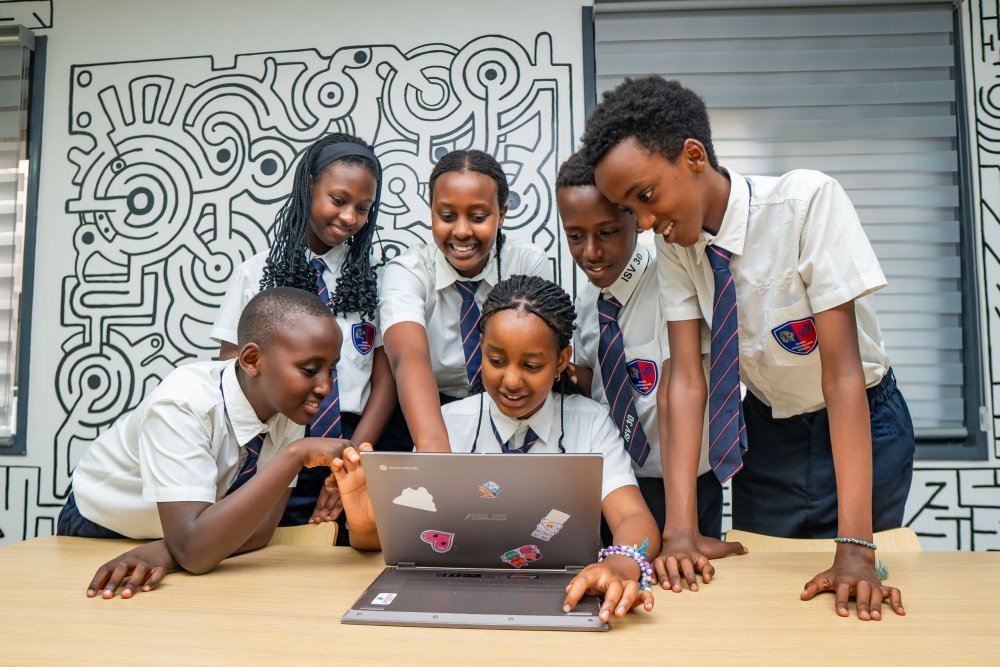
Student leadership extends beyond the house system. Students have been involved in creating some of the applications used by the school, including initiatives that make use of technology and artificial intelligence.
'It's always about students being in charge,' she says.
For Grade Seven student Kami Kazit, the approach has helped her develop beyond the classroom. A member of the Revere house and originally from Uganda, she says she particularly enjoys art because it has given her a new way to express herself.
'They taught me a way to express myself through my artwork,' she says, adding that the school has also helped her become more confident when presenting before an audience.
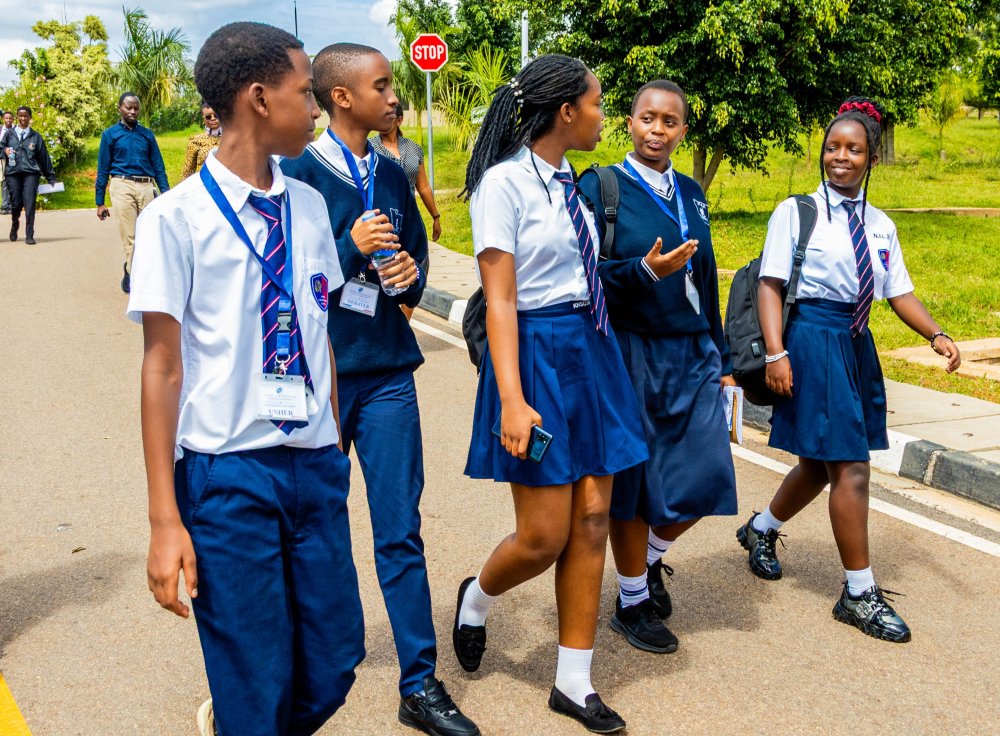
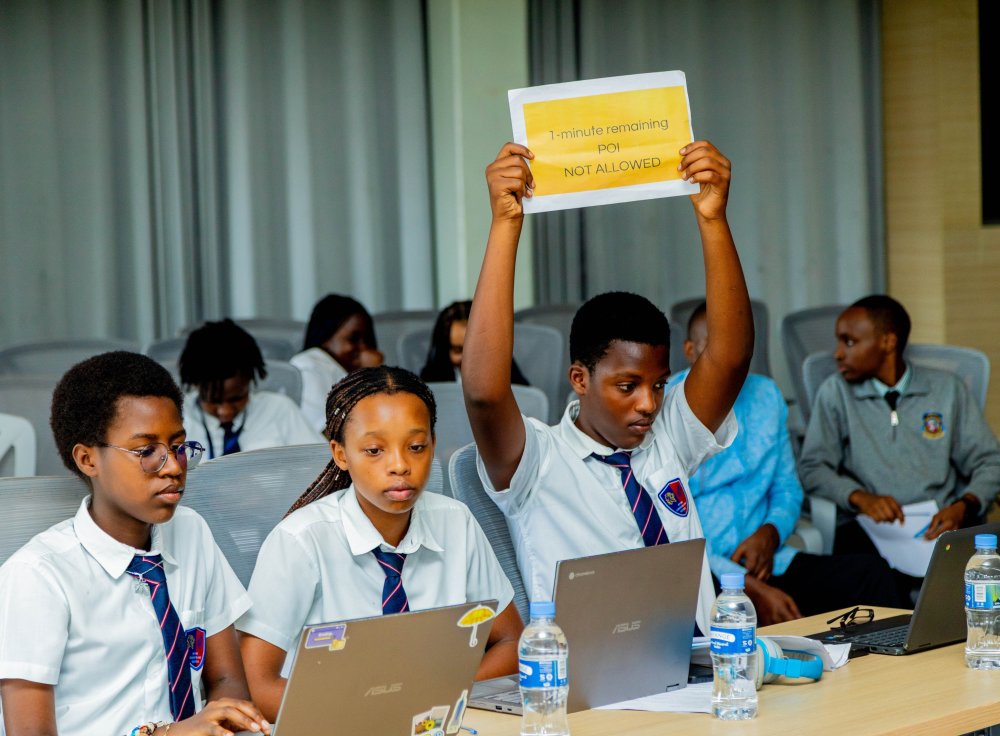
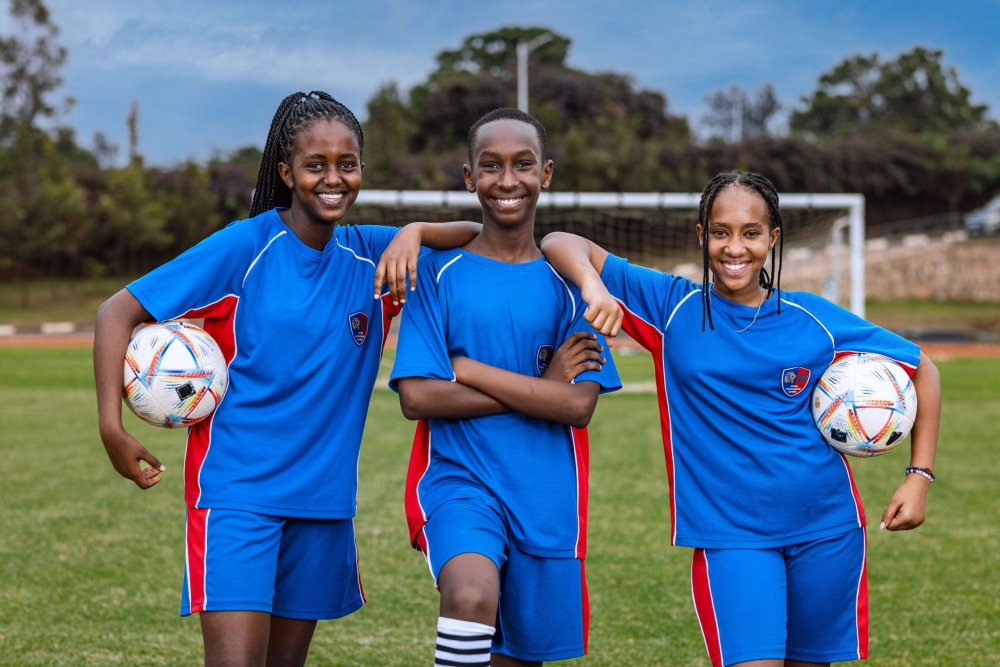
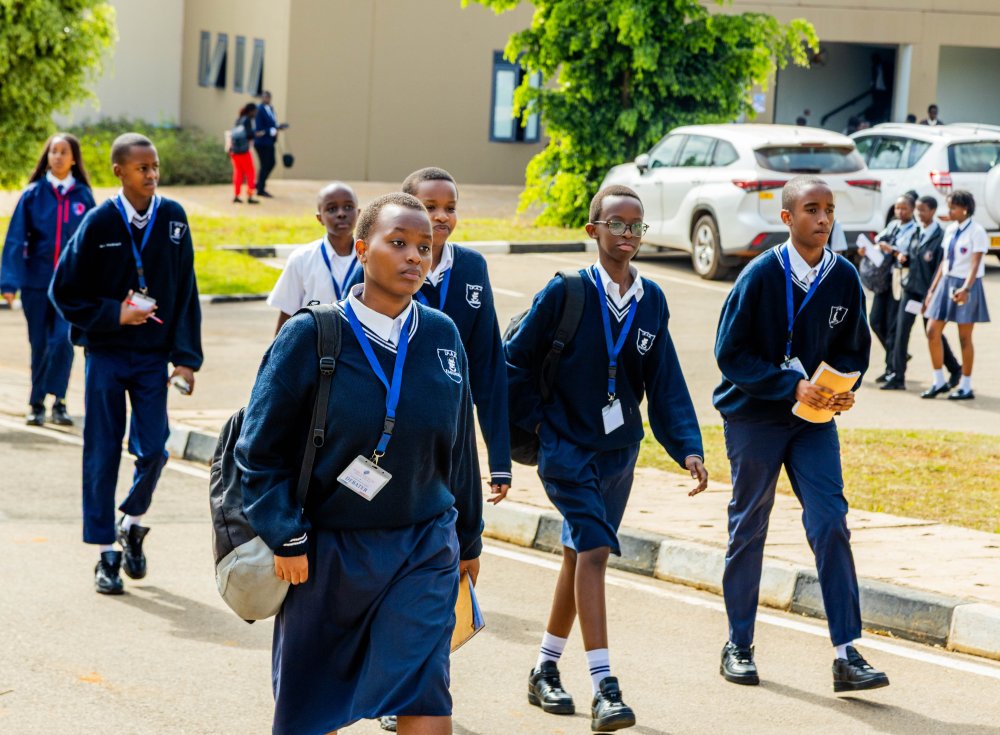
The international character of the school is another part of its identity. Students from Rwanda and other countries live and learn together, participating in academic, sporting, artistic and service activities.
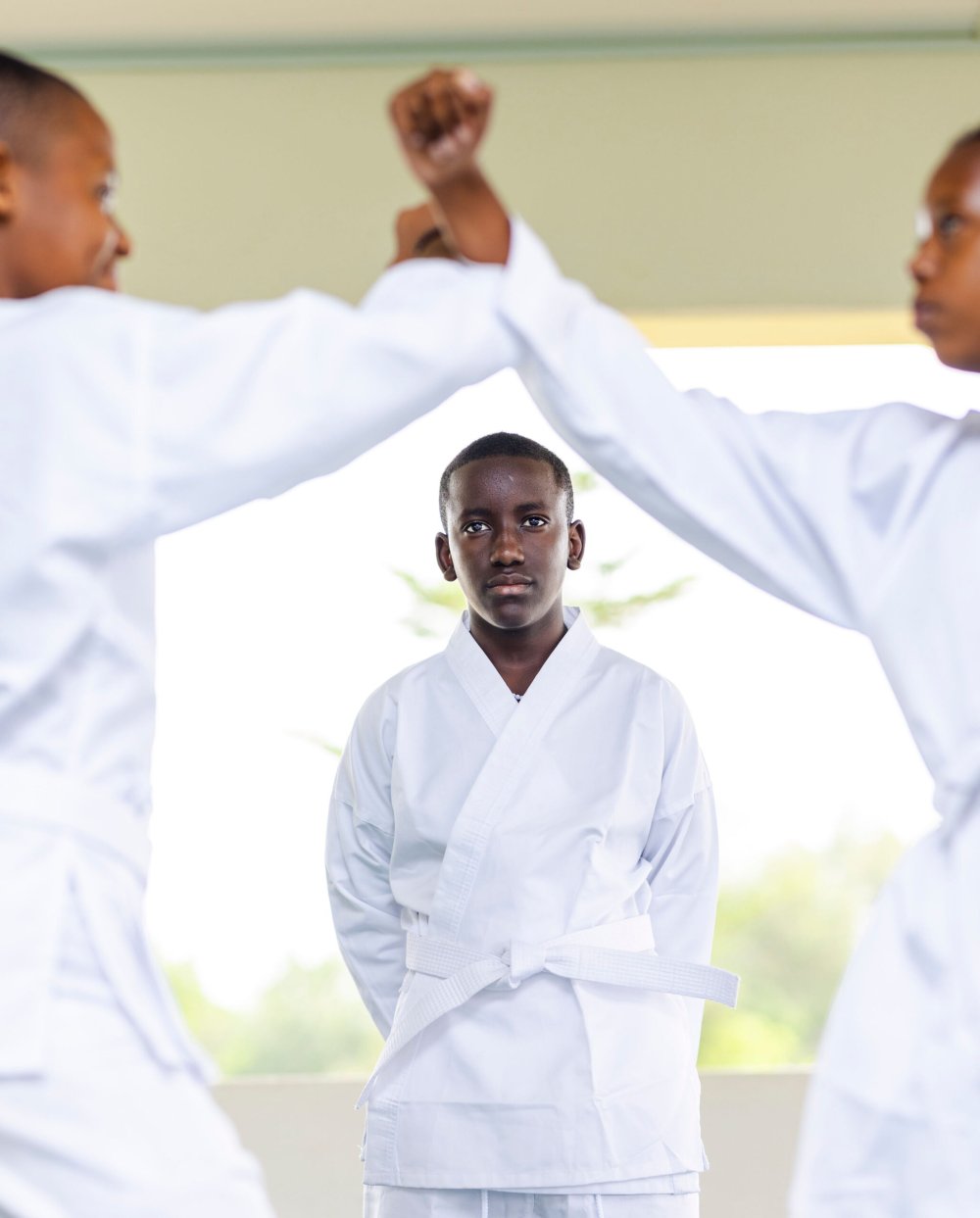
Residential life is structured around alternating A and B weeks, with activities ranging from Saturday classes and student-organised events to movie nights, swimming, tennis and religious services. The programme is designed to make boarding life part of the broader educational experience rather than simply an extension of the classroom.
From the library to the makerspace, Ntare Louisenlund's campus is designed around student participation and creativity.
Personalised learning and mentorship at the core
At the centre of the school's model, however, is personalization.
Vassallo argues that students should not all receive exactly the same educational programme because they have different interests, abilities and aspirations.
'One of the things that a learner-centered approach to education really should hone in on is personalization of learning,' he says.
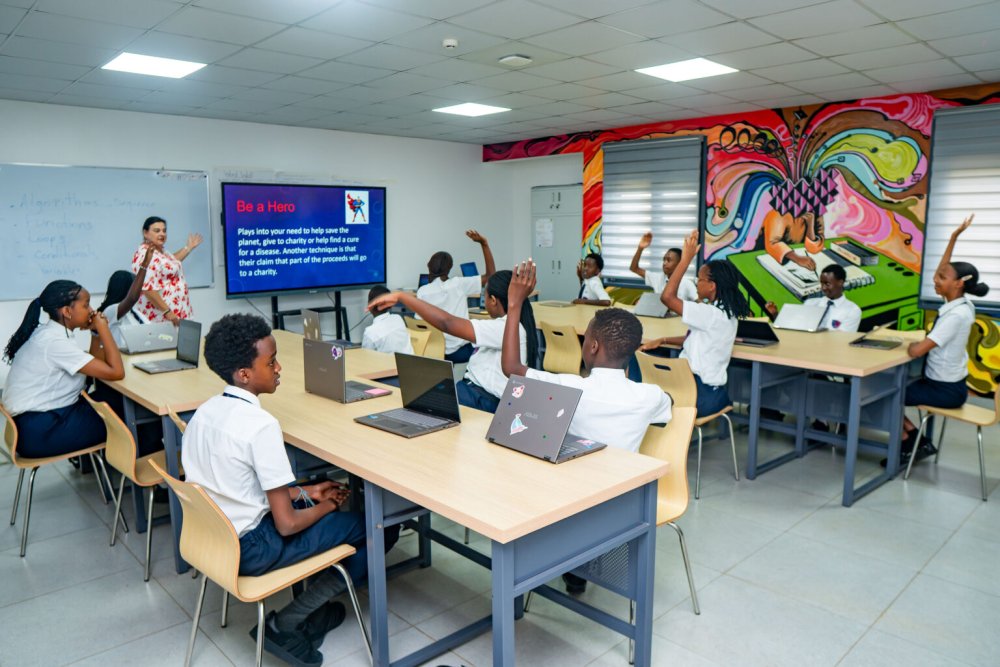
Ntare Louisenlund therefore uses blended learning, combining educational technology with individualized learning. Students also meet their mentors for one-on-one sessions, where they discuss their goals, progress and challenges.
The mentoring approach continues into residential life through residential life coaches, who support students' social and emotional development alongside their academic progress.
The school combines this model with what Vassallo calls an 'IB + STEM' programme, bringing together the International Baccalaureate approach to education and a particular emphasis on STEM excellence.
Its ambitions extend beyond the current student body. The school is looking to establish partnerships with universities, including institutions in Germany, to create further opportunities for students after graduation. Its first cohort is expected to graduate in 2030.
Vassallo also sees a wider role for the school in Rwanda's education sector. He wants Ntare Louisenlund to become a hub for educational innovation where teachers and other schools can exchange ideas, access professional development and learn from the school's approach.
'When we're at capacity, we will have nearly a thousand students at this school, but we'd like to have an impact on a million students or more,' he says.
Students explore hands-on learning and creative projects at Ntare Louisenlund School in Bugesera.Through STEM-focused learning and practical projects, students at Ntare Louisenlund are encouraged to solve problems creatively.Damien Paul Vassallo, Head of Ntare Louisenlund School, oversees an education model built around practical learning, student leadership and innovation.From the library to the makerspace, Ntare Louisenlund's campus is designed around student participation and creativity.Students at Ntare Louisenlund balance classroom learning with other extracurricular activities.Personalised learning allows students at Ntare Louisenlund to pursue their interests, goals and individual strengths.Residential life at Ntare Louisenlund extends learning beyond the classroom through activities, mentorship and community life.Ntare Louisenlund's campus brings together classrooms, creative spaces, sports facilities and residential areas in one setting.On its 60-hectare campus in Bugesera, Ntare Louisenlund is building an education model centred on students and their individual potential.Students from Rwanda and beyond learn, live and grow together at Ntare Louisenlund School.Students take an active role in shaping their learning experience at Ntare Louisenlund School.Students develop confidence through opportunities to create, lead, present and collaborate at Ntare Louisenlund School.Sports and extracurricular activities form an important part of student life at Ntare Louisenlund School.Creativity and practical learning come together in the makerspace at Ntare Louisenlund School.From sports fields and creative spaces to learning facilities, Ntare Louisenlund's campus is designed to support life beyond the classroom.