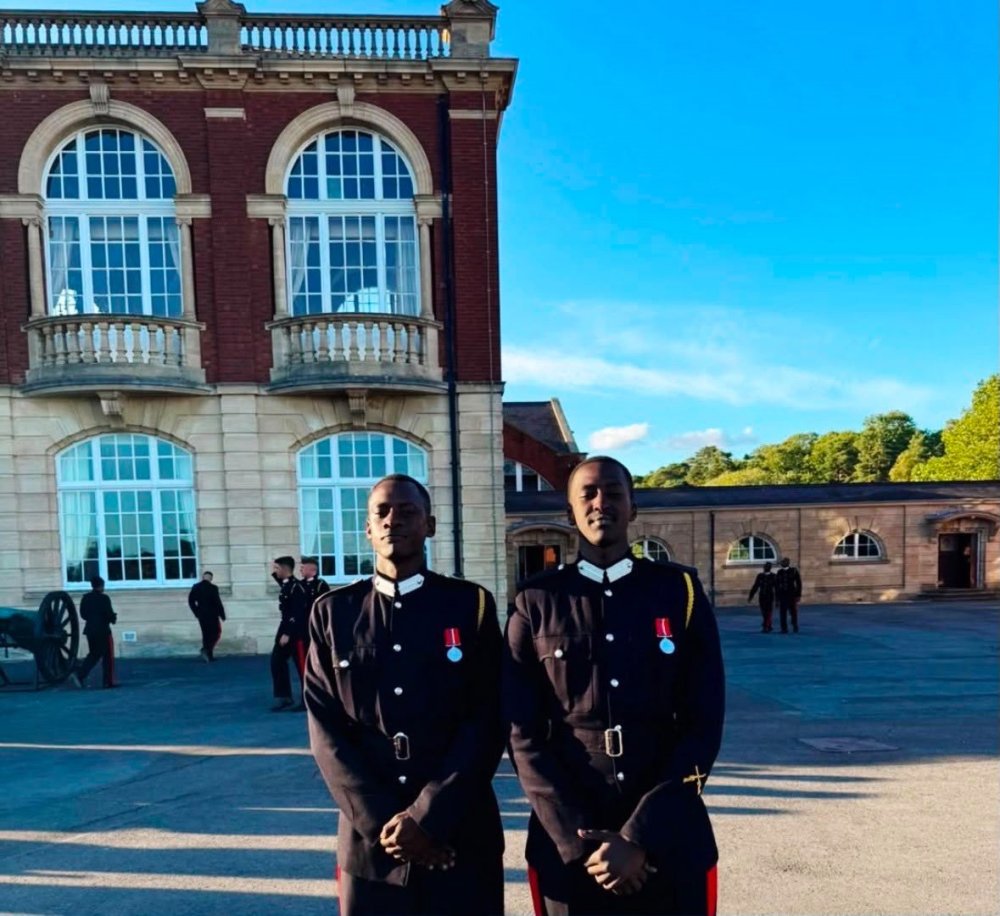
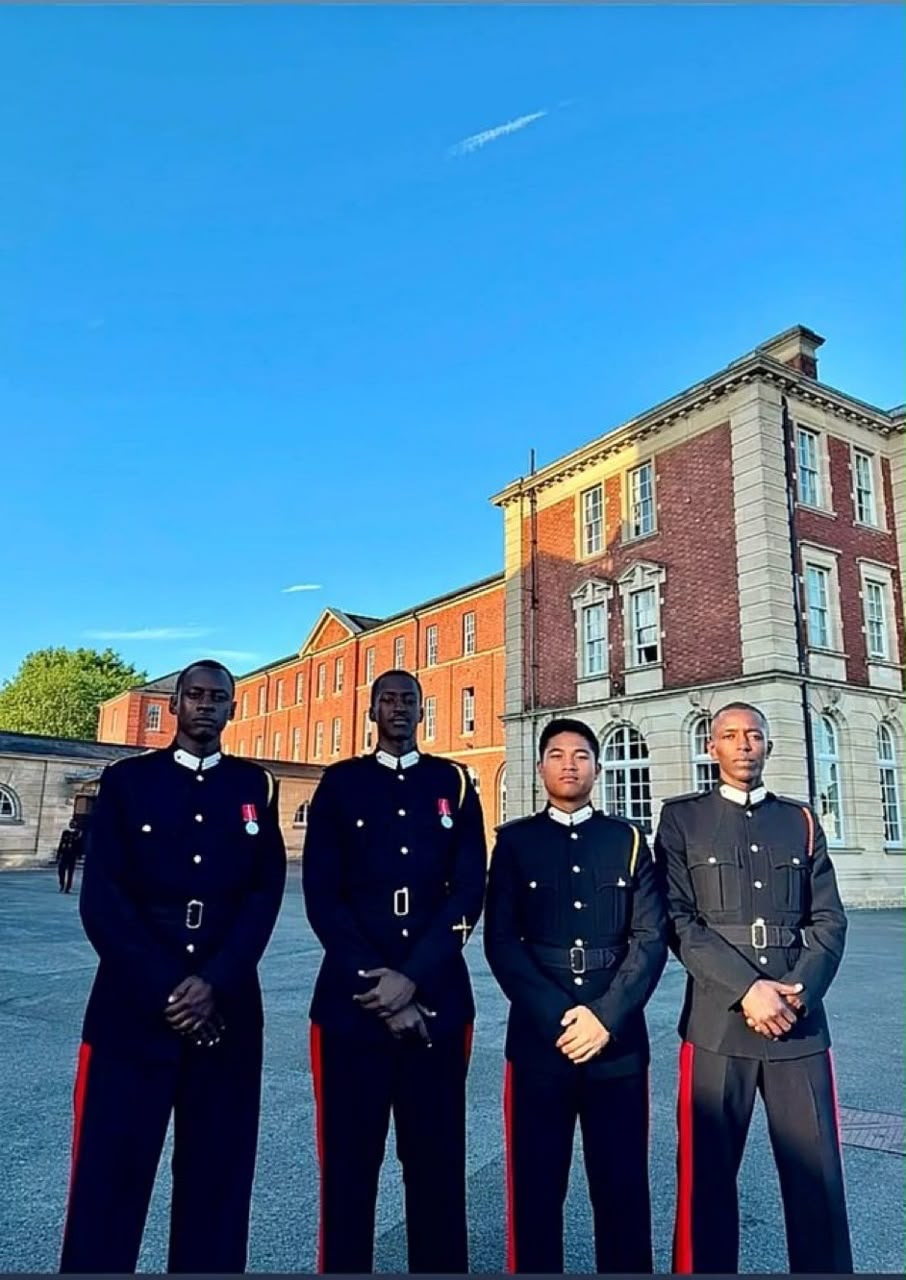
In a social media post on Sunday, Museveni congratulated Ruhamya and fellow Ugandan cadet Bakyira Ruyondo on completing their military training at the prestigious academy.
'Congratulations Ruhamya, congratulations Bakyira,' Museveni said, adding that military service provides young Ugandans with a good foundation.
Ruhamya, the son of UPDF Chief of Defence Forces Gen Muhoozi Kainerugaba, graduated from Sandhurst on Wednesday, August 5, alongside Bakyira and other international cadets.
The training prepares cadets for military leadership, command and operational responsibilities as they begin their careers as officers.
Museveni also congratulated the parents of the two newly commissioned officers and encouraged young Ugandans to consider army service.
'Army service gives you good foundation,' he said.
Ruhamya's graduation marks another connection between the Kainerugaba family and Sandhurst. His father, Gen Muhoozi, graduated from the academy in 2000 after joining Uganda's military in 1999 and was commissioned as a Second Lieutenant.
Gen Muhoozi recently shared photographs of Ruhamya during his training at Sandhurst, including a comparison with his own experience at the academy 27 years ago.
Sandhurst, formally known as the Royal Military Academy Sandhurst, trains officers for the British Army as well as military personnel from countries around the world.
Ruhamya now joins the UPDF following his training, alongside other Ugandan officers who have received military training at the British academy.
Ruhamya (second from left) joins a growing number of UPDF officers trained at Sandhurst, The training equips cadets with skills in military leadership, command, and operational planning as they prepare for roles as officers in their respective armed forces.
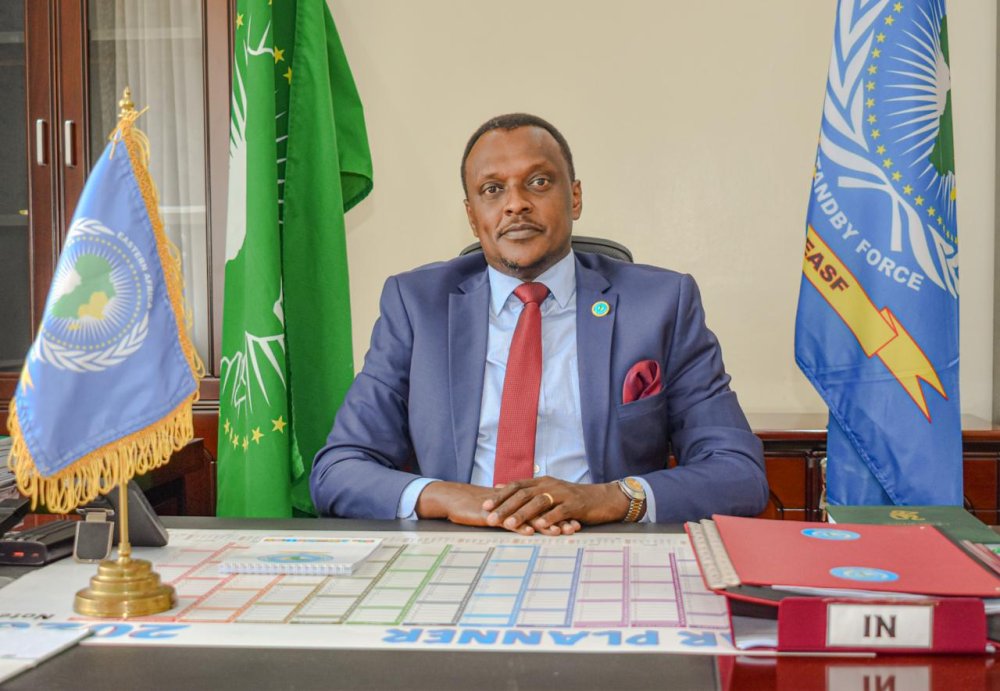
Political differences between Rwanda and Burundi should not hinder professional cooperation between their armed forces, Brig Gen Ronald Rwivanga, Director of the Eastern Africa Standby Force (EASF), has said.
Rwivanga made the remarks during an interview with The New Times' The Context podcast, where he discussed the role of the EASF, regional security cooperation and the challenges facing the Eastern African region.
Asked whether tensions between Rwanda and Burundi could affect cooperation within the EASF, Rwivanga said the organisation had not been affected by disputes between its member states.
'Surprisingly, this organization has not been affected in any way by the conflicts between individual states,' he said.
He pointed to previous tensions between Rwanda and Uganda, saying that despite bilateral disagreements, the two countries continued participating in regional security initiatives through the EASF.
The same principle, he said, applies to Rwanda and Burundi. According to Rwivanga, both countries have remained consistent in participating in the EASF's military, police and civilian engagements despite their differences.
He said regional security cooperation requires member states to distinguish political disagreements from their professional responsibilities.
'Whatever transpires between nations, as professional forces, we need to go beyond the political issues between nations and work as professionals in the military field,' Rwivanga said.
He added that countries in the region have to continue working together because they share the same security environment and face challenges that do not respect national borders.
'Whether we like it or not, we are in the region together and we have to work together,' he stressed.
Regional security
Rwivanga, who recently took up his new role at the EASF headquarters in Nairobi after serving for nearly six years as Rwanda Defence Force spokesperson, said regional cooperation remains essential in addressing security threats.
He identified terrorism, cross-border crime, maritime insecurity and cyber threats among the key challenges facing the region.
He argued that stronger cooperation between regional organisations and neighbouring countries would help address such threats more effectively. 'Working together helps to deal with all the grey areas, the blind spots along the border,' he noted.
He cited cooperation between Rwanda and Uganda, as well as Rwanda and Tanzania, as examples of joint efforts to address cross-border insecurity.
EASF readiness
Rwivanga also sought to clarify the role and readiness of the Eastern Africa Standby Force, which was established in 2004 as one of the African Union's five regional standby arrangements.
The force brings together military, police and civilian components from countries in the Eastern African region and is mandated to support peace support operations, conflict prevention, crisis response and post-conflict reconstruction.
Rwivanga said the EASF reached full operational capability in 2014 after verifying the forces and capabilities pledged by member states.
He stressed that being a standby force does not necessarily mean that it must constantly deploy troops.
'The best generals are those who can win without necessarily going to war,' he said, explaining that conflict prevention and diplomacy are also central to the organisation's mandate.
He said member states have participated in various regional and international operations, providing experience that can serve as a foundation for collective deployments.
Focus on disasters
Beyond traditional security threats, Rwivanga said the EASF is increasingly preparing for humanitarian emergencies and natural disasters.
He revealed that member states are pledging additional capabilities, including strategic airlift, medical evacuation, air reconnaissance and search-and-rescue capacity.
Ethiopia, he said, has pledged C-130 aircraft for strategic airlift, while Rwanda has pledged medical evacuation capabilities and Kenya has pledged air reconnaissance.
The aim, according to Rwivanga, is to enable the region to respond collectively to emergencies that may overwhelm an individual country.
He cited earthquakes and other climate-related disasters as examples of crises that could require a regional response.
'We should not just look at the enemy in the sense of rebel forces. You should look at the enemy even within, with climate-related issues that could easily spiral out of order,' he argued.
Rwivanga highlighted that the EASF's priority over the next three years would be to strengthen cohesion, readiness and the ability of member states to respond collectively to security and humanitarian crises.
He said regional cooperation would remain critical even when individual member states have political differences.
'In regional integration, we have to work together to find solutions,' he stressed.
Political differences between Rwanda and Burundi should not hinder professional cooperation between their armed forces, Brig Gen Ronald Rwivanga, Director of the Eastern Africa Standby Force (EASF), has said.
Hamas spokesperson Hazem Qassem said in a press statement that the meetings are part of the movement's ongoing 'contacts and diplomatic efforts with mediators to inform them of Israeli violations.'
Qassem provided no further details about the visit.
A source within Hamas told Xinhua that a delegation headed by Khalil al-Hayya arrived in Cairo late Saturday, marking his first visit since assuming the post of head of Hamas' political bureau in July.
The source said the delegation is expected to meet with Egyptian intelligence chief Hassan Rashad to discuss developments concerning the Palestinian issue and efforts to consolidate the ceasefire agreement in the Gaza Strip.
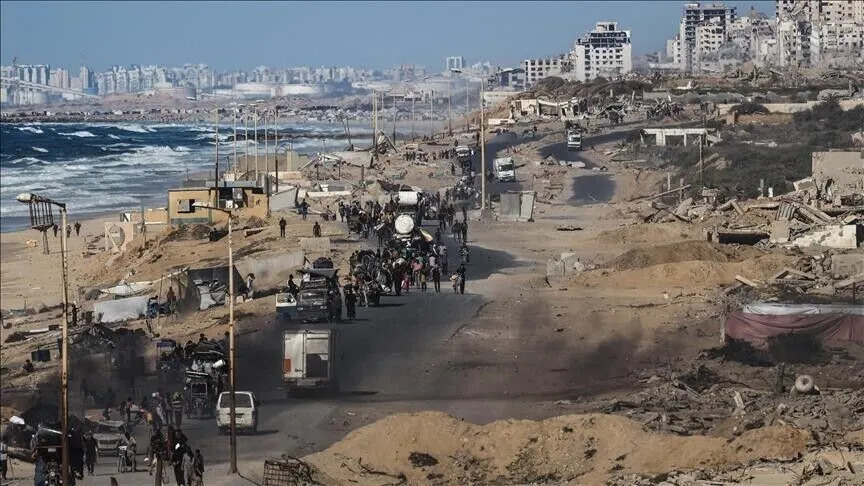
The visit comes as mediators from Egypt, Türkiye and Qatar continue efforts to consolidate the ceasefire agreement amid disagreements over the implementation of its next phases.
Earlier this month, Israeli Prime Minister Benjamin Netanyahu formally rejected a U.S.-backed 15-point plan for ending the Gaza conflict, insisting that Israel will not withdraw its forces from the enclave until Hamas is fully disarmed.
The Islamic Resistance Movement (Hamas) said Sunday that its delegation is holding meetings in the Egyptian capital Cairo to ensure Israel's compliance with a roadmap agreed upon with the U.S.-led 'Board of Peace.'
Known as Visit Kivu, the initiative is being driven by the Bwishyura Kivu Boat Cooperative, a youth-dominated cooperative based in Bwishyura Sector in Karongi District.
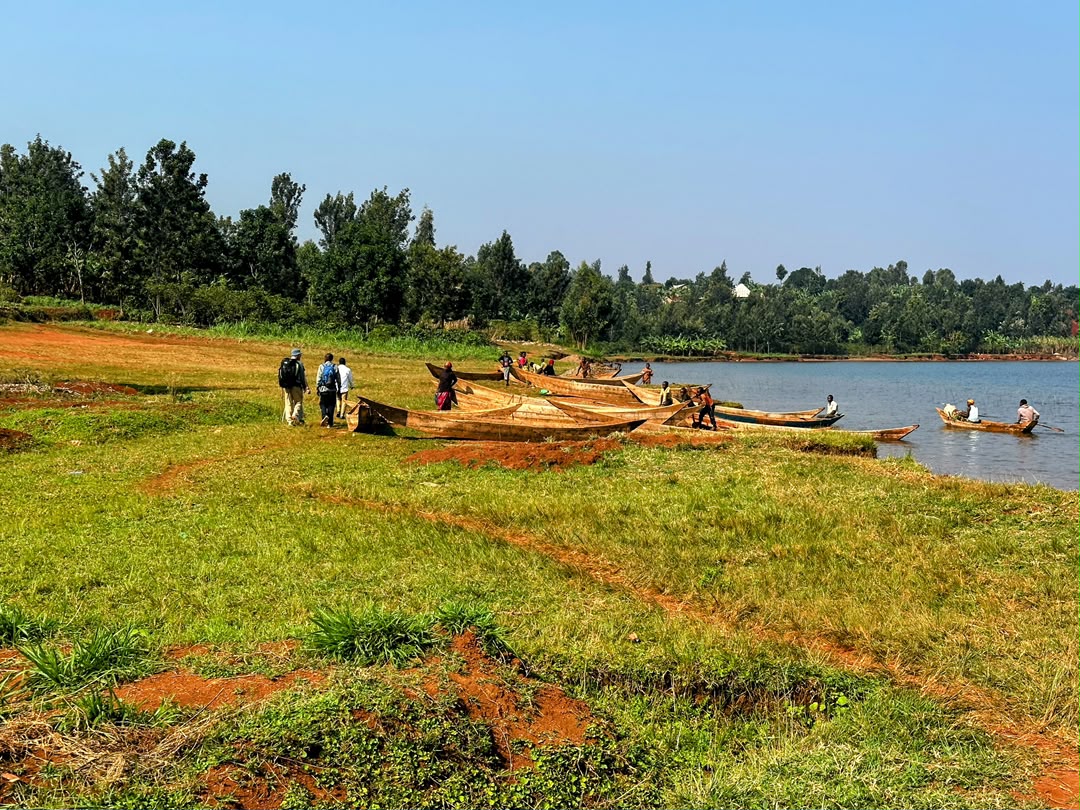
The initiative brings together boat tours and other experiences around Lake Kivu, offering visitors opportunities to explore the lake and some of its islands while also discovering the communities and landscapes around it.
Through 16 motorised boats, the cooperative takes visitors onto the lake and to islands including Nkombo and Ijwi. Its boat operators work across Karongi, Rubavu, Nyamasheke, Rusizi and Rutsiro, the five Rwandan districts bordering Lake Kivu.
'We have a legally registered cooperative, and our goal is to take tourists around Lake Kivu and its islands,' said Niyomugabo Moïse, president of the cooperative.
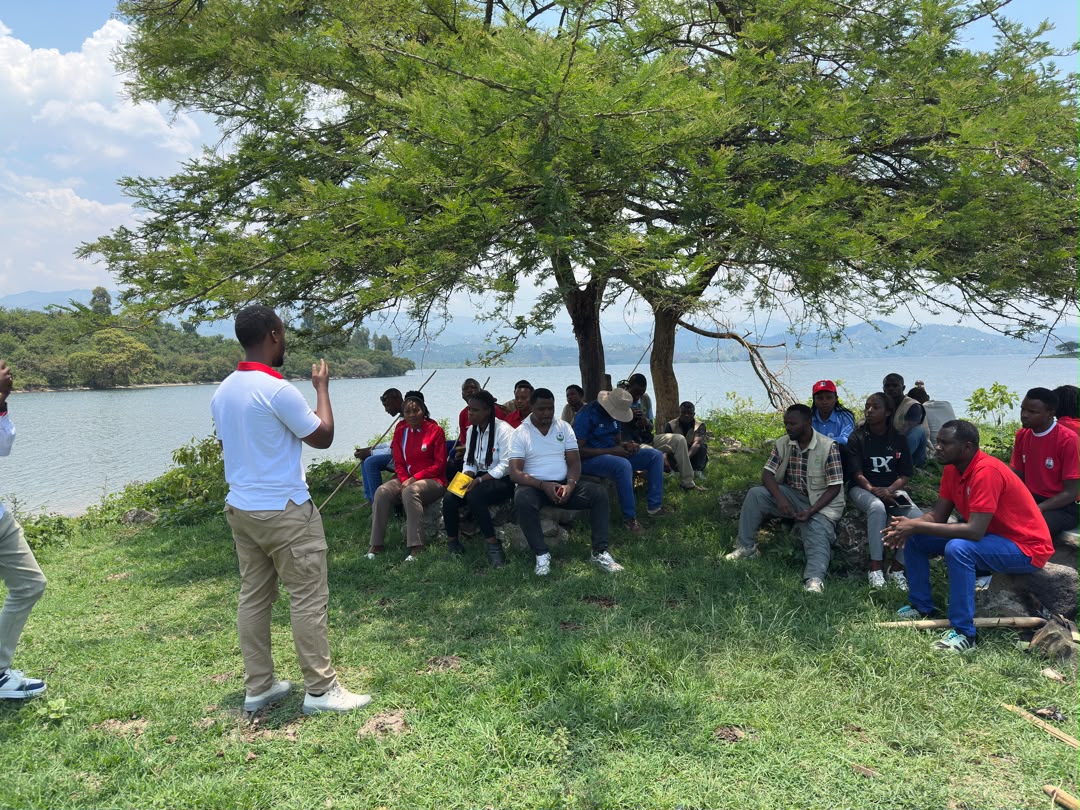
Visit Kivu also links lake excursions with experiences on land. The cooperative has helped establish a hiking route connecting Karongi town to Bisesero, allowing visitors to combine the scenery of the lake with the area's historical heritage. Members also participate in community work to clear and maintain paths used by visitors. Among the more distinctive experiences is seeing cattle swimming in Lake Kivu, an activity that offers visitors an unusual glimpse into life around the lake.
The tourism activities have also become an important source of income for members of the cooperative. Founded in 2018 with one employee and Rwf370,000 in capital, the cooperative now has 37 members, 18 permanent employees, including three women, and a capital of Rwf8.7 million.
The cooperative says its tourism activities generate about Rwf4 million a month, helping members meet household needs and pay for health insurance.
Members say joining the cooperative has also allowed them to work together, support their families and interact with visitors from different places.
Niyomugabo says the expansion of tourism around Lake Kivu should go hand in hand with protecting the environment and preserving the culture and heritage of communities around the lake.
He says members need training in cooperative governance, financial management and marketing, as well as more investment to help expand tourism activities, an initiative backed by authorities acknowledging their impact to the community and national development at large.
With its combination of boat trips, islands, hiking, history and community experiences, Visit Kivu reflects the growing effort to present Lake Kivu as a destination to be explored beyond its shoreline.
Visitors can experience Lake Kivu from the water while exploring the landscapes and communities that surround the lake.The Bwishyura Kivu Boat Cooperative has grown into a tourism-focused cooperative offering boat excursions and supporting livelihoods in communities around Lake Kivu.Visitors stand a chance to explore Lake Kivu and its islands aboard motorised boats operated through the Visit Kivu initiative.
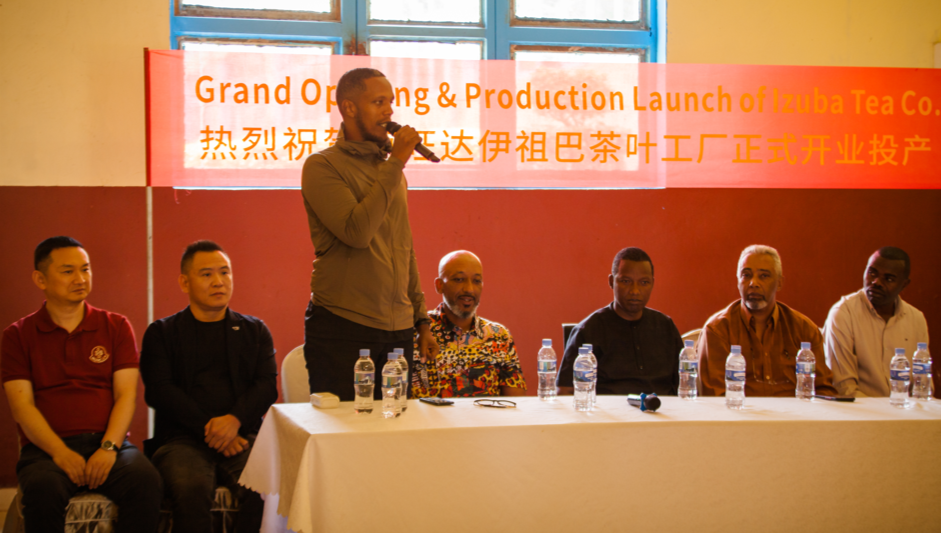
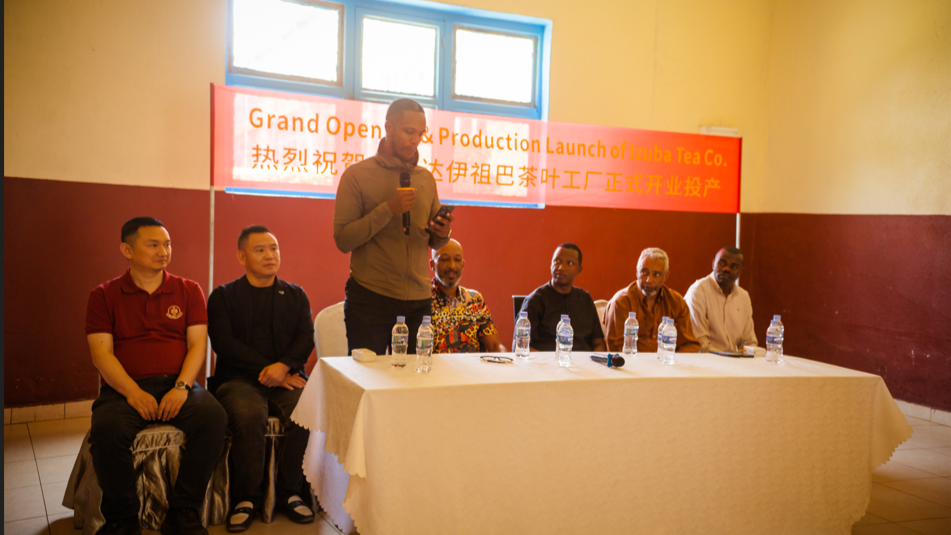
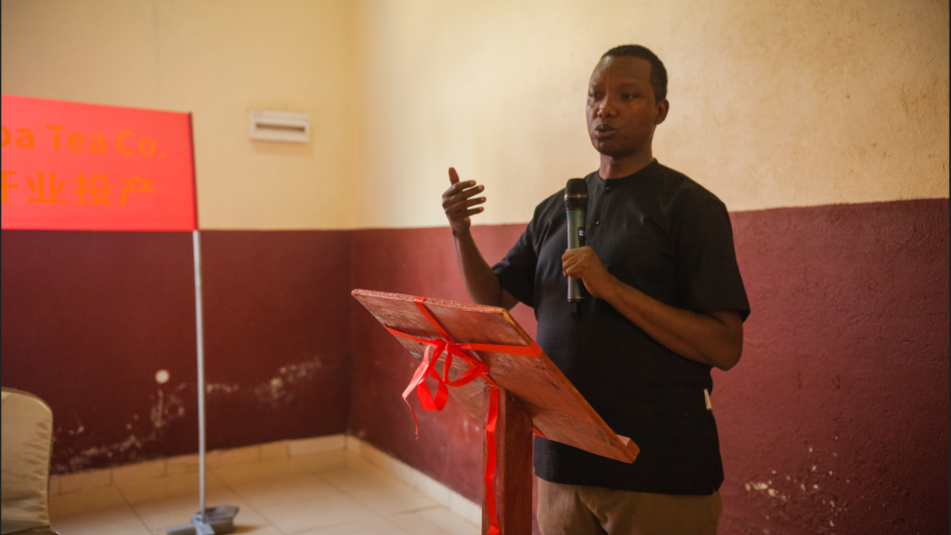
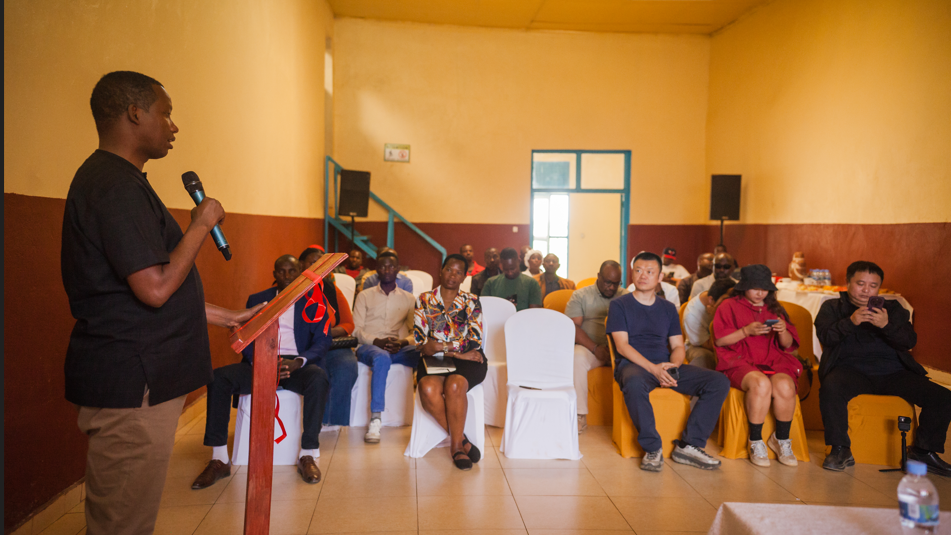
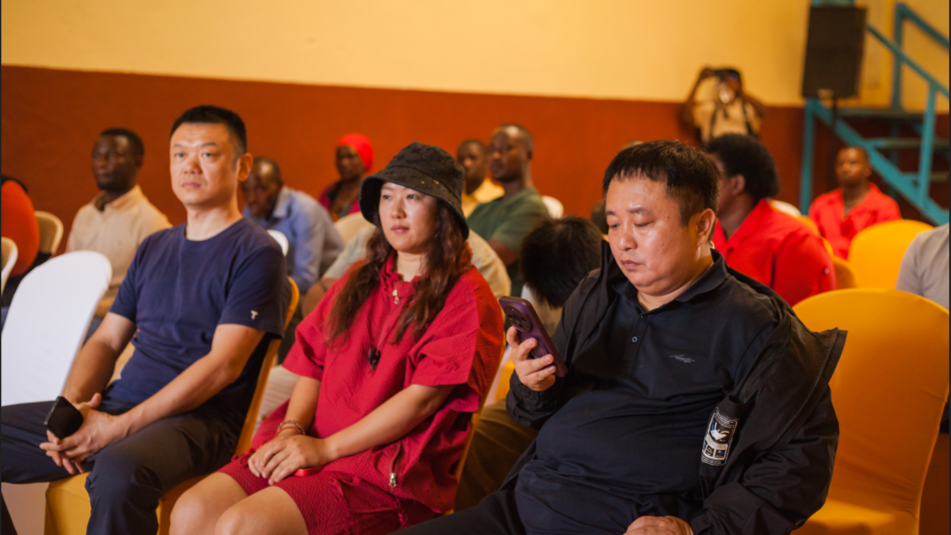
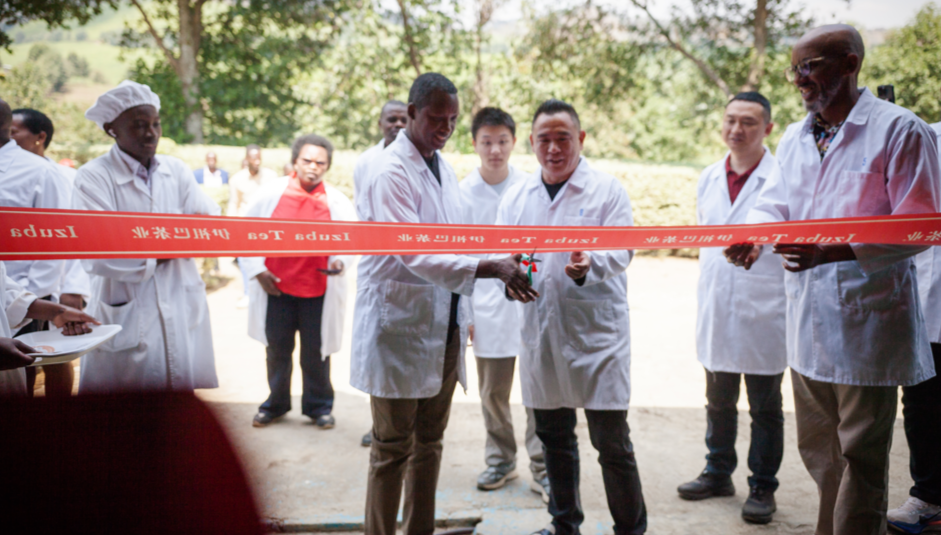
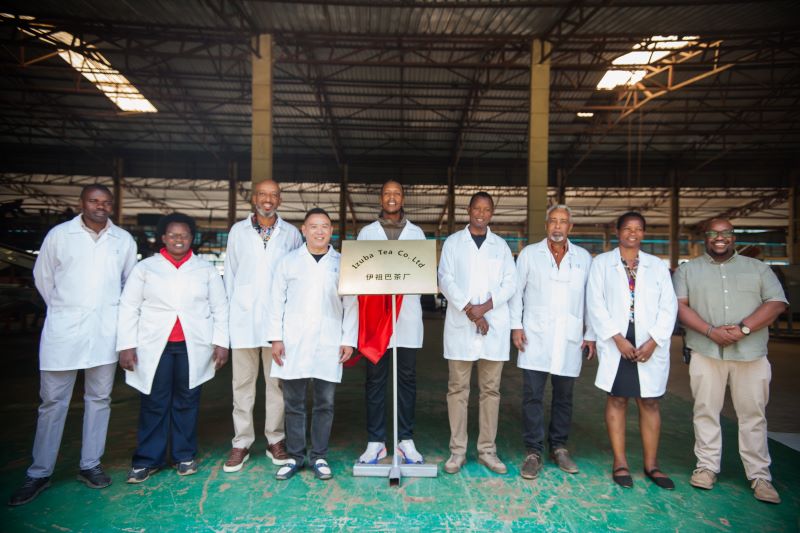
The partnership was launched on August 12, in a ceremony attended by representatives of Karongi Tea Factory and Izuba Tea Co. Ltd, Chinese investors, Karongi District Mayor Gerald Muzungu, tea producers organised under the KATECOGRO cooperative, and other stakeholders in the tea sector.
The joint venture brings together Rwanda's long-standing experience in tea cultivation and processing with Chinese technology, technical expertise, international trade knowledge and access to one of the world's largest tea markets.
Partnership driven by quality of Rwandan tea
David Mutangana, Managing Director of Karongi Tea Factory, said the partnership was partly driven by Chinese investors' interest in the quality of Rwandan tea.
'Tea is an important crop for the country. It contributes to the development of producers and the region as a whole. That is why we decided to look for investors in China. When they came here, they visited the tea plantations and were impressed by the quality of the product. That is what convinced them to invest in this sector,' he said.
Mutijima Bryon, Managing Director of Izuba Tea Co. Ltd, highlighted the importance of working with Chinese experts, describing the partnership as a 'strong technical and commercial bridge to China.'
The collaboration is expected to help Izuba Tea add greater value to tea produced in Rwanda and strengthen its presence on international markets.
The company aims to become 'a globally recognised Rwandan tea company' within the next five years, targeting markets across Asia, Africa, Europe and the Middle East.
'Our role is to combine this natural advantage with the technologies, expertise, investments and access to international markets that are necessary,' Bryon said.
Liu Quiming, speaking on behalf of the Chinese investors, said the partnership followed positive results from tests conducted on Rwandan tea.
'We are very happy about this partnership. When we came to Rwanda to test the tea, we were very satisfied. We took samples to China, where they were very well received. We found that the Karongi factory perfectly matched our expectations in terms of its operations and production capacity, which is why we are here today to launch this partnership,' he said.
Expanding production and value addition
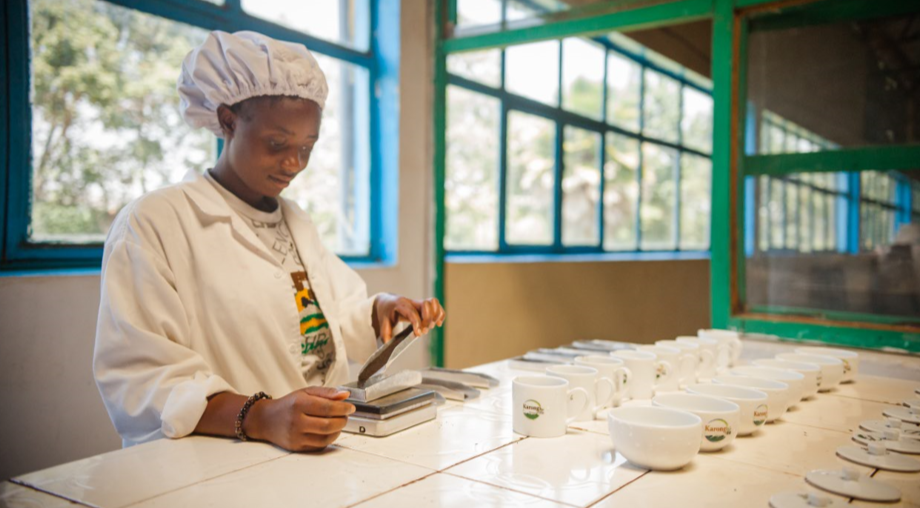
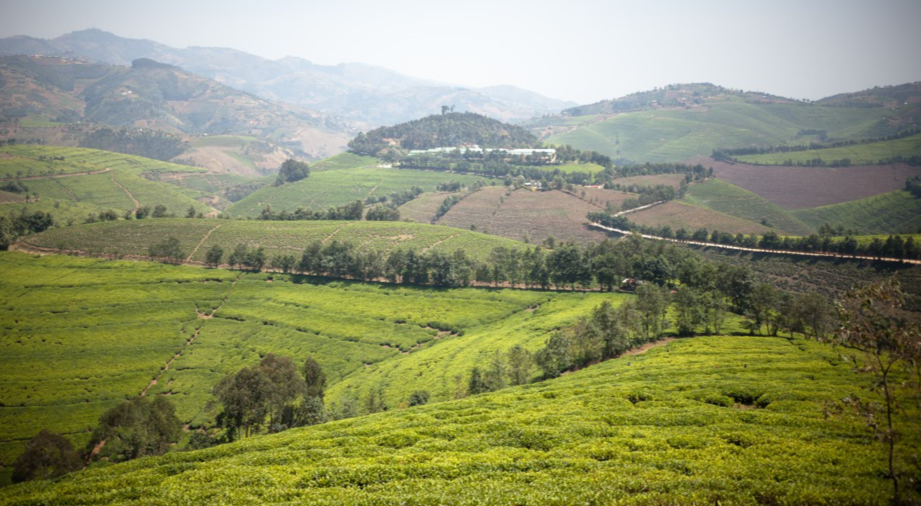
Located in Karongi District in Rwanda's Western Province, near Nyungwe Forest, Karongi Tea Factory began operations in 2012 and specialises in tea processing.
The factory produces several varieties of high-quality tea and has a production capacity of several dozen tonnes per day.
The partnership is also expected to create additional value in the tea sector, increase farmers' incomes, strengthen their economic independence and create jobs.
As production expands, improving the transportation of tea from farms to the factory will be important to supporting the sector's growth and ensuring that farmers can fully benefit from new market opportunities.
Mutangana said the factory is already working with the KATECOGRO cooperative and that continued improvements in transport infrastructure would help facilitate the movement of tea from farms to the factory and strengthen access to markets.
'The factory started operations in 2012. We already work with the KATECOGRO cooperative, and as the sector grows, continued improvements in infrastructure will be important in facilitating the movement of produce to the factory and connecting farmers to expanding markets,' he said.
Karongi District Mayor Gerald Muzungu said local authorities would continue working with stakeholders to support the development of the project and create an enabling environment for its growth.
'We will do everything necessary to ensure the success of this project,' he said, emphasising the initiative's potential to generate economic opportunities for local communities and contribute to the development of the district.
Building a bridge to the Chinese market
In its first phase, Izuba Tea plans to reach an annual production capacity of about 1,000 tonnes.
The initial phase will form the basis for a broader expansion programme. Shareholders plan to reinvest up to $10 million across four development phases to progressively increase production capacity, modernise technology, expand the product range and strengthen the company's international distribution network.
The company also plans to move beyond conventional tea production by developing speciality and value-added products, including matcha.
Izuba Tea intends to adapt its production capacity and product portfolio to meet the requirements of different international markets, positioning the joint venture as a potential channel for increasing the global reach of Rwandan tea.
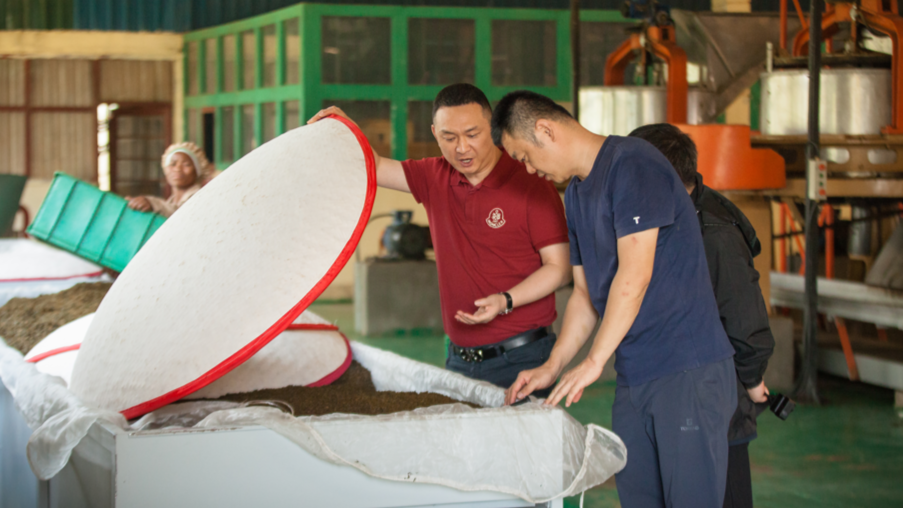
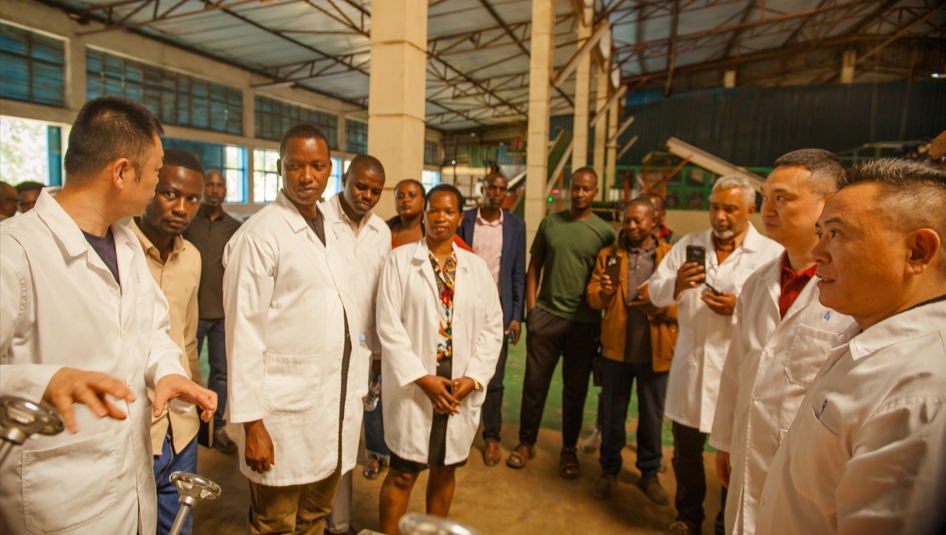
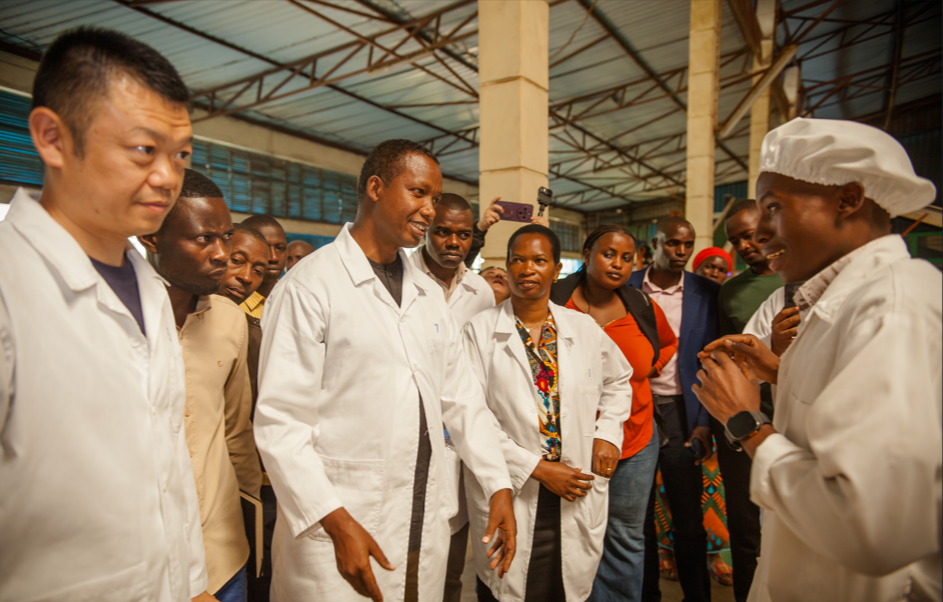
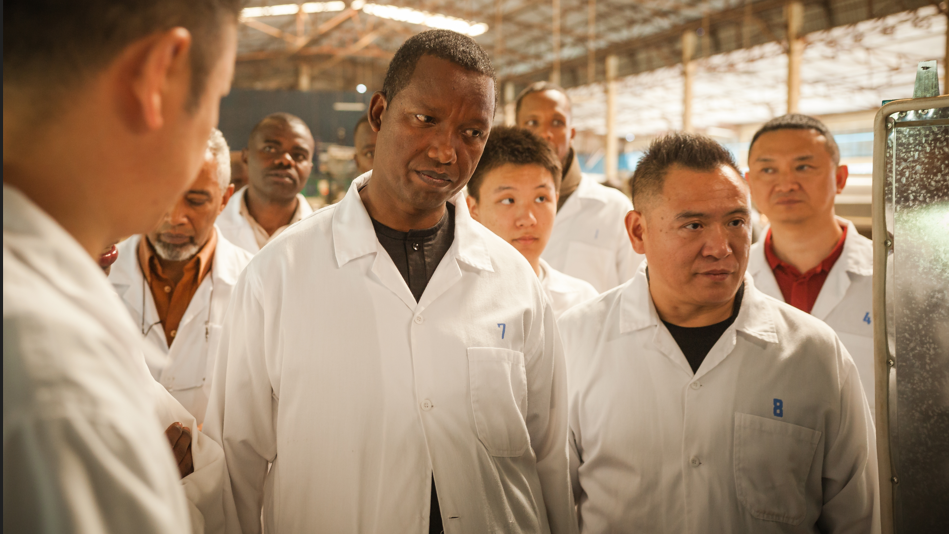
Chinese investors expressed satisfaction with the quality of Rwandan tea.For David Mutangana, Managing Director of Karongi Tea Factory, the partnership was partly driven by Chinese investors' interest in the quality of Rwandan tea.Mutijima Bryon, Managing Director of Izuba Co Ltd, emphasised the importance of the partnership with Chinese experts.
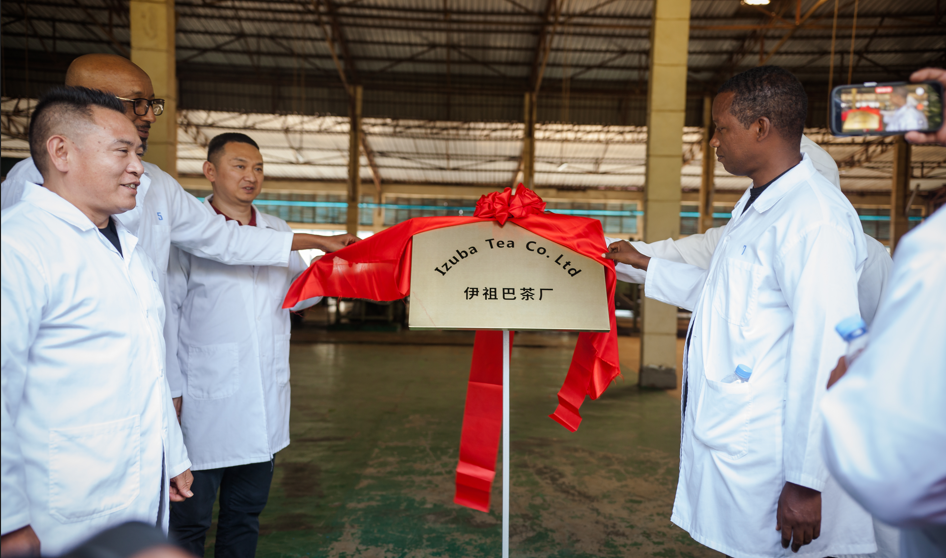
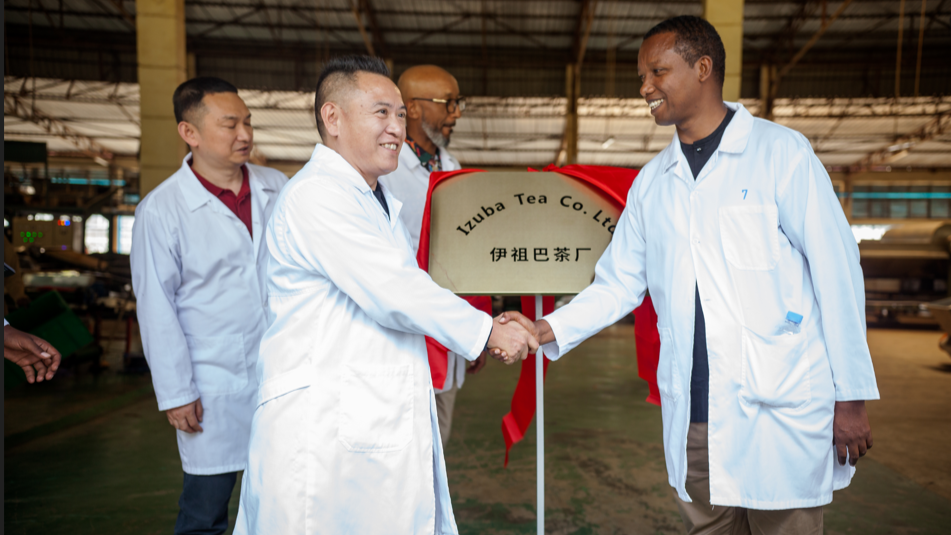
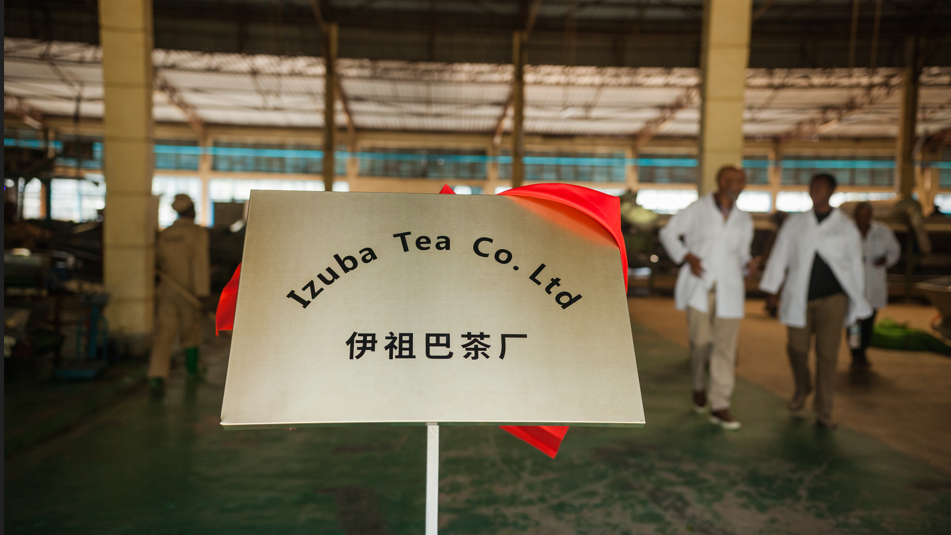
Karongi District authorities officially launch a joint venture between Karongi Tea Factory and Izuba Tea Co. Ltd.
Karongi District Mayor Gerald Muzungu said local authorities would continue working with stakeholders to support the development of the project and create an enabling environment for its growth.Located in Karongi District, in Rwanda's Western Province, near Nyungwe Forest, Karongi Tea Factory began operations in 2012 and specialises in tea processing.
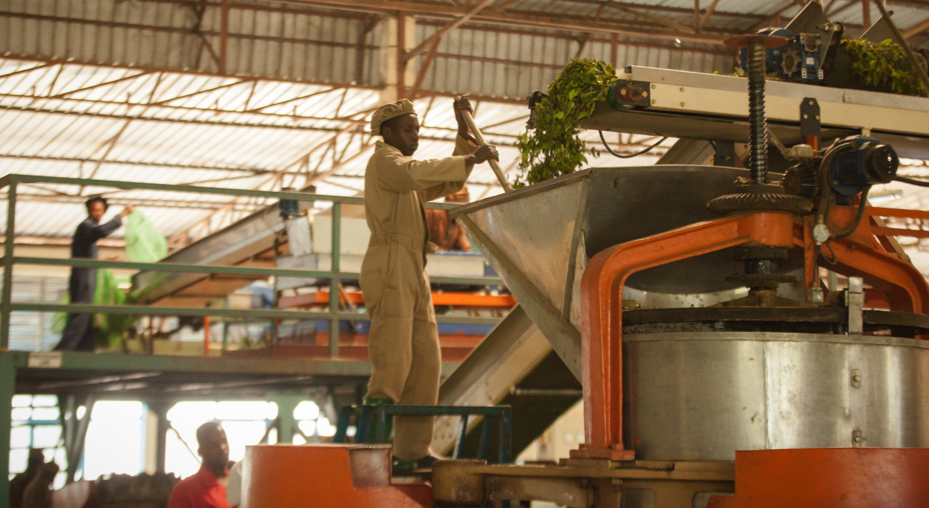
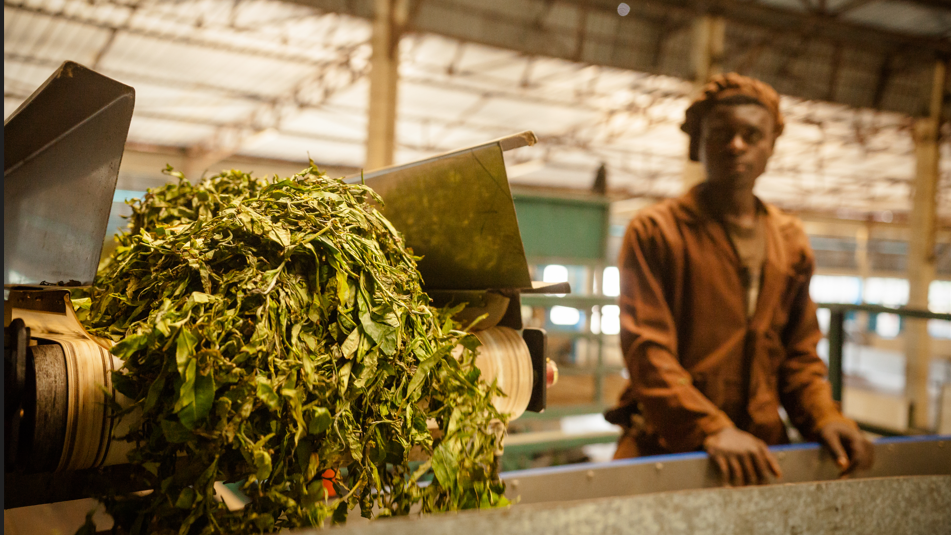
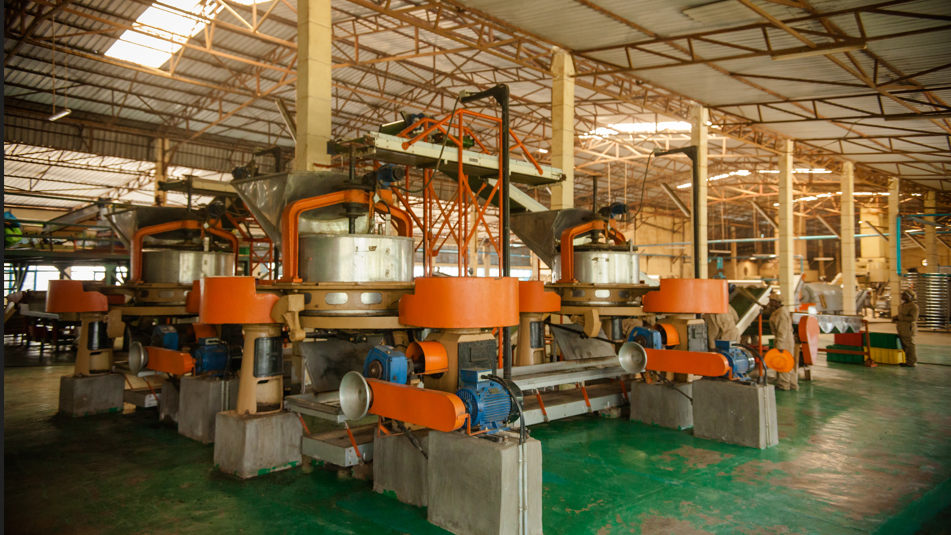
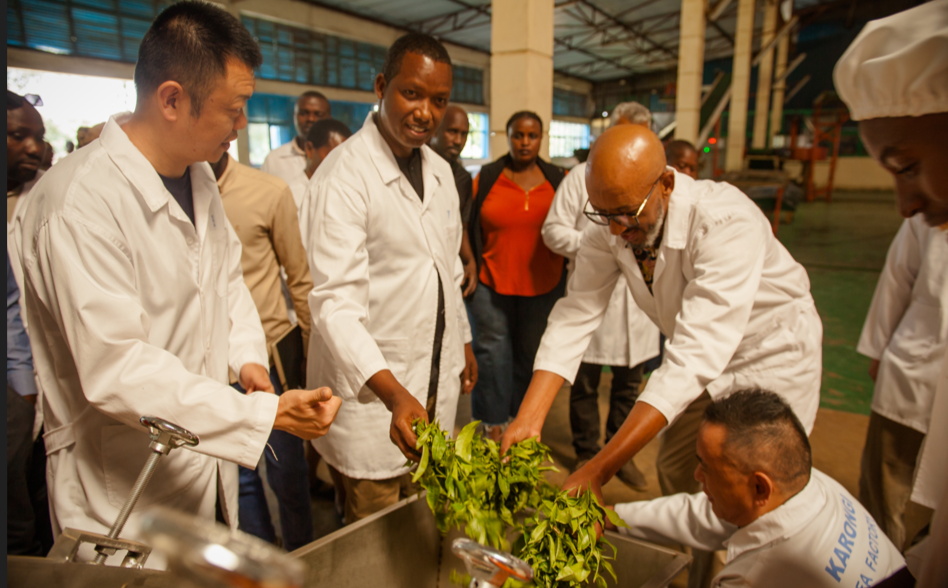
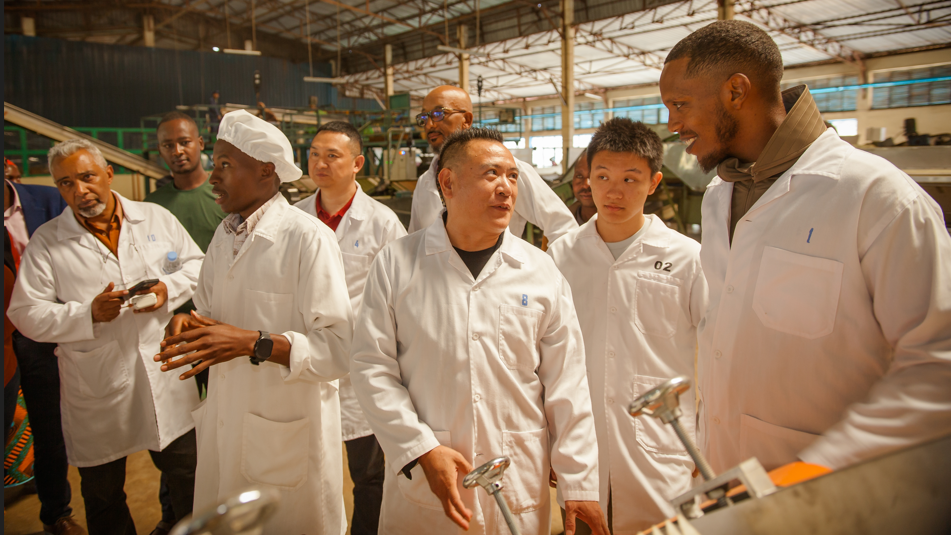
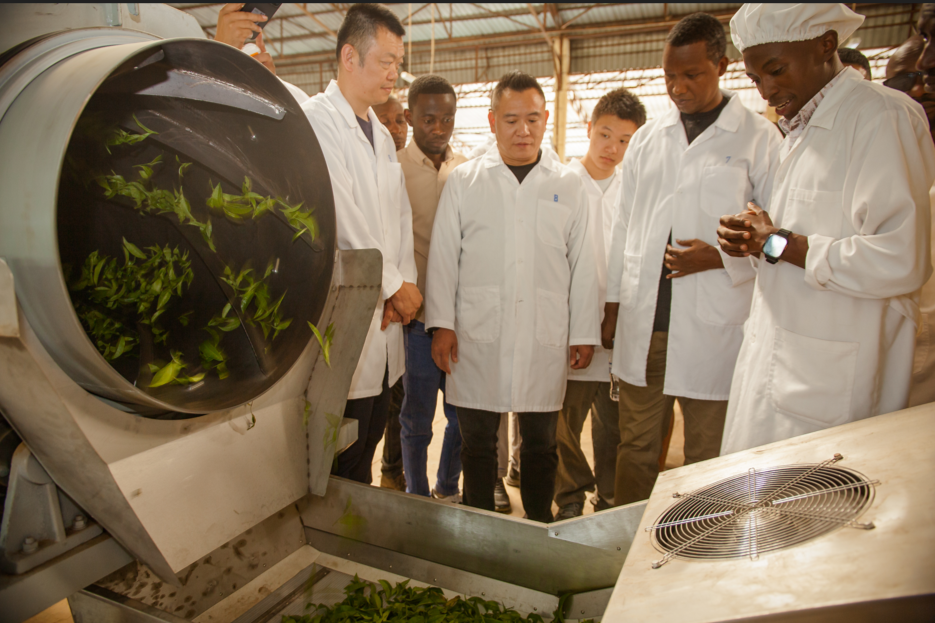
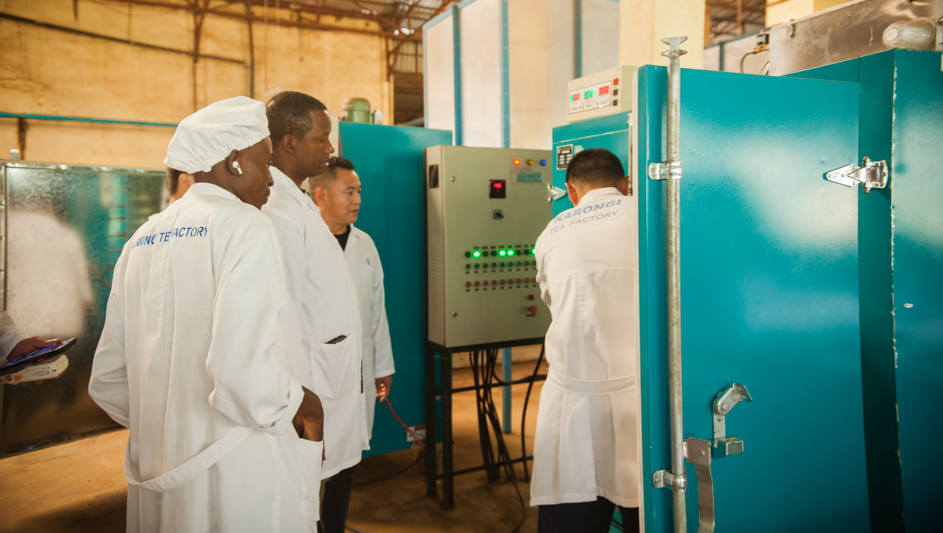
Karongi Tea Factory is also renowned for producing high-quality tea in a range of varieties, with a production capacity of several dozen tonnes per day.Chinese experts have provided specialized machinery to support tea processing.
In its initial phase, Izuba Tea plans to reach an annual tea production capacity of approximately 1,000 tonnes.
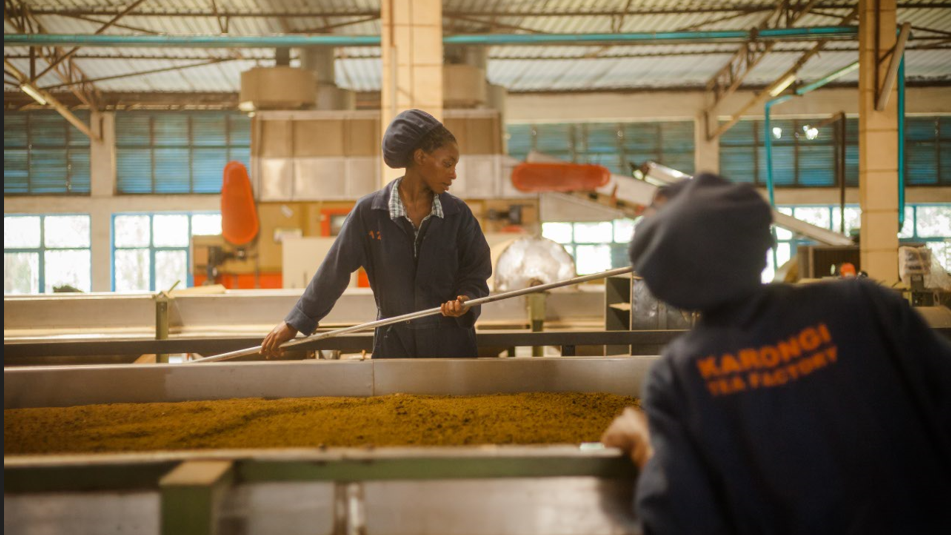
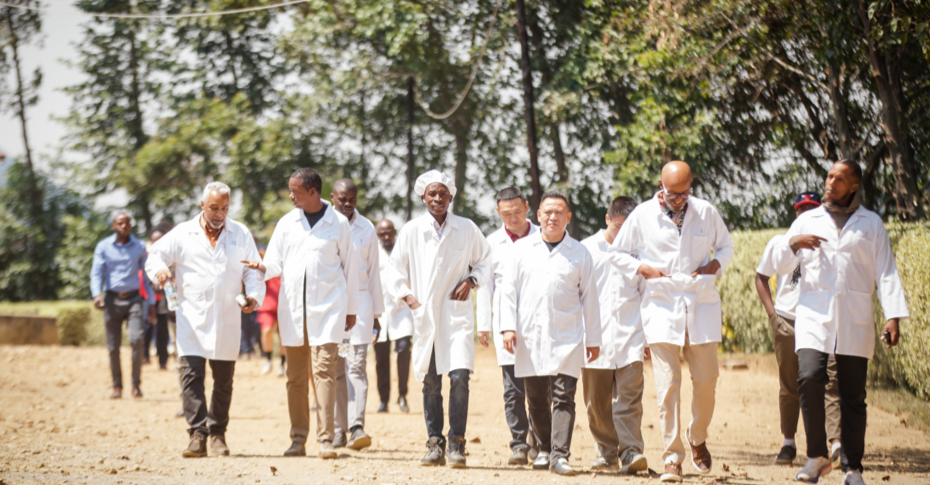
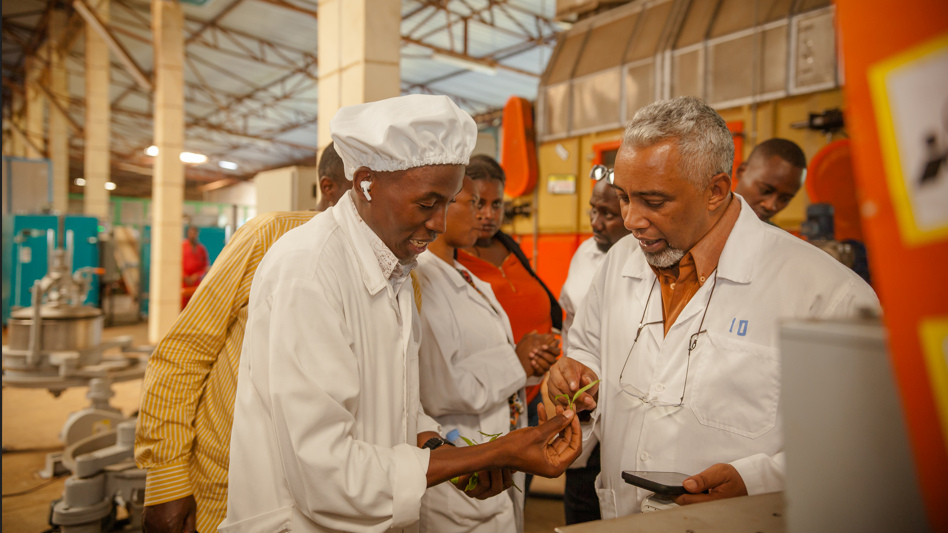
The participants also toured the tea processing facilities.
The Karongi District mayor also toured the factory to learn more about its tea processing operations.
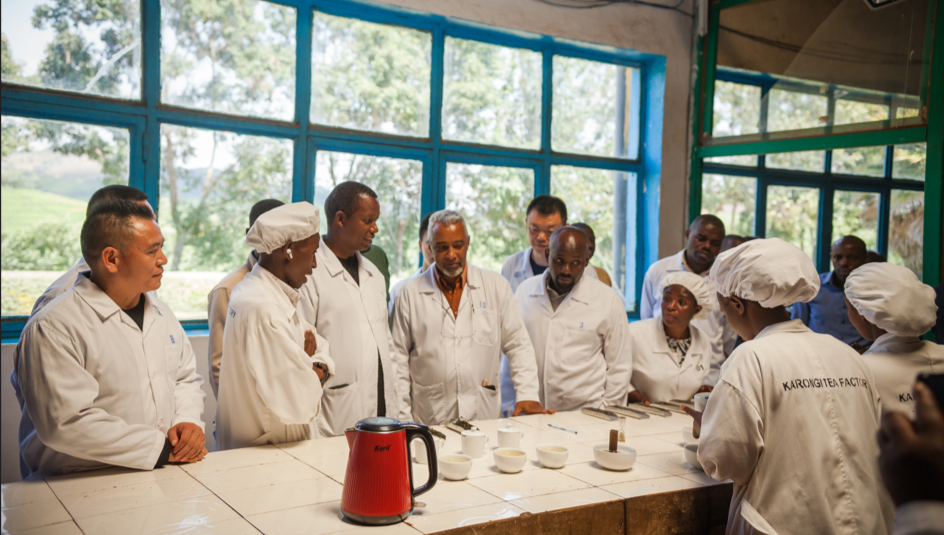
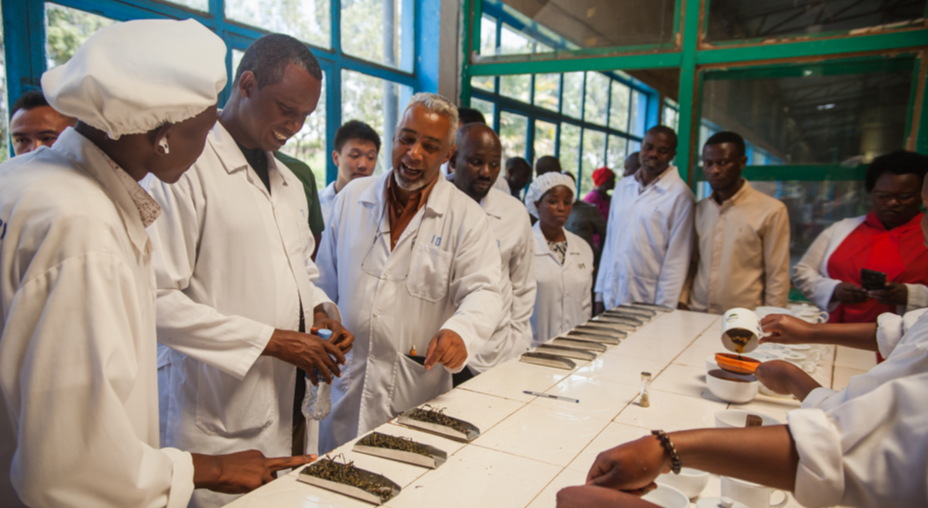
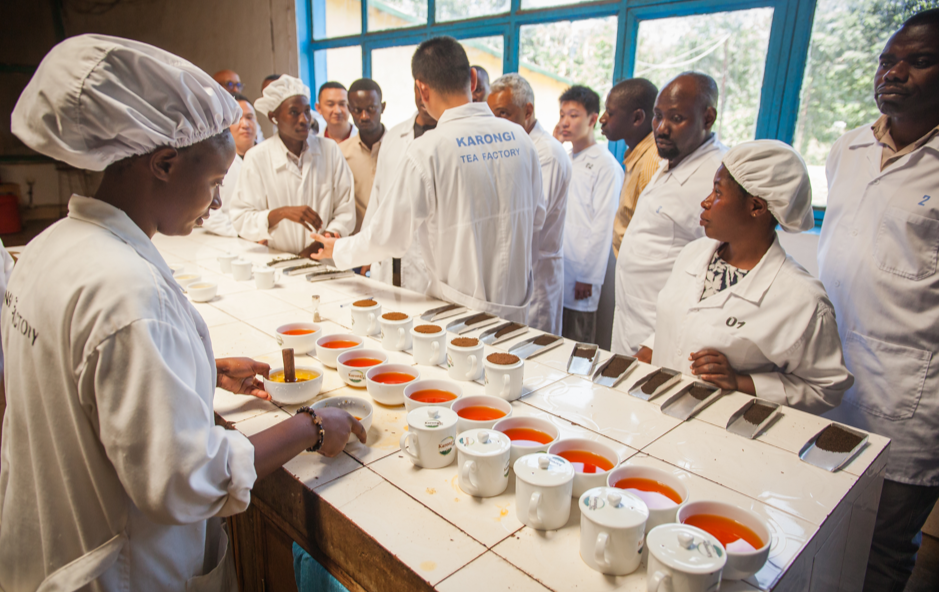
The participants also sampled a selection of teas produced by the factory.
Tea is one of Rwanda's long-established export crops and remains an important contributor to the country's export earnings.
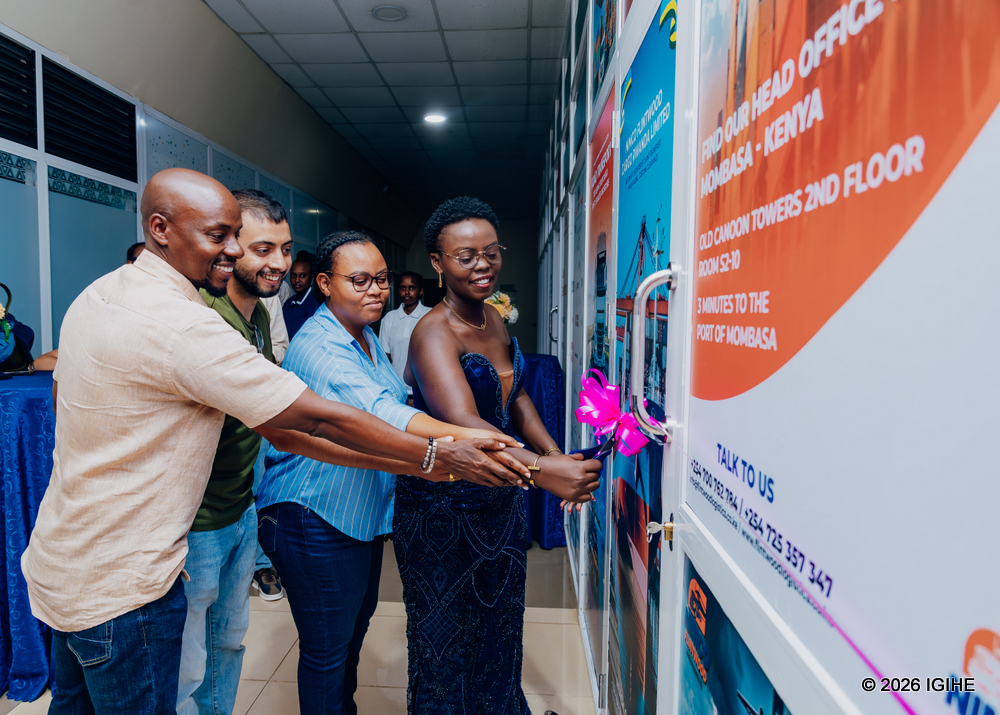
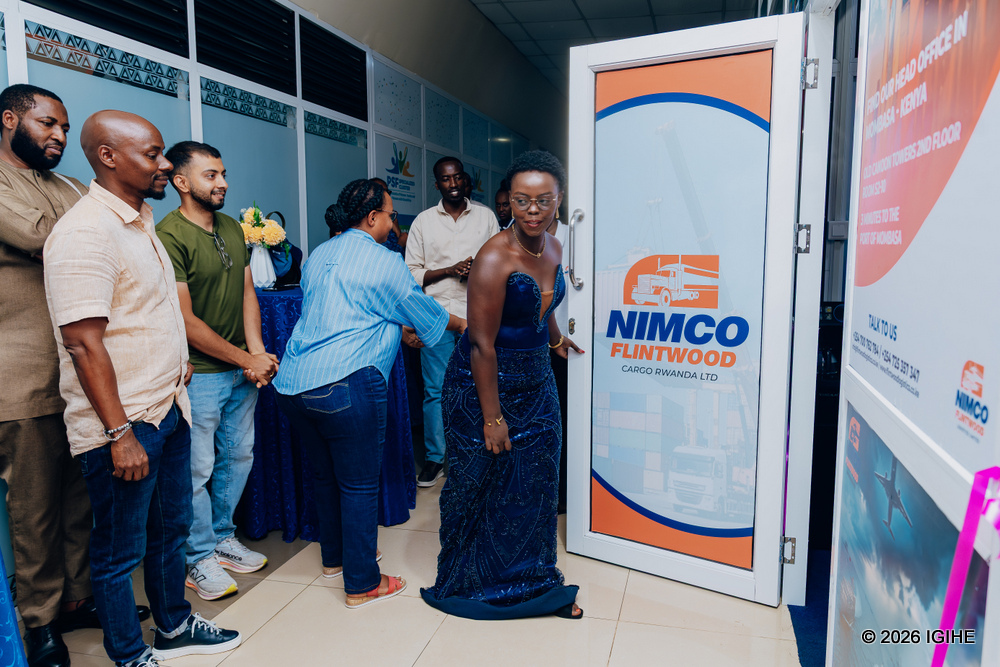
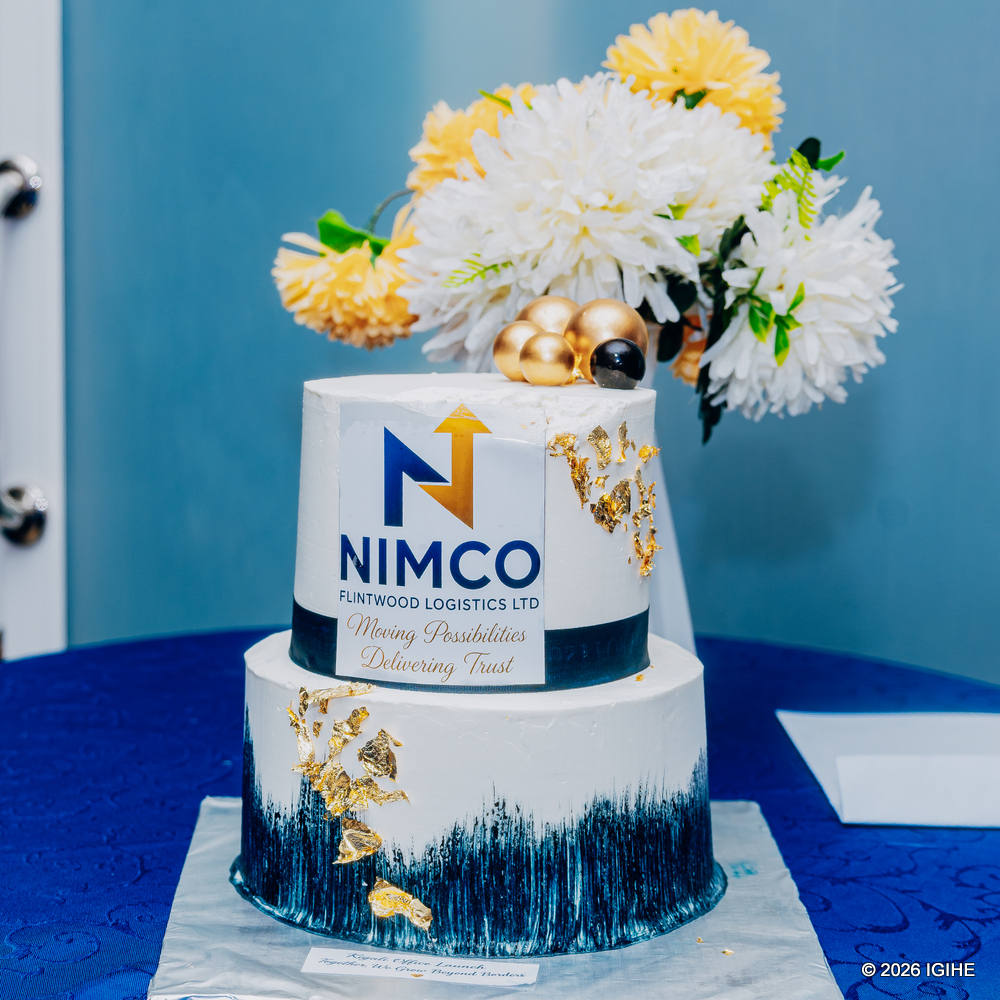
The company officially opened its Rwanda office on Friday, August 14, 2026, at the MIC Building in Nyarugenge District, Kigali.
The Kigali office gives NIMCO Flintwood a physical presence in a market where it already serves customers and comes as the company plans to relocate its headquarters from Mombasa, Kenya, to Rwanda within the next five years.
'Within the next five years, Rwanda will be our headquarters. Our headquarters will no longer be in Mombasa because I will also be working here in Rwanda,' NIMCO Flintwood Founder and CEO Nimmoh Muriithi stated.
Muriithi said the decision to establish a permanent physical presence in Rwanda was influenced by the large share of the company's customers based in the country, as well as Rwanda's business environment, operational systems and strategic position in regional trade.
The Kigali office is expected to bring the company closer to its customers and make it easier for them to access services, obtain information and track their cargo without having to contact the company's offices in Mombasa.
'When your partner from Mombasa is sitting in an office in Kigali, you no longer need to call them on the phone or send them a WhatsApp message to get answers. Instead, you can go to the office and they can help you resolve your issues,' Muriithi remarked.
NIMCO Flintwood Country Sales Manager Marcelin Mudatenguha said the company's immediate priority would be to strengthen customer confidence by improving service delivery.
'The first thing we need to do is take the lead in providing efficient services to our customers when they place their cargo orders,' he noted.
The company has also introduced a rail-based cargo transportation service from Mombasa through Naivasha and Malaba. Cargo will then be transferred to trucks for onward transportation to Kigali, a model expected to reduce transportation costs.
NIMCO Flintwood also plans to expand into other sectors, including petroleum products, as Rwanda and Kenya continue to strengthen economic cooperation.
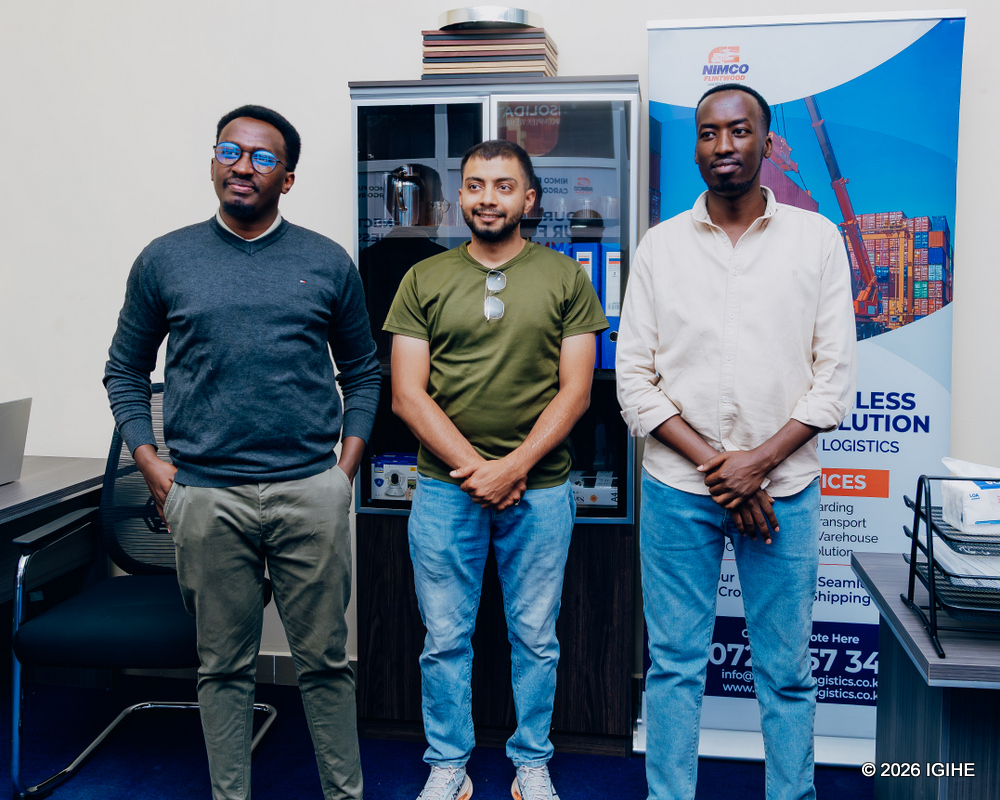
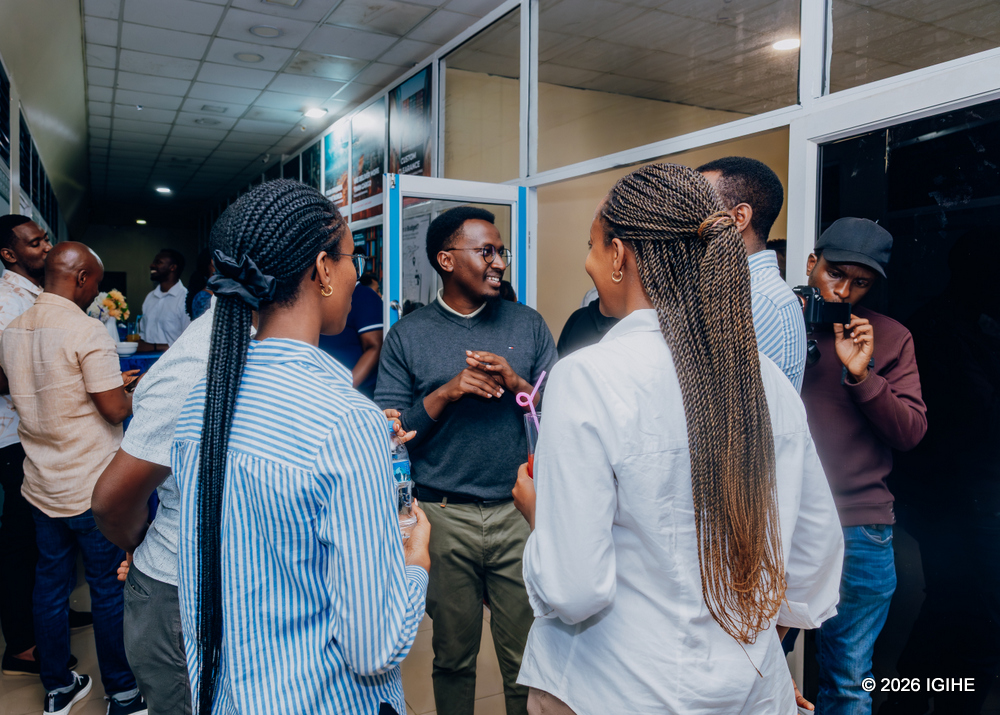
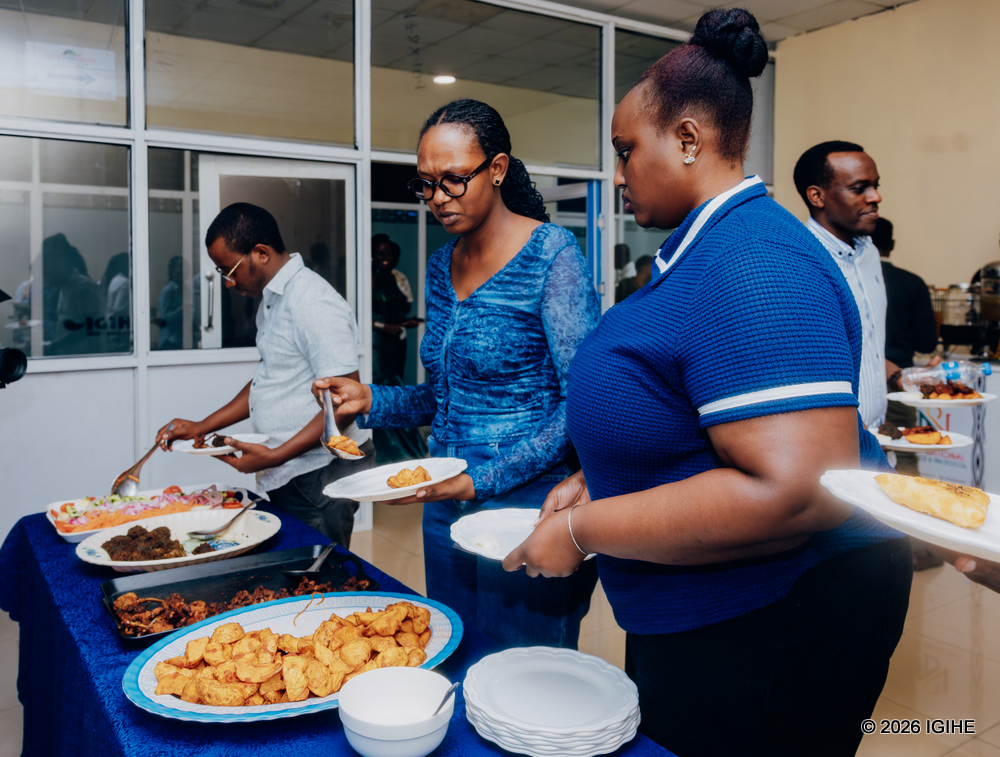
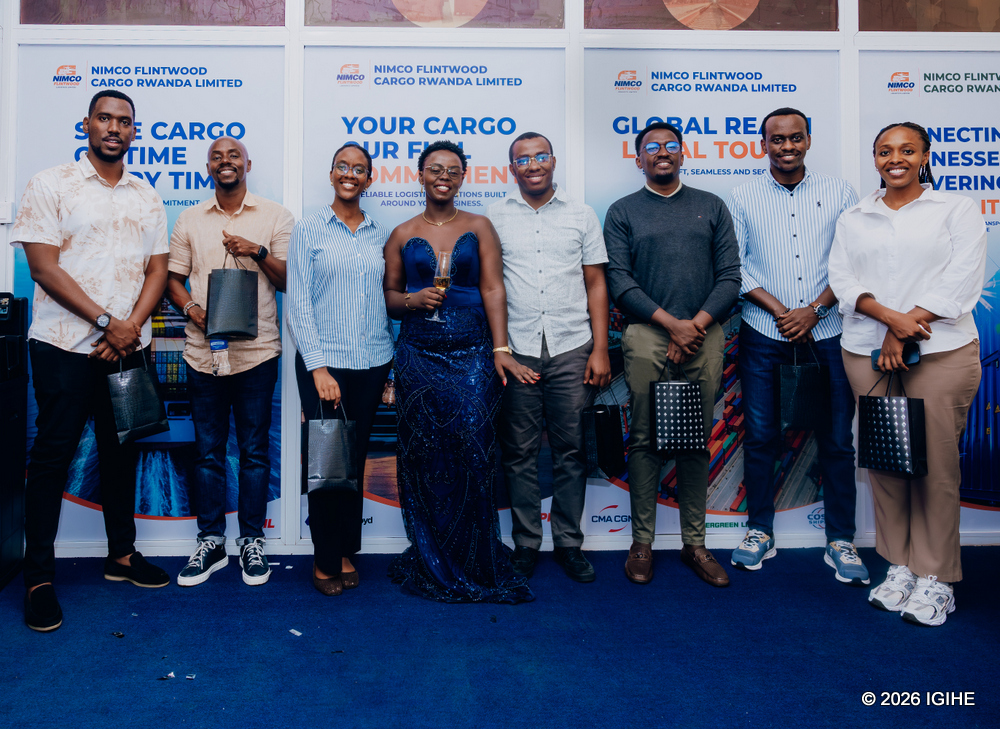
The company officially opened its Rwanda office on Friday, August 14, 2026, at the MIC Building in Nyarugenge District, Kigali.The Kigali office gives NIMCO Flintwood a physical presence in a market where it already serves a large customer base.A cake prepared for the opening of NIMCO Flintwood's Kigali branch. NIMCO Flintwood management cuts a cake to mark the official opening ceremony. Guests gathered to celebrate NIMCO Flintwood's milestone.The Kigali office is expected to bring the company closer to its customers and make it easier for them to access services, obtain information and track their cargo without having to contact the company's offices in Mombasa.
The call was made during a forum titled 'Unlocking AfCFTA Services: Challenges and Opportunities for Youth and Women in Rwanda,' held at M-Hotel in Kigali on August 13, 2026.
The forum brought together government officials, entrepreneurs and private sector representatives and youth to discuss practical ways of increasing Rwanda's participation in Africa's growing services market.
Discussions focused on challenges including cross-border payments, currency conversion, taxation, business registration, regulations, logistics and limited access to information about African markets.
Doreen Ntawebasa, Director General of Trade and Investment at the Ministry of Trade and Industry, emphasized the importance of turning AfCFTA commitments into practical opportunities for businesses.
'AfCFTA provides Rwanda with an important opportunity to connect its businesses to a much larger continental market. Our focus should now be on ensuring that entrepreneurs have the information, capacity and support they need to use these opportunities,' Ntawebasa said.
Participants also discussed the need to simplify regulations and strengthen cooperation between African countries so that businesses can operate more easily across borders.
The movement of professionals under Mode 4 was highlighted as an important opportunity in services trade, particularly for skilled young people seeking to provide professional services in other African countries.
The panel also examined Mutual Recognition Agreements, which can help facilitate recognition of professional qualifications across borders.
Digital trade and payments were another major focus. Participants noted that high transaction costs, currency conversion and difficulties accessing cross-border payment systems can make it harder for businesses to trade within Africa.
The Pan-African Payment and Settlement System (PAPSS) was highlighted as one solution that could make cross-border payments easier and reduce some of the costs associated with currency exchange.
Doreen Ntawebasa also stressed the importance of ensuring that AfCFTA information reaches entrepreneurs beyond Kigali.
'We need to take AfCFTA closer to the people, especially young people and women in rural communities, and provide information in a language they can easily understand,' she said.
Participants recommended using Kinyarwanda, social media and community-based channels to improve awareness of AfCFTA opportunities.
They also called for stronger export-readiness programmes to help entrepreneurs understand market research, rules of origin, regulations and other requirements before entering international markets.
The forum further emphasized the need for gender and age-disaggregated data to measure how youth and women are benefiting from AfCFTA.
The discussions were moderated by Amos Akandwanaho, National AfCFTA Youth and Women Champion.
Other speakers included Gloire Kayitare, External Trade Policy Specialist at the Ministry of Trade and Industry; Vyanie Kamikazi of Mbere Enterprises; Moise Tuyizere, Director of Operations at the Rwanda ICT Chamber; Tadhim Uwizeye, Founder of Olado Business Group Ltd; and Norman Mugisha, Founder and CEO of Afri-Farmers Market.
The forum concluded with a call for stronger public-private cooperation, better access to information, improved digital payment systems and targeted support to help Rwanda's youth and women turn AfCFTA opportunities into real businesses and jobs.
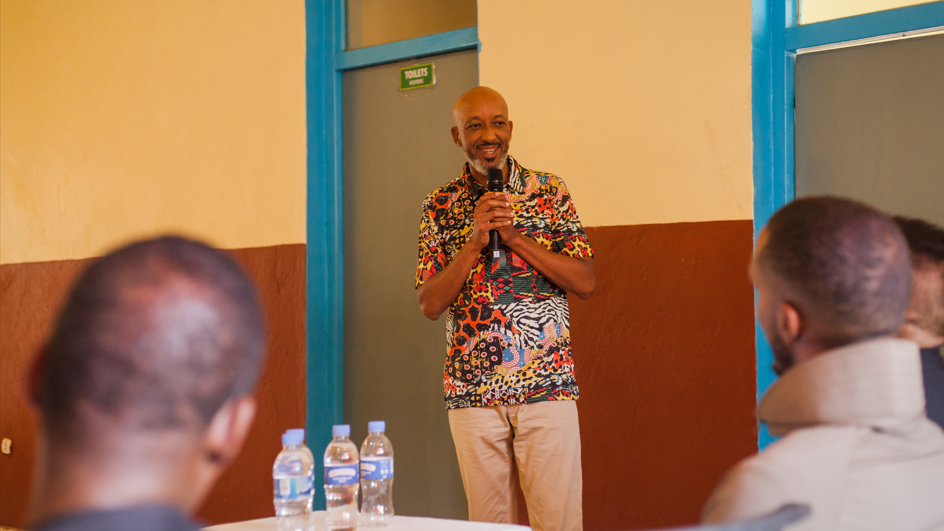
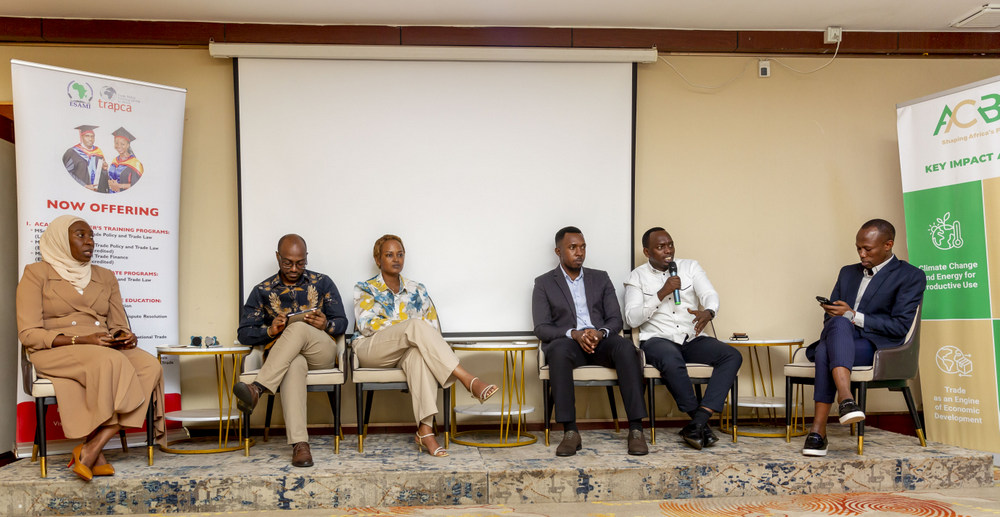
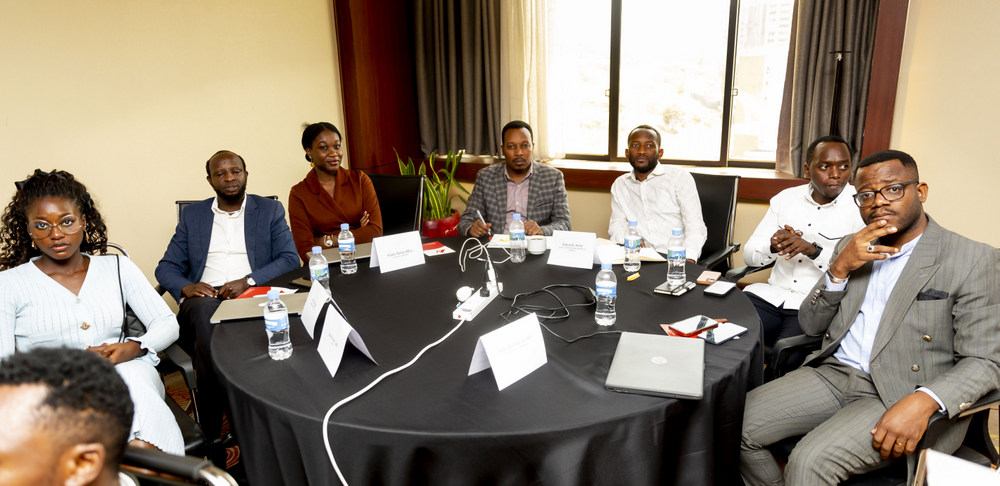
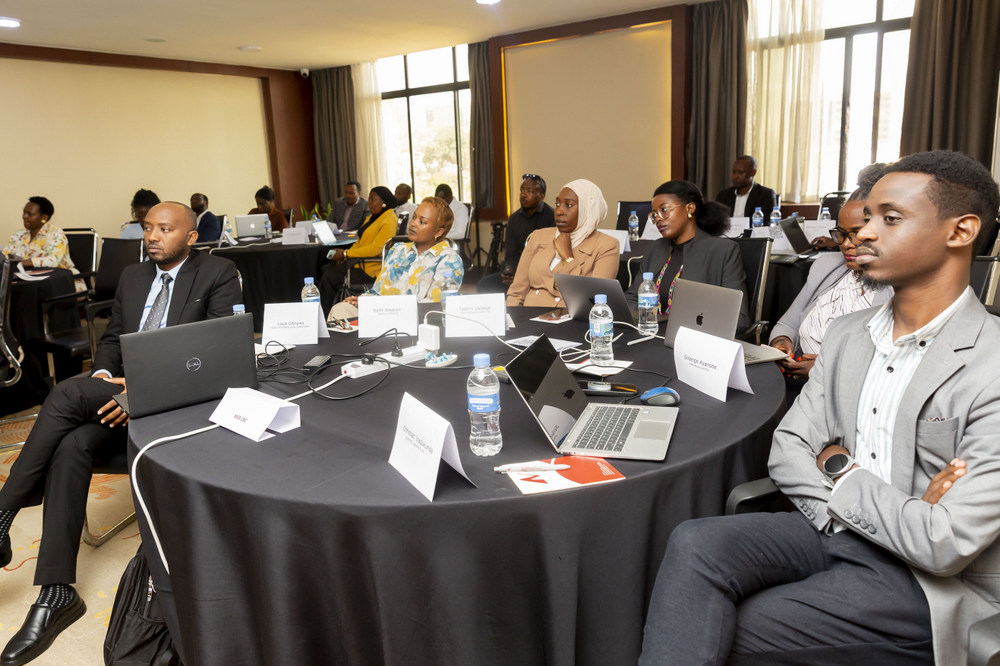
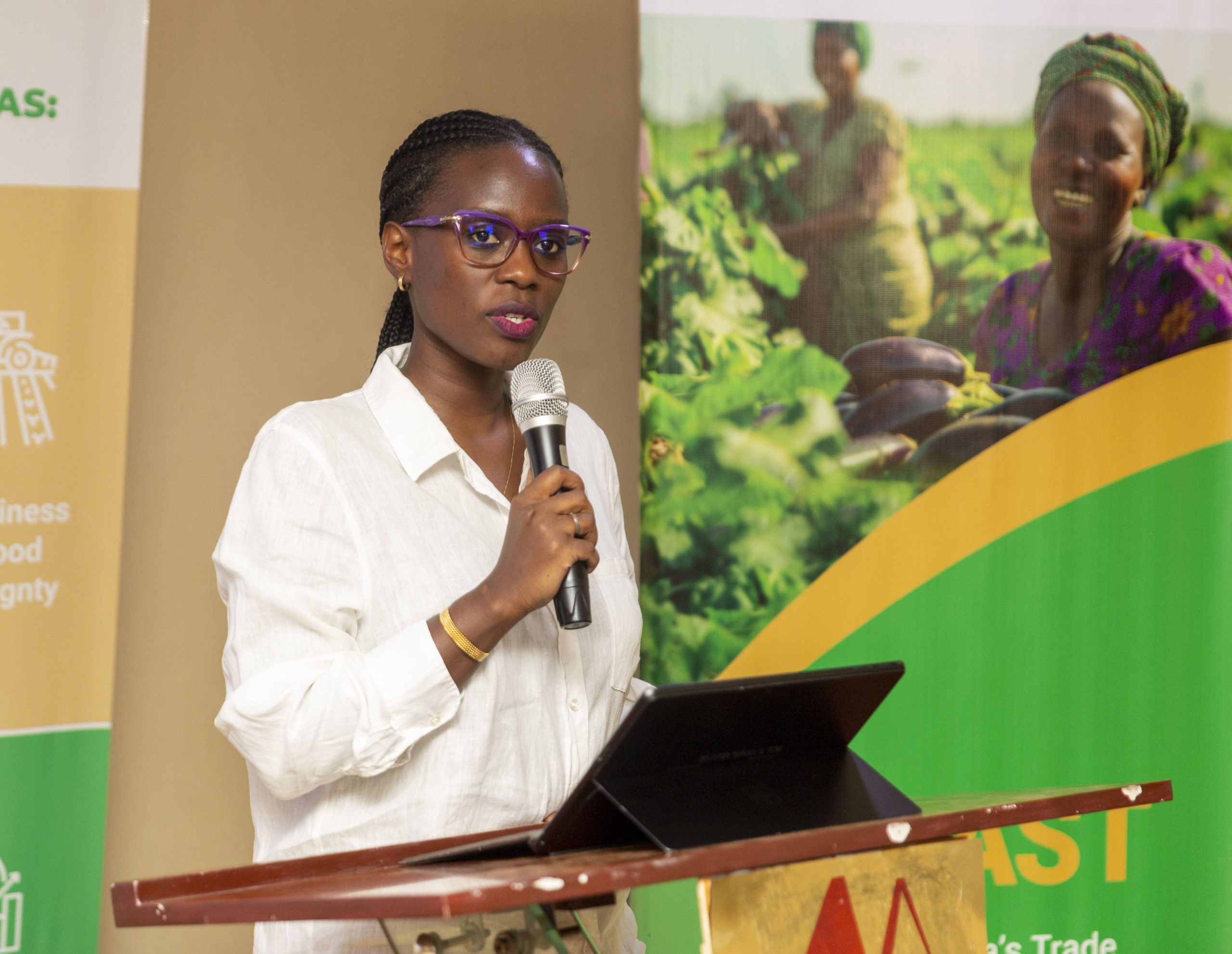
Experts called for stronger support to help young people and women access Africa's growing services marketStakeholders urged Rwanda to strengthen export readiness, digital payments and access to AfCFTA information.Doreen Ntawebasa, Director General of Trade and Investment at the Ministry of Trade and Industry, emphasized the importance of turning AfCFTA commitments into practical opportunities for businesses.
The programme was launched by the Government of Rwanda in 2024 as part of efforts to accelerate the country's transformation under the second National Strategy for Transformation (NST2).
The initiative aims to equip one million people, particularly young people, with coding and other digital skills over a five-year period.
The programme was introduced amid Rwanda's growing young population and the increasing demand for digital skills.
Data from the 2022 Population and Housing Census shows that people aged 30 and below account for 65.3% of Rwanda's population.
The 1MRC programme is implemented under the supervision of the Digital Inclusion Council (DIC) in partnership with the Ministry of ICT and Innovation.
Some of those who have benefited from the programme told Rwanda Broadcasting Agency (RBA) that the training has provided them with valuable skills and opened up new opportunities.
Umuhoza Evodie said the programme equipped her with skills to develop computer applications that can help address challenges faced by Rwandans.
'I was trained in computer programming, and the applications we develop can help Rwandans in their everyday lives,' she said.
Umuhire Aimée Cynthia said the skills she acquired through the programme helped her secure employment and prepared her to work on projects with potential impact both in Rwanda and internationally.
'They train us to compete in the global labour market, not just in Rwanda. Even the projects we are given to work on are designed with the international market in mind.
We are encouraged to think about how people outside Rwanda, or people in other countries, would use the solutions we develop,' she said.
She added that without the opportunity to acquire digital skills through the 1MRC programme, she would not have been able to work on the international projects she is currently involved in.
Ernest Mpundu, Project Manager in charge of Programs at the Digital Inclusion Council, said the initiative is not limited to teaching coding.
'The programme is not only about equipping people with computer programming skills. It is also about giving them broader digital literacy skills.
Technology has become an essential part of everyday life, and by taking this approach, we are confident that we can achieve the goals we have set,' he said.
The 1MRC programme is part of Rwanda's broader efforts to strengthen digital skills among its population and prepare young people for opportunities in the increasingly technology-driven global economy.
Over 300,000 people have been trained in coding over the past two years
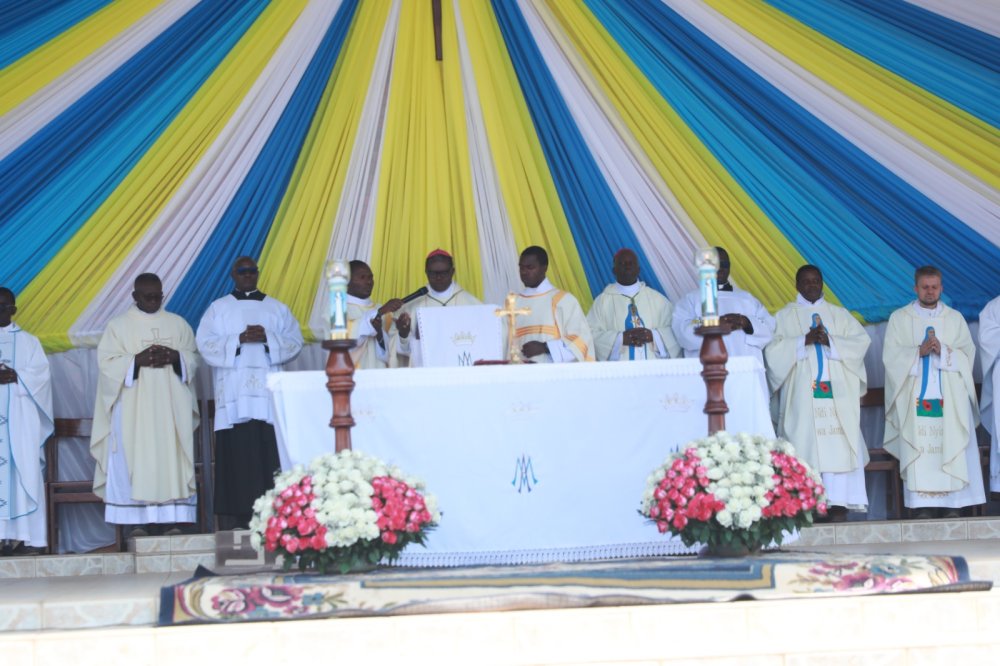
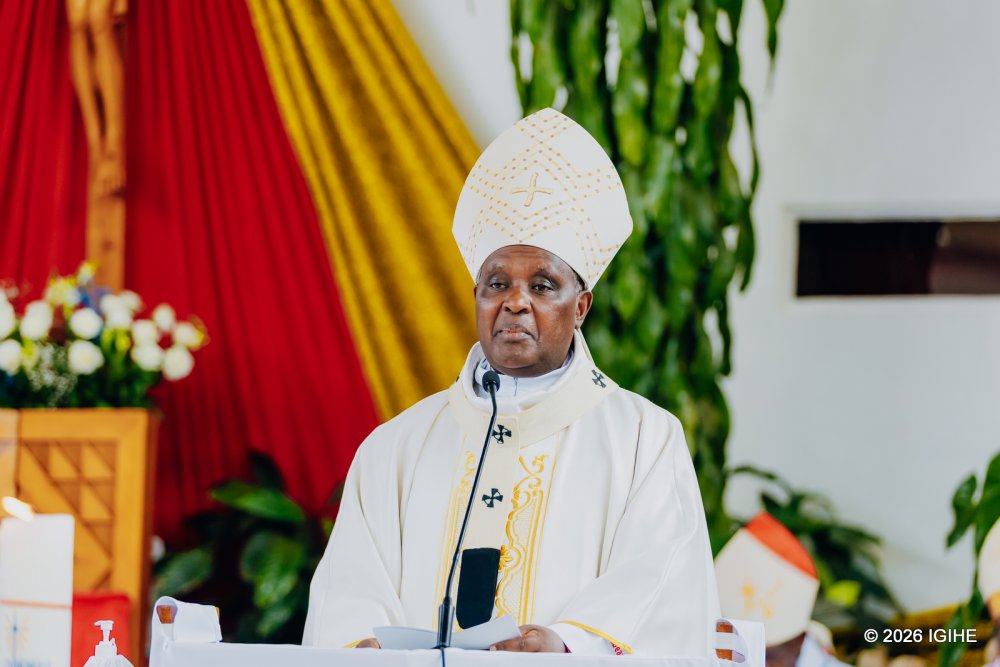
The call was made by the Archbishop of Kigali, Antoine Cardinal Kambanda, on August 15, 2026, as Catholics across Rwanda marked the Assumption of the Virgin Mary, a feast that commemorates the Catholic belief that Mary was taken into heaven, body and soul.
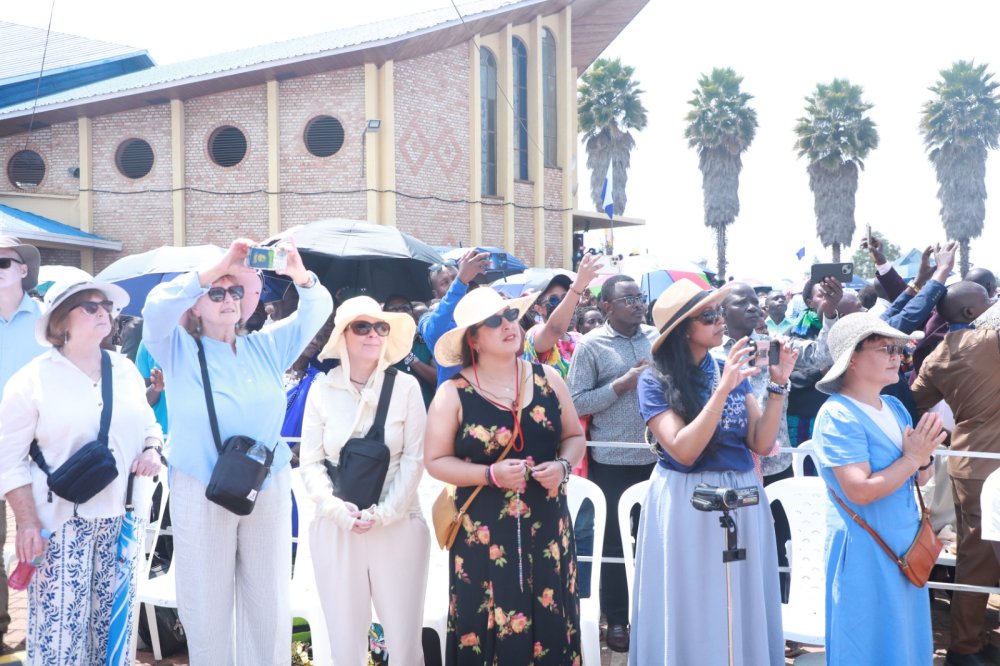
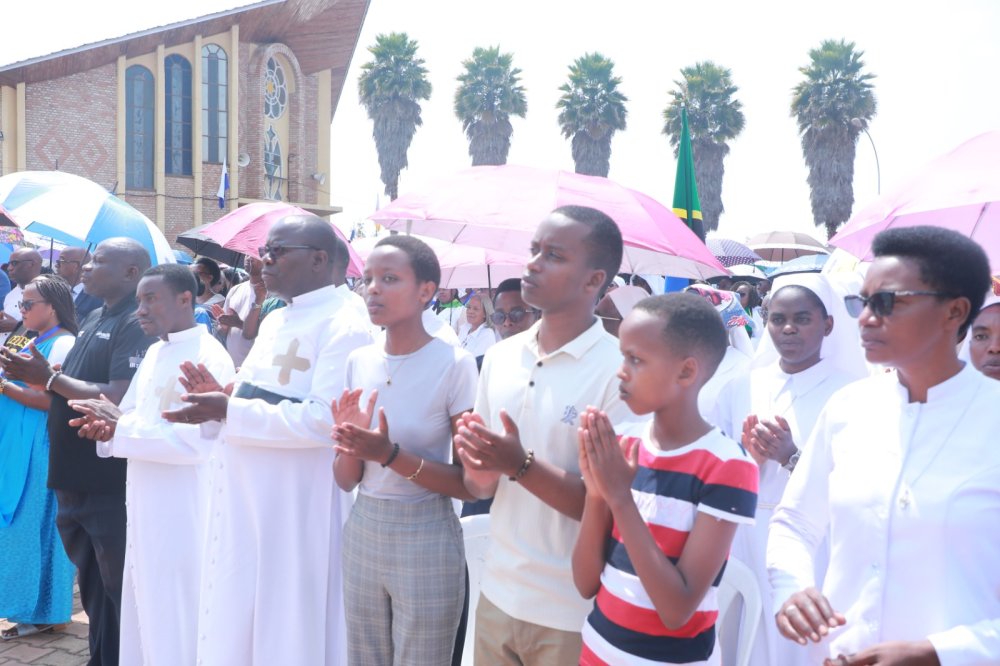
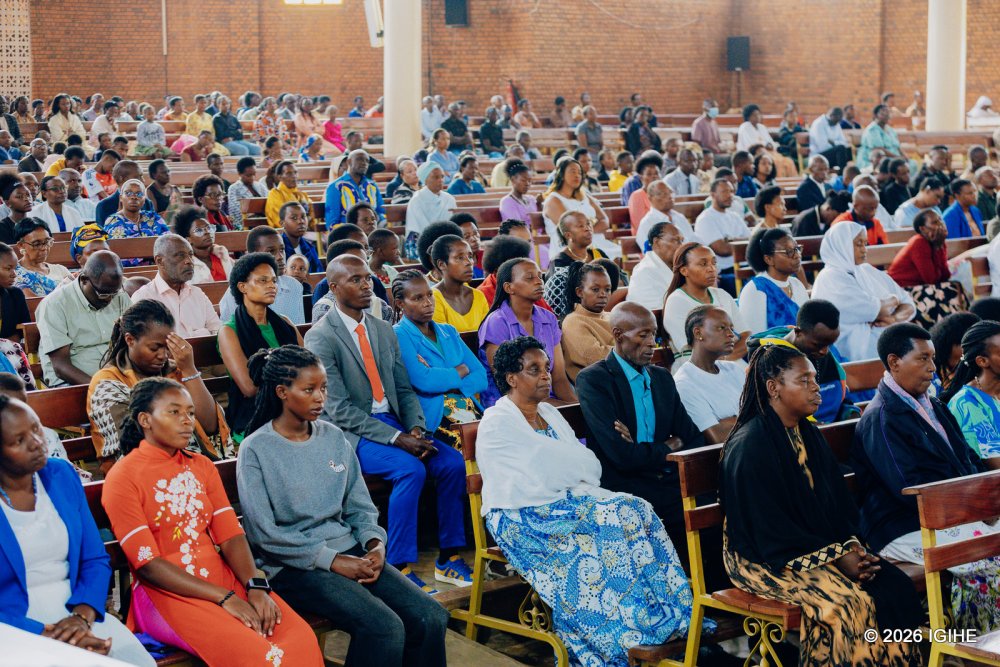
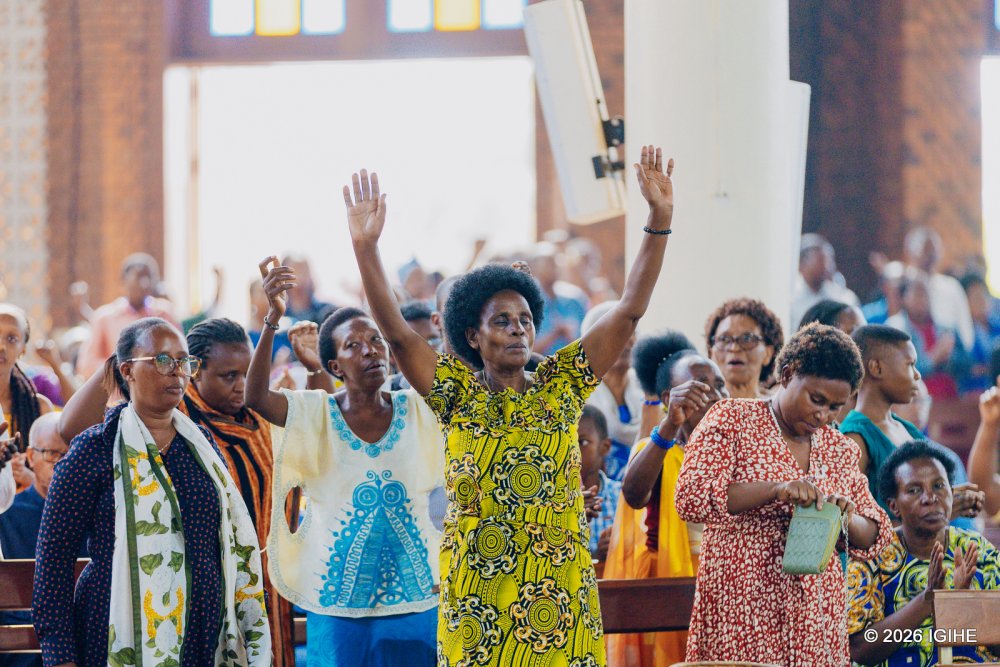
The celebration brought thousands of worshippers together at churches across the country, while more than 80,000 pilgrims gathered at Kibeho in Nyaruguru District, Rwanda's major Marian pilgrimage site, to mark the feast.
The Assumption is observed in Rwanda both at Kibeho, where Marian apparitions were reported in 1981, and in Catholic parishes where worshippers normally attend Mass.
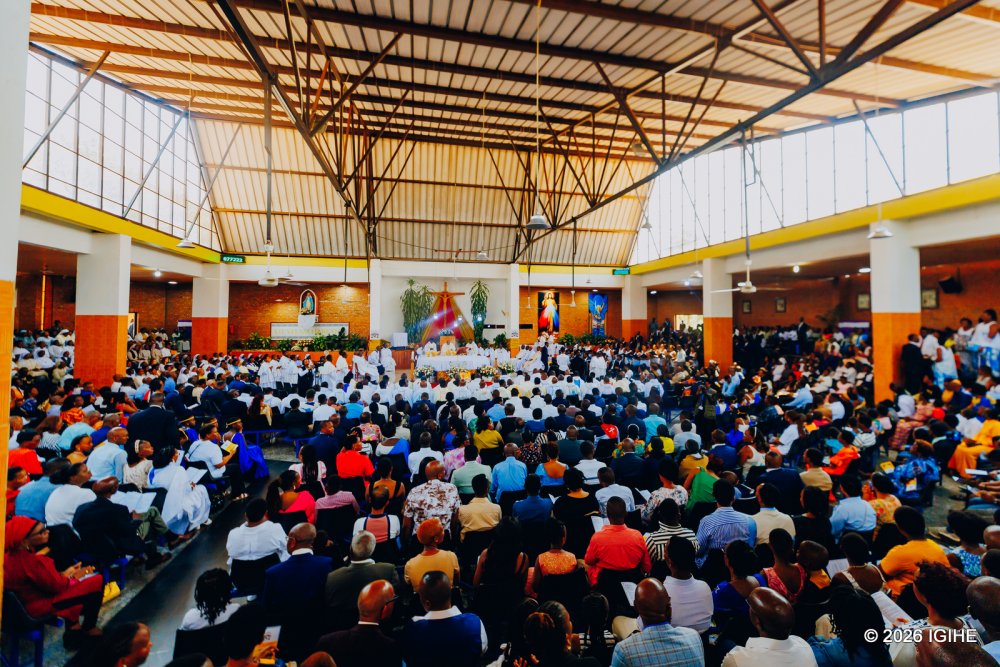
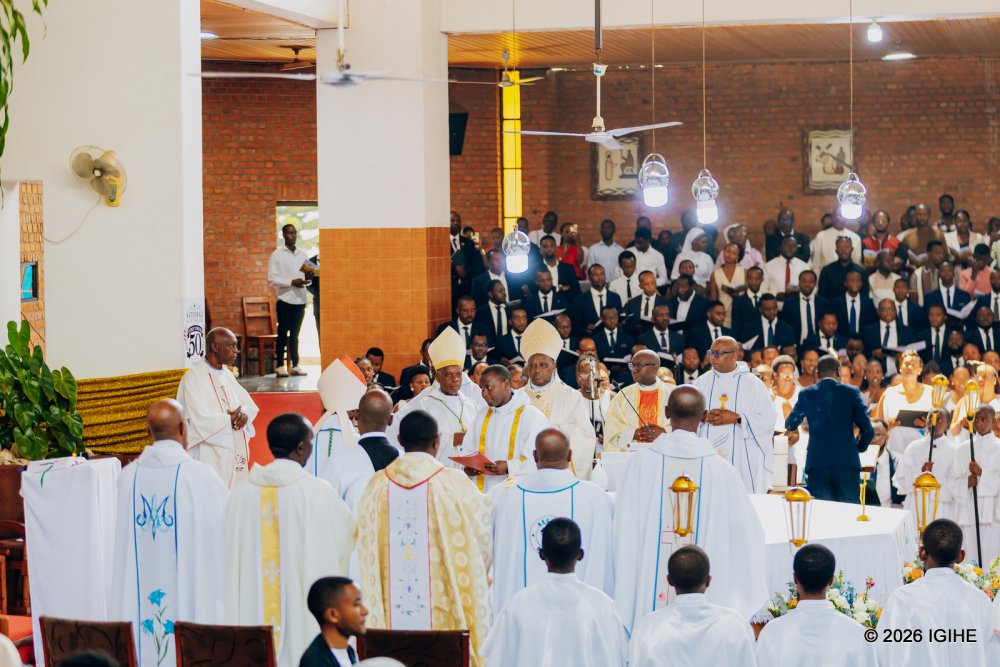
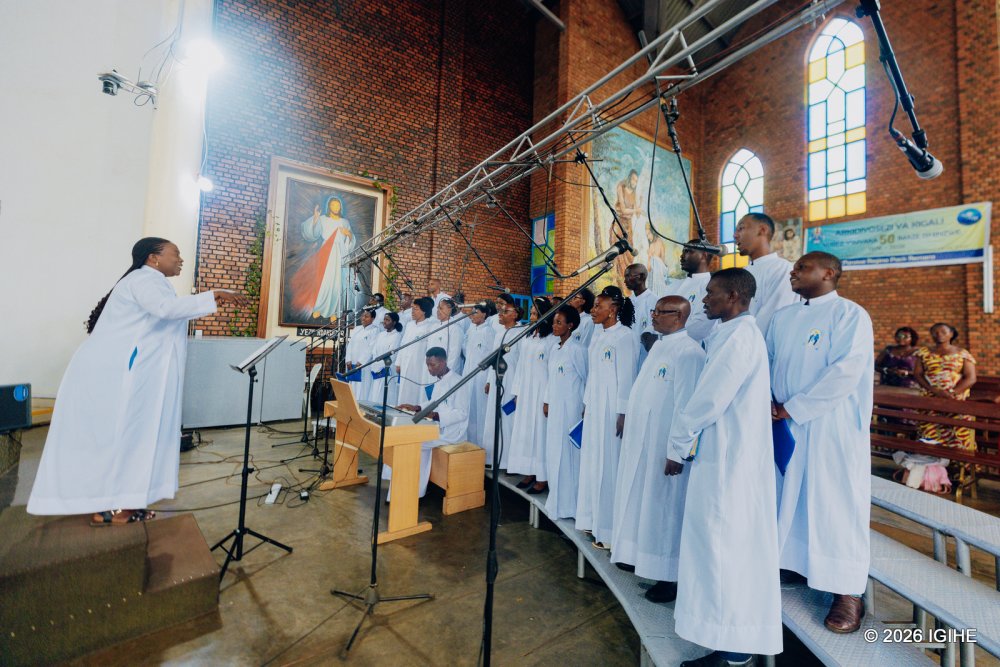
In Kigali, large numbers of Catholics attended Mass at churches including Regina Pacis Parish in Remera and Saint Michael Parish in the city centre.
At Saint Michael, the celebrations also coincided with the 50th anniversary of the establishment of the Archdiocese of Kigali.
Cardinal Kambanda said the Assumption should be an opportunity for Christians to reflect on how Mary lived her faith and to consider how those values can guide their own lives.
He encouraged Christians to see Mary as an example of humility and obedience to God, saying the feast is not only a celebration of her place in Catholic faith but also a reminder of the spiritual journey Christians are called to undertake.
Cardinal Kambanda said: 'Because the Virgin Mary was the Mother of God, she held such a unique dignity that her body, free from sin, could not remain in the grave.
'From the earliest times, Christians believed that she was taken into heaven, body and soul. Pope Pius XII later established this as a doctrine of the Catholic faith that is not open to dispute, because it is a divine mystery beyond human reason and understanding.'
A message for families
The Assumption was also used to highlight the role of Christians in their families and communities.
Father Janvier Nshimirimana of Regina Pacis Parish said Mary's life offers lessons for parents, particularly in raising children and creating responsible families.
'Mary also lived in a family, just as we do. The message to Christians is therefore to pay attention to raising children, just as Mary and Joseph cared for Jesus and provided what he needed,' he said.
He also urged Christians to avoid excessive individualism and instead embrace values that enable them to fulfil their responsibilities to their families and society.
For many Catholics in Kigali, the feast provided an opportunity to renew their commitment to prayer and to values associated with Mary's life.
Nizeyimana Edouard said the celebration reminds him that Christians are on a journey towards God and can learn humility from Mary.
'This day reminds us that Mary is the Mother of God and our mother, and that we are on a journey towards God. We learn humility from her, and celebrating this day encourages us to strengthen our prayer life and daily conduct,' he said.
Kanzirisa Caritas said the celebration also influences how she raises her children.
'It encourages us to teach our children good values at home by following Mary's example. Her humility helps us show them that humility is one of the virtues of a Christian,' she said.
More than 80,000 pilgrims gather in Kibeho
At Kibeho, more than 80,000 pilgrims from Rwanda and abroad gathered to celebrate the Assumption and pray for their personal and family needs.
Kibeho has become an important Catholic pilgrimage destination following the reported Marian apparitions that began in 1981. The apparitions were officially recognised by the Catholic Church in 2001.
Many pilgrims travelled long distances to attend the celebrations, with some walking for days as they sought spiritual renewal and prayed for their intentions.
Akankwasa Annet travelled from Mbarara in Uganda and spent the night at the Kibeho Marian Shrine. She said she came seeking help with an eye condition that makes it difficult for her to see in the evening.
'Being here in Kibeho, on this holy ground, and with the faith I have, I am hopeful that I will return home with my eyesight healed,' she said.
Nsengiyumva Samuel travelled from Kigali and said he spent a week making his way to Kibeho, praying the Rosary along the journey.
He said he came to pray for his family and ask for continued protection.
Nikomeze Judith travelled on foot from Gisagara District. She said she is preparing for her wedding in November 2026 and came to Kibeho to pray for the success of her marriage.
For the pilgrims and other Catholics who marked the feast across Rwanda, the Assumption offered an opportunity not only to honour Mary but also to reflect on the kind of lives they are expected to lead.
The celebration ultimately served as a reminder that faith, humility, prayer and responsibility towards others remain central to the Christian journey towards God.
Catholics have used the Assumption Feast to renew their faith and commitment to prayer.Thousands of pilgrims have travelled to Kibeho for the annual Assumption celebrations.Pilgrims have gathered at Kibeho to pray and seek the intercession of the Virgin Mary.A Mass has been celebrated at the Kibeho Marian Shrine as Catholics have marked the Feast of the Assumption.Cardinal Kambanda has urged Catholics to follow the Virgin Mary's example of humility, faith and devotion to God.Worshippers have marked the Assumption as a reminder of the Christian journey towards God.Worshippers have gathered in churches across Rwanda to mark the Assumption Feast.Catholic faithful have prayed for their families and personal intentions during the Assumption celebrations.
Kanimba made the remarks in an interview with KP Media24 about his career, leadership experience and some of the major decisions he took while serving in positions that shaped Rwanda's economic development.
Kanimba joined the National Bank of Rwanda in 2000 as Deputy Governor and was appointed Governor in 2002.
When he took over as Governor, the Rwandan franc was weak and the country faced a serious shortage of foreign currency.
He explained that one of the reasons for the shortage was that some Rwandan businesspeople who had accumulated significant wealth had fled the country after the 1994 Genocide against the Tutsi, taking their money abroad.
Others who stayed in Rwanda had also kept their wealth outside the country rather than depositing it in local banks.
According to Kanimba, this was partly driven by a misconception that foreign currency belonged to the government and that individuals did not have the right to own it.
At the time, the central bank was the only institution authorizing people to access and use foreign currency, a system he said created room for corruption, favoritism and other irregularities.
'It is why we introduced a system where everyone could open a foreign currency account, just as they had a Rwandan franc account, and use the money as they wished,' Kanimba said.
He said the reform helped bring more foreign currency into Rwanda, with funds flowing into the central bank as well as commercial banks operating in the country at the time.
Tackling the informal foreign exchange market
As foreign currency began returning to the country and people became more aware of their right to use it, some foreign exchange service providers continued operating outside the legal framework.
Kanimba said one of the major areas where he believes he contributed to the country's economic transformation was in organizing and formalizing Rwanda's foreign exchange market.
'One of the major things I think I helped this country put in order was organizing and improving the foreign exchange market in Rwanda,' he said.
He recalled inviting some of the informal money changers to a meeting, where he explained that their activities were being conducted outside the law.
He then encouraged them to organize themselves into associations that could obtain legal authorization to operate as recognized foreign exchange businesses.
The proposal was initially met with resistance because some of the money changers feared that formalization was simply a way for the government to take away the little income they were making.
Kanimba said he reassured them that they would receive tax relief as they transitioned into the formal system.
'I immediately called the Commissioner at RRA, who came and addressed them, assuring them that those who followed that process would not pay taxes for three years,' he said. Kanimba said the reforms became an important catalyst for the development of business and the wider economy.
By the end of June 2023, 26.8% of Rwanda's foreign exchange reserves were invested in short-term assets, while 73.2% were held in medium- and long-term investments, broadly in line with BNR's targets of 25% and 75%, respectively.
The reforms Kanimba described came as Rwanda continued to strengthen its financial sector and expand economic activity.
In 2025, the National Institute of Statistics of Rwanda reported that the country's gross domestic product grew by 11.8% in the third quarter, following growth of 7.8% in the second quarter and 6.5% in the first quarter.
The International Monetary Fund (IMF) has also projected strong economic growth for Rwanda in 2026, with the country's GDP expected to expand by 7.2%.
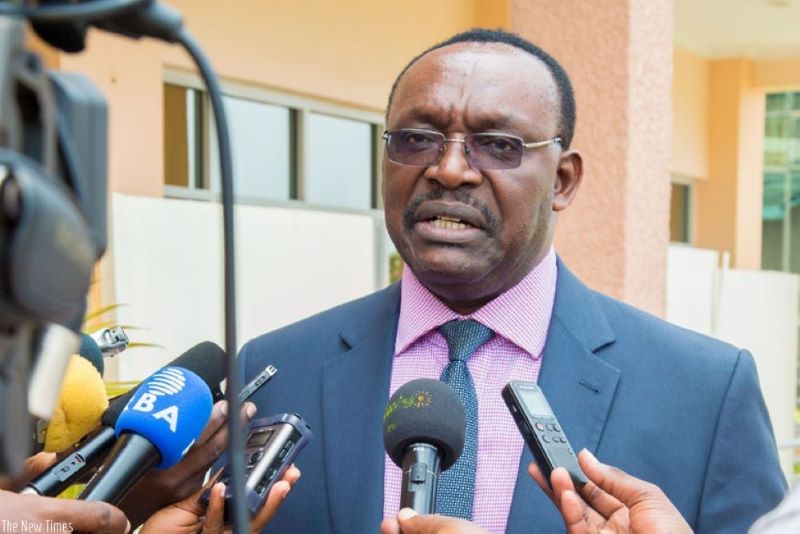
François Kanimba, former Governor of the National Bank of Rwanda, has reflected on reforms that reshaped Rwanda's foreign exchange market.