The USS George Washington, the U.S. Navy's 'premier forward-deployed aircraft carrier' in the Pacific, was spotted Thursday transiting the Strait of Malacca, which links the Pacific and Indian oceans.
A Navy official confirmed to USNI News, the U.S. Naval Institute's online news and analysis portal, that the aircraft carrier was moving westward after passing through the Singapore Strait.
The deployment came amid growing concerns over conditions aboard the Lincoln, including reported shortages of basic supplies, water contamination, plumbing issues, deck safety concerns, mail disruptions, and deteriorating mental health among the crew onboard.
Sen. Richard Blumenthal said the Lincoln hasn't made a port call in 200 days during its extended deployment in the Iran war, setting a record for consecutive days at sea.
Amid the strain of the war, the U.S. military has lost about 25 percent of its MQ-9 Reaper drones, The Washington Post reported on Thursday, citing three U.S. officials.
Each drone can cost between 30 million U.S. dollars and 50 million dollars depending on the type of sensors and weapons it carries, putting the total value of the losses at more than 1.3 billion dollars, it said.
The US Navy has confirmed that the George Washington carrier group is moving through the Strait of Malacca toward the Indian Ocean and the Middle East.
Doja Cat made the comments during a social media livestream on August 12, when she offered an unsolicited reaction to Tyga's latest project.
'Nobody asked me anything about Tyga, but I felt like saying this,' Doja said before calling Tyga a 'penis for making an AI album.'
Tyga later addressed her comments during an appearance on TMZ Live, where he responded in a similarly playful manner.
'Listen, I love Doja, but she made a demonic album,' Tyga said, referring to Doja Cat's recent work. He then added that he still loves her.
The exchange follows Tyga's earlier explanation of how artificial intelligence was used in the production of $tarface.
In an interview with VIBE, the rapper acknowledged using AI as a creative tool, particularly for sounds inspired by the 1980s. He explained that the technology helped with elements such as synthesizers and guitar sounds.
Tyga has stressed that the use of AI did not mean that a machine created the entire album.
During his TMZ Live appearance, he said he wrote the songs and performed the vocals himself, while AI was used in parts of the production.
The rapper has defended the approach by comparing the current debate over AI with the criticism that surrounded Auto-Tune when it became widely used in music.
According to Tyga, new technology can become another tool for artists when it is used creatively.
$tarface also represents a major change in Tyga's musical direction. The project introduces $TARFACE as a separate artistic identity and moves away from the sound associated with much of his earlier career.
Tyga previously told PEOPLE that after more than 15 years in the music industry, he wanted to experiment and avoid placing himself in a creative box.
He described $TARFACE as a completely different artist and aesthetic from his previous work.
The controversy has also brought renewed attention to the wider debate over artificial intelligence in music, as artists continue to disagree about how the technology should be used in the creative process.
Doja Cat and Tyga are not strangers to collaboration. The pair previously worked together on the 2019 remix of Doja Cat's 'Juicy' and reunited for 'Freaky Deaky' in 2022.
Despite their latest disagreement, Tyga's response suggested that he did not view Doja Cat's criticism as a serious personal conflict, maintaining that he still has affection for the fellow artist.
PEOPLE reported that representatives for both artists had been contacted for comment.
Tyga and Doja Cat offered differing views on AI in music
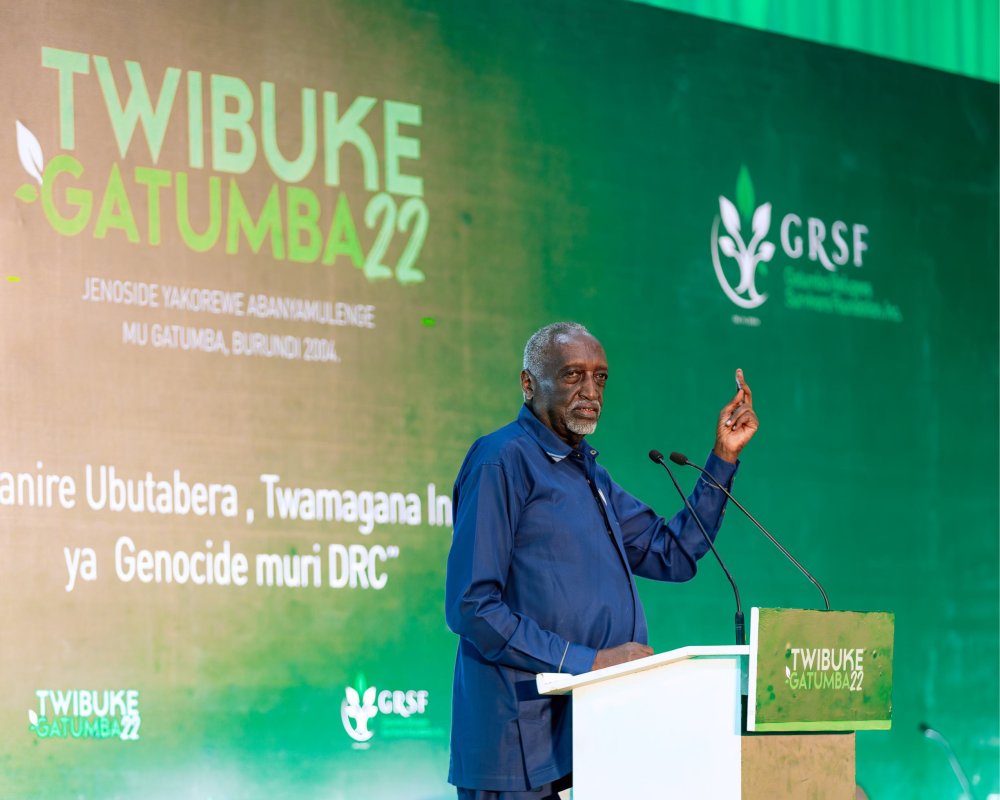
Rutaremara made the remarks on the evening of August 13, 2026, during a commemoration event held by Banyamulenge living in Rwanda to mark the 22nd anniversary of the massacre of 166 Banyamulenge refugees at Gatumba camp in Burundi in 2004.
The Banyamulenge refugees were attacked by armed groups, including FNL-PALIPEHUTU, on the night of August 13, 2004. Reports have also implicated other armed personnel, including elements from the Democratic Republic of Congo.
The Banyamulenge have accused the governments of Burundi and the DRC of failing to ensure justice for the victims, saying the two countries have continued to delay accountability while hostility towards the Banyamulenge persists.
Rutaremara expressed solidarity with the Banyamulenge, saying their frustration over the lack of justice is shared by Rwanda, which he said has also been waiting for Burundi to hand over genocide suspects for more than 30 years.
'We are still waiting for justice. We have not brought a single Burundian [suspect] here,' he said.
He said Burundi's reluctance to cooperate is largely linked to the fact that some Burundians who participated in the Genocide against the Tutsi later returned to Burundi and eventually rose to senior positions in government.
Rutaremara specifically cited former Burundian Prime Minister General Alain-Guillaume Bunyoni, saying he had opposed cooperation that could have led to the extradition of suspects.
'Gen Bunyoni was the one who refused. He said, 'If we allow Rwandans to come and ask for people, they will end up taking all of us who are in Burundi,'' Rutaremara said.
He argued that once judicial cooperation began, Rwanda would have been able to request the extradition of suspects regardless of their positions in Burundi's leadership.
'We would have started by asking for those at the top because many of them participated in the Genocide here in Rwanda,' he said.
Rutaremara said the international recognition of the 1994 Genocide against the Tutsi and subsequent efforts to prosecute those responsible were made possible in part by the victory of the Rwandan Patriotic Front (RPF Inkotanyi), which ended the genocide and took control of the country.
He said that before the RPF's victory, the mass killings of Tutsi had not been formally recognized internationally as genocide.
Addressing the Banyamulenge, Rutaremara said governments play a decisive role in either delivering justice or preventing it.
'You will not get justice from Burundi because we have also been waiting for it from before you. There are many people there who killed people here in Rwanda. Their names and lists are available,' he said.
He cited the Mayaga region of southern Rwanda as one area where Burundian refugees allegedly participated in the genocide.
According to Rutaremara, the genocide in Mayaga was carried out with extreme brutality, with local Interahamwe militia receiving support from Burundian Hutu refugees who had fled to Rwanda and settled in Ngoma, in Muyira Sector.
He said the refugees had carried anger and resentment from Burundi following the assassination of President Melchior Ndadaye and later participated in attacks against Tutsi in Mayaga.
Rutaremara also alleged that Burundian refugees in Ntongwe and Muganza communes, in the former Butare area, participated in the Genocide against the Tutsi, accusing some of those involved of committing acts of extreme brutality.
He said it remains difficult to secure accountability because the international community appears unwilling to pursue the matter, while those responsible have also failed to acknowledge their actions.
The comments came as Banyamulenge in Rwanda continued to demand accountability for the 166 refugees killed at Gatumba camp on August 13, 2004, an attack that remains a major source of grievance among the Banyamulenge community.
Tito Rutaremara, Chairperson of the Rwanda Elders' Advisory Forum, said Rwanda has for decades asked Burundi to extradite its nationals who participated in the Genocide against the Tutsi, but Burundi has remained reluctant to do so because of its own leaders.
The new information comes from the Sloan Digital Sky Survey V, known as SDSS-V. It is part of Data Release 20, or DR20, the latest major collection of information from the project.
A spectrum is a way of studying light from an object in space. By breaking light into different parts, scientists can learn about an object's temperature, movement and chemical makeup.
One of the biggest changes in the new release is that it includes optical observations from the Southern Hemisphere for the first time.
These observations were made with a telescope at Las Campanas Observatory in Chile.
They have been combined with observations from the Sloan Foundation Telescope at Apache Point Observatory in New Mexico.
Together, the two locations allow scientists to study objects in the sky from both the northern and southern parts of Earth.
The new data include information on about 1.5 million stars. They also contain about 1.1 million spectra from the Black Hole Mapper programme, covering around 500,000 different objects.
Scientists hope the information will help them better understand supermassive black holes and how they change over time.
Some of the objects have been observed more than once, allowing researchers to compare their changes.
The release also combines optical observations with X-ray information from the eROSITA space telescope.
This gives scientists information about hundreds of thousands of objects that produce X-rays, including active galaxies, galaxy clusters and active stars.
Another important part of the release focuses on the Milky Way and nearby galaxies. Scientists have mapped areas containing glowing gas, young stars and planetary nebulae.
The maps include well-known regions such as the Orion and Rosette nebulae.
The new release also includes 18 scientific catalogues and online tools that make it easier to explore the huge amount of information.
The data are publicly available, meaning scientists, students, teachers and astronomy enthusiasts around the world can use them.
Researchers hope the information will lead to new discoveries about how stars and galaxies form and change.
With DR20, SDSS-V is moving closer to creating a detailed map of the sky across both hemispheres.
The project is giving scientists a powerful new way to study the Universe and understand its many mysteries.
Astronomers have mapped more of the universe using millions of new observations.
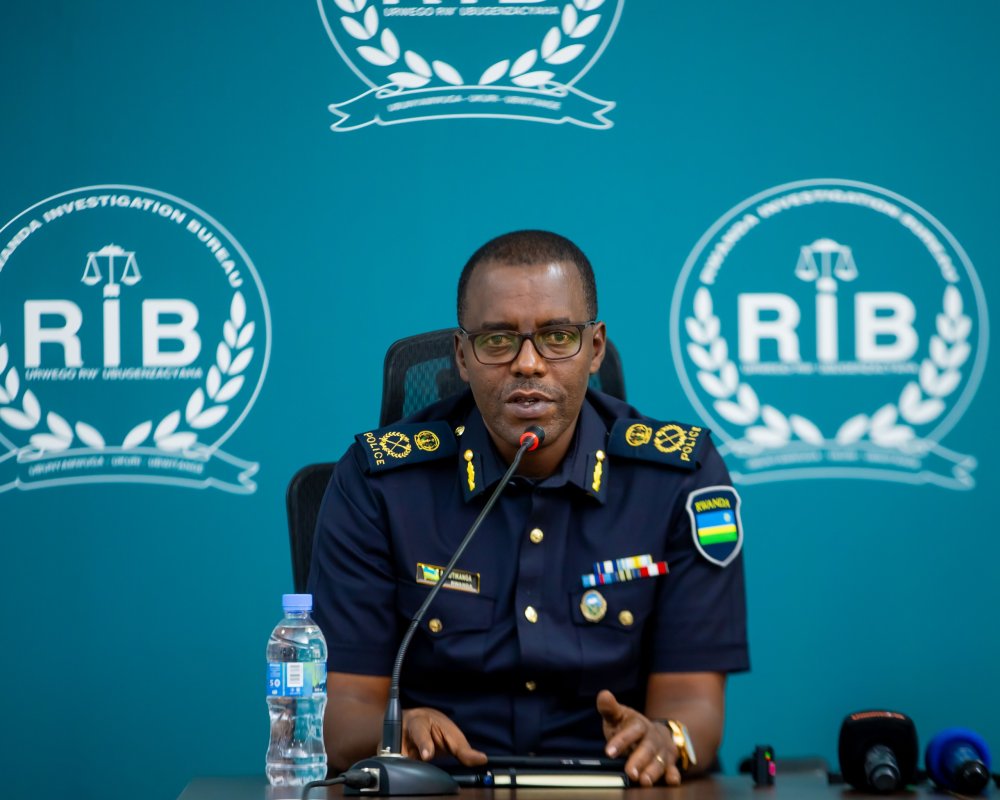
Police spokesperson ACP Boniface Rutikanga said the law classifies vaping products as drugs, meaning users cannot justify their use on the grounds that they produce little or no smoke or odor.
'I would like to urge those who use them to take this seriously and start thinking about putting them aside. They are not permitted; this is provided for by law,' Rutikanga said.
Health Minister Dr. Sabin Nsanzimana also warned about the health risks associated with vaping, describing it as among the substances of concern because of its potential harmful effects.
Nsanzimana made the remarks during a TikTok discussion with social media users focused on preventing the use of illicit or substandard alcoholic beverages and drugs.
Vapes, also known as e-cigarettes, are electronic devices that produce an aerosol for users to inhale. The aerosol can contain substances including nicotine, propylene glycol and glycerin.
Vaping devices come in various forms, including products designed to resemble pens and flash drives, which can make them difficult to identify without prior knowledge.
The availability of different flavors and scents, along with the design of the devices and their promotion or discussion on social media, has contributed to their growing popularity among young people.
While e-cigarettes are sometimes promoted as a way to help people who smoke conventional cigarettes quit, Nsanzimana said vaping can pose serious health risks.
'There are many drugs, including those used in vaping. To everyone listening to me, I say: stay away from vaping. It can kill you even more than ordinary cigarettes,' he said.
Nsanzimana said vaping has been associated with several health risks, including cancers affecting the lungs and digestive system. He added that research shows the nicotine contained in vaping products can lead to dependence.
He urged the public, particularly young people, to avoid vaping, warning that its perceived appeal and variety of flavors should not obscure the potential risks to users' health.
Police spokesperson ACP Boniface Rutikanga said the law classifies vaping products as drugs, meaning users cannot justify their use on the grounds that they produce little or no smoke or odor.
Dr. Nsanzimana made the remarks during a virtual discussion with TikTok users on efforts to prevent the consumption of substandard alcohol, particularly among young people.
He said alcohol consumption had reached a level that was affecting the wellbeing of the population and the country's development.
Dr. Nsanzimana said national institutions had been assessing issues that could hinder Rwanda's progress and found that alcohol had become a major concern.
'Alcohol came to the forefront among the things that threaten the security of our future. In terms of health, we were already in a difficult situation because alcohol is a slow killer; it kills gradually,' he said.
The minister was asked why Rwanda had focused on curbing substandard alcohol while tobacco is also known to have serious effects on health.
He said the decision was based on available figures showing that tobacco use had declined following measures introduced earlier.
'Figures show that Rwandans who smoke have declined from 13 percent to 7 percent because of measures that were introduced earlier,' he said.
Alcohol consumption, however, remains widespread, according to the minister.
'One in two men drinks alcohol, and one in five women drinks alcohol. It is increasing, and now there are alcoholic drinks with 40 percent alcohol and above,' he said.
Dr. Nsanzimana said the government therefore started with the issue that was currently causing greater harm, while tobacco remains on the agenda.
'Tobacco will also be addressed, and it will not take long. We started by addressing the major problem that is killing people, but tobacco is also on our agenda, even though its use has been declining significantly,' he said.
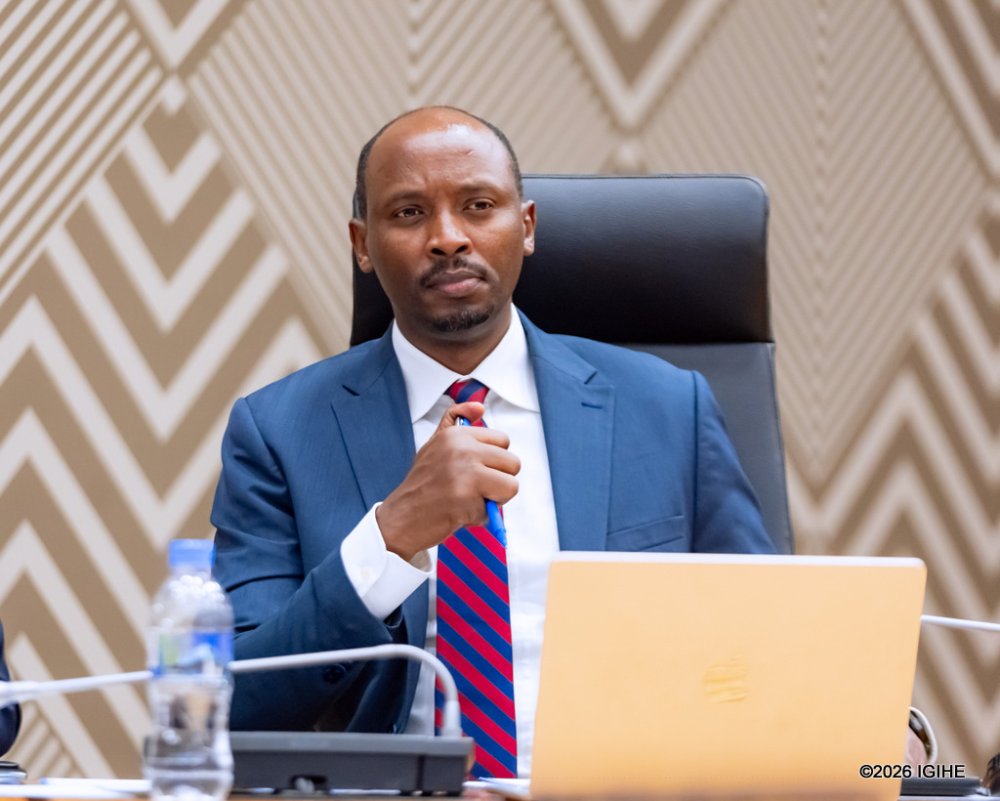
Health Minister Dr. Sabin Nsanzimana said Rwanda will soon turn its attention to tobacco after tackling substandard alcohol consumption.
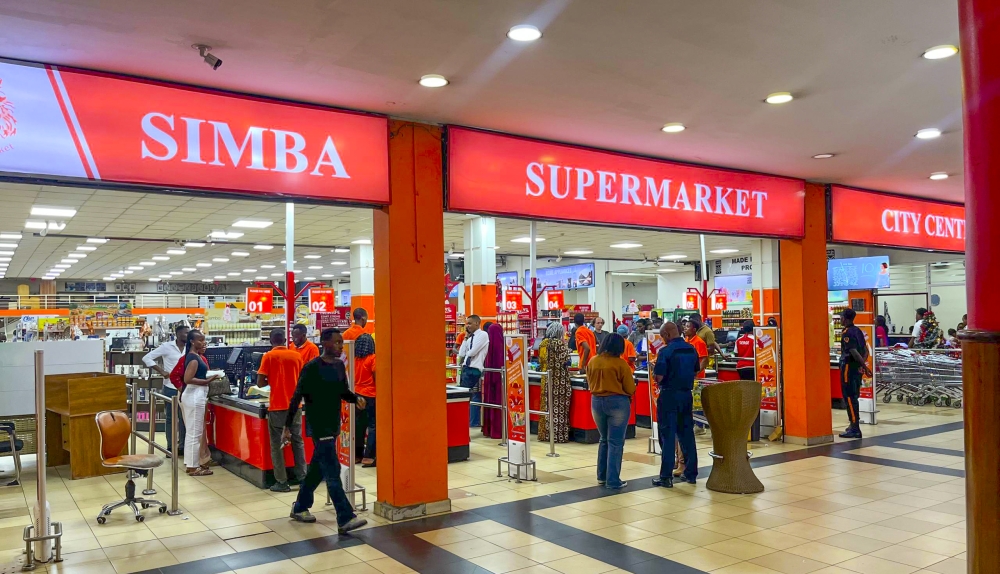
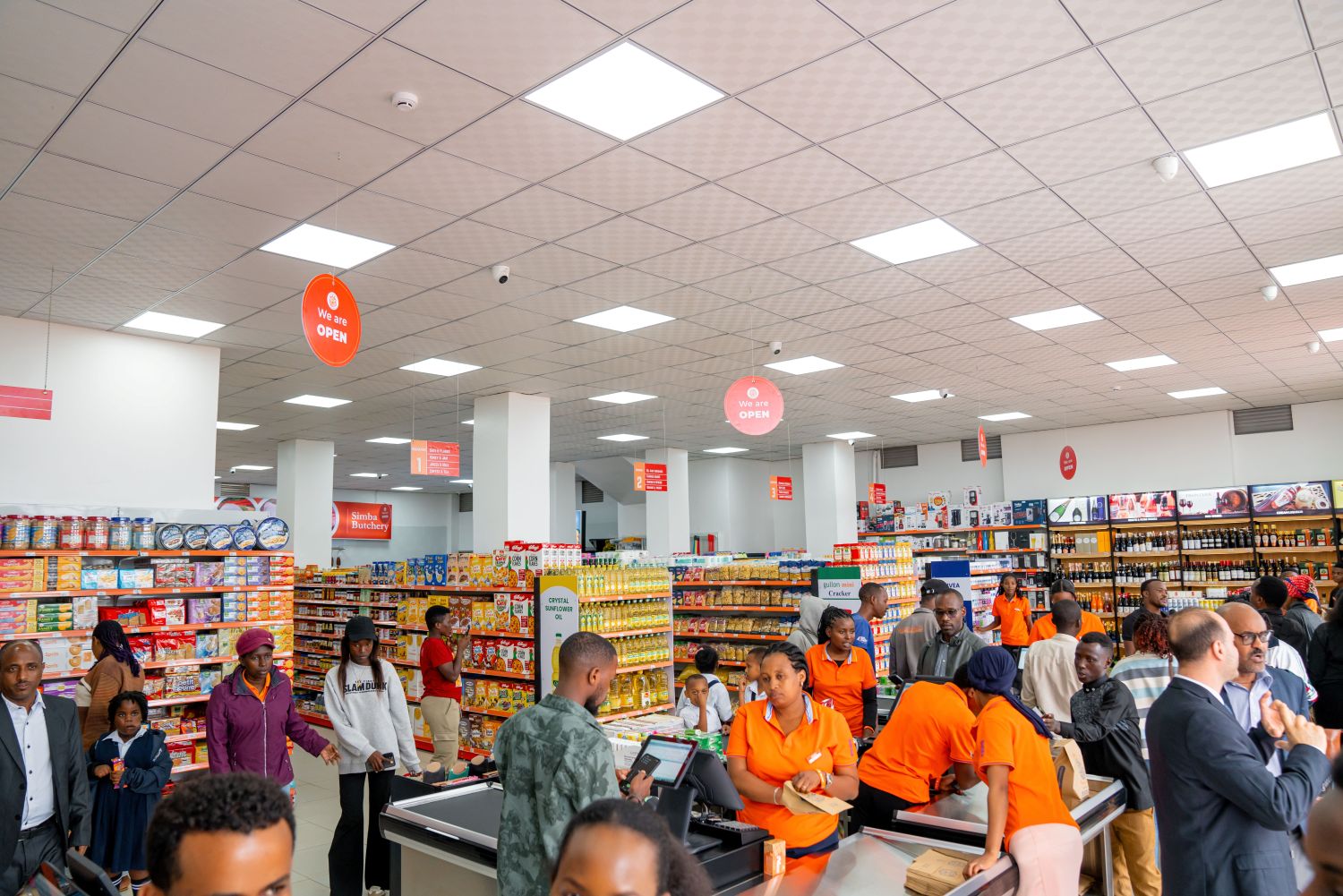
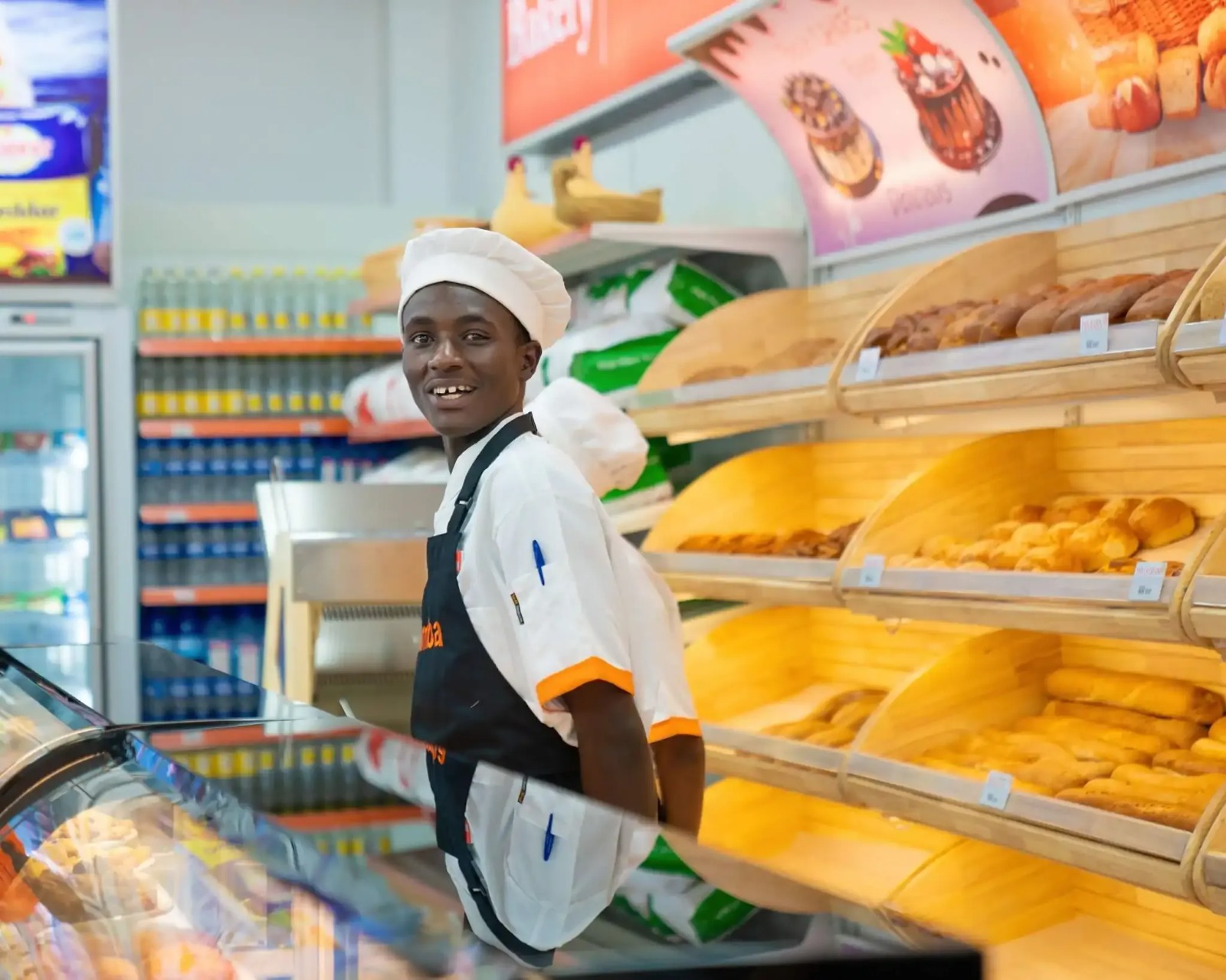
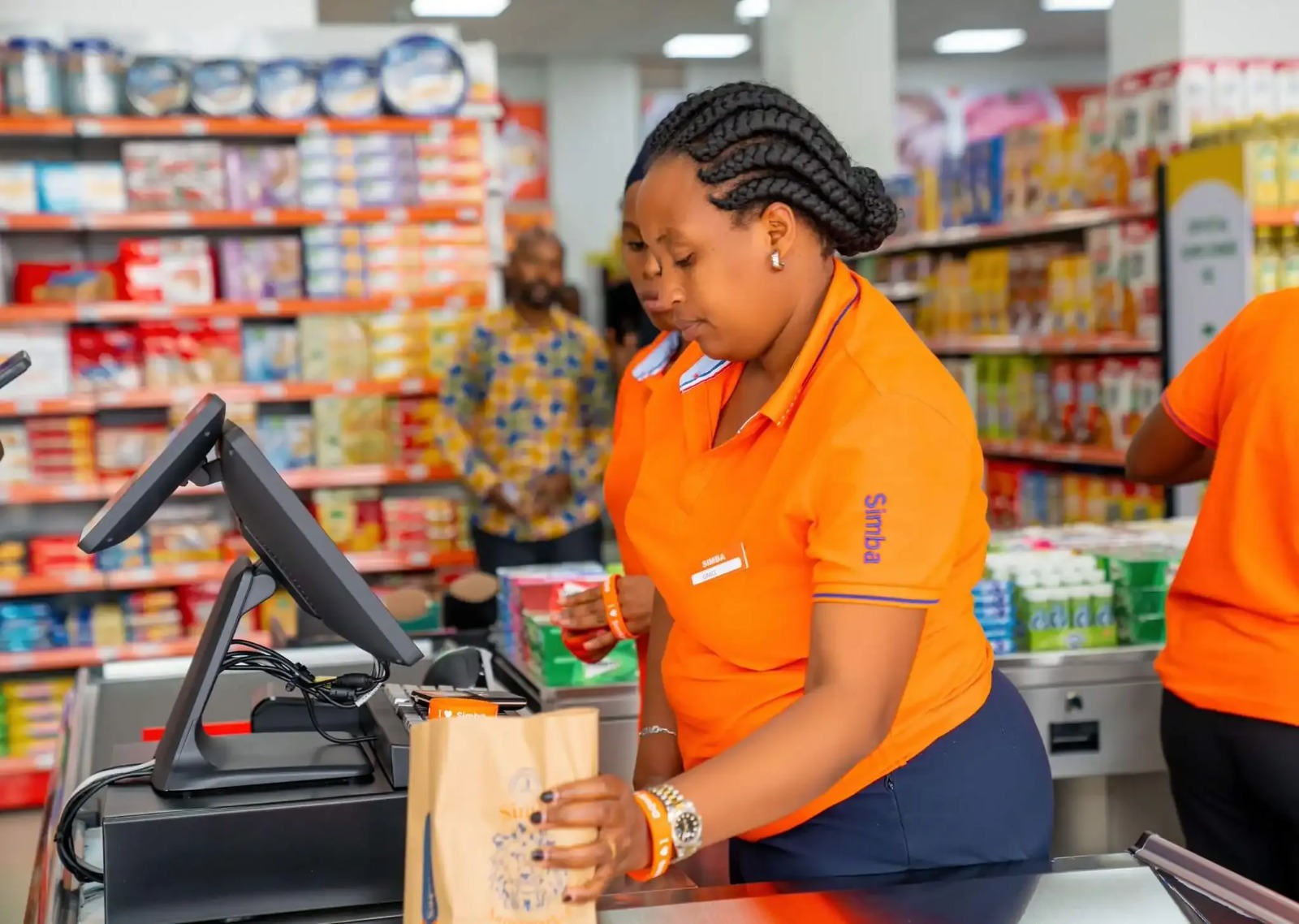
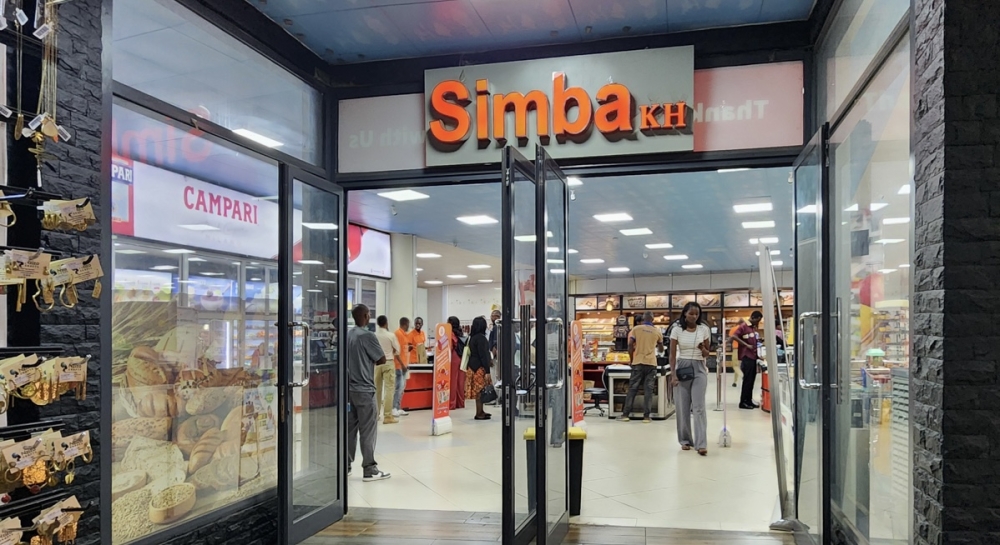
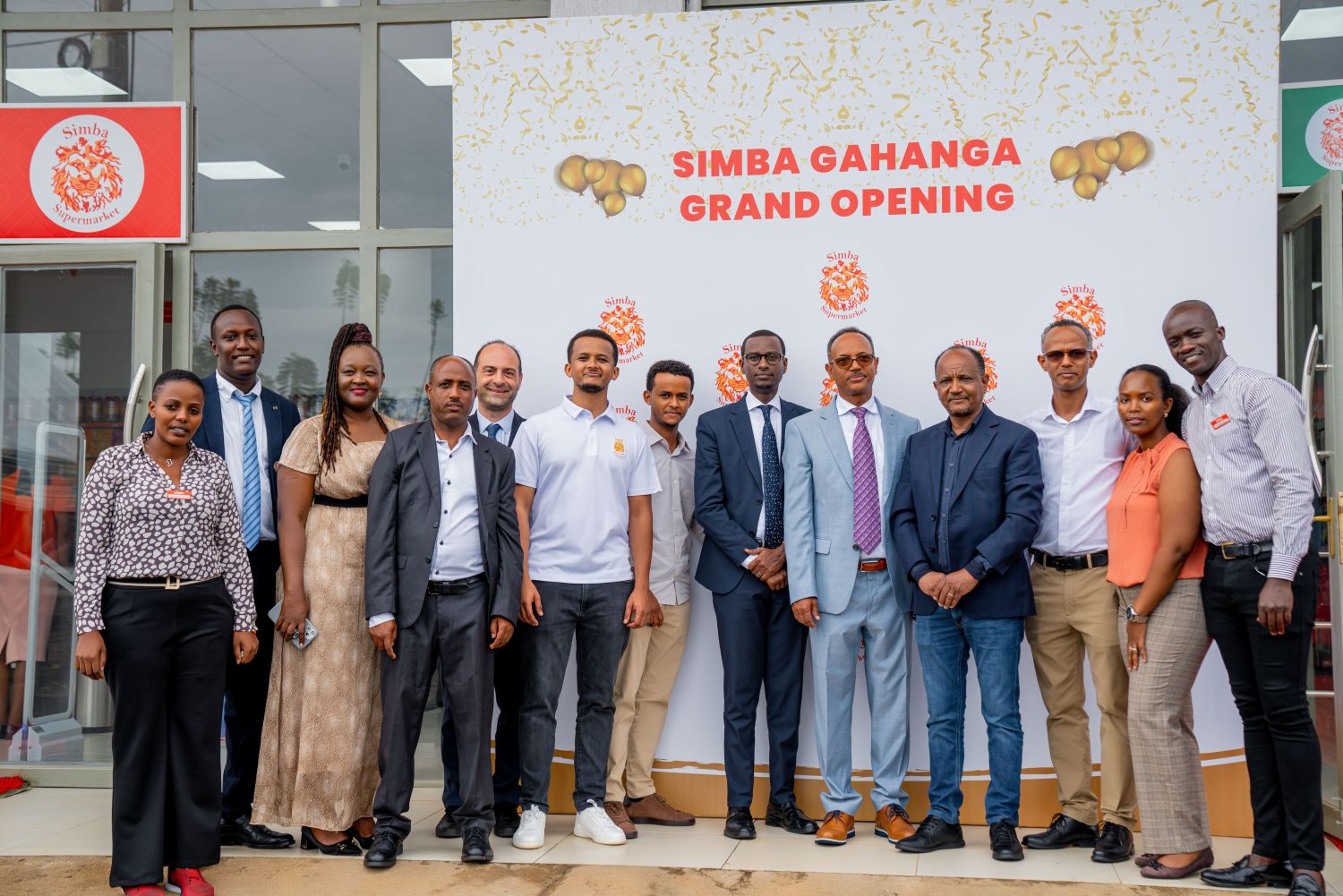
The milestone celebrates Simba's 18-year journey of growth, quality, affordability and convenience, with celebrations continuing throughout the week.
Over the years, Simba has expanded its presence and today operates 15 branches across the country, bringing its services closer to communities while responding to the changing needs of Rwandan consumers.
From everyday household essentials and fresh produce to premium local and international brands, Simba has built its offering around giving customers greater choice under one roof.
18 years of growing with customers
At the heart of Simba Supermarket's journey has been its relationship with customers.
As Simba celebrates 18 years, the anniversary is not only an opportunity to reflect on its growth, but also to recognise the customers, employees, suppliers and partners who have contributed to the journey.
Speaking about the milestone, Simba Supermarket Managing Director Joseph Mutabazi said reaching 18 years is an achievement the company shares with the people who have supported it throughout its journey.
'Eighteen years is more than a milestone for us. It represents 18 years of trust from our customers, commitment from our employees and strong relationships with our partners and suppliers. Simba would not be where it is today without the people who have chosen to grow with us,' Mutabazi said.
Simba has continued to position itself as a neighbourhood supermarket, strategically bringing its outlets closer to residential communities and making everyday shopping more convenient for families.
For Mutabazi, expansion is not simply about increasing the number of stores.
'Our growth has always been driven by one question: how can we serve our customers better? Opening closer to where people live means making shopping more convenient, saving families time and ensuring that quality products are within their reach,' he said.
Beyond traditional retail, it has increasingly developed its stores into spaces where customers can combine shopping with other experiences, including dining and family entertainment.
Quality, affordability and variety
Throughout its growth, Simba Supermarket has maintained a focus on balancing quality with affordability.
Its stores bring together locally sourced products and a diverse selection of international brands, allowing customers to access everyday essentials as well as premium products from different markets around the world.
Through direct sourcing, partnerships with suppliers and an efficient supply chain, it continues to work towards keeping quality products accessible to Rwandan households.
Simba has also continued to strengthen partnerships with local and international businesses as part of efforts to improve customer experience and provide greater value.
Celebrating the people behind the journey
As part of its 18th anniversary, Simba is putting customers and the people who have contributed to its journey at the centre of the celebration.
The milestone provides an opportunity to appreciate long-serving employees, loyal customers, suppliers and business partners who have played a role in the supermarket's growth over the years.
'This anniversary is an opportunity for us to recognise our employees who serve our customers every day, our suppliers and partners who have believed in our vision, and above all, our customers who continue to choose Simba,' Mutabazi noted.
Among the partners Simba recognises as part of this journey is I&M Bank Rwanda, for its continued partnership which has contributed to the supermarket's efforts to provide customers with greater convenience over the years.
The anniversary will also be reflected through customer-focused activities and special experiences aimed at thanking shoppers for their continued trust and loyalty.
Looking to the future
At 18, Simba Supermarket says the milestone is as much about the future as it is about celebrating the past.
As Rwanda's retail sector continues to evolve, changing lifestyles, digital payments and growing consumer expectations are reshaping the shopping experience.
Simba plans to continue responding to these changes by strengthening accessibility, expanding its product offering and improving the overall experience across its stores.
'We are proud of what the past 18 years represent, but we are even more excited about what comes next. Our ambition is to keep evolving with our customers, reach more communities and continue raising the standard of the shopping experience in Rwanda,' Mutabazi said.
After 18 years, Simba Supermarket enters its next chapter with a message of appreciation to the customers and communities that have been part of its journey.
Simba Supermarket has marked its 18th anniversary, celebrating nearly two decades of serving Rwandan households while growing its footprint and strengthening its position as one of the country's leading retail brands.Simba has built its offering around giving customers greater choice under one roof.Throughout its growth, Simba Supermarket has maintained a focus on balancing quality with affordability.As part of its 18th anniversary, Simba is putting customers and the people who have contributed to its journey at the centre of the celebration. Simba operates 15 branches across the country.
On August 5, 2026, the Rwanda Food and Drugs Authority (Rwanda FDA) temporarily suspended 52 imported alcoholic beverages that it said did not meet required quality standards. The products included Kenya King, Gilbey's Gin, Avalon Premium Vodka, Safari Gin and Sweet Berry Vodka, which are manufactured in Kenya.
Following the suspension, KEBS said it had conducted inspections and laboratory tests on the five Kenyan alcoholic beverages and found that they complied with applicable Kenyan and EAC quality standards.
KEBS also said it was engaging Rwanda FDA and other regulatory authorities in the region to establish the basis for the suspension and find a resolution through mechanisms provided under the EAC framework.
Speaking during a social media engagement hosted on TikTok on August 12, Dr. Nsanzimana responded to the position taken by KEBS.
He said the fact that some of the beverages were reportedly marked for markets outside Kenya raised questions.
'We have seen what our neighbours said, but no one speaks ill of them,' Dr. Nsanzimana said.
'If some of those products were tested and there are labels showing that they are not allowed in their own country but are instead meant for other countries, that is an indication that they may also be seeking profits elsewhere and protecting themselves,' he said.
Dr. Nsanzimana said consumers also have a responsibility to understand the products they use and protect their families.
'Everyone should know what they are doing and how they protect their families,' he said.
The Minister said he did not expect the suspension of the alcoholic beverages to damage Rwanda's relations with Kenya.
He said the relevant authorities, including those responsible for foreign relations, would work together to address the matter.
The development comes amid a broader crackdown by Rwanda on alcoholic beverages considered to pose quality or safety concerns.
Following the Rwanda FDA's action against substandard locally produced alcoholic beverages, including the closure of 148 factories, the crackdown also extended to imported alcoholic beverages.
Minister Nsanzimana has defended Rwanda FDA's decision to suspend the five Kenyan alcoholic beverage brands over quality concerns.Gilbey's Gin is among the five Kenyan alcoholic beverage brands temporarily suspended from the Rwandan market.
Guterres is closely following the developments related to the conflict in the Middle East, including the situation in and around the Strait of Hormuz and in the Red Sea, said Farhan Haq, his deputy spokesman.
'The secretary-general remains convinced that a comprehensive and durable settlement can only be reached through dialogue and negotiations,' said Haq. 'Such a settlement would help restore stability and confidence across the region, while also safeguarding the navigational rights and freedoms in and around the Strait of Hormuz and in the Red Sea.'
UN Special Envoy for Yemen Hans Grundberg is also continuing his efforts to de-escalate the situation in Yemen, said Haq.
Any activity that disrupts shipping around the coast of Yemen will also hinder UN efforts to bring supplies into the war-torn country, which is one of the reasons why all such obstructions in the Red Sea and around Bab al-Mandab need to stop, said the spokesman.
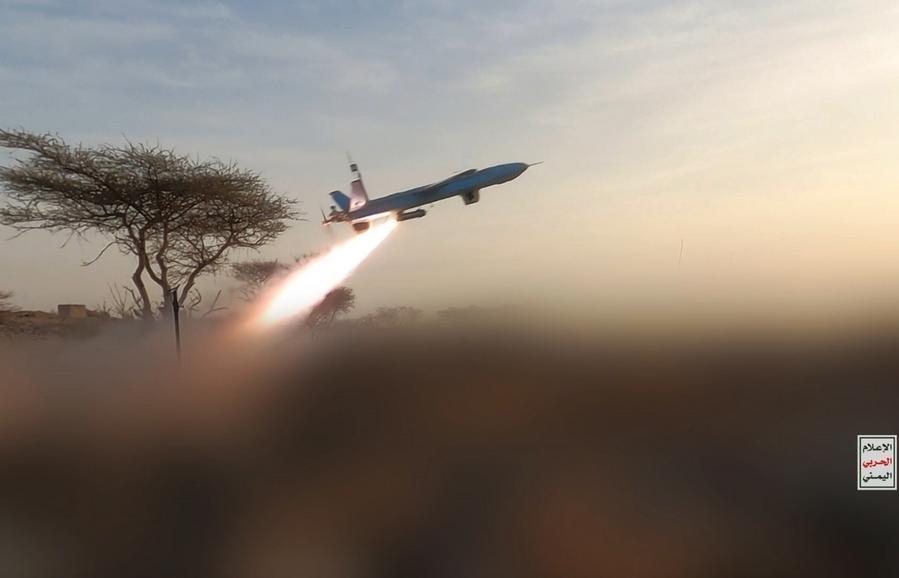
This handout photo provided by Houthi Media Center shows the launch of a drone allegedly toward Mocha in Yemen, on Aug. 9, 2026. (Houthi Media Center/Handout via Xinhua)
The four-day forum in Kigali will examine the challenges and opportunities facing Africa's Internet ecosystem, particularly inland markets that lack direct access to submarine cable landing stations, while exploring ways to build a more resilient, affordable and locally connected Internet across the continent.
By fostering a more connected and resilient Internet, these efforts can lower the cost of delivering digital services, improve online performance, and strengthen Africa's ability to shape and sustain its own digital future.
Organised by the African IXP Association (Af-IX) and supported by the Rwanda Internet Community and Technology Alliance (RICTA), AfPIF is a leading forum for Africa's Internet stakeholders to exchange ideas, build partnerships, and advance practical solutions to strengthen the continent's digital infrastructure and Internet ecosystem.
Af-IX is a regional association dedicated to advancing the proliferation of Internet Exchange Points (IXPs) across the African continent.
Meanwhile, the Rwanda Internet Community and Technology Alliance (RICTA) is a not-for-profit organization representing the Rwanda Internet community. It was formed in 2005 with the objective of managing the .RW country code top level domain and the Rwanda internet exchange point.
'Hosting this year's AfPIF in Rwanda gives us an important opportunity to put the spotlight on the realities of building and strengthening Internet infrastructure in inland East and Central Africa. We're looking closely at both the challenges and opportunities facing inland markets that don't have direct access to submarine cable landing stations, while exploring how stronger interconnection, carrier-neutral data centres, and local content delivery can help build a more resilient and affordable Internet across Africa.
'We're looking forward to bringing our community together to share experience, identify solutions, and build the partnerships needed to turn these opportunities into lasting progress,' said Kyle Spencer, Executive Director of the African IXP Association.
As the local host of AfPIF 2026, RICTA is delighted to welcome delegates from across Africa and around the world to Rwanda, as the event returns to the country for the second time following the successful 2022 edition.
This year's forum brings together a diverse community of stakeholders from across the Internet ecosystem, including Internet Exchange Points (IXPs), data centres, cloud and content delivery providers, Internet service providers, submarine cable operators, technology companies, governments, academia, research institutions, development partners, community networks, and the media.
'This rich diversity of expertise and perspectives is essential to fostering collaboration, strengthening Africa's digital infrastructure, and accelerating the continent's digital transformation,' said Grace Ingabire, CEO of RICTA.
'We warmly invite delegates to make the most of their time in Rwanda by experiencing the country's vibrant digital and business landscape, discovering new opportunities for investment and innovation, and building partnerships that can contribute to the growth of Africa's digital economy,' added Ingabire.
Hosted at the Kigali Marriott Hotel, AfPIF 2026 will explore the opportunities and challenges shaping East Africa's digital future, with a focus on Internet policy, carrier-neutral data centres, and content delivery infrastructure.
The programme features workshops, keynote addresses, panel discussions, bilateral meetings, lightning talks, and networking events designed to share practical insights, encourage collaboration, and support new partnerships and investment across Africa's Internet ecosystem.
Internet connectivity is increasingly becoming essential to communication, business and access to digital services.