In a public announcement issued on Wednesday, August 5, Rwanda FDA said the suspension takes immediate effect in the interest of protecting public health.
The regulator directed importers to immediately recall all affected products and instruct distributors to withdraw them from retailers and consumers. Importers must submit recall reports within three working days.
Distributors and retailers have been ordered to immediately stop selling the listed products and return all remaining stock to importers, while consumers have been advised to stop consuming the affected alcoholic beverages.
Rwanda FDA also ordered the immediate removal of all advertisements and promotional materials for the listed products.
The suspended products originate from Burundi, India, Kenya, Poland, Tanzania and Uganda.
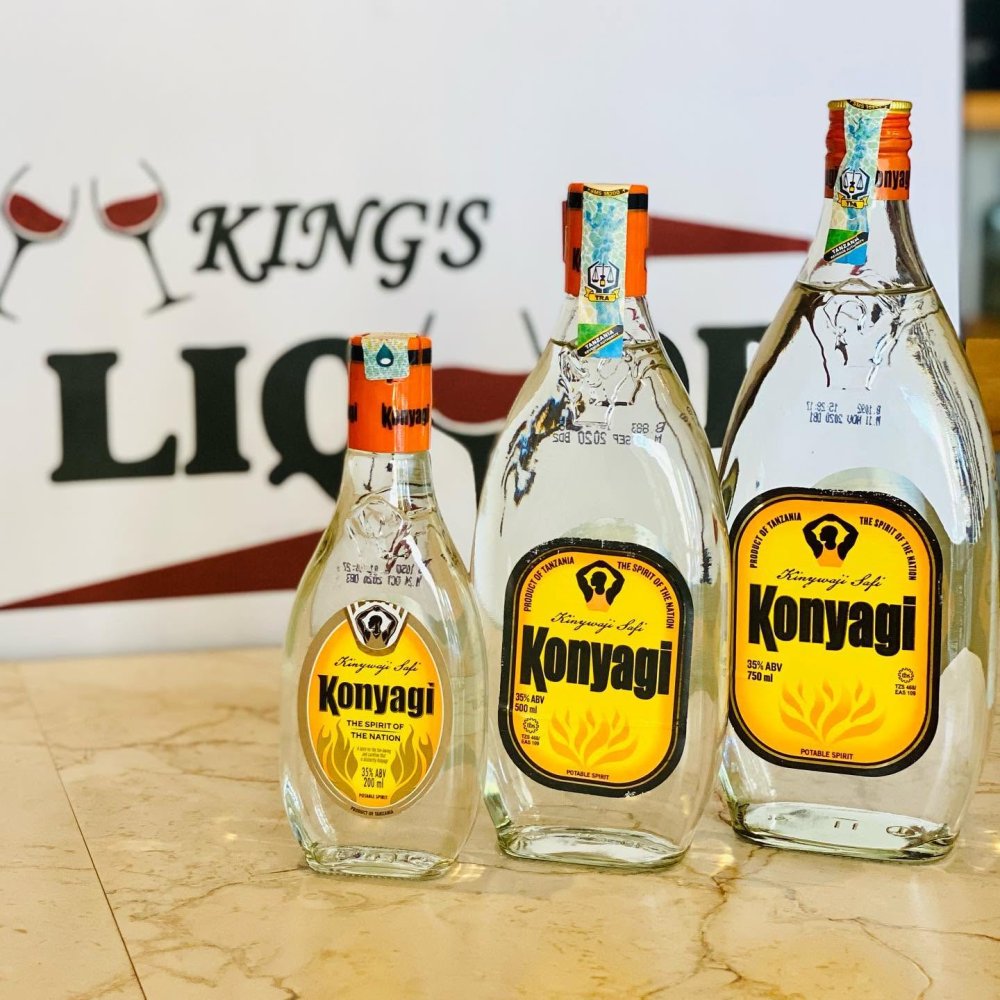
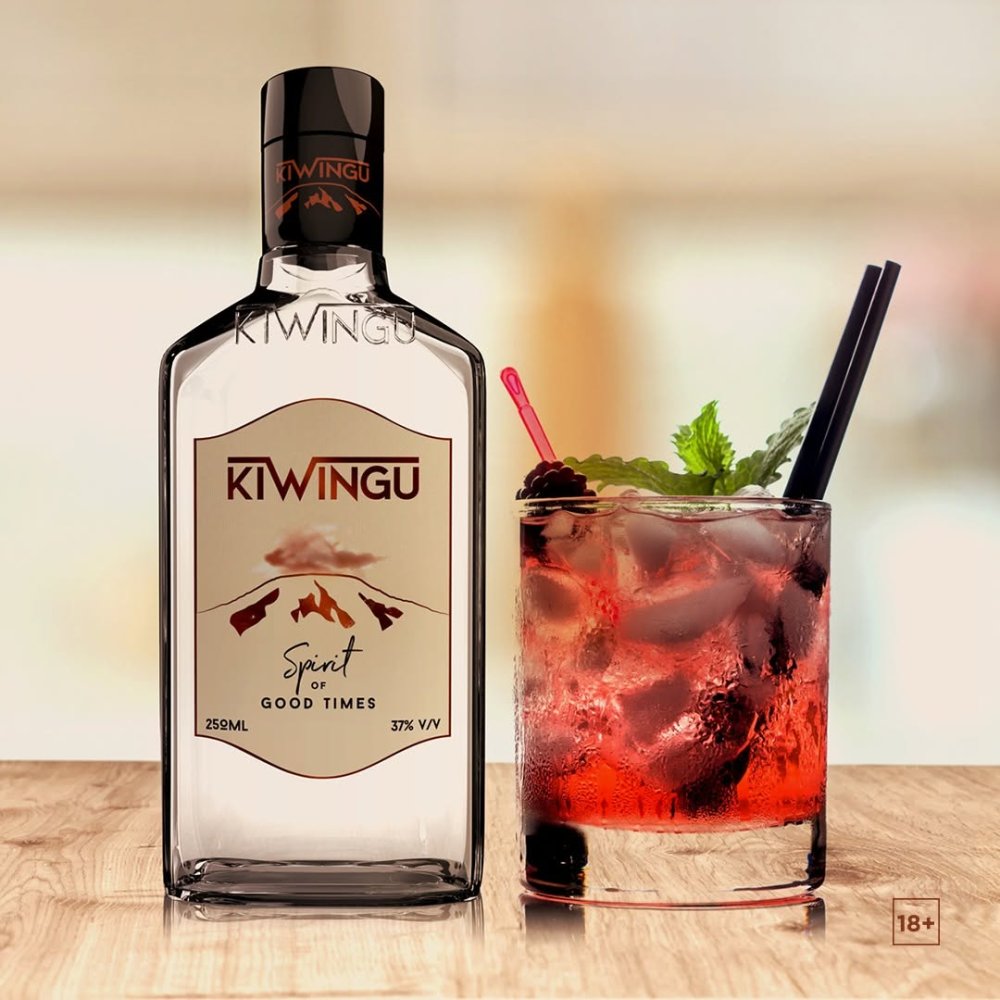
Among the most recognisable brands affected are Gilbeys Gin, imported from Kenya and Uganda, as well as Tanzania's Konyagi and Kiwingu Spirit. The suspension also covers Safari Gin, Kenya King, Bond 7 Whisky, Magic Moments Chocolate Vodka, Club 5 Gin, Tembo Liqueur, Campfire Gin, X5 Gin and several other spirits, whiskies, vodkas and liqueurs.
Among the most recognisable brands affected are Gilbeys Gin, imported from Kenya and Uganda.
The latest move comes a day after Rwanda FDA shut down 27 additional alcoholic beverage manufacturers, bringing the total number of manufacturers closed in the past three days to 136. The regulator has also ordered the recall of all products manufactured by the affected companies as part of an intensified enforcement campaign.
'Non-compliance with all the above will result in measures under applicable regulatory provisions,' the regulator warned.
The crackdown follows growing concerns over toxic alcoholic beverages, locally known as ibyuma, which authorities say have claimed more than 50 lives this year.
Konyagi from Tanzania has also been blacklisted.
Speaking to IGIHE earlier this week, Minister of Health Dr. Sabin Nsanzimana said investigations found links between unsafe alcoholic drinks and more than 50 deaths recorded between January and July. He added that more than 500 people sought medical treatment after consuming the drinks, over 100 people lost their eyesight, and a nationwide assessment identified nearly 11,000 people struggling with alcohol addiction.
Rwanda FDA said additional products could also face regulatory action as enforcement continues.
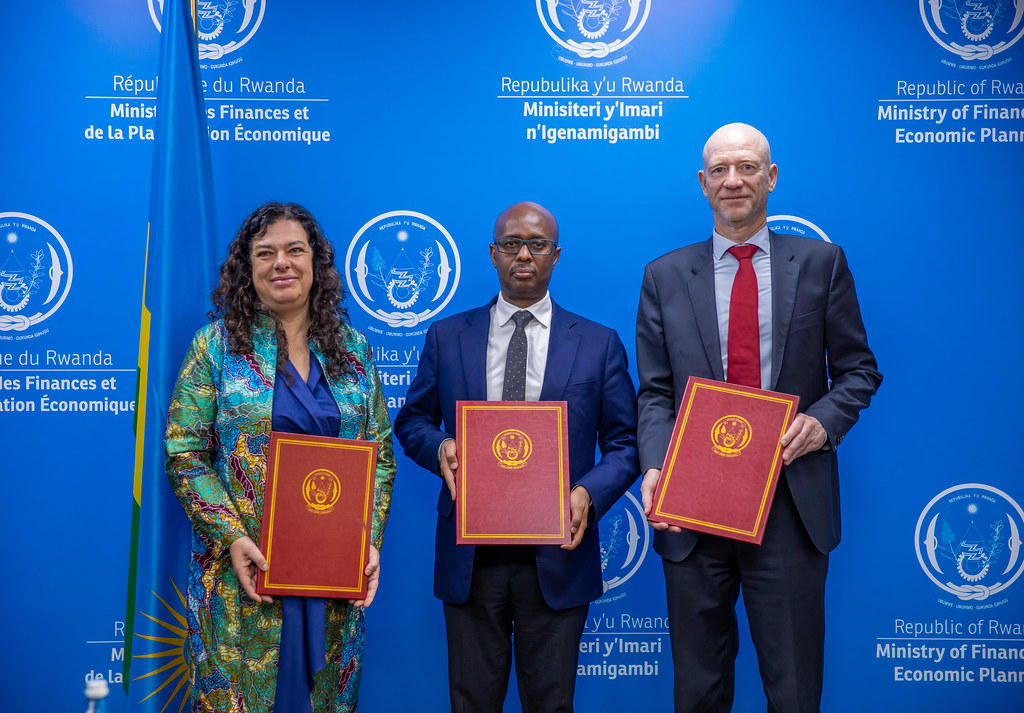
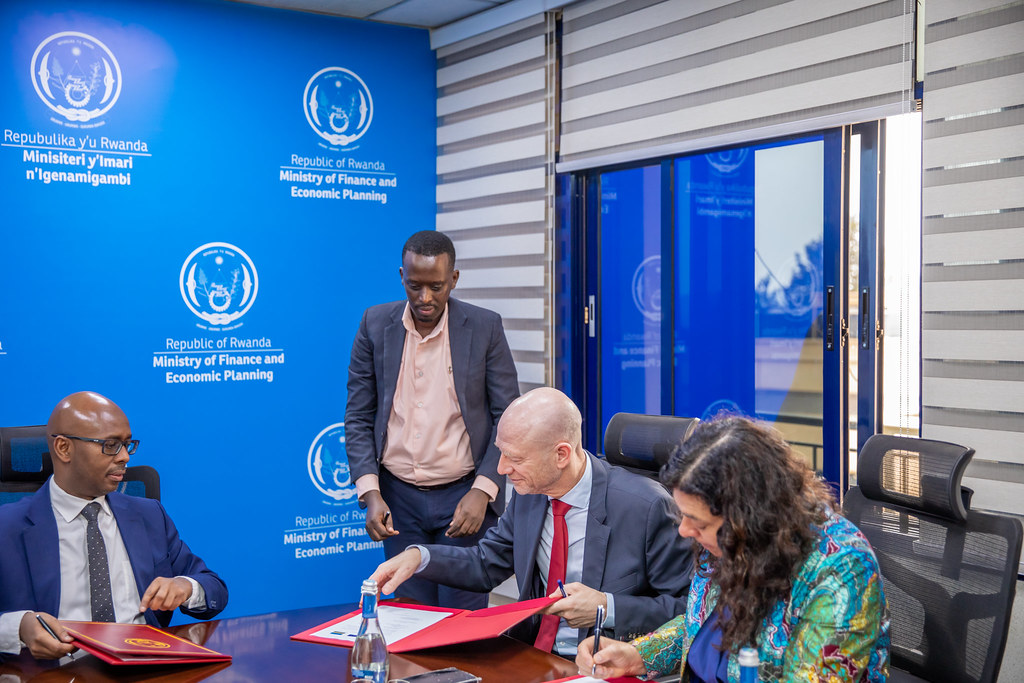
The agreement was signed through the Ministry of Finance and Economic Planning (MINECOFIN) and will support interventions in Gakenke, Burera, Musanze, Nyabihu, Rubavu, Rutsiro, Ngororero and Muhanga districts, benefiting more than 2.3 million people living in areas exposed to climate-related risks, including floods, landslides and soil erosion.
The project will finance activities such as flood risk reduction infrastructure, watershed restoration, landscape rehabilitation, biodiversity conservation and sustainable livelihood programmes for communities in the region.
The VCRP is coordinated by the Ministry of Environment and implemented in partnership with the Rwanda Water Resources Board, Rwanda Meteorology Agency, Rwanda Environment Management Authority (REMA) and the Rwanda Development Board (RDB).
Communities living around Volcanoes National Park and surrounding areas have for years faced challenges linked to floods, landslides and land degradation, which have affected livelihoods, agricultural production and infrastructure.
The €65 million financing adds to broader efforts under the Volcanoes Community Resilience Project, which was launched in 2023 with support from development partners, including the World Bank.
The wider initiative, valued at more than $300 million, aims to reduce climate-related risks, restore degraded landscapes, improve disaster preparedness and strengthen livelihoods in communities surrounding Volcanoes National Park.
The project includes efforts to improve watershed management, restore degraded landscapes and strengthen communities' ability to cope with climate impacts.
Among the planned interventions are forest restoration, tree planting, sustainable agriculture support and measures to reduce risks from flooding and soil erosion.
The project also supports the conservation of the Volcanoes ecosystem, including efforts linked to the protection and sustainable management of the national park and surrounding landscapes.
The agreement was signed through the Ministry of Finance and Economic Planning (MINECOFIN).Rwanda and EIB have signed a €65 million financing agreement to strengthen climate resilience, biodiversity conservation and livelihoods under the Volcanoes Community Resilience Project.
The report released on Tuesday, August 4, shows that manufacturing drove the expansion, growing 21.5% year-on-year and contributing 1.9 percentage points to the overall index. The sub-sector carried a weight of 68.1% within the general index, making it by far the largest component of industrial activity.
Electricity output rose 16.5%, contributing 3.3 percentage points to the annual change despite holding a smaller 12.8% weight in the index, the single largest contribution of any activity tracked. Water and waste management increased 11.3%, while mining and quarrying grew 6.9%.
Within manufacturing, chemicals, rubber and plastic products rose 6.3%, non-metallic mineral products increased 6.1%, food processing grew 2.2%, wood, paper and printing rose 2.5%, and metal products, machinery and equipment increased 2.3%. Furniture and other manufacturing was the only sub-sector to contract, falling 5.3% and shaving 0.2 percentage points off the annual change.
On a month-on-month basis, the general index fell 1.9% against May 2026, with manufacturing down 2.7% and electricity down 2.0%. Mining and quarrying rose 37.4% on the month.
The Index of Industrial Production is one of the earliest indicators of economic activity, providing insights into the performance of Rwanda's industrial sector before broader economic growth data is released. It is closely watched by businesses, investors and policymakers to assess production trends and guide investment and policy decisions.
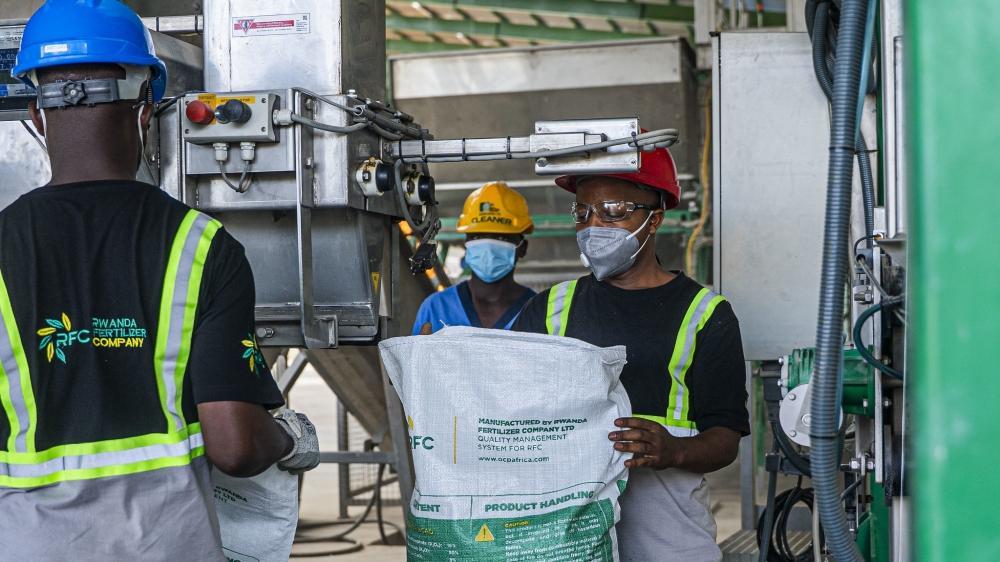
Workers package fertilizer at the Rwanda Fertilizer Company (RFC) in the Bugesera Special Economic Zone.
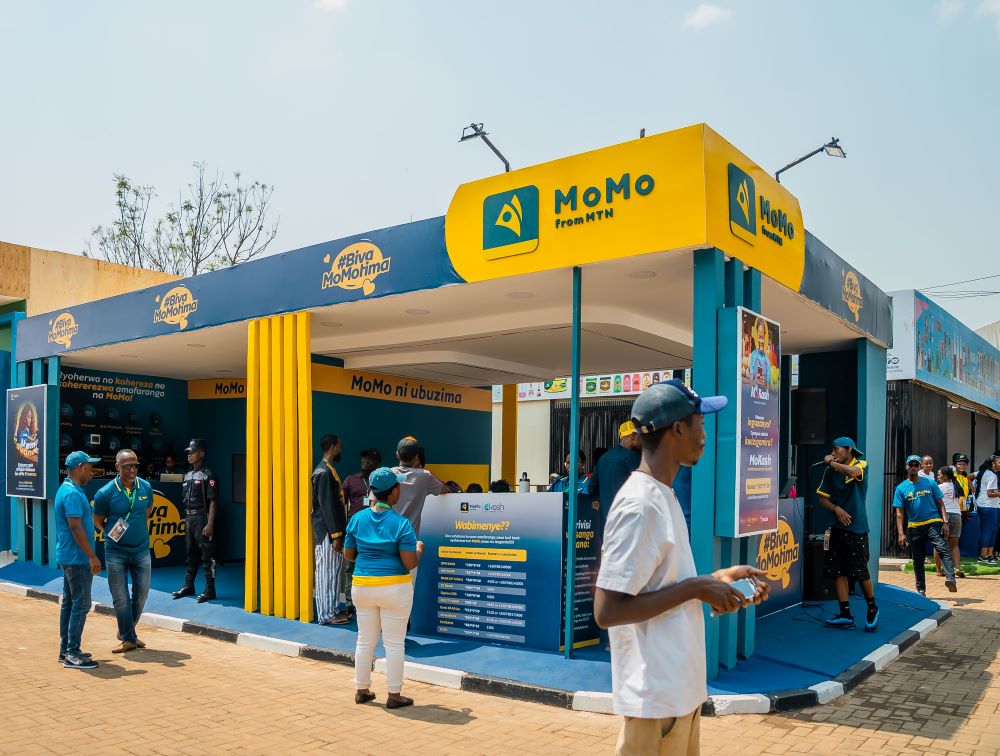
The campaign was unveiled at Expo 2026, currently underway at Gikondo, where MoMo Rwanda is showcasing its full range of services and providing customer support to thousands of visitors over the three – week exhibition.
MoMo Rwanda's presence at Expo 2026 gives customers and merchants a firsthand look at the products behind the campaign. At its dedicated booth, running for the full three weeks of the expo, the company is providing visitors with access to the complete suite of MoMo services, including account registration, MoMoPay merchant onboarding, and hands – on support for digital payments, making the exhibition an extension of the MoMoBae launch itself.
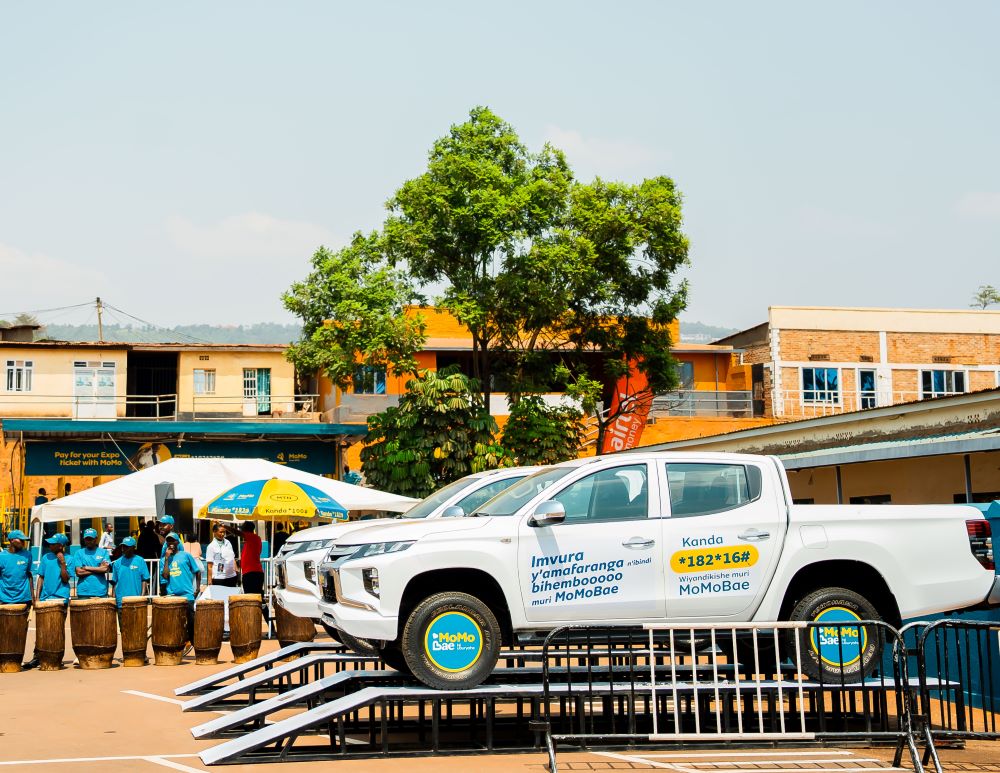
Running for a period of two months, the campaign will reward participants with weekly cash prizes ranging from Rwf 100,000 to Rwf 2 million, a brand – new iPhone 17, a brand – new Samsung A57, and the ultimate grand prizes: two brand – new Mitsubishi trucks, with one awarded to the best – performing merchant and the other to the best – performing customer. MoMoBae is open to both MoMo customers and MoMoPay merchants across Rwanda.
To participate, customers are encouraged to opt in by dialling 18216# then use their MoMo wallets to pay as many merchants as possible, while merchants are encouraged to receive as many MoMo customer payments as possible through their MoMoPay merchant codes.
With the introduction of eKash interoperability for merchant payments, merchants can now receive payments from customers across different mobile money networks, making digital payments more accessible, seamless, and convenient than ever before.
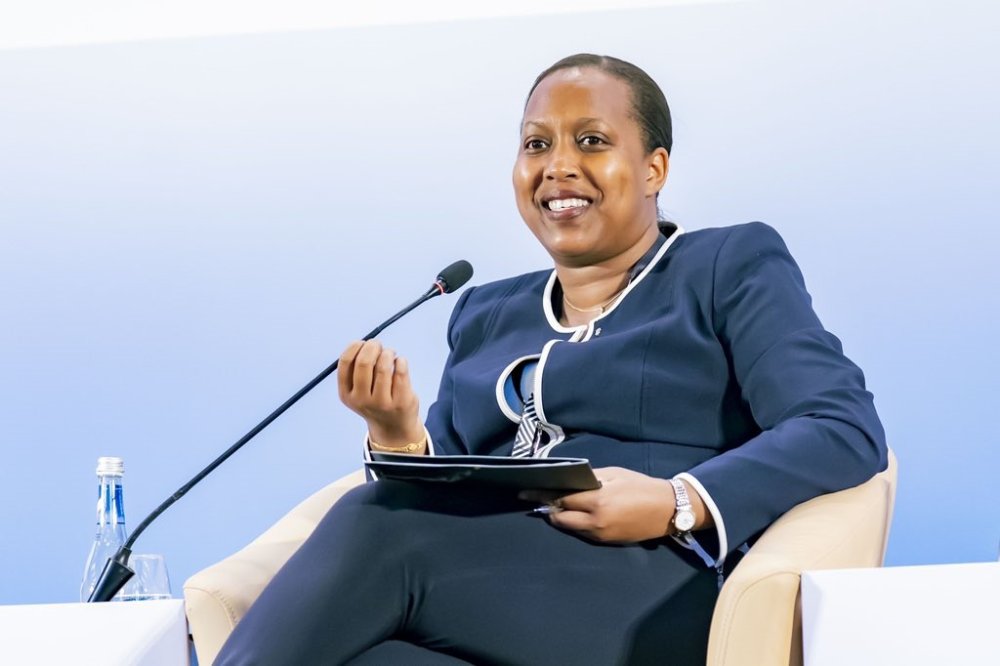
Speaking at the launch, Chantal U. Kagame, Chief Executive Officer of Mobile Money Rwanda Ltd, highlighted the significance of the campaign in driving digital financial inclusion and accelerating the country's transition to a cashless economy.
'MoMoBae is more than just a rewards campaign; it is a celebration of the evolution of digital payments in Rwanda. The introduction of eKash interoperability on merchant payments marks a significant milestone, allowing customers to pay and merchants to receive payments regardless of their mobile money service provider or network operator.
'This is a game changer for businesses and consumers alike, removing barriers to digital transactions and bringing us one step closer to a truly inclusive cashless economy. Through MoMoBae, we are rewarding the customers and merchants who are embracing this transformation and making digital payments part of their everyday lives.'
The campaign is expected to drive increased adoption of digital payments among both consumers and businesses while encouraging merchants to leverage interoperable payment solutions to grow their businesses. By rewarding transaction activity rather than chance alone, MoMoBae reinforces the value of using secure, convenient, and interoperable digital payment solutions in everyday commerce.
Customers and merchants can transact using participating MoMoPay merchant codes throughout the campaign period to increase their chances of winning. Winners will be selected in accordance with the campaign mechanics and announced throughout the campaign.
MoMo Rwanda has reaffirmed commitment to providing innovative financial solutions that simplify everyday transactions, promote financial inclusion, and support Rwanda's digital transformation agenda.
Mobile Money Rwanda Ltd is MTN Rwanda's FinTech subsidiary, established on 27th April 2021 to provide and manage Mobile Money services in Rwanda. The company has about 6.4 million subscribers, over 65,000 Mobile Money agents, and over 60 0,000 MoMoPay merchants across the country.
With continuous innovations in services such as MoMoPay, MoKash Loans & Savings, Tap&Go bus payments, Bill Payments, International & Regional Remittances, and more, Mobile Money Rwanda seeks to position itself at the forefront of driving financial inclusion and supporting the digital economy in Rwanda.
The country is building a carbon market system that allows verified climate projects to generate carbon credits, which can then be sold to organisations seeking to reduce their greenhouse gas emissions.
Each carbon credit represents one tonne of carbon dioxide equivalent that has been reduced, avoided or removed from the atmosphere through an approved activity.
For Rwanda, carbon markets are part of a broader strategy to support its ambition of becoming a climate-resilient and carbon-neutral economy by 2050.
The country is exploring these markets as a way to attract climate finance, support green growth and fund projects in areas such as clean energy, forestry, sustainable agriculture, waste management and clean cooking technologies.
Although Rwanda contributes a relatively small share of global greenhouse gas emissions, it faces significant climate-related challenges, including risks linked to floods, droughts, land degradation and changing weather patterns.
The government considers climate finance an important requirement for implementing mitigation and adaptation measures under its climate commitments.
Carbon markets operate through different mechanisms. They include the Clean Development Mechanism (CDM) established under the Kyoto Protocol, voluntary carbon markets and mechanisms created under Article 6 of the Paris Agreement.
Article 6 allows countries to cooperate in achieving climate targets through approaches that include transferring emission reductions between countries. However, such transactions require strong systems to verify reductions and prevent the same emission reduction from being counted more than once.
Carbon markets allow high-emitting companies and countries to offset part of their emissions by buying verified carbon credits from projects that reduce or remove greenhouse gases.
Carbon market framework and international partnerships
Rwanda established a major foundation for its carbon market ambitions in December 2023 when it launched its National Carbon Market Framework on the sidelines of the United Nations Climate Change Conference (COP28) in Dubai.
Developed through the Rwanda Environment Management Authority (REMA), the framework establishes rules for generating, approving, monitoring and trading carbon credits. It aims to enhance transparency, safeguard environmental integrity and strengthen Rwanda's participation in global carbon markets.
The framework also lays the foundation for Rwanda's engagement in Article 6 mechanisms under the Paris Agreement by setting procedures for project authorisation, emission reduction verification and carbon accounting.
At its launch, Rwanda said the initiative would support the transition to a low-carbon economy by attracting investment in clean technologies and sustainable solutions while ensuring locally generated carbon credits meet international standards.
However, establishing the framework was only the first step. Rwanda has since focused on strengthening the systems, skills and project pipeline needed to make the carbon market operational.
On March 27, 2025, the Global Green Growth Institute (GGGI) and the Government of Rwanda, through REMA, launched a project aimed at improving Rwanda's readiness to participate meaningfully and equitably in international carbon markets under Article 6 of the Paris Agreement.
The two-year project, supported through GGGI's Carbon Transaction Facility with a budget of $854,859, focuses on operationalising Rwanda's National Carbon Market Framework.
The initiative addresses challenges including limited awareness among public and private sector actors about Article 6 opportunities, capacity gaps among stakeholders and the need to develop a stronger pipeline of high-quality mitigation projects.
Under the project, GGGI and REMA are supporting capacity building, strengthening governance systems, developing guidelines and supporting the identification of carbon projects in key sectors, including agriculture, forestry, energy, transport and waste management.
The initiative is also intended to improve engagement between project developers, government institutions and potential international buyers.
Rwanda has also entered into several international partnerships to support its carbon market participation.
In December 2023, Rwanda signed cooperation agreements with Singapore and Kuwait to advance collaboration under Article 6 of the Paris Agreement.
In September 2024, the Rwanda Green Fund (FONERWA), REMA, Gold Standard and Singapore-based investment company GenZero signed an agreement to develop a pipeline of Article 6-compliant carbon credit projects.
The partnership focuses on identifying projects capable of generating high-integrity carbon credits while providing additional benefits such as biodiversity protection, improved livelihoods and job creation.
In January 2026, Rwanda and Singapore launched a call for proposals for high-quality carbon credit projects under their bilateral implementation agreement, inviting developers to submit both technology-based and nature-based initiatives.
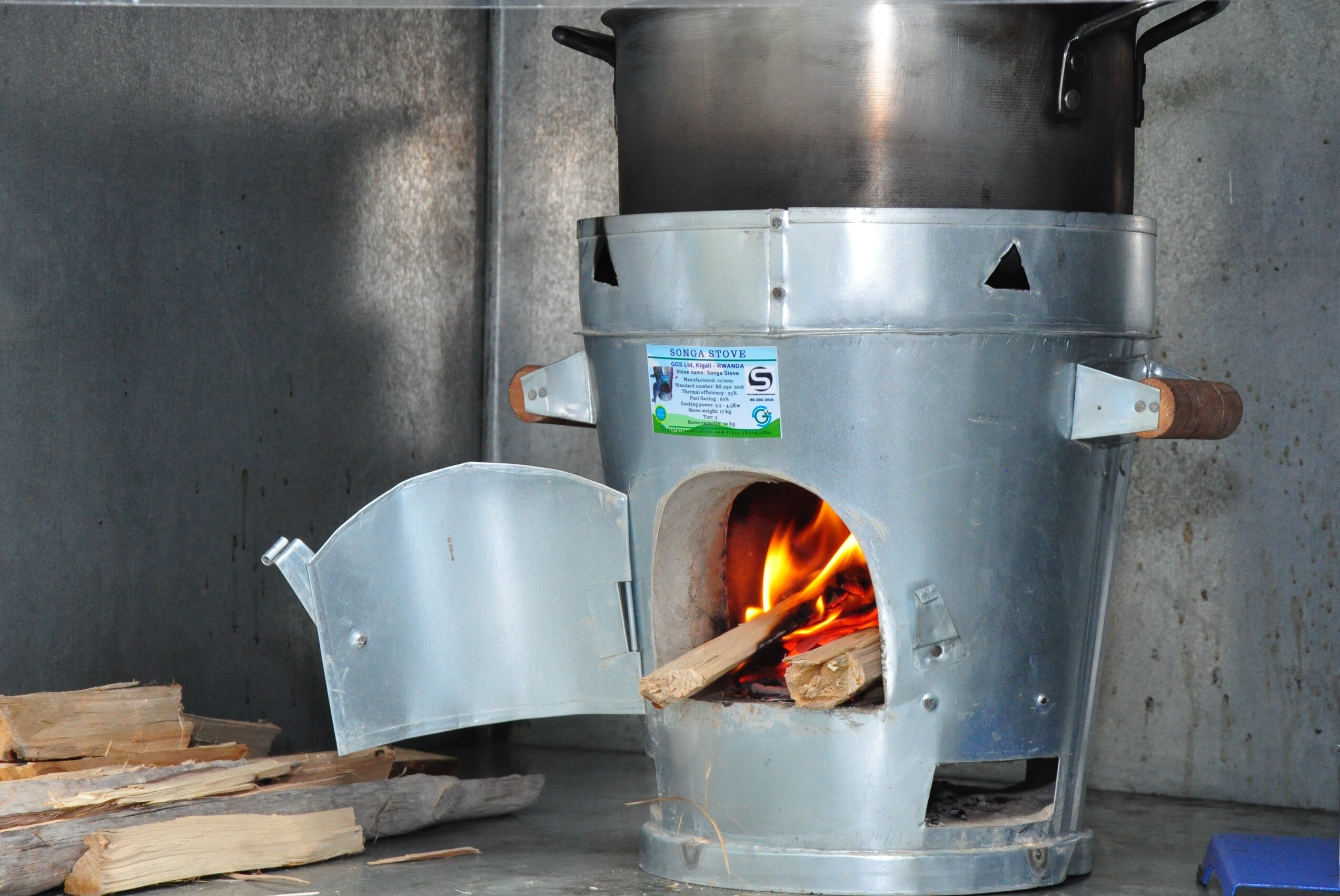
Improved cookstove projects are at the centre of Rwanda's carbon market journey, helping households reduce reliance on firewood, cut emissions and improve indoor air quality while generating carbon credits for climate finance.
Projects, communities and the future of Rwanda's carbon market
Rwanda's carbon market activities have so far been largely driven by improved cookstove projects, which remain among the most developed climate initiatives in the country. These projects help households transition from traditional cooking methods that rely heavily on firewood to more efficient technologies.
Besides reducing greenhouse gas emissions, they contribute to lower indoor air pollution and reduced pressure on forests.
Improved cookstove projects accounted for about 87 percent of Certified Emission Reductions issued from Rwanda's carbon market activities, according to national climate data. Lighting and solar projects accounted for much of the remaining share.
By December 2020, Rwanda had received more than 2.25 million carbon credits through Clean Development Mechanism and Voluntary Carbon Market activities.
The country is now expanding beyond clean cooking into other areas, including forestry restoration, agroforestry, renewable energy, sustainable agriculture and water purification.
In June 2025, REMA announced that 19 projects were ready to participate in international carbon markets. The projects included 12 energy-efficient cookstove initiatives, three agroforestry and reforestation projects and four water purification projects.
Rwanda is also putting emphasis on ensuring that carbon finance benefits communities involved in climate projects.
New regulations require that at least 30 percent of revenues generated from land-based carbon projects directly benefit communities, landowners, farmers and other stakeholders whose land contributes to the projects.
The government expects carbon markets to become an additional source of climate finance. Rwanda estimates that selling 7.5 million tonnes of carbon dioxide equivalent in carbon credits could generate about $337 million, depending on market prices.
To support investors, GGGI and REMA have also developed practical guidance explaining carbon market opportunities, project requirements and approval processes.
Potential areas for investment include forestry projects, renewable energy installations, methane capture, energy efficiency initiatives, clean cooking solutions and sustainable agricultural practices.
Rwanda's efforts come as African countries seek to increase their participation in global carbon markets. Kigali is scheduled to host the Carbon Markets Africa Summit in October 2026, bringing together governments, investors, project developers and climate finance institutions to discuss opportunities for scaling credible carbon markets on the continent.
As international buyers increasingly seek high-integrity credits, Rwanda is moving from establishing regulatory frameworks to developing projects that can attract investment and deliver tangible climate outcomes.
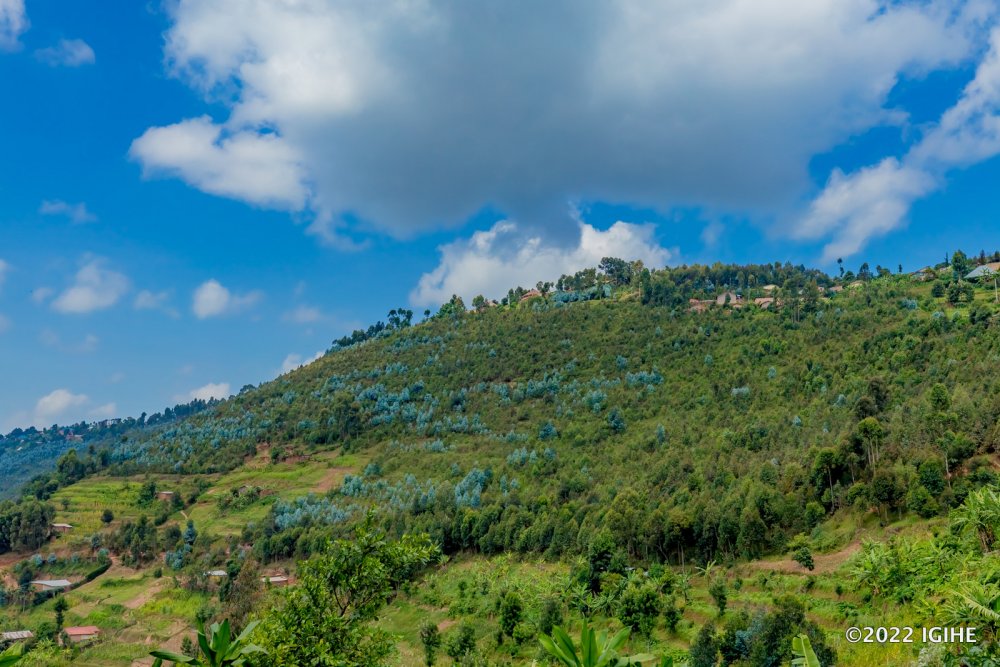
Through initiatives such as Green Gicumbi, Rwanda is restoring degraded forests and helping ecosystems recover their natural state. These reforestation efforts contribute to carbon removal, biodiversity conservation and sustainable livelihoods while creating opportunities within the country's emerging carbon market.
The Agreement, titled 'HANGARIBIHE: Transformational Climate-Smart and Inclusive Agriculture in Rwanda,' is a five-year programme that will provide EUR 36 million in budget support to strengthen national agriculture and environment sector priorities, alongside EUR 4 million in complementary support for technical assistance, capacity building, and studies.
The programme is part of the Team Europe Initiative on 'Investing in Sustainable and Inclusive Agricultural Transformation,' bringing together the European Union and partners.
The support will contribute to the implementation of Rwanda's National Strategy for Transformation (NST-2), the Fifth Strategic Plan for Agriculture Transformation (PSTA-5), and environment sector priorities.
It will focus on increasing investment in agriculture, expanding irrigation and sustainable land management practices, strengthening climate resilience, restoring degraded ecosystems, and improving climate information systems to support evidence-based decision-making.
Speaking at the signing ceremony, Minister Yusuf Murangwa, Minister of Finance and Economic Planning, welcomed the financing agreement as a strategic partnership for Rwanda's agricultural transformation.
'It will build a modern, productive, and climate-resilient sector by driving inclusive productivity gains for smallholders, cooperatives, women, youth, and SMEs, while mandating climate-smart and sustainable production practices,' he noted.
Belén Calvo Uyarra, the EU Ambassador to Rwanda highlighted that the programme marks another important milestone in the long-standing partnership between the European Union and Rwanda.
'By building on our previous cooperation, it will help turn Rwanda's climate-smart agriculture ambitions into tangible results for farmers, rural communities and future generations,' she stated.
Minister of Agriculture and Animal Resources, Dr. Telesphore Ndabamenye, said the funding will complement the country's existing programmes, including irrigation, increasing production in food basket sites, and soil conservation agrculture.
Minister Yusuf Murangwa and EU Ambassador Belén Calvo Uyarra exchange signed documents after formalising a €40 million financing agreement to strengthen climate-smart agriculture in Rwanda.Minister of Finance and Economic Planning Yusuf Murangwa and EU Ambassador to Rwanda Belén Calvo Uyarra sign the €40 million financing agreement supporting Rwanda's climate-smart agriculture transformation.Minister of Agriculture and Animal Resources, Dr. Telesphore Ndabamenye, said the funding will complement Rwanda's ongoing programmes in irrigation, food basket sites and soil conservation agriculture.Minister of Finance and Economic Planning, Yusuf Murangwa, said the €40 million financing agreement will support Rwanda's efforts to build a modern, productive and climate-resilient agriculture sector.EU Ambassador to Rwanda, Belén Calvo Uyarra, said the new programme builds on the European Union's long-standing partnership with Rwanda to advance climate-smart agriculture and support rural communities
The request was filed on Monday in the U.S. District Court for the Northern District of California.
Apple is seeking an order preventing OpenAI, former Apple engineer Chang Liu, and former Apple executive Tang Tan from accessing, using, acquiring, or disclosing what it says is proprietary company information during the litigation.
The technology giant is also asking the court to allow expedited discovery, including the production of documents and sworn testimony, to determine whether its confidential information has been misused.
Apple filed the lawsuit last month, accusing Liu and Tan of taking confidential company information before joining OpenAI.
The company alleges that the information relates to its hardware technologies and could be used to accelerate the development of competing artificial intelligence devices.
According to the court filing, Apple believes that without immediate intervention, it faces the risk of irreparable harm because the alleged trade secrets could be used to strengthen a competitor in the fast-growing AI hardware market.
OpenAI has denied Apple's allegations, saying it neither possesses nor has any interest in Apple's confidential information.
In a statement released on Tuesday, the company described Apple's request for a preliminary injunction as unnecessary and said the lawsuit is based on incorrect claims.
OpenAI added that it has strict internal policies prohibiting employees from bringing or using confidential information belonging to former employers.
The company also published emails and text messages that it says support its position and demonstrate that it has acted appropriately throughout the hiring process.
The legal dispute comes as major technology companies race to develop AI-powered consumer devices, a market expected to become increasingly competitive in the coming years.
Apple argues that safeguarding its trade secrets is essential to protecting its innovation and maintaining a competitive advantage, while OpenAI maintains that it has not used or obtained any confidential Apple information.
The court has not yet ruled on Apple's request for a preliminary injunction, and the broader trade secrets lawsuit remains pending.
Apple has sought preliminary injunction against OpenAI in trade secrets lawsuit
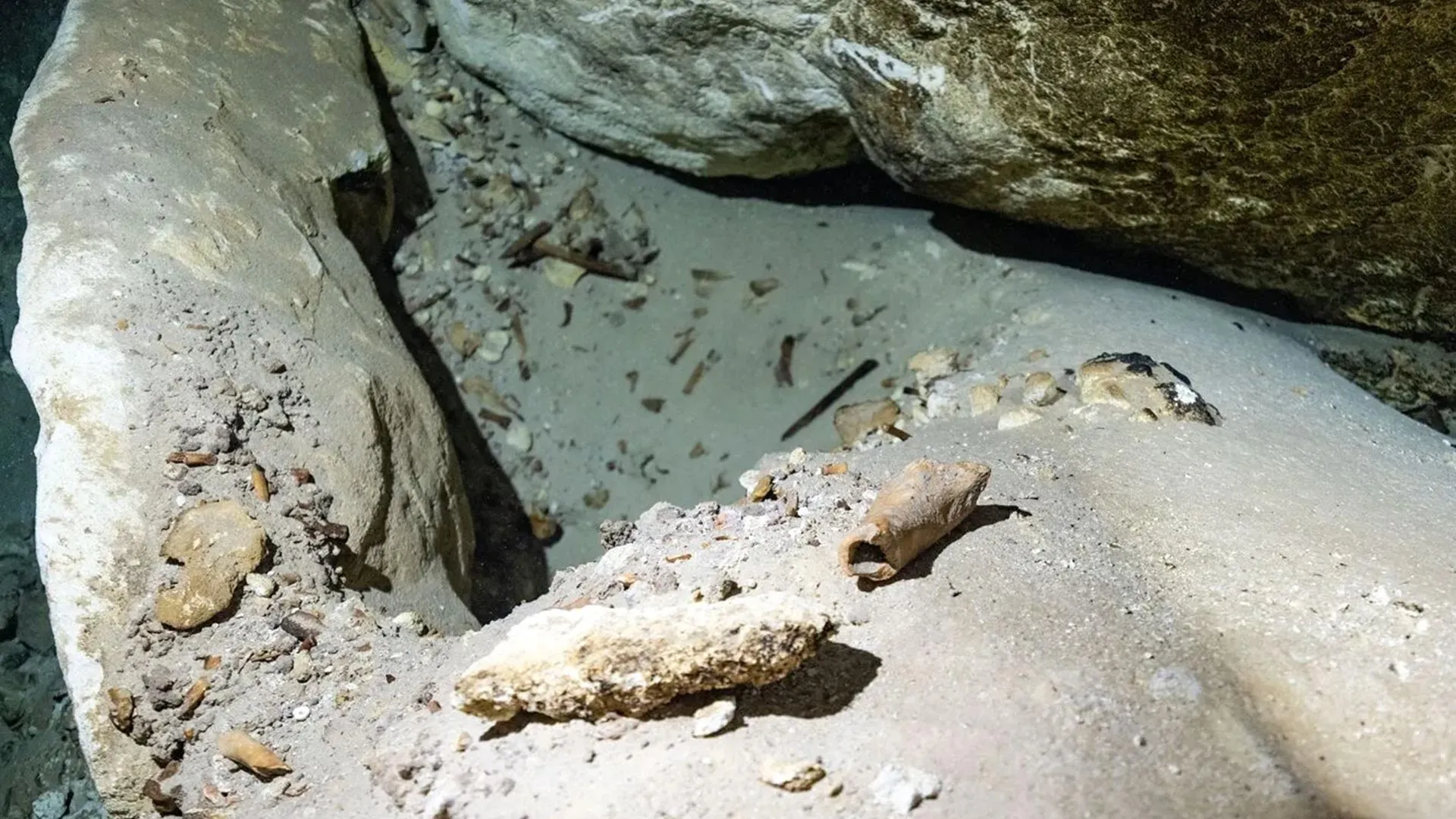
A study from Griffith University found that bones recovered from underwater caves in South Australia carry unique 'fingerprints' shaped by the conditions they experienced after the animals died.
These changes were influenced by darkness, algae, bacteria, and other environmental factors inside the caves.
The findings provide researchers with a new method to investigate how the remains of ancient megafauna, including some of the giant animals that once roamed Australia, entered and survived in underwater cave systems.
Scientists have long studied fossilized bones to understand extinct species, but determining how those remains arrived in unusual locations such as submerged caves has remained a challenge.
The new research suggests that microscopic changes preserved on bones can reveal important information about their journey through different environments.
According to the researchers, underwater caves create unique conditions that can preserve biological remains for thousands of years. The absence of sunlight, along with interactions between minerals, microorganisms, and water, leaves distinctive marks on bones that act like environmental records.
These clues allow scientists to examine not only the animals themselves but also the conditions surrounding their burial and preservation.
The research could improve scientists' understanding of ancient ecosystems and provide new insights into Australia's extinct megafauna, a group of large animals that disappeared thousands of years ago.
By studying these hidden signals inside underwater cave bones, researchers hope to reconstruct the events that brought extinct giants to their final resting places and learn more about how environmental changes affected ancient life.
Ancient underwater cave bones has revealed secrets of Australia's extinct giants
In a statement shared on its social media platforms, AFR said Sayinzoga takes over the leadership of the organisation at a time when it begins implementing a new strategic framework and strengthening its contribution to Rwanda's financial sector.
'Her experience in institution building, partnership development and inclusive finance will be invaluable as AFR continues to expand its impact,' the organisation said.
Sayinzoga is an expert in economic development with extensive experience in finance, policy, and institutional leadership.
From 2019 to 2025, she served as CEO of the Rwanda Development Bank (BRD), after previously serving as Director General of the National Industrial Research and Development Agency (NIRDA).
She has also held various senior positions at the Ministry of Finance and Economic Planning, including serving as Permanent Secretary.
Before joining public service, Sayinzoga worked at the World Bank. She has also served on the boards of several financial institutions and organisations, including the Trade and Development Bank (TDB), East African Development Bank (EADB), Rwanda Eurobond Committee, GT Bank, and the Rwanda Revenue Authority.
She holds a Master's degree in Economic Development and Policy Analysis from the University of Nottingham.
Kampeta Pitchette Sayinzoga his the new AFR Chief Executive Officer.
The DRC commemorates August 2 as 'genocost' day, a term coined by the Congolese government to refer to what it describes as the killing of millions of Congolese people since 1996, allegedly linked to the exploitation of the country's natural resources.
The concept was incorporated into Congolese law in December 2022, with President Félix Tshisekedi presiding over the first official commemoration ceremony a year later. In 2025, he inaugurated a memorial site dedicated to the commemoration in Kinshasa.
During the fourth 'genocost' commemoration ceremony held in Kinshasa on August 2, 2026, Tshisekedi accused Rwanda and the AFC/M23 coalition of responsibility for atrocities committed in eastern DRC over the past three decades.
However, speaking in an interview on the 'Agasaro Kaburaga' platform, Nduhungirehe rejected the claims, saying the date chosen for the commemoration coincides with events in which Tutsis in the DRC were targeted.
'What Congo is doing is a deliberate distortion. I want to remind people that August 2, 1998, the date they chose to commemorate genocost, was actually a horrific period in Congo's history, particularly in Kinshasa, where Tutsis were openly targeted, pursued and attacked by mobs. Some were captured on bridges and thrown down. These are events documented through photographs and videos,' Nduhungirehe said.
He accused the Congolese government of failing to acknowledge such incidents, instead using 'genocost' to present itself as a victim.
Nduhungirehe also cited remarks made by former DRC Foreign Minister Abdoulaye Yerodia Ndombasi, who publicly used dehumanising language against Tutsis during the 1998 conflict.
The minister said Ndombasi's statements prompted Belgium to issue an international arrest warrant against him over allegations related to incitement, although he was never prosecuted by Congolese authorities.
Ndombasi died in February 2019, and Nduhungirehe criticised President Tshisekedi's decision to grant him a state funeral, noting that Belgian authorities had previously investigated him over alleged war crimes and crimes against humanity.
'What Congo is doing by introducing something called genocost, which is not recognised under international law, is a deliberate attempt to portray itself as innocent while it is part of the problem. The Congolese government has targeted Tutsis for many years, and even today that continues,' he said.
The minister's remarks come as Kinshasa pursues legal and diplomatic efforts over its allegations against Rwanda. On June 26, 2026, the DRC filed a case at the International Court of Justice (ICJ), accusing Rwanda of genocide-related crimes allegedly committed between 1996 and the present.
The DRC's 'genocost' campaign has been part of broader efforts by Kinshasa to frame decades of conflict and violence in the country as a result of external exploitation and foreign involvement.
Nduhungirehe further questioned the credibility of the DRC's claims, citing its continued engagement with the Democratic Forces for the Liberation of Rwanda (FDLR), a militia group founded by perpetrators of the 1994 Genocide against the Tutsi in Rwanda.
'The FDLR is a group that committed genocide in Rwanda. You cannot claim to be mourning genocide while cooperating with a group that carried out genocide,' he reiterated.
The Rwandan government has repeatedly accused the DRC of supporting the FDLR.
No country has so far formally adopted the 'genocost' terminology or joined the DRC's campaign to promote it at the international level.
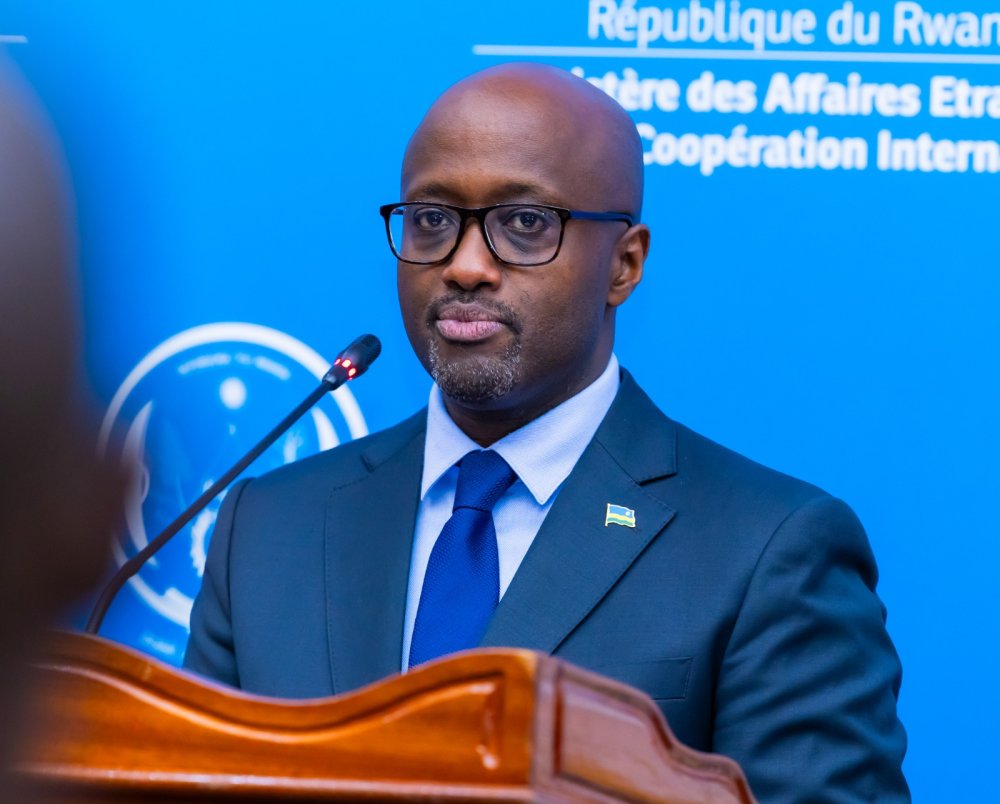
Minister of Foreign Affairs and International Cooperation, Olivier Nduhungirehe, has dismissed the Democratic Republic of Congo's 'genocost' narrative as a deliberate distortion, accusing Kinshasa of attempting to portray itself as a victim while ignoring its own history of violence against the Tutsi community.