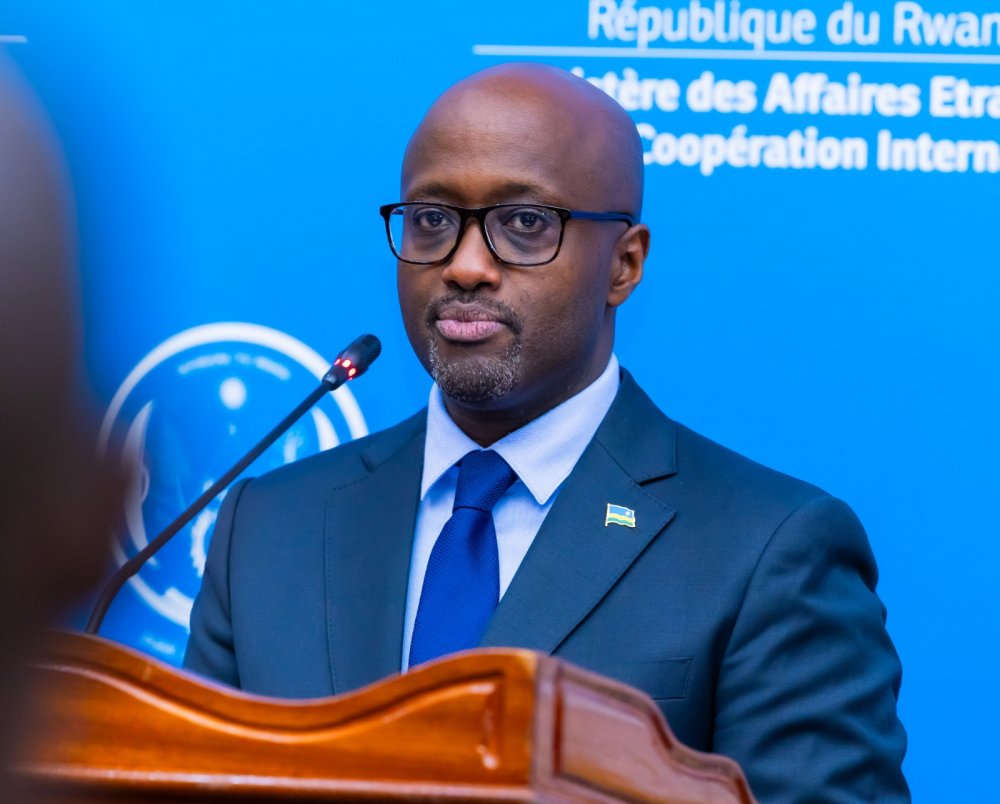
Category: Uncategorized

  • The science behind why the brain makes weight loss so difficult #rwanda #RwOT

    For many people trying to lose weight, the biggest challenge is not only changing their diet or exercising more. The real battle may be happening inside the brain.

    New research suggests that the human brain has powerful survival mechanisms that can make weight loss difficult by pushing the body to return to a previous weight. Scientists say this biological response developed thousands of years ago when humans needed to store energy to survive periods when food was scarce.

    Today, however, the same survival system can work against people who are trying to maintain a healthier weight.

    According to researchers, the brain can treat a person's previous higher weight as the body's normal state. After losing weight, the brain may send signals that encourage the body to regain what it has lost.

    As neuroscientist Dr. Sandra Aamodt explains, 'Your brain has an internal thermostat that decides how much it wants you to weigh, and it will keep pushing you back to that weight.'

    These signals can increase hunger, strengthen cravings for high-calorie foods, and reduce the amount of energy the body uses. As a result, many people regain weight after successful diets, even when they continue making efforts to stay healthy.

    The findings challenge the idea that weight loss is simply a matter of discipline or willpower. Scientists say biology plays a major role in determining how the body responds to changes in weight.

    Researchers explain that the human body evolved to protect itself from starvation. When food was unpredictable, storing fat provided an important survival advantage. However, in today's world where high-calorie foods are widely available, these same biological systems can contribute to weight challenges.

    The study also highlights why some people struggle after stopping weight-loss medications. Drugs such as those that affect appetite signals between the brain and the digestive system can help people lose weight, but the body may attempt to restore its previous weight once treatment ends.

    Experts say long-term weight management requires more than short-term diets. They recommend focusing on sustainable habits such as balanced nutrition, regular physical activity, enough sleep, and creating environments that support healthy choices.

    Scientists also emphasize that health should not only be measured by the number on a weighing scale. Improvements in fitness, eating habits, and overall wellbeing can bring important health benefits, even when weight loss happens slowly.

    The research provides a new understanding of why maintaining weight loss remains one of the biggest challenges in health. By recognizing the role of the brain and biology, experts hope future approaches to weight management will become more effective and supportive.

    Rather than viewing weight regain as a personal failure, scientists say it should be understood as a complex interaction between human biology, environment, and lifestyle.

    Researchers say weight regain is not only about lifestyle choices but also about powerful signals from the brain and body.

    Source : https://new.igihe.com/english/the-science-behind-why-the-brain-makes-weight-loss-so-difficult/
  • Over 50 dead, 11,000 addicted, more than 100 blinded – Minister Nsanzimana reveals scale of toxic alcohol menace #rwanda #RwOT

    Speaking to IGIHE, Dr. Nsanzimana said authorities examined every link in the chain, from consumers and manufacturers to regulators, local leaders and institutions responsible for enforcing food and beverage safety standards.

    'There were things all of us were supposed to do but didn't do. We all have a responsibility, including those who don't drink and local leaders in every village. Everyone has a role to play. Now we have all risen together to address this,' he said.

    He said the illicit drinks have contributed to a growing burden of non-communicable diseases, while deaths linked to their consumption continue to rise.

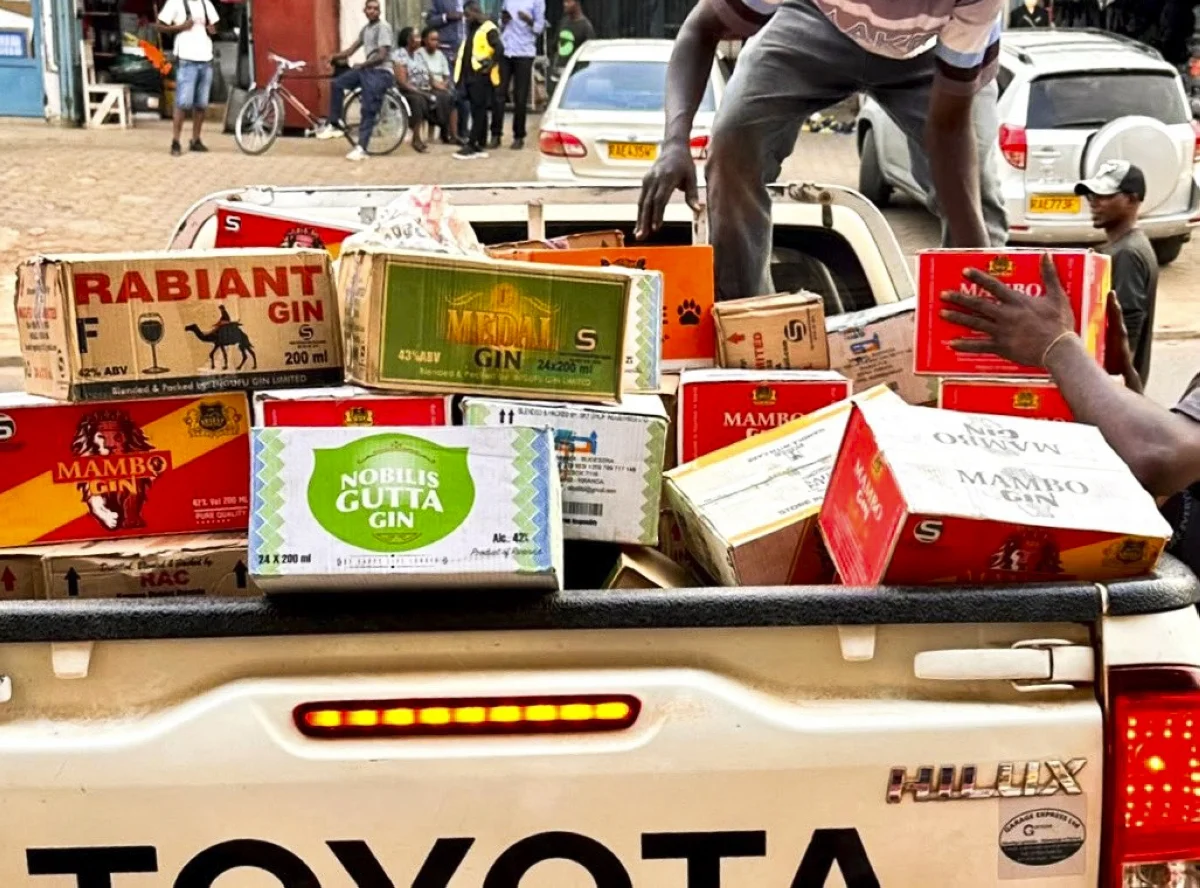
    'From January through July, more than 500 people sought medical treatment after consuming these alcoholic drinks,' he said.

    'They arrived in critical condition, vomiting, suffering from severe diarrhoea; some had lost their eyesight, while others were brought to hospital on stretchers after collapsing at social gatherings, including weddings. Investigations consistently found links to adulterated alcoholic drinks.'

    According to the minister, more than 50 people have died after consuming the toxic beverages.

    He added that the government's assessment also identified a far broader group of people whose lives have been severely affected by alcohol dependence.

    'We asked ourselves whether there were people who had not been hospitalised but were slowly dying because of alcohol addiction. We have so far identified more than 10,000, close to 11,000 people across the country who are addicted to alcohol,' he said.

    'These are only the cases we know about and represent just a small fraction of the actual number. They are people who spend much of their lives intoxicated.'

    Authorities have so far shut down more than 100 alcoholic beverage manufacturers for regulatory non-compliance as part of an ongoing crackdown.

    Dr. Nsanzimana noted that non-communicable diseases now claim more lives in Rwanda than infectious diseases, with harmful alcohol consumption among the major contributing factors.

    'We are seeing young people develop kidney disease because of these alcoholic drinks,' he explained.

    He further disclosed that more than 100 people lost their eyesight after consuming the illicit alcohol during the first seven months of the year.

    Inspections expose widespread violations

    As the crisis deepened, the government ordered the closure of factories producing the drinks after inspections found widespread non-compliance with manufacturing standards.

    'Every factory inspected so far failed to meet the conditions it had committed to when obtaining its operating licence,' Dr. Nsanzimana said.

    He explained that while each factory is required to employ qualified technical personnel, investigators found instances where the same professional had been listed as responsible for more than 10 factories simultaneously, making effective oversight impossible.

    Inspectors also found poor hygiene standards and unsafe storage of raw materials at many production sites.

    Laboratory tests further revealed serious discrepancies between product labels and actual alcohol content.

    'In some cases, bottles labelled as containing 40% alcohol were found to contain 70%,' he revealed.

    'Others used labels that did not match the contents or even counterfeited established brands by refilling bottles from legitimate manufacturers with their own products before attaching counterfeit labels.'

    He described the scheme as a coordinated network involving licensed manufacturers, unlicensed producers and distributors.

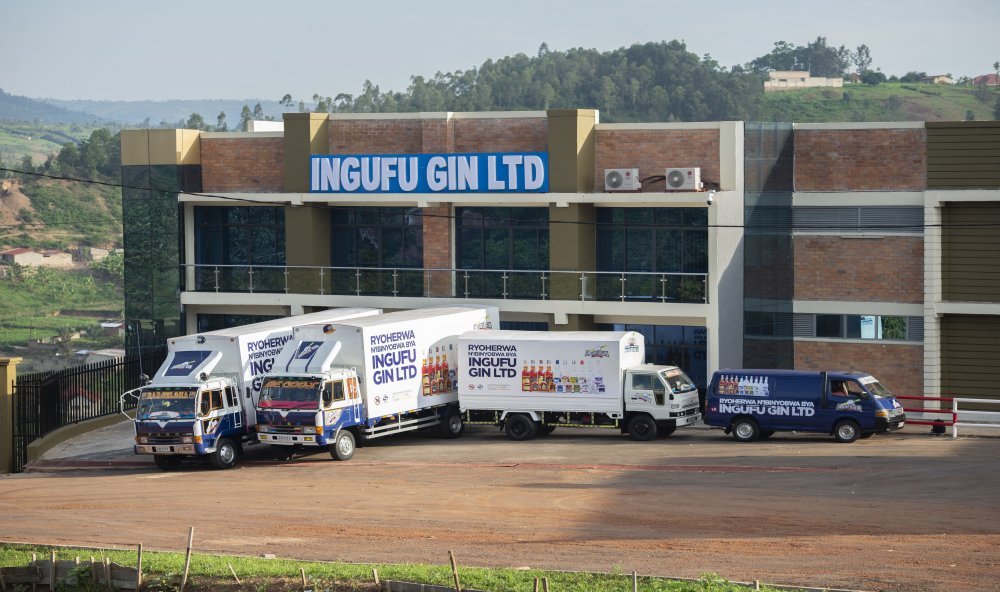
    Ingufu Gin Ltd, which produces a range of alcoholic beverages, is among the manufacturers shut down by the Rwanda Food and Drugs Authority in the ongoing crackdown.

    Sophisticated distribution network

    The minister also revealed that some large manufacturers imported industrial alcohol, used part of it in licensed production and illegally diverted the remainder for distribution across the country.

    'You would find motorcycles transporting four jerrycans to Nyagatare, Rusizi or Nyabihu. These deliveries were carried out at night through a highly organised network,' he said.

    'The operation was only uncovered after an extensive investigation that went beyond the institutions responsible for issuing licences.'

    According to Dr. Nsanzimana, alcohol found in remote communities could often be traced back to factories in Kigali, with those involved driven by the significant profits generated by the illegal trade.

    He warned that producers deliberately manufactured highly intoxicating drinks because they understood their addictive effects.

    'They know these drinks create dependency,' he said.

    'The stronger the intoxication, the more likely the consumer is to crave another drink the following day. They keep returning in search of that feeling until they eventually become addicted.'

    The Rwanda Food and Drugs Authority (Rwanda FDA) has so far shut down more than 100 alcoholic beverage manufacturers for regulatory non-compliance as part of an ongoing crackdown.

    The regulator has also ordered the immediate recall of their products from the market and banned all advertising of the affected products.

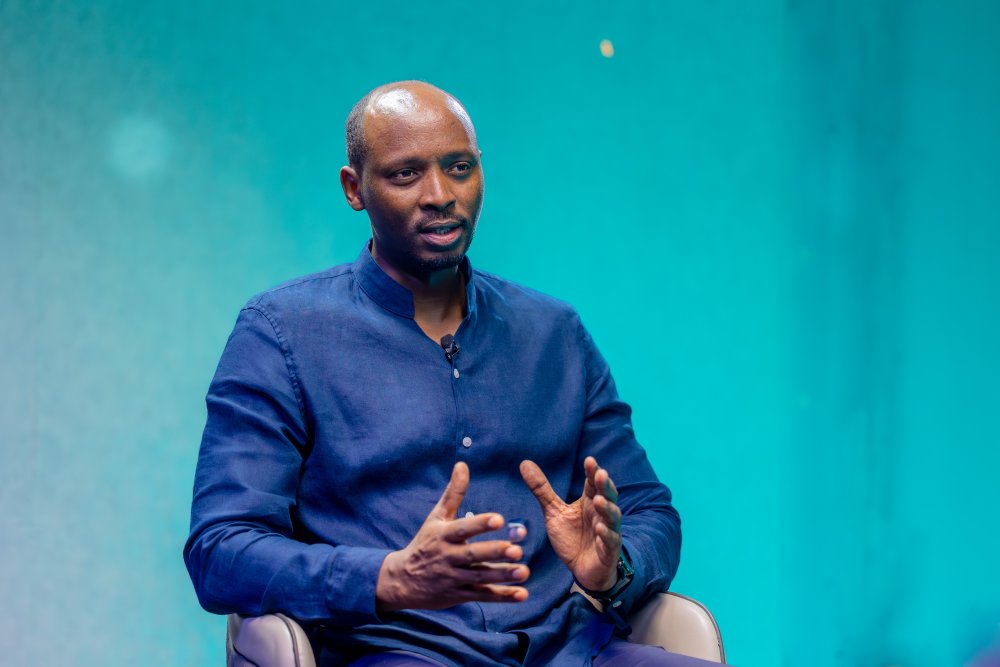
    Speaking to IGIHE, Health Minister Dr. Sabin Nsanzimana said authorities examined every link in the chain, from consumers and manufacturers to regulators, local leaders and institutions responsible for enforcing food and beverage safety standards.

    Source : https://new.igihe.com/english/over-50-dead-11000-addicted-more-than-100-blinded-minister-nsanzimana-reveals-scale-of-toxic-alcohol-menace/

  • Producer sues Netflix for $105 million over missing Nicolas Cage thriller #rwanda #RwOT

    Swiss producer Simon Afram filed the lawsuit in the U.S. District Court for the Central District of California, accusing Netflix of breach of contract over the disappearance of the digital master of Fortitude. The film had been delivered to Netflix for a distribution review after the company expressed interest in acquiring the project.

    According to the lawsuit, an unencrypted digital cinema package of the film was hand-delivered to Netflix on June 15. Executives reportedly screened the movie the following day, but the filmmakers were not informed until nine days later that the hard drive containing the film had disappeared.

    Court documents include a June 25 email from Netflix Original Film director Sean Berney, who described the incident as unprecedented for the company.

    'Unfortunately, someone stole a good amount of drives from our office desks this past week,' Berney wrote. 'Our piracy teams are on high alert with the breach and will monitor, but they are likely just selling the drives for scrap.'

    The lawsuit alleges Netflix may have known about the theft for up to a week before informing the filmmakers. Afram's legal team argues that Netflix's reported offer to reimburse the cost of a replacement hard drive, estimated at about $800, falls far short of the losses associated with a film that cost more than $45 million to produce.

    The complaint contends that the disappearance of the master copy jeopardises the film's commercial prospects, arguing that its exclusivity and market value have been compromised before release.

    'The resulting damage to Plaintiffs is profound,' the lawsuit states, adding that the incident deprived the filmmakers and cast of the opportunity to bring the project to audiences through a properly marketed global release.

    Directed by Simon West, who previously collaborated with Cage on Con Air, Fortitude tells the story of Duško Popov, the real-life World War II double agent widely believed to have inspired Ian Fleming's James Bond character. The cast also includes Ben Kingsley, Ron Perlman, Matthew Goode, Michael Sheen and Alice Eve.

    Afram said he spent seven years developing the project and described the film as featuring the 'performance of a lifetime' from its cast.

    The producer is seeking $105 million in damages, a figure the lawsuit says is based on the film's production budget and projected earnings, arguing that successful films often generate revenues worth at least 2.5 times their production costs.

    Netflix has denied liability, arguing that the film was submitted without industry-standard security protections because the digital copy was not encrypted.

    In a statement, the company said it takes content security seriously and has conducted an investigation while monitoring piracy sites for any unauthorised distribution of the film.

    'Netflix disputes any claim that it bears the risk of loss for a film delivered without the proper industry-standard safeguards,' the company said.

    Netflix also rejected the producer's claims, characterising the lawsuit as a 'hostile' attempt to extract money from the company. It alleged that Afram's legal team initially demanded $165 million and said it had declined to share details of its internal investigation while the matter remains under review.

    Despite the missing hard drive, Netflix said it has found no evidence that Fortitude has been leaked online. As of now, there is no indication that the unreleased film has surfaced on piracy platforms.

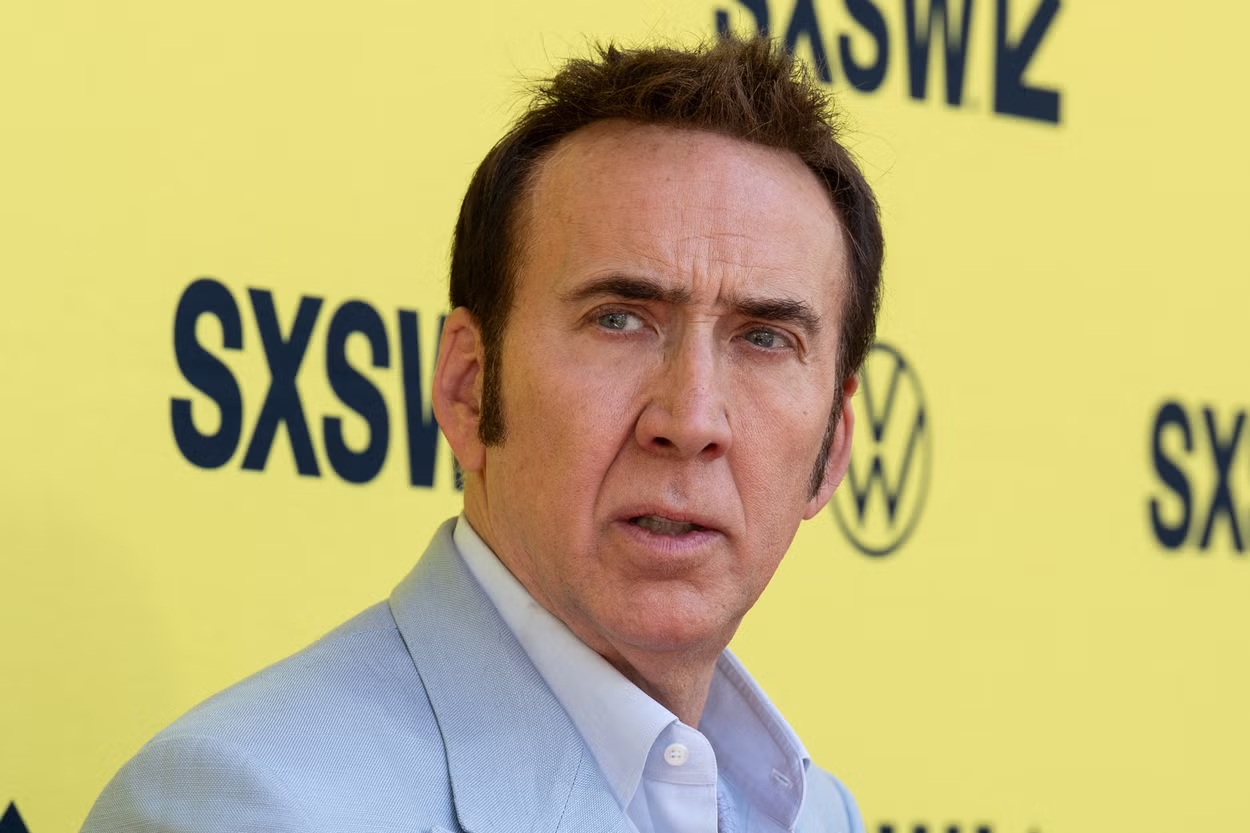
    Netflix is facing a $105 million lawsuit after the producer of an unreleased World War II thriller starring Nicolas Cage.

    Source : https://new.igihe.com/english/producer-sues-netflix-for-105-million-over-missing-nicolas-cage-thriller/

  • Kinshasa's handling of FDLR under scrutiny as armed group gains space to shape its own fate #rwanda #RwOT

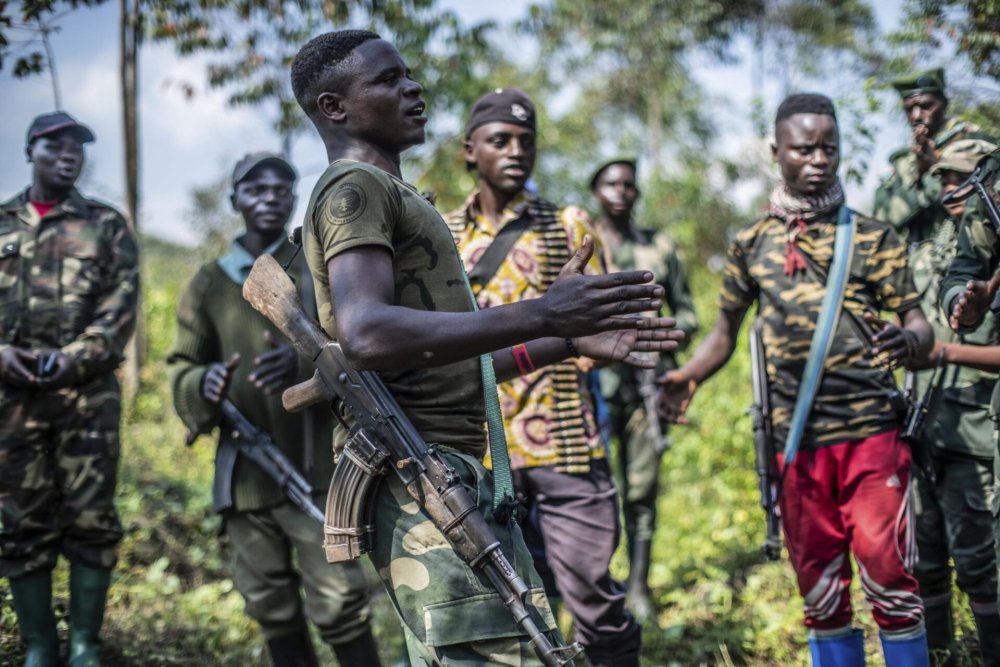
    Ngoma made the remarks during an interview with the BBC while discussing an agreement reached between FDLR and the DRC government regarding the future of the armed group.

    He said that agreements related to the Washington Accords and accompanying documents include a provision requiring the DRC to dismantle FDLR, but argued that the process should not involve military action.

    According to Ngoma, FDLR and the DRC agreed that Kinshasa should not use force in efforts to dismantle the group.

    'Those agreements contain a section stating that Congo must dismantle FDLR. That section is what led us to discuss how Congo can fulfil that responsibility without using force to destroy us, but rather through awareness campaigns, especially because the CONOPS document contains both approaches,' he said.

    The remarks highlight the close engagement between FDLR and the DRC government, with both sides holding discussions on how the group's dismantling should be carried out.

    Rwanda has for years called for the complete disarmament and dismantling of FDLR.
    Ngoma also said no deadline had been set for implementing the agreement between FDLR and the DRC.

    'We have not been given a deadline. Each side has responsibilities, and we did not establish a timeline because there are also issues we have requested to be addressed first,' he said.
    He added that FDLR operates in eastern DRC, particularly in areas currently controlled by the M23 rebel group, where he said its fighters are most visible.

    Rwanda has consistently identified FDLR as a security threat because the group was founded by individuals linked to the 1994 Genocide against the Tutsi and operates near Rwanda's borders.

    During peace talks between Rwanda and the DRC, from the Luanda process to the Washington Accords, the issue of FDLR has remained central. Rwanda has maintained that dismantling the group is a key condition for removing security measures it has put in place along its border.

    Rwanda Government spokesperson Yolande Makolo recently reiterated that the Washington Accords were not intended to create negotiations aimed at persuading FDLR, but rather to ensure its removal through disarmament and dismantling.

    'The Washington Agreement calls for the neutralisation of the FDLR—not a negotiated protocol with a genocidal militia that the DRC government continues to arm and collaborate with,' Makolo said.

    She added that declarations of voluntary disarmament are meaningless while the group remains integrated into the Congolese army and continues to fight on the frontlines.

    'Voluntary 'disarmament' announcements while the FDLR remains embedded in the Congolese army & active on the frontlines change nothing. Implementation means verifiable dismantlement, not theatre.'

    On July 28, 2026, DRC officials, including Regional Integration Minister Floribert Anzuluni and Government spokesperson Patrick Muyaya, announced that FDLR had agreed to lay down its arms, adding that the remaining step was for Rwanda to remove its defensive measures.

    Rwanda rejected that position, arguing that FDLR should not be treated as an ordinary armed group engaging in negotiations with a government.

    Rwanda's Foreign Affairs Minister Olivier Nduhungirehe recently said the agreement between the DRC and FDLR was separate from the Washington peace agreement and criticised Kinshasa's continued portrayal of the FDLR issue as resolved.

    Rwanda has consistently identified FDLR as a security threat because the group was founded by individuals linked to the 1994 Genocide against the Tutsi and operates near Rwanda's borders.

    Source : https://new.igihe.com/english/kinshasas-handling-of-fdlr-under-scrutiny-as-armed-group-gains-space-to-shape-its-own-fate/

  • African Academy for Women in Political Leadership opens in Kigali #rwanda #RwOT

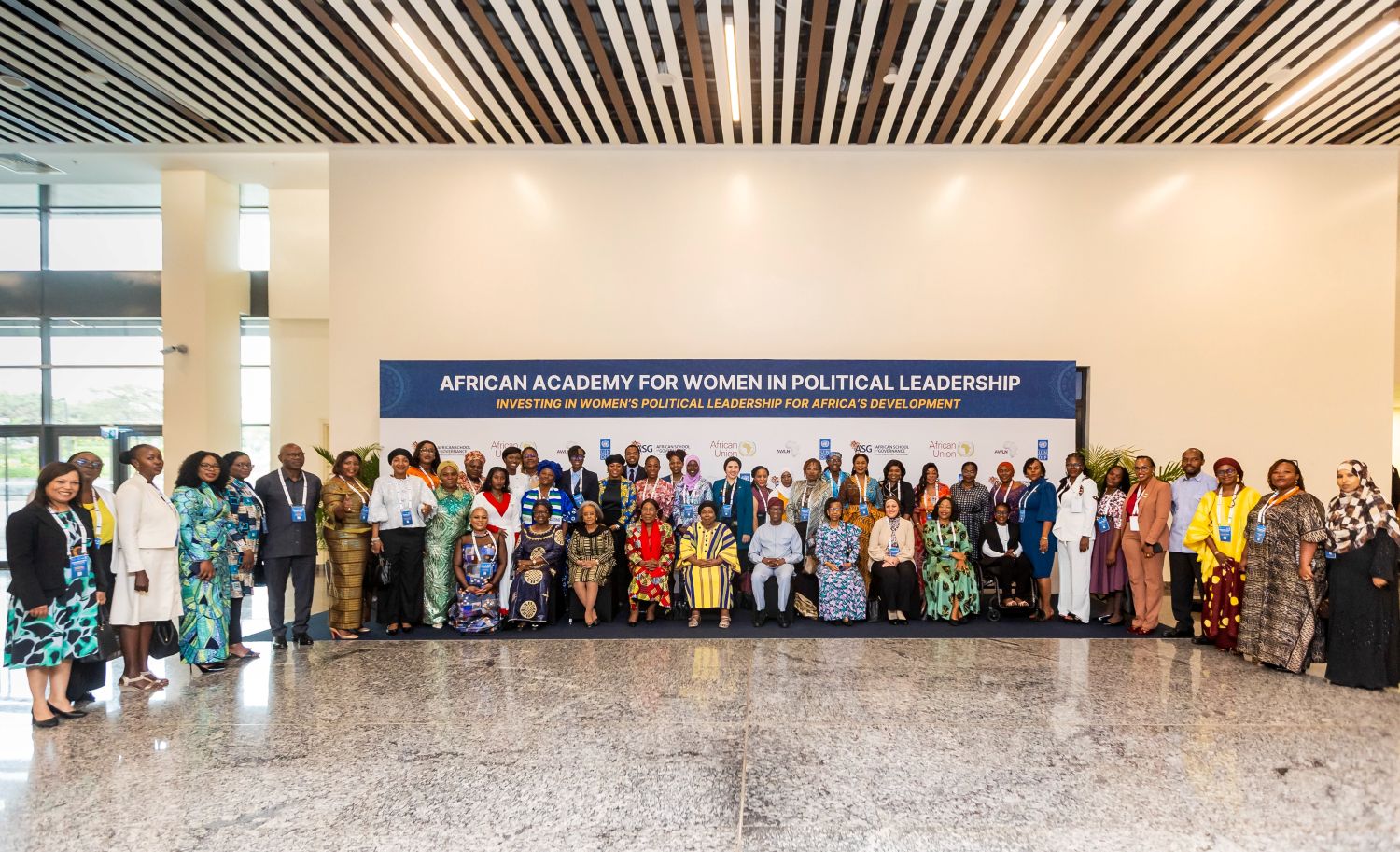
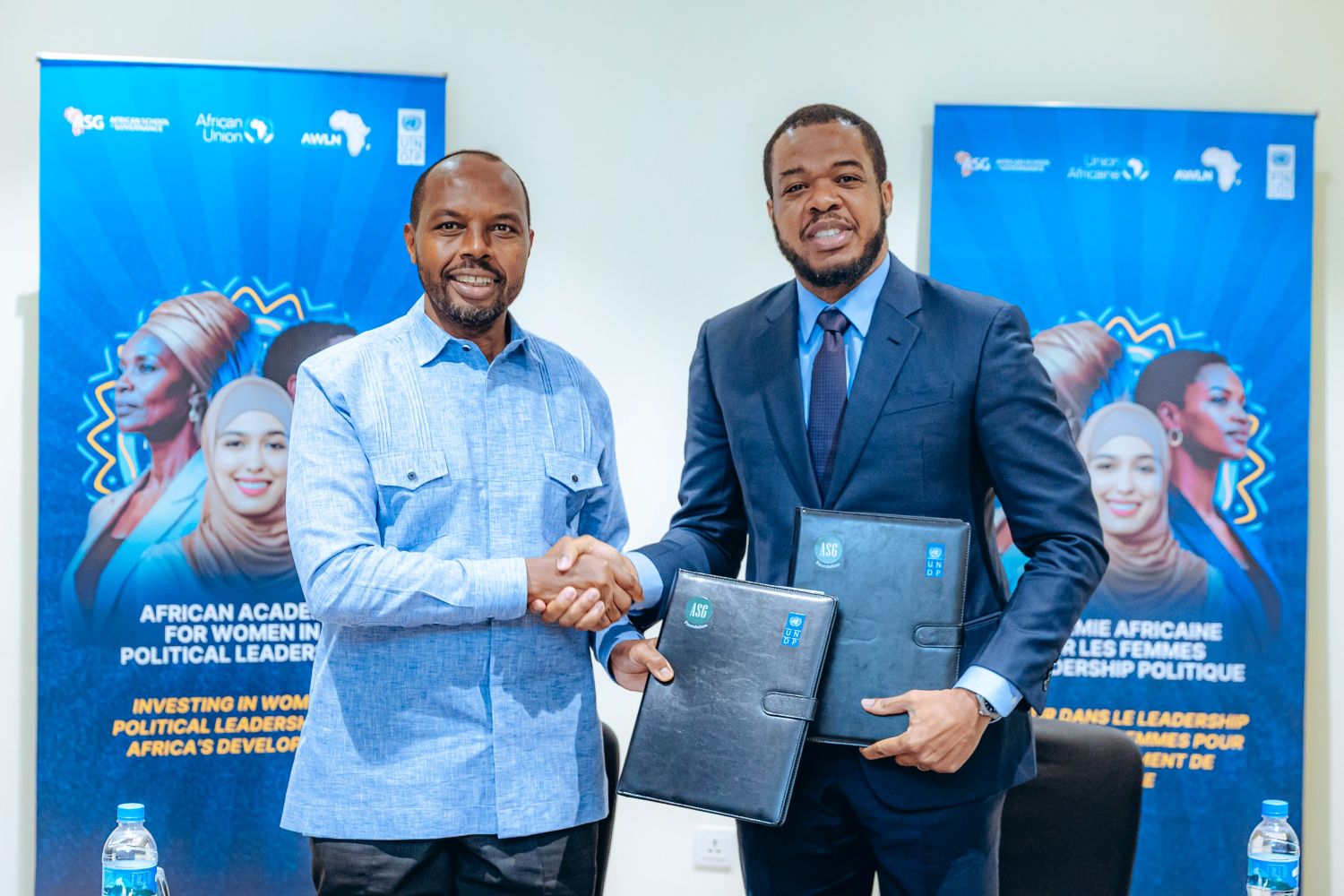
    The academy was launched on Monday, August 3, through a partnership between the Kigali-based African School of Governance (ASG), the United Nations Development Programme (UNDP), the African Union Commission (AUC) and the African Women Leaders Network (AWLN).

    The initiative seeks to develop a new generation of women political leaders through structured learning, mentorship and peer-to-peer exchanges, while creating a lasting network of women committed to advancing inclusive governance across the continent.

    Speaking at the launch, ASG President Francis Gatare said the academy aligns with the institution's mission of developing leaders committed to ethical governance and public service.

    'Our mandate is to create a generation of African leaders who are ethical, who have a transformative mindset and have a commitment to the pursuit of excellence in the service of their communities and their countries,' he said.

    Gatare noted that while several African countries have made progress in increasing women's representation in political institutions, women remain underrepresented in leadership and decision-making spaces across much of the continent.

    He said the academy is designed as a long-term platform that will continue beyond the initial training programme by connecting participants through a permanent network.

    'This initiative is called an academy because it implies a certain permanence. What we are hoping to achieve is to create a permanent network between participating cohort members,' he remarked.

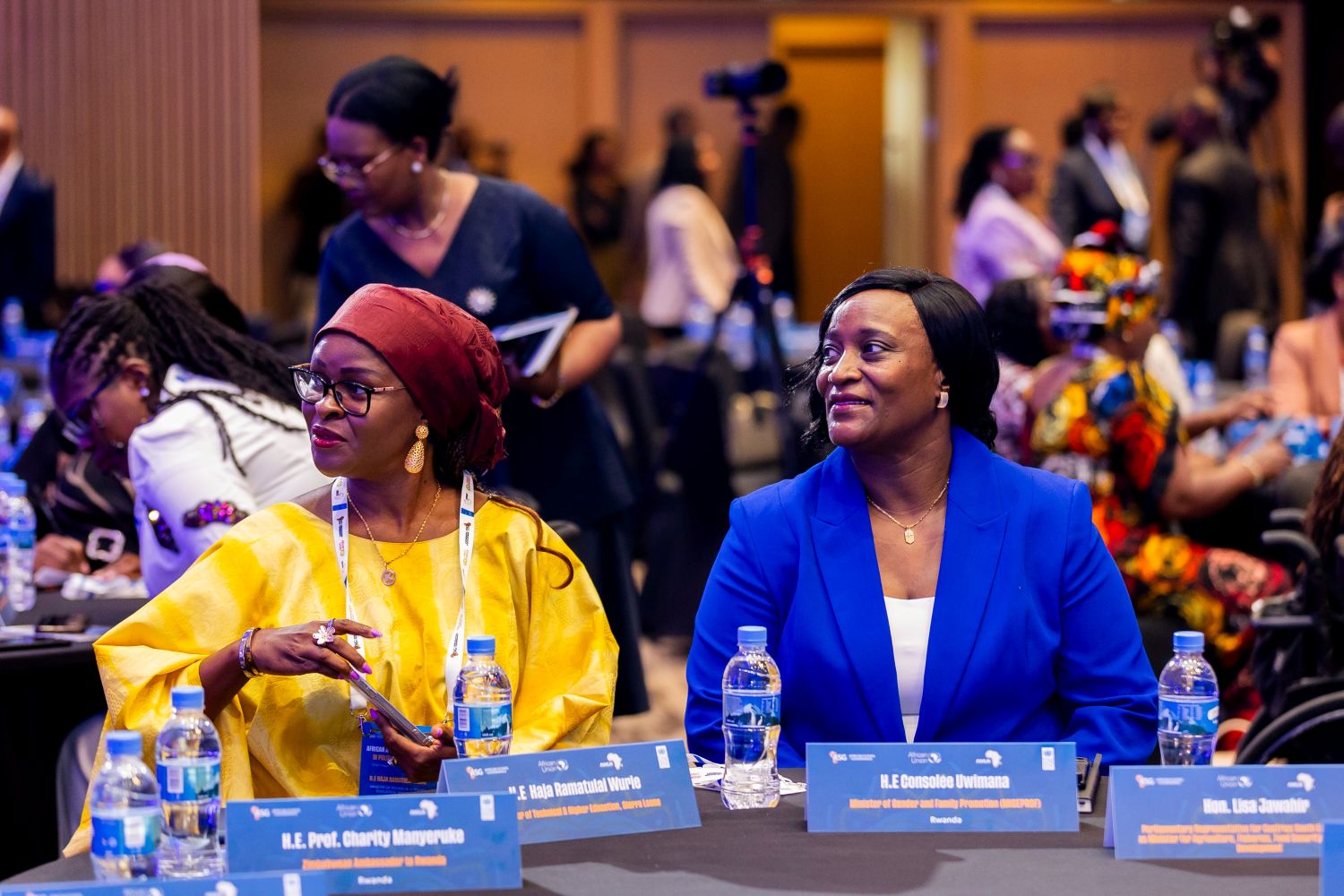
    The inaugural cohort comprises 40 women leaders selected from more than 1,300 applicants across 28 countries. The participants include ministers, members of parliament, speakers, mayors, political party leaders and representatives from government institutions, African Union agencies and civil society organisations.

    The four-week blended programme combines virtual learning with a residential convening in Kigali, covering areas such as governance, political communication, campaign strategy, political financing, ethical leadership and resilience-building.

    Participants will also benefit from mentorship provided by senior members of the African Women Leaders Network and become part of ASG's alumni community to support continued collaboration and peer learning after completing the programme.

    Jide Martins Okeke, Director of the Regional Programme for Africa at UNDP, said the academy represents a shift from policy commitments on women's political participation to practical efforts that build leadership capacity.

    He commended Rwanda for having the world's highest representation of women in parliament, but said achieving gender parity requires more than legislation.

    'This academy represents that shift from formulation to implementation. More fundamentally, it's going to provide the capabilities, the networks, the sisterhood that is needed to advance women's representation in political decision-making across the African continent,' he stressed.

    Okeke added that addressing gender inequality requires a broader transformation of social attitudes, including engaging men through positive masculinity approaches to challenge patriarchal systems.

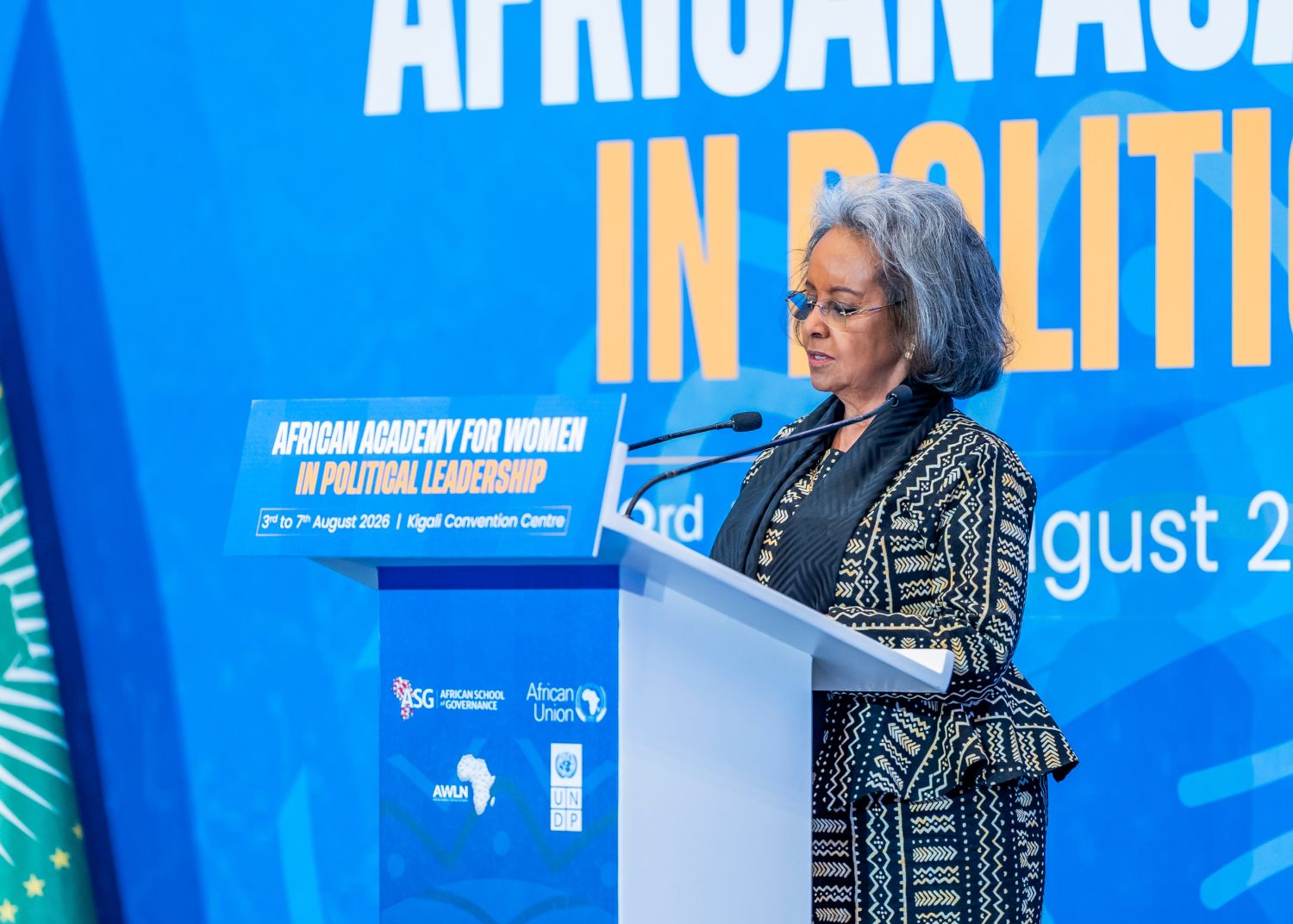
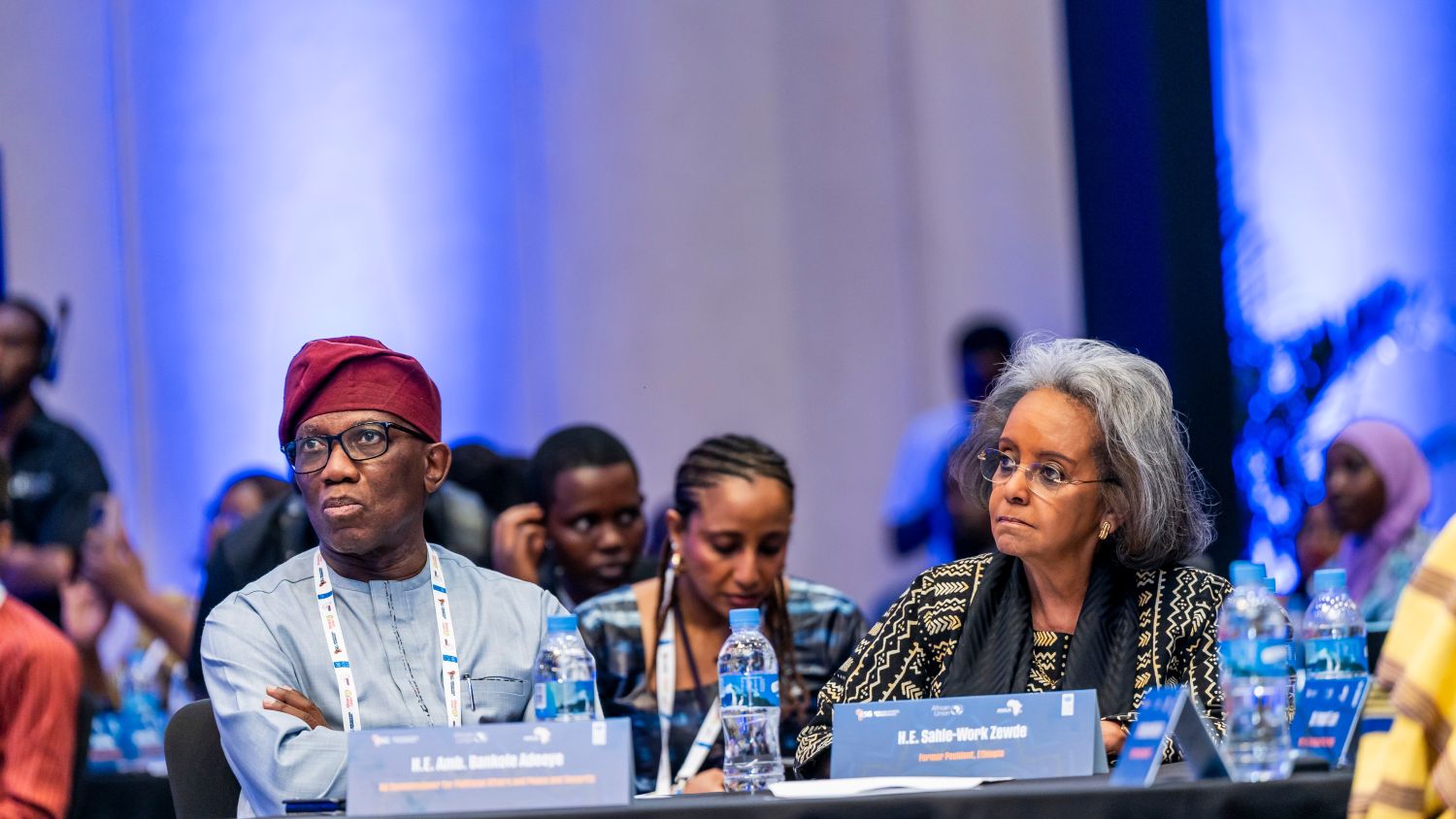
    Former Ethiopian President and African Women Leaders Network Elder Sahle-Work Zewde said the academy goes beyond preparing women to contest elections, focusing instead on building leaders capable of strengthening institutions and driving meaningful change.

    She said the initiative also institutionalises a culture of women supporting and learning from one another.

    The academy was first launched on the margins of the African Union Heads of State and Government Summit in February 2025 and is part of a broader continental initiative aimed at increasing women's influence and sustained representation in political decision-making.

    Following the high-level launch, the inaugural cohort begins a five-day residential stay in Kigali as part of their four-week blended programme, participating in experiential learning, leadership dialogues, and mentorship sessions that mark the beginning of the academy's regional rollout.

    The academy was launched on Monday, August 3, through a partnership between the Kigali-based African School of Governance (ASG), the United Nations Development Programme (UNDP), the African Union Commission (AUC) and the African Women Leaders Network (AWLN).
    ASG President Francis Gatare and UNDP Regional Director for Africa Jide Martins Okeke signed the MoU formalising the partnership that established the academy.

    Former Ethiopian President and African Women Leaders Network Elder Sahle-Work Zewde said the academy goes beyond preparing women to contest elections, focusing instead on building leaders capable of strengthening institutions and driving meaningful change.
    The initiative seeks to develop a new generation of women political leaders through structured learning, mentorship and peer-to-peer exchanges, while creating a lasting network of women committed to advancing inclusive governance across the continent.

    Source : https://new.igihe.com/english/african-academy-for-women-in-political-leadership-opens-in-kigali/

  • MoMo Rwanda, BPR Bank Rwanda Plc unveil MoFaya with loans up to Rwf2 million #rwanda #RwOT

    Whether it's covering an unexpected expense, taking advantage of a business opportunity, or saving towards a personal milestone, MoFaya gives customers the flexibility to manage their finances with confidence through a simple, secure, and fully digital experience.

    MoFaya enables eligible customers to borrow between Rwf 1,500 and Rwf 2,000,000, with flexible repayment periods of 3, 7, 14, or 30 days, allowing them to choose an option that best suits their financial needs.

    Interest rates are transparent and competitive, ranging from 2.5% to 9%, depending on the selected repayment period.

    In addition to instant access to credit, customers can also save directly through MoFaya and earn attractive interest rates ranging from 5% to 8%, depending on the savings target they choose.

    The solution encourages customers to not only meet immediate financial needs but also plan confidently for the future.

    Getting Started with MoFaya

    Accessing MoFaya is simple and convenient. Customers can dial 1825*6# and follow the prompts to apply for a loan or start saving. Once approved, loan funds are instantly disbursed into the customer's MoMo wallet, enabling them to transact immediately.

    Speaking at the launch, Chantal U. Kagame, Chief Executive Officer of MoMo Rwanda, said: 'At MoMo Rwanda, every innovation begins with understanding the everyday realities of our customers. Sometimes people need a little financial support to bridge the gap before payday, respond to an emergency, or take advantage of an opportunity. Other times , they simply want an easy and reliable way to save towards their dreams.

    'MoFaya gives our customers the flexibility to do both; from wherever they are, at any time, and directly from their phones. Together with BPR Bank Rwanda Plc., we are making financial services more accessible, more convenient, and more empowering because everyone deserves solutions that help them move forward with confidence.'

    The launch of MoFaya reflects the shared commitment of MoMo Rwanda and BPR Bank Rwanda to expand access to inclusive digital financial services.

    By combining the convenience of Mobile Money with trusted banking expertise, the partnership enables more Rwandans to access affordable credit and grow their savings through secure, customer – centric digital solutions.

    Speaking on the partnership, Patience Mutesi, Managing Director of BPR Bank Rwanda Plc, said: 'BPR Bank is committed to making financial services more accessible, convenient, and relevant to the everyday needs of our customers. Through our partnership with MoMo Rwanda, MoFaya extends the reach of affordable digital credit and savings solutions to more Rwandans, enabling them to respond to immediate financial needs, invest in opportunities, and build a stronger financial future.

    'This collaboration reflects our continued commitment to advancing financial inclusion through innovative, customer – centric solutions that empower individuals and businesses to thrive.'

    As Rwanda continues to embrace digital financial services, MoMo Rwanda remains committed to developing innovative solutions that simplify everyday life, empower individuals and businesses, and contribute to a more financially connected nation.

    Mobile Money Rwanda Ltd is MTN Rwanda's FinTech subsidiary, established on 27th April 2021 to provide and manage Mobile Money services in Rwanda.

    The company has about 6.4 million subscribers, over 65,000 Mobile Money agents, and over 600,000 MoMoPay merchants across the country.

    BPR Bank Rwanda Plc is Rwanda's largest bank by customer base, with a nationwide network of 73 branches, serving individuals, SMEs, corporates, and institutional clients across the country.

    As a member of the KCB Group, the Bank combines deep local expertise with regional strength to deliver innovative, customer – centric financial solutions.

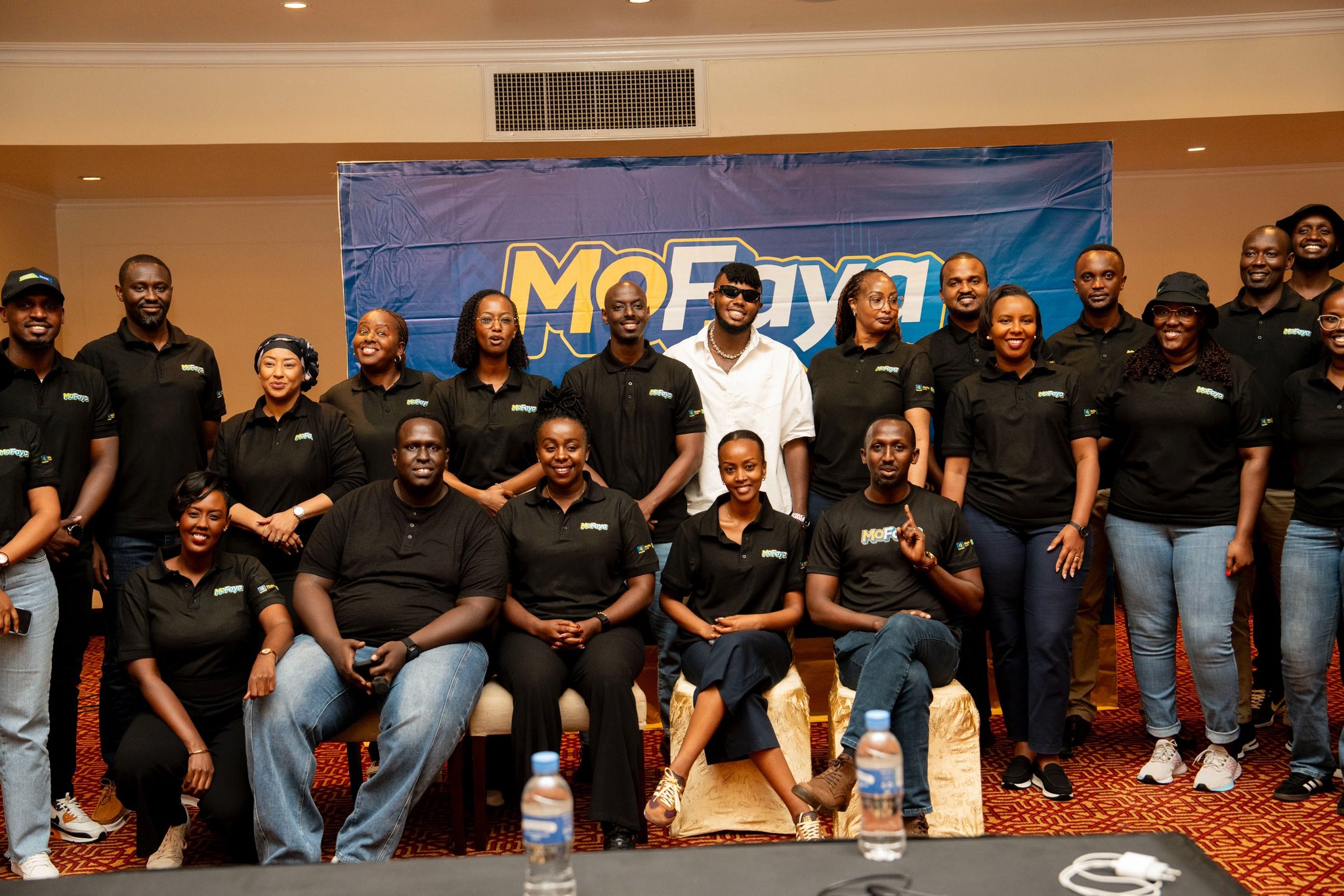
    The newly launched MoFaya gives customers the flexibility to manage their finances with confidence through a simple, secure, and fully digital experience.
    MoMo Rwanda and BPR Bank Rwanda officials unveil MoFaya, a digital financial service aimed at expanding access to credit and savings solutions.

    Source : https://new.igihe.com/english/momo-rwanda-bpr-bank-rwanda-plc-unveil-mofaya-with-loans-up-to-rwf2-million/

  • King James sets sights on nationwide and diaspora tour after BK Arena spectacle #rwanda #RwOT

    The artist shared the plans while speaking to journalists after the final concert of his two-night BK Arena celebration.

    He said the overwhelming response to the concerts made him realize that many supporters from different parts of the country had hoped to attend but were unable to make the trip to Kigali.

    According to King James, the idea of performing across the country was inspired by his recent tour of community radio stations, where he thanked fans for standing by him throughout his 20-year music career.

    Responding to a question on whether the anniversary concerts could become an annual tradition, the singer said he was not ready to make such a commitment but left the possibility open.

    'No, I don't like making promises I can't keep. But it is possible. As you know, I recently toured community radio stations across the provinces to thank fans who have supported me throughout these 20 years in music. I believe we can celebrate together in another way, and we'll announce those plans in the coming days,' he said.

    Beyond Rwanda, King James also invited Rwandans and music lovers living abroad to attend the international concerts he is preparing.

    He announced that the first show will take place in Belgium on August 22, 2026, adding that more engagements across Europe will be unveiled in the coming days while he is on the continent.

    The singer also disclosed plans to perform for fans in the United States and Canada, saying discussions are ongoing to organize concerts in several African countries as part of a broader international tour.

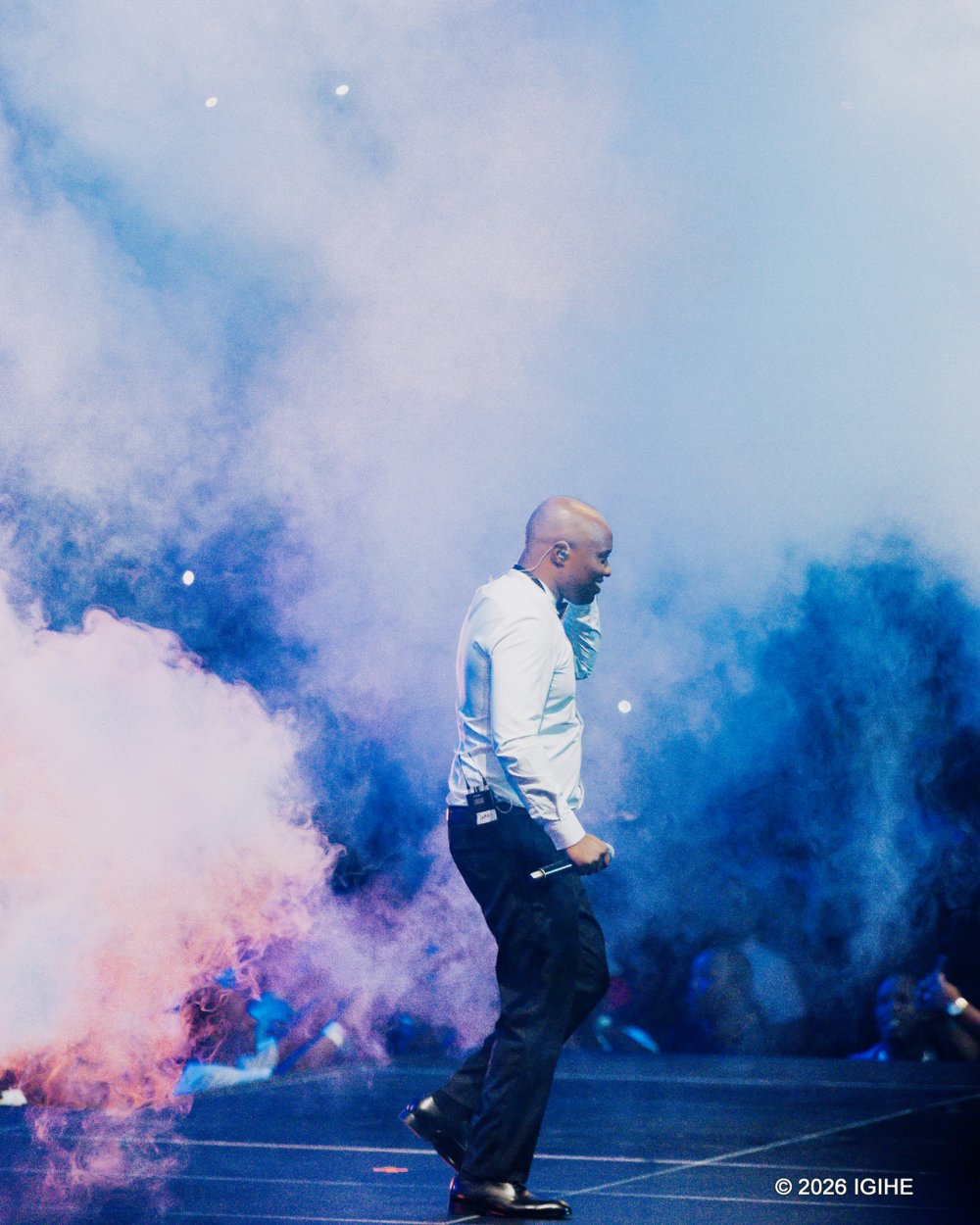
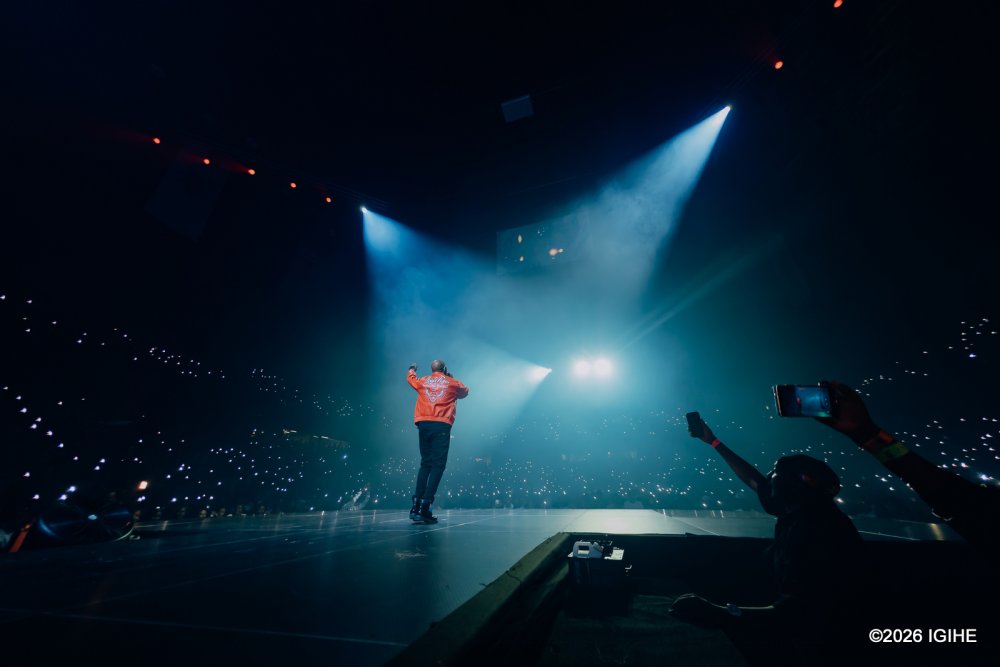
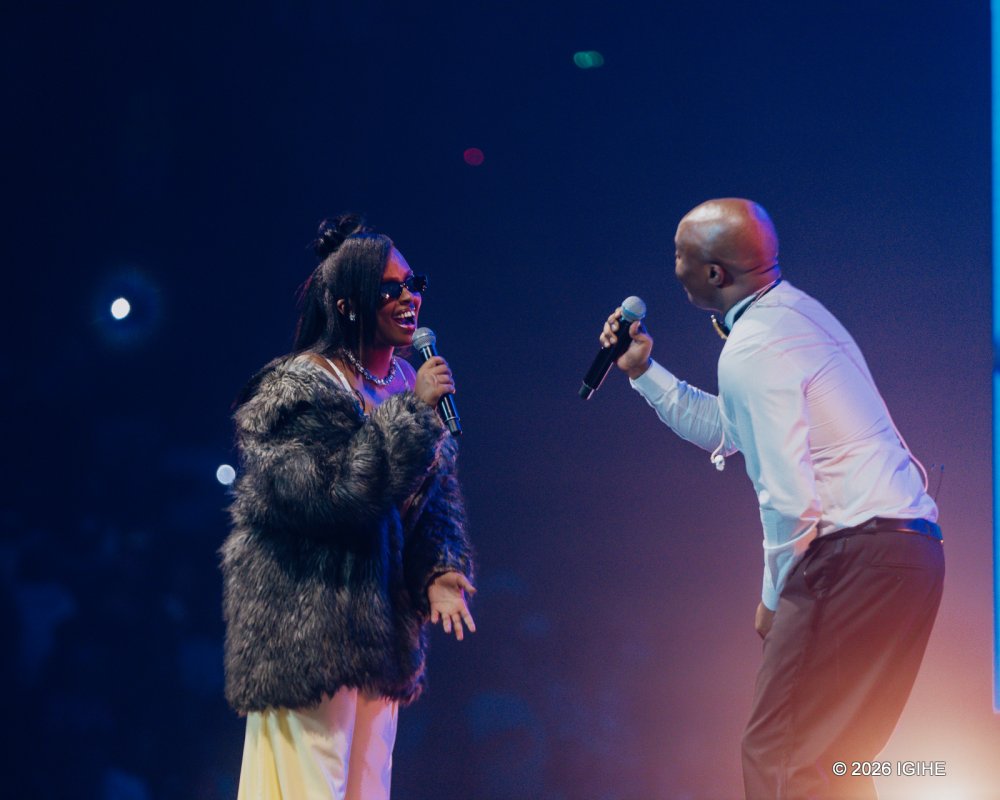
    King James has revealed plans to take his performances beyond Kigali following his two historic concerts at BK Arena.
    King James thrilled a packed BK Arena as both nights of his anniversary concerts sold out, filling the 10,000-capacity venue.
    He said the overwhelming response to the concerts made him realize that many supporters from different parts of the country had hoped to attend but were unable to make the trip to Kigali.

    Source : https://new.igihe.com/english/king-james-sets-sights-on-nationwide-and-diaspora-tour-after-bk-arena-spectacle/

  • Ngoma: New tomato processing plant to handle 10 tonnes daily #rwanda #RwOT

    The facility, named Ngoma Tomato Processing Plant, was established by Afrinet Solutions Group and is expected to address one of the biggest challenges facing tomato farmers: the lack of a reliable market, which has often resulted in large quantities of produce going to waste.

    The plant is expected to begin operations in the coming months after obtaining the necessary regulatory approvals. It is currently undergoing final testing to ensure its processing systems are fully operational before commercial production begins.

    Once operational, the factory will process 10 tonnes of fresh tomatoes every day, producing approximately one tonne of tomato paste. The paste will be used in the manufacture of a range of products, including tomato sauce, ketchup, tomato juice and other tomato-based products.

    Residents living near the facility welcomed the investment, saying it will provide farmers with a dependable market for their harvests and help prevent tomatoes from spoiling due to limited demand.

    One of the farmers, Hakizimana Elias, said producers previously had no choice but to transport their tomatoes to Kigali, where buyers often purchased only small quantities.

    'Our harvests were good, but we struggled to find buyers. We had to take our tomatoes to Kigali, where only small amounts were bought. With this factory now in our area, our produce will finally have value. We have repeatedly raised concerns during community meetings about our harvests going to waste because there was no reliable market,' he said.

    Another farmer and investor, Kamana Nicole, said the factory gives greater value to her investment in tomato farming by guaranteeing a ready market for the crop.

    'We are constantly encouraged to invest in activities that contribute to the country's development. That is why I invested in tomato farming after returning from abroad. I believe this venture will improve my livelihood while also contributing to Rwanda's economic growth,' she said.

    Members of the Senate Committee on Economic Development and Finance recently toured the plant and praised the progress made.

    However, they urged its management to learn from the challenges that affected similar processing factories in the past.

    The committee's chairperson, Fulgence Nsengiyumva, said farmers told the committee that although production had increased, they frequently failed to find buyers, leaving much of their harvest to rot in the fields.

    He recalled that Sorwatom, a tomato processing factory, initially purchased tomatoes directly from local farmers before later switching to buying tomato paste from other suppliers. It eventually abandoned that approach as well and instead began importing packaged tomato sauce for sale on the Rwandan market.

    Nsengiyumva emphasized that the new factory should avoid repeating that experience by maintaining direct purchases from local farmers, noting that providing a sustainable market for their produce is the plant's primary purpose.

    So far, the factory has signed supply agreements with farmers from 24 cooperatives across the seven districts of Eastern Province, two large farming groups and about 30 individual farmers, bringing the total number of contracted suppliers to around 1,500.

    The facility is also expected to create more than 50 permanent jobs once it becomes fully operational.

    Eastern Province's first tomato processing plant has been completed in Ngoma, with capacity to process 10 tonnes daily.

    Source : https://new.igihe.com/english/ngoma-new-tomato-processing-plant-to-handle-10-tonnes-daily/

  • Deadly flowers could hold the key to future medicines, Scientists discover #rwanda #RwOT

    Scientists have uncovered how two highly poisonous flowers produce complex chemical compounds that could one day contribute to the development of new medicines for conditions such as pain, malaria and cancer.

    Researchers from Michigan State University and the Czech Academy of Sciences studied two toxic plants, wolfsbane and larkspur, to understand how they create powerful natural chemicals known as diterpenoid alkaloids.

    Although these plants can cause severe nerve damage and paralysis when consumed in dangerous amounts, scientists say their chemical properties may also provide valuable opportunities for medical research.

    The study focused on a compound called atisinium, which belongs to the diterpenoid alkaloid family. These natural substances have attracted scientific interest because of their potential biological effects, but their complicated structures have made them extremely difficult to produce and study.

    To discover how these plants manufacture their chemicals, researchers analyzed thousands of genes from different species of wolfsbane and larkspur.

    They identified six key enzymes that work together like a biological production line, allowing the plants to build atisinium.

    Scientists then transferred the genetic instructions responsible for producing the compound into tobacco plants. The modified plants successfully recreated the chemical process, showing that they could potentially serve as 'living factories' for producing rare natural compounds.

    Plants have long been a major source of medicines. Many widely used substances, including caffeine, menthol and some cancer treatments, are either directly obtained from plants or inspired by plant chemistry.

    Researchers believe that understanding how poisonous plants create these compounds could help develop safer and more sustainable ways to produce them in larger quantities.

    'Our vision is to provide green, sustainable tools that will allow us to harness these plants' natural power,' said Björn Hamberger, one of the researchers involved in the study.

    The findings, published in the scientific journal Molecular Plant, could open new possibilities for studying plant-based chemicals and exploring their future applications in medicine and agriculture.

    Researchers from Michigan State University and the Czech Academy of Sciences studied two toxic plants, wolfsbane and larkspur, to understand how they create powerful natural chemicals known as diterpenoid alkaloids.

    Source : https://new.igihe.com/english/deadly-flowers-could-hold-the-key-to-future-medicines-scientists-discover/

  • No political platform can be opened to the FDLR – Nduhungirehe #rwanda #RwOT

    His remarks come after the government of the Democratic Republic of Congo (DRC) announced that it had reached an agreement with the FDLR aimed at dismantling the group through a non-military process.

    According to Congolese authorities, the agreement stems from a document prepared by FDLR president Victor Byiringiro, signed on May 30, 2026, and submitted to President Félix Tshisekedi.

    The DRC government says the arrangement provides for the FDLR to lay down its arms, have its fighters placed in secured transit centres, and later be reintegrated into civilian life.

    The FDLR has proposed that fighters who do not wish to return to Rwanda should be assisted in resettling in third countries.

    Rwanda has rejected the agreement, arguing that it is not provided for under the peace agreement signed in Washington in 2025. Kigali has maintained that the FDLR should instead be dismantled in line with the commitments contained in that accord.

    In a recent interview with BBC Gahuza, FDLR political spokesperson Cure Ngoma was asked whether the group had agreed on a timeline for implementing the agreement, including disarmament and the reintegration of its fighters. He said no timetable had been set.

    'We have not established a timeline because there are also conditions we have raised that must first be addressed,' Ngoma said.

    He added that the FDLR wants what it describes as 'Rwandan refugees' living in the DRC to be allowed to return home in a manner that guarantees both their dignity and security. Once those issues are resolved, he said, the group's remaining objective would be to participate in Rwanda's political process.

    'The issue is ensuring that our refugees are guaranteed security and can return to the country with dignity. After that, we can compete on the political stage inside the country,' he said.

    Speaking to IGIHE, Nduhungirehe dismissed the proposal for voluntary dissolution, insisting that no political space could be opened to the FDLR and reiterating Rwanda's position that the group must be dismantled.

    'No political platform can be opened to genocidaires. The FDLR must be dismantled, as stipulated in the Washington agreement. Its fighters should be repatriated to Rwanda without any further conditions,' he said.

    Some FDLR combatants have in recent years voluntarily returned to Rwanda, where they are received at the Mutobo Reintegration Centre operated by the Rwanda Demobilization and Reintegration Commission (RDRC) in Musanze District.

    At the centre, former combatants undergo civic education and reintegration programmes designed to prepare them for civilian life. They also receive vocational training and starter kits to help them establish livelihoods after returning to their communities.

    Although the DRC government says its agreement with the FDLR is intended to dismantle the group, information obtained by IGIHE indicates that the two sides have continued military coordination against the AFC/M23 coalition, which controls large areas of North and South Kivu provinces.

    According to the information, FDLR leaders held a series of meetings with officers of the Congolese army (FARDC) in June 2026, including in Rutshuru and Walikale territories. The discussions reportedly focused on integrating FDLR fighters into the government-backed Wazalendo militias.

    The same information indicates that, despite the announced agreement, the Tshisekedi administration has continued to engage with Rwandan opposition figures based abroad, with meetings reportedly being organised between some of them and FDLR leaders.

    Those involved include Jean-Luc Habyarimana, son of former Rwandan President Juvénal Habyarimana; former priest Thomas Nahimana; Fabien Singaye, a brother-in-law of Félicien Kabuga; and Thaddée Kwitonda, a former member of the FDLR leadership.

    Minister of Foreign Affairs and International Cooperation Olivier Nduhungirehe dismissed the proposal for voluntary dissolution, insisting that no political space could be opened to the FDLR and reiterating Rwanda's position that the group must be dismantled.

    Source : https://new.igihe.com/english/no-political-platform-can-be-opened-to-the-fdlr-nduhungirehe/