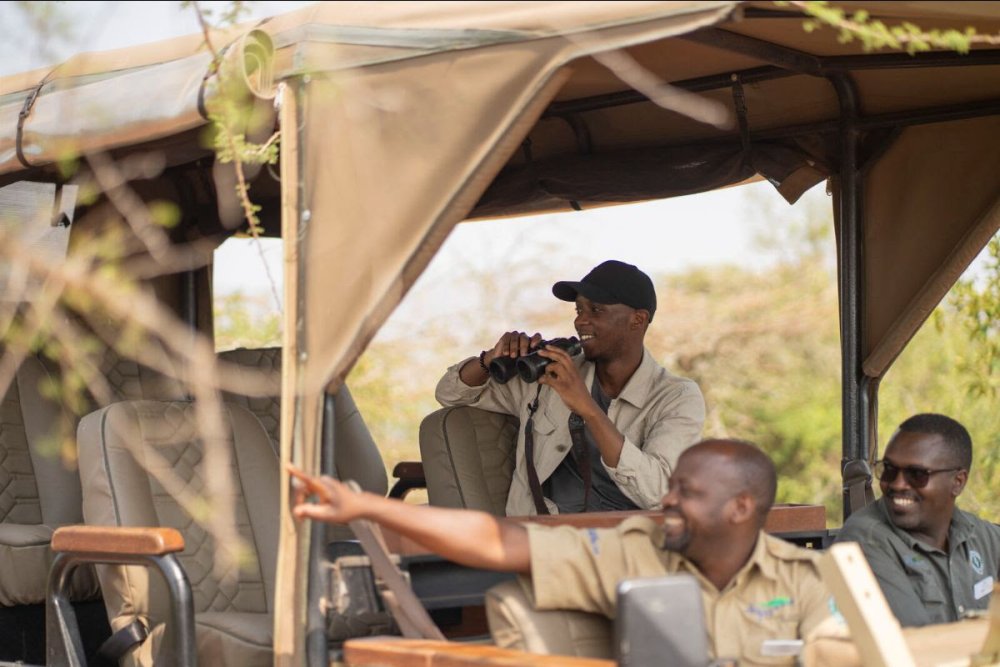
The park recorded 8,919 paying visitors during the quarter, with average visitor spending reaching US$108 per person.
Revenue was driven by tourism and hospitality activities, including park entry fees, guiding services, accommodation-related income, concession fees and fisheries.
The improved financial performance contributed to progress towards self-sustainability, with Akagera's sustainability ratio rising from 76 per cent in April to 104 per cent in June, strengthening the park's ability to fund conservation activities and community programmes.
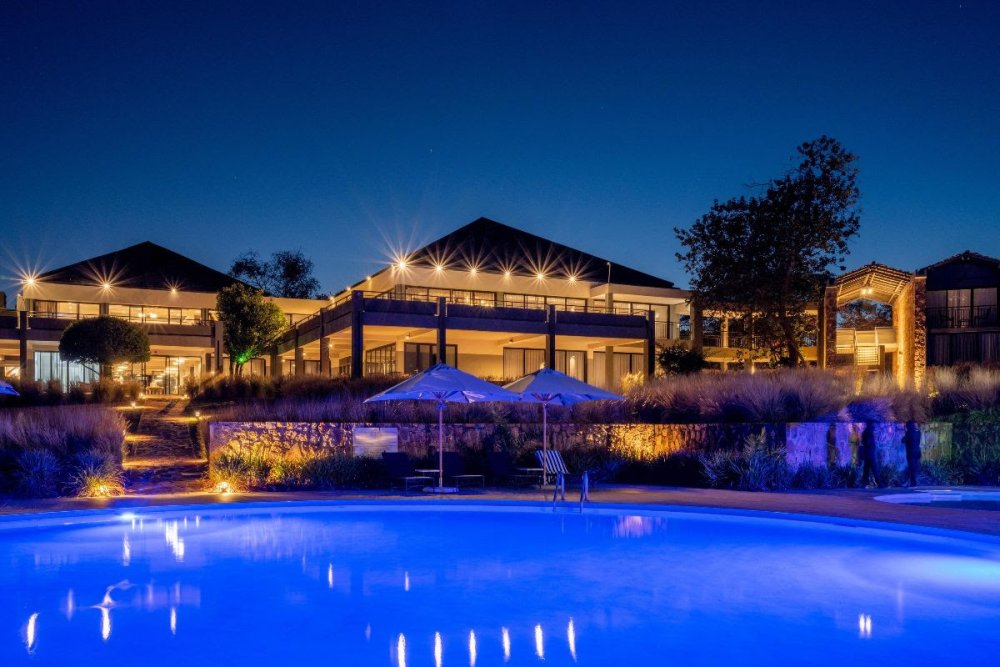
The quarter also saw the official opening of SALT of Akagera, a new eco-luxury lodge operated by The Lux Collective.
The 60-room facility, overlooking Lake Ihema, replaced Akagera Game Lodge, which had been managed by Mantis Collection since 2017. The launch marked The Lux Collective's entry into Rwanda and forms part of its wider tourism expansion plans in the country.
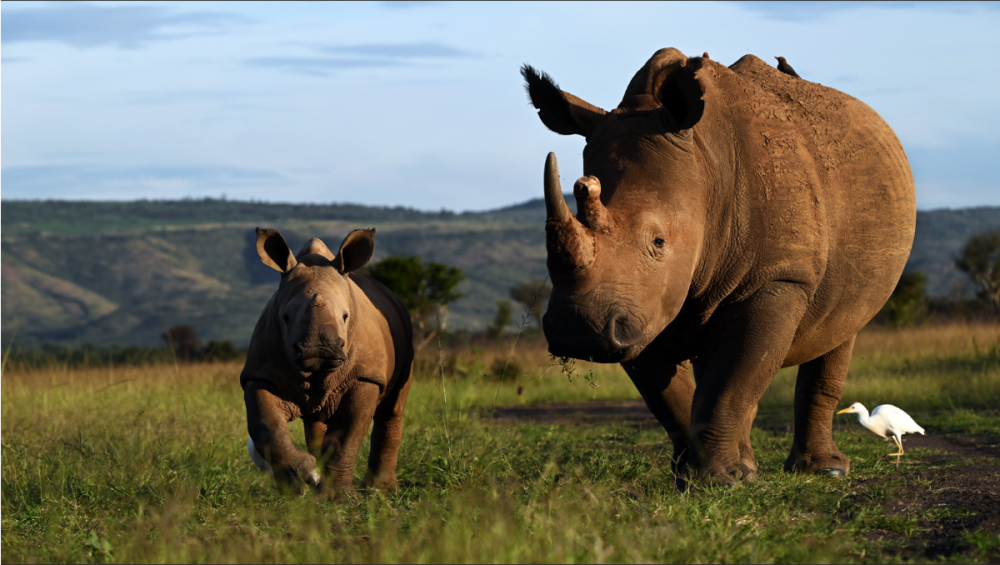
Wildlife conservation recorded notable achievements during the period, including the birth of three rhino calves; one black rhino and two white rhinos. The park said the births indicate that its rhino population continues to adapt well and reproduce successfully.
Rhino monitoring teams recorded more than 2,600 white rhino sightings and over 400 black rhino sightings through daily foot and aerial patrols.
At the same time, law enforcement teams conducted nearly 1,600 patrols covering about 35,000 kilometres, with no animals lost to poaching during the quarter. Rangers also removed 12 snares and arrested five illegal fishermen.
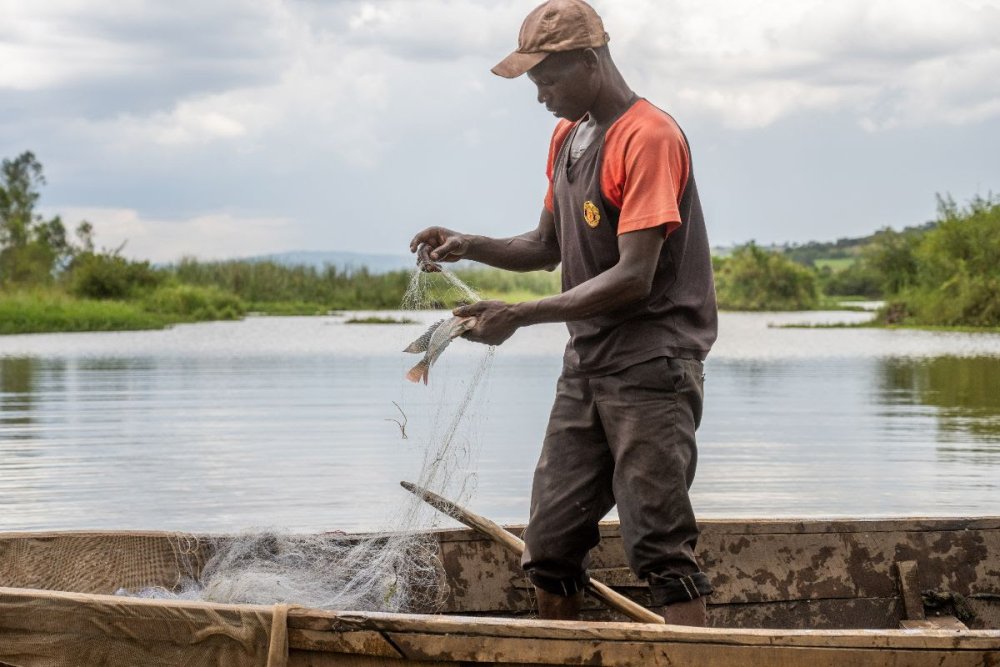
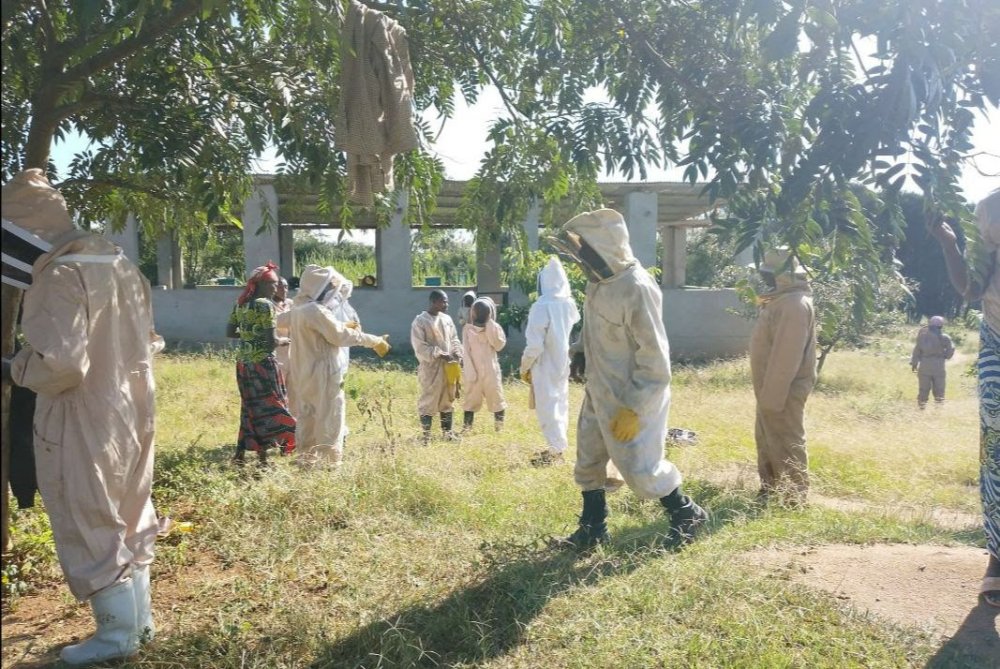
Akagera continued investing in neighbouring communities, with local cooperatives generating US$226,263 in income through activities such as fishing, beekeeping, guiding, community centre operations and construction work.
An additional US$229,374 entered surrounding communities through local procurement, bringing the total economic benefit to approximately US$455,637.
Community development initiatives included training for teachers, cooperative members, beekeepers, fishers and vocational learners.
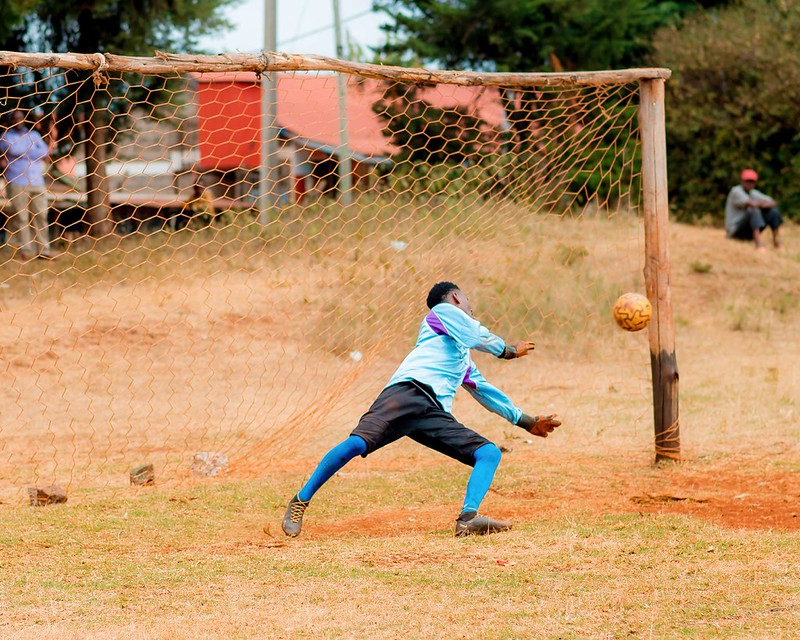
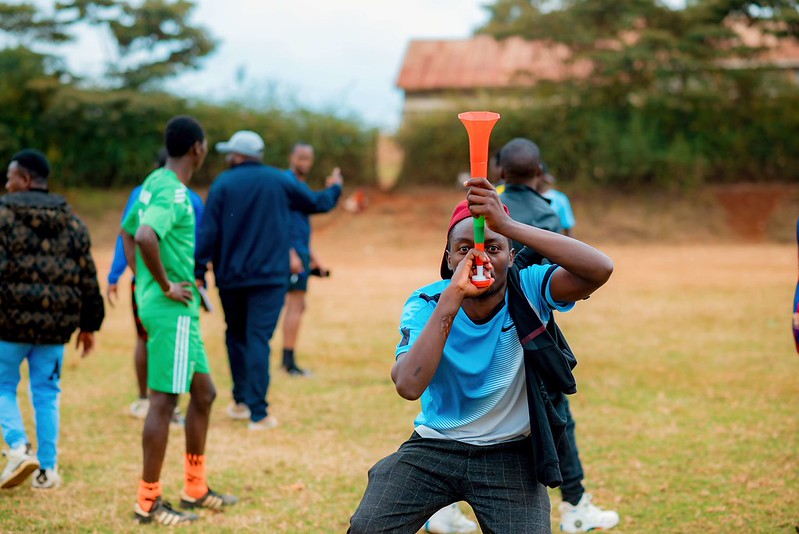
More than 31,000 people were reached through environmental education and outreach activities, while the Akagera Lion Cup tournament brought together communities bordering the park, attracting more than 24,000 spectators across 13 matches.
As the dry season began, the park intensified fire management efforts, clearing more than 52 kilometres of firebreaks along the fence line and around key infrastructure to reduce wildfire risks and support vegetation regeneration.
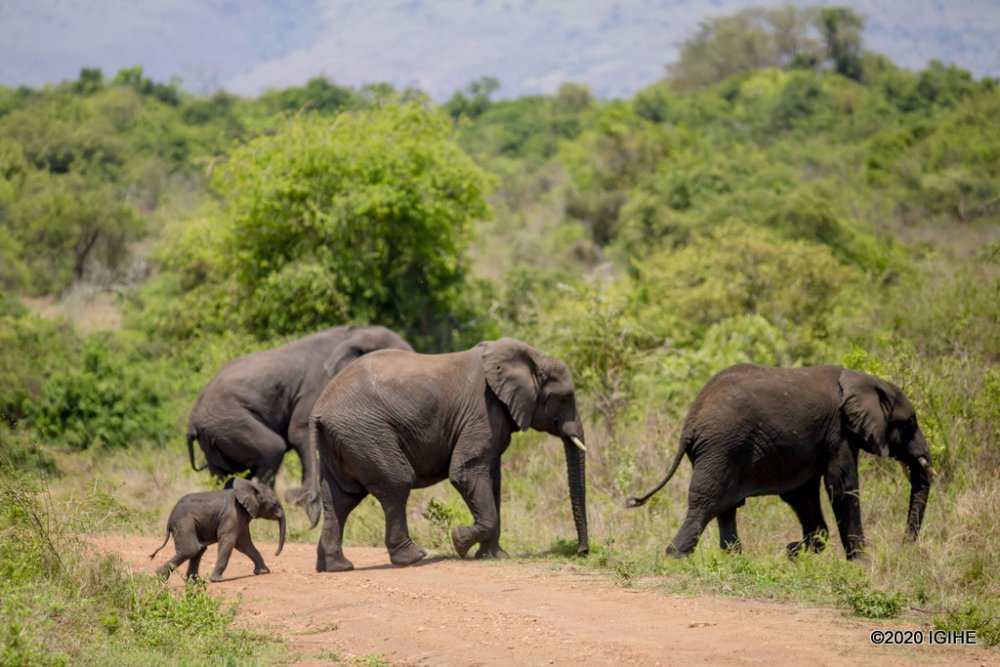
The park also expanded its conservation research efforts. A June elephant survey identified six new individuals, bringing the elephant database to 115 known elephants, while 85 camera traps across 57 locations were deployed to monitor large carnivores, including lions, leopards and hyenas.
Staff capacity building remained a priority, with ranger refresher training, GIS training involving teams from Akagera, Nyungwe and Gambella National Parks, and knowledge exchanges focused on strengthening conservation skills.
Visitors explore Akagera National Park, which welcomed 8,919 paying guests between April and June 2026.Professional fishing has become a source of livelihood for many communities living around Akagera National Park.Beekeeping cooperatives are among the beneficiaries of efforts to conserve Akagera National Park.SALT of Akagera opened its doors overlooking Lake Ihema as part of Rwanda's growing luxury tourism sector.Wildlife conservation recorded notable achievements during the period, including the birth of three rhino calves.A June elephant survey identified six new individuals, bringing the elephant database to 115 known elephants .
Gen Muhoozi arrived in Kigali on July 25, 2026, where he was welcomed by the Chief of Defence Staff of the Rwanda Defence Force (RDF), Gen Mubarakh Muganga.
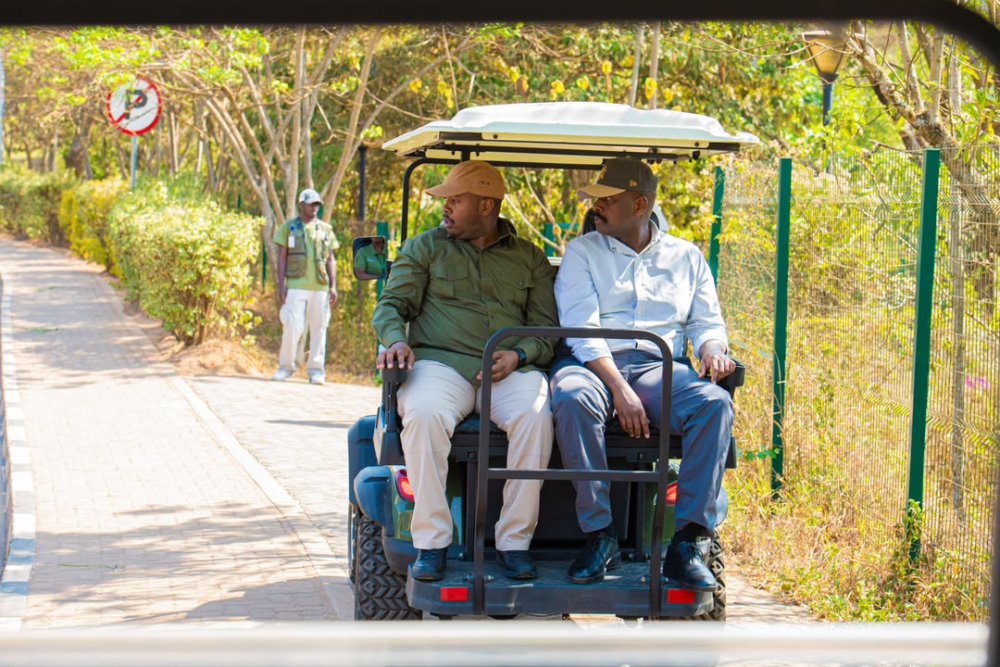
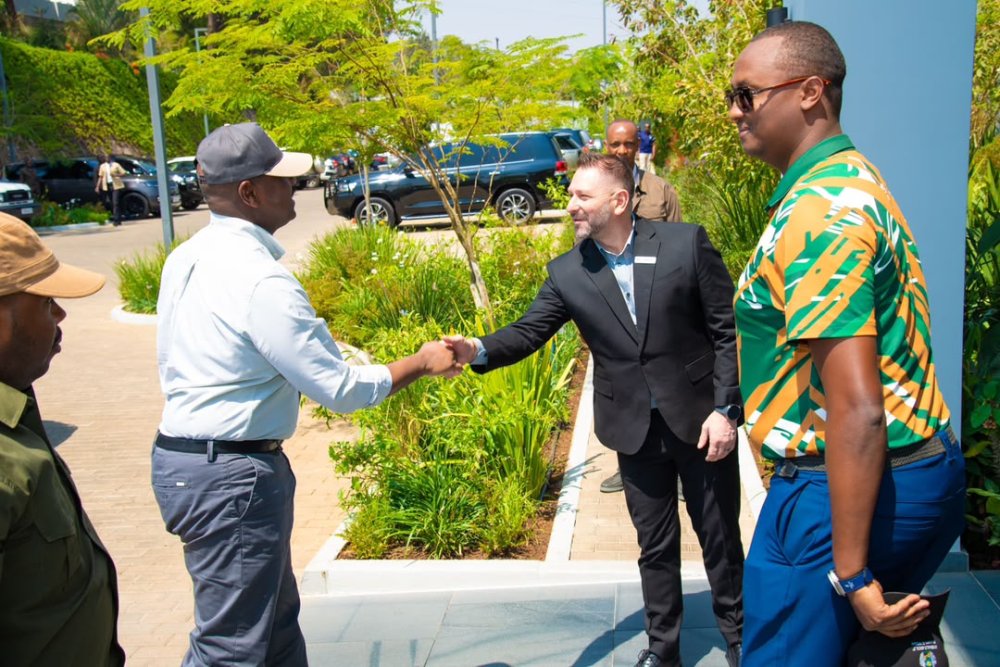
As part of his visit, the Ugandan military chief was on Sunday taken on a guided tour of major infrastructure and urban development projects by the Mayor of Kigali, Samuel Dudengiyumva, highlighting initiatives that are expected to transform the city's landscape and improve the quality of life for residents.
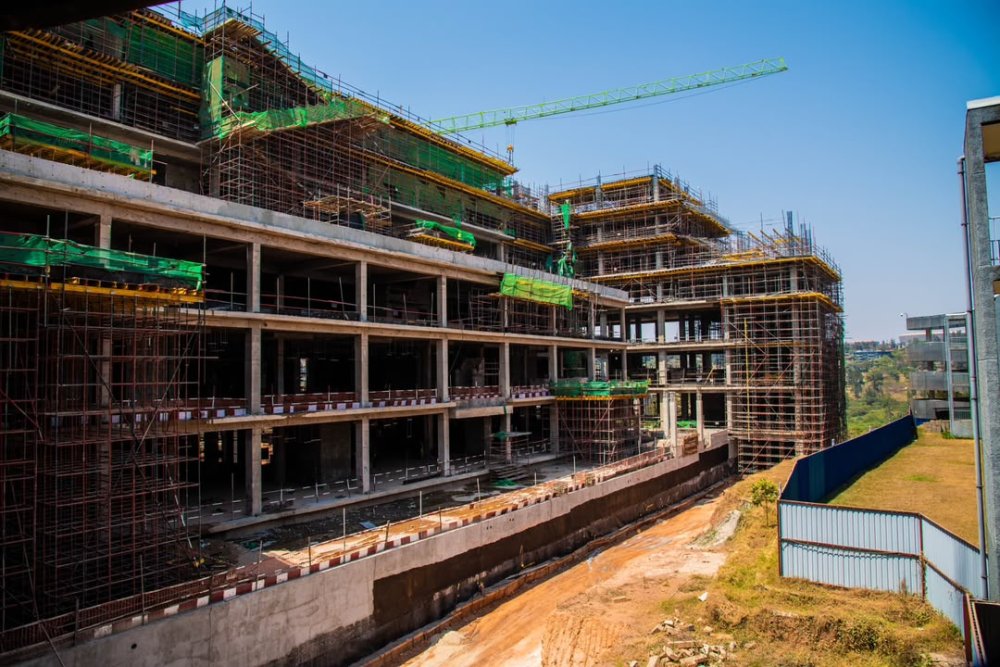
Gen Muhoozi visited the ongoing expansion of King Faisal Hospital, one of Rwanda's flagship healthcare projects. Once completed, the expansion will increase the hospital's bed capacity threefold, bringing the total number of beds to 600 and significantly enhancing its ability to provide specialised medical services.
He also toured Nyandungu Eco-Park, a restored urban wetland and recreational park that has become one of Kigali's leading green public spaces since its opening in 2022.
The park has continued to record steady growth in visitor numbers, welcoming 67,222 visitors in 2023 and 76,754 in 2024. Attendance rose even further in 2025, surpassing 100,000 visitors by November.
The increase in visitor numbers has been accompanied by higher revenue generation. The park's earnings grew from Rwf158 million in 2024 to more than Rwf200 million in 2025, reflecting its growing popularity as a leisure and tourism destination.
Gen Muhoozi was also shown the Gacuriro Housing Development Project in Gasabo District, an ambitious residential development being implemented by Shelter Group Africa. The project forms part of Kigali's broader efforts to expand access to modern housing and support the city's rapid urbanisation.
Beyond the project visits, Gen Muhoozi held talks with President Paul Kagame on July 25, 2026. Their discussions focused on strengthening military cooperation between Rwanda and Uganda, while also exploring other areas of mutual interest between the two neighbouring countries.
The meeting concluded with President Kagame and Gen Muhoozi sharing a friendly game of basketball, underscoring the warm relations between the two leaders.
Gen Muhoozi tours key development projects in Kigali.Gen Muhoozi visits King Faisal Hospital expansion project.Gen Muhoozi tours Nyandungu Eco-Park.
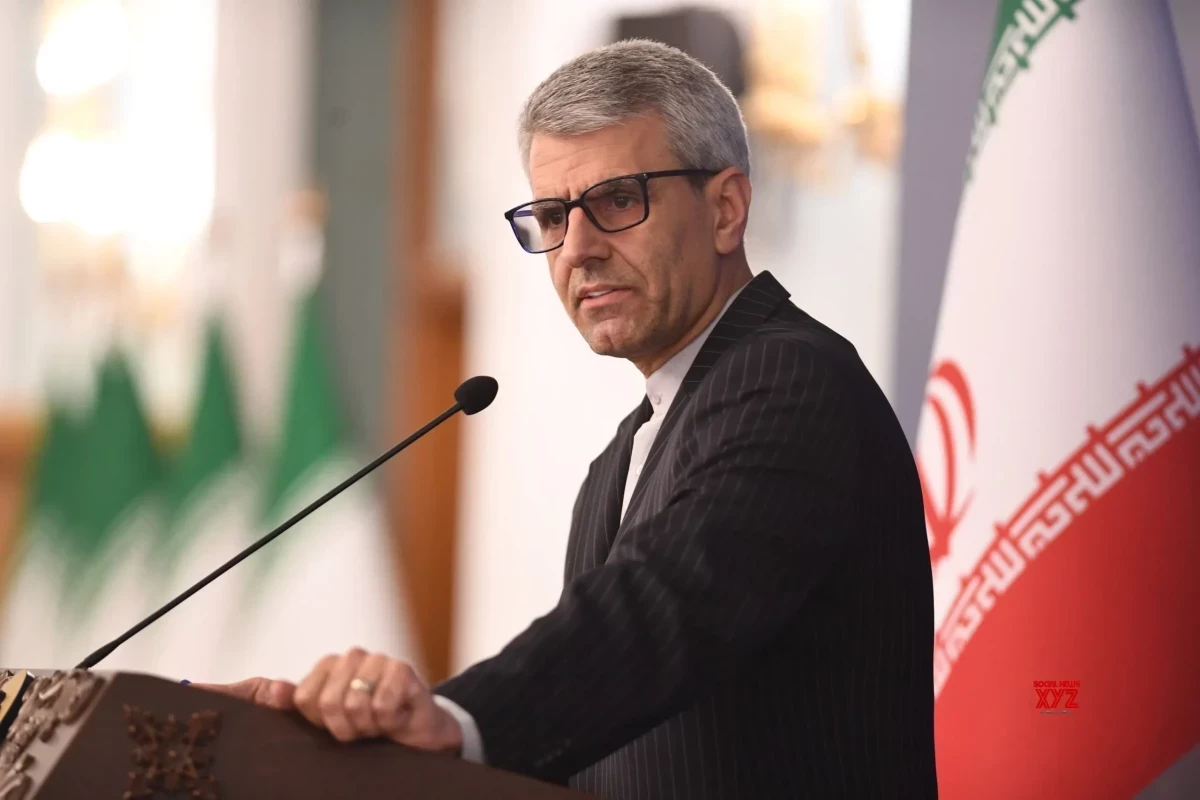
Baghaei stressed in the interview that for any dialogue to be formed, the 'proper ground' must be prepared, noting that the United States has destroyed such a ground, Iranian media reported on Sunday.
He accused Washington of violating 'all its provisions' in practice under the memorandum of understanding (MoU) between Iran and the United States.
The spokesman said Iran's current priority 'is to defend its sovereignty and territorial integrity and protect its people against the war crimes that are being perpetrated by the United States.'
Under the MoU signed on June 18, the United States and Iran were scheduled to hold talks within a period of 60 days to reach a final agreement, but the talks' fate is hanging in the balance following renewed clashes between the two over the past two weeks.
Esmail Baghaei, spokesperson of the Iranian Ministry of Foreign Affairs
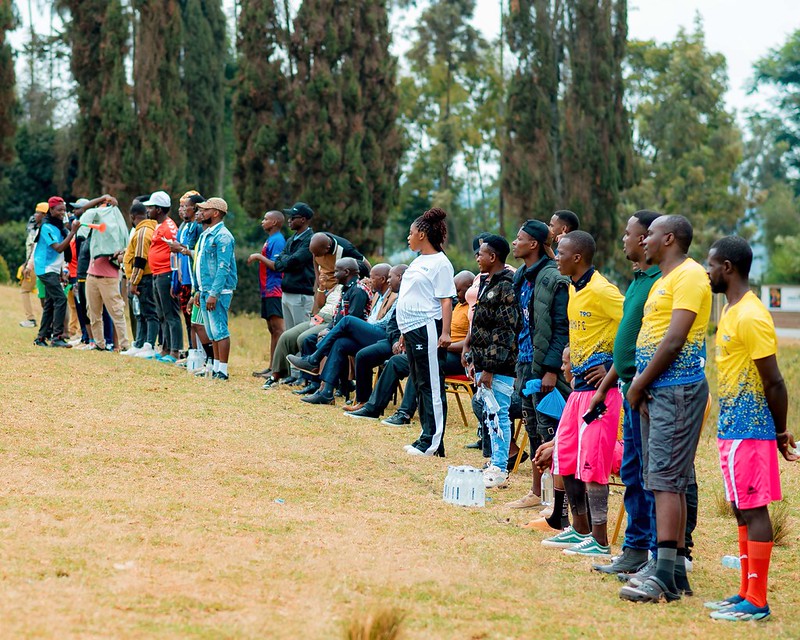
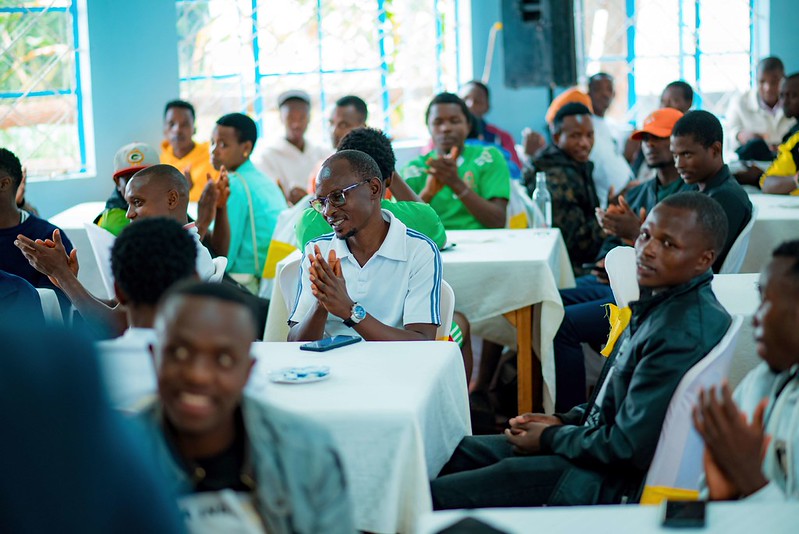
The call was made on Saturday by the Chairperson of the Rwandan Community in Kenya (RCK), Dr. Innocent Butare, during a meeting with members of the community in Nyeri County following a quarter-final match of the ongoing RCK Imena Cup 2026 football tournament.
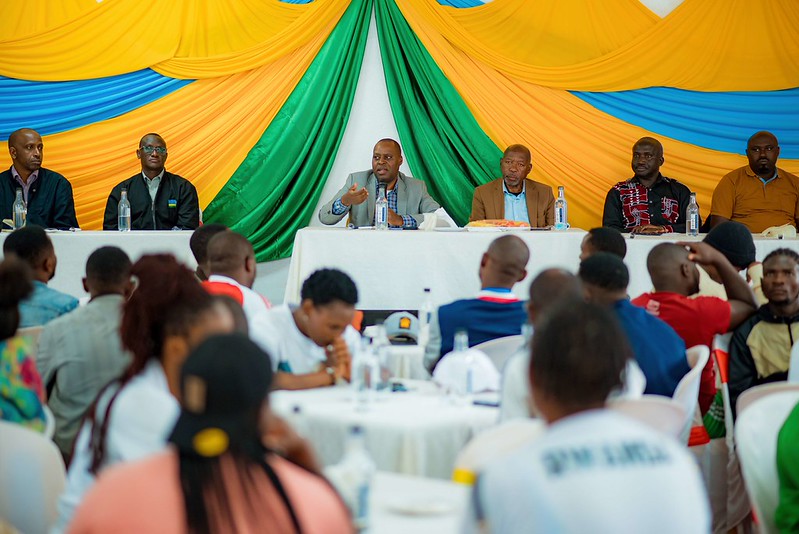
The meeting was attended by Rwanda's High Commissioner to Kenya, Ambassador Ernest Rwamucyo, diplomats from the Rwandan High Commission, members of the RCK Committee, and 200 members of the Rwandan community from Nyeri, Embu, and Meru counties.
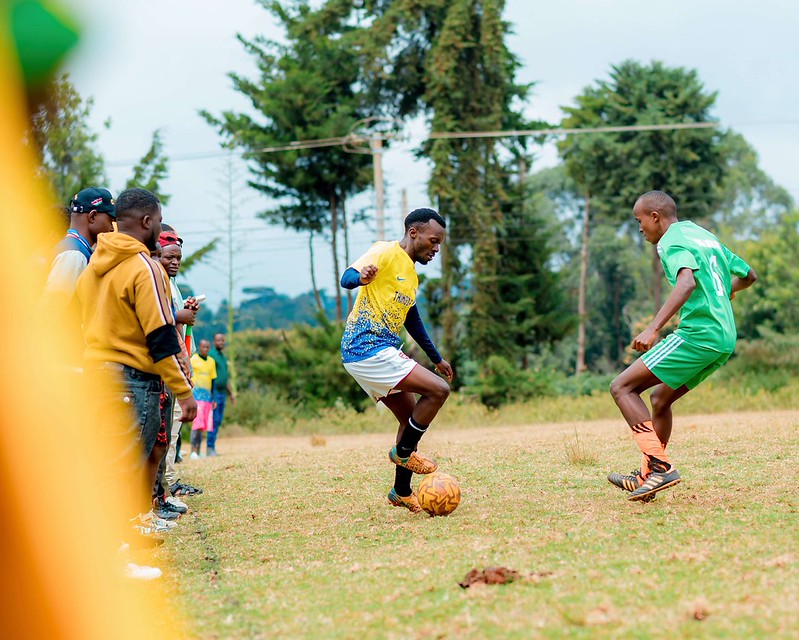
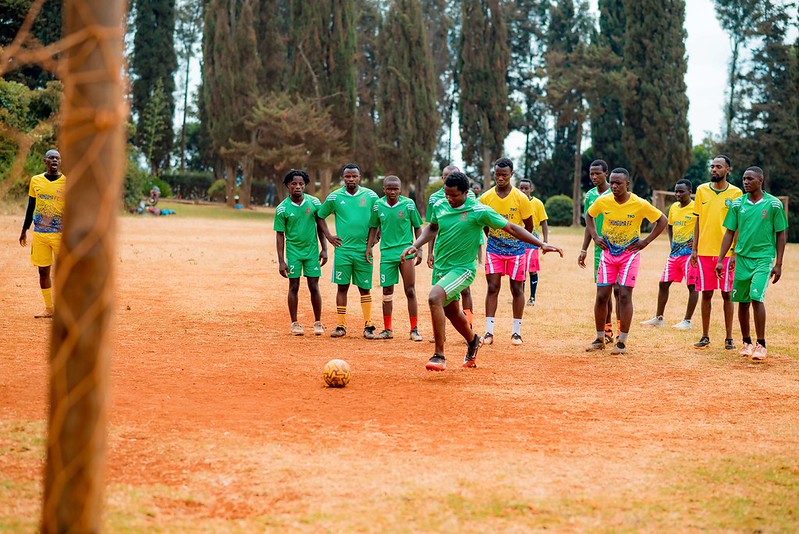
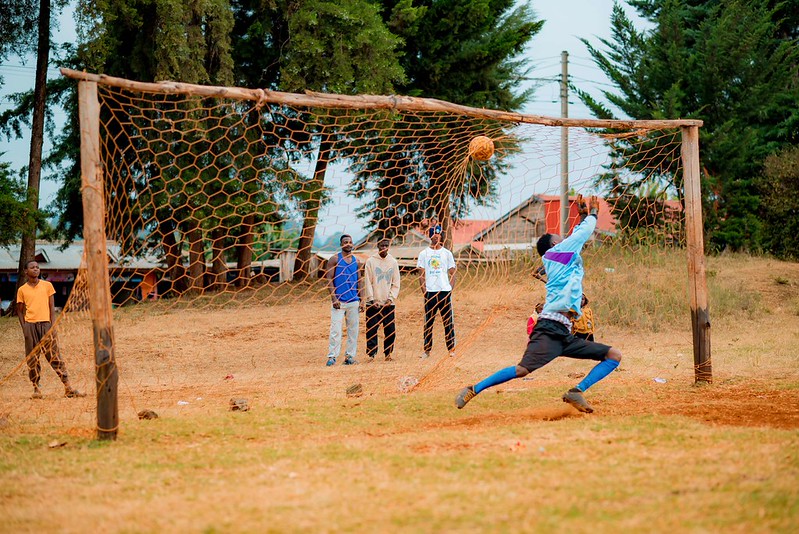
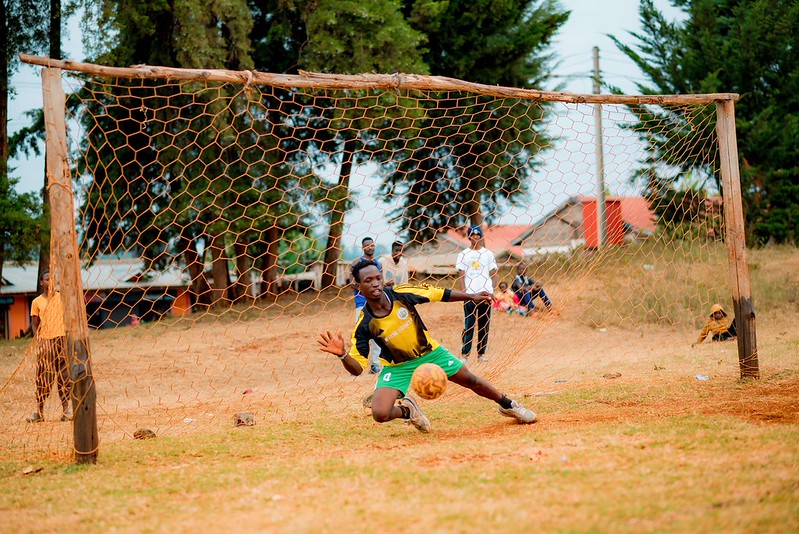
Earlier, Ambassador Rwamucyo, accompanied by diplomats from the High Commission and members of the RCK Committee, watched the quarter-final match between Elite FC and Vision de la Jeunesse FC. The tournament brings together Rwandan teams from across Kenya.
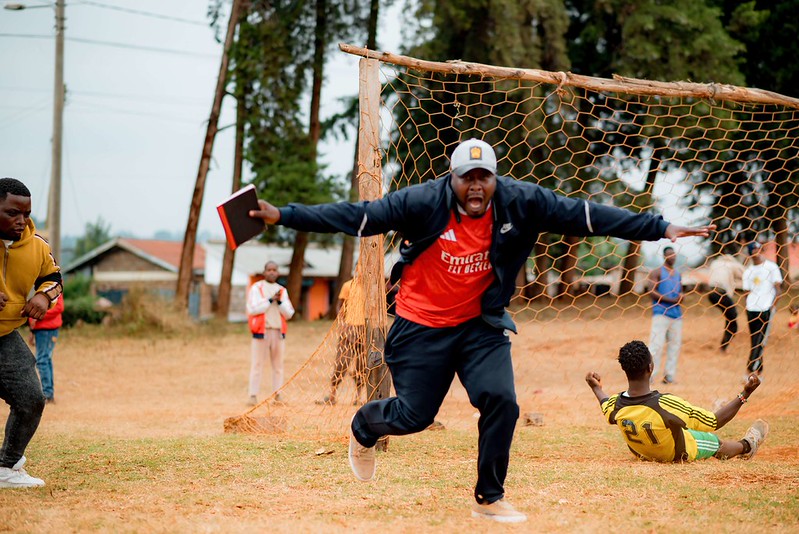
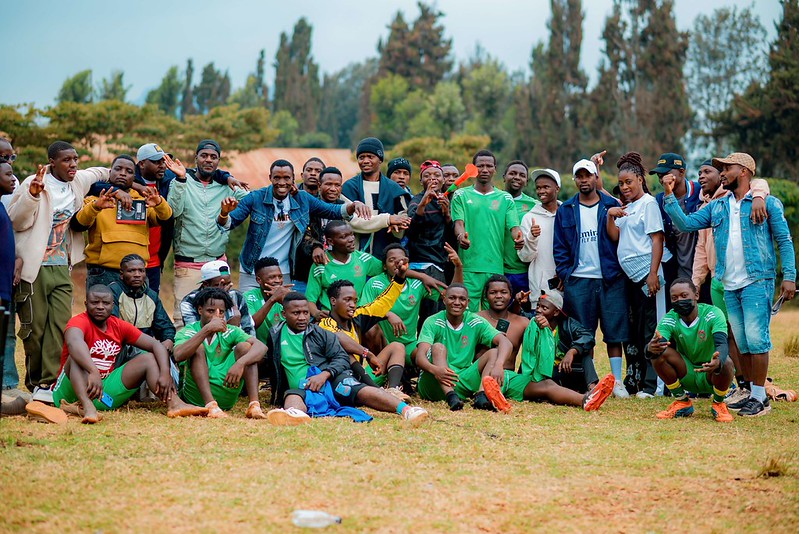
Vision de la Jeunesse FC of Embu County secured a place in the semi-finals, which will be held in Nairobi this October.
Addressing the gathering, Ambassador Rwamucyo congratulated Vision de la Jeunesse FC on reaching the semi-finals. He also highlighted the consular services offered by the High Commission and national development programmes that members of the community can participate in.
The High Commissioner encouraged Rwandans living in Kenya to continue upholding Rwandan values and to preserve the strong bilateral relations between Rwanda and Kenya by respecting the laws of their host country.
Dr. Butare urged the community to continue upholding the values of unity and social cohesion, which he said are key to fostering a strong, connected, and resilient RCK.
He also encouraged Rwandans living in Kenya to save through savings groups and urged those who are able to invest in investment schemes established by the Government of Rwanda, including Ejo Heza and the RNIT Iterambere Fund.
Rwanda's High Commissioner to Kenya, Ambassador Ernest Rwamucyo, addresses members of the Rwandan community in Nyeri County following a quarter-final match of the RCK Imena Cup 2026.The RCK Imena Cup 2026 brings together Rwandan teams from across Kenya, strengthening connections among members of the Rwandan community.Rwandan Community in Kenya Chairperson Dr. Innocent Butare urged members to uphold the values of unity and social cohesion during a community meeting in Nyeri County.Members of the Rwandan community in Kenya gathered in Nyeri County for a meeting with Ambassador Ernest Rwamucyo and RCK Chairperson Dr. Innocent Butare.
According to a communiqué issued by the Office of the Prime Minister, Cabinet was briefed on key initiatives designed to accelerate Rwanda's transition to a knowledge-based, cashless and digitally driven economy.
The initiatives include the establishment of the Rwanda Institute of Computing (RIC), the modernization of telecommunications infrastructure from 2G/3G to 4G/5G networks, and the rollout of eKash as an interoperable national digital payment platform to accelerate financial inclusion and digital transactions.
Cabinet also approved the Rwanda Food Innovation Ecosystem Strategy together with the establishment of the Rwanda Food Innovation Partnership (RFIP), an initiative intended to fast-track innovation in food systems through agile regulation, attracting investment, creating jobs, and strengthening food security and nutrition.
The meeting further approved a draft law ratifying the Financing Agreement between the Republic of Rwanda and the International Development Association (IDA) relating to a second additional financing package for the recovery and resilience project. The agreement was signed in Kigali on June 25, 2026.
Among other decisions, Cabinet approved a Ministerial Order governing authorisations relating to dynamites or accessories.
It also approved applications for Rwandan nationality.
Cabinet endorsed a Shareholders Agreement between the Government of Rwanda and JSC National Mining Company 'Tau-Ken Samruk' (TKS) for the establishment of a joint venture to undertake mineral exploration and mining activities in Rwanda.
The meeting further approved a concession agreement between the Government of Rwanda and InipasvalleyRw Ltd for the High-Value Therapeutic Crops Project.
It also approved an amendment to the Power Purchase Agreement between the Energy Utility Corporation Limited (EUCL) and Nyirahindwe HPP relating to the development and operation of the Nyirahindwe I Hydropower Plant in Nyamasheke District.
Cabinet granted agrément to three proposed diplomatic representatives.
Those approved include Ms Jirusaya Birananda as Ambassador Extraordinary and Plenipotentiary of the Kingdom of Thailand to the Republic of Rwanda, with residence in Nairobi; Ms Marie Goreth Nizigama as the UN Women Country Representative in Rwanda; and Mr Anton Buttigieg as the proposed Honorary Consul of Rwanda to the Republic of Malta.
During the meeting's Any Other Business session, the Minister of National Unity and Civic Engagement informed Cabinet that Umuganura 2026 celebrations are scheduled for August 7, 2026.
The Minister of Finance and Economic Planning also informed Cabinet that Kigali will host the 26th Council of Ministers of the Eastern and Southern Africa Anti-Money Laundering Group (ESAAMLG) from August 31 to September 5, 2026.
Cabinet was further informed by the Minister of Agriculture and Animal Resources that Kigali will host the Africa Food Systems Forum (AFSF) Summit 2026 from September 1 to 4, 2026, with the event also marking the forum's 20th anniversary.
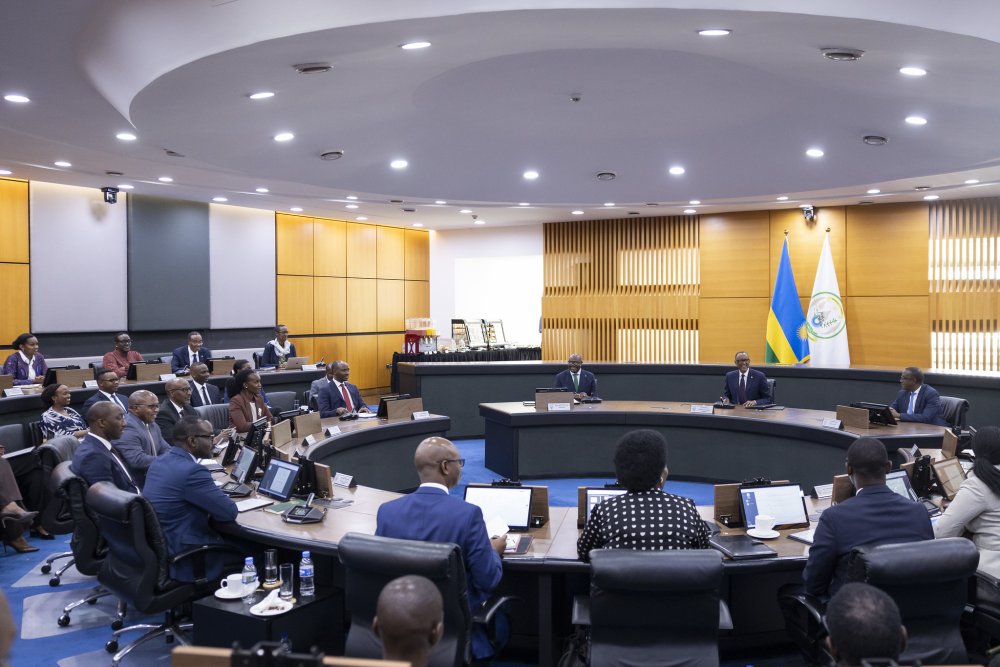
President Paul Kagame chaired a Cabinet meeting that approved the establishment of the Rwanda Nature Foundation alongside a series of measures on digital transformation, food security, investment and international cooperation.
The exchange unfolded on X after Hudson criticised the U.S. Embassy in Kigali for reposting U.S. Secretary of State Marco Rubio's latest criticism of the ICC.
The embassy had shared Rubio's statement declaring that the United States 'will never surrender sovereignty to an unaccountable global tribunal' and announcing what he described as a comprehensive campaign to end what Washington calls the ICC's 'illegitimate overreach.'
Reacting to the embassy's post, Hudson argued that Rwanda was an inappropriate example for the United States to use in criticising the court.
'This feels so discordant coming from our embassy in Kigali, a country that has benefitted from restorative and international justice and is often cited as a reason for creating the ICC,' Hudson wrote.
He argued that criticism of the ICC should also be accompanied by recognition of the role international justice mechanisms play in promoting accountability.
Responding directly to Hudson on Friday, Makolo said Rwanda has never regarded the ICC as central to its pursuit of justice.
'Rwanda is the wrong example to use to defend the ICC. We have consistently opposed the ICC as a selective, unaccountable institution which has been used to target Africans disproportionately,' Makolo wrote.
She explained that after the Genocide against the Tutsi, Rwanda established Gacaca, a community-based justice and reconciliation system that handled nearly two million cases over a ten-year period.
According to Makolo, the Gacaca courts delivered justice efficiently and at relatively low cost while uncovering the truth, ensuring accountability, and helping rebuild communities torn apart by the genocide.
'Gacaca was pivotal to Rwanda's recovery, progress and stability,' she said. 'A distant, biased court such as the ICC could never have delivered justice and reconciliation on that scale—not in our lifetime.'
Hudson, who is Managing Partner at political and investment risk advisory firm 54 Advisors, is an analyst specialising in African security, governance and geopolitical risk. He previously served in the U.S. government, including as Director for African Affairs at the White House National Security Council during the George W. Bush administration and as chief of staff to successive U.S. Presidential Special Envoys for Sudan.
The exchange comes amid renewed criticism of the ICC by the administration of U.S. President Donald Trump. In his statement, Rubio accused the court of attempting to become 'the unaccountable arbiter of a new global law' with powers that threaten U.S. sovereignty.
'We will teach the ICC the full meaning of American resolve,' Rubio said.
Rwanda's Government Spokesperson, Yolande Makolo, has rejected claims by American analyst Cameron Hudson that Rwanda benefited from the International Criminal Court (ICC), insisting that the country has consistently opposed the Hague-based tribunal and instead relied on its home-grown Gacaca courts to deliver justice after the 1994 Genocide against the Tutsi.
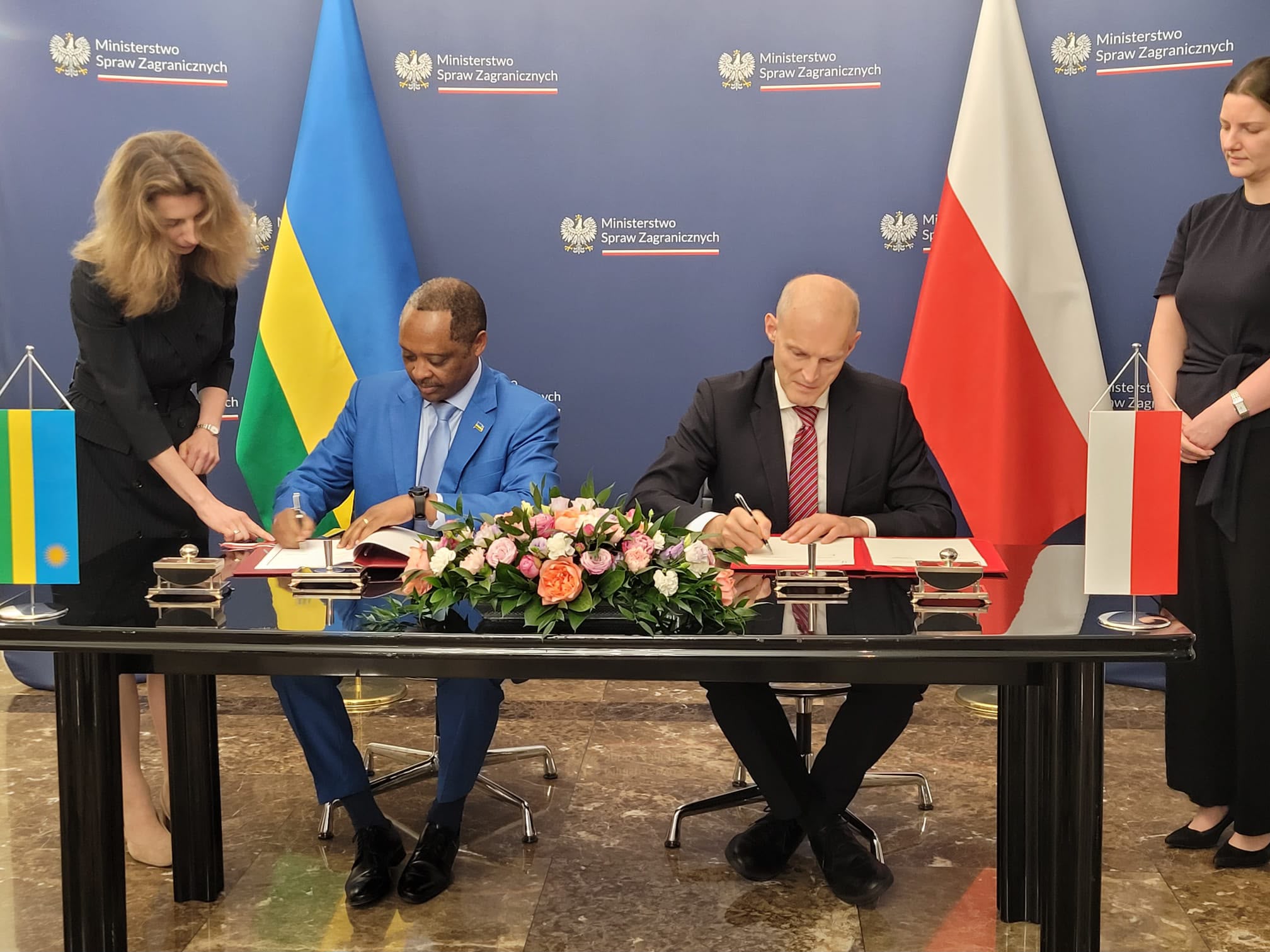
The agreement was signed on Friday in Warsaw by Poland's Secretary of State at the Ministry of Foreign Affairs, Wojciech Zajączkowski, who oversees African affairs, and Rwanda's Ambassador to Poland, Prof. Anastase Shyaka.
Officially titled the 'Bilateral Agreement on Engagement in Gainful Occupation by Family Members of the Members of the Diplomatic Mission,' the agreement enables eligible family members of diplomats and other embassy personnel from Rwanda in Warsaw and Poland in Kigali to undertake gainful employment in accordance with the laws and regulations of their host country.
Speaking during the signing ceremony, Secretary of State Wojciech Zajączkowski welcomed the growing partnership between the two countries.
'We are pleased with the relationship we have with Rwanda and with the way our cooperation continues to grow,' he said.
He added that Rwanda is the first African country with which Poland has signed such an agreement.
For his part, Ambassador Prof. Anastase Shyaka thanked the Polish government for the importance it attaches to strengthening its friendship and cooperation with Rwanda.
'Rwanda highly values its excellent cooperation with Poland. Just as you consider us among your close friends, we equally regard you as one of our trusted partners and friends,' he said.
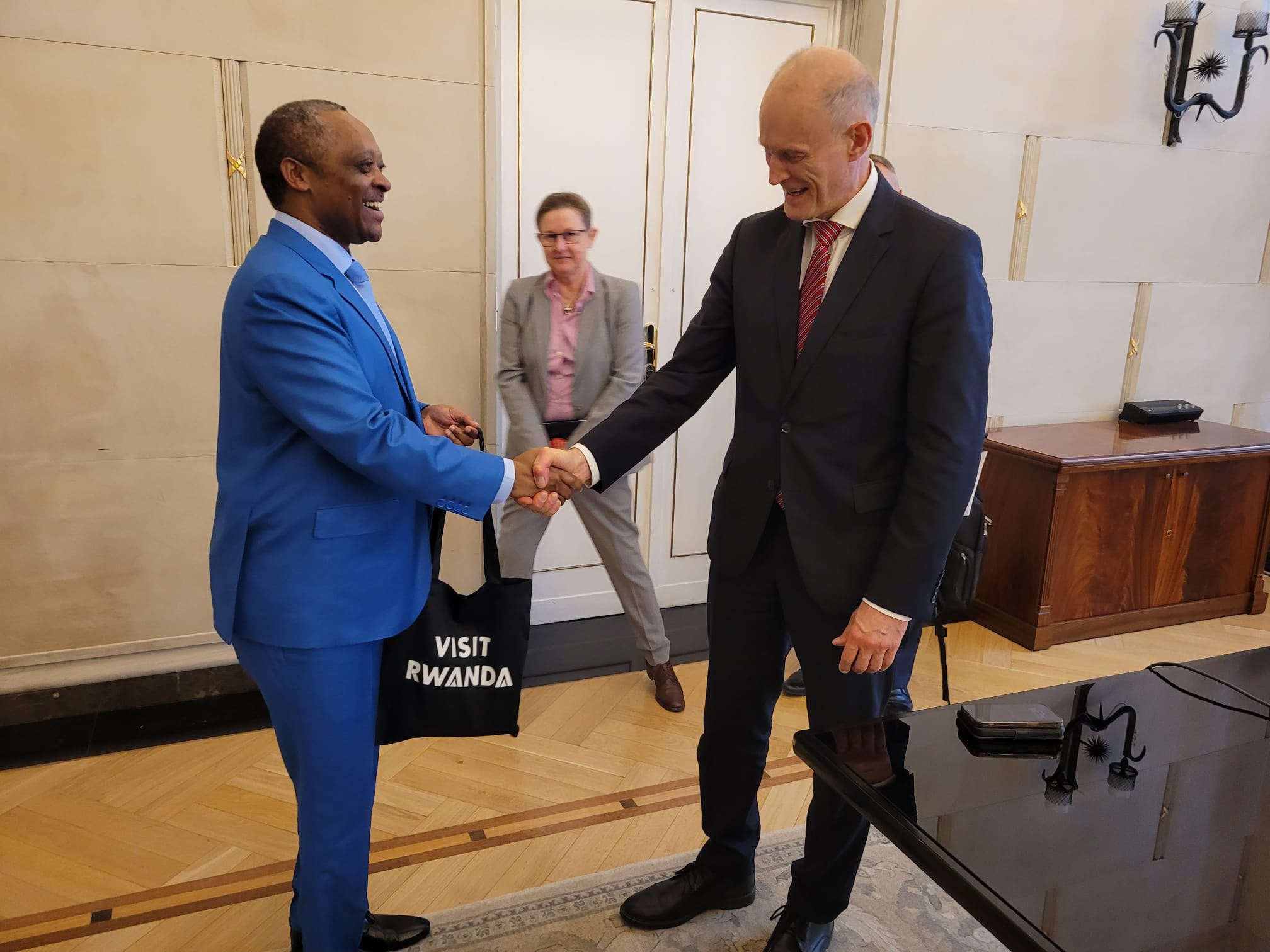
The ceremony concluded with an exchange of gifts, including a Visit Rwanda souvenir, and was attended by officials from both the Rwandan and Polish sides.
The agreement reflects the two countries' commitment to deepening bilateral cooperation while making it easier for the families of diplomatic personnel to integrate into the societies where they are posted.
Rwanda and Poland have signed an agreement enabling eligible family members of diplomatic mission staff to engage in gainful employment abroad.The agreement signed in Warsaw allows family members of Rwandan diplomats in Poland and Polish diplomats in Rwanda to seek employment under host country regulations.Rwanda's Ambassador to Poland Prof. Anastase Shyaka and Poland's Secretary of State Wojciech Zajączkowski signing an agreement allowing family members of diplomats to work in their host countries.
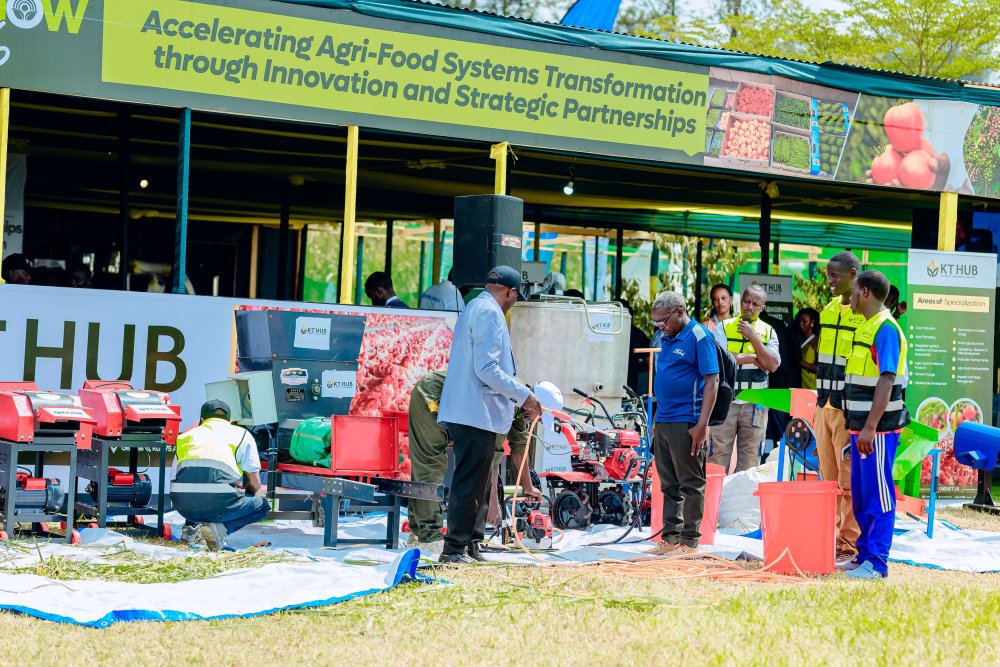
The technology, developed by KT Hub, Rwanda-based integrated agricultural and agribusiness hub, was unveiled during the 19th Rwanda Agricultural Show organised by the Ministry of Agriculture and Animal Resources (MINAGRI).
The innovation uses advanced cameras to examine animals before artificial insemination, allowing veterinarians to identify possible reproductive health challenges and confirm whether the semen being used is of good quality before it is introduced.
The exhibition was officially opened on July 23, 2026, at Mulindi in Kigali and will continue for 10 days, bringing together farmers, agricultural companies, researchers, government officials and other stakeholders to showcase innovations transforming Rwanda's agriculture and livestock sectors.
MINAGRI revealed that this year's exhibition attracted more than 600 exhibitors, including individuals, groups and companies from Rwanda and abroad. The number has increased compared to more than 500 exhibitors recorded in 2025 and about 300 exhibitors approximately five years ago.
Among the major innovations showcased was KT Hub's artificial insemination technology, which seeks to address one of the challenges faced by livestock farmers where animals fail to conceive after insemination despite farmers following the required procedures.
KT Hub Managing Director Kabahizi Théoneste told IGIHE that the company developed the technology in partnership with the Rwanda Agriculture and Animal Resources Development Board (RAB), covering the entire process from importing animal semen to delivering it to veterinarians responsible for carrying out insemination.
He explained that the technology helps determine why artificial insemination may fail, especially in situations where farmers are unable to identify the exact cause.
'Sometimes semen can be collected properly from a male animal and stored under the right conditions, but when it is introduced into a cow or another animal, it may fail because it was wrongly placed. Some farmers believe that if a cow shows signs of fertility in the evening, it should be artificially inseminated the following morning for a better chance of conception.
However, the camera helps determine whether the reproductive system has any problems and whether it is the appropriate time for insemination,' Kabahizi said.
He added that some animals fail to conceive because of infections or other reproductive health problems that may not be visible without proper examination.
'There are cases where the area where insemination is performed has infections or other conditions that prevent successful fertilisation.
With this technology, veterinarians first examine the animal using a camera. If a problem is detected, treatment is provided before insemination is attempted again. In some cases, hormonal treatment can also be used to make the animal ready for breeding sooner,' he explained.
The technology also includes another camera designed to examine semen quality before insemination. Veterinarians capture an image of the semen, and the system provides information showing whether it is still healthy and suitable for use.
Kabahizi said KT Hub is also promoting improved cattle breeds from Brazil, which are expected to produce higher-quality milk. He noted that future generations of these cattle could produce between 25 and 30 litres of milk per day.
KT Hub introduced the technology to the government, and following its launch, the solution will gradually be made available to livestock farmers across the country.
The company also supplies animal semen and has the capacity to store up to 10 million doses, ensuring a reliable supply for artificial insemination programmes.
Veterinarians will receive specialised training on how to use the technology before being equipped with the necessary tools, including two cameras, to provide artificial insemination services to farmers.
Speaking at the exhibition, Minister of Agriculture and Animal Resources Dr. Telesphore Ndabamenye said this year's theme focuses on promoting innovation in agriculture and livestock, noting the importance of the sectors to Rwanda's economy.
He said agriculture and livestock contribute nearly 19 percent of Rwanda's Gross Domestic Product (GDP), while about 70 percent of industries in the country depend on agricultural production.
'These figures show that improving agricultural and livestock production cannot be achieved without innovation and partnerships aimed at addressing the challenges affecting these sectors in Rwanda,' Dr. Ndabamenye said.
He added that the innovations showcased during the exhibition demonstrate potential solutions to challenges facing farmers, making it important to bring together innovators, stakeholders and users to discuss and promote their adoption.
The Minister said that, some of the showcased technologies could begin being implemented during the 2027 A farming season, with continued government support.
According to MINAGRI, Rwanda's milk production has increased significantly over the past 14 years, tripling from 334,727 tonnes in 2010 to 1,092,430 tonnes in 2024.
During the same period, annual milk consumption per person increased from 37.3 litres to 79.9 litres, reflecting growth in the country's dairy sector.
Modern agricultural equipment was also showcased.Rwanda's Minister of Agriculture and Animal Resources, Dr. Telesphore Ndabamenye, said that innovation in agriculture and livestock is essential, noting that the sectors contribute nearly 19 percent of the country's Gross Domestic Product (GDP).
The 19th Agricultural Show has officially opened. KT Hub Managing Director, Kabahizi Théoneste, said that the technology-based artificial insemination programme for cows and pigs will help address challenges where animals fail to conceive after being inseminated.
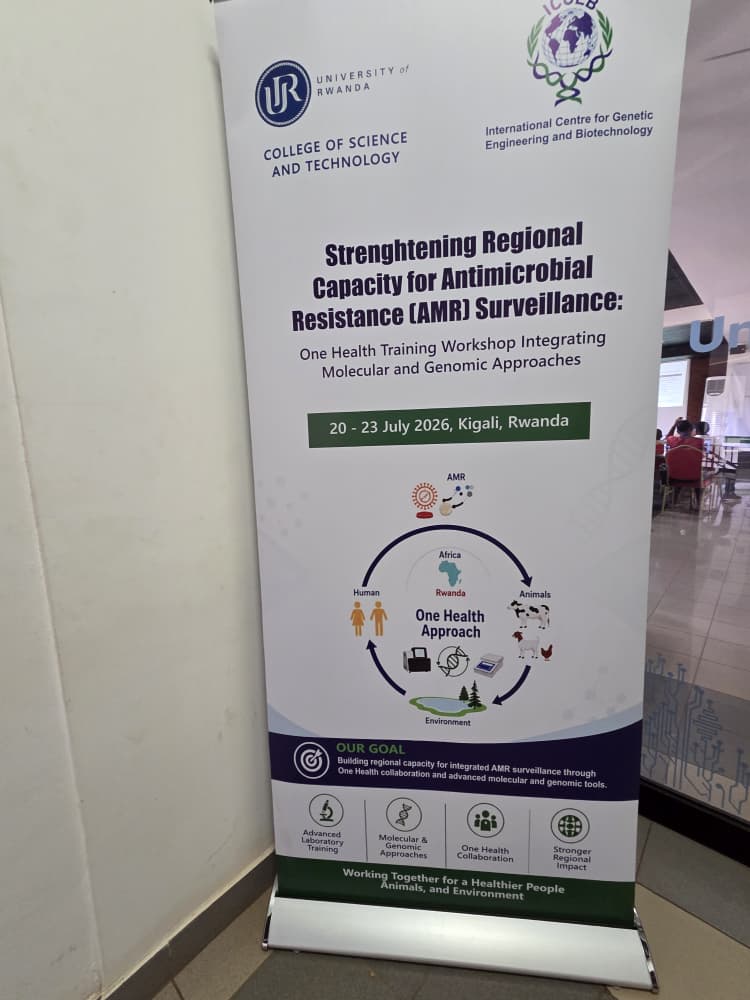
The four-day workshop, held from 20–23 July 2026 at UR-CST in Kigali, brought together 50 researchers, laboratory scientists, veterinarians, public health professionals, and academics from Rwanda, Ethiopia, Kenya, Tanzania, Burundi, and South Africa. Supported by funding from ICGEB and the University of Rwanda, the programme equipped participants with advanced knowledge and practical skills in molecular biology, genomics, bioinformatics, and integrated AMR surveillance.
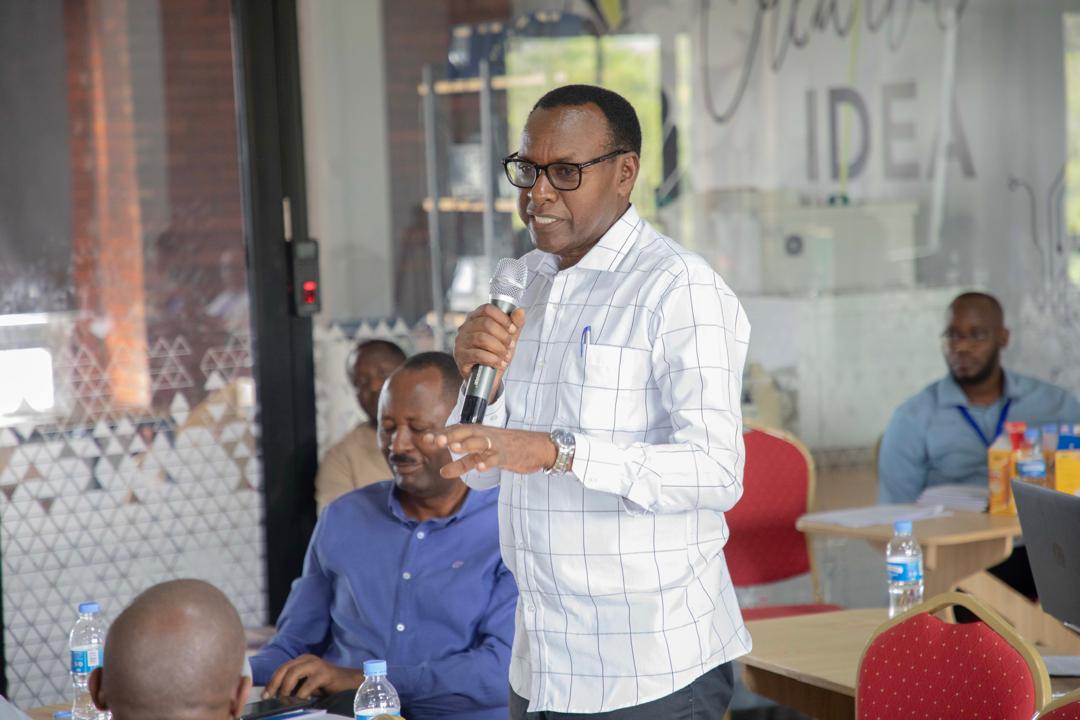
Opening the workshop on behalf of the Dean of the School of Science, Prof. Banzi Wellars welcomed participants to the University of Rwanda and emphasized the importance of investing in scientific capacity to address AMR as one of today's most pressing public health challenges. He encouraged participants to make the most of the opportunity to learn from leading experts and to build lasting professional networks that will strengthen AMR surveillance and research across the region.
Representing ICGEB, Prof. Stefano Cacciatore reaffirmed the organization's commitment to supporting scientific excellence and capacity development in its member countries. He encouraged participants to take advantage of ICGEB's research grants, fellowships, and training programmes that promote innovation and international scientific collaboration.
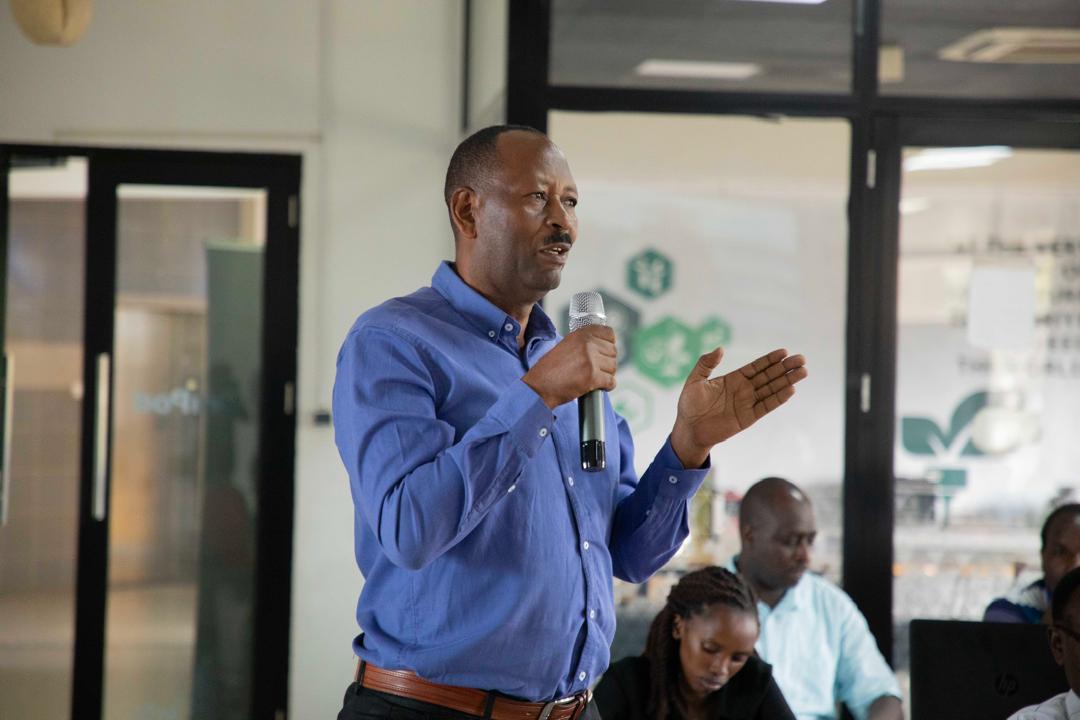
Speaking during the opening ceremony, Prof. Dieudonné Mutangana, ICGEB Liaison Officer in Rwanda and the Head of Biology Department at UR, highlighted the growing threat posed by AMR and the need for coordinated regional action.
'This workshop represents a critical step in addressing a mounting global public health threat that transcends boundaries, affecting humans, animals, food systems, and our environment alike.'
He commended the collaboration between UR and ICGEB for bringing together international and local expertise to strengthen Africa's scientific capacity to respond to AMR.
Presenting the objectives of the workshop, Dr. Jean Paul Nshizirungu, the workshop coordinator, stressed that AMR requires collective action across institutions and borders. He noted that beyond strengthening technical competencies in AMR surveillance, the training was designed to foster long-term regional partnerships that will advance collaborative research, knowledge sharing, and evidence-based public health interventions.
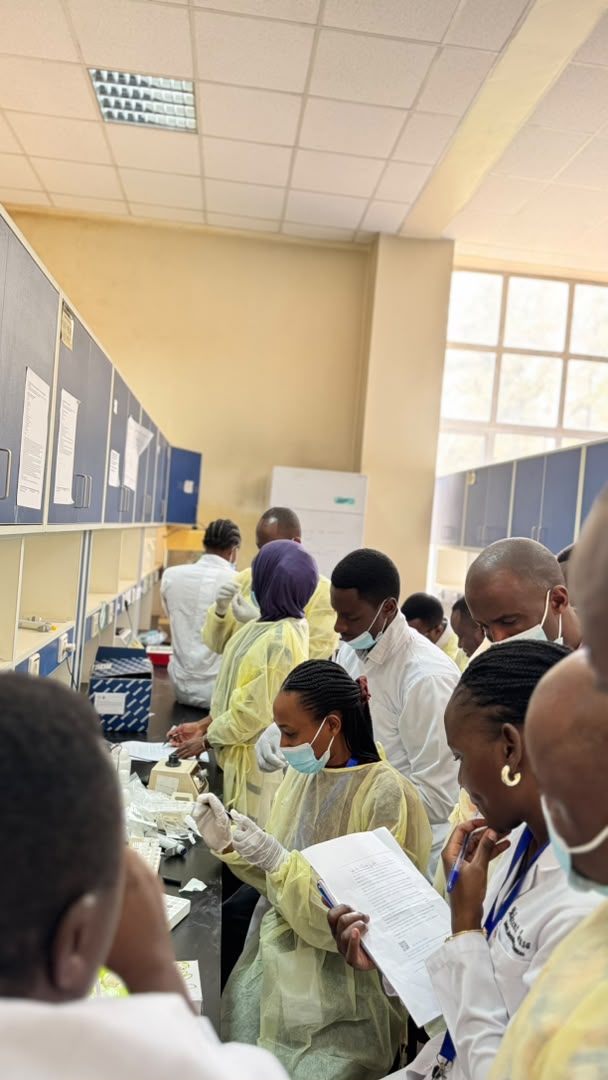
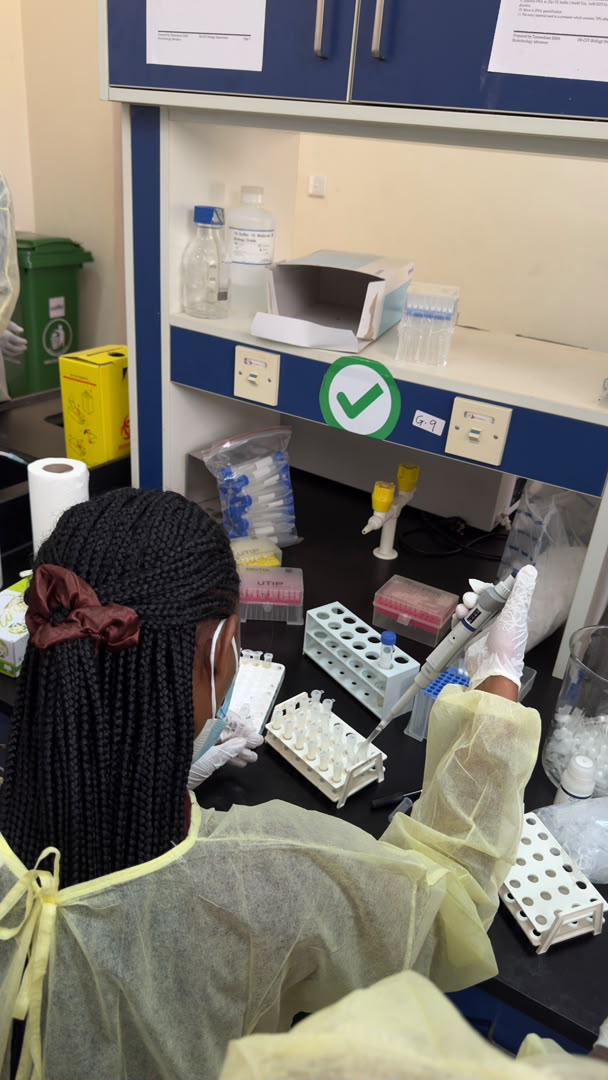
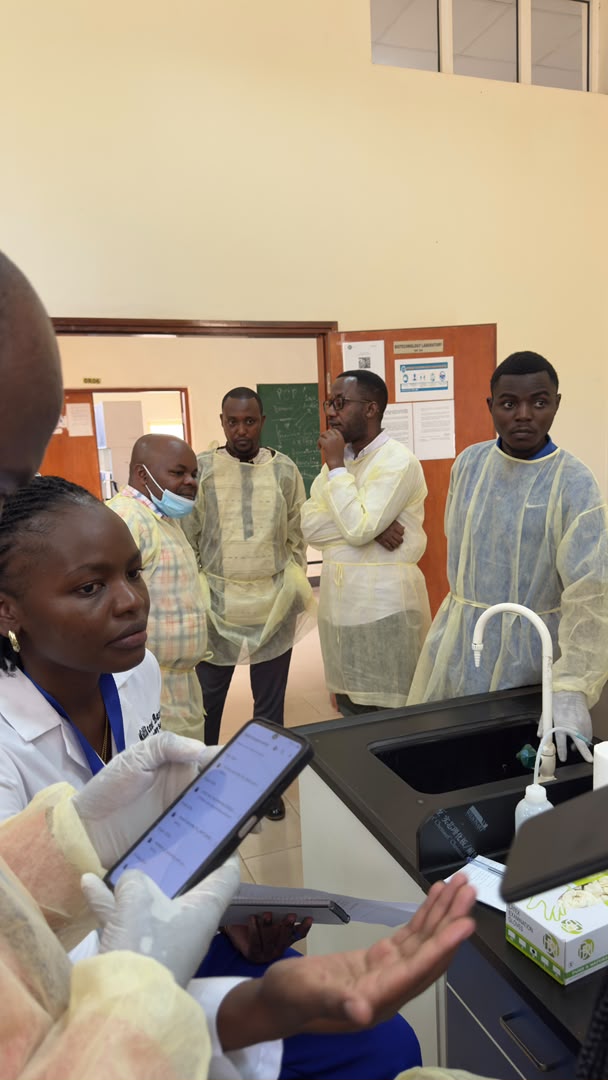
Throughout the programme, participants engaged in expert-led lectures and intensive laboratory practical sessions covering AMR from national, regional, and global perspectives.
The training focused on mechanisms and drivers of AMR, AMR surveillance data collection and analysis, molecular diagnostics, genomics and sequencing technologies, bioinformatics for AMR gene analysis, the One Health approach, and strategies for preventing AMR.
Speaking at the closing ceremony, the Principal of the UR-CST, Prof. Gatare Ignace, commended the organizers, facilitators, and participants for their commitment to strengthening regional scientific capacity. He encouraged participants to apply the knowledge and practical skills acquired during the workshop to improve AMR surveillance systems within their institutions and countries, emphasizing that the workshop's impact would ultimately be reflected in stronger public health systems and enhanced research collaboration.
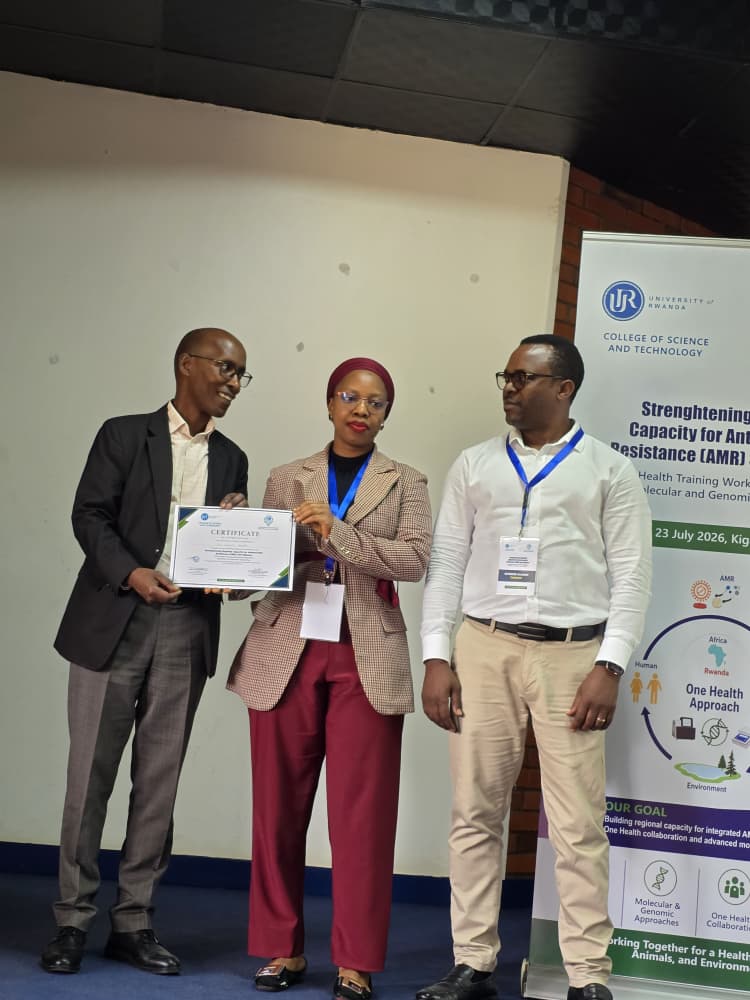
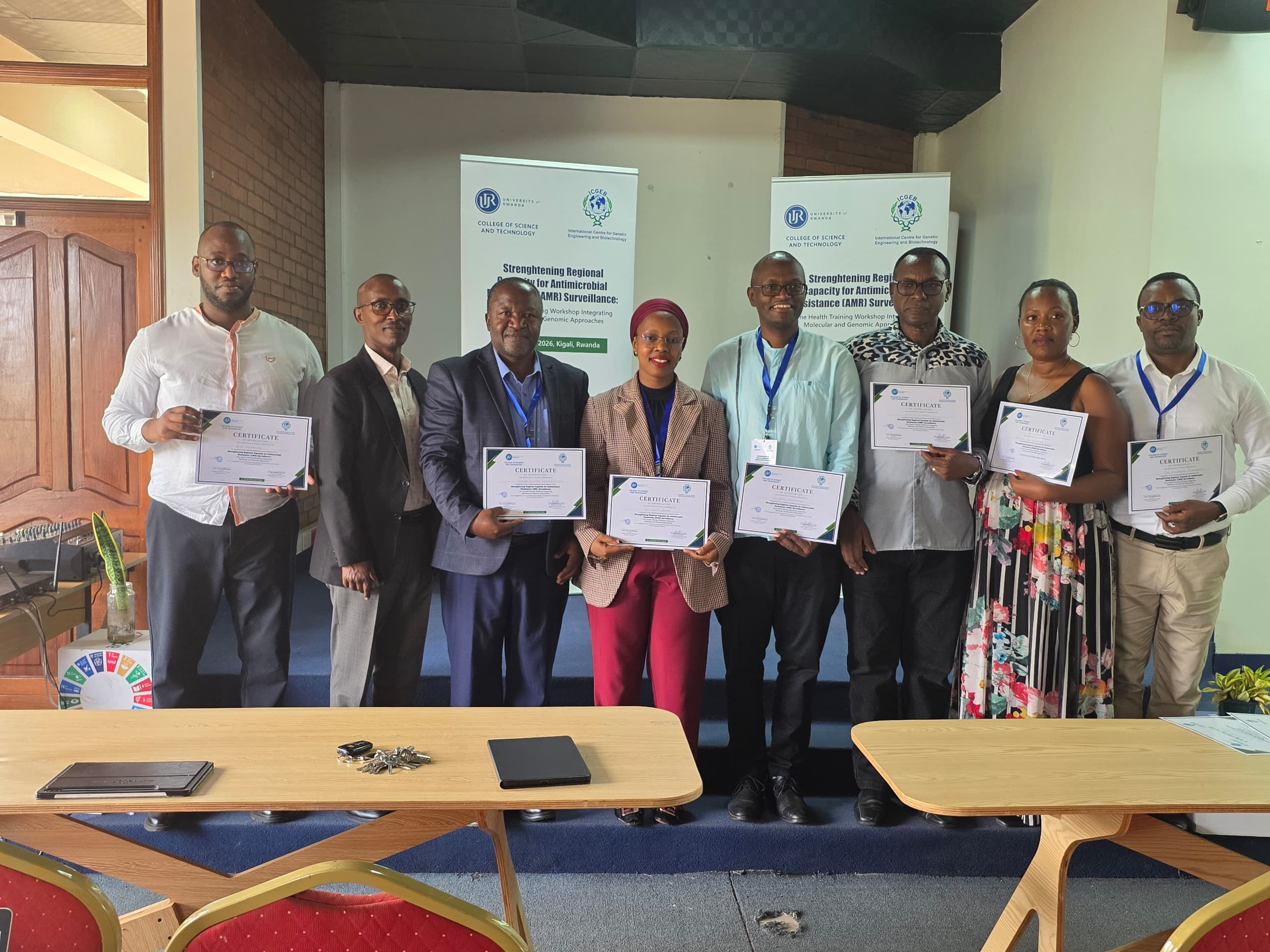
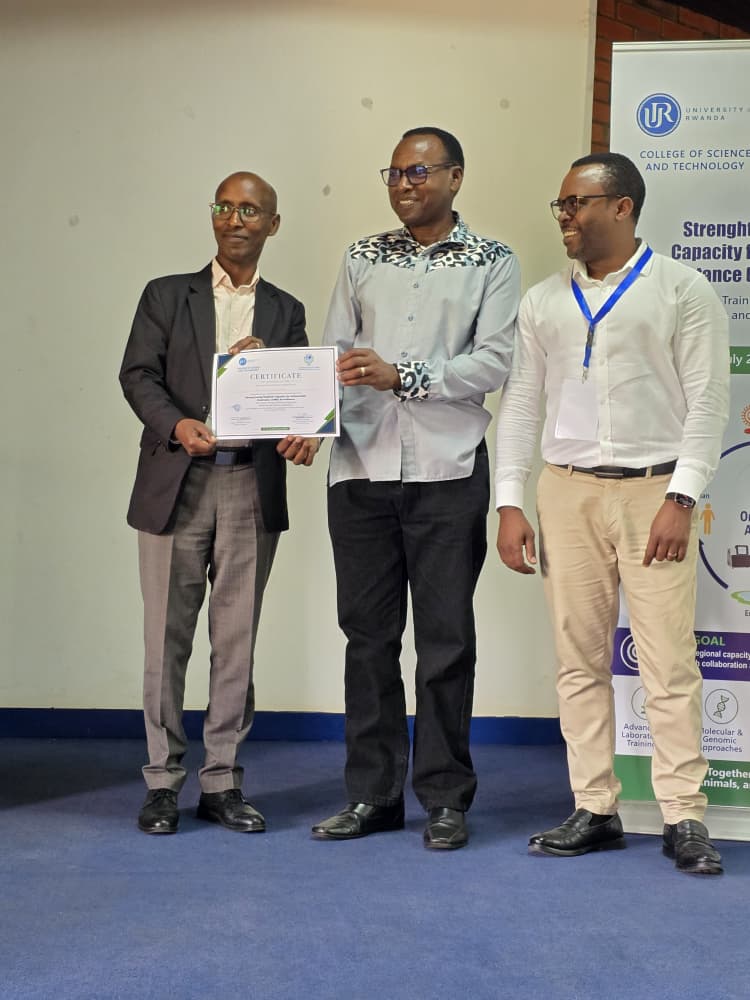
The workshop concluded with the awarding of certificates to participants, recognizing the successful completion of the intensive training programme.
Participants reaffirmed their commitment to strengthening collaboration, advancing research, and applying the knowledge gained to enhance antimicrobial resistance surveillance and response across the region.
By bringing together experts and participants from six African countries, the initiative underscores the University of Rwanda's commitment to advancing scientific excellence, promoting regional partnerships, and developing the skilled human resources needed to address complex global health challenges.
The collaboration with ICGEB reflects a shared vision of strengthening Africa's capacity to combat antimicrobial resistance through innovative research, knowledge exchange, and the One Health approach.
Participants posing for a photo after the One Health training workshop.Experts shared knowledge on antimicrobial resistance during the regional workshop.Researchers and health professionals from six African countries took part in the training.Scientists engaged in practical laboratory sessions during the four-day training.Participants gained hands-on skills in genomics and bioinformatics during the workshop.Participants received certificates after completing the AMR training programme.The training on antimicrobial resistance surveillance was hosted by UR-CST.
During his two years in office, Starmer's approach to Rwanda was defined less by efforts to strengthen ties and more by his decision to end the UK's asylum partnership with the country.
Relations between the two countries deteriorated further as conflict intensified in eastern Democratic Republic of Congo (DRC), prompting the UK to impose sanctions on Rwanda over allegations of its involvement in the conflict.
Ending the Rwanda asylum plan
Starmer entered office promising to immediately end the policy of sending asylum seekers to Rwanda. He fulfilled that pledge as soon as he became Prime Minister on July 5, 2024, arguing that the scheme was a waste of taxpayers' money.
The decision left Rwanda taking the UK to international arbitration, seeking compensation for payments it said were still owed after it had already invested heavily in preparations to receive asylum seekers.
At the same time, Starmer's government suspended some UK financial support to Rwanda, citing contested allegations that Rwanda was involved in the conflict in eastern DRC.
Why did Starmer leave office?
On June 22, 2026, Starmer announced he would resign as leader of the Labour Party after mounting pressure from Labour MPs and ministers.
Many within the party feared he would not be the right person to lead Labour into the next general election as Nigel Farage's Reform UK gained momentum among British voters.
The election of Andy Burnham as MP for Makerfield in northern England further intensified pressure on Starmer and marked the beginning of the end of his leadership.
Starmer agreed to step aside and pledged to support a smooth transition. He remained Prime Minister until July 20, 2026, when Burnham officially took office.
His departure followed declining public approval, criticism of his domestic policies, concerns over the economy and cost of living, and fears Labour could lose the next general election.
The Rwanda deal that defined his tenure
The UK-Rwanda Migration and Economic Development Partnership was launched in April 2022 under Conservative Prime Minister Boris Johnson.
The agreement provided for some asylum seekers who entered the UK through irregular routes—particularly those crossing the English Channel in small boats—to be relocated to Rwanda, where their asylum claims would be processed.
Supporters argued the plan would deter people-smuggling gangs that profit from illegal migration and often put migrants' lives at risk.
The first deportation flight was due to leave on June 14, 2022, but was halted at the last minute following an interim ruling by the European Court of Human Rights.
In November 2023, the UK Supreme Court ruled that the scheme was unlawful, citing concerns that asylum seekers sent to Rwanda could ultimately be returned to countries where they faced persecution.
The government of Rishi Sunak responded by signing a new treaty with Rwanda in December 2023 and passing legislation declaring Rwanda a safe country for asylum seekers.
Although Parliament approved the legislation, the plan had not been implemented by the time Starmer took office in July 2024.
Opposition before taking office
Starmer opposed the Rwanda policy long before becoming Prime Minister. In June 2022, while serving as Leader of the Opposition, he dismissed the plan as a distraction rather than a genuine solution to irregular migration.
He argued that small-boat crossings should instead be tackled through closer cooperation with France, European law enforcement agencies and efforts to dismantle people-smuggling networks before migrants reached the UK's shores.
Starmer maintained that individuals with no legal right to remain in Britain should be returned to their countries of origin, but insisted that deporting them to Rwanda was expensive and ineffective.
On May 10, 2024, during a speech in Dover, he publicly pledged that if elected Prime Minister, he would immediately cancel the Rwanda plan.
He described it as a political 'gimmick' designed to appeal to voters without solving the migration crisis.
Instead, he promised to redirect the funding into establishing a new Border Security Command bringing together investigators, intelligence officers, border officials and police.
He also argued that anti-terrorism legislation could be used to target criminal gangs involved in people smuggling.
Labour's 2024 election manifesto similarly pledged that money allocated to the Rwanda scheme would instead be invested in border security and combating organised crime.
'Dead and buried'
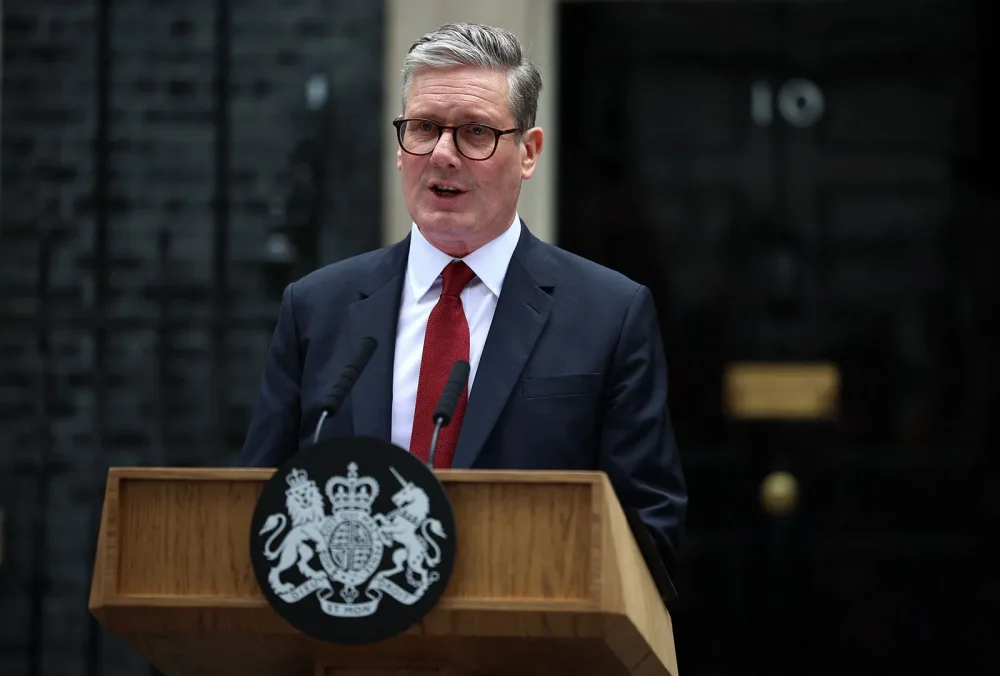
Labour won the July 4, 2024 general election, making Starmer Prime Minister. During his first press conference on July 6, he confirmed that the Rwanda asylum plan had been scrapped.
He famously declared that the scheme was 'dead and buried before it started,' arguing it had never served as a deterrent to irregular migration.
The decision halted deportations to Rwanda but did not automatically terminate the legal agreement between the two countries.
Rwanda insisted it was under no obligation to refund money already received because it had fulfilled its commitments, including preparing accommodation, staffing and reception facilities for relocated migrants.
Arbitration over payments
Rwanda argued that the UK still owed scheduled payments for 2025 and 2026. On November 24, 2025, Rwanda filed a case before the Permanent Court of Arbitration in The Hague, with the claim becoming public in January 2026.
Kigali sought more than £100 million, including two scheduled payments of £50 million each, as well as additional damages for what it described as a breach of contract.
The UK maintained that both governments had agreed in November 2024 that no further payments would be made.
The agreement was formally terminated on March 16, 2026. An arbitration ruling issued on June 1, 2026, rejected Rwanda's claim for additional payments. Rwanda accepted the decision and announced it would not appeal.
Tensions over DRC conflict
Migration was not the only issue that strained UK-Rwanda relations during Starmer's tenure. In early 2025, fighting escalated in eastern DRC as AFC/M23 captured Goma and Bukavu. The UK accused Rwanda of supporting the rebel group and deploying troops in Congolese territory.
Rwanda consistently rejected the allegations, maintaining that its defensive measures were aimed at protecting its national security by countering the FDLR militia and other armed groups it says threaten the country.
On February 25, 2025, the UK announced a series of measures against Rwanda. These included suspending high-level participation in Rwandan government events, limiting trade promotion activities, freezing direct financial assistance to the Rwandan government, except for support benefiting the vulnerable communities, and suspending future defence training.
London also said it would review export licences for military-related equipment destined for Rwanda and consider additional sanctions in coordination with international partners.
Rwanda condemned the measures as unjustified sanctions that demonstrated the UK's bias in the conflict. Kigali argued that it could not be expected to compromise its own national security or that of its citizens.
As of April 2026, the UK maintained that the measures introduced in 2025 remained in place while continuing to call on all parties to implement the commitments contained in regional peace agreements.
Migration challenge remains
Although Starmer fulfilled his pledge to end the Rwanda scheme, irregular migration to the UK continued.
Since he took office, more than 77,000 migrants have reportedly entered the UK through irregular routes, raising questions among critics about whether abolishing the Rwanda policy has helped address the small-boats crisis.
Sir Keir Starmer's two-year tenure as United Kingdom Prime Minister came to an end on July 20, 2026.