Category: Uncategorized

  • UR and ICGEB strengthen regional capacity to combat Antimicrobial Resistance through One Health training #rwanda #RwOT

    The four-day workshop, held from 20–23 July 2026 at UR-CST in Kigali, brought together 50 researchers, laboratory scientists, veterinarians, public health professionals, and academics from Rwanda, Ethiopia, Kenya, Tanzania, Burundi, and South Africa. Supported by funding from ICGEB and the University of Rwanda, the programme equipped participants with advanced knowledge and practical skills in molecular biology, genomics, bioinformatics, and integrated AMR surveillance.

    Opening the workshop on behalf of the Dean of the School of Science, Prof. Banzi Wellars welcomed participants to the University of Rwanda and emphasized the importance of investing in scientific capacity to address AMR as one of today's most pressing public health challenges. He encouraged participants to make the most of the opportunity to learn from leading experts and to build lasting professional networks that will strengthen AMR surveillance and research across the region.

    Representing ICGEB, Prof. Stefano Cacciatore reaffirmed the organization's commitment to supporting scientific excellence and capacity development in its member countries. He encouraged participants to take advantage of ICGEB's research grants, fellowships, and training programmes that promote innovation and international scientific collaboration.

    Speaking during the opening ceremony, Prof. Dieudonné Mutangana, ICGEB Liaison Officer in Rwanda and the Head of Biology Department at UR, highlighted the growing threat posed by AMR and the need for coordinated regional action.

    'This workshop represents a critical step in addressing a mounting global public health threat that transcends boundaries, affecting humans, animals, food systems, and our environment alike.'

    He commended the collaboration between UR and ICGEB for bringing together international and local expertise to strengthen Africa's scientific capacity to respond to AMR.

    Presenting the objectives of the workshop, Dr. Jean Paul Nshizirungu, the workshop coordinator, stressed that AMR requires collective action across institutions and borders. He noted that beyond strengthening technical competencies in AMR surveillance, the training was designed to foster long-term regional partnerships that will advance collaborative research, knowledge sharing, and evidence-based public health interventions.

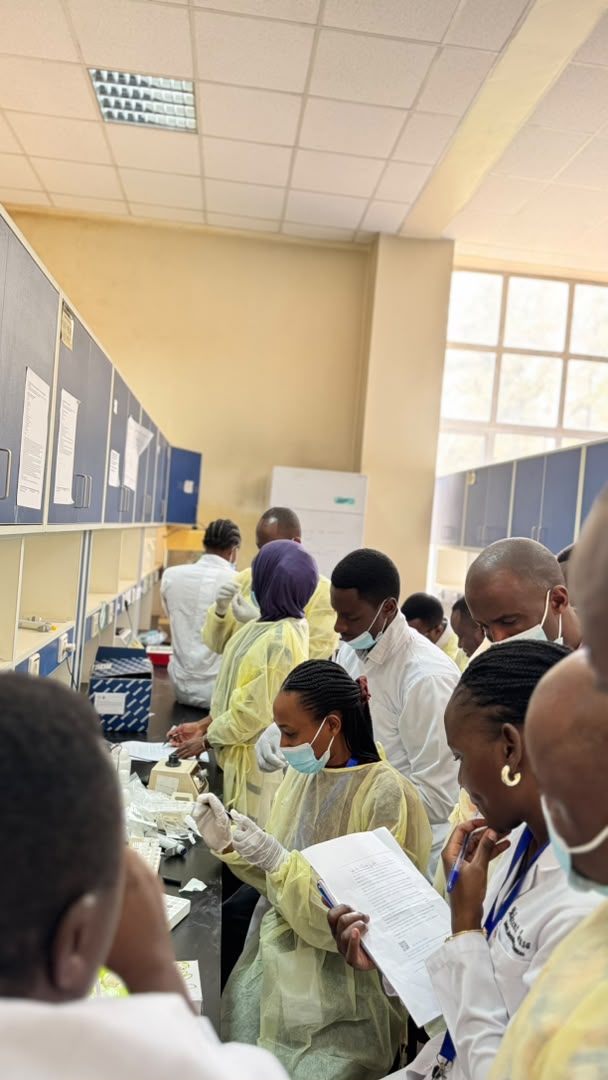
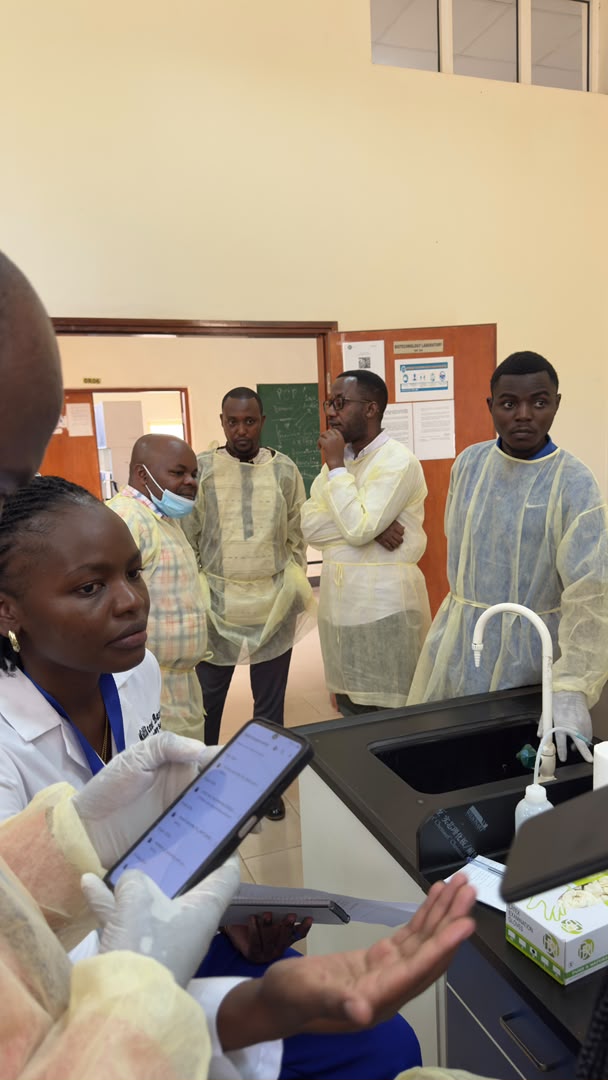
    Throughout the programme, participants engaged in expert-led lectures and intensive laboratory practical sessions covering AMR from national, regional, and global perspectives.

    The training focused on mechanisms and drivers of AMR, AMR surveillance data collection and analysis, molecular diagnostics, genomics and sequencing technologies, bioinformatics for AMR gene analysis, the One Health approach, and strategies for preventing AMR.

    Speaking at the closing ceremony, the Principal of the UR-CST, Prof. Gatare Ignace, commended the organizers, facilitators, and participants for their commitment to strengthening regional scientific capacity. He encouraged participants to apply the knowledge and practical skills acquired during the workshop to improve AMR surveillance systems within their institutions and countries, emphasizing that the workshop's impact would ultimately be reflected in stronger public health systems and enhanced research collaboration.

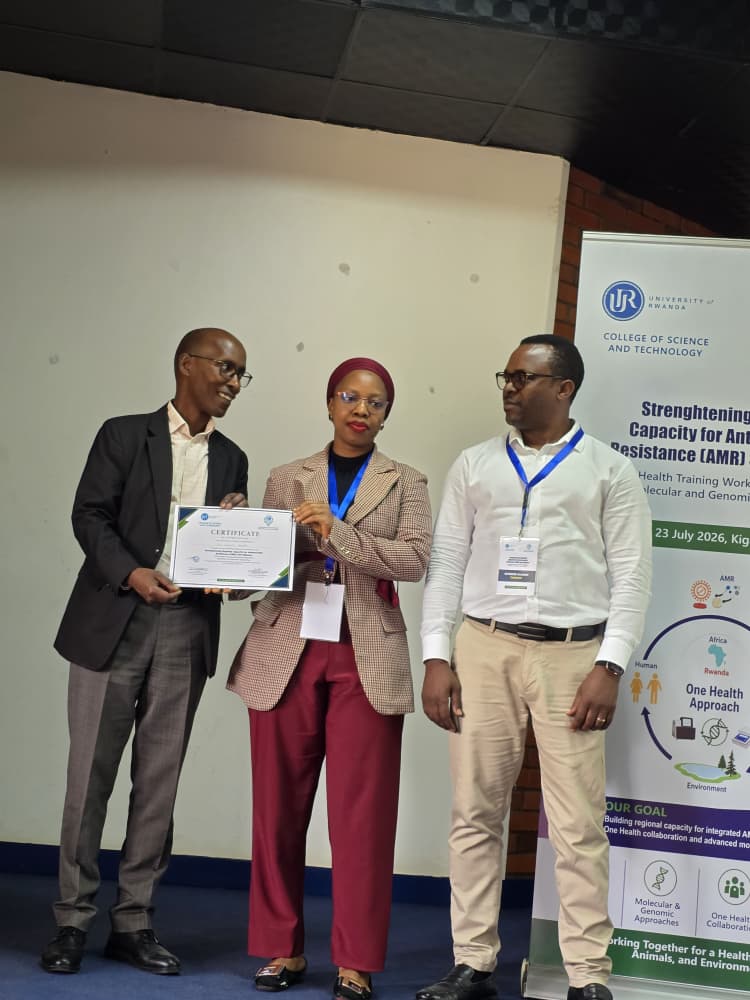
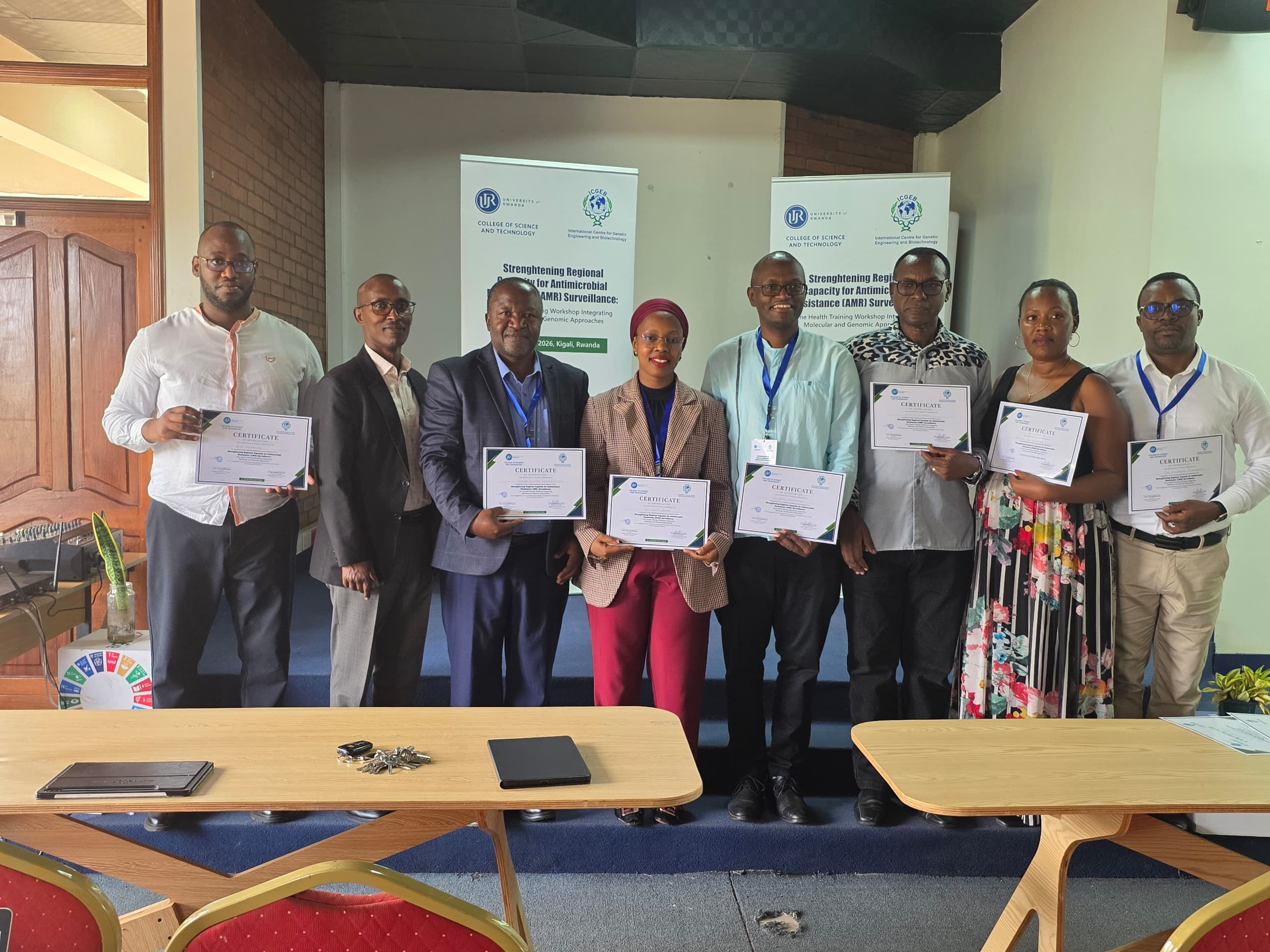
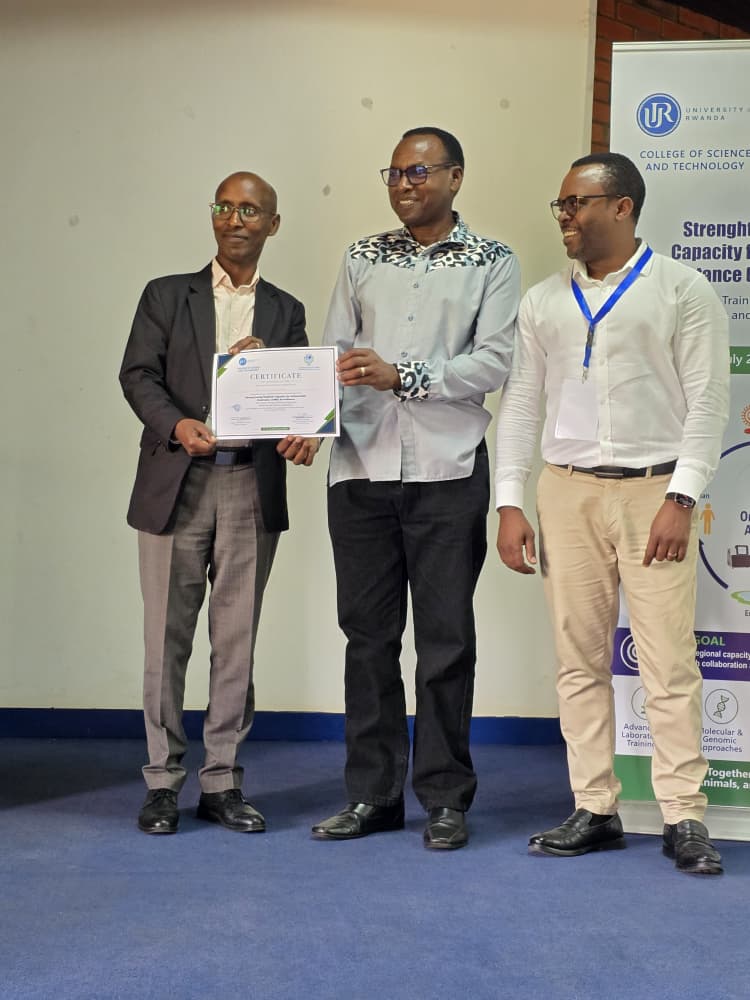
    The workshop concluded with the awarding of certificates to participants, recognizing the successful completion of the intensive training programme.

    Participants reaffirmed their commitment to strengthening collaboration, advancing research, and applying the knowledge gained to enhance antimicrobial resistance surveillance and response across the region.

    By bringing together experts and participants from six African countries, the initiative underscores the University of Rwanda's commitment to advancing scientific excellence, promoting regional partnerships, and developing the skilled human resources needed to address complex global health challenges.

    The collaboration with ICGEB reflects a shared vision of strengthening Africa's capacity to combat antimicrobial resistance through innovative research, knowledge exchange, and the One Health approach.

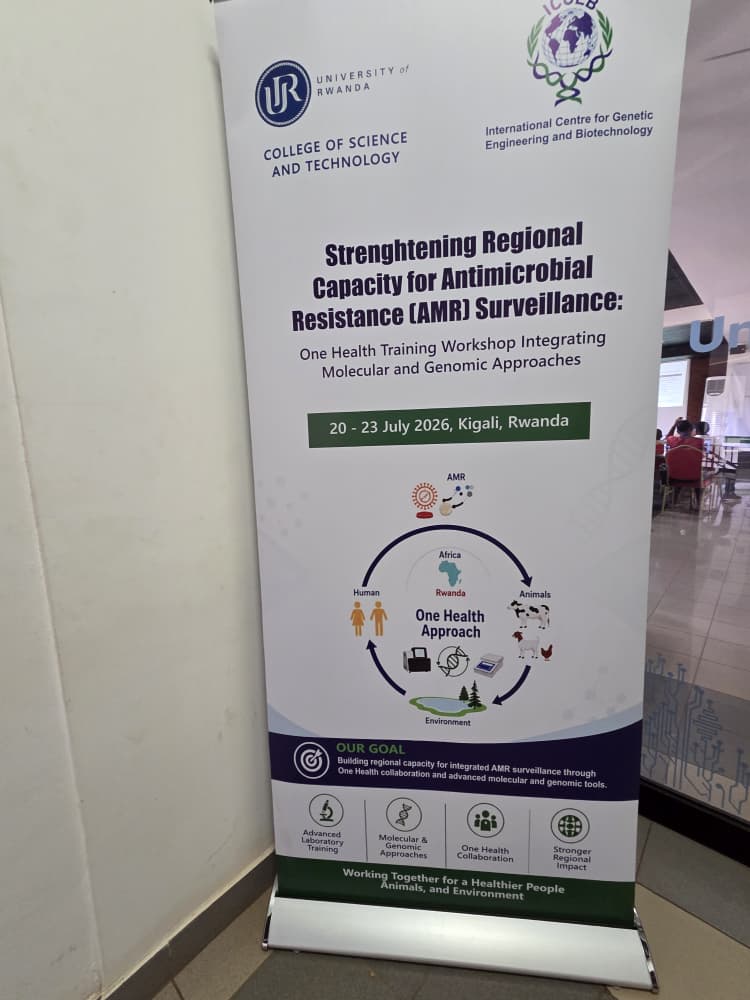
    Participants posing for a photo after the One Health training workshop.
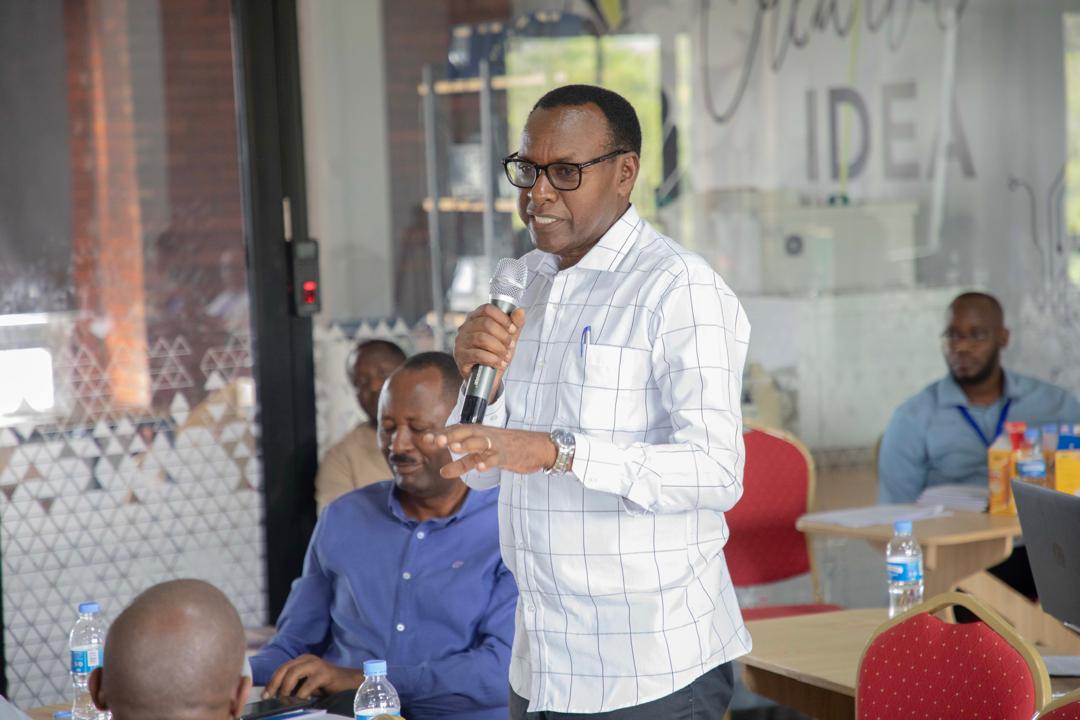
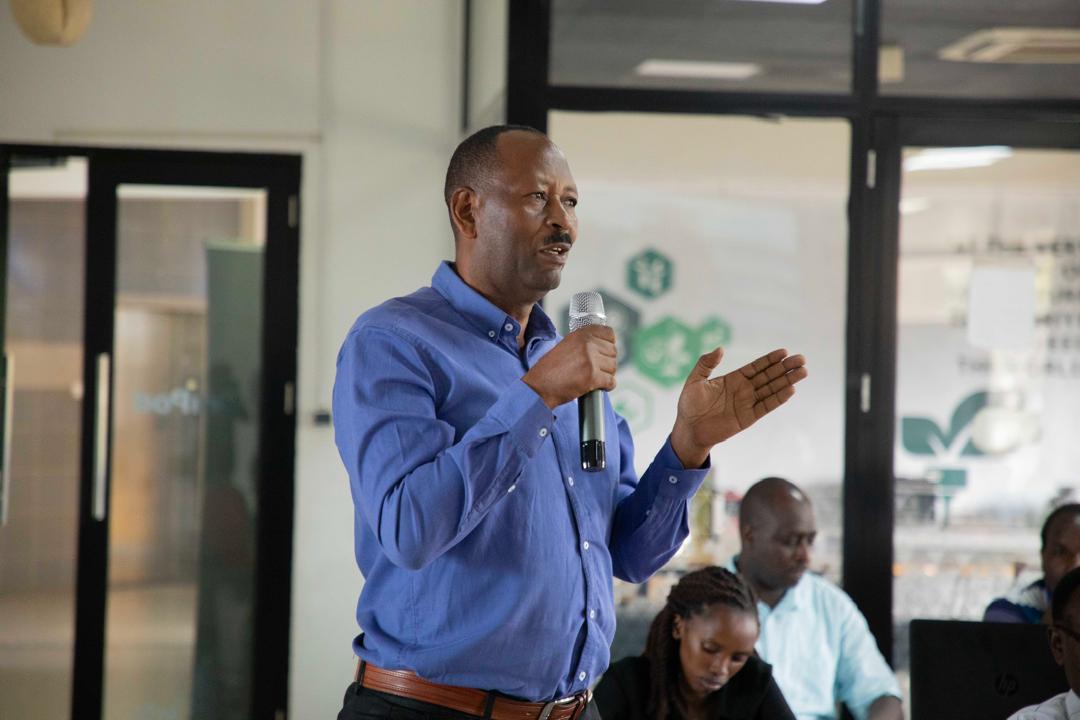
    Experts shared knowledge on antimicrobial resistance during the regional workshop.
    Researchers and health professionals from six African countries took part in the training.
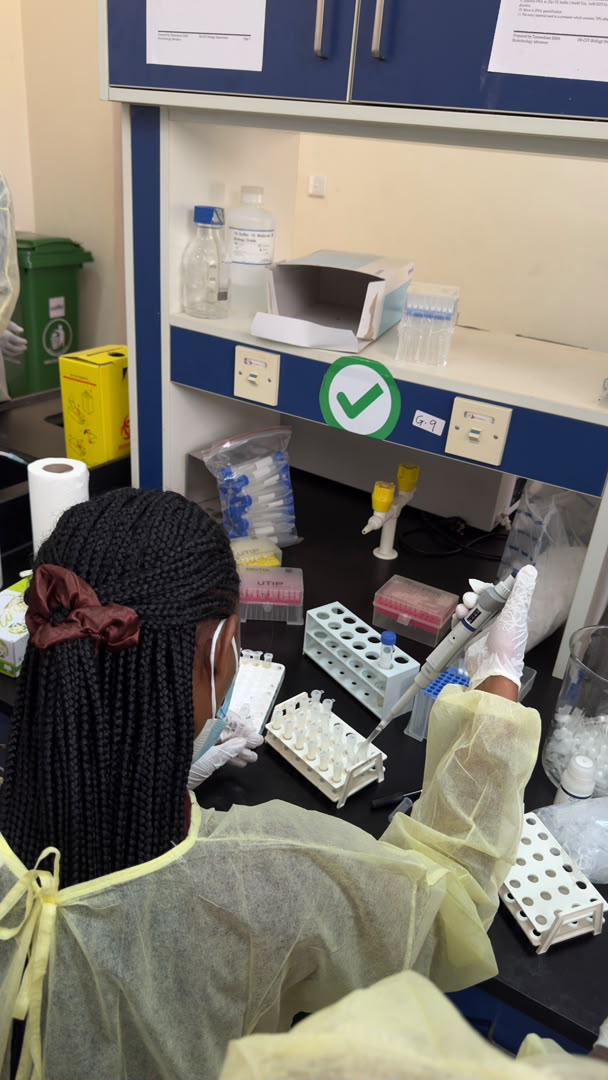
    Scientists engaged in practical laboratory sessions during the four-day training.
    Participants gained hands-on skills in genomics and bioinformatics during the workshop.
    Participants received certificates after completing the AMR training programme.
    The training on antimicrobial resistance surveillance was hosted by UR-CST.

    Source : https://new.igihe.com/english/ur-and-icgeb-strengthen-regional-capacity-to-combat-antimicrobial-resistance-through-one-health-training/

  • Keir Starmer's imprint on UK-Rwanda relations #rwanda #RwOT

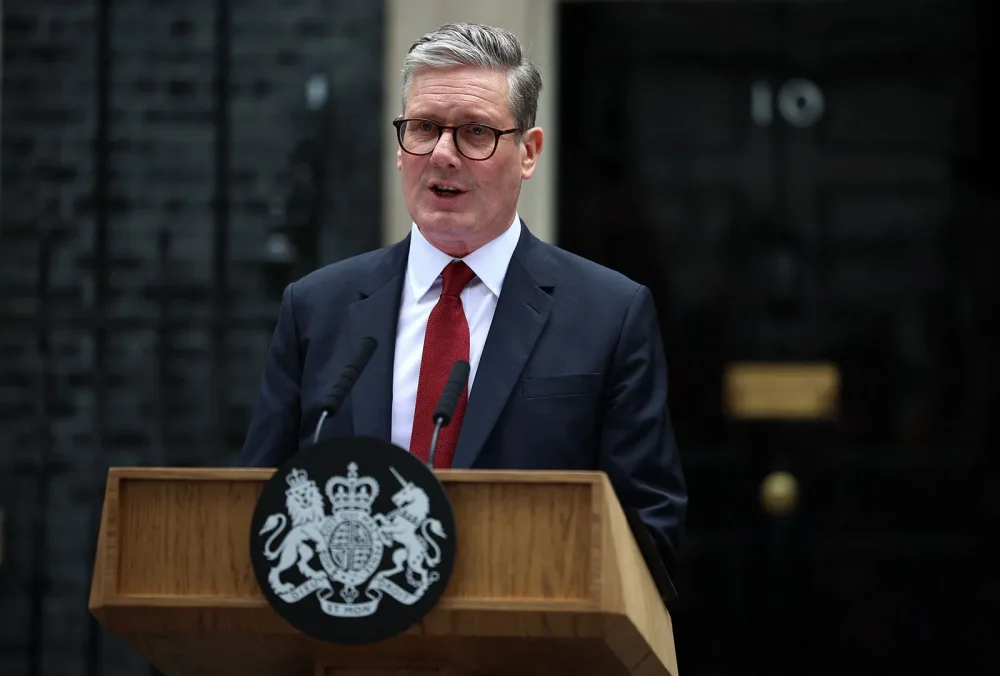
    During his two years in office, Starmer's approach to Rwanda was defined less by efforts to strengthen ties and more by his decision to end the UK's asylum partnership with the country.

    Relations between the two countries deteriorated further as conflict intensified in eastern Democratic Republic of Congo (DRC), prompting the UK to impose sanctions on Rwanda over allegations of its involvement in the conflict.

    Ending the Rwanda asylum plan

    Starmer entered office promising to immediately end the policy of sending asylum seekers to Rwanda. He fulfilled that pledge as soon as he became Prime Minister on July 5, 2024, arguing that the scheme was a waste of taxpayers' money.

    The decision left Rwanda taking the UK to international arbitration, seeking compensation for payments it said were still owed after it had already invested heavily in preparations to receive asylum seekers.

    At the same time, Starmer's government suspended some UK financial support to Rwanda, citing contested allegations that Rwanda was involved in the conflict in eastern DRC.

    Why did Starmer leave office?

    On June 22, 2026, Starmer announced he would resign as leader of the Labour Party after mounting pressure from Labour MPs and ministers.

    Many within the party feared he would not be the right person to lead Labour into the next general election as Nigel Farage's Reform UK gained momentum among British voters.

    The election of Andy Burnham as MP for Makerfield in northern England further intensified pressure on Starmer and marked the beginning of the end of his leadership.

    Starmer agreed to step aside and pledged to support a smooth transition. He remained Prime Minister until July 20, 2026, when Burnham officially took office.

    His departure followed declining public approval, criticism of his domestic policies, concerns over the economy and cost of living, and fears Labour could lose the next general election.

    The Rwanda deal that defined his tenure

    The UK-Rwanda Migration and Economic Development Partnership was launched in April 2022 under Conservative Prime Minister Boris Johnson.

    The agreement provided for some asylum seekers who entered the UK through irregular routes—particularly those crossing the English Channel in small boats—to be relocated to Rwanda, where their asylum claims would be processed.

    Supporters argued the plan would deter people-smuggling gangs that profit from illegal migration and often put migrants' lives at risk.

    The first deportation flight was due to leave on June 14, 2022, but was halted at the last minute following an interim ruling by the European Court of Human Rights.

    In November 2023, the UK Supreme Court ruled that the scheme was unlawful, citing concerns that asylum seekers sent to Rwanda could ultimately be returned to countries where they faced persecution.

    The government of Rishi Sunak responded by signing a new treaty with Rwanda in December 2023 and passing legislation declaring Rwanda a safe country for asylum seekers.

    Although Parliament approved the legislation, the plan had not been implemented by the time Starmer took office in July 2024.

    Opposition before taking office

    Starmer opposed the Rwanda policy long before becoming Prime Minister.
    In June 2022, while serving as Leader of the Opposition, he dismissed the plan as a distraction rather than a genuine solution to irregular migration.

    He argued that small-boat crossings should instead be tackled through closer cooperation with France, European law enforcement agencies and efforts to dismantle people-smuggling networks before migrants reached the UK's shores.

    Starmer maintained that individuals with no legal right to remain in Britain should be returned to their countries of origin, but insisted that deporting them to Rwanda was expensive and ineffective.

    On May 10, 2024, during a speech in Dover, he publicly pledged that if elected Prime Minister, he would immediately cancel the Rwanda plan.

    He described it as a political 'gimmick' designed to appeal to voters without solving the migration crisis.

    Instead, he promised to redirect the funding into establishing a new Border Security Command bringing together investigators, intelligence officers, border officials and police.

    He also argued that anti-terrorism legislation could be used to target criminal gangs involved in people smuggling.

    Labour's 2024 election manifesto similarly pledged that money allocated to the Rwanda scheme would instead be invested in border security and combating organised crime.

    'Dead and buried'

    Labour won the July 4, 2024 general election, making Starmer Prime Minister.
    During his first press conference on July 6, he confirmed that the Rwanda asylum plan had been scrapped.

    He famously declared that the scheme was 'dead and buried before it started,' arguing it had never served as a deterrent to irregular migration.

    The decision halted deportations to Rwanda but did not automatically terminate the legal agreement between the two countries.

    Rwanda insisted it was under no obligation to refund money already received because it had fulfilled its commitments, including preparing accommodation, staffing and reception facilities for relocated migrants.

    Arbitration over payments

    Rwanda argued that the UK still owed scheduled payments for 2025 and 2026. On November 24, 2025, Rwanda filed a case before the Permanent Court of Arbitration in The Hague, with the claim becoming public in January 2026.

    Kigali sought more than £100 million, including two scheduled payments of £50 million each, as well as additional damages for what it described as a breach of contract.

    The UK maintained that both governments had agreed in November 2024 that no further payments would be made.

    The agreement was formally terminated on March 16, 2026. An arbitration ruling issued on June 1, 2026, rejected Rwanda's claim for additional payments. Rwanda accepted the decision and announced it would not appeal.

    Tensions over DRC conflict

    Migration was not the only issue that strained UK-Rwanda relations during Starmer's tenure.
    In early 2025, fighting escalated in eastern DRC as AFC/M23 captured Goma and Bukavu. The UK accused Rwanda of supporting the rebel group and deploying troops in Congolese territory.

    Rwanda consistently rejected the allegations, maintaining that its defensive measures were aimed at protecting its national security by countering the FDLR militia and other armed groups it says threaten the country.

    On February 25, 2025, the UK announced a series of measures against Rwanda. These included suspending high-level participation in Rwandan government events, limiting trade promotion activities, freezing direct financial assistance to the Rwandan government, except for support benefiting the vulnerable communities, and suspending future defence training.

    London also said it would review export licences for military-related equipment destined for Rwanda and consider additional sanctions in coordination with international partners.

    Rwanda condemned the measures as unjustified sanctions that demonstrated the UK's bias in the conflict. Kigali argued that it could not be expected to compromise its own national security or that of its citizens.

    As of April 2026, the UK maintained that the measures introduced in 2025 remained in place while continuing to call on all parties to implement the commitments contained in regional peace agreements.

    Migration challenge remains

    Although Starmer fulfilled his pledge to end the Rwanda scheme, irregular migration to the UK continued.

    Since he took office, more than 77,000 migrants have reportedly entered the UK through irregular routes, raising questions among critics about whether abolishing the Rwanda policy has helped address the small-boats crisis.

    Sir Keir Starmer's two-year tenure as United Kingdom Prime Minister came to an end on July 20, 2026.

    Source : https://new.igihe.com/english/keir-starmers-imprint-on-uk-rwanda-relations/

  • Iran blasts U.S. asset threat as 'incendiary precedent' #rwanda #RwOT

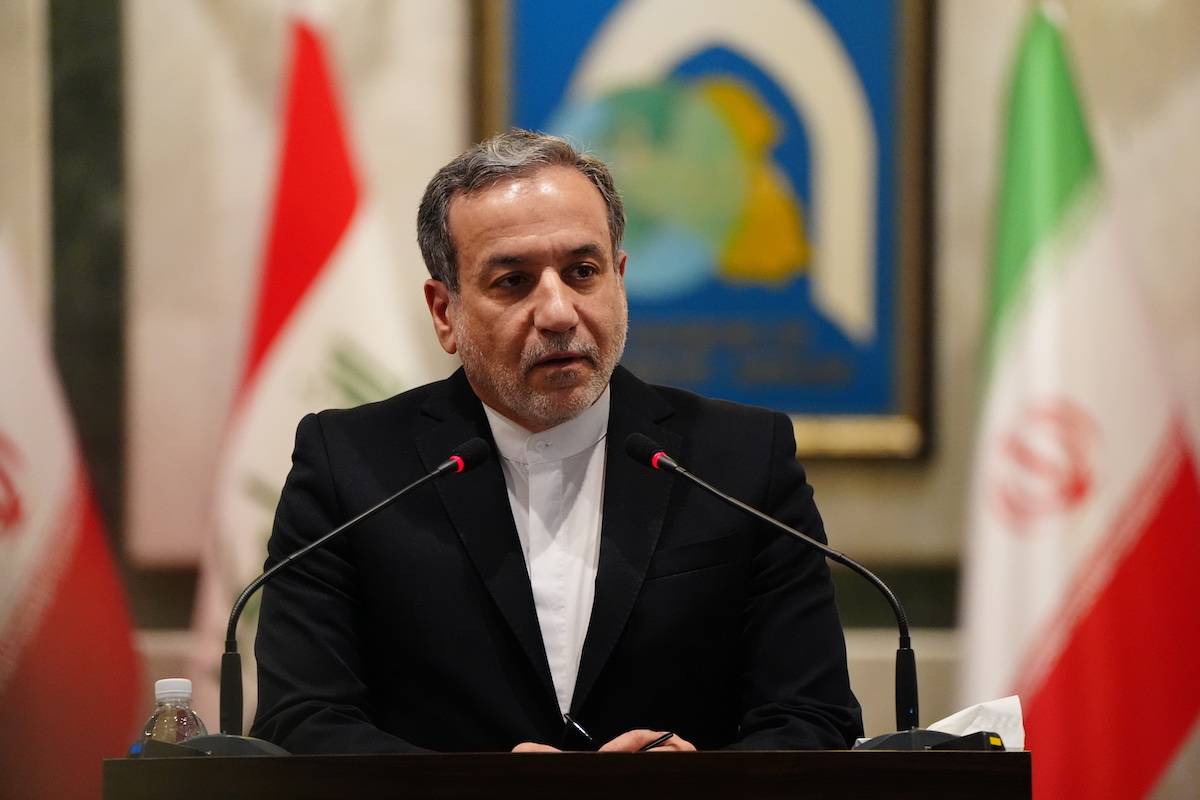
    'Seizing another nation's assets to pay for unrelated future claims is an incendiary precedent,' he said on X. 'Those who celebrate or profit from such funds should remember: once governments normalize confiscation, no one's assets are safe. Ensuing chaos will not be pretty or peaceful.'

    Araghchi's remarks came as U.S. President Donald Trump said Thursday that 'any and all damages done to Ships, Cargo, or anything related thereto, will be paid for by Iranian Money that the United States has in its possession, and controls.'

    'These damages may be very substantial but, nevertheless, this is the fair and equitable thing to do,' Trump wrote on Truth Social.

    Iranian Foreign Minister Seyed Abbas Araghchi in Baghdad, Iraq on October 13, 2024. [Murtadha Al-Sudani – Anadolu Agency]

    Source : https://new.igihe.com/english/iran-blasts-u-s-asset-threat-as-incendiary-precedent/

  • UN holds town hall meeting for secretary-general candidates #rwanda #RwOT

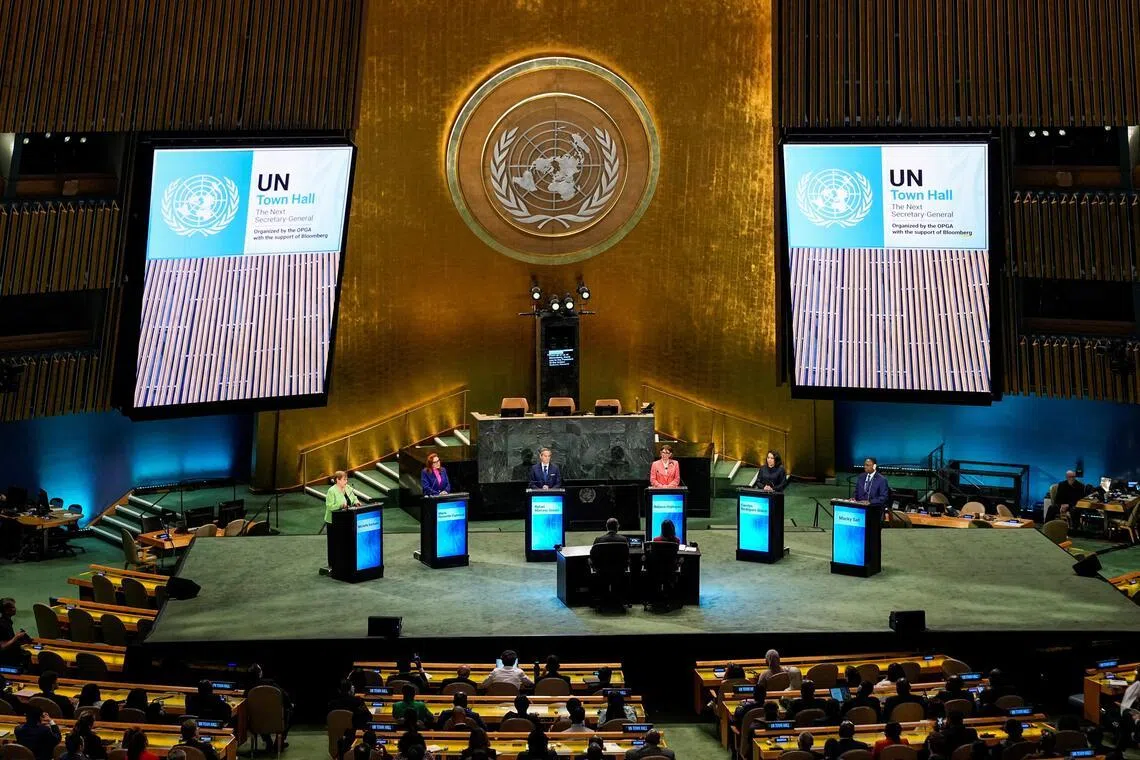
    The meeting, organized by UN General Assembly President Annalena Baerbock, with the support of media company Bloomberg, was streamed live on UN Web TV and Bloomberg platforms.

    'Today marks a critical step in the selection of the next secretary-general of the United Nations, probably one of the most challenging but also most honorable jobs in the world,' said Baerbock in her opening remarks.

    'The person we choose will not only be the face of this house of humanity but also its custodian. She or he will stand up for the United Nations Charter and all three pillars — peace and security, sustainable development and human rights — in a time of unprecedented challenges yet also new opportunities,' she said.

    The six candidates — Michelle Bachelet, former Chilean president and former UN high commissioner for human rights; Maria Fernanda Espinosa, former UN General Assembly president and former foreign minister and defense minister of Ecuador; Rafael Mariano Grossi of Argentina, current director general of the International Atomic Energy Agency; Rebeca Grynspan, former vice president of Costa Rica; Carolyn Rodrigues Birkett, Guyana's permanent representative to the United Nations; Macky Sall, former president of Senegal — attended the meeting and answered questions from both Bloomberg mediators and audience members.

    At the end of the meeting, the six candidates were asked to outline their priorities for their first 100 days as UN secretary-general if elected.

    The term of the current UN secretary-general, Antonio Guterres, expires at the end of this year. The next secretary-general will take over on Jan. 1, 2027.

    Six candidates are competing to succeed current UN Secretary-General Antonio Guterres, whose term ends in 2026.

    Source : https://new.igihe.com/english/un-holds-town-hall-meeting-for-secretary-general-candidates/

  • Rwanda eyes local production of lightning protection systems #rwanda #RwOT

    The disclosure was made by the Director General of Surveillance and Preparedness at MINEMA, Christine Niyotwambaza, on July 23, 2026, during the inauguration of high-capacity lightning protection systems installed at GS Musango and Musango local church center, in Rwankuba Sector, Karongi District.

    They are located in one of the five sectors in Karongi District that are frequently affected by lightning strikes.

    Residents say lightning remains a deadly threat in the area.

    John Dushimimana, a resident of Rwankuba Sector, told IGIHE that lightning has repeatedly claimed lives, killed livestock and damaged electrical appliances.
    'I know more than seven people from Rwankuba Sector who have died after being struck by lightning. The main reason is that we do not have lightning protection systems in our homes. We do not know where to buy them or how much they cost,' he said.

    Karongi District Vice Mayor in charge of Economic Development, Julienne Ntakirutimana, said the sectors most vulnerable to lightning are Rwankuba, Gitesi, Ruganda and Rugabano because they lie along the Congo-Nile Ridge, where high-altitude terrain makes lightning strikes more common.

    Niyotwambaza said the high cost of lightning protection systems is the main reason many households remain unprotected.

    'Lightning protection systems are very expensive. You cannot find one costing less than Rwf3 million,' she said.

    She revealed that MINEMA, in partnership with RP Karongi College, the Rwanda Standards Board (RSB) and the National Council for Science and Technology (NCST), is set to assess a locally developed lightning protection system next week.

    According to Niyotwambaza, Rwanda currently lacks the capacity to certify the equipment, meaning it will be sent abroad for technical evaluation.

    'If experts who specialize in lightning protection confirm that it meets the required safety standards, we will move to the next stage of manufacturing it locally. Once production begins in Rwanda, we will also work on reducing its cost so that ordinary citizens can afford to install it on their homes,' she said.

    MINEMA statistics show that over the past four years, lightning strikes have killed 287 people and left more than 950 others with permanent disabilities.

    Amiri Mugarura, an official at Otawa, a company that distributes lightning protection systems in Rwanda, said plastering houses with cement and wearing plastic-soled shoes can reduce the risk of being struck by lightning by up to 85 percent.

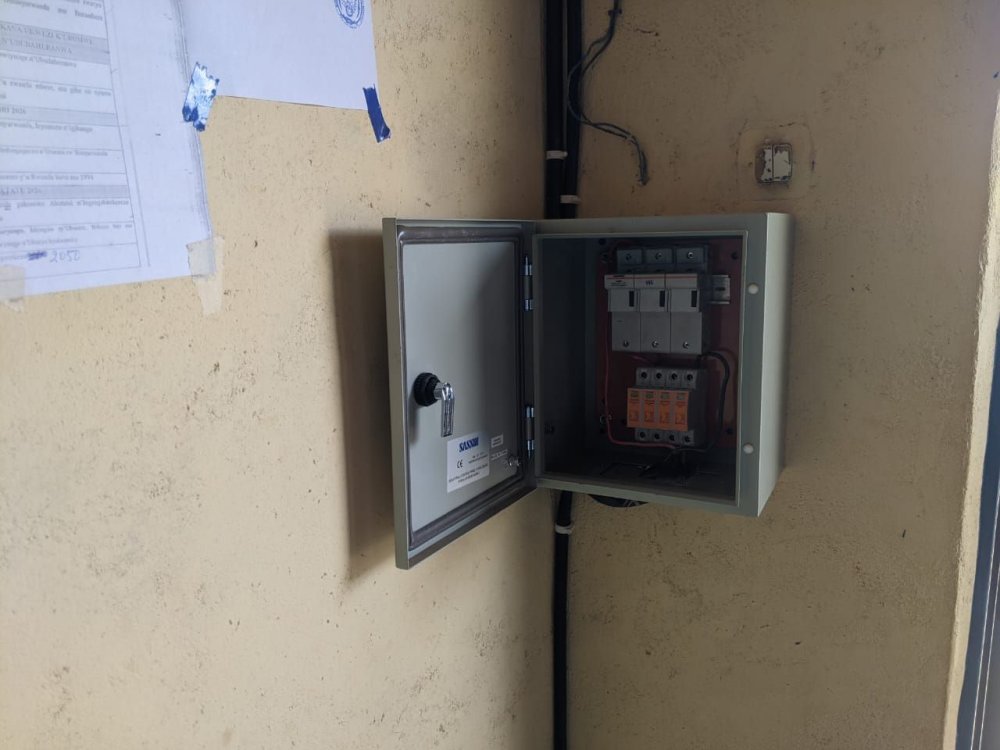
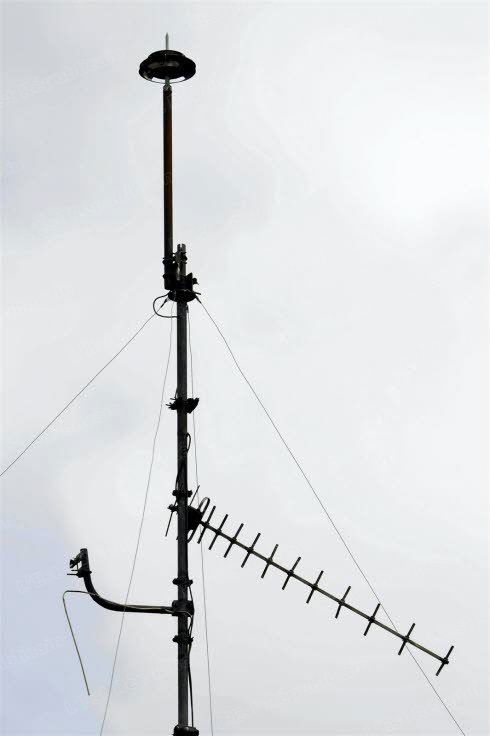
    Officials inaugurated high-capacity lightning protection systems at GS Musango and Musango Local Church Centre in Karongi District, one of the areas most vulnerable to lightning strikes.
    MINEMA says locally developed lightning protection systems will undergo technical assessment as Rwanda seeks to reduce costs and expand access to the life-saving technology.
    Christine Niyotwambaza, Director General of Surveillance and Preparedness at MINEMA, said Rwanda is working toward local production of lightning protection systems to make them more affordable for households.

    Source : https://new.igihe.com/english/rwanda-eyes-local-production-of-lightning-protection-systems/

  • NCBA Bank Rwanda launches ConnectPlus platform to transform digital banking for businesses #rwanda #RwOT

    The platform was officially unveiled on July 23, 2026, during an event that brought together NCBA Bank Rwanda officials, partners, customers and social media influencers.

    ConnectPlus is designed to support businesses, particularly large enterprises, by providing them with a convenient digital solution to manage their banking needs without having to visit physical bank branches.

    Through the platform, businesses will be able to process payments, manage employee salaries, monitor accounts and conduct various financial transactions in a faster, safer and more efficient way.

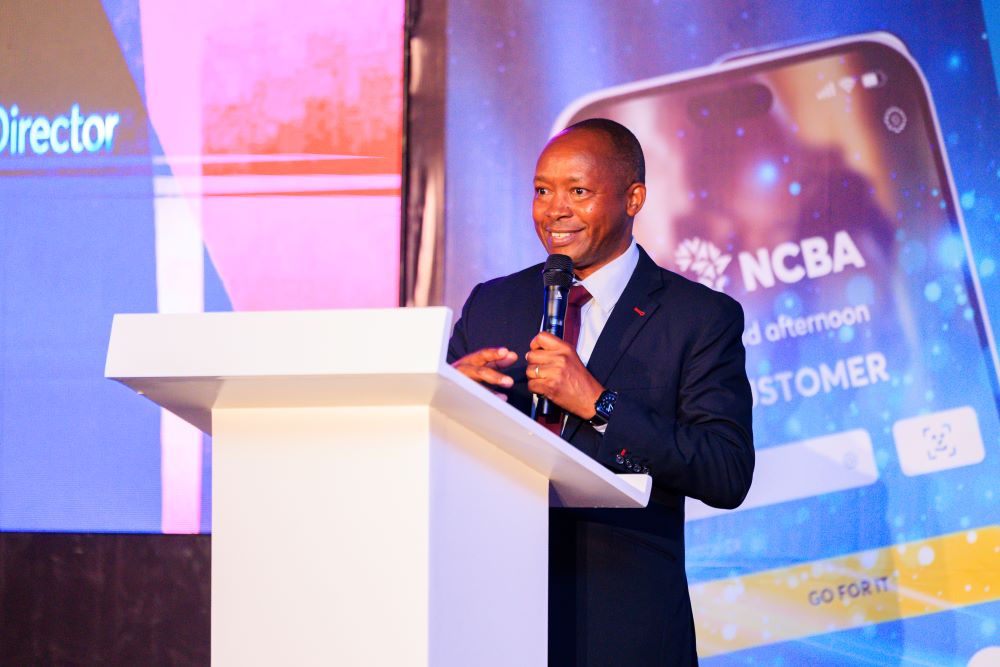
    Speaking during the launch, NCBA Bank Rwanda Managing Director and CEO Maurice Toroitich said the introduction of ConnectPlus reflects the bank's commitment to using technology to improve customer experience and make financial services more accessible.

    He explained that the bank is focused on developing digital solutions that allow customers to access services wherever they are while saving time and improving convenience.

    'Technology is one of our key priorities at NCBA Bank. We want our customers to access our services without necessarily visiting our branches, but instead use digital solutions that allow them to manage their financial needs easily using their phones,' Toroitich said.

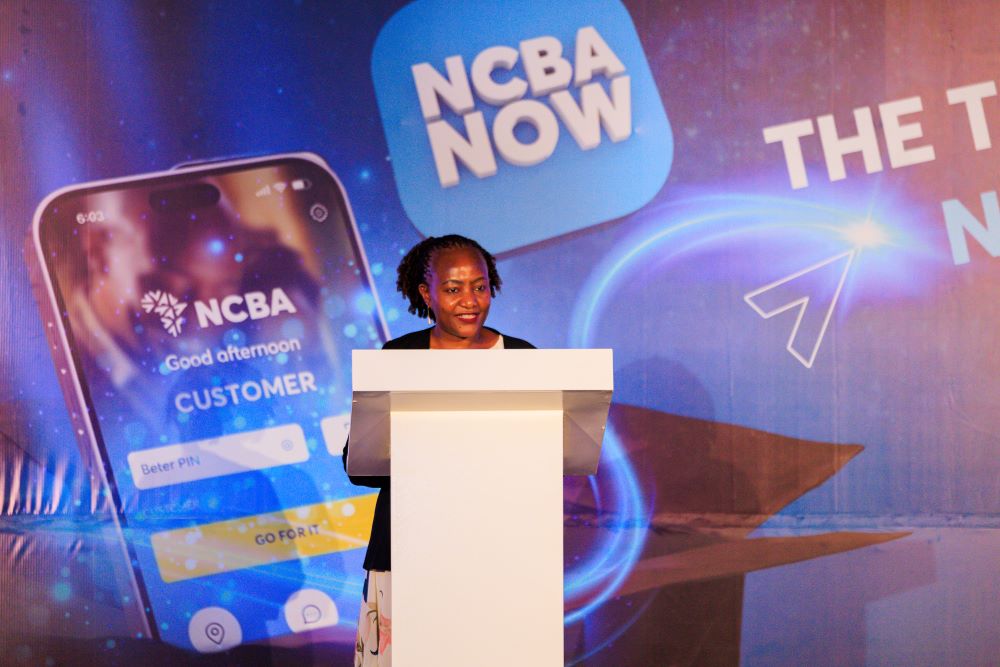
    Catherine Ngali, Senior Manager of Channels and Product Development at NCBA Bank Rwanda, said the launch of NCBA NOW and NCBA ConnectPlus marks an important step in the transformation of banking services.

    She noted that the platforms are designed to make financial services more convenient for both individual customers and businesses by providing simple, secure and efficient ways to access and manage their accounts.

    Samuel Gatari the Head of Retail Banking and Branch Network at NCBA Bank Rwanda revealed that the bank's mobile financial service, MoKash, has already attracted more than five million customers, with young people accounting for about 60 percent of its users.

    He said the growing number of digital banking users demonstrates the increasing demand for technology-driven financial solutions that make banking services more accessible.

    NCBA Bank Rwanda is a subsidiary of NCBA Group, a financial institution operating in five African countries: Kenya, Uganda, Tanzania, Rwanda and Côte d'Ivoire.

    The bank began operations in Rwanda in 2016 and currently operates branches in Kigali, as well as Musanze, Nyagatare, Rubavu, Kayonza and Rusizi districts.

    Catherine Ngali, the Senior Manager of Channels and Product Development at NCBA Group, stated that NCBA NOW and NCBA ConnectPlus represent a new milestone in the transformation of digital banking services.
    NCBA Bank Rwanda Managing Director and CEO Maurice Toroitich said that the platforms were introduced to enable customers to access and use the bank's services without having to visit its physical branches.
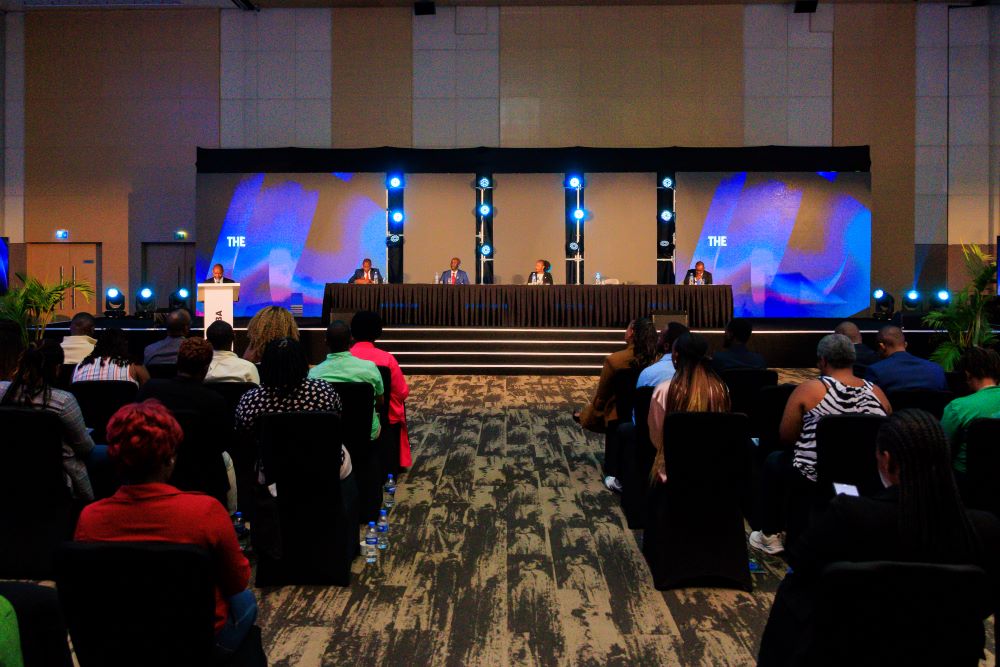
    The event was attended by NCBA Bank Rwanda officials, partners and customers.
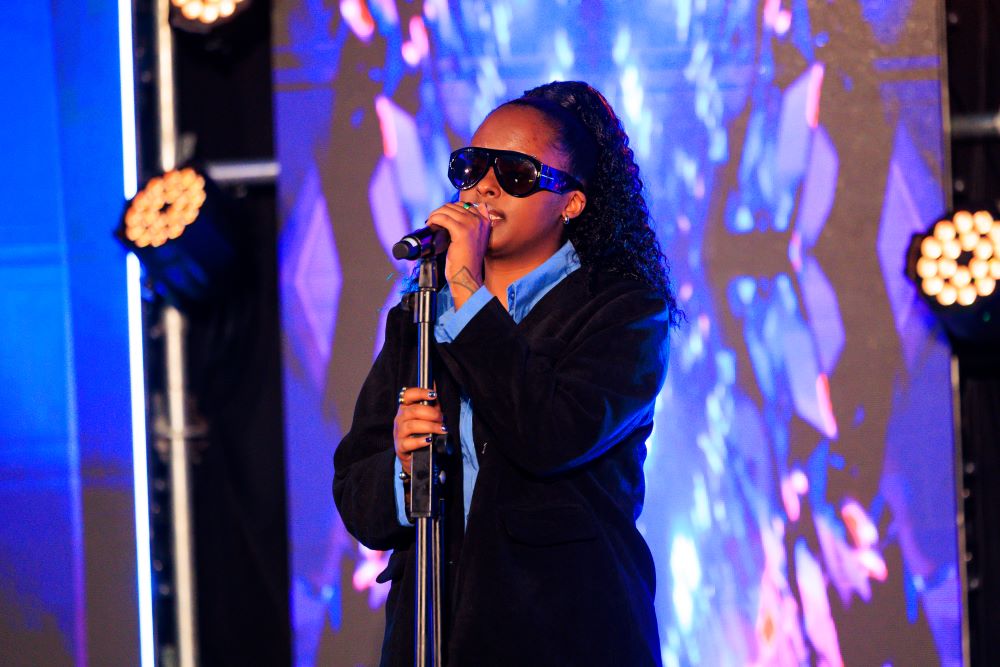
    Rwandan artist Ariel Wayz entertained attendees during the event.
    NCBA Bank Rwanda has launched a digital platform to help customers access its services through technology.

    Source : https://new.igihe.com/english/ncba-bank-rwanda-launches-connectplus-platform-to-transform-digital-banking-for-businesses/

  • How the Argentina World Cup controversy fueled a petition that nearly broke a world record #rwanda #RwOT

    The 'Argentina Out' campaign gained massive traction following a series of controversial matches during the tournament, which culminated in Spain defeating Argentina 1–0 in extra time in the World Cup final.

    Throughout the competition, supporters of the petition accused FIFA and match officials of systematically favoring Argentina and captain Lionel Messi.

    Before closing, the appeal collected 23,316,108 signatures from fans across roughly 170 countries. It fell just short of the Guinness World Record of 24,319,181 signatures, set in 1997 by the Jubilee 2000 movement, which advocated for the cancellation of debts owed by developing nations.

    Accusations of bias and viral backlash

    Organizers launched the 'Argentina Out' campaign following heated knockout fixtures, including a contentious round-of-16 clash against Egypt, arguing that the tournament's integrity had been compromised.

    'Why should the rest of the world compete when the winner has already been decided? Exclude Argentina from the World Cup and give everyone else a fair chance,' the petition's central statement read.

    Allegations of official leniency toward Argentina spread rapidly online, driving viral discussions, fan protests, and AI-generated media across social platforms.

    Heated final and disciplinary probe

    The controversy reached a boiling point after the final whistle of the championship match in East Rutherford, New Jersey. Tensions erupted into post-match altercations involving several Argentine players and staff:

    Nahuel Molina was involved in a confrontation with Spanish players on the pitch.

    Leandro Paredes clashed directly with Spain defender Eric García.

    Assistant coach Roberto Ayala and other team members were implicated in additional arguments during the post-game chaos.

    In response to the scenes, FIFA's Disciplinary Committee appointed an ethics prosecutor to review whether the actions breached regulations on sporting conduct or brought the governing body into disrepute.

    Campaign closure and final outcome

    Despite the scale of the 'Argentina Out' drive, FIFA did not act on the petition's demands, as fan-driven petitions carry no formal regulatory authority over tournament operations.

    Following Spain's extra-time victory sealed by Ferran Torres, the petition's organizers officially closed the drive, signing off with a message celebrating the final result:

    'FIFA ignored us, but Spain delivered. Thank you Spain.'

    Argentina's Nicolas Otamendi and Nahuel Molina fight with Spain's Rodri after the World Cup final.

    Source : https://new.igihe.com/english/how-the-argentina-world-cup-controversy-fueled-a-petition-that-nearly-broke-a-world-record/

  • Karongi: New water treatment plant begins supplying clean water #rwanda #RwOT

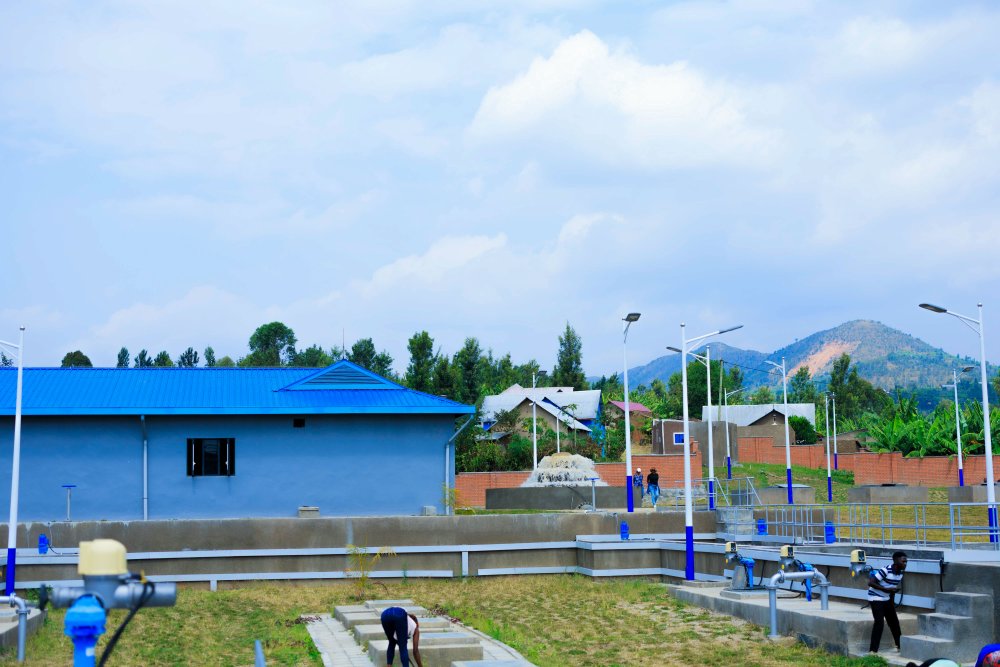
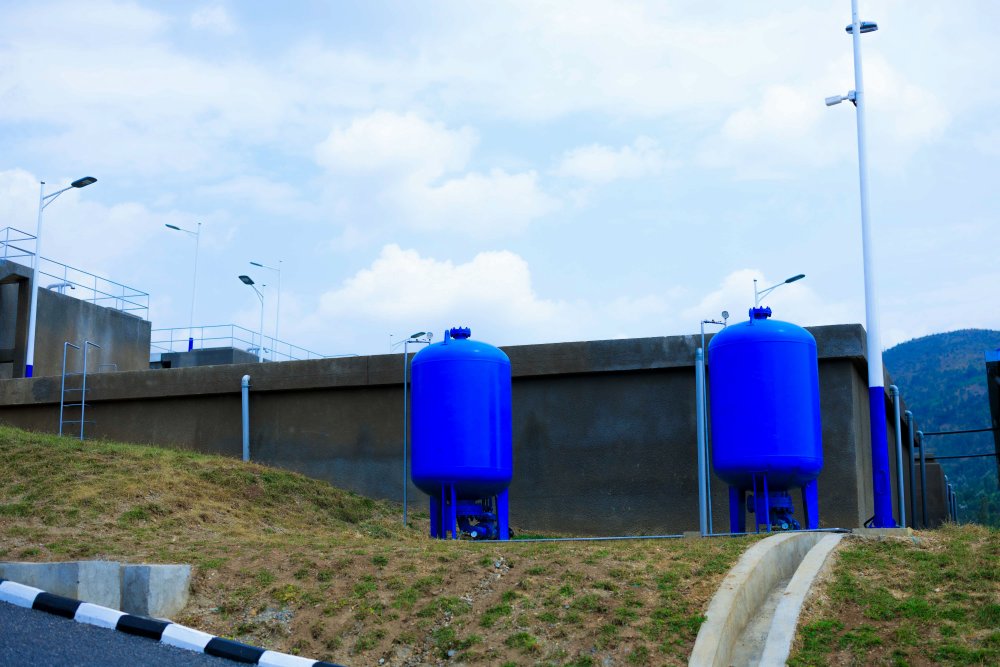
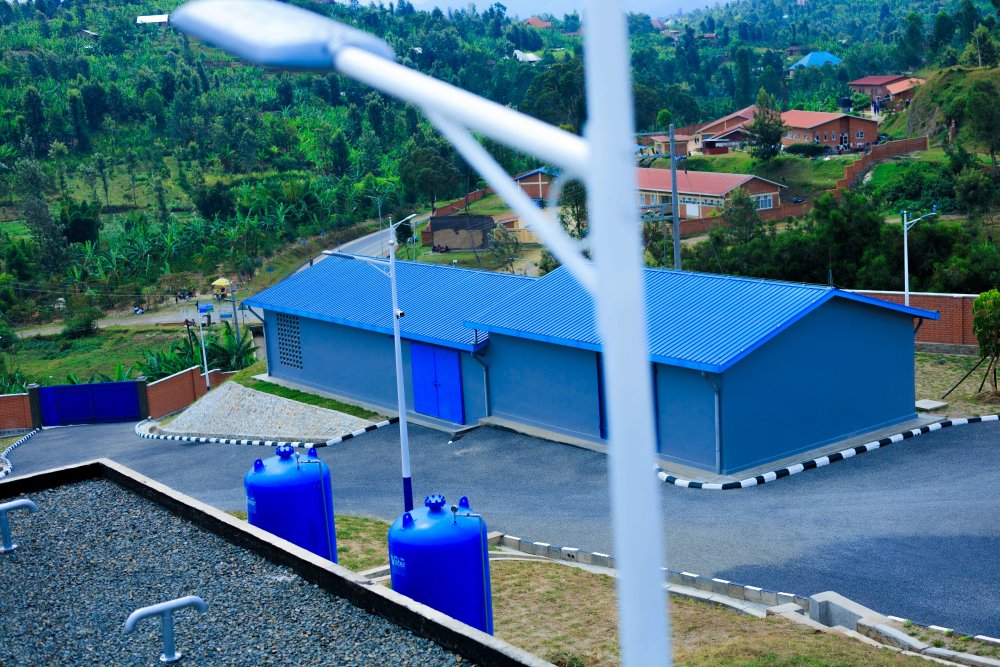
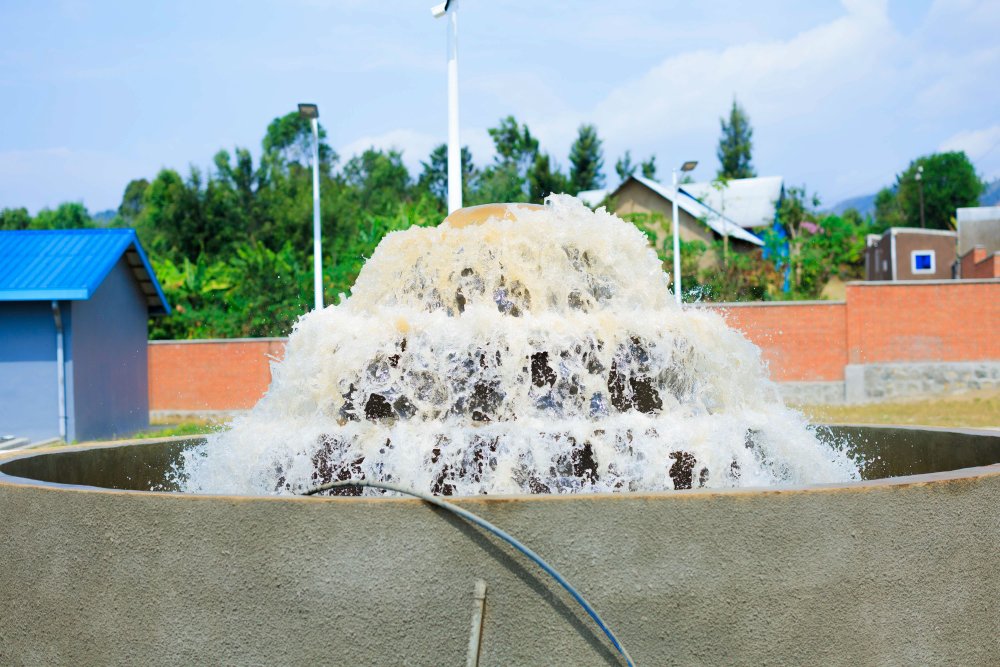
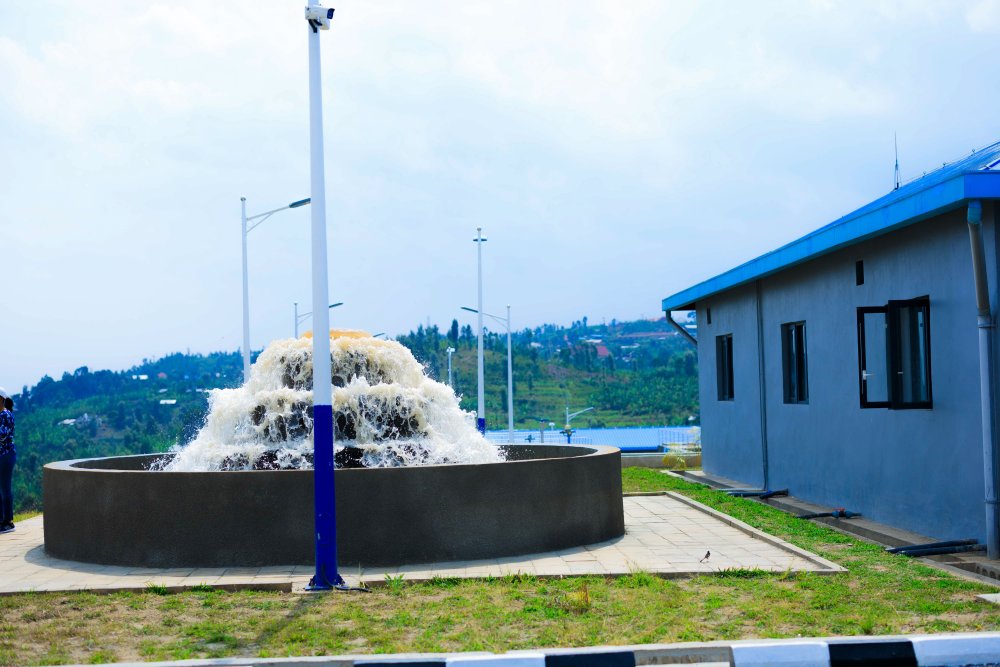
    The ministry said the completion of the plant marks a significant step in expanding access to safe and reliable water supply in different parts of Rwanda.

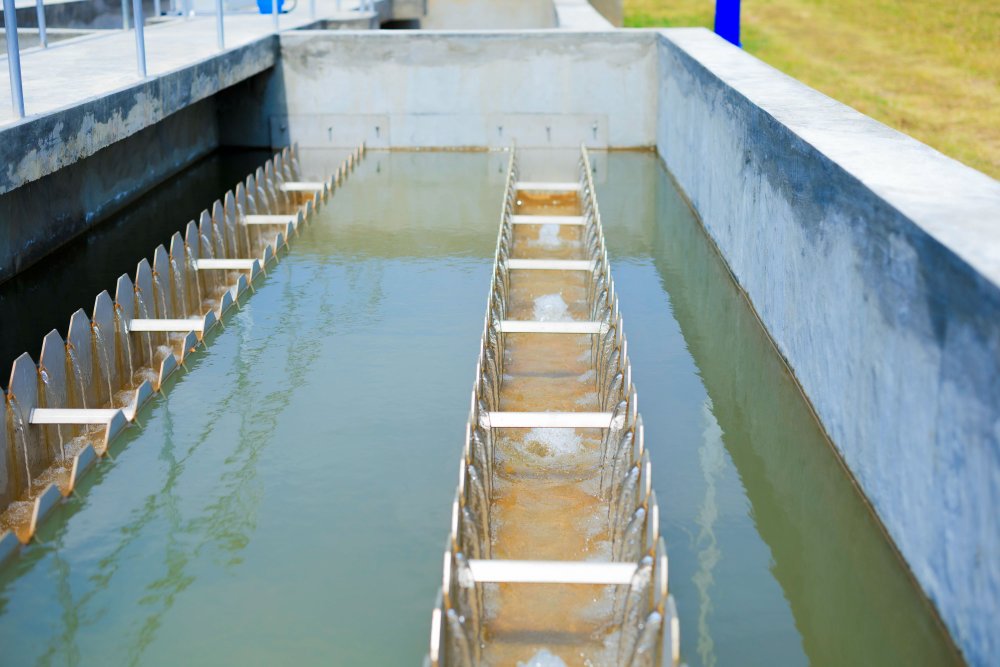
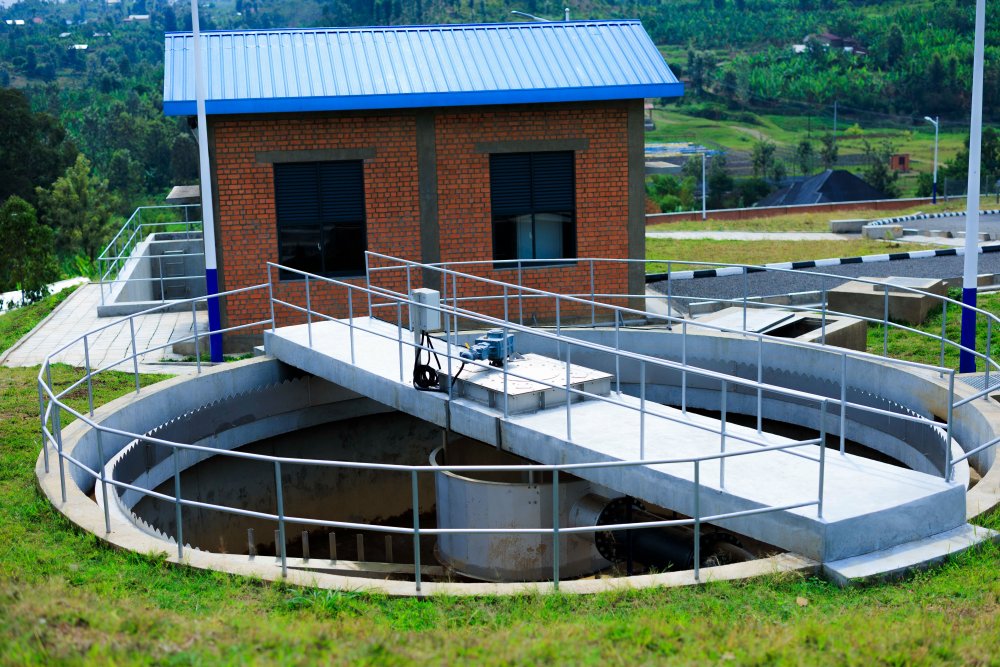
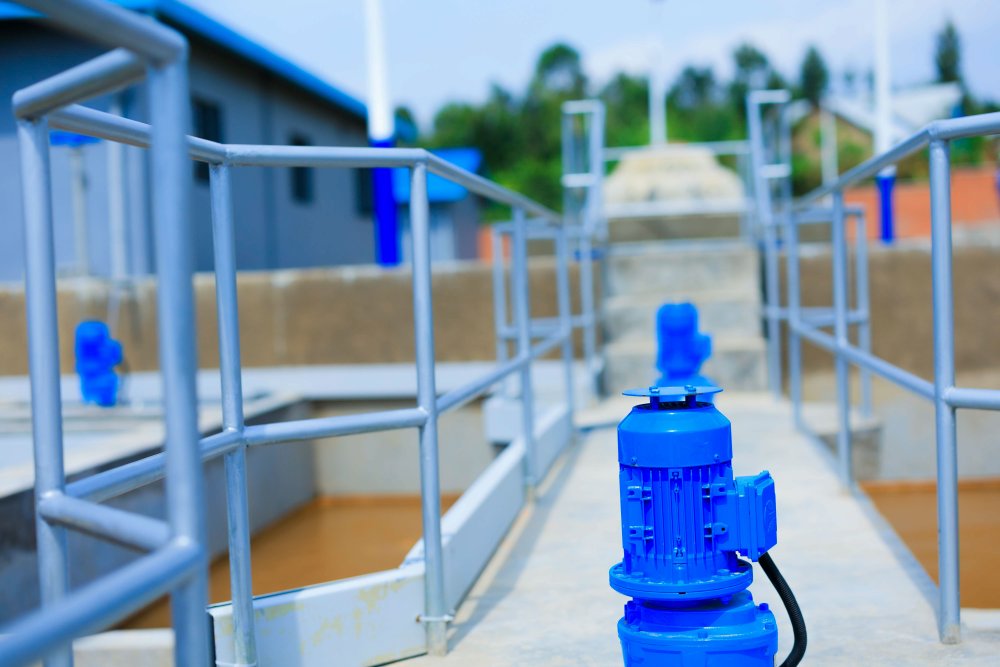
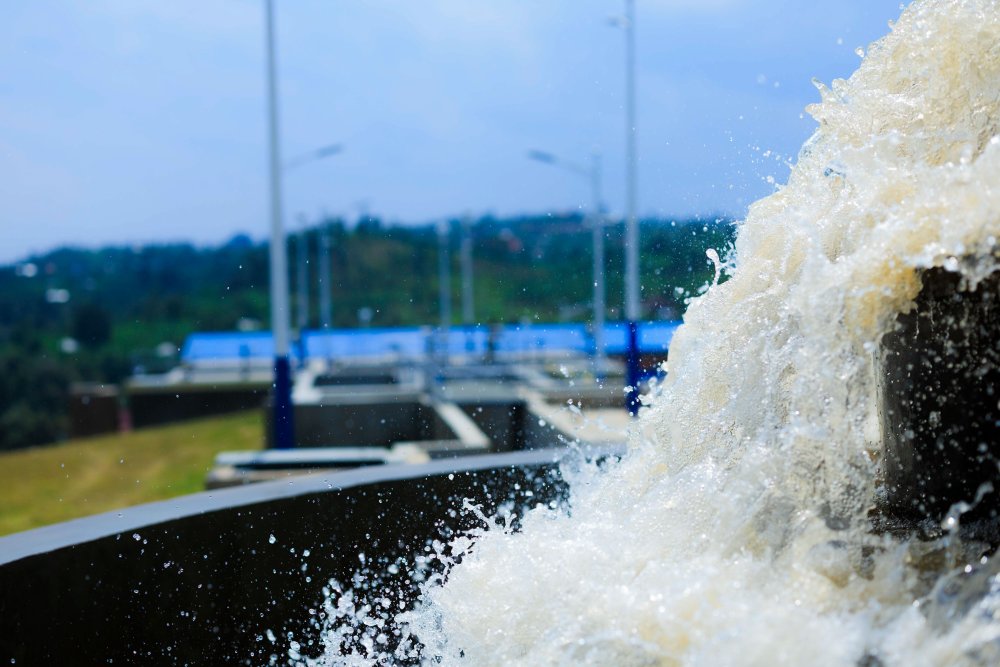
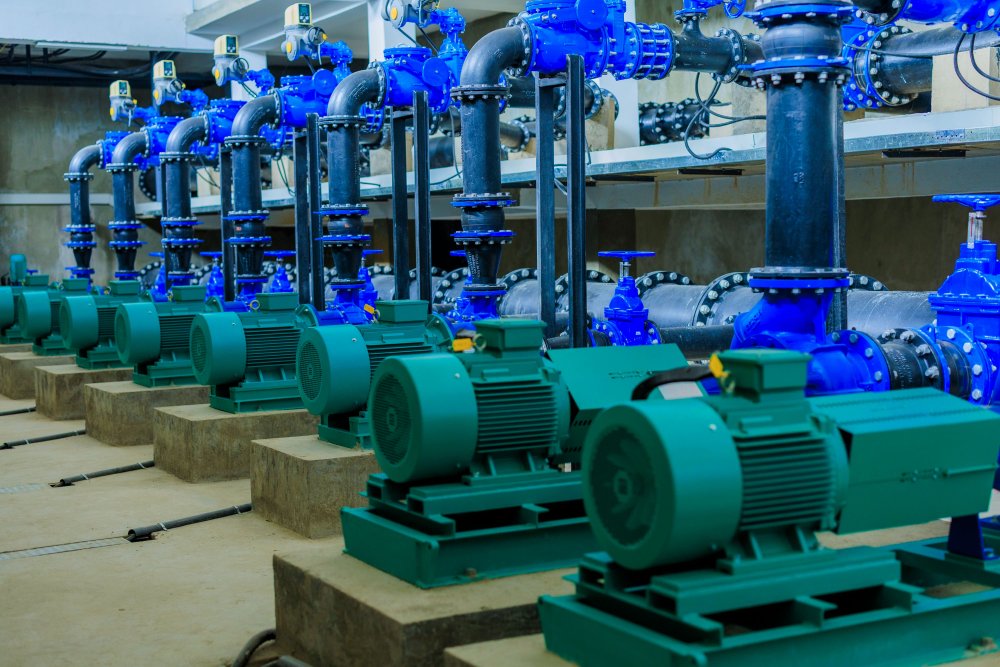
    The facility has the capacity to treat 13,000 cubic metres of water, increasing the availability of clean water for communities and supporting efforts to improve public health and sanitation.

    The completed works represent the first phase of the Kivu Belt Water Supply System project, which is expected to provide clean water to more than 130,000 people once fully implemented.

    'Beyond improving household access to clean water, the project will also strengthen service delivery for health facilities, schools, hotels, businesses, and other public institutions, supporting improved public health and socio-economic development,' the ministry said.

    The Rwandan government has continued to invest in expanding access to clean water and improving sanitation services, with the goal of ensuring that all citizens have sustainable access to safe water.

    As part of efforts to address water supply challenges, the government has announced plans to increase clean water production capacity to 688,000 cubic metres per day by 2029.

    WASAC, Rwanda's water and sanitation utility, indicates that approximately 1,234 cubic metres of water that could be treated daily by existing facilities is currently unavailable due to ageing infrastructure.

    To address these challenges, authorities are implementing measures including the expansion and rehabilitation of water treatment facilities and distribution networks. These efforts aim to reduce water losses before reaching consumers from the current 35 percent to 25 percent by 2029.

    Kivu Belt Water Plant to supply 13,000 cubic metres of water daily
    Water from Kivu Belt Plant to improve healthcare services
    First phase of Kivu Belt Water Project completed, begins supplying residents in Rubengera and Bwishyura
    Rwanda intensifies efforts to expand access to clean water

    Source : https://new.igihe.com/english/karongi-newly-completed-water-treatment-plant-begins-supplying-clean-water/

  • Over 1,474 UTAB graduates urged to use their skills for national development #rwanda #RwOT

    The ceremony was held on July 20, 2026, at the university's headquarters in Gicumbi District, where graduates were celebrated for successfully completing their academic journeys and preparing to join the labour market.

    UTAB Vice Chancellor, Dr. Munana Gilbert, congratulated the graduates on their achievement and encouraged them to continue developing their skills and knowledge to create opportunities for themselves and contribute to society.

    'Today marks the beginning of another journey. The degrees you are receiving are not the end of education, but rather a foundation that will enable you to continue learning, improving your skills, and serving Rwandan society and the world at large,' he said.

    He explained that quality education goes beyond helping learners remember what they have been taught, but instead prepares them to think critically, ask important questions, and develop innovative solutions to existing challenges.

    'True education does not create people who only repeat what they have learned. It creates individuals who think deeply, ask meaningful questions, and come up with new solutions,' he added.

    Dr. Munana urged the graduates to uphold values of integrity, commitment, patriotism, and hard work, which he described as important qualities promoted among students at UTAB.

    The university's legal representative, Bishop Papias Musengamana, said the 15th graduation ceremony reflects UTAB's continued growth and its contribution to strengthening Rwanda's education sector.

    He noted that graduates leaving the university represent an important contribution to the country's development because the knowledge and skills they have gained will enable them to participate in solving challenges facing Rwanda and the world.

    'This demonstrates UTAB's position as a trusted partner in preparing competent and responsible professionals who are capable of addressing challenges affecting our country and the world at large,' Bishop Musengamana said.

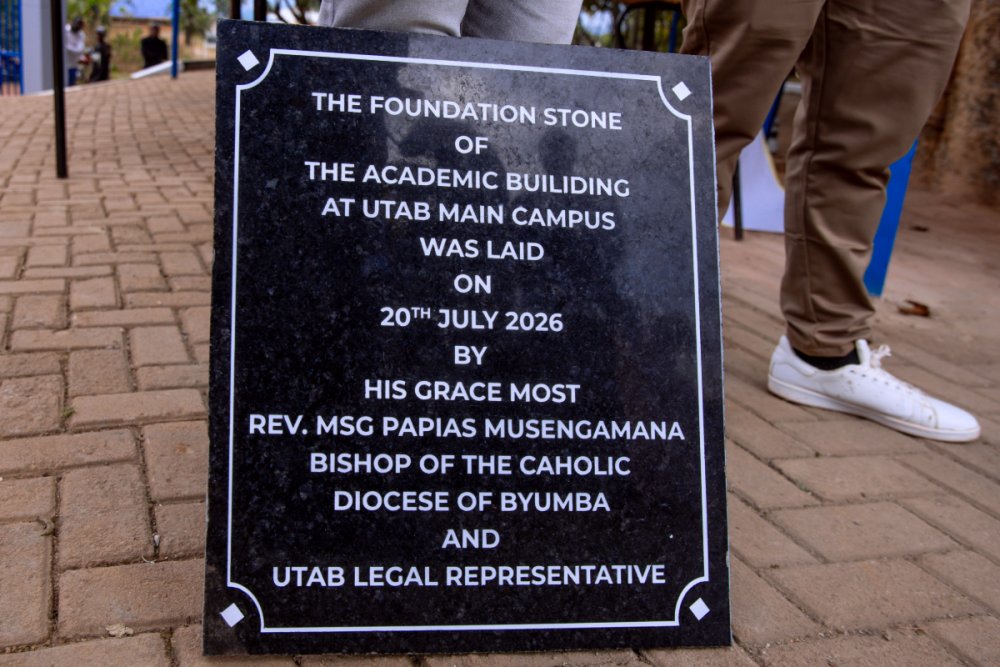
    During the ceremony, UTAB also laid the foundation stone for the construction of a new university building that will support the improvement of education quality and research activities at the institution.

    Bishop Musengamana said the five-storey building is expected to be completed within one year, adding that the university will work hard to ensure the project is delivered on time.

    'We will do everything possible to ensure that this building is completed within the planned period and contributes to improving education as well as the development of Gicumbi City,' he said.

    Among the graduates was Rogin Ifitebyose, who completed a Bachelor's degree in English and Kinyarwanda. He thanked UTAB for equipping students with knowledge and values that will continue guiding them throughout their professional lives.

    'During our time at UTAB, we had the opportunity to study programmes that respond to today's needs, improve our language skills, gain knowledge in technology, participate in practical learning, conduct research, and acquire other skills that will help us compete at the labour market,' he said.

    Meanwhile, Dr. Ndikubwimana Théoneste, Head of the General Higher Education Quality Standards Department at the Higher Education Council (HEC), called on UTAB and other higher learning institutions across Rwanda to strengthen the use of technology in teaching and learning.

    He particularly encouraged universities to embrace emerging technologies, including artificial intelligence, to ensure students acquire skills relevant to the changing global environment.

    'We encourage the leadership of this university and other institutions to increase the use of technology in teaching and learning. Artificial intelligence is developing rapidly, and students should not be left behind. Universities must invest more in these technologies,' he said.

    The graduation ceremony highlighted UTAB's continued commitment to producing skilled graduates equipped with knowledge, values, and practical skills needed to contribute to Rwanda's transformation and global development.

    UTAB holds 15th graduation ceremony, awards degrees to 1,474 graduates
    UTAB Vice Chancellor, Dr. Munana Gilbert, commended the graduates for their dedication and encouraged them to continue acquiring knowledge and skills that will help them advance their personal development.
    Gicumbi District Mayor, Nzabonimpa Emmanuel, attended the event.
    UTAB graduates pledge to use the knowledge and skills they acquired to drive development.
    Dr. Joseph Nkurunziza, Principal of the College of Business and Economics at the University of Rwanda, was among those who attended the ceremony to award degrees to UTAB graduates.

    Source : https://new.igihe.com/english/over-1474-utab-graduates-urged-to-use-their-skills-for-national-development/

  • Bill Gates hails Rwanda's health gains, warns AI must not leave Africa behind #rwanda #RwOT

    Microsoft co-founder and philanthropist Bill Gates has praised Rwanda's progress in improving healthcare outcomes, while warning that artificial intelligence (AI) must be made accessible to African health systems rather than becoming a tool that benefits only wealthy countries.

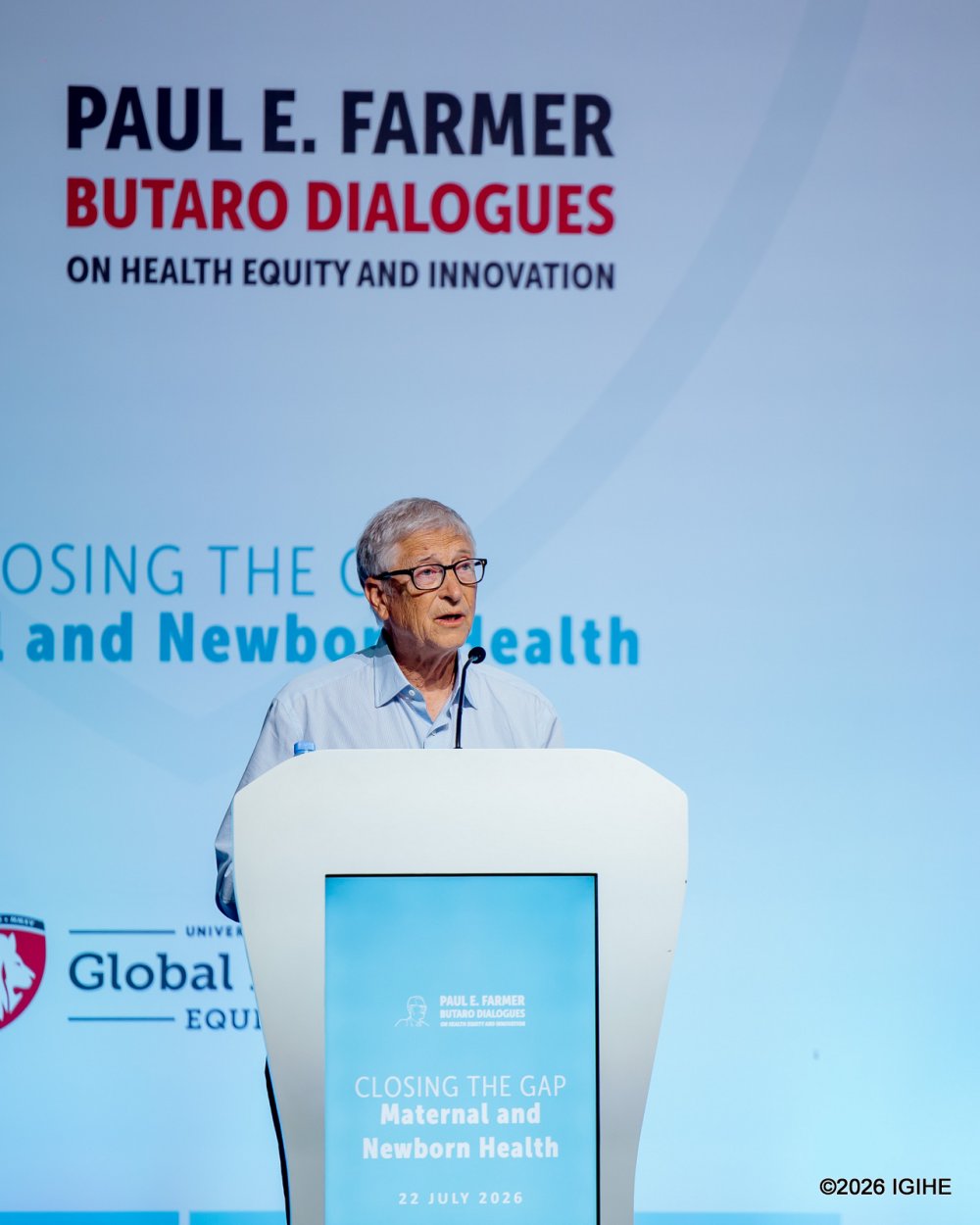
    Gates made the remarks on Wednesday while delivering the inaugural lecture at the Paul E. Farmer Butaro Dialogues on Health Equity and Innovation, hosted by the University of Global Health Equity (UGHE) in Butaro, Northern Province.

    The dialogue, named after the late physician and global health pioneer Paul Farmer, brought together global health leaders to discuss how medical innovations can reach communities that need them most.

    Gates highlighted Rwanda's progress in building a strong healthcare system, using technology and community-based approaches to improve health outcomes, particularly in reducing child and maternal deaths.

    'Rwanda as a whole has set a very good example. Its public health system, there's a lot that others could learn from,' he said.

    'Since the turn of the century, child deaths have fallen by 80%. Maternal deaths are down over 80%, and those are really incredible numbers.'

    He also praised Rwanda's use of digital technology in healthcare, citing his visit to the National Health Intelligence Center (NHIC), where he observed how digital systems are being used to monitor and improve health services.

    'Those digital systems will be the foundation for the next generation, which will be powered by artificial intelligence,' Gates noted, adding that Rwanda is 'at the forefront' of exploring how AI can benefit the health system.

    However, Gates warned that global health progress is facing growing pressure, partly due to declining financial support from donor countries.

    'Today we face greater challenges than ever. Progress in Africa as a whole is definitely in jeopardy. It's a tough time for global health,' he cautioned.

    He pointed out that donor countries are reducing their aid budgets, leaving African leaders under pressure to achieve more with fewer resources.

    'Around the world, donor countries are shrinking their aid budgets, and so the leaders here are being forced to do more with less,' Gates explained.

    He noted that the consequences of those decisions were already becoming visible, highlighting that last year marked the first time since the turn of the century that global childhood deaths increased.

    'Not here in Rwanda, but a lot of those additional deaths were in Africa,' he added.

    Gates argued that the situation makes it even more important to ensure new technologies, particularly AI, are used to strengthen healthcare delivery in countries with limited resources.

    He warned that AI could deepen existing inequalities if it follows the same path as many previous technologies, where benefits are concentrated in wealthier nations.

    'If we let things take their normal course, AI, like all advanced tools, will be in the rich countries,' he stated.

    'The profit motive, the amount customers can pay, the data centres, it will benefit a narrow part of the world. That would be a great injustice.'

    He stressed that Africa should be among the first places to benefit from AI, given the continent's overstretched healthcare workforce.

    'Right at the beginning, if anything, we should bring AI to those in need because the most overloaded healthcare workforce in the world, of course, is here in Africa,' Gates emphasized.

    He explained that AI tools could help healthcare workers make better decisions, streamline services and identify where additional support is needed.

    'The things that help them make decisions and streamline things and show them where we should do more, those will save many, many lives,' he added.

    Gates noted that institutions such as UGHE would play an important role in ensuring AI solutions are adapted to local realities, including language needs and health challenges specific to African communities.

    The remarks echoed the message of the dialogue, which UGHE Deputy Vice Chancellor Prof. Abebe Bekele described as an effort to bridge the gap between medical innovation and implementation.

    Prof. Bekele observed that advances in artificial intelligence, digital health, genomics, diagnostics and clinical care were expanding the boundaries of medicine, but millions of people were still unable to benefit from these breakthroughs.

    'The challenge before us is not one of discovery alone. It's one of translation,' he noted.

    He stressed that innovations only save lives when they are successfully implemented through policies, education, research and healthcare systems that ensure they reach every woman and child regardless of where they live.

    Prof. Bekele explained that the Butaro Dialogues, organised by UGHE and the Consortium of Medical Schools in Africa (COMSA), aim to identify critical maternal and neonatal health innovations and support their adoption across African health systems.

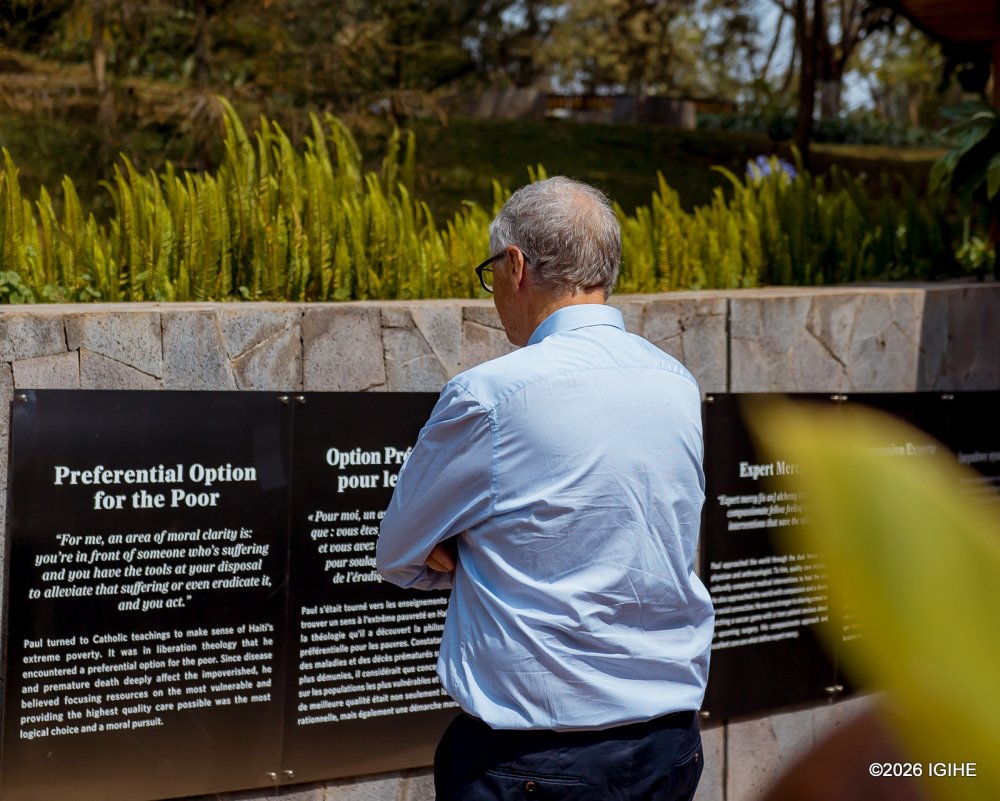
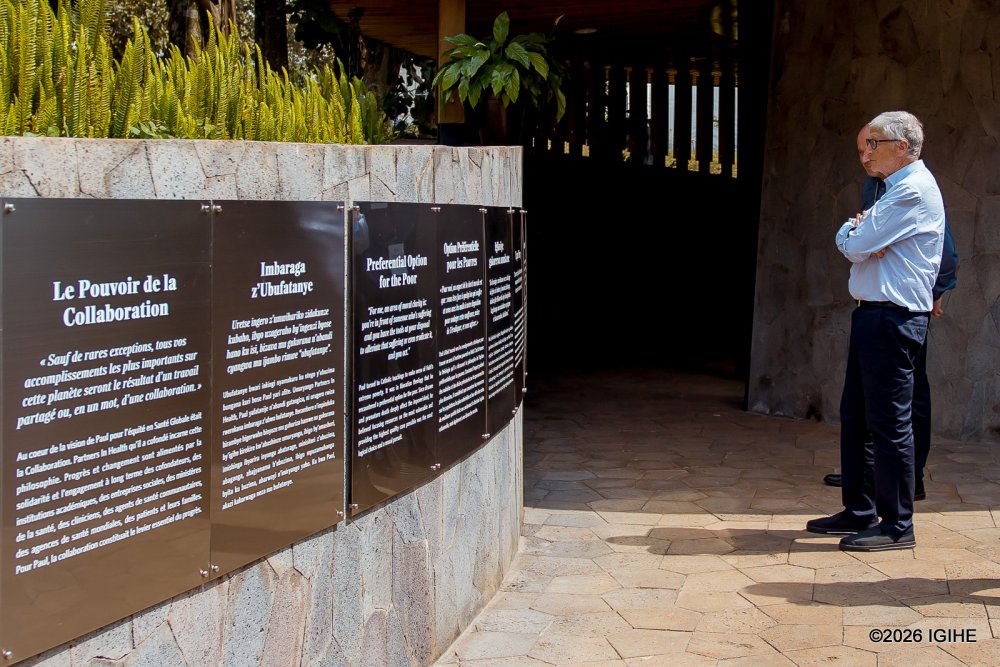
    Gates also reflected on the legacy of Paul Farmer, who helped establish UGHE and dedicated his career to expanding access to quality healthcare for underserved communities.

    He described Farmer's greatest lesson as the belief that medical breakthroughs only matter when they reach the people who need them most.

    'For him, he saw everyone as worthy of having great health,' Gates said. 'What mattered to him were the lives he saved.'

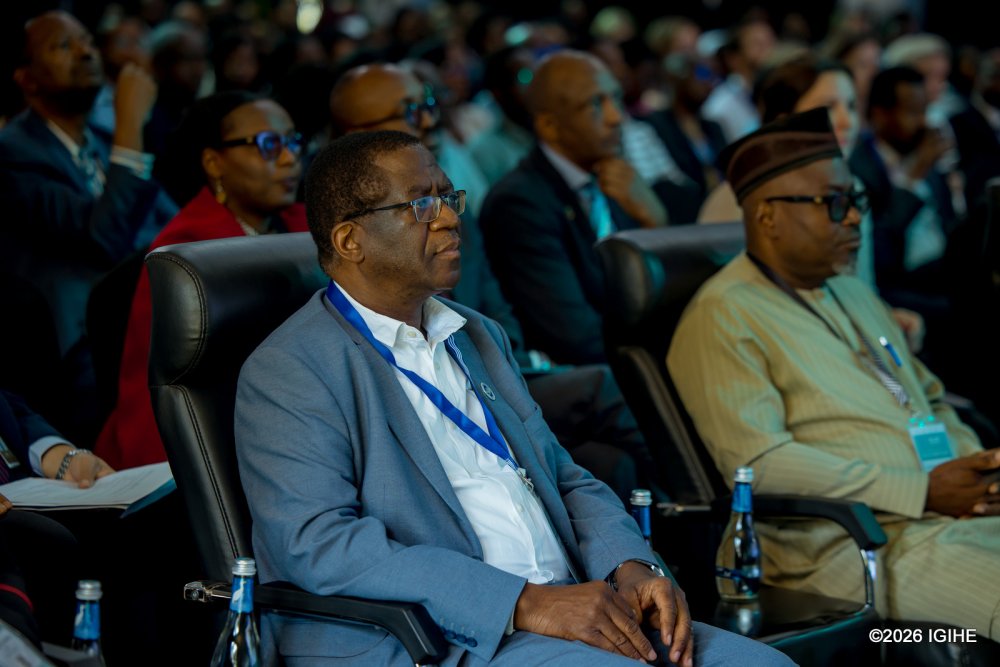
    The inaugural Paul E. Farmer Butaro Dialogues brought together government officials, health experts, academics and students to explore how innovation, technology and stronger health systems can advance health equity across Africa.

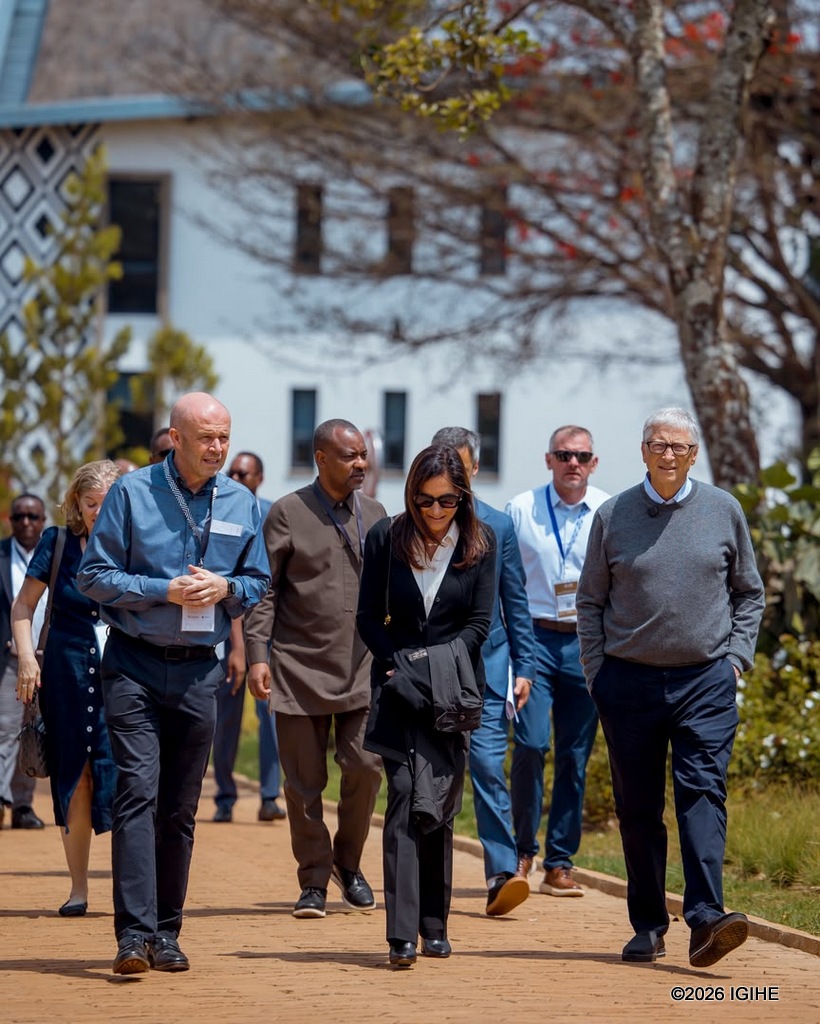
    Gates started his engagements in Rwanda on Monday, July 20, as part of a visit focused on learning more about the country's progress in health, agriculture, and digital public infrastructure.

    Since arriving in Rwanda, Gates has toured the TKMD syringe manufacturing plant in Rwamagana District, visited Mwulire Health Centre, and met community health workers to gain deeper insight into Rwanda's primary healthcare system.

    The Gates Foundation has worked with Rwanda for more than two decades, supporting programmes in healthcare, agriculture, nutrition, and innovation. Earlier this year, Rwanda became the first beneficiary of the Horizon1000 initiative, a $50 million artificial intelligence programme launched by the Gates Foundation in partnership with OpenAI to help African countries use AI to strengthen healthcare delivery.

    Bill Gates made the remarks on Wednesday while delivering the inaugural lecture at the Paul E. Farmer Butaro Dialogues on Health Equity and Innovation, hosted by the University of Global Health Equity (UGHE) in Butaro, Northern Province.
    The inaugural Paul E. Farmer Butaro Dialogues brought together government officials, health experts, academics and students to explore how innovation, technology and stronger health systems can advance health equity across Africa.
    Bill Gates pays tribute to Paul Farmer, who died in 2022
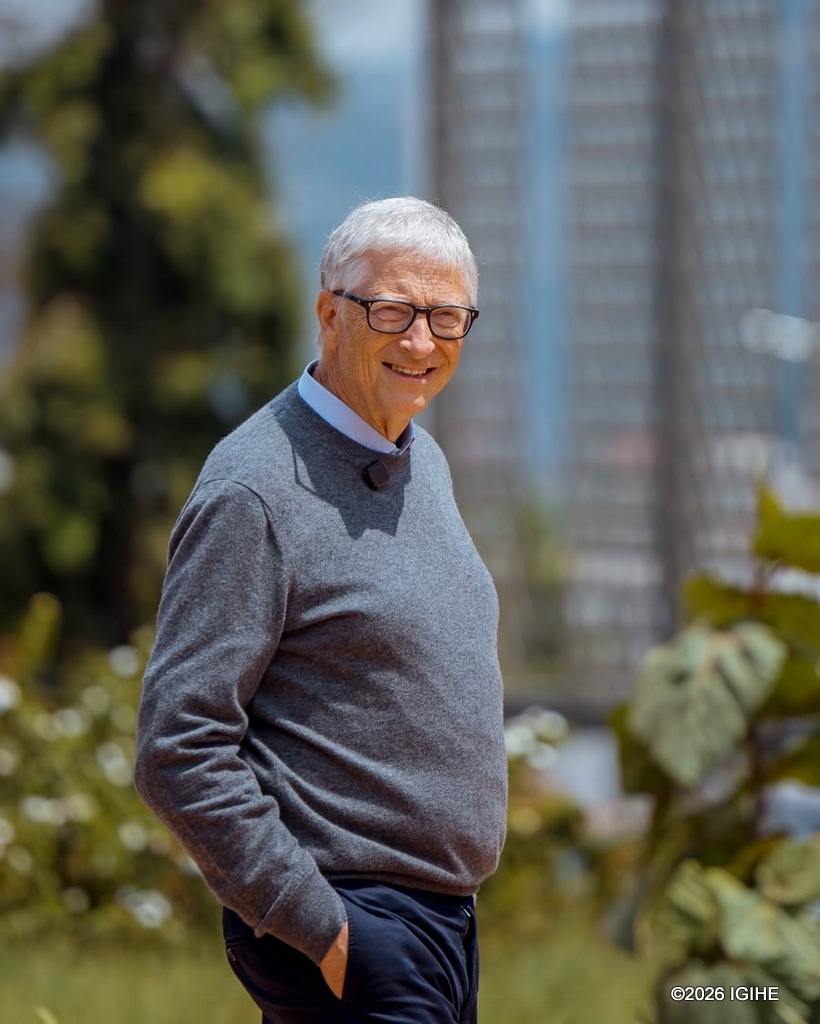
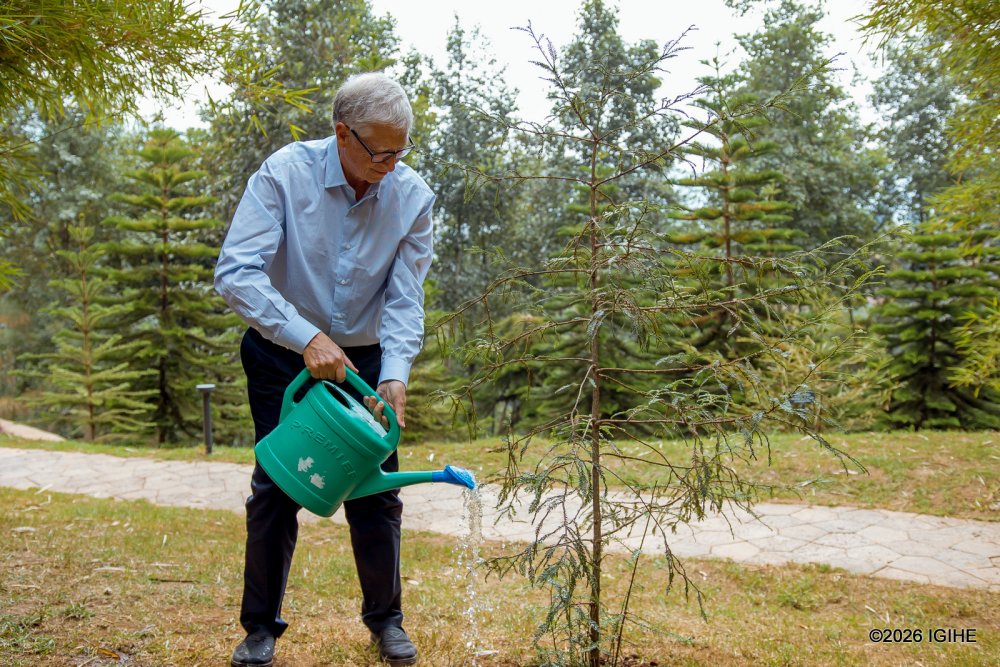
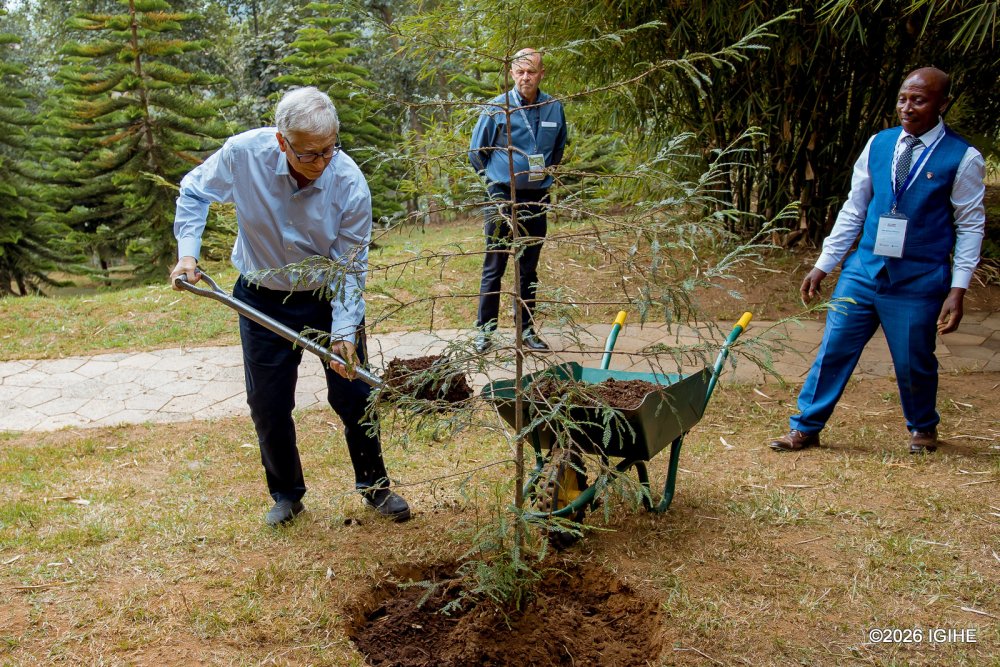
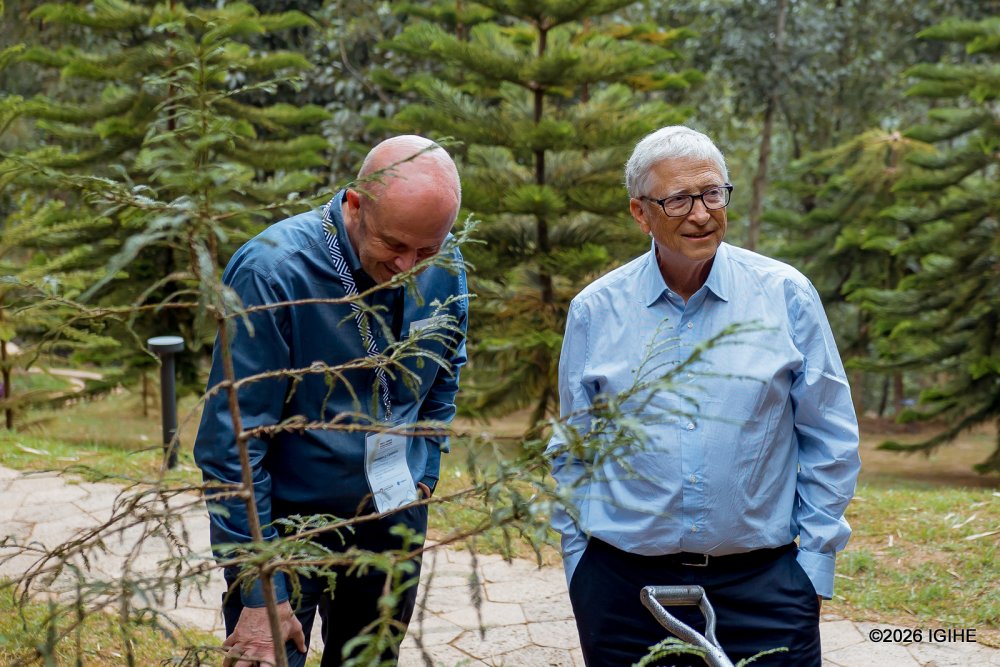
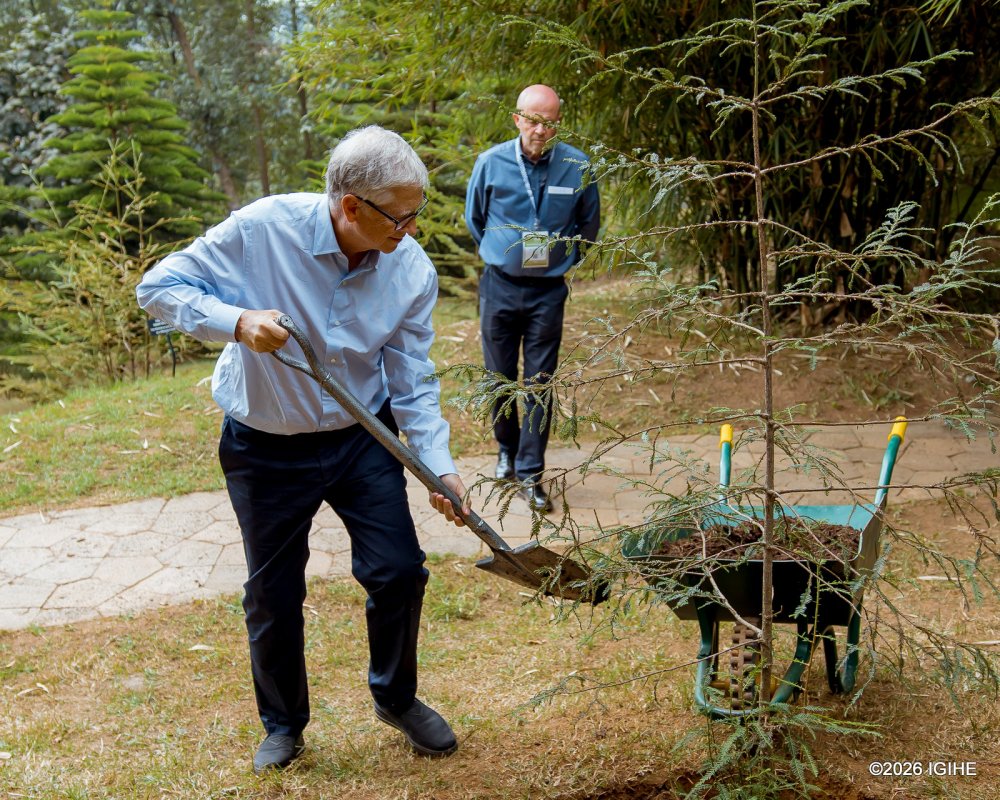
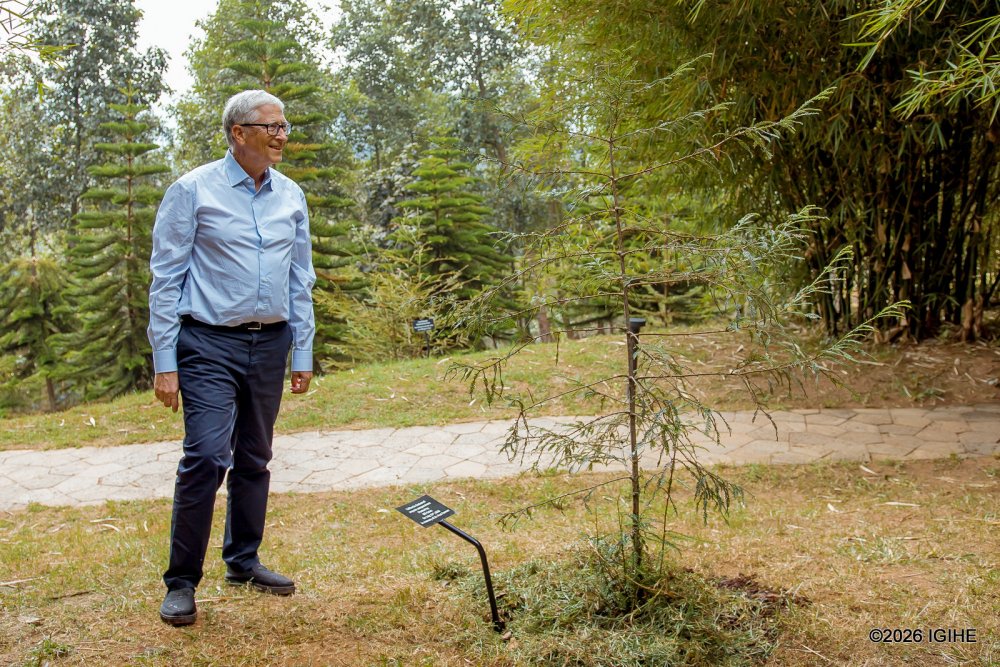
    Bill Gates waters tree he planted during previous visit.

    Source : https://new.igihe.com/english/bill-gates-hails-rwandas-health-gains-warns-ai-must-not-leave-africa-behind/