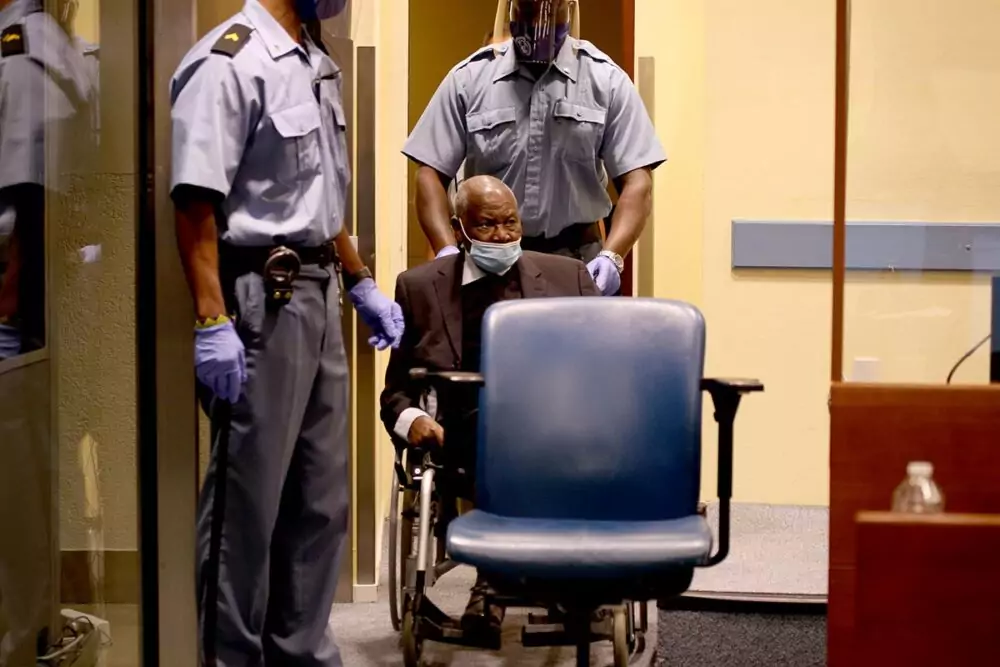
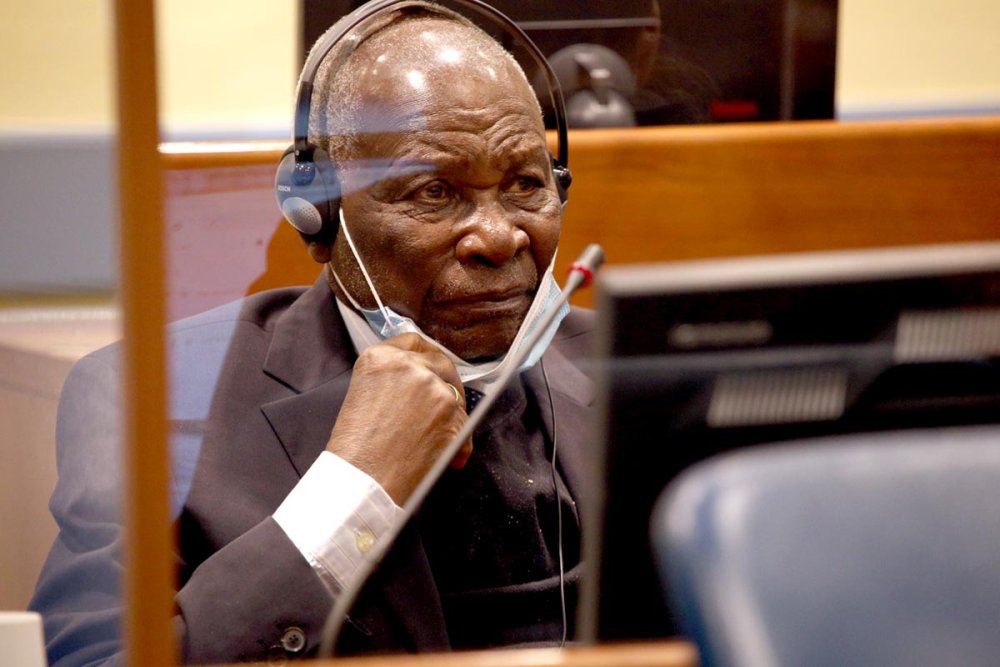
The United Nations International Residual Mechanism for Criminal Tribunals (IRMCT) announced Kabuga's death on the evening of May 16, at around 6:00 p.m.
Kabuga died nearly three years after the IRMCT suspended his trial, ruling that he was no longer mentally fit to stand trial due to age-related health conditions, including memory loss.
Following his death, the IRMCT permanently closed his case and appointed Judge Alphons Orie to investigate the circumstances surrounding his death.
On July 6, Orie submitted a 16-page report to IRMCT President Graciela Gatti Santana detailing the events before, during, and after Kabuga's death.
The report was based on interviews with staff members and officials at the UN detention facility, as well as other available information, and aimed to determine whether there were any suspicious circumstances surrounding his death.
According to the report, on the morning of May 16, 2026, at around 8:30 a.m. Dutch time, staff members from Haaglanden Prison Hospital visited Kabuga's room as part of their routine duties to assist him with personal care and provide him with breakfast.
At 11:13 a.m., Kabuga, with assistance from a UN prison staff member, made a phone call to one of his daughters. The conversation lasted about seven minutes.
At around noon, a staff member entered Kabuga's room and served him lunch, which included rice, carrots, meat, tea, and yoghurt. The staff member then left the room and locked the door.
About 50 minutes later, at 12:50 p.m., another staff member looked through the observation window on Kabuga's door and saw him sitting in his wheelchair with his head tilted. The staff member believed he was asleep.
A short time later, the door was opened and a cleaner was allowed to enter the room. Inside, the cleaner noticed that Kabuga had not finished his meal or the dessert that came with it.
When they checked on him more closely, they discovered that he was no longer breathing and immediately alerted their supervisors.
Because there were no cameras inside Kabuga's room, investigators reviewed surveillance footage from outside the room. The footage showed that no one had entered the room after Kabuga was served lunch.
At 12:51 p.m., a nurse informed the doctor on duty about Kabuga's condition. The doctor went to the room, checked him, and confirmed within about one minute that he had died.
Following confirmation of Kabuga's death, prison officials began coordinating their response. At 12:59 p.m., the prison director ordered that Kabuga's room be secured and that anyone entering or passing near the area be recorded.
Later that evening, at 10:20 p.m., the room was reopened for further examination. A forensic doctor entered the room accompanied by another medical professional, two nurses, and two prison officers.
The forensic doctor examined the room and found no signs of violence, struggle, or any object that could suggest Kabuga had been harmed.
Kabuga was found still sitting in his wheelchair, with part of his meal unfinished.
The medical team moved his body onto a bed and carried out an external examination, checking his head, eyes, mouth, neck, torso, and other parts of his body.
No injuries or signs of mistreatment were found, leading the doctor to conclude that Kabuga most likely died from natural causes.
At 10:37 p.m., the forensic doctor completed the examination and left the room.
Shortly after midnight, at 12:22 a.m., the prison director authorised the transfer of Kabuga's body to a nearby mortuary after determining that no criminal investigation was necessary.
At 2:17 a.m., his body was removed from the detention facility and transferred to a mortuary in The Hague.
Investigators concluded that an internal autopsy, including tests to determine whether he had been poisoned, was unnecessary.
On May 20, 2026, a forensic specialist from Haaglanden issued another report confirming that Kabuga died from heart disease and that further examination was not required.
Orie said authorities in The Hague later issued an official death certificate, allowing Kabuga's body to be released from the Netherlands.
On May 28, Kabuga's family collected his body. Although Orie did not disclose where it was taken, reports later indicated that he was buried secretly in Waterloo, Belgium.
In his final assessment, Judge Orie informed the IRMCT president that Kabuga died of natural causes linked to several existing health conditions, including heart problems, and concluded that no further investigation into his death was necessary.
Report has confirmed that Kabuga is died while sitting in a wheelchair.The examination concluded that Kabuga died from natural causes, mainly associated with age-related health conditions.
Xi said China and Namibia enjoy profound traditional friendship and share common aspirations for development, adding that since the establishment of diplomatic ties, the two countries have always treated each other as equals and supported each other.
Noting that bilateral friendly cooperation has continued to deepen, delivering tangible benefits to the two peoples, Xi said China stands ready to work with Namibia to enhance exchanges of development philosophies and synergize development strategies, and partner with each other on their paths to modernization.
Xi put forward three proposals for building a China-Namibia community with a shared future for the new era.
China and Namibia should maintain close high-level exchanges, deepen experience sharing on governance, stay in regular communication on issues of overall and strategic importance in bilateral relations, and continue to support each other on issues concerning their respective core interests and major concerns, Xi said.
Xi also urged the two sides to tap the potential of cooperation and take it to higher levels, encouraging Namibia to make full use of the zero-tariff access, the upgraded fast track for Namibian exports to reach China, and other favorable policies.
China is ready to deepen cooperation with Namibia in such areas as infrastructure, energy, mining, agriculture, education, youth, science and technology, he noted.
Xi added that the two countries should uphold solidarity and coordination to safeguard multilateralism. China is willing to work with African countries, including Namibia, to enhance the strength and voice of the Global South, and make new contributions to building a community with a shared future for humanity, Xi said.
Noting that helping Africa develop its abundant mineral resources and effectively translate its resource advantage into development momentum is an important way to accelerate Africa's modernization, Xi said China stands ready to continue strengthening mining cooperation with African countries, including Namibia, based on three principles.
The first is pursuing mutual benefit and win-win cooperation, Xi said, adding that the two sides should fully leverage their complementary strengths and deepen the convergence of interests.
Xi said the second is conducting friendly consultation, calling for proceeding from the big picture of China-Africa friendship, and properly resolving issues in cooperation through communication and consultation.
He noted the third is breaking new ground, adding that China stands ready to work with Africa to explore new approaches to cooperation in accordance with market-oriented and commercial principles, with a view to upgrading the quality of China-Africa cooperation in the mining sector.
For her part, Nandi-Ndaitwah extended warm congratulations on the 105th anniversary of the founding of the Communist Party of China. Namibia attaches great importance to its relations with China and firmly adheres to the one-China principle, she added.
Namibia welcomes more Chinese enterprises to invest and operate in the country, and hopes to strengthen cooperation in areas such as industry, mining, infrastructure, aviation and space, science and technology, agriculture and water resources, said Nandi-Ndaitwah.
China has long provided selfless support and assistance to African countries, including Namibia, and has always upheld a just position in international and regional affairs, said the president. She added that Namibia will enhance communication and coordination with China to safeguard the common interests of developing countries and jointly build a community with a shared future for humanity.
Following the talks, the two presidents witnessed the signing of multiple cooperation documents in areas such as economy and trade, healthcare, education and human resources.
The two sides also issued a joint statement on building a China-Namibia community with a shared future for the new era.
Prior to the talks, Xi and his wife Peng Liyuan held a welcome ceremony for Nandi-Ndaitwah and her spouse Epaphras Denga Ndaitwah. Xi and Peng also held a welcome banquet for them in the evening.
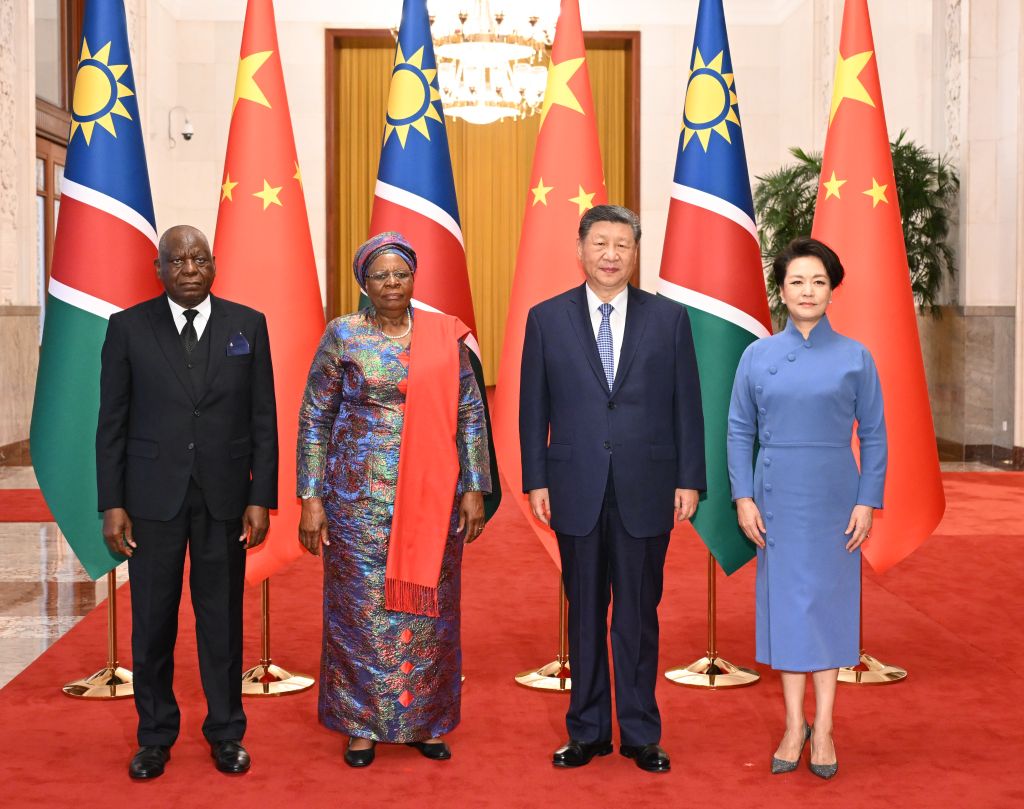
Chinese President Xi Jinping and his wife Peng Liyuan pose for a group photo with Namibian President Netumbo Nandi-Ndaitwah and her spouse Epaphras Denga Ndaitwah prior to the talks between Xi and Netumbo Nandi-Ndaitwah in Beijing, capital of China, July 10, 2026. Xi held talks with Netumbo Nandi-Ndaitwah, who is on a state visit to China, at the Great Hall of the People in Beijing on Friday. (Xinhua/Li Xiang)
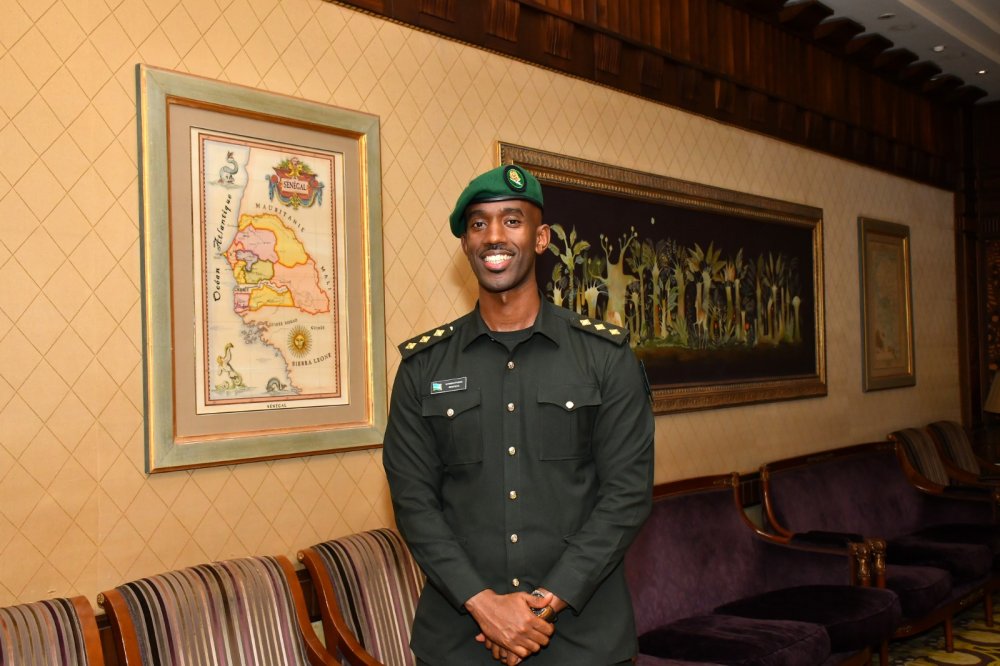
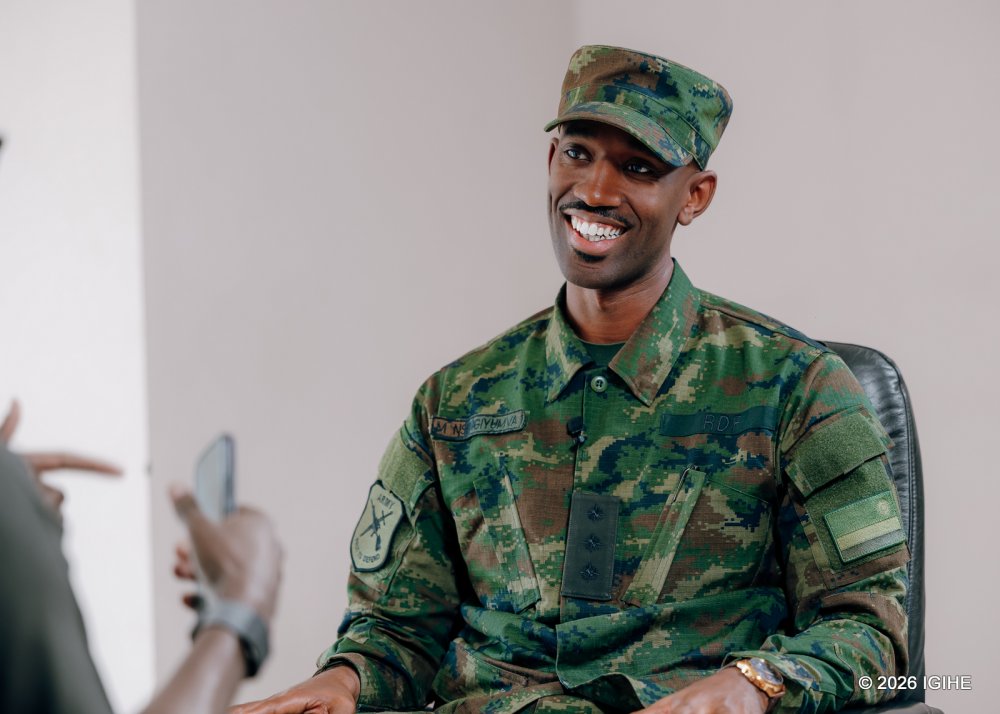
After graduating from university in 2016, Capt. Nsengiyumva, like many young graduates, began searching for employment. His efforts paid off when he successfully secured a position at the Rwanda Stock Exchange, where he worked in a field he had always been passionate about.
Although he enjoyed his job, his life took a different direction one morning when he came across a recruitment announcement inviting qualified candidates to join the Rwanda Defence Force.
The notice rekindled childhood memories of watching RDF soldiers march in formation as he walked to school, inspiring him to pursue a career in the military.
Without hesitation, he applied for the recruitment exercise, successfully passed the selection process, and began military training in 2017. After completing a year of rigorous training, he officially joined the Rwanda Defence Force, turning his childhood dream into reality.
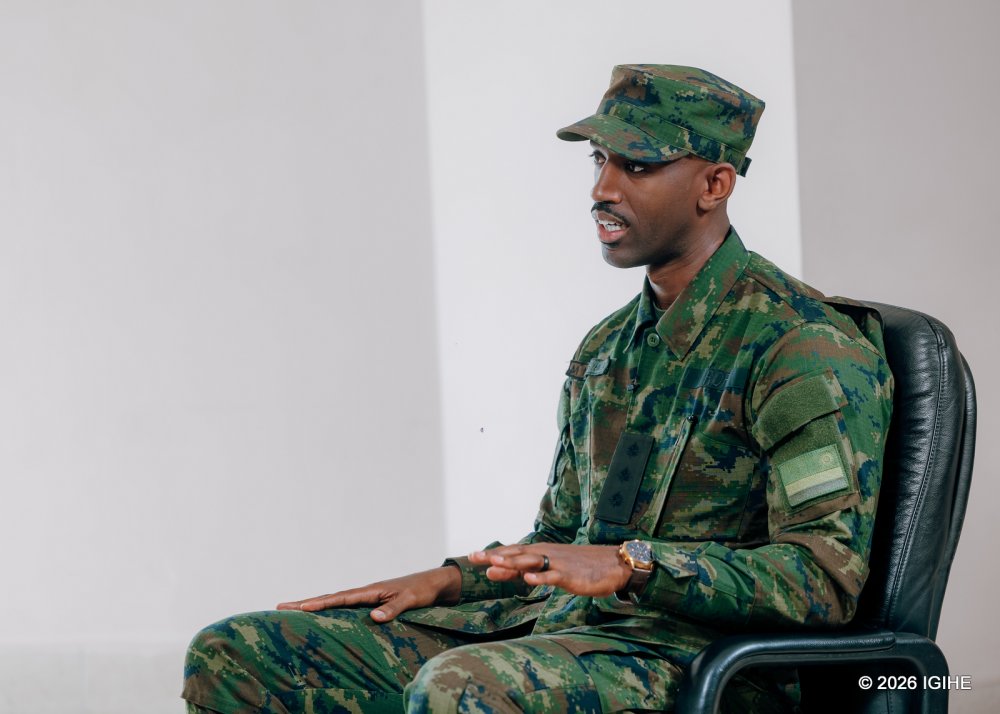
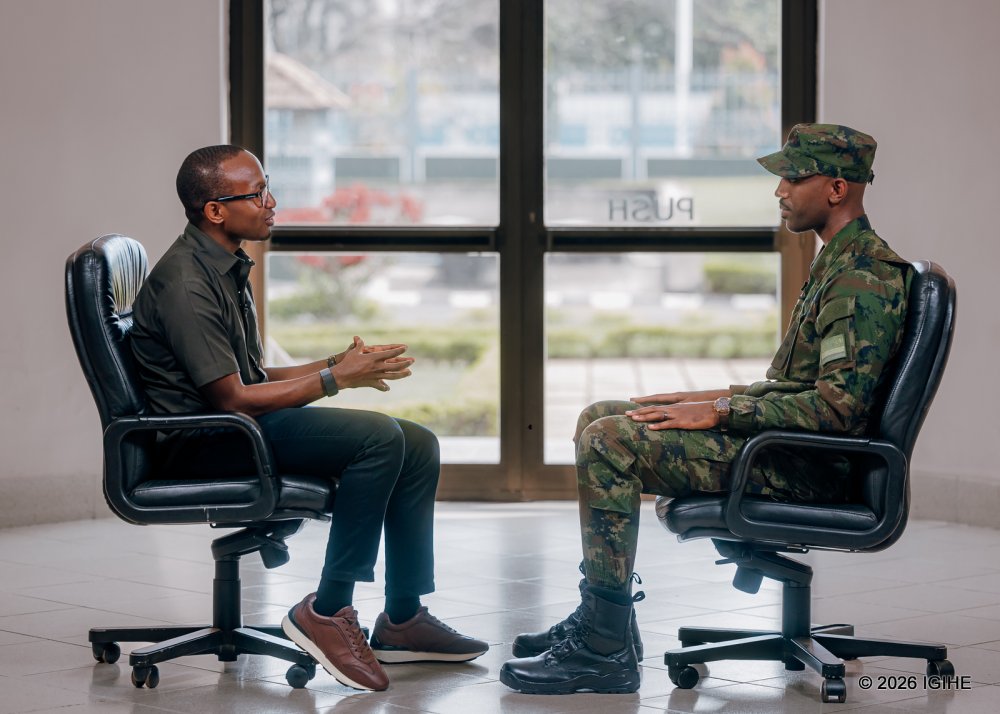
In an exclusive interview with IGIHE's Ingingo Nkuru program, Capt. Nsengiyumva opens up about his journey from the financial sector to military service. He reflects on what motivated him to join the RDF, discusses his daily responsibilities as an officer, and shares insights into the experiences that have shaped his career over the past eight years.
Capt. Michael Nsengiyumva has served in the Rwanda Defence Force for eight years
IGIHE:What does the daily life of a Rwanda Defence Force soldier look like?
Capt. Michael Nsengiyumva: The life of a soldier is not very different from ordinary life. At the end of the day, we are human beings like everyone else. However, because of the training we receive and the commitment we make to put our country first, we are prepared to make sacrifices, including giving our lives if necessary. That is the main difference.
As a soldier, you also make discipline the foundation of everything you do, both in your professional duties and in the way you relate with other people. Military service also teaches you resilience, perseverance, and the importance of having clear goals.
IGIHE: You have now spent eight years in the military. Did you grow up dreaming of becoming a soldier? How did that dream develop?
Capt. Michael Nsengiyumva: I would not say it was a single thing that led me here. Looking back, I realize that there were signs from my childhood that this could become my path.
When I was young, the school I attended was not far from where we lived, so we used to walk there every day. During those journeys, we would often meet long lines of soldiers marching. Watching them was always inspiring. They looked disciplined, confident, and proud, and I saw something admirable in the way they carried themselves.
Gradually, I began to dream of becoming one of those people I saw every morning.
As I grew older, especially when I reached secondary school, I started to understand more about who those soldiers were, what they did, and what military service truly meant.
I learned about the important role the Rwanda Defence Force played in liberating the country, and I began to see joining the military as one of the things I could do in life. Among the many dreams and ambitions I had, serving in the national army became one of the paths I wanted to pursue.
However, after completing university, that childhood dream developed into something deeper. At the time, I was still a civilian, but I followed the work of the Rwanda Defence Force closely, not only within Rwanda but also through its international peacekeeping missions in countries such as the Central African Republic and South Sudan.
Seeing the professionalism, discipline, and positive reputation of Rwanda's soldiers motivated me even more. I realized that I also wanted to contribute to building my country, and I could not think of a better way to do that than by becoming part of the Rwanda Defence Force.
His childhood admiration for soldiers inspired him to leave his job at the Rwanda Stock Exchange and join the military
IGIHE: What happened after you graduated from university in 2016?
Capt. Michael Nsengiyumva: After graduating from university, I remember completing my studies in April. Around that time, the Rwanda Stock Exchange was recruiting new employees, so I applied. Of course, it was not the only institution I applied to. Like many graduates, I was searching for opportunities in different places, but fortunately, I was among those who were selected that year.
I started working there, mainly in investment advisory services. My responsibility was to advise individuals and investors based on their financial goals, the projects they wanted to undertake, and the best ways to invest their resources.
I continued working in that field until 2017. It was a career I genuinely enjoyed, and I would not say I left because I was unhappy or because I was looking for an alternative. I was doing something I loved and could have continued doing for many years.
IGIHE: How did you eventually decide to join the military?
Capt. Michael Nsengiyumva: Around February 2017, I came across an announcement inviting people interested in joining the Rwanda Defence Force to apply. Such announcements were not new, but when I saw that particular one, I felt a strong connection to it, as if it was an opportunity meant for me.
I looked at the age requirements and realized that I qualified. I checked the education requirements and found that I met them as well. I was a Rwandan citizen, which was also a requirement. At that moment, I felt that ignoring the opportunity would mean turning down a chance to serve my country.
IGIHE: Some people describe Cadet training as extremely demanding. What was your experience?
Capt. Michael Nsengiyumva: If you were used to waking up at 8:00 a.m., having lunch at noon, and going to sleep early in the evening, military training completely changes that routine. You learn to look beyond your personal comfort and preferences. Instead, you learn to follow instructions, meet expectations, and work together with others.
I remember seeing soldiers and being told that the soldiers we saw beginning their day in the morning would continue working throughout the day and sometimes into the night. At the time, it seemed almost impossible to me.
I would ask myself, 'How can someone continue moving and working for so many hours?' But once you go through military training, you gradually develop that ability. You find yourself doing things you once thought were impossible, and with time, they become part of your daily life.
IGIHE: What qualities should young people between the ages of 18 and 23 who wish to join the military develop?
Capt. Michael Nsengiyumva: Beyond those who aspire to join the military, every young person should strive to have good values and positive character. It is important to be someone with a clear vision, someone who understands that they have goals to achieve and a contribution to make to themselves, their families, and their country.
You should also be someone who believes that possibilities go beyond what you have already experienced. Do not limit yourself to what you can see or what you have achieved today. Believe that through learning, training, and accepting challenges that may seem beyond your current abilities, you can still accomplish great things.
IGIHE: Is there a special feeling that comes with receiving your first military rank?
Capt. Michael Nsengiyumva: It is one of the most memorable and important moments in a soldier's life. Receiving your first rank is a great honour and a moment you always remember.
IGIHE: Rwanda has enjoyed more than 30 years of peace, and many people often associate soldiers with war and combat. During such a period of peace, what does life look like for you as soldiers?
Capt. Michael Nsengiyumva: Protecting the country's sovereignty does not necessarily mean fighting a war. There is a principle that we all learn and uphold: putting the citizen first.
Everything we do within the Rwanda Defence Force, whether it is in healthcare, technical services, administration, or any other area, is focused on ensuring that citizens are safe and able to carry out their daily activities without fear or disruption.
A farmer should be able to work on their land peacefully. A businessperson should be able to conduct their activities in a secure environment. Our responsibility is to create conditions where every citizen feels protected and confident.
Therefore, military service is not only about being on the battlefield. It is also about carrying out your daily duties with the understanding that your work is meant to serve and protect the people.
When citizens see you, they should feel reassured that they are safe and that their well-being is being protected.
IGIHE: What responsibilities do you personally handle in your daily work?
Capt. Michael Nsengiyumva: As a soldier, you must always be prepared to take on any responsibility assigned to you by your commanders. However, in my current role, I work in administration at the Rwanda Defence Force headquarters.
IGIHE: As Rwanda marks the 32nd anniversary of Liberation, what stories from the liberation struggle have inspired you the most?
Capt. Michael Nsengiyumva: The history of Rwanda's liberation is broad, and every part of it gives me inspiration.
However, one thing that continues to stand out for me is the journey of President Paul Kagame, who is also the Commander-in-Chief of the Rwanda Defence Force. He left the life he had established in the United States and returned to join a difficult struggle at a time when Rwanda was facing a serious crisis.
The way he transformed the struggle and led it until Rwanda was liberated is something I reflect on often. It motivates me and pushes me to constantly evaluate myself and learn from that history.
IGIHE: What do you believe young people should do to preserve the achievements and legacy built over the years?
Capt. Michael Nsengiyumva: We grew up hearing about Vision 2020, and today the country is working towards Vision 2050. These visions demonstrate the direction and ambitions that Rwanda has set for itself.
In the same way, every young person should have a personal vision. You should be able to say, 'This is where I am today, but this is where I want to be tomorrow.'
The Rwanda we found when we were born should not remain the same when we grow older. Each of us has a responsibility to contribute something meaningful to the country's development and leave behind a positive impact.
Young people must also avoid behaviours that can harm themselves and society, such as alcohol abuse and drug use. These challenges do not only affect individuals; they also affect the country because they take away valuable human resources, talents, and people who could have contributed to national development.
Beyond education and professional skills, young people must also be ready to adapt to a changing world. Technology continues to evolve every day, and we must develop the ability to learn, adapt, and continue improving ourselves so that we remain relevant in the future.
IGIHE: We often see reports of individuals or groups outside the country attempting to undermine Rwanda's security. As those who liberated the country gradually pass on responsibility to your generation, how prepared are you to ensure that no one can threaten the country's security?
Capt. Michael Nsengiyumva: The answer is evident in itself. Today, we have people who were born during the liberation struggle, as well as others who were born after that period, and many of us are now serving in the Rwanda Defence Force.
This demonstrates that there is a continuation of the values that have guided the country, including patriotism, love for Rwanda, and the commitment to make sacrifices whenever the country requires it.
With such values being passed from one generation to another, there is no reason for anyone to worry about the future of Rwanda's security.
More importantly, we understand the history of where our country came from. No one would ever wish to see Rwanda return to the difficult and painful period from which it emerged.
A widely used pesticide designed to protect crops from harmful insects may also be affecting the reproductive health of bumblebees, raising concerns about the long-term survival of one of the world's most important pollinators.
Researchers from the Georgia Institute of Technology found that low levels of exposure to sulfoxaflor, a modern pesticide used against crop pests such as aphids, can alter gene activity in bumblebees, especially in tissues linked to reproduction.
Bumblebees play a crucial role in global agriculture by helping pollinate many crops.
Scientists estimate that pollinators contribute to about one third of the world's food production, making their protection essential for food security.
Although sulfoxaflor was developed to target harmful insects and improve crop production, researchers say its effects on beneficial insects such as bees need greater attention.
The chemical is already known to be toxic to bees, but the new study reveals how even small amounts may affect their biology at the molecular level.
The research team exposed worker bumblebees to low doses of the pesticide and later examined changes in their gene expression.
The greatest changes were found in ovarian tissues, suggesting that the chemical may interfere with reproductive processes and reduce the number of offspring produced by bee colonies.
To understand the impact, scientists analyzed bee tissues and studied RNA activity, which helps reveal how genes respond to environmental stress.
They also used computer models to identify the biological systems most affected by pesticide exposure.
Researchers say the findings provide an important connection between molecular changes inside bees and possible consequences for entire colonies.
Reduced reproduction among bumblebees could eventually contribute to population declines and threaten pollination systems that agriculture depends on.
The study highlights a major challenge facing modern farming: finding ways to control crop-damaging pests while protecting beneficial insects.
Scientists say better pest management strategies are needed to maintain healthy bee populations while ensuring reliable food production.
Beyond pesticides, bumblebees are also facing other environmental pressures, including rising temperatures and more frequent heatwaves, which add further stress to already vulnerable populations.
Researchers hope that a better understanding of how chemicals affect pollinators will help farmers and policymakers develop safer agricultural practices that protect both crops and the insects that support ecosystems worldwide.
Scientists discover how a popular pesticide harms bumblebee reproduction
The Rwanda Smart Emergency Response Pilot aims to reduce delays in emergency interventions, strengthen community resilience and bring emergency support closer to people, particularly those living in remote and hard-to-reach areas.
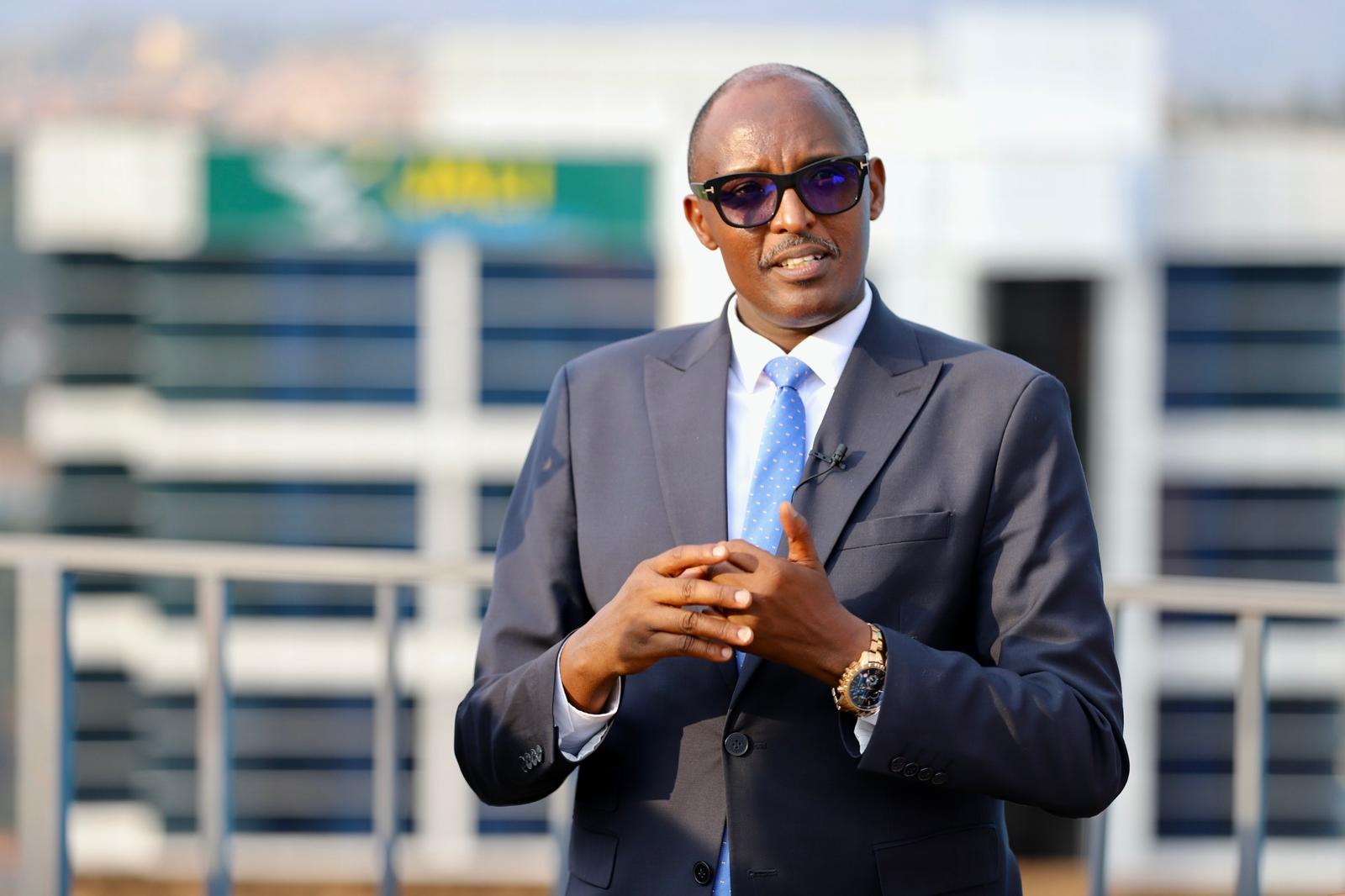
In an interview, Safari Rutagengwa, CEO of SASA Group, said the initiative builds on Rwanda's progress in emergency response, including the establishment of the national 112 Emergency Call Center, the expansion of pre-hospital emergency medical services and continued investments in public safety and protection.
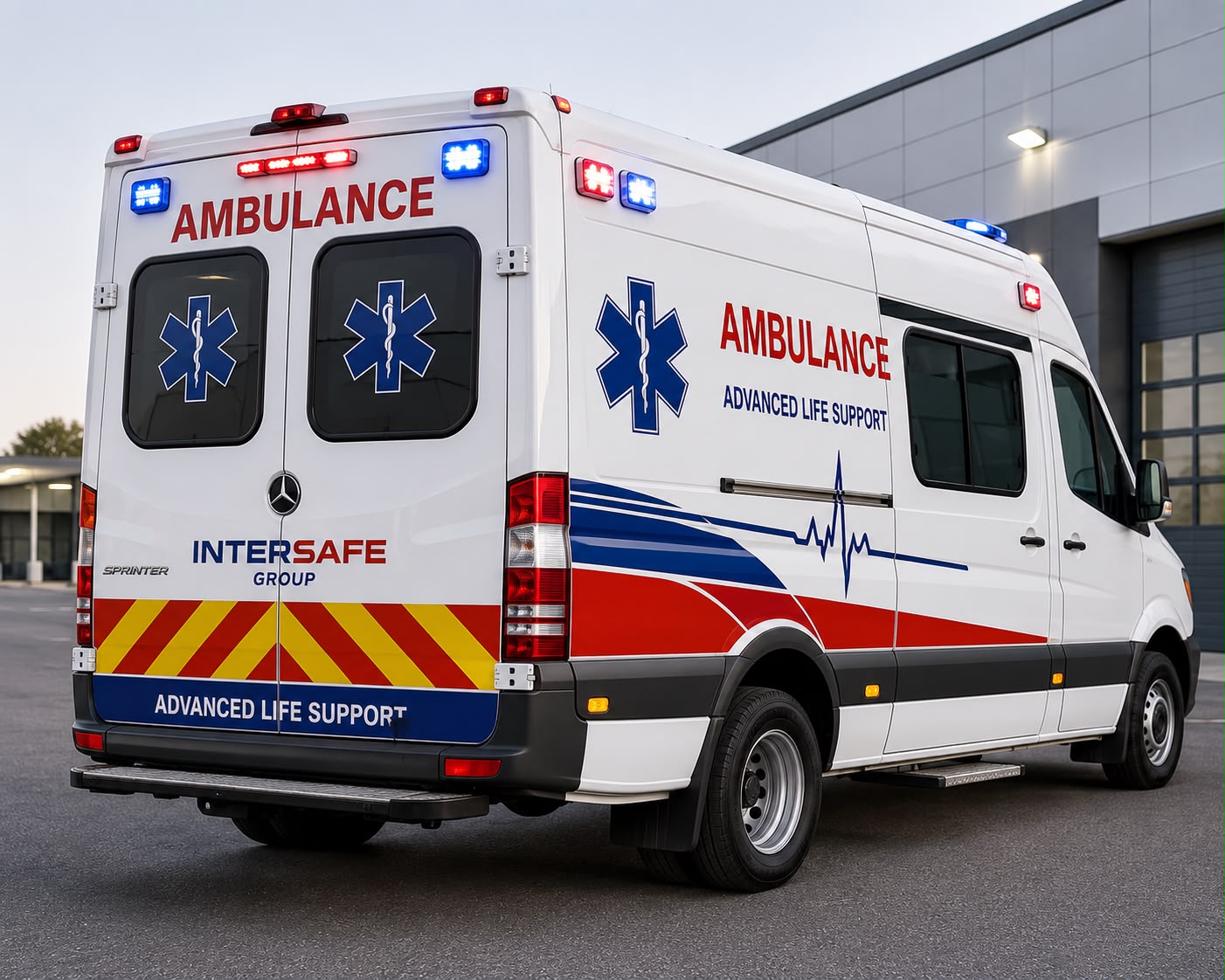
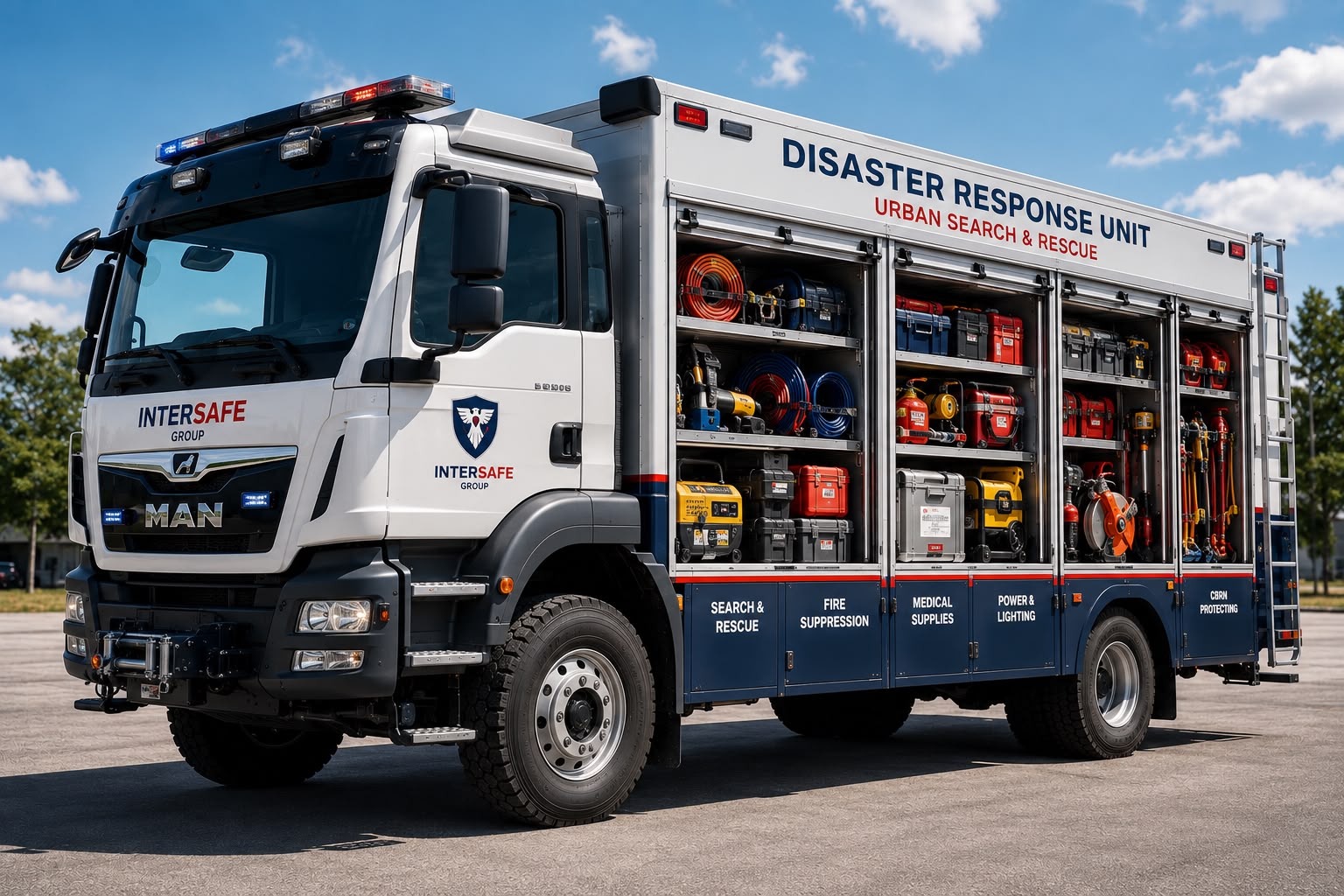
He explained that the project is designed to complement existing emergency response structures by introducing a new generation of smart technologies, including advanced ambulances, firefighting vehicles, digital coordination systems and real-time data analytics tools.
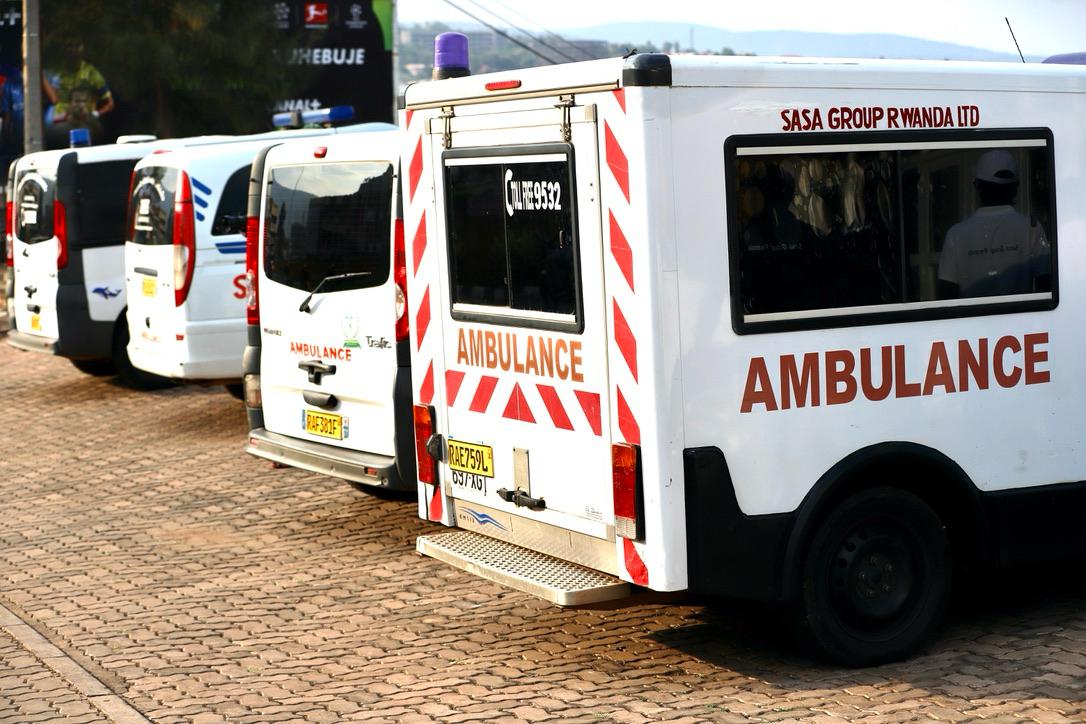
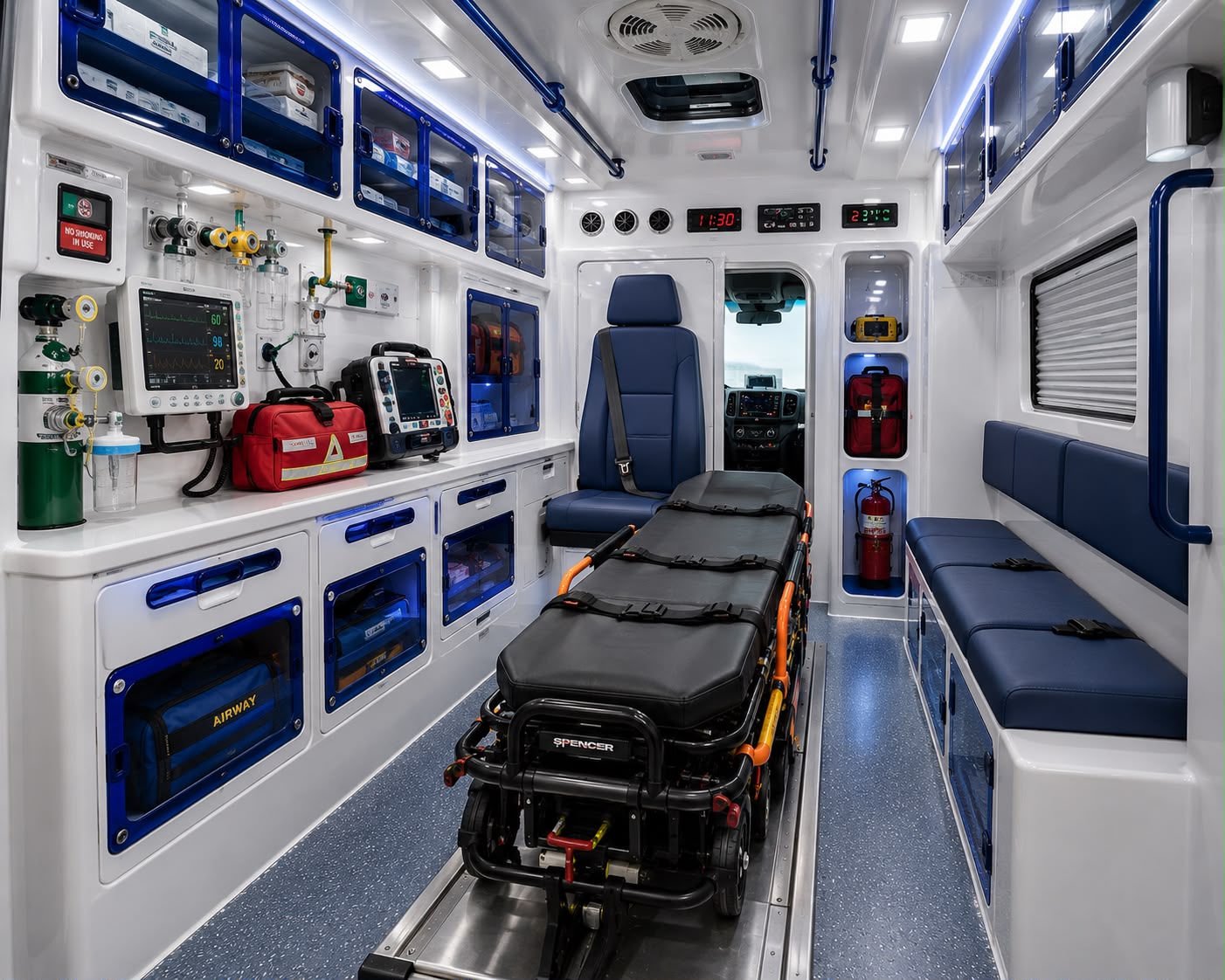
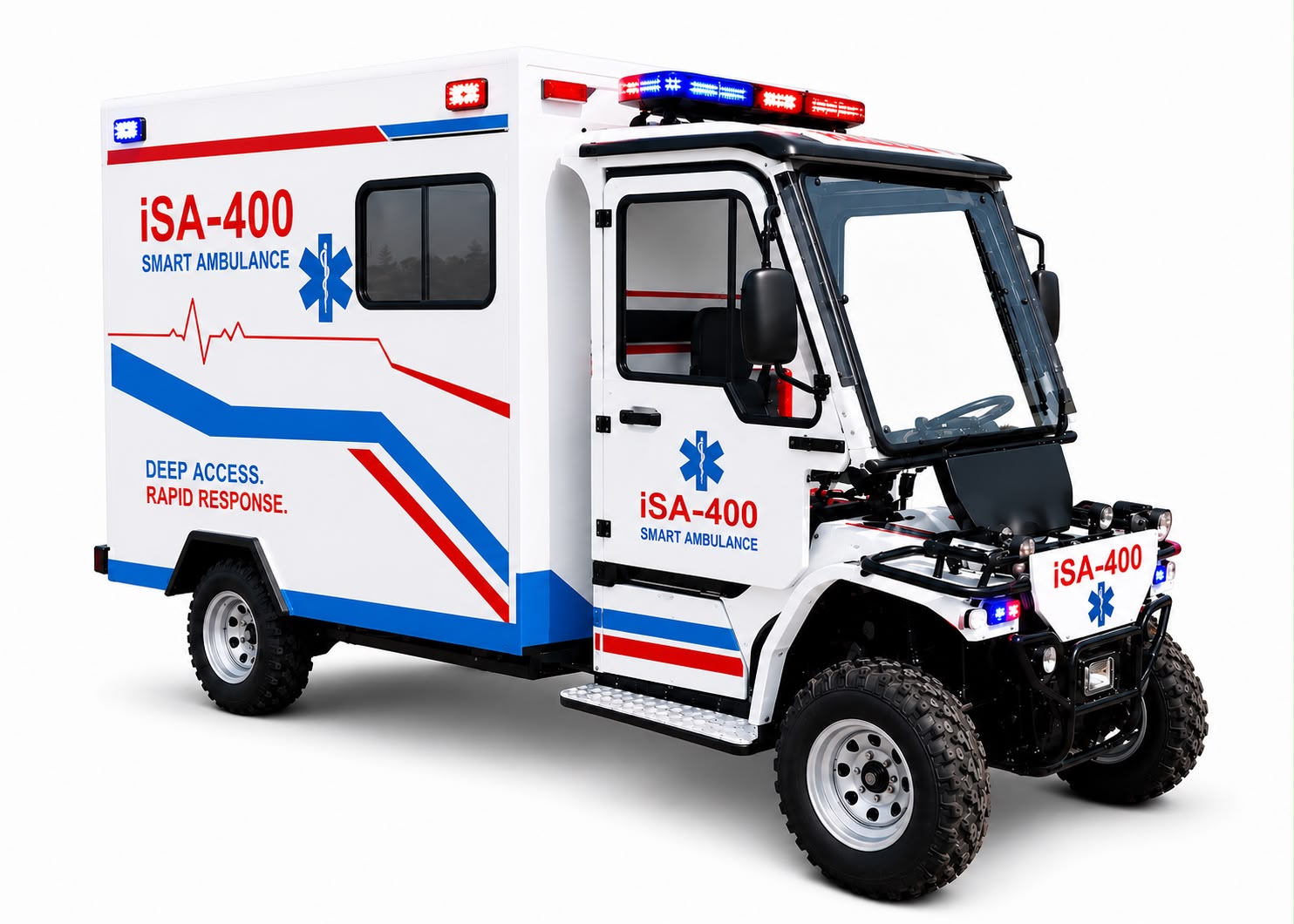
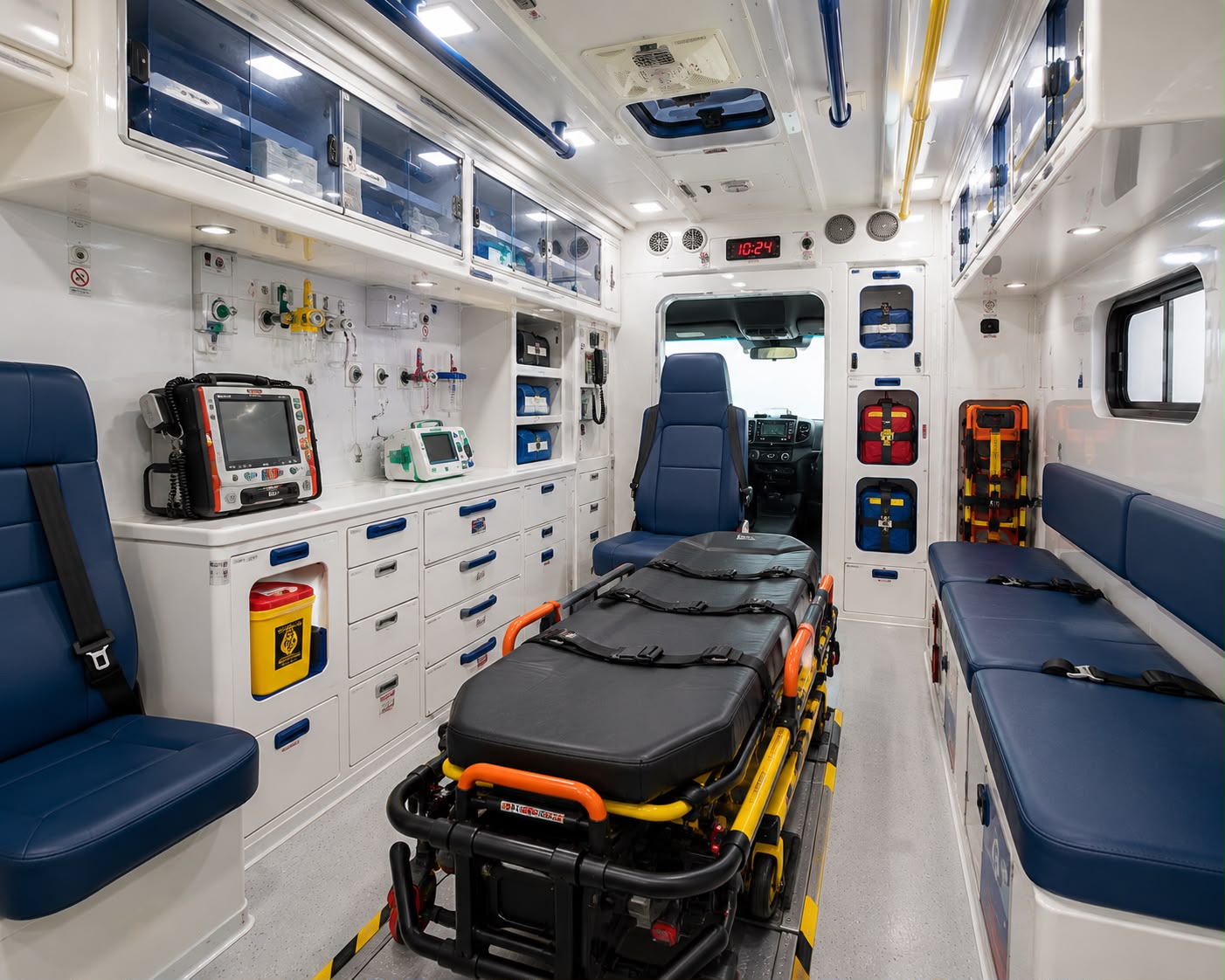
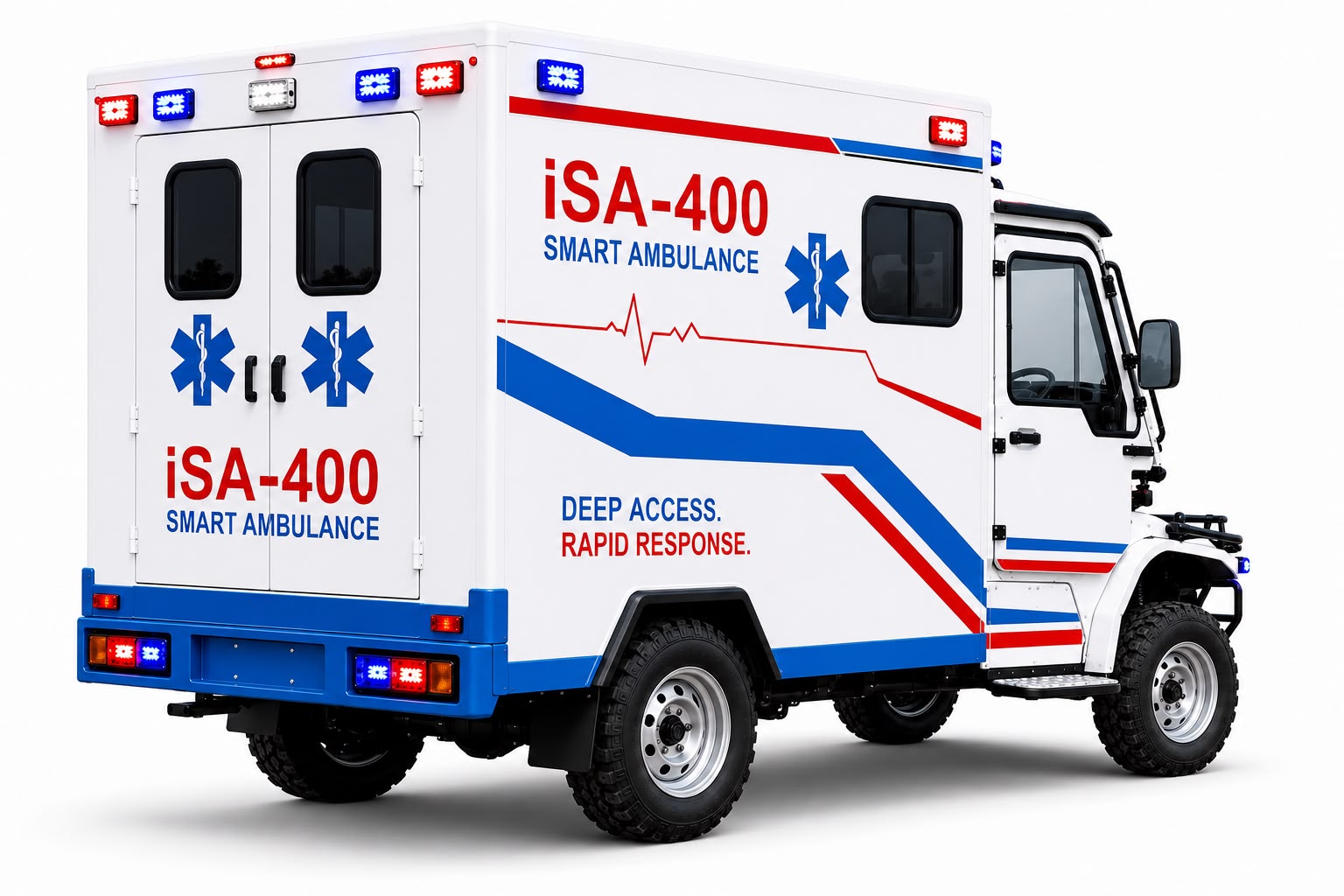
One of the proposed solutions is the iSA-400 Smart Ambulance, a compact emergency vehicle designed to operate on narrow roads, hilly terrain and remote locations where conventional ambulances may face challenges. Equipped with essential medical equipment for pre-hospital emergency care, the ambulance is intended to improve access to lifesaving services.
According to the project presentation, several iSA-400 Smart Ambulances can be deployed at a cost comparable to a single conventional ambulance, potentially allowing wider coverage and faster access to emergency medical assistance.
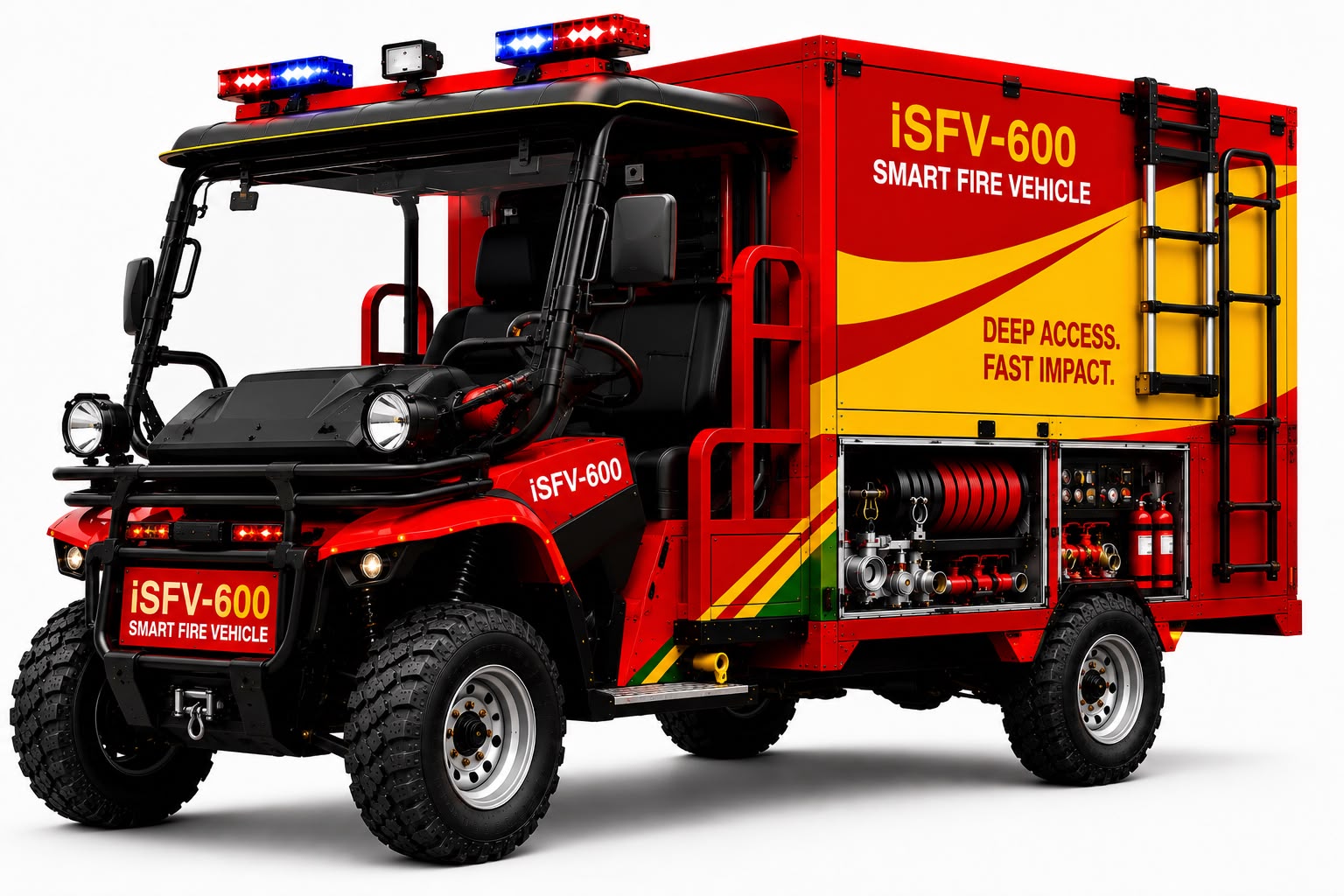
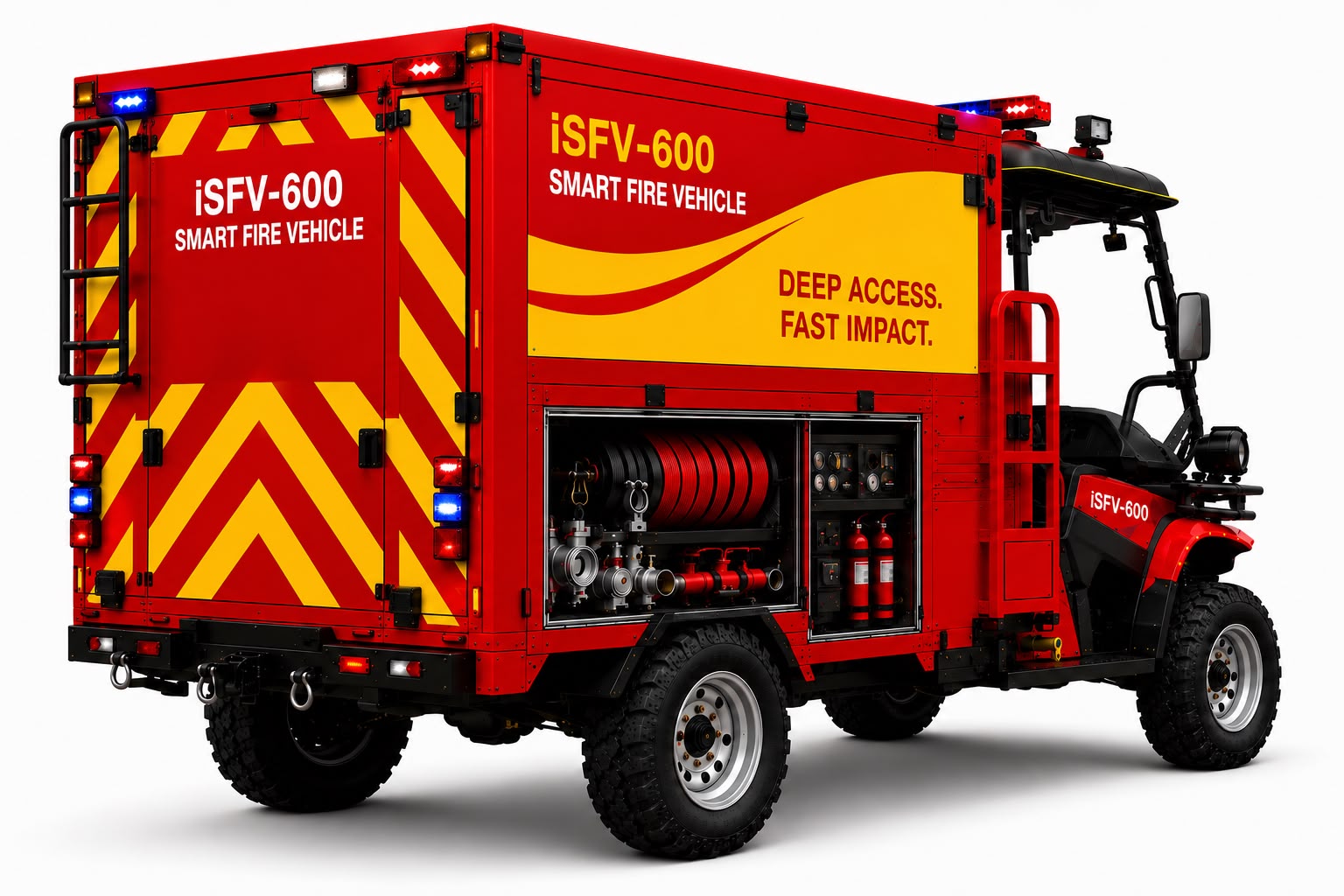
The initiative also proposes the iSFV-600 Smart Fire Vehicle, a rapid-response firefighting vehicle designed for urban areas, industrial zones, forests and road traffic accidents. Equipped with a high-pressure firefighting system and technology tailored for quick intervention, the vehicle is expected to strengthen firefighting capabilities and reduce losses caused by fires.
As part of its sustainability focus, the project includes the ESA-260 Electric Smart Ambulance, a fully electric emergency vehicle designed to reduce operating costs, lower carbon emissions and minimize the environmental impact of emergency services while maintaining the performance required for emergency operations.
Beyond vehicles and equipment, the project includes plans for a smart emergency response ecosystem built around an integrated command center, advanced communication systems, real-time monitoring platforms, data analysis tools and coordination mechanisms linking emergency teams, response centers and relevant institutions.
The system is intended to improve decision-making and operational efficiency by ensuring that responders have access to timely information and can coordinate more effectively during emergencies.
The pilot phase is expected to be launched in Kigali, featuring five strategically located response stations, ten smart ambulances and five smart firefighting vehicles supported by an integrated coordination and performance-monitoring system. The pilot is expected to run for approximately 12 months, covering preparation, deployment, testing and evaluation.
Its effectiveness will be assessed using key performance indicators, including emergency response times, geographic coverage, the number of interventions conducted, people assisted, equipment availability and community satisfaction. Data collected during the pilot phase will help evaluate its impact and guide decisions regarding possible expansion.
Rutagengwa said the pilot is intended to demonstrate the effectiveness of the model before it is gradually expanded to other districts across Rwanda.
The initiative will also focus on strengthening local capacity through training, knowledge transfer, institutional cooperation and continuous improvement of emergency services. It is envisioned as a model that can support broader efforts in innovation, community safety and sustainable development.
Rutagengwa emphasized that the project is not intended to replace existing emergency response systems but rather to reinforce and enhance them.
'We are not seeking to replace what is already working well. Our goal is to strengthen existing capacities so that we can reach more communities, respond to emergencies more quickly, and build an even safer and more resilient Rwanda.'
He said the initiative is guided by the objective of ensuring that emergency assistance reaches people when every second matters.
'Our work is driven by one fundamental objective: to make every minute count in saving the life of someone in danger,' he concluded.
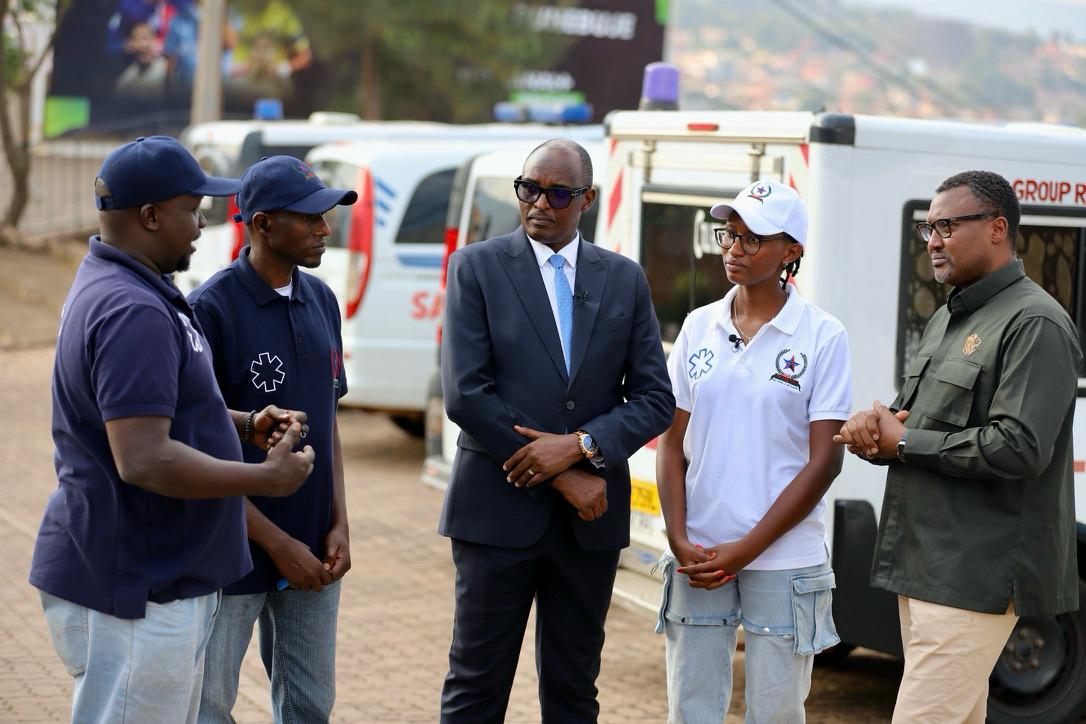
Some of the ambulances operated by SASA Group.Safari Rutagengwa and his team taking IGIHE kournalist through activities and operations of SASA Group.Safari Rutagengwa, CEO of SASA Group, which has partnered with InterSafe International LLC from the United Arab Emirates.
According to the report presented to the UN Security Council Sanctions Committee on June 5, 2026, mercenary groups provide battlefield support, maintain military assets including combat aircraft, and train members of the Armed Forces of the Democratic Republic of the Congo (FARDC) in advanced drone operations, radar systems, jungle warfare, intelligence gathering, operational planning, secure communications and target identification.
Despite the longstanding cooperation, the UN experts say coordination between FARDC and the various mercenary groups has been undermined by weak command structures, resulting in confusion over lines of authority and responsibility.
Advanced training and cooperation with Wazalendo
The report says foreign mercenaries maintain operational bases in Kisangani, Kinshasa, Walikale, Kalemie in Tanganyika Province and Kindu in Maniema Province. Testimonies and other evidence gathered by the UN indicate they continue to play an active role in military operations across North and South Kivu.
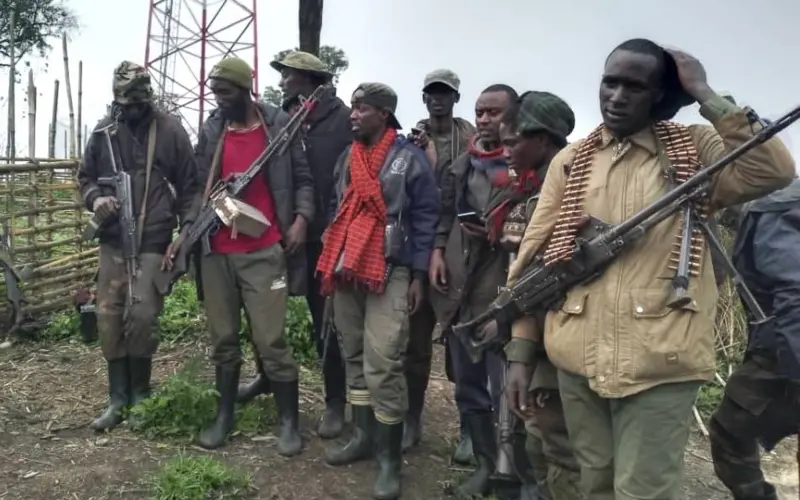
In Walikale, North Kivu, and the town of Baraka in South Kivu, foreign mercenaries reportedly provided advanced military training to members of the Wazalendo militias. The programme covered reconnaissance techniques, including identifying enemy positions and operating surveillance drones.
According to testimonies cited in the report, participants were selected based on their level of education. Upon completing the training, many were deployed alongside FARDC troops, with some reportedly issued sniper rifles for operations against the AFC/M23 coalition.
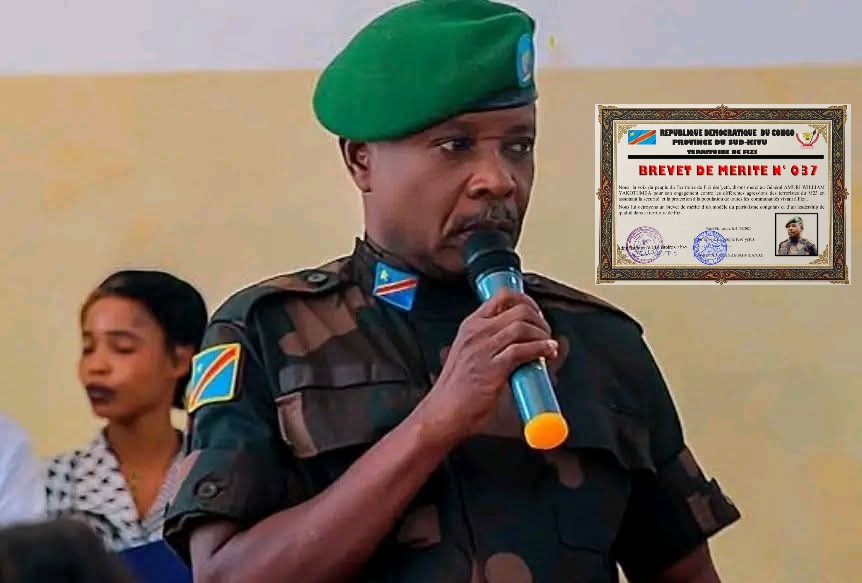
Among those who benefited from the training were fighters under commanders sanctioned by the United Nations, including Guidon Shimiray, leader of the NDC-R armed group operating in Walikale, and members of the CNPSC led by William Yakutumba.
Foreign mercenaries trained fighters under William Yakutumba.
Operations in South Kivu
Between January and March 2026, mercenaries fought alongside FARDC during heavy fighting in South Kivu, participating in coordinated drone and ground operations in several areas, including Minembwe Commune and its surrounding areas.
During the same period, Wazalendo fighters were ordered to withdraw from the highlands of South Kivu and were replaced by a FARDC special forces unit known as 'Hiboux' together with foreign mercenary contingents.
The report says the mercenaries were not deployed across all operational areas. Instead, they were assigned to specialised missions, including coordinating heavy artillery fire, drone strikes and intelligence support. They were also deployed to the city of Uvira in January 2026.
On February 1, 2026, multiple drone strikes involving foreign mercenaries targeted positions held by the MRDP-Twirwaneho armed group in Minembwe.
Foreign mercenaries participated in major offensives against MRDP-Twirwaneho.
Between February 2 and 8, mercenary units reportedly assisted the Hiboux special forces in recapturing the strategic Point-Zéro junction, a key crossroads linking the roads to Uvira, Baraka and Minembwe.
Secret agreement with Erik Prince
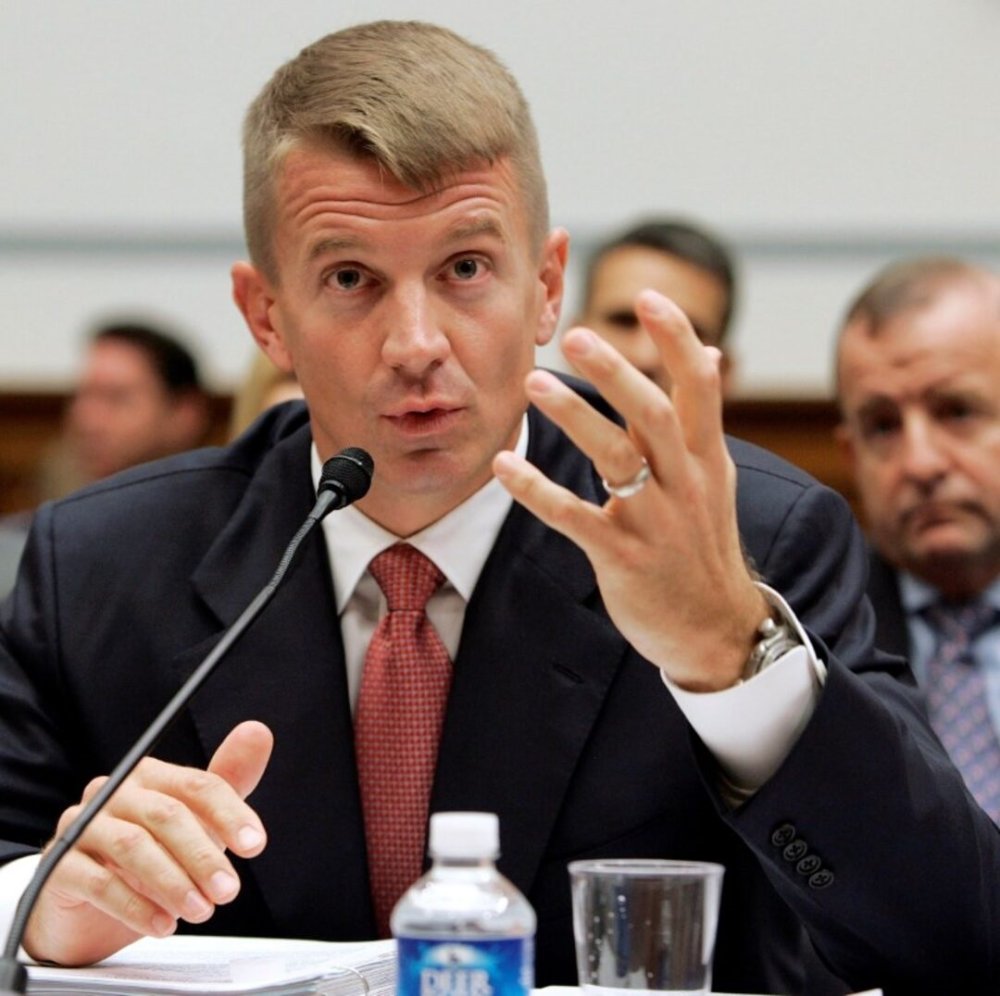
The report also details a confidential five-year cooperation agreement signed between the DRC government and American security contractor Erik Prince in December 2024. Prince is best known as the founder of the private military company Blackwater.
Under the agreement, Prince committed to providing military assistance to FARDC and overseeing security at mining sites across the country through contractors working under his companies.
Prince is best known as the founder of the private military company Blackwater.
In June 2025, Prince's United Arab Emirates-based company, Quantum Global Consulting, registered a subsidiary in the DRC known as Quantum Global Consulting Africa.
The company also established another entity, Vectus Global, headed by Christophe Sirot, a dual French-American national.
According to the report, Vectus Global signed a contract with the DRC Ministry of Finance to help increase state revenues from mining, combat cross-border smuggling, tackle corruption and reduce tax evasion.
At the end of April 2026, the Ministry of Finance announced the creation of a special unit tasked with securing mining sites, replacing soldiers and police officers previously assigned to those duties. The UN experts say the unit appears to be linked to Vectus Global.
The report further states that the agreement contained confidential military provisions assigning Vectus Global responsibility for strengthening border security, particularly in areas near Rwanda and Zambia.
The contract also authorised the company to advise FARDC on the acquisition and operation of combat aircraft and to recruit former foreign military personnel to support the Congolese armed forces.
According to the UN experts, the broader objective was to strengthen FARDC's military capabilities against Rwanda through advanced military technology, specialised training, strategic advice and the acquisition of modern weapons.
By late 2025, one Vectus employee told the UN investigators that the company's priorities had shifted from securing mining operations to supporting military activities as the conflict intensified.
In February 2026, another employee reportedly told the experts that the DRC government had enlisted Vectus Global to help plan an operation to retake the city of Uvira after it fell to AFC/M23 fighters, with company personnel deployed to South Kivu to support the operation.
However, during an interview with the UN experts in March 2026, Sirot denied that Vectus Global had participated in combat operations, insisting that the company's contract did not include any battlefield role.
The report nevertheless says multiple witnesses, including Vectus employees, identified Sirot as the individual responsible for coordinating the company's military-related activities.
More than 300 recruits from El Salvador
Another major finding concerns the recruitment of former soldiers and police officers from El Salvador.
According to the report, former Salvadoran military personnel and police officers began arriving in the DRC from July 2025 to support the government's coalition in its conflict against AFC/M23.
Initially assigned to maintain military equipment in Kisangani, Tshopo Province, many were later redeployed to Walikale, Baraka and Kalemie.
The UN experts found that a company known as Importaciones de Productos Americanos S.A. de C.V. coordinated the recruitment of more than 300 mercenaries in El Salvador for deployment to the DRC.
The company is registered in El Salvador and is owned by Juan Emilio Velasco Alfaro, a retired colonel in the Salvadoran military, and Rodrigo Antonio Tejada Alvarengar, a former lieutenant.
Most recruits signed one-year contracts that came into effect in July 2025, with each promised a monthly salary of US$4,225.
The report says some of the recruits returned to El Salvador before completing their contracts because of delays in salary payments by the DRC government or injuries and illnesses sustained during deployment.
The Government of El Salvador told the UN experts that it was unaware its citizens had travelled to fight in the DRC and had never authorised their deployment.
In a statement issued on Friday, FERWABA said the decision followed the receipt and consideration of letters of apology submitted by APR Basketball Club, Habimana and Mpoyo, as well as a meeting held between the federation and the club on July 8.
'The Rwanda Basketball Federation (FERWABA) wishes to inform the public that… it has resolved to accept the apologies and lift, with immediate effect, the disciplinary suspension previously imposed on Mr. Ntore Habimana and Mr. Mpoyo Axel Olenga,' the statement reads.
The federation said it also took into account the corrective measures implemented by APR Basketball Club and the players' renewed commitment to honour national team call-ups and faithfully discharge their duties whenever selected.
FERWABA reiterated that representing Rwanda is a privilege that requires patriotism, discipline and an unwavering commitment to putting national interests first.
The suspension was imposed on June 22 after the federation accused the two players of failing to honour a national team call-up ahead of the 2027 FIBA Basketball World Cup African Qualifiers in Luanda, Angola.
At the time, FERWABA said APR had confirmed the players would report to the national team camp, but they did not participate as expected, leading to disciplinary action under resolutions adopted during the federation's November 2025 General Assembly. The resolutions stipulate that players selected for national duty who fail to honour official call-ups face a one-year suspension from all basketball activities.
The decision sparked a dispute between the federation and APR Basketball Club.
Habimana and Mpoyo maintained that they had reported to the national team camp but were unable to immediately take part in training because they were recovering from injuries sustained during the Basketball Africa League (BAL) season. APR also defended the players, arguing that the club had submitted medical reports and that the matter resulted from a misunderstanding that could have been resolved through dialogue.
The club later appealed the sanctions and submitted letters of apology, while FERWABA convened a meeting with APR on July 8 to discuss the matter.
With the suspension now lifted, Habimana and Mpoyo are immediately eligible to return to competitive basketball, including representing both APR Basketball Club and the Rwanda national team when called upon.
National Basketball team players Axel Mpoyo and Ntore Habimana who were sanctioned by the federation last month.
The recall, notified by BMW South Africa, affects a total of 10,961 vehicles, including BMW 3 Series, 4 Series, 5 Series, 7 Series, X3 and X4 models, sold in South Africa since 2016.
According to a statement issued Thursday by the NCC, the supplier identified a production-related problem affecting vehicles equipped with the Pinion Starter, in which increased wear of the solenoid switch may occur after a high number of start operations.
'As a result, the engine's starting capability deteriorates. Under certain circumstances, the engine may no longer be able to start. In addition, a short circuit in the solenoid switch cannot be ruled out, which may lead to local overheating at the starter,' the NCC quoted the supplier as saying.
The NCC urged owners of the affected vehicles not to use the 'Remote Engine Start' function via the My BMW App or the remote-control key until the repair has been completed.
The commission also advised consumers to visit their nearest authorized BMW dealership to arrange an inspection and repair, adding that all corrective work related to the recall would be carried out free of charge.
South Africa's National Consumer Commission (NCC) has announced a recall of more than 10,000 BMW vehicles over a potential defect affecting the starter system that could prevent the engine from starting or cause overheating.
Kenyan drivers Jasmeet Chana and Ravi Chana are no strangers to Rwanda, having competed multiple times on the country's demanding rally stages in the Rwanda Mountain Gorilla Rally, a round of the African Rally Championship (ARC).
The experienced duo returns this year with a wealth of expertise, a strong desire to win, and a close connection with Rwanda's rally fans.
Their long-standing partnership and consistent performances have earned them recognition as one of the region's most respected rally crews.
Their latest campaign is supported through a joint sponsorship by RUBiS Energy Rwanda and Castrol, providing the team with the resources and technical support needed to compete at the highest level.
While RUBiS fuels the team's journey, Castrol's advanced engine lubricant technology is designed to protect the vehicle under the extreme demands of rally competition, from high-speed sections and tight corners to the toughest stages, helping maintain peak engine performance throughout the event.
Fans meet the Chana brothers
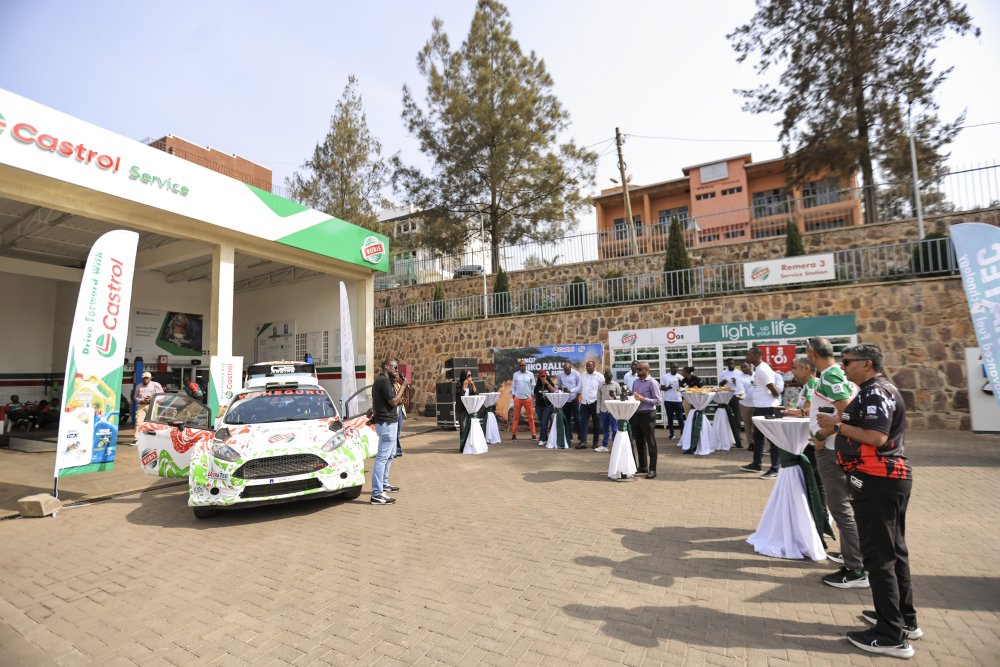
To celebrate the partnership and engage with motorsport enthusiasts, RUBiS Energy Rwanda organized a public meet-and-greet at the RUBiS Remera 3 service station.
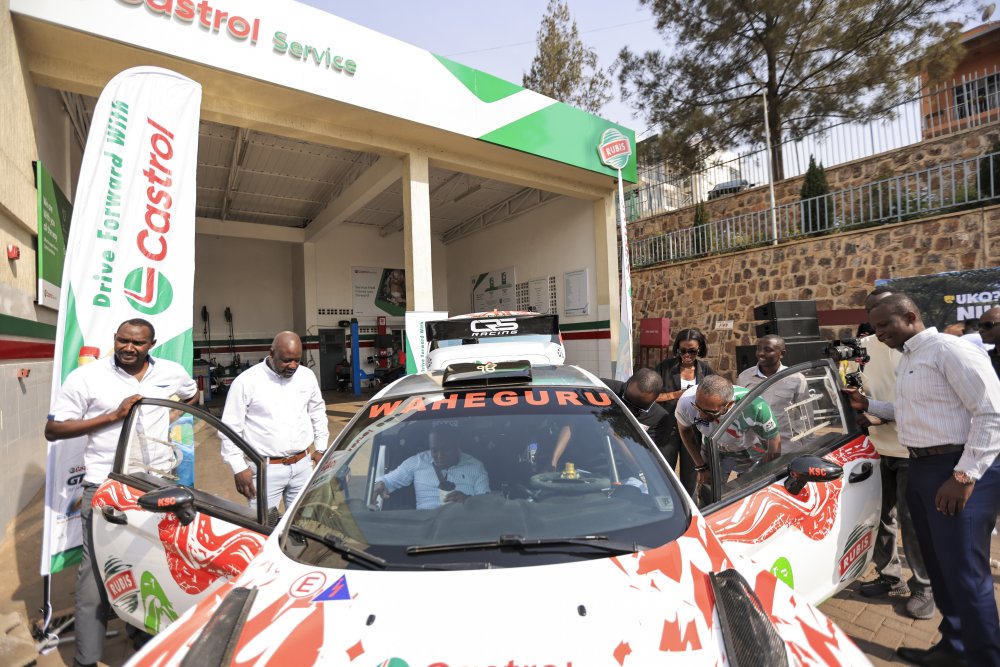
The event gave fans an opportunity to meet the Chana brothers, view their rally car up close, and take souvenir photographs with the drivers.
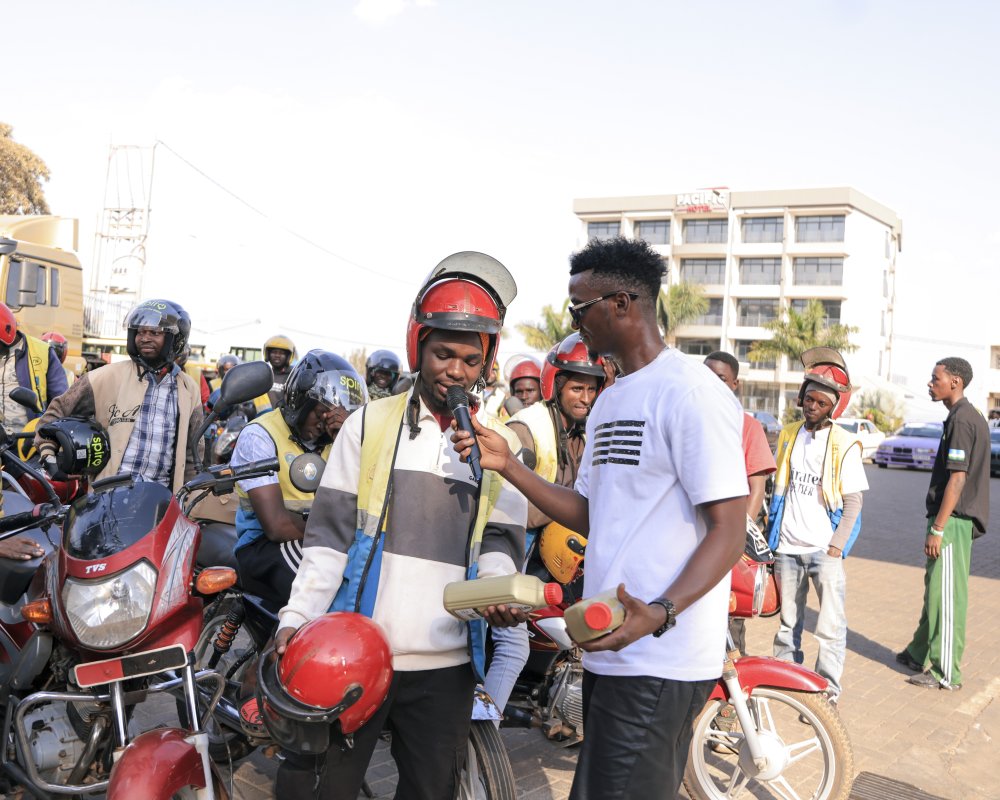
Motorcyclists who attended also received Castrol products and other RUBiS promotional items, reflecting the companies' commitment to supporting every journey—from everyday travel to success in top-level motorsport.
The celebrations continued with a special 'Breakfast with the Drivers' event, bringing together RUBiS sponsors, business partners, invited guests, media representatives, and key stakeholders in the motorsport community.
The gathering served as an opportunity to strengthen partnerships between RUBiS Energy Rwanda, Castrol, and the Chana brothers while highlighting the shared values that drive their collaboration, including performance, innovation, teamwork, and excellence.
Guests also had the chance to interact personally with the drivers, hear about their rally careers, and gain insights into how they prepare to compete at the highest level of African rallying.
Supporting the future of African motorsport
According to the organizers, the partnership represents more than a sponsorship agreement. It reflects a shared vision of nurturing sporting talent, building lasting relationships with customers and partners, and contributing to the continued growth of motorsport in Rwanda and across the region.
As the Chana brothers prepare to tackle the challenging stages of this year's rally, they do so backed by the trusted energy of RUBiS and the advanced engine protection offered by Castrol.
Together, the two brands say they are not only supporting competitors chasing victory but also helping shape the future of African motorsport, one stage at a time.
The 2026 Rwanda Mountain Gorilla Rally will take place from July 10 to 12, 2026.
Jasmeet Chana and Ravi Chana are set to compete in the Rwanda Mountain Gorilla Rally with the support of RUBiS Energy Rwanda and Castrol.Motorcycle taxi riders expressed their appreciation after receiving Castrol lubricants.The Kenyan drivers said they are determined to secure victory.
The Prime Minister made the disclosure on June 9, 2026, while presenting to both chambers of Parliament an overview of government efforts aimed at strengthening the country's economic resilience and improving citizens' welfare.
Dr. Nsengiyumva said Rwanda's economy has continued to demonstrate strong performance despite various internal and external challenges.
He noted that the country's Gross Domestic Product (GDP) grew by 10% in the first quarter of 2026, contributing to the creation of more than 240,000 jobs since the first quarter of 2025.
According to the Prime Minister, the country's economic growth has been supported by increasing private sector investment.
'From 2024 until June this year, private sector investment projects worth nearly $8 billion were registered. These investments are expected to create approximately 118,000 jobs,' Dr. Nsengiyumva said.
Rwanda has set a target of creating 250,000 jobs every year by 2029 as part of efforts to expand employment opportunities and support economic development.
The country's GDP reached Frw 6.346 trillion in the first quarter of 2026, compared to Frw 5.276 trillion recorded during the same period in 2025, representing a 10% increase.
The services sector remained the largest contributor to economic output, accounting for 52% of GDP, followed by industry at 24%, agriculture at 19%, and other sectors contributing the remaining 5%.
Agricultural production increased by 8%, while industrial output grew by 13%. The services sector also recorded a 7% rise during the period under review.
Other sectors also registered growth, with wholesale and retail trade increasing by 11%. Transport services grew by 11%, driven by a 10% rise in land transport activities, while air transport recorded a 7% increase.
The latest figures highlight Rwanda's continued efforts to attract investment, expand economic activity, and create more employment opportunities as the country works toward its long-term development goals.
Rwanda registers $8 billion in private investment projects by June 2026