Organisers say preparations are in their final stages, with confidence that the city is fully ready to welcome international delegates.
Father Professor Walter Chikwendu Ihejirika, President of SIGNIS Africa and Chairperson of the African organising committee, has emphasized that both continental and local teams have been working intensively to ensure a smooth and successful event.
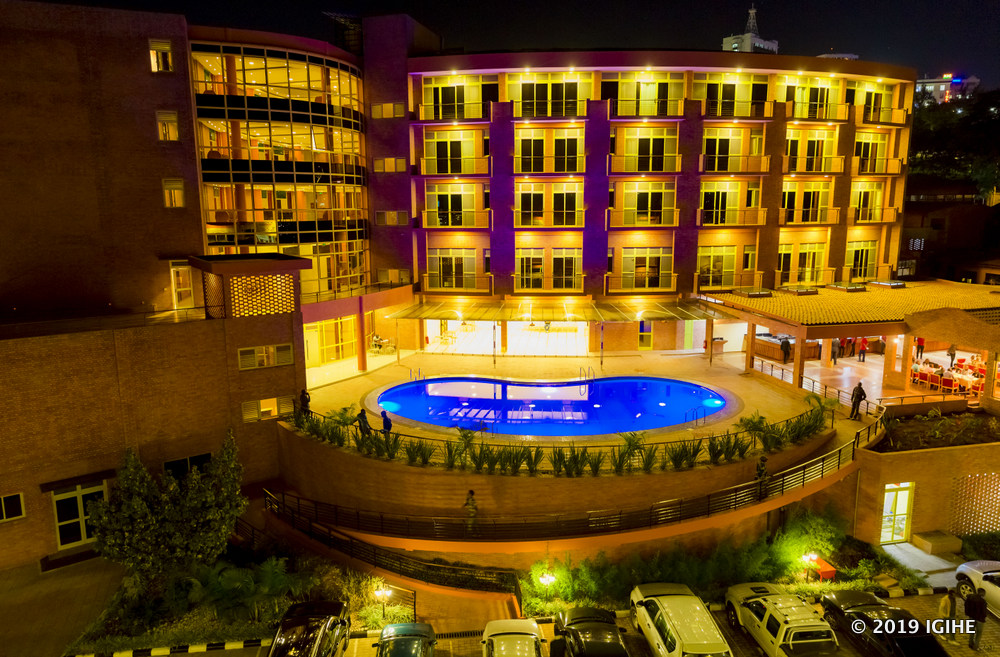
The congress will be hosted at the Sainte Famille Hotel in central Kigali. The venue is expected to accommodate a wide range of activities, including plenary sessions, workshops, exhibitions, and networking forums designed to strengthen global Catholic communication networks.
One of the key priorities for organisers is logistics. Dedicated teams are handling airport reception, accommodation, transportation, and guest coordination.
According to Fr. Ihejirika, the goal is to ensure that participants ‘experience a smooth arrival and leave with warm memories of Rwanda and its hospitality.’
Registration systems have also been active, and even though official registration closed on 30 June, last-minute participants are still being accommodated through direct contact with the organising committee.
Health and safety have also been part of the preparations. Concerns had been raised following an Ebola outbreak in neighbouring parts of the Democratic Republic of Congo. However, organisers, working closely with Rwanda’s Ministry of Health and the World Health Organization, have reassured participants that Rwanda remains free of Ebola and that no travel alerts have been issued for the country. Authorities insist that there is no cause for alarm for those traveling to Kigali.
The 2026 congress is also expected to engage deeply with contemporary global issues. Its themeâ’Digital communication for communion, equity, and environmental well-being’âaligns with recent Catholic reflections on technology and human dignity, particularly in the context of artificial intelligence and digital transformation.
A strong international presence is expected, including senior Vatican officials from Vatican City, cardinals, archbishops, and representatives from major Catholic organisations. These include EWTN, the Conrad N. Hilton Foundation, Catholic Relief Services, and the American Bible Society, among others.
To ease travel, organisers have also negotiated discounted fares with major African carriers, including RwandAir, Ethiopian Airlines, and Kenya Airways. Delegates using these airlines will benefit from promotional codes offering up to 15% discounts.
Beyond formal sessions, the congress is expected to serve as a cultural exchange platform, showcasing Rwanda’s identity, hospitality, and diversity. Organisers say participants will not only engage in professional dialogue but also experience African culture beyond global headlines.
As Kigali prepares for August, the SIGNIS World Congress stands out as both a professional milestone for Catholic communicators and a major international event positioning Rwanda as a hub for global dialogue on media, ethics, and digital transformation.
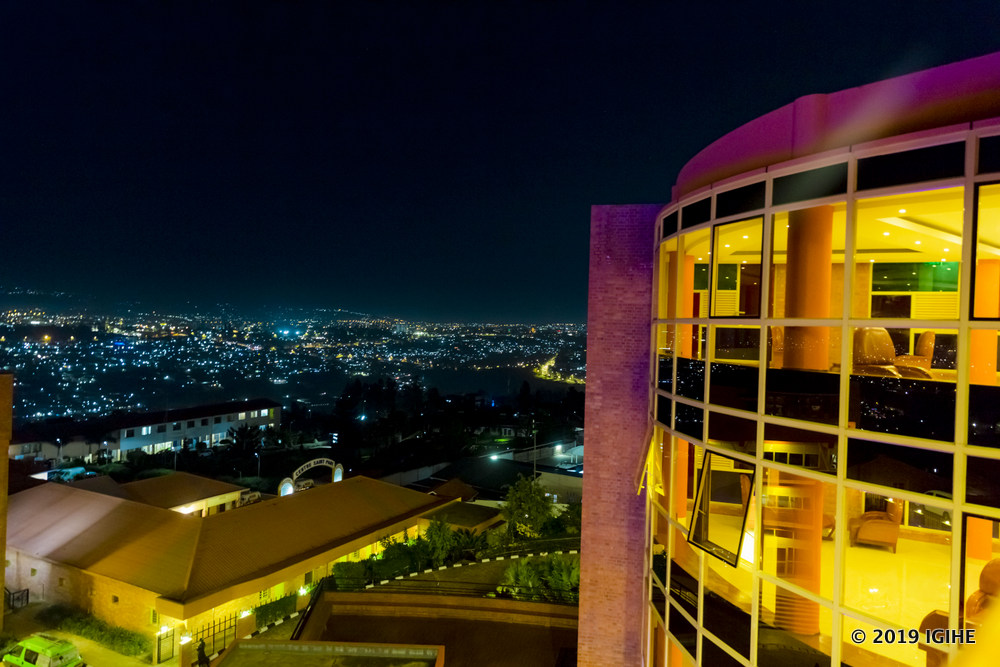
The SIGNIS World Congress will take place at the Sainte Famille Hotel, a key venue in central Kigali set to host global Catholic media professionals from August 3â8, 2026.
Kigali is set to host the SIGNIS World Congress from August 3 to 8, 2026, bringing together Catholic communicators from over 100 countries.
Located in the heart of Kigali city, the Sainte Famille Hotel has been selected as the main venue for the upcoming SIGNIS World Congress 2026.
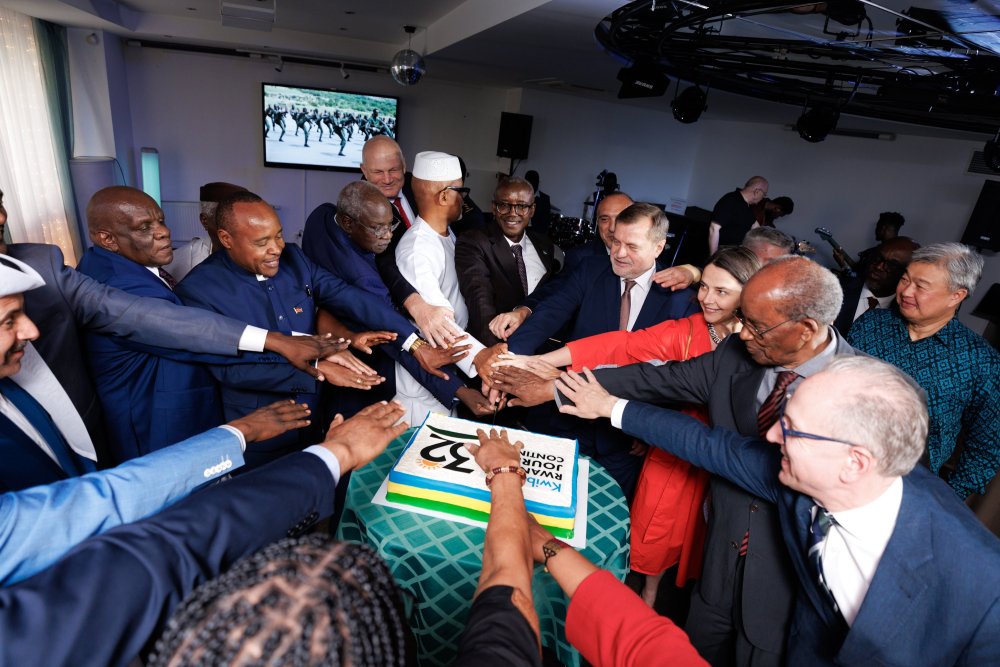
The event gathered Russian government officials, heads of diplomatic missions, members of the diplomatic corps, development and academic partners, friends of Rwanda, and members of the Rwandan community from across Russia and Belarus. More than 350 guests attended the commemoration, including 51 heads of missions, 17 defence attachés, and 82 diplomats.
In his address, Rwanda’s Ambassador to the Russian Federation, Maj Gen Joseph Nzabamwita, said Liberation Day honours the men and women who liberated Rwanda under the leadership of President Paul Kagame, ended the 1994 Genocide against the Tutsi, and laid the foundation for the country’s unity, reconciliation, security, and national transformation.
Marking Kwibohora32 under the theme ‘Rwanda’s journey continues,’ the ambassador reflected on Rwanda’s socio-economic progress over the past three decades, noting that the country’s economy has grown more than tenfold since 1994.
He also highlighted Vision 2050, through which Rwanda aims to achieve upper-middle-income status by 2035 and high-income status by 2050.
Ambassador Nzabamwita reaffirmed Rwanda’s commitment to further strengthening its longstanding cooperation with the Russian Federation, noting increasing momentum in bilateral relations across key sectors. These include nuclear energy, healthcare, education, and military-technical cooperation.
He said both countries remain committed to translating their engagements into practical and mutually beneficial projects that support shared development goals.
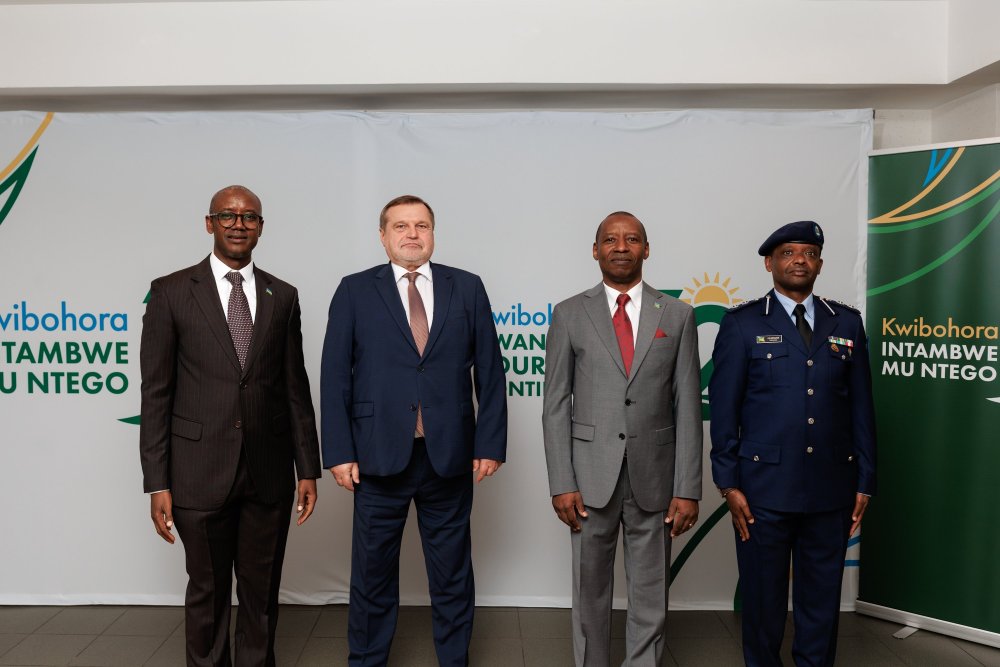
Representing the Russian Ministry of Foreign Affairs, Mr. Anatoli Bashkin, Director of the Department of Sub-Saharan African States, conveyed Russia’s congratulations to the Government and people of Rwanda on the occasion of Liberation Day.
He commended the resilience of the Rwandan people and the country’s progress in reconciliation, peace, security, and socio-economic transformation over the past 32 years.
Mr. Bashkin reaffirmed Russia’s support for Rwanda’s sovereign development path, describing Kigali as an important partner on the African continent.
He further noted that both countries share commitments to international law, peacekeeping cooperation, and engagement on global and regional issues. He also expressed Russia’s readiness to expand cooperation and support the implementation of joint projects in nuclear energy, healthcare, education, and military-technical fields, while welcoming Rwanda’s participation in the upcoming Third Russia-Africa Summit in Moscow.
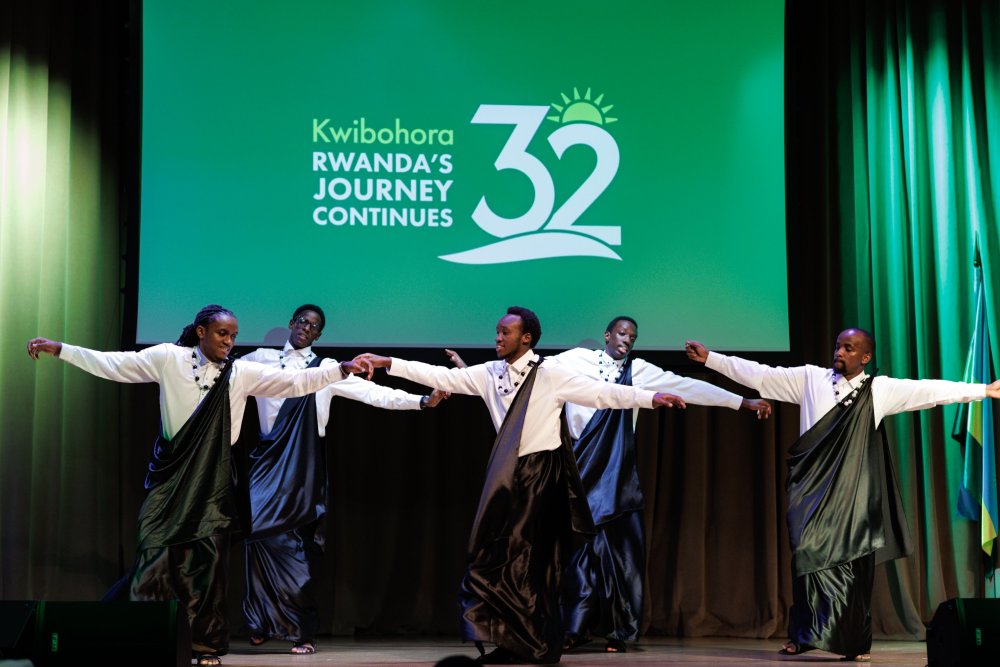
The official programme featured cultural performances by the traditional dance troupe Imena mu Nganzo and a live band, showcasing Rwanda’s cultural heritage through music, dance, and rhythm.
Following the ceremony, Ambassador Nzabamwita met with members of the Rwandan community in Russia and Belarus, including newly elected RCA community leaders and 51 students graduating from bachelor’s and master’s programmes.
He reminded Rwandans abroad that their country values and supports them, noting that education opportunities abroad are meant to equip young Rwandans with skills that contribute to national development.
He encouraged students to pursue academic excellence and make full use of opportunities in Russia by learning best practices and applying them to Rwanda’s development priorities.
The ambassador also emphasized that liberation is an ongoing struggle against injustice and all forms of backwardness. He urged students to acquire advanced knowledge and modern skills to address contemporary challenges and contribute to Rwanda’s security and progress, expressing confidence that Rwanda will continue to prosper and once again become a ‘country of milk and honey.’
He further advised Rwandans living in Russia to take care of their health, adapt to the cold climate, engage in sports and extracurricular activities, and maintain discipline in their daily lives.
More than 350 guests, including diplomats and partners, joined Rwanda’s Liberation Day commemoration in the Russian Federation.
Cultural troupe Imena mu Nganzo performs traditional Rwandan dance and music during Kwibohora32 celebrations in Moscow.
Russian government officials and members of the diplomatic corps attend Rwanda’s Kwibohora32 reception in Moscow.
High-level guests gathered in Moscow as Rwanda marked the 32nd anniversary of Liberation Day, Kwibohora32, hosted by the Embassy of Rwanda in Russia.
Defence attachés from various countries also attended the ceremony.
For younger generations who did not witness the events of 1994, hearing accounts from elders offers a moment of reflection and a deeper appreciation of the peace they now enjoy and the country they call home.
For those who directly participated in the liberation struggle, the day is marked by solemn reflection on a difficult journey that shaped the nation’s destiny, a struggle that also came at the cost of many lives.
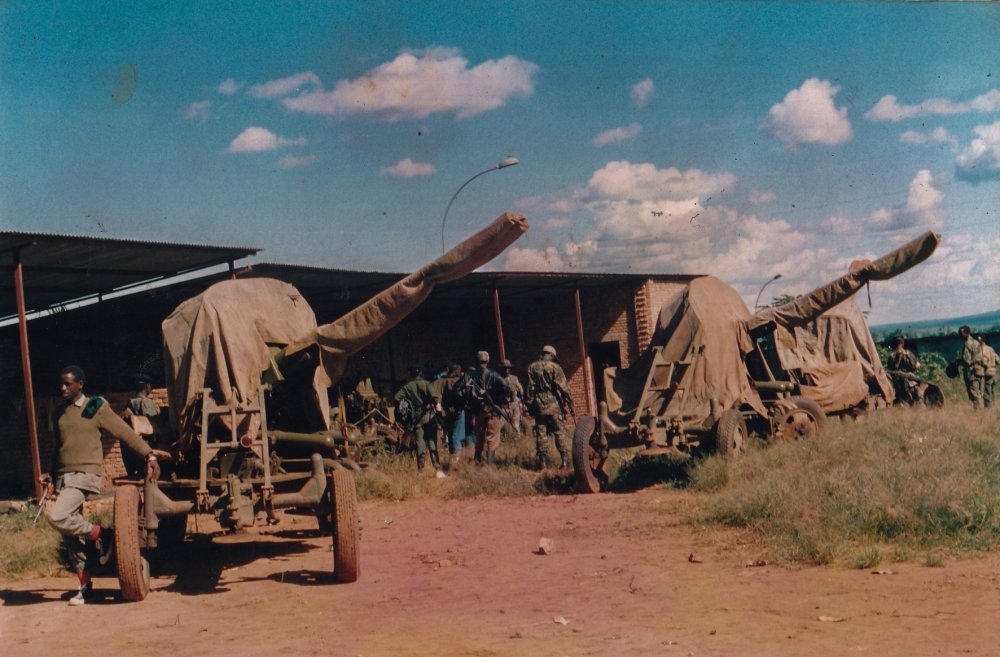
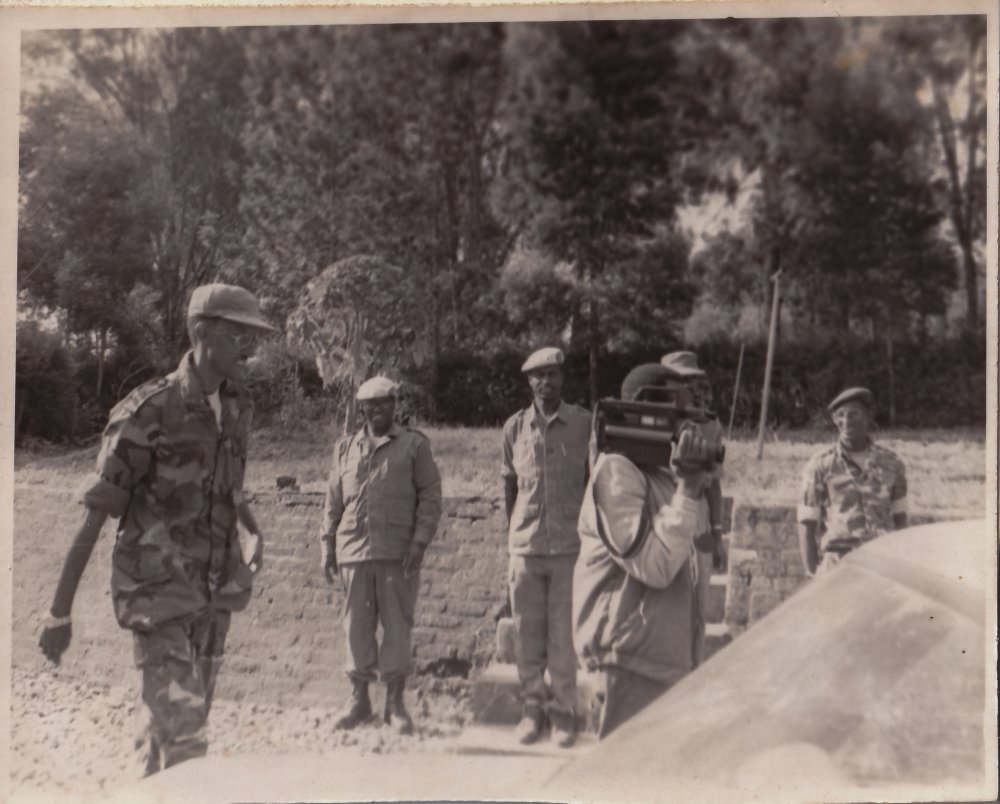
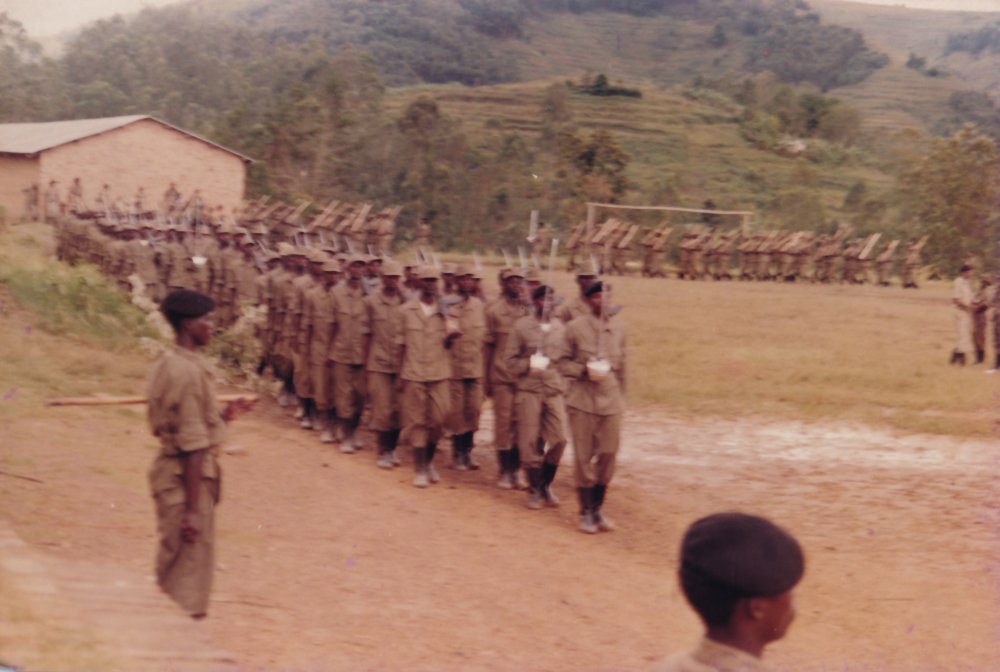
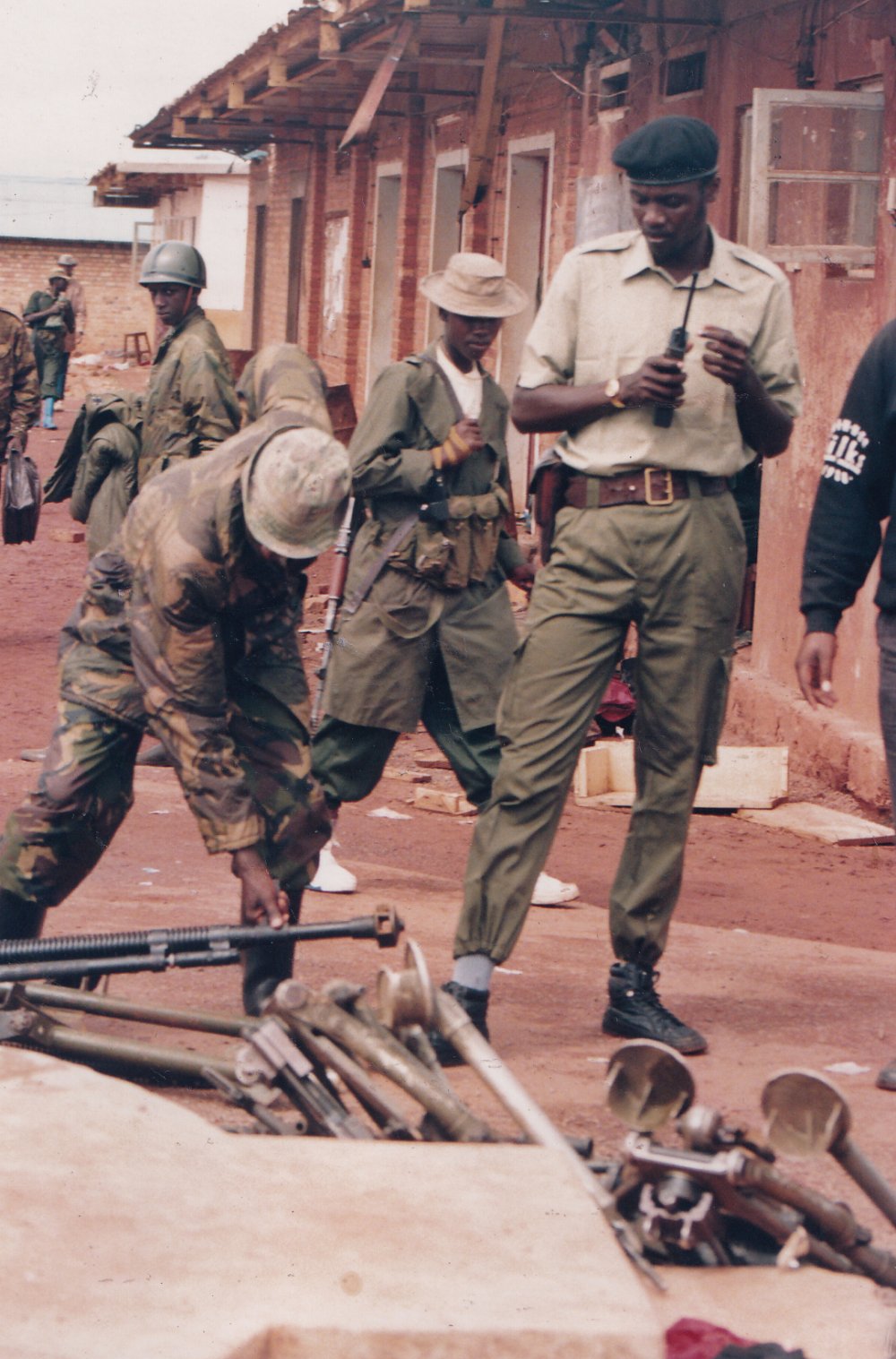
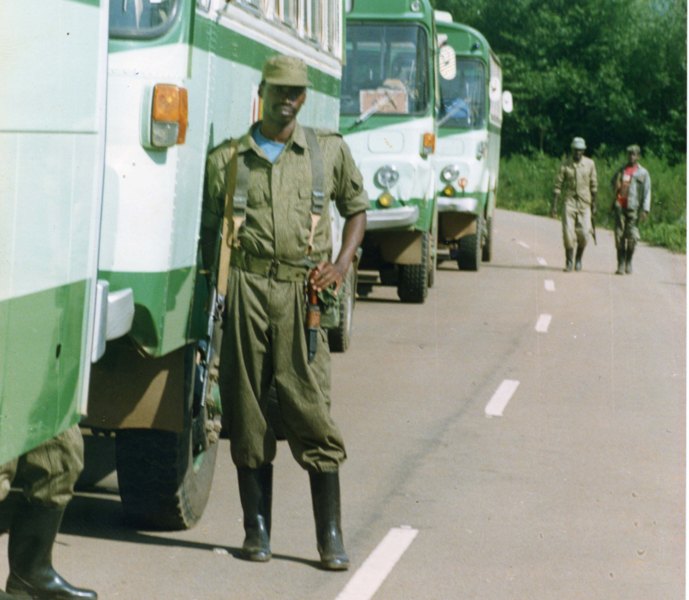
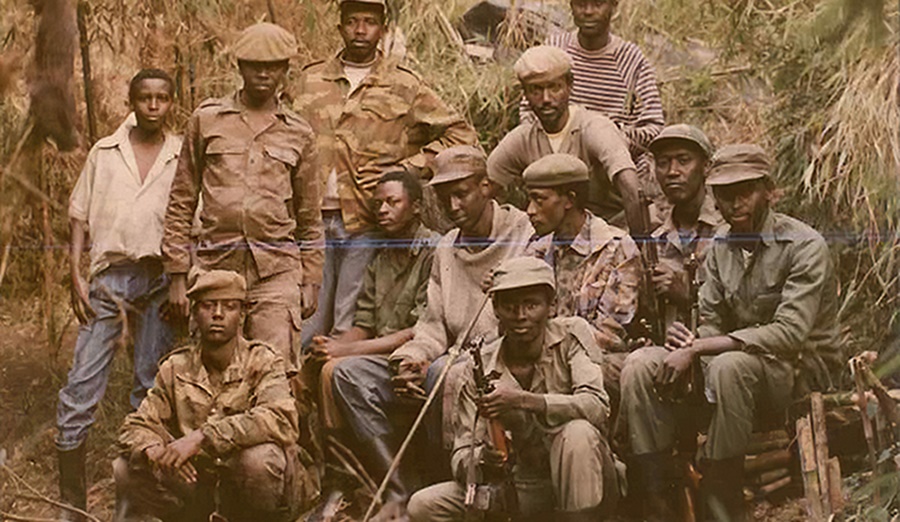
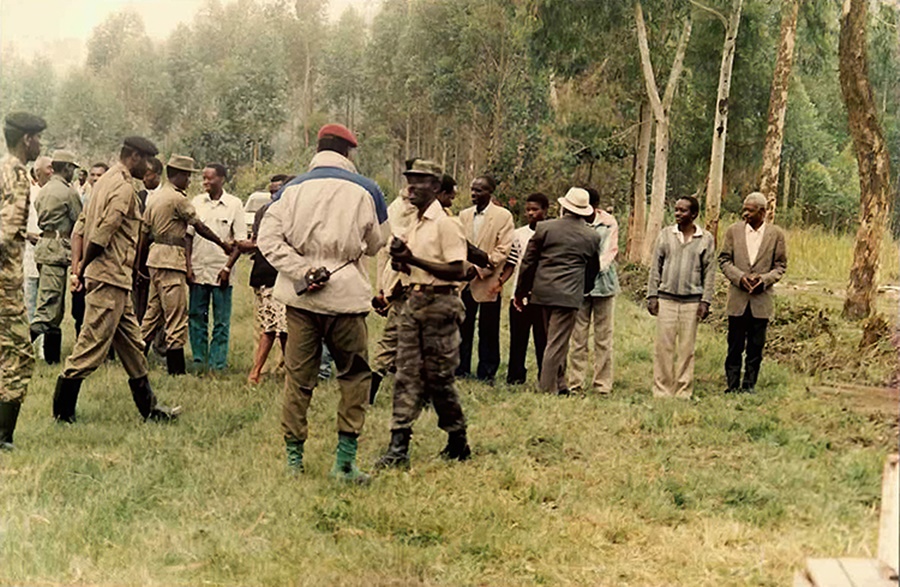
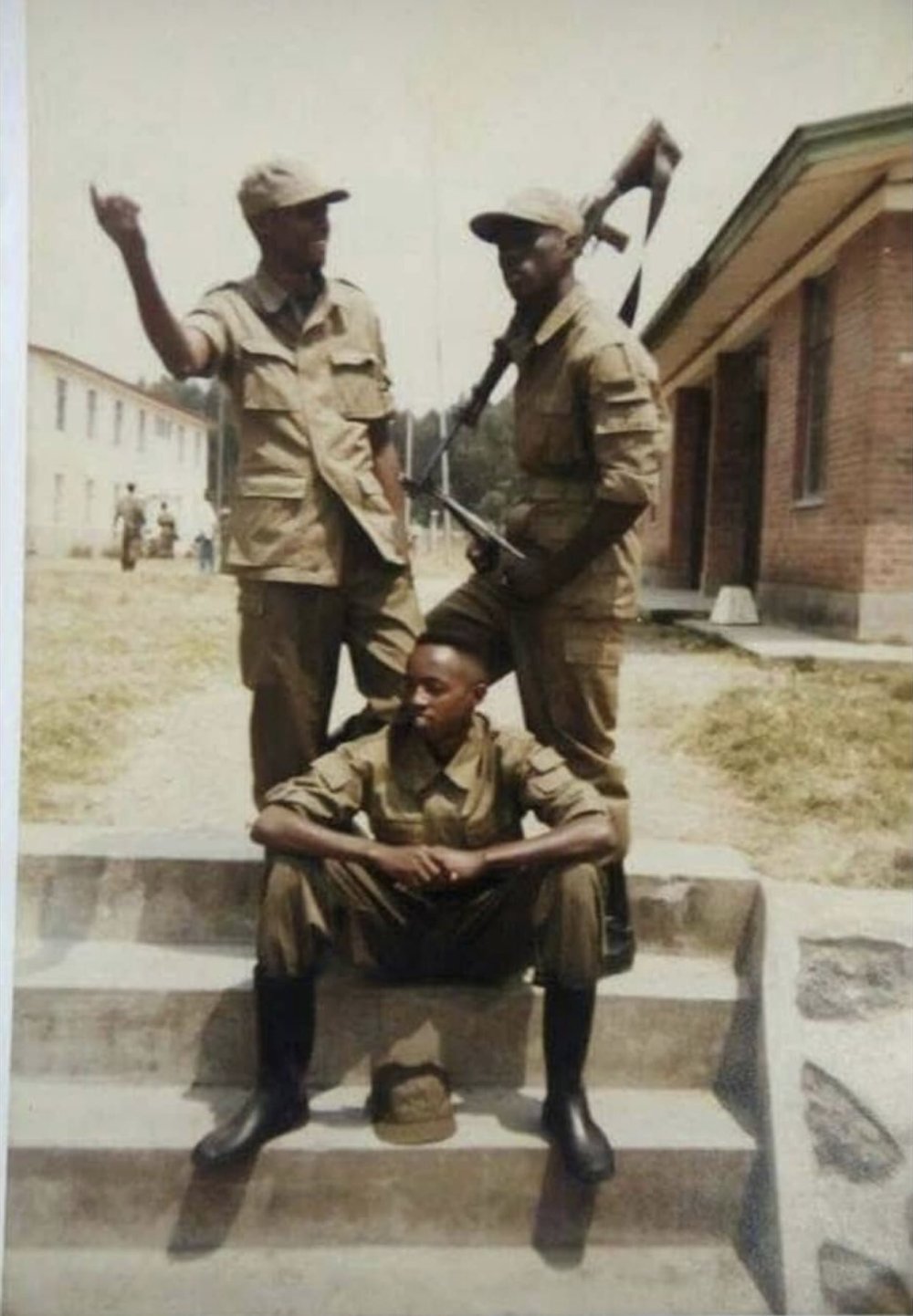
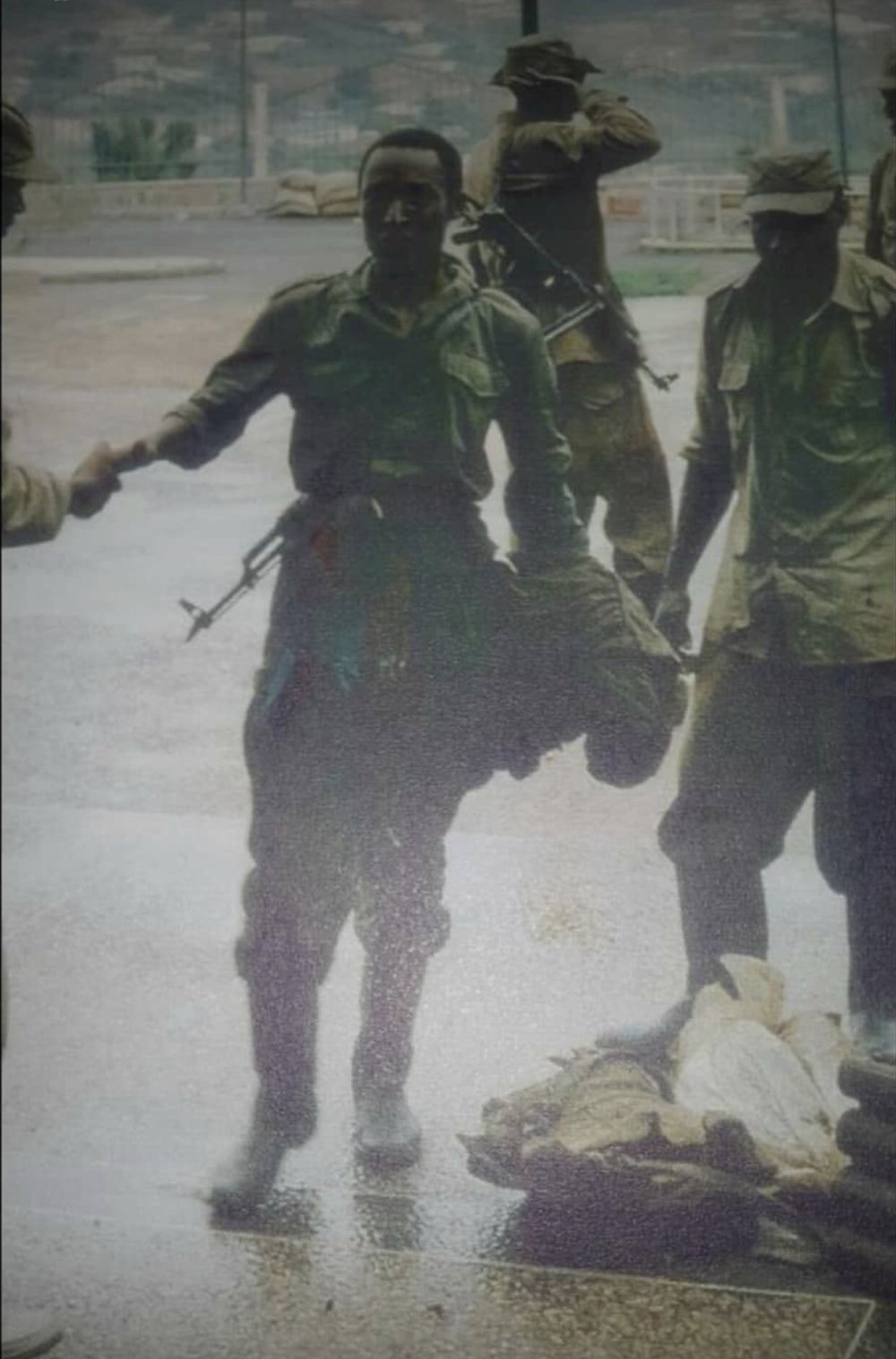
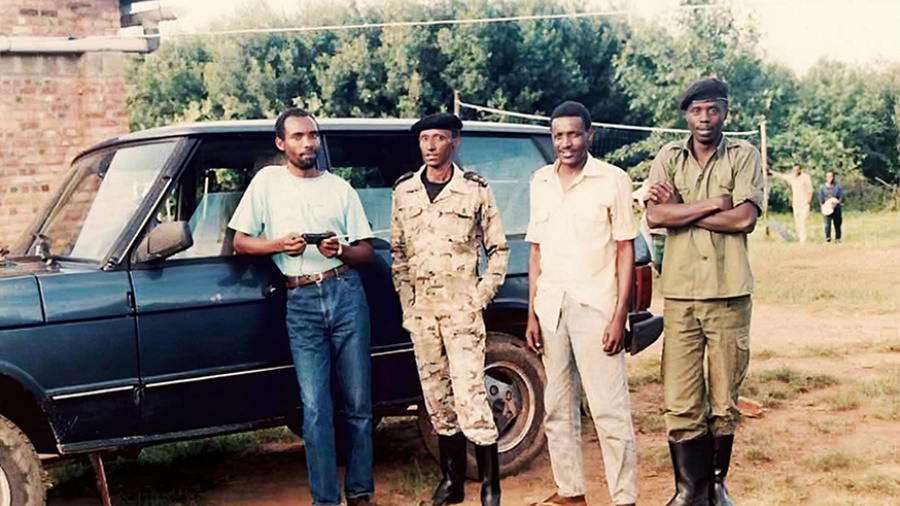
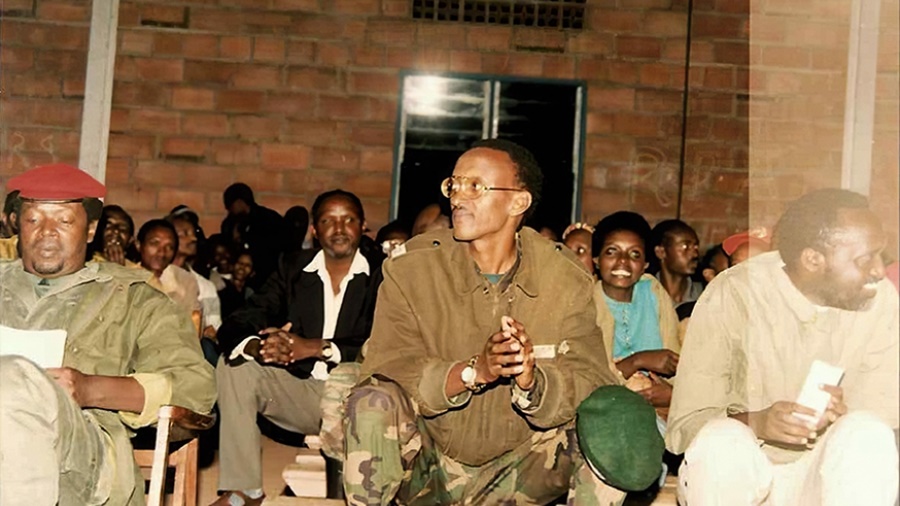
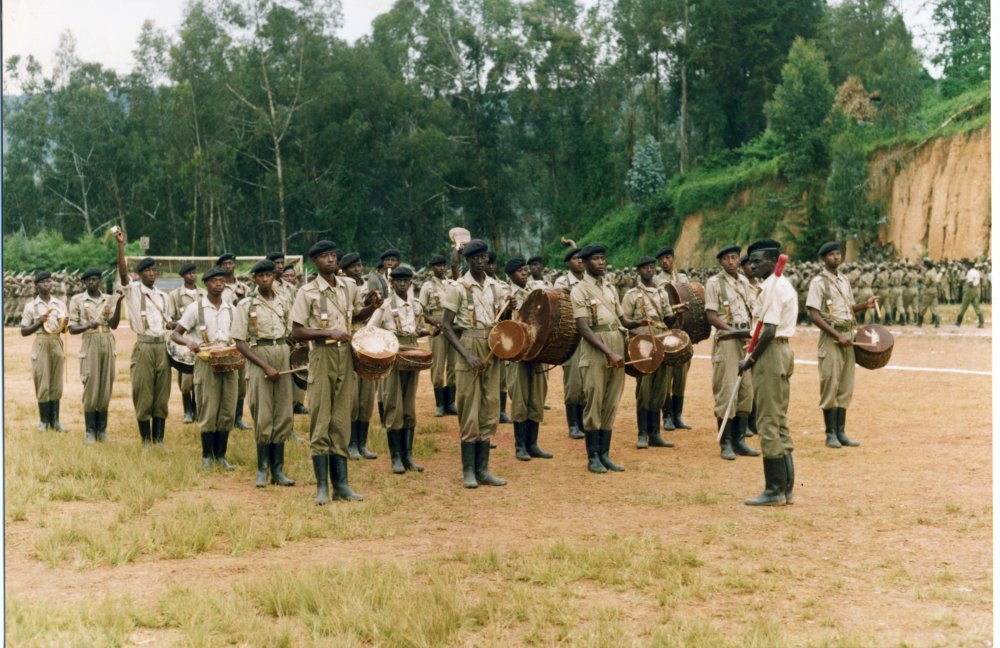
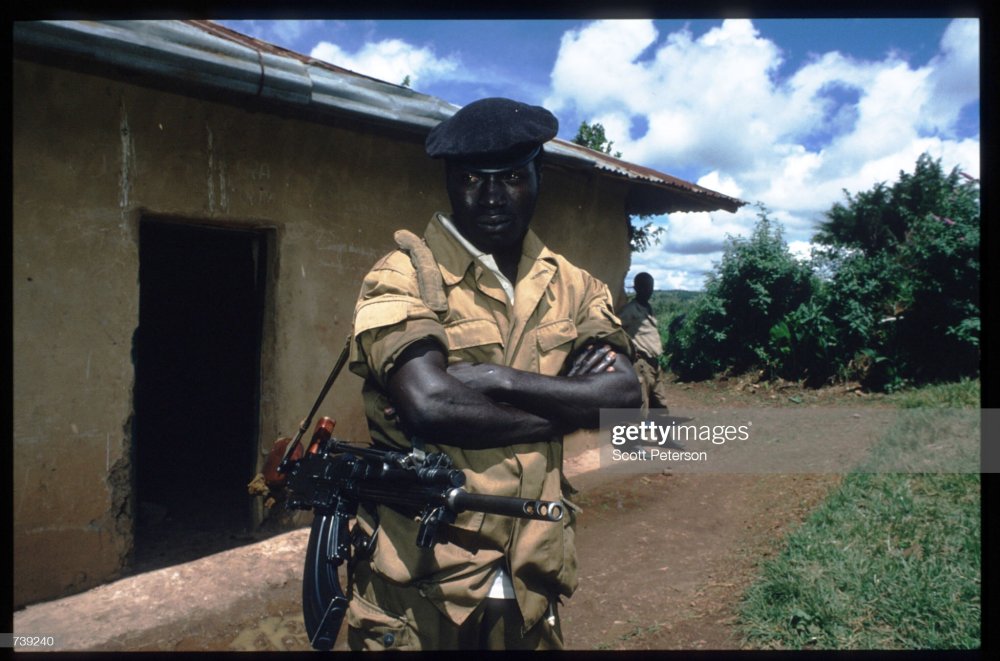
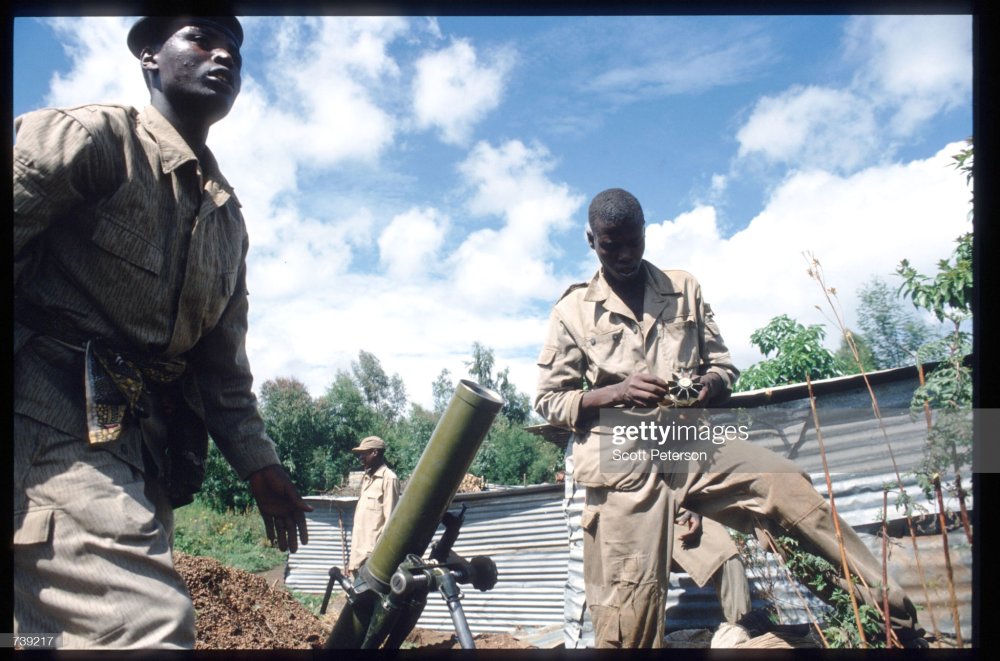
Each year on this date, Rwandans turn to archival and nostalgic photographs that capture moments from this historic period. These images, drawn from personal collections, public archives, and shared memories, document lived experiences, milestones, and Rwanda’s long journey of liberation.
Together, they serve as a powerful visual reminder of the liberation struggle led by the Rwandan Patriotic Army (RPA), under the leadership of President Paul Kagame, and its enduring place in the nation’s collective memory.
Here are the photos:
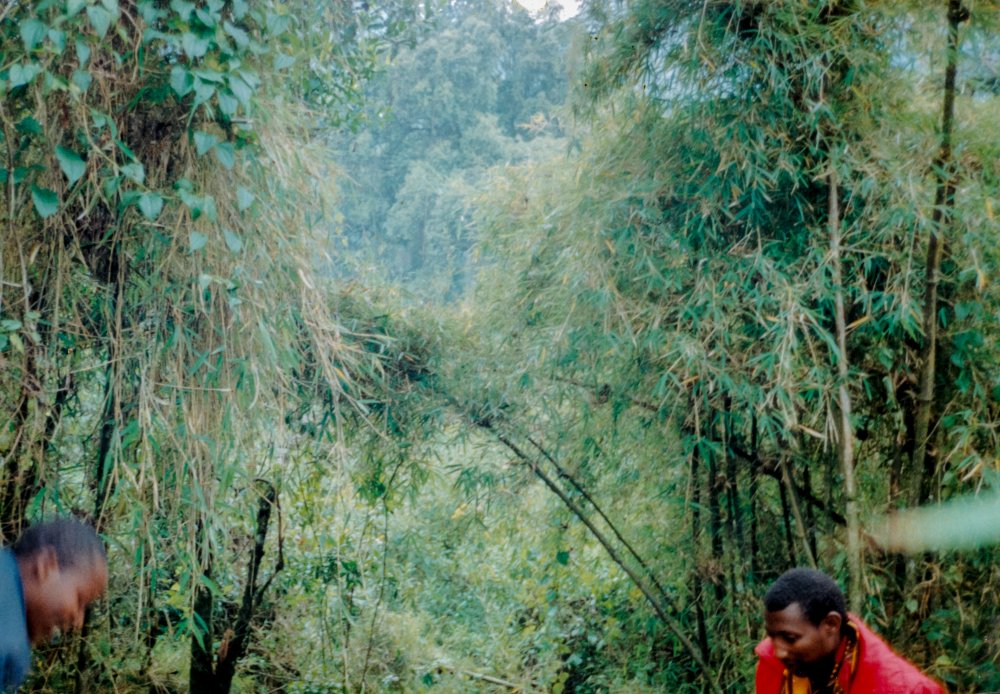
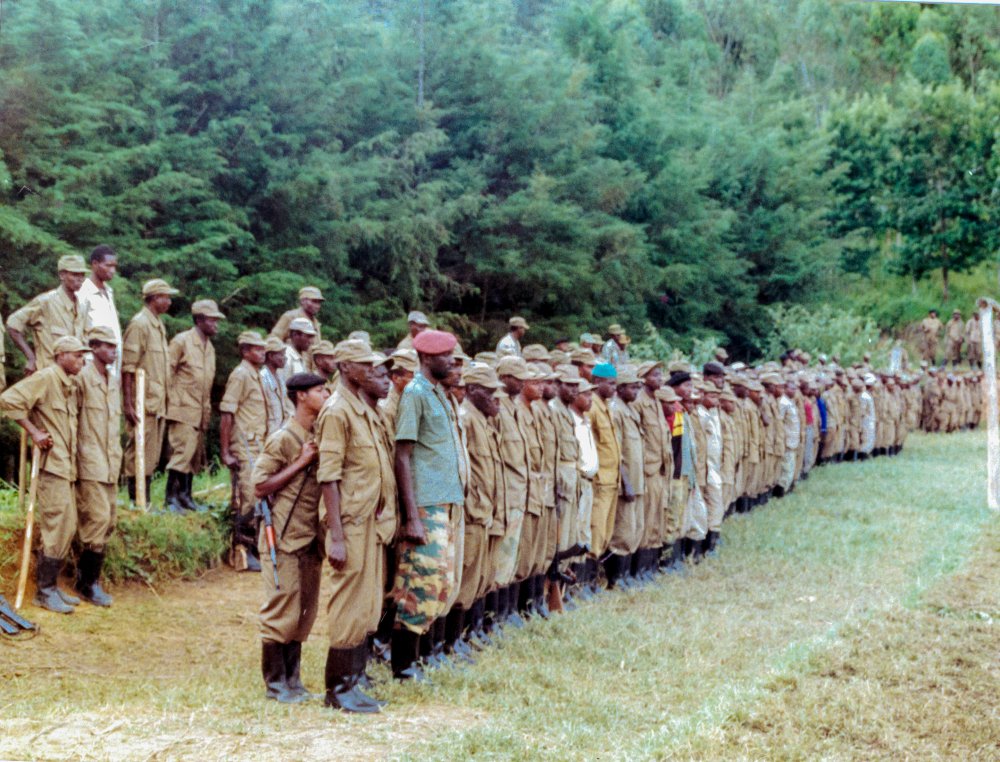
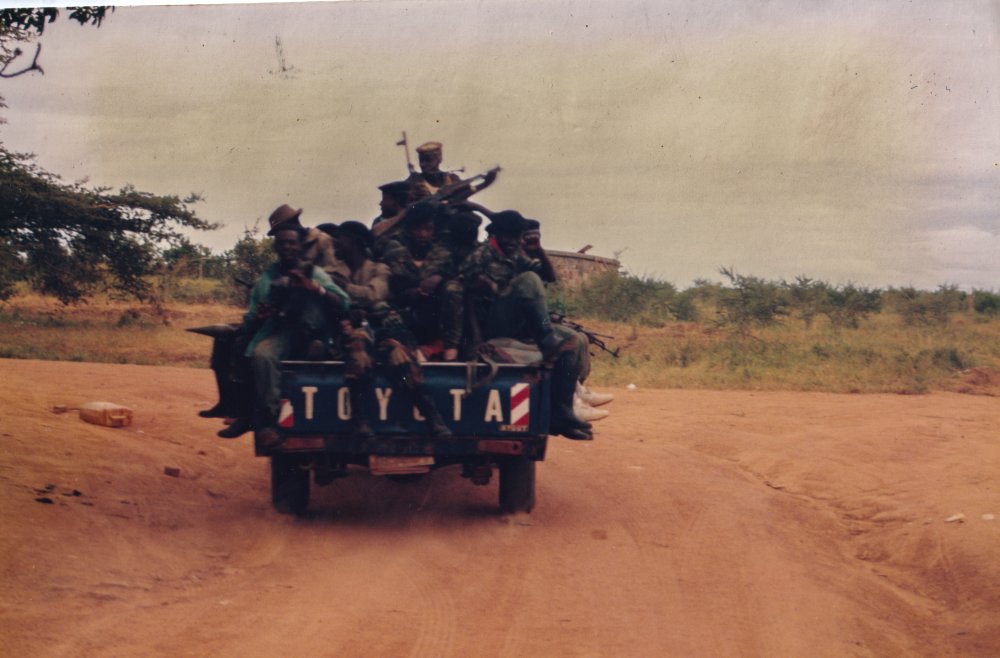
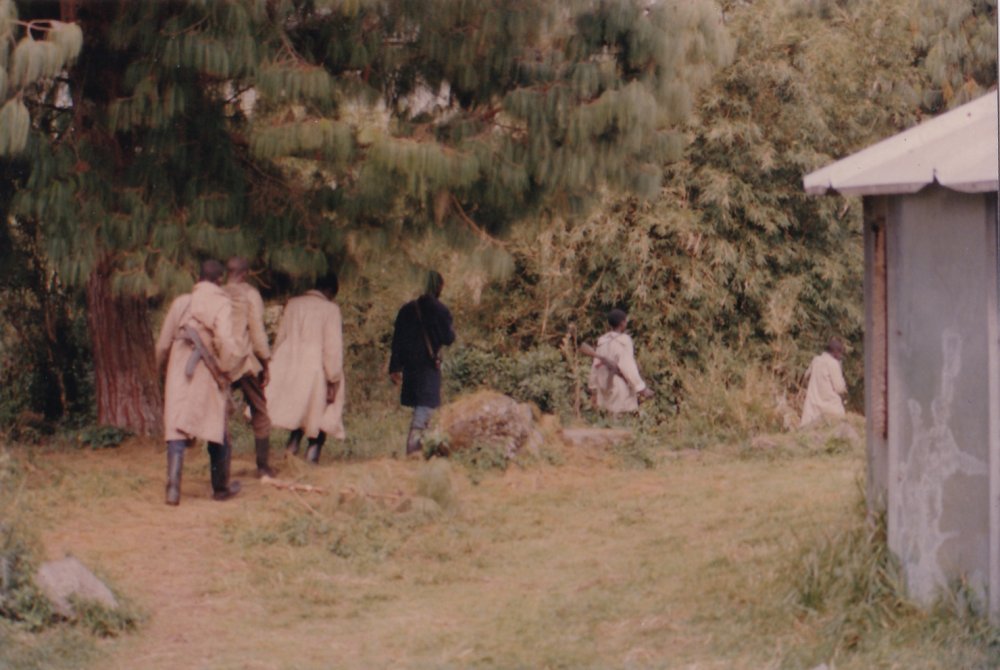
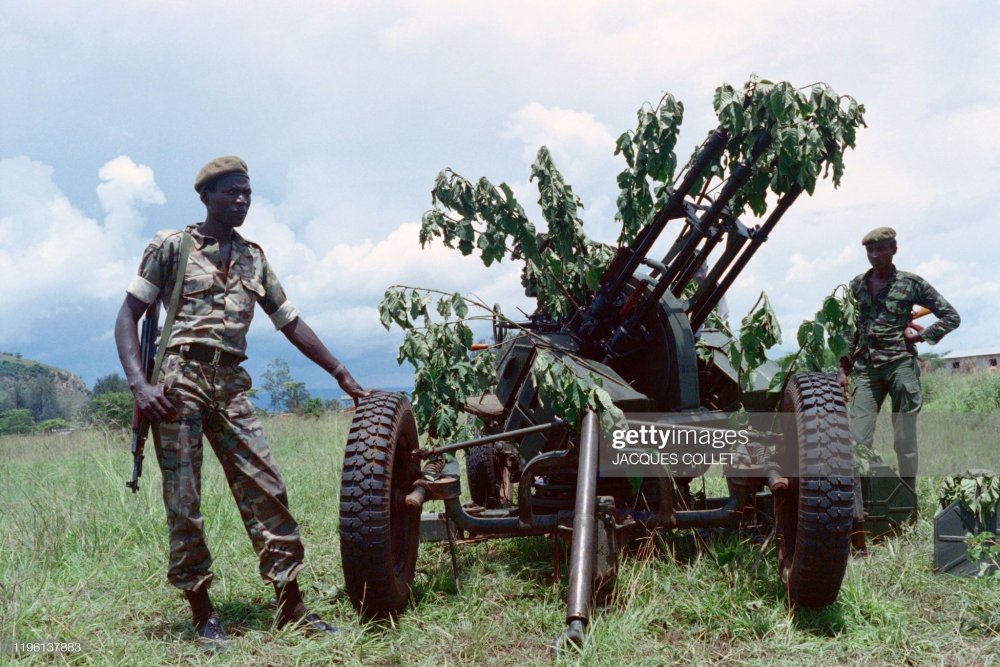
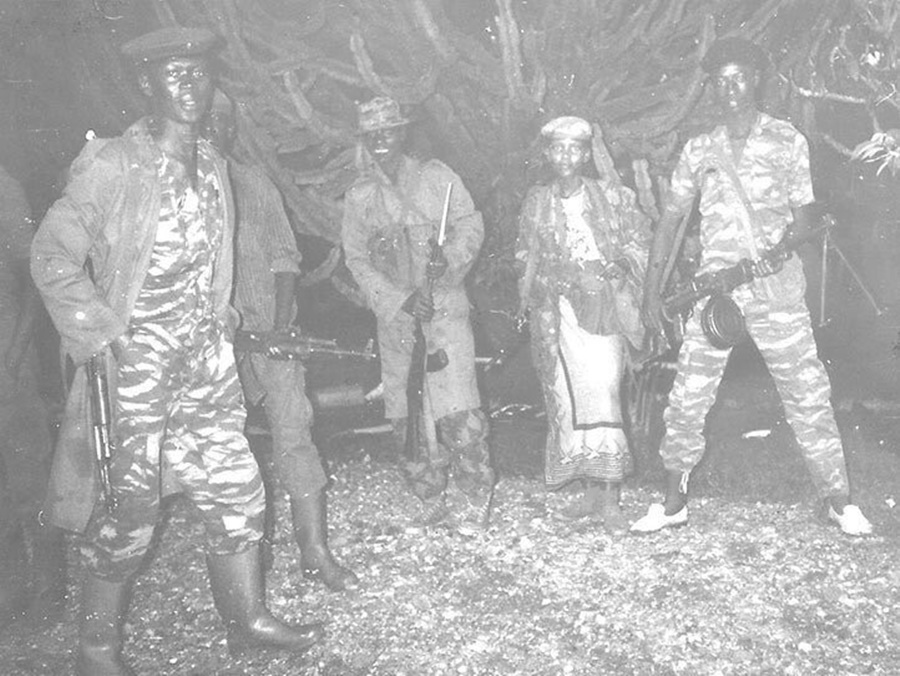
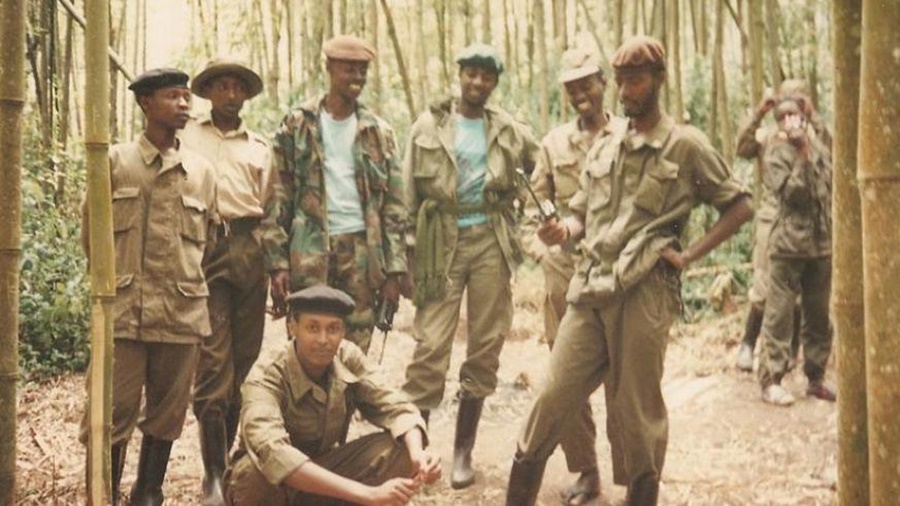
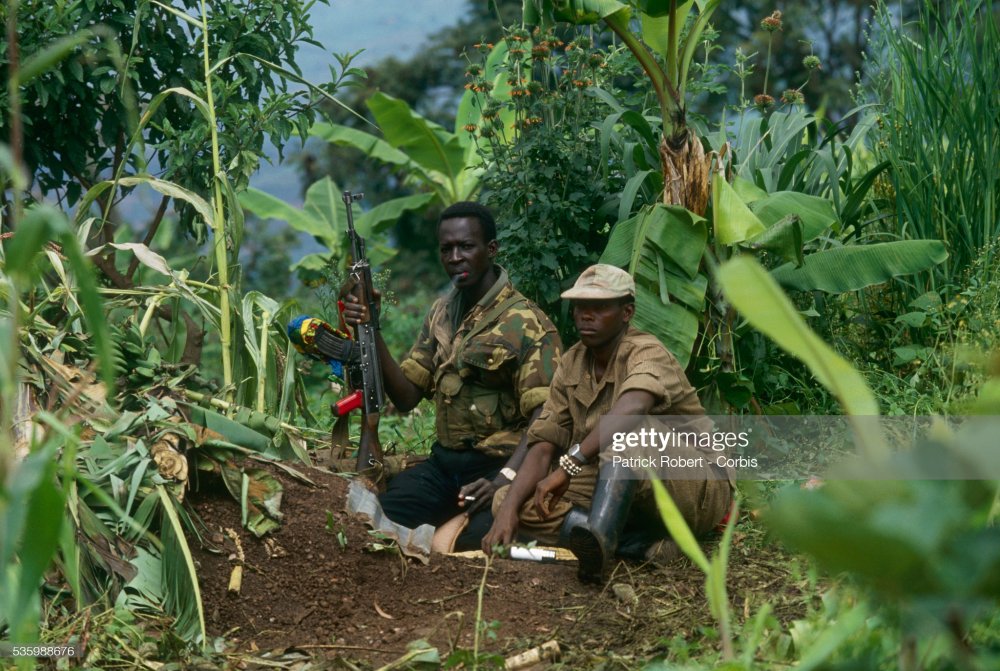
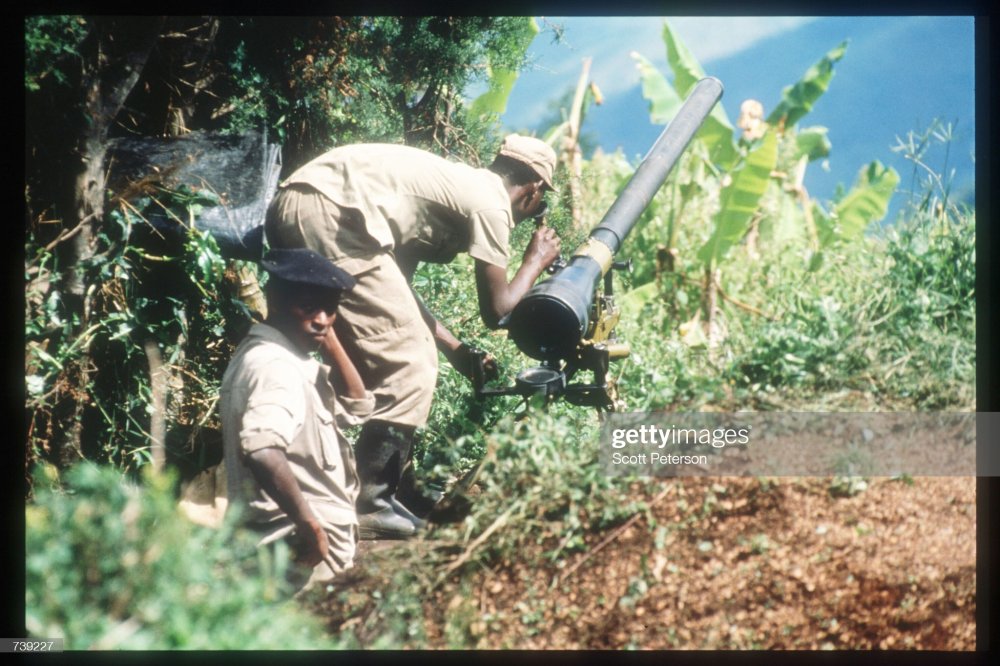
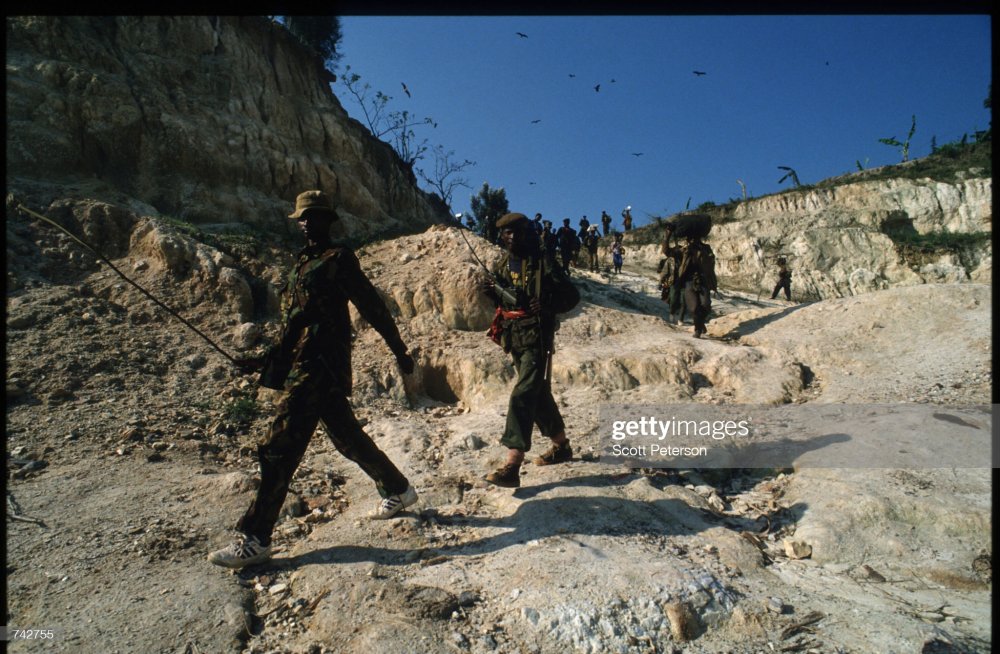
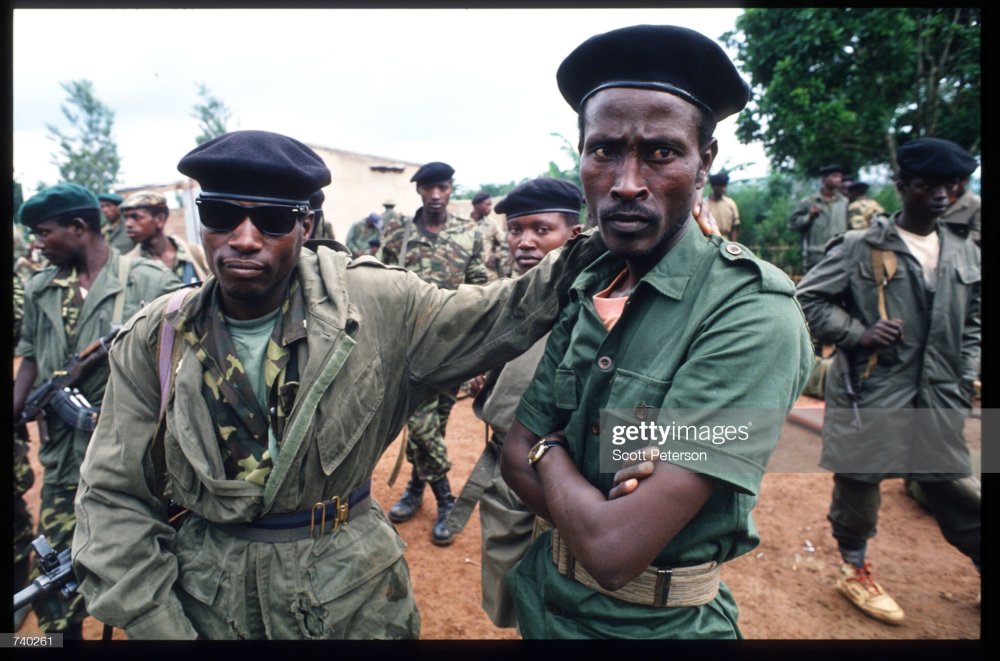
RPA forces moved into the Virunga Mountains through bushland after withdrawing from Mutara.
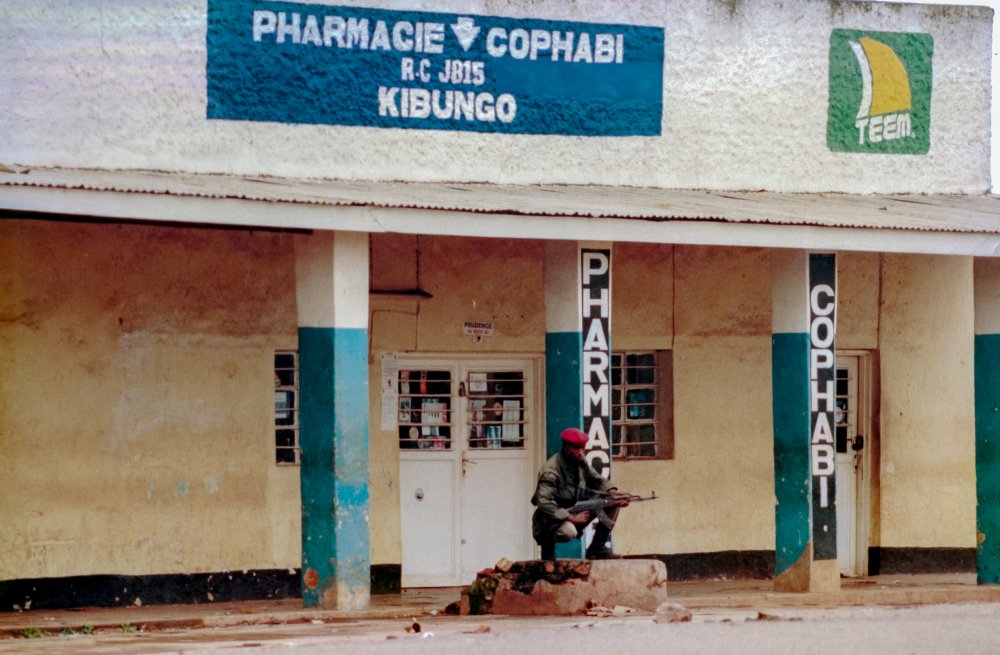
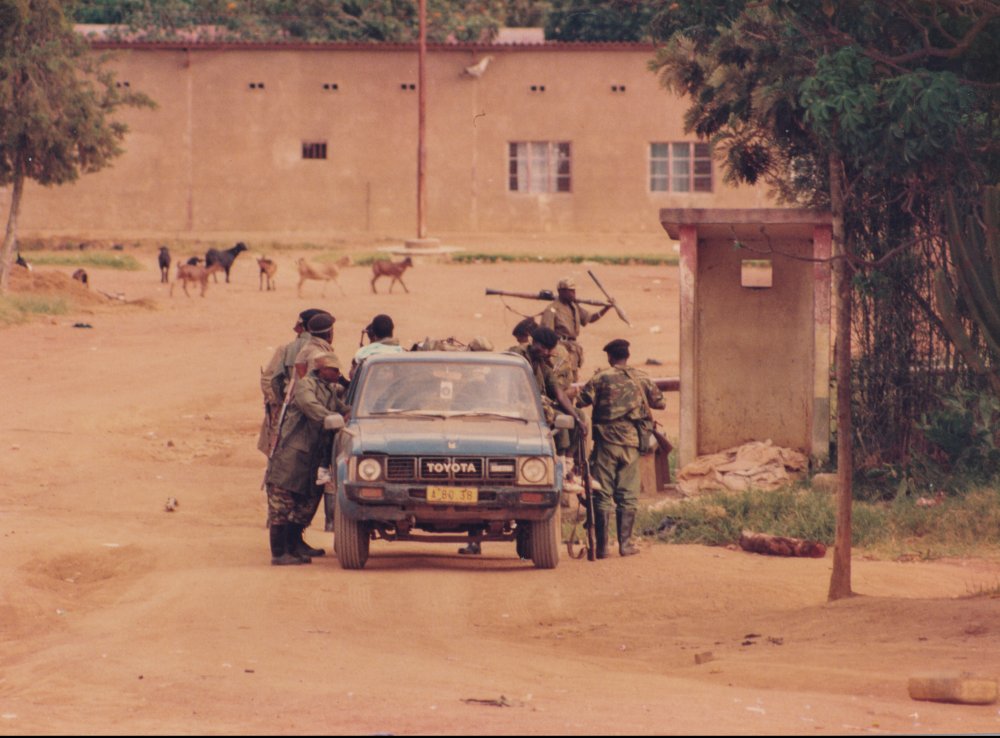
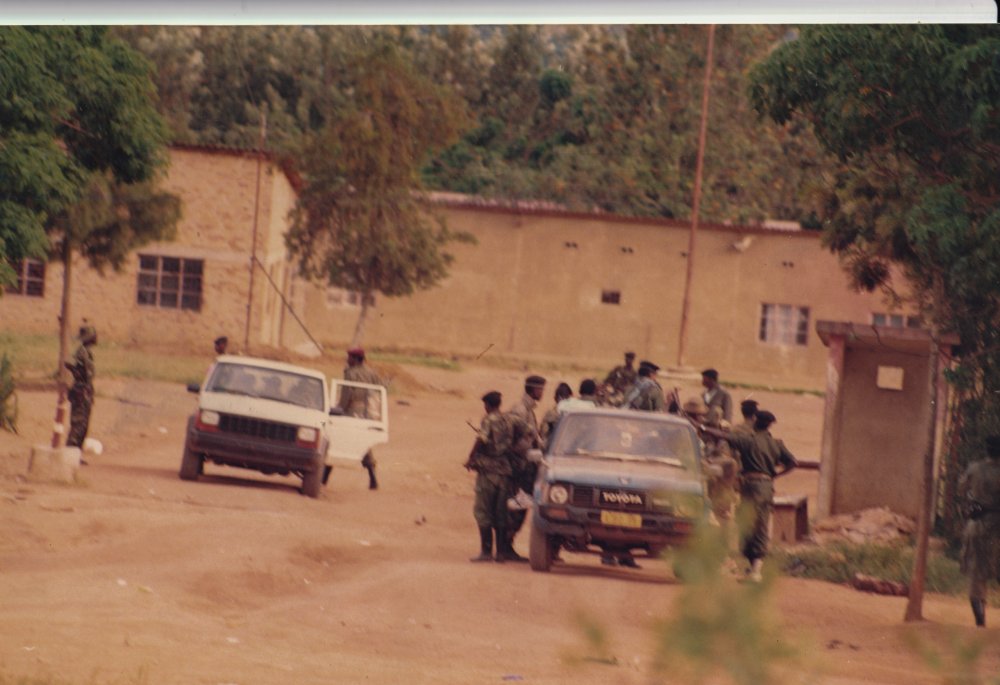
This photo was taken after the RPA had liberated Kibungo.
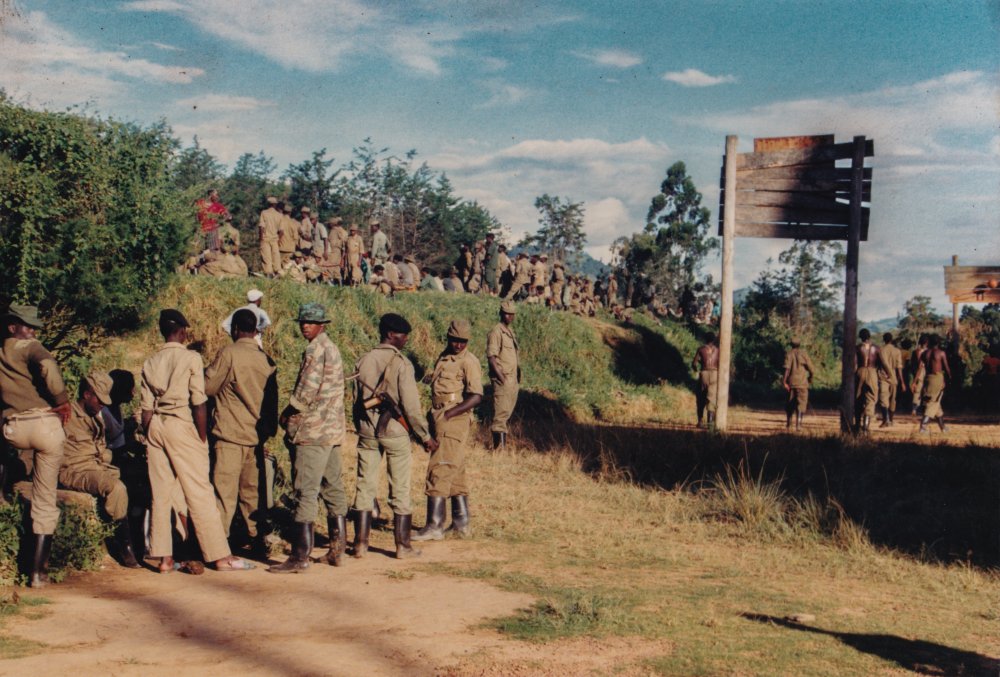
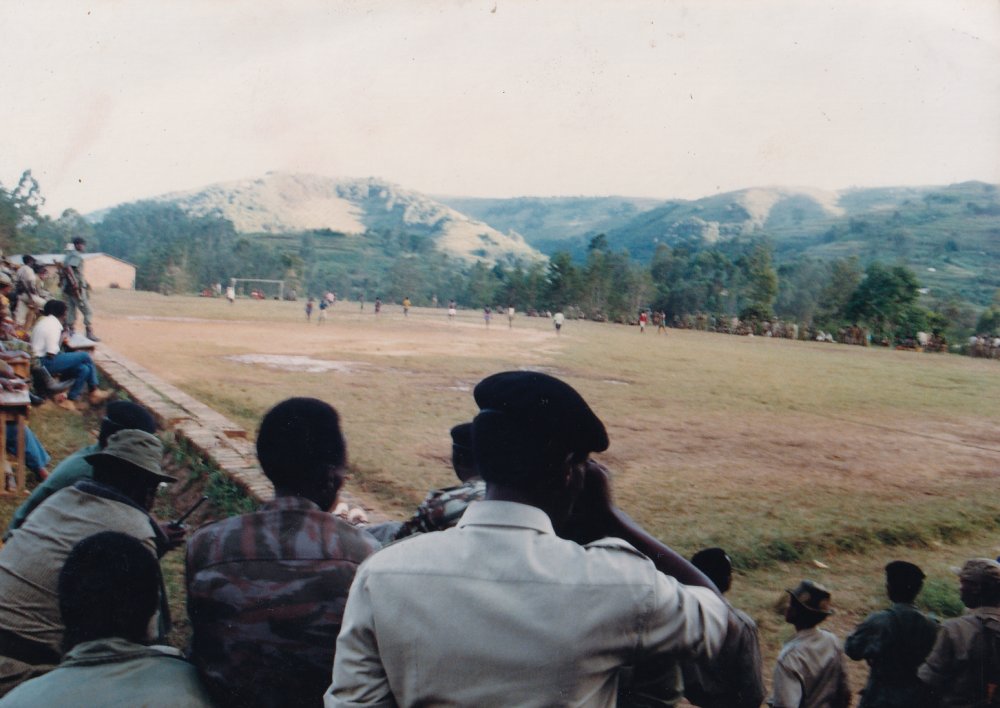
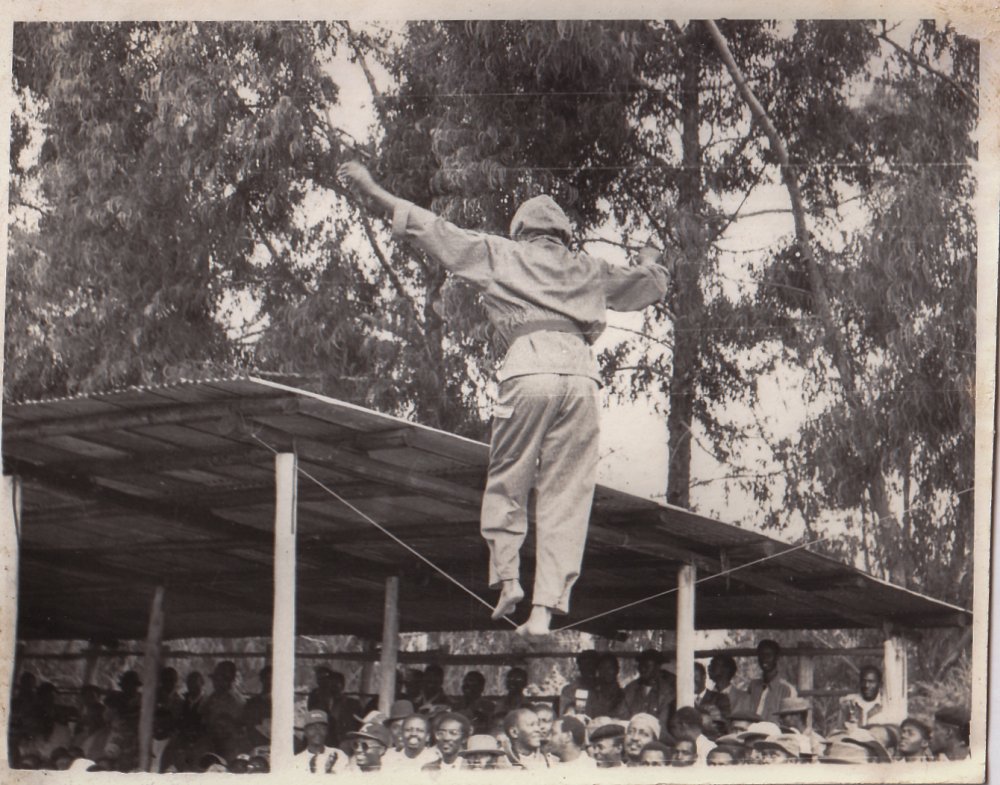
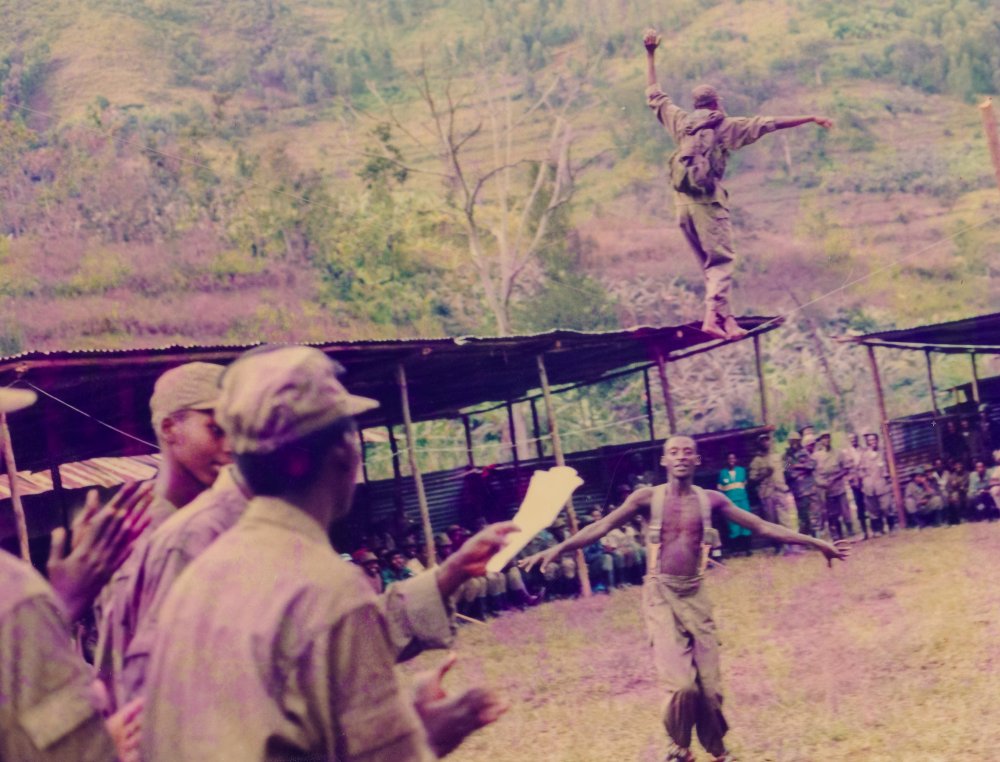
During the liberation struggle, sports played an important role, as soldiers would take time to relax and engage in recreational activities whenever the opportunity arose.
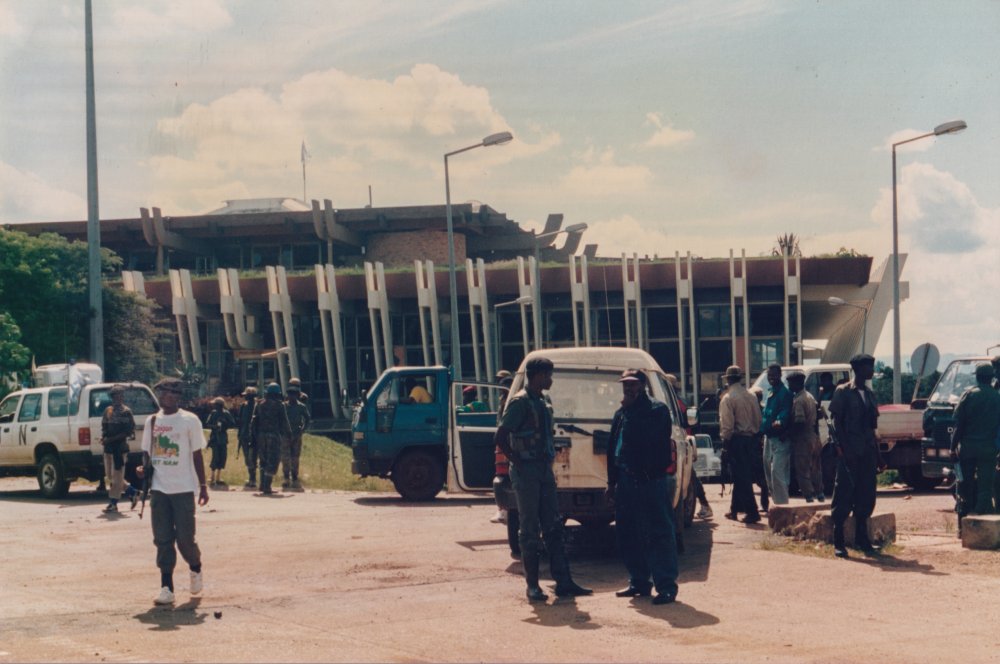
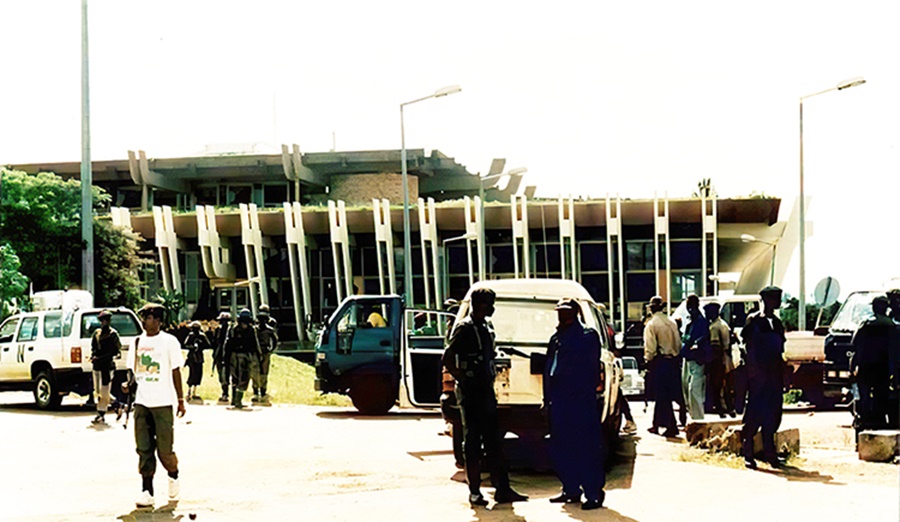
RPA forces at the Kigali International Airport.
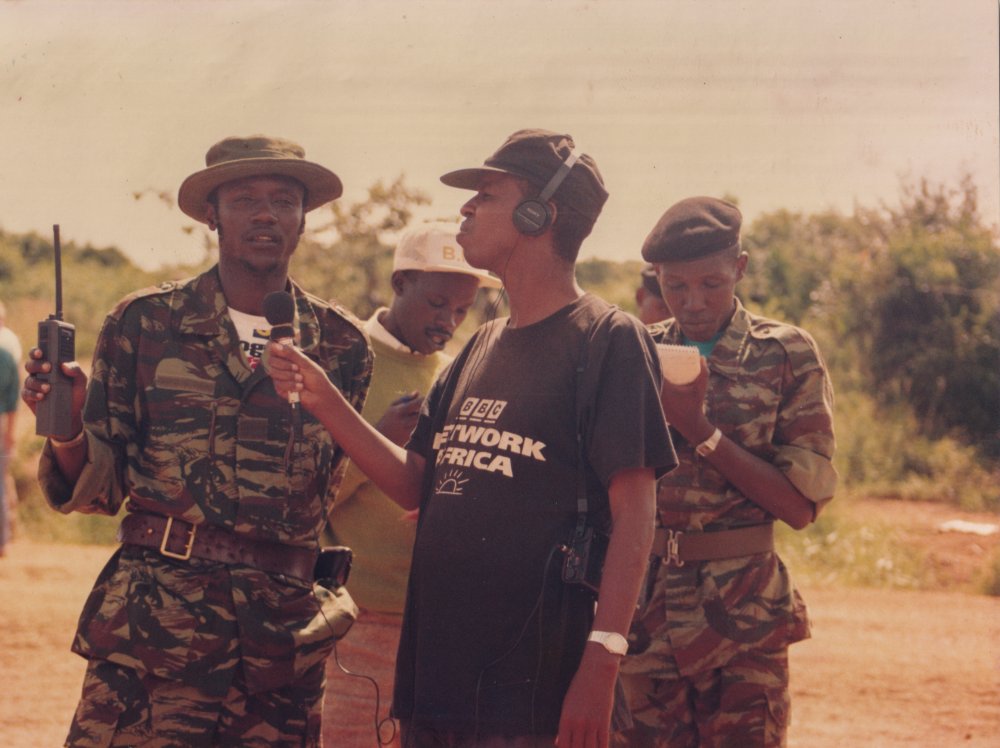
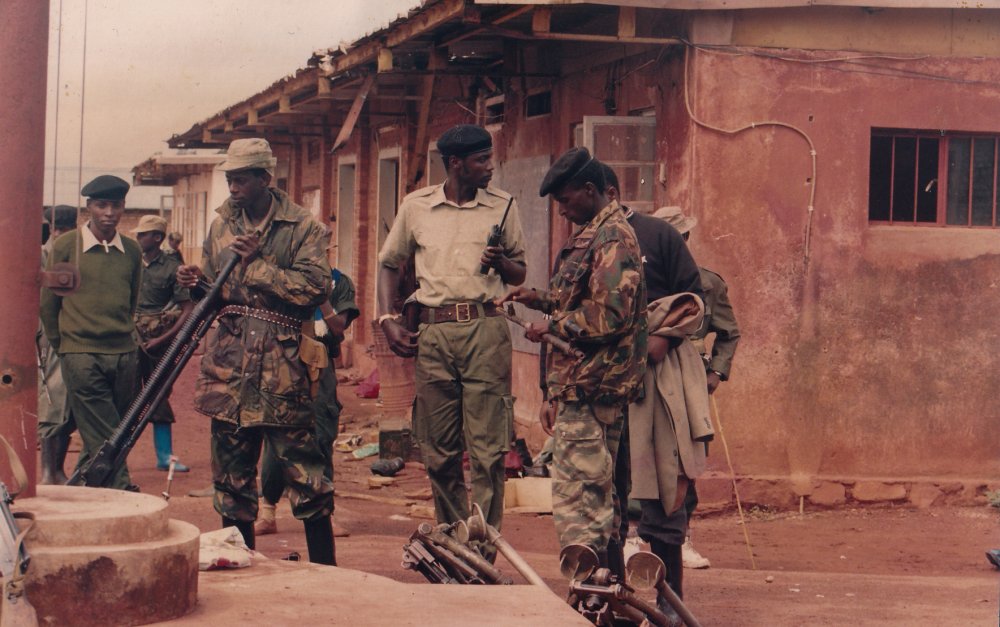
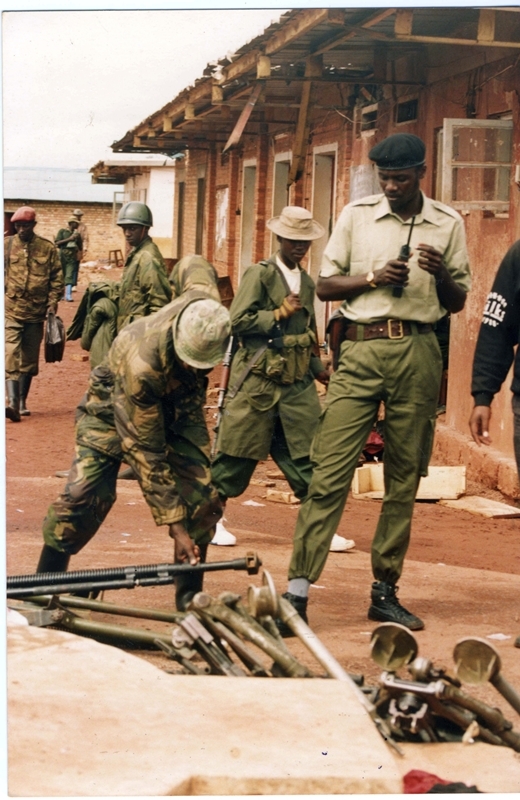
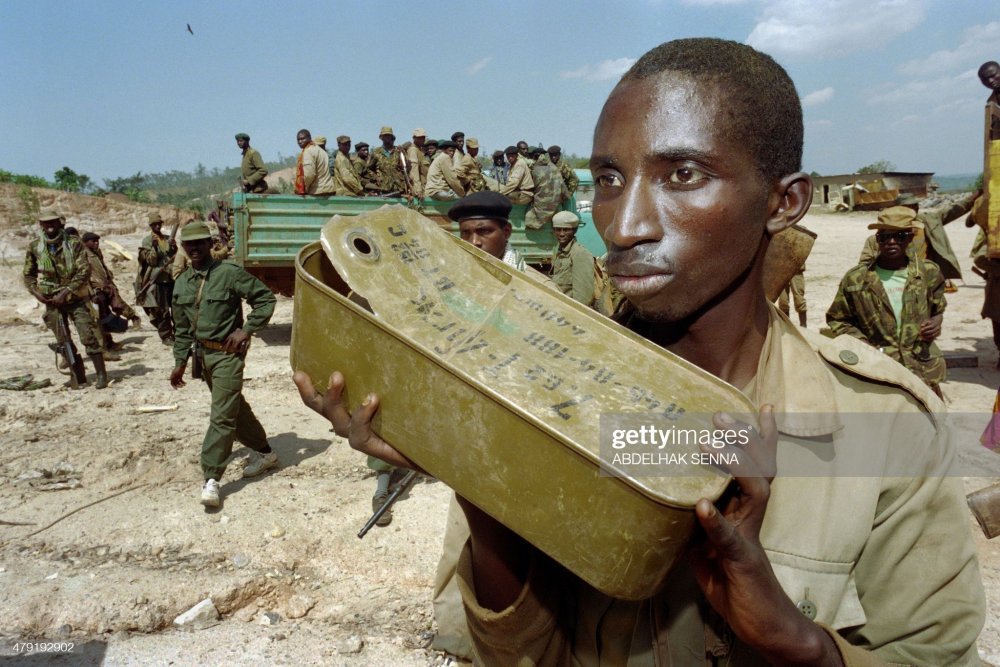
Fred Ibingira during a conversation with a journalist about the liberation struggle. These are weapons that had been abandoned by FAR troops and were later recovered by RPA forces.
RPA troops in Kagitumba on October 22, 1990, during the early stages of the liberation struggle to free the country.
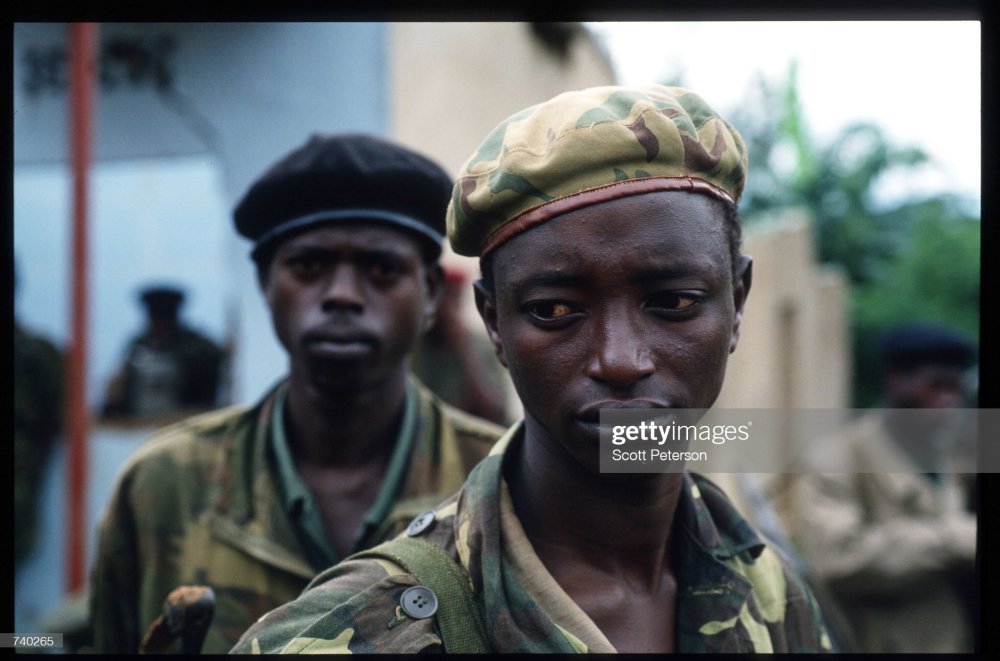
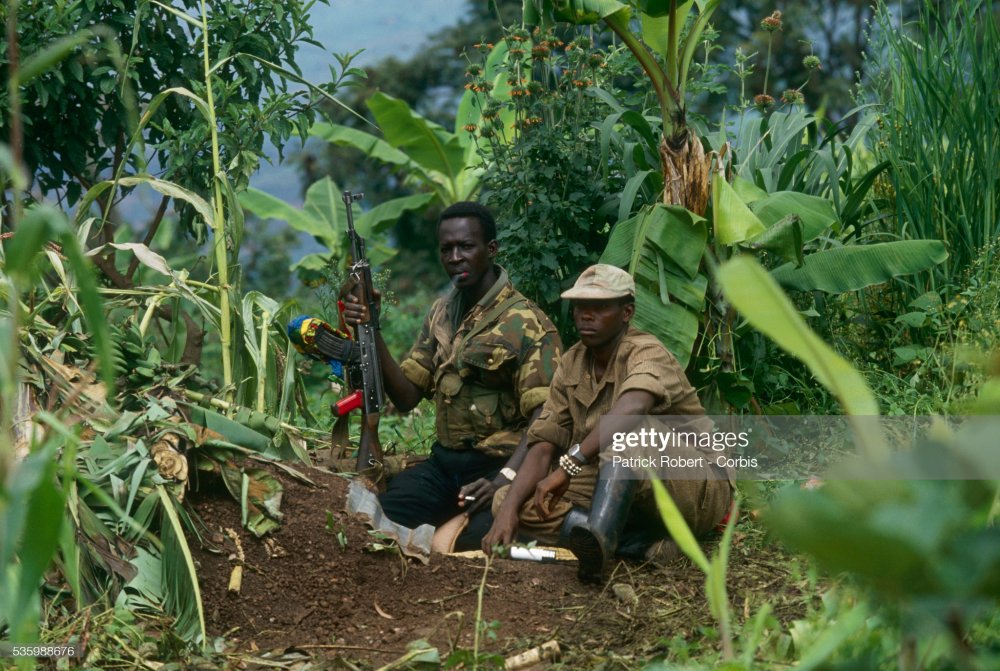
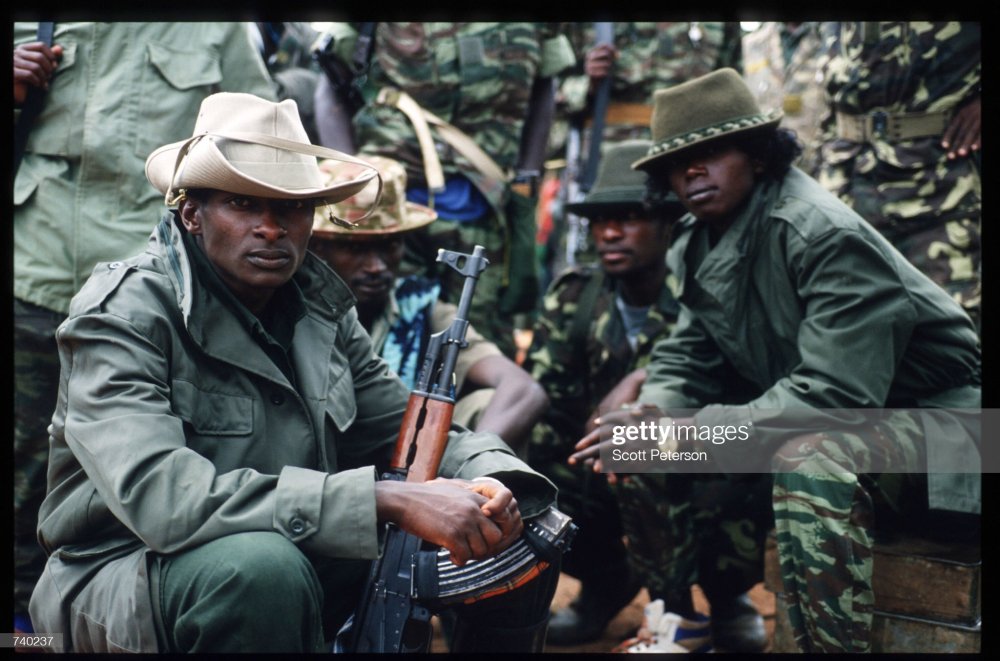
A large number of RPA soldiers were young. The group shown here was photographed on May 26, 1994, as they advanced toward Kigali City. These RPA soldiers were photographed in a banana plantation within Kigali City during the liberation struggle to liberate the country.
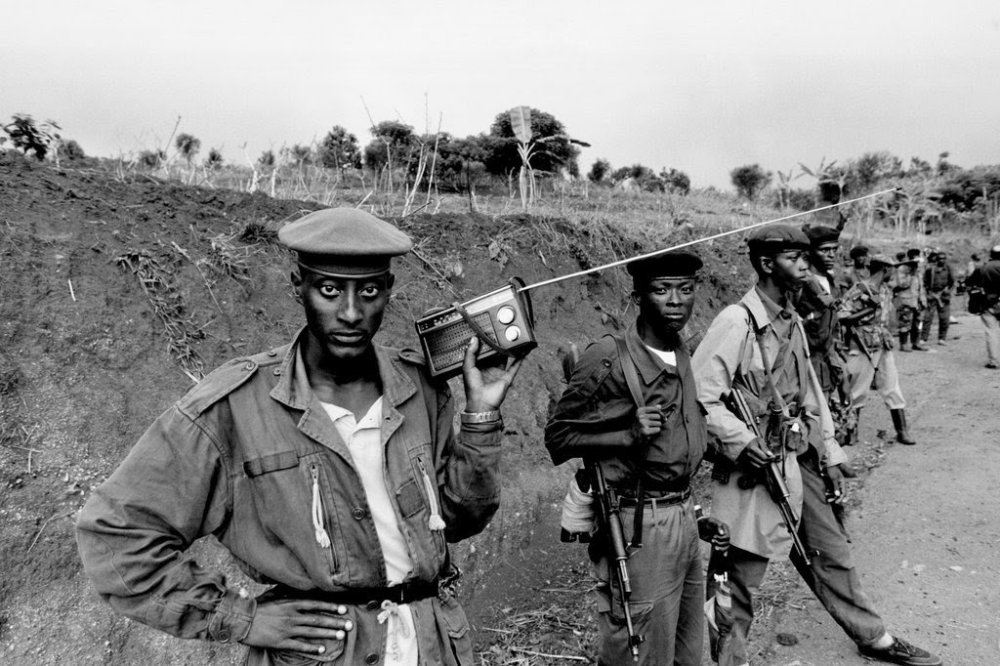
RPA soldiers in Nyamata during the liberation struggle. At the time, they relied on small radios to receive updates on the progress of the war, and they listened to Radio Muhabura.
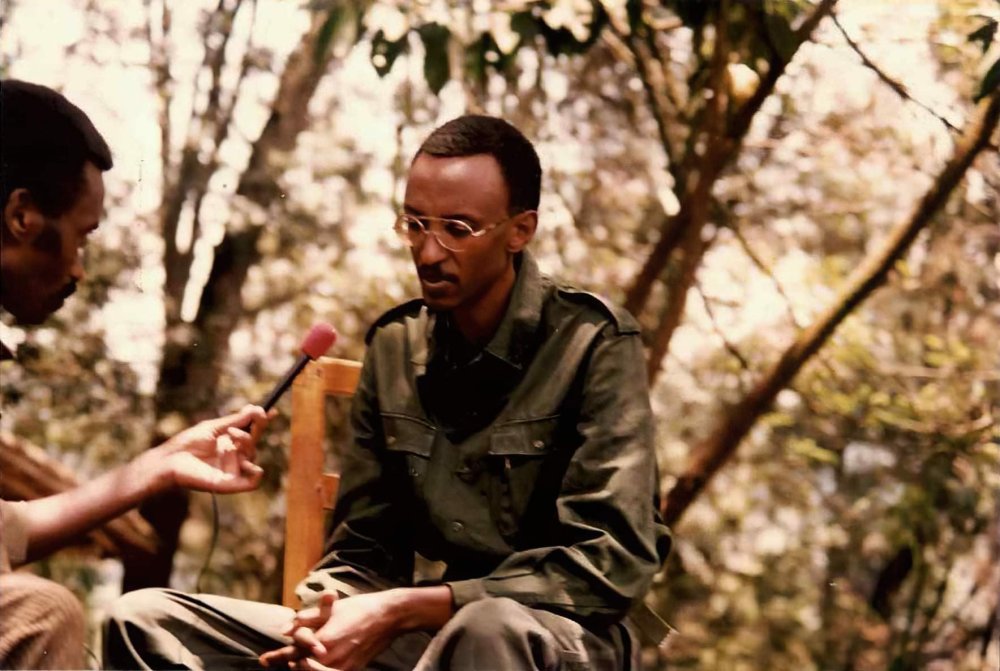
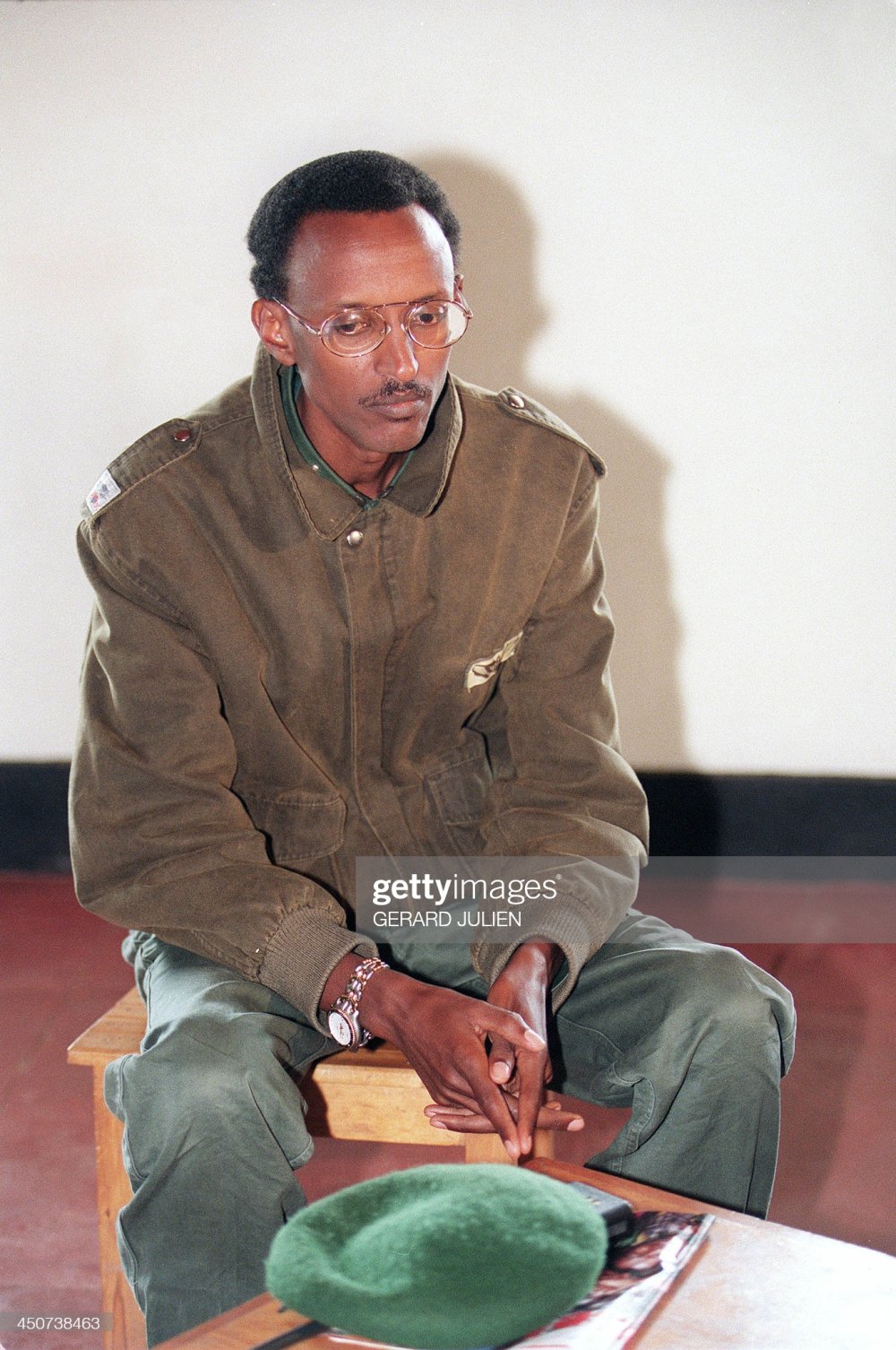
Gen. Maj. Paul Kagame often engaged with the media, emphasizing that his forces were fighting for the right to their country and to protect Rwandans who had long lived in exile and displacement.
RPA forces departed from Mulindi and moved towards the CND.
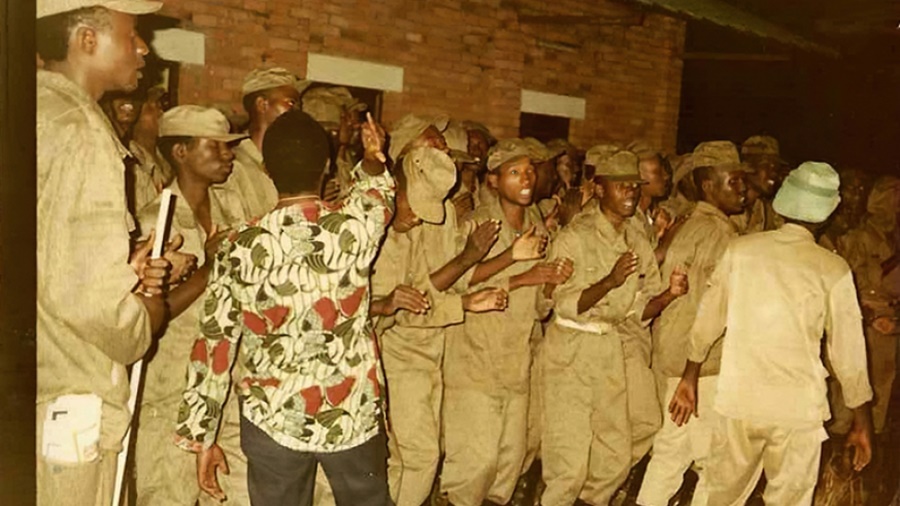
Nearly all the RPA soldiers who participated in the liberation of Rwanda were young at the time they joined the struggle. They abandoned their education and peaceful lives, choosing instead a difficult path that ultimately led Rwanda toward a better future.
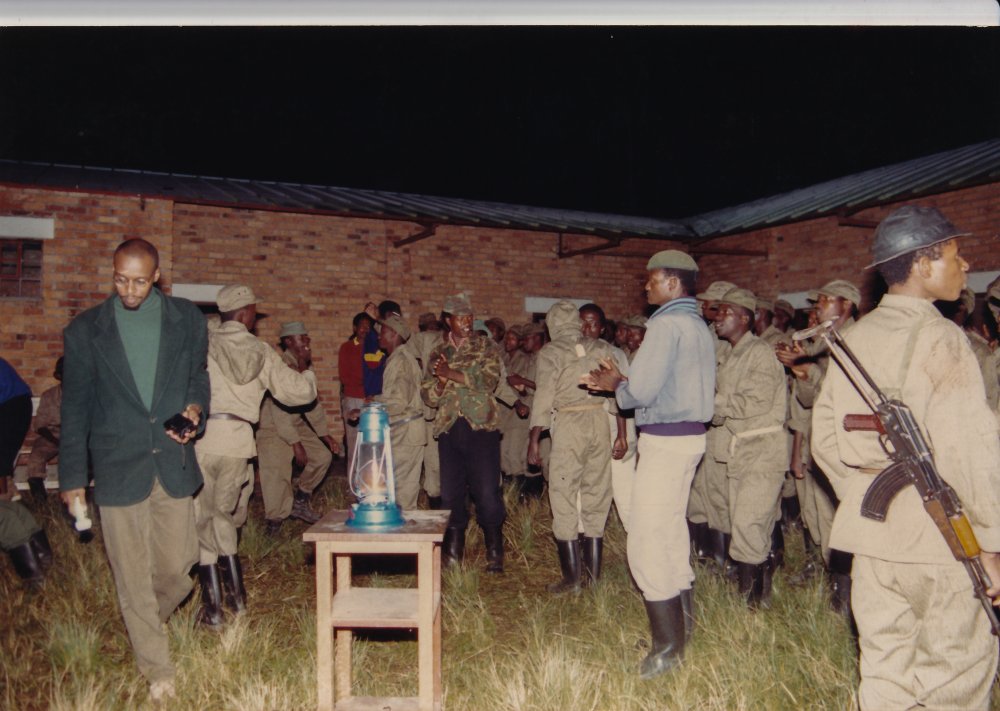
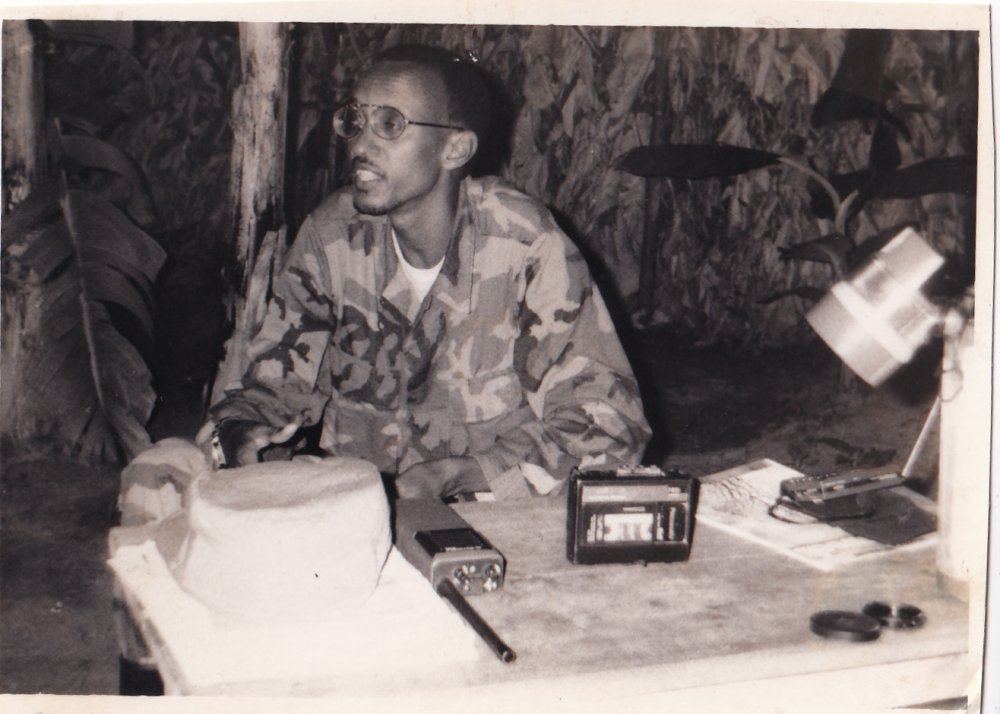
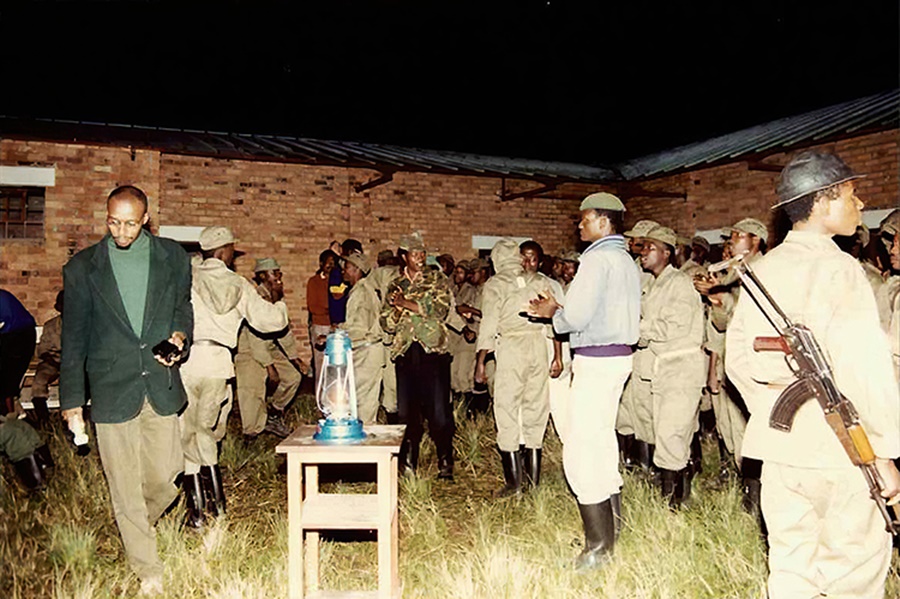
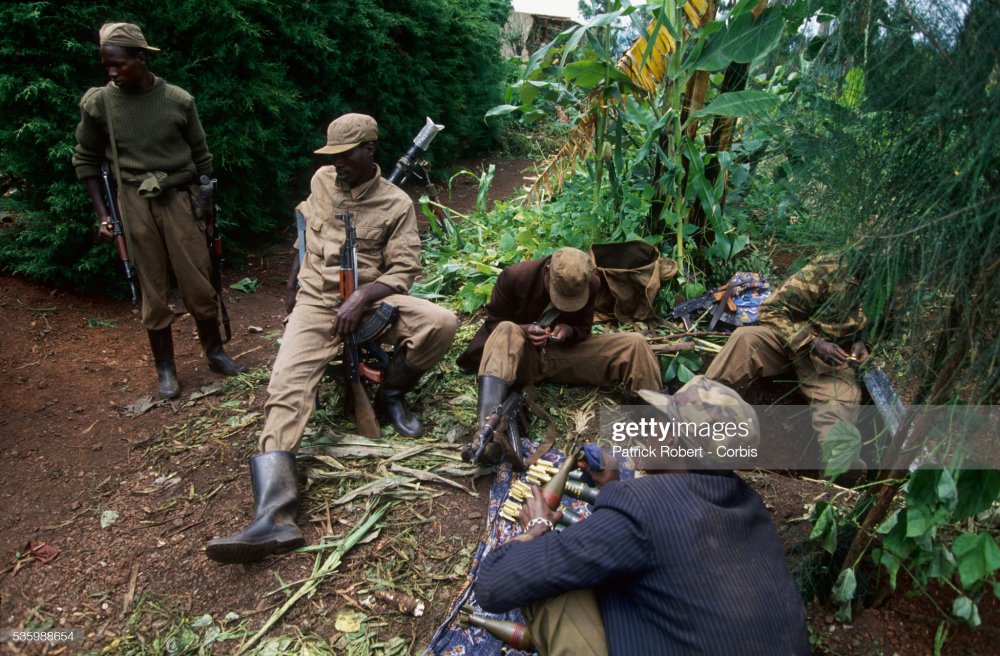
The RPA began with very limited resources, lacking both equipment and established bases, yet it ultimately achieved victory through determination, resilience, and a commitment to justice. Wherever they were deployed, RPA soldiers were characterized by strong morale. This image captures one of their night moments, illuminated by a kerosene lamp.
High morale was one of the key sources of their strength, enabling them to remain focused and determined despite the challenges of the battlefield and the loss of fellow soldiers. Gen. Maj. Paul Kagame was compelled to suspend his studies in the United States and return to lead the liberation struggle, a campaign that ultimately resulted in victory.
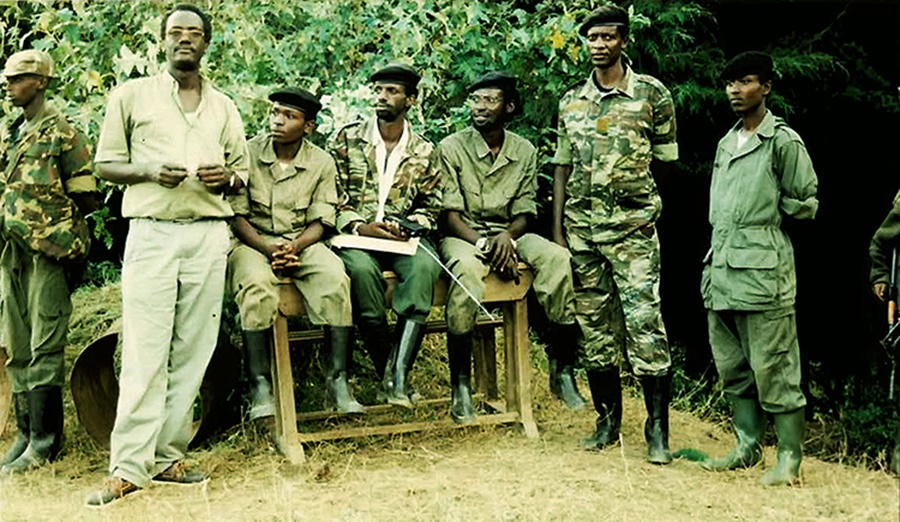
Among the RPA soldiers who served as bodyguards to Gen. Maj. Paul Kagame were Mugisha Pepekale, Happy Ruvusha, James Kabarebe, Alex Kagame, Charles Kayonga, and John Gasana, who is seen seated.
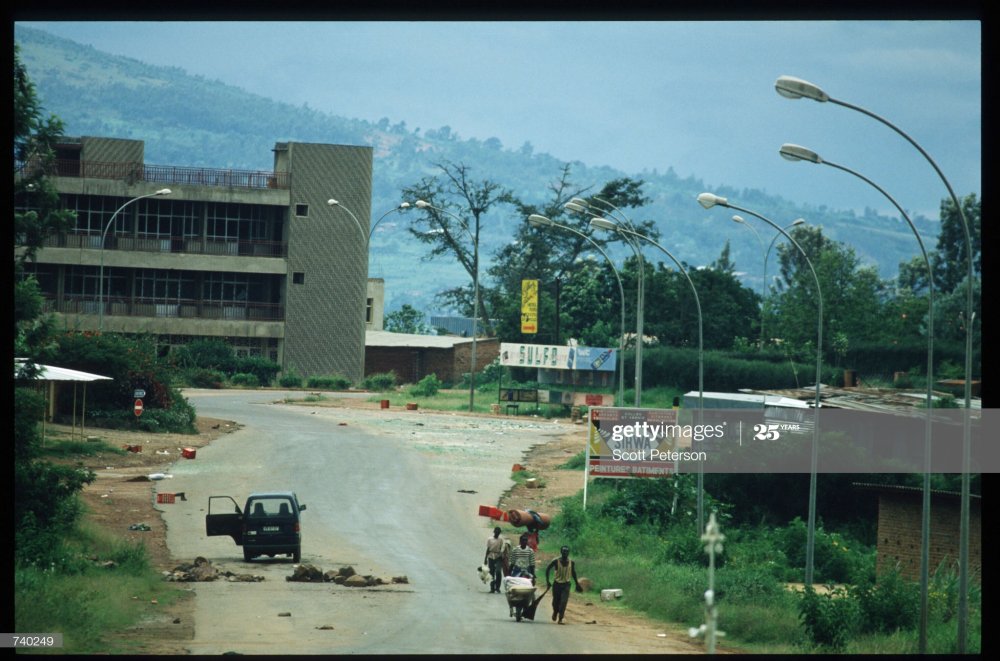
Following the liberation of the country, a new phase of reconstruction began. The area once known as ‘kwa Lando,’ which previously looked very different, has now been transformed and is filled with modern buildings.
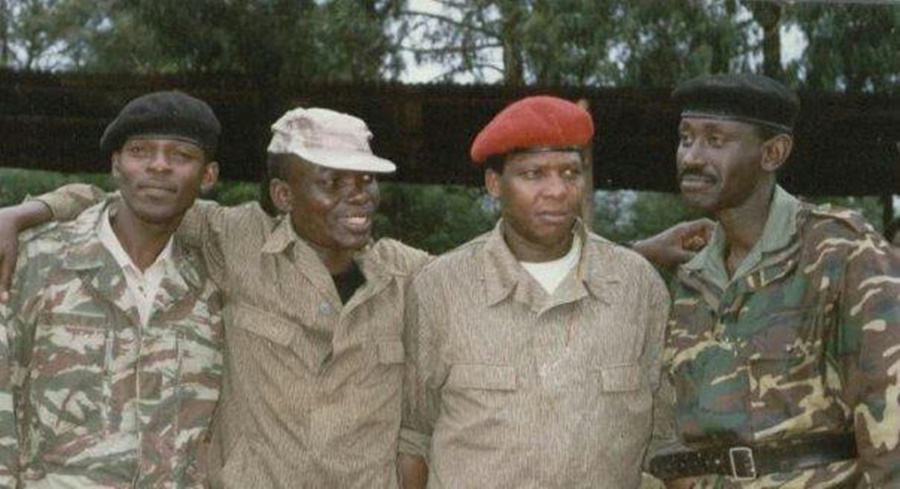
Rtd Col Ludovic Dodo Twahirwa, seen wearing a red hat, was among those who played a key role in planning and conceptualizing how the military operations should be conducted during the struggle.
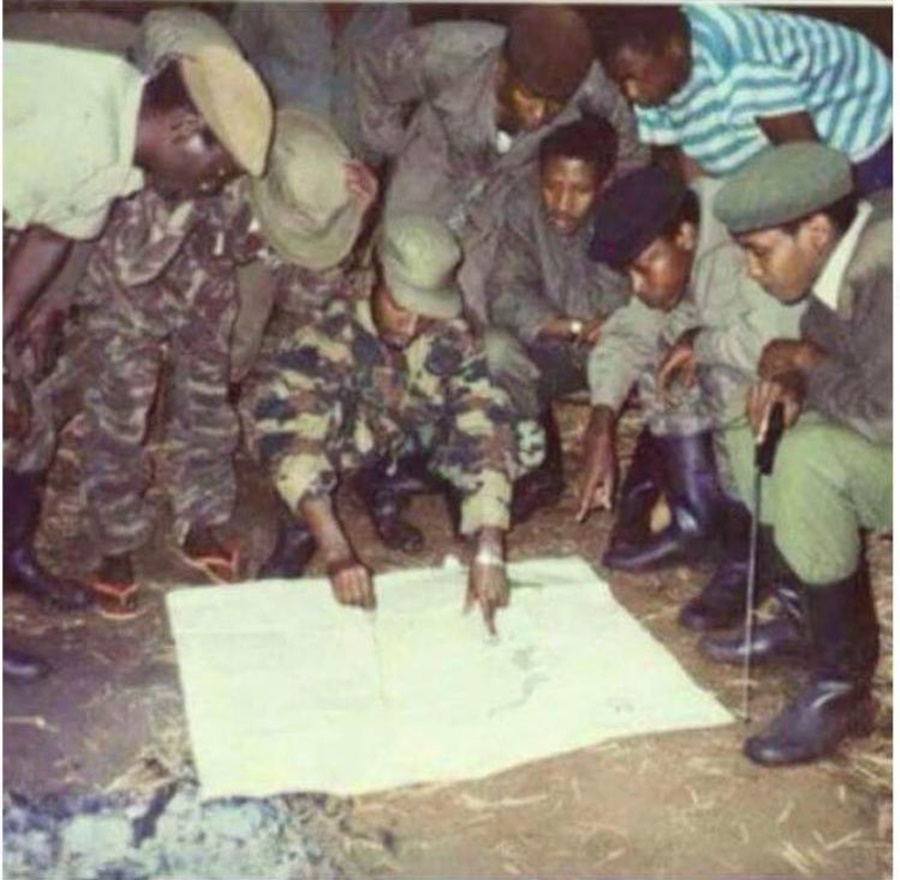
Day and night, RPA forces studied military strategies aimed at winning the war and rescuing Tutsi civilians who were being systematically massacred.
They gave up their youth and committed themselves to liberating their country.
RPA forces arrived at the CND in Kimihurura, at the Parliamentary building, where they secured the area and rescued Tutsi civilians as well as RPF political leaders who were inside.
Lt. Gerald Mbanda, former Head of Media sector Development at the Rwanda Governance Board (RGB), is seen alongside colleagues who worked at Radio Muhabura, the radio station affiliated with the RPA during the liberation struggle.
Gen. Maj. Paul Kagame is seen alongside other RPF members, including politicians such as Tito Rutaremara, who is positioned on the right.
Maj. Gen. Paul Kagame being sworn in as Minister of Defence after the country’s liberation.
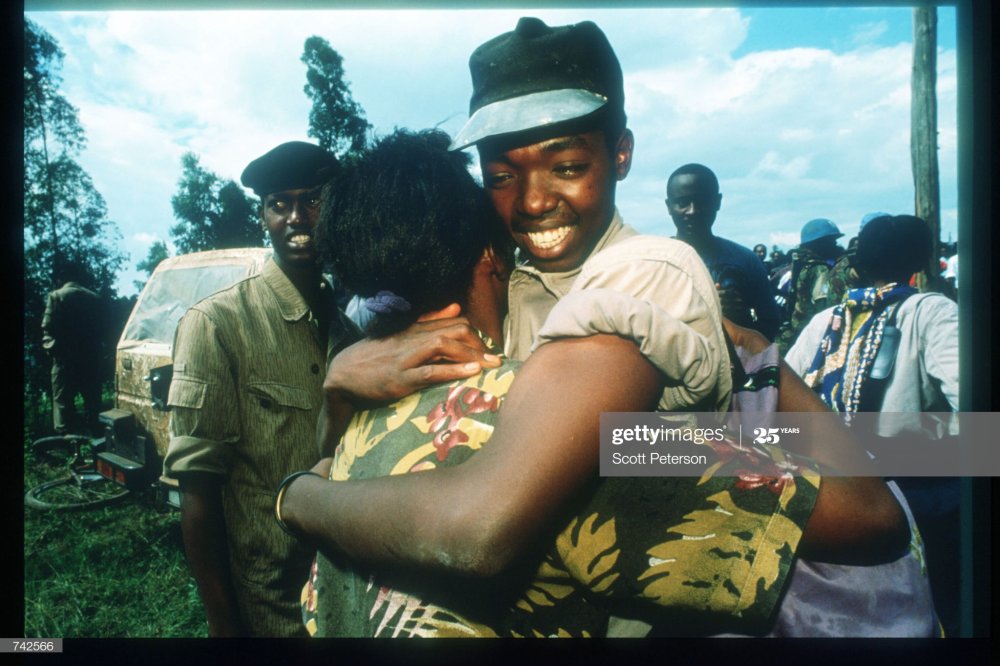
Following the liberation war, RPA forces continued their humanitarian efforts by locating survivors, rescuing those who remained in hiding, and ensuring they were provided with necessary care and support.
The RPA did not abandon or discriminate against the refugees who accompanied them, ensuring they were treated with care and inclusion.
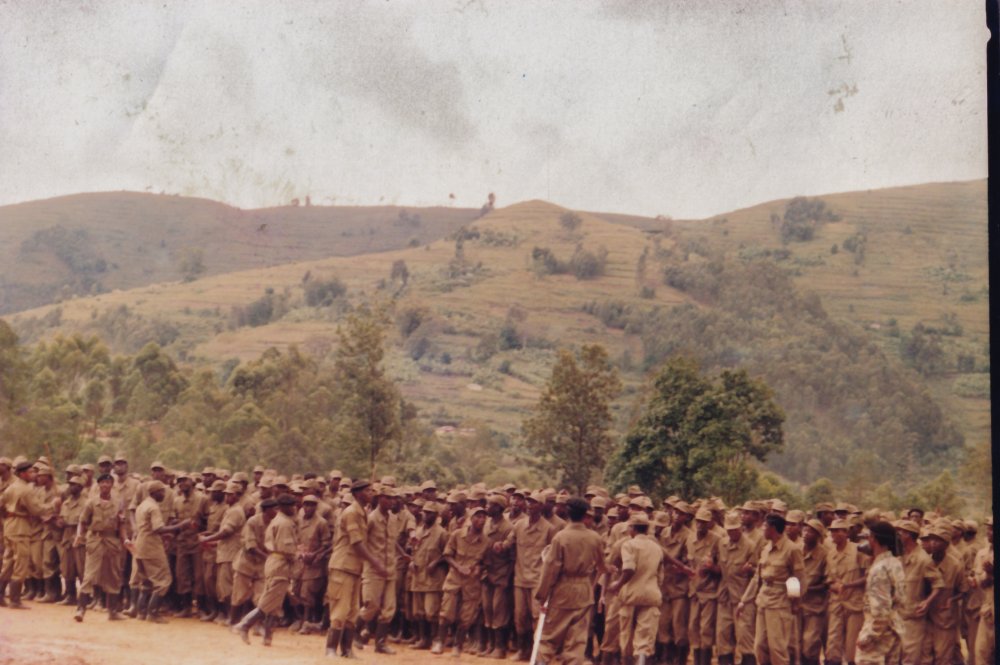
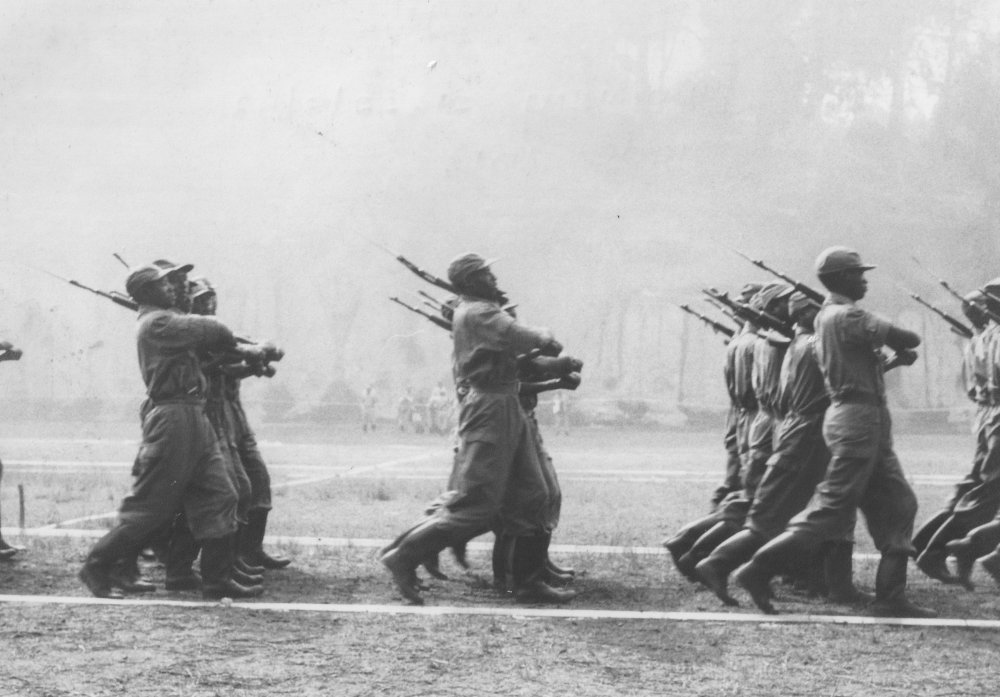
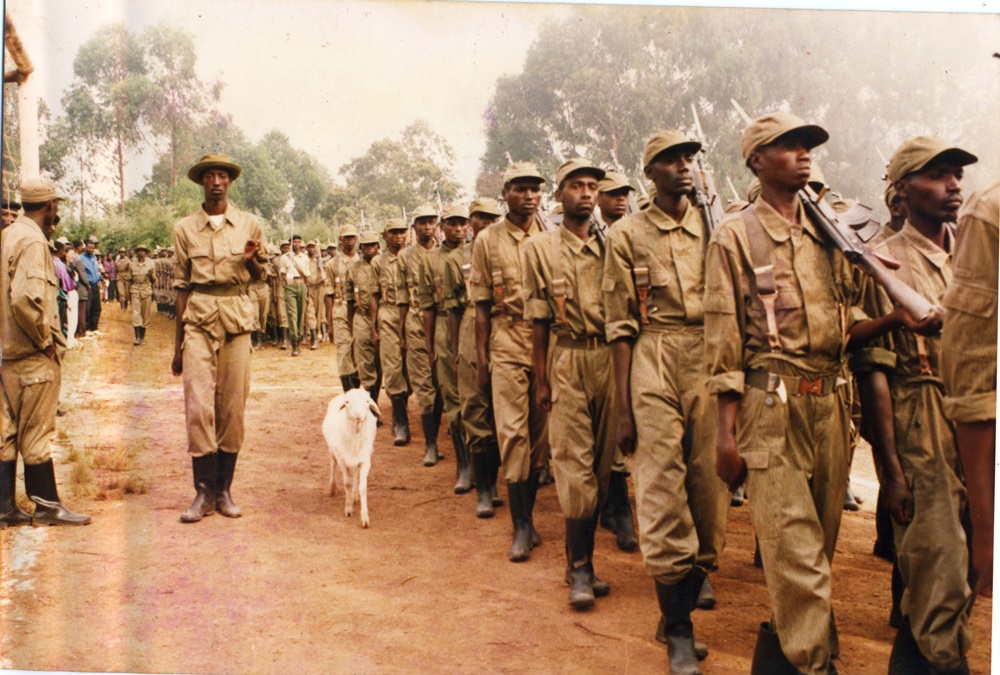
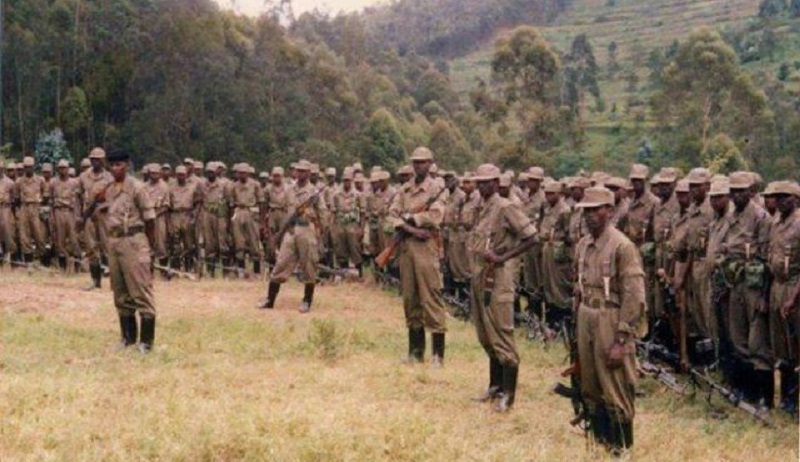
From the outset, the RPA had a unit dedicated to helping soldiers relax and maintain morale during the struggle. A white sheep features prominently in this photo, where it was captured during a parade of the 101 Battalion.
RPA forces after the capture of Kigali International Airport.
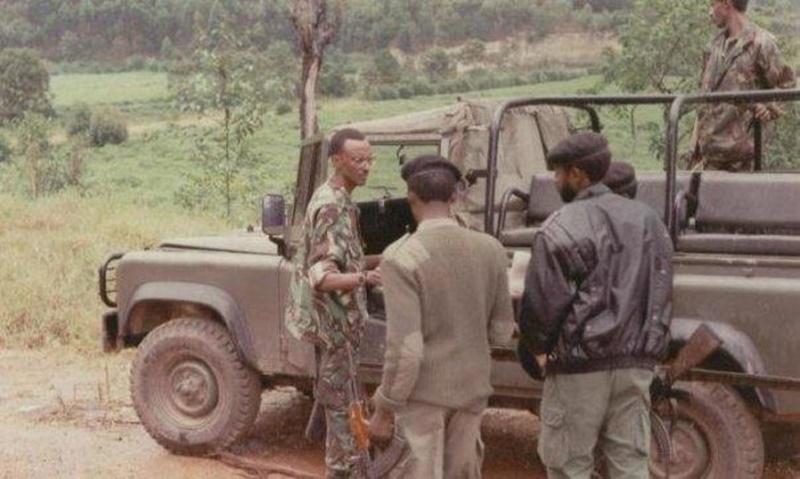
Gen. Maj. Paul Kagame in Rusumo during the early stages of the liberation struggle to liberate the country.
The RPA fought the war while simultaneously rescuing persecuted Tutsi civilians, providing safety and relief to those who reached its protection.
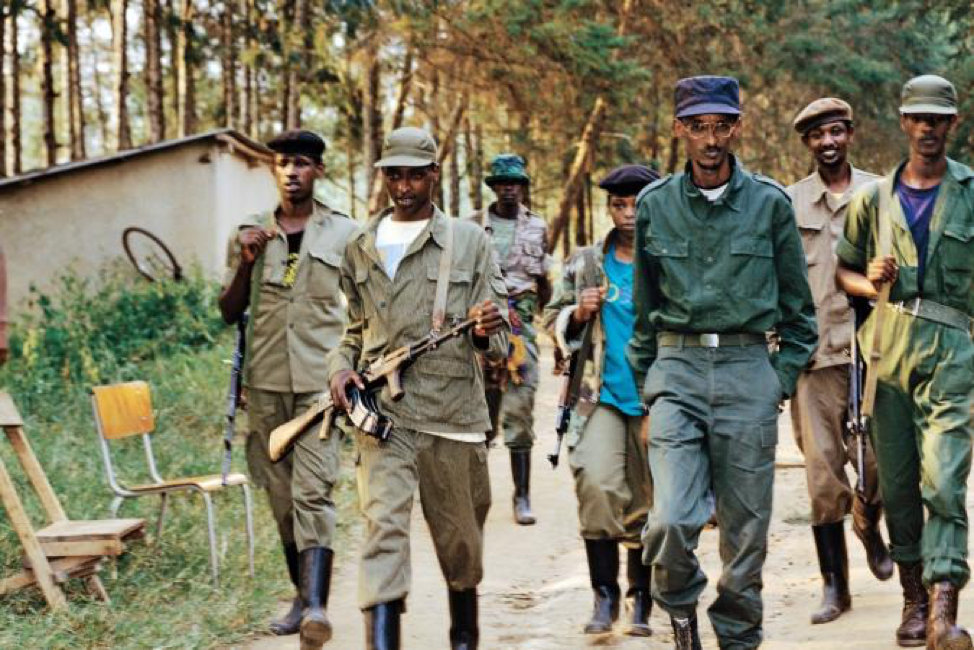
The RPA intensified its military operations until it captured Kigali, marking the declaration of victory. Some of the RPA soldiers who participated in the liberation struggle to free the country.
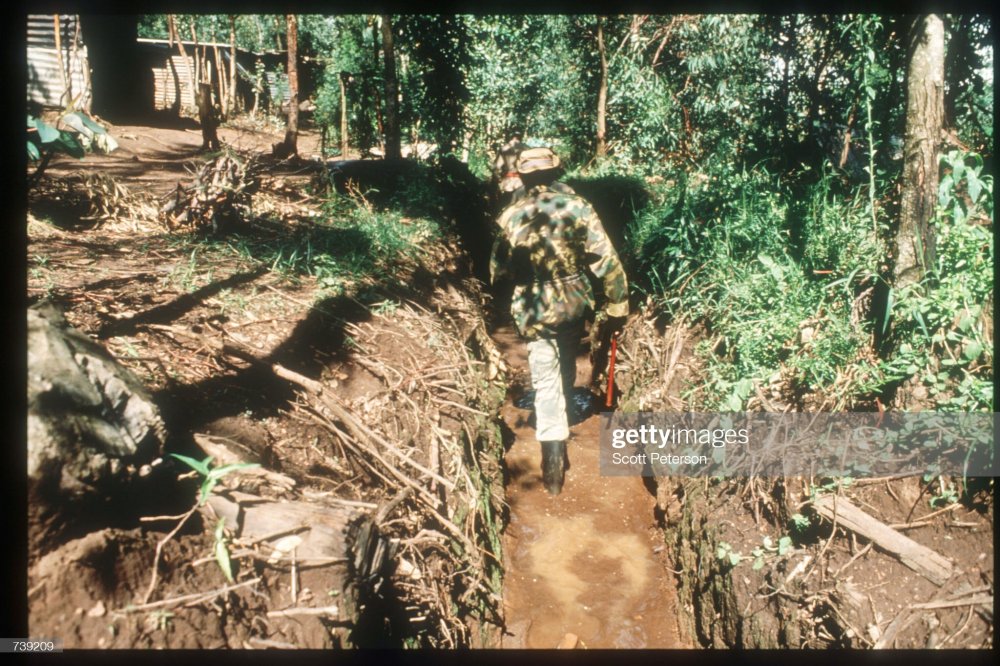
The bamboo forests of the Virunga Mountains provided RPA forces with a strategic advantage in their operations against FAR troops.
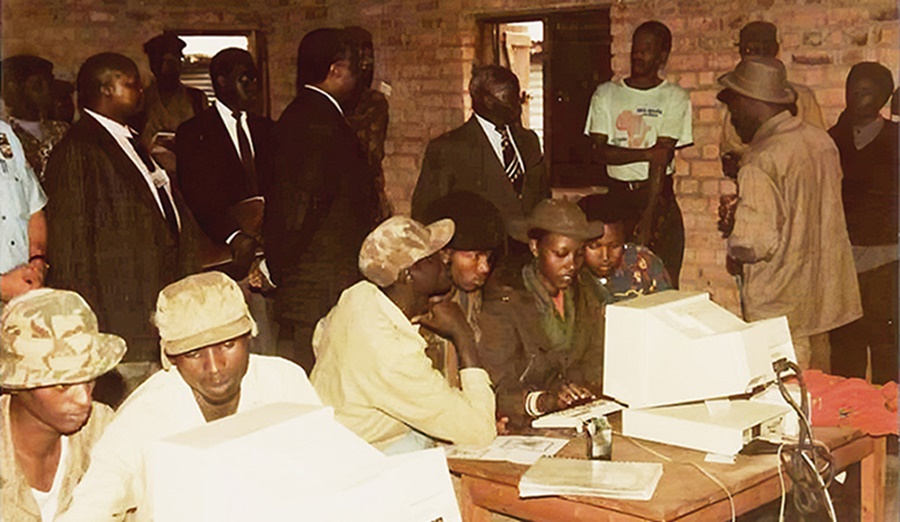
They had a limited number of computers, which they used for writing and communicating information despite their scarcity.
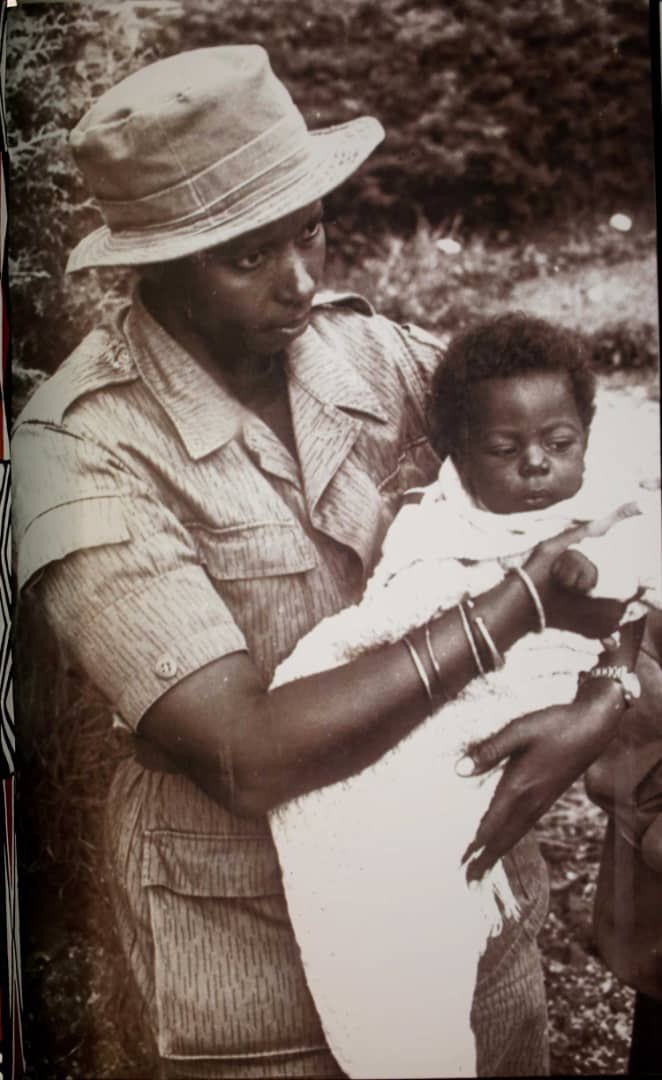
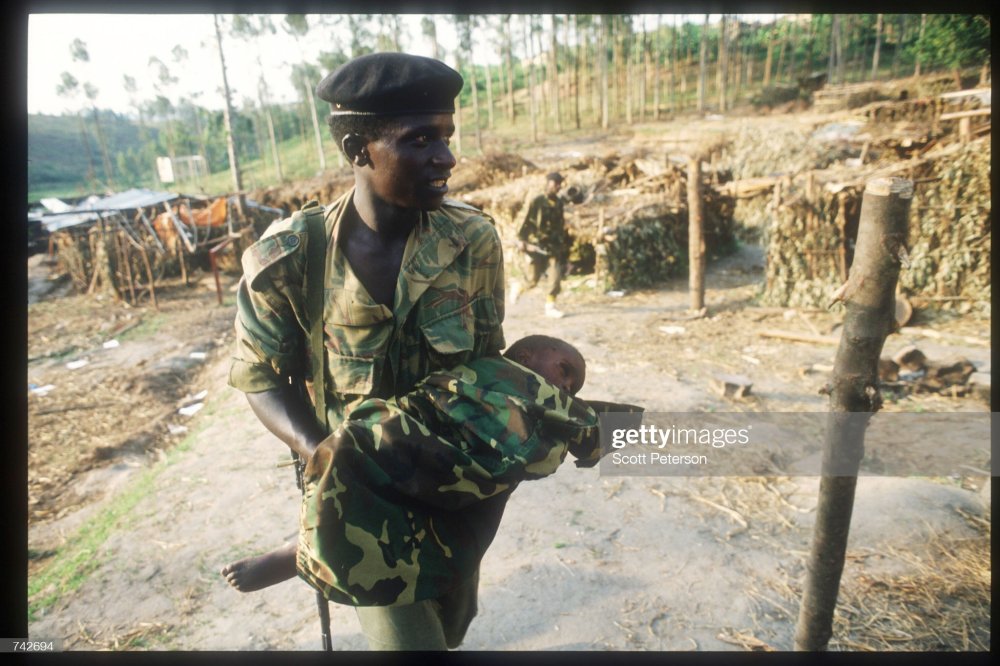
Rtd Capt. Daphrosa Intaramirwa was among those who took part in the liberation struggle, which was characterized by courage and deep compassion. In this image, she is seen carrying a child who had just been rescued.
This soldier is among many who performed acts of bravery, helping to save numerous lives, including those of young children. This image was taken in Kabgayi on May 25, 1994.
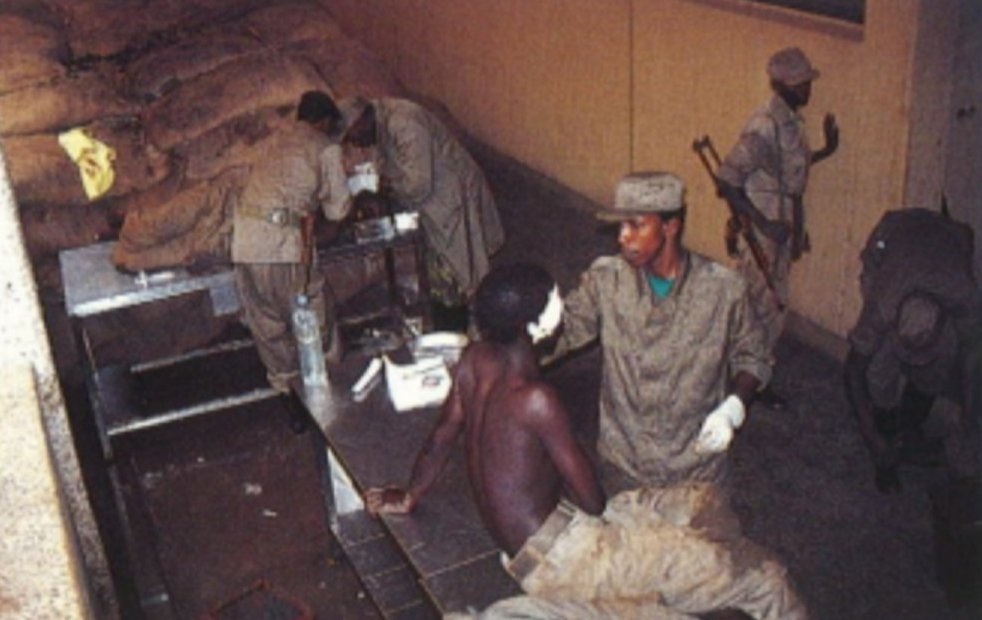
During the liberation struggle, it was difficult to find proper facilities for treating the wounded. Medical personnel often operated in makeshift conditions in the bush, yet continued to perform their duties with dedication and efficiency.
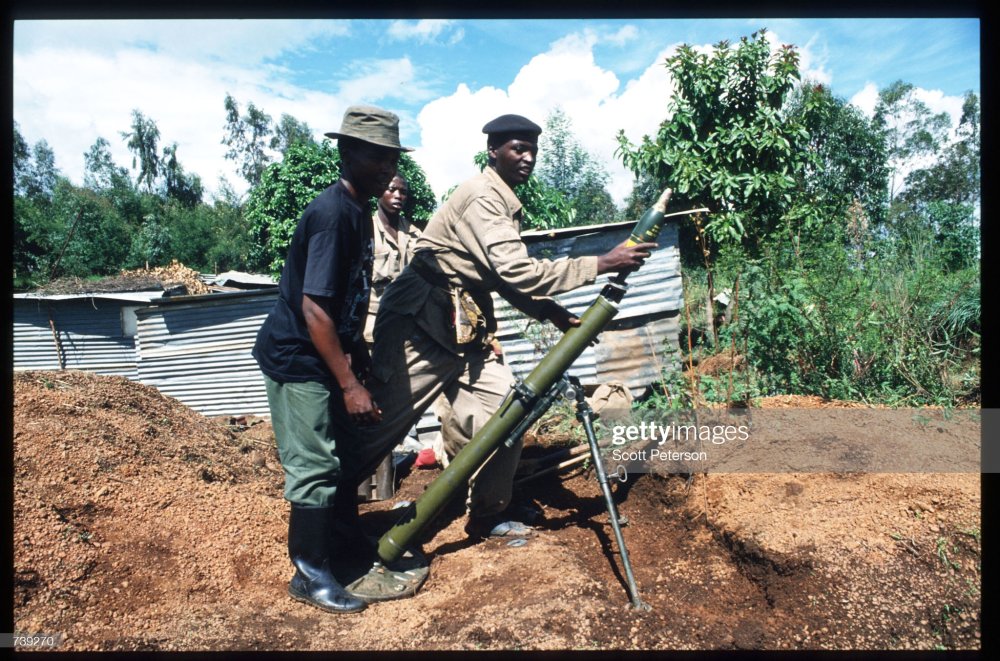
Gen. (Rtd) James Kabarebe was among the soldiers who took part in the liberation struggle and has continued to play a role in the country’s development to the present day. The RPA lacked adequate military equipment to match its adversaries, but it relied on strong ideas, determination, and strategy that enabled it to achieve significant progress.
‘Mukotanyi’ is a uniform considered to be part of Rwanda’s exceptional historical heritage.
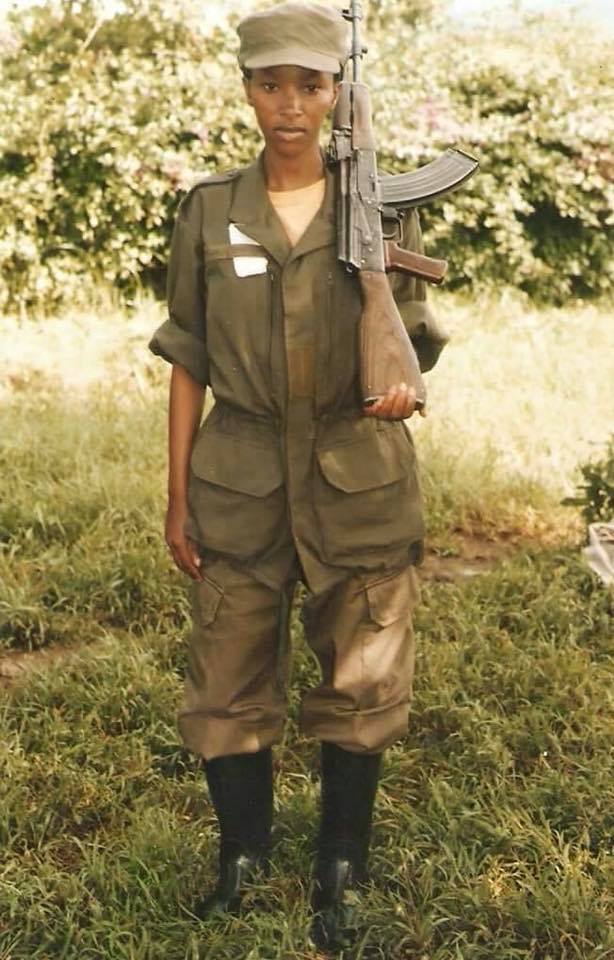
Young women sacrificed their youth and dedicated themselves to serving and liberating their country.
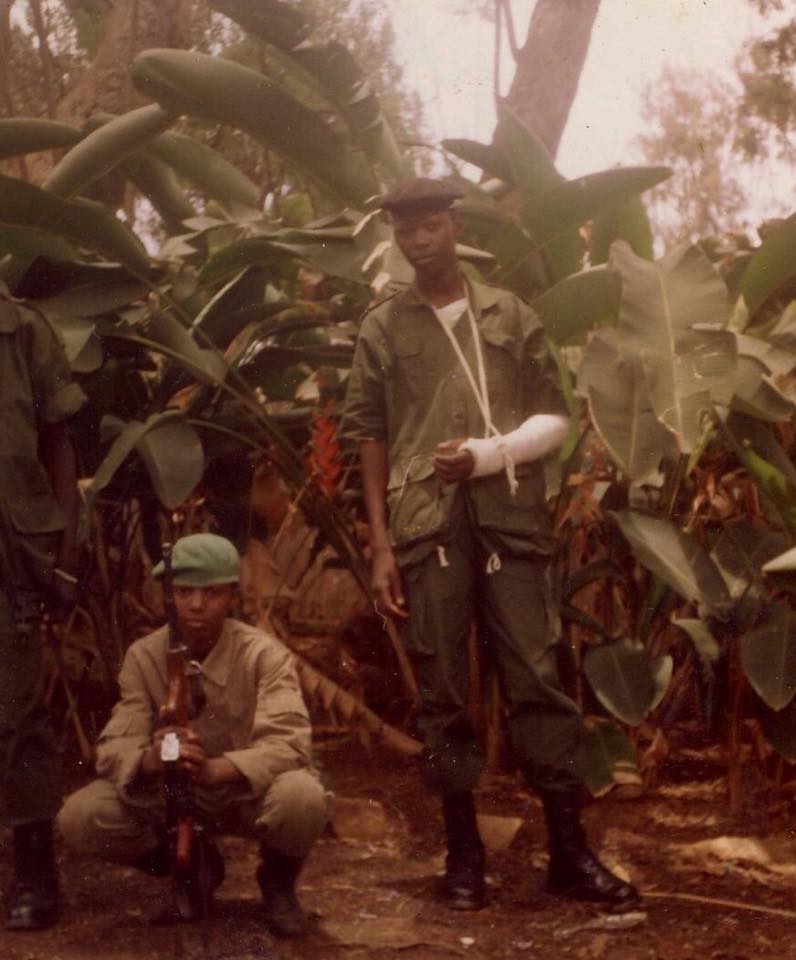
Even injuries did not prevent them from continuing the struggle.
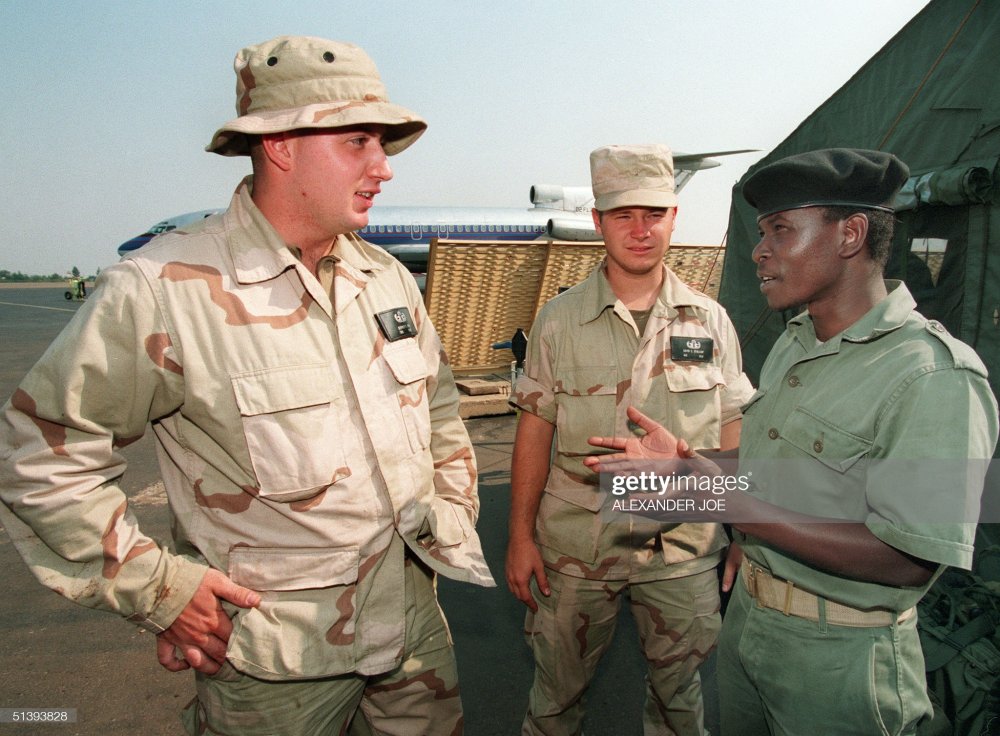
This photograph was taken shortly after the end of the Genocide against the Tutsi. It shows an RPA soldier in Kanombe in conversation with United States soldiers who were deployed in Rwanda.
These RPA soldiers were photographed in a banana plantation in Kigali City during the liberation struggle to liberate the country.
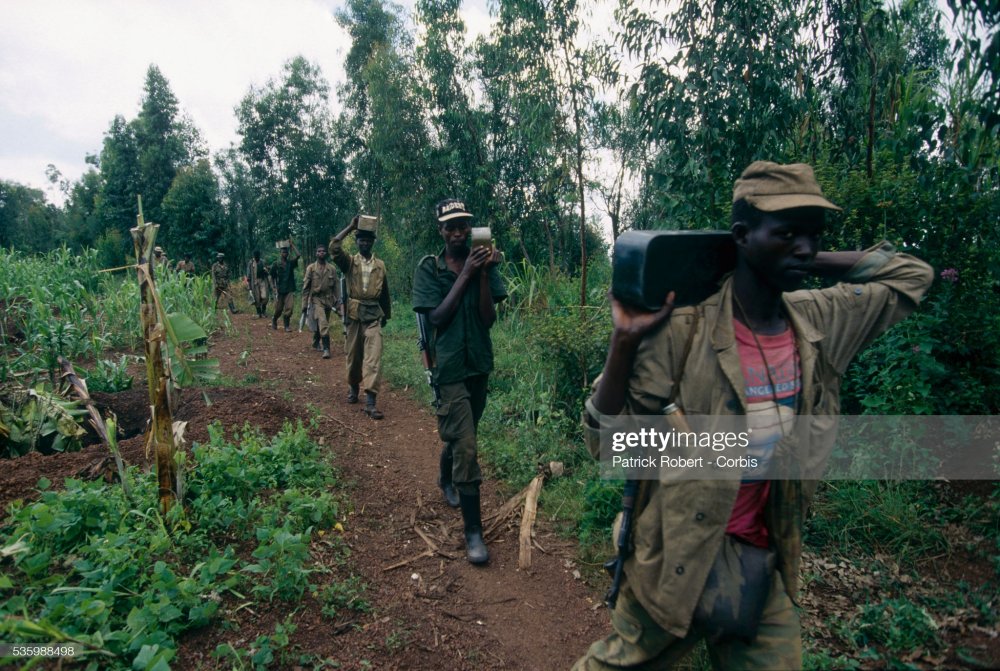
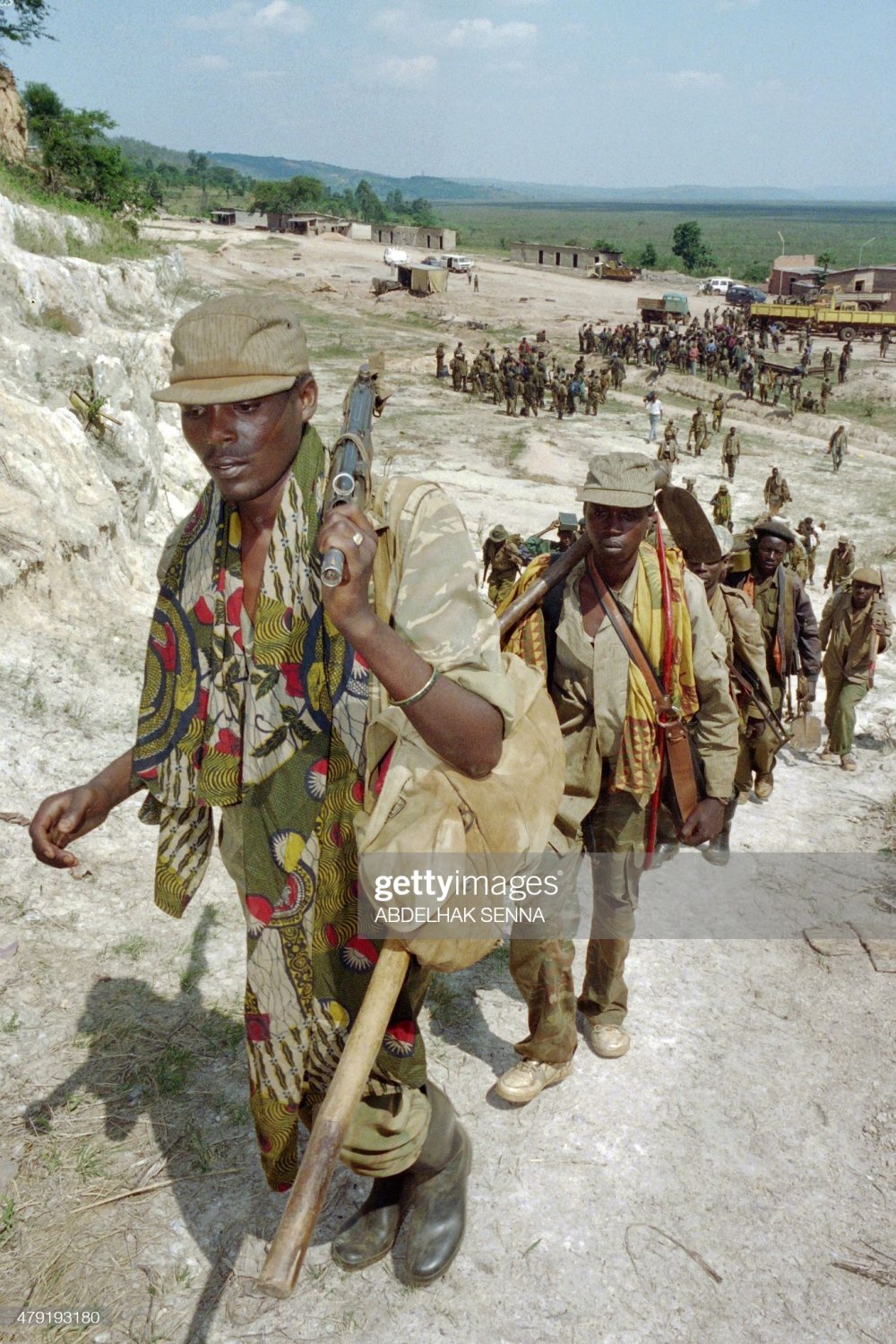
They had very limited resources and were forced to conduct the entire operation with improvised means. Here, they are seen advancing toward Kigali City, with some carrying ammunition boxes on their backs.
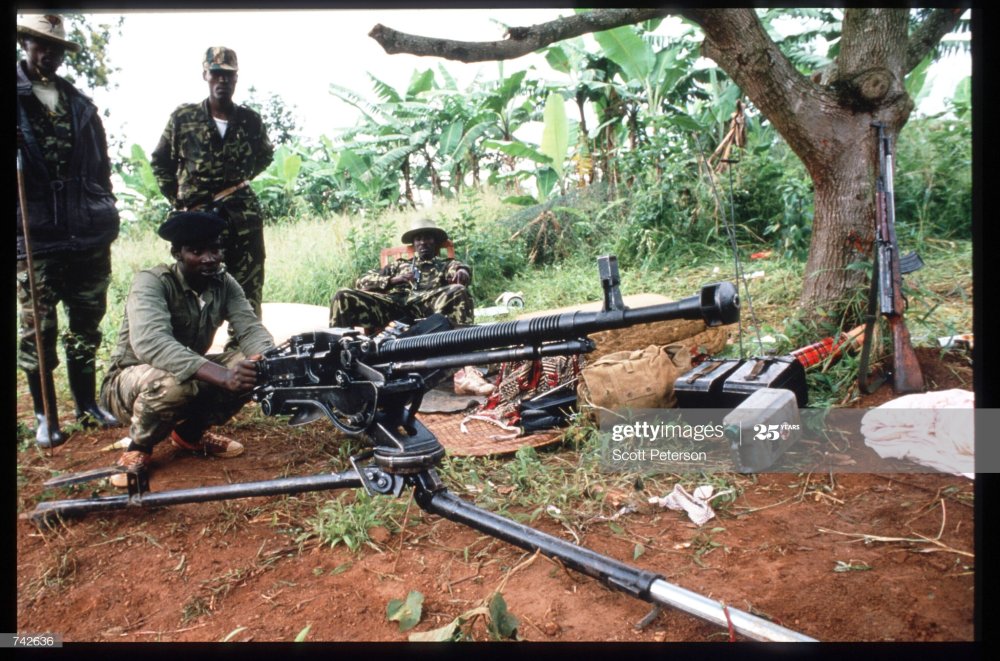
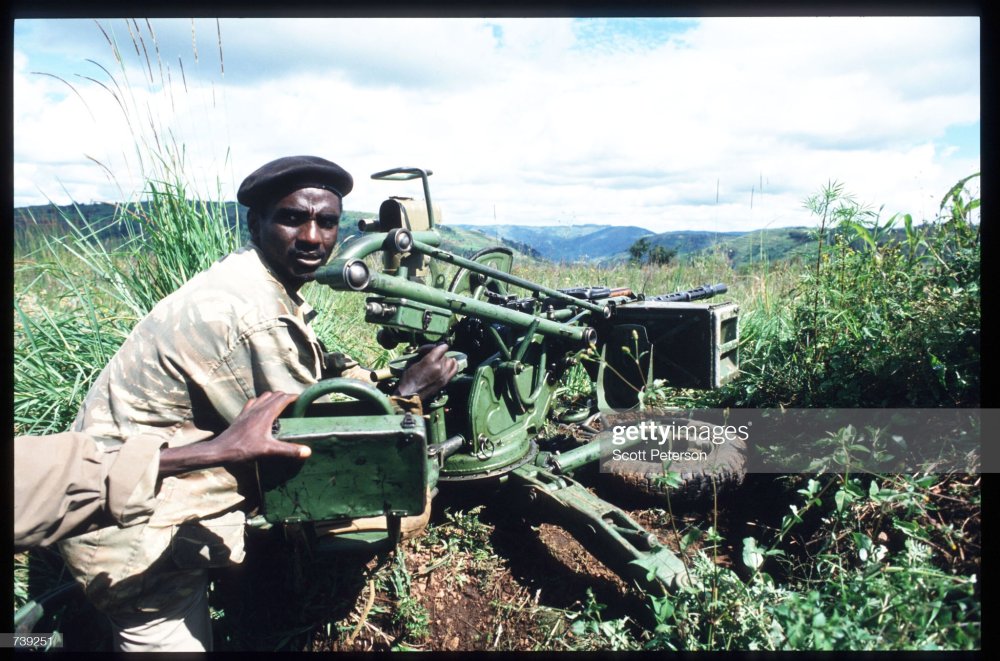
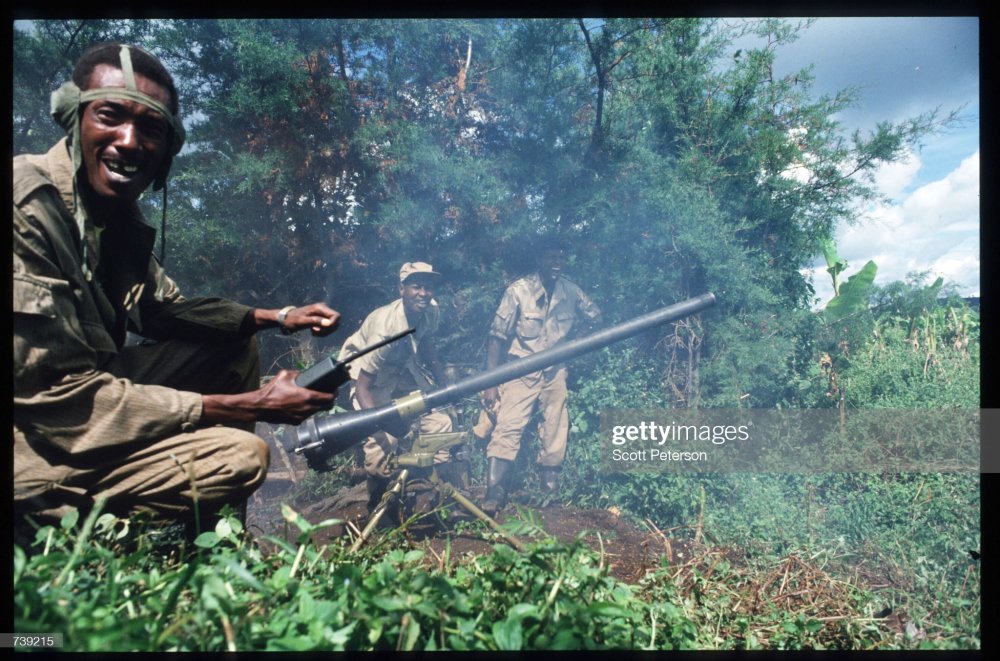
This photograph shows an RPA soldier in the outskirts of Byumba positioned near a machine gun. It was taken on April 17, 1994.
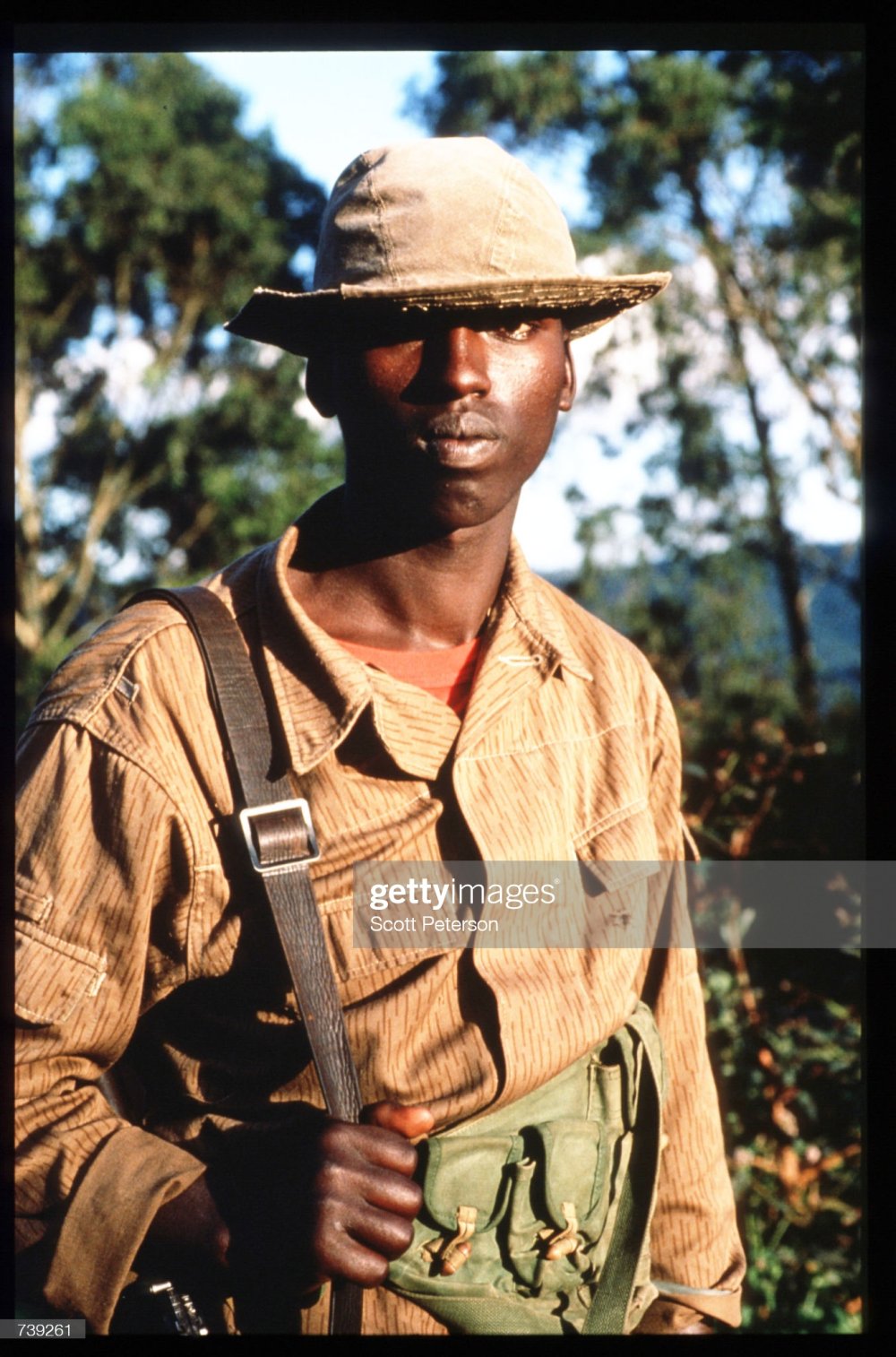
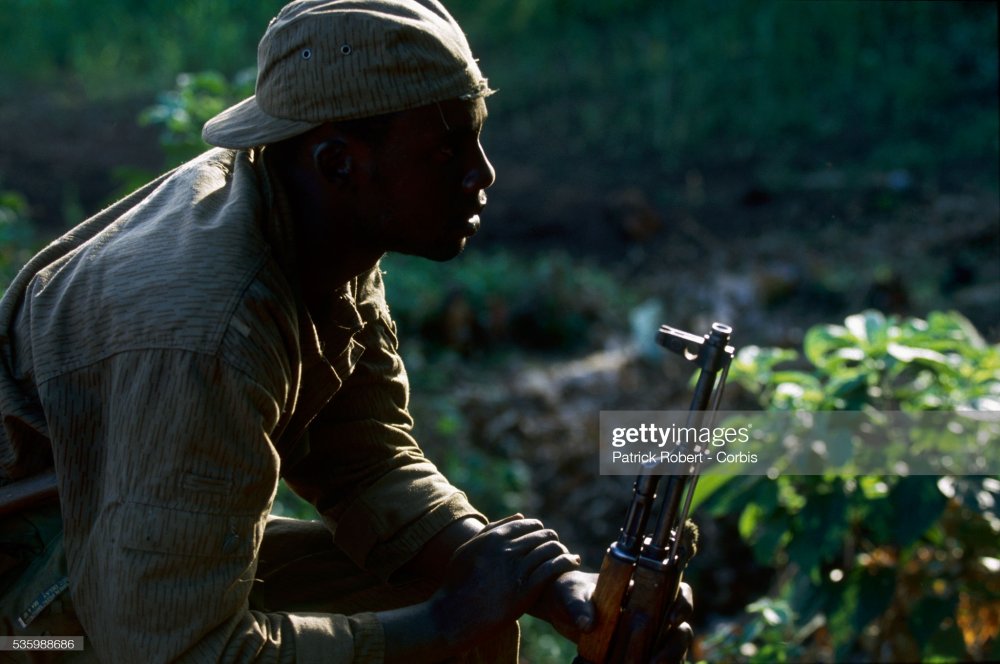
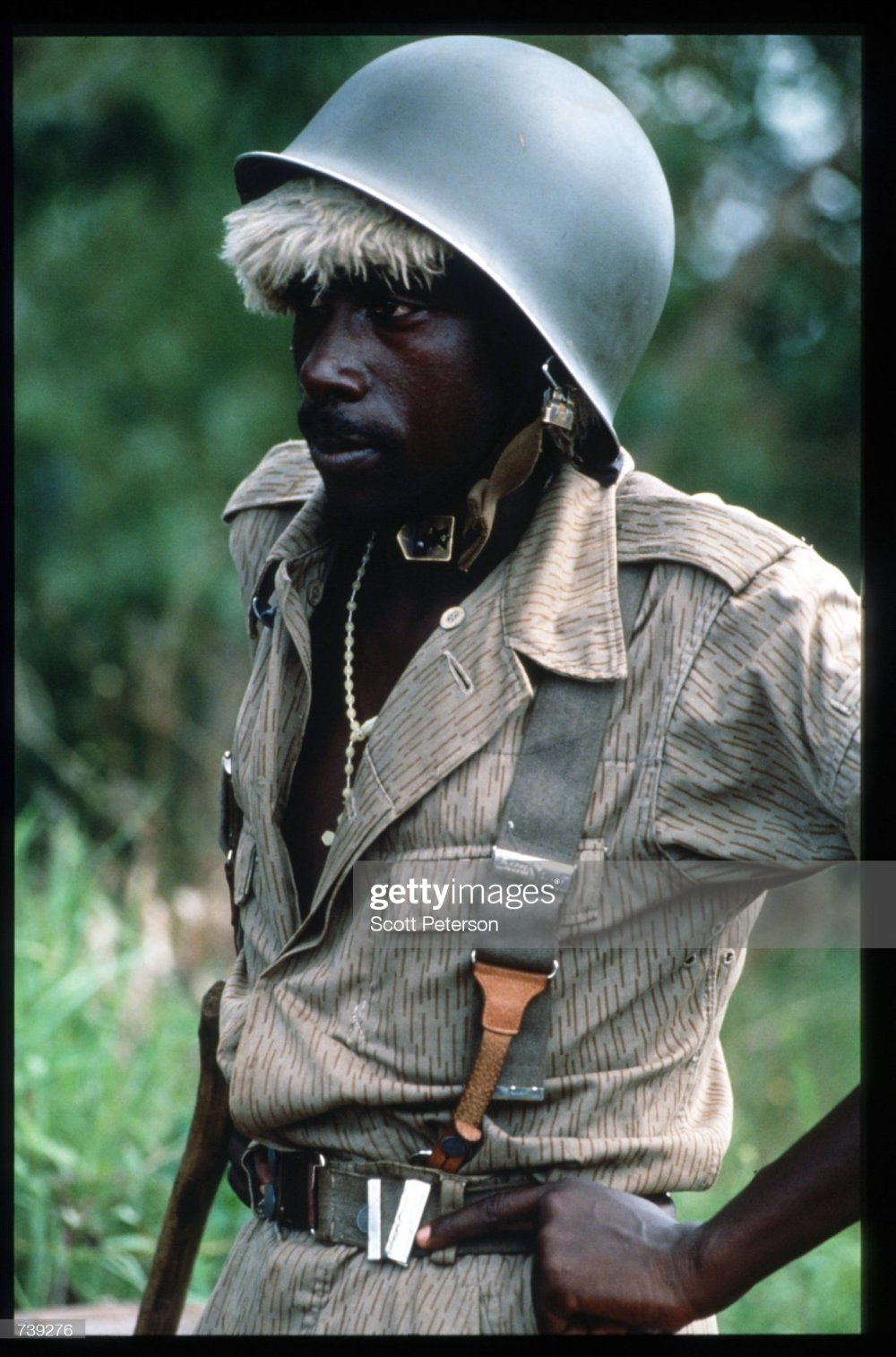
This young man is among those who sacrificed their youth and chose to dedicate themselves to serving their country. He was photographed in Byumba on April 7, 1994.
This soldier was photographed near Nyanza in early June, carrying an ammunition box.
Following the capture of Kigali City by the RPF-Inkotanyi forces, life in the country gradually began to return to normal.
This photograph of Gen. Maj. Paul Kagame was taken on May 11, 1994, in Byumba, during a meeting with José Ayala Lasso, who was then the United Nations High Commissioner for Human Rights.
On June 2, 1994, RPA forces were advancing toward Nyanza when they engaged in heavy fighting with FAR troops along the way.
This RPF soldier was moving through a dug trench that had been used as a passageway. The image was taken in Byumba.
Despite having very limited equipment, they made use of what was available to carry out acts of bravery that have become part of Rwanda’s history.
This photograph was taken in southern Rwanda during the RPA’s liberation campaign. In many areas, the forces advanced on foot due to limited logistical capacity and scarce resources.
Some RPA soldiers were photographed standing on one of the streets of Kigali on May 26, 1994.
This RPA soldier was photographed in Byumba in the early days of April 1994. They fought the war with confidence that they would emerge victorious, and that belief itself gave them inner joy, motivation, and inner strength.
Day by day, despite the difficult and dangerous conditions, morale remained consistently high.
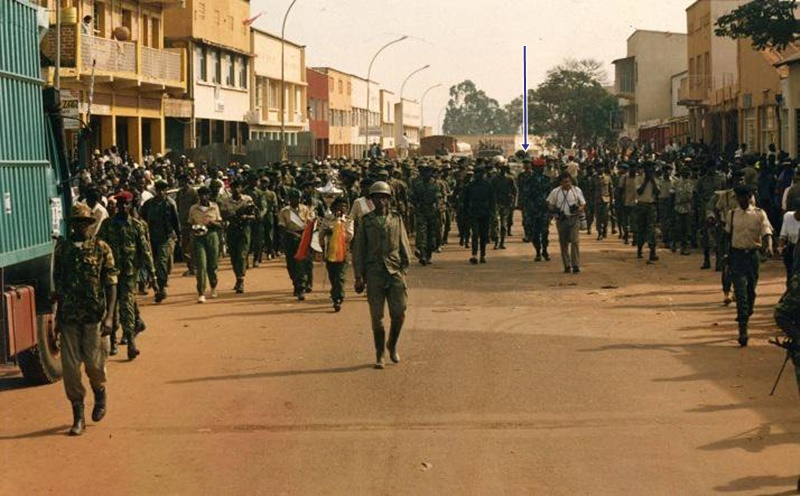
This photograph taken on July 4, 1994 shows Gen. Maj. Paul Kagame, Commander of the APR forces (indicated by the blue arrow), alongside other soldiers after arriving in central Kigali.
The heat wave, which lasted from around June 20 to June 28, is being described by experts as one of the most intense on record in parts of Europe, with widespread exposure to prolonged extreme temperatures and unusually warm nights.
Public health experts say most deaths during extreme heat are not caused by heat alone in isolation, but by a combination of physiological stress and pre-existing medical conditions. When the body is exposed to prolonged high temperatures, it struggles to regulate internal heat through sweating and circulation. This can lead to dehydration, heat exhaustion, and in severe cases heatstroke, where core body temperature rises to dangerous levels.
Heat also places significant strain on the cardiovascular system, forcing the heart to work harder to cool the body. This can trigger or worsen heart attacks, strokes, and respiratory failure, particularly among older adults and people with chronic illnesses such as heart disease or diabetes. Medication effects and reduced ability to stay hydrated can further increase risk.
France reported 2,025 excess deaths, a 29.1% increase above normal levels. Authorities said deaths rose sharply in private homes, by more than 90% in the week of peak heat, while care homes and healthcare facilities also saw increases. Officials warned that final figures are likely to be higher.
Belgium recorded 1,222 additional deaths, describing the impact as ‘unprecedented,’ while the Netherlands reported around 480 excess deaths, concentrated in hotter southern and eastern regions.
Across Europe, more than two-thirds of the population experienced temperatures above 35°C, with record highs and unusually warm nights limiting recovery time. Experts say such ‘night heat’ is especially dangerous because it prevents the body from cooling down after daytime exposure.
The event has renewed concerns about Europe’s preparedness for extreme heat, particularly as climate change increases both the frequency and severity of heat waves.
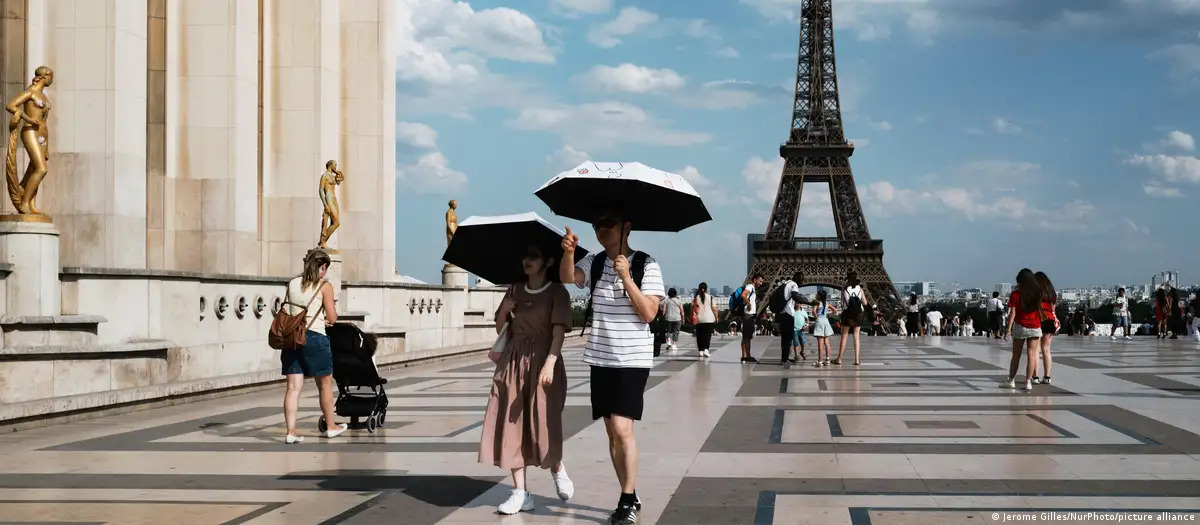
Paris and other European cities baked in temperature up to and exceeding 40°C last week.
The coalition, which includes prominent opposition figures such as Martin Fayulu, Jean-Marc Kabund, Moïse Katumbi, Augustin Matata, and Delly Sesanga, confirmed that it had received an invitation from Burundi’s President Évariste Ndayishimiye.
President Ndayishimiye called on opposition leaders to hold urgent consultations to discuss security concerns, political disputes, and challenges affecting state institutions in the DRC.
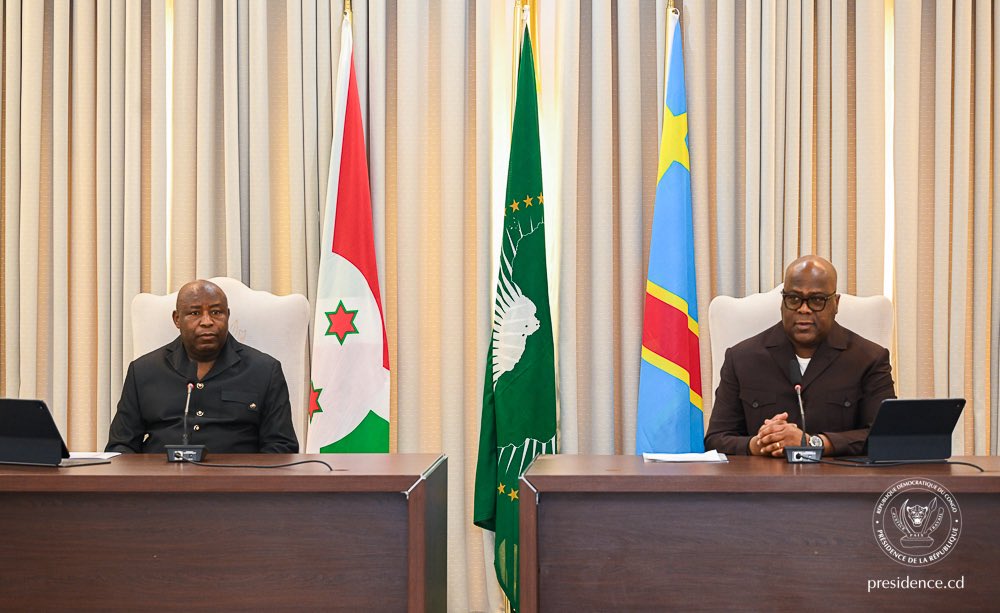
Ndayishimiye, a close ally of President Tshisekedi, issued the invitation in his capacity as Chairperson of the African Union (AU).
Reports from Kinshasa indicate that he had first urged President Tshisekedi to engage in dialogue with the C64 coalition in order to address their grievances, particularly those linked to the government’s proposed constitutional reforms.
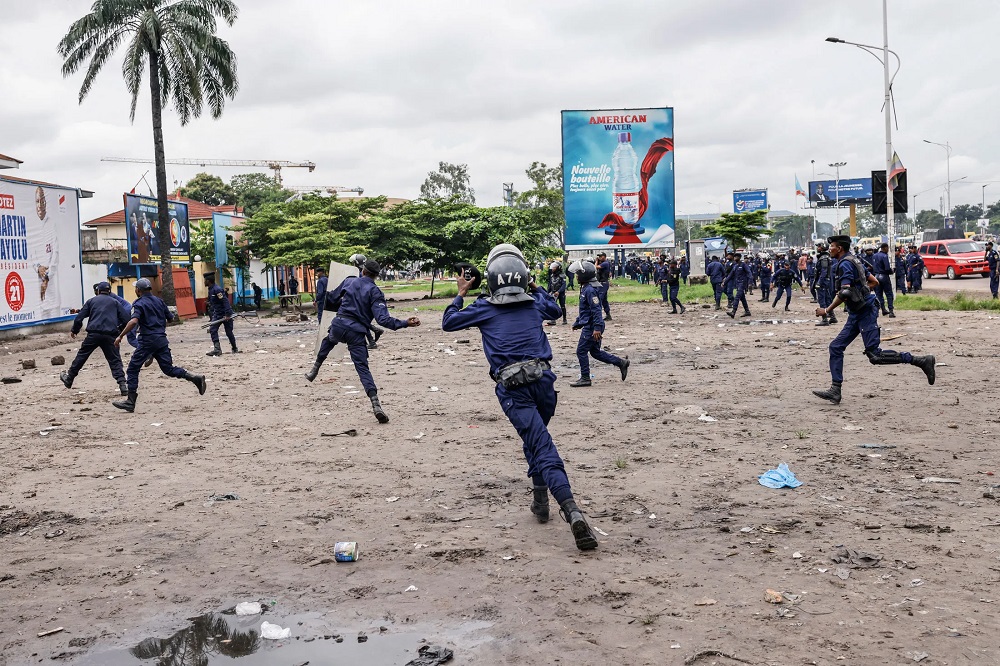
Tensions had escalated after opposition leaders staged a protest outside the National Assembly on June 12, where they were met with police intervention and clashes involving members of the ruling UDPS party’s youth wing, known as Forces du Progrès.
The C64 coalition had initially planned a major demonstration in front of the presidential palace on July 8, 2026, demanding President Tshisekedi’s resignation, accusing him of violating the constitution through attempts to amend it.
However, Interior Minister Jacquemain Shabani Lukoo rejected the planned protest, accusing the opposition of undermining national stability and insisting that no one has the authority to call for the resignation of a sitting commander-in-chief in the context of ongoing national security efforts.
The minister also banned all large public gatherings in Kinshasa, citing the need to prevent the spread of Ebola. He said the decision was a public health measure aimed at containing the virus.
However, opposition leaders dismissed the justification, arguing that Ebola cases are concentrated in eastern provinces far from the capital and claiming the ban was politically motivated to block their demonstration.
On July 2, opposition leader Martin Fayulu, head of the ECIDé party, reiterated calls for nationwide protests, insisting that President Tshisekedi must resign. He urged citizens to participate in a major demonstration scheduled for July 8.
Following an invitation from President Ndayishimiye, C64 leaders held an emergency meeting in Kinshasa on July 3 and agreed to reconsider their strategy, opting to engage in dialogue with the Burundian leader.
The coalition said it intends to use the talks to present its concerns and advocate for the protection of the DRC constitution.
They also said they would highlight the suffering of Congolese citizens and what they described as a growing threat to democracy in the country.
As a result, the coalition announced the postponement of its planned protest, rescheduling it to July 22.
Opposition leaders called on Congolese citizens, both at home and abroad, to remain mobilized in support of their cause until the government abandons its constitutional reform agenda.
They emphasized that defending the constitution is a national duty and insisted that their determination remains unchanged.
President Évariste Ndayishimiye called on President Félix Tshisekedi to open dialogue with opposition leaders.
The protest that took place on June 12, 2026, was marked by incidents of violence involving police officers.
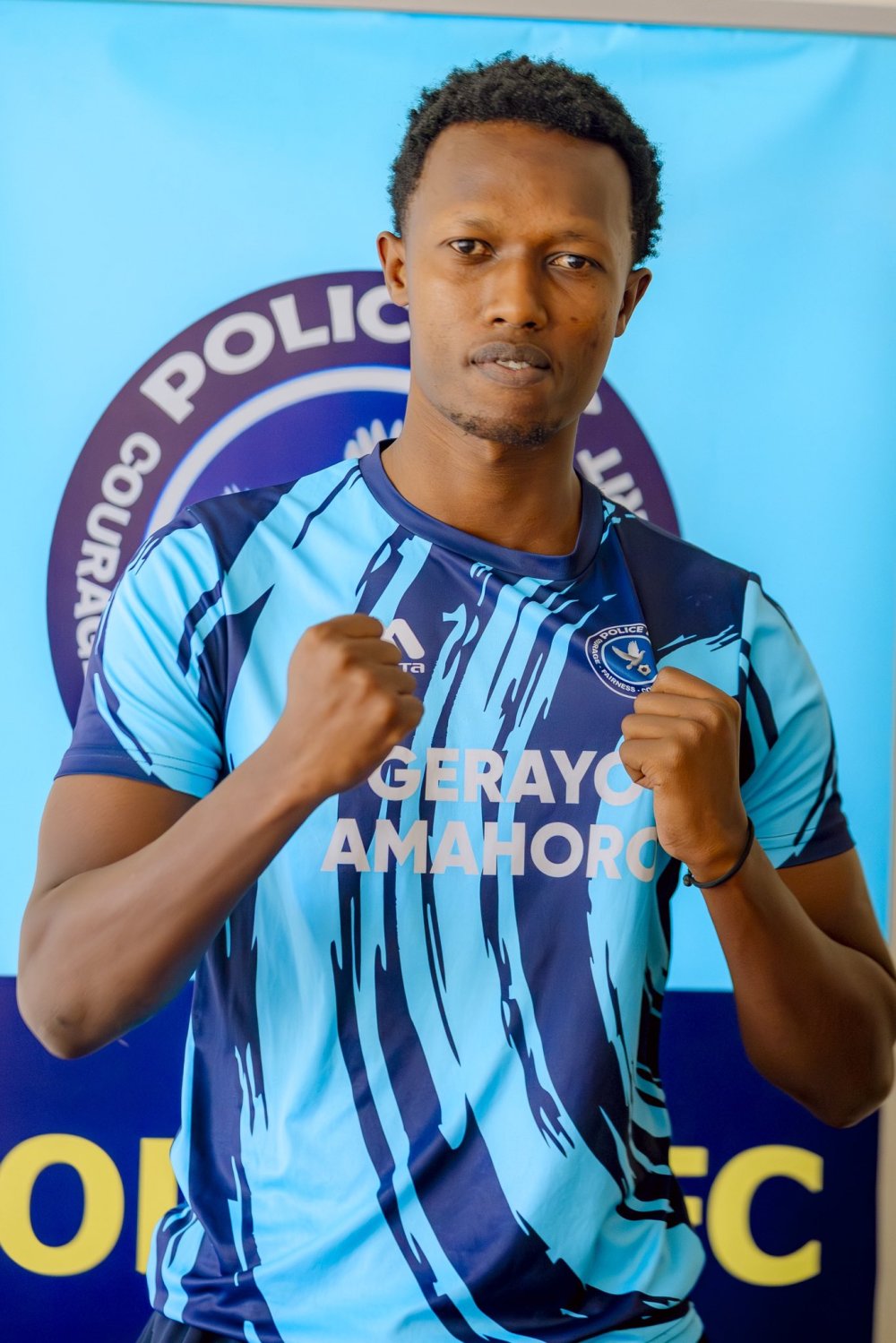
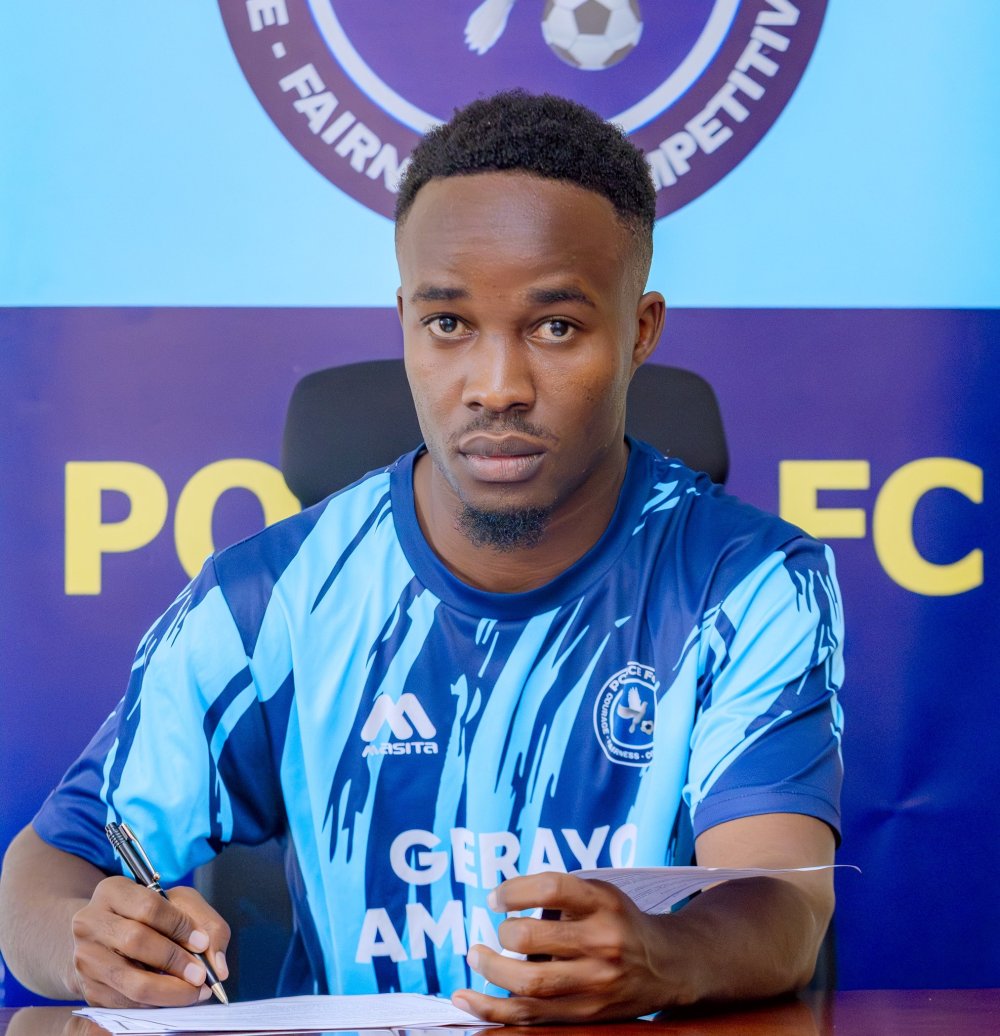
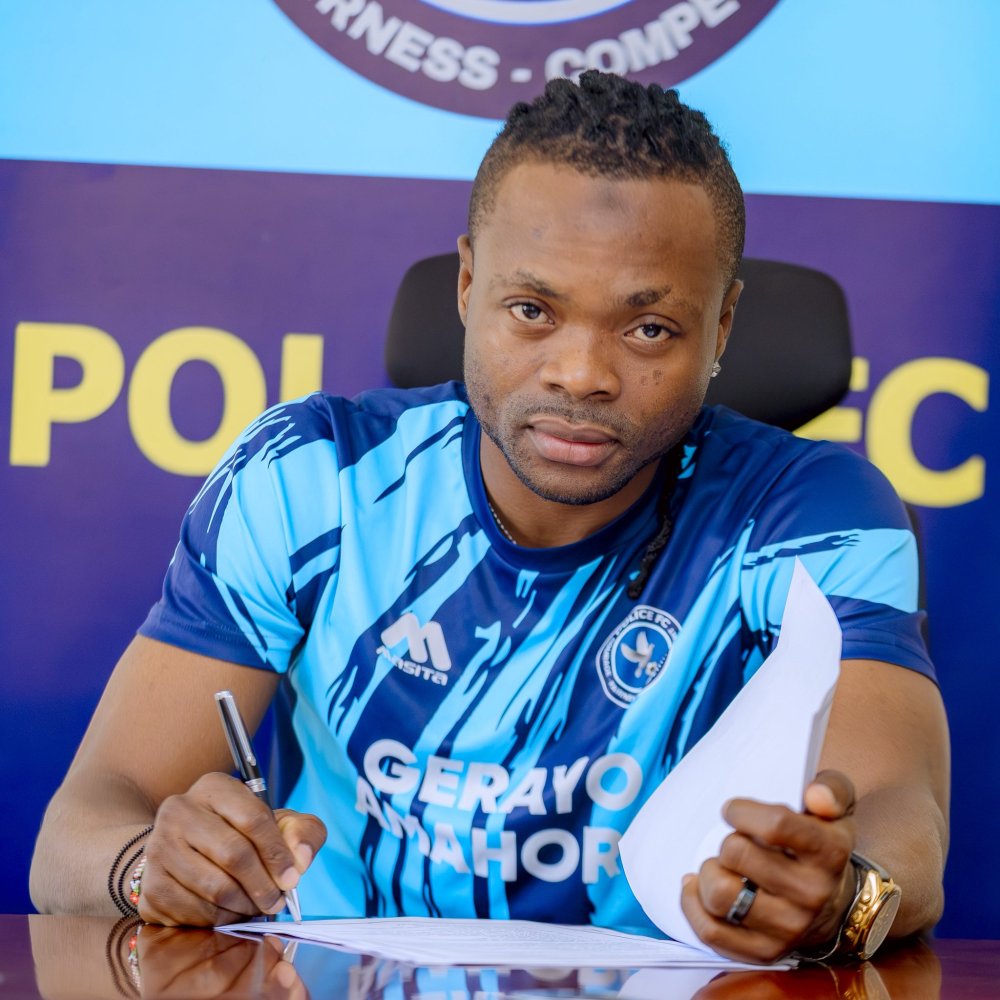
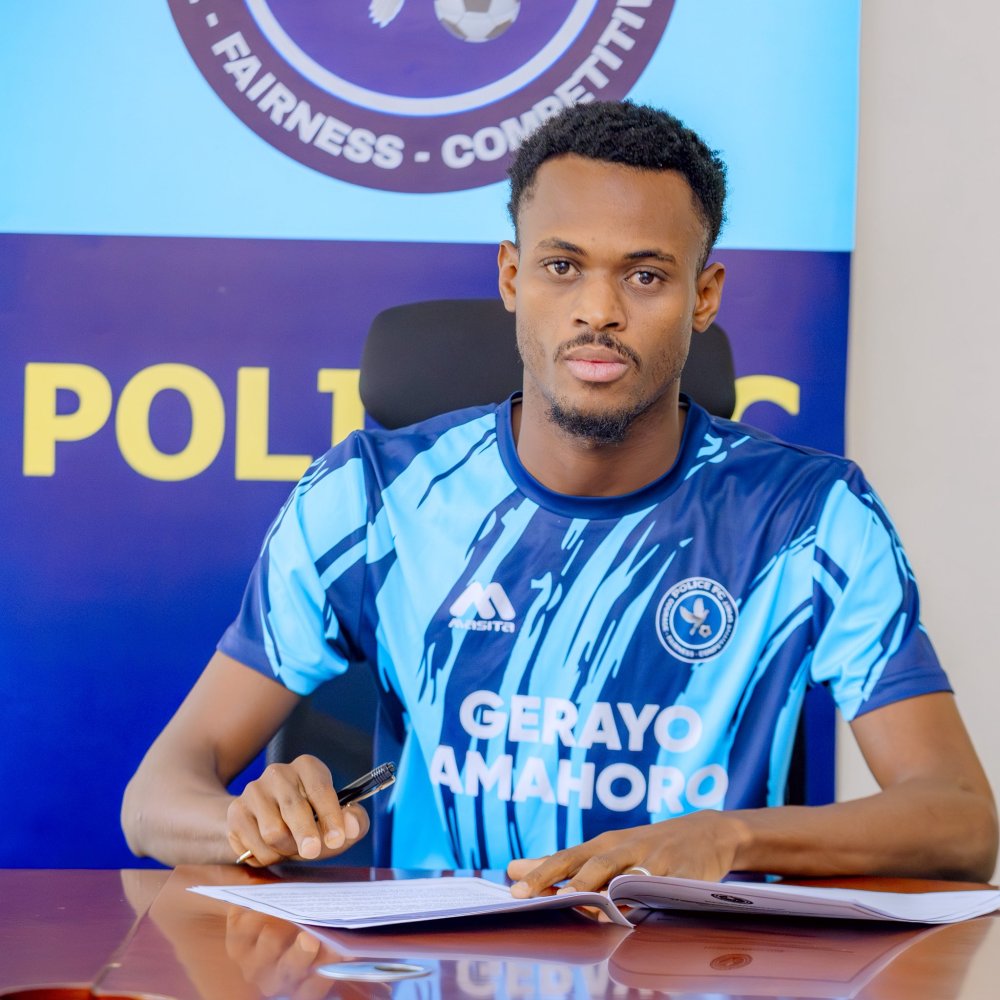
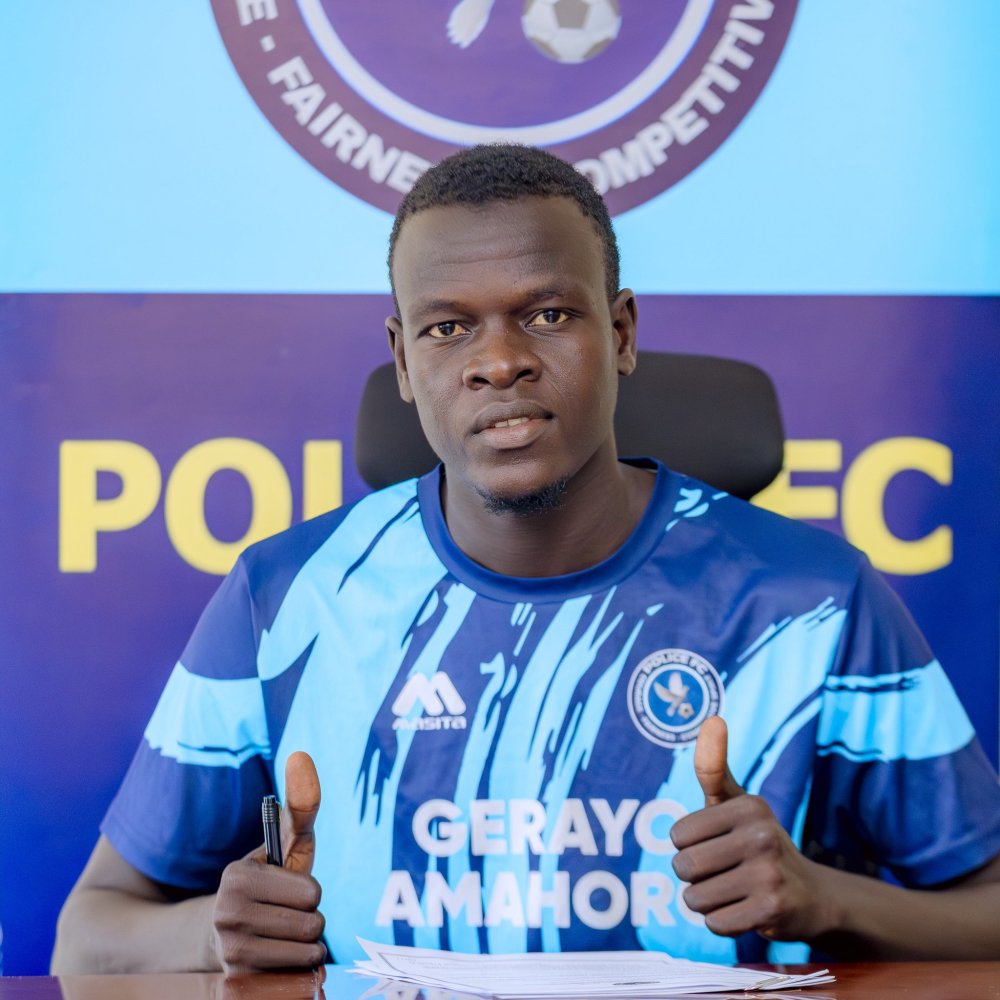
The club confirmed on Thursday, July 2, 2026, that it had completed the signing of several players, including foreign recruits Moussa Limane, Keffa Tangara, Mzungu Japhet, and Iddrisu Shaibu, as well as defender Rushema Chris, who joins from Rayon Sports.
Among the new arrivals is 26-year-old Ghanaian defender Iddrisu Shaibu, who has signed a two-year contract after joining from Sofapaka FC. The left-sided defender is expected to strengthen Police FC’s backline following the departure of Ishimwe Christian, who returned to his former club APR FC.
The club further reinforced its defence with the acquisition of 25-year-old centre-back Rushema Chris on a two-year deal. The former Rayon Sports player opted to terminate his contract in search of more playing time.
In attack, Police FC secured the services of 24-year-old forward Moussa Limane on a two-year deal from Ghanaian side Asante Kotoko S.C., as part of efforts to boost its offensive options.
The club also added Keffa Tangara from Mali, who arrives from Djoliba AC on a two-year contract, while Kenyan midfielder Japheth Mzungu joins from Sofapaka FC on similar terms.
The signings follow the appointment of Rutsindura Antoine ‘Mabombe’ as Police FC’s Head of Technical Direction. Police FC has also recruited Byishimo Valua and Rugwiro Kevin, while extending contracts for Nsabimana Eric ‘Zidane’, Iradukunda Simeon, Niyongira Patience, and David Chimezie.
Defender Rushema Chris joins Police FC from Rayon Sports.
Kenyan midfielder Japheth Mzungu joins from Sofapaka FC on similar terms.
Among the new arrivals is 26-year-old Ghanaian defender Iddrisu Shaibu.
Keffa Tangara joins Police FC following his departure from Djoliba AC.
In attack, Police FC secured the services of 24-year-old forward Moussa Limane on a two-year deal from Ghanaian side Asante Kotoko S.C., as part of efforts to boost its offensive options.
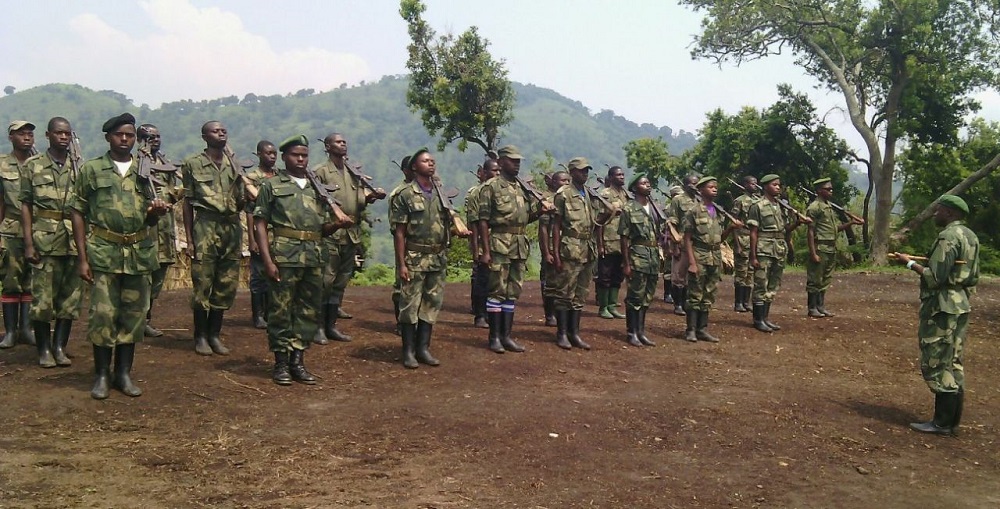
A report by United Nations experts on the Democratic Republic of the Congo identifies the Democratic Forces for the Liberation of Rwanda (FDLR) as a persistent armed group contributing to insecurity in eastern DRC and posing a continued security concern for Rwanda.
The report, released at the end of June, provides detailed estimates of the group’s structure, leadership, and manpower, highlighting significant discrepancies in figures reported by different sources.
According to the findings, the FDLR is organized into three main factions: FDLR-FOCA, FDLR-RUD, and FDLR-FPP. These factions have reportedly adopted alternative names in an effort to conceal their affiliation with the broader movement. FDLR-FOCA operates under the name ‘Bataillon Jungle,’ FDLR-RUD uses the designation ‘FDP-R,’ while FDLR-FPP also refers to itself simply as ‘FPP.’
The report notes that while these factions operate with a degree of autonomy, they remain part of a coordinated structure. It identifies Pacifique Ntawuguka, also known as Gen Omega Israel, as the military commander of FDLR-FOCA. Lt. Gen. Gaston Iyamuremye, alias Victor Byiringiro, serves as the group’s political leader. Brig. Gen. Emmanuel Nsengiyumva, also known as Faida Hakimu, leads FDLR-RUD, while Col. Dan Hategekimana, known as Dan Simplice, commands FDLR-FPP.
Despite this apparent fragmentation, Gen Omega is described as the overall coordinating authority, playing a central role in strategic decisions and inter-factional coordination.
The report highlights major inconsistencies regarding the group’s manpower. The FDLR itself claims to have more than 10,000 fighters, with nearly half engaged in active military operations. The CRAP unit further claims a strength exceeding 20,000 combatants.
However, UN experts and intelligence assessments dispute these figures, estimating the FDLR’s actual strength at between 3,500 and 4,500 fighters. The Washington peace framework had previously placed the figure at between 3,000 and 3,500, suggesting that the group may be inflating its numbers to project greater military capacity.
The report also details the geographical presence of the FDLR factions across eastern DRC. FDLR-RUD operates primarily in Bwisha and Bwito in Rutshuru, as well as in Jomba, Binza, Busanza, and Bukoma. FDLR-FPP is also active in Rutshuru. The largest faction, FDLR-FOCA, maintains a broader presence across North Kivu, particularly in Nyiragongo, Masisi, Rutshuru, and Walikale.
In addition, the FOCA-linked CRAP unit is reported to claim operational presence on the outskirts of Goma, with observations that some of its elements have infiltrated the city.
Given Goma’s proximity to the Rwandan border, these claims raise significant security concerns, suggesting that the group linked to the 1994 Genocide against the Tutsi may still retain the capacity to operate within strategically sensitive urban areas.
The report further cites ongoing battlefield activity involving the FDLR in North Kivu, including instances where its fighters have operated independently or alongside elements of the Armed Forces of the DRC (FARDC) and local militia groups known as VDP/Wazalendo.
On 29 March 2026, FARDC announced the launch of operations against the FDLR. The following day, it deployed specialized units, including ‘Hiboux’ and ‘Jungle Battalion’ forces from Kisangani, to Walikale.
However, the report questions the effectiveness and sincerity of these operations, noting that some officials in Kinshasa and FARDC officers in eastern DRC privately assured FDLR leaders that military action against the group would not be fully implemented.
It further claims that on 7 April 2026, a confidential meeting took place in Pinga, Walikale, involving senior FARDC generals and representatives of FDLR-FOCA, during which continued cooperation between the two sides was reportedly discussed and agreed upon.
The report also notes that in late March 2026, a FARDC helicopter delivered weapons to Pinga intended for FDLR-FOCA fighters. These supplies were reportedly destined for units under Maj. Gen. Uzabakiriho Cyprien, also known as Kolomboka Niyo Tedium Mugisha, operating in Masisi. The equipment was allegedly received by the FDLR-CRAP unit before being transported onward to frontline positions.
According to the report, similar incidents occurred in late 2025, when FDLR elements operating in Bwito reportedly traveled to Pinga to collect weapons and ammunition.
Under the Washington peace framework, the FDLR was designated for dismantlement. A high-level meeting held on 17â18 March 2026 identified six priority areas for operations aimed at neutralizing the group, five in North Kivu and one in South Kivu.
These locations were designated as Named Areas of Interest (NAIs), including zones such as PingaâMpetiâLukweti in North Kivu highlands.
The report notes that operations were scheduled to begin on 31 March 2026 in NAI-1, specifically in the PingaâLukweti area, as part of efforts to implement the agreed peace framework.
The United Nations estimates that the actual strength of the FDLR is over 4,500 combatants.
UN experts indicate that the FDLR has split into three factions as part of an effort to conceal its identity and operations.
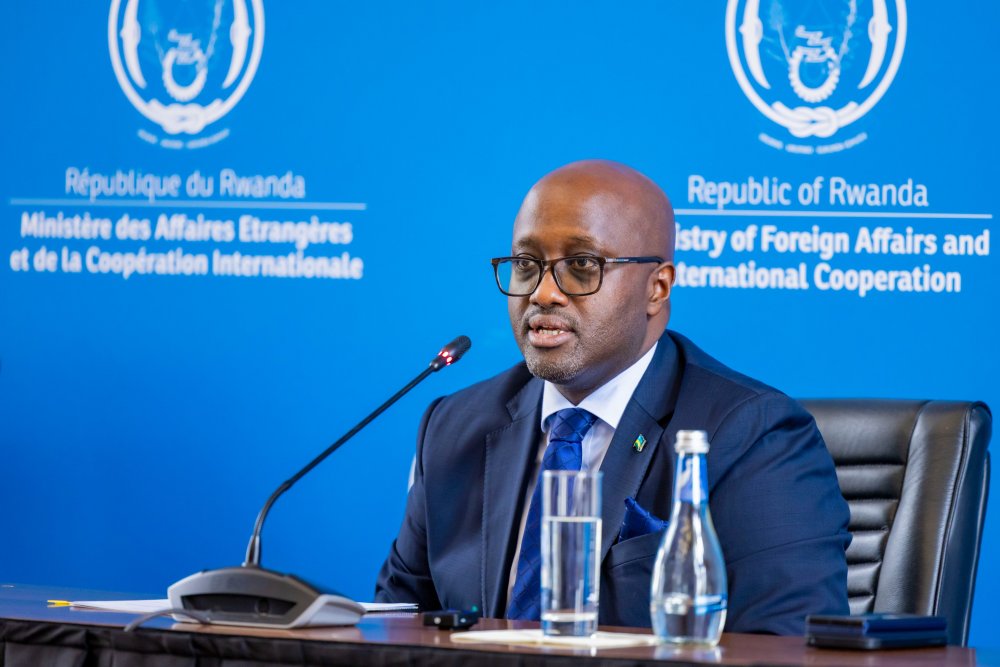
Speaking in an interview with Radio France Internationale (RFI), Nduhungirehe said Rwanda also informed Washington that Jean Luc Habyarimana, the son of former Rwandan President Juvénal Habyarimana, and Fabien Singaye had been received in Kinshasa.
‘We gave the mediator all the information showing the continued cooperation between President Félix Tshisekedi, his army and the FDLR,’ Nduhungirehe said.
‘We also shared information about a political movement trying to operate through individuals such as Jean Luc Habyarimana and Fabien Singaye, who have arrived in Kinshasa. Jean Luc Habyarimana, for example, was photographed in Kinshasa.’
Singaye previously served as second secretary at the Rwandan Embassy in Switzerland. Rwandan authorities have accused him of acting as an intelligence operative under the Habyarimana government, monitoring Tutsi exiles opposed to the regime who were preparing to return to Rwanda.
Nduhungirehe further argued that despite the peace agreement signed between Rwanda and the DRC last year under US mediation, the government in Kinshasa has not demonstrated the political will to implement its commitments.
He said the DRC had failed to dismantle the FDLR as required under the Washington peace agreement and instead continued to provide the group with military support.
To support the claim, Nduhungirehe cited events of March 29, 2026, when the Deputy Chief of Staff of the Armed Forces of the DRC (FARDC), Lt Gen Jacques Ndulu Ychaligonza, travelled to Kisangani in Tshopo Province and announced the start of operations to dismantle the FDLR.
‘However, two days later, on March 31, they sent two helicopters to Walikale carrying weapons, ammunition and money to the FDLR. We shared this information with the Americans,’ he said.
On June 27, Massad Boulos, the US President’s Senior Adviser for Africa, told the United Nations Security Council that the DRC had failed to fulfil its commitment to dismantle the FDLR, at least in areas under its control.
Nduhungirehe said it was significant that the US mediator had publicly acknowledged the DRC’s failure to dismantle the armed group. He argued that, if the mediation process is to remain impartial, pressure should be exerted on Kinshasa to ensure compliance with the peace agreement.
Rwanda’s Minister of Foreign Affairs and International Cooperation, Ambassador Olivier Nduhungirehe, has said Kigali provided the United States with information demonstrating continued cooperation between the government of the Democratic Republic of Congo (DRC) and the FDLR militia group linked to the 1994 Genocide against the Tutsi.
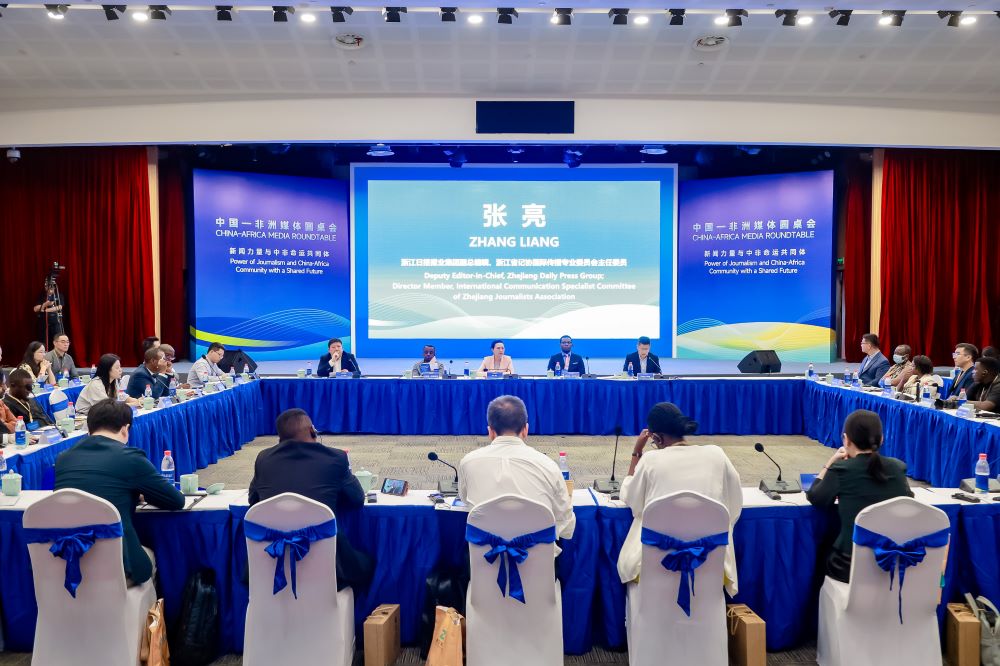
That question was at the heart of a recent roundtable held in Hangzhou, China’s Zhejiang Province, where journalists from Rwanda and Ethiopia joined Chinese media professionals and researchers to discuss the future of journalism and ChinaâAfrica cooperation in an AI-driven world.
Organized by the All-China Journalists Association under the theme ‘The Power of Journalism and the ChinaâAfrica Community with a Shared Future,’ the discussions focused on a growing challenge facing both media and technology sectors; ensuring that artificial intelligence reflects the realities of Africa and China rather than reproducing incomplete or externally shaped narratives.
While participants touched on broader ChinaâAfrica cooperation, including trade and economic ties, the conversation quickly turned to a different kind of exchangeâone involving data, knowledge, and representation.
This year marks a significant milestone in relations between China and Africa. Over the past decades, the partnership has demonstrated that sustainable development is not built on charity, but on mutual respect and equal cooperation.
Zhang Qiaowen, Deputy Director of the Institute of African Studies at Zhejiang Normal University, briefly highlighted the depth of ChinaâAfrica engagement, noting that Zhejiang accounts for around a quarter of China’s trade with Africa and hosts thousands of businesses involved in Africa-related commerce.
Under the framework of the Forum on ChinaâAfrica Cooperation (FOCAC), economic ties have evolved from a focus on aid and basic infrastructure to a more balanced model driven by trade and investment.
Trade between China and Africa has grown dramatically, rising from US$10 billion in 2000 to nearly US$350 billion today. Since 2009, China has remained Africa’s largest trading partner for 16 consecutive years and has also become one of the continent’s fastest-growing sources of investment, even as the global economy faces a growing wave of protectionism.
However, she stressed that the next stage of cooperation is not only about trade volumes but also about how African realities are understood and communicated.
‘These are the real stories waiting to be told,’ Zhang said, referring to the experiences of African businesses, farmers, entrepreneurs, and communities navigating a rapidly changing global environment.
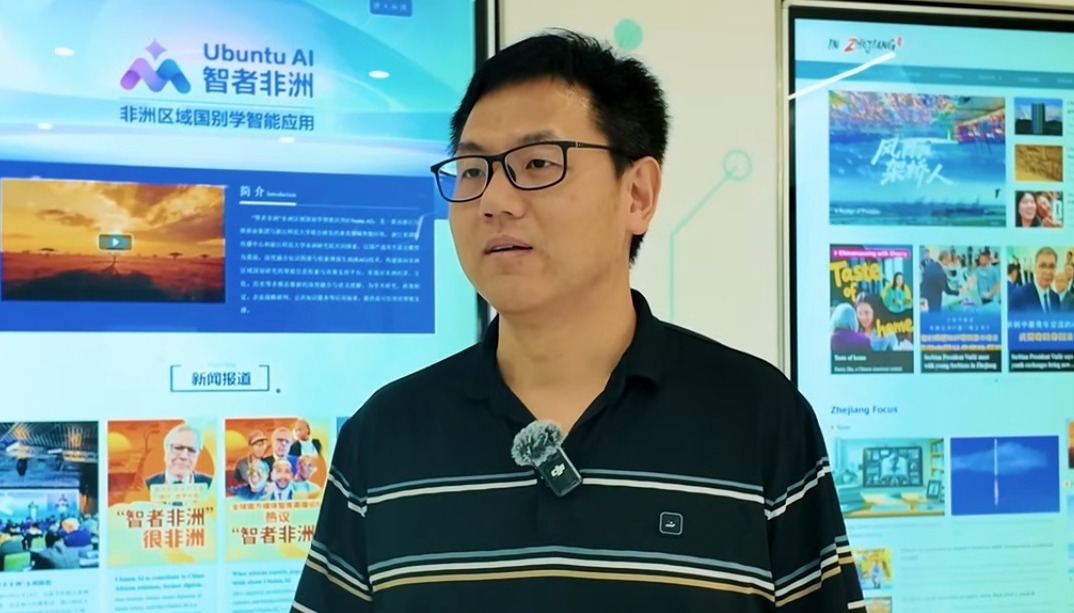
Participants at the June 24, 2026, Hangzhou roundtable examined emerging AI tools such as Ubuntu AI and their role in improving knowledge exchange and narrative balance between Africa and China.
From trade partnership to knowledge partnership
That concern forms the foundation of Ubuntu AI, a platform introduced during the discussions as a new tool designed to improve how Africa-related knowledge is collected, interpreted, and shared.
Developed jointly by the Zhejiang International Communication Center (ZICC), Zhejiang Normal University’s Institute of African Studies, and other partners, Ubuntu AI is described as China’s first intelligent application dedicated to African studies and ChinaâAfrica knowledge exchange.
According to Yang Jidong, Director of the Converged Media Innovation Hub at Zhejiang Daily Press Group, the project emerged from a recognition that many existing large AI models are trained predominantly on Western datasets and information systems.
‘The core point of this smart application is that many big models today are based on traditional or Western database training,’ Yang explained.
Ubuntu AI seeks to address that imbalance by building a knowledge base rooted more directly in African realities, cultures, research, and experiences.
‘The main purpose of Ubuntu is to train local African-related cultures,’ Yang said, adding that the platform is designed to ensure that ‘our database can represent local African cultures.’
Unlike general-purpose AI systems that pull information from vast and often inconsistent online sources, Ubuntu AI relies on what Yang described as a ‘clean and authoritative database’ specifically curated around African studies.
‘Ubuntu AI is very different from traditional big models because big models are more susceptible to AI hallucinations,’ he said.
AI hallucinations refer to instances where artificial intelligence systems generate information that appears credible but is inaccurate or entirely fabricated.
According to Yang, Ubuntu AI addresses this challenge through its underlying architecture, which combines specialized databases with Retrieval-Augmented Generation (RAG) technology. Rather than generating responses solely from a model’s internal training, the system first retrieves verified information from its knowledge base before producing an answer.
‘This allows me to search for the information I want to understand from my clean database and then generate the corresponding answer through big models,’ Yang explained.
For journalists covering Africa, he believes the implications are significant.
‘When journalists are collecting data, they can get very authoritative and core information, which can help the media produce content,’ he said.
Yang Jidong is the Director of the Converged Media Innovation Hub at Zhejiang Daily Press Group
Building an AI model rooted in African realities
The platform supports multiple languages and draws from a wide range of sources, including academic research, media archives, and policy materials. Its goal is not simply to provide information, but to improve context and accuracy in reporting and research.
For African journalists in particular, the initiative raises the prospect of having AI tools that better reflect local realities rather than relying exclusively on datasets developed elsewhere.
Yang argued that Ubuntu AI’s greatest strength lies not in the technology itself but in the quality of the knowledge that powers it.
‘I think the core of Ubuntu AI is its database,’ he said. ‘With the expansion of the database, Ubuntu’s ability will become stronger.’
He also emphasized that the project’s long-term success will depend on collaboration.
‘I hope that Chinese research institutions, local African media, and database research institutions can work together to build this database,’ Yang said.
Why Ubuntu AI could matter for the future of journalism
That vision aligns closely with the philosophy behind the platform’s name. Derived from the African concept of Ubuntuâoften translated as ‘I am because we are’âthe system is intended to function as a shared knowledge ecosystem rather than a one-sided technological product.
Participants at the roundtable repeatedly emphasized that despite advances in AI, journalism remains fundamentally a human profession.
Technology can assist with research, translation, analysis, and content production, but journalists remain responsible for verification, context, and ethical judgment.
As artificial intelligence becomes increasingly embedded in global information systems, initiatives such as Ubuntu AI reflect a growing effort to ensure that Africa is not merely represented in those systems but actively helps shape them.
For both Africa and China, the challenge ahead is not simply building smarter technologies. It is building technologies that understand people, cultures, and societies on their own terms.
And in an era where algorithms increasingly influence how the world sees itself, that may be one of the most important stories of all.
This breakthrough, published in the U.S. scientific journal Proceedings of the National Academy of Sciences, is expected to significantly accelerate medical research and reduce costs in drug discovery and biotechnology, the researchers said.
Proteins are essential to biological functions and underpin medical advances such as the diabetes drug Ozempic.
However, despite the existence of billions of proteins in nature, scientists have identified the functions of only a small fraction, largely due to years of costly lab work.
‘BetaDescribe’ works like a specialized translator, turning raw biological data into clear, detailed descriptions of a protein’s function, metabolic role, and medical potential, according to the researchers.
The AI’s ability to rapidly generate evidence-based hypotheses about the functions of unknown proteins could significantly shorten the path from basic discovery to medical and industrial applications, the researchers concluded.
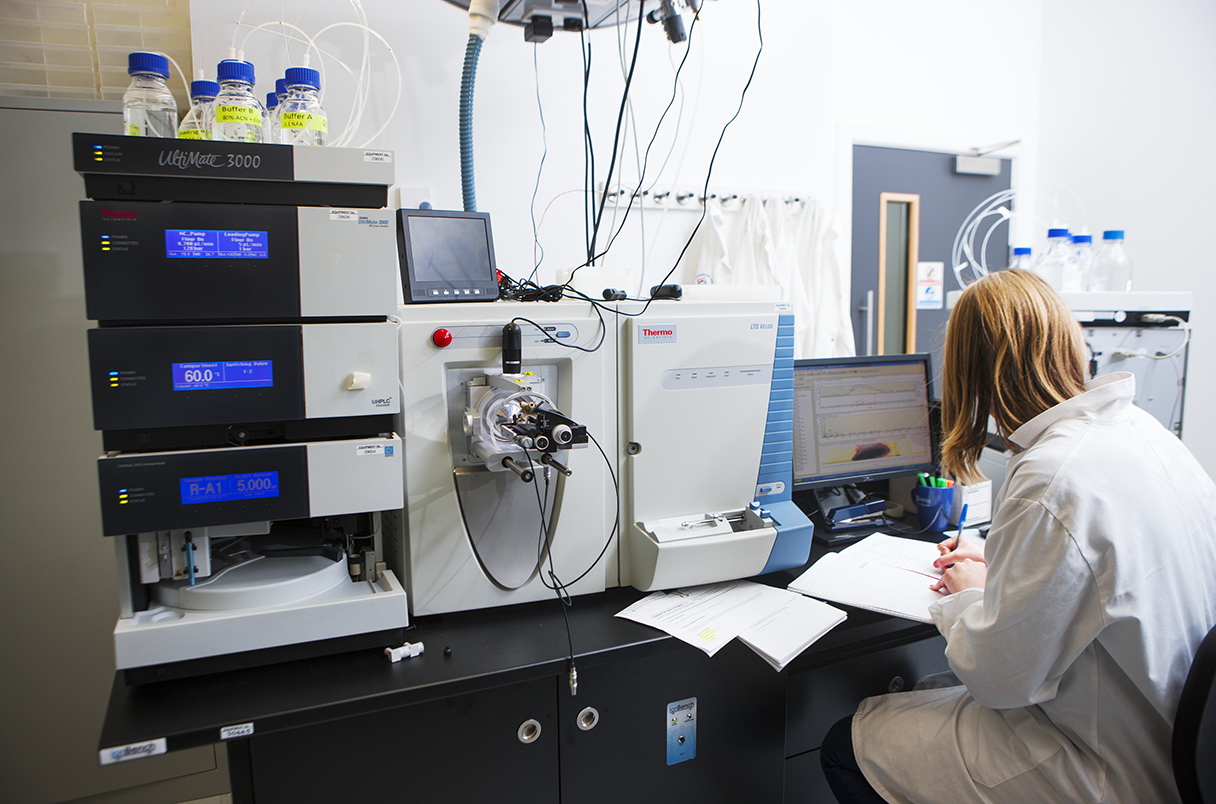
A researcher using a mass spectrometer to analyse proteins. Researchers have developed an AI system called ‘BetaDescribe’ that translates complex protein sequences into readable natural-language descriptions, the Israel Institute of Technology said in a statement on Thursday.