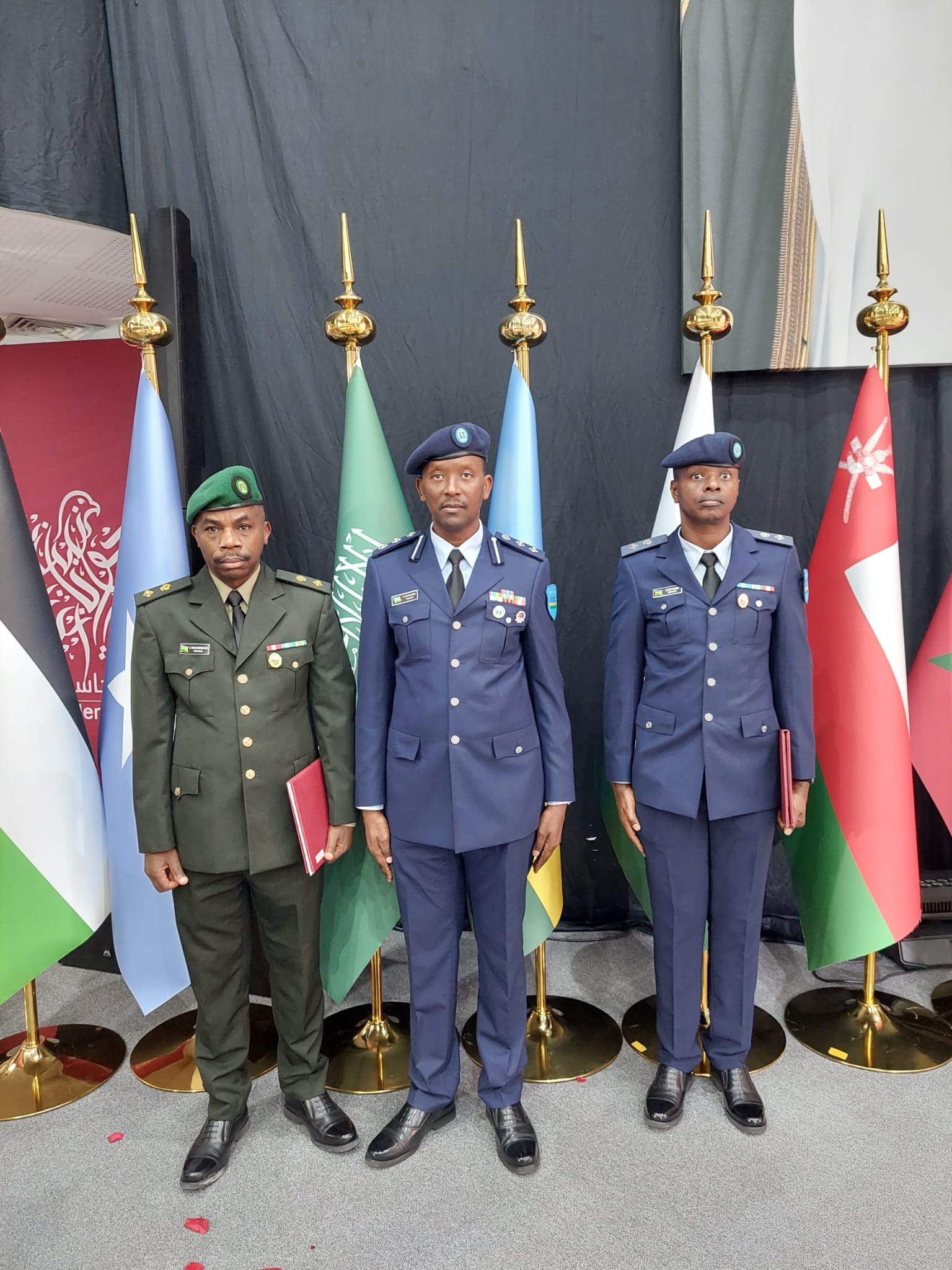
In addition to their military training, the officers also completed Arabic language studies, further strengthening their capacity for international military cooperation.
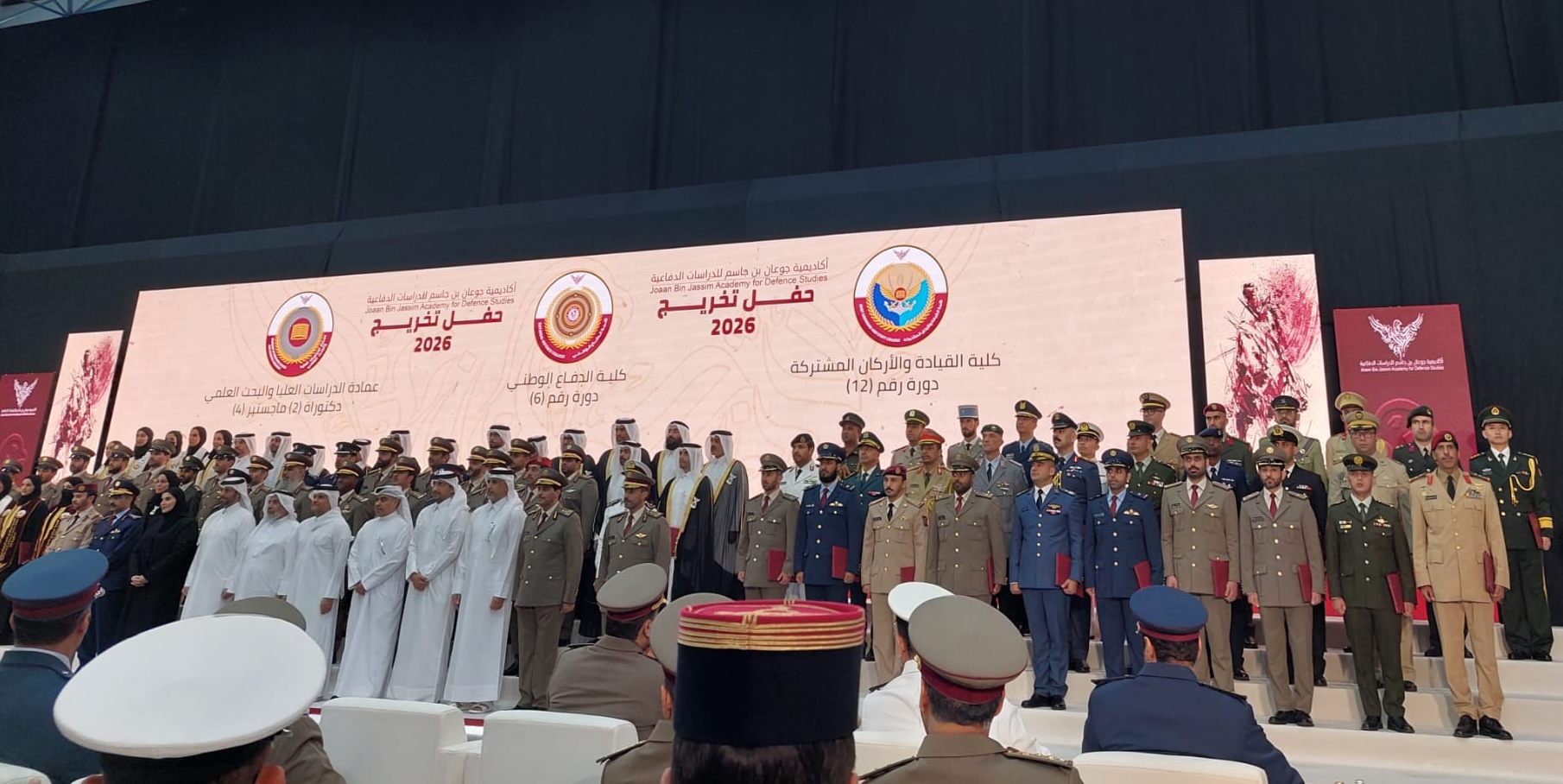
The graduation ceremony was held under the patronage of Sheikh Saud bin Abdulrahman Al Thani, Deputy Prime Minister and Minister of State for Defence Affairs.
It was attended by senior officials of the Qatar Armed Forces, diplomatic representatives, and other distinguished guests. The Rwanda Defence Force was represented by the Defence Attaché to Qatar, Col. Bernard Niyomugabo.
The latest milestone reflects the continued strengthening of defence relations between Rwanda and Qatar, which have expanded significantly in recent years across military, economic, and strategic sectors.
In January 2025, Rwanda and Qatar signed an agreement focused on training RDF personnel, sharing expertise, and enhancing aviation capacity.
The agreement was signed by Brig Gen Célestin Kanyamahanga, Permanent Secretary in the Ministry of Defence, and Sheikh Jabor Bin Hamad Al Thani, head of Qatar Aviation College.
Beyond military training, cooperation between the two countries has extended to policing and security development.
Rwanda’s Inspector General of Police, CG Felix Namuhoranye, previously led a delegation to Qatar on a working visit that included attendance at a graduation ceremony for junior officers at the Qatar Police Academy in Doha, presided over by the Emir of Qatar, Sheikh Tamim bin Hamad Al Thani.
Rwanda and Qatar also maintain broader partnerships in investment promotion, trade, tourism, and technology.
Qatar has emerged as a key partner in Rwanda’s aviation ambitions, particularly in the development of Bugesera International Airport, where Qatar Airways holds a 60% stake. Discussions have also included potential investment in RwandAir.
High-level visits between the two countries have further reinforced bilateral relations.
These include President Paul Kagame’s visits to Qatar in 2018, 2024, and other engagements, as well as reciprocal visits by the Emir of Qatar, Sheikh Tamim bin Hamad Al Thani, including his participation as guest of honour at the 2022 Commonwealth Heads of Government Meeting in Kigali.
Senior officials of the Qatar Armed Forces attend the graduation ceremony held under the patronage of Sheikh Saud bin Abdulrahman Al Thani.
RDF Defence Attaché to Qatar, Col Bernard Niyomugabo, represented the Rwanda Defence Force at the graduation ceremony in Doha.
The graduation ceremony took place on June 29, 2026.
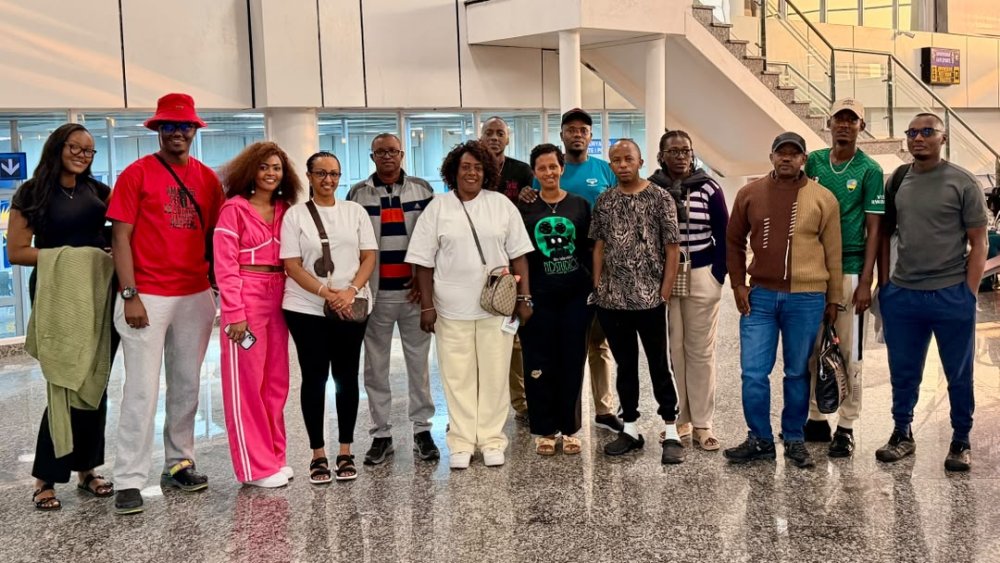
The group travelled to South Korea on June 27, 2026, with the training programme officially kicking off on June 28. It is scheduled to run until July 11, 2026, and is taking place in the city of Busan.
The initiative forms part of the ‘Capacity Building for Film and Video Industry in Rwanda’ programme, which seeks to enhance the competitiveness of Rwanda’s creative sector through international exposure and professional development.
It is being implemented through a partnership between the Busan Metropolitan City, Busan Global City Foundation (BGCF), the Korea International Cooperation Agency (KOICA), and CIAT. The programme focuses on knowledge exchange and supporting the growth of Rwanda’s film industry.
Participants are engaging in practical and theoretical sessions covering film production, directing, modern audiovisual technologies, industry management, and approaches to building international collaborations within the creative sector.
Busan, one of South Korea’s leading cultural hubs, is globally known for hosting the Busan International Film Festival (BIFF), one of Asia’s most influential film events.
The training is expected to contribute to the long-term development of Rwanda’s film industry by equipping practitioners with updated skills, global perspectives, and professional networks.
15 Rwandan film actors, including Clapton Kibonge and Siperansiya, are in South Korea for a professional film training programme
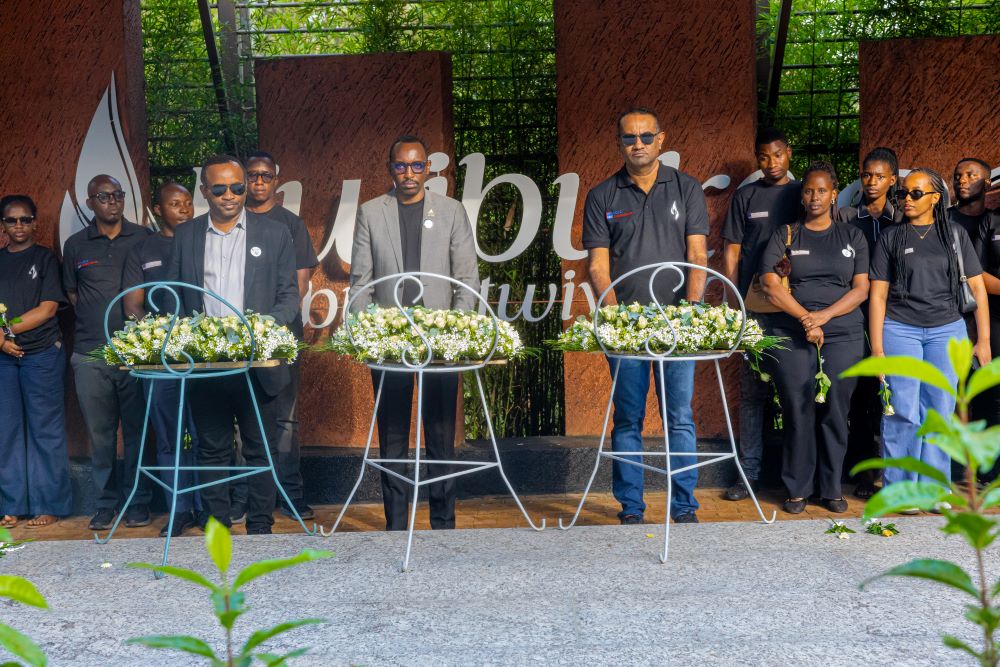
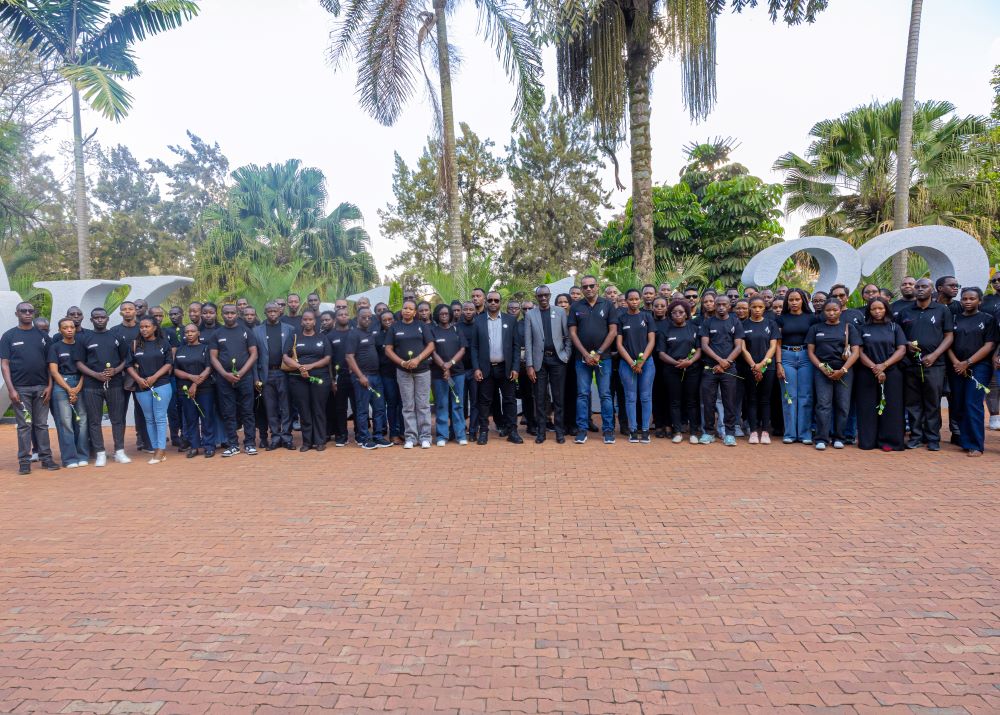
The visit took place on June 26, 2026, where staff members were taken through a detailed account of the 1994 Genocide against the Tutsi, including its historical background, planning, and execution.
After the briefing, the employees paid their respects by laying wreaths at mass graves where more than 250,000 victims of the Genocide against the Tutsi are laid to rest. The delegation also extended financial support to the memorial as part of efforts to contribute to its preservation.
The Genocide against the Tutsi, which claimed over one million lives in 100 days, was halted by the Rwanda Patriotic Army (RPA).
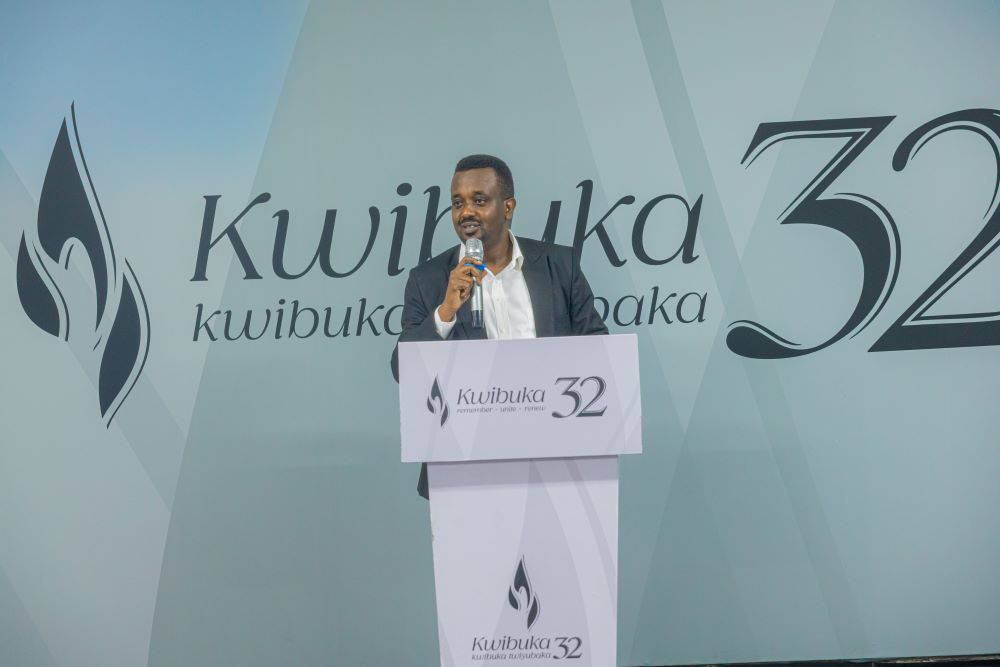
Speaking at the memorial, Serge Rwigamba, a representative of the Aegis Trust Rwanda and staff member at the Kigali Genocide Memorial, outlined how Genocide ideology was rooted in long-standing discrimination, dehumanisation, and divisive governance policies dating back to 1959.
He emphasised the importance of continuously teaching Rwanda’s history and strengthening efforts to combat divisionism and any form of ideology that threatens national cohesion.
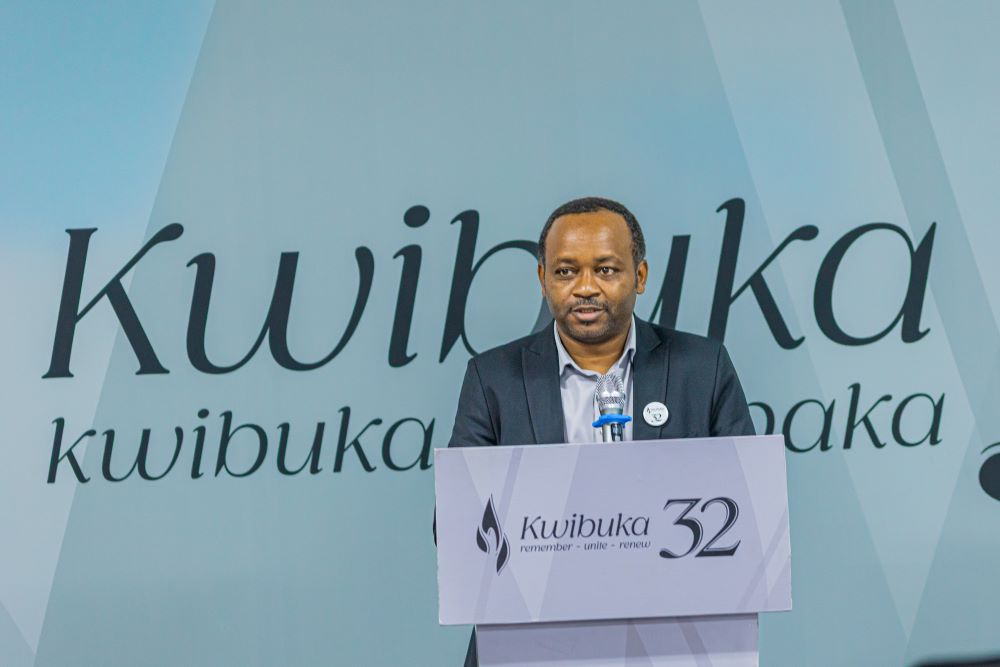
The Chairperson of the Board of Directors of LOLC Unguka Finance, Yves Sangano, said the visit was organised to honour victims of the Genocide against the Tutsi and reaffirm commitment to remembrance.
‘We came here to remember and honour the men, women, and children who were killed in the 1994 Genocide against the Tutsi, and to reaffirm that such atrocities must never happen again. Commemoration is a responsibility for every Rwandan and an opportunity to strengthen unity, reconciliation, justice, and development,’ he said.
He added that as a financial institution, LOLC Unguka Finance is committed to improving livelihoods through financial services, noting that sustainable development is only possible in an environment of peace, security, and national unity.
‘That is why we continue to join fellow Rwandans, especially during the 100-day commemoration period, to preserve and honour our national history,’ he added.
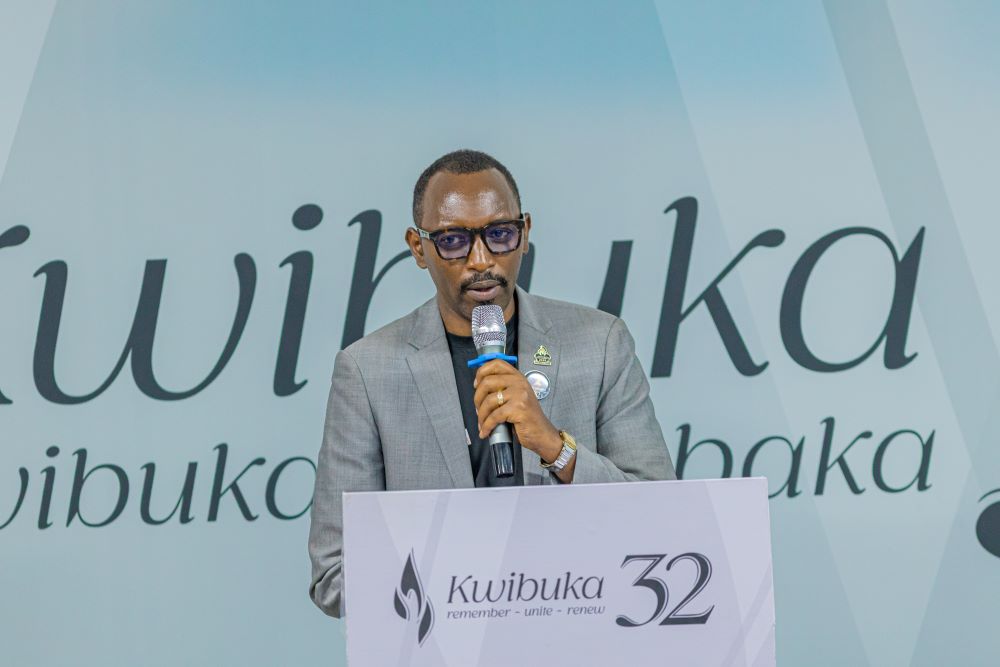
Chief Executive Officer Justin Kagishiro noted that understanding Rwanda’s history is a shared responsibility for all citizens, stressing that unity and reconciliation remain central to the wellbeing of Rwandans.
He further observed that commemoration should go beyond a ceremonial exercise, serving instead as an opportunity to deepen understanding of history and ensure it is accurately passed on to future generations.
Formerly known as Unguka Bank, LOLC Unguka Finance PLC is now part of the LOLC Group, headquartered in Sri Lanka. The institution provides a range of financial services, including savings products, loans, money transfers, and related services.
It currently operates 15 branches and two credit centres across Rwanda.
Staff members of LOLC Unguka Finance were urged to stand firm against those spreading Genocide ideology.
, Serge Rwigamba, a representative of the Aegis Trust Rwanda and staff member at the Kigali Genocide Memorial, outlined how Genocide ideology was rooted in long-standing discrimination, dehumanisation, and divisive governance policies dating back to 1959.
The Chairperson of the Board of Directors of LOLC Unguka Finance, Yves Sangano, said the visit was organised to honour victims of the Genocide against the Tutsi and reaffirm commitment to remembrance.
Chief Executive Officer Justin Kagishiro noted that understanding Rwanda’s history is a shared responsibility for all citizens, stressing that unity and reconciliation remain central to the wellbeing of Rwandans.
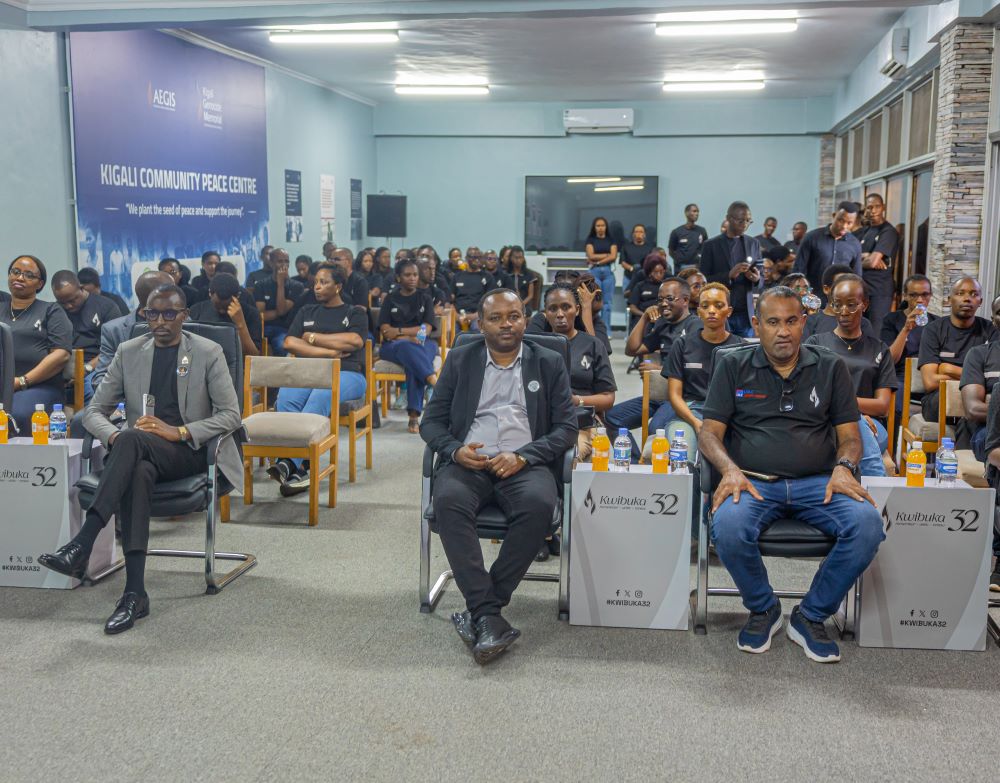
The staff were briefed on the history of the Genocide against the Tutsi, including its planning and eventual execution.
Staff members of LOLC Unguka Finance visited the Kigali Genocide Memorial in Gisozi on June 26, 2026.
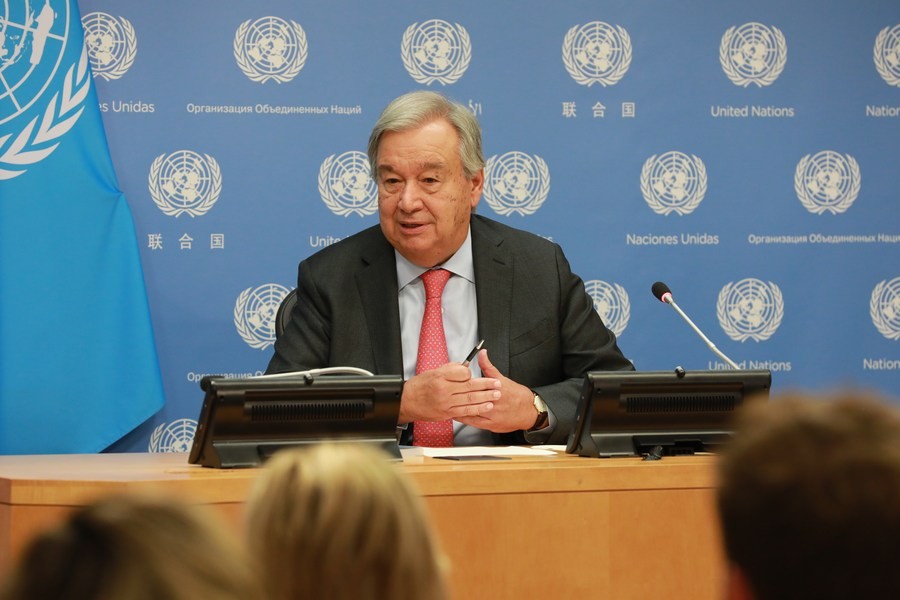
In his message on the International Day against Drug Abuse and Illicit Trafficking, observed annually on June 26, Guterres said illicit drug trafficking is not a victimless crime, ‘it inflicts profound harm on people and communities around the world while fuelling violence, crime and instability.’
The UN chief said the proliferation of synthetic drugs and the growth of online trafficking networks are compounding the crisis, while fragile health systems, persistent treatment gaps and limited access to support are undermining efforts to reduce stigma and address drug use disorders.
Noting this year’s theme challenges the world to forge solutions grounded in foresight, innovation and solidarity, he called on the international community to ‘recommit to the bold, innovative and evidence-based solutions this scourge demands.’
In its World Drug Report 2026 released Friday, the UN Office on Drugs and Crime (UNODC) said drug traffickers are exploiting technologies and global instability to introduce novel drugs, experiment with different trade routes and methods, and aggressively push into new markets.
‘We have seen an unprecedented spike in new types of drugs on the market, and worryingly, some are more potent or dangerous than before,’ said UNODC Executive Director Monica Juma. ‘And, we are already suffering the impact: millions of premature deaths and healthy years of life needlessly lost; drug trafficking networks that are distorting economies; the destruction of lives, communities and livelihoods; and the compounding of insecurity and violence.’
According to the report, an estimated 331 million people used a drug in 2024, which represents 6.2 percent of the global population aged between 15 and 64, compared to 5.2 percent in 2014. Cannabis remained the most widely used drug by far (256 million users) in 2024, followed by opioids (63 million), amphetamines (32 million), cocaine (25 million) and ecstasy (21 million).
The report found that illicit drug manufacturers continue to invent new synthetic drugs in attempts to skirt regulations and avoid detection, with five times more drug types found in seizures in 2024 than before 2000.
The increasing availability of novel synthetic opioids such as fentanyls, nitazenes and orphines on the market suggests that traffickers continue to search for alternatives to heroin, and a turn away from plant-based opiates toward synthetics could cause a permanent shift in the global opioid market, with ramifications on how these drugs are used and the harms therein, the report said.
The report showed that new trafficking routes and the gradual spread of methamphetamine production have created new markets for the drug, notably in the Near and Middle East, Africa and parts of Europe.
Cannabis production, trafficking and use are all evolving, likely in part due to the ongoing changes in perception toward the drug around the time when many jurisdictions, notably in North America, adopted legalization and/or decriminalization policies, according to the report.
Drug use can be associated with acquisitive crime, violence within families and social groups, and victimization of, and by, those who use drugs, the report said. But these outcomes are also influenced by wider factors, such as the context of the drug use and the personal histories of the people involved, including poverty, homelessness, poor mental health and contextual factors in the community such as a potential lack of access to drug treatment and social services, the report noted.
UN chief calls for harnessing technology to stop drug cyber-trafficking.
The meeting took place at Urugwiro Village and brought together Daniel Libeskind, Founder and Principal Architect of Studio Libeskind; Nina Libeskind, Co-founder of Studio Libeskind; Stefan Blach, Partner at Studio Libeskind; and Holm Keller, Chairman of the kENUP Foundation.
The planned monument is expected to transform the Kigali Genocide Memorial in Gisozi, where more than 250,000 victims of the 1994 Genocide against the Tutsi are laid to rest, into a powerful space for remembrance, education, and reflection through cutting-edge technology and a deeply immersive, personal visitor experience.
Daniel Libeskind was born in 1946 in Poland to Jewish parents who survived the Holocaust, the Nazi murder of six million Jewish people during World War II. That history is inseparable from his work. Rather than designing buildings that simply house exhibitions, Libeskind engineers the architecture itself into the emotional experience: walls lean, floors tilt, spaces are left deliberately empty. The building becomes the story.
This is the philosophy coming to Gisozi. Here are 10 projects that show what that means in practice:
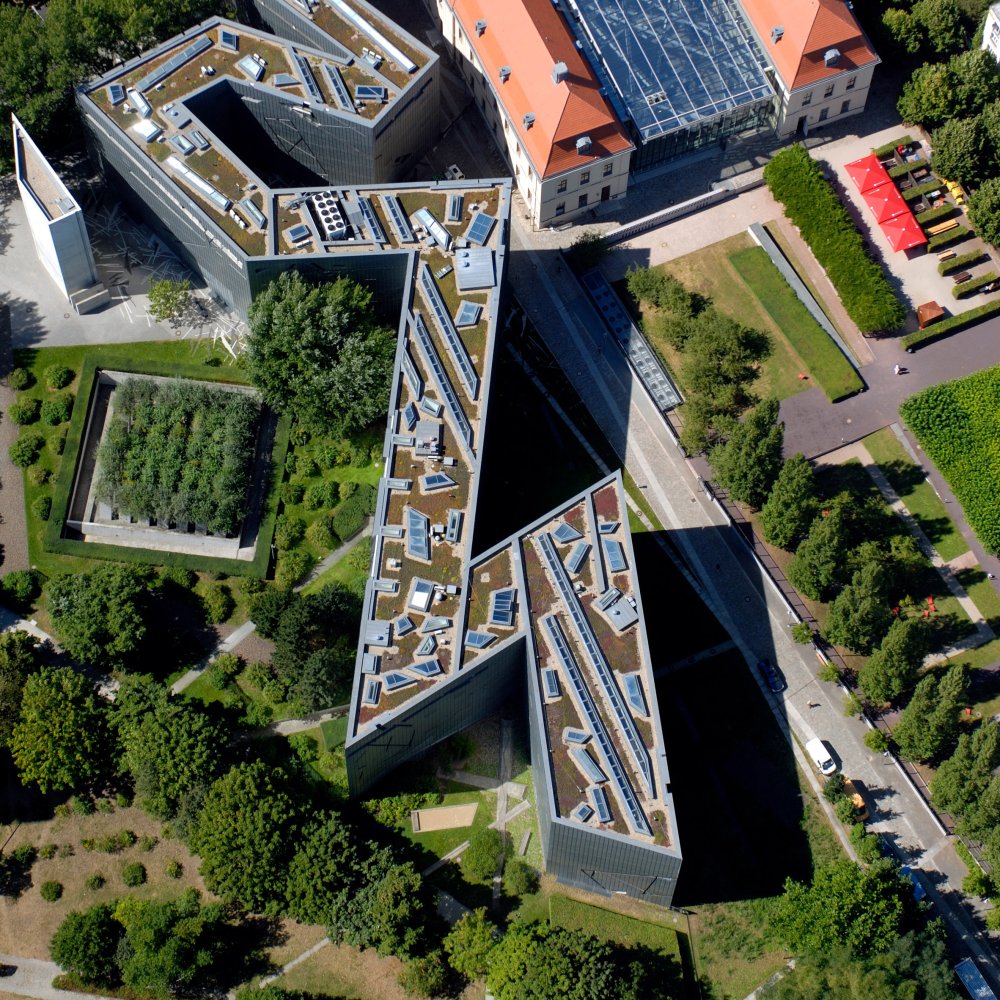
1. Jewish Museum Berlin (Germany)
This is the project that founded Studio Libeskind and established its global reputation. The titanium-zinc-clad building zigzags across its site, its surface cut by narrow, irregular windows that slash the facade like wounds.
Inside, a series of ‘Voids’, tall, unheated concrete chambers, cut through the building from basement to roof. Visitors can peer into them from bridges overhead but cannot enter. They represent the absence left by the six million people killed in the Holocaust: the conversations, children, and contributions that no longer exist. The emptiness is the exhibit.
Completed: 2001
Construction cost:$87 million (approx. â¬60 million)
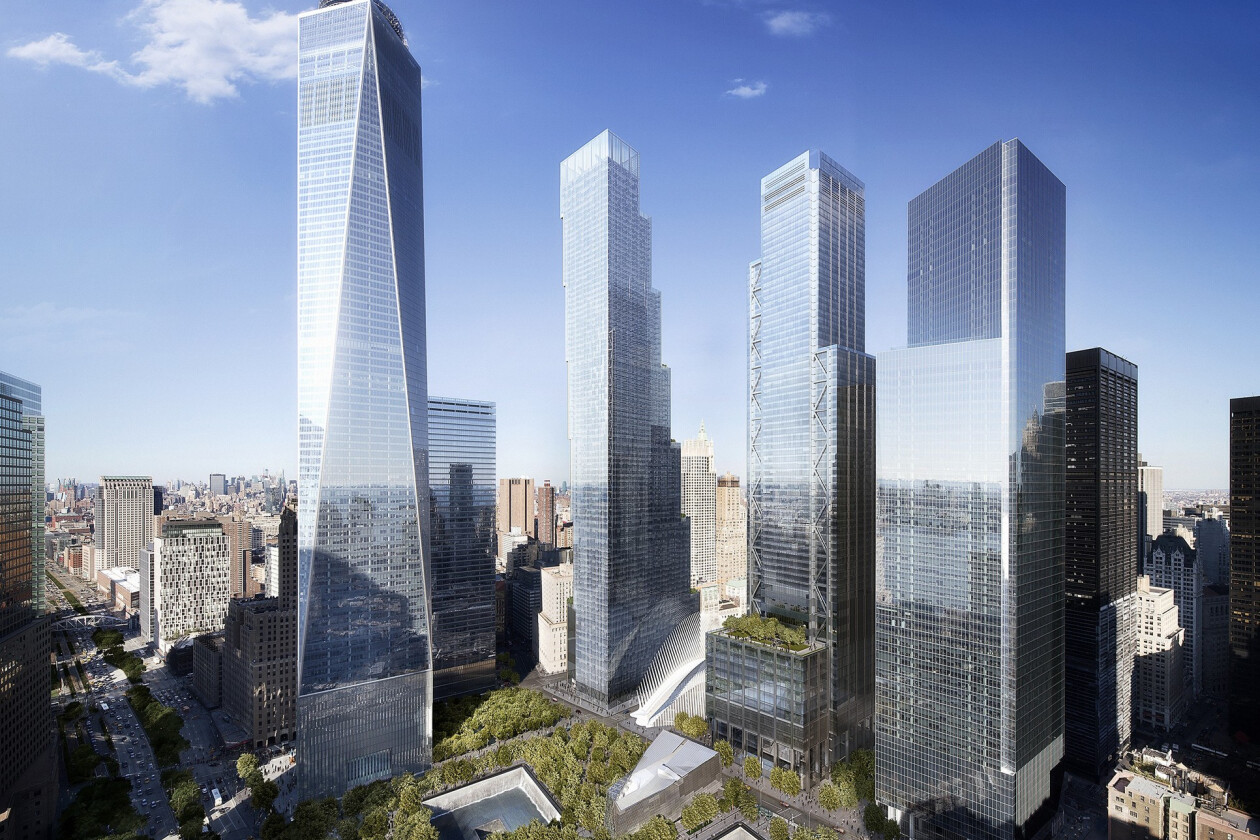
2. World Trade Center Master Plan (New York City, USA)
On 11 September 2001, nearly 3,000 people were killed when terrorist attacks brought down New York’s Twin Towers. The 16-acre site became the most scrutinised piece of land on earth. After an intense international competition, Libeskind’s ‘Memory Foundations’ plan was selected to guide the rebuilding.
Where others proposed filling the ground with new towers immediately, Libeskind kept the towers’ footprints permanently open, the space that became today’s memorial pools. He also fought successfully to preserve a stretch of original underground slurry wall that had survived the collapse, framing it as a symbol of resilience. It remains visible to visitors at the 9/11 Memorial Museum today.
Completed: 2003 (master plan selected); site construction 2006â2016
Construction cost: Total site redevelopment cost over $20 billion. One World Trade Center alone cost $3.9 billion, making it the most expensive skyscraper ever built in the United States at the time.
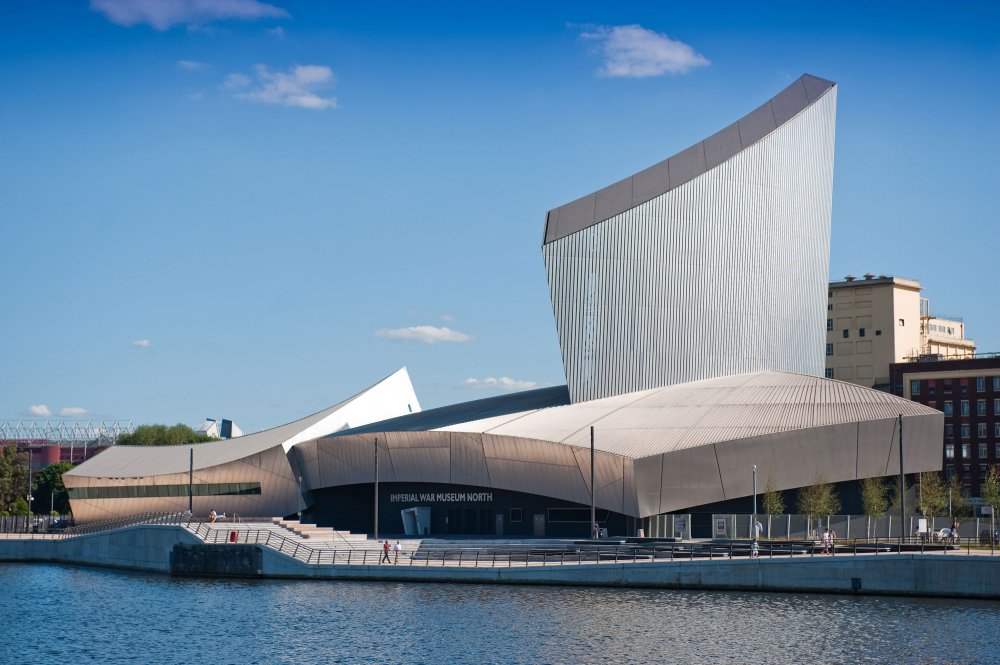
3. Imperial War Museum North (Greater Manchester, UK)
During World War II, the Trafford Park area of Greater Manchester, home to factories producing Lancaster bombers and Rolls-Royce aircraft engines, was targeted in the Manchester Blitz. Over two nights in December 1940, 684 people were killed. The Imperial War Museum’s northern branch was built on that same bombed waterfront.
The building is composed of three interlocking aluminium-clad shards representing war on earth, in the air, and on water, fragments of a globe shattered by conflict. Inside, floors curve subtly underfoot and walls lean at unsettling angles. There are no comfortable right angles. The disorientation is deliberate: Libeskind wanted the building itself to produce the instability of wartime before a single exhibit is read.
Completed: 2002
Construction cost: £28.5 million (approx. $40 million). Originally budgeted at £40 million, the project was completed under budget after funding shortfalls led to design economies including substituting metal for concrete in the shards.
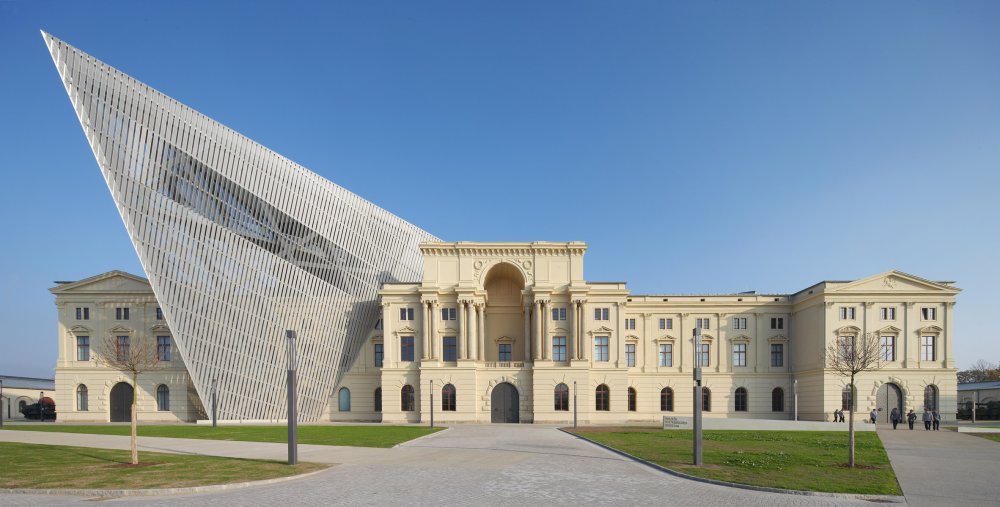
4. Military History Museum of the Bundeswehr (Dresden, Germany)
In February 1945, British and American bombers conducted devastating raids over Dresden, creating a firestorm that killed tens of thousands of civilians. Decades later, Libeskind was asked to transform the city’s neoclassical military arsenal, originally completed in 1876, from a glorification of military power into an honest reckoning with war’s costs.
His response was to drive a massive five-storey steel-and-glass wedge straight through the centre of the old building. The contrast between nineteenth-century stone and sharp modern glass is deliberately violent: authoritarian order cracked open. The tip of the wedge points in the direction from which Allied bombers approached on those February nights, a permanent, silent gesture anchoring the building to the city’s defining wound.
Completed: 2011
Construction cost: â¬48 million (approx. $65 million), funded entirely by the German federal government.
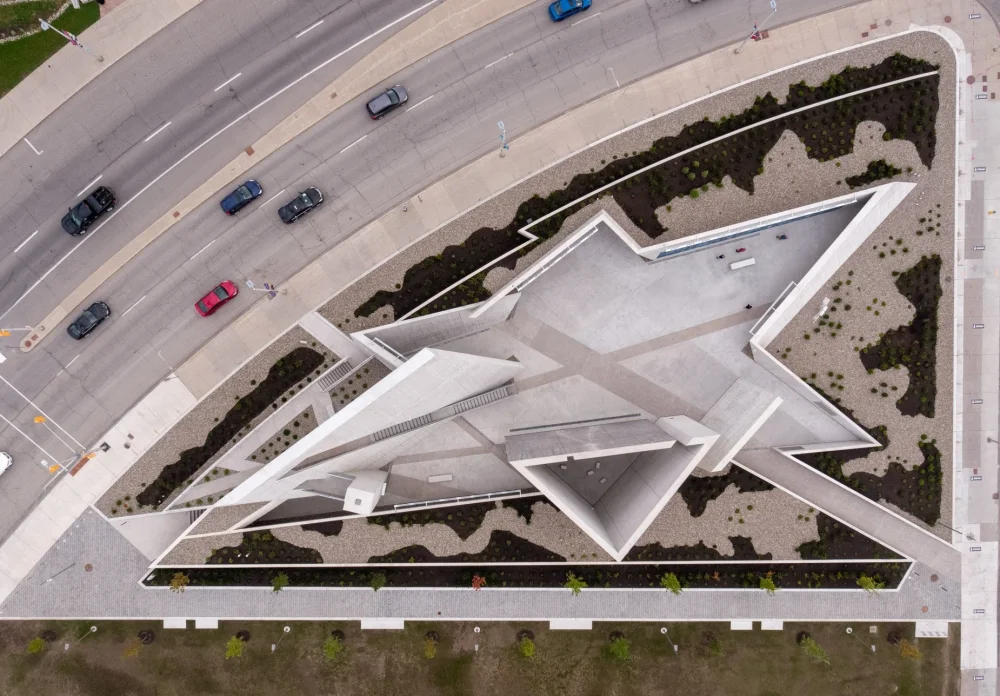
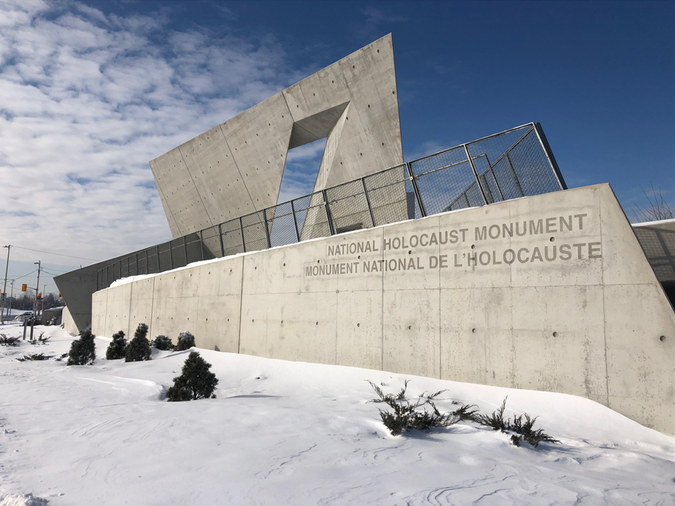
5. National Holocaust Monument (Ottawa, Canada)
Canada’s national Holocaust memorial features six raw concrete volumes that, viewed from above, form a fractured Star of David, the ancient symbol of Jewish identity, broken apart. Visitors move through narrow, oppressive concrete corridors that gradually open upward to the sky: confinement giving way to hope.
The interior walls carry large monochromatic photographs by artist Edward Burtynsky, laser-etched directly into the concrete, haunting wide-angle images of European death camp landscapes. History is not displayed on a panel to be walked past. It is built into the walls themselves.
Completed: 2017
Construction cost:C$7.2 million (approx. $5.6 million USD), split between the Canadian government and private donors.
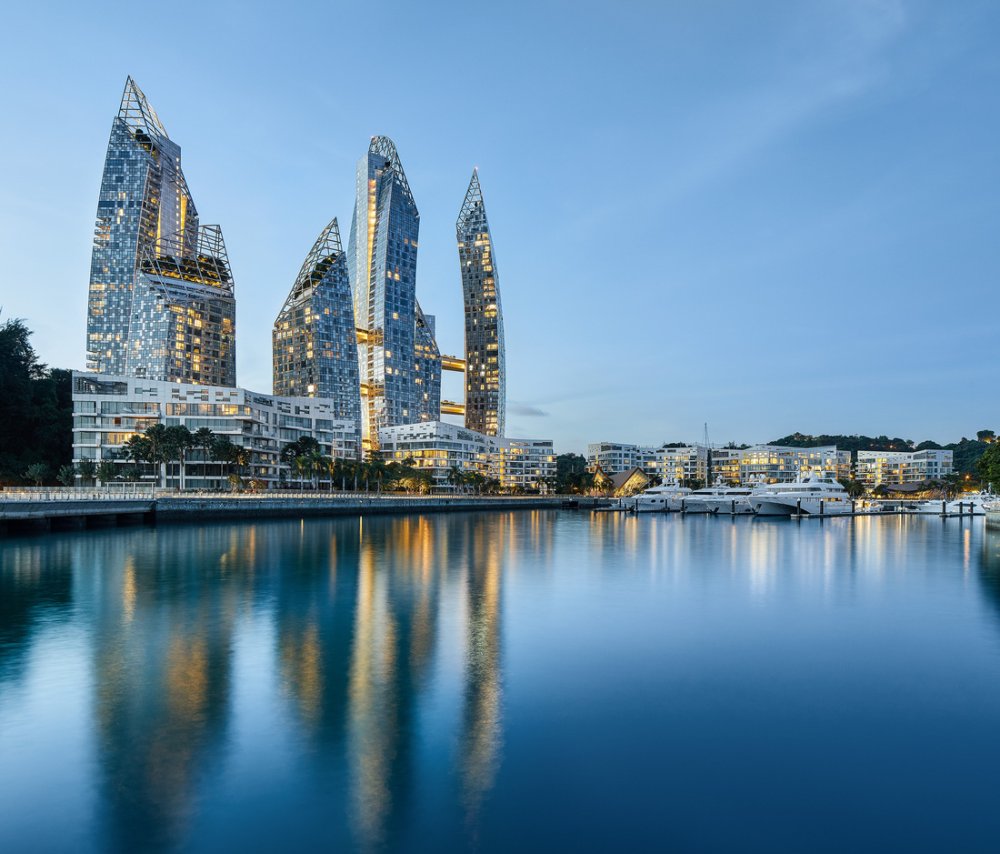
6. Reflections at Keppel Bay (Singapore)
Not every Libeskind project is a memorial. This luxury waterfront developmentâsix curved glass towers between 24 and 41 storeys, demonstrates that the studio’s philosophy translates equally into the architecture of everyday life.
In a city defined by residential uniformity, the development was designed so that no two apartments across the entire complex share the same floor plan or view. Shifting angles, alternating orientations, and changing crown geometry give every home its own character. It is Libeskind’s argument, made in glass and steel, that people deserve to live in spaces shaped for them, not mass-produced around them.
Completed: 2011
Construction cost: Construction cost not publicly disclosed. The development sold 1,129 luxury apartments across a 750-metre waterfront site, with unit prices at the time of sale ranging from SGD $1.5 million to over SGD $10 million.
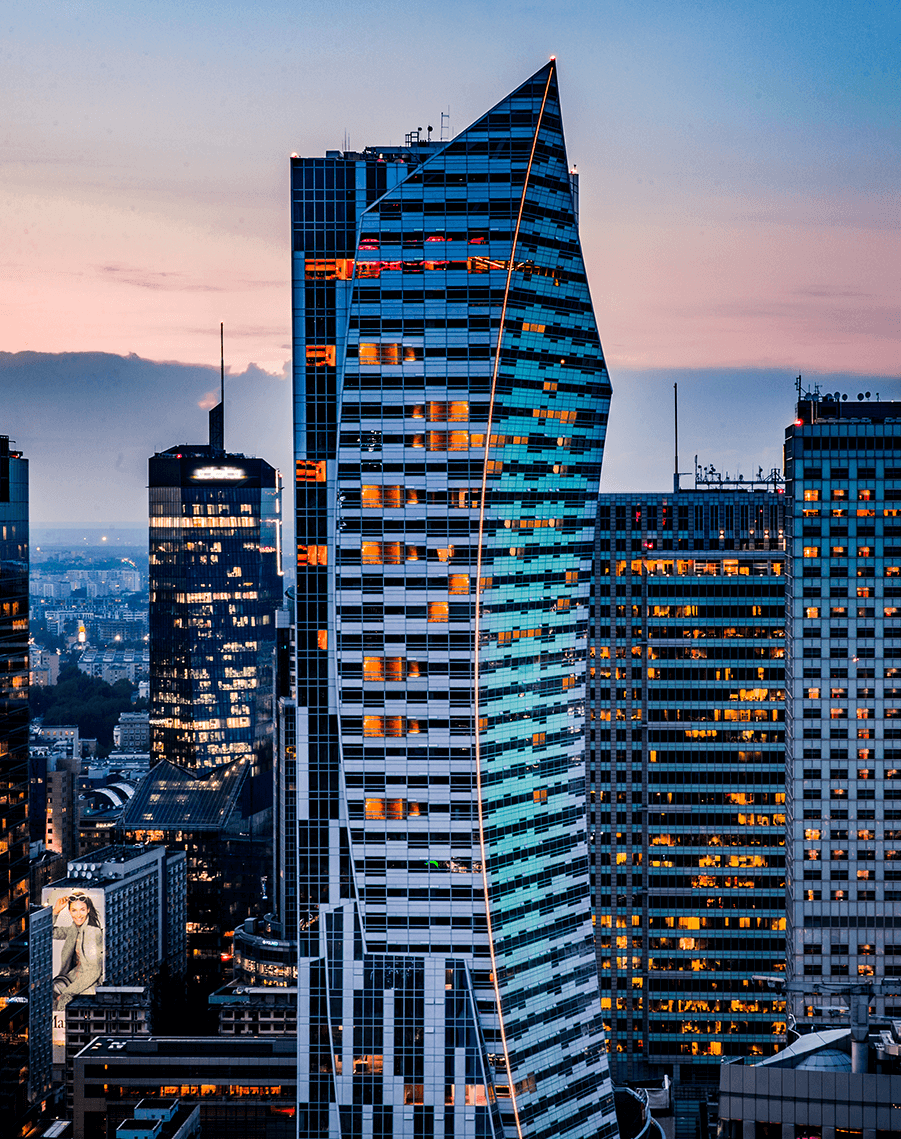
7. Złota 44 (Warsaw, Poland)
Warsaw was systematically destroyed by Nazi Germany during World War II, over 85% of the city razed. That it stands today, rebuilt and thriving, is one of history’s great acts of collective will. It was into this city that Libeskind returned to build his first major project in his birth country.
The 52-storey, 192-metre luxury residential tower’s sweeping glass facade curves upward in the shape of an eagle’s wing, Poland’s national emblem, representing freedom and sovereignty. Across the street, the heavy communist-era Palace of Culture looms. Złota 44 rises in direct contrast: light, fluid, and forward-looking.
Completed: 2016
Construction cost: Estimated â¬163 million (approx. $175 million) construction cost. The project faced severe financial difficulties; the original developer sold it midway through construction for just â¬50 million after significant losses.
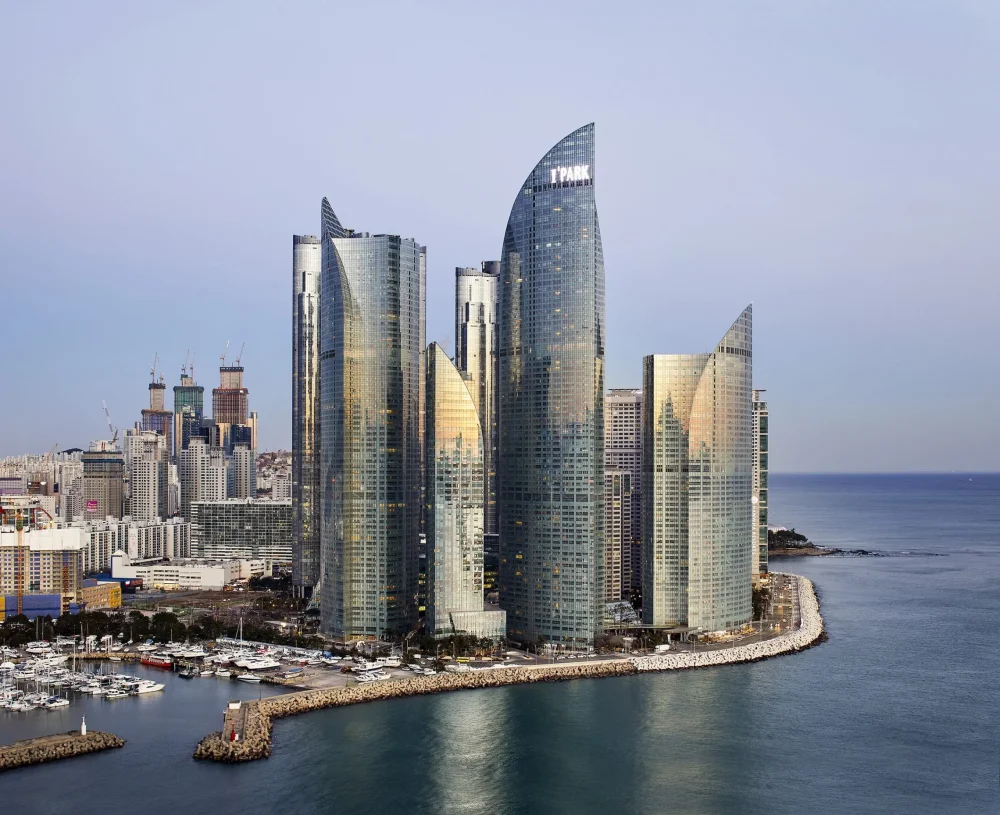
8. Haeundae Udong Hyundai I’Park (Busan, South Korea)
Busan is South Korea’s second largest city and its largest port, a place whose identity is inseparable from the ocean. This waterfront development comprises three residential towers, the tallest reaching 72 storeys, alongside a hotel, offices, and retail.
Each tower was mathematically modelled to present a completely different silhouette depending on the angle of approach, the buildings seem to shift and breathe as you move around them. The curves draw on Korean natural tradition: ocean waves, wind-filled sails. The result is a large-scale modern complex that belongs unmistakably to the coastline it occupies.
Completed: 2011
Construction cost: Construction cost not publicly disclosed. The full 4.5-million-square-foot mixed-use development is one of the largest residential complexes in South Korea.
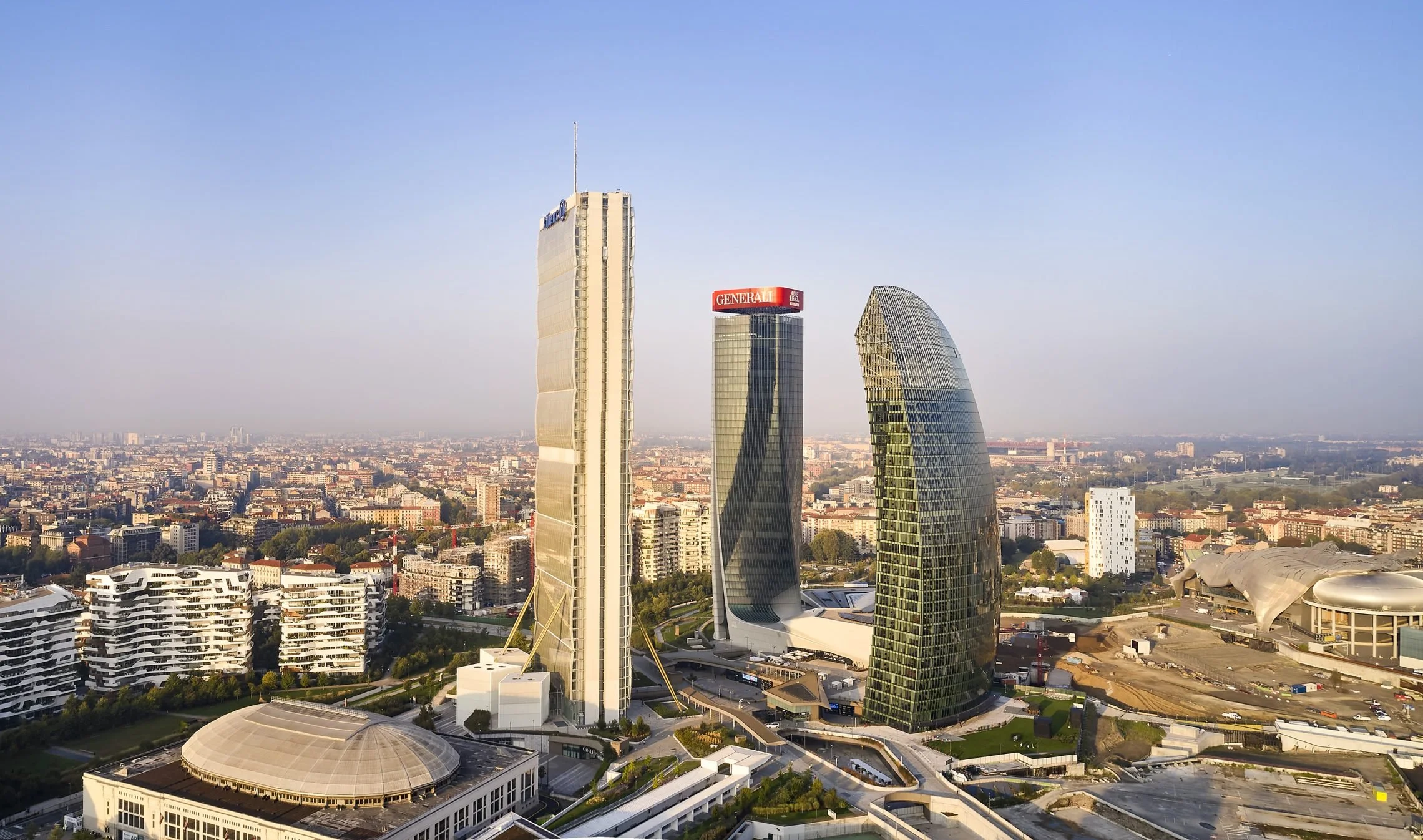
9. PwC Tower / CityLife Master Plan (Milan, Italy)
Part of a major regeneration of Milan’s historic fairgrounds, this 175-metre office tower, known locally as Il Curvo (The Curved One), tilts and arcs in a single clean geometric sweep from base to summit. In a skyline of vertical towers, its curve is immediately legible from across the city.
The design is a contemporary reinterpretation of the arcing forms found throughout Italian architectural history, translated into glass and steel. A building that speaks to where it stands rather than ignoring it.
Completed: 2020
Construction cost: Construction cost not publicly disclosed. The broader CityLife masterplan, encompassing three towers by Libeskind, Zaha Hadid, and Arata Isozaki, plus residential and retail, represents a total investment of over â¬2 billion.
10. Infinity Towers (Shanghai, China)
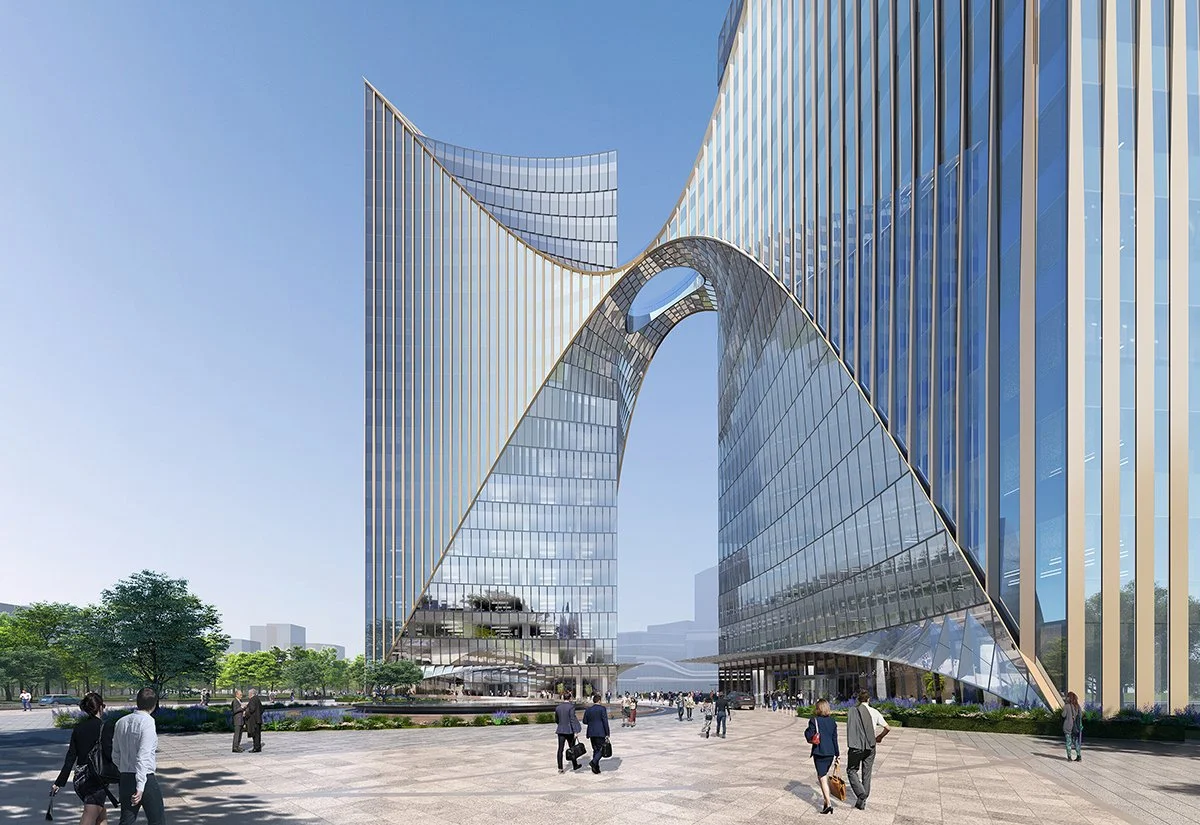
Currently under construction for the Lingang Group, these twin 100-metre commercial towers twist as they rise, their forms designed to evoke two dancing cranes, ancient Chinese symbols of longevity and wisdom, leaning toward each other mid-step.
The towers are connected at the 15th floor by a skybridge whose centre features a circular opening in the floor, looking directly down onto public water plazas below. It is a small gesture but a characteristic one: in a building designed to function, Libeskind finds the moment where structure, nature, and wonder briefly meet.
Completed: Under construction (expected completion not publicly confirmed)
Construction cost: Construction cost not publicly disclosed.
Other Notable Projects
Studio Libeskind has also designed the
Zhang Zhidong Museum (Wuhan, China)
Tikva Jewish Museum (Lisbon, Portugal)
Modern Art Center Vilnius (Lithuania)
Danish Jewish Museum (Denmark)
The Garden of Earthly Worries
The Wheel of Conscience Crystals at CityCenter (United States)
Bord Gáis Energy Theatre (Ireland)
Run Run Shaw Creative Media Centre (Hong Kong)
Ogden Centre at Durham University (United Kingdom)
Memoria e Luce 9/11 Memorial (Padua, Italy)
Albert Einstein Discovery Center (Ulm, Germany)
Together, these projects demonstrate Studio Libeskind’s defining conviction: that architecture is not a container for history, it is a way of making history felt. It is an approach that speaks directly to what Kigali will build at Gisozi.
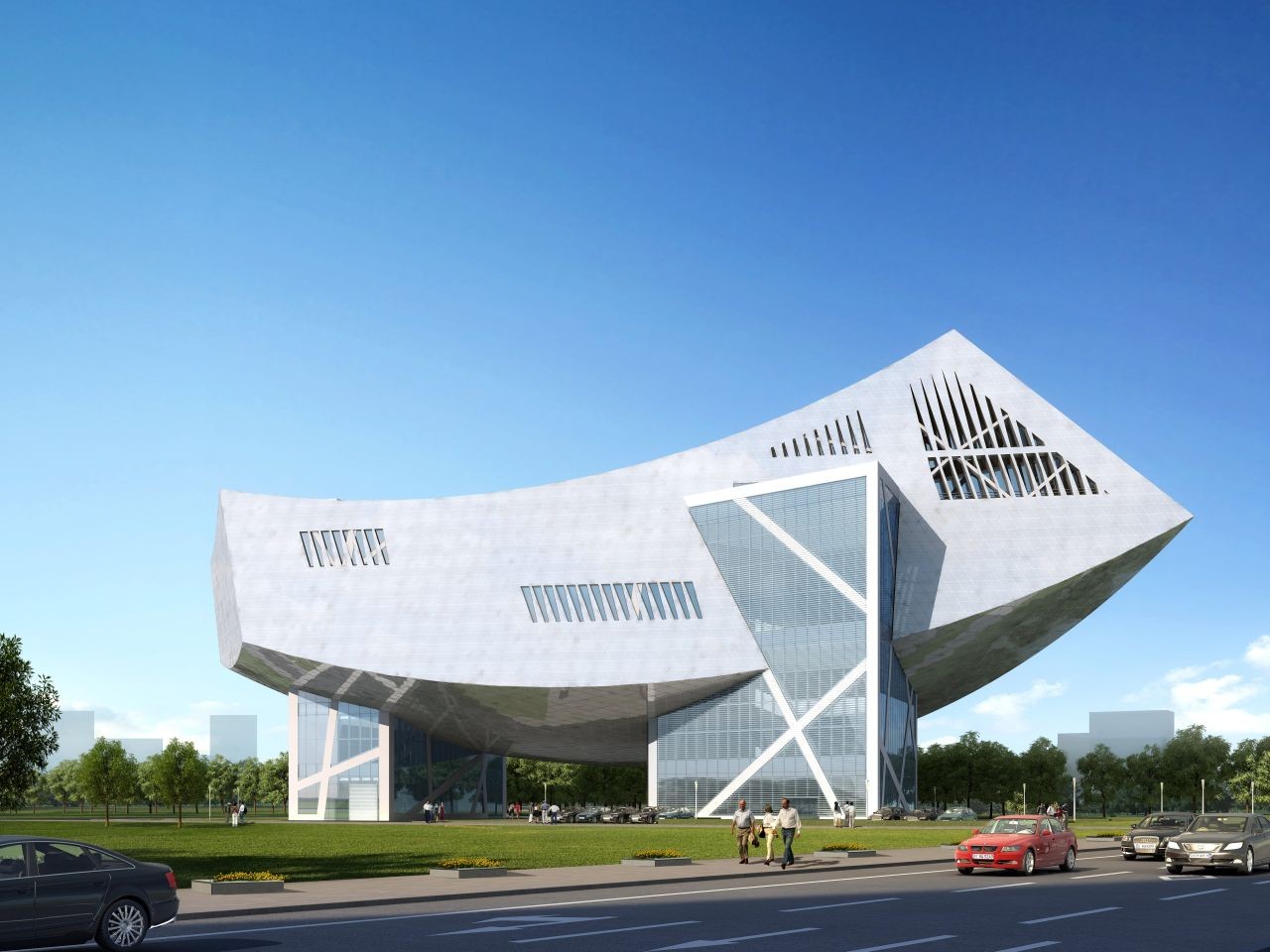
Zhang Zhidong Museum.
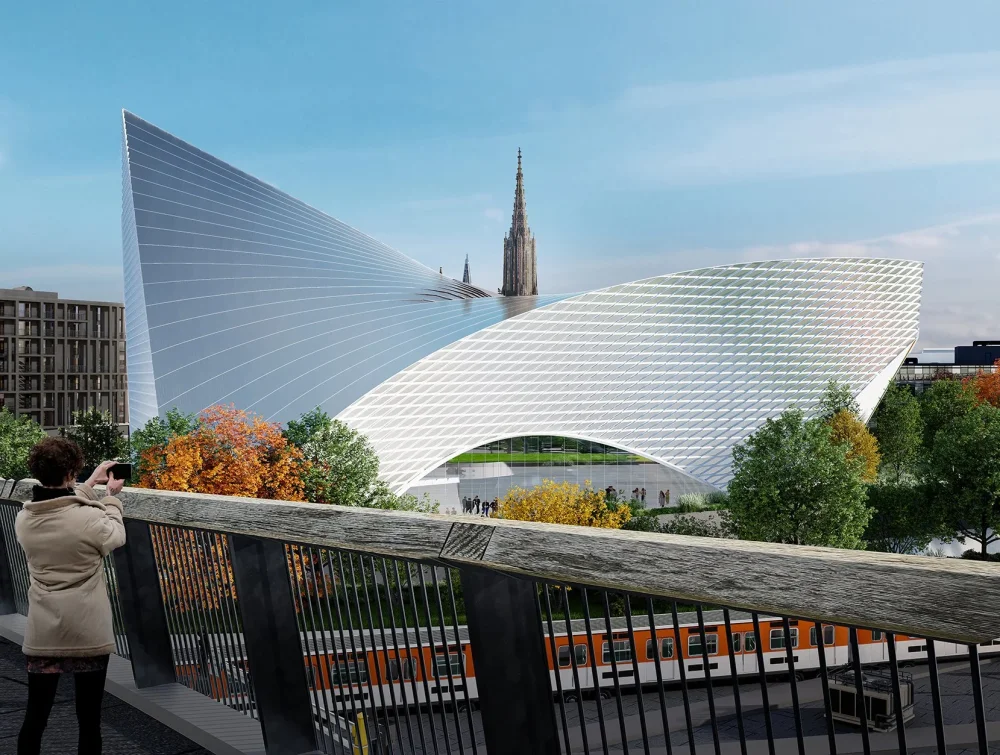
Albert Einstein Discovery Center in Ulm, Germany.
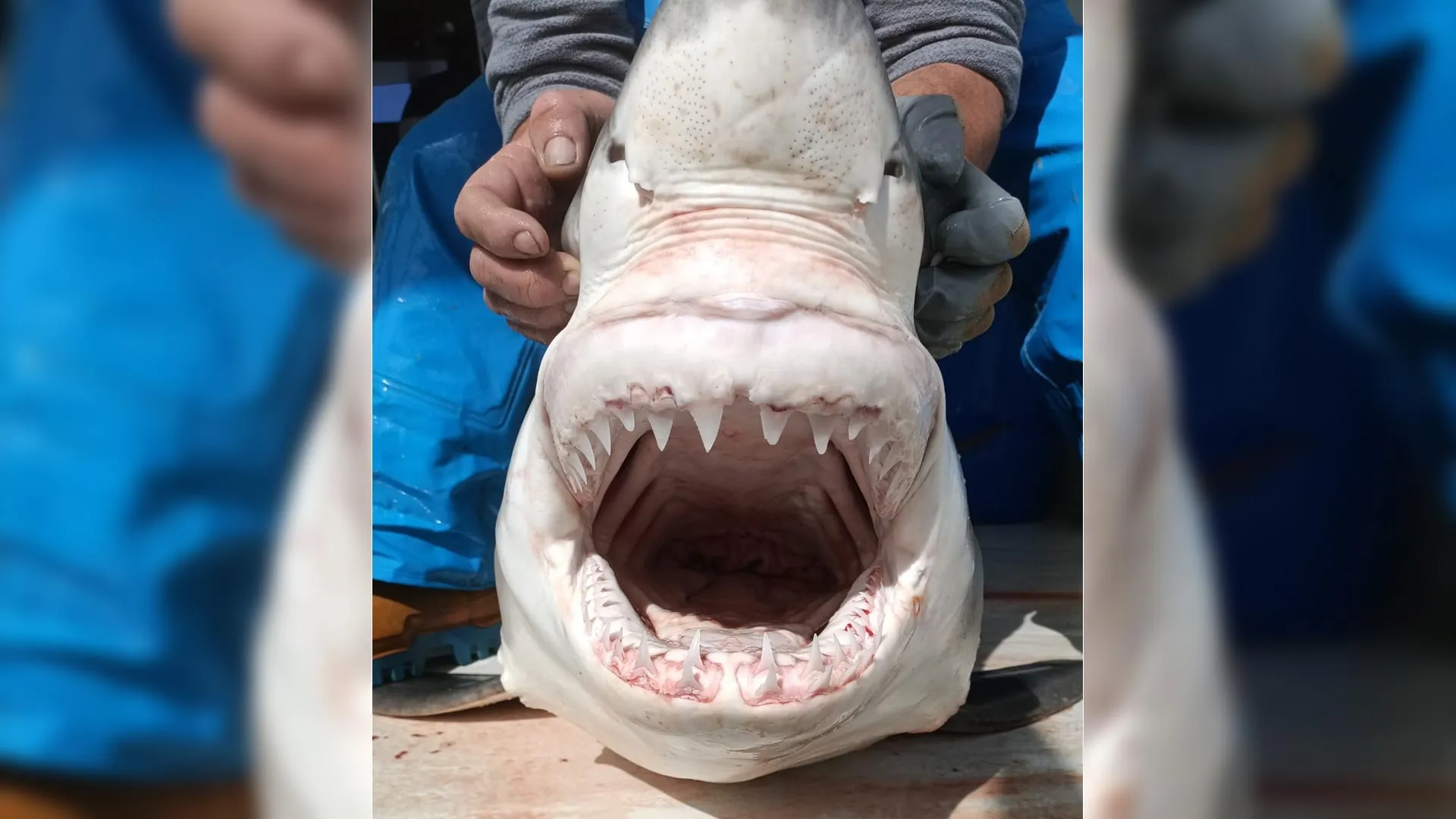
A rare encounter with a juvenile great white shark has renewed scientific interest in one of the Mediterranean Sea’s most elusive marine predators, raising fresh questions about whether a hidden population may still persist in the region.
The incident, reported by Pensoft Publishers, took place on April 20, 2023, when local fishermen accidentally caught a young shark off the eastern coast of Spain. The juvenile measured approximately 210 centimeters in length and weighed between 80 and 90 kilograms.
While the physical encounter occurred in 2023, the full scope of the discovery was only revealed on January 27, 2026, when the formal peer-reviewed study was officially published in the scientific journal Acta Ichthyologica et Piscatoria. Following its academic release, global science media broke the story to the public in June 2026, shedding light on the extensive analysis that followed the initial catch.
Although great whites are among the most well-known marine predators worldwide, confirmed sightings in the Mediterranean remain extremely uncommon.
For decades, scientists have debated whether these occasional records represent a small surviving local population or simply individual sharks moving in from the Atlantic Ocean.
What makes this discovery particularly significant is the age of the animal. As a juvenile, it raises the possibility that great white sharks may not only be passing through Mediterranean waters but could also be reproducing in the region, challenging long-standing assumptions about their presence there.
Following the capture, researchers spent nearly three years reviewing more than 160 years of historical records, including sightings, captures, and stranding reports dating back to 1862. Their analysis suggests that while these apex predators remain rare in the basin, their occurrence may be more consistent than previously assumed.
However, scientists emphasize that the evidence is still limited. A single juvenile sighting is not sufficient to confirm a stable breeding population. They also note that factors such as fishing pressure, habitat changes, and broader ecosystem shifts over time may have influenced shark distribution patterns.
Despite the uncertainty, the discovery has renewed scientific attention on the species and highlights the need for further research, including genetic studies and long-term tracking. For now, the ‘ghost’ great white shark remains an enduring mystery, an example of how much the ocean still holds yet to be fully understood.
Rare juvenile great white shark revives 160-year mediterranean mystery.
The groundbreaking discovery, announced on June 24, 2026, was made by an international research team led by the University of Oxford in collaboration with the University of Birmingham and the Observatoire de la Côte d’Azur. The team’s formal findings were published in the journal Monthly Notices of the Royal Astronomical Society.
The two planets, known as TOI-791 b and TOI-791 c, orbit a distant F7-type dwarf star located around 1,110 light-years from Earth in the southern constellation Volans.
While an F7-type dwarf star is slightly hotter and more massive than the Sun, scientists believe these planets actually retain a cold, pristine structure. They likely formed far out in the chilly outer fringes of their protoplanetary disc, allowing them to rapidly accumulate massive gaseous envelopes without being scorched or stripped away early on.
Although both planets are similar in size to Jupiter, their masses are incredibly small. TOI-791 b contains just 3% of Jupiter’s mass, while TOI-791 c holds only 5.9%. This results in atmospheres that are incredibly expanded and diffuse, giving them an almost ‘fluffy’ structure comparable to fresh shaving foam.
Their calculated densities, 0.038 and 0.047 grams per cubic centimeter, respectively, are so low that they are less dense than actual cotton candy, which sits at roughly 0.05 grams per cubic centimeter. Jupiter, by comparison, is up to 35 times denser.
The story of their discovery spans nearly a decade and highlights a massive win for citizen science. Everyday volunteers participating in the Planet Hunters TESS project first flagged TOI-791 b as a candidate in 2019 and TOI-791 c in 2023 by meticulously combing through raw data from NASA’s Transiting Exoplanet Survey Satellite.
To confirm the existence of these featherweight worlds, astronomers had to pull off a historic feat of observational endurance. Because the planets take an exceptionally long time to orbit their star, the team utilized the specialized ASTEP telescope located at Concordia Station in Antarctica.
Taking advantage of the unbroken, freezing months of total Antarctic winter darkness, researchers were able to capture continuous 11-hour planetary transits, the longest ever recorded from the ground.
What makes this discovery uniquely significant is the rare architecture of the planetary pair. Out of nearly 6,300 exoplanets discovered by humanity, fewer than 40 are categorized as super-puffs, and finding two in the same solar system is a true ‘one-in-a-million’ occurrence.
The siblings are also locked in a rare orbital dance known as a 5:3 mean-motion resonance, meaning the inner planet completes exactly five orbits for every three completed by the outer planet.
This synchronous movement causes the planets to gravitationally tug on each other over time. By measuring the subtle variations in their transit timings caused by this tug-of-war, the Oxford-led team was finally able to calculate their precise masses.
As research continues, scientists are already planning to use the James Webb Space Telescope to peer directly into these cotton candy-like atmospheres, unlocking brand new insights into the sheer diversity of worlds that exist across the galaxy.
Researchers find two unusually light jupiter-sized planets in distant star system
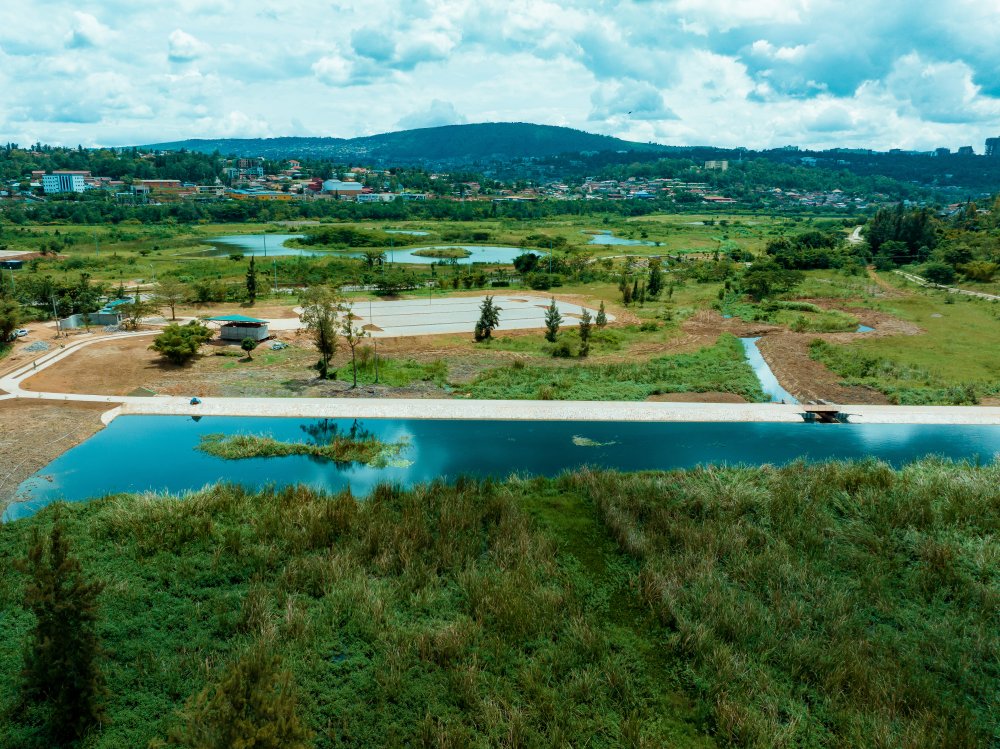
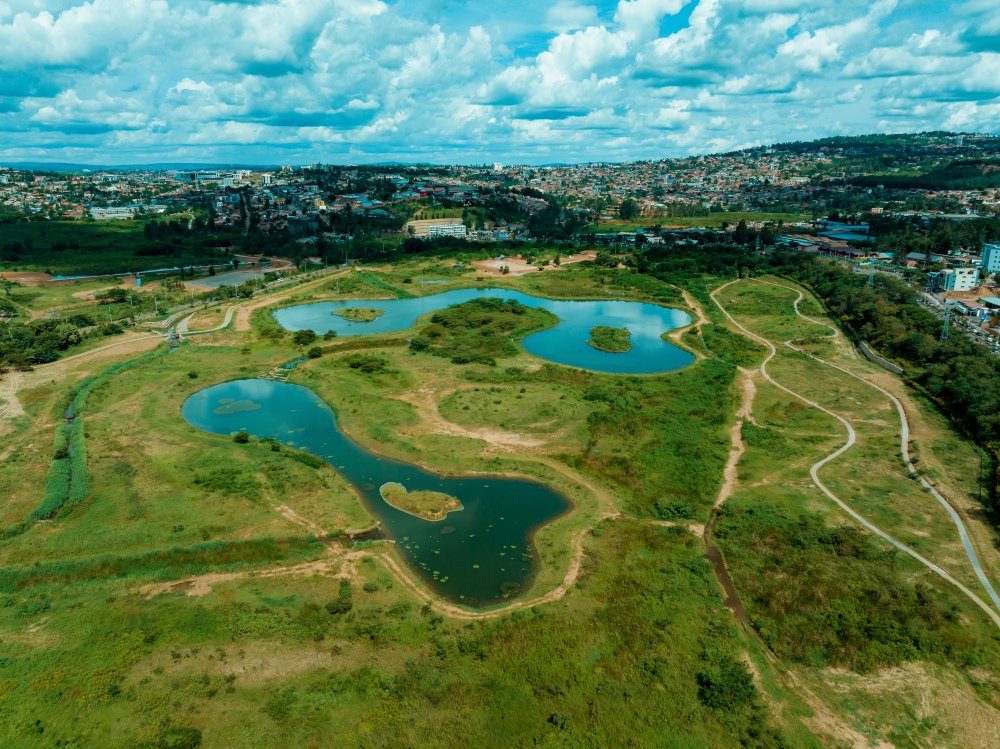
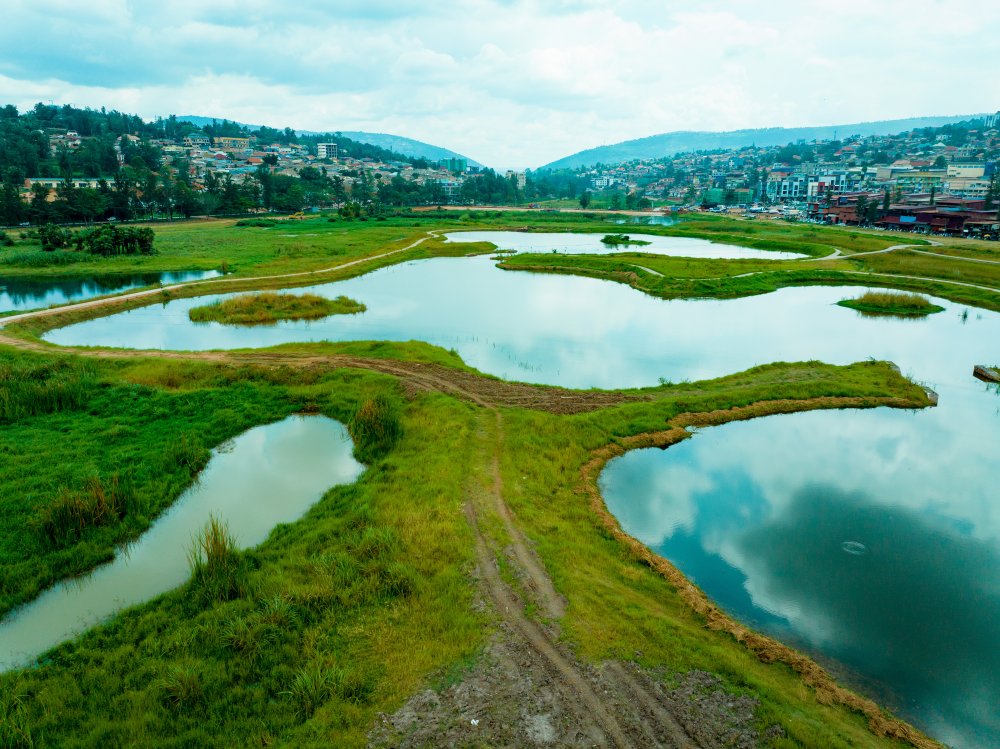
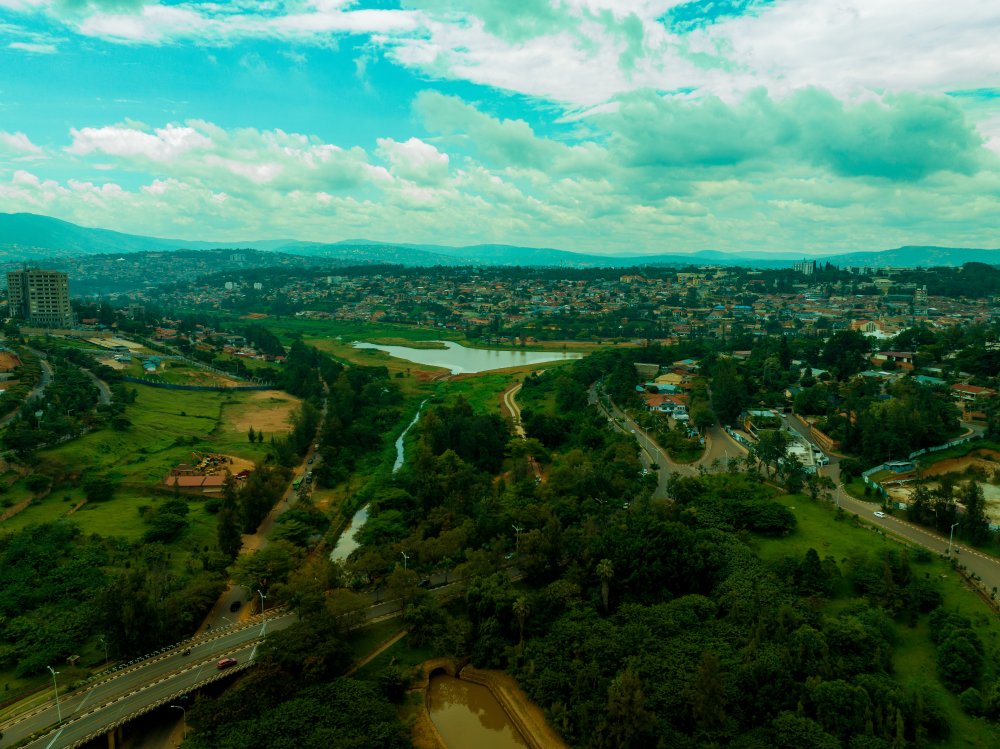
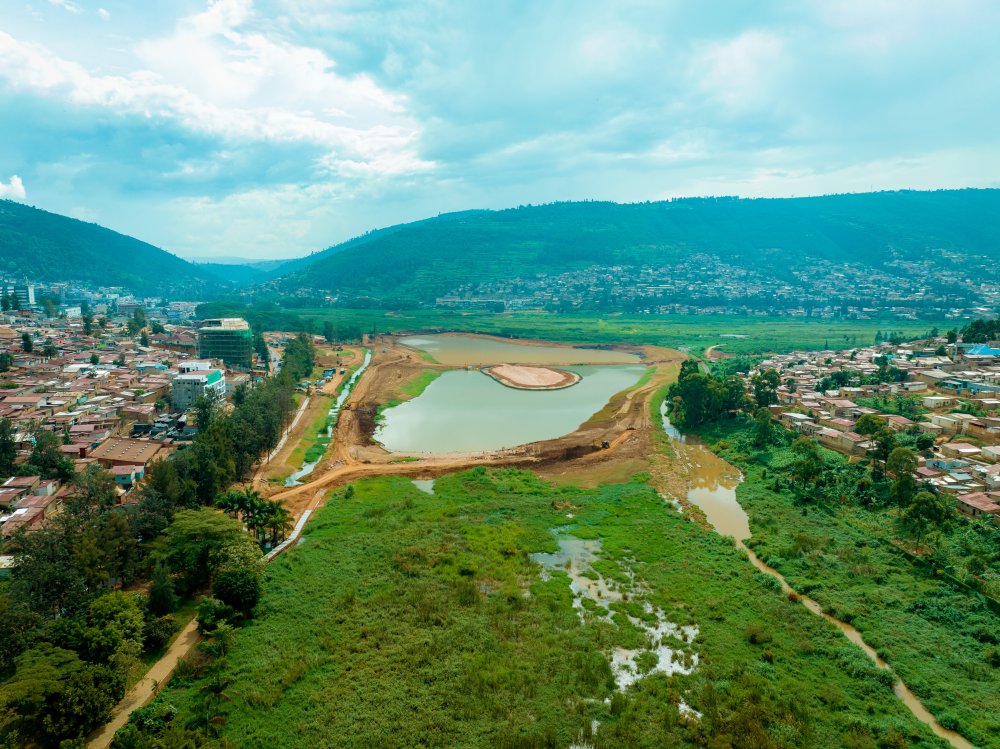
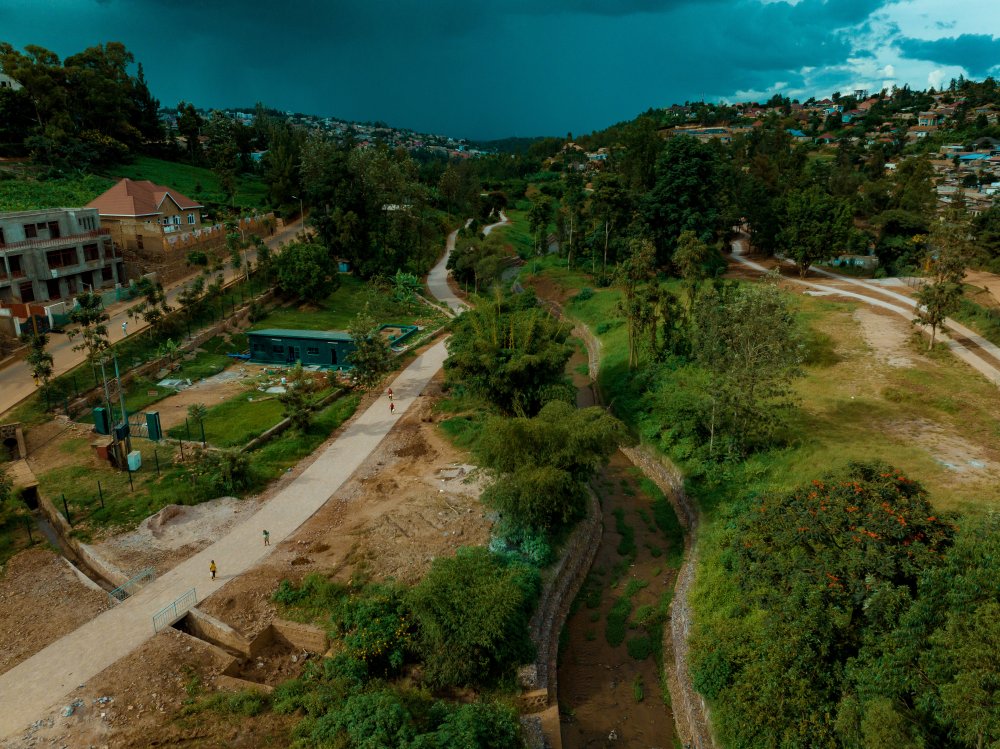
The initiative covers five rehabilitated wetlands in Kigali City: Nyabugogo, Gikondo, Kibumba, Rwampara, and Rugenge-Rwintare, which are being developed as part of the city’s broader environmental restoration and urban development agenda. Interested parties have until July 4, 2026, to submit their applications.
According to RDB, eligible applicants may include private companies, non-governmental organisations, investment firms, or consortia of organisations. Interested parties are required to demonstrate strong technical expertise, financial capacity, and proven management capability to sustainably operate and manage the wetlands.
Applicants must also show the ability to manage infrastructure and staff, provide professional and inclusive security, conserve biodiversity, and deliver visitor services and environmental education. They are further expected to develop sustainable financial models outlining how the wetlands will generate revenue and attract investment.
In addition, the selected partner will be responsible for engaging surrounding communities and stakeholders to raise awareness of wetland conservation and environmental protection. This includes collaboration with local institutions, small financial entities, adjacent landowners, and relevant government agencies.
The management of the wetlands will be overseen by a Kigali City committee responsible for developed wetland parks, which will also provide strategic guidance on conservation and service delivery. The committee brings together representatives from RDB, the Ministry of Infrastructure (MININFRA), REMA, the City of Kigali, the Rwanda Water Resources Board (RWB), and the Ministry of Finance and Economic Planning (MINECOFIN).
The five wetlands cover a combined area of 491 hectares, distributed across Gikondo (162 ha), Nyabugogo (131 ha), Kibumba (68 ha), Rwampara (65 ha), and Rugenge-Rwintare (65 ha). They have been developed in line with Kigali’s Master Plan Vision 2050, which designates 25% of the city for environmental conservation and recreation to improve urban livability and promote tourism.
The project builds on the success of Nyandungu Eco-Park, a restored wetland linking Gasabo and Kicukiro districts that has become a model for urban ecological parks, attracting both local and international visitors. Nyandungu Eco-Park, covering 164.8 hectares, integrates biodiversity conservation, recreation, and urban tourism. In 2025, it received 111,842 visitors and continues to provide daily employment opportunities.
Under the new project, the Kibumba and Gikondo wetlands will feature mixed-use recreational and commercial facilities, including restaurants, retail shops, fitness areas, tea and coffee outlets, event spaces, fish ponds, children’s play areas, sports courts, gardens, and a culinary training school.
Meanwhile, the Nyabugogo Wetland will be developed with a ‘lake-like’ recreational concept, featuring boat rides, relaxation areas, food and beverage outlets, parking facilities, and small retail spaces.
The rehabilitation works for the five wetlands began in March 2024 under the Second Rwanda Urban Development Project (RUDP II). By early June 2026, Phase One of the works had reached 94% completion.
The first phase, which utilized USD 36 million in mobilized funding, focused on essential land development, hydraulic infrastructure, and engineering works. Phase Two, estimated at USD 46 million, is designed to actively attract private capital for the construction of commercial infrastructure, including restaurants, parking areas, libraries, and sports and entertainment facilities.
Gikondo wetland covers an area of 162 hectares.
Kibumba covers 68 hectares.
Rugenge-Rwintare wetland covers an area of 65 hectares.
Nyabugogo Wetland spans 131 hectares.
Rwampara Wetland spans 65 hectares.
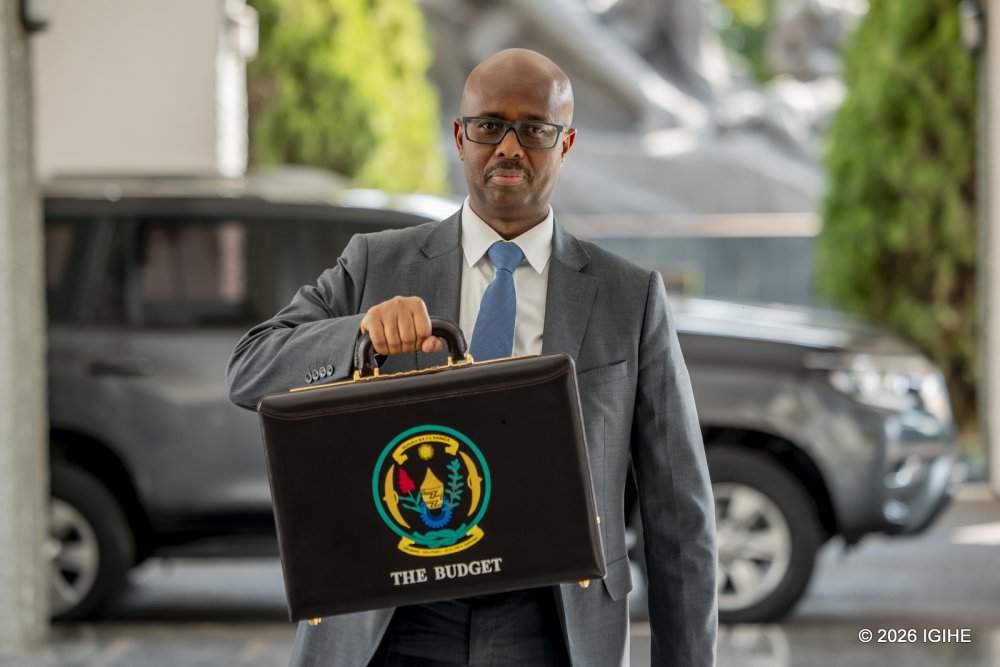
The budget law was passed during a plenary sitting attended by 63 lawmakers on June 24, following the initial presentation by the Minister of Finance and Economic Planning, Yusuf Murangwa.
The approved budget represents a 12% increase from the revised 2025/26 budget approved in February, which stood at Rwf 6,952.1 billion. Total government spending is set to rise by roughly Rwf 844.2 billion to hit the new Rwf 7.796 trillion ceiling.
According to Parliament’s Budget Committee Chairperson, Odette Uwamariya, the financing structure reflects Rwanda’s solid path toward economic self-reliance. Total domestic resources, consisting of tax and non-tax revenues, will cover 64.3% of the entire budget envelope. When combined with domestic borrowing, internal financing funds 67.7% of national expenditure, meaning that roughly 68% of the budget is self-funded, while external loans and grants cover the remaining 32%.
In the finalized financing breakdown, tax revenues will contribute 56.8% of the total budget, while non-tax revenues will account for 7.5%. External borrowing through foreign loans is projected to provide 25.3% of the funding, while foreign grants will cover 7.0%. The remaining 3.4% of the budget will be financed through domestic borrowing.
Unlike earlier draft iterations, the finalized budget prioritizes robust operational and strategic execution across public institutions by dividing expenditure clearly between day-to-day costs and capital investments.
The recurrent budget, which covers operational costs and civil service salaries, has been set at Rwf 4,785.5 billion, representing 61.4% of total expenditure. The development budget, which is dedicated to public and capital infrastructure projects, stands at Rwf 3,010.8 billion, equivalent to 38.6% of the total envelope.
The spending structure closely aligns with the strategic pillars of the Second National Strategy for Transformation. The Economic Transformation Pillar receives the largest share, totaling Rwf 4,900.9 billion, or 63% of the entire budget. Under this pillar, priorities include boosting inclusive growth in agriculture and livestock production, promoting local industrialization, expanding electricity and clean water access, strengthening climate resilience, and creating decent jobs.
The Social Transformation Pillar has been allocated Rwf 1,711.3 billion, representing 22% of the budget. Funding in this segment will focus on improving education quality, upgrading healthcare infrastructure, expanding early childhood development centers to combat malnutrition, and supporting social protection programs to lift vulnerable households out of poverty.
The Transformational Governance Pillar has been allocated Rwf 1,184.0 billion, which accounts for the remaining 15% of the spending. This allocation will prioritize improving public service delivery, strengthening public financial management, promoting justice and the rule of law, and safeguarding national peace and security.
Committee Chairperson Uwamariya noted that while Rwanda’s budget expands annually, public development needs are growing rapidly as the country pursues ambitious socioeconomic targets. Following rigorous institutional consultations, Parliament reallocated approximately Rwf 400 billion from lower-priority operational areas to urgent public programs.
As part of these parliamentary adjustments, agriculture and livestock support received a crucial supplementary boost of Rwf 3.08 billion to finalize its core footprint. A major win in this sector allocation is the substantial expansion of agricultural fertilizer subsidies, which nearly doubled from Rwf 39 billion in the previous fiscal year to Rwf 64 billion to counter rising costs on international markets. Funding for social protection safety nets targeting vulnerable populations was also increased by Rwf 4.3 billion to secure a stronger social support floor.
The transport sector’s immediate development allocation for the 2026/27 fiscal year adjusted to Rwf 305.3 billion. This localized reduction reflects the successful completion of several major infrastructure projects alongside strategic transitions toward new investments. Despite this short-term consolidation, medium-term expenditure projections indicate aggressive growth in infrastructure spending.
Transport networks are slated to scale up with planned increases of Rwf 83.8 billion in the 2027/28 fiscal year and Rwf 92.6 billion in the 2028/29 fiscal year to fund key arterial links, feeder roads, and logistics infrastructure supporting the new Bugesera International Airport.
The budget law was passed during a plenary sitting attended by 63 lawmakers on June 24, following the initial presentation by the Minister of Finance and Economic Planning, Yusuf Murangwa.
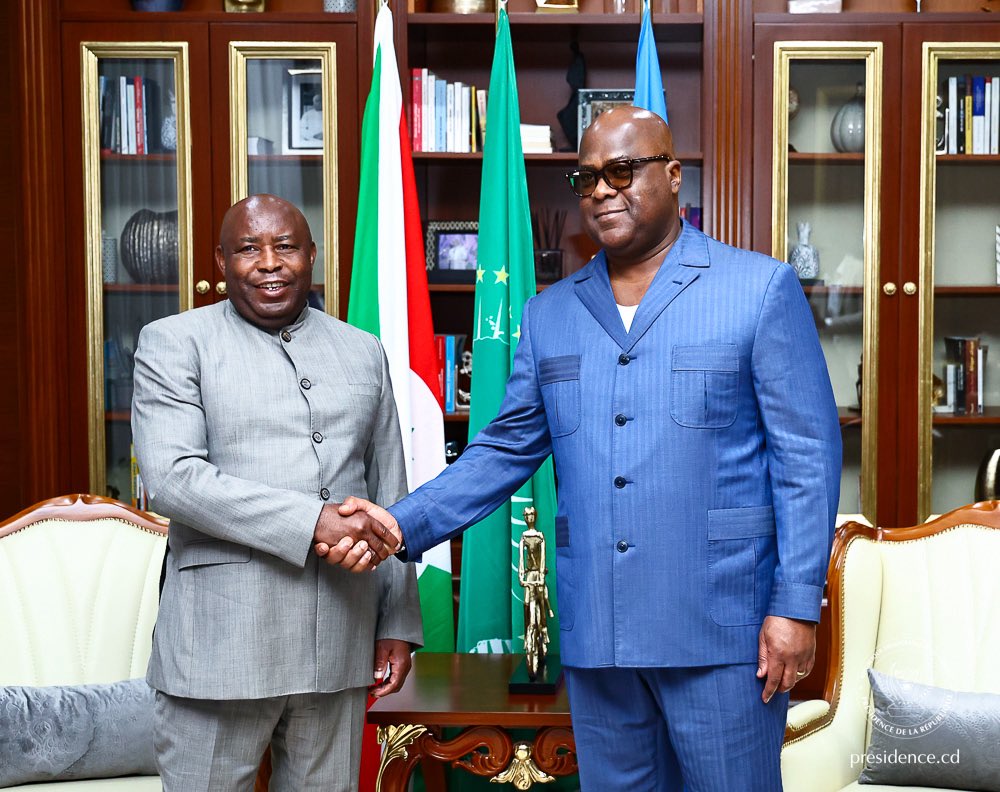
Since tensions between the Democratic Republic of Congo (DRC) and Rwanda escalated in 2022, the two leaders have drawn closer politically and militarily. However, observers note that their cooperation appears to prioritise security and battlefield coordination over development initiatives such as infrastructure or economic integration.
At the centre of this alignment is the war in eastern DRC, where Burundian forces have become one of Kinshasa’s key allies in operations against AFC/M23 and MRDP-Twirwaneho.
It is in this context that President Ndayishimiye arrived in Kinshasa for a two-day official visit beginning June 22, 2026, accompanied by his wife.
Official agenda versus underlying priorities
Publicly, discussions are said to focus on security in eastern DRC, bilateral cooperation, Ebola response, and broader regional issues. However, analysts argue that the real agenda extends far beyond these stated priorities.
The visit takes place as Burundian troops have remained deployed in the DRC for nearly three years, and as fighting in South Kivu, particularly in the Minembwe highlands, has intensified.
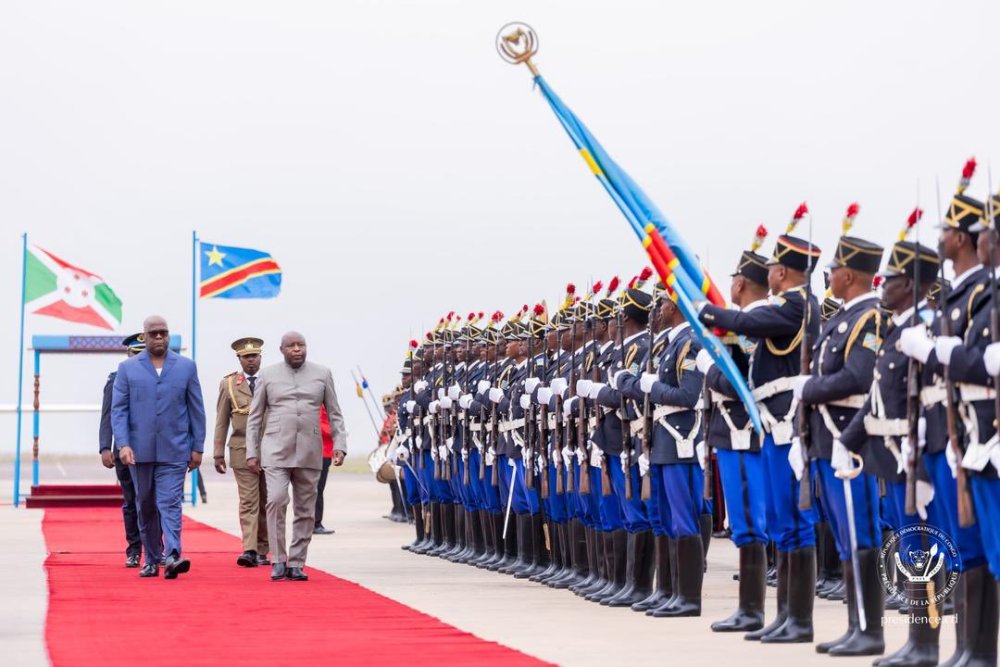
Tshisekedi personally received Ndayishimiye at N’djili International Airport, where the two leaders walked on a red carpet, national anthems were played, and military honours were rendered.
Later, they held closed-door talks at the Cité de l’Union Africaine. The ceremony projected strong bilateral ties, but also underscored deeper strategic alignments behind the scenes.
‘Kinshasa views Bujumbura as its closest partner in both the military campaign and the political confrontation with Kigali. Burundi has effectively become a key operational instrument,’ one analyst noted.
Congolese media similarly reported that the visit reflects coordination between two governments aligned around the objective of defending DRC sovereignty and countering Rwanda and AFC/M23.
A partnership defined by war rather than development
Since 2022, when relations between Rwanda and the DRC sharply deteriorated, high-level exchanges between Tshisekedi and Ndayishimiye have significantly increased.
Ndayishimiye has visited Kinshasa eight times, while Tshisekedi has made five visits to Burundi.
Military cooperation between the Burundian army and the FARDC began in South Kivu in 2022 and later expanded into operations in North Kivu against M23.
This shift followed Kinshasa’s criticism of the East African Community (EAC) regional force, which it accused of failing to take an offensive stance against M23, instead focusing on separation of forces and ceasefire monitoring.
Since then, Tshisekedi has increasingly relied on partners willing to engage directly in combat operations, with Burundi emerging as a central ally.
Visit coincides with intensified fighting in Minembwe
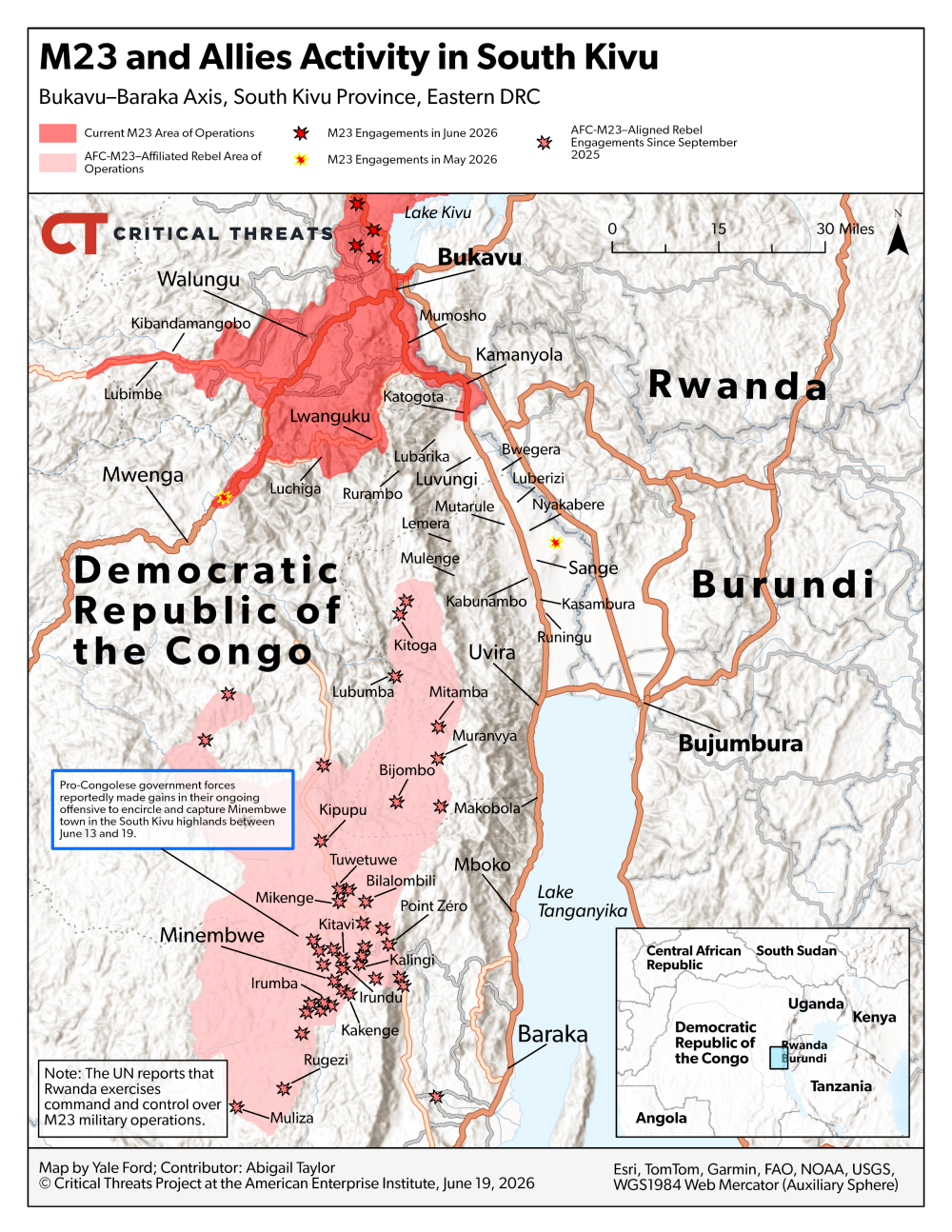
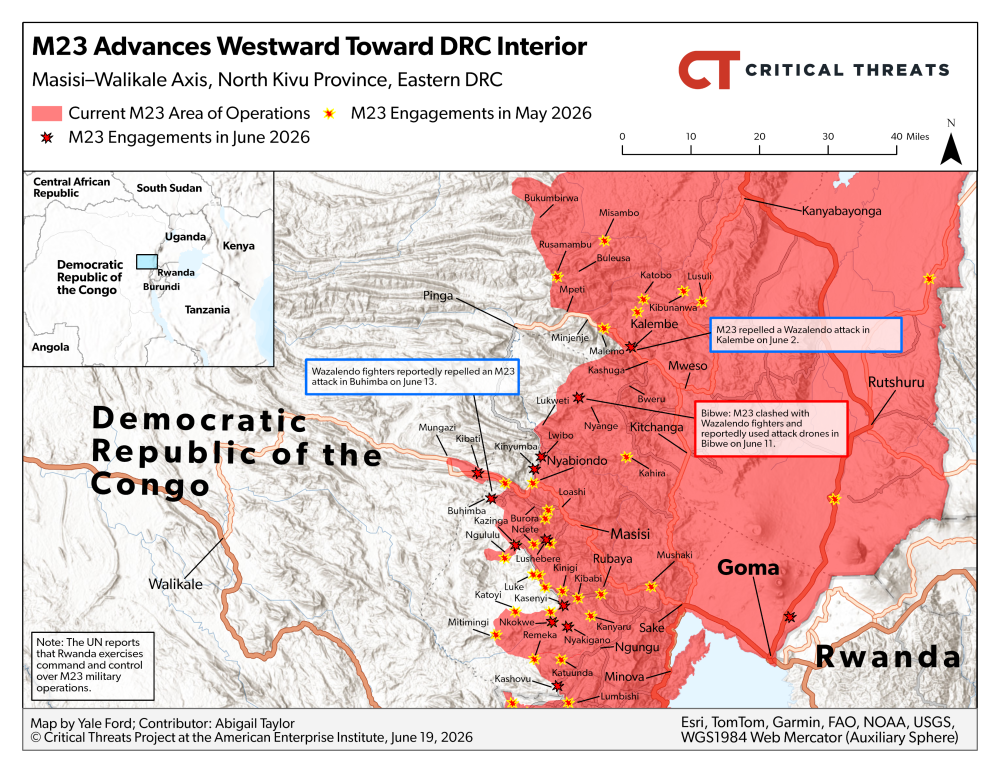
The visit comes amid ongoing and intense fighting in Minembwe, in South Kivu’s highlands. Forces aligned with the DRC government have launched operations aimed at capturing Minembwe, engaging MRDP-Twirwaneho positions.
Between June 6 and 12, government forces reported capturing several villages around Minembwe. On June 13 and 14, reports indicated continued airstrikes on at least four surrounding villages.
Heavy artillery, aircraft, and drones were reportedly used. On June 15, Kinshasa announced that Minembwe had been taken, a claim rejected by MRDP-Twirwaneho.
On June 17, FARDC spokesperson in South Kivu, Lt. Reagan Mbuyi Kalonji, stated that government forces had seized villages including Ilundu, Kitavi, and Bidegu, and were advancing toward Minembwe airport.
Meanwhile, reports indicate that a DRC coalition aircraft, possibly an L-39, had been shot down, indicating escalation to a higher-intensity phase of combat.
Allegations of multi-force alignment in Minembwe
The situation in Minembwe highlights reported coordination among FARDC, Burundian forces, Wazalendo militias, and the FDLR. This reinforces long-standing accusations by Rwanda that the FDLR continues to operate alongside state and allied forces in eastern DRC.
Rwanda maintains that the FDLR, linked to perpetrators of the 1994 Genocide against the Tutsi, poses an ongoing security threat and should not be integrated into any legitimate security framework in the region.
On June 18 and 19, fighting continued. Reports from Kinshasa indicated that government forces carried out drone strikes using Turkish-made TB2 drones targeting Minembwe and surrounding areas.
However, MRDP-Twirwaneho maintained that it still controlled Minembwe, arguing that government forces had failed to secure full control over the strategically located territory linking Uvira, Fizi, and Mwenga.
FARDC recently claimed it had captured Minembwe, but Twirwaneho says this is not true.
Ndayishimiye’s framing of the conflict
In an interview with Jeune Afrique, President Ndayishimiye described the conflict in eastern DRC as a direct security concern for Burundi.
He referred to Uvira, a city close to Bujumbura, that was captured by AFC/M23 on December 10, 2025, shortly after the Washington peace agreement was signed between Tshisekedi and President Paul Kagame.
According to Ndayishimiye, M23’s proximity to Burundi’s border increases the risk of activation of the RED-Tabara rebel group against Burundi.
‘As long as M23 fighters are near our border, it remains a problem, and we must remain vigilant,’ he stated.
The city remained under AFC/M23 control for nearly a month before the group withdrew to allow renewed peace negotiations.
Wazalendo and other armed groups were reported in the areas of Buhimba, Kibati, Lwibo, and other locations.
Burundian forces and questions over operational control
‘We are not in the DRC to protect Burundi; we are there to support the Congolese army in its fight against its enemy,’ Ndayishimiye stated.
He further noted that Burundian troops operate under FARDC command and are deployed according to Congolese military needs. He also emphasised that their withdrawal is solely the decision of the Congolese government.
‘It is the Congolese government that must decide. If it finds their presence no longer useful, Burundi will withdraw its soldiers.’
While military cooperation between states is common, analysts note that the current arrangement raises questions about command structure and operational independence, with some describing it as unusually dependent on the host government’s direction.
FDLR as a persistent regional fault line
Rwanda maintains that sustainable peace in eastern DRC is impossible as long as the FDLR remains active, tolerated, or insufficiently dismantled.
President Paul Kagame has repeatedly argued that Rwanda cannot be portrayed as the central security problem while armed groups hostile to Rwanda remain operational near its borders.
FDLR continues to be cited by Kigali as a key destabilising force in the region and as part of the broader conflict dynamics involving M23.
In broader geopolitical terms, the TshisekediâNdayishimiye partnership increasingly appears anchored in a shared adversarial stance toward Rwanda.
For Kinshasa, the objective has been to build alliances with actors willing to support its military strategy against armed groups it associates with Rwanda. Tshisekedi has publicly signalled such intent since late 2023.
This position was further reinforced during Ndayishimiye’s visit to Kinshasa in January 2024, when he was reported to have expressed support for mobilising Rwandan youth against their government.
‘Every state has the right to choose its partners. The DRC can cooperate with Burundi, just as Burundi can cooperate with the DRC. However, when such cooperation involves armed groups, inflammatory rhetoric, and the neglect of the FDLR issue, it becomes a serious concern,’ a regional analyst told IGIHE.
Ndayishimiye and Tshisekedi have for some time been promoting rhetoric in the region that Rwanda says targets Tutsi communities.
Tshisekedi and Ndayishimiye have long converged on a shared narrative that their main adversary in the region is Rwanda.