Last week, a coalition of the DRC armed forces, Burundian troops, the FDLR group, and Wazalendo militias launched coordinated attacks in the outskirts of Minembwe. The operations were aimed at capturing the area, which has been under the control of the MRDP-Twirwaneho group for nearly a decade.
On June 18, 2026, the spokesperson for the DRC armed forces in South Kivu Province, Lt. Reagan Mbuyi Kalonji, announced that government forces had taken control of Minembwe. However, both the military and civilian leadership of Twirwaneho rejected the claim, saying the area remained under their control.
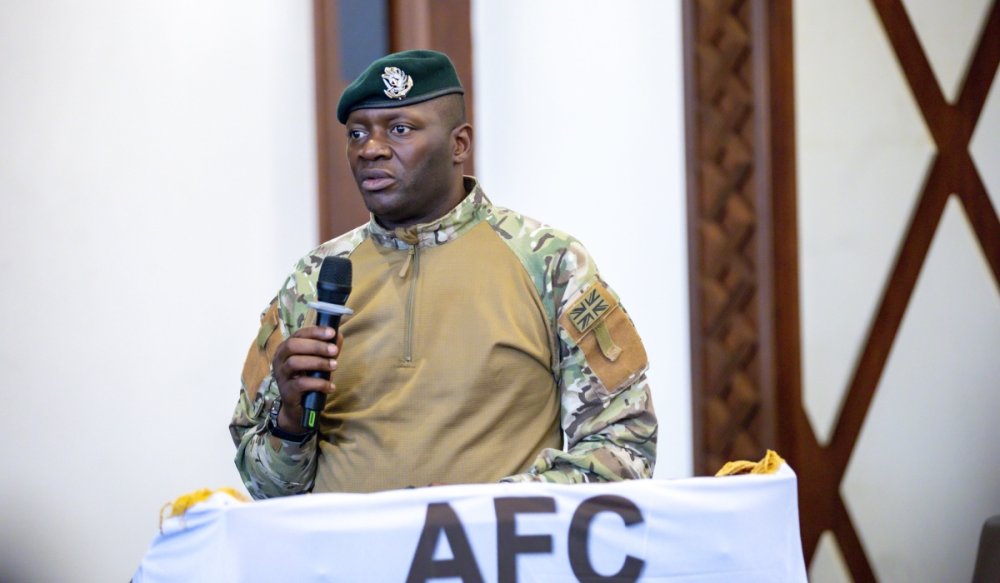
Dr. Freddy Kaniki, president of MRDP-Twirwaneho and deputy head of AFC/M23 in charge of economy and finance, said the government coalition would not succeed in capturing Minembwe.
According to MRDP-Twirwaneho, its fighters, supported by AFC/M23 forces using combat drones, repelled advancing government troops and regained control of several positions near Minembwe.
AFC/M23 spokesperson Lawrence Kanyuka said that following the reported defeat of government forces in Minembwe, troops carried out attacks against civilians in Bidegu, Gakenke, and Mikenke beginning on the night of June 22, allegedly using drones.
Kanyuka stated that the attacks were widespread and repeated, resulting in civilian deaths, multiple injuries, and the displacement of thousands of residents.
AFC/M23 further stated that it would continue what it described as efforts to protect civilians as long as the attacks persist.
AFC/M23 spokesperson Lawrence Kanyuka said government forces attacked civilians in Bidegu, Gakenke, and Mikenke after a reported defeat in Minembwe, starting June 22, using drones.
Recognised as Europe’s largest speciality coffee event, the exhibition will bring together thousands of industry professionals, including producers, exporters, roasters, importers, buyers, investors, and experts from around the world.
This edition holds particular significance as it will be the first time in the history of World of Coffee that the event is hosted in Belgium. The choice of Brussels is both strategic and symbolic. As the de facto capital of the European Union, the city stands at the crossroads of Europe’s economic, diplomatic, and commercial activities, making it a key gateway to international markets.
The event rotates annually across major European capitals. Last year, it was hosted in Geneva, Switzerland, and this year it moves to Brussels, further reinforcing its status as a truly continental platform for the global coffee industry.
Thanks to its exceptional connectivity, with direct flights to more than 200 destinations worldwide, Brussels is one of the most accessible European cities for delegations from major coffee-producing countries across Africa, Latin America, and Asia.
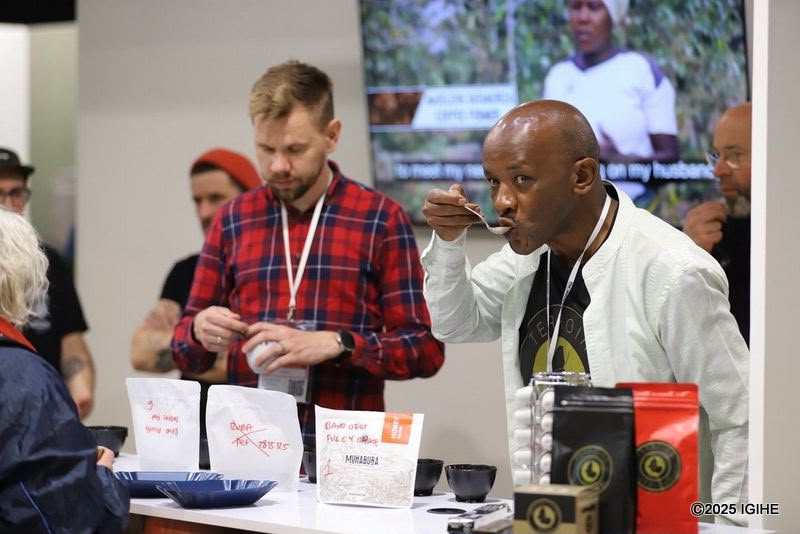
Hosted at Brussels Expo, one of Europe’s most prestigious and modern exhibition venues, the event will feature hundreds of exhibitors and a rich programme of professional activities over three days, including business meetings, conferences, cupping sessions, international competitions, and networking opportunities.
For Rwanda, this participation goes far beyond attending an international trade exhibition. It is part of a broader strategic vision to strengthen the country’s position among the world’s leading specialty coffee origins.
A key driver of this strategy is Europe’s importance as Rwanda’s main coffee market, accounting for around 60% of the country’s coffee exports. This strong trade link makes the Brussels platform particularly relevant, as it provides an opportunity to further consolidate Rwanda’s footprint in its most important destination market while expanding into new premium segments.
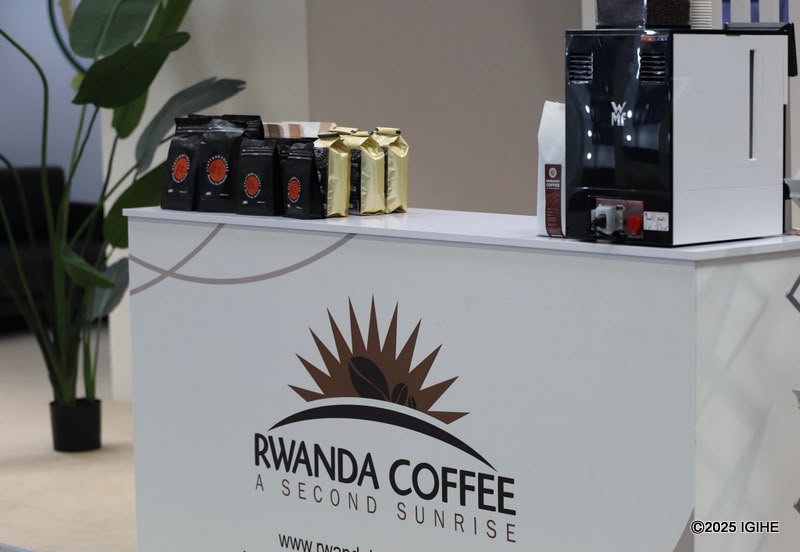
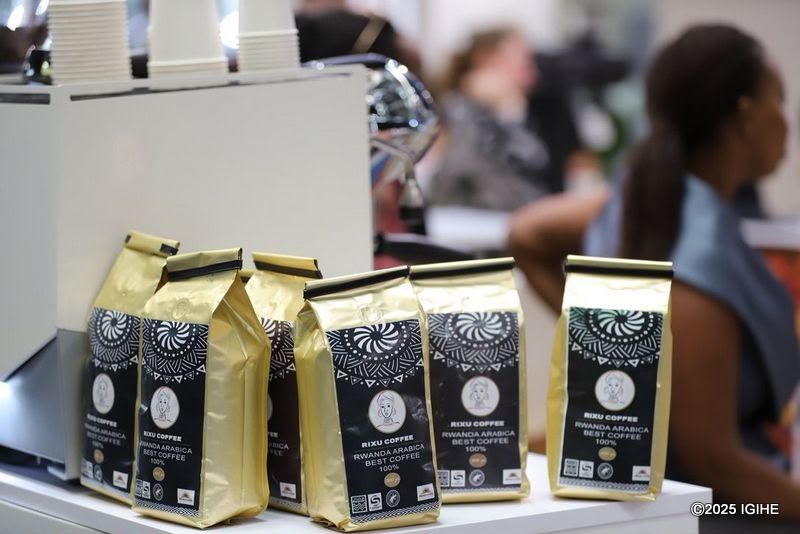
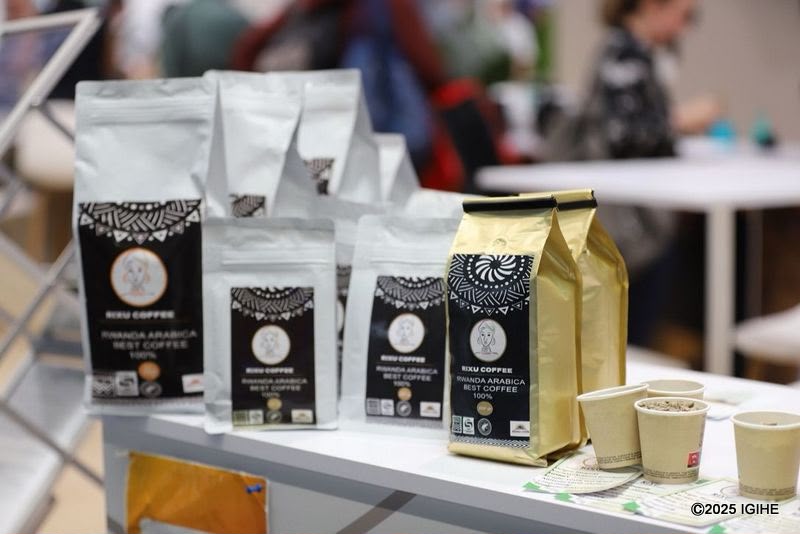
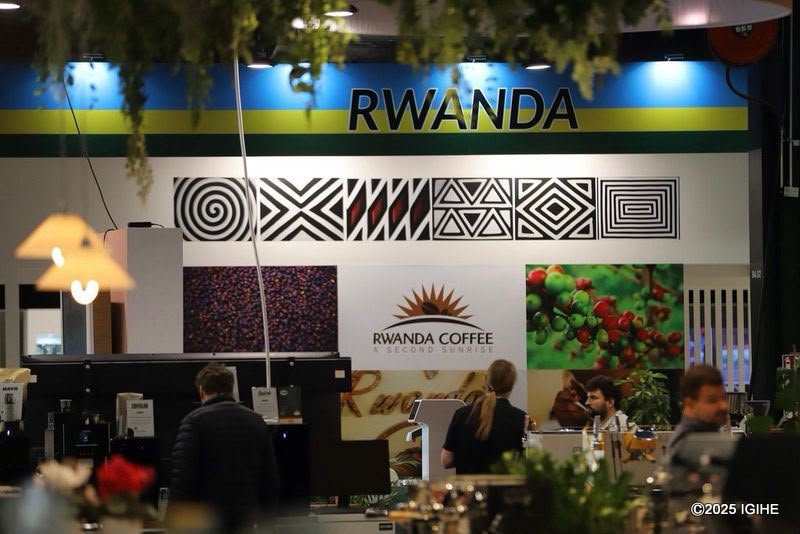
On this occasion, Rwanda will showcase the excellence of its coffee, internationally recognised for its exceptional quality, complex fruity flavour profiles, bright acidity, and high-altitude production.
This push into premium markets comes at a time when Rwanda’s coffee sector is enjoying a historic boom, having generated an all-time high of $148.6 million in export revenues in 2025, a massive 65% surge from the prior year.
Backed by an average export price of $6.20 per kilo, this economic momentum directly flows back to the country’s 400,000 smallholder farm families, who saw minimum farm-gate cherry prices raised to Rwf 750 per kilogram for the 2026 season.
In addition, Rwandan exporters will use the exhibition as a learning and compliance platform, with a strong focus on the European Union Deforestation Regulation (EUDR). A series of conferences, technical sessions, and workshops running alongside the exhibition will help exporters better understand new compliance requirements shaping access to the European market.
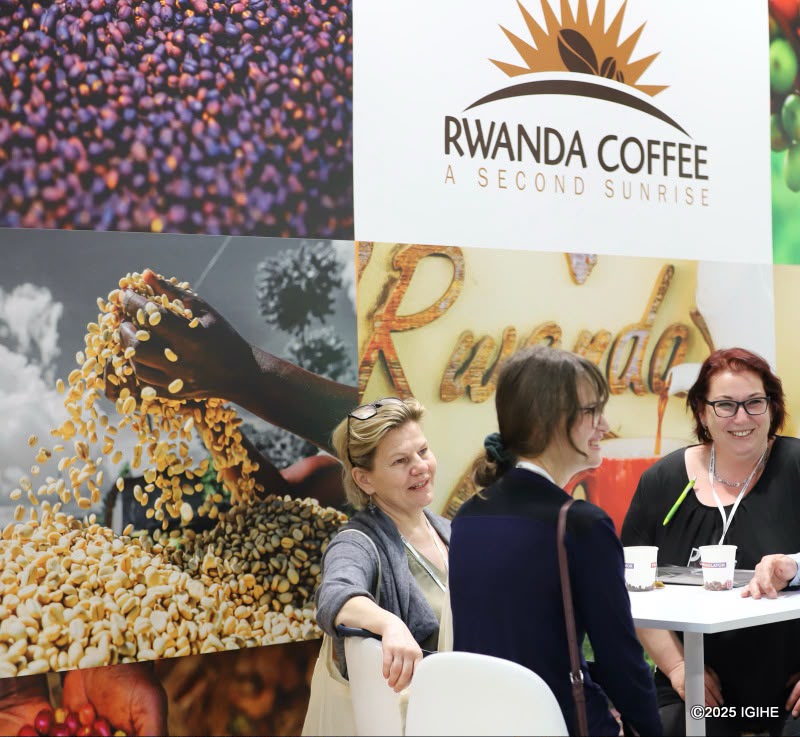
The Rwanda pavilion will also serve as a platform to highlight the expertise of local producers, washing stations, cooperatives, and exporting companies that contribute daily to the development of this key sector of the national economy.
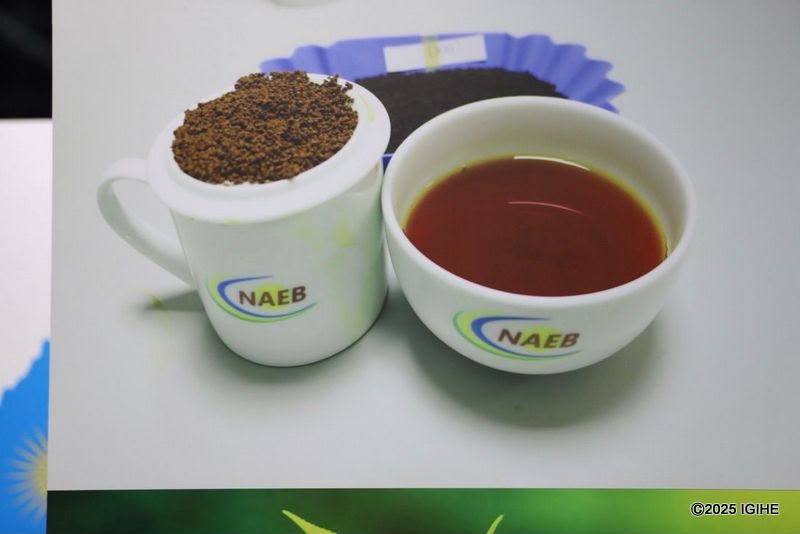
The Rwandan delegation will consist of a representative from National Agricultural Export Development Board, responsible for coordinating Rwanda’s institutional participation, alongside Rwandan coffee exporters representing washing stations, cooperatives, and private export companies.
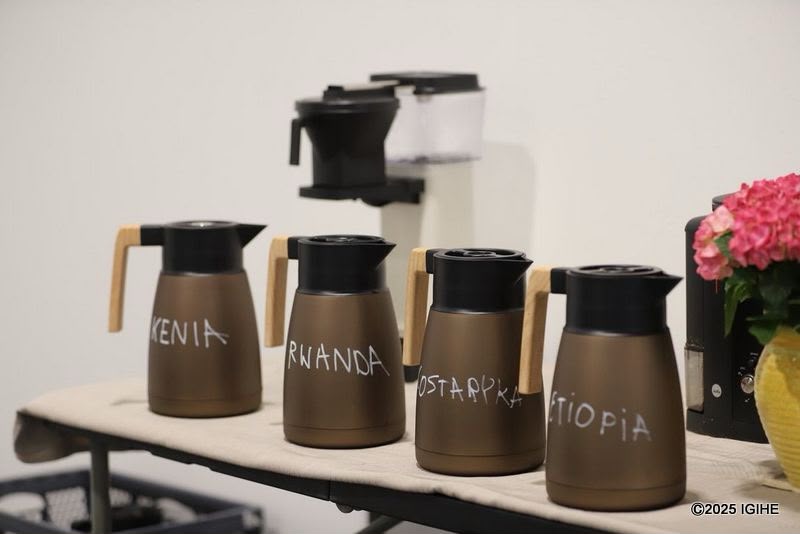
Throughout the event, the delegation will engage in B2B meetings, coffee tasting sessions, and strategic discussions with major players from the global coffee industry.
The objectives are clear: to increase the visibility of Rwandan coffee, build long-term business relationships, expand into new markets, and further strengthen the Rwanda brand internationally.
Through this participation, Rwanda aims to promote its specialty coffee in premium international markets, facilitate direct trade connections between Rwandan exporters and global buyers, and reinforce its position as one of the world’s most promising origins for high-quality specialty coffee.
Under the theme ‘Discover the World of Coffee in the Capital of Europe,’ Brussels will become, for three days, a global meeting point for innovation, knowledge sharing, and the celebration of exceptional coffee.
For Rwanda, this event represents a major opportunity to boost trade and deepen its presence in the European specialty coffee market.
Rwanda, through the National Agricultural Export Development Board (NAEB), will participate in the 2026 edition of the prestigious World of Coffee international exhibition, which will take place from 25 to 27 June 2026 at Brussels Expo in the Belgian capital.
Through this participation, Rwanda aims to promote its specialty coffee in premium international markets, facilitate direct trade connections between Rwandan exporters and global buyers, and reinforce its position as one of the world’s most promising origins for high-quality specialty coffee.
A key driver of this strategy is Europe’s importance as Rwanda’s main coffee market, accounting for around 60% of the country’s coffee exports.
The Rwanda pavilion will also serve as a platform to highlight the expertise of local producers, washing stations, cooperatives, and exporting companies that contribute daily to the development of this key sector of the national economy.
The collaboration marks a major shift in digital retail, transforming conversational AI into a native commerce engine that touches consumer experiences, digital advertising, scientific research, and internal production.
The rollout integrates Maybelline’s Makeup Virtual Try-On, powered by L’Oréal’s ModiFace augmented reality (AR) technology, directly into standard ChatGPT threads.
Instead of switching to an external app, users will be able to upload a photo or use their camera directly within the chat window to view makeup shades mapped onto their own face while chatting about a desired aesthetic or skin tone.
 L’Oréal’s beauty-tech services already see over 120 million global uses annually, but this integration scales exponentially across ChatGPT’s massive ecosystem, which OpenAI reports has reached 900 million weekly active users.
L’Oréal is also pioneering ‘AI-native advertising.’ Its top brands, including Lancôme and Kérastase, are optimizing how they surface during organic product searches in the U.S. Simultaneously, brands like Garnier, CeraVe, and SkinCeuticals are participating in OpenAI’s exclusive ChatGPT global advertising pilot.
This strategy drops highly relevant brand interventions into conversational feeds precisely when users ask for beauty advice, capturing consumers at the peak moment of intent.
Beyond the consumer-facing tech, the partnership reaches into the scientific lab. L’Oréal is deploying GPT-Rosalind, OpenAI’s specialized life sciences model, to map the skin microbiome for its La Roche-Posay brand.
By leveraging AI to decode bacterial and cellular behaviors, L’Oréal intends to drastically accelerate the development of advanced skincare formulas.
Internally, OpenAI’s newest models are feeding into CreAItech, L’Oréal’s secure platform for creative teams. The system generates high-fidelity marketing visuals while protecting unique brand identities.
This builds on a heavy internal tech push: L’Oréal has already upskilled 73,000 employees in generative AI and rolled out internal tools like L’OréalGPT to streamline operations.
Asmita Dubey, L’Oréal’s Chief Digital and Marketing Officer, emphasized that AI now enhances every stage of the company’s value chain, supporting both consumers and employees.
By weaving its beauty ecosystem directly into the world’s most popular AI assistant, L’Oréal is demonstrating exactly how legacy brands can claim the future of AI-native retail.
The rollout integrates Maybelline’s Makeup Virtual Try-On, powered by L’Oréal’s ModiFace augmented reality (AR) technology, directly into standard ChatGPT threads.
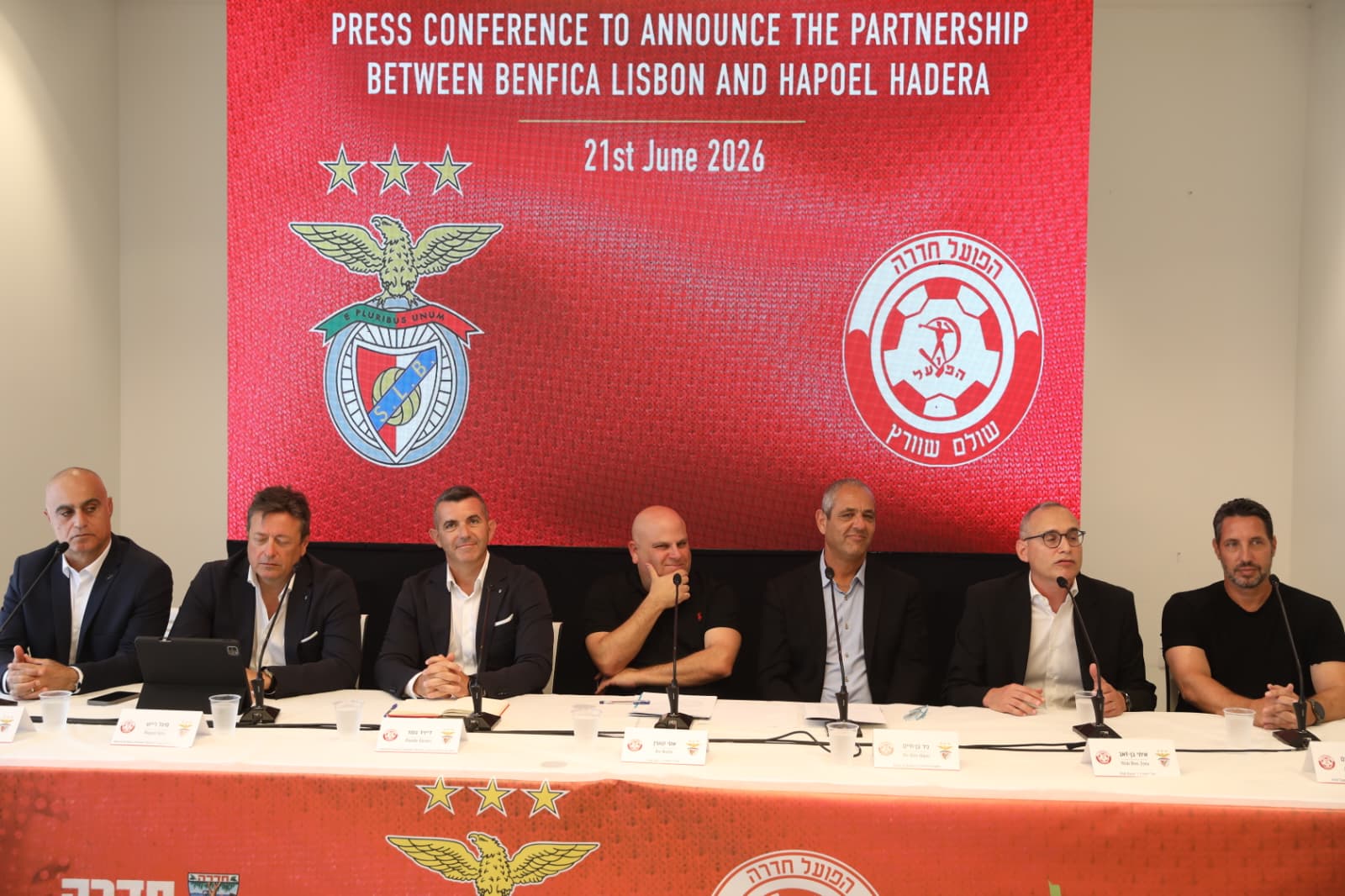
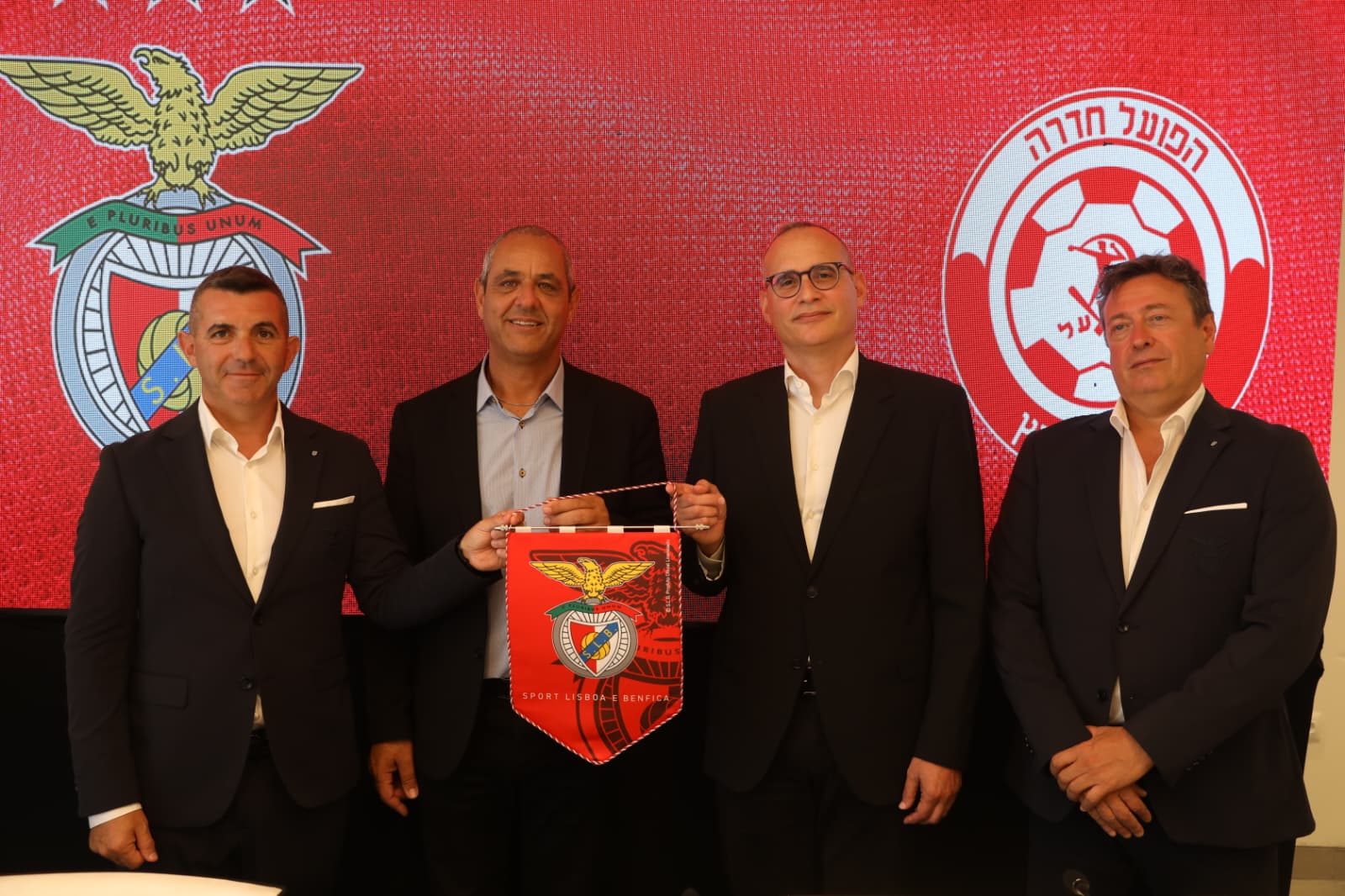
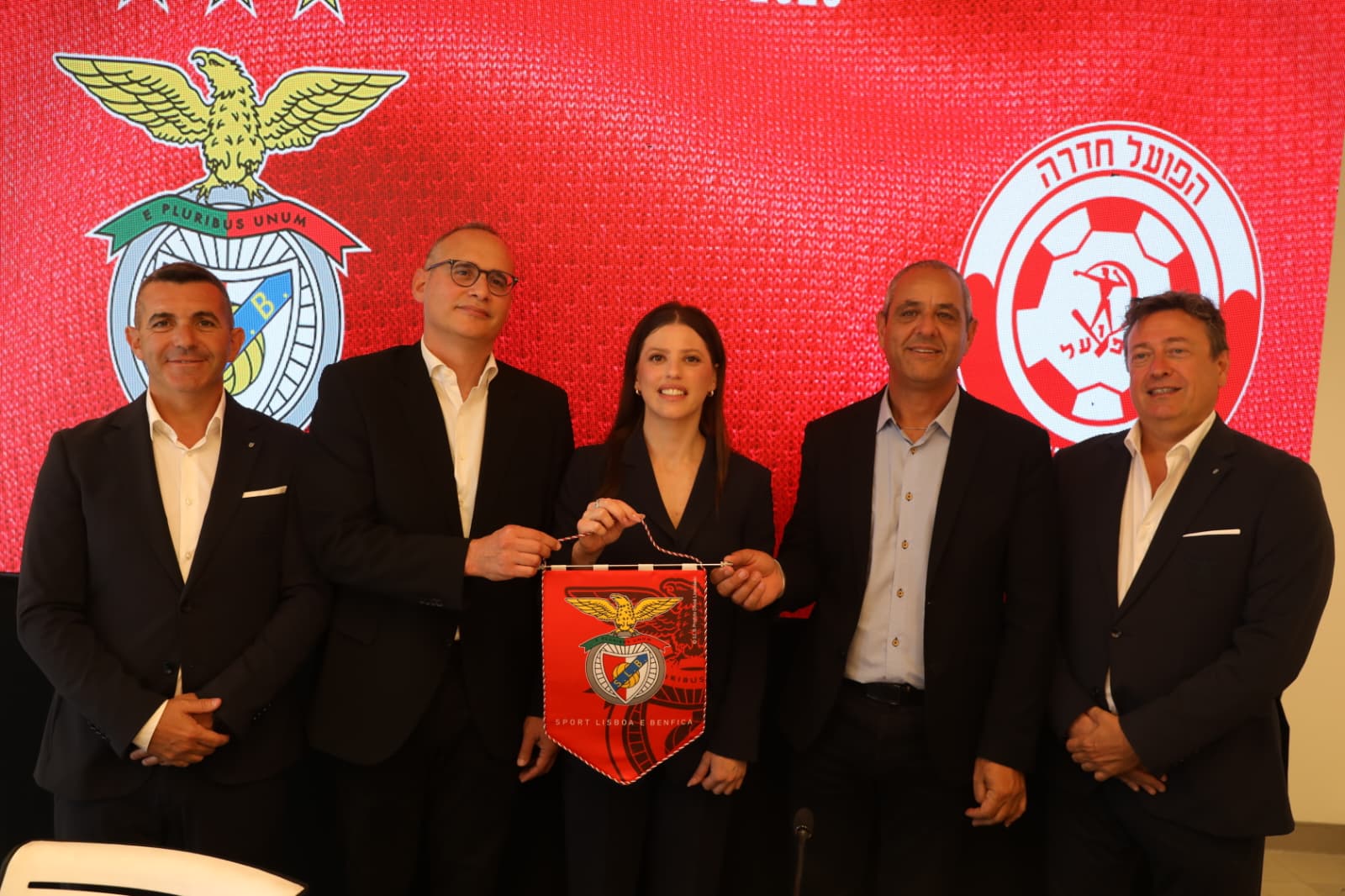
The agreement was formalised on Sunday in Israel, bringing together Hapoel Hadera, Benfica Lisbon and the Tony Rwanda project in a partnership focused on youth development, professional training and creating opportunities for young players.
The signing in Israel also comes at a time when Tony Rwanda and Benfica have been discussing a wider project with the Government of Rwanda.
Sources involved in the talks said Tony Rwanda and Benfica have been in discussions with Rwandan authorities since early last year, following a visit to Portugal by Minister of Sports Nelly Mukazayire, over a broader partnership that would establish a large campus in Rwanda to serve as a regional hub for football talent development.
Some people close to the process say that, as the discussions with Hapoel Hadera have now materialised, Benfica and Tony Rwanda are also holding talks with other African countries over the possibility of establishing the proposed regional hub.
For Rwanda, the Hapoel Hadera and Benfica deal is important because it gives young talents connected to Tony Rwanda a possible pathway into a more competitive football environment outside the country.
In the first phase, a player from Rwanda is expected to join Hapoel Hadera’s youth setup, with the hope that more players could follow if the project succeeds.
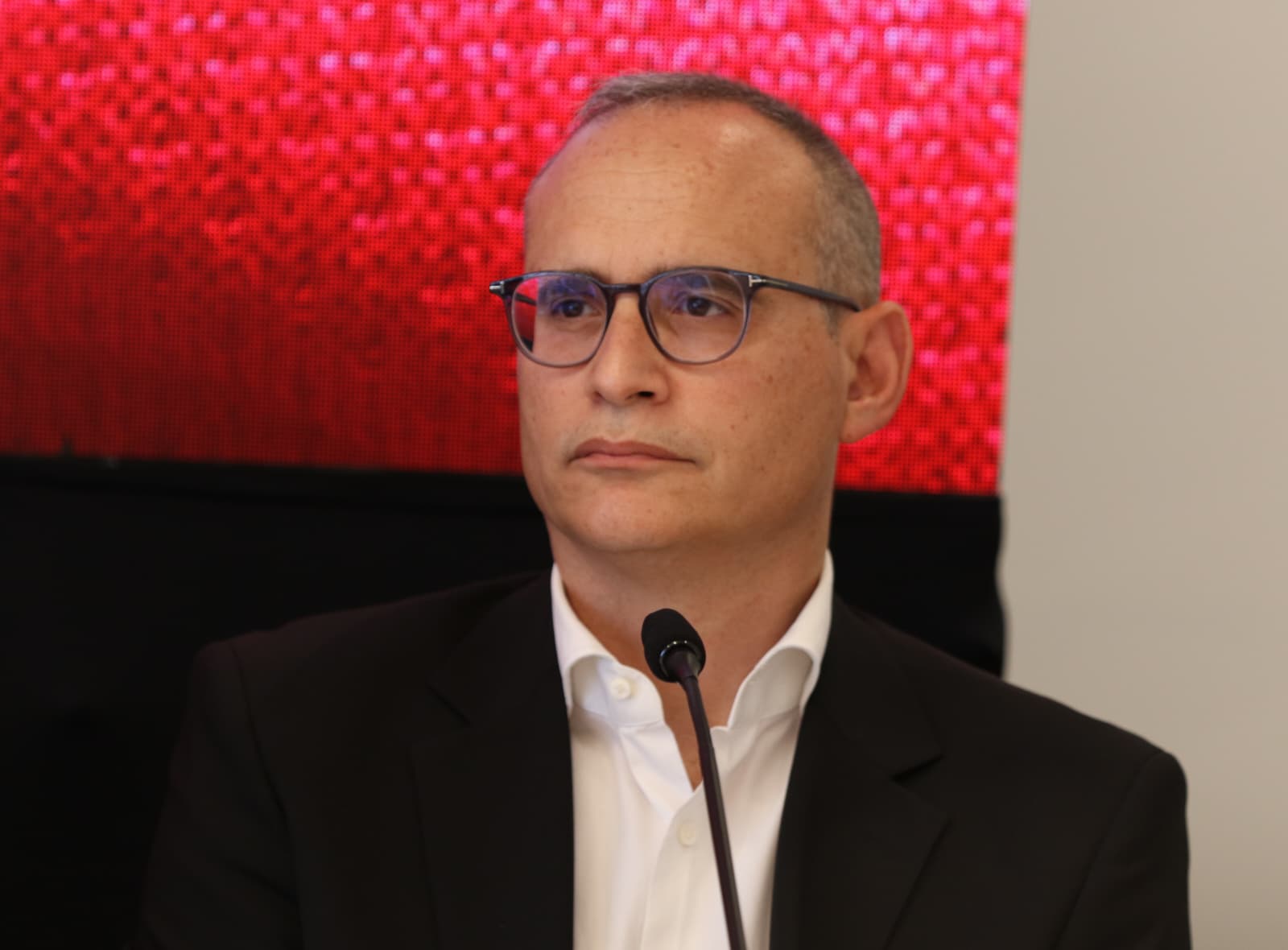
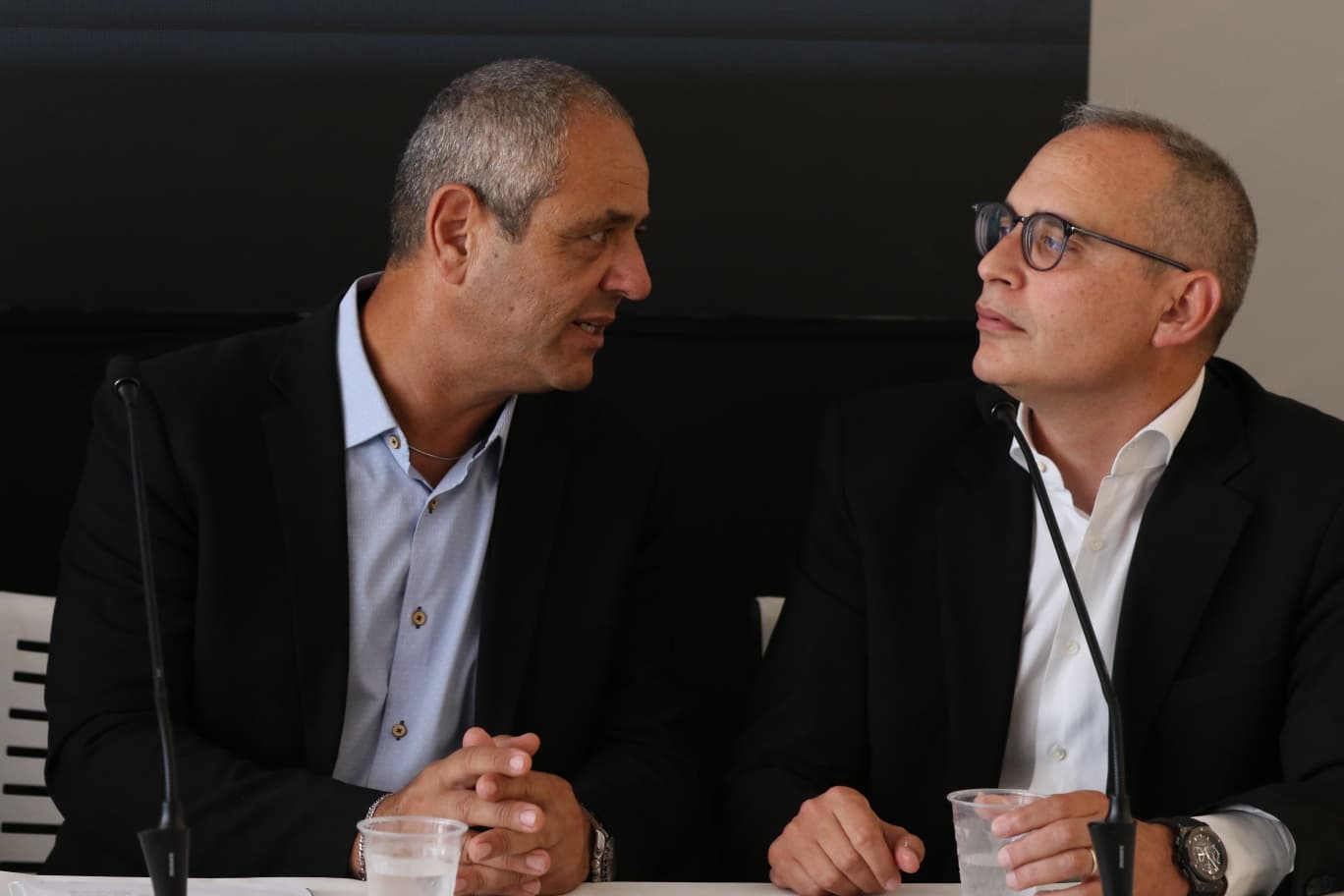
The partnership comes as Hapoel Hadera enters a new phase under the leadership of Itay Ben-Zeev, the CEO of the Israel Stock Exchange, who recently bought the club. Asi Rahamim will serve as the owner’s representative, while continuing his role as sporting director of Tony Rwanda. He will also help strengthen Hapoel Hadera’s professional and operational structure.
Ben-Zeev said the idea was to connect different pieces of the same vision.
‘For the past three years, Benfica Lisbon has been working together with Tony Rwanda,’ he said during the launch. ‘When I spoke with Assi Rahamim and Hapoel Hadera, I said: ‘Why don’t we connect everything?”
He said the project should not only benefit young players in Rwanda, but also create opportunities for children in Israel.
‘Now this project will not only affect youth in Rwanda, but also in Israel, in Hadera,’ he said.
The agreement was formalised on Sunday in Israel, bringing together Hapoel Hadera, Benfica Lisbon and the Tony Rwanda project in a partnership focused on youth development, professional training and creating opportunities for young players.
The signing in Israel also comes at a time when Tony Rwanda and Benfica have been discussing a wider project with the Government of Rwanda.
In the first phase, a player from Rwanda is expected to join Hapoel Hadera’s youth setup, with the hope that more players could follow if the project succeeds.
For Rwanda, the Hapoel Hadera and Benfica deal is important because it gives young talents connected to Tony Rwanda a possible pathway into a more competitive football environment outside the country.
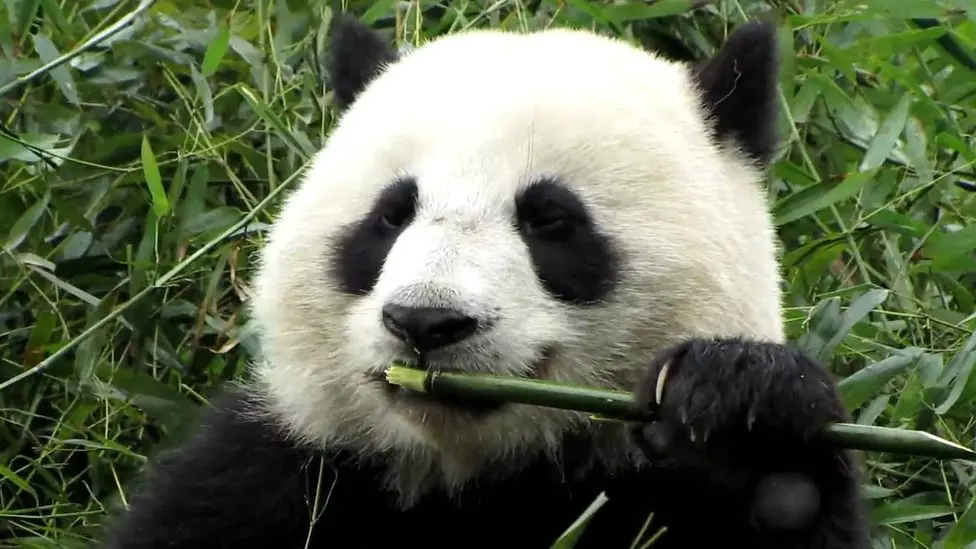
Centuries ago, pandas were widespread across Asia, but climate shifts and human expansion dramatically reduced their habitat. Biologically belonging to the carnivore family, pandas adapted uniquely to a diet made up of 99 percent bamboo. Because bamboo is low in nutrients, they spend up to 14 hours a day consuming 26 to 84 pounds of it, using a specialized ‘pseudo-thumb’ wrist bone to grasp the stalks.
By the late 20th century, deforestation and habitat loss caused the wild panda population to drop to a dangerously low estimate of just 1,100 individuals. This crisis sparked massive conservation programs, including the establishment of the massive Giant Panda National Park. Due to these intense efforts, the giant panda population has achieved an extraordinary recovery.
Today, the total global population of giant pandas has reached approximately 2,708. This includes nearly 1,900 pandas living dynamically in the wild, alongside 808 pandas thriving in dedicated breeding centers and zoos.
Because wild giant pandas exclusively exist in China, the country holds almost the entirety of the global population. Out of all the pandas on Earth, only about 40 to 50 individuals live in overseas zoos across 16 countries under official research loan agreements.
Within China, wild pandas are strictly concentrated in three specific provinces: Sichuan, Shaanxi, and Gansu. Sichuan Province acts as the primary stronghold for the species, containing nearly 65 percent of the world’s entire wild population.
Despite their highly concentrated geography, the giant panda’s cultural footprint is truly international. In 1961, Chi Chi, a panda living at the London Zoo, inspired the founding sketch of the World Wildlife Fund (WWF) logo, cementing the animal as the definitive global face of environmental preservation.
This international fame was further elevated by China’s practice of ‘panda diplomacy,’ where the loaning of these rare animals to foreign capitals routinely captured worldwide media attention, turning them into beloved global ambassadors.
This remarkable ecological turnaround and worldwide adoration prompted international wildlife organizations to officially upgrade the giant panda’s status from Endangered to Vulnerable.
For international travelers making the journey to China, seeing these gentle giants up close is a bucket-list experience. Because wild pandas remain hidden in dense, inaccessible mountains, visitors can see them at several world-renowned conservation and breeding facilities.
The heart of panda tourism is located in Sichuan Province, specifically at the Chengdu Research Base of Giant Panda Breeding, which is highly famous for its nursery rooms filled with panda cubs. Visitors seeking a deeper experience can travel to the Dujiangyan Panda Base, which offers experiential volunteer programs where participants help keepers prepare bamboo.
Additionally, the Wolong National Nature Reserve offers a pristine alpine environment focused on rewilding pandas. Outside of Sichuan, excellent panda pavilions can also be visited at the Beijing Zoo and Hong Kong’s Ocean Park.
Ultimately, the giant panda stands as a powerful reminder that human action can both threaten and protect life on Earth. Its ongoing survival story is not just about a single species, but about hope, responsibility, and the true possibility of restoring balance between people and nature.
A symbol of peace and friendship, the giant panda holds a special place in Chinese culture.
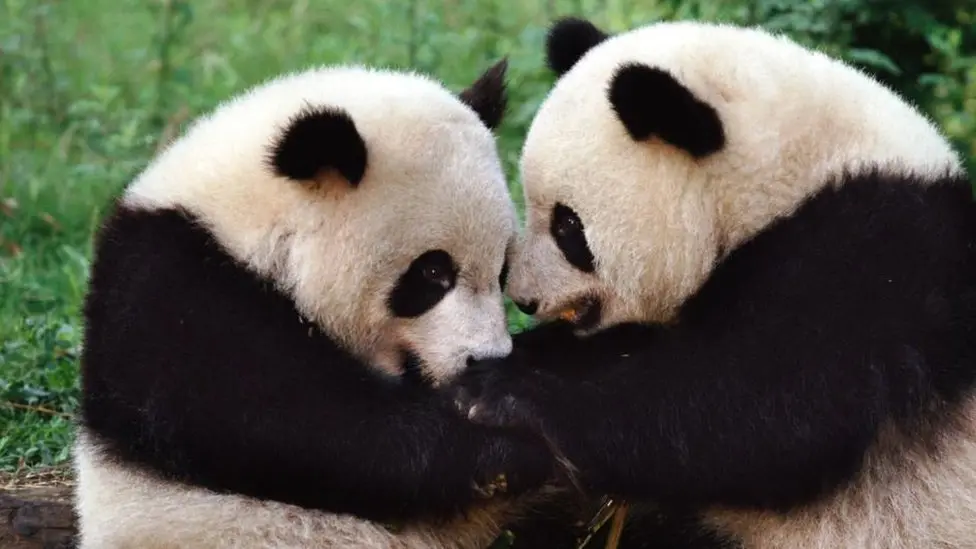
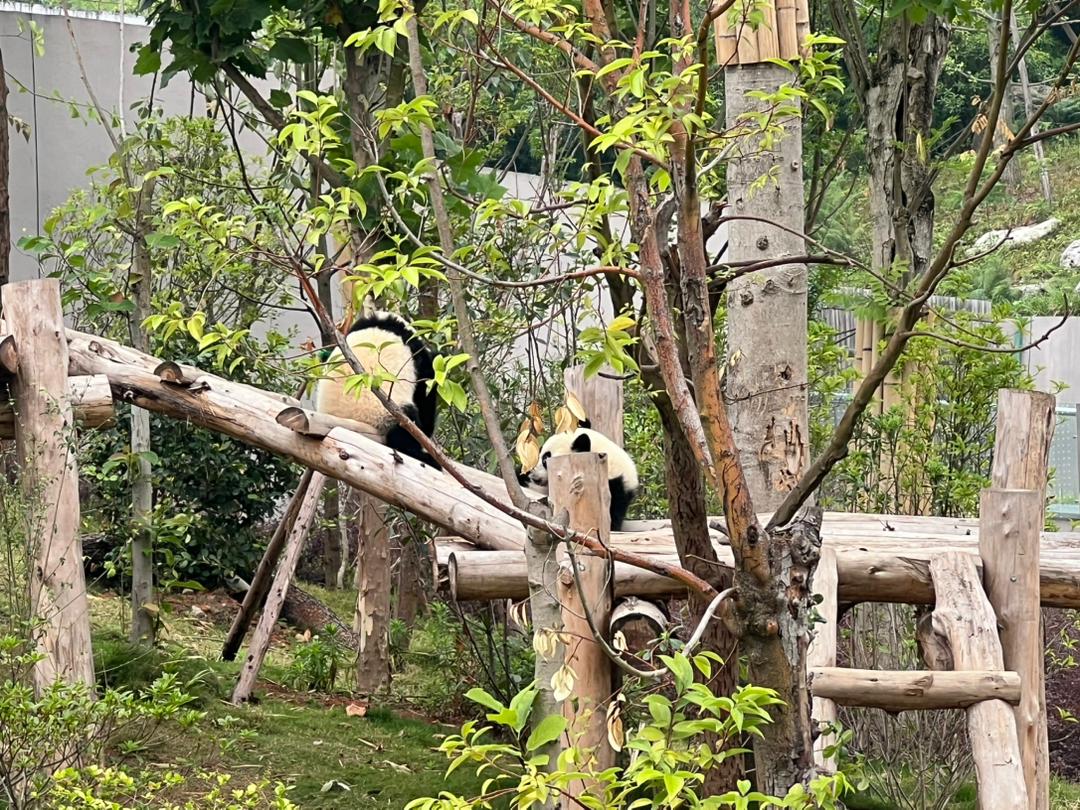
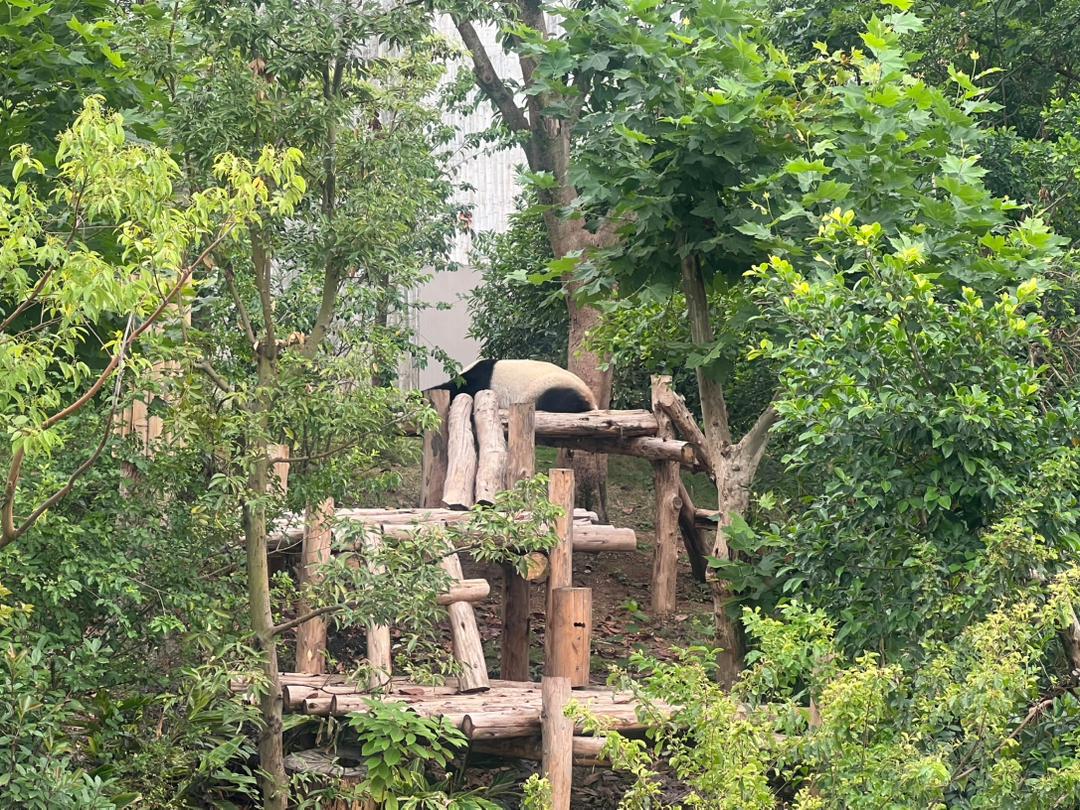
The giant panda rests peacefully in the bamboo forests of southwestern China, its natural habitat.
Feeding for hours each day, the panda relies almost entirely on bamboo for survival.
Conservation efforts in China have helped protect the panda from extinction and secure its future.
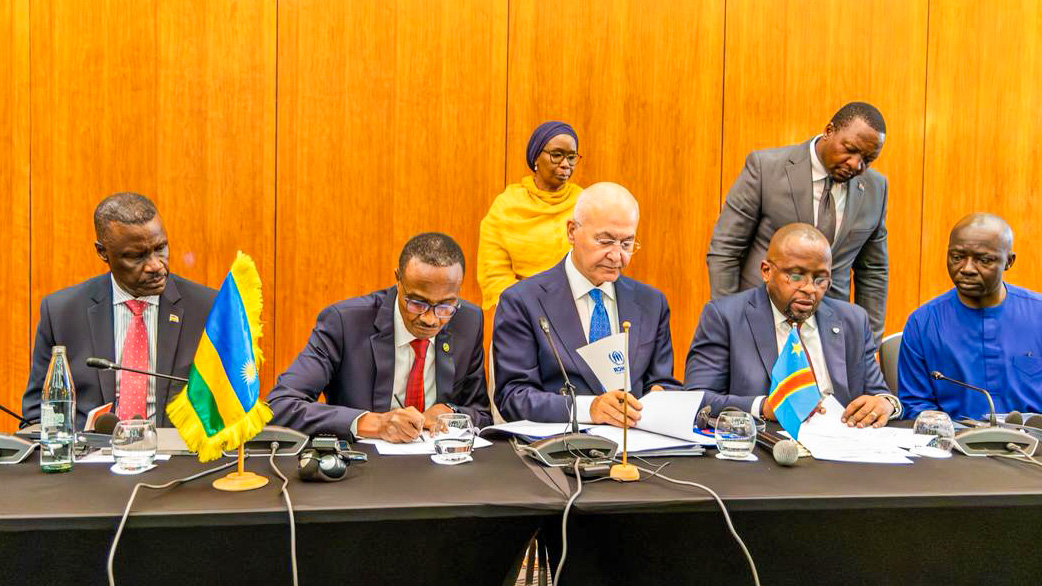
The commitment was announced following a Tripartite High-Level Ministerial Meeting held in Addis Ababa on Monday, June 22. There, the three parties reviewed progress under existing repatriation frameworks and adopted the 2026â2027 Tripartite Technical Working Group Road Map on Voluntary Repatriation and Reintegration.
The meeting was convened under the framework of the Tripartite Agreements signed in 2010 and comes amid efforts to improve relations between Kigali and Kinshasa following the signing of the Accords for Peace and Prosperity in Washington in December 2025.
In a joint communiqué issued after the meeting, the parties reaffirmed their commitment to durable displacement solutions, stating that the ‘voluntary, safe, dignified, and informed return’ remains ‘a cornerstone of durable solutions and a contribution to peacebuilding and regional stability.’
According to UN data presented during the meeting, the DRC database holds records for 196,289 Rwandan nationals and asylum seekers, including 75,421 who have been biometrically registered, while Rwanda hosts 84,456 Congolese refugees and asylum seekers.
The parties noted steady progress in facilitating the return of Rwandan returnees from eastern DRC. Since January 2025, a total of 8,394 Rwandans have voluntarily returned home, including 2,347 repatriated during the first half of 2026. Encouraged by this momentum, the parties endorsed an operational planning target of 10,000 voluntary repatriations for 2026 and agreed on measures aimed at accelerating implementation.
Among the decisions taken was the organization of formal quarterly cross-border meetings to strengthen coordination among the governments and UNHCR, with the first meeting scheduled for September 2026.
The parties also agreed to utilize the Kamanyola border crossing in South Kivu and the Bugarama border post in Rwanda to facilitate the return of more than 3,600 Rwandan citizens currently dispersed across the southern part of South Kivu Province who have expressed a willingness to return home. To support the process, the DRC committed to establishing a viable transit route to the border crossing point for candidates located in outlying areas of southern South Kivu.
The communiqué further noted the situation of more than 400 Rwandan nationals who have been waiting for over a month in transit centres in North and South Kivu pending repatriation. Rwanda pledged to continue receiving these returnees while strictly observing the prevailing regional health situation and public health guidelines related to Ebola virus disease management.
The meeting also addressed the future return of Congolese refugees living in Rwanda. While no voluntary repatriation of Congolese refugees has yet taken place, the parties agreed that beginning in October 2026, the DRC will identify priority areas of return based on refugee intention surveys and location data provided by the Rwandan authorities.
The ministers welcomed recent political and technical developments between the two countries and acknowledged the support of the African Union, the United Nations, and the Office of the Special Envoy of the UN Secretary-General for the Great Lakes Region in advancing peace, security, and durable solutions for displaced populations.
The next Tripartite High-Level Ministerial Meeting is scheduled for June 2027, with the date and venue to be communicated through diplomatic channels.
The commitment to continue repatriation processes was announced following a Tripartite High-Level Ministerial Meeting held in Addis Ababa on Monday, June 22.
The meeting was convened under the framework of the Tripartite Agreements signed in 2010 and comes amid efforts to improve relations between Kigali and Kinshasa following the signing of the Accords for Peace and Prosperity in Washington in December 2025.
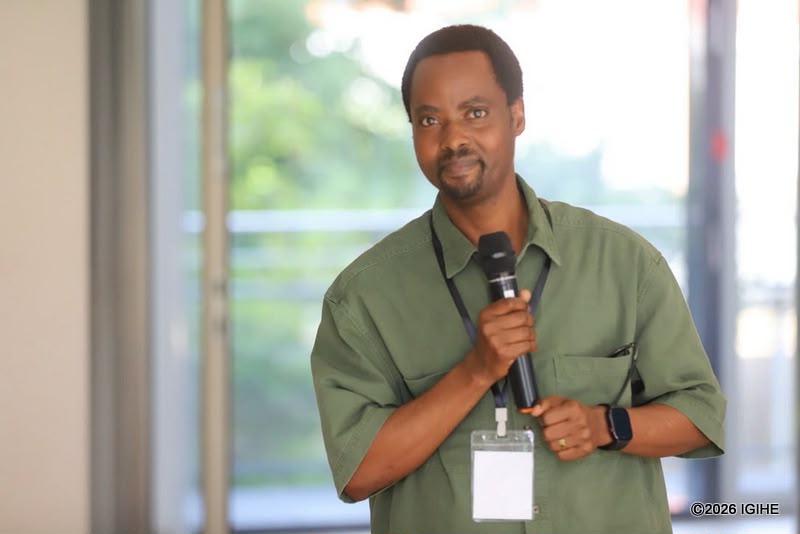
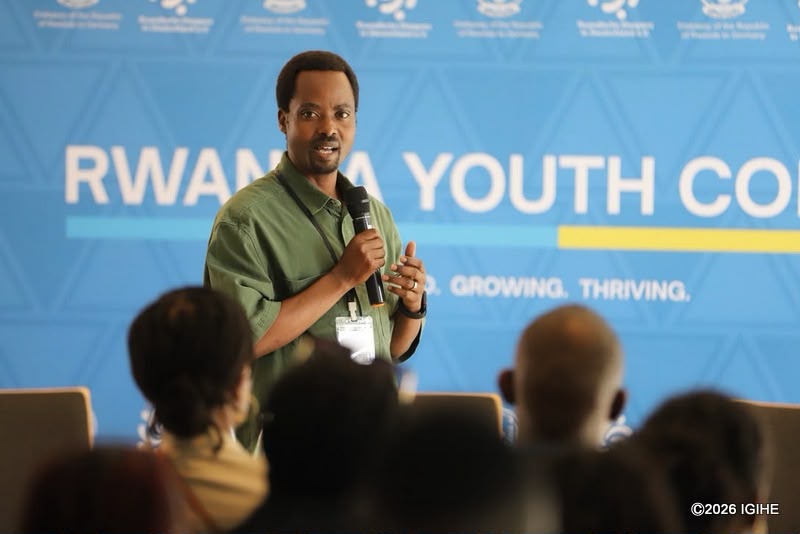
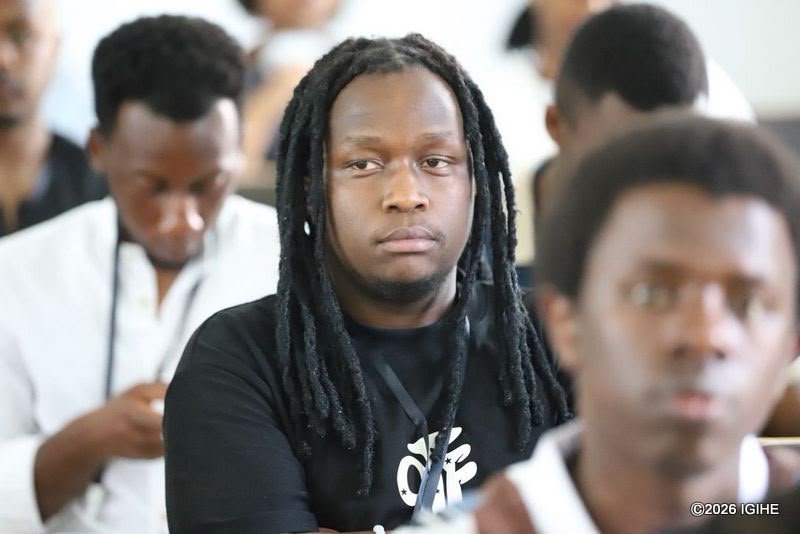
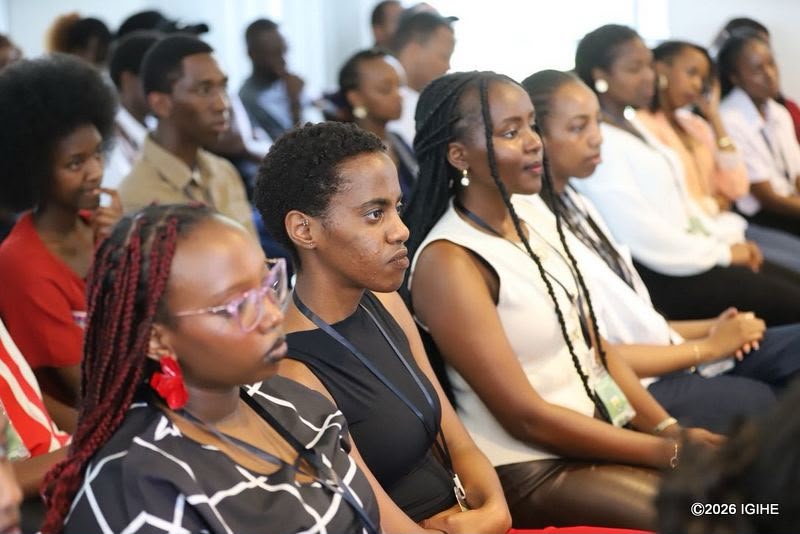
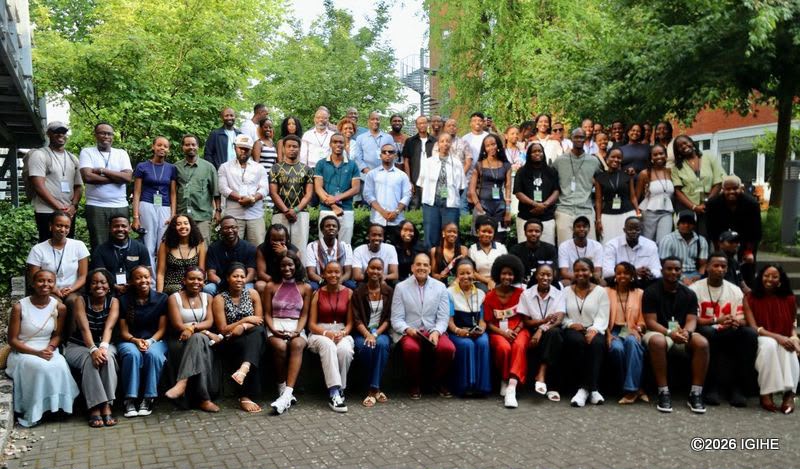
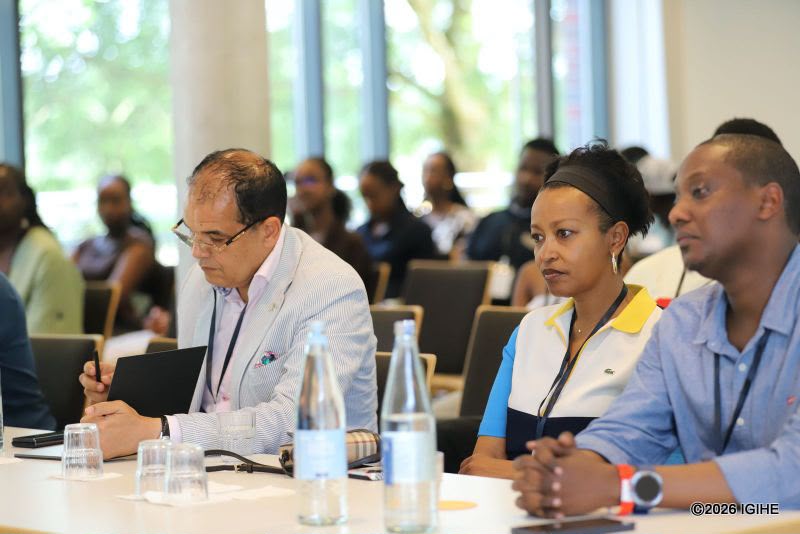
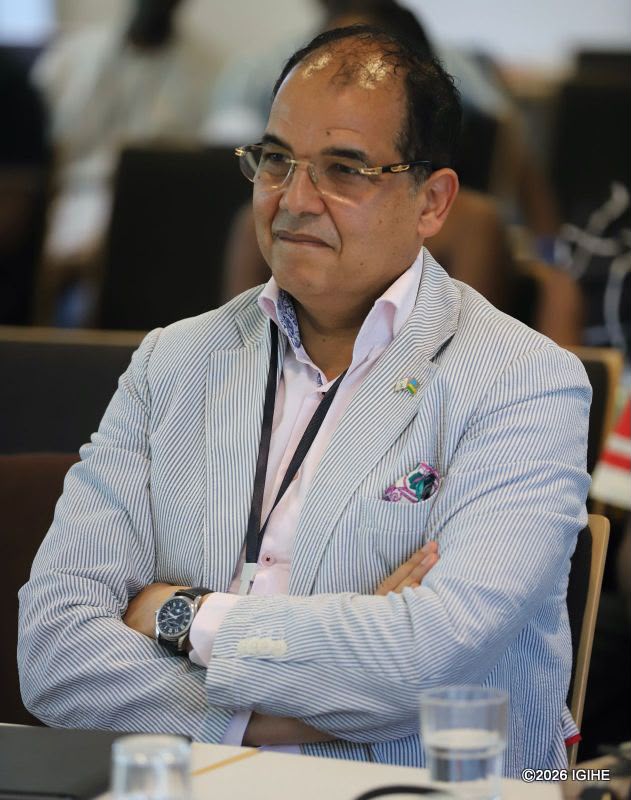
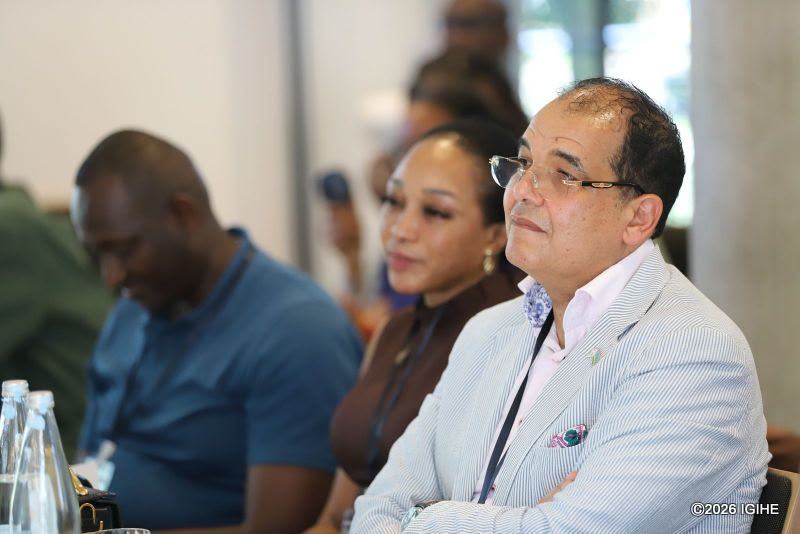
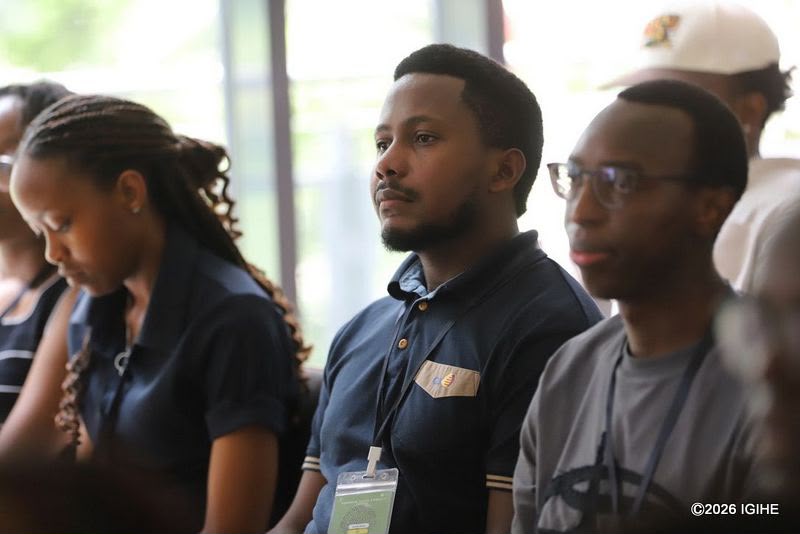
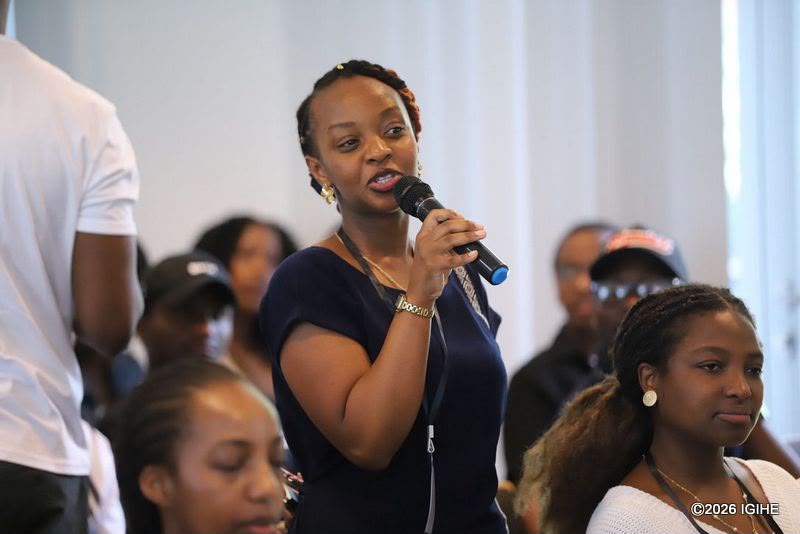
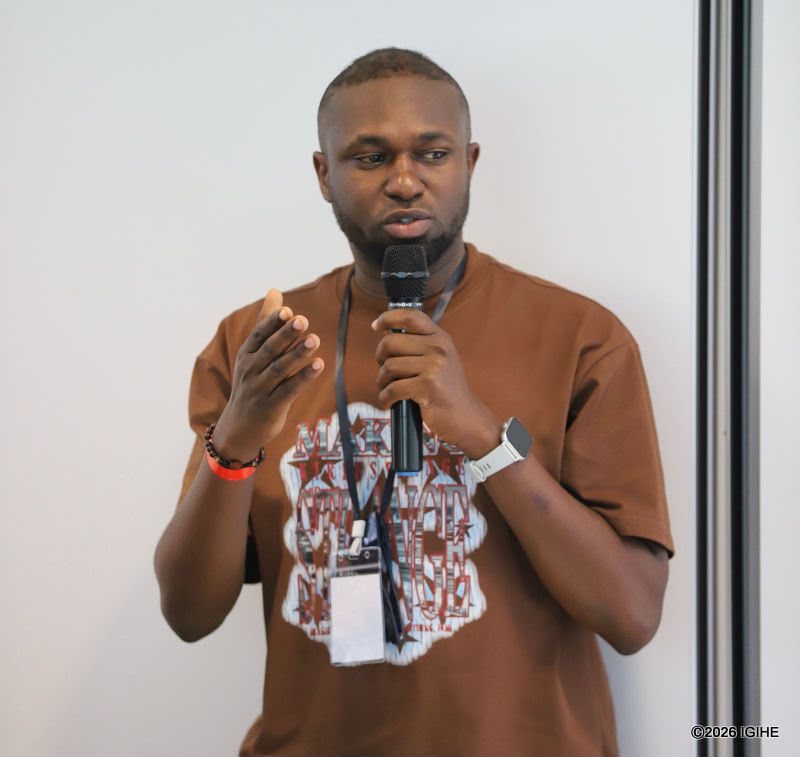
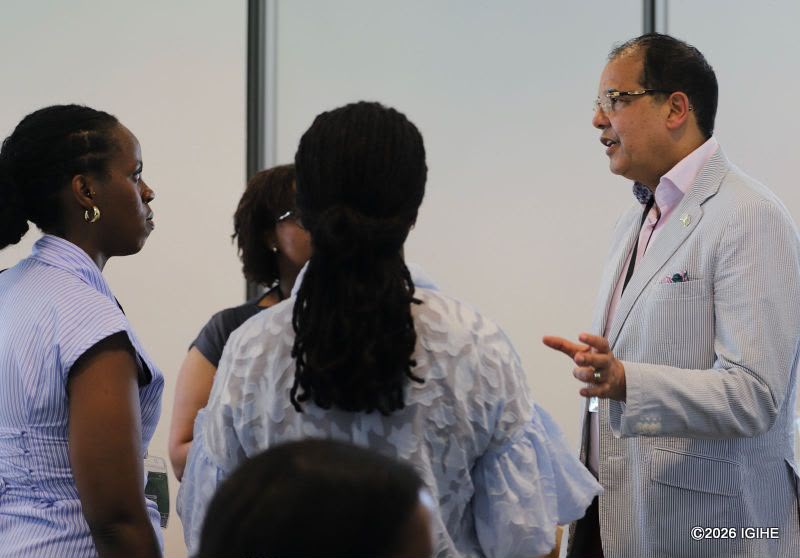
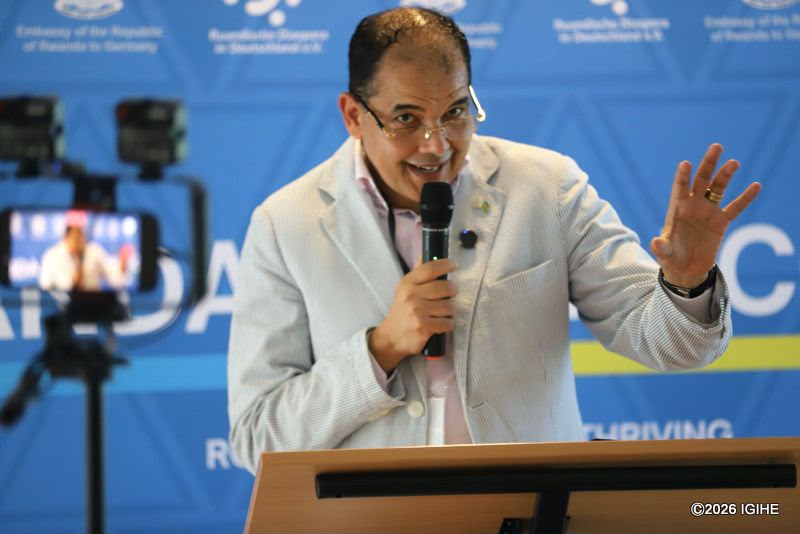
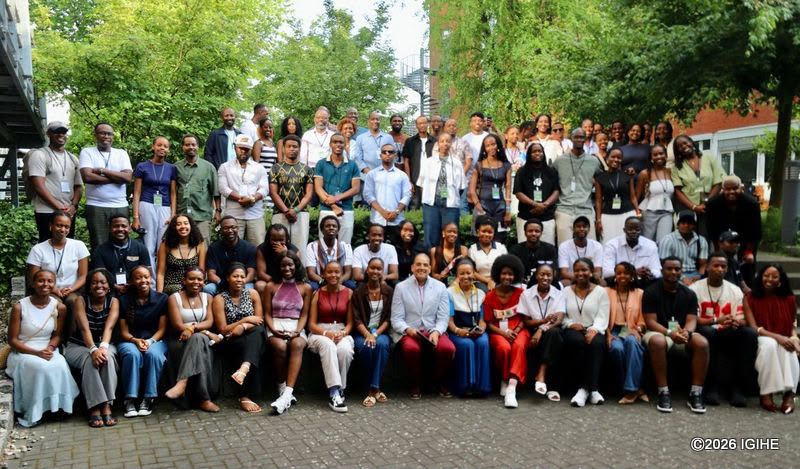
Leading the local organization, Noel Musoni, President of the Rwandan diaspora in the Hamburg region, expressed great satisfaction with the success of the event, which brought together young people from across the country, some of whom travelled more than six hours to reach northern Germany.
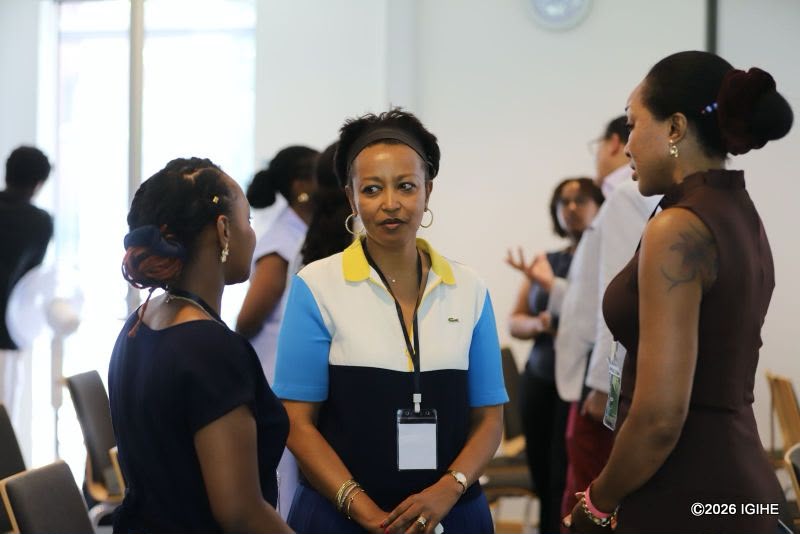
Over the course of the two-day event, participants had the opportunity to get to know one another, exchange ideas about their backgrounds, projects and experiences, and reconnect with the values that define Rwandans, while learning how to balance their identity with the multicultural realities they encounter in their daily lives abroad.
This edition was also marked by the introduction of newly elected presidents who will represent the different Rwandan diaspora communities across Germany.
These include Sadi Isingizwe, President of the Hamburg and Lower Saxony regions; Delice Ikirezi and Gatete Deogratias, Co-Presidents of the NRW + RP region; Mugwaneza Francine, President of the Rhein-Main-Neckar region; Gabiro Vainqueur, President of the Berlin region; and Mafurebo Andy Kanobayita, President of the Bavaria region.
In an interview with IGIHE, Noel Musoni highlighted the importance of this initiative for the future of Rwandan youth in Germany.
‘This year, we had the honour of hosting Rwanda Youth Connect in the city of Hamburg. We are pleased to see that all regions where the Rwandan diaspora is organized now have youth representatives. This will further strengthen connections among young people, who are an important and dynamic part of our community in Germany.’
He also welcomed the achievement of this year’s objectives, particularly bringing young people closer together, fostering collaboration among them and encouraging their active involvement in Rwanda’s development.
Noel Musoni, President of the Rwandan diaspora in the Hamburg region, expressed great satisfaction with the success of the event, which brought together young people from across the country, some of whom travelled more than six hours to reach northern Germany.
The initiative is aimed at strengthening ties among Rwandan youth living in the diaspora.
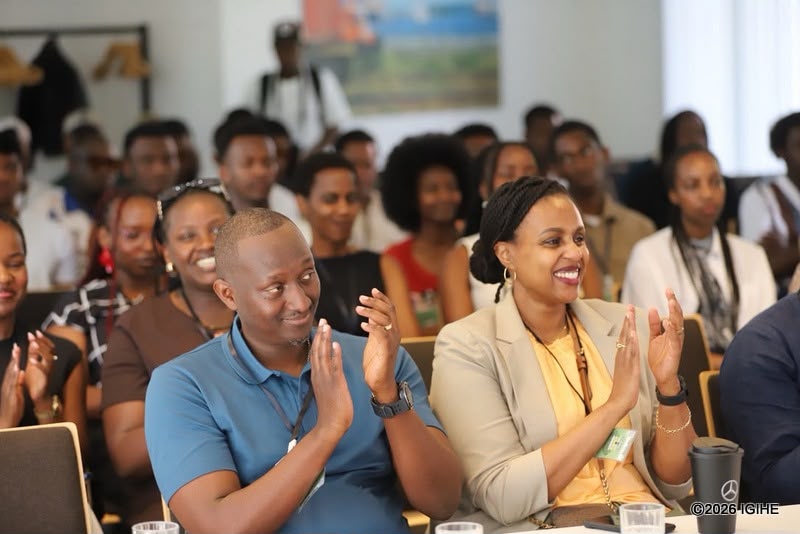
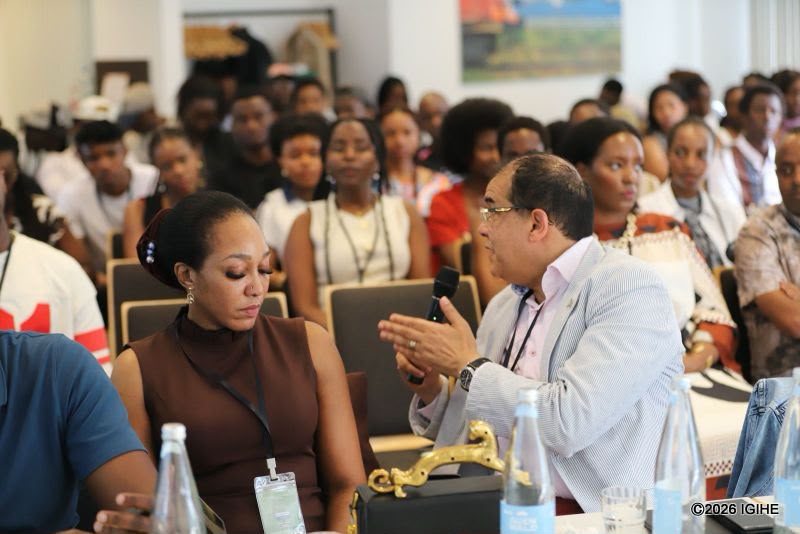
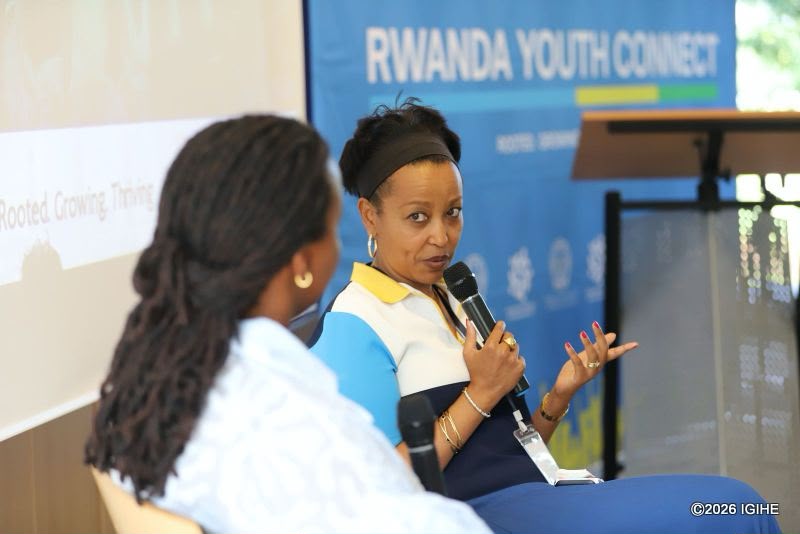
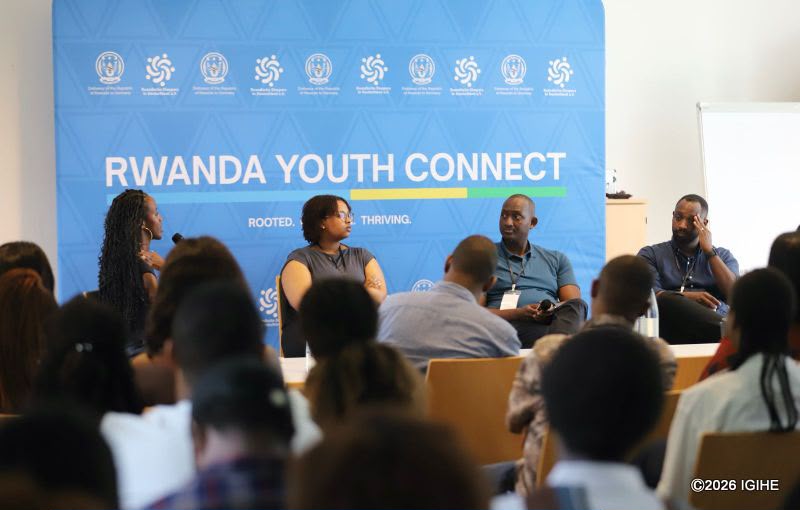
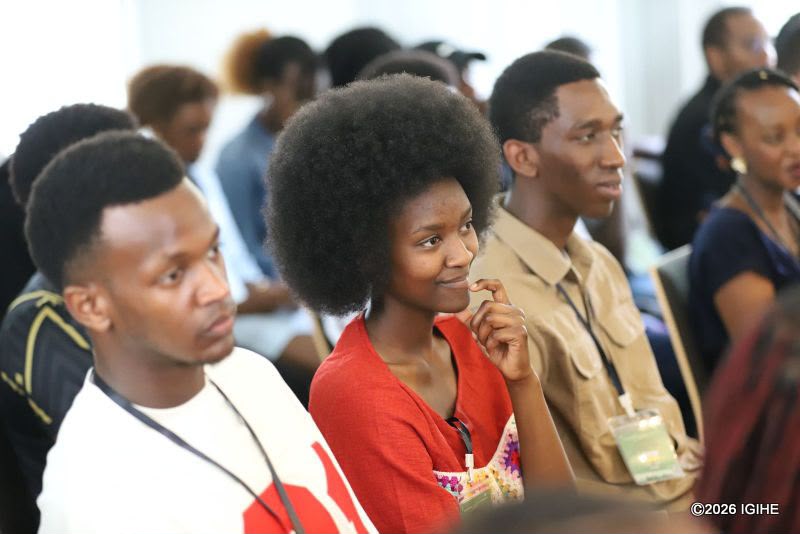
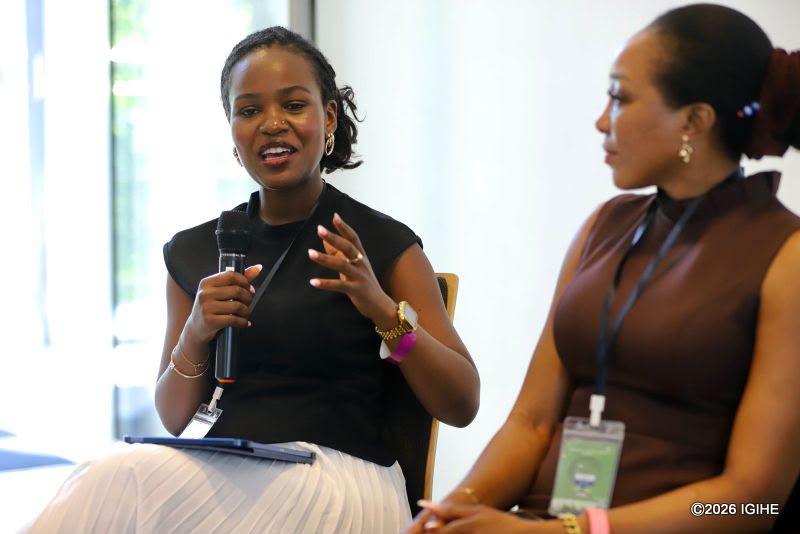
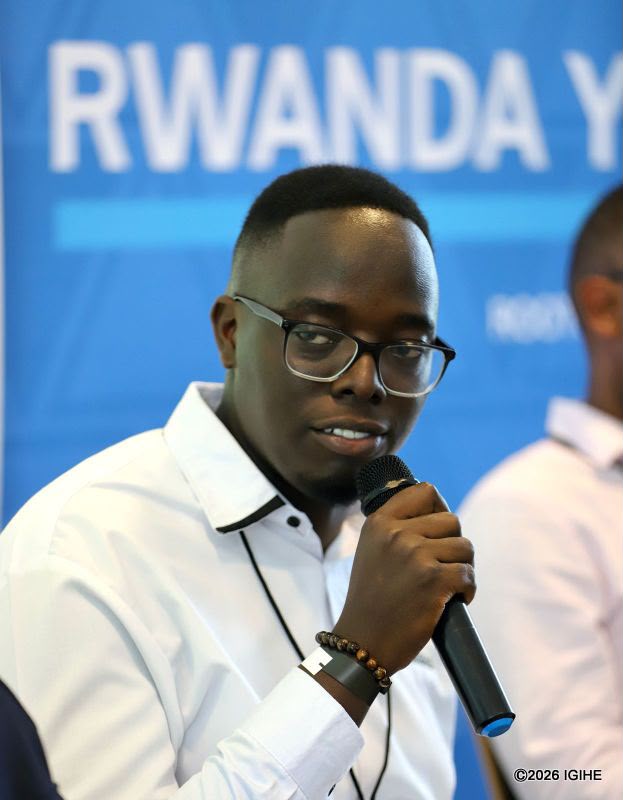
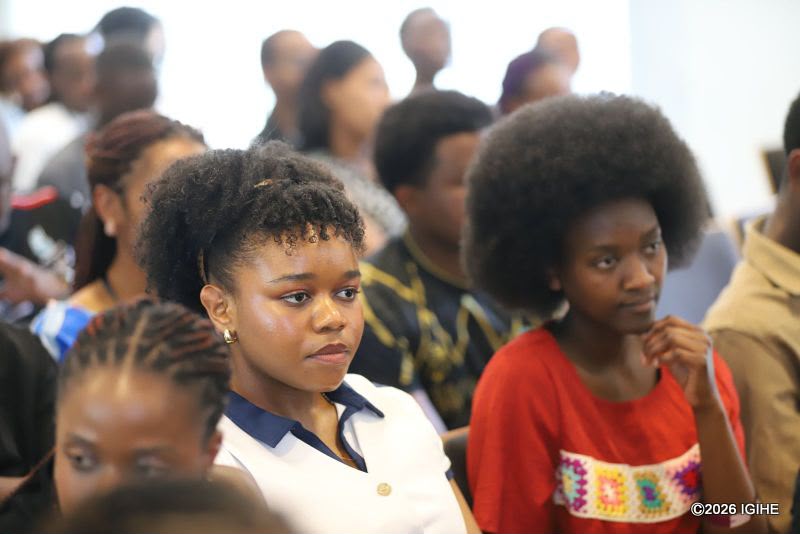
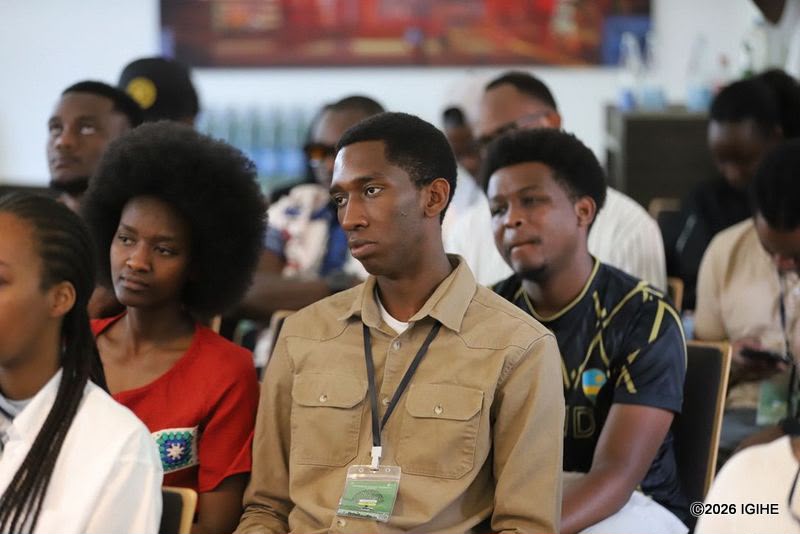
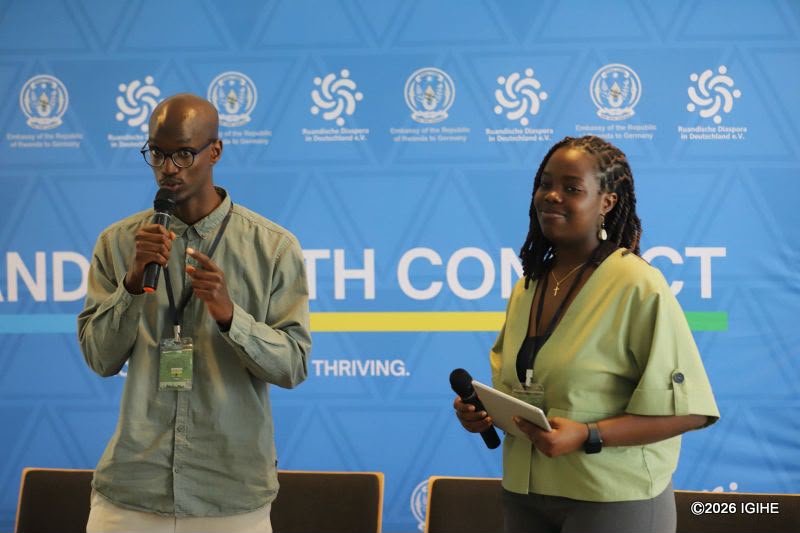
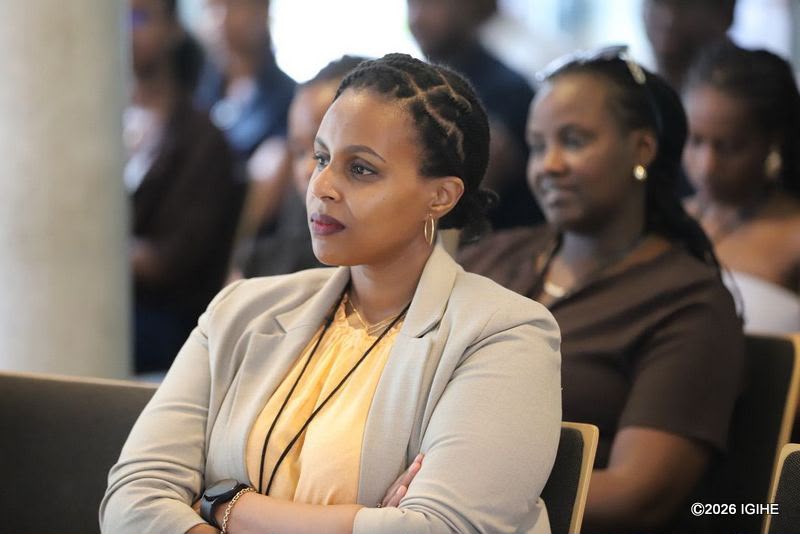
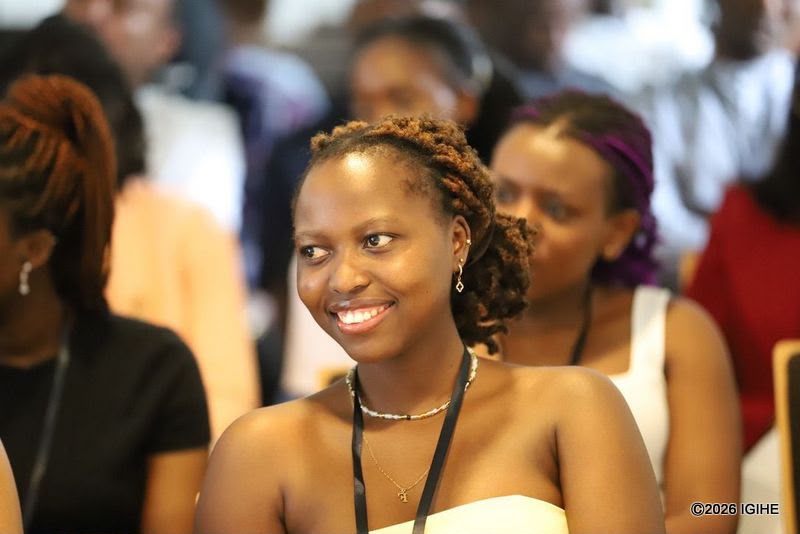
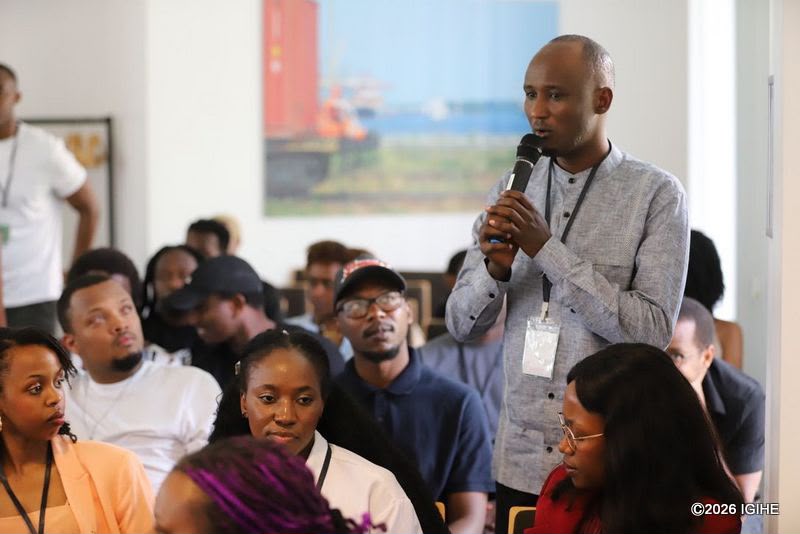
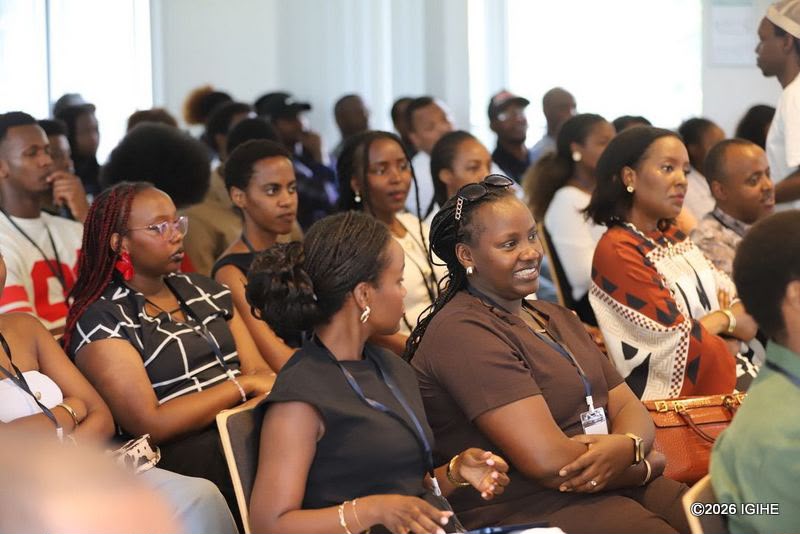
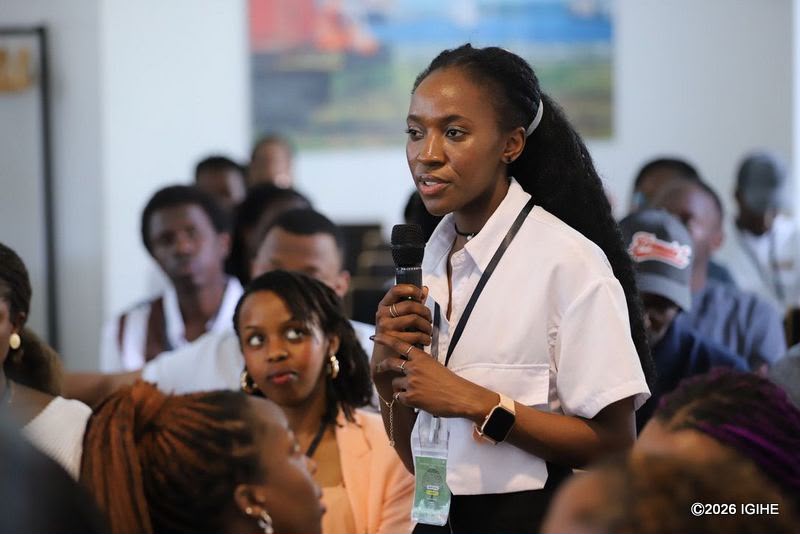
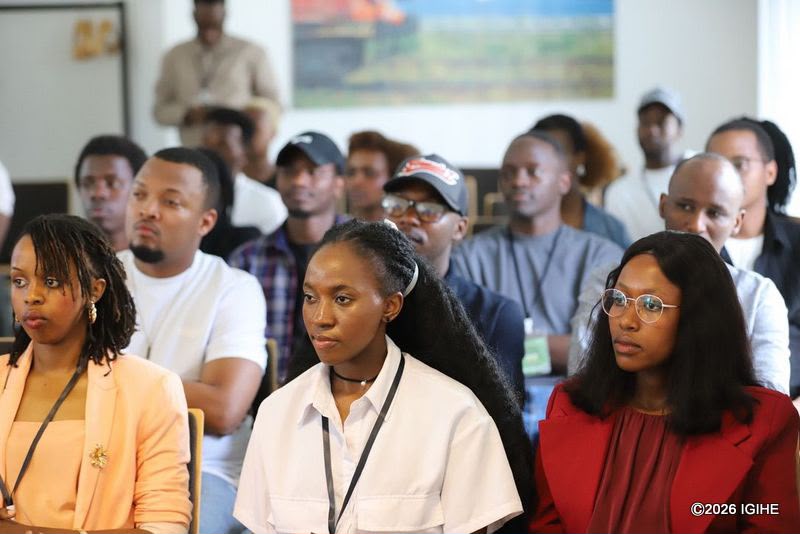
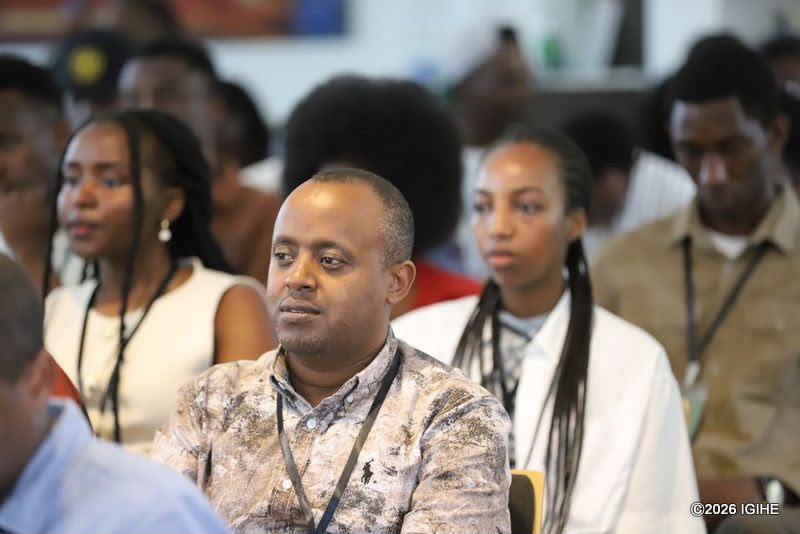
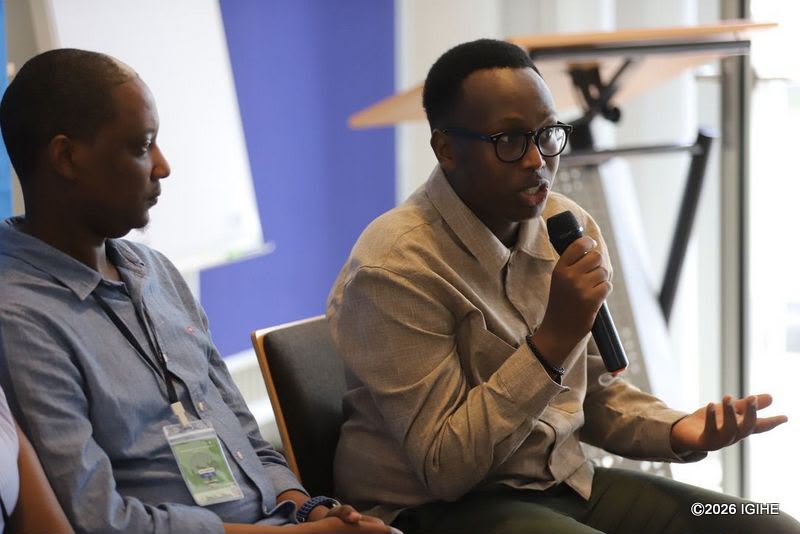
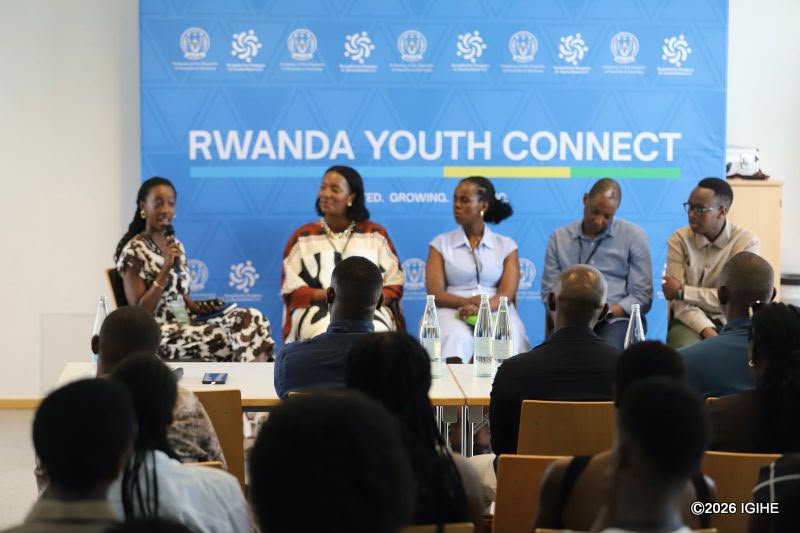
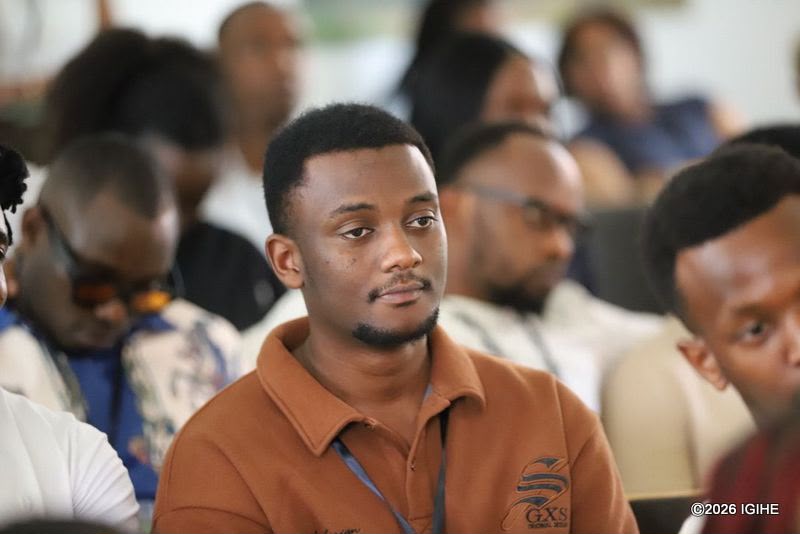
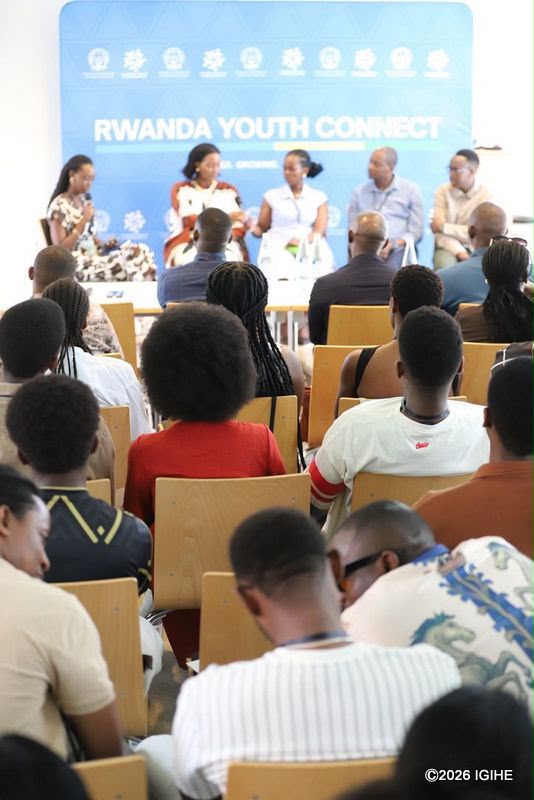
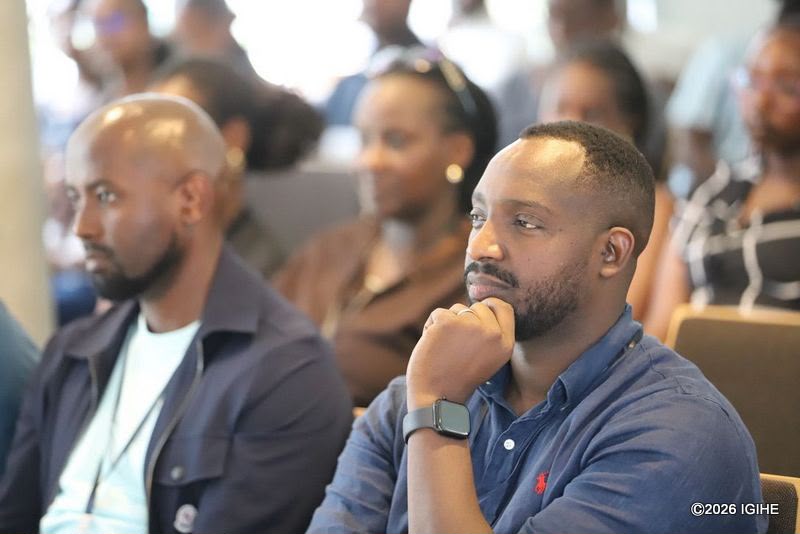
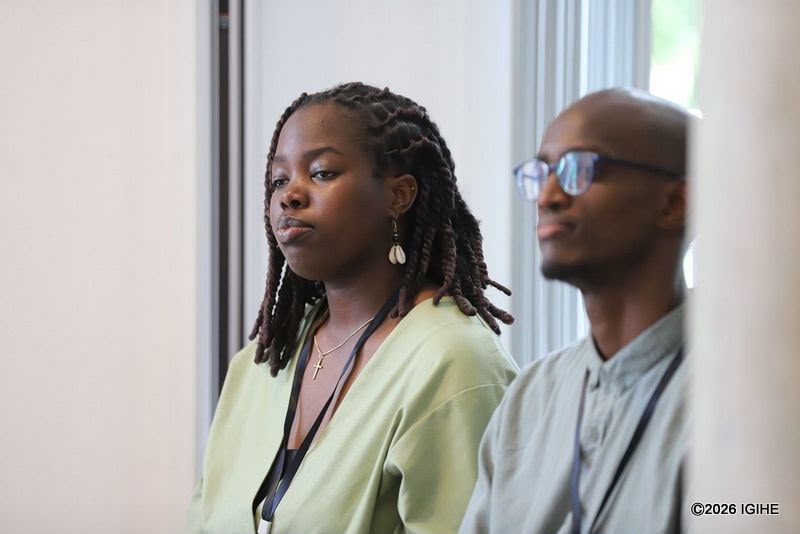
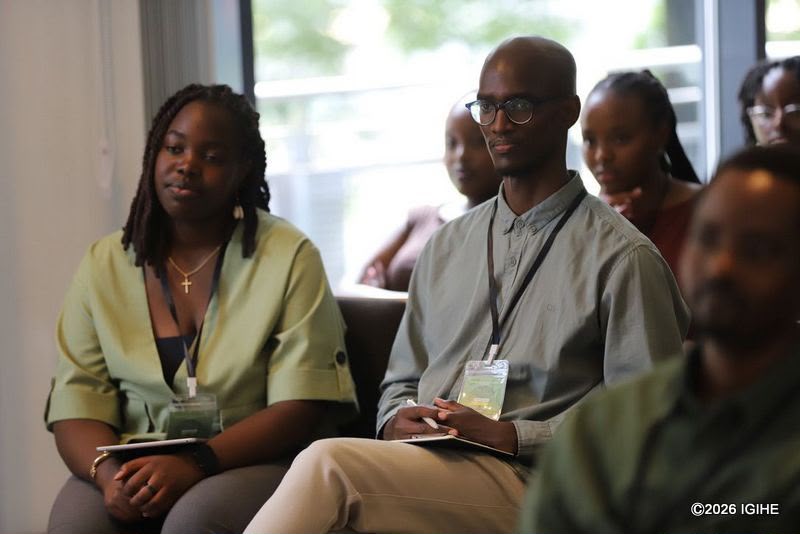
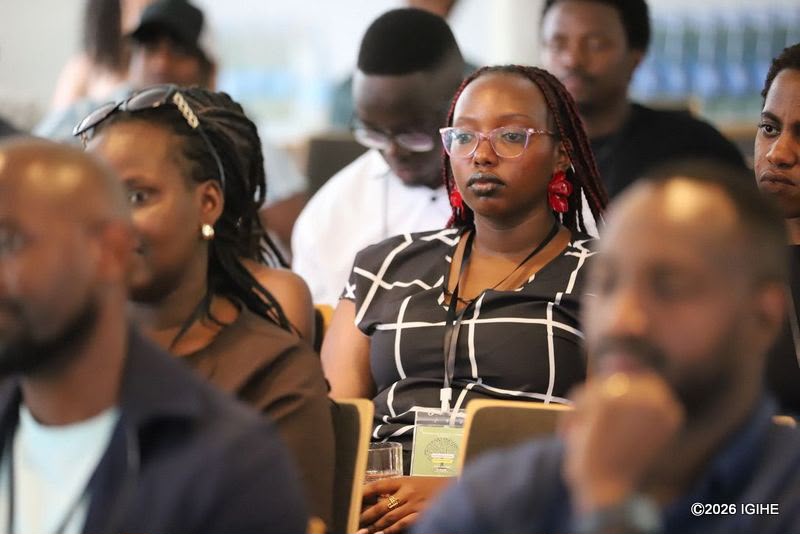
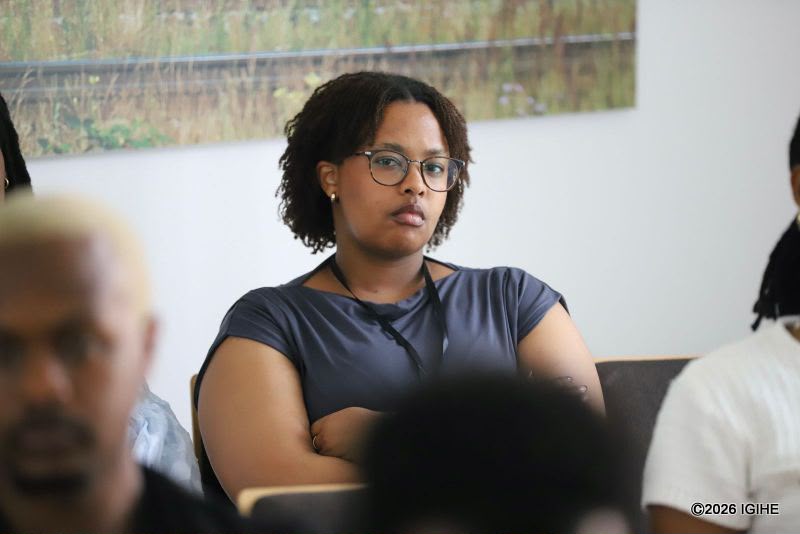
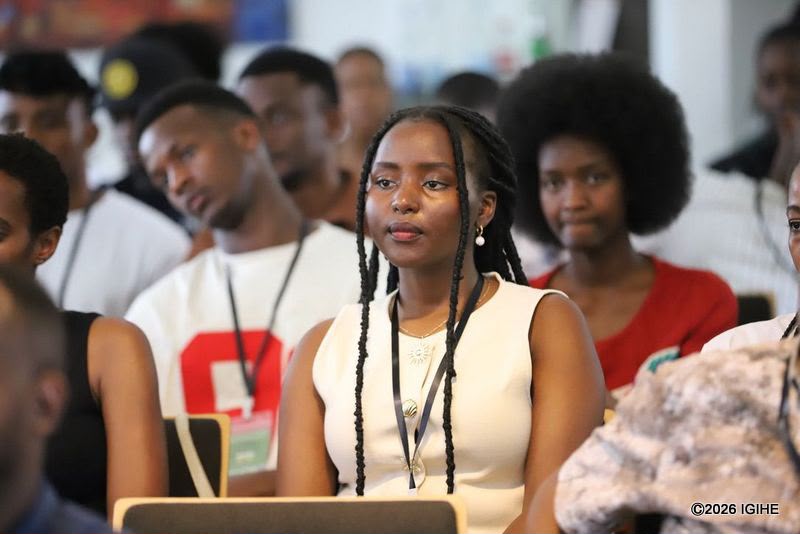
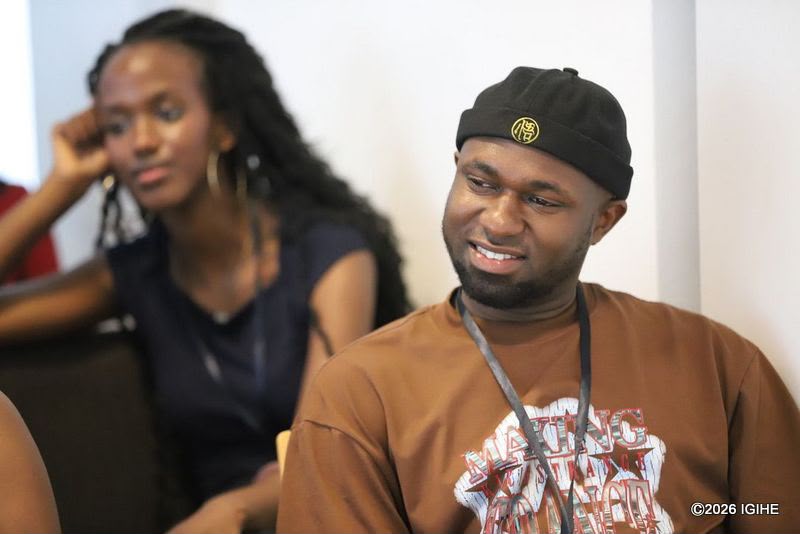
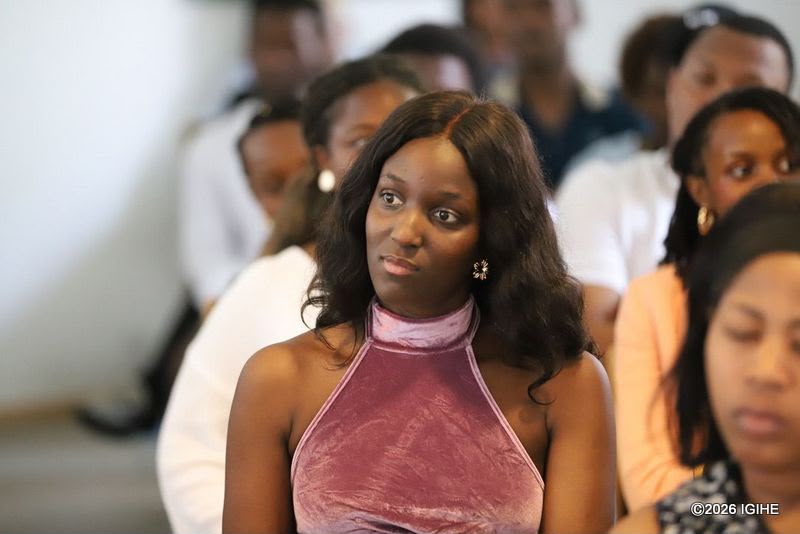
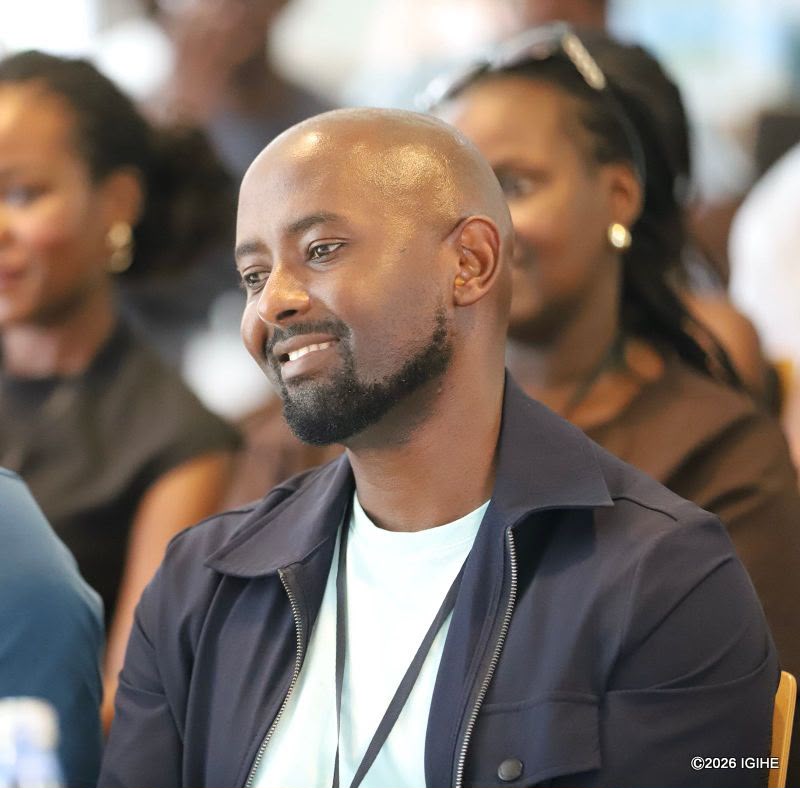
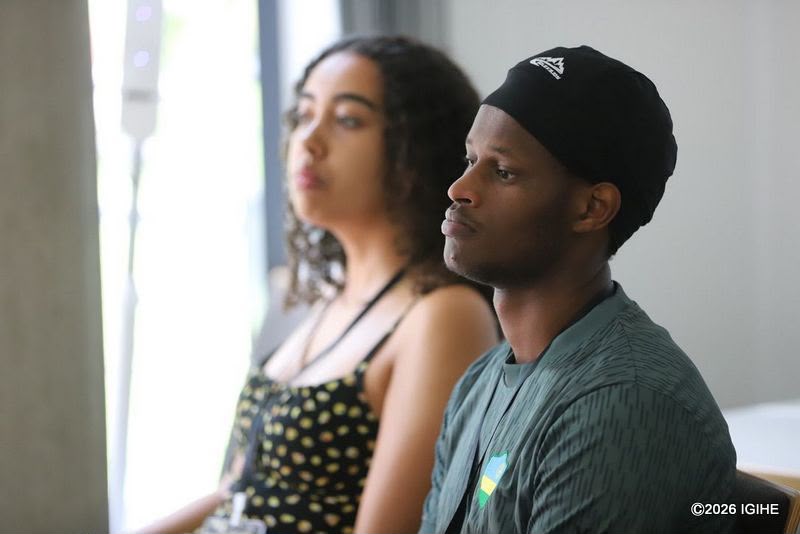
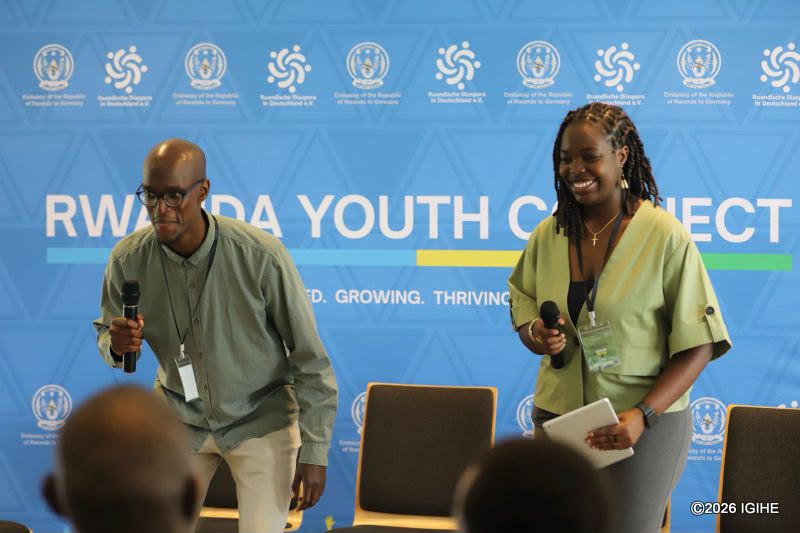
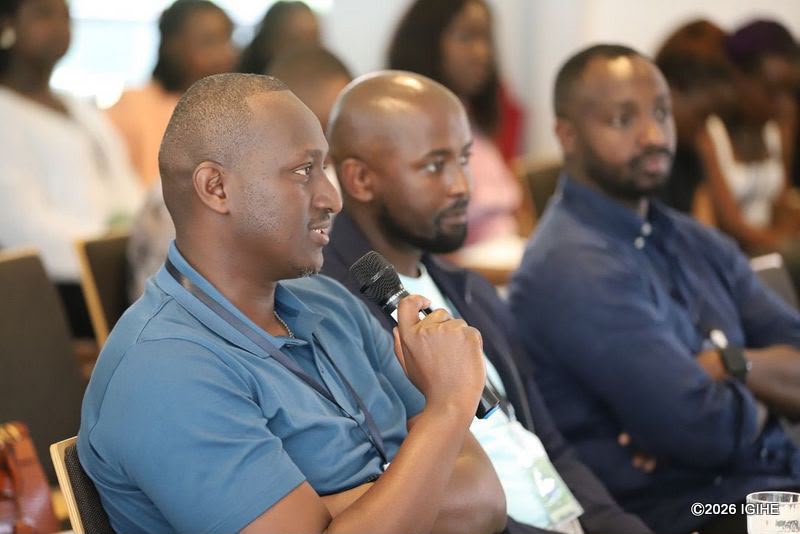
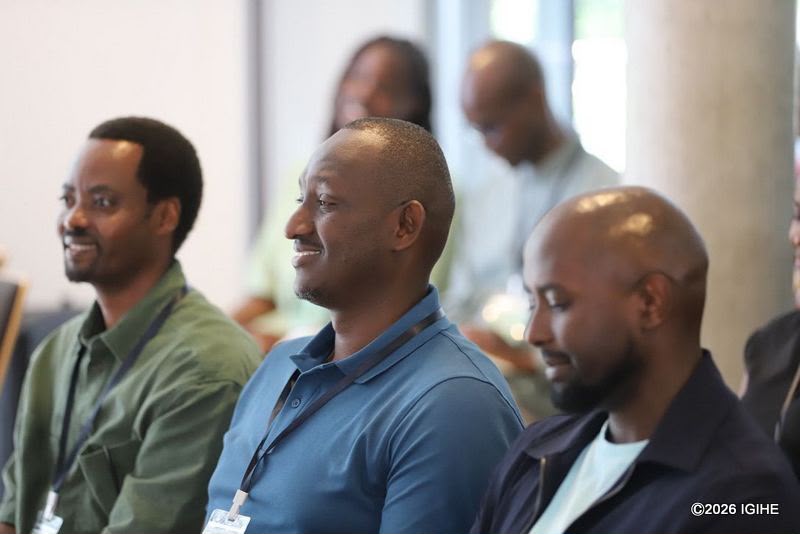
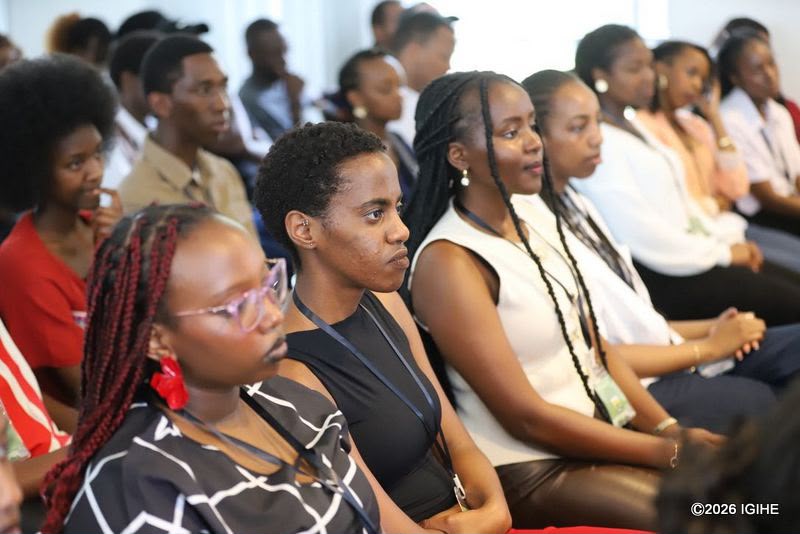
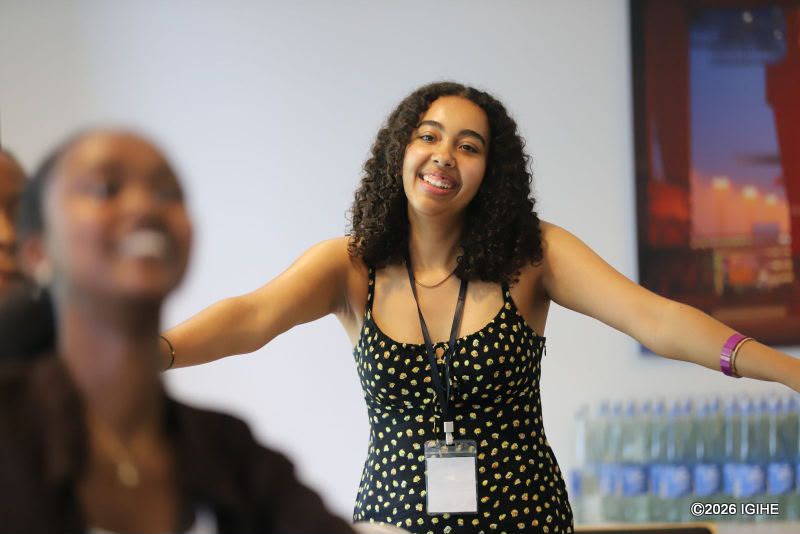
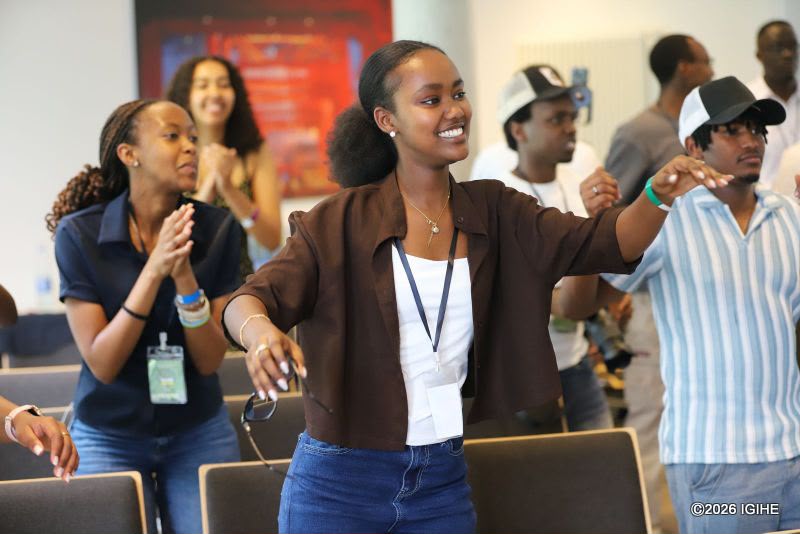
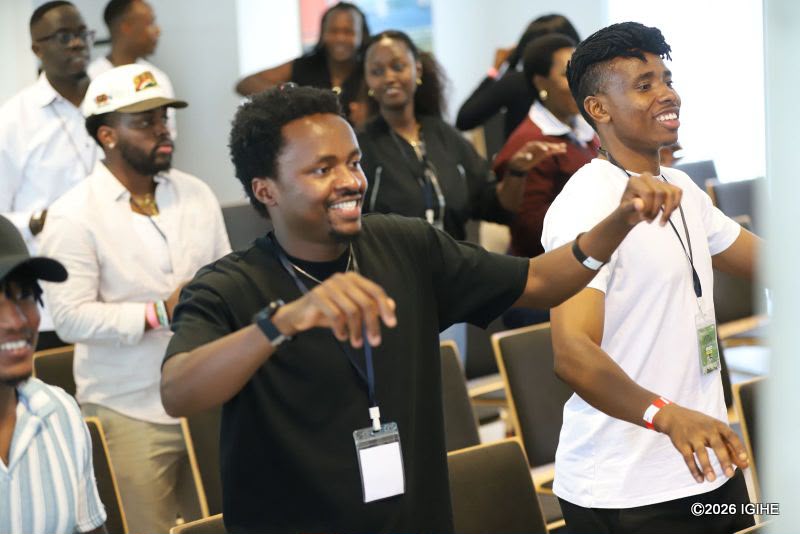
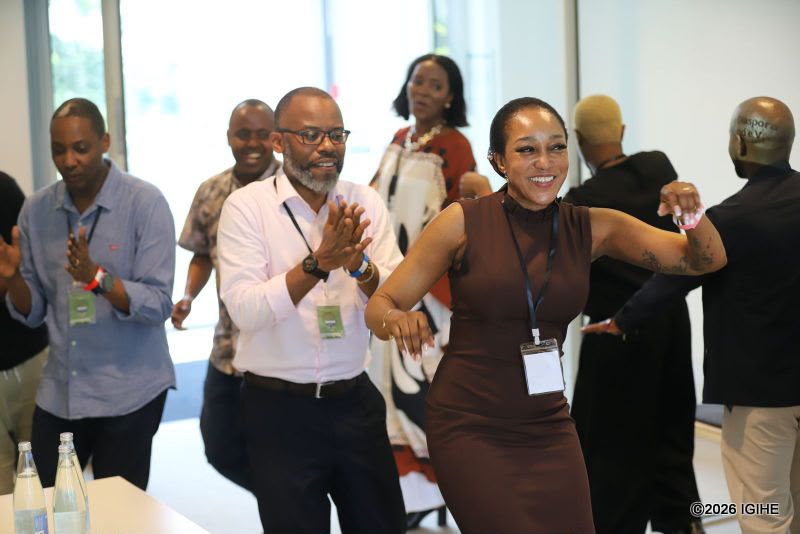
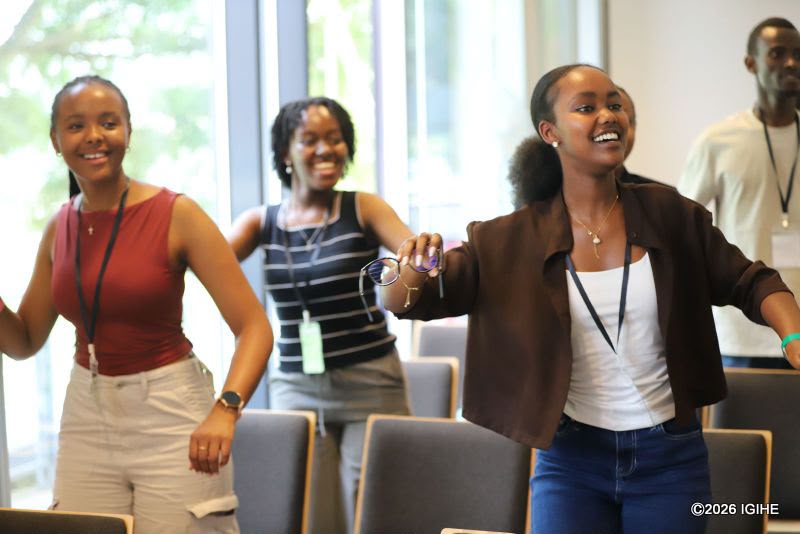
Young Rwandans from different regions across Germany gathered in Hamburg for Rwanda Youth Connect Germany.
Over the course of the two-day event, participants had the opportunity to get to know one another, exchange ideas about their backgrounds, projects and experiences, and reconnect with the values that define Rwandans.
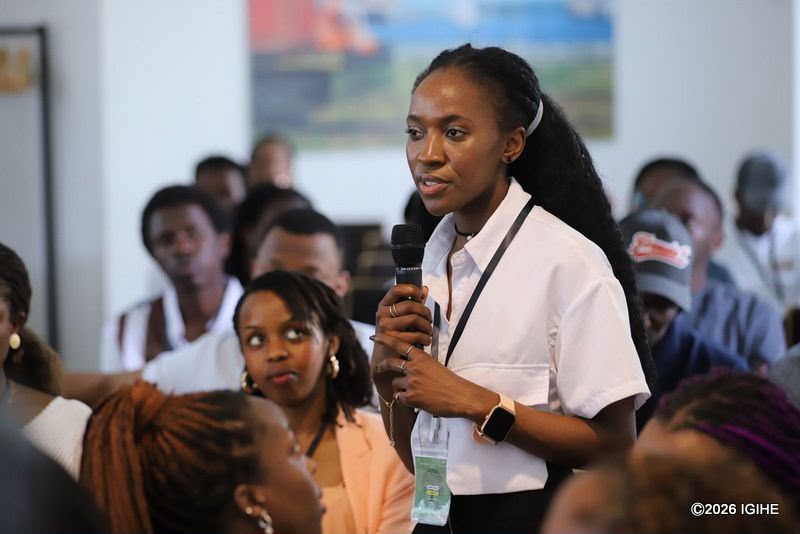
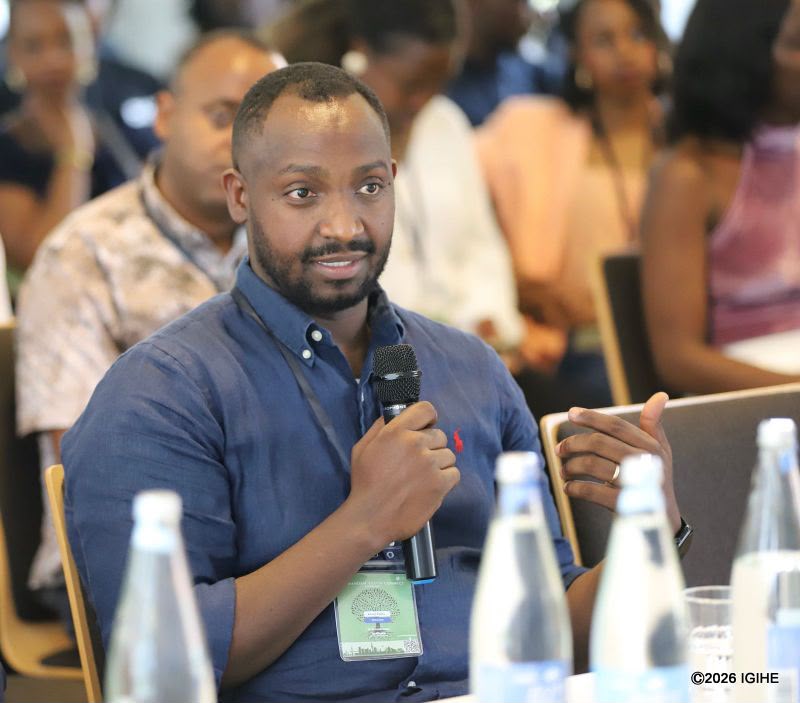
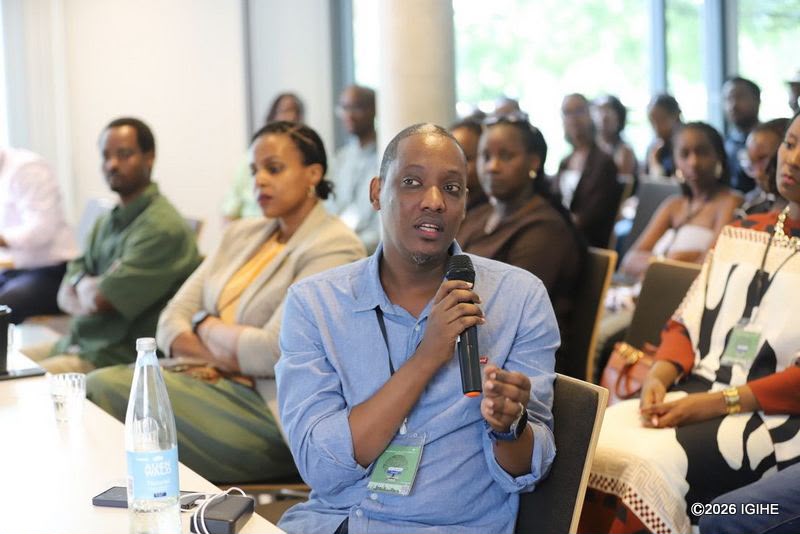
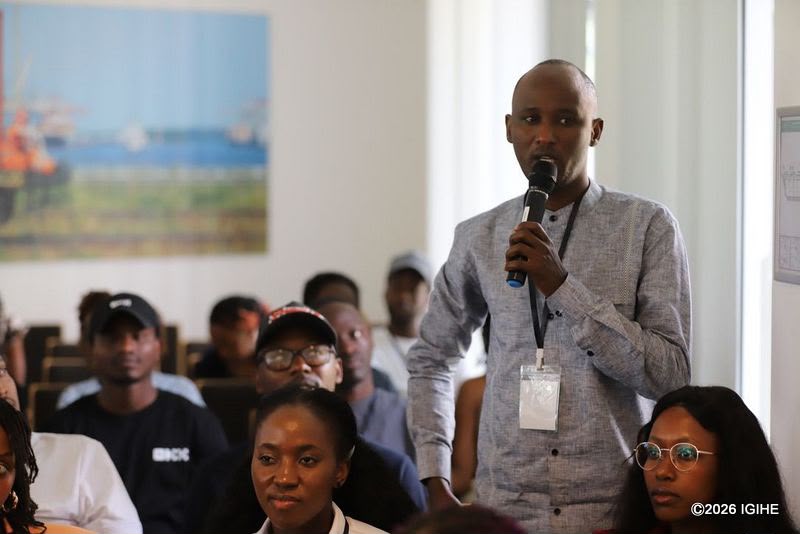
Rwanda’s Ambassador to Germany, Igor Cesar, reminded participants that they are not mere observers of Rwanda’s development but active contributors to its future.
Rwanda Youth Connect Germany 2026 demonstrated that, beyond geographical distances, a united, organized youth deeply connected to its roots can become a true force for development.
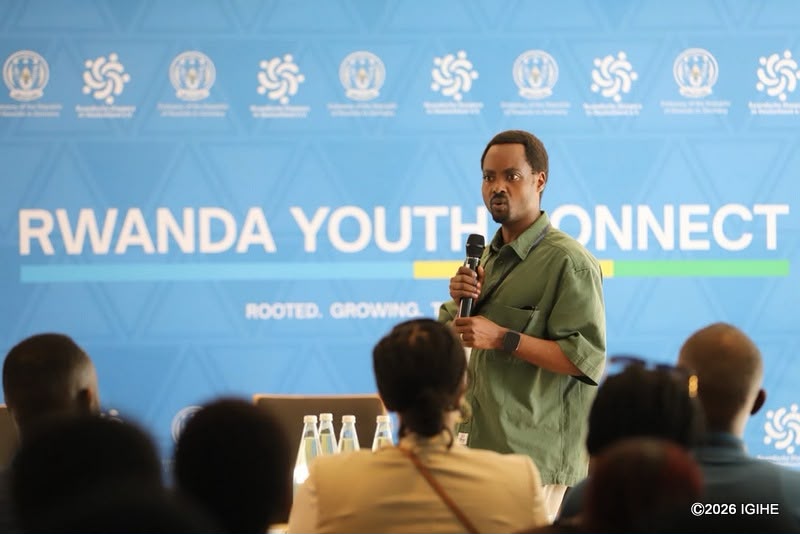
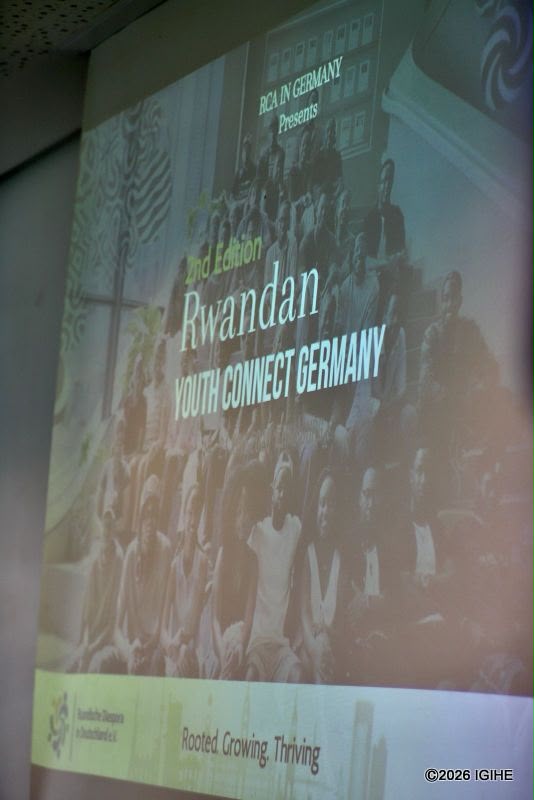
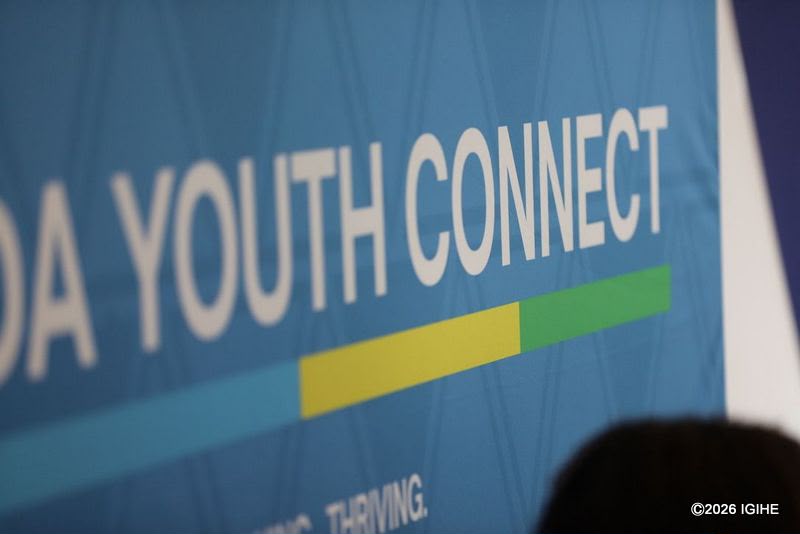
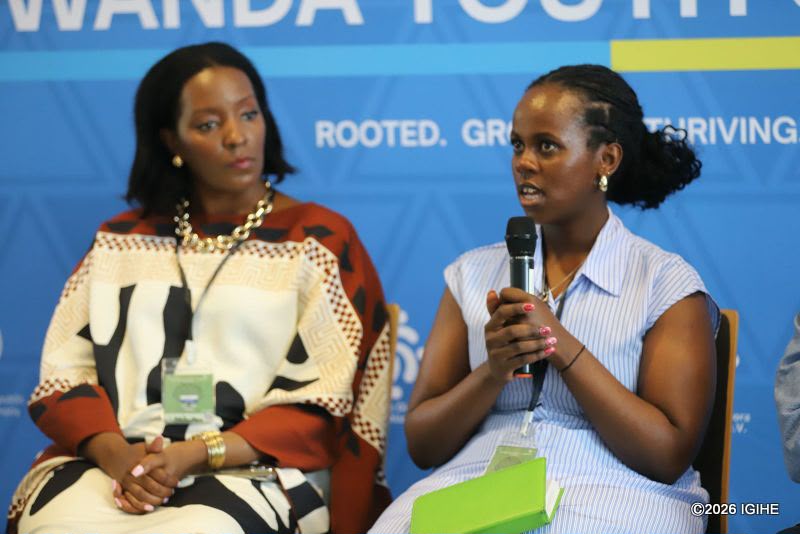
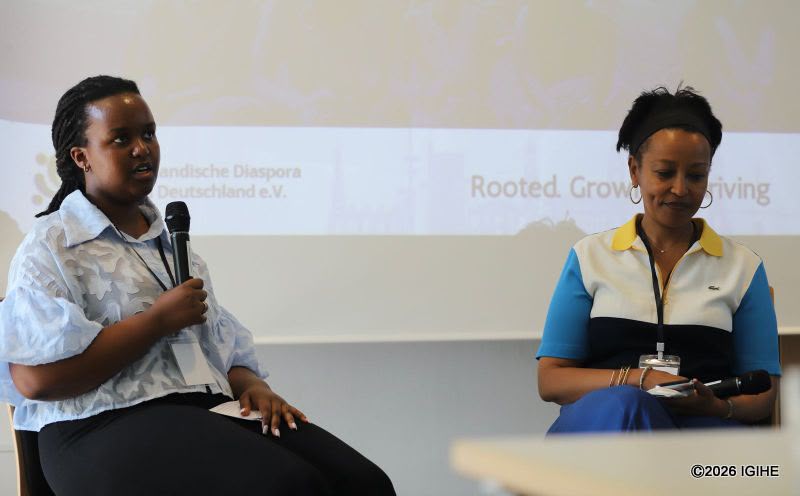
Held under the theme ‘Rooted. Growing. Thriving.’, this year’s edition highlighted a committed generation determined to build bridges between their host country and their country of origin.
One of the event’s distinctive features was that it was entirely coordinated by young people themselves, demonstrating their sense of responsibility and their ability to mobilize and unite their peers around shared goals.
To attend the gathering, some participants travelled hundreds of kilometres, with several spending more than six hours on the road to reach Hamburg and reconnect with fellow Rwandans living across Germany. Beyond the conference itself, the event represented a rare opportunity to meet, expand professional and social networks, and strengthen ties within a community spread across a vast country.
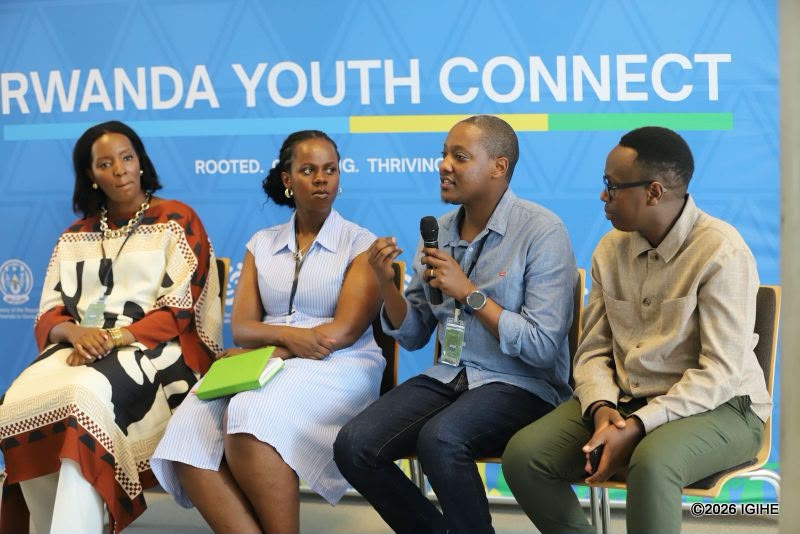
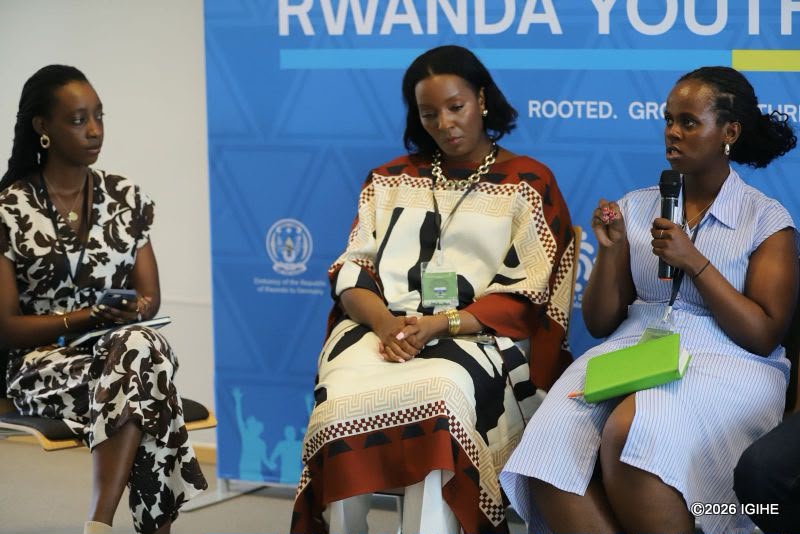
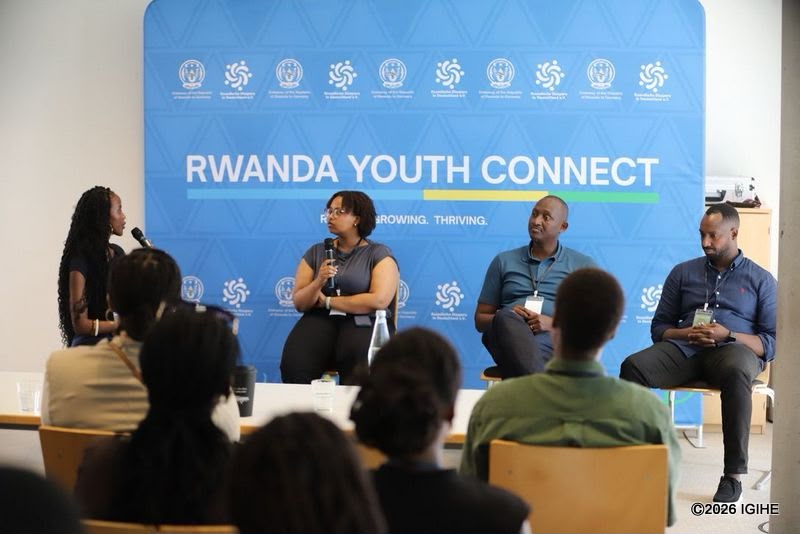
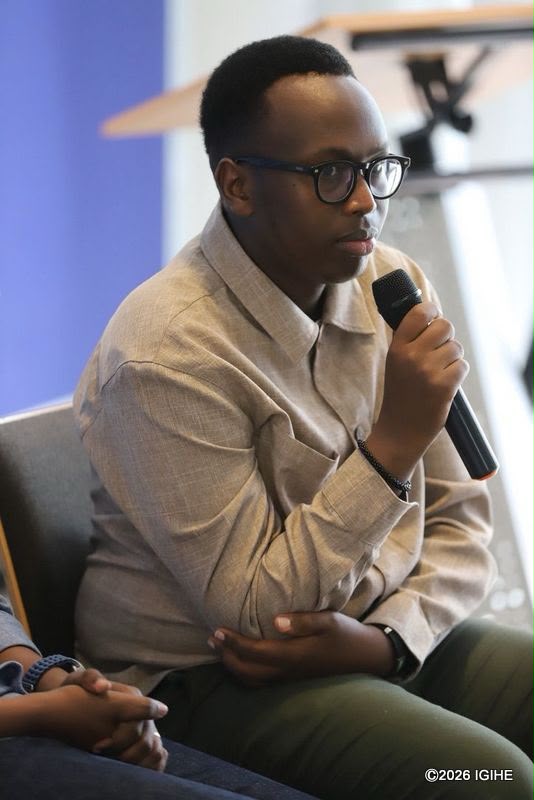
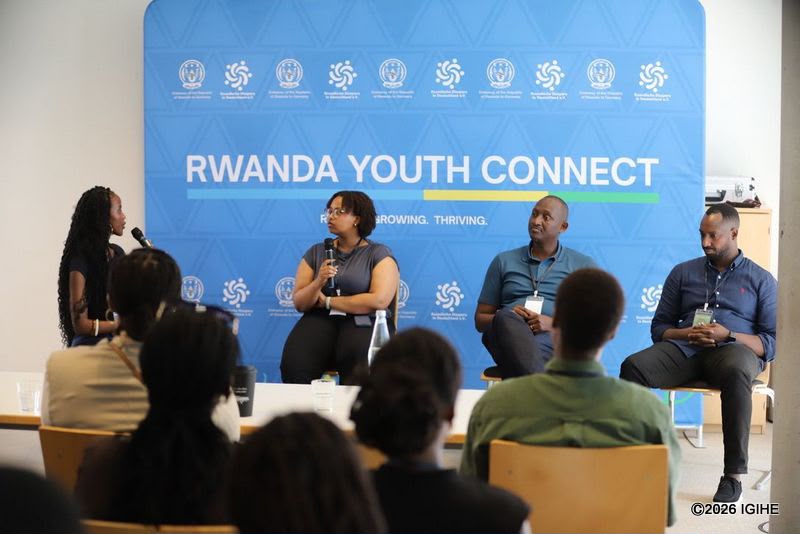
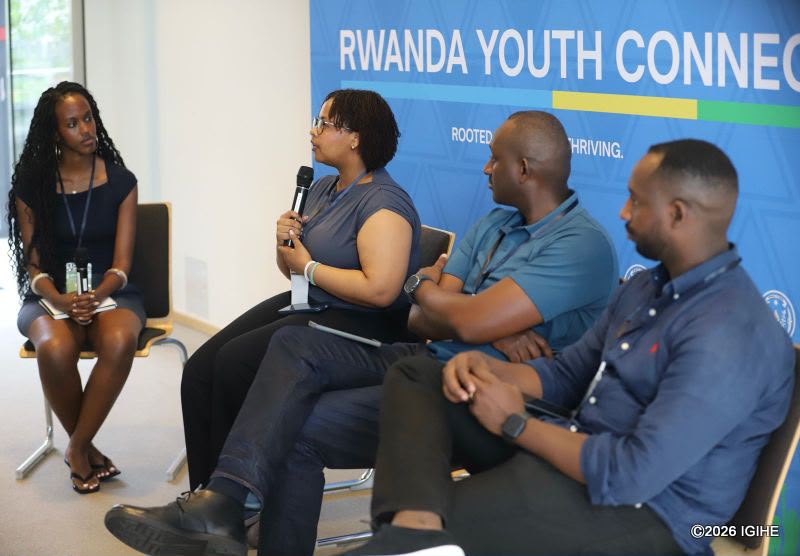
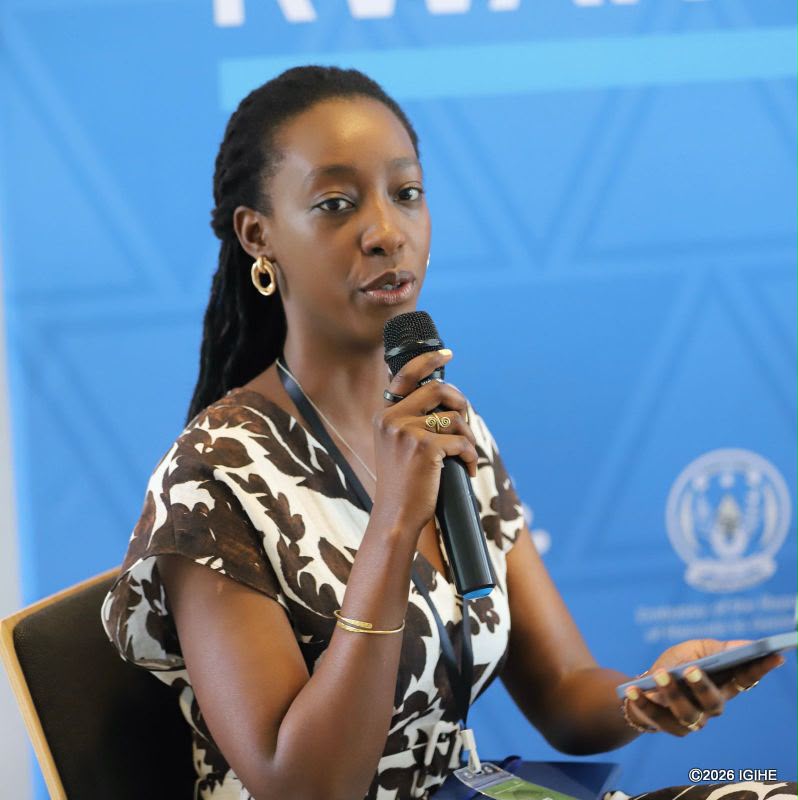
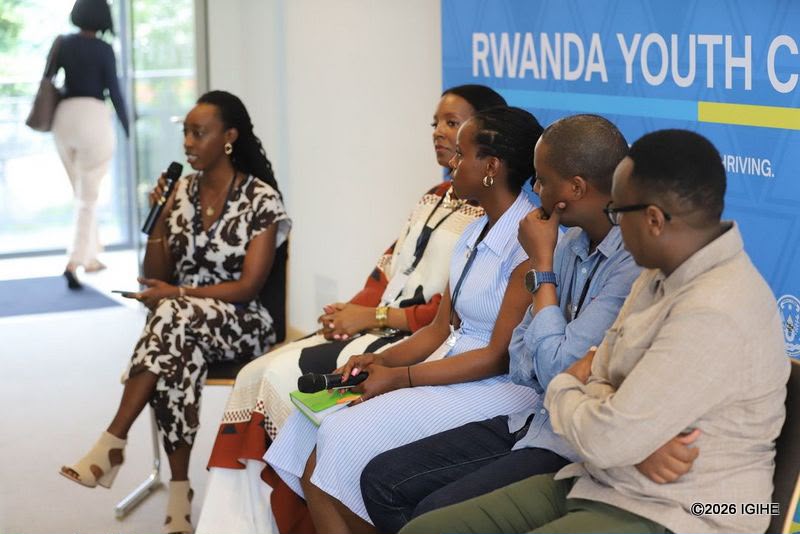
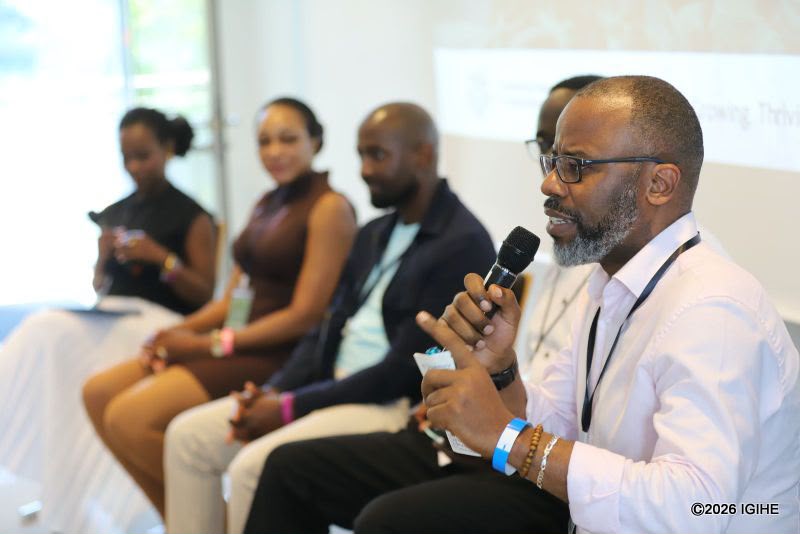
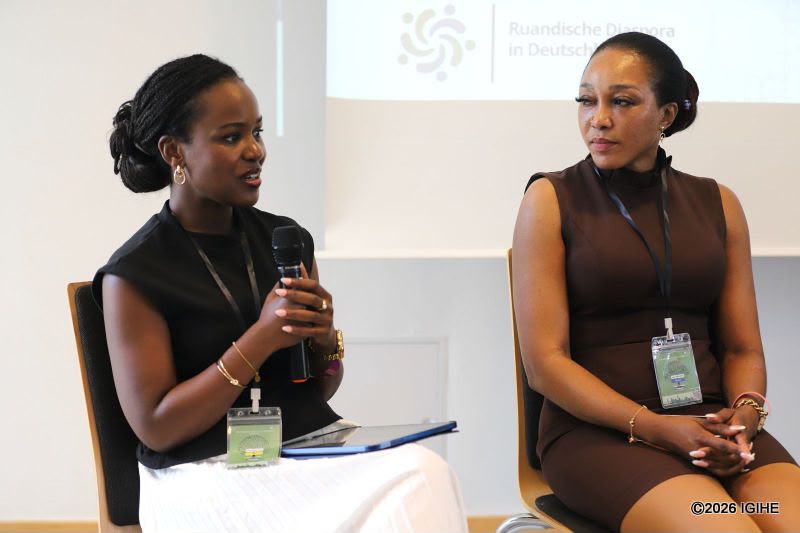
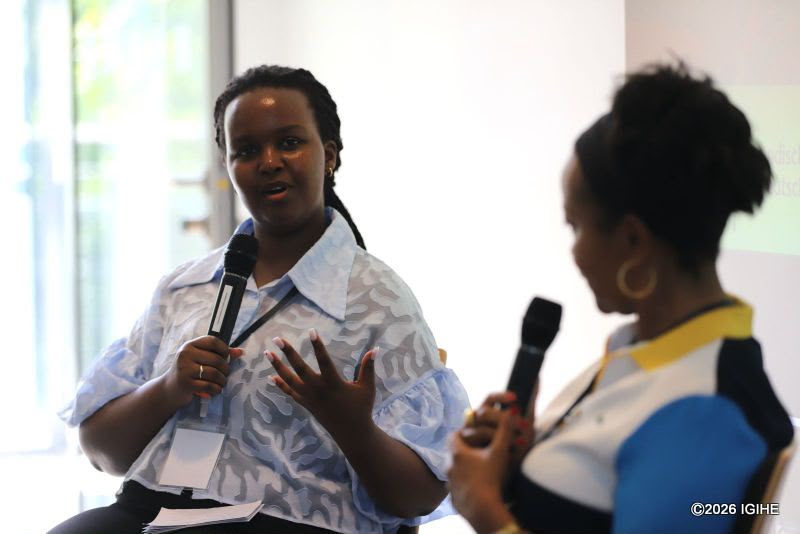
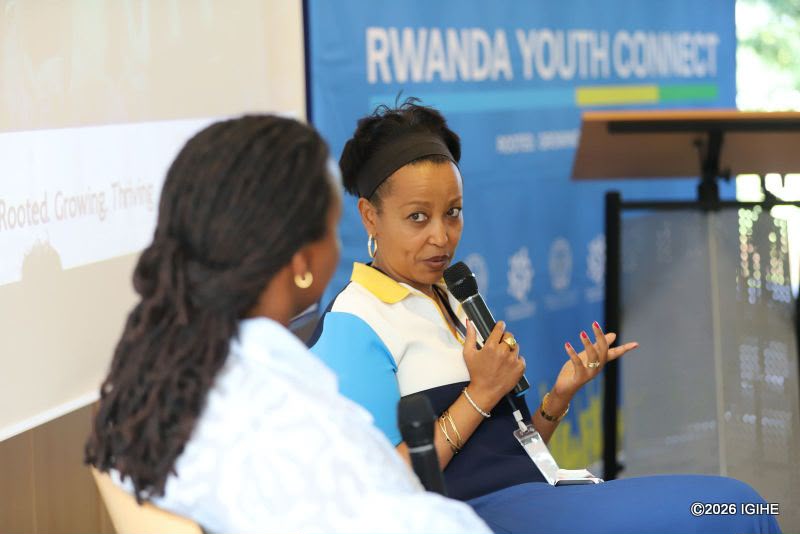
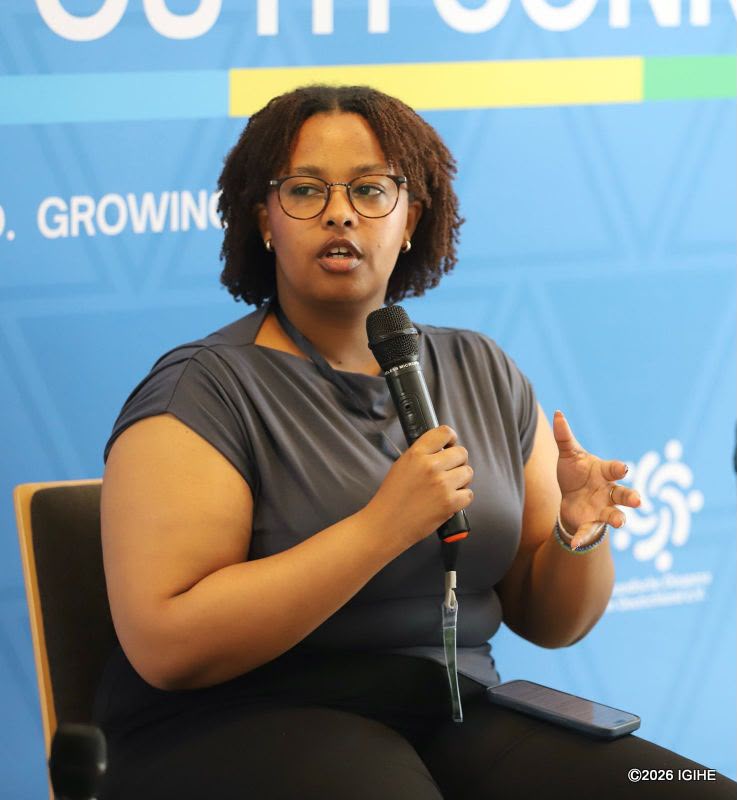
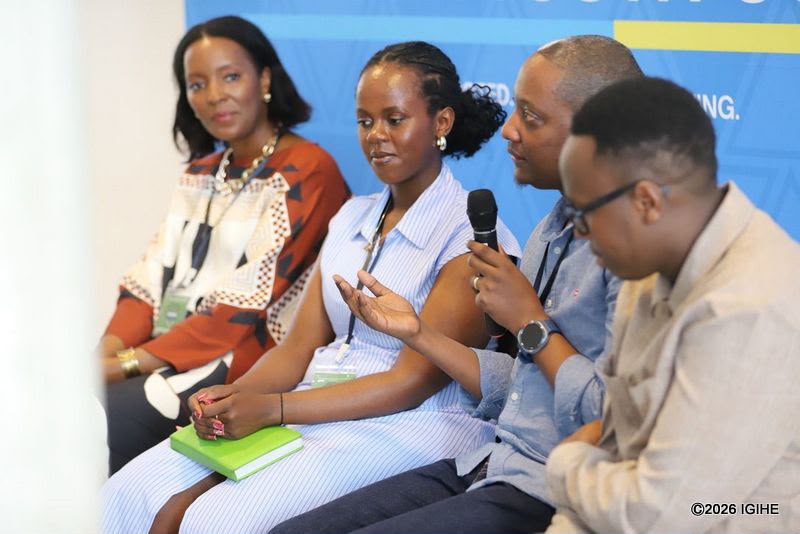
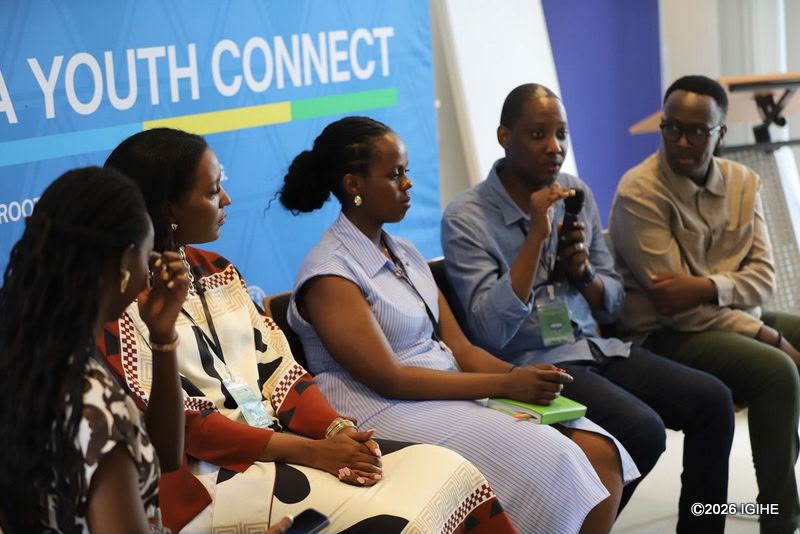
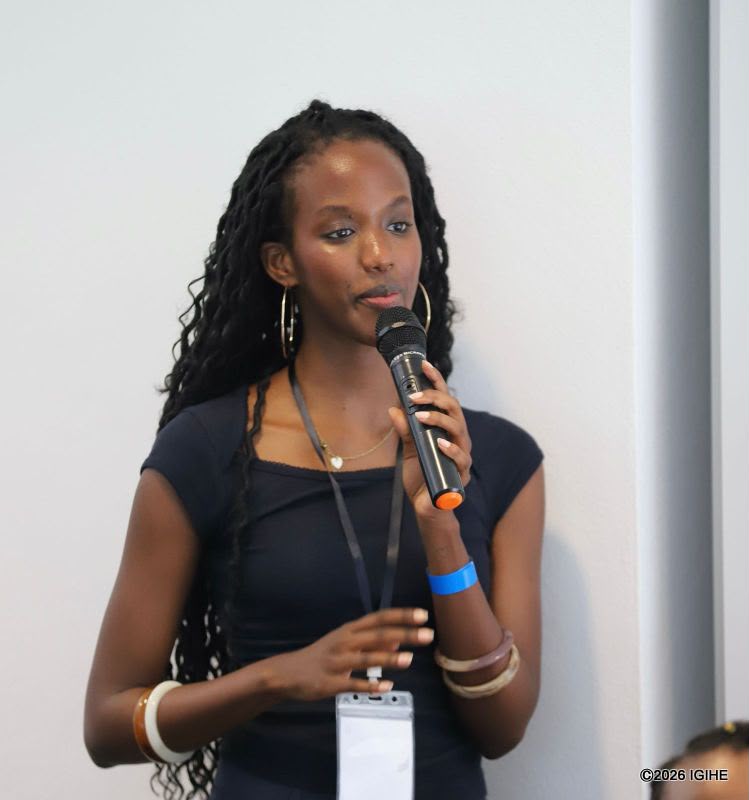
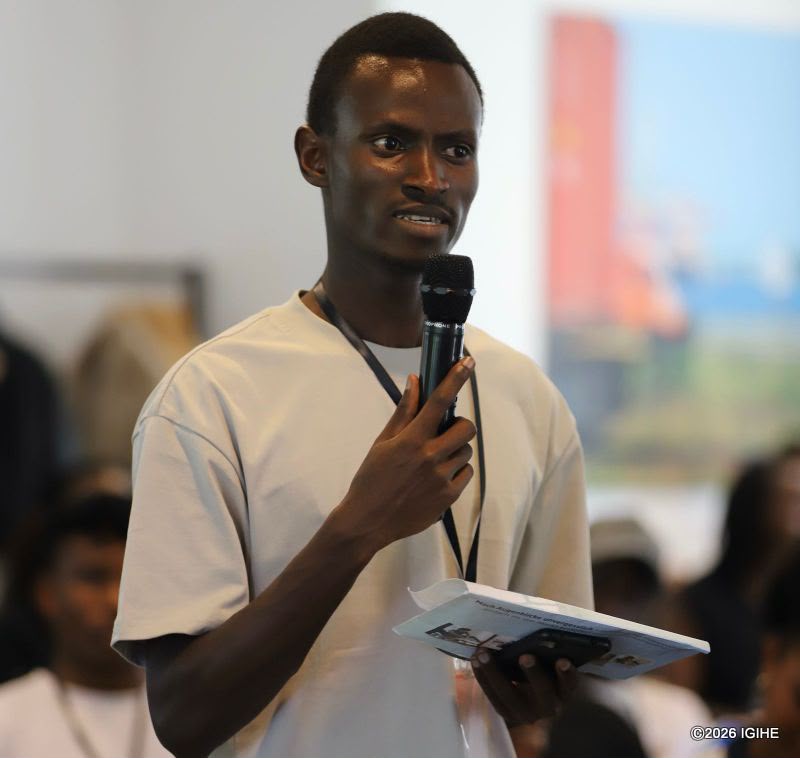
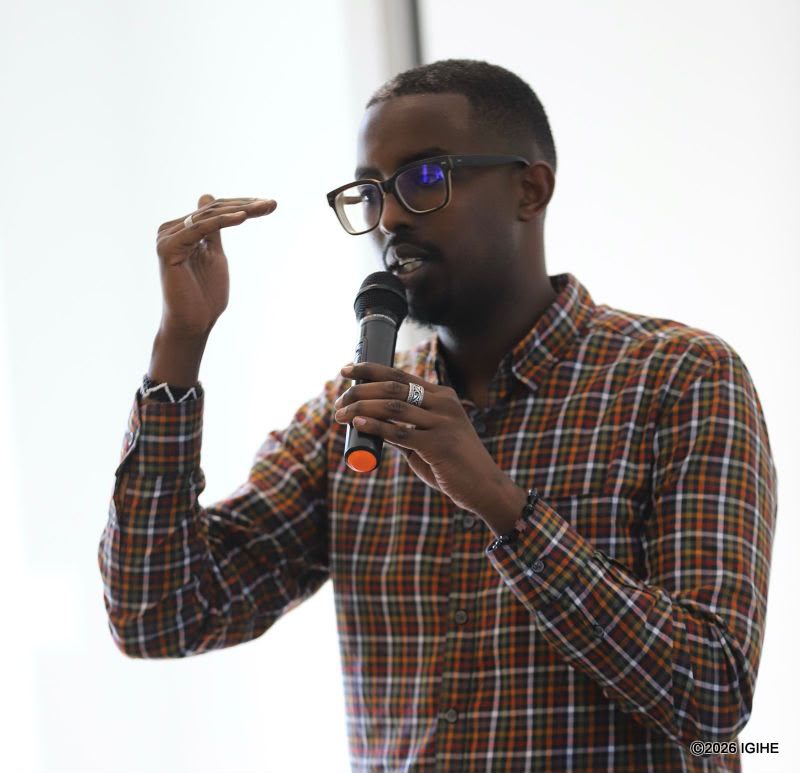
The main activities on June 20 focused on discussions and thematic panels addressing issues that matter to young people in the diaspora.
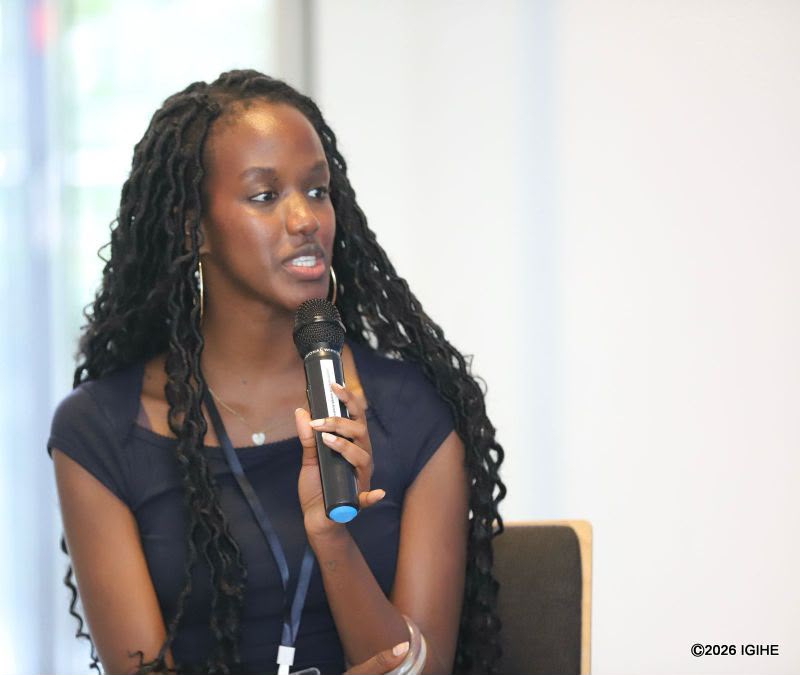
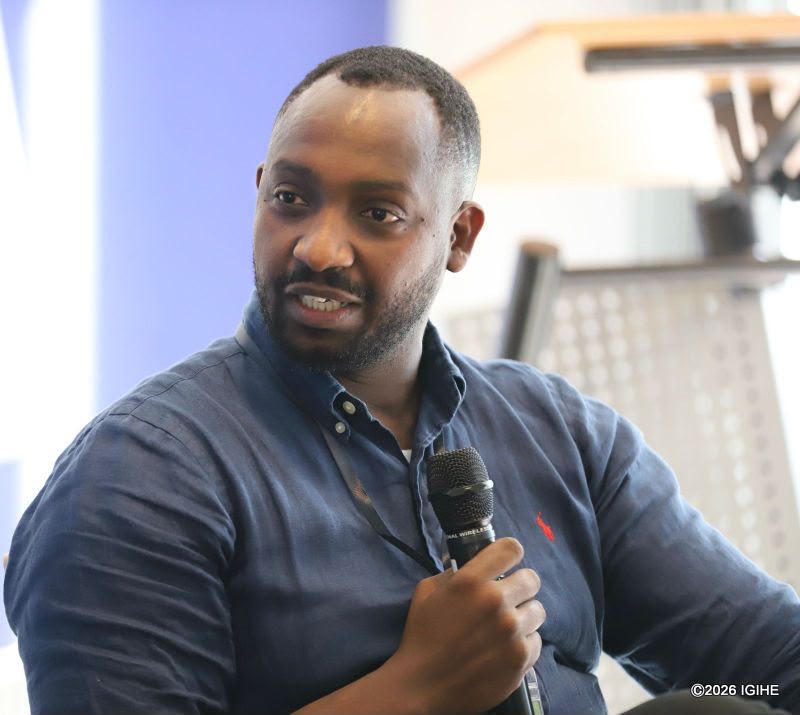
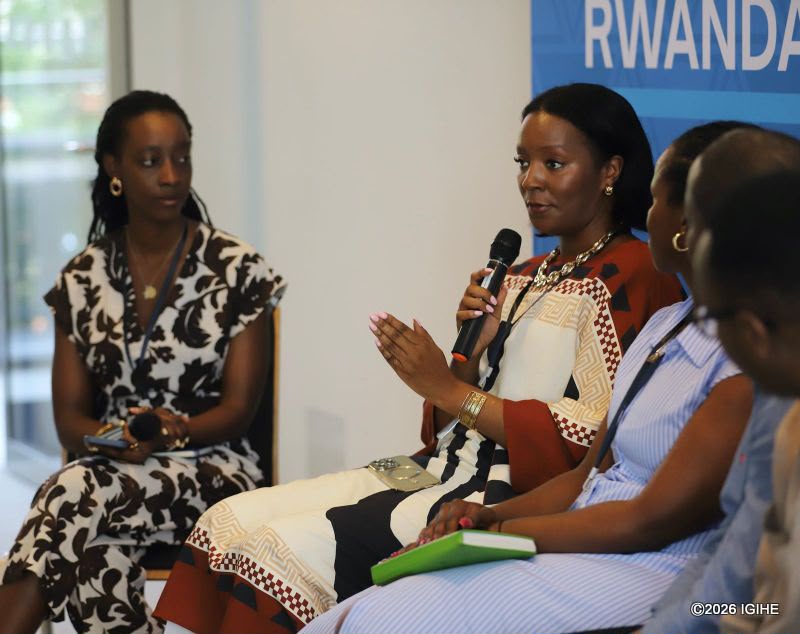
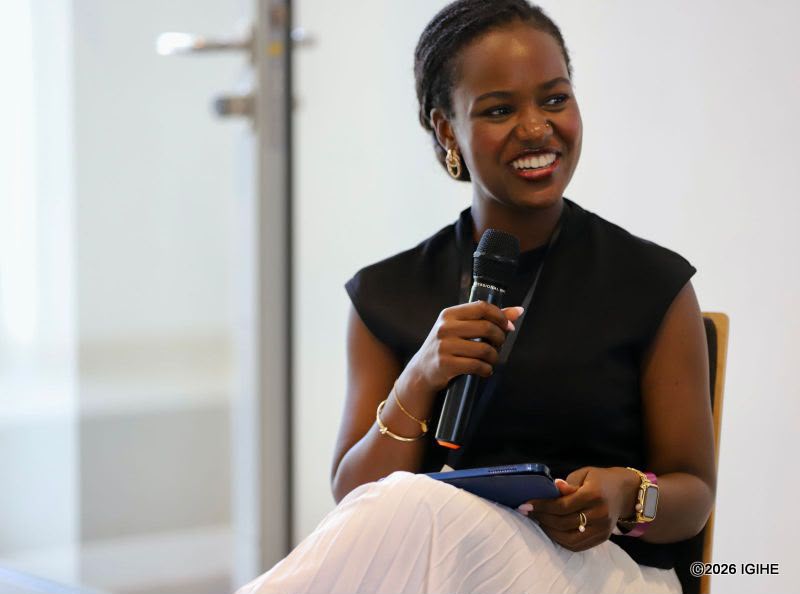
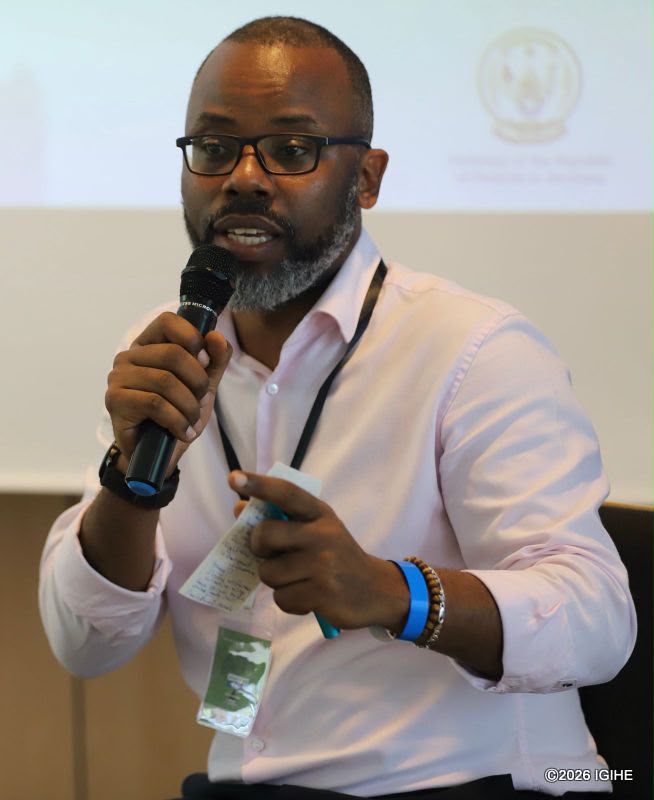
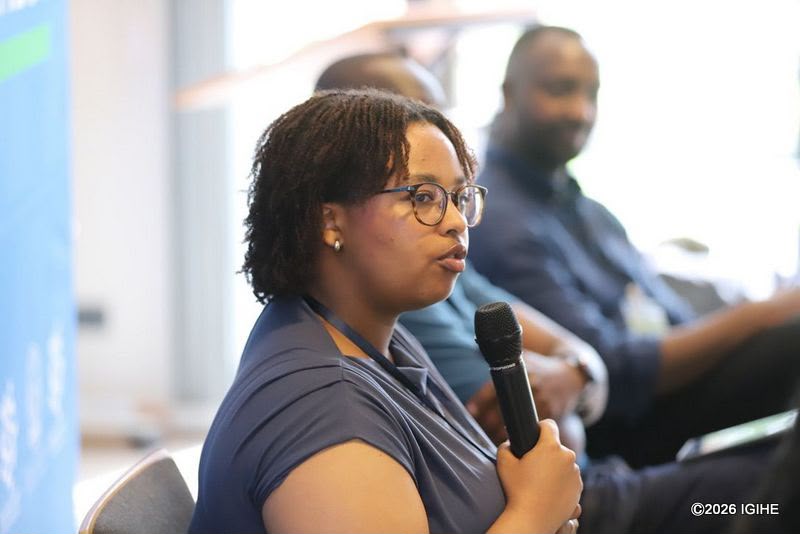
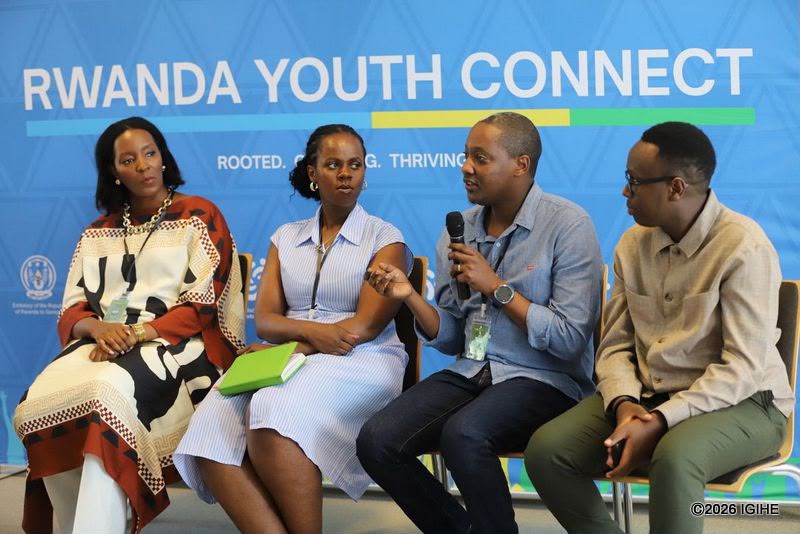
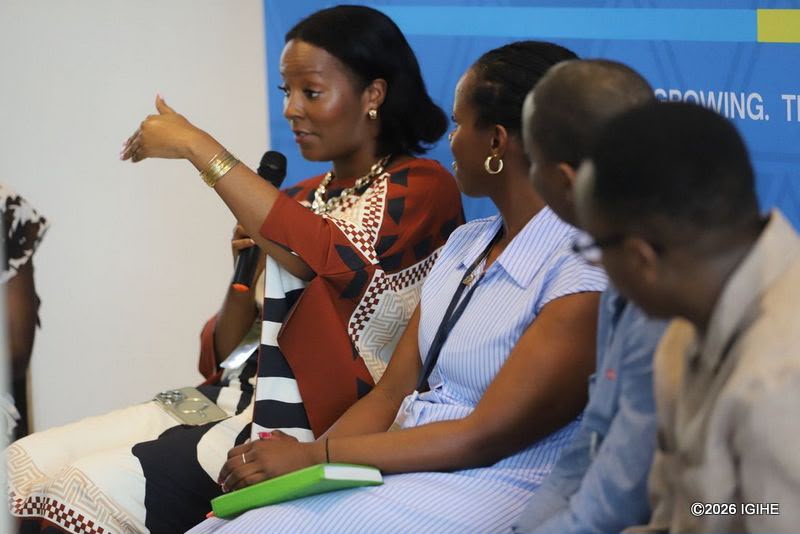
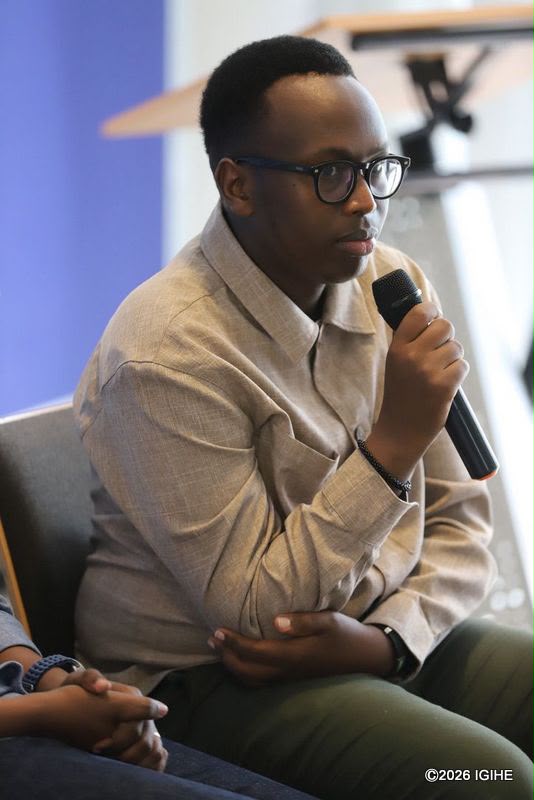
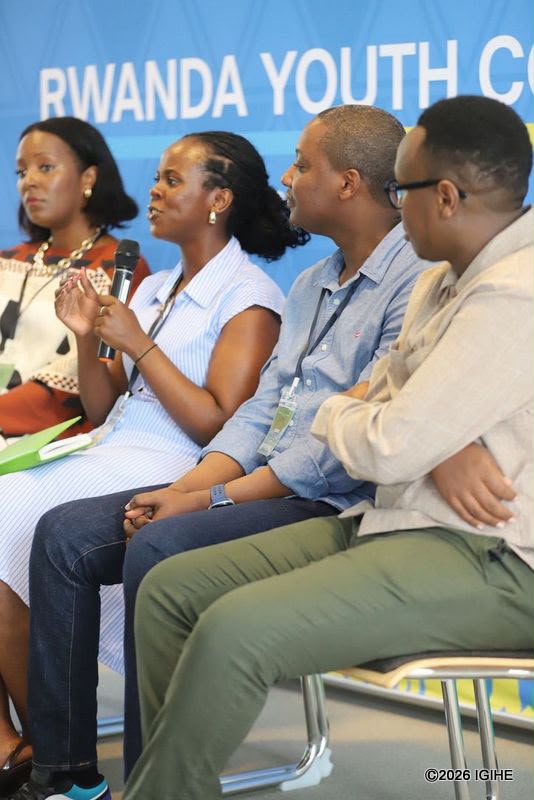
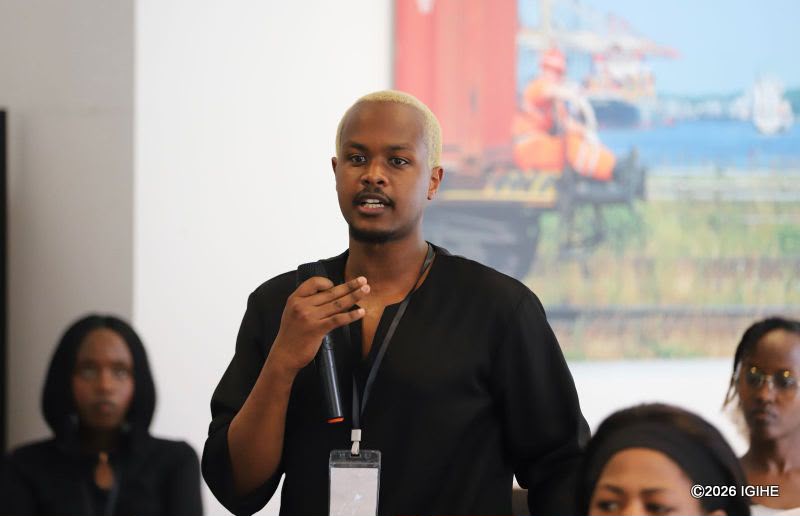
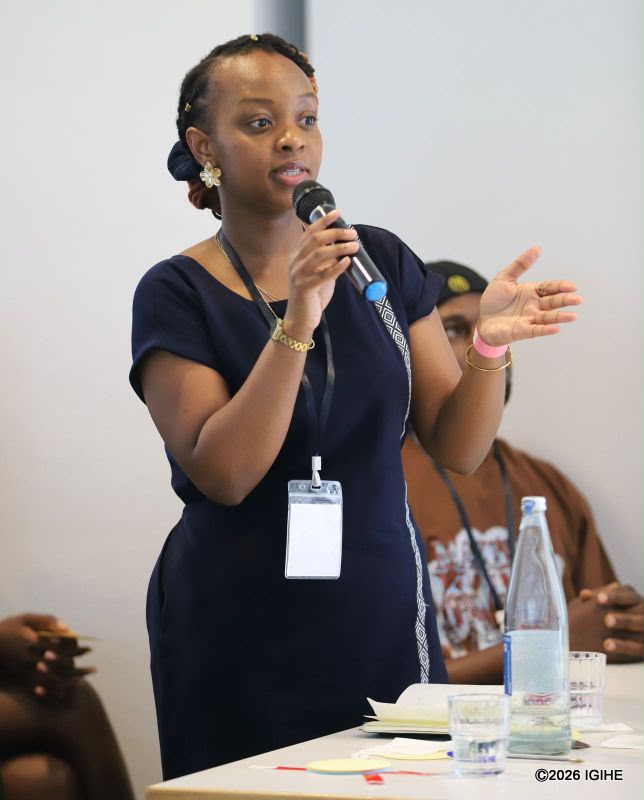
The first panel, ‘Rooted in Values, Connected by Purpose: Rwandan Youth in the Digital Era,’ moderated by Daisy Igihozo and featuring Gildas Mukunde, First Counsellor at the Embassy of Rwanda in Germany, alongside Anaïs Usanase and Amani Shema, emphasized the importance of preserving Rwandan values in an increasingly digital world and using digital tools to strengthen community engagement.
The second panel, ‘Success Beyond Career: Empowering Rwandan Youth with Skills, Resilience, and Responsibility,’ moderated by Samantha Kayitete Murera, brought together Dr Kaneza Elisabeth, Moise Mwiseneza and Leilla Umutoni to discuss resilience, leadership, responsibility and skills development.
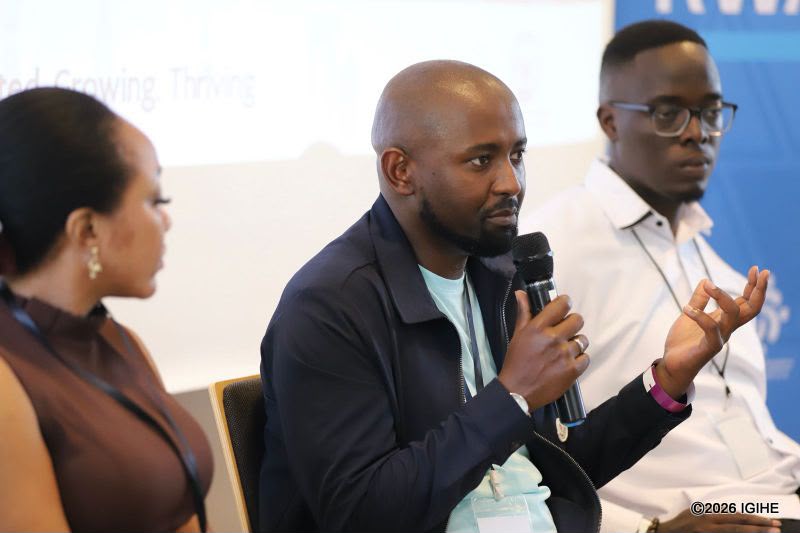
The third panel, ‘Insights on Financial Literacy, Legal Awareness, and Pathways to Entrepreneurship,’ moderated by Delice Perle Ikirezi and featuring Ange Bella Kabano, Musafiri Sebiziga, Protogene Hahirwabayo and Guillaume Habarurema, focused on financial literacy, entrepreneurship and the importance of collective investment.
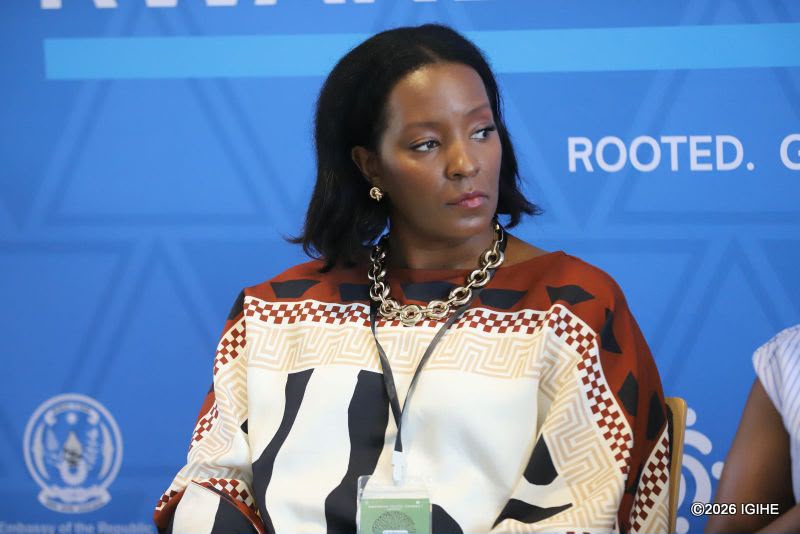
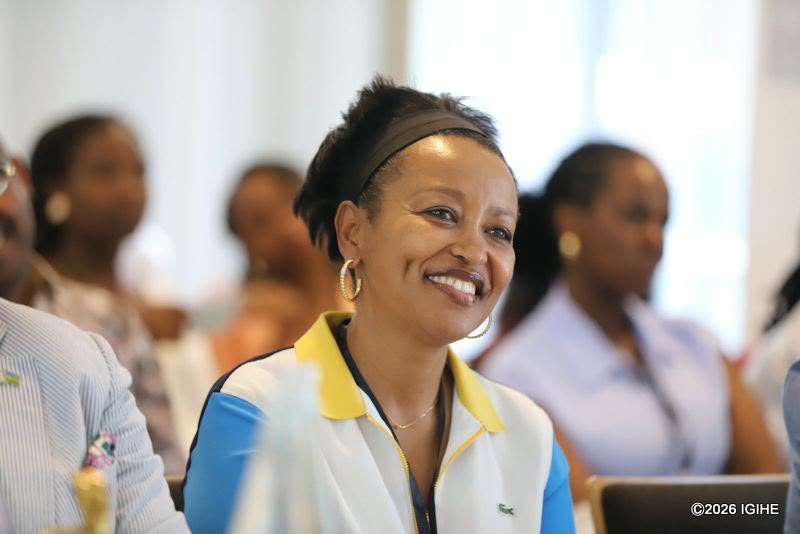
A conversation titled ‘Rooted Identity Beyond Borders: Belonging and the Global Rwandan Experience,’ led by Nadège Akamanzi with Madame Jeanne Adili Ndatirwa, further explored questions of identity, belonging and the role of Rwandans living abroad in shaping the country’s future.
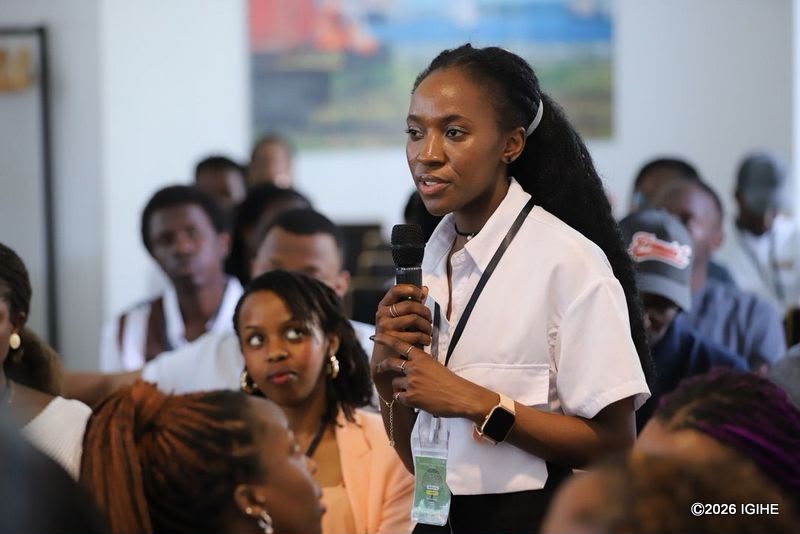
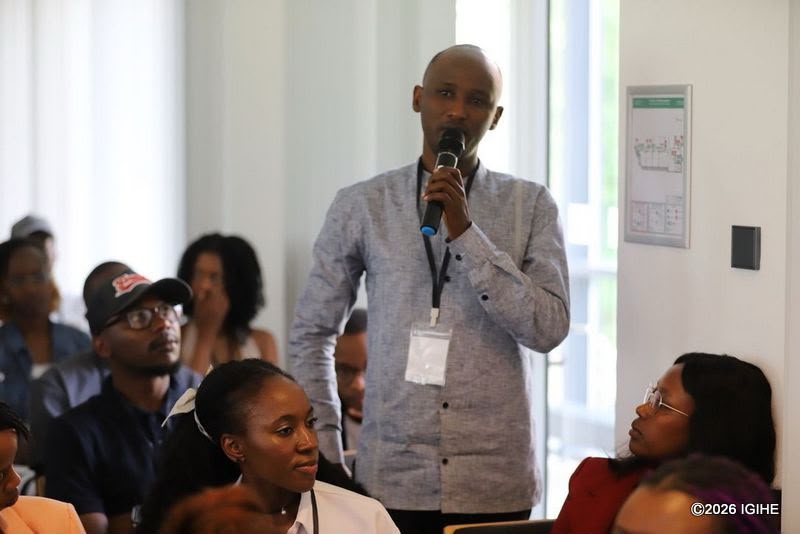
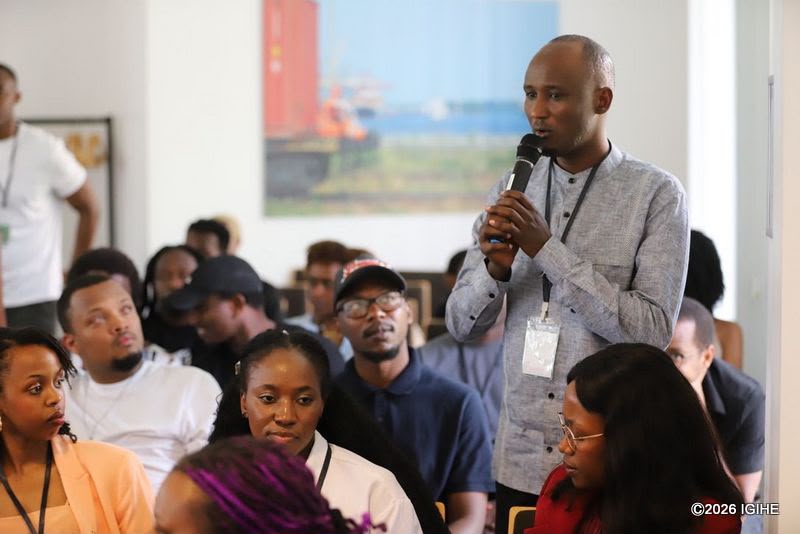
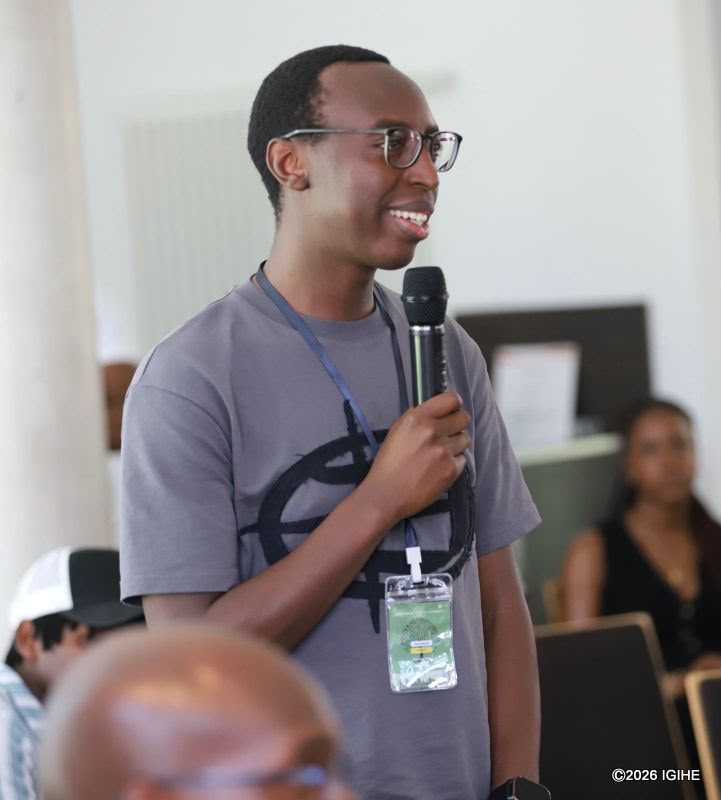
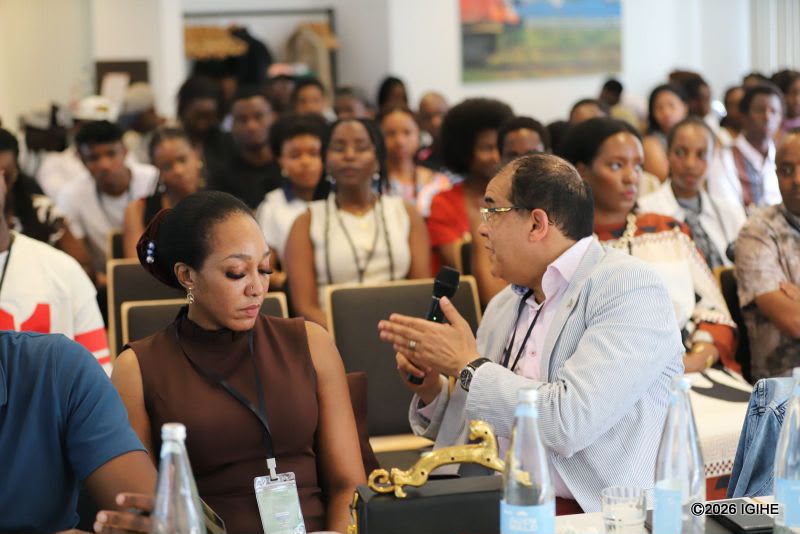
Beyond the panel discussions, participants also took part in open exchanges that allowed them to share personal experiences, daily challenges and powerful testimonies about navigating life between Rwanda and Germany. These discussions revealed a common reality: despite the distance, their attachment to Rwanda remains deeply rooted.
The event also featured a session on youth engagement in Germany, facilitated by Naomi Ikamba and Moise Mwiseneza, highlighting the importance of further structuring youth-led initiatives across the country.
The highlight of the gathering was the closing address delivered by Rwanda’s Ambassador to Germany, Igor Cesar, who reminded participants that they are not mere observers of Rwanda’s development but active contributors to its future.
Addressing the young audience gathered from different German cities, he stressed that the diaspora is considered Rwanda’s ‘sixth province’ and encouraged them to remain organized, united and ambitious.
Drawing on the example of the Rwandan community in Kaiserslautern, he demonstrated how a simple collective initiative can generate meaningful impact, citing a solidarity mechanism that helped finance health insurance for vulnerable people in Rwanda.
He also encouraged young people not to separate their lives in Germany from their Rwandan identity, but rather to transform the skills and experiences acquired abroad into opportunities for Rwanda, including through collaborative entrepreneurial projects.
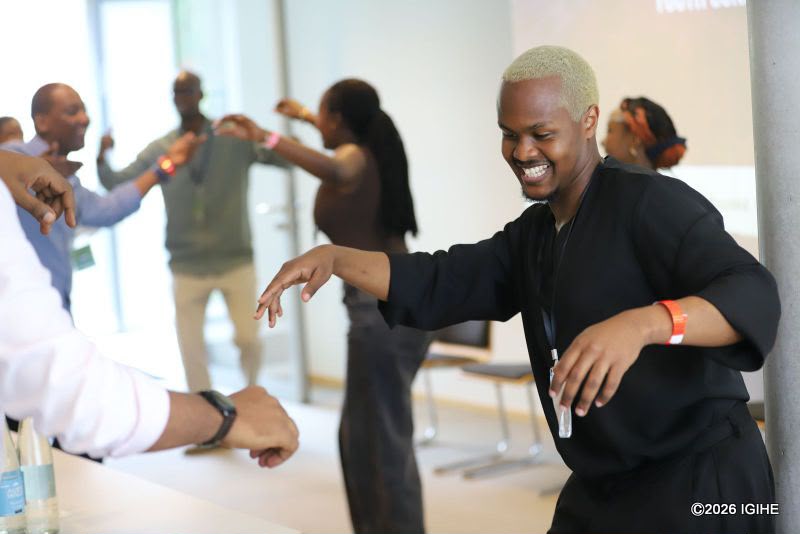
After the official discussions and speeches, participants gathered for an evening of cultural performances, music and moments of fellowship.
More than a celebration, the evening became a space for meaningful connections among young Rwandans from different parts of Germany. Participants strengthened friendships, built new relationships and expanded a network that now extends beyond regional boundaries.
These moments perfectly embodied the spirit of Rwanda Youth Connect Germany: bringing together young members of the diaspora to share experiences, support one another and jointly contribute to Rwanda’s future.
Rwanda Youth Connect Germany 2026 demonstrated that beyond geographical distances, a united, organized and deeply rooted generation can become a powerful force for national development.
The message that resonated throughout the event was clear: the Rwandan youth in the diaspora are not simply preparing Rwanda’s future; they are already helping to build it.
In 2025, the Rwandan diaspora injected US$639.84 million into Rwanda’s economy, reaffirming its essential role in the country’s development.
Held under the theme ‘Rooted. Growing. Thriving.’, this year’s edition highlighted a committed generation determined to build bridges between their host country and their country of origin.
The first panel, ‘Rooted in Values, Connected by Purpose: Rwandan Youth in the Digital Era,’ was moderated by Daisy Igihozo.
The second panel, ‘Success Beyond Career: Empowering Rwandan Youth with Skills, Resilience, and Responsibility,’ was moderated by Samantha Kayitete Murera.
The third panel, ‘Insights on Financial Literacy, Legal Awareness, and Pathways to Entrepreneurship,’ was moderated by Delice Perle Ikirezi.
A conversation entitled ‘Rooted Identity Beyond Borders: Belonging and the Global Rwandan Experience,’ led by Nadège Akamanzi.
Mrs. Jeanne Adili Ndatirwa, wife of Rwanda’s Ambassador to Germany, Igor Cesar, also contributed to a deeper reflection on issues of identity and the sense of belonging among Rwandans living abroad. Attendees performed and enjoyed traditional Rwandan dances.
The highlight of the gathering was the closing address delivered by Rwanda’s Ambassador to Germany, Igor Cesar, who reminded participants that they are not mere observers of Rwanda’s development but active contributors to its future.
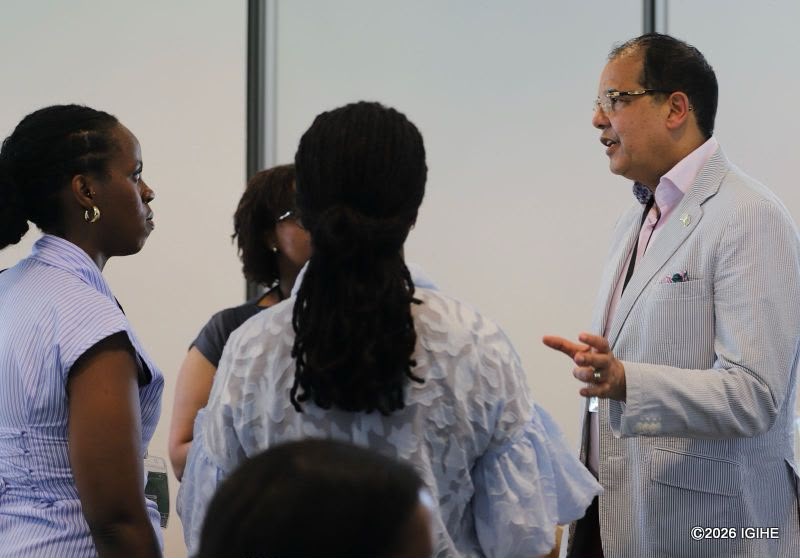
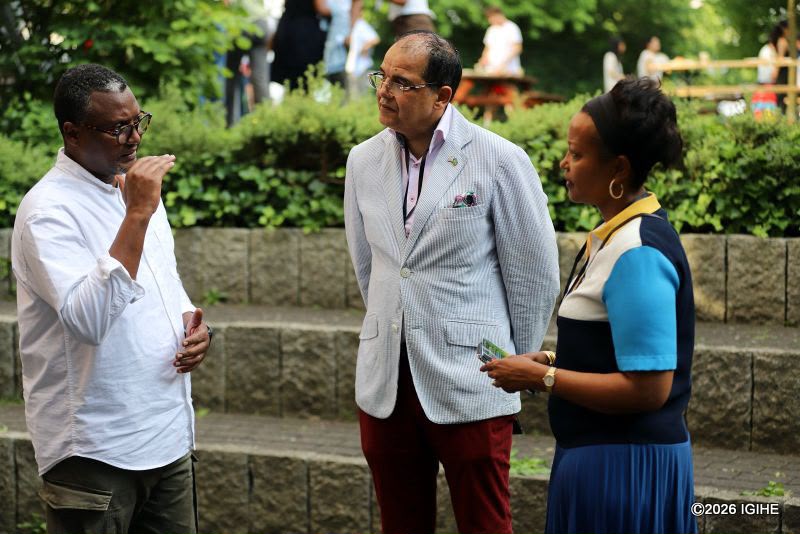
IGIHE spoke with Ambassador Igor César and his wife, Jeanne Ndatirwa.
Rwanda Youth Connect Germany 2026 thus demonstrated that, beyond geographical distances, a united, organized youth deeply connected to its roots can become a true force for development.
The trend gained massive popularity through social media platforms and celebrity influence, especially after being showcased by artists like Dua Lipa, who helped propel the design into mainstream beauty culture.
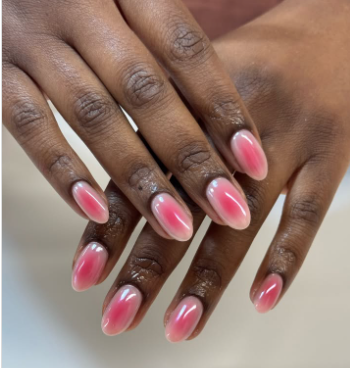
Unlike traditional nail styles that rely on solid colors or simple patterns, halo nails focus on light, contrast, and depth. The design typically utilizes a contrasting base color, which is then framed at the top and bottom borders with a lighter, metallic, or shimmering tone.
This effectively creates a ‘halo’ ring around the nail’s center, which often features a soft, diffused aura effect. Nail artists frequently use chrome finishes, iridescent powders, or magnetic cat-eye polishes to achieve this reflective look, making each manicure appear slightly different depending on the lighting and angle.
One reason halo nails are so popular is their versatility. They can be subtle and elegant for everyday wear or bold and dramatic for special occasions.
Some designs use soft pinks and nude tones for a natural glow, while others experiment with vibrant colors like sunset orange, navy, or neon shades for a more striking effect. This flexibility allows people to personalize the trend according to their personal style.
Another appeal of halo nails is their low-maintenance nature; because the color concentrates on the outer framing and the cuticle cuff, natural nail growth is far less noticeable over time. While achieving the perfect symmetrical arcs requires a steady hand or precision nail tape, beauty enthusiasts enjoy replicating the look both at home and in professional salons.
Overall, halo nails represent a modern shift in nail fashion toward creativity, individuality, and expressive minimalism. They combine structural simplicity with artistic detail, proving that even subtle designs can make a powerful style statement. As nail art continues to evolve, halo nails remain a standout trend that blends elegance with innovation in a beautifully framed way.
Glossy pink nails are highly flattering, featuring a soft hot pink gradient with an aura effect and  a shiny, polished finish.
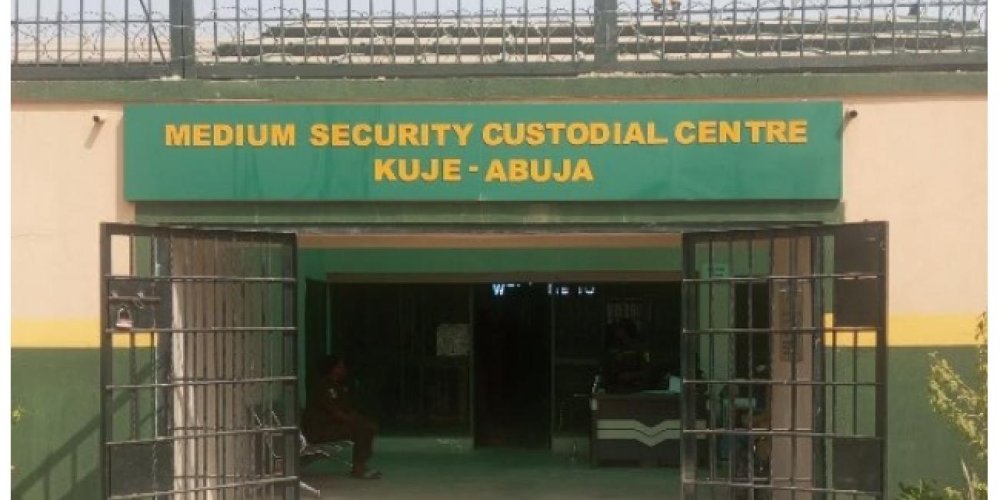
Relasss died on the morning of Tuesday, June 16, while awaiting trial at the High Court in Abuja in connection with a financial-related case.
He had been held in pre-trial detention since 2023 after a court denied him bail, citing concerns that, as a foreign national without Nigerian citizenship, he could abscond if released.
According to local media reports, correctional authorities convened an emergency management meeting following his death to establish the circumstances surrounding the incident. The meeting reportedly also reviewed the state of healthcare services available to other ill inmates.
Sources cited by Sahara TV alleged that inmates are required to pay for basic sanitary supplies for sick prisoners instead of having such essentials provided by the correctional service. The reports claim that inmates are asked to contribute 15,000 Nigerian naira (about $11) for hygiene materials.
The same sources further alleged that prisoners must also cover the cost of being transferred to hospitals outside the correctional facility for specialized treatment, a practice they claim contributed to Relasss’ death after he was unable to access medical care in time.
The allegations have not been independently verified.
The Nigerian Correctional Service has not publicly commented on the claims or the circumstances surrounding Relasss’ death. Sahara TV reported that the agency’s spokesperson, CSC Jane Osuji, did not respond to requests for comment.
The investigation is expected to determine the circumstances of the Rwandan national’s death and examine broader concerns over access to healthcare for inmates within Nigeria’s correctional facilities.
Nigeria’s National Correctional Service (NCS) has launched an investigation into the death of a Rwandan national, Benjamin Relasss, who died while in custody at Kuje Correctional Centre, amid allegations that he was denied timely medical care.