The Rwanda Formed Police Unit three (RWAFPU3-7) rotation seven commanded by Senior Superintendent of Police (SSP) Devotha Nyinawumuntu, was operating serving in the capital, Juba.
They were replaced by RWAFPU3-8 under the command of SSP Dative Iribagiza, which was deployed earlier in the day.
The officer’s mandate in South Sudan focuses on restoring peace and stability, protecting civilians, safeguarding UN personnel and facilities, and promoting community well-being.
At Kigali International Airport, the contingent was received by Assistant Commissioner of Police (ACP) Yahaya Kamunuga, on behalf of the Rwanda National Police (RNP) leadership.
ACP Kamunuga commended them for their dedication and professionalism throughout the mission.
'You return to Rwanda to continue serving your country. You may find certain changes. However, your discipline and commitment should remain constant,' ACP Kamunuga said.
Speaking on behalf of the returning contingent, Superintendent of Police (SP) Vincent Mwine Rubimbura, the Deputy Contingent Commander, outlined the key responsibilities undertaken during their deployment.
In addition to the protection of civilians, UN personnel, and facilities, the contingent implemented community-oriented initiatives aimed at strengthening relations with the local population.
These included community work activities, rehabilitation of schools, distribution of mosquito nets, provision of scholastic materials to vulnerable students, and support to disadvantaged families through medical assistance and access to clean water.
SP Rubimbura noted that such initiatives enhanced trust and cooperation between peacekeepers and the communities they served.
At Kigali International Airport, the contingent was received by Assistant Commissioner of Police (ACP) Yahaya Kamunuga who commended them for their dedication and professionalism throughout the mission.
The deployed contingent was replaced by RWAFPU3-8 under the command of SSP Dative Iribagiza, which was deployed earlier in the day.
The Rwanda Formed Police Unit three (RWAFPU3-7) rotation seven commanded by Senior Superintendent of Police (SSP) Devotha Nyinawumuntu, was operating serving in the capital, Juba.
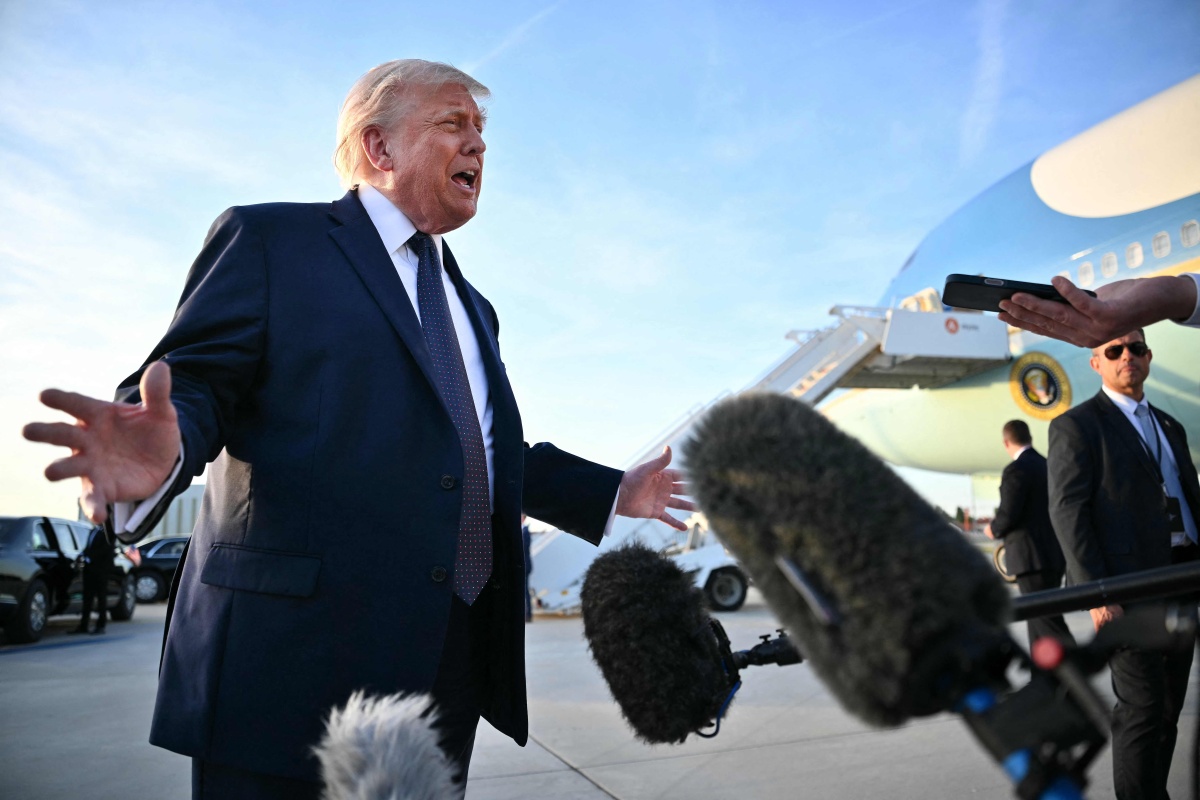
If no deal is reached within 60 days beginning Thursday, ‘we will do things that won’t make them happy,’ Trump said at Joint Base Andrews in Maryland. ‘But I don’t think it’s going to get to that.’
The text of the MoU states that the two sides commit to negotiating and achieving the final deal within a maximum of 60 days, extendable with mutual consent.
U.S.-Iran talks scheduled in Switzerland on Friday have been postponed, with neither side offering an official explanation. Multiple media reports said that Iran withdrew from the talks in response to the latest Israeli strikes in Lebanon.
Earlier on Friday, Trump told NBC News that he had spoken with Israeli leaders and urged them to agree to a ceasefire with Hezbollah.
‘It’s a positive,’ Trump said in the phone interview. ‘It’s a little icing on the cake.’
Meanwhile, the U.S. State Department said that a new round of talks between Israel and Lebanon will be held in Washington, D.C. next week.
U.S. President Donald Trump said Friday, June 19, 2026, that he expects Iran to agree to a final deal within 60 days of the signing of the memorandum of understanding (MoU).
According to the DRC government, the term refers to the millions of Congolese who were killed during the plundering of the country’s natural resources, particularly strategic minerals needed for modern technology such as coltan, tantalum, tungsten, and others. The DRC argues that these tragedies should be recognized as genocide and acknowledged as such by the international community.
Although the issue concerns the Congo, its implications extend to neighboring countries, including Rwanda. Rwanda sees it differently. It argues that ‘Genocost’ is a political tool intended to distract attention from the DRC’s internal problems, overlook the role of the Kinshasa government in conflicts that have persisted for decades, and attempt to rewrite the history of the 1994 Genocide against the Tutsi in Rwanda.
The controversy has gained greater significance as relations between Rwanda and the DRC continue to deteriorate, particularly over the presence of the FDLR armed group in eastern DRC and the conflict involving FARDC and AFC/M23.
A controversial term
Although ‘Genocost’ is now used by senior DRC officials, it is not a long-established concept in the country’s political history. The term was introduced in 2013 in London by activists from the Congolese Action Youth Platform (CAYP) as a combination of the words ‘genocide’ and ‘cost,’ intended to describe what they considered a genocide driven by economic interests.
They designated August 2 as a day of remembrance for crimes committed in the DRC since the 1990s. The date was chosen because it coincides with the launch of the Rassemblement Congolais pour la Démocratie (RCD), a movement that fought against the government of Laurent-Désiré Kabila in 1998 during the Second Congo War.
However, even within the DRC there is no consensus about the date from which ‘Genocost’ should begin. Some associate it with 1998, others with 1996, when Laurent-Désiré Kabila’s AFDL was launched. Meanwhile, Fonarevâthe DRC government fund responsible for compensating victims of war-related violence and serious crimesâargues that the history should begin in 1993, before the Genocide against the Tutsi in Rwanda.
This lack of agreement itself highlights a major issue with the term: there is no consensus regarding the period it covers, the crimes it encompasses, the perpetrators involved, or the specific group that was allegedly targeted in a systematic manner, as required under international legal definitions of genocide.
Although ‘Genocost’ is now used by senior DRC officials, it is not a long-established concept in the country’s political history.
The DRC says it is about justice and dignity
From Kinshasa’s perspective, ‘Genocost’ represents an effort to give a name to the suffering of Congolese people who, for years, have been killed, raped, displaced from their homes, or turned into internally displaced persons within their own country.
Supporters of the term argue that conflicts in the DRC cannot be explained solely as ethnic wars or internal political disputes. Instead, they contend that foreign interests and the trade in mineral resources are fundamental drivers of the violence.
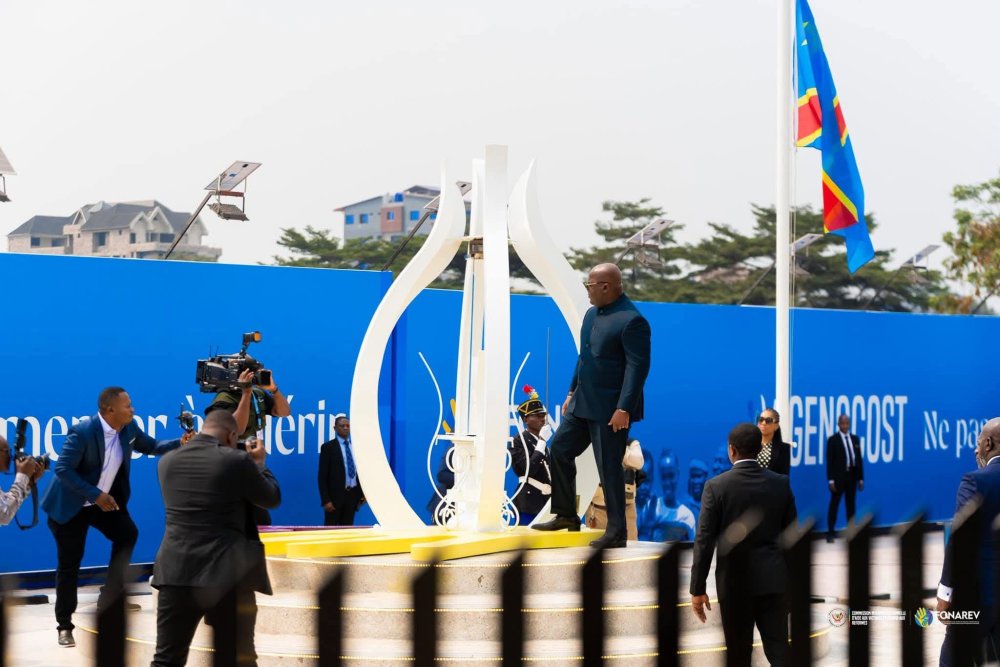
In 2023, after ‘Genocost’ was incorporated into DRC law through legislation adopted on December 26, 2022, which also established Fonarev, President Félix Tshisekedi presided over the first official state commemoration. In 2025, the DRC inaugurated a ‘Genocost’ memorial and announced plans to build six additional memorials across the country.
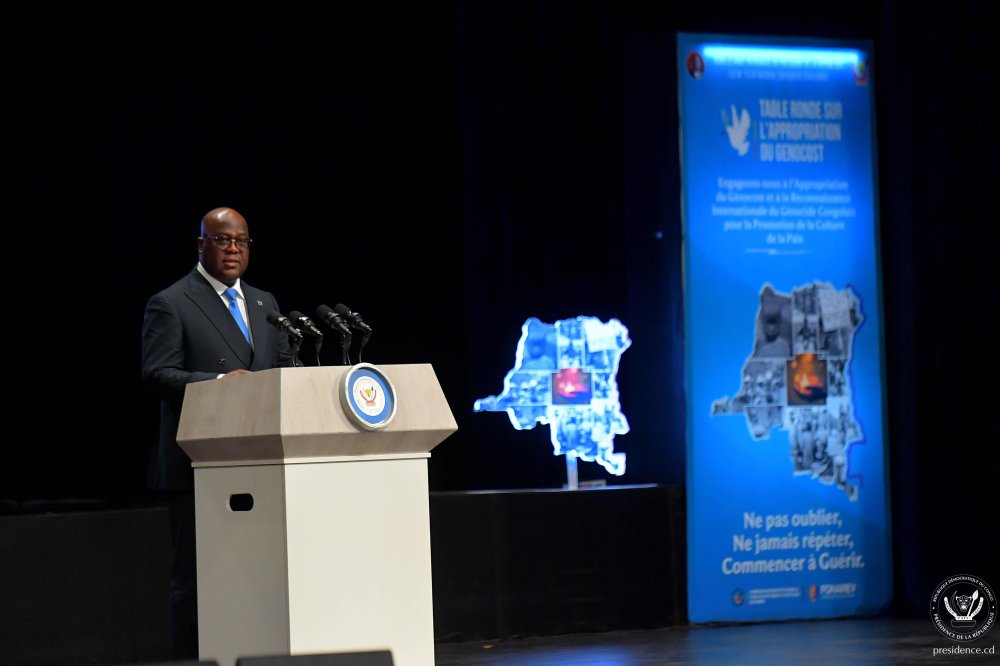
Tshisekedi has also raised the issue at the United Nations, arguing that the international community has both political and humanitarian obligations to recognize what happened in the DRC as genocide.
Why Rwanda views ‘Genocost’ as a political campaign
Rwanda says the issue is not about denying that Congolese people have died or suffered abuse. It acknowledges that the DRC has experienced severe tragedies involving war, killings, violence, and decades of poor governance.
What Rwanda opposes, however, is the attempt to label those crimes as ‘genocide’ in a manner it argues is inconsistent with international law and is being used politically to accuse Rwanda and diminish the significance of the Genocide against the Tutsi.
Rwanda’s Minister of Foreign Affairs, Olivier Nduhungirehe, has stated that genocide is not a term that can be used arbitrarily. He argued that genocide is defined under international law, while crimes driven by economic exploitation or resource looting already have established legal classifications, including corruption, poor governance, embezzlement of public funds, war crimes, or crimes against humanity, depending on the circumstances.
This forms the basis of Rwanda’s argument that the extraordinary suffering experienced by the DRC does not automatically mean every mass killing constitutes genocide.
Under international law, genocide requires proof of an intent to destroy a protected group defined by ethnicity, nationality, race, or religion.
Without evidence of such intent, crimes may qualify as war crimes or crimes against humanity, but not necessarily genocide.
‘Genocost,’ a term that targets an ethnic group
According to the article, the version of ‘Genocost’ promoted by Fonarev includes language that assigns collective blame to an ethnic group.
Fonarev defines ‘Genocost’ as killings of ‘Congolese people’ allegedly planned by what it describes as ‘Tutsi from Rwanda, Uganda, and Burundi.’ Rwanda has frequently argued that such language is dangerous because it risks turning public suffering into a tool for promoting ethnic hatred.
This rhetoric comes at a time when eastern DRC has witnessed statements and actions targeting Kinyarwanda-speaking Congolese, particularly Congolese Tutsi. On various occasions, videos have circulated showing Tutsi individuals being killed, burned, or subjected to violence because of their appearance or perceived identity.
For this reason, Rwanda argues that the DRC government should not present itself as a champion against genocide while anti-Tutsi rhetoric and actions continue within the country.
Stephanie Nyombayire, spokesperson for Rwanda’s Office of the President, has stated that the Kinshasa government is ‘inventing a genocide’ to conceal its own shortcomings. She argued that many Congolese who died in the past and those who continue to die today are victims of poor governance, as the state has failed to protect its citizens while leaders prioritize their own interests over public security.
‘Genocost’ has become a propaganda tool
The DRC’s international campaign to promote recognition of ‘Genocost’ has coincided with renewed fighting in eastern DRC, where Kinshasa accuses Rwanda of supporting AFC/M23.
Researcher Pierre Boisselet of the Ebuteli Institute has suggested that the way Kinshasa uses the term may be intended to portray Congolese suffering as equal to, or greater than, the suffering of Rwandans during the Genocide against the Tutsi. According to him, this could undermine what he described as Rwanda’s ‘unique moral standing’ derived from the events of 1994.
Experts in international law have also pointed out that promoting a term that has not been recognized in legal frameworks may be difficult because states cannot be compelled to accept a concept that has never been internationally agreed upon.
Rwanda therefore argues that if crimes have been committed in the DRC, they should be thoroughly investigated and those responsible brought to justice, but not through the creation of a new term used to wage a political battle.
President Tshisekedi has prominently used the term ‘Genocost’ in political discourse.
Some Congolese disagree with the government
The activists who originally launched the ‘Genocost’ campaign have themselves begun expressing concerns about how the DRC government is using it.
CAYP, the organization that introduced the term, has criticized Kinshasa’s approach, arguing that it has become overly focused on conferences, discussions, and symbolic public events rather than implementing concrete measures to protect civilians and assist victims.
Some critics also question how the government can claim to pursue justice for war crimes while including officials who have been associated with past conflicts. One example frequently cited is Jean-Pierre Bemba, who serves within Tshisekedi’s administration but is also linked to the history of the Second Congo War.
Others argue that the pursuit of justice should not involve distorting history, assigning blame to an entire ethnic group, or attempting to compete with the history of the Genocide against the Tutsi.
The Genocide against the Tutsi has a documented history, identified perpetrators, a clear extermination plan, organized hate propaganda, state institutions that implemented it, and rulings from international courts confirming its occurrence. Comparing it to a newly coined term that lacks recognition under international law may therefore be viewed as a form of genocide minimization.
The UN Office for the Coordination of Humanitarian Affairs (OCHA) said that more than 270,000 people, mostly women and children, are sheltering in over 60 sites across the province of Ituri, many of which lack adequate access to water, sanitation and health services.
The office said the United Nations has received reports from local partners that, between Wednesday and Thursday, at least 13 people died in two camps in Bunia, the capital of Ituri. Response teams are urgently investigating whether these deaths are linked to Ebola. Since April, at least 62 deaths have been reported in camps around the city.
‘These deaths are occurring amid a broader Ebola flare-up in Bunia, where mistrust of health facilities, congestion, gaps in prevention measures and unsafe handling of bodies are driving transmission risks among people in displacement camps,’ OCHA said. ‘This is particularly concerning as Ituri province remains the epicentre of the outbreak, accounting for more than 90 percent of confirmed cases.’
The office said that as of Wednesday, local authorities had reported 896 confirmed Ebola cases across Ituri, North Kivu and South Kivu.
OCHA said it is working with its partners and local authorities to strengthen community engagement and scale up health and sanitation efforts in the camps. The current measures are insufficient, given the scale of the needs.
‘The Ebola epidemic is unfolding against the backdrop of a broader humanitarian crisis,’ the office said, adding that the 2026 humanitarian response plan, which calls for 1.4 billion U.S. dollars, seeks to respond to the full spectrum of humanitarian needs, including food security, protection, water and sanitation, health care and education, for 7.3 million of the DRC’s most vulnerable people.
Yet the appeal is only just over half funded, OCHA noted.
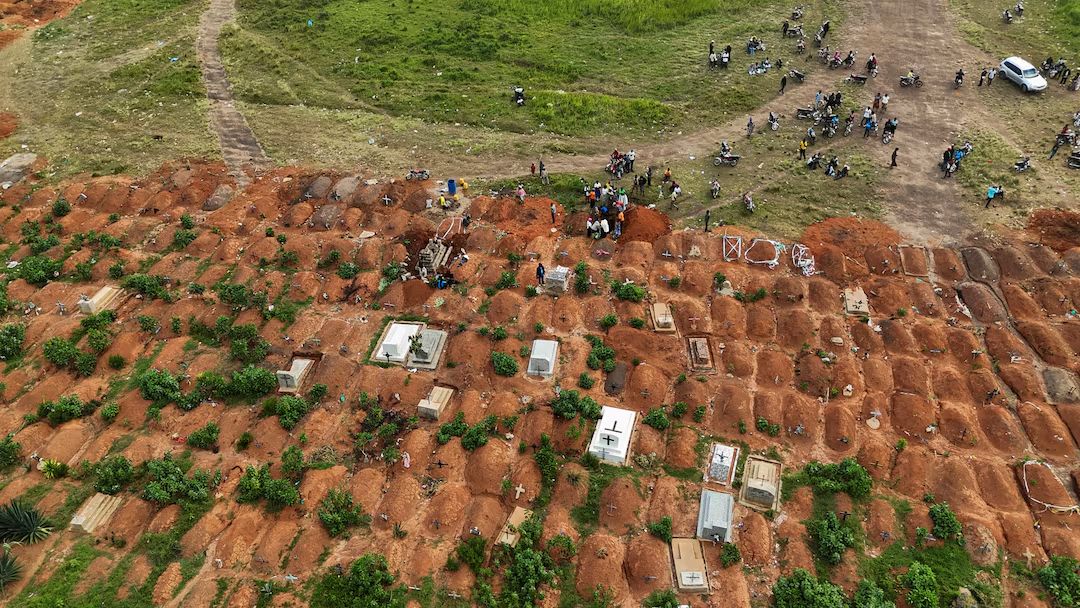
A drone view of displaced people from the Kigonze camp attending the burial of Ebola victims at Nyamurongo Cemetery, one month after an outbreak was declared, in Bunia, eastern Democratic Republic of Congo, June 18, 2026.
The digital learning platform is expected to equip banking professionals with the skills needed to integrate ESG principles into their operations as the sector responds to growing sustainability, regulatory and market expectations.
The platform provides continuous, accessible and locally relevant training through structured modules covering ESG fundamentals, climate risk management, sustainable finance, governance, ESG disclosure, financial inclusion, nature finance, and environmental and social risk management.
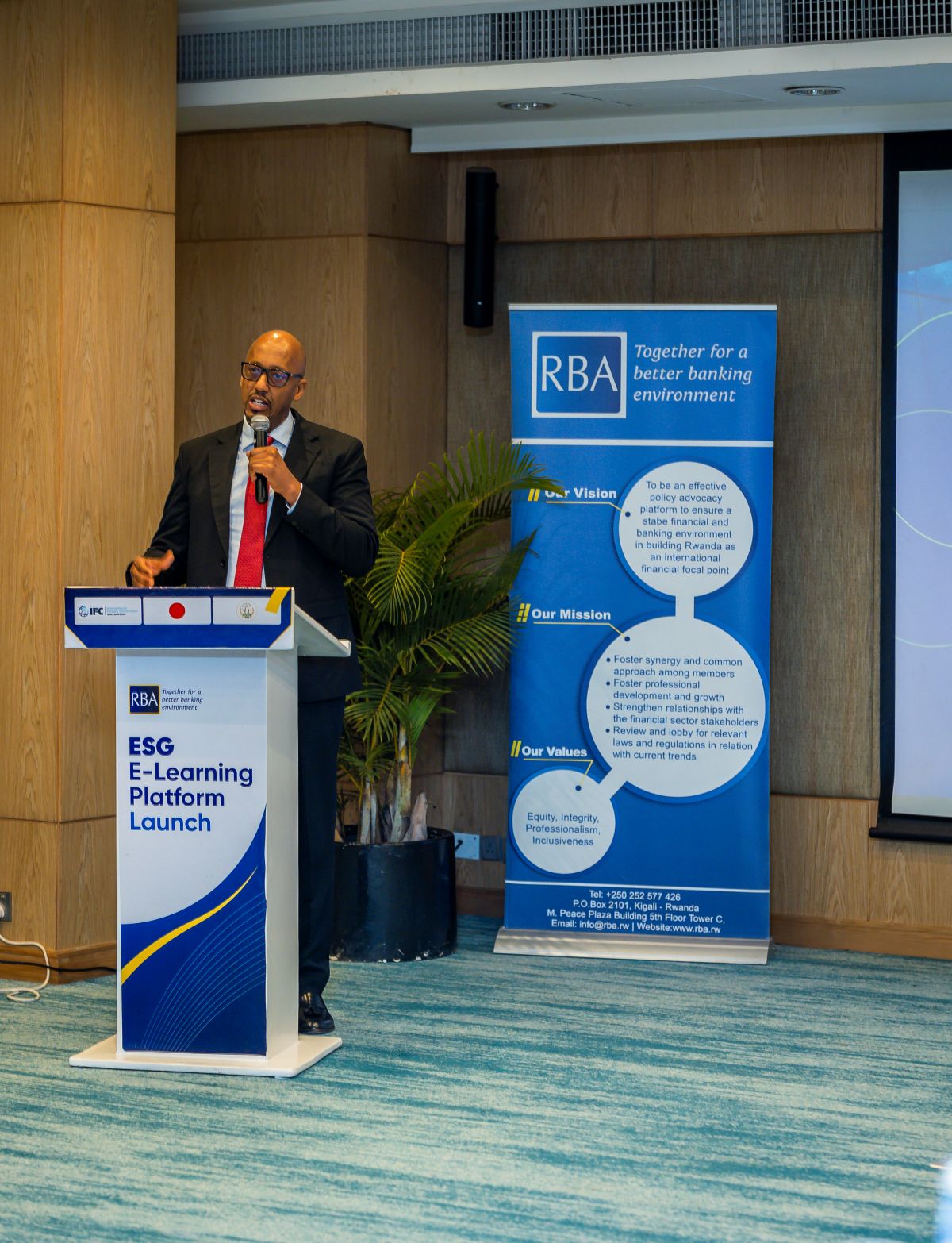
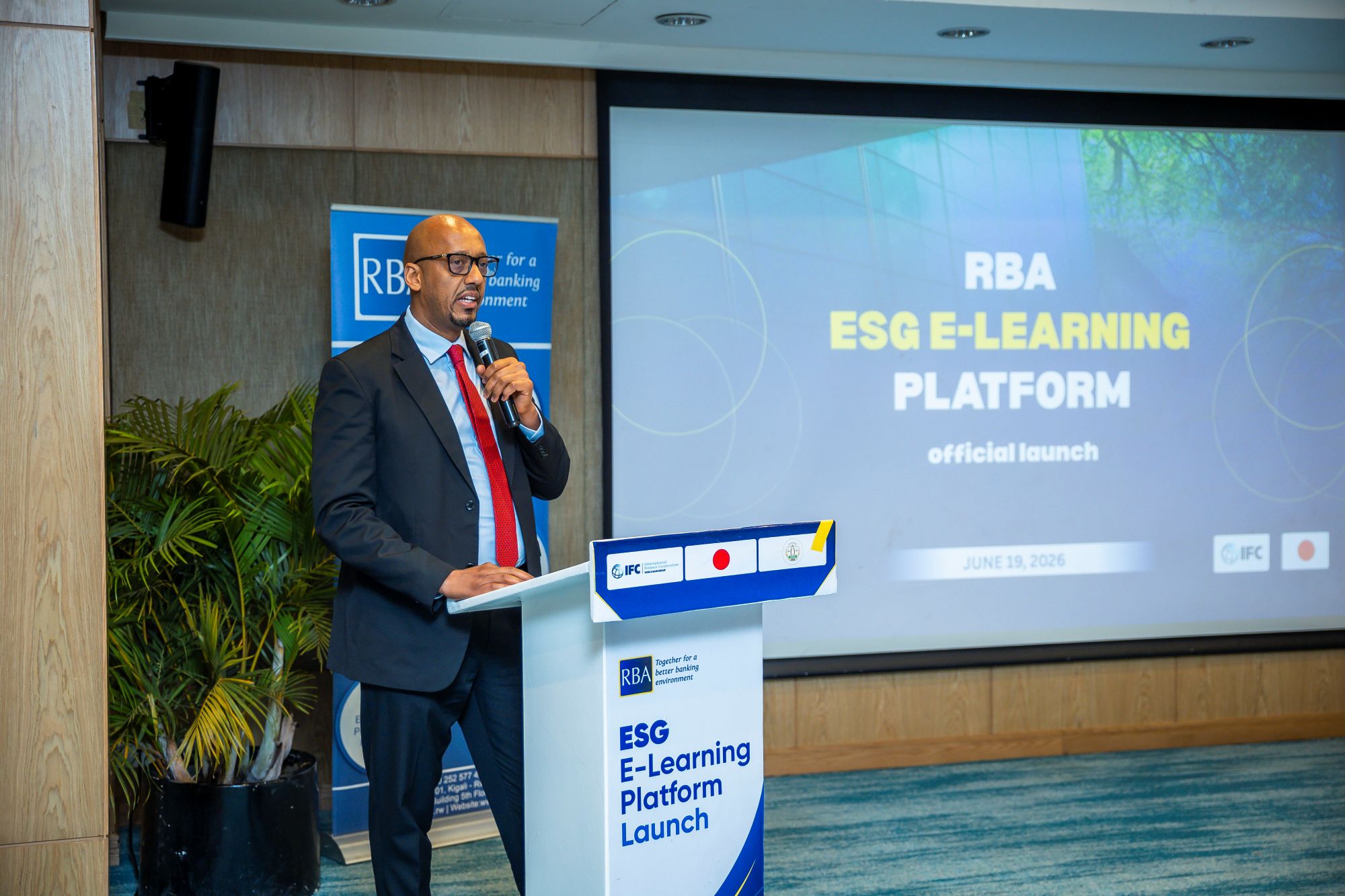
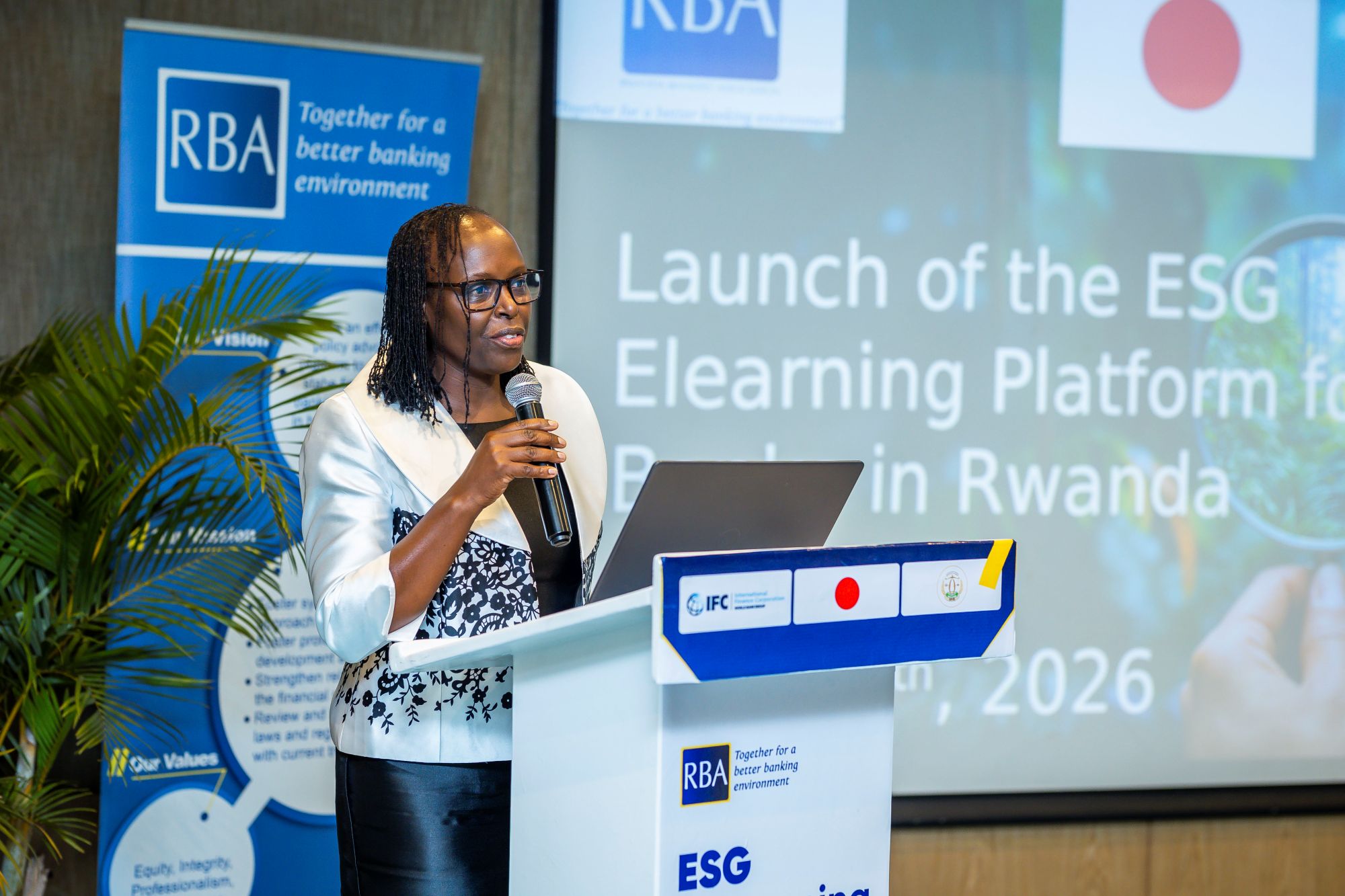
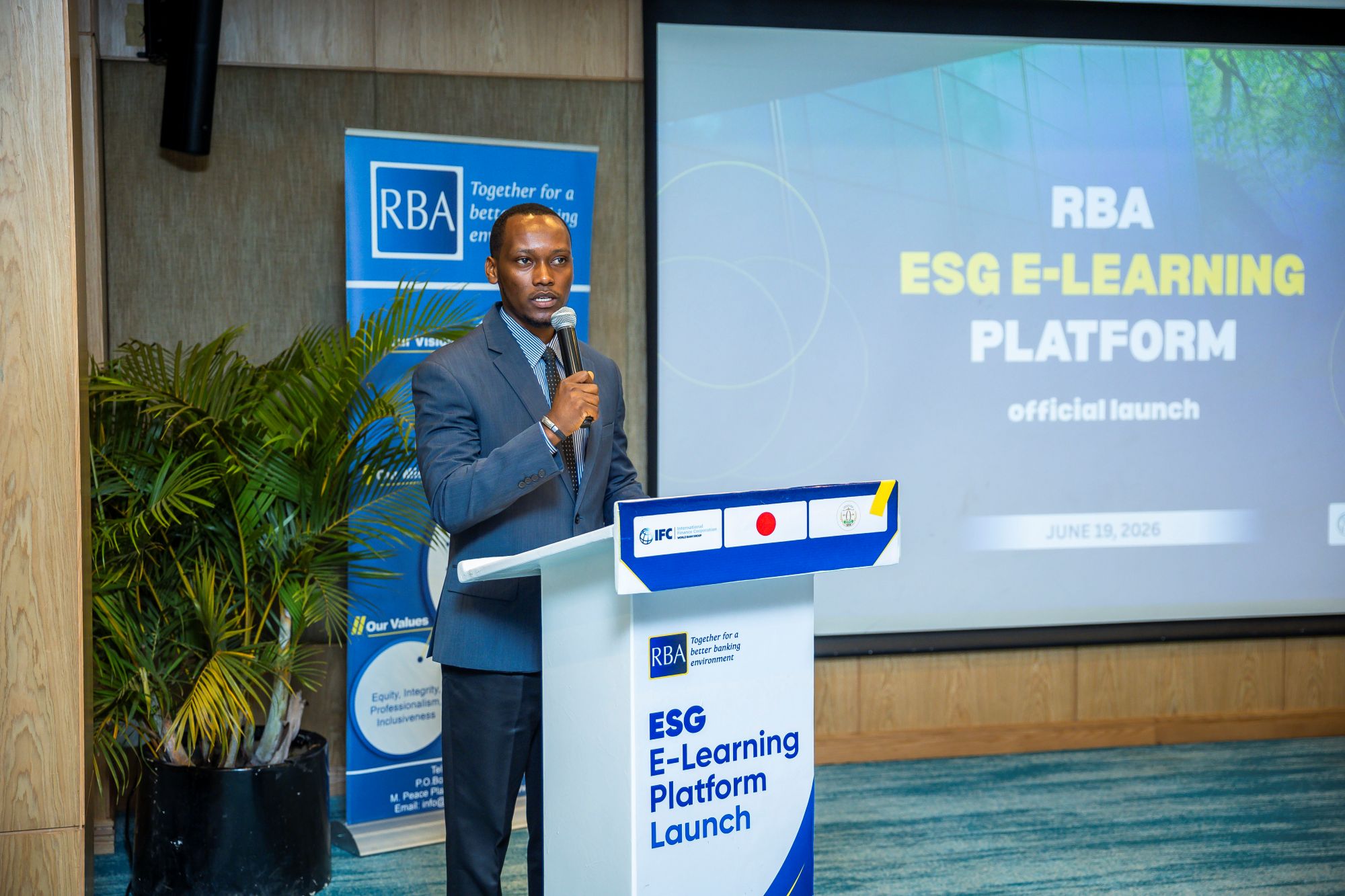
Speaking during the launch on Friday, Rwanda Bankers’ Association Chief Executive Officer, Tony Francis Ntore, said sustainability has become a core element of modern banking and financial risk management as climate change, social inequality and governance challenges continue to reshape the global financial landscape.
He noted that Rwanda has already laid a strong foundation through initiatives such as the Green Growth and Climate Resilience Strategy, Nationally Determined Contributions and the Green Taxonomy, prompting the banking sector to strengthen its own sustainability efforts.
Ntore revealed that the association’s journey began with the ESG Awareness Guidelines for Banks before evolving into an ESG Community of Practice that brings together banks, regulators and development partners to exchange knowledge and best practices.
‘The platform’s value goes beyond training,’ he stated. ‘It strengthens risk management, supports stronger Environmental and Social Management Systems, improves readiness for new regulations, and helps finance Rwanda’s sustainable development goals more effectively.’
The launch was officiated by the Minister of Environment, Dr. Bernadette Arakwiye, who underscored the critical role financial institutions play in financing Rwanda’s transition to a climate-resilient and low-carbon economy.
‘Every day, banks make decisions that shape the future of our economy,’ she remarked. ‘The projects you finance, the risks you assess and the clients you support can accelerate our transition to a greener and more competitive economy, or expose businesses and financial institutions to growing environmental and climate-related risks.’
She added that economic prosperity and environmental protection are mutually reinforcing, arguing that countries and businesses investing in sustainability and resilience are becoming more competitive, more attractive to investors and better prepared for future shocks.
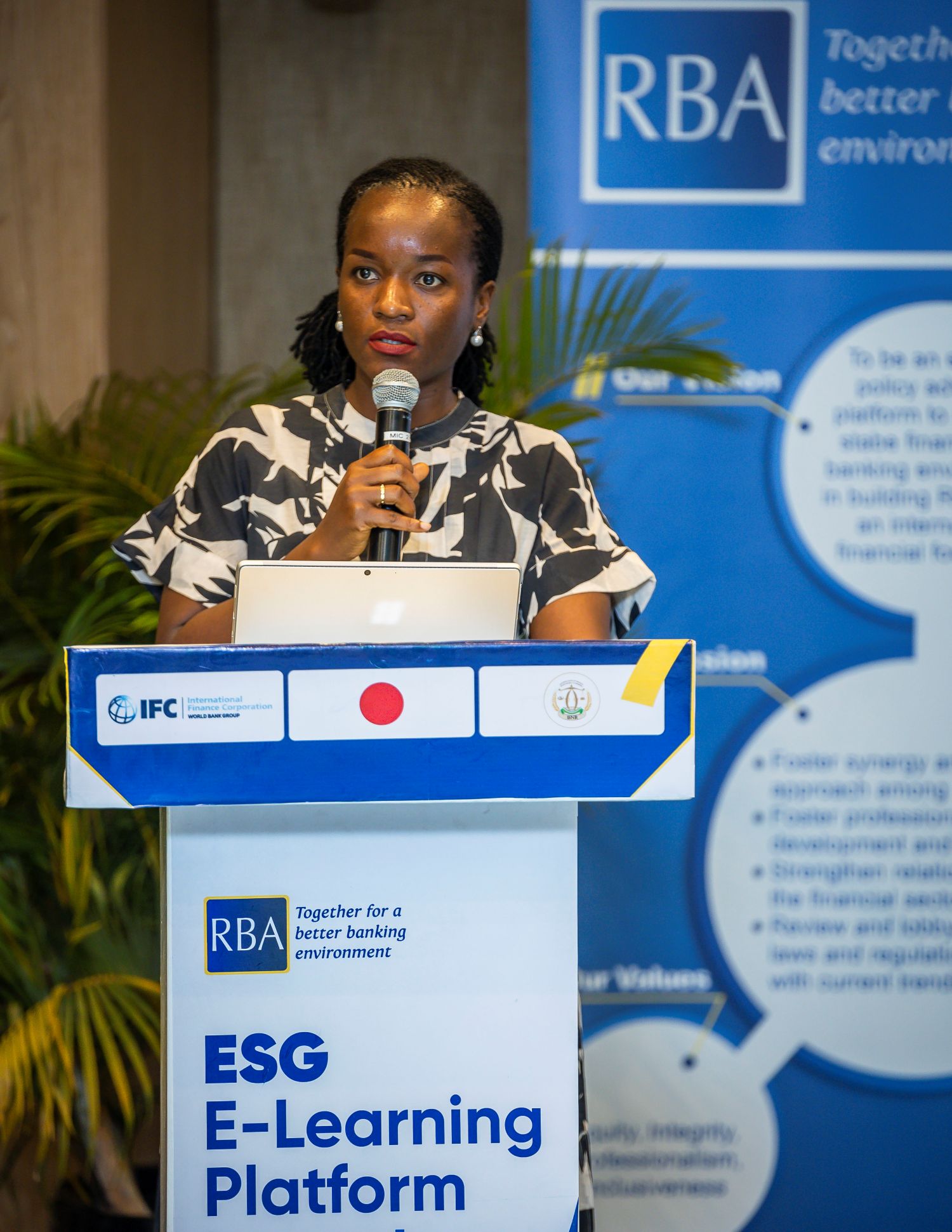
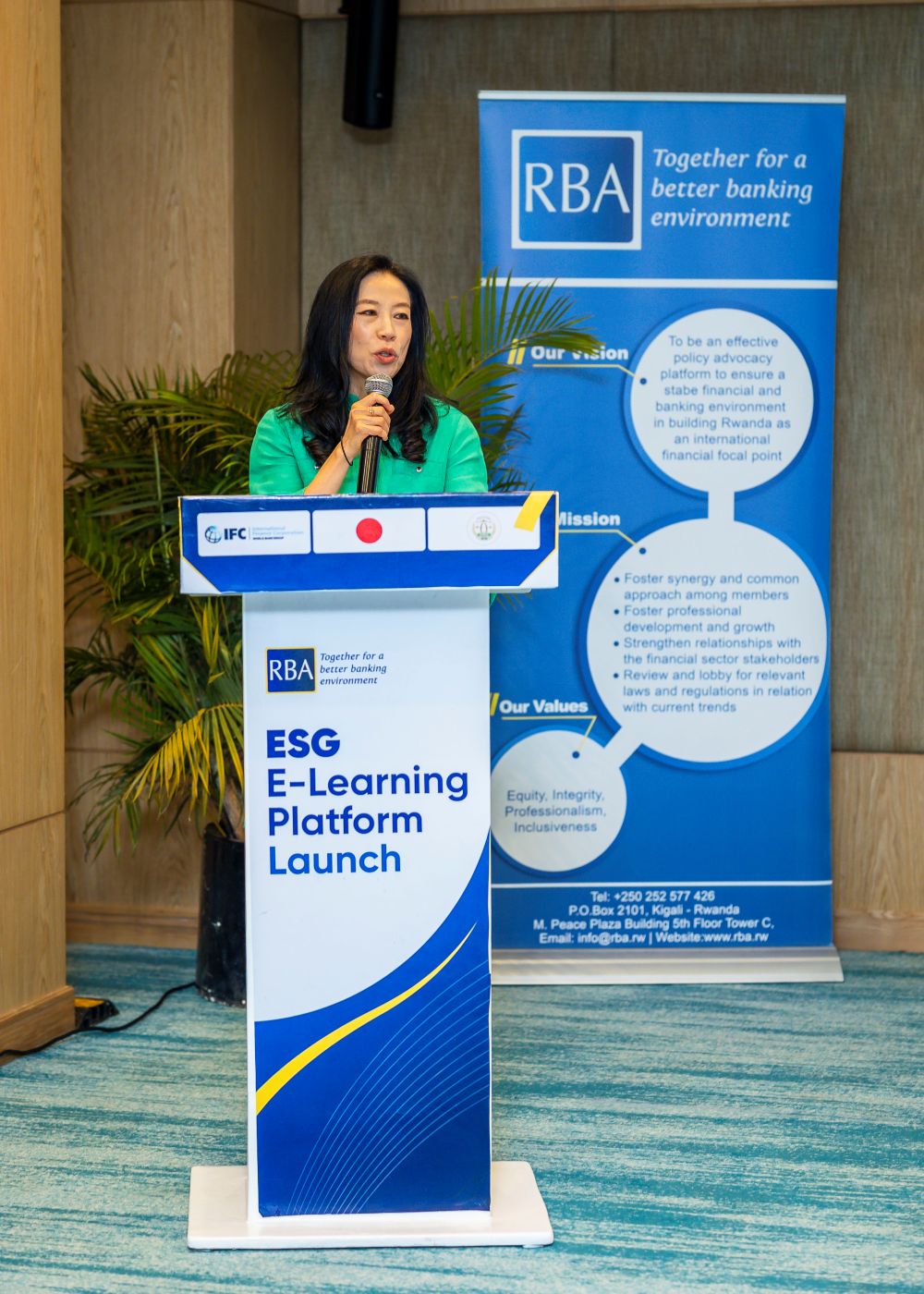
Also speaking at the launch, IFC Resident Representative to Rwanda and Uganda, Jiyeon Janice Ryu, highlighted the importance of strengthening the banking sector’s capacity to identify, assess, and finance sustainable investments.
She said that as Rwanda advances its climate, development and economic transformation agenda, financial institutions will play an increasingly important role in directing capital towards projects that generate both financial returns and sustainability outcomes.
Ryu added that continued collaboration among banks, regulators, policymakers, development partners and the private sector will be essential to building a more resilient and sustainable economy.
The launch of the ESG e-learning platform marks another milestone in Rwanda’s sustainable finance journey, with the initiative expected to serve as a key resource for building the expertise needed to translate the country’s sustainability ambitions into practical action across the financial sector.
The Rwanda Bankers Association is the umbrella body for licensed banks operating in Rwanda and works to promote collaboration within the banking industry while advancing initiatives that support a stable, innovative and inclusive financial sector.
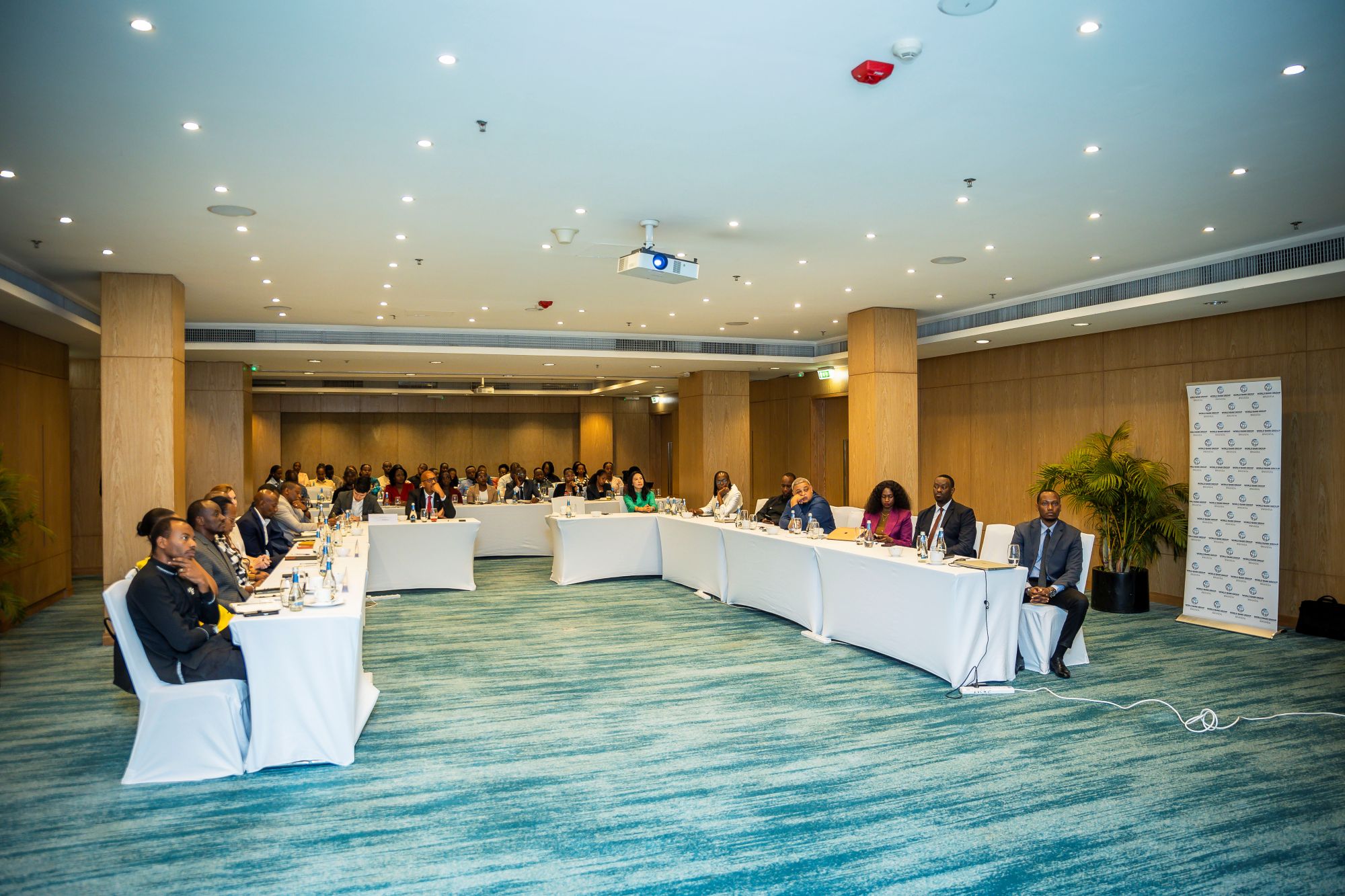
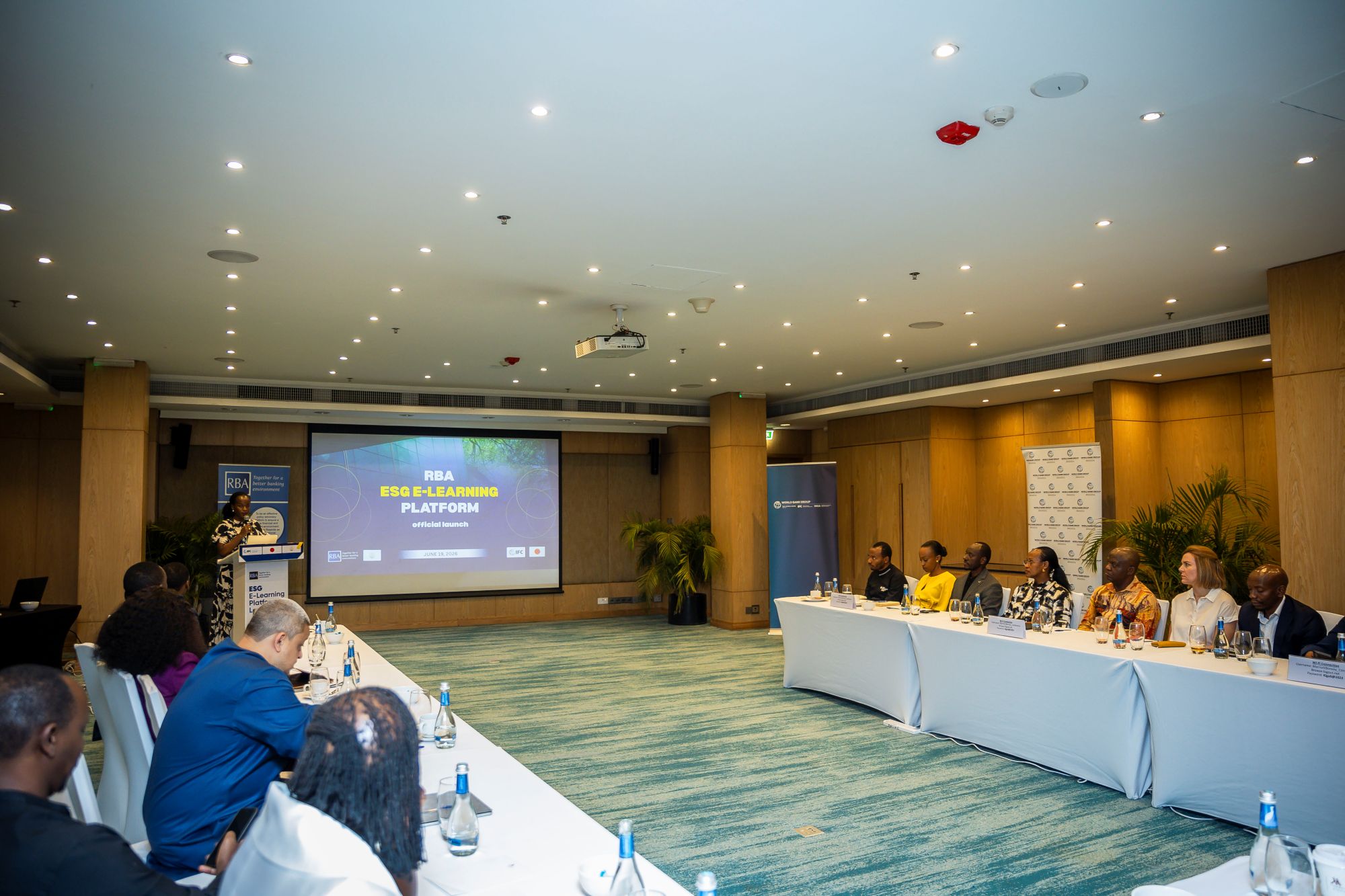
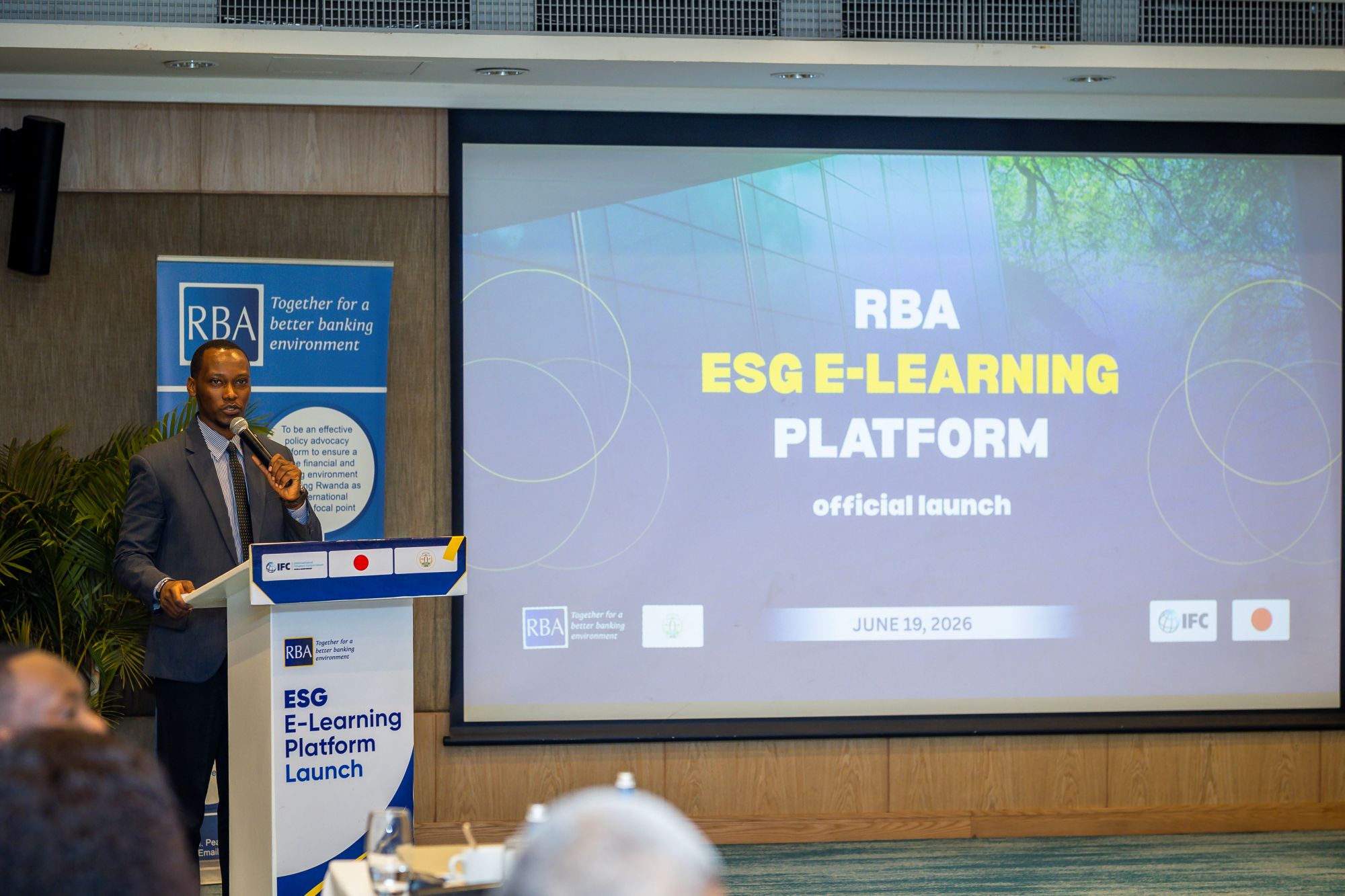
The Rwanda Bankers’ Association (RBA), in partnership with the International Finance Corporation (IFC), has launched a new ESG e-learning platform aimed at strengthening environmental, social and governance (ESG) knowledge and advancing sustainable banking practices across Rwanda’s financial sector.
Tony Francis Ntore, said sustainability has become a core element of modern banking and financial risk management as climate change, social inequality and governance challenges continue to reshape the global financial landscape.
The launch was officiated by the Minister of Environment, Dr. Bernadette Arakwiye.
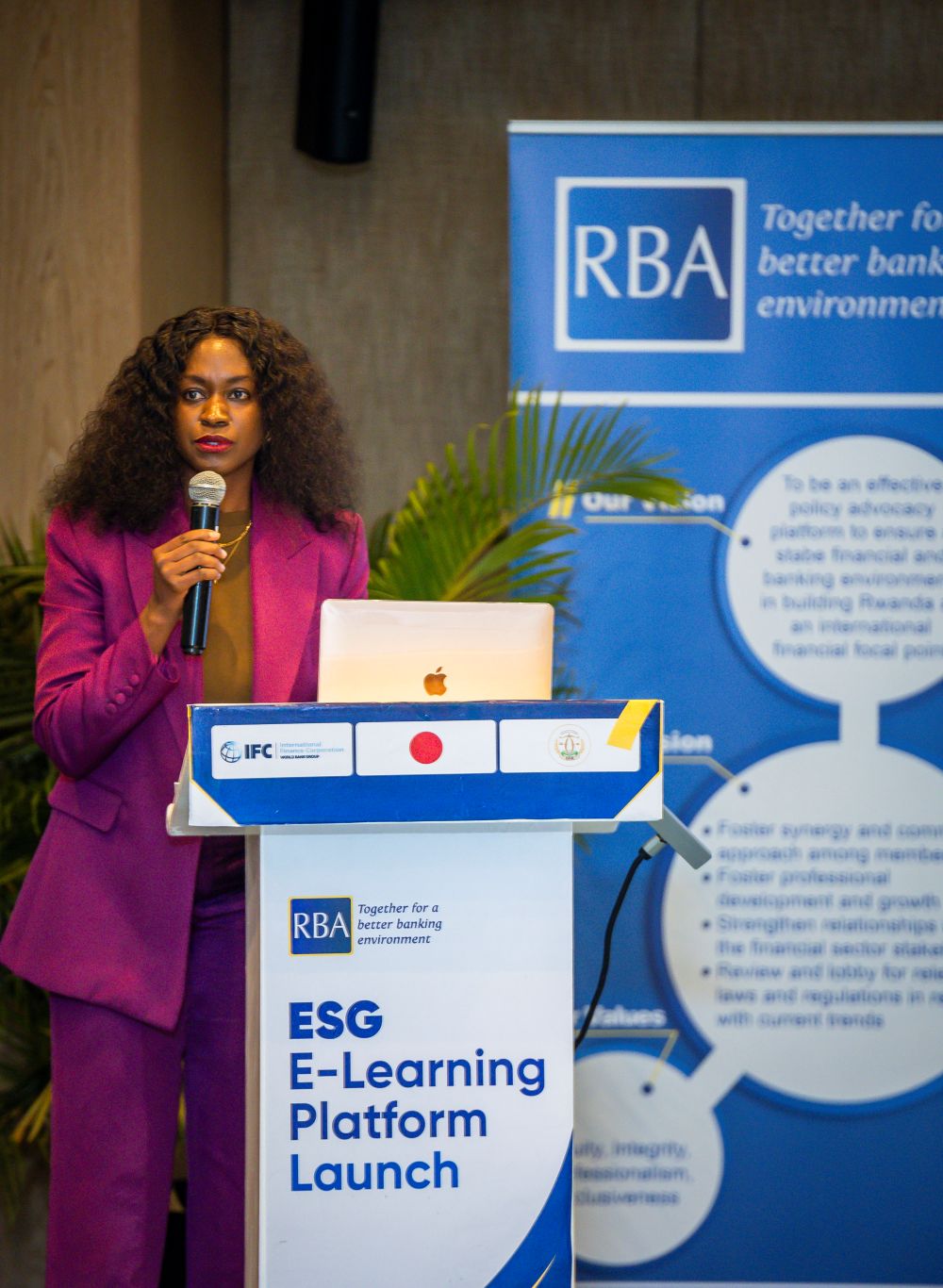
IFC Resident Representative to Rwanda and Uganda, Jiyeon Janice Ryu, highlighted the importance of strengthening the banking sector’s capacity to identify, assess, and finance sustainable investments.
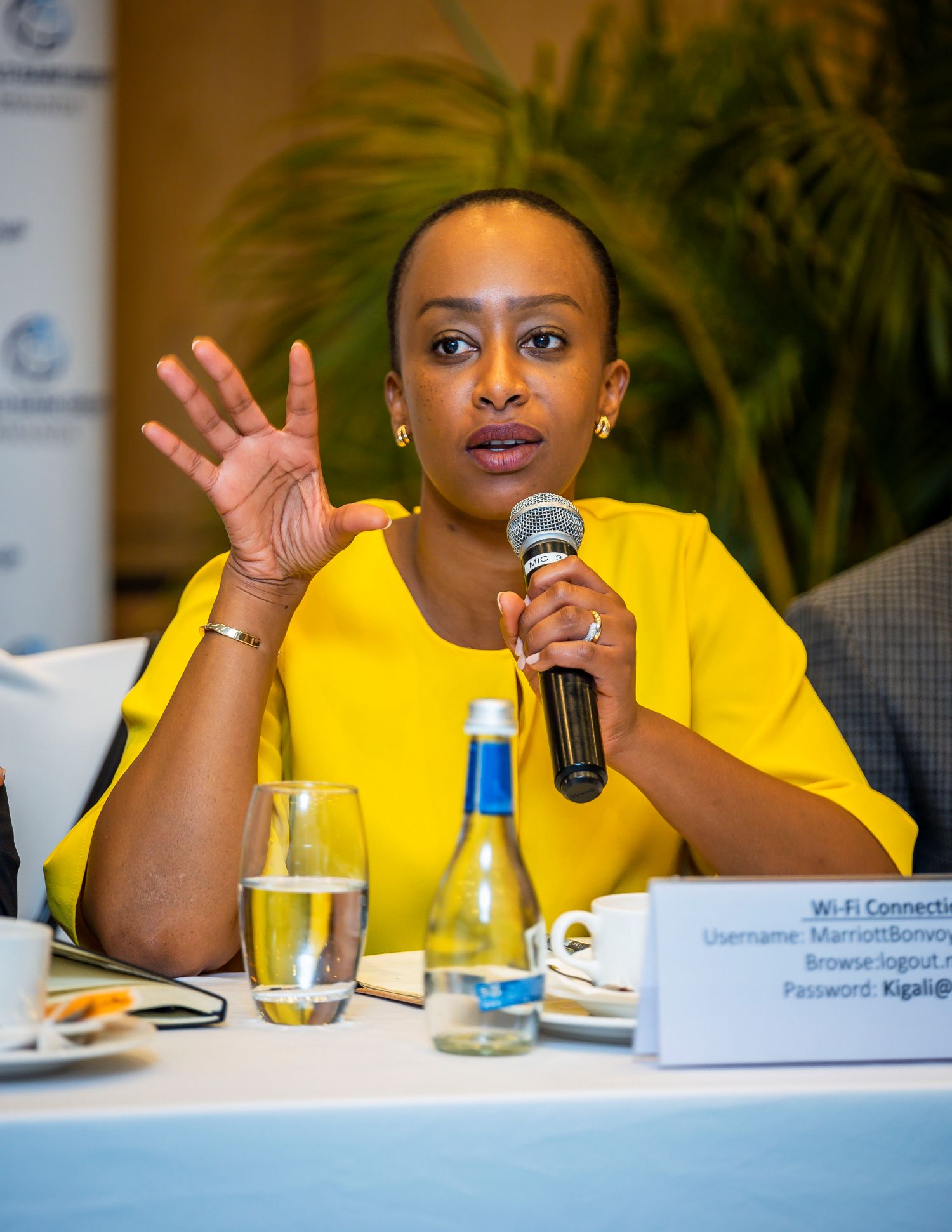
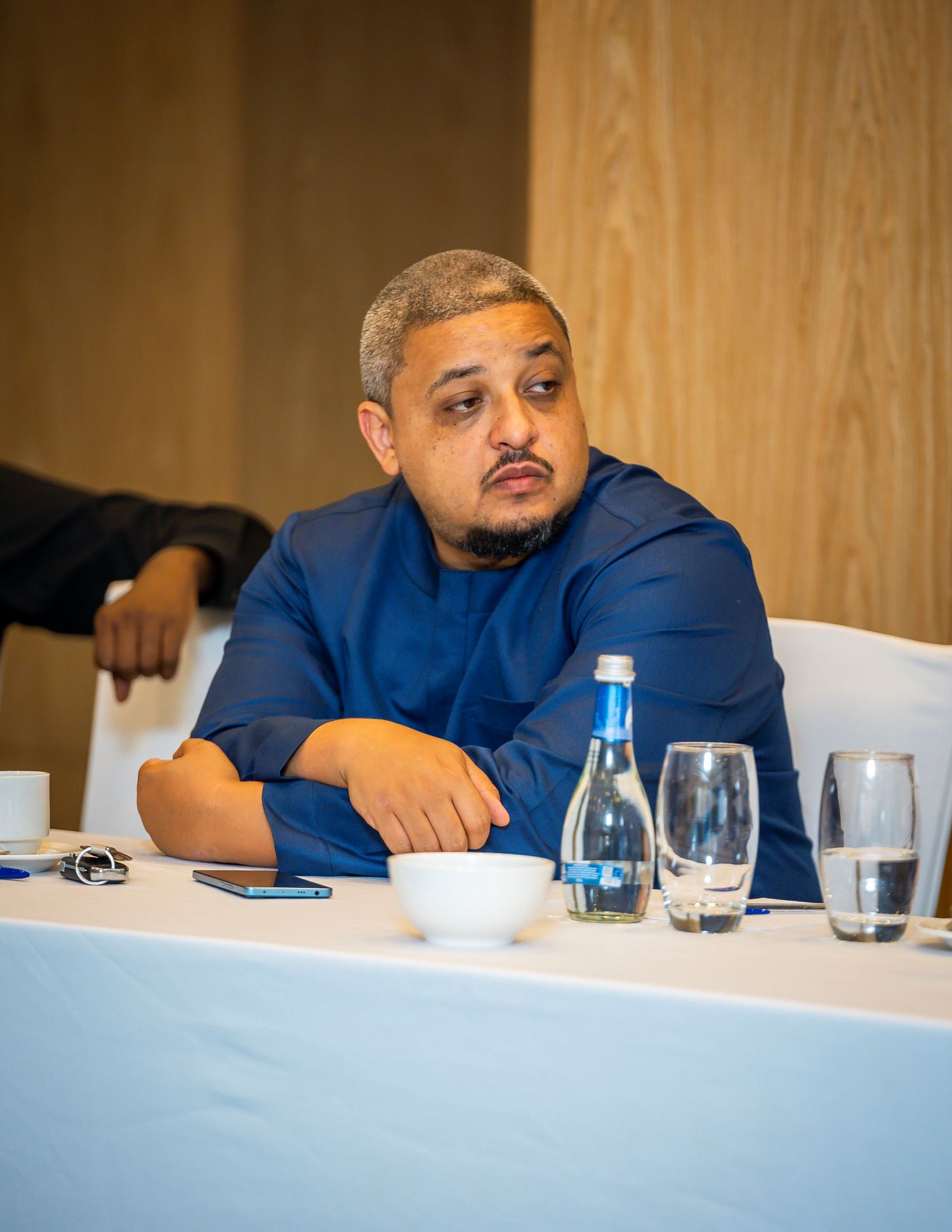
Teddy Mugabo, CEO Rwanda Green Fund, attended the launch.
The digital learning platform is expected to equip banking professionals with the skills needed to integrate ESG principles into their operations as the sector responds to growing sustainability, regulatory and market expectations.
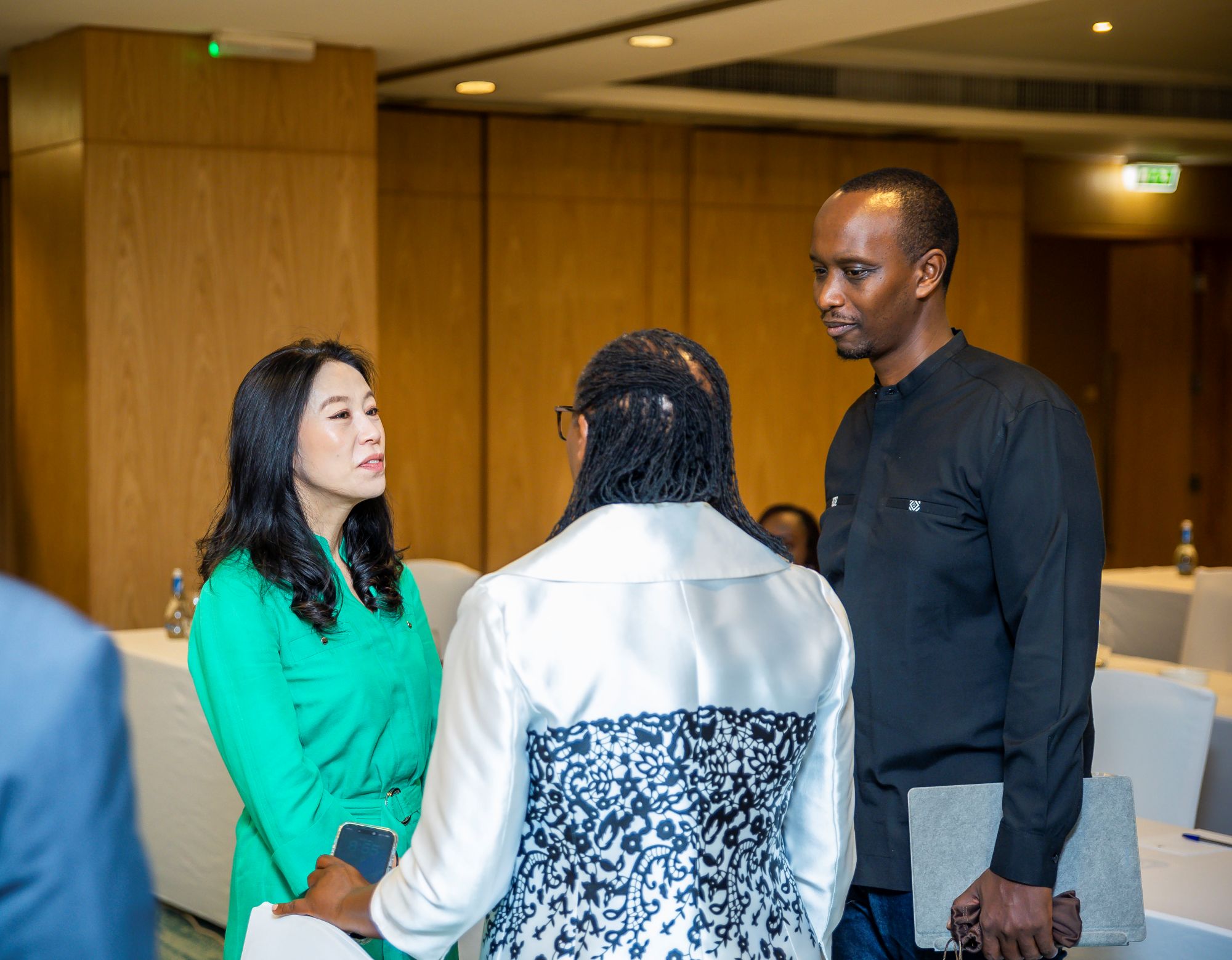
Capital Markets Authority (CMA) Rwanda Chief Executive Officer Romeo Ngarambe (right) chats with IFC Resident Representative for Rwanda and Uganda, Jiyeon Janice Ryu (left), during the launch event.
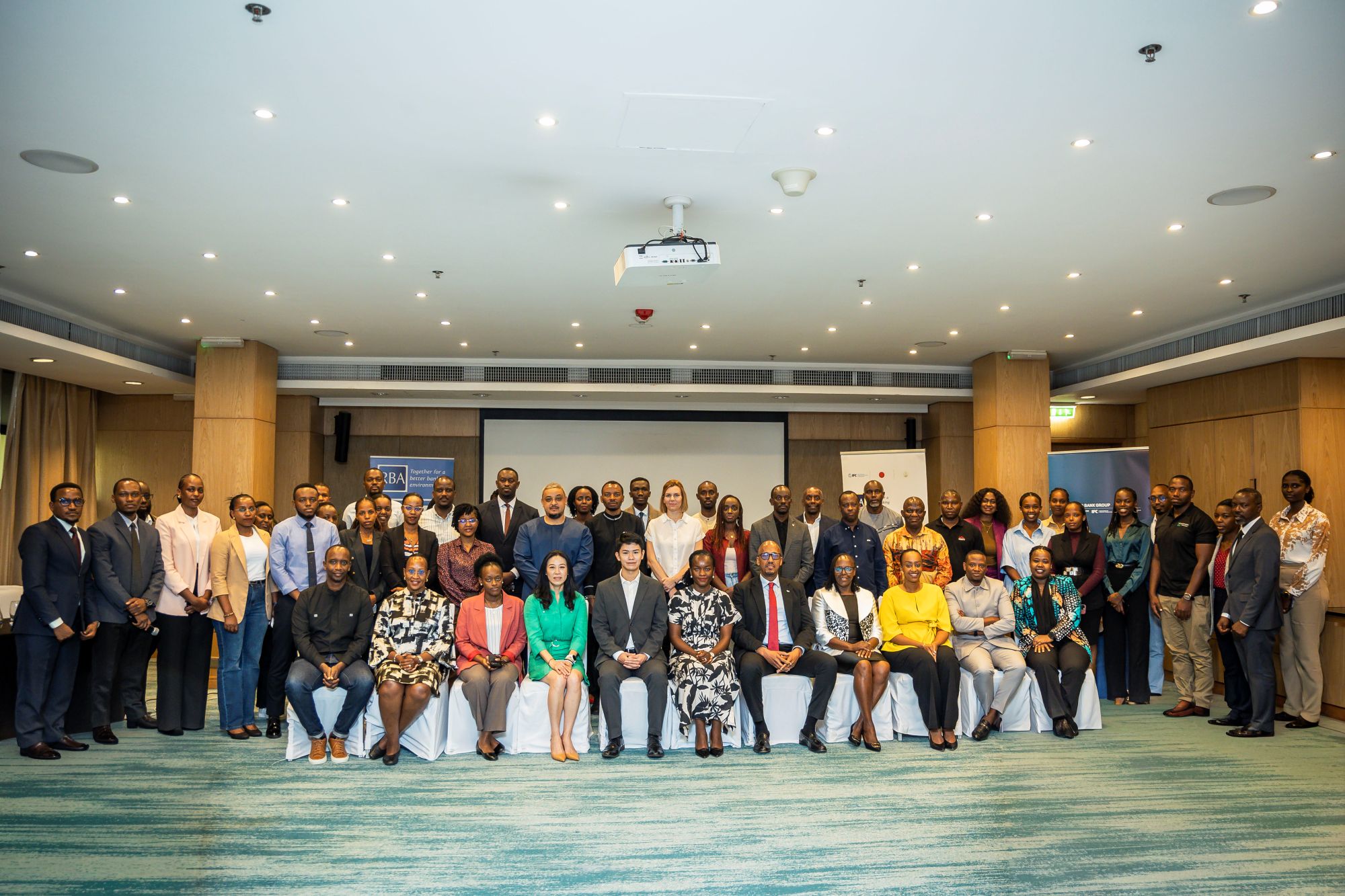
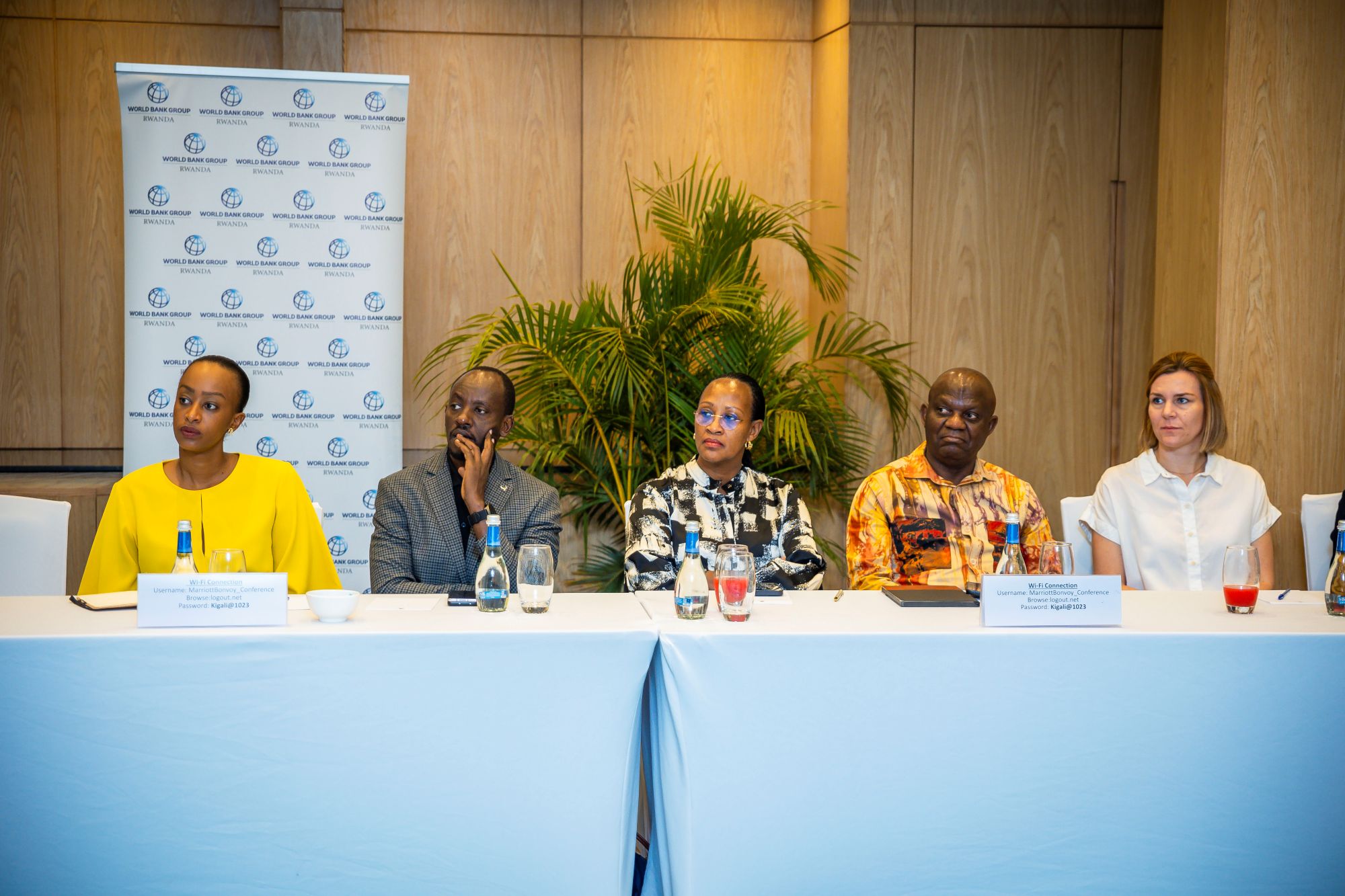
The launch was officiated by the Minister of Environment, Dr. Bernadette Arakwiye (fourth from left), seen here in a group photo with IFC Resident Representative for Rwanda and Uganda, Jiyeon Janice Ryu (immediately to her left), and Rwanda Bankers’ Association Chief Executive Officer Tony Francis Ntore (immediately to her right).
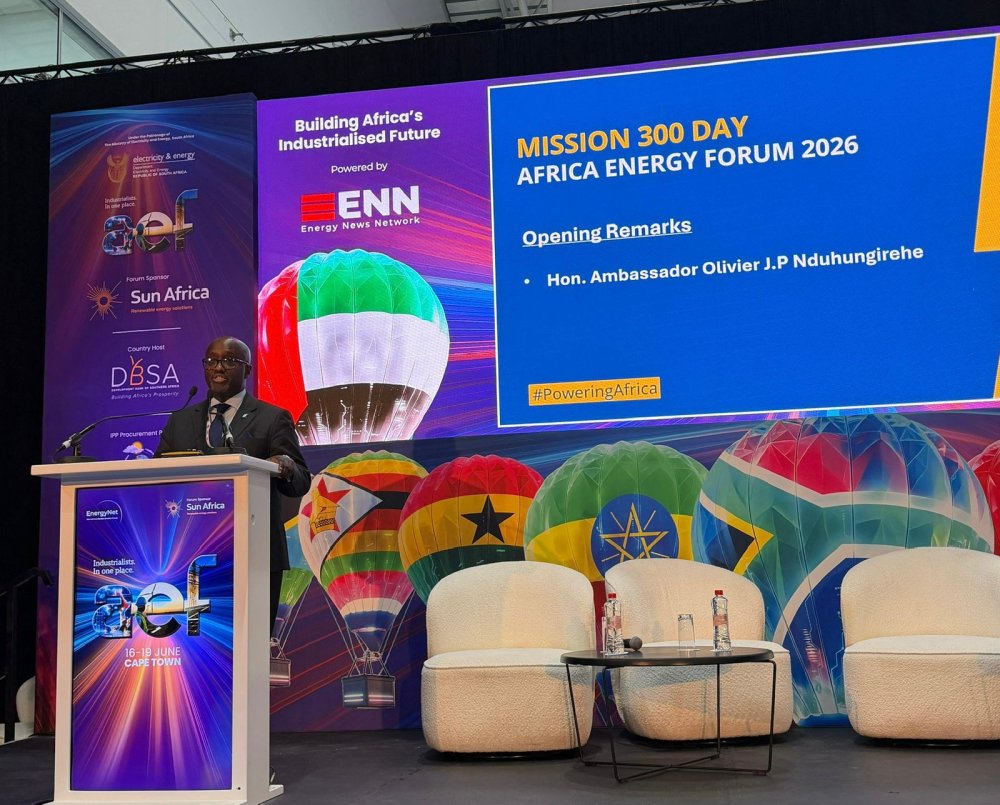
The appeal was made by the Minister of Foreign Affairs and International Cooperation, Olivier Nduhungirehe, at the Africa Energy Forum (AEF) 2026 in Cape Town, South Africa. During the forum, Rwanda officially launched the Rwanda Energy Compact, a targeted initiative designed to channel foreign and domestic private capital into the country’s fast-growing energy sector.
Nduhungirehe stressed that deeper private sector participation is vital to bridging the funding gap for the country’s utility ambitions.
‘To achieve this, we need greater involvement from the private sector. Private-sector investment remains relatively low, and we need to increase it to about $1 billion to ensure that every Rwandan has access to electricity,’ Nduhungirehe said.
The Minister emphasized that expanding the power grid is foundational to Rwanda’s broader macroeconomic goals, particularly localized industrialization.
‘We understand that energy is not an end in itself; it is a tool for development. Rwanda is a developing country at the heart of Africa, and we need to industrialize. We must build a vibrant economy with strong industries that can produce locally made goods, helping to reduce our trade deficit,’ he noted.
The Rwanda Energy Compact also serves as a framework to promote regional grid integration across East Africa. Nduhungirehe called for cohesive public-private frameworks that look beyond domestic borders.
‘Ultimately, our goal is to ensure that Africa produces enough energy to sustain its industries and enable the continent to become the global economic powerhouse it has the potential to be,’ he added.
A 30-year energy transformation
Rwanda’s energy landscape has undergone a dramatic shift over the past three decades, with domestic electricity access soaring from just 1% in 1994 to 86% today.
Under the Rwanda Energy Group’s (REG) 10-year strategic framework, the government aims to expand total installed capacity to 1,066 megawatts (MW). A robust pipeline of diverse energy projects is already underway to meet this target:
Key domestic projects include the 43.5 MW Nyabarongo II Hydropower Plant, the 9.7 MW Rukarara VI project (currently 26% complete), and the 0.91 MW Nyirahundwe plant (71% complete). Regionally, Rwanda is partnering with Burundi and the Democratic Republic of Congo on the 206 MW Rusizi III project, alongside ongoing feasibility studies for the expansion of the operational Ntaruka Hydropower Plant.
Unique extraction projects at Lake Kivu continue to anchor baseline power. The KivuWatt and Shema Power Lake Kivu facilities currently supply 82 MW, accounting for roughly 21% of national generation. The government plans to scale methane-based capacity to 100 MW.
Solar energy is poised to take a larger share of the national energy mix through upcoming projects, including the 30 MW Mpanga Solar PV plant in Kirehe District, a massive 200 MW Nyabarongo II Solar PV project, and the 4.13 MW Izuba CB Energy plant.
Overall, Rwanda estimates that a total of $3.2 billion will be required to fully implement its 10-year national energy strategy. The government plans to secure the remaining balance through a mix of concessional loans, green bonds, carbon credits, and climate-finance instruments.
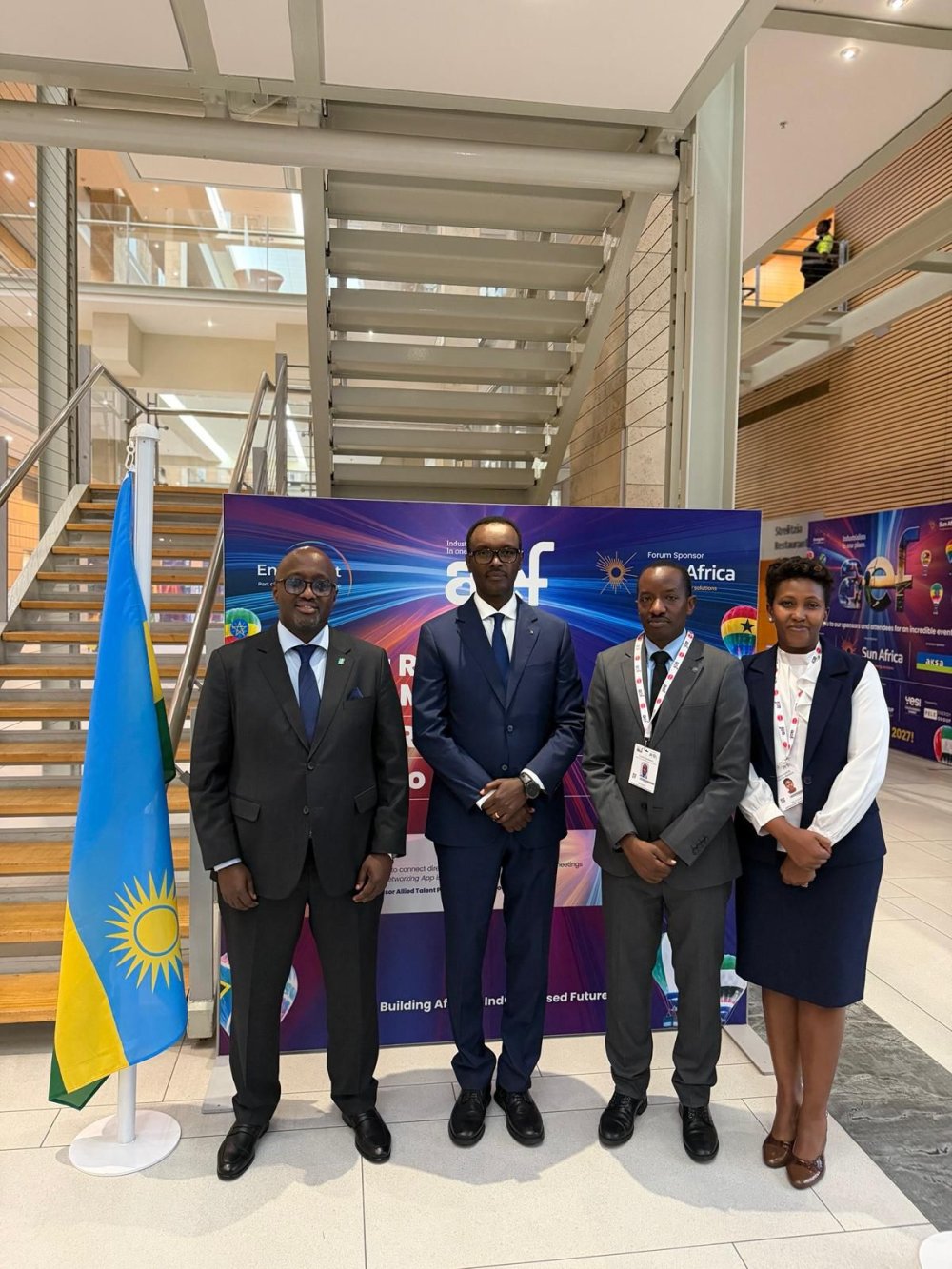
Minister of Foreign Affairs and International Cooperation, Olivier Nduhungirehe, highlighted Rwanda’s energy ambitions at the Africa Energy Forum (AEF) 2026 in Cape Town, South Africa.
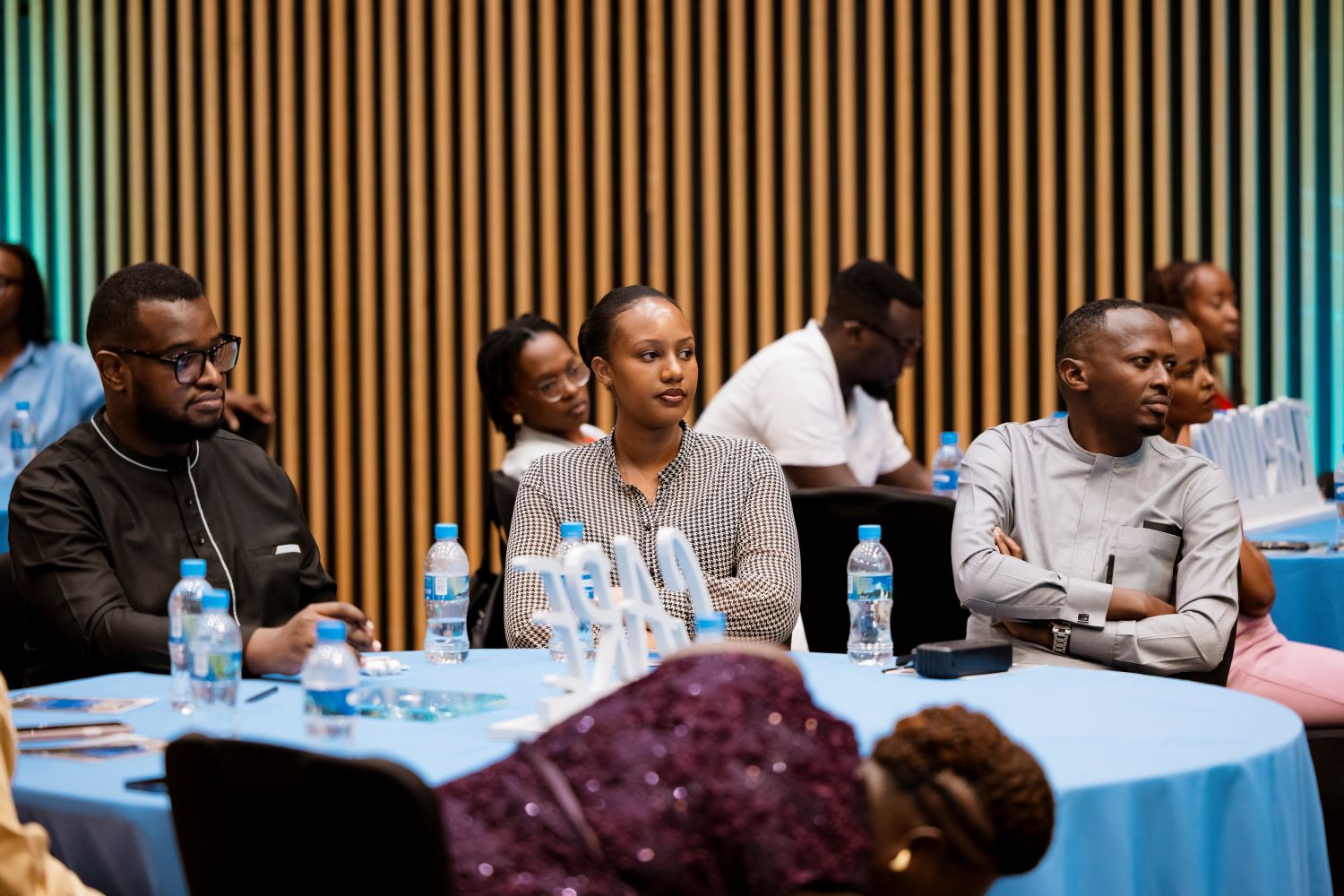
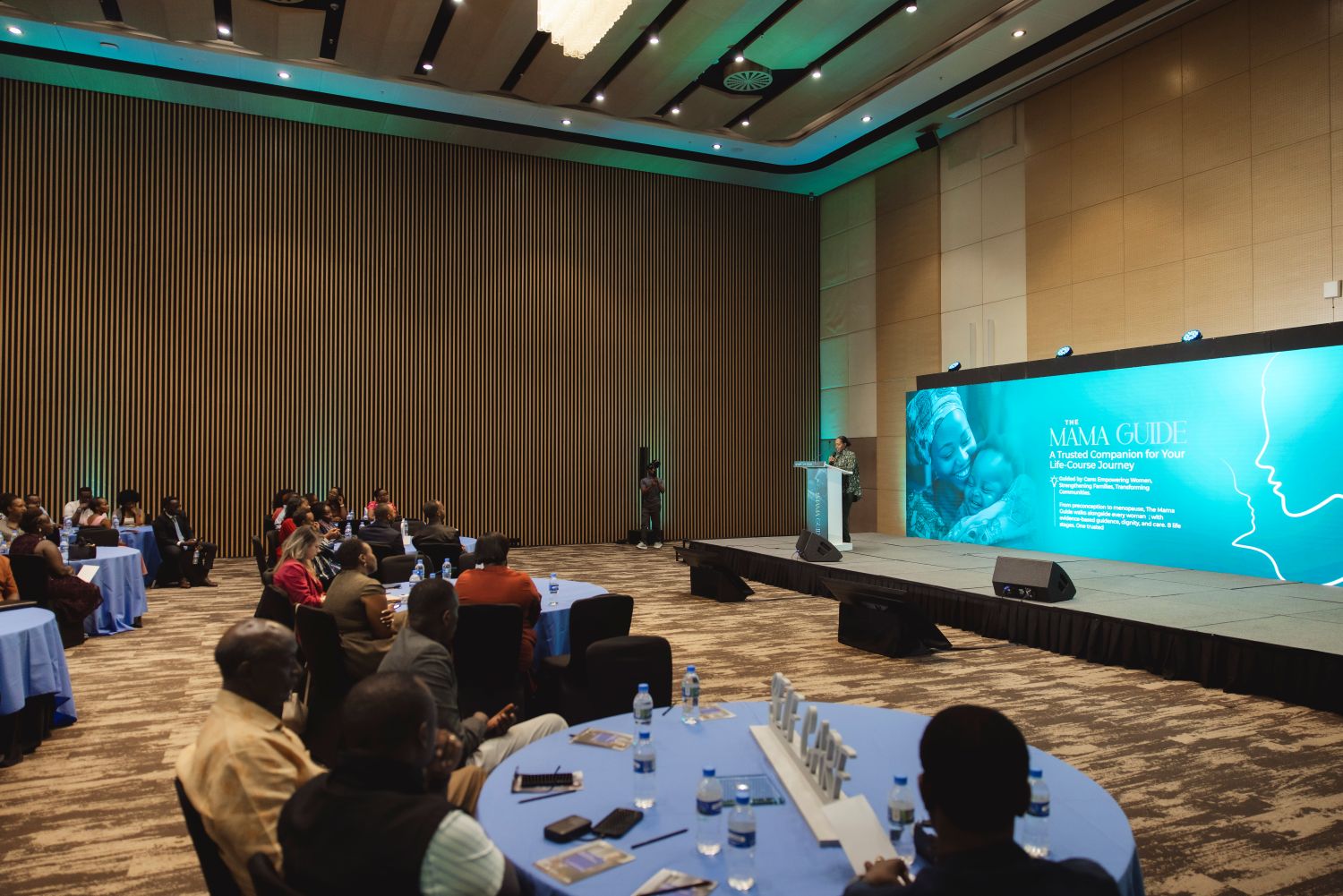
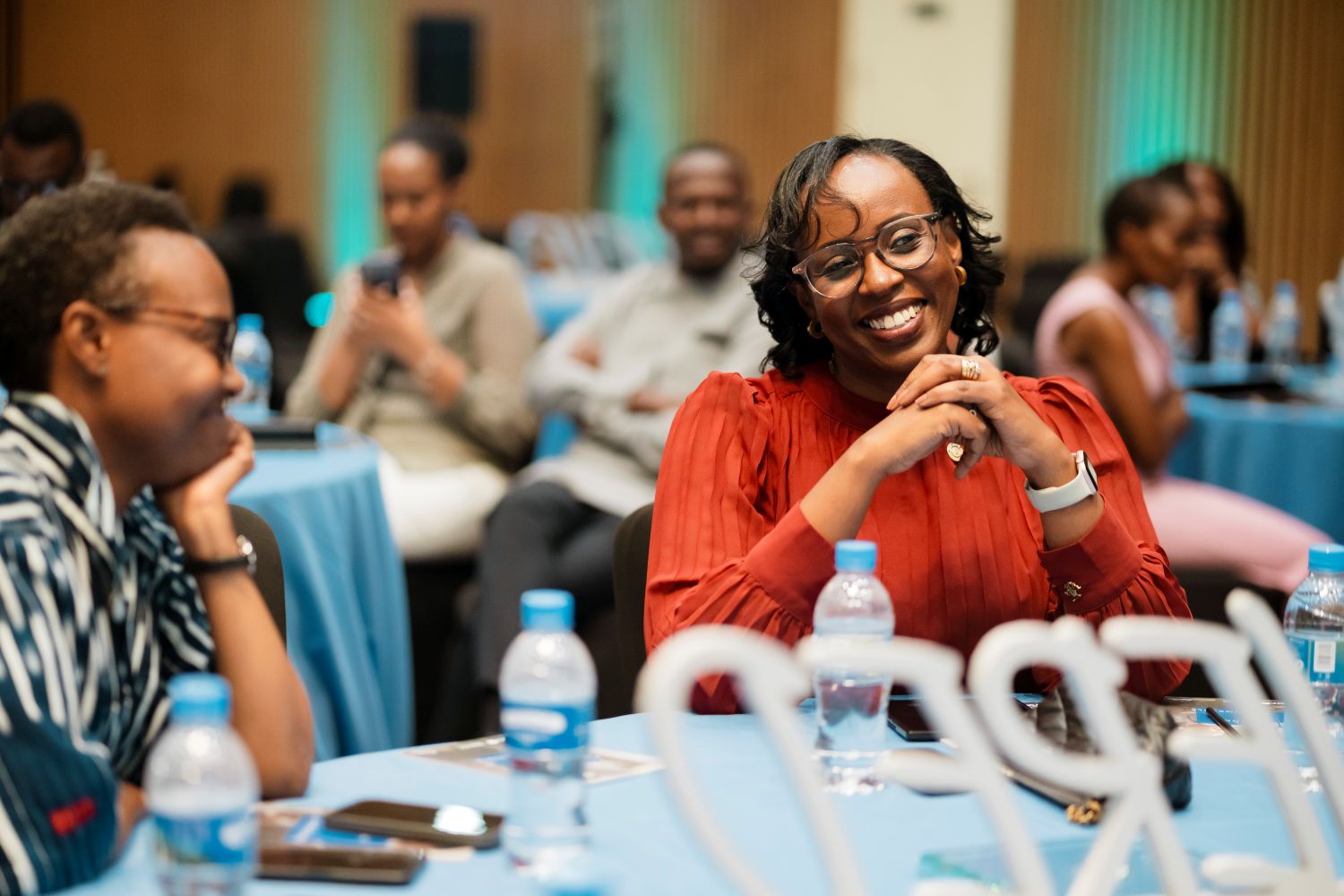
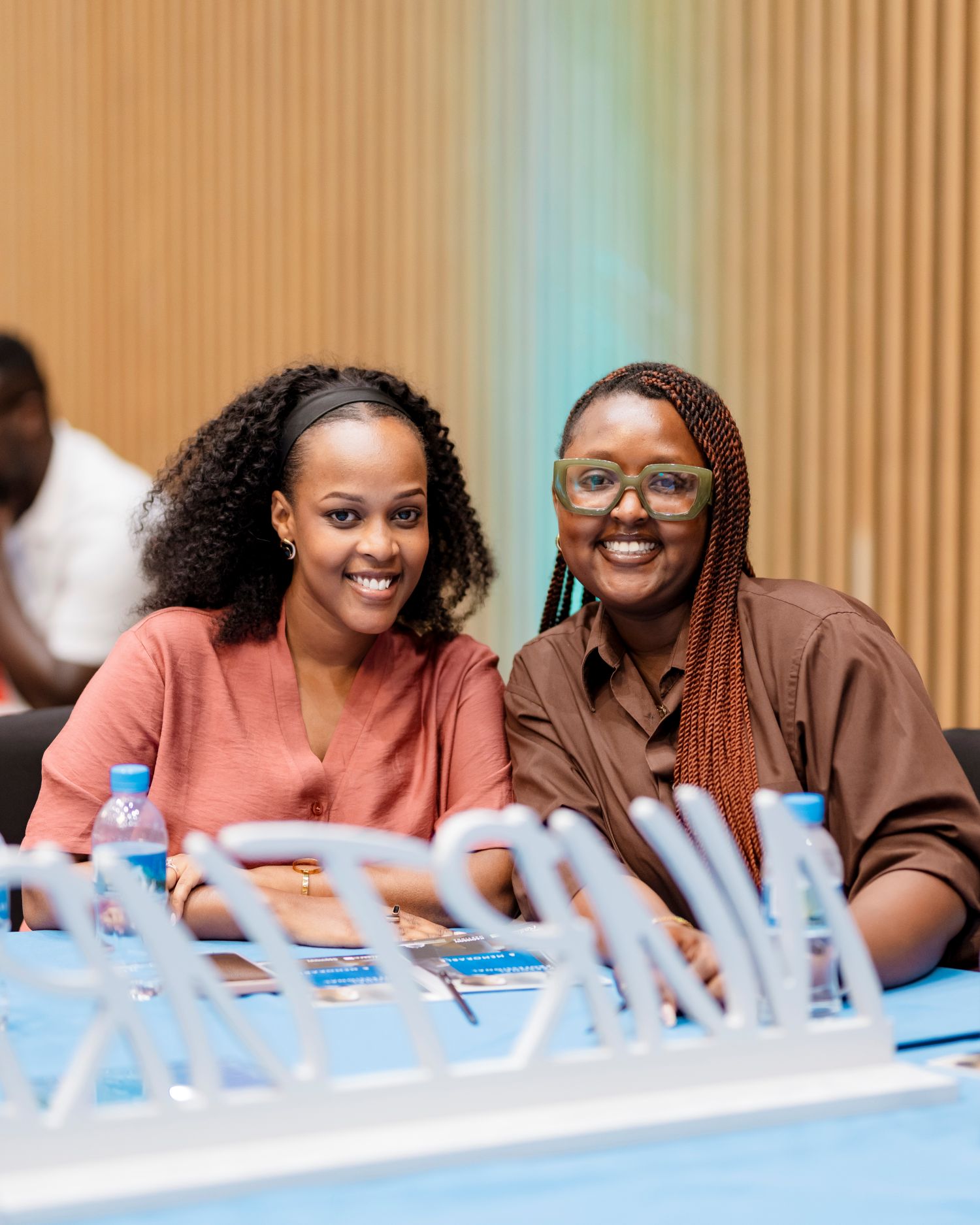
The launch brought together government representatives, healthcare professionals, development partners, academics, civil society actors, and private sector stakeholders, all underscoring the growing importance of accessible and reliable health information in improving public health outcomes.
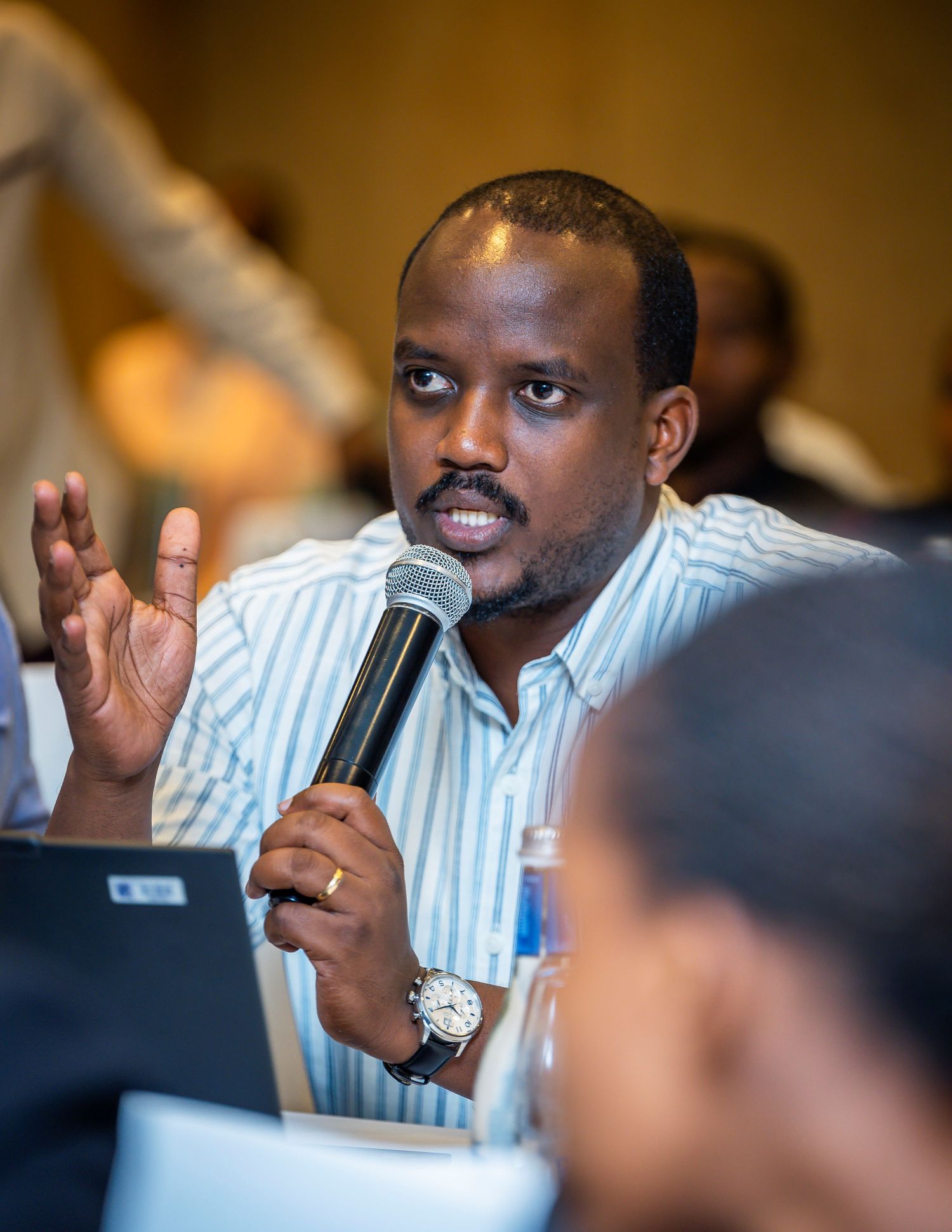
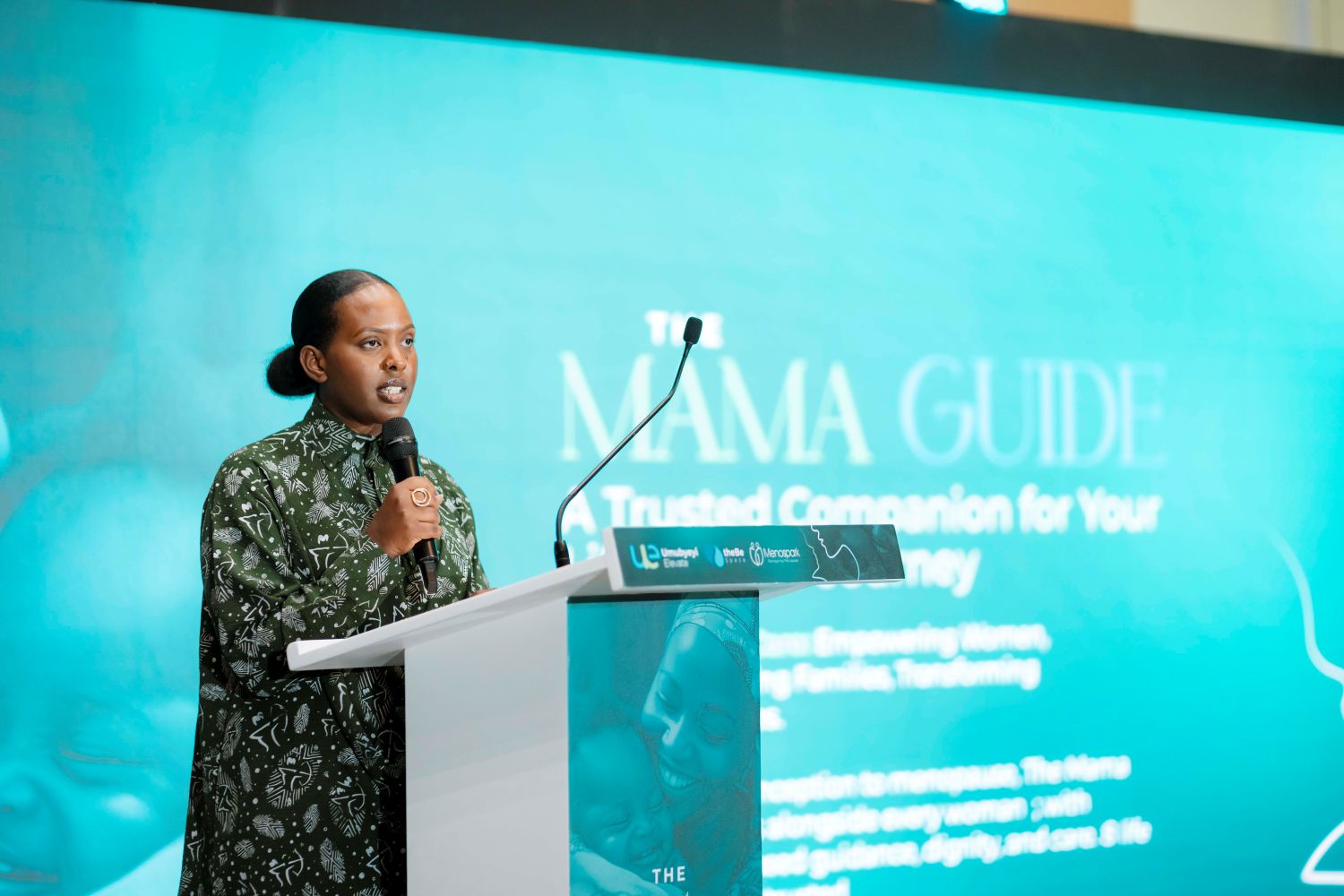
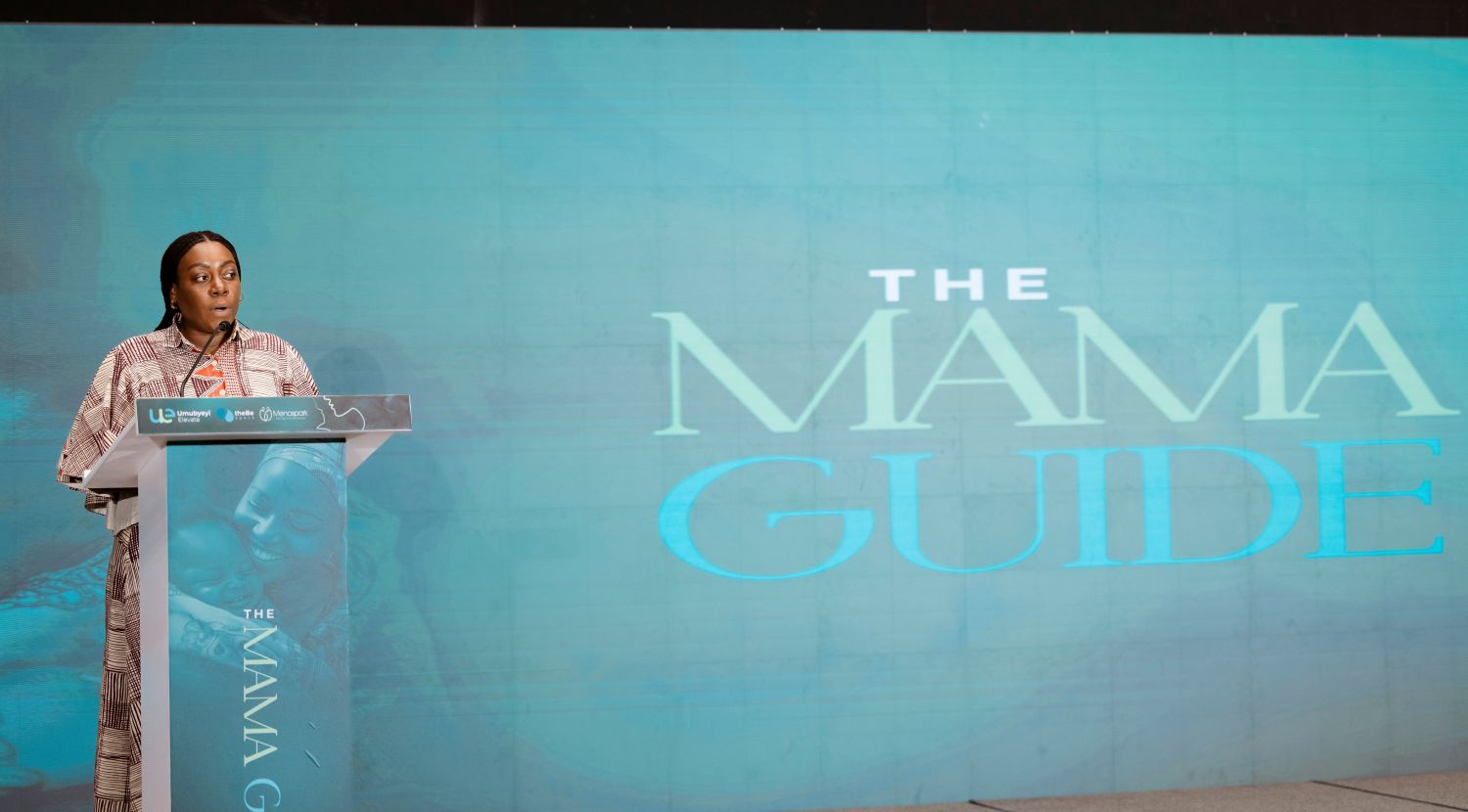
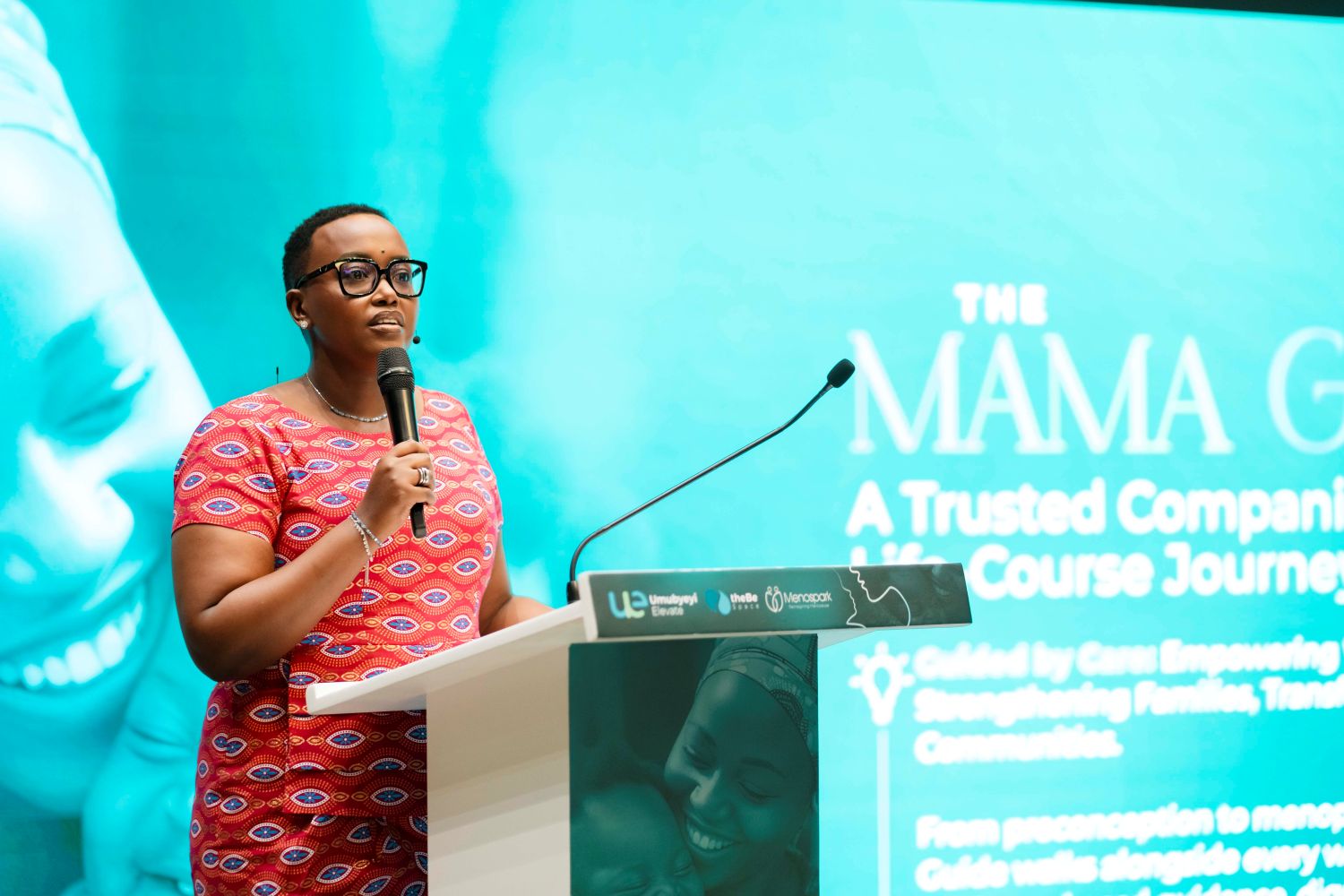
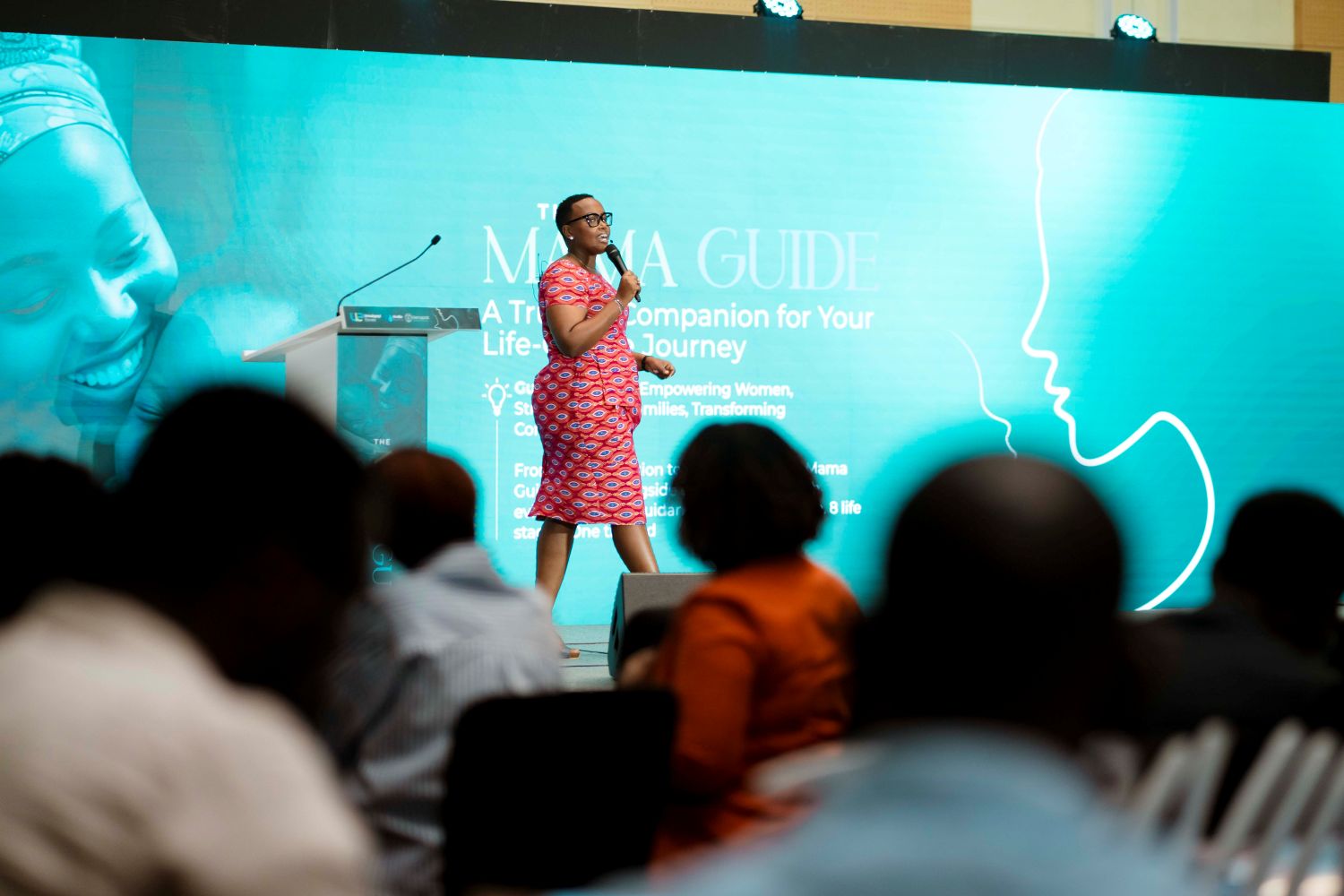
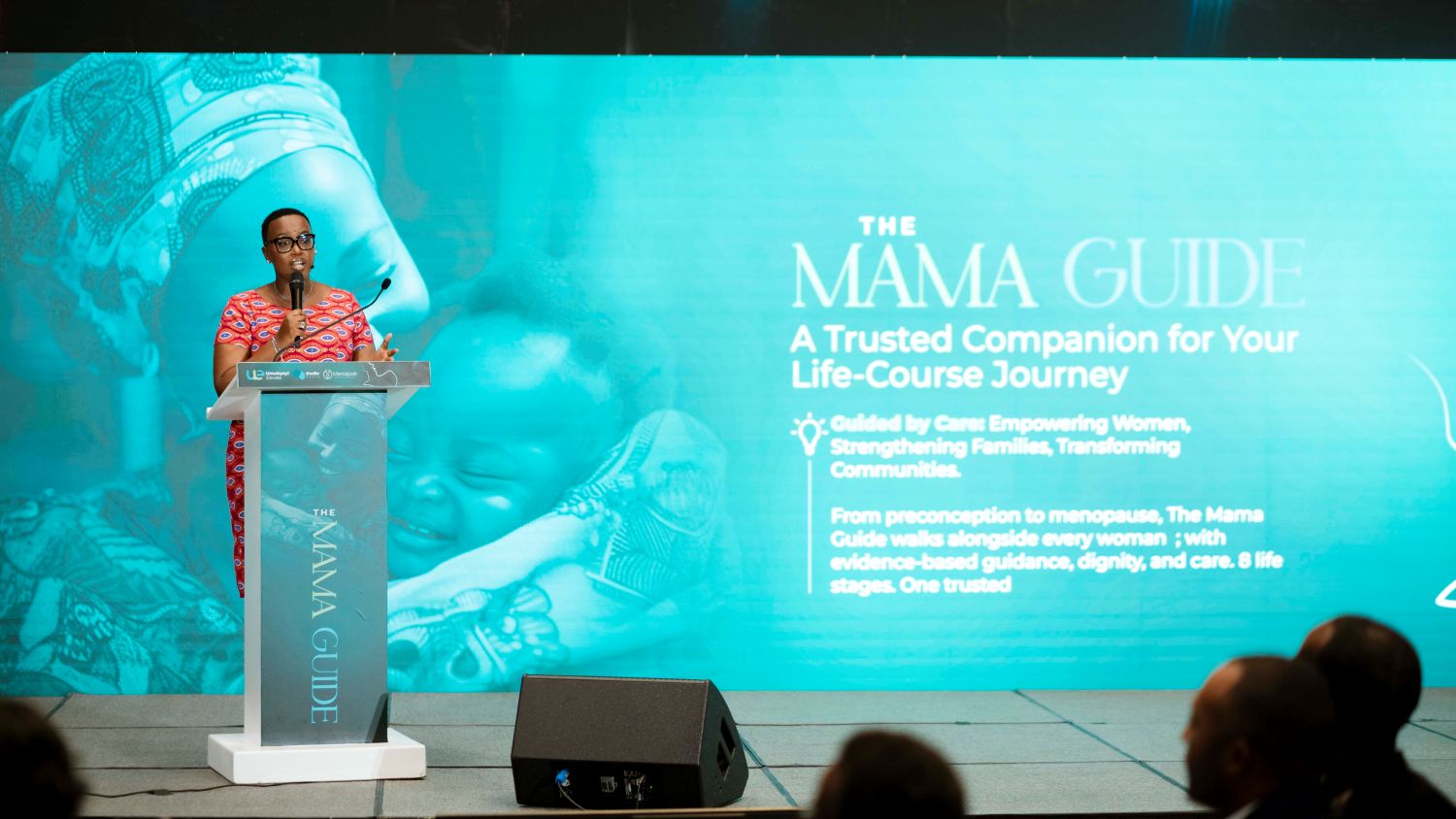
Speaking at the launch, Dr. Marie Chantal Umunyana, Founder and CEO of Umubyeyi Elevate, said the initiative was driven by the urgent need to close persistent gaps in access to trusted health information.
‘Today is a significant day not just for Umubyeyi Elevate, but for every family in Rwanda that has ever faced a health decision without guidance, without answers, and without someone to say: you deserve to know,’ she said.
Dr. Umunyana emphasized that despite advances in healthcare systems, preventable maternal deaths remain a global concern, often linked not only to medical challenges but also to delayed access to information and care.
‘A woman dies every two minutes from preventable causes related to pregnancy and childbirth,’ she said. ‘Many of these deaths happen not because we lack healthcare professionals or medical knowledge, but because information arrives too late, warning signs are not recognized, and care is sought too late.’
She further highlighted findings from Umubyeyi Elevate research, which revealed significant gaps in health literacy. More than 40 percent of respondents reported difficulties accessing timely health information, over 60 percent demonstrated gaps in reproductive and maternal health knowledge, and more than 90 percent relied on online sources for health information without certainty about its accuracy.
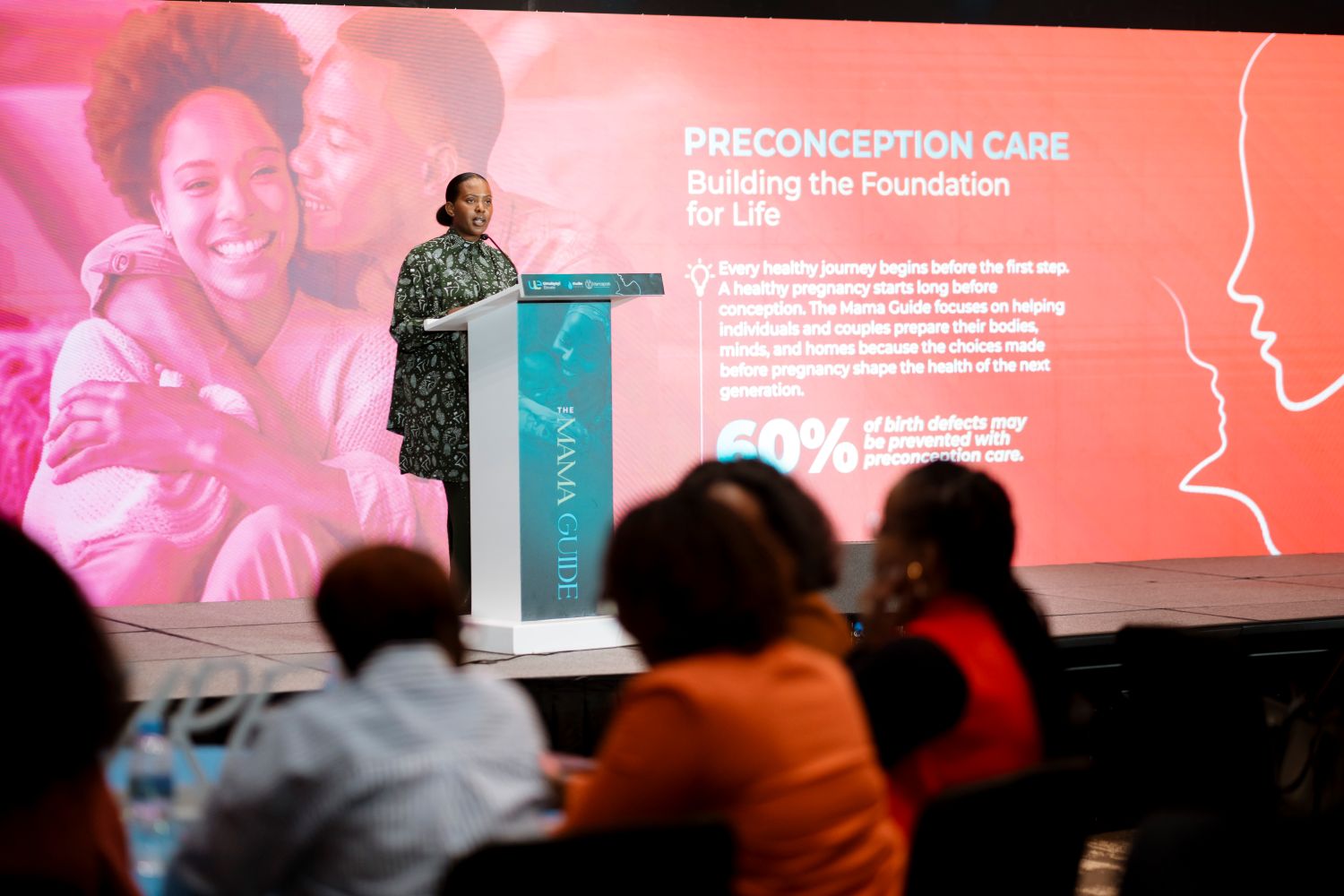
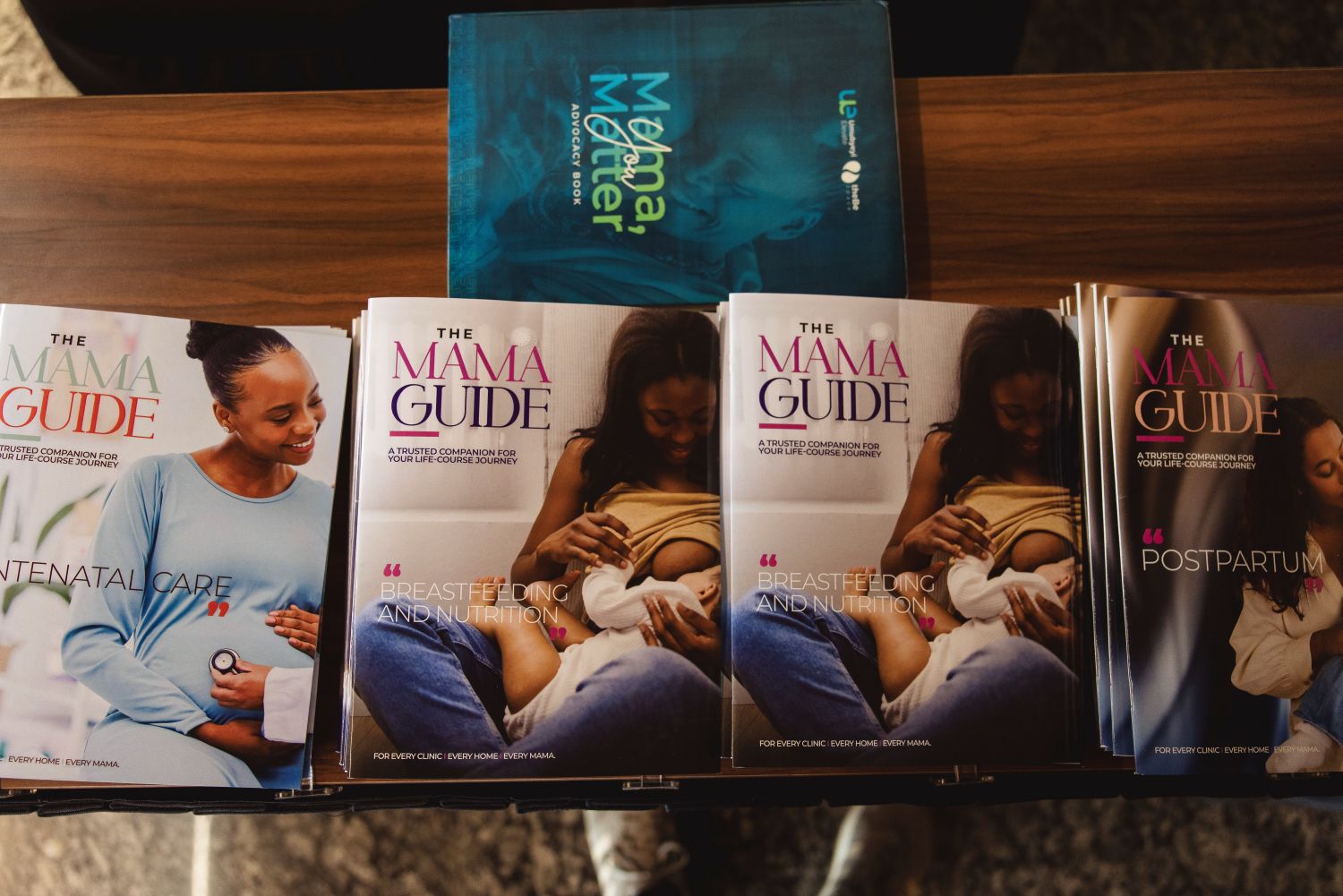
To address these challenges, Umubyeyi Elevate developed The Mama Guide as a structured set of eight guides covering preconception care, antenatal care, pregnancy, labor and delivery, postpartum care, breastfeeding and infant care, family planning, and menopause.
Dr. Umunyana explained that the publication was the result of years of consultation, clinical review, community engagement, and collaboration with healthcare professionals, researchers, and institutional partners.
‘We believe that informed families make healthier decisions, healthier decisions strengthen households, and stronger households build resilient communities,’ she said. ‘Health literacy is not a luxury, it is a right.’
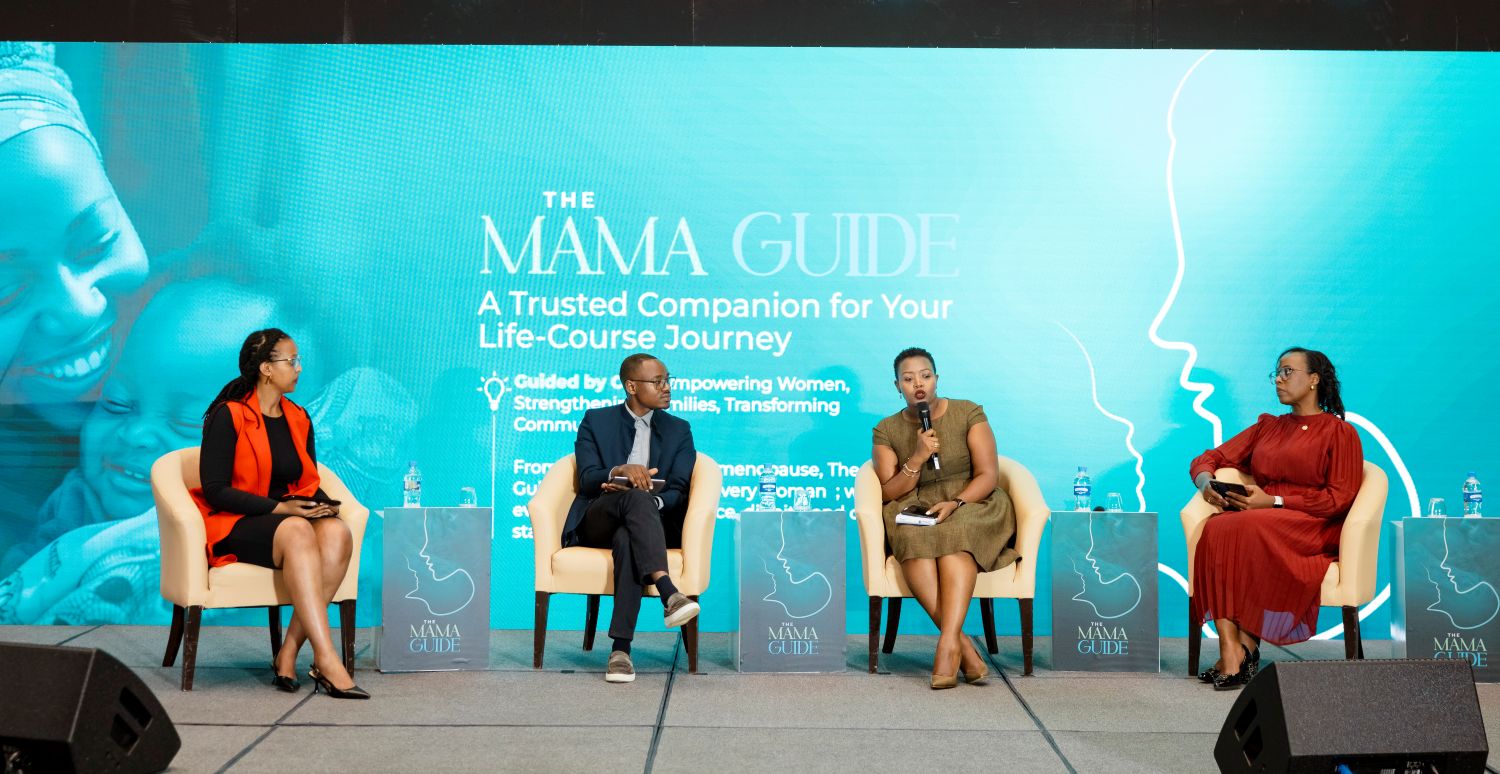
The event also featured a panel discussion focusing on health literacy, maternal wellbeing, self-care, innovation, and partnerships in strengthening public health systems. Participants emphasized that improving health outcomes requires not only healthcare services but also empowered communities equipped with accurate knowledge.
The guest of honor was Ms Jeanne Umuhire, Deputy Director General of the Rwanda Biomedical Centre (RBC), who underscored the central role of health information in improving wellbeing and shaping healthier societies.
‘We often say that health begins at home, but for health to truly begin at home, girls and women must have access not only to healthcare services, but also to information they can trust, understand, and act upon,’ she said.
Ms Umuhire noted that knowledge plays a decisive role in shaping health behaviours, including when families seek care, how they prevent illness, and how they respond to health challenges.
‘Knowledge shapes decisions. It influences when mothers seek care, how families prevent illness, how communities respond to challenges, and ultimately, how nations improve health outcomes,’ she said.
She further highlighted Rwanda’s continued investment in strengthening its healthcare system through workforce development, infrastructure expansion, and universal health coverage, while stressing that collaboration across sectors remains essential.
‘No single sector or institution, no matter how capable, can address every health challenge alone,’ she noted. ‘When mothers are empowered, families are strengthened. And when families are strengthened, communities and nations thrive.’
Ms Umuhire also commended initiatives such as The Mama Guide, noting that they complement national efforts in preventive healthcare, maternal and child health, and community empowerment by improving access to reliable information.
As The Mama Guide begins its rollout across homes, schools, universities, workplaces, and health facilities, stakeholders expressed optimism that it will serve as a trusted companion for families and contribute meaningfully to improved health literacy and better health outcomes across Rwanda.
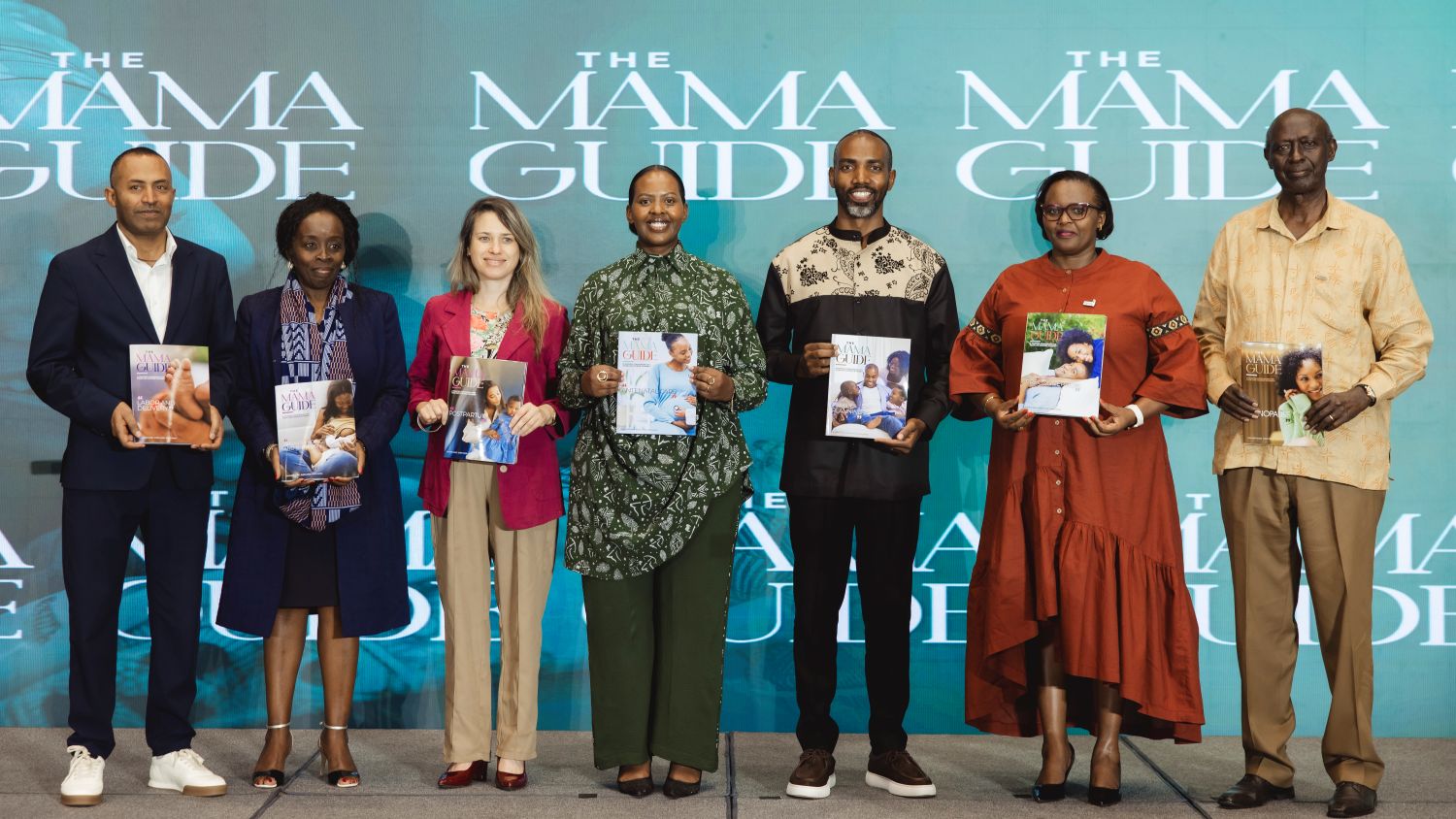
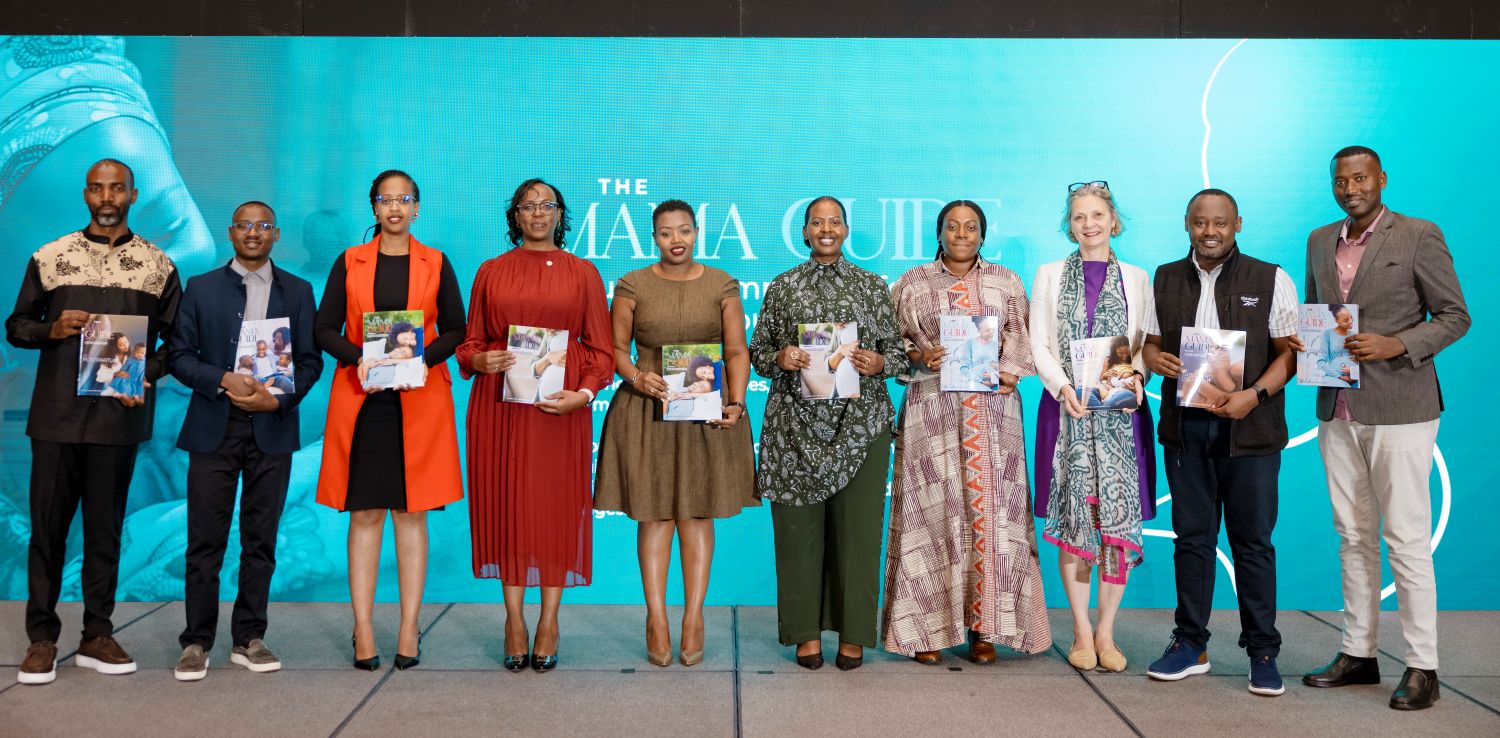
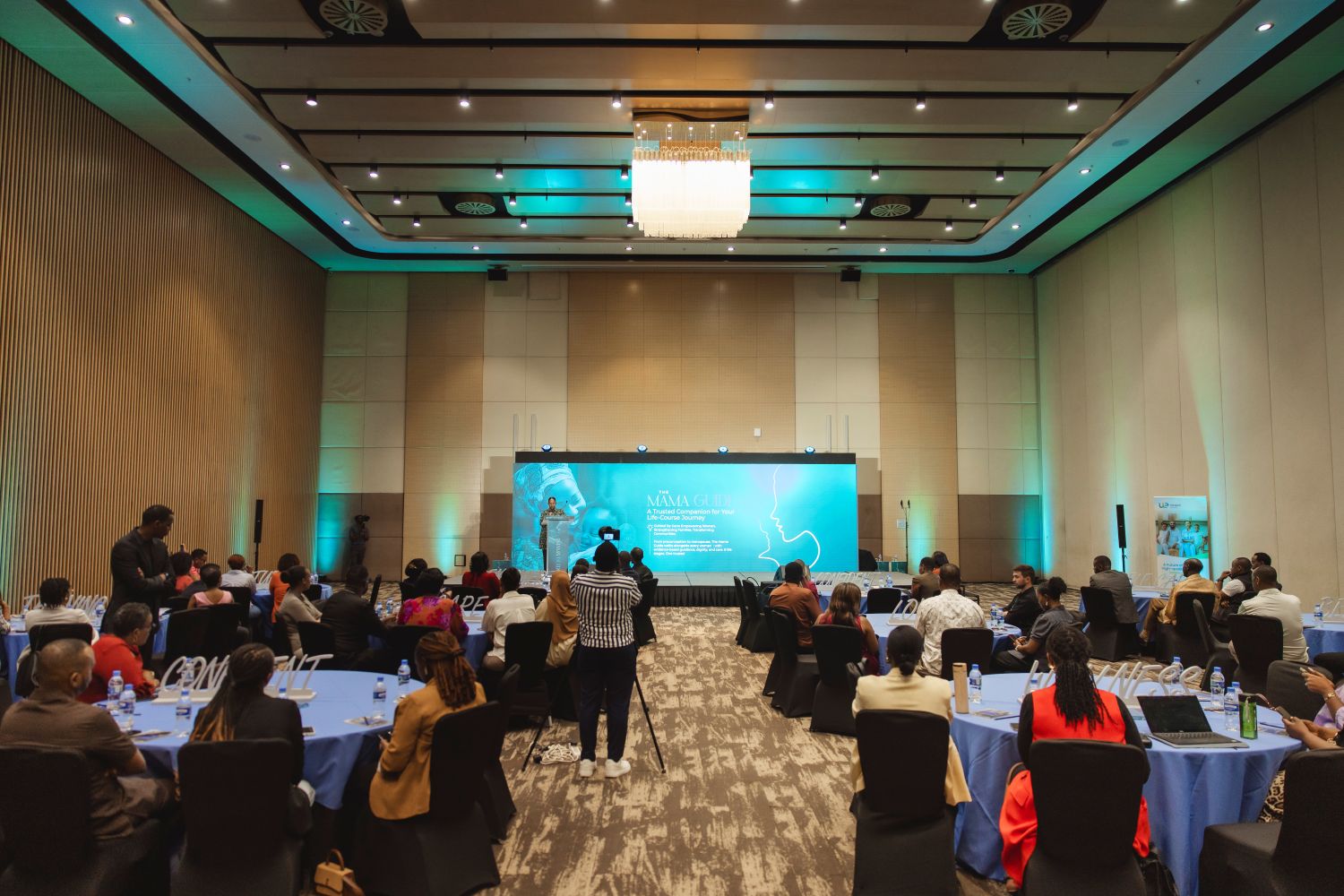
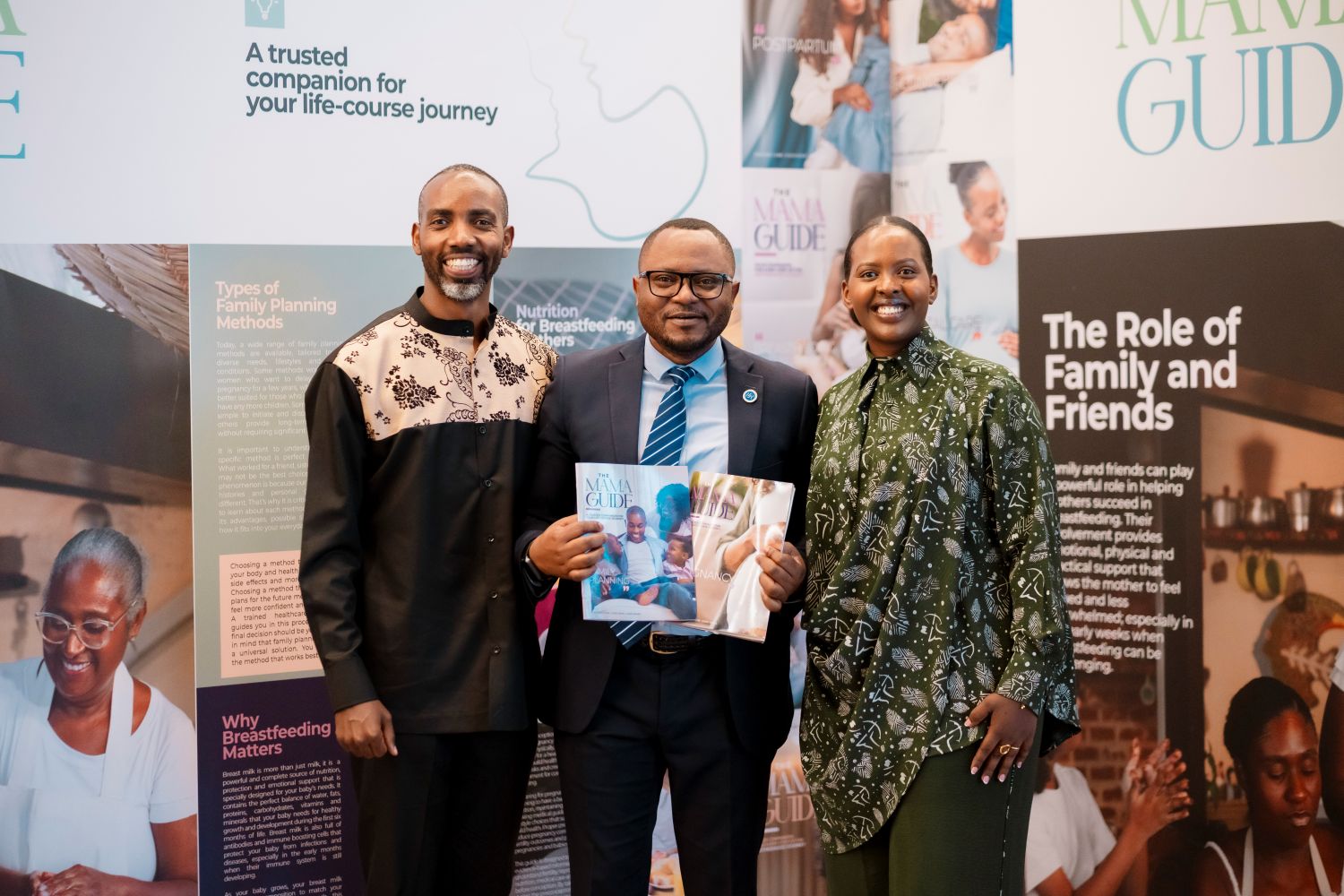
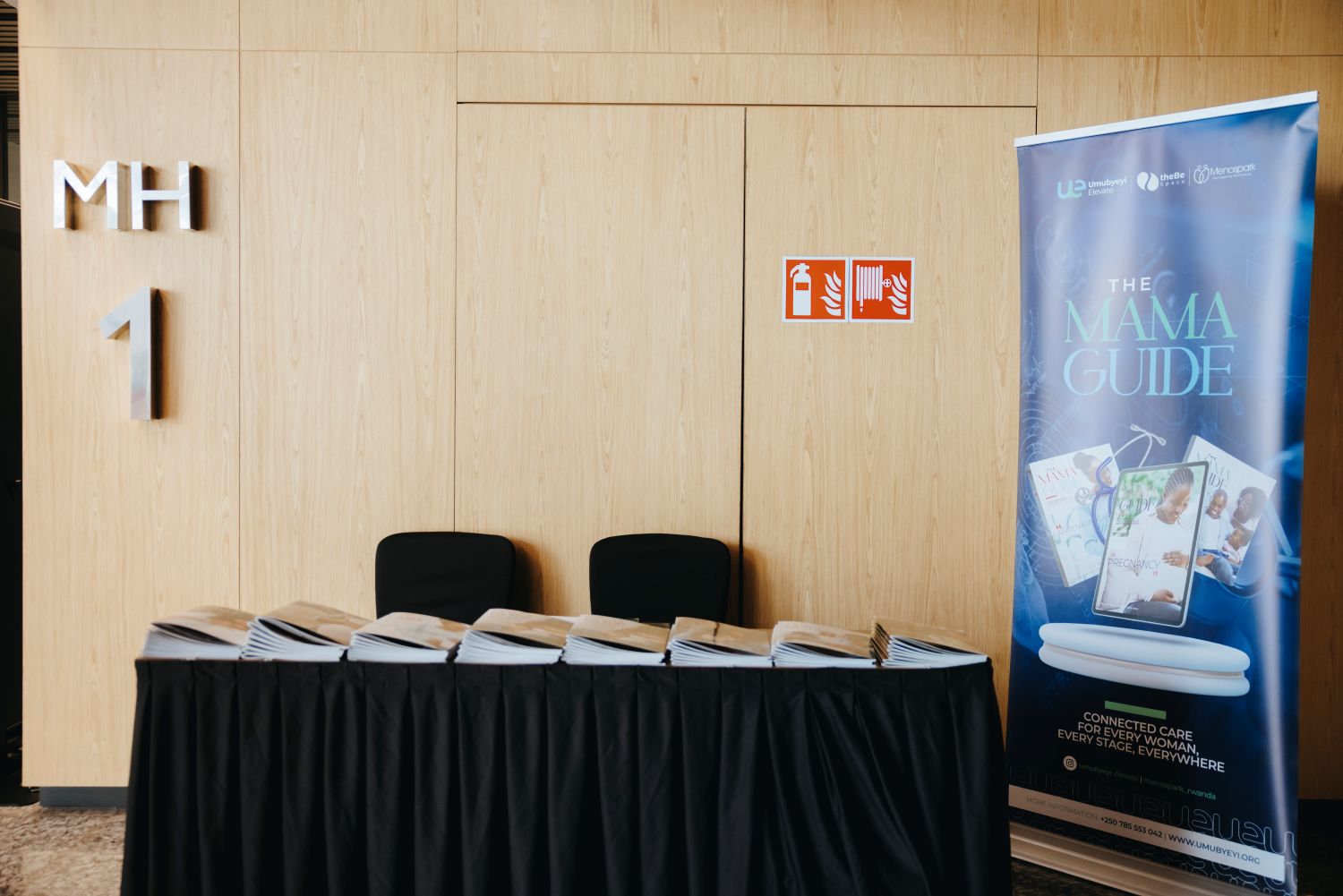
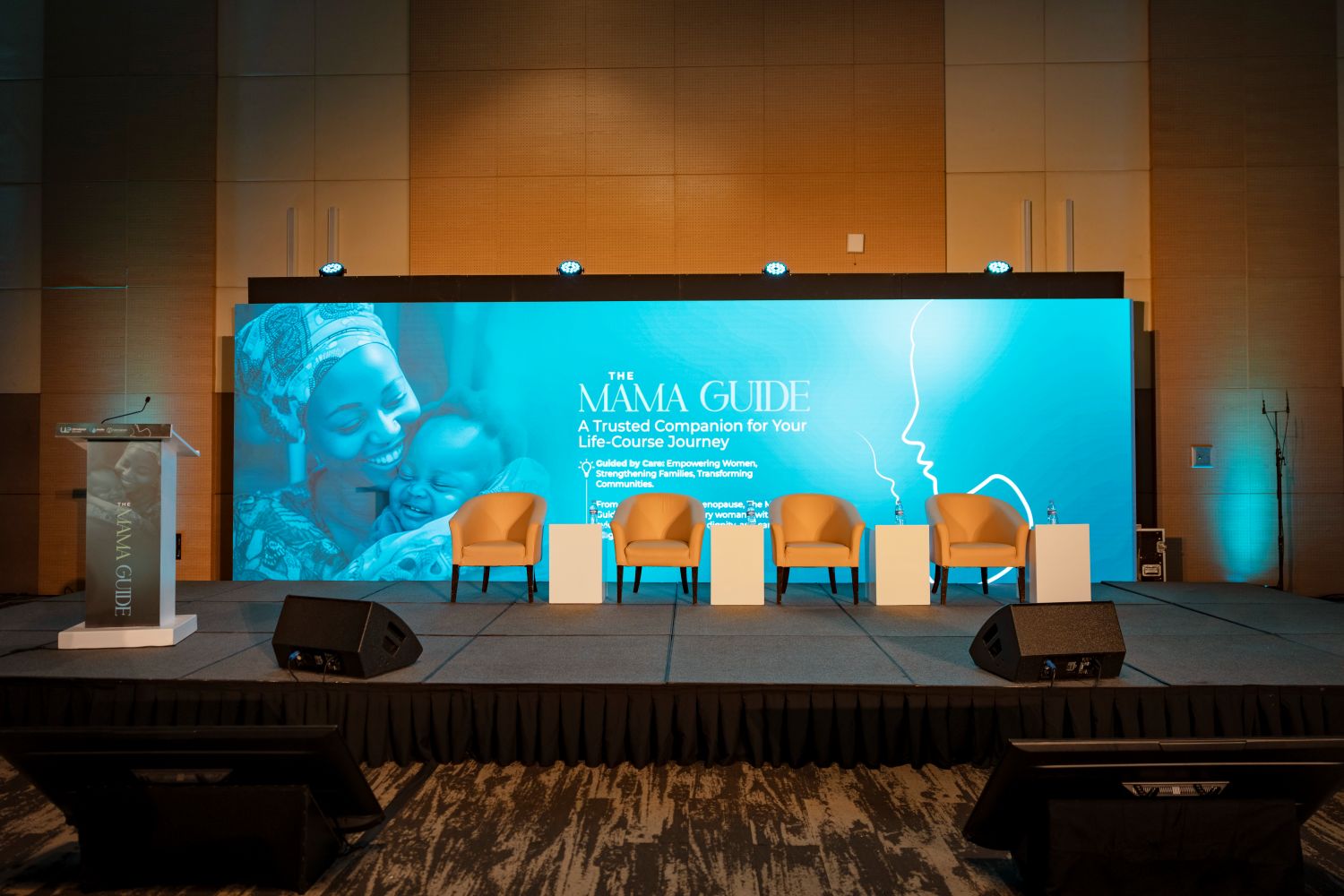
Umubyeyi Elevate officially launched The Mama Guide on June 19, 2026, at the Kigali Convention Centre (KCC).
The guide unveils a comprehensive health education resource designed to strengthen health literacy and support families in making informed decisions on maternal, reproductive, and family health.
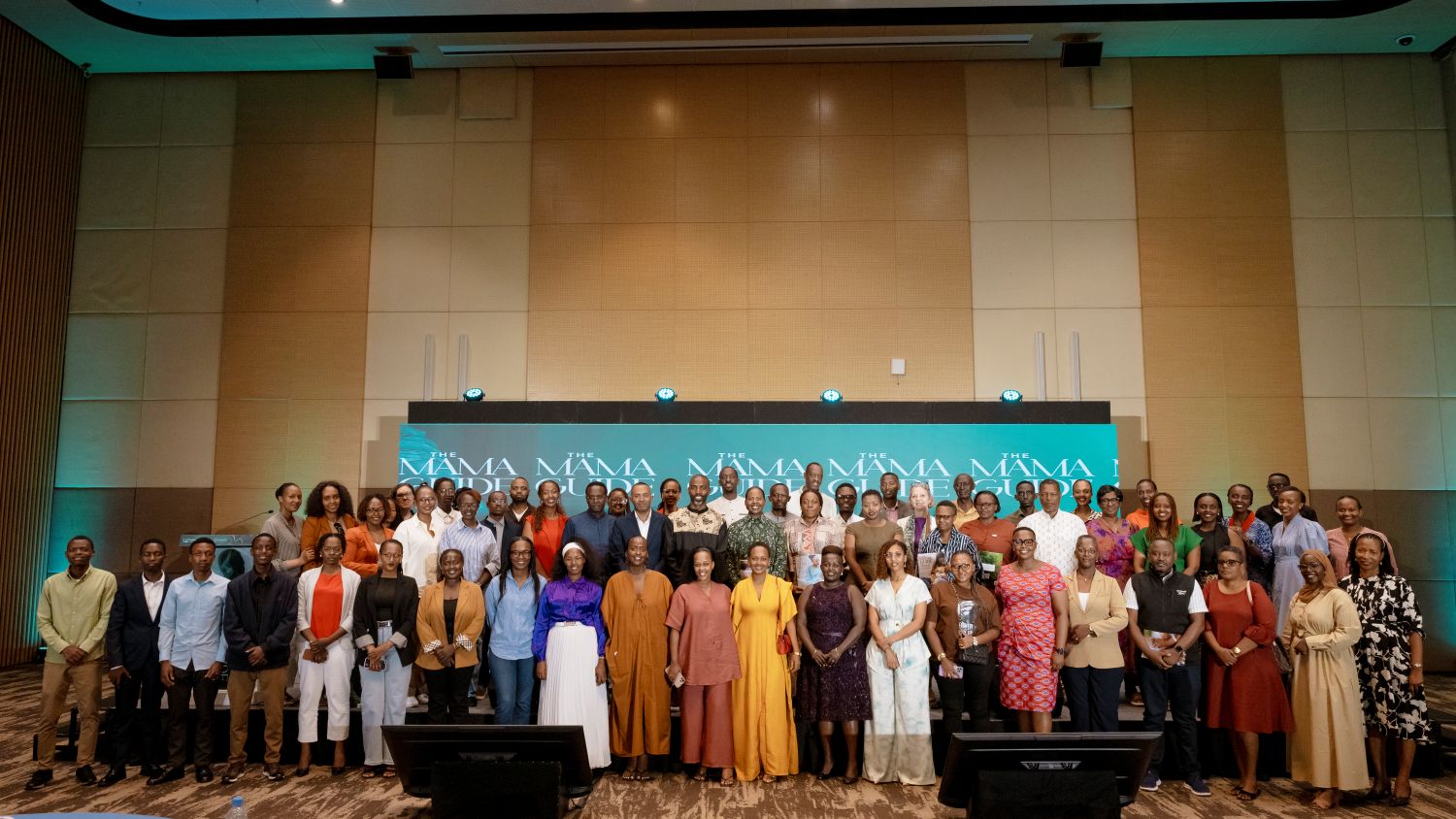
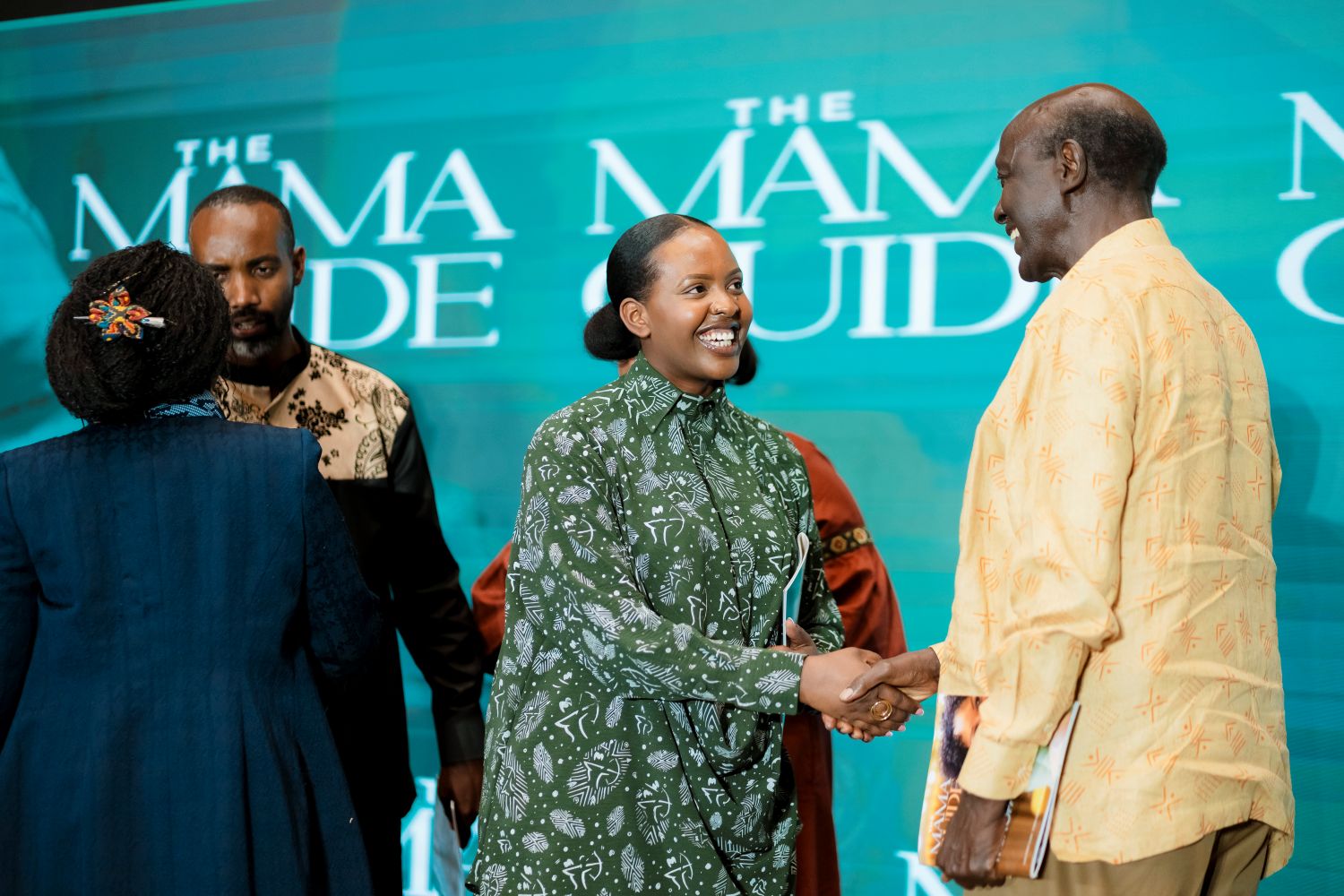
The launch brought together government representatives, healthcare professionals, development partners, academics, civil society actors, and private sector stakeholders
Dr. Marie Chantal Umunyana, Founder and CEO of Umubyeyi Elevate, said the initiative was driven by the urgent need to close persistent gaps in access to trusted health information.
The guest of honor was Ms Jeanne Umuhire, Deputy Director General of the Rwanda Biomedical Centre (RBC).
Ms Umuhire underscored the central role of health information in improving wellbeing and shaping healthier societies.
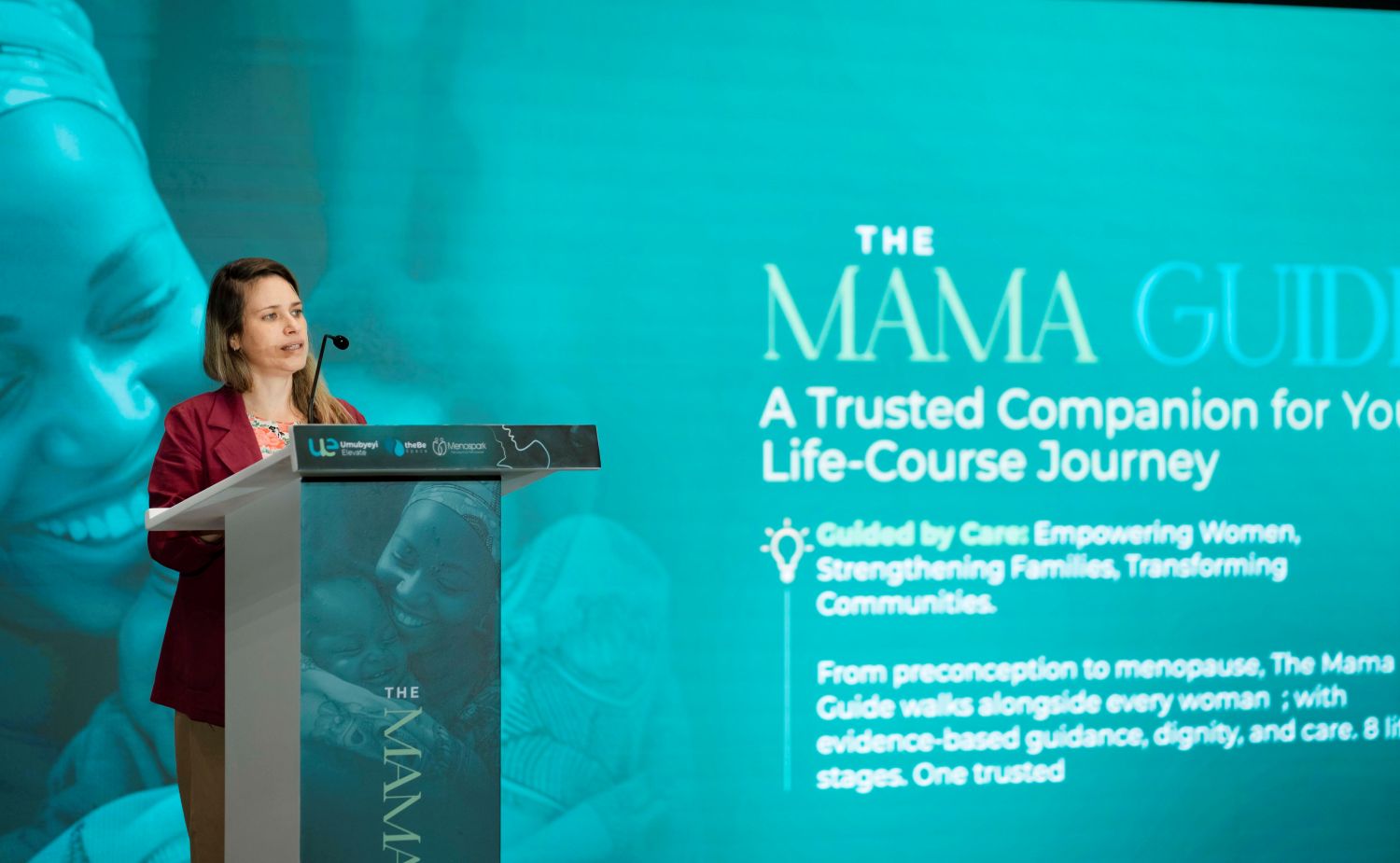
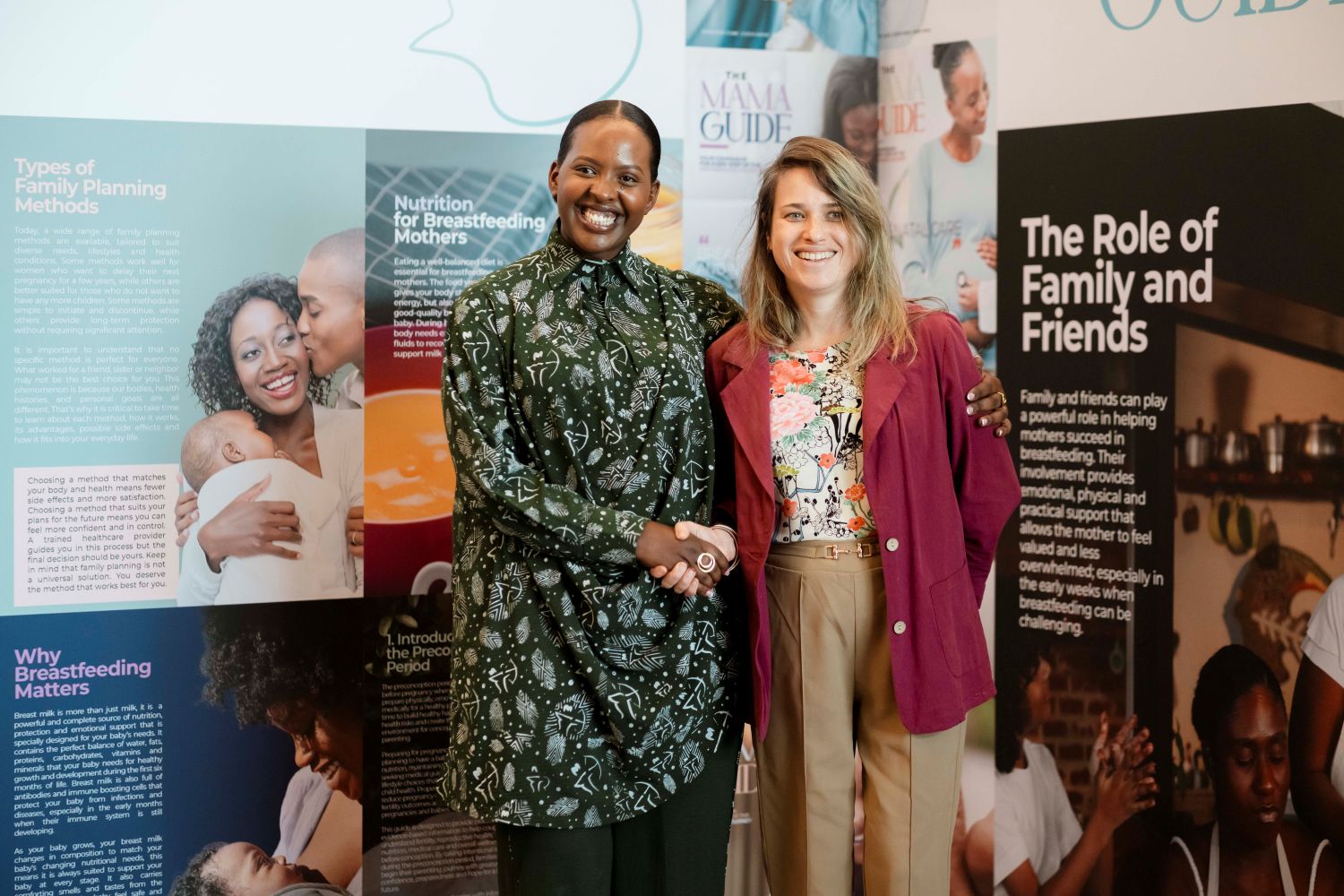
Einat Weiss, Israel’s Ambassador to Rwanda, was among the high-profile guests at the event.
The two-day meeting, attended by foreign ministers from AU members under the framework of the 39th AU Summit, among others elected 10 members of the Peace and Security Council of the AU. Accordingly, Somalia, Democratic Republic of the Congo, Gabon, Uganda, Morocco, Lesotho, South Africa, Benin, Cote d’Ivoire and Sierra Leone are elected to serve the council for a two-year term.
The foreign ministers’ session also discussed discussed the AU’s strategic engagement with the G20, building on the momentum of the summit held in South Africa, and underscored the need for strengthening its cooperation with member states of the group to tap into possible sources of funding and finance the continent’s development programs.
In a concluding remark, Tete Antonio, Angolan Minister of External Relations and outgoing chair of the executive council, underscored the AU’s continued commitment to strengthening continental governance, advancing peace and security, and accelerating the implementation of Africa’s shared development agenda.
The session appreciated the tangible progress on the African Continental Free Trade Area Agreement and specialized agencies, stressing the need for applying innovative financing and inclusion of the private sector, civil society, and philanthropic foundations to accelerate the continent’s development.
The session also underscored the critical importance of AU’s 2026 theme on water and sanitation, framing water as a vital collective resource that must be preserved amid climate change, and as a tool for peace and cooperation.
“The session highlighted the huge gap between required and available investment in water and sanitation in Africa,” Antonio said, noting that 400 million people in the African continent still lack water for their daily livelihood, and over 800 million African people lack basic hygiene services.
The two-day meeting, attended by foreign ministers from AU members under the framework of the 39th AU Summit, among others elected 10 members of the Peace and Security Council of the AU.
On Thursday, February 12, 2026, the Minister of Finance and Economic Planning, Yusuf Murangwa, told lawmakers that the current law was enacted in 2017 and revised in 2021.
However, he said, recent assessments, including a 2024 safeguards review by the International Monetary Fund (IMF), found legal gaps in the law governing BNR and recommended reforms to address them.
He emphasized that the revision aims to establish a stronger operational framework aligned with the central bank’s mandate, enhance its autonomy in staff management, governance and financial management, strengthen transparency in cooperation, and reinforce accountability.
While some provisions will remain unchanged, others will be revised and new ones added so that BNR’s legal and regulatory framework aligns with governance practices used by central banks worldwide and with international standards.
One major change concerns capital increases from the government. The current law does not clearly provide for recapitalizing BNR when its capital declines. Article 67 of the draft law establishes a clear procedure requiring the government to cover any capital shortfall within six months after receiving BNR’s request.
Murangwa noted that such recapitalization would be rare and used only when it is the sole way for BNR to maintain the financial independence necessary for sustainable operations.
The draft law also protects BNR leaders, staff, agents and decision-making bodies from external interference when exercising their authority or performing their duties. The existing law does not fully guarantee institutional autonomy in implementing BNR’s powers or achieving its objectives. The revised Article 4 strengthens independence for staff, representatives and decision-makers, shielding them from outside influence.
Another proposed change limits the powers that the Board of Directors can delegate to the Governor of the central bank. Supervisory and oversight responsibilities would no longer be transferable to the Governor.
The bill also gives BNR authority to impose administrative sanctions on individuals or legal entities that fail to comply with its regulations, regardless of criminal proceedings, while remaining consistent with other applicable laws.
Regarding governance, the number of Board members would increase to at least 11, selected based on expertise in accounting, risk management, law, technology or other fields relevant to BNR’s work. To strengthen independence, no more than 30% of Board members would be public officials, excluding the Governor, Deputy Governor and one member drawn from academia or research.
The proposal also allows the appointment of non-BNR members to the Monetary Policy Committee and the Financial Stability Committee to reinforce their independence.
The draft law reaffirms that BNR manages Rwanda’s currency, while the authority to change the currency remains with the President of the Republic as provided by the Constitution. BNR would retain an advisory role on currency changes.
Another expected reform expands BNR’s powers in foreign exchange management and protection of other financial assets.
The current law provides limited authority in this area. Given rapid financial sector growth and the increasing range of financial instruments, permitted operations would expand to include currency and other eligible assets such as support for cross-border trade, collateral instruments and a wider range of approved investments.
Murangwa added that, to strengthen financial stability and sound monetary management, the law will also establish a clear timeframe for repayment of loans BNR grants to the government.
Finally, the bill formally establishes an internal audit function within BNR (as provided in Article 63 of the draft law) to enhance oversight, risk management and operational effectiveness.
The Minister of Finance and Economic Planning, Yusuf Murangwa, told lawmakers that recent assessments, including a 2024 safeguards review by the International Monetary Fund (IMF), found legal gaps in the law governing BNR and recommended reforms to address them.
Rwanda’s Chamber of Deputies has approved the relevance of a new draft law on the National Bank of Rwanda (NBR), outlining mechanisms for the government to bolster the central bank’s capital and ensure it maintains robust financial resilience for long-term operations.
The Minister of Finance and Economic Planning, Yusuf Murangwa, told Parliament on February 12, 2026, that the overall cost of financing the new airport has decreased after the government shifted from more expensive commercial borrowing options to concessional funding arrangements.
He made the remarks while presenting a draft amendment to Law No. 018/2025 of June 30, 2025, which sets out the national budget for the 2025/2026 fiscal year.
Bugesera International Airport is one of Rwanda’s flagship infrastructure projects and is expected to play a central role in boosting economic growth and positioning the country as a regional and continental aviation hub.
According to Minister Murangwa, initial financing plans included borrowing nearly $400 million, primarily through commercial financial institutions, which typically charge higher interest rates. However, continued engagement with development partners, particularly the World Bank, resulted in a 95% guarantee on funds allocated for the airport’s construction.
The guarantee has enabled Rwanda to secure significantly lower interest rates and more flexible borrowing terms.
'This arrangement allows us to draw funds when needed,' Murangwa said. 'Construction activities are ongoing and will not be interrupted. The key difference is that financing will now be cheaper, and we will access funds based on actual requirements.'
He added that while financing costs for the airport have declined, allocations for other government projects have increased by nearly Rwf 250 billion.
Construction progress
In May 2025, Jules Ndenga, Chief Executive of Rwanda’s aviation company, told IGIHE that major works, including the runway, drainage systems, and other critical infrastructure, were completed at the end of 2024. Construction has since continued on terminal buildings and related facilities.
The airport is being built by a consortium comprising Mota-Engil of Portugal, which initiated the project, UCC Holding of Qatar, and Consolidated Contractors Company of Greece. The three firms formed a joint venture known as UMC, which holds the construction contract with the government.
The first phase of the project has created approximately 2,000 jobs, with total employment expected to reach 6,000 once the airport is fully completed.
Beyond direct employment, the project has stimulated local economic activity in Bugesera District. New businesses, including restaurants in areas such as Nyabagendwa and Nyamata that cater to construction workers, have emerged, creating additional jobs and income opportunities for residents.
The airport is scheduled for completion in 2027. Upon conclusion of the first phase, it will have the capacity to handle seven million passengers annually. A second phase, planned for completion in 2032, is expected to expand capacity to 14 million passengers per year.
Middle Eastern carrier Qatar Airways holds a 60% stake in the airport project, which is estimated to cost around $2 billion.
The Government of Rwanda has announced a reduction in the projected financing costs for the construction of Bugesera International Airport, following the securing of more favourable loan terms from development partners.