Category: Uncategorized

  • How 'KoraLink' Is bringing essential health products closer to underserved communities #rwanda #RwOT

    KoraLink sets out to close that gap by working through young people from within the communities themselves. Agents in the programme sell essential health products and bring them closer to the people who need them, while earning an income and building their own livelihoods in the process.

    KoraLink is a collaborative partnership between the Mastercard Foundation, The Commons Project Foundation Africa (TCP Africa), Society for Family Health Rwanda (SFH Rwanda) and ICT Chamber. It aims to help financially disadvantaged youth into self-employment while using technology to bring essential health products and services, including malaria prevention, HIV and STI prevention, and hygiene products, closer to the underserved communities where they live. It focuses on people aged 18 to 35, particularly women and those in rural parts of Rwanda.

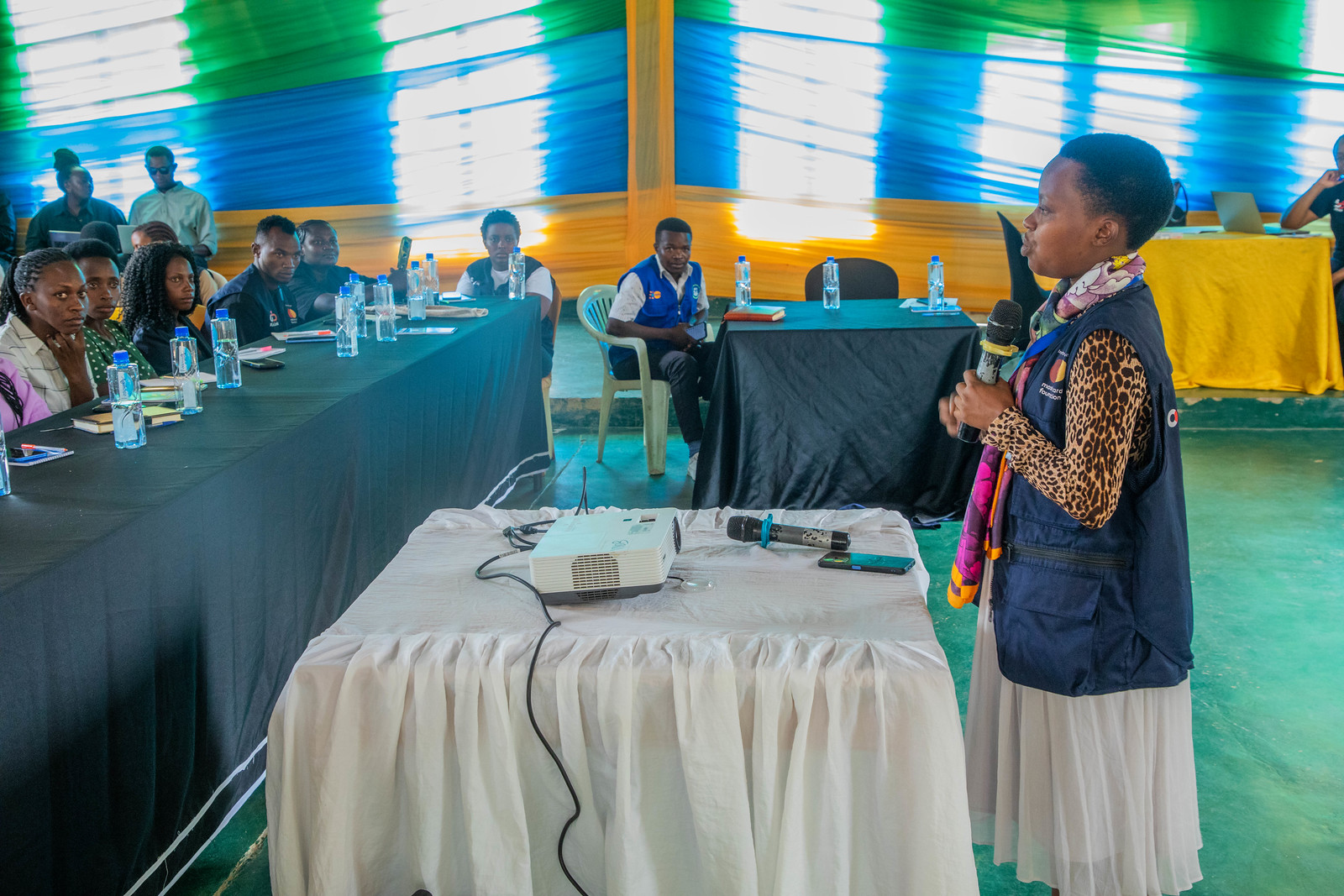
    Agents are trained on the product knowledge, on basic business management, and on the programme's app, the KoraLink Marketplace.

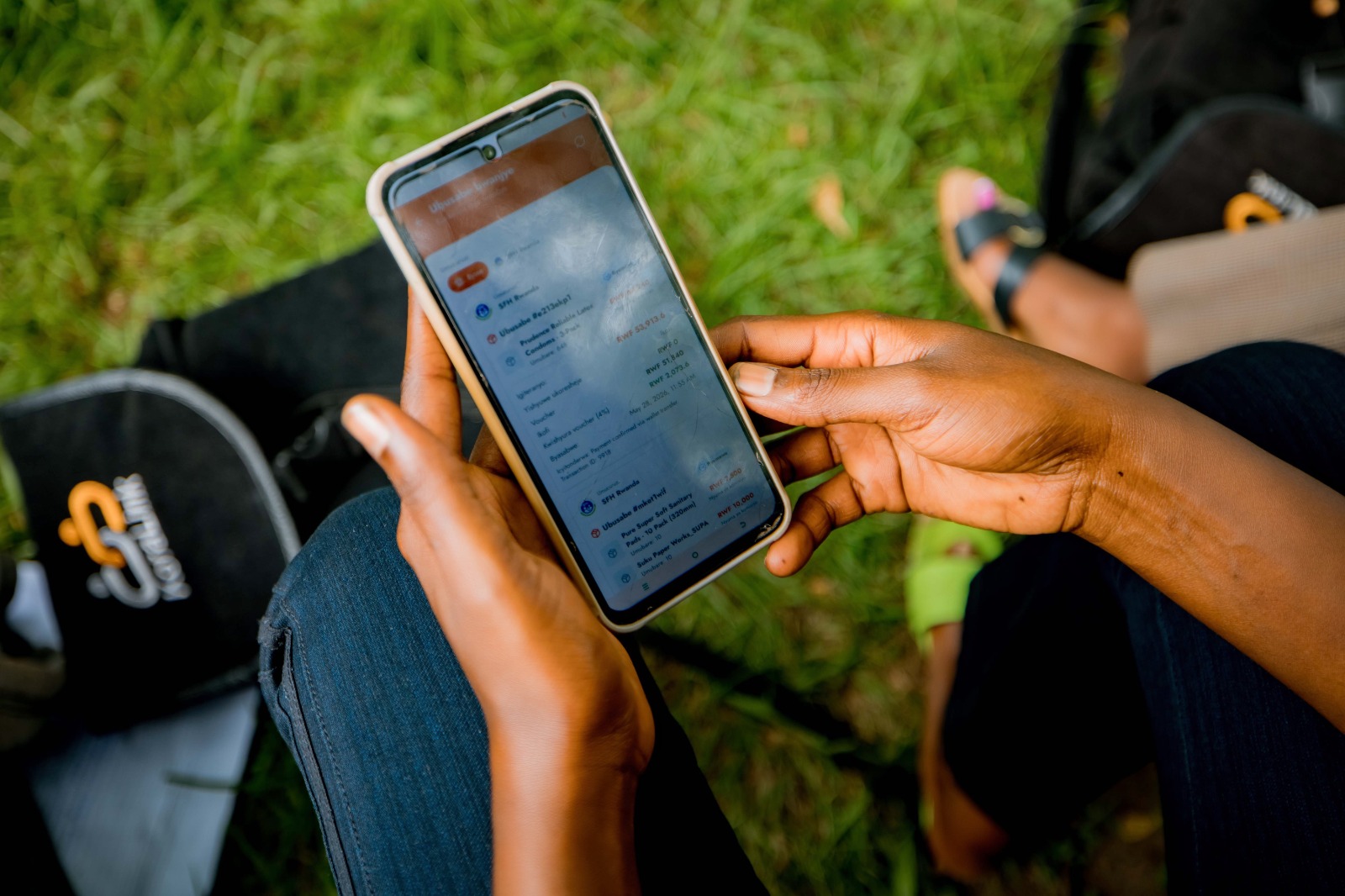
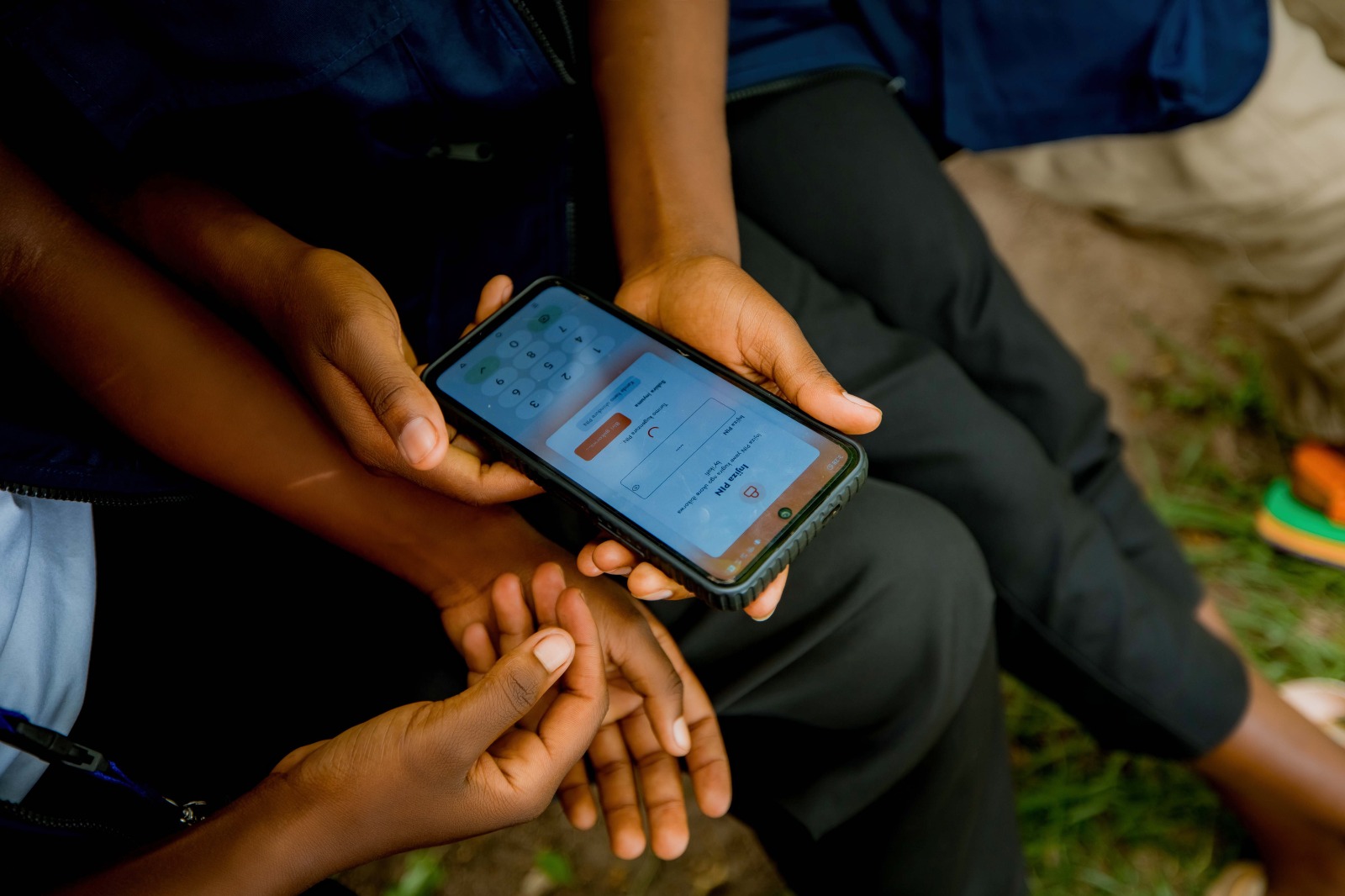
    They start with an interest-free investment of Rwf360,000, released in installments and repaid progressively into a sustainability fund that supports new agents as the programme expands. Through the Marketplace, they order stock, track inventory, and manage transactions in a digital wallet designed to encourage saving.

    Young people turning opportunities into livelihoods

    In Ngarama Sector, Gatsibo District, 27-year-old Bamurere Sylvie says KoraLink gave her a way into business. She heard about it through the Ngarama Sector youth platform, applied, later invited for an interview, was selected, and onboarded. Within her first three months, she says, she had earned Rwf58,000 in profit.

    That income gave her the means to think beyond selling. 'I have a goal of becoming a livestock farmer. I love keeping livestock, and I want to be a businesswoman, farmer and livestock farmer,' she said.

    In Rugarama Sector, Gatsibo District, 26-year-old Niyokwizera Isaac started with a capital of Rwf50,000. He would buy products, sell them, and reinvest the proceeds, building his capital up until he could now order stock worth as much as Rwf200,000. He has also put his profits into nearly a hectare of farmland, buying fertiliser and preparing for the maize season.

    For Bamurere and Niyokwizera, the health products are a stepping stone to earn and improve their livelihoods. But the work has a second purpose: reaching people who live far from the markets and services that urban areas take for granted.

    Bringing the market closer to the community

    In rural areas, agents also have to introduce products people may not be used to, and work against the stigma attached to buying some of them, condoms in particular. Often that means going to where people are.

    Because many community members are not active on social media, agents go to markets, homes, and other gathering places to explain the products and make them available, so people can get them without waiting for market day or travelling long distances.

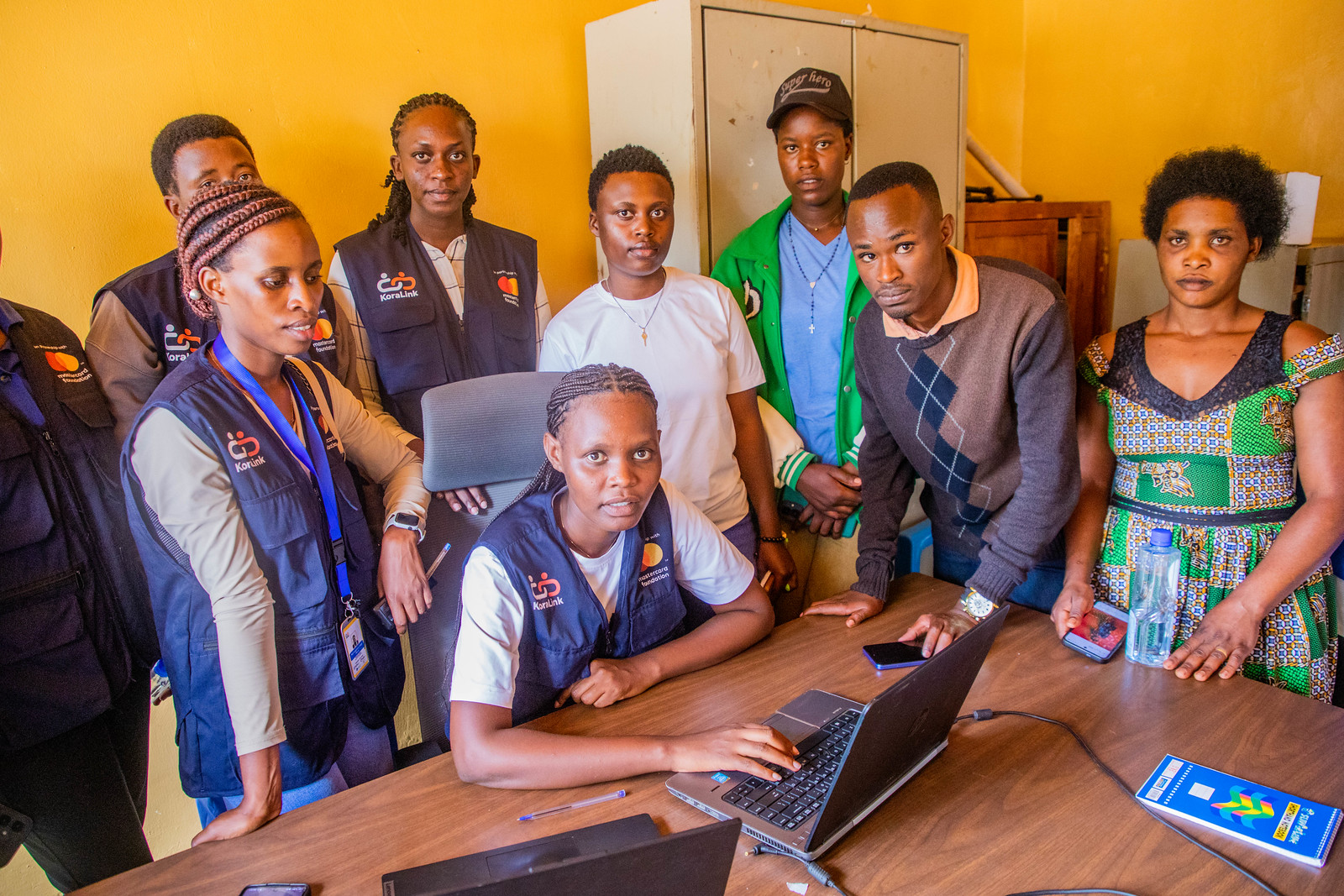
    Twenty-five-year-old Shakira Mwiza works this way in Rwimiyaga Sector. She began by selling KoraLink products in her neighbourhood, actively engaging community members, with many of them being students at a nearby school who buy sanitary pads from her. She then used the profits to buy a computer for Rwf180,000 and started offering digital services. The Rwimiyaga Sector administration gave her space to work from the sector offices, sparing her rent while keeping her accessible to the community.

    Sam Gatunge, Executive Secretary of Rwimiyaga Sector, said the sector will continue work with the agents and to see them reach more people and widen their range of products. 'You are helping people access clean water, contributing to the fight against teenage pregnancies and preventing sexually transmitted diseases,' he said.

    Getting products where they are needed

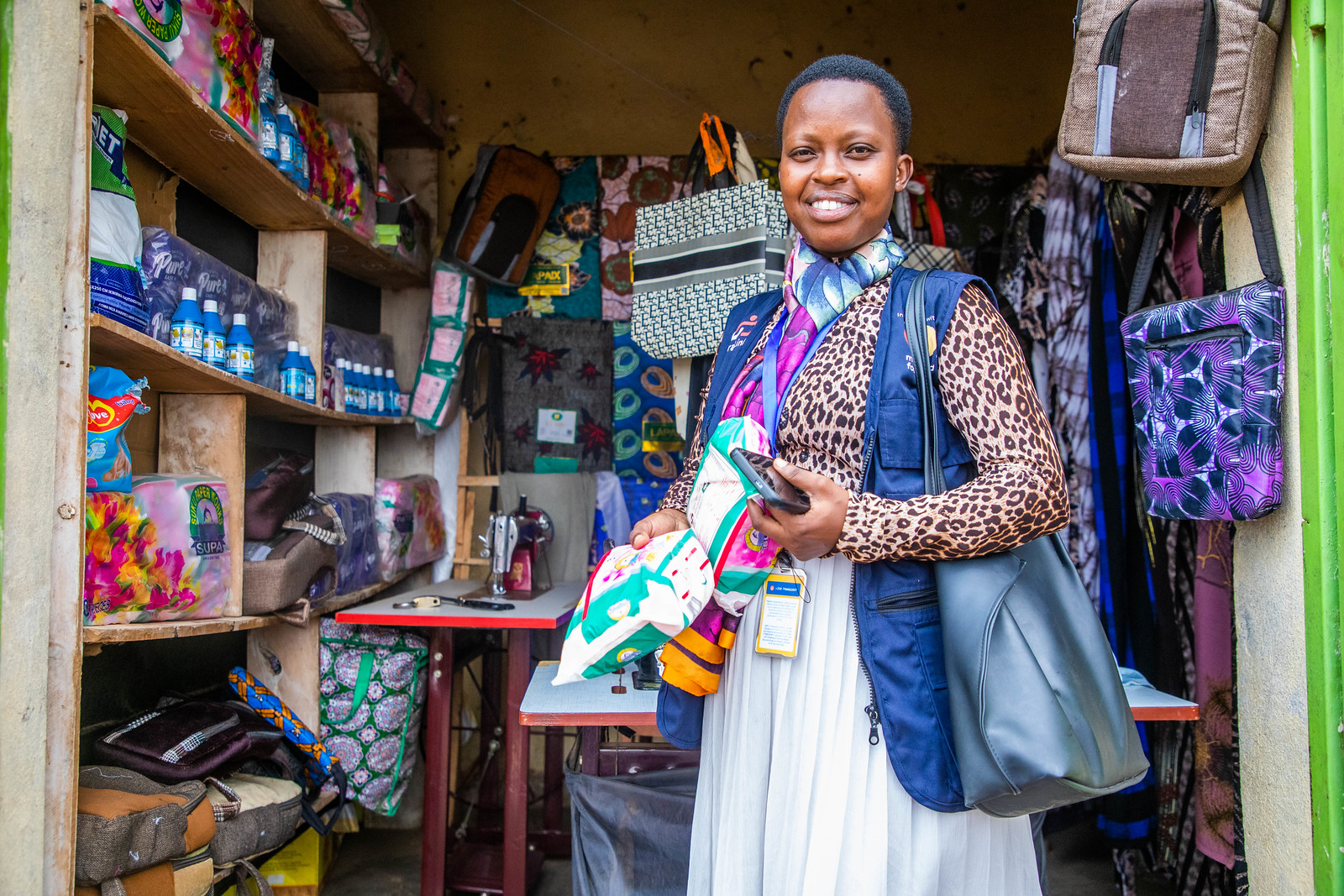
    KoraLink's products include condoms, sanitary pads, water-treatment sachets such as Sur'Eau, and other essentials. For Jeannine Uwiringiyimana, an agent in Nyagatare District, the value of that is clearest for someone with no market nearby. 'In some rural areas, major markets where you can find everything may only open once or twice a week. Think of a girl in Nyagatare who needs services like these; how will she access them?' she said.

    The harder part, she says, is perception. 'Although these products are things people need in their daily lives, it is still difficult because someone who wants condoms may feel embarrassed. Sometimes, we who provide them are also called unpleasant names. But that does not discourage us,' she said.

    The same holds for something as ordinary as sanitary pads. In some areas women still travel long distances to buy them, and others would rather buy from a shop than from someone they know. Part of the agents' work is making these products easy, and comfortable, to get close to home.

    Winning community trust

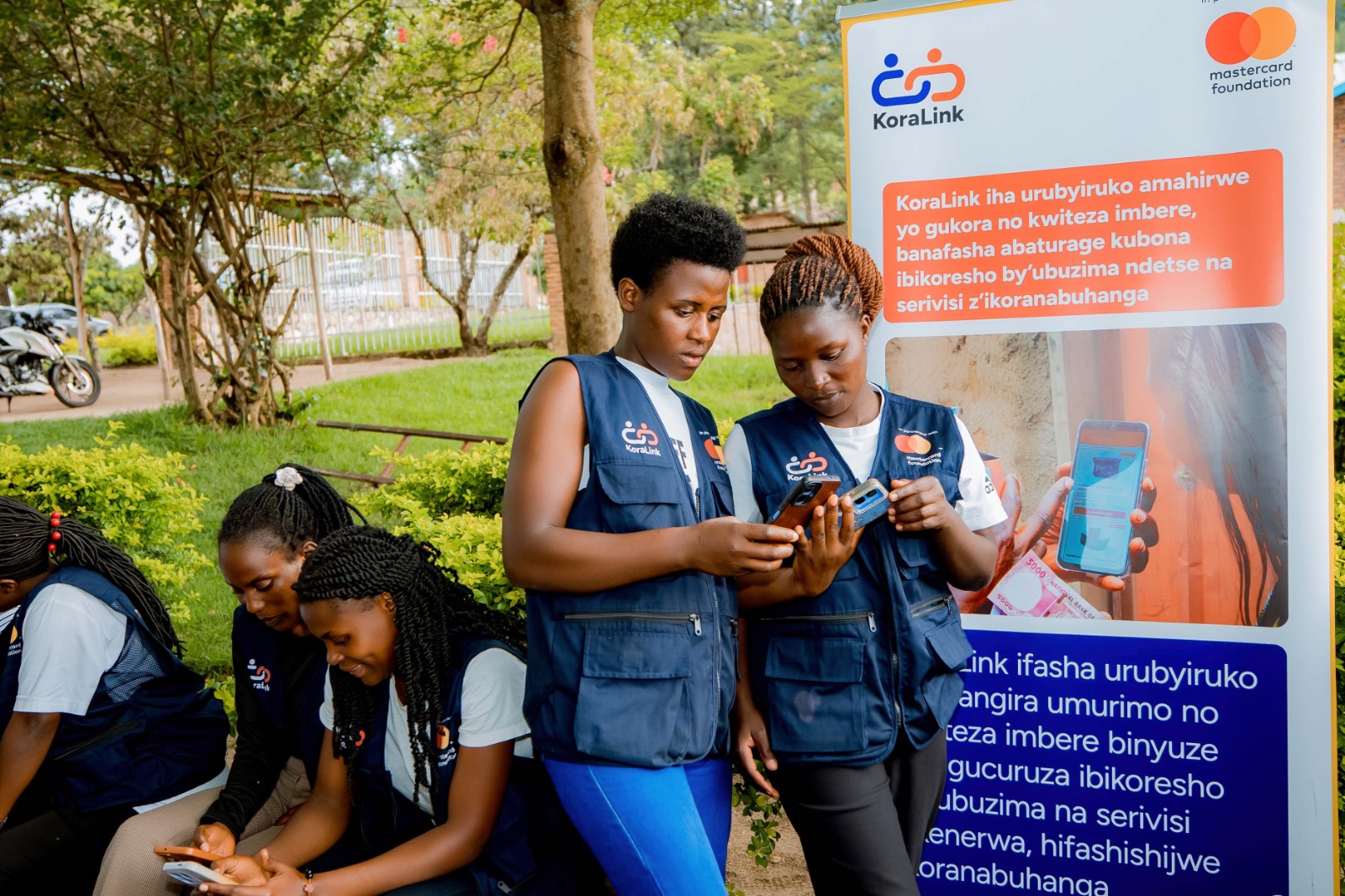
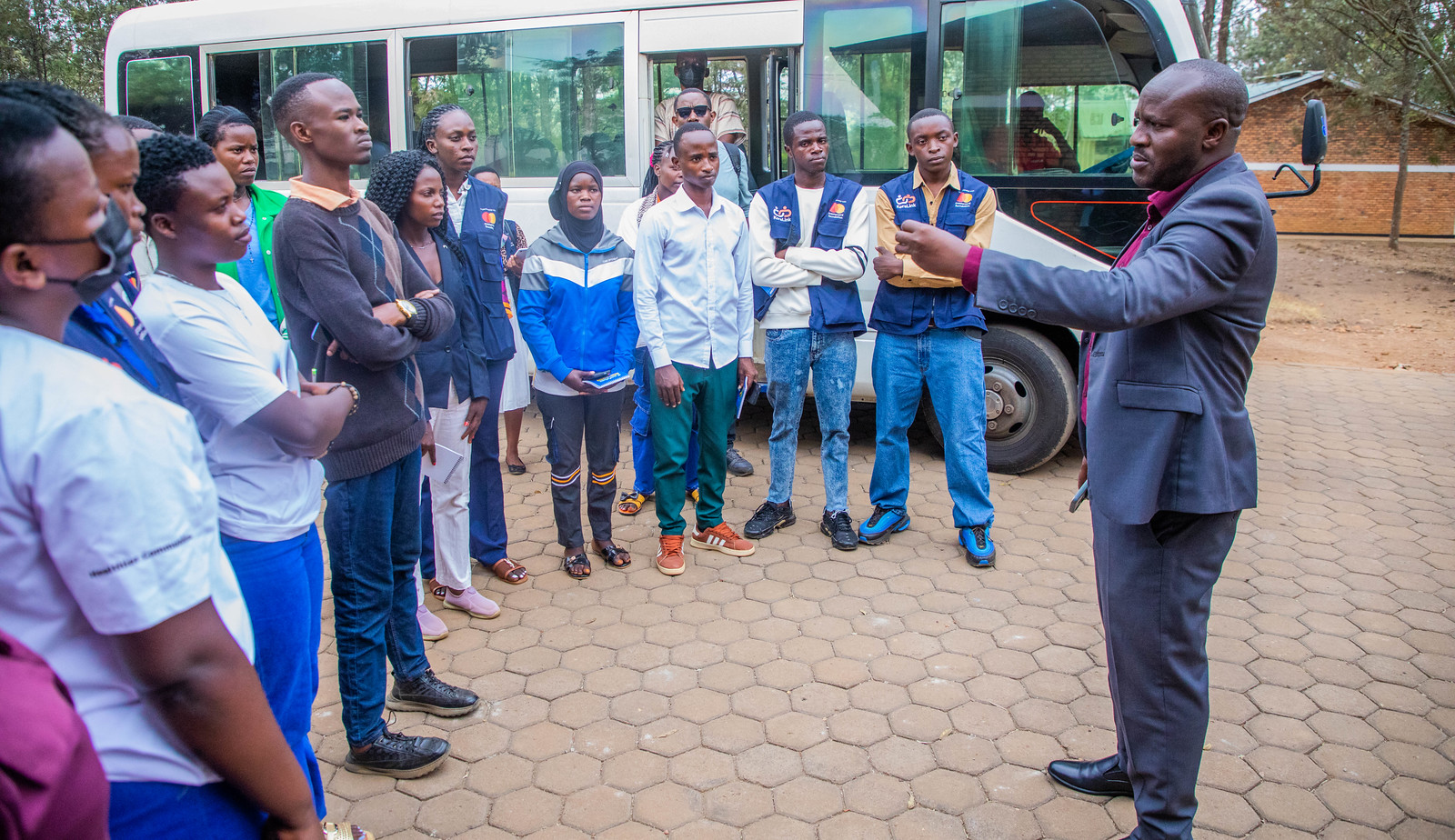
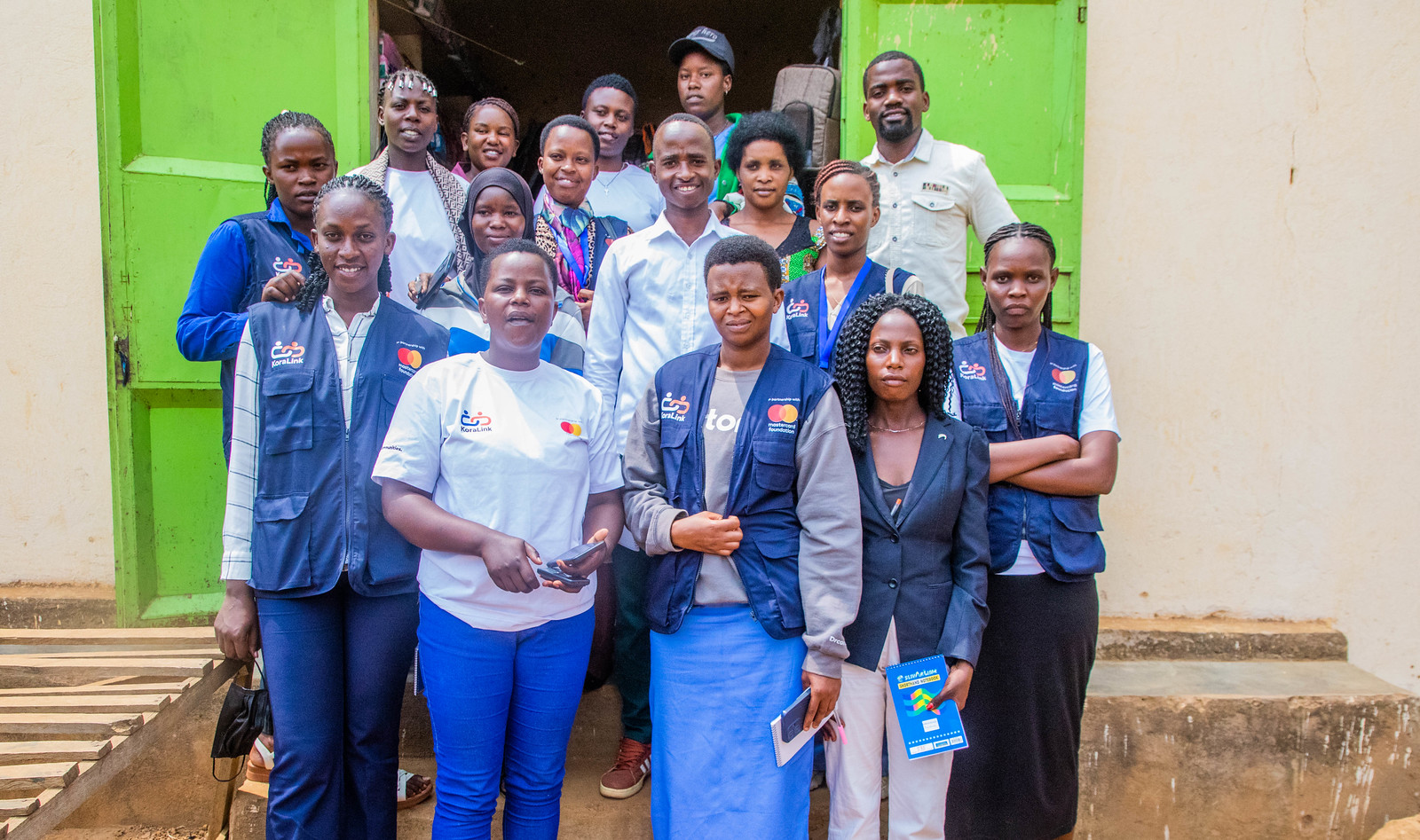
    Active agents are issued a programme ID and a branded vest so communities can recognise them. Onboarding also prepares them to explain the products, correct misconceptions, and handle the discomfort that can come with selling health items, condoms especially.

    From there, much of the work is agent-led. With local leaders helping to open doors and lend credibility, agents introduce themselves and the programme directly to their communities: through community dialogues (inteko z'abaturage) and umuganda, market-day engagements (umunsi w'isoko), radio shows, and JADF Open Days. The aim is for agents to become known and trusted, so that getting an essential health product becomes a normal part of community life rather than something people feel embarrassed to seek out.

    A growing programme

    KoraLink began recruitment in Musanze and Nyagatare in August 2025 with about 79 agents. It now runs in 11 districts with 2,278 agents, with ongoing recruitment that aims to reach all 30 Districts in Rwanda. By 2028 the programme expects to contribute to 41,122 direct and indirect jobs, including 11,762 agents, with women making up nearly 80 per cent of them and 70 per cent drawn from rural areas.

    Dr. Richard Gakuba, Executive Secretary of TCP Africa, says the programme was built to solve two problems at once. 'When we started designing this programme together with our partners, we wanted to address the issue of unemployment for youth but also find a solution to the challenge of getting essential health products to hard to reach communities,' he said.

    In the next phase of the implementation, the programme intends to expand into new districts and take on last-mile delivery of a wider product range, while organising agents into savings and investment groups, setting up sector-level KoraLink hubs, and coaching them toward gig work where KoraLink Agents can earn additional income.
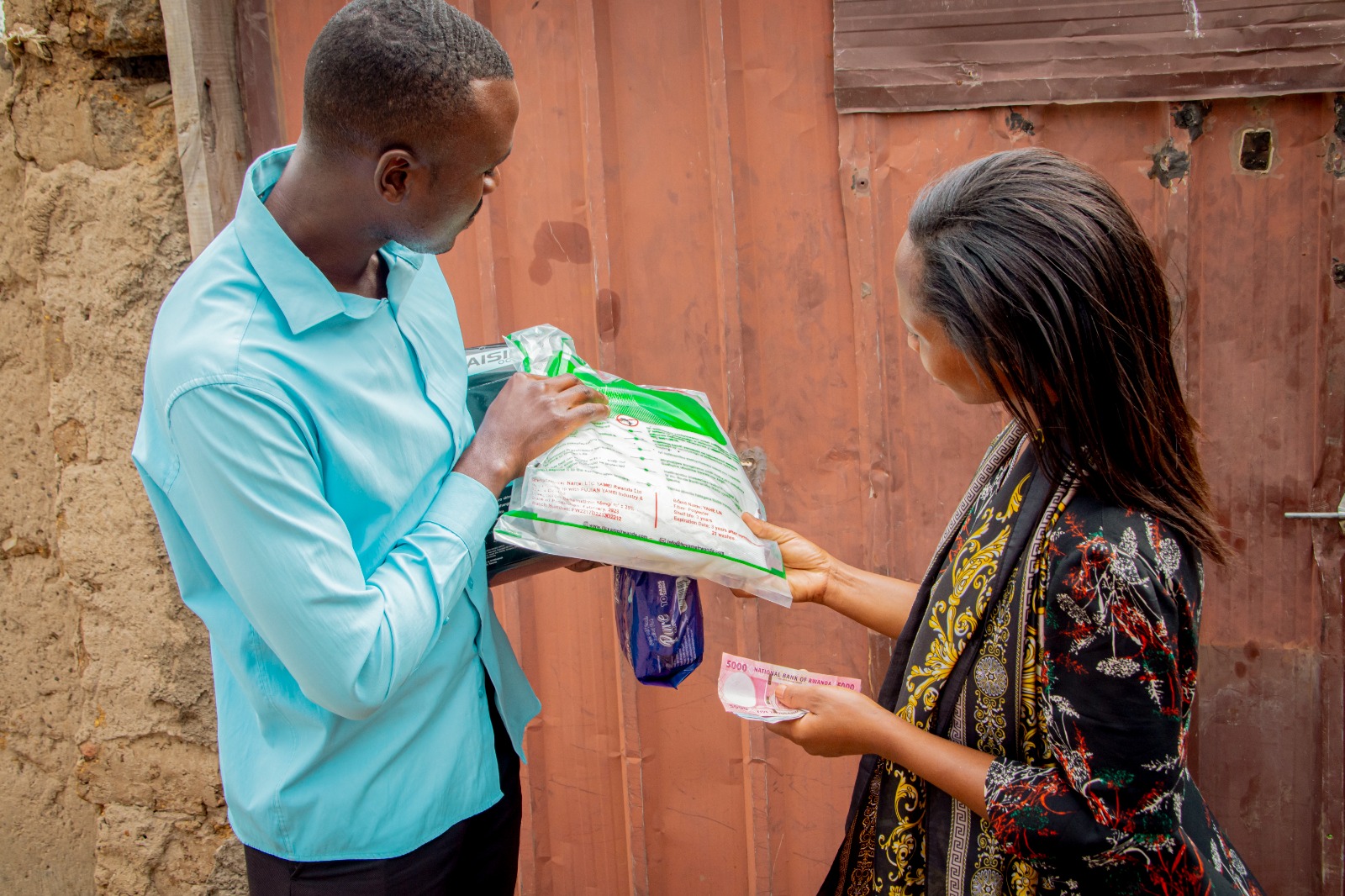
    KoraLink agents take health products directly to communities, helping residents access essentials without travelling long distances to major markets.
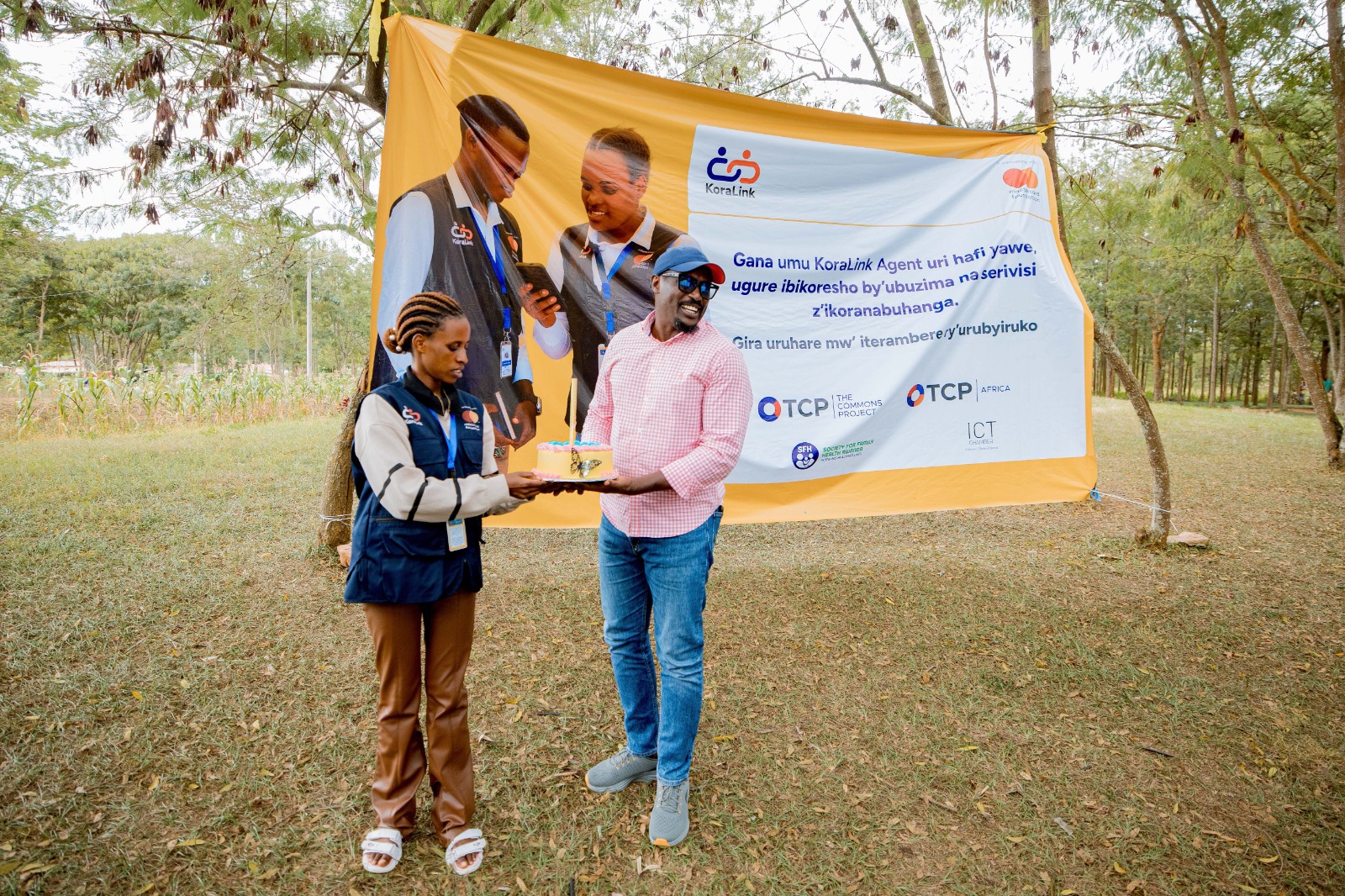
    With 2,278 agents now operating across 11 districts, KoraLink is expanding its network of young entrepreneurs bringing essential health products closer to rural communities.
    Through the KoraLink Marketplace, young agents can order stock, track inventory and manage transactions while serving their communities.
    KoraLink is creating opportunities for young people to earn an income while helping underserved communities access essential health products.
    KoraLink agents use community gatherings, markets and other local spaces to introduce residents to products available through the programme.
    KoraLink agents are helping turn last-mile access to essential health products into an income-generating opportunity for young people.
    Local engagement is central to KoraLink's approach, with agents building trust through community dialogues, markets and other public gatherings.
    KoraLink is creating opportunities for young people to earn an income while helping underserved communities access essential health products.

    Source : https://new.igihe.com/english/how-koralink-is-bringing-essential-health-products-closer-to-underserved-communities/

  • Kampala records over 200 new HIV cases weekly, survey finds #rwanda #RwOT

    The figure translates to about 844 new cases every month and 11,241 over the 12-month period, highlighting continued challenges in controlling the HIV epidemic in the city.

    The study reviewed 649,570 people who were tested for HIV at various health facilities across Kampala during the period.

    Women accounted for 64 percent of those tested, while men made up the remaining 36 percent. People aged between 20 and 24 constituted the largest proportion of those who underwent testing.

    However, women also accounted for the majority of newly identified HIV-positive cases, at 62 percent, compared with 38 percent among men. The largest share of new positive cases was recorded among people aged between 30 and 39.

    Dr. Douglas Tuhumwire, KCCA's care and treatment lead, said the authority suspects several factors could be contributing to the rise in new cases, including unregulated sexual activity in massage parlours, spas and lodges, domestic violence, inequalities and sexual behaviour influenced by digital and social media.

    He said the suspected factors require further investigation to establish their contribution to the increase.

    The findings were presented during the 2026 Kampala HIV/TB Stakeholders' Meeting, where health officials and other partners renewed calls for stronger HIV prevention efforts, particularly among young people.

    Josephine Kalebei, executive director of Reach Out Mbuya Community Health Initiative, described the trend as 'very scary' and stressed that prevention remains critical as funding for HIV programmes declines.

    'We are calling upon every actor to take the issue of prevention seriously because since these children have grown up in the era where we have medication, they are neither worried nor aware of the dangers of HIV,' she said.

    Kampala Lord Mayor Ronald Balimwezo called for stronger coordination among government agencies and development partners involved in the HIV response. He also urged residents to regularly test for HIV to help guide prevention and treatment efforts.

    The study further found that Kampala has not yet achieved the UNAIDS 95-95-95 targets. About 88 percent of people living with HIV know their status, while 78 percent of those who know their status are on treatment. However, 97.5 percent of people receiving treatment have achieved viral suppression.

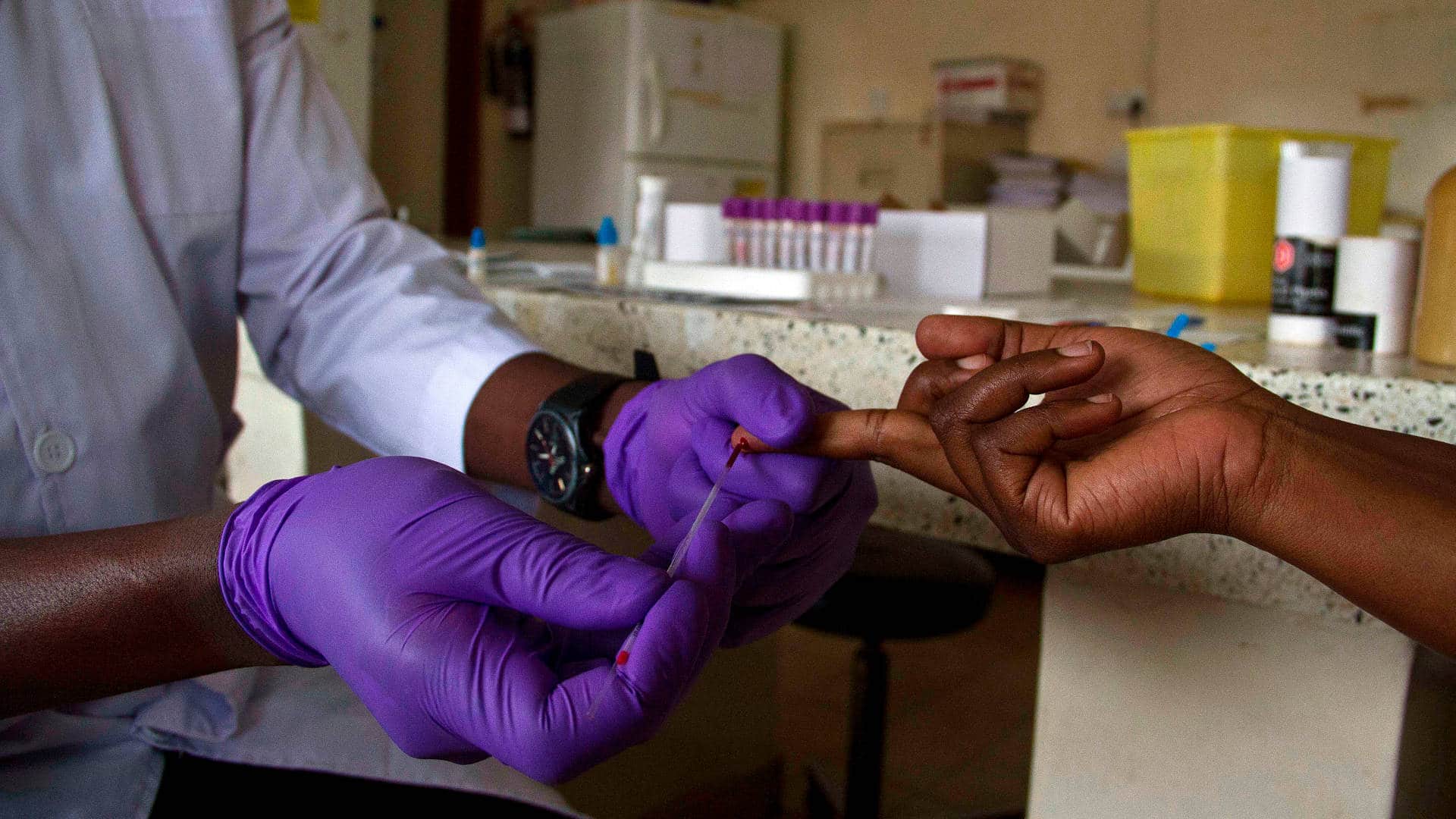
    A health worker draws blood from a man to test for HIV in Kampala. Uganda's capital, Kampala, recorded an average of 211 new HIV-positive cases every week between July 2025 and June 2026, according to a study by the Kampala Capital City Authority (KCCA).

    Source : https://new.igihe.com/english/kampala-records-over-200-new-hiv-cases-weekly-survey-finds/

  • Rwandans in Utah celebrate Umuganura,express interest in hosting Rwanda Day #rwanda #RwOT

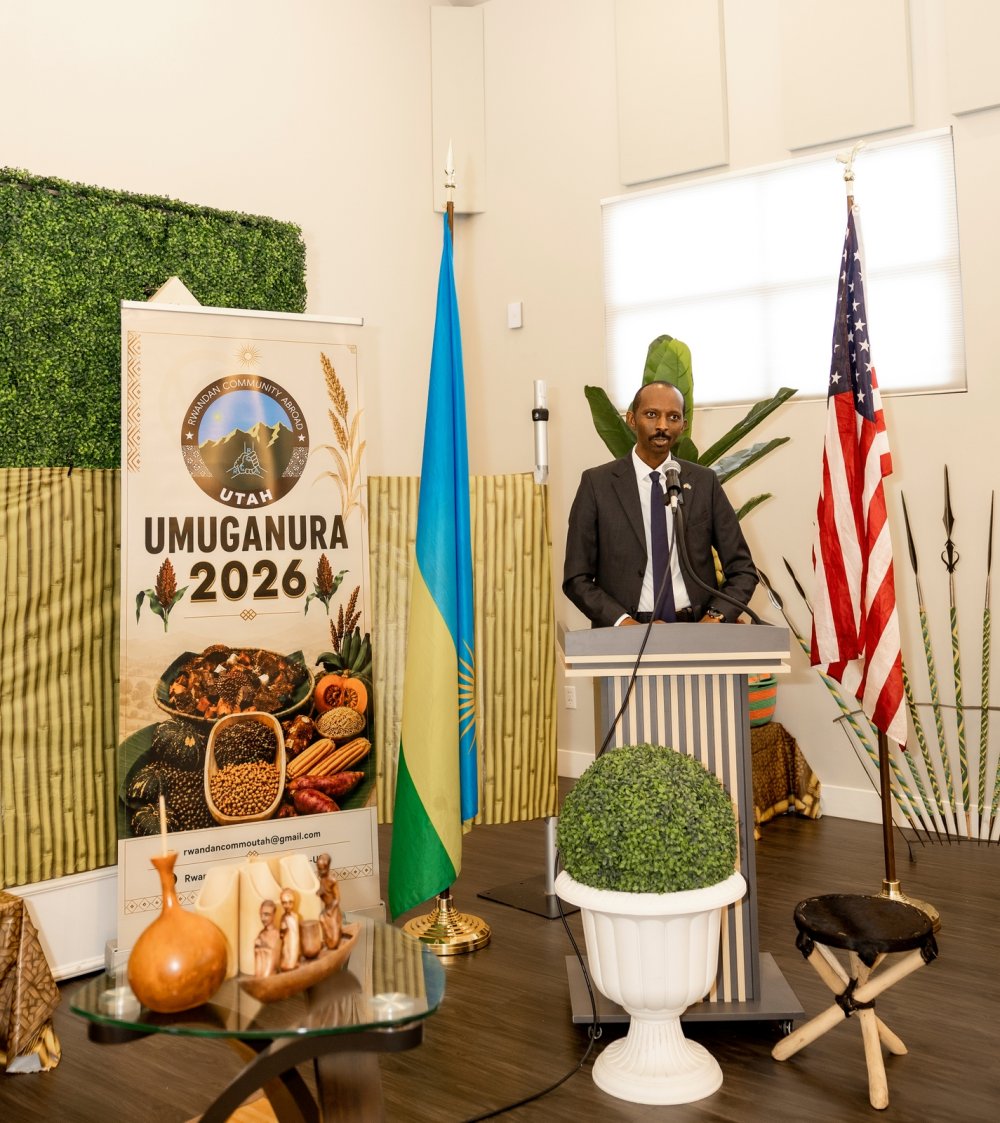
    The celebration provided an opportunity to reflect on achievements, celebrate Rwandan cultural values and renew a commitment to contributing to Rwanda's development.

    Blaise Bizimana, President of the Rwandan community in Utah, highlighted some of the key initiatives the community has undertaken, including contributing to the Dusangire Lunch programme and paying community-based health insurance premiums for 1,000 residents of Nyagatare District.

    Bizimana thanked the Government of Rwanda, particularly President Paul Kagame, as well as the Rwandan Embassy in the United States, for the leadership and support provided to Rwandans living abroad.

    The more than 500 Rwandans living in Utah also expressed interest in hosting Rwanda Day and submitted a letter to the Rwandan Embassy formally requesting to host the event.

    Godfrey Gasasira, First Counsellor at the Rwandan Embassy in the United States, who represented Ambassador Mathilde Mukantabana at the celebrations, commended the community for organising the Umuganura event and inviting the Embassy to join them.

    Gasasira reminded participants that Umuganura is an annual occasion to celebrate the fruits of collective efforts and achievements, while also providing an opportunity to set new goals and make fresh commitments towards building Rwanda.

    'Umuganura holds great significance in Rwanda's history. It is a day to celebrate the fruits of everything we have accomplished. The Umuganura ceremony is a step towards building the Rwanda we want,' he said.

    Using economic data, Gasasira highlighted Rwanda's continued economic growth and emphasised the contribution of Rwandans living abroad to the country's development.

    In 2025, remittances sent to Rwanda by members of the diaspora reached $640 million, an increase of 27% compared with 2024. The funds support families and contribute to education, healthcare, businesses and other sectors of the economy.

    He also noted that the diaspora's contribution goes beyond sending money home. It includes attracting investors and tourists, promoting Rwandan culture and representing Rwanda positively abroad.

    Participants were encouraged to remember that every Rwandan, whether living in Rwanda or abroad, has a responsibility and role to play in building the Rwanda they want.

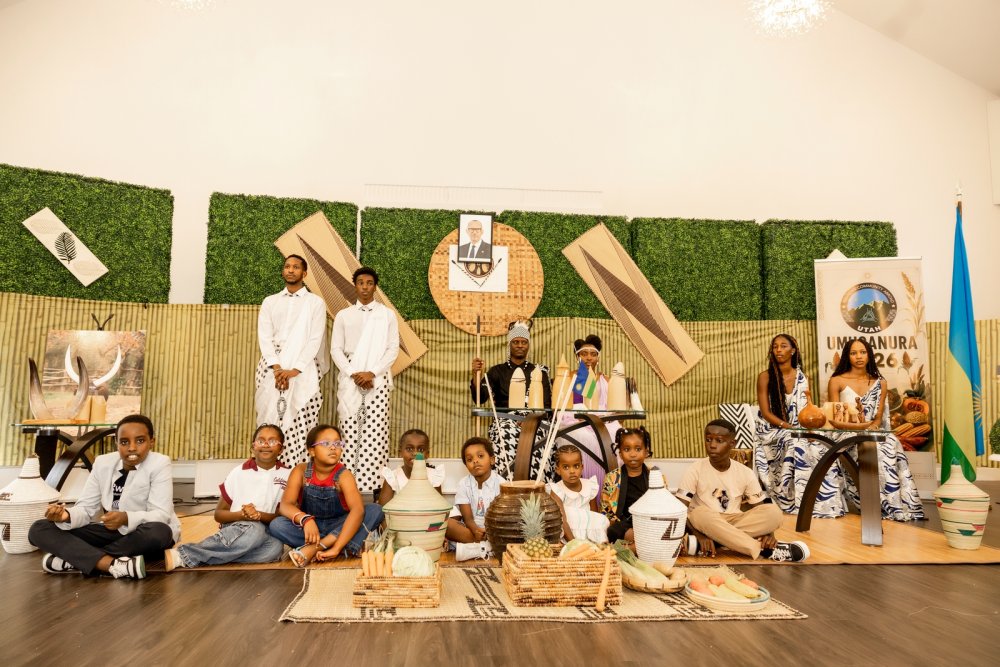
    The celebrations featured traditional Rwandan dances and a performance depicting the history and significance of Umuganura, entertaining and engaging the participants.

    Members of the Rwandan community in Utah have celebrated Umuganura through traditional performances and cultural activities.
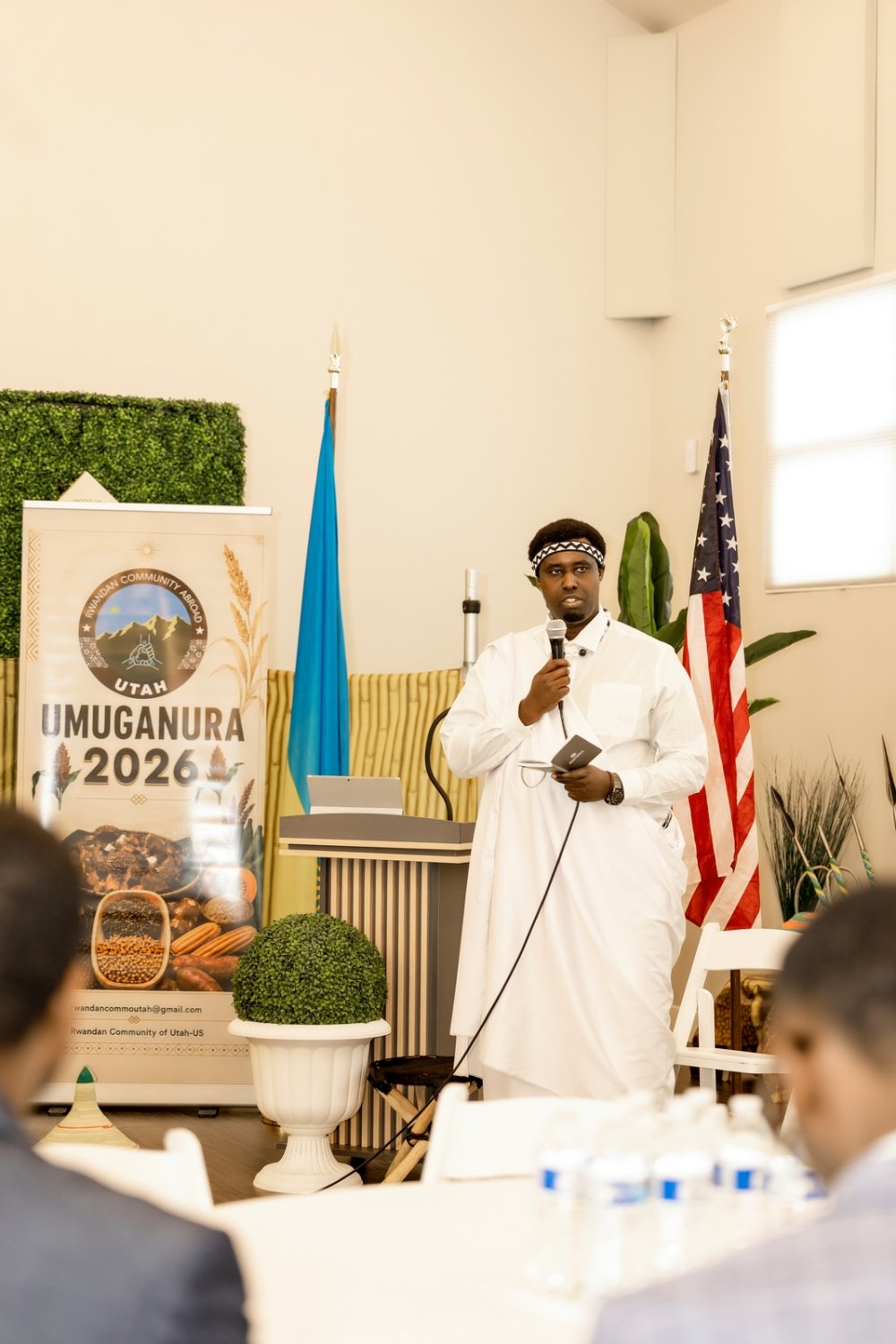
    The President of Rwandan community in Utah Blaise Bizimana addresses participants during the Umuganura celebration.
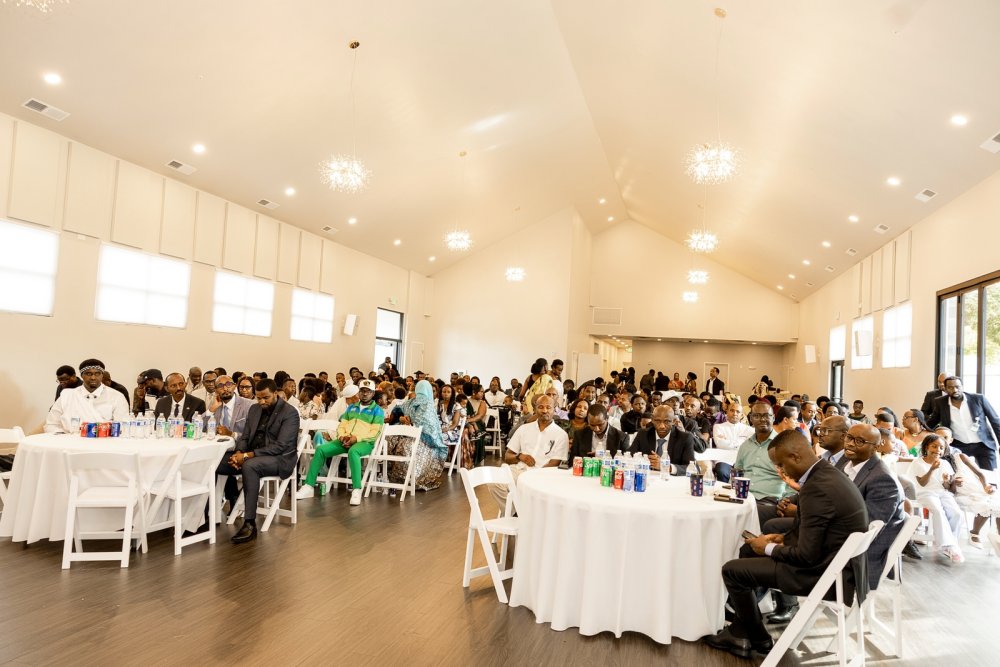
    More than 300 people attended Umuganura celebration organised by the Rwandan community in Utah.
    First Counsellor at the Rwandan Embassy in the United States Godfrey Gasasira addresses the Rwandan community during Umuganura celebrations in Utah.

    Source : https://new.igihe.com/english/rwandans-in-utah-celebrate-umuganuraexpress-interest-in-hosting-rwanda-day/

  • Rwanda Premier League approves Rwf1.28 billion budget for 2026/27 season #rwanda #RwOT

    The budget was approved during the league's regular pre-season meeting held on Sunday, August 23, at Four Points by Sheraton in Kigali, bringing together representatives of all 16 member clubs.

    The Rwf1,280,055,000 budget represents an increase of about Rwf480 million compared to the Rwf800 million budget approved for the 2025/26 season during the league's General Assembly in November 2025.

    The meeting also adopted regulations governing the participation of Sudanese teams Al Hilal and Al Merrikh as guest clubs in the BK Pro League following the disruption of domestic football caused by the war in Sudan.

    Under the approved regulations, a Sudanese team that finishes at the top of the league standings will receive an Honorary Trophy, while the official BK Pro League Champions Trophy will go to the highest-ranked Rwandan team.

    The Sudanese teams will, however, be eligible for match-winning bonuses in line with the approved regulations and budget. Their players will also be eligible to compete for individual awards, from Player of the Match to Player of the Year, on the same basis as their Rwandan counterparts.

    The league further set limits on the number of non-Sudanese players the guest teams can use. Sudanese clubs will be allowed to field a maximum of six non-Sudanese players at any one time and register up to eight on a matchday squad.

    The resolutions come as the Rwanda Premier League and its member clubs finalise preparations for the start of the 2026/27 season.

    The Rwanda Premier League, which organises the BK Pro League, has approved a Rwf1.28 billion budget for the 2026/27 season, a significant increase from the Rwf800 million approved for the previous campaign.

    Source : https://new.igihe.com/english/rwanda-premier-league-approves-rwf1-28-billion-budget-for-2026-27-season/

  • Hamas leader Yahya Sinwar killed in Gaza operation, says Israel #rwanda #RwOT

    Yahya Sinwar, the Hamas leader who masterminded the 7 October attack on Israel that triggered the war in Gaza, has been killed by Israeli forces, Israel's foreign minister has said, ending a year-long hunt.

    Katz confirmed reports on Thursday in a statement sent to counterparts around the world. The Israel Defense Forces (IDF) said almost immediately after Katz's statement was reported by Israeli media that Sinwar had been 'eliminated'.

    His death represents a major boost to the Israeli military and the Israeli prime minister, Benjamin Netanyahu, after a string of high-profile assassinations of prominent leaders of its enemies in recent months.

    The IDF said on Thursday afternoon it was checking whether Sinwar was one of three militants killed during a patrol in an unidentified area of Gaza, but that their identities could not yet be confirmed. By Thursday evening, it confirmed he had been 'eliminated', reportedly in Tel Sultan, a neighbourhood of Gaza's southernmost town, Rafah, on Wednesday.

    The bodies were found by troops and taken to Israel for DNA and dental record testing.

    Israel's Kan Radio reported that the Hamas leader had been killed 'by chance', and not as a result of intelligence gathering. The station also said the bodies were found with cash and fake IDs.

    Graphic photos and video from the scene, broadcast on Israeli media, showed what appeared to be Sinwar's body, wearing fatigues, with a severe head injury, lying on a pile of rubble on the floor of a destroyed building.

    There was no immediate comment from Hamas.

    Israel's Channel 12 reported that an infantry battalion, operating with a tank unit, had identified a group of men running into a building. The forces opened fire using tank shells, and the bodies were buried under the rubble.

    It is not yet clear what impact Sinwar's killing would have on Israel's campaign in Gaza. Most analysts believe that Israel is now intent on a military occupation of the Strip for the foreseeable future.

    It has long been believed that Sinwar had surrounded himself with Israeli hostages to lessen the likelihood of being killed. However, in a statement, the prime minister's office said that no hostages were believed to have been present.

    Without citing a source, Israel's Channel 12 reported that Sinwar had been hiding with the six hostages whose bodies were recovered by the IDF in August after they were killed by their captors as Israeli troops approached.

    Israel has spared no resources in its year-long hunt for Sinwar, engaging a taskforce of intelligence officers, special operation units, military engineers and surveillance experts under the umbrella of the Israeli Security Agency. Yet, in the end, he appears to have been killed by regular troops on patrol.

    Sinwar considered himself an expert on Israel's military and politics. He spoke perfect Hebrew, learned during more than 20 years in Israeli prisons, and was the driving force behind Hamas's strategy of the past few years: to lull Israel into thinking the group had been deterred from fighting, before launching the surprise attack in which 1,200 people were killed and another 250 taken hostage.

    Various western and Israeli intelligence assessments over the past year have suggested that Sinwar has long shunned electronic communication, relying on a network of couriers to communicate with the outside world from Hamas's vast network of tunnels beneath the Gaza Strip.

    Those reports also said Sinwar had become 'fatalistic' after 12 months of intense warfare in which 42,000 Palestinians have been killed, believing he would die, but still hoping to ensnare Israel in a regional battle with Iran and allied groups around the Middle East, such as Lebanon's Hezbollah. It is unknown whether he thought or knew that the 7 October attack would trigger such a massive Israeli response.

    Sinwar, 61, was born in the Khan Younis refugee camp in southern Gaza and grew up in poverty before studying at the Islamic University of Gaza, where he received a bachelor's degree in Arabic Studies.

    Among his childhood friends were Mohammed Deif, Hamas's military chief, whom Israel claimed to have killed in an airstrike three months ago, and Mohammed Dahlan, an influential member of the secular Fatah party now living in exile in the UAE.

    Sinwar joined Hamas at an early age, soon after the group's founding, spending much of his youth in and out of Israeli prison. He rose through the ranks as an infamous enforcer, in charge of finding and killing suspected Palestinian collaborators with Israel, and was instrumental in building the group's military capabilities.

    In 1989, he was sentenced to four life sentences for the abduction and killing of two Israeli soldiers and four Palestinians he suspected of collaboration. He served 22 years, becoming a respected prison leader, and was treated for brain cancer in 2008.

    Sinwar was released in the 2011 prisoner exchange in which Israeli soldier Gilad Shalit was returned for 1,000 Palestinians. He married on his return to Gaza and had three children.

    The former prisoner was elected by other Hamas members in a secret ballot as Hamas's chief in Gaza in 2017, surviving several Israeli assassination attempts: famously, after the 2021 war between Hamas and Israel, he posed for photographs, grinning, on an armchair amid the ruins of his house. Unlike some senior Hamas leaders, he has never wavered from a belief that armed struggle is the only way to force the creation of a Palestinian state.

    In a sign of the group's hardening position on ceasefire talks, Sinwar was appointed as head of the group overall after Israel's assassination of Hamas's Qatar-based political chief, Ismail Haniyeh, in July.

    Israel said it came close to capturing or killing Sinwar in January, when it found DNA evidence of his presence in a bunker beneath Khan Younis, including clothing and more than 1m shekels (more than £200,000) in wads of banknotes. He was estimated to have left a few days before Israeli forces raided the bunker.

    Israeli officials have suggested before that Sinwar has been killed, particularly after long stretches in which the leader went incommunicado. Last week, he reportedly made contact with Hamas members in Qatar after another period of silence.

    In a statement, Israel's Hostage Families Forum said: 'The Forum commends the security forces for eliminating Sinwar, who masterminded the greatest massacre our country has ever faced, responsible for the murder of thousands and the abduction of hundreds.

    'However, we express deep concern for the fate of the 101 men, women, elderly and children still held captive by Hamas. We call on the Israeli government, world leaders, and mediating countries to leverage the military achievement into a diplomatic one.'

    The prosecutor's office of the international criminal court in The Hague announced it was seeking arrest warrants for Sinwar, Deif and Haniyeh in May. All three men are now believed to have been killed.

    The post Hamas leader Yahya Sinwar killed in Gaza operation, says Israel appeared first on The Custom Reports.

    Source : https://thecustomreports.com/hamas-leader-yahya-sinwar-killed-in-gaza-operation-says-israel/

  • What Sinwar's death could mean for resolving Gaza conflict #rwanda #RwOT

    For months, frustrated American officials looking to end the war in Gaza have mused quietly about the one scenario they believed could loosen deadlocked ceasefire talks: the death of Hamas leader Yahya Sinwar, believed to be hiding deep underneath Gaza in the group's network of tunnels.

    Whether that is what transpires over the coming days remains an open question.

    Despite all the unknowns, the moment was viewed inside the White House and across President Joe Biden's administration as a momentous one.

    Sinwar's killing has the potential to transform a conflict that long ago became a drag on Biden's political fortunes — and by extension Vice President Kamala Harris's campaign.

    Even with Sinwar's death, there is virtually no expectation the wider Middle East conflict will be resolved before Election Day on November 5, particularly as Israel prepares to retaliate against Iran's ballistic missile attack from earlier this month. For many voters, negative views of the conflict have hardened after a year of fighting. Yet any development that could allow for a lowering of the regional temperatures would be welcome, both inside the White House and at Harris' campaign headquarters.

    The post What Sinwar's death could mean for resolving Gaza conflict appeared first on The Custom Reports.

    Source : https://thecustomreports.com/what-sinwars-death-could-mean-for-resolving-gaza-conflict/

  • Israel kills its prime target – but Sinwar's death seems down to chance, not precise planning #rwanda #RwOT

    In the end, after a year-long, multi-agency manhunt involving the latest technology, Israel's best special forces and American assistance, Yahya Sinwar appears to have been killed by regular soldiers who had stumbled into him and had no idea whom they had killed.

    According to the initial reports, they were not there on an assassination operation and had no prior intelligence that they could be in the vicinity of the elusive Hamas leader, architect of the 7 October attacks, the man Israel most wanted to kill. It was only after they took a closer look at his face and found identity documents on him that the troops realised they had got Sinwar.

    Along the way, Israel Defense Forces (IDF) have smashed much of Gaza and are estimated to have killed more than 42,000 Palestinians, driving two million from their homes, a humanitarian disaster Sinwar set in motion with the sheer brutality of the initial surprise assault a year ago, killing 1,200 Israelis and taking 250 hostage.

    Sinwar's last reported sighting had been just a few days after the 7 October attack, when he appeared out of the subterranean gloom in a Gaza tunnel when a group of hostages were been held.

    In fluent Hebrew, perfected over more than 22 years in an Israeli prison, Sinwar reassured them that they were safe and would soon be exchanged for Palestinian prisoners. One of the hostages, Yocheved Lifshitz, an 85-year-old veteran peace campaigner from the Nir Oz kibbutz, had no time for his show of concern for their welfare and challenged the Hamas leader to his face.

    'I asked him how he wasn't ashamed to do something like this to people who had supported peace all these years?' Lifshitz told the Davar newspaper after her release following 16 days in captivity. 'He didn't answer. He was quiet.'

    A video recorded on Hamas security cameras at about the same time, on 10 October, and found by the Israeli military some months later, shows Sinwar following his wife and three children through a narrow tunnel and disappearing into the murk.

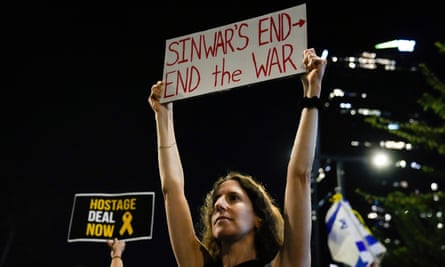
    A demonstrator holds a sign that says Sinwar's End, End the War
    Protesters in Tel Aviv on Thursday call for a ceasefire deal and the immediate release of hostages held by Hamas. Photograph: Ariel Schalit/AP

    The ferocious manhunt that ensued involved a mix of advanced technology and brute force, as his pursuers have shown themselves prepared to go to any lengths, including causing extremely high civilian casualties, to kill the Hamas leader and destroy the tight circle around him.

    The hunters were a taskforce of intelligence officers, special operation units from the IDF, military engineers and surveillance experts under the umbrella of the Israeli Security Agency, more widely known by its Hebrew initials, or by the acronyms Shabak or Shin Bet.

    Personally and institutionally, this team was seeking redemption for the security failures that allowed the 7 October assault to happen. But despite their motivation, they faced more than a year of frustration.

    'If you'd told me when the war began he would still be alive [a year later], I would have found it amazing,' said Michael Milshtein, a former head of the Palestinian affairs section in Israeli Military Intelligence (Aman). 'But remember, Sinwar prepared for a decade for this offensive and IDF intelligence was very surprised by the size and length of the tunnels under Gaza and how sophisticated they were.'

    Some in the Israeli defence establishment believed that Sinwar would be surrounded by hostages as human shields, though others maintained that would slow him down and make his entourage a bigger target. Certainly the risk of killing hostages did not stop the IDF dropping 2,000lb bombs on suspected Hamas leadership targets. In the end, the Israelis reported finding no sign of hostages in the vicinity of Sinwar when he was killed, who seems to have been in the company of just two other men.

    There was no shortage of expertise among Sinwar's pursuers. Targeted killings have been a core tactic of Israel's military since the founding of the state. Since the second world war, Israel has assassinated more people than any other country in the western world.

    Yahalom, a special section within the Combat Engineering Corps, has more experience in tunnel warfare than any of its counterparts in western armies, and has access to state-of-the-art US-made ground-penetrating radar. The clandestine signals intelligence unit 8200 is a global leader in electronic warfare and has been eavesdropping on Hamas communications for decades.

    The Shin Bet lost many of its sources in Gaza after Israel pulled out of the territory in 2005, but worked hard to rebuild its network of informants after Israel launched its ground invasion last October, recruiting from among the desperate flows of Palestinians fleeing the onslaught.

    Despite the capabilities of this formidable taskforce, it came close to catching Sinwar just once before Thursday's fatal encounter, in a bunker beneath his home town of Khan Younis in late January. The fugitive warlord had left behind clothing and more than 1m shekels (over £200,000) in wads of banknotes. This was seen by some as a sign of panic, though the Hamas leader was ultimately estimated to have left a few days before Israeli forces raided the bunker.

    The assumption made by Sinwar's trackers was that he had abandoned using electronic communication, well aware of the skills and technology possessed by his hunters. It was not only Hebrew that Sinwar studied in Israeli jail but also the habits and culture of his enemy.

    'He really understands the basic instincts and the deepest feelings of Israeli society,' said Milshtein, now at the Moshe Dayan Center for Middle Eastern and African Studies at Tel Aviv University. 'I'm quite sure every move he makes is based on his understanding of Israel.'

    Throughout his year in hiding, Sinwar continued to communicate with the outside world, albeit with apparent difficulty. The long, fruitless negotiations over a ceasefire in Cairo and Doha were frequently paused while messages were sent to and from the subterranean commander. The dominant theory was that Sinwar uses couriers to remain in command, drawn from a small and shrinking coterie of aides he trusts, starting with his brother Mohammed, a senior military commander in Gaza.

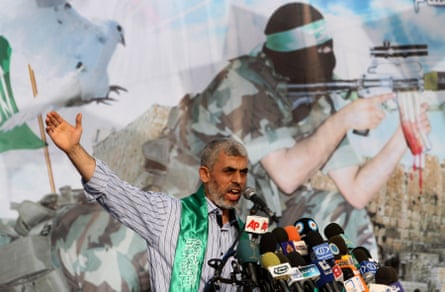
    He has Hamas livery around his neck and talks into microphones
    Yahya Sinwar addresses a rally in Khan Younis, Gaza, in 2011. Photograph: Hatem Moussa/AP

    The team hunting Sinwar hoped that his need for contact with couriers, to issue orders and control the hostage negotiations, would ultimately prove his undoing, just as a courier led American trackers over several years to Osama bin Laden's hideout in Abbottabad, Pakistan.

    It is believed that it was a courier who led the Israeli hunters to their biggest scalp of the war before Sinwar. At 10.30am on 13 July, Mohammed Deif, Hamas's veteran commander who had topped Israel's most wanted list since 1995, emerged from a hiding place near a camp for displaced people at al-Mawasi to take in some air with a close lieutenant, Rafa'a Salameh. Within an instant, both men were killed by bombs dropped by Israeli jet fighters — at least, according to IDF accounts — along with scores of Palestinians. Hamas insists that Deif is still alive but he has not been seen since.

    Many in the Israeli security establishment rued what they saw as a missed historic opportunity in September 2003 when they had planes ready to bomb a house where the entire Hamas leadership was holding a meeting. After furious argument in the military chain of command, the air force used a precision missile fired into the presumed meeting room rather than flattening the whole building with a hail of bombs, out of concern for civilian casualties. They picked the wrong room and the Hamas leaders survived.

    By July this year, the likelihood of killing large numbers of civilians was no longer an obstacle. In targeting Deif, the air force used 2,000lb bombs, the very weapons the Biden administration had stopped sending in May because of their indiscriminate destructive force. Israel reportedly dropped eight of them on 13 July. Ninety Palestinians in the vicinity were killed and nearly 300 injured.

    Yossi Melman, a co-author of Spies Against Armageddon and author of other books on Israeli intelligence, said Deif may have made a mistake that Sinwar had avoided.

    'Deif was maybe more arrogant or maybe he told himself they tried to kill me so many times, and I lost an eye and an arm but I still survived, so maybe God is with me,' Melman said. 'The Shabak and the army were waiting just for this opportunity. All these targeted killings are about waiting for the one minor mistake by the other side.'

    There was some talk over the negotiating tables in Cairo and Doha of the past year of cutting a deal in which Sinwar went into exile, and some suggested that he could have crossed the border, hiding in a tunnel on the Egyptian side of the town Rafah. Such theories underestimated the ideological zeal of a man who rose through Hamas ranks as the executioner of suspected informers.

    Milshtein, whose job in the Aman military intelligence service was to study Sinwar and other Hamas leaders, predicted months before his eventual death: 'It is in his basic DNA to stay in Gaza and to fight until death. He will prefer to die in his bunker.'

    In that case, Sinwar got his wish. His death was perhaps preordained by the sheer determination of both sides. He would never leave or surrender, and if the hi-tech intelligence-led hunt for him failed, Israel preferred to flatten Gaza until he was finally killed.

    Whether his death will stop the war is another question.

    Ram Ben-Barak, a former deputy director of the Mossad, had predicted that after Sinwar's fall 'someone else will come'.

    'It is an ideological war, not a war about Sinwar,' Ben-Barak said.

    Milshtein said: 'After almost 50 years of assassinations, we understand this is a basic part of the game. Sometimes it is necessary to assassinate a very prominent leader. But when you start to think it will be a gamechanger and that an ideological organisation will collapse because you kill one of its leaders, that is a total mistake.

    The post Israel kills its prime target — but Sinwar's death seems down to chance, not precise planning appeared first on The Custom Reports.

    Source : https://thecustomreports.com/israel-kills-its-prime-target-but-sinwars-death-seems-down-to-chance-not-precise-planning/

  • 'By chance, during routine sweep': Israeli media reveals circumstances of Sinwar's killing #rwanda #RwOT

    Israeli media revealed Thursday that the Israeli army killed Yahya Sinwar, the political leader of Hamas, 'by chance' and during 'routine sweeps,' without relying on intelligence information.

    Reports indicated that Sinwar, Israel's top target, was killed during a field confrontation, where he was dressed in full military uniform, contradicting previous Israeli claims that he had been hiding among Israeli prisoners in tunnels for months in tunnels in the Gaza Strip.

    Earlier Thursday, the army said, in cooperation with the Shin Bet security agency, it carried out dozens of operations in recent months, which restricted Sinwar's movements and eventually led to his death.

    It added that a unit from the 828 Brigade spotted and killed three Hamas members during a clash in southern Gaza. After completing DNA tests, it was confirmed that Sinwar was among the dead.

    The army said Sinwar was killed Wednesday, but his body was only discovered after the area was searched Thursday.

    Although the military did not specify the location of Sinwar's death, Israeli media reports suggested the operation took place in the southern city of Rafah.

    'Killed in routine sweeps'

    The Yedioth Ahronoth newspaper reported that a force from the army's Bislach unit was conducting a routine sweep in Rafah, where they suspected that figures were inside a building later found to be booby-trapped.

    The report said the unit fired artillery rounds and heavy gunfire at the building, killing three Hamas members without knowing that Sinwar was among them.

    After a while, the soldiers began to sweep the building. Two grenades were thrown —one exploded, the other did not, according to the report.

    'The troops pulled back and sent a drone, which detected an injured figure, face covered, sitting in a room and attempting to knock the drone out of the air with a stick.'

    When soldiers approached the bodies of the Palestinian fighters, they noticed that one of them bore a strong resemblance to Sinwar, according to the newspaper.

    The Haaretz newspaper echoed Yedioth Ahronoth's report, stating that Sinwar's death was 'by chance.'

    'There was no intelligence indicating Sinwar's presence; what happened was by chance,' it said.


    Sinwar's belongings

    Israel's Channel 12 shared a photo of Sinwar's belongings found after his death, which included prayer beads, two small prayer books, a passport, bullet, small flashlight, mint candy, nail clipper and cash.

    There were no Israeli hostages with Sinwar, the channel reported, contradicting claims from Israeli security agencies.

    Israeli media aired videos showing Sinwar after his death, dressed in full military uniform.

    'Ready for combat'

    Israel's official public broadcaster claimed that Sinwar's death followed increased military pressure on Hamas leaders in southern Gaza in recent weeks

    The broadcaster alleged that the intensified pressure forced Sinwar to frequently move between locations in southern Gaza, leading him to be ready for a direct confrontation with Israeli forces.

    It noted that Sinwar's constant movement explained his readiness for combat, as he was armed and wearing military gear.

    Sinwar reportedly engaged Israeli forces from inside a building rigged with explosives, indicating he was ready for a direct confrontation, which contradicted previous intelligence claims that he had surrounded himself with Israeli hostages.

    As of 1930 GMT, Hamas had not confirmed or denied the Israeli military's claims regarding Sinwar's death.

    Israel's announcement of Sinwar's killing comes more than two months after he was selected as the leader of Hamas' political bureau.

    On Aug. 6, Hamas announced that Sinwar was chosen to succeed Ismail Haniyeh as its political chief after Haniyeh was assassinated in Tehran on July 31, in an attack attributed to Tel Aviv, though Israel has not officially acknowledged responsibility.

    Israel views Sinwar as the mastermind behind the Al-Aqsa Flood operation, carried out by Palestinian factions, including Hamas and Islamic Jihad, against Israeli settlements and military bases near Gaza on Oct. 7, 2023.

    The attack caused significant human and military losses for Tel Aviv and tarnished the international reputation of its security and intelligence agencies.

    As a result, Israel declared that eliminating Sinwar was a top priority in its current war on Gaza.

    Earlier, Israel's Channel 12 revealed that Shin Bet had formed a special unit to assassinate Sinwar.

    Israel has continued a brutal offensive on Gaza following a cross-border attack by the Palestinian resistance group, Hamas, last October, despite a UN Security Council resolution calling for an immediate cease-fire.

    More than 42,400 people have since been killed, mostly women and children, and over 99,100 injured, according to local health authorities.

    The Israeli onslaught has displaced almost the entire population of Gaza amid an ongoing blockade that has led to severe shortages of food, clean water and medicine.​​​​​​​

    Israel faces a genocide case at the International Court of Justice for its actions in Gaza.

    The post 'By chance, during routine sweep': Israeli media reveals circumstances of Sinwar's killing appeared first on The Custom Reports.

    Source : https://thecustomreports.com/by-chance-during-routine-sweep-israeli-media-reveals-circumstances-of-sinwars-killing/

  • Rema to light up Kigali at Kwita Izina 2026 concert #rwanda #RwOT

    The singer will perform on Saturday, September 5, a day after the 21st Kwita Izina Gorilla Naming Ceremony in Kinigi, Musanze District. The ceremony is scheduled for September 4 under the theme 'Conservation is Life: Sustaining the Future.'

    Rema, whose real name is Divine Ikubor, will be joined by Rwandan and regional performers, with local artiste Kivumbi King already confirmed among the opening acts. More artists are expected to be announced ahead of the concert.

    The concert will serve as the entertainment finale to this year's Kwita Izina celebrations, which bring together conservationists, government officials, tourism stakeholders, communities and international visitors to celebrate Rwanda's mountain gorilla conservation efforts.

    Rema has established himself as one of Africa's most recognisable Afrobeats artists, gaining international attention with songs including 'Dumebi,' 'Iron Man,' 'Woman,' 'Soundgasm,' 'Charm' and 'Calm Down.'

    His global breakthrough was further boosted by the remix of 'Calm Down' featuring American singer Selena Gomez. The song peaked at No. 3 on the Billboard Hot 100 and became one of the most successful Afrobeats crossover records internationally.

    The Nigerian star has also collected several major honours, including the MTV Video Music Award for Best Afrobeats and the Billboard Music Award for Top Afrobeats Song for 'Calm Down.' In 2023, he was named Global African Artist and Song of the Year at the Trace Awards in Kigali.

    His 2024 album HEIS earned him his first Grammy nomination, adding to his growing list of international achievements.

    For Rwanda, Rema's appearance adds another high-profile entertainment component to Kwita Izina, an event that has expanded beyond the gorilla naming ceremony to showcase the country's conservation, tourism and cultural ambitions.

    Irène Murerwa, Chief Tourism Officer at the Rwanda Development Board, said Kwita Izina is also an opportunity to celebrate Rwanda's culture and people.

    'We are excited to welcome Rema to Kigali for what promises to be a great night at BK Arena,' she said, inviting Rwandans, visitors and music fans from across the region to attend the September 5 concert.

    The concert is expected to draw music fans from Rwanda and neighbouring countries, while further strengthening Kigali's position as a destination for major international entertainment events.

    Kwita Izina was launched as an annual gorilla naming ceremony in 2005 and was inspired by the Rwandan tradition of naming children soon after birth. According to the Rwanda Development Board, 438 mountain gorillas have been named through the ceremony since its inception.

    Over the years, the event has grown into a major conservation gathering, bringing together researchers, policymakers, conservationists, tourism operators, business leaders and communities around Rwanda's mountain gorilla habitat.

    Source : https://new.igihe.com/english/rema-to-light-up-kigali-at-kwita-izina-2026-concert/

  • Miss Jojo's Igikari Holiday Camp empowers over 300 Rwandan girls #rwanda #RwOT

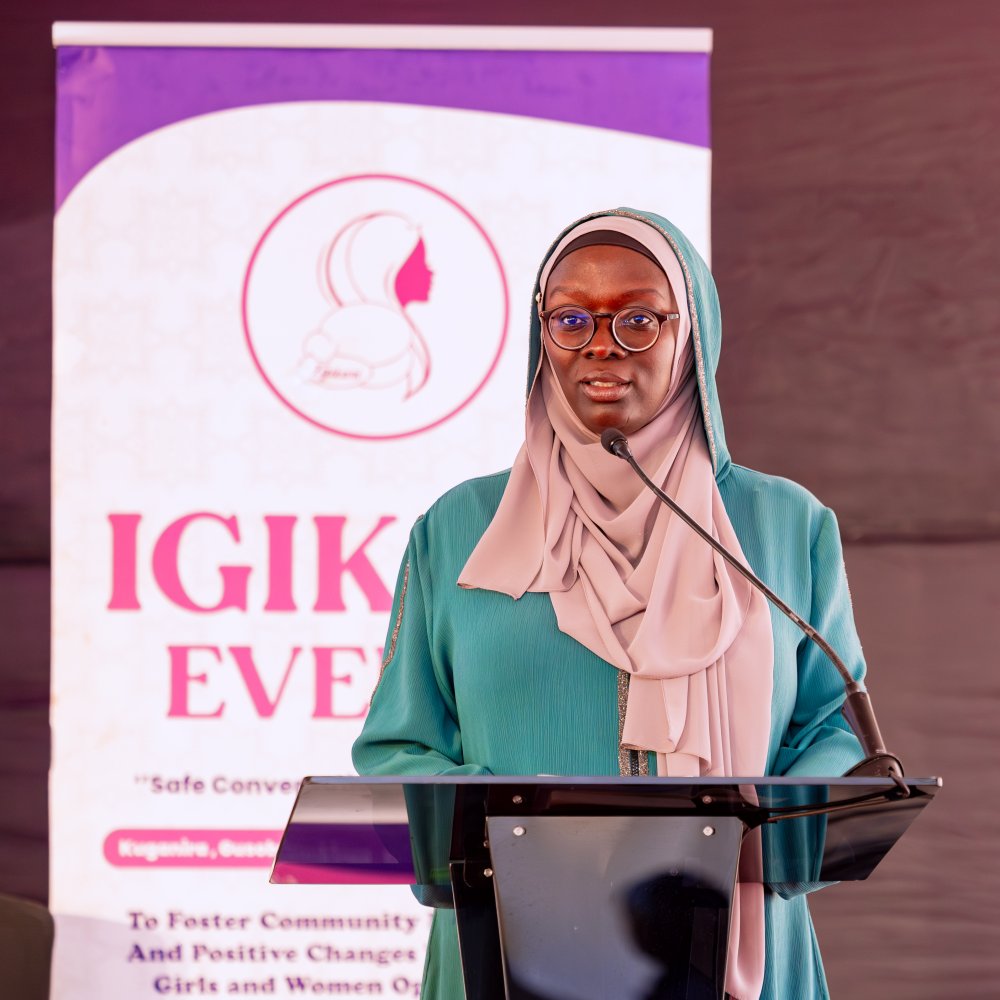
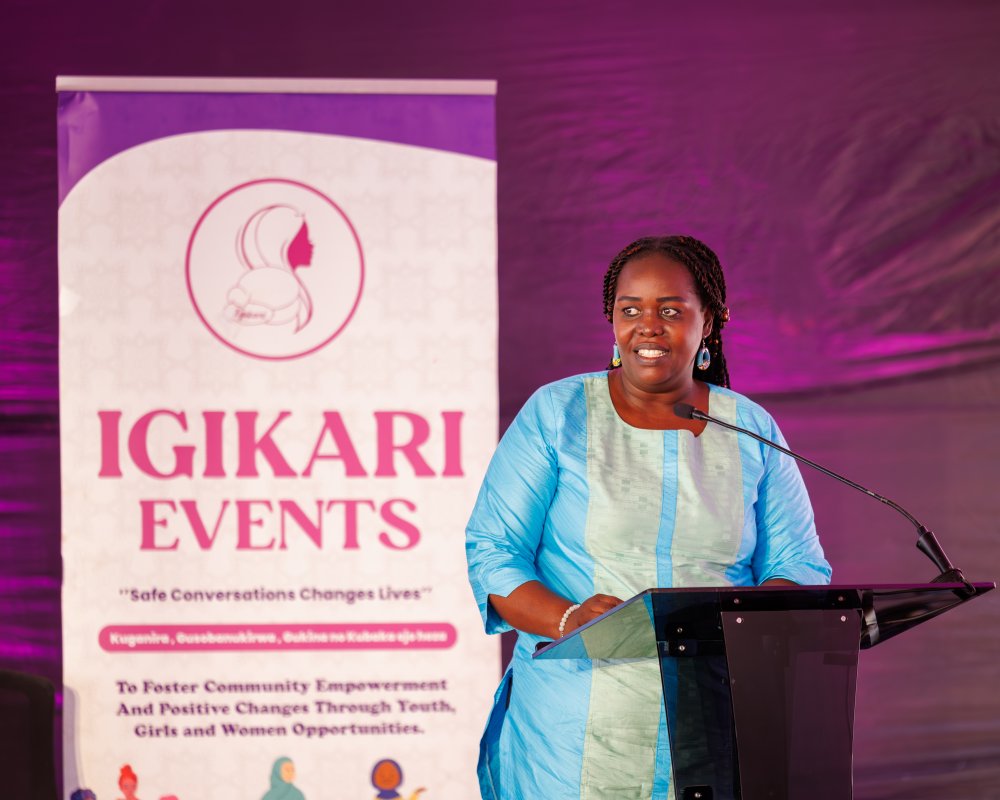
    The camp, which concluded on August 22, is an annual programme launched in 2022 by Uwineza Iman Josiane, popularly known as Miss Jojo. The initiative was inspired by an experience she had at a wedding, where she learned that a 20-year-old bride was marrying a man she barely knew after meeting him fewer than three times.

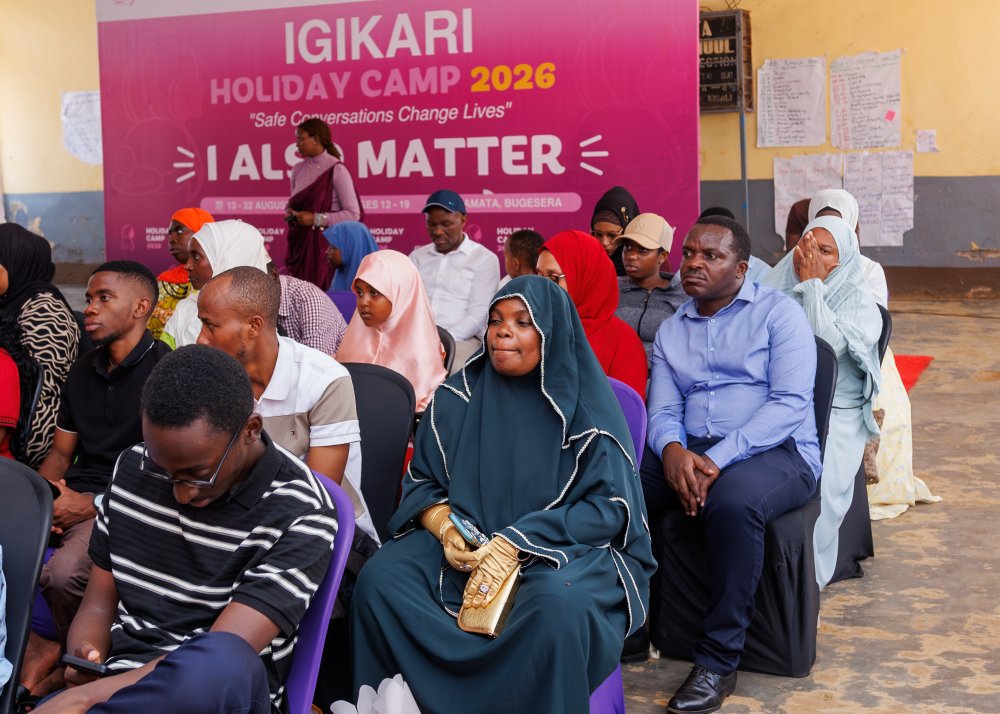
    The camp was held at Nyamata High School, where participants received sessions on self-awareness, personal development, reproductive health and mental health.

    The girls were also encouraged to be confident and assertive, including knowing when to say 'no'. This year's programme also included lessons on Rwanda's history, particularly the liberation struggle and efforts to stop the 1994 Genocide against the Tutsi, culminating in an educational visit to the Campaign Against Genocide Museum in Gishushu.

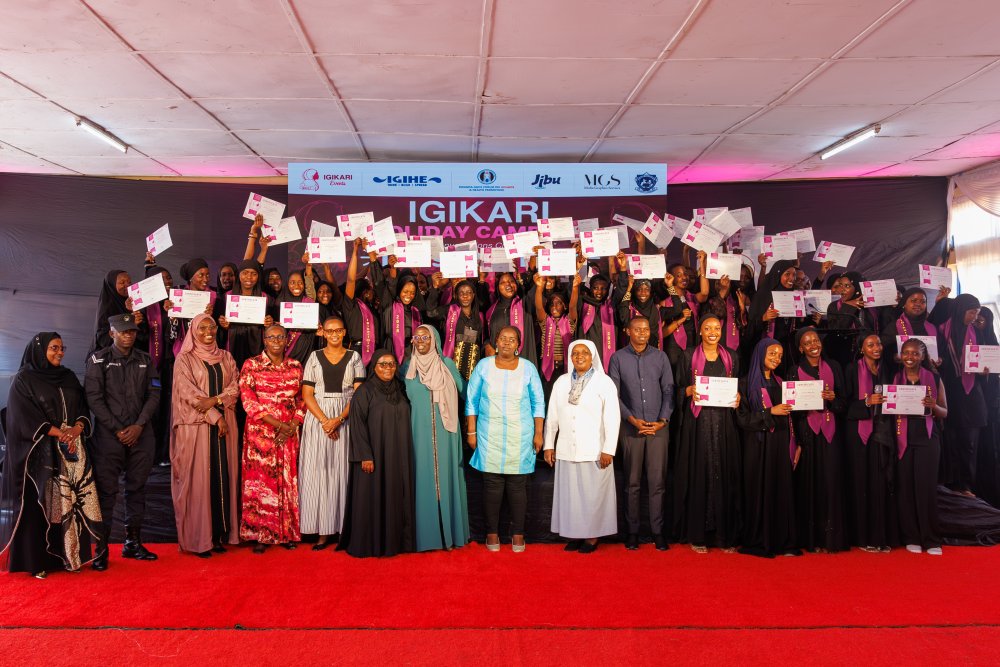
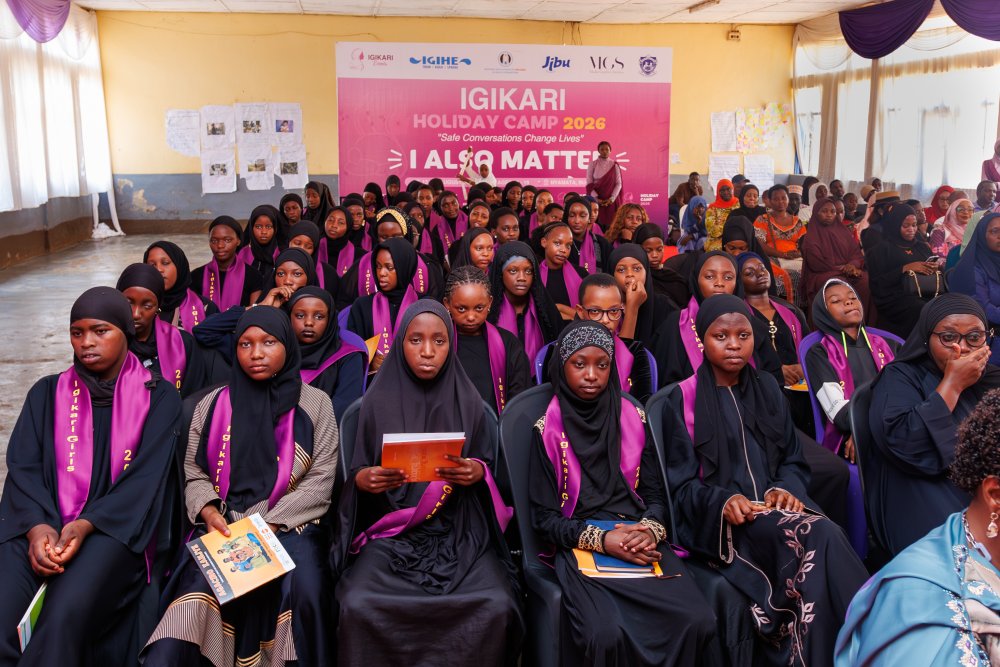
    The closing event was attended by the participants' parents, local government officials, representatives of Imbuto Foundation and the Ministry of Youth, among others.

    Miss Jojo thanked parents for trusting the programme and allowing their children to participate, reflecting on the initiative's journey over the past five years. She said the organisers continue to follow up on participants for at least a year after they complete the camp.

    'We continue to engage with them even after the camp, providing ways for them to reach us and following up to see whether they are putting the positive plans they made into practice,' she said.

    Miss Jojo commended the 59 girls for completing the 10-day camp, noting that all participants who enrolled at the beginning remained through to the end.
    Miss Jojo commended the 59 girls for completing the 10-day camp, noting that all participants who enrolled at the beginning remained through to the end.

    Beyond mentoring the girls, Miss Jojo said the programme also engages parents, creating opportunities for both sides to share information and perspectives that can help them better understand the challenges facing young people.

    Yvette Imanishimwe, the Vice Mayor of Bugesera District in charge of Social Affairs and the guest of honour, said initiatives such as Igikari demonstrate the opportunities created by Rwanda's governance to support the development of girls. She commended First Lady Jeannette Kagame for her continued efforts to promote girls' education and well-being.

    'Igikari Events is an opportunity that we should make the most of to address the challenges facing girls,' she remarked.

    Imanishimwe encouraged the participants to take an active role in addressing challenges affecting adolescent girls and to share the lessons they gained from the camp with their peers and communities.

    She also urged parents to reflect on their role as role models and ensure they are creating an environment that enables their children to thrive.

    The vice mayor called on the girls to uphold good morals and behaviour, avoid drugs and resist social influences that undermine Rwanda's cultural values. She also encouraged them to speak Kinyarwanda properly and to be mindful of their appearance and dress.

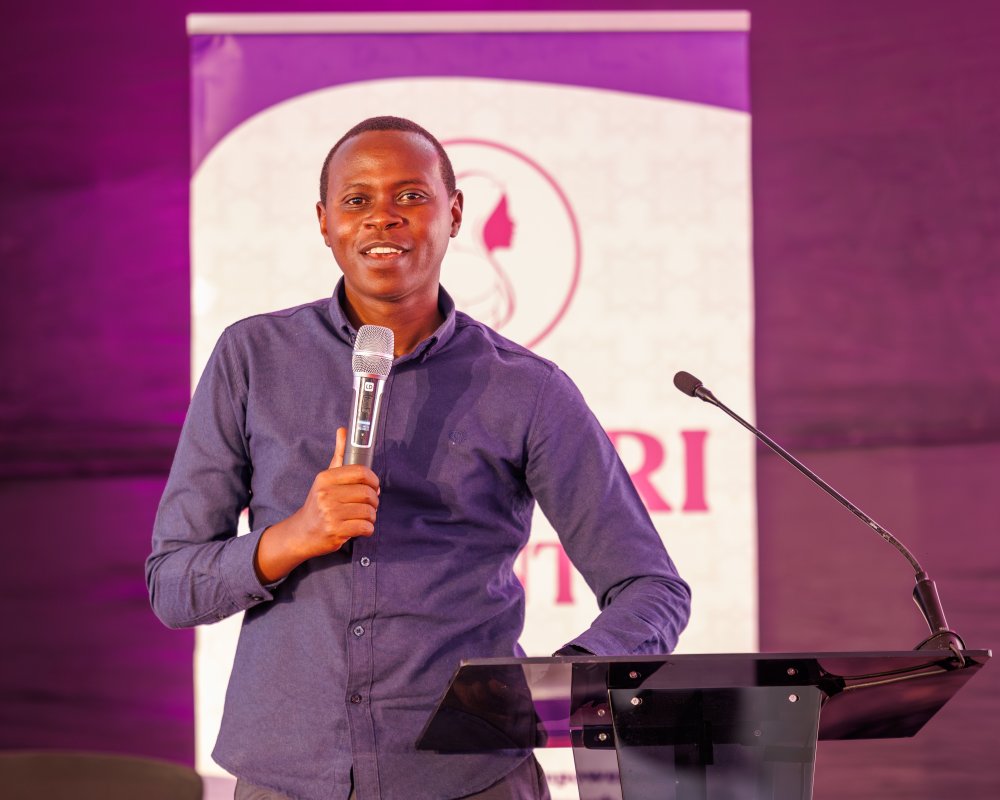
    Jean Pierre, an official in charge of youth at the Ministry of Youth and Arts, commended the facilitators and pledged the ministry's support in addressing challenges facing adolescent girls, including mental health issues and gender-based violence.

    He noted concerns over the rise in teenage pregnancies, saying the rate had increased from 5 percent to 8 percent.

    Jean Pierre also thanked First Lady Jeannette Kagame for recently inaugurating the Imbuto Hub in Bugesera District, a facility aimed at nurturing talent and supporting youth-focused initiatives.

    He encouraged Igikari to work with youth centres across the country and establish partnerships that could help expand the programme and reach more young people.

    Parents who attended the closing event praised Miss Jojo and her team for the initiative and pledged their continued support. Some called for the programme to be expanded to reach boys and more children across different parts of the country, saying it provides young people with guidance and helps keep them engaged during school holidays.

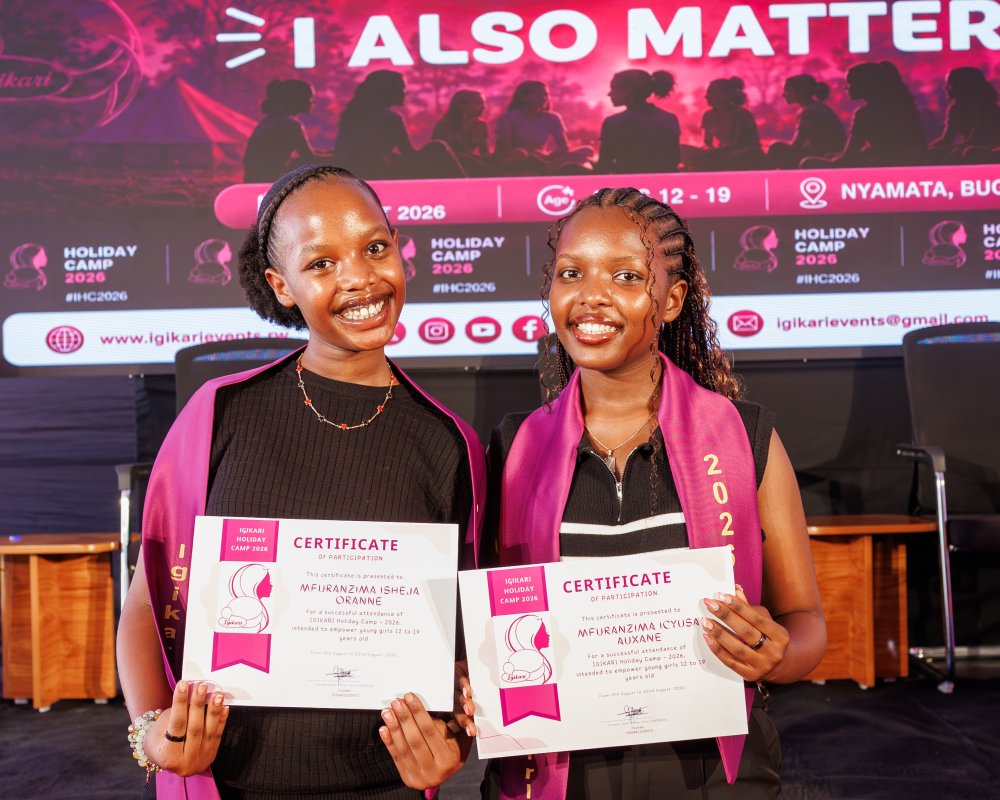
    Fifty-nine girls aged between 12 and 19 attended the 10-day programme at Nyamata High School from August 13 to 22, 2026.
    Fifty-nine girls aged between 12 and 19 attended the 10-day programme at Nyamata High School from August 13 to 22, 2026.
    The closing event was attended by the participants' parents, local government officials, representatives of Imbuto Foundation and the Ministry of Youth, among others.
    The camp concluded on a joyful note as the girls celebrated the experience they had shared.
    The camp concluded on a joyful note as the girls celebrated the experience they had shared.
    Parents joined their daughters to celebrate the conclusion of the two-week Igikari Holiday Camp.
    Parents joined their daughters to celebrate the conclusion of the two-week Igikari Holiday Camp.
    The camp was held at Nyamata High School, where participants received sessions on self-awareness, personal development, reproductive health and mental health.
    The camp was held at Nyamata High School, where participants received sessions on self-awareness, personal development, reproductive health and mental health.

    Source : https://new.igihe.com/english/miss-jojos-igikari-holiday-camp-empowers-over-300-rwandan-girls/