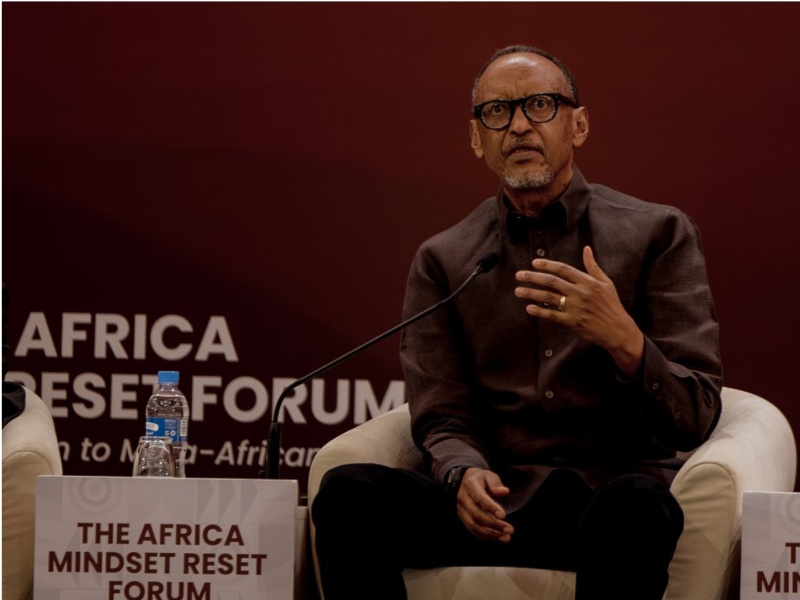
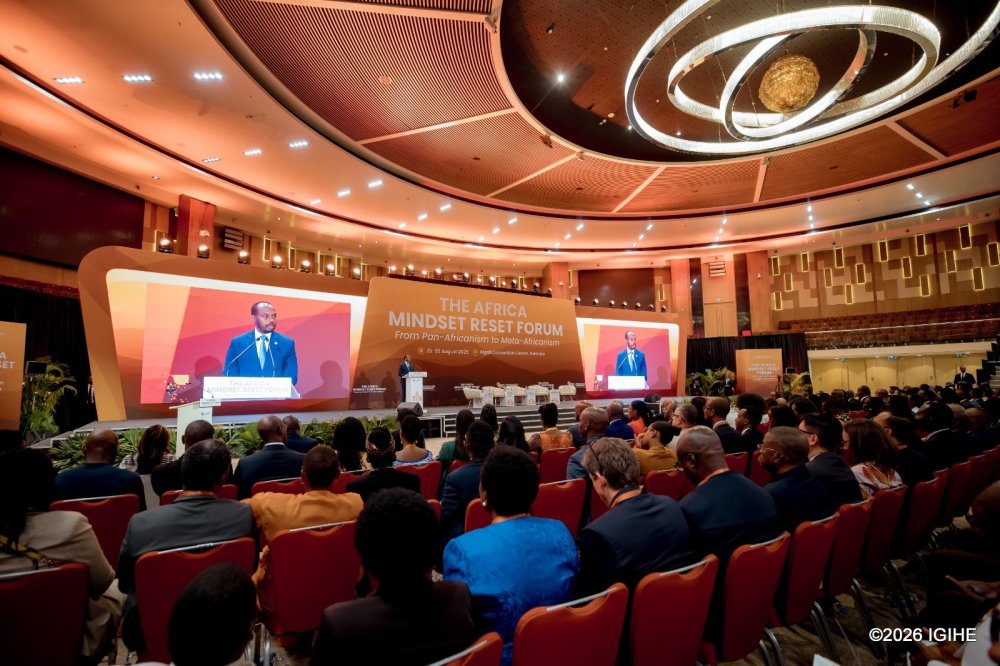
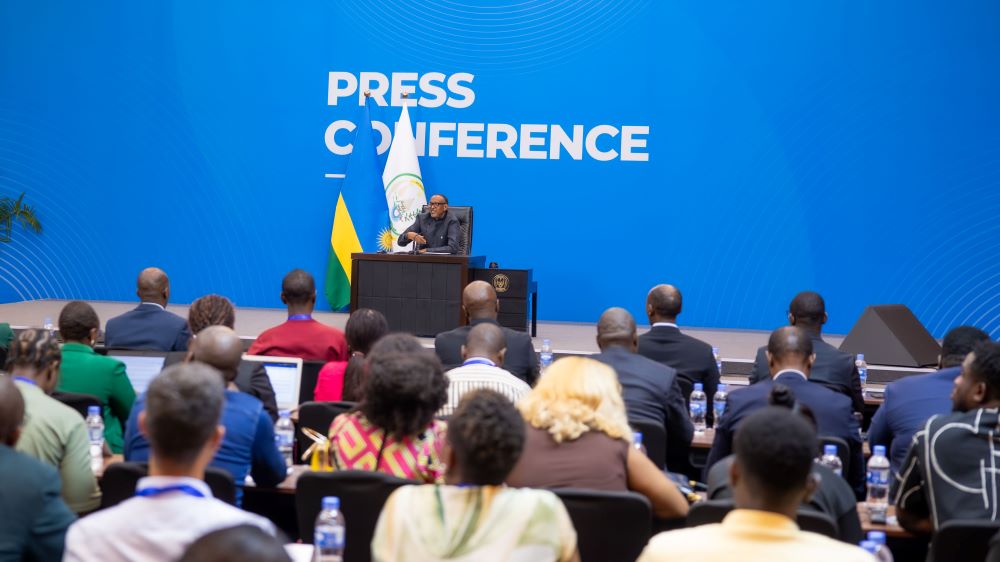
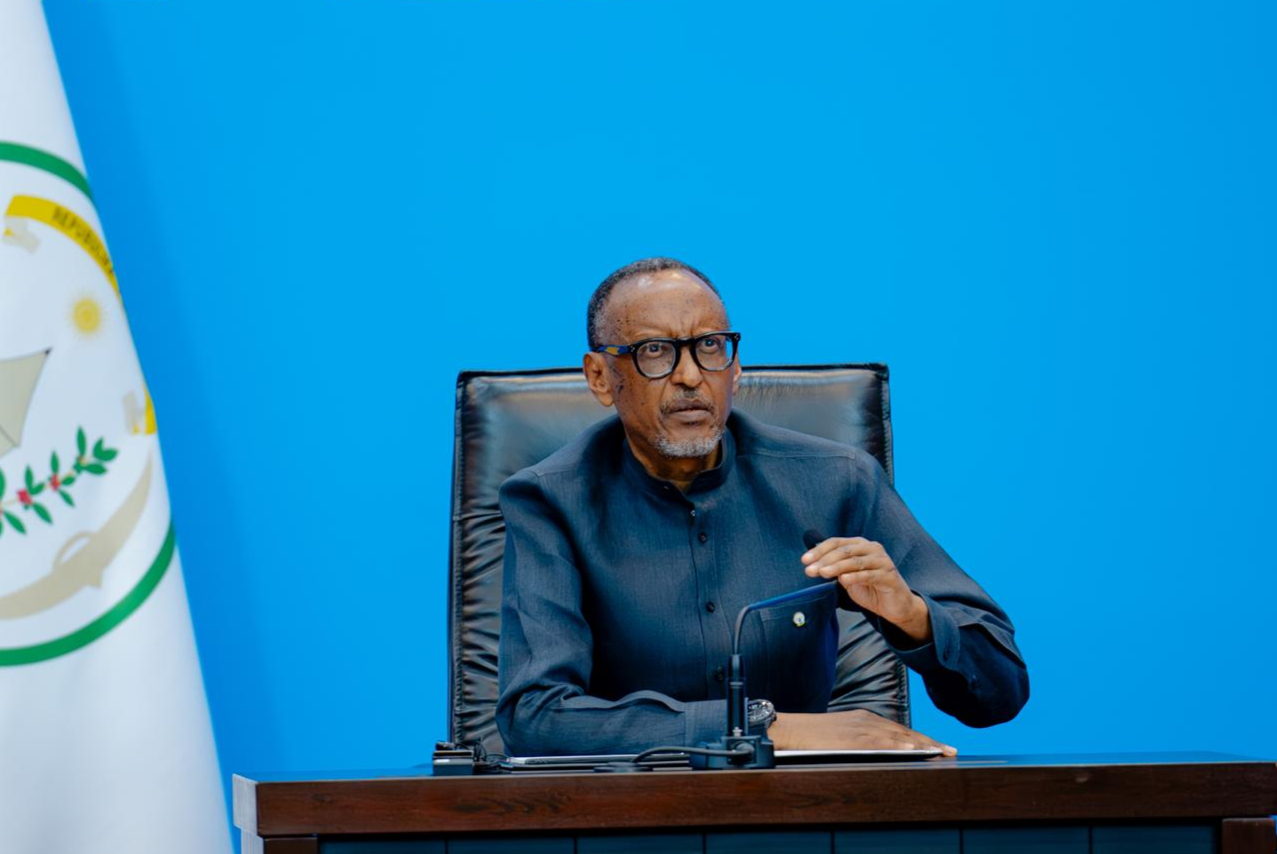
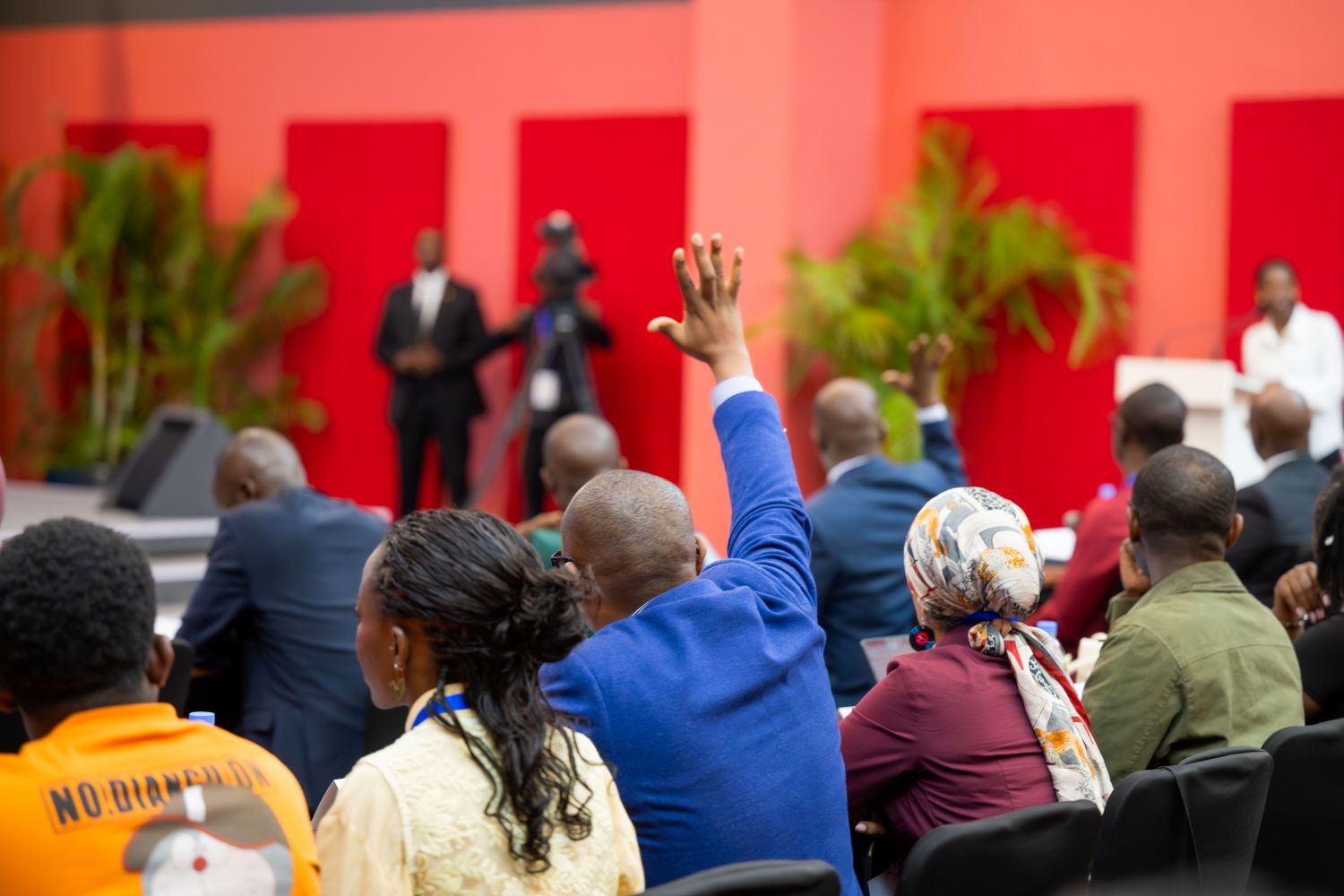
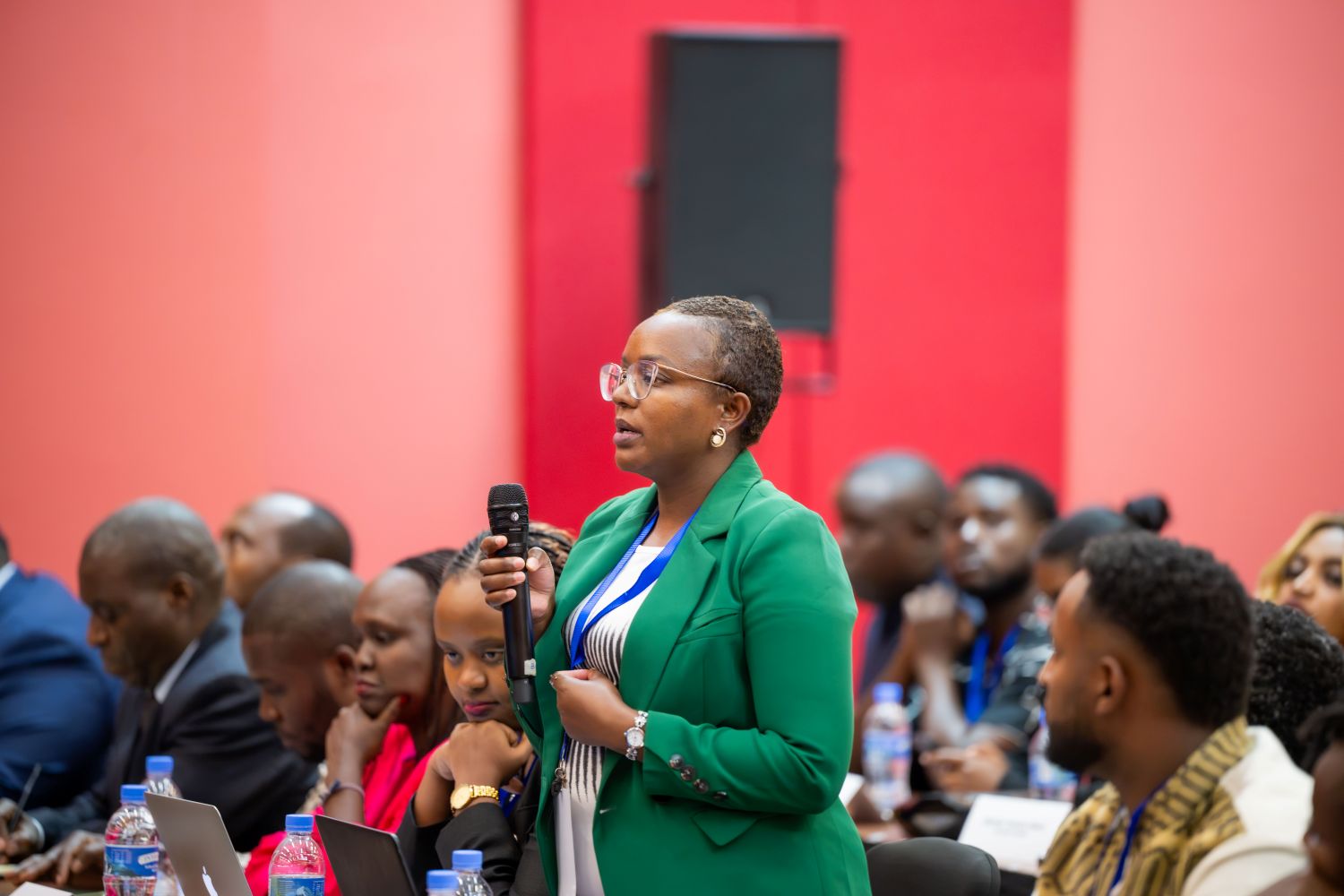
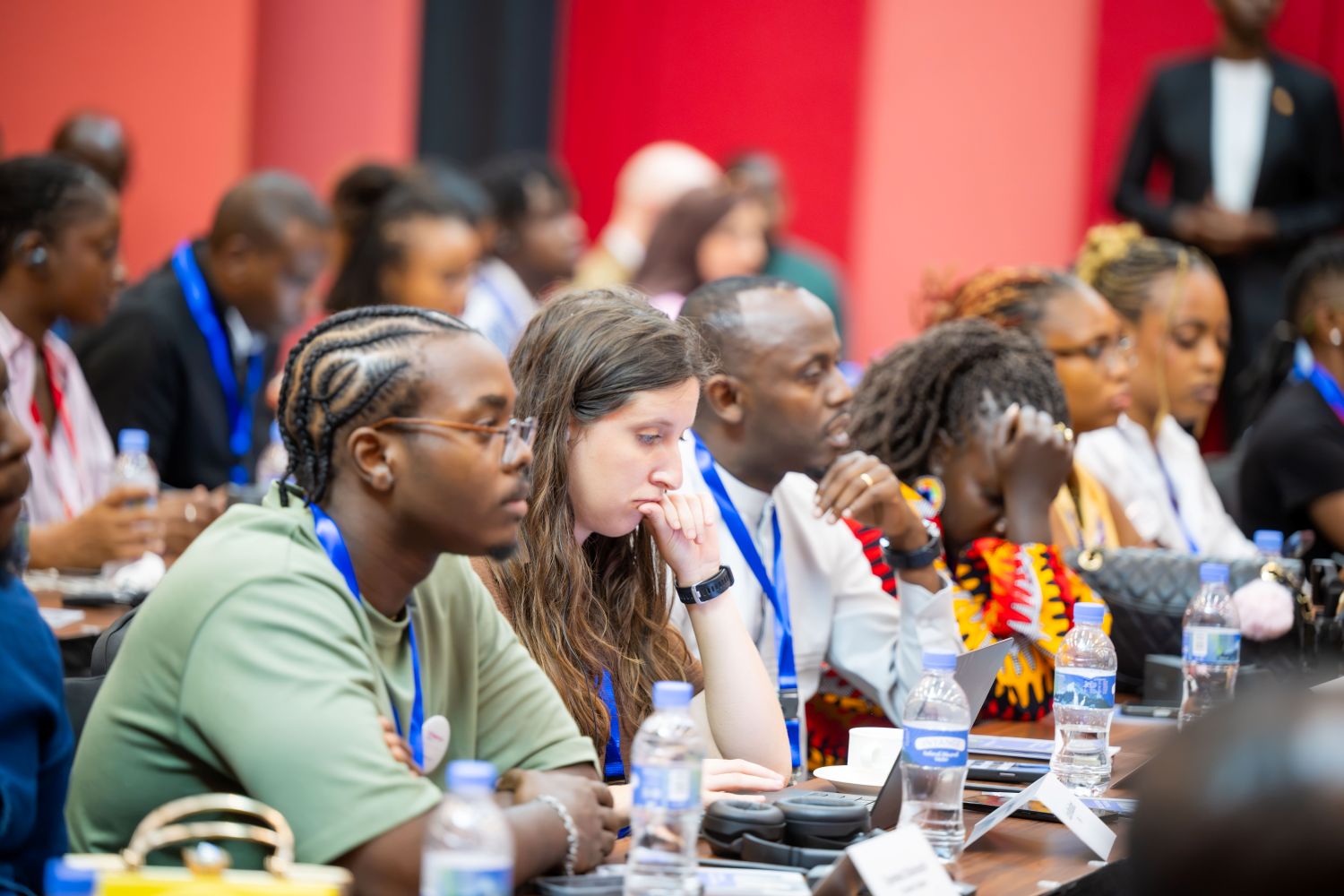
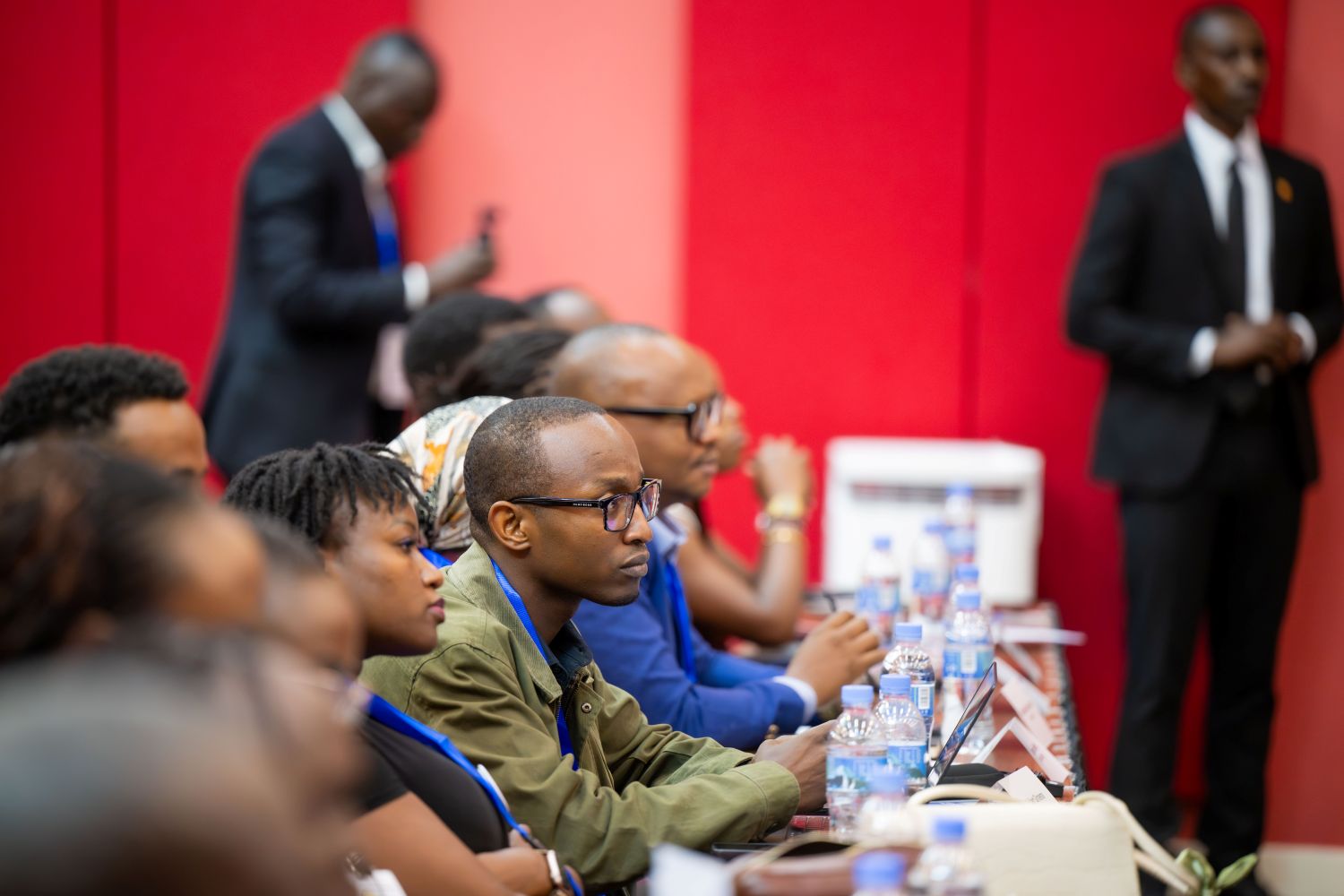
Speaking on a panel at the inaugural Africa Mindset Reset Forum, hosted by the African School of Governance (ASG) at the Kigali Convention Center, Kagame said Africa has 'everything in place to succeed': people, resources and lessons from its own history, yet keeps falling short because of attitudes Africans have not confronted.
He said the continent has been reduced to 'simply admiring others,' pointing out that this often means admiring people and institutions outside Africa rather than fellow Africans doing good work at home. That habit, he argued, leaves the continent open to being dictated to by others, while Africans themselves lament and complain rather than act.
'Why don't we do things so that we can actually admire each other?' Kagame asked, adding that there are capable people within Africa whom others on the continent should be joining and supporting, rather than looking elsewhere for inspiration.
The Head of State noted that Africa's obstacles are less about missing resources or policy frameworks and more about a mindset that has not caught up with the continent's ambitions. He said Africa cannot change without changing its own behaviour and attitudes, and that intentions must be matched with action and visible results.
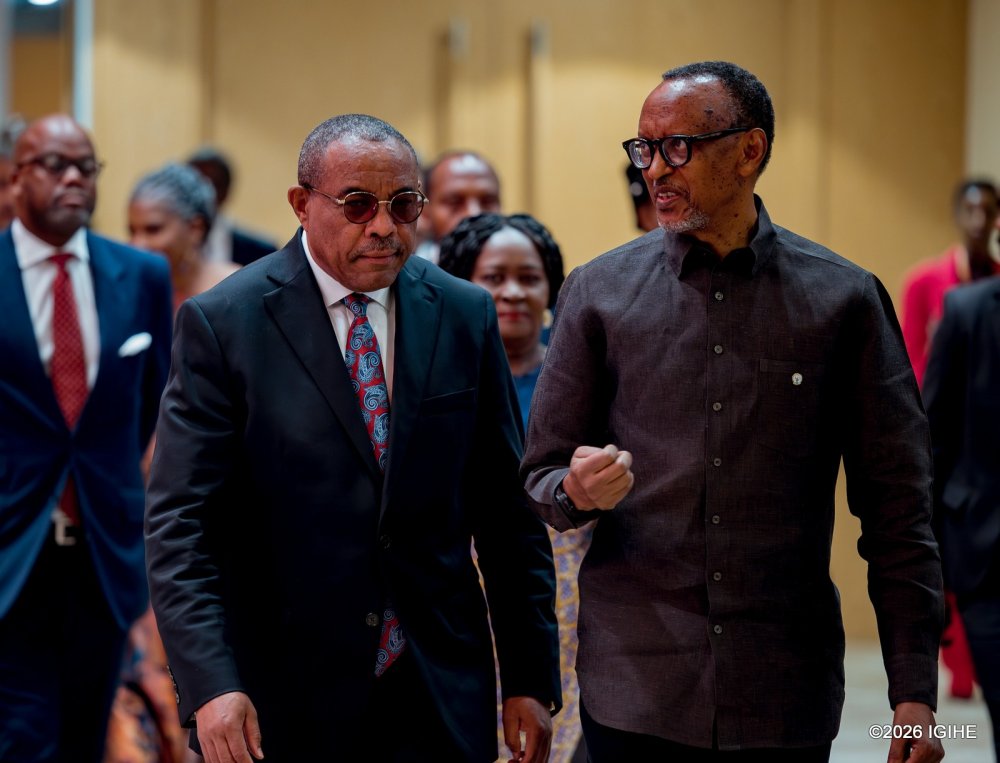
Kagame co-founded the African School of Governance alongside former Ethiopian Prime Minister Hailemariam Desalegn. The school, officially inaugurated in January 2025, was created to train a new generation of African leaders grounded in homegrown solutions to the continent's challenges.
Other leaders echo the call for accountability
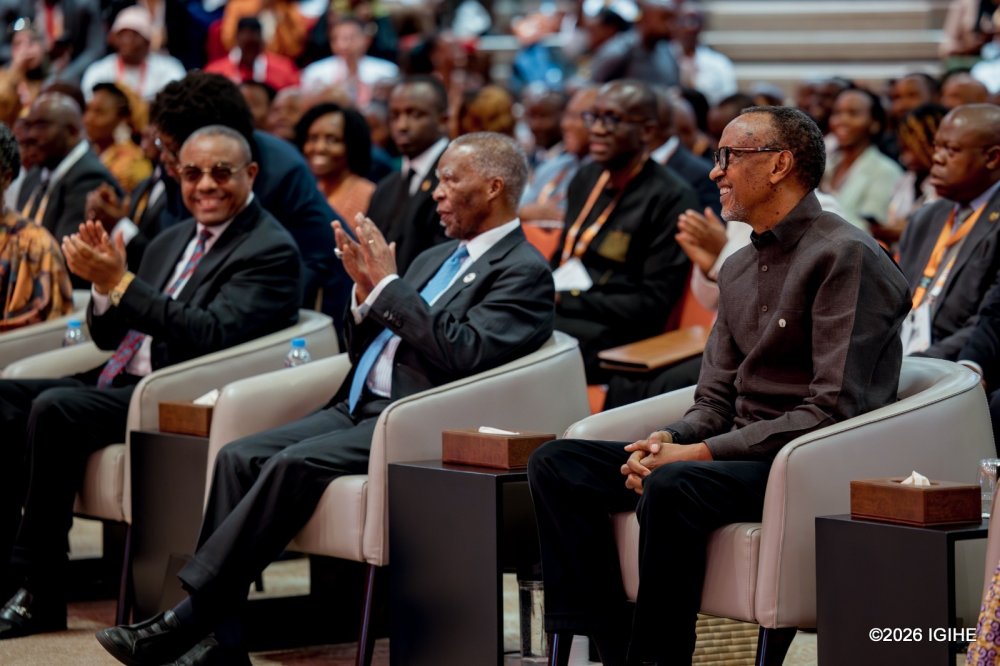
Former South African President Thabo Mbeki, sitting alongside Kagame on the panel, said none of Africa's problems can be resolved without addressing the quality of its leadership. He argued that leaders on the continent owe each other honesty rather than diplomatic silence, saying failures in one country inevitably affect its neighbours.
Mbeki urged young Africans to stay committed to the cause 'until the Africa we want does indeed emerge,' comparing the effort to running a marathon without dropping out.
Former Ethiopian Prime Minister Hailemariam Desalegn, ASG's co-founder and chairman, said the continent's leadership has often been driven by a 'rent-seeking' mindset rather than a developmental one. He pointed to Ethiopia's own turnaround, from a country reliant on food aid in the 1970s to a grain surplus producer, as evidence that a deliberate mindset shift among ordinary farmers and officials can change a country's trajectory within a generation.
Ghana's Vice President, Naana Jane Opoku-Agyemang, said Africa's problem is not a shortage of policies or plans but a failure to take ownership of its own story and decisions. She called for capacity building that raises young Africans differently from previous generations, moving them from being 'a victim of the circumstance to an active agent of change.'
ASG President Francis Gatare, opening the forum, introduced 'Meta Africanism' as what he called the next stage of Pan-Africanism, a shift from resistance and solidarity toward collective construction, agency and disciplined implementation of Africa's own plans.
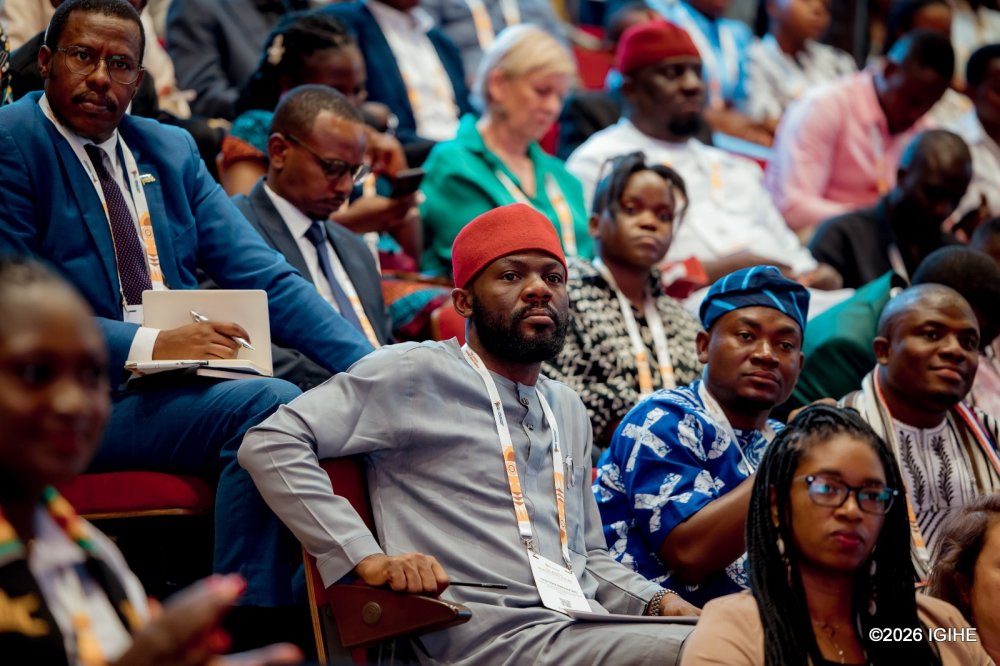
The forum, running from August 25 to 26 in Kigali, has drawn more than 2,500 participants in person and thousands more following online.
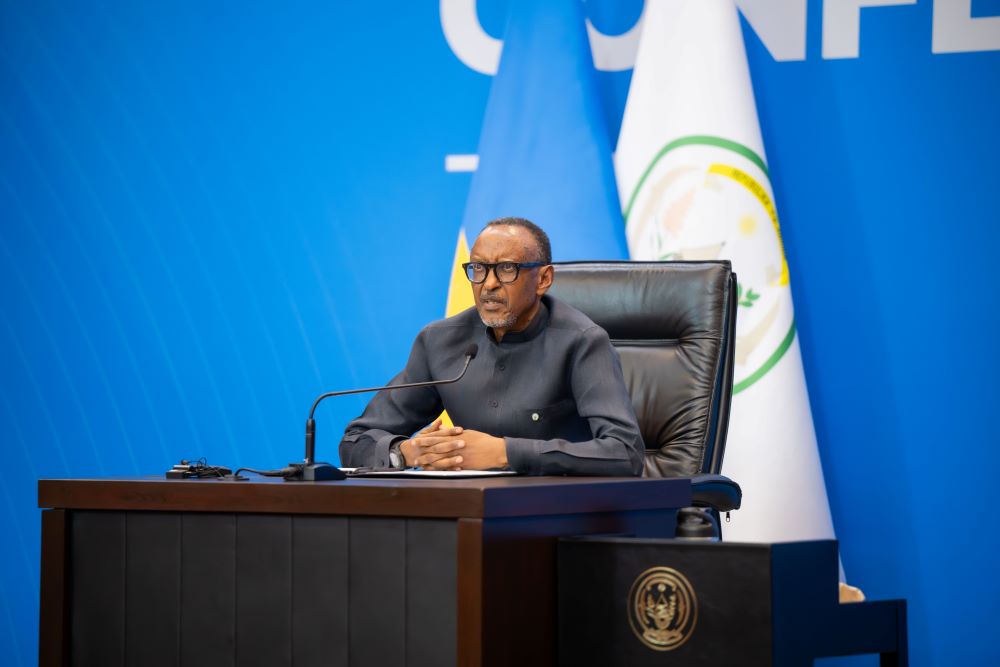
President Kagame was speaking on a panel at the inaugural Africa Mindset Reset Forum, hosted by the African School of Governance (ASG) at the Kigali Convention Center.Kagame said Africa has 'everything in place to succeed': people, resources and lessons from its own history, yet keeps falling short because of attitudes Africans have not confronted.
Researchers from Columbia University Vagelos College of Physicians and Surgeons found that the production of new neurons, a process known as neurogenesis, appears to stall in the hippocampus of adults with major depressive disorder.
The hippocampus is a region of the brain involved in memory and emotional responses. It is also one of the few areas of the adult brain where new neurons continue to develop.
The findings suggest that reduced production of these neurons could affect the brain's ability to distinguish new experiences from memories of previous negative experiences.
This process, known as pattern separation, helps people recognize that similar situations are not necessarily the same.
For example, someone may have lunch with a friend who happens to be unusually quiet.
A healthy pattern separation process can help the person understand that the situation is different from previous experiences of rejection.
When pattern separation is impaired, however, the new experience may become mixed with painful memories, potentially leading to a more negative interpretation.
Researchers said newly formed neurons may help the brain create separate circuits for new memories, allowing people to respond to current experiences without automatically connecting them to previous negative events.
However, they stressed that the exact mechanism, particularly in humans, is not yet fully understood.
The study also found that depression affects more than the production of new neurons.
Researchers identified molecular changes across the hippocampal circuit, including genes involved in creating connections between brain cells, communication between neurons, energy production and the movement of materials inside cells.
The researchers also found signs of inflammation and cellular stress in the brain circuits involved in forming new emotional memories.
To investigate these changes, the team examined nearly half a million brain cells collected from people with depression and people without the condition shortly after their deaths.
Using advanced techniques, researchers analyzed gene activity in individual cells and examined changes in cellular proteins.
This allowed them to identify changes occurring in specific cells and locations within the hippocampus.
The researchers also found changes in genes previously associated with major depression, while some other changes appeared to involve epigenetic mechanisms.
Epigenetic changes can influence how strongly genes are switched on or off without changing the underlying DNA sequence. Researchers said these mechanisms can be affected by factors including stress, learning, ageing and environmental exposures.
According to the researchers, the wide range of biological changes observed could help explain why depression can affect people differently.
The findings could eventually contribute to new approaches to treating depression. Researchers are particularly interested in whether restoring neurogenesis could help some people by changing how the hippocampus processes memories.
However, the study does not mean that scientists have found a single cause of depression or that treatments capable of restoring neurogenesis are currently available.
Instead, researchers say the findings could help move the understanding of depression beyond the traditional focus on neurotransmitters such as serotonin and toward a more detailed understanding of the cellular and molecular changes involved.
The team also hopes that depression could eventually be classified according to its biological and molecular characteristics, potentially allowing treatments to be tailored to different forms of the disorder.
Scientists found changes in brain cell growth among people with depression.
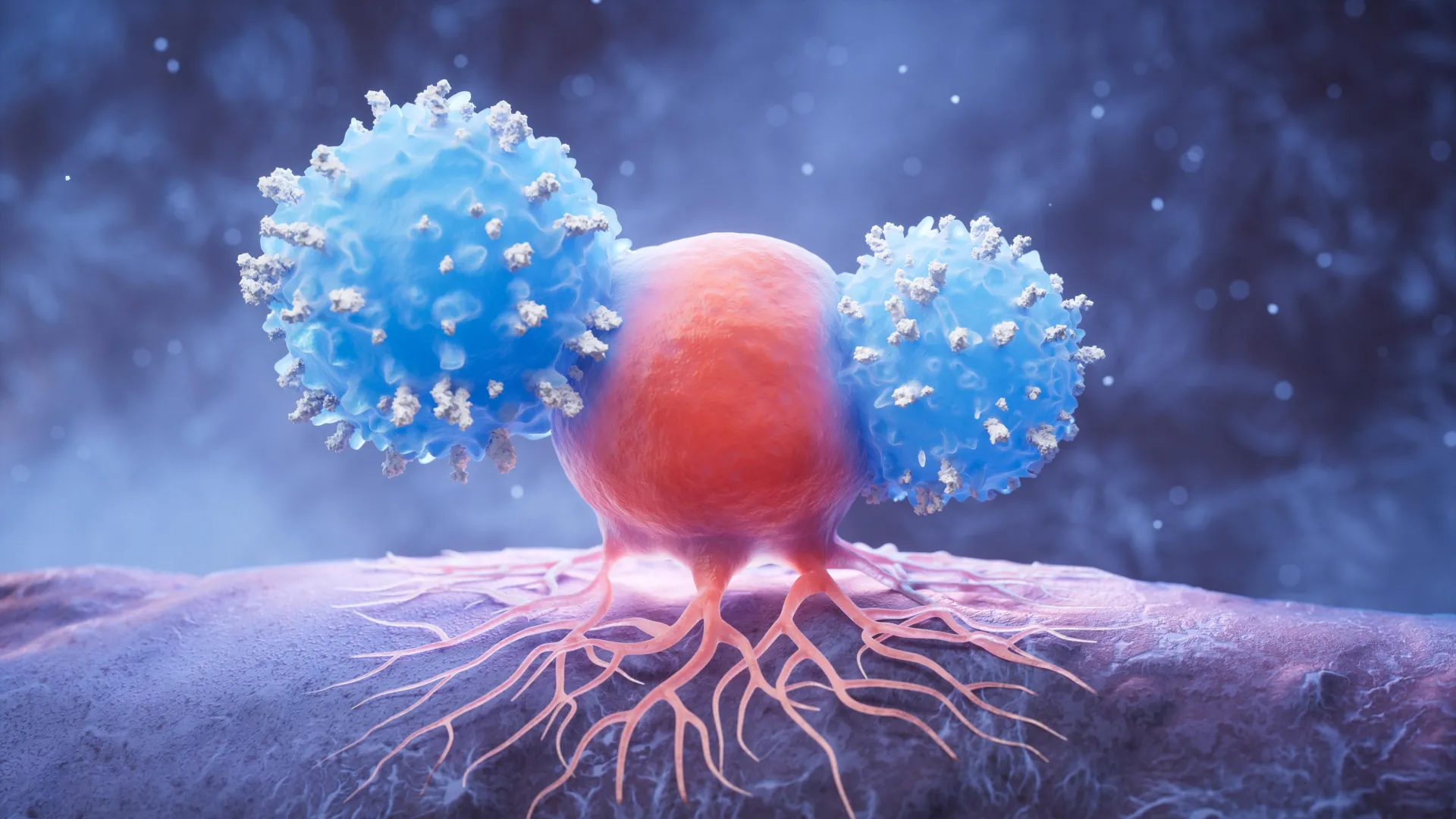
Researchers found that supercentenarians, people aged 110 and above, have unusually high levels of a specialised immune cell known as CD4 cytotoxic T lymphocytes, or CD4 CTLs.
These immune cells can destroy abnormal cells and are involved in the body's defence against infections and potentially cancerous cells.
The study, published in Cell Reports, examined blood samples from 28 people divided into three age groups: adults aged 70 to 99, those aged 100 to 109, and people aged 110 or older.
Researchers found that the proportion of CD4 CTLs increased with age. They accounted for about 4% of the relevant T cells among people aged 70 to 99, compared with 9.6% among those aged 100 to 109 and 17.6% among people aged 110 and above.
The researchers also found evidence that these immune cells undergo clonal expansion, meaning individual immune cells multiply to produce large numbers of genetically similar cells.
In one participant, a single clone accounted for more than half of all CD4 CTLs detected in the blood.
Some of the dominant immune-cell sequences were similar to sequences found in people with certain cancers, including lung, breast and liver cancer.
However, none of the supercentenarians studied had been diagnosed with those cancers.
Scientists caution that the findings do not prove that CD4 CTLs are responsible for exceptional longevity. The study was relatively small and focused on immune cells in blood.
Researchers now plan to investigate how these cells behave in different tissues.
The findings offer another clue into the biological mechanisms that may allow some people to remain healthy well beyond 100 years.
A new study has found unique immune cells in people who live beyond 110
Nigiyena, a beneficiary of the British Council's Creative DNA accelerator programme, participated in the eight-day AFWL 2026 programme held from August 17 to 23 at 8 Northumberland Avenue and the British Council Headquarters in London.
His participation marked the first time Rwanda was represented at the AFWL showcase through the Creative DNA programme, which supports emerging African fashion designers by strengthening their skills, expanding their networks and creating opportunities to access international markets.
The partnership between the British Council and AFWL built on the success of their debut collaboration last year and sought to connect African designers with new audiences while supporting the development of creative economy ecosystems across the continent.
The programme featured discussions on issues shaping the continent's fashion industry, including African Fashion in Education, Creativity Beyond Borders and African Futures: Where African Design Is Going Now.
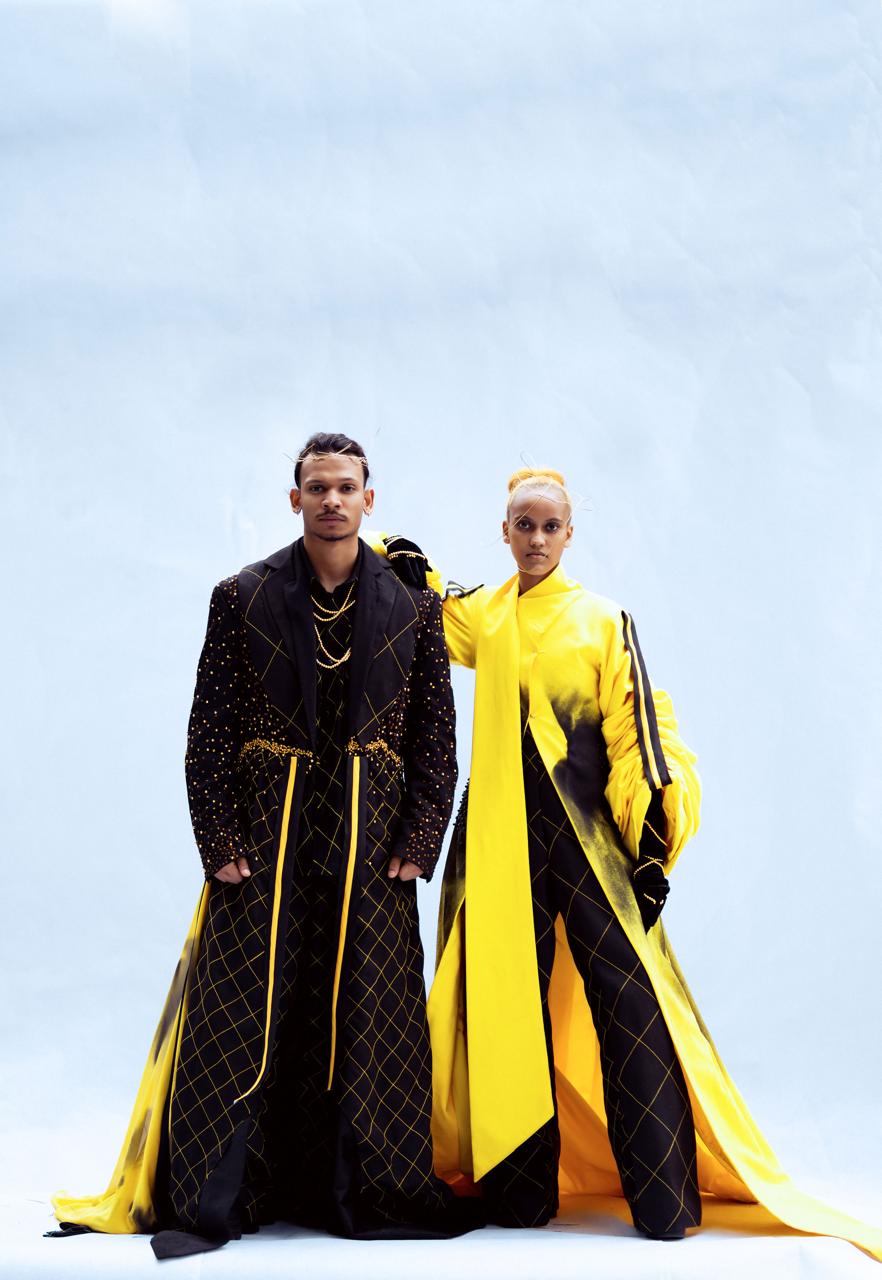
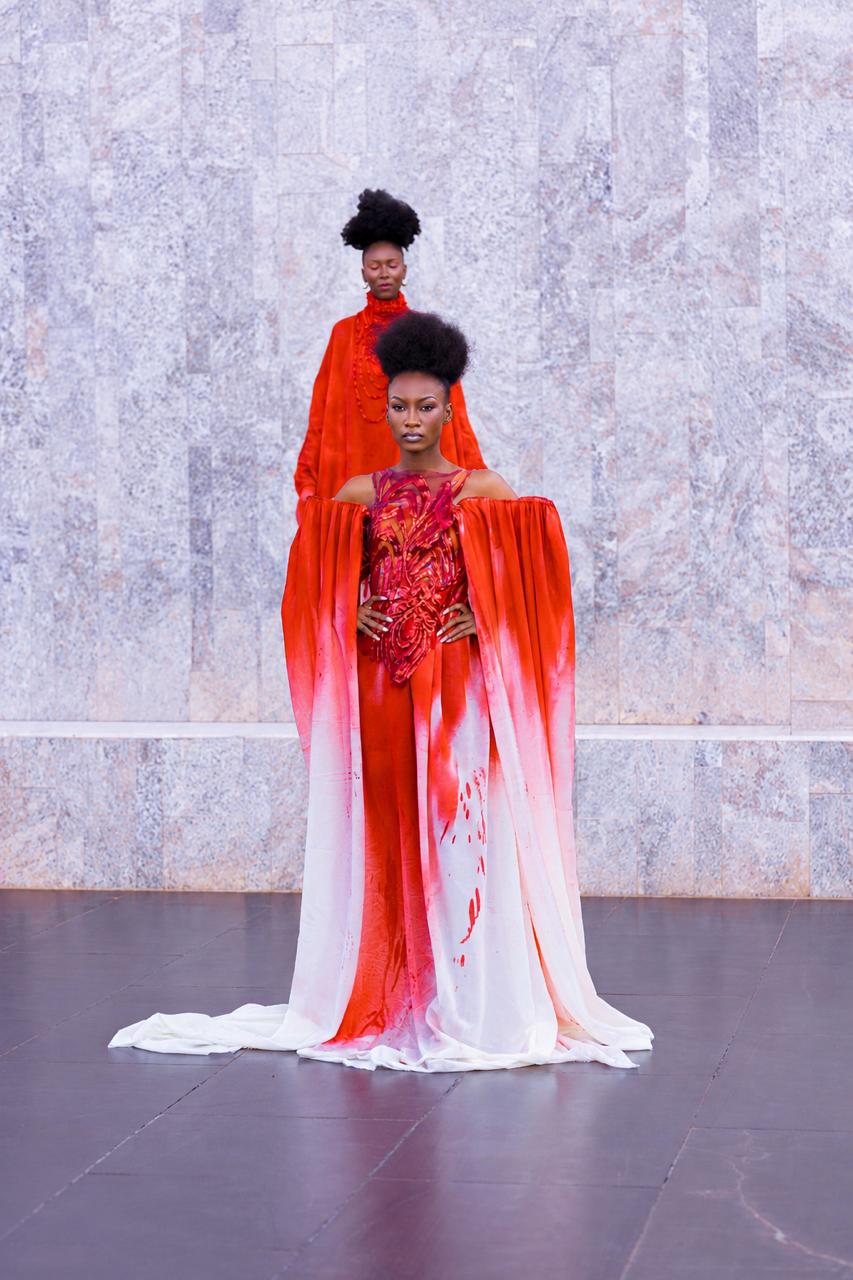
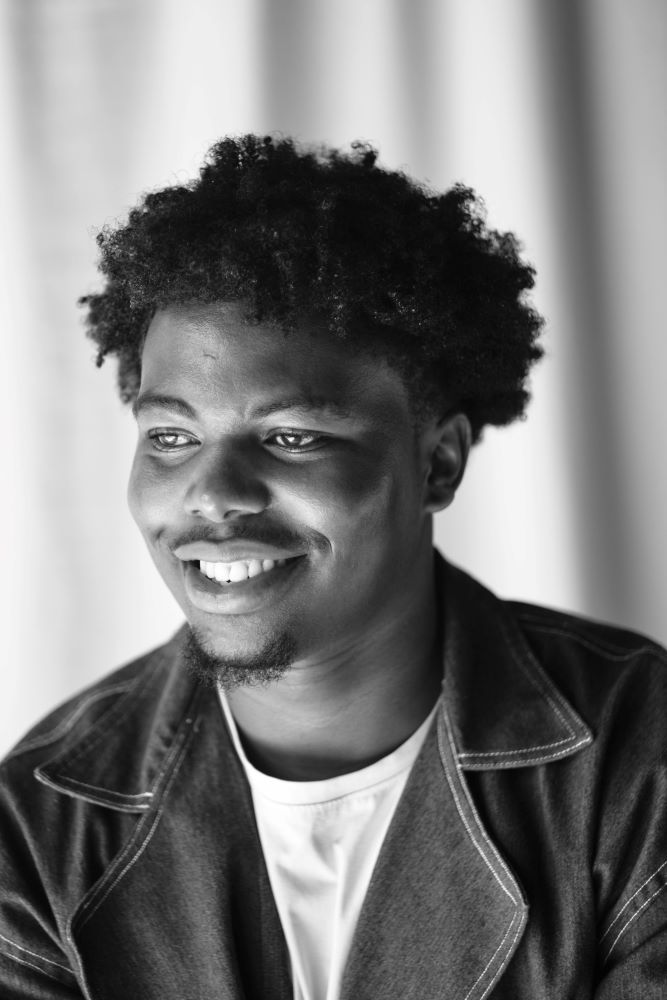
Nigiyena founded Matheo Studio, a fashion brand recognised for its cinematic and Afrofuturist approach, combining avant-garde silhouettes, African narratives and detailed craftsmanship.
His work has previously been showcased on major platforms, including Mercedes-Benz Fashion Week Kigali and international showcases connected to New York Fashion Week, contributing to Rwanda's growing presence in global fashion.
Reflecting on his participation in the Creative DNA showcase, Nigiyena said the programme had played an important role in helping him develop his business.
'Matheo Studio has been a labour of love and I'm glad that Creative DNA has been by my side to help it get to the next level. My participation at the Creative DNA showcase at African Fashion Week London will be a great eye opener for my business,' he said.
British Council Rwanda Country Director Rebecca Picton said Nigiyena's participation provided an opportunity to highlight Rwanda's growing fashion and creative talent.
'Maurice is a great ambassador for the new wave of Rwandan and African designers. His participation at the Creative DNA showcase will not only be of great benefit to him and boost his potential as a creative to watch, but we also hope that it will help to shine a spotlight on the wealth of creative talent in Rwanda,' she said.
Nigiyena was among 10 designers selected to present under the Creative DNA banner at this year's AFWL. The group included Bettydora Odhiambo of Atieno Studio from Kenya, Adedayo Ilori of Dimeji Ilori from Nigeria, Joan Nantege of Joan Jade from Uganda, Mastewal Belay of Mastewal Alemu from Ethiopia, Neema Nkatha Kinoti of Ohana Swimwear from Kenya, Chido Kaseke of Patch Maoko from Zimbabwe, Nyame-Nhyiraba Awura of Republic of Africa from Ghana, Ropafadzo Kuki Mapira of Soleil from Zimbabwe, and Solome Kiflu of Xufan from Ethiopia.
Creative DNA is the British Council's fashion initiative aimed at supporting and strengthening Africa's fashion ecosystem by nurturing designers' skills, deepening their knowledge and expanding their professional networks.
The British Council said the initiative is designed to help emerging African fashion entrepreneurs build sustainable businesses and connect with international markets while contributing to the growth of creative industries across the continent.
The British Council is the UK's international organisation for cultural relations and educational opportunities. It builds connections, understanding and trust between people in the UK and communities worldwide and operates in more than 100 countries.
Rwanda's fashion talent took centre stage in London as designer Maurice Nigiyena showcased Matheo Studio at African Fashion Week London 2026.Rwandan designer Maurice Nigiyena joined 10 emerging African designers at African Fashion Week London 2026 under the British Council's Creative DNA programme.Maurice Nigiyena brought Rwanda's emerging fashion talent to the international stage with a showcase at African Fashion Week London 2026.
According to a Reuters analysis published on August 25, 2026, about 43% of global oil production is now linked to countries affected by conflict.
The situation has been worsened by the war involving Iran, alongside ongoing conflicts and disruptions in other major oil-producing countries, including Russia, Libya and Venezuela.
The developments have placed significant pressure on global oil supplies, refining capacity and fuel markets, raising concerns about higher energy prices and prolonged shortages.
The conflict involving Iran has particularly affected oil transportation through the Strait of Hormuz, one of the world's most important energy shipping routes.
The waterway previously handled a significant share of global crude oil and liquefied natural gas shipments.
Although some oil continues to move through the region, the security risks have increased transportation costs and forced energy companies and governments to look for alternative routes.
The crisis is also affecting oil refining. Ukrainian attacks on Russian energy infrastructure have reduced Russia's refining capacity, while damage and disruptions in the Middle East have further tightened supplies of refined fuels.
Reuters reported that Russia has also restricted fuel exports because of domestic supply concerns, adding another layer of pressure to an already strained global market.
The impact is being felt beyond crude oil. Shortages of refined products such as diesel and gasoline have pushed fuel prices higher in several markets.
The International Energy Agency has responded by releasing emergency oil reserves in an effort to compensate for disrupted supplies.
However, global inventories have continued to decline, reducing the buffer available to protect consumers from further shocks.
The Strait of Hormuz remains a major concern. Gulf countries have explored alternative routes and pipelines to reduce their dependence on the waterway, but building or expanding such infrastructure takes time.
Energy companies are also facing higher transportation and insurance costs because of the security risks surrounding major shipping routes.
The situation has already contributed to elevated oil prices and growing concerns about inflation.
If disruptions continue, analysts warn that the pressure could spread further through the global economy as higher energy costs raise transportation, manufacturing and consumer prices.
For countries that rely heavily on imported fuel, prolonged disruptions could be particularly challenging.
The crisis therefore represents more than a regional conflict. With around 43% of global oil production now connected to conflict-affected countries, instability in several major energy-producing regions has created an unusually fragile global oil market.
As the Iran war enters its sixth month, the ability of producers to maintain supplies and of governments to keep alternative energy routes open will be critical in determining how much longer the global energy market can withstand the pressure.
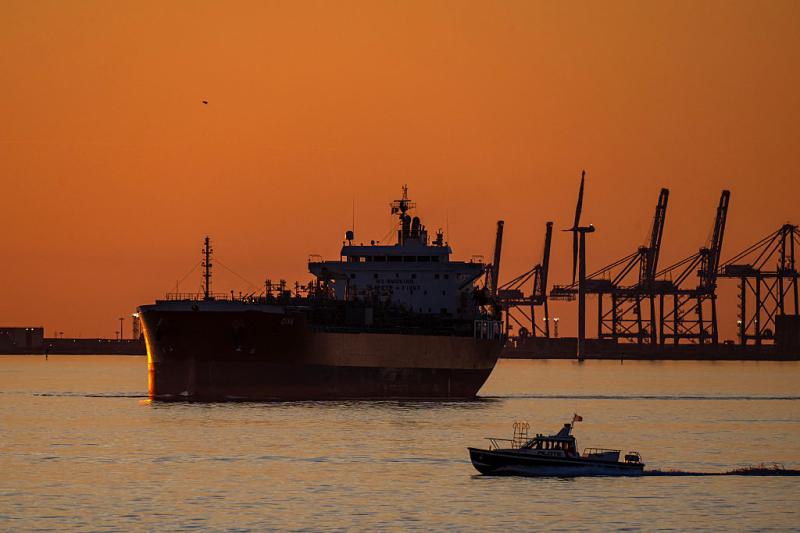
Nearly 43% of global oil production comes from conflict-affected countries.
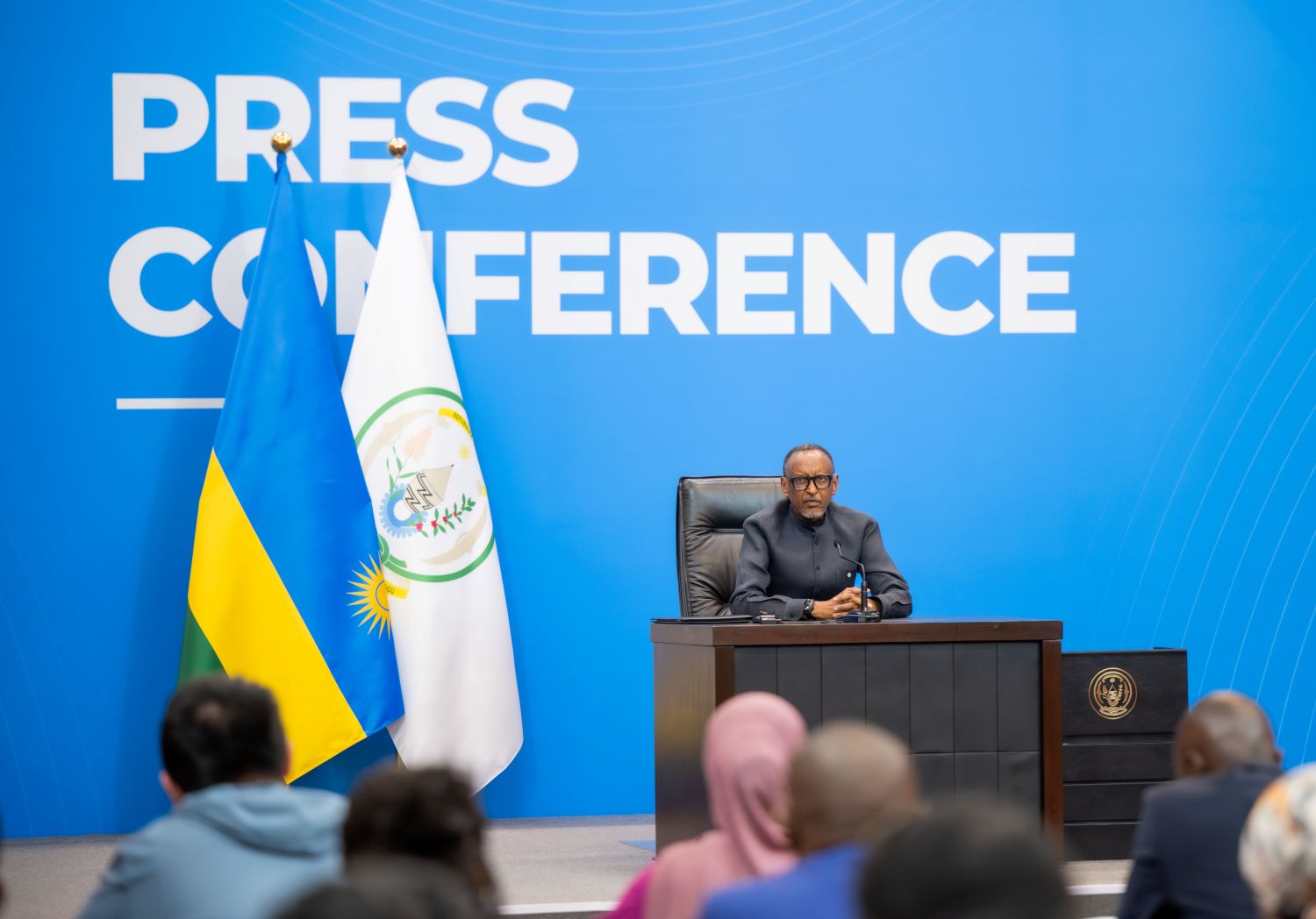
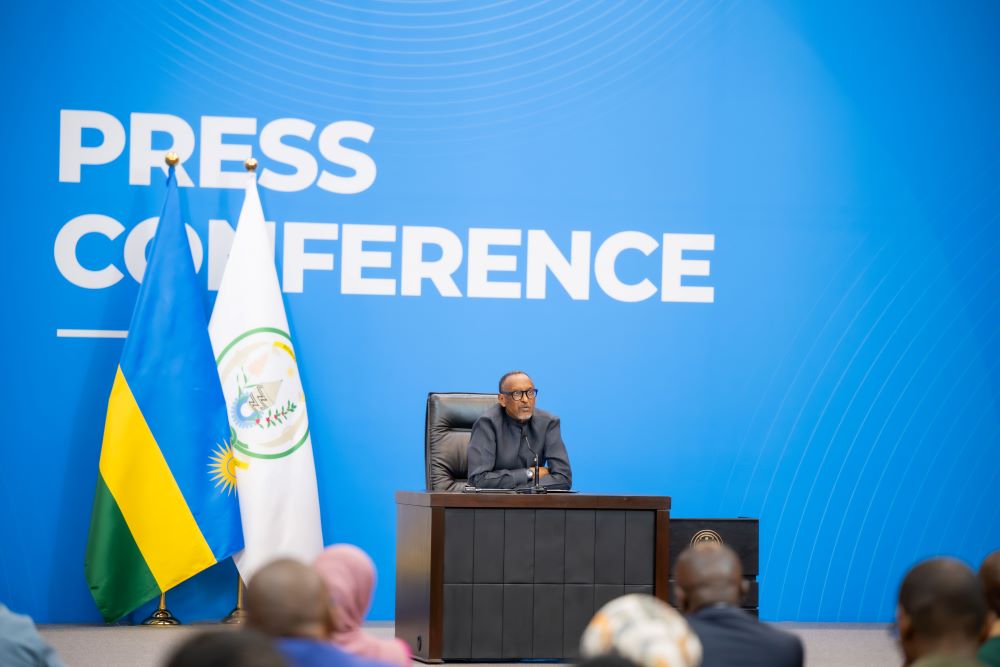
Responding to a question about reports that Rwanda could acquire a stake in the refinery during a press conference in Kigali on Monday, President Kagame said discussions were still at an early stage and that it was too soon to provide further details.
'In a way, there has been. But it is too early to talk about the details, because I think it is a work in progress. Things are still being thought out,' Kagame said during the press conference at the Kigali Convention Centre.
'But what I can say is that Rwanda would be very happy to be part of that kind of investment.'
His remarks follow reports that the Nigerian businessman is seeking regional partners for a major refinery project planned for Kenya's northern coast.
Dangote has reportedly offered East African countries a combined 30 percent equity stake in the project, with Kenya, Rwanda and Ethiopia among the countries reported to have expressed interest.
According to reports, Kenya could take a 10 percent stake worth about $500 million, while the combined regional stake would be valued at approximately $1.5 billion.
The refinery is planned for Lamu and is expected to have a processing capacity of up to 700,000 barrels per day, potentially making it one of Africa's largest refining facilities.
The refinery itself is estimated to cost up to $16 billion, while the broader petrochemical complex and additional port infrastructure could bring the total investment to around $20 billion.
If completed, the project could help reduce East Africa's dependence on imported refined petroleum products and strengthen the region's energy security by creating a major source of fuel closer to regional markets.
President Kagame did not provide details on the size of a potential Rwandan investment or the stage of the discussions, stressing that the plans were still being considered.
Responding to a question about reports that Rwanda could acquire a stake in the refinery during a press conference in Kigali on Monday, President Kagame said discussions were still at an early stage and that it was too soon to provide further details.President Paul Kagame said Rwanda would be 'very happy' to participate in the project.
Speaking during a press conference at the Kigali Convention Centre on Monday, Kagame said Rwanda's security concerns over the FDLR have persisted for about three decades and will continue to shape the country's involvement in the regional conflict as long as the armed group remains a threat.
'Rwanda's problem has always been the FDLR in Congo. I can repeat it a hundred times,' Kagame said.
'And if this problem of FDLR is not resolved, of course Rwanda will always remain involved as part of this problem. There are no two ways about it.'
President Kagame was responding to a question about a recently reported Congolese protocol for the disarmament, demobilisation and cantonment of FDLR fighters, which Kinshasa said was part of its commitments under the Washington peace agreement. Rwanda has rejected the arrangement as inconsistent with the agreement. The United States, which brokered the deal, has said the DRC must neutralise the FDLR as part of its commitments under the Washington Accords.
The journalist asked whether Rwanda viewed the initiative as the neutralisation process envisaged under the agreement or as a political manoeuvre.
Kagame said efforts to resolve the FDLR issue had been ongoing for decades, involving the United Nations, the United States, European countries, African states and other actors, but had failed to address the root causes of the problem.
'The handling and the mishandling of this problem over many years is known. The actors are known,' he remarked
He argued that successive efforts had focused on superficial aspects of the crisis rather than addressing its underlying causes.
The Head of State also rejected arguments that Rwanda uses the FDLR, formed by individuals responsible for the 1994 Genocide against the Tutsi in Rwanda, as a justification for its involvement in eastern DRC.
'If you don't want Rwanda, if nobody keeps saying Rwanda, Rwanda, Rwanda, and doesn't want Rwanda to have anything to say in this, why don't you remove this problem and see whether Rwanda is using it as an excuse?' he posed.
'We will do anything that contributes to that protection'
Kagame said Rwanda's approach would be guided first by the need to protect itself, while also seeking to avoid giving its adversaries opportunities to threaten the country.
'We behave in a manner that protects us at any cost. We will do anything that contributes to that protection, day or night,' he stressed.
'There are no two ways about it; that one we will, no question.'
He added that Rwanda would seek to act responsibly while protecting its interests.
'We will do what is right to protect ourselves, and we will do it without fear, favour, day or night, any time,' Kagame said.
President Kagame also maintained that Rwanda's desire for peace remained central to its approach to the regional crisis.
'We want peace to the point that we are ready to fight for it. And that's our main goal. We want peace, and we want to work with others to have peace,' he said.
His remarks came as he questioned the effectiveness of international efforts to address the conflict in eastern DRC, including the use of sanctions.
Kagame argued that sanctions had created additional problems rather than resolving the underlying conflict.
'Instead of sanctioning FDLR or those who work with them or support them, they sanction those who fight them. I don't understand the logic,' he noted.
He also questioned the failure to address the origins of the conflict involving various armed groups in eastern DRC, including AFC/M23.
Kagame said Rwanda would continue working with other countries on peace efforts while maintaining its own security as a priority.
'We are happy to do that, I think. It is a pleasure to do the hardest task to protect ourselves. That's what it is,' he said.
Speaking during a press conference at the Kigali Convention Centre on Monday, Kagame said Rwanda's security concerns over the FDLR have persisted for about three decades and will continue to shape the country's involvement in the regional crisis as long as the armed group remains a threat.
Kagame made the remarks during a press conference on August 24, 2026, in response to a journalist's question about the fate of factories that had been shut down and their employees as authorities intensified a nationwide campaign against alcoholic beverages that fail to meet required standards.
He said the debate should begin with evidence of the harm caused by the products rather than claims or perceptions surrounding the crackdown.
'On the issue of substandard alcoholic drinks, we should not base our conclusions only on what people say. People can say all kinds of things depending on their perceptions or what they want others to believe,' Kagame said.
'We should also look at what is happening in reality and at the evidence before us.'
Rwanda has stepped up enforcement against illicit and substandard alcoholic beverages in recent weeks.
In Kigali alone, authorities have closed over 30 factories and businesses found to be operating outside required standards, while thousands of litres of ethanol and large quantities of alcoholic beverages have been seized.
The crackdown has also resulted in the arrest of public officials suspected of facilitating the production or distribution of non-compliant drinks.
But Kagame said the government's starting point should remain the impact of the products on people's health.
'There are substandard drinks that have caused deaths. That is where we should begin our discussion,' he said.
'The question is simple: Do these drinks kill people? Have they killed people? If the answer is yes, then that is where we should start.'
Kagame said the scale of the deaths should not be underestimated, arguing that the problem goes beyond isolated cases.
'People are dying, and in significant numbers,' he said. 'If you follow the news, you will know that it is not simply a matter of two people dying today and another person dying tomorrow.'
'People die in groups of 20, 30, 50, and sometimes as many as 100 in a single day. When you add up the number of people who die over a year, you begin to understand the scale of the problem.'
The President rejected arguments that the crackdown should be weighed primarily against the factories and jobs involved in the alcoholic beverage industry.
'Before we talk about factories and the workers employed in them, we must first address the health and lives of these people,' he said.
'Do we want workers who will ultimately be killed by the products made in those factories?'
Instead, he said, the objective should be to have businesses that operate safely and workers who can return home without being exposed to products that harm consumers.
Kagame also pointed to the fact that not all harmful alcoholic beverages consumed in Rwanda are necessarily produced domestically.
'The harmful drinks that are killing people are not necessarily all manufactured here or originating here. Some come from outside the country. They are brought in without meeting quality standards, and they end up killing people,' he said.
He added that the effects of unsafe products can vary, with some causing immediate harm while others may contribute to health problems that emerge much later.
'Some kill people the same day or within the same week. Others may cause harm that becomes apparent after a year. They can slowly damage a person's health until the person eventually dies,' Kagame said.
The President also questioned how protecting businesses could be used to justify practices that expose consumers to potentially fatal products.
'I do not understand how anyone could support such practices while arguing that they are thinking about factories and the people working in them, while ignoring those who are being killed day after day, as we see and as we know,' he said.
He said the government's responsibility extends beyond individual producers to the institutions charged with regulating businesses and enforcing quality standards.
'But beyond the individual who produces something that kills people, we must also ask how the country is governed. Can a country simply watch its people die? What kind of society would that be?' Kagame said.
'That is why there are institutions and officials responsible for quality standards and enforcement. They are there to ensure that activities and products do not harm people, but instead contribute to improving people's lives.'
His comments come amid ongoing crackdown that has also targeted alleged regulatory failures, with Rwanda Investigation Bureau (RIB) presenting 18 public servants on August 13, including Rwanda Food and Drugs Authority (Rwanda FDA) Director General Prof. Emile Bienvenu and 10 employees, alongside officials from the Rwanda Standards Board and local government.
RIB said 104 people had been arrested since July 20, with 97 case files submitted to prosecutors.
Investigations include alleged improper licensing and certification, while five local officials are accused of helping factory operators evade inspections.
More than 150 factories have since been closed, with Kigali authorities seizing over 470,000 litres of ethanol and nearly four million bottles of substandard alcoholic beverages.
Health authorities say more than 500 people have been treated, over 50 have died and more than 100 have reportedly suffered vision loss.
Kagame said such allegations should be investigated and those responsible given an opportunity to explain themselves.
'Those involved will have an opportunity to explain themselves when they are investigated and held accountable. They will have to provide the answers,' he said.
He also acknowledged that the conduct of enforcement agencies should itself be subject to scrutiny where necessary.
'If there are concerns about how these processes are carried out, how people are arrested or how they are investigated, those concerns can also be examined. If there is a problem, it may need to be addressed,' he said.
However, he cautioned against allowing such concerns to overshadow the wider public health problem.
'If some institutions are not doing their work as they should, they must be held accountable and corrected. But that should not distract us from confronting the bigger problem that is harming and killing people.'
Kagame further linked the alcohol crackdown to a broader responsibility to confront substances that pose risks to public health, saying Rwanda had also been discussing the growing use and promotion of other harmful substances.
'A country cannot simply watch its people die and say that no one should ask questions. Someone must ask why people are dying,' he said.
He maintained that consumers have a right to access products they need, but businesses and individuals must comply with the law and ensure that what they produce or bring into the country does not put lives at risk.
'As a leader of this country, I have to look at what is best for the country and its people and work with them so that they understand what serves their interests and what does not,' Kagame said.
'Those who want to break the law simply because they want to do things their own way and put their personal interests first will have to face the authorities responsible for enforcing the law.'
President Kagame said Rwanda's crackdown on substandard alcoholic beverages must prioritise the lives and health of consumers over the interests of factories and their workers.
Kagame made the remarks during a press conference on August 24, 2026, while responding to concerns raised by a journalist about shortages and service challenges affecting some areas.
Rwanda has made significant progress in expanding access to basic services in recent years.
According to Rwanda's Seventh Integrated Household Living Conditions Survey (EICV7), household electricity access increased from 34% in 2017 to 72% in 2024, with rural access rising sharply from 24% to 65%.
Access to improved drinking water also increased from 87% to 90% over the same period.
Kagame said Rwanda's current situation is different from where the country started, but acknowledged that the demand for services continues to outpace available resources.
'You mentioned where we started from, and I think the situation we have today is different from what it was then. I think there are investments that need to be made. But as I said when answering another question, there are many things we want to do.'
Kagame said limited resources remain one of the constraints, particularly as the country seeks to expand access to essential services such as water and electricity.
'But the resources we have are not equal to all those needs. We are always looking for ways to increase those resources, whether it is for water or electricity.'
However, he said not every challenge can be attributed to a lack of resources, arguing that some improvements could be achieved through more efficient management of what is already available.
'As for some of the other things you mentioned, they do not necessarily require some completely different or extraordinary resources. They require us to efficiently use what we already have. There are also things that can be done by individuals or jointly with the government. They are within our capacity, but sometimes they are not done as they should be.'
The President called for stronger follow-up and accountability, saying the government should not use resource constraints as an explanation for failing to address problems that are within its existing capacity to solve.
'We cannot always have an excuse for not doing what we already have the capacity to do, because there are many things we are capable of doing but which are not being done.'
Kagame said the government should continue looking for resources to address areas where its existing capacity is insufficient, while also speeding up interventions where solutions are already possible.
'For the things we do not have the capacity to do, we should look for the resources. And where it is possible to move faster, that is what we want.'
He described water and electricity challenges as issues that require continuous attention, stressing the importance of having people responsible for delivering projects properly and on time.
'These are challenges that continue over the years, but we have to keep finding people who can do things properly and on time, using the resources available. And where resources are not available, there are ways of continuing to look for them.'
Kagame also linked the quality of public services to how citizens assess their leaders and the government, saying people ultimately have the right to demand answers when problems that could have been addressed remain unresolved.
'That is how Rwandans measure whether their leaders are serving them properly, or whether their government is serving them properly. When the time comes, we pay for it. And if there are things that could have been done better, citizens will ask us why we did not do enough when it was possible.'
He said citizens should also play a role in holding leaders accountable.
'They have their time as well. They also need to have a role in it and hold us accountable.'
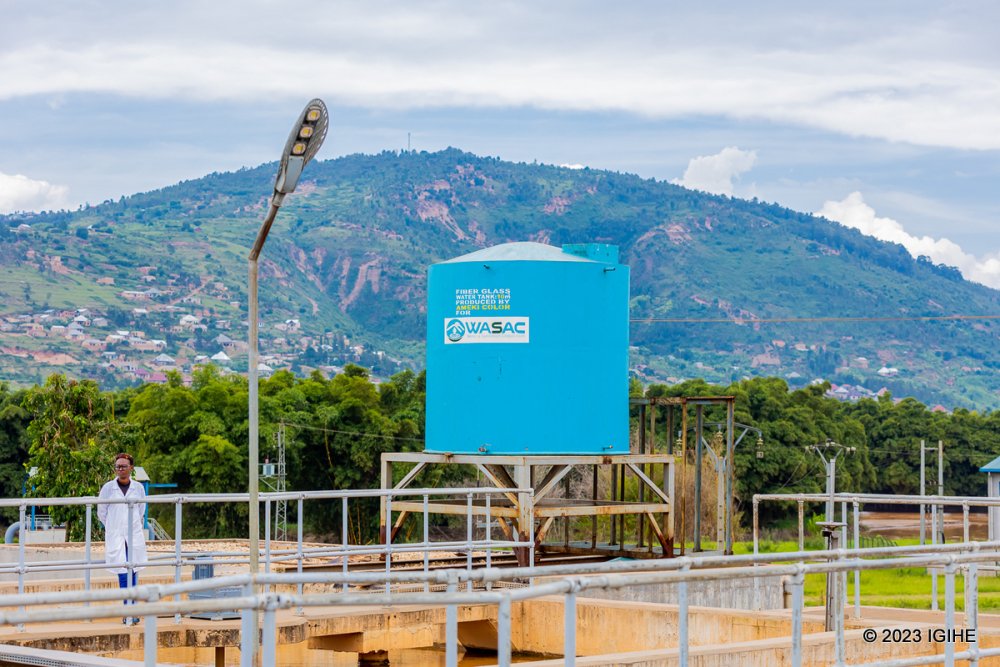
President Paul Kagame addressing members of the press on August 24, 2026. Rwanda is implementing projects that will increase daily treated water production from more than 367,000 cubic meters this year to over 688,000 cubic meters per day by 2029
Speaking during a press conference at the Kigali Convention Centre on Monday, President Kagame said Rwanda had never made such a commitment to Burundi.
'There is no commitment we ever made that we did not fulfil, not with the President of Burundi, not with anybody,' Kagame said, adding that perhaps Ndayishimiye had 'dreamt and thought it had happened.'
Ndayishimiye, in an interview with BBC Gahuzamiryango in July 2026, said Burundi was still waiting for Rwanda to fulfil what the two countries had agreed upon. When asked to specify the matter, he said it concerned the transfer to Bujumbura of individuals accused of attempting to overthrow Nkurunziza in May 2015.
Kagame said he was unaware of any meeting or agreement in which Rwanda had committed to handing over the suspects.
The Head of State accused Ndayishimiye of being dishonest, recounting a conversation the two leaders had following reports that Burundi had deployed troops to North Kivu Province in eastern Democratic Republic of Congo.
Kagame said Rwanda's intelligence services had informed him about the deployment, prompting him to call Ndayishimiye to seek clarification. He also raised concerns over reports linking Burundi to the Democratic Forces for the Liberation of Rwanda (FDLR), as well as earlier incursions into Rwanda by armed groups operating from Burundi, including the FLN.
According to Kagame, Ndayishimiye strongly denied that Burundian forces had been deployed to North Kivu and urged him to cross-check the information, suggesting that those who had provided the reports were attempting to cause problems.
'I said, President, I will take your word, much as I think the reports I received were credible, but I will take your word for it,' Kagame said.
However, Kagame said the reports were subsequently confirmed when Burundian soldiers were captured in North Kivu by AFC/M23 fighters.
'A couple of weeks after, they were captured in the north of Kivu,' he remarked.
Kagame said he therefore did not know what commitment or meeting Ndayishimiye was referring to when he claimed Rwanda had failed to honour an agreement regarding the 2015 coup suspects.
Rwanda has in the past said it cannot hand over the persons linked to the coup because they are refugees protected under international law.
Speaking during a press conference at the Kigali Convention Centre on Monday, President Kagame said Rwanda had never made such a commitment to Burundi.