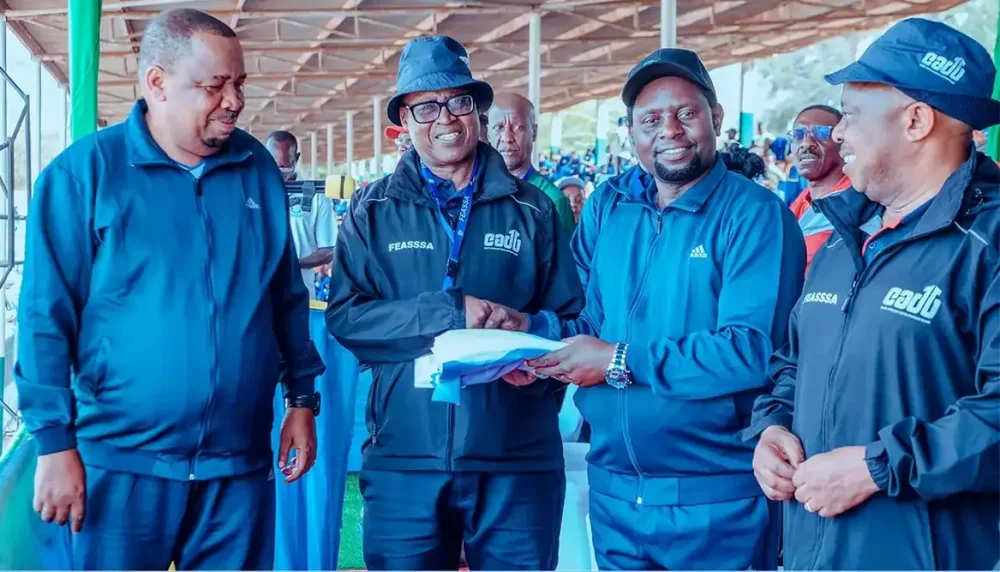
Rwanda was confirmed as the host of the 2027 edition was made during the closing ceremony of the 2026 FEASSA Games in Morogoro, Tanzania, which ran from August 12 to 22.
FEASSA President Justus Mugisha confirmed that Rwanda would host the next edition of the regional schools sports competition.
'Rwanda will host the next FEASSA Games. We look forward to working with our colleagues in Rwanda to ensure the Games are successfully organised,' Mugisha said.
The Rwanda Federation of School Sports and Culture (FRSS) is planning to hold the 2027 Games, which will be the 24th edition, in Musanze, according to information obtained by IGIHE.
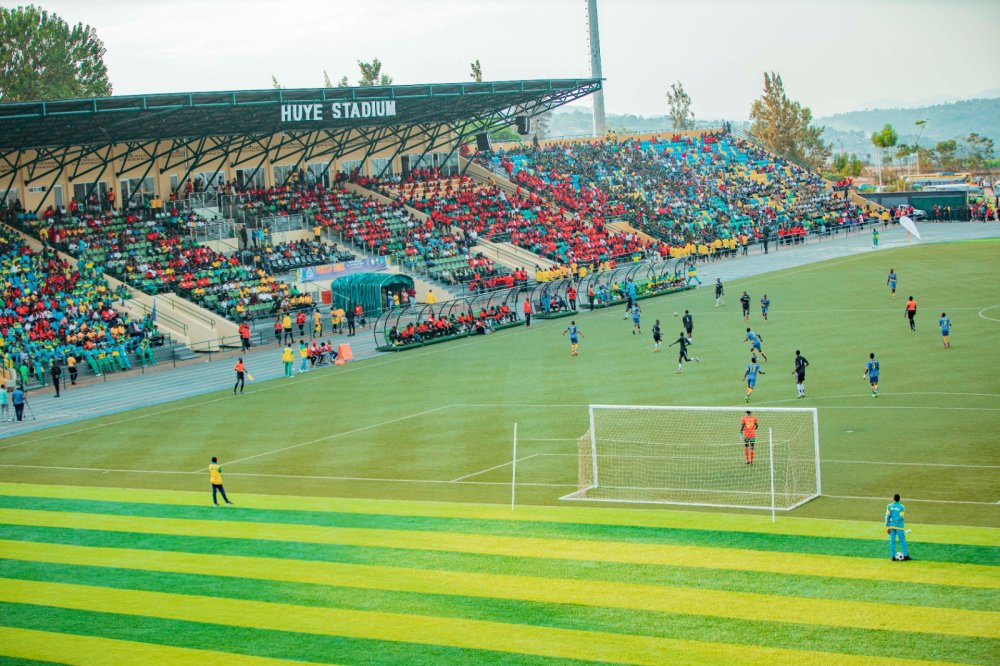
Rwanda last hosted the FEASSA Games in 2023 in Huye, attracting students from Rwanda, Tanzania, Uganda and Kenya.
Since joining FEASSA in 2005, Rwanda has hosted the Games on three other occasions: in Kigali in 2008, Huye in 2015 and Musanze in 2018.
The 2026 edition in Morogoro brought together about 6,000 athletes and 2,000 officials and other accompanying members, who competed in 43 sports.
The competition featured teams from Tanzania, Rwanda, Kenya, Burundi and Uganda.
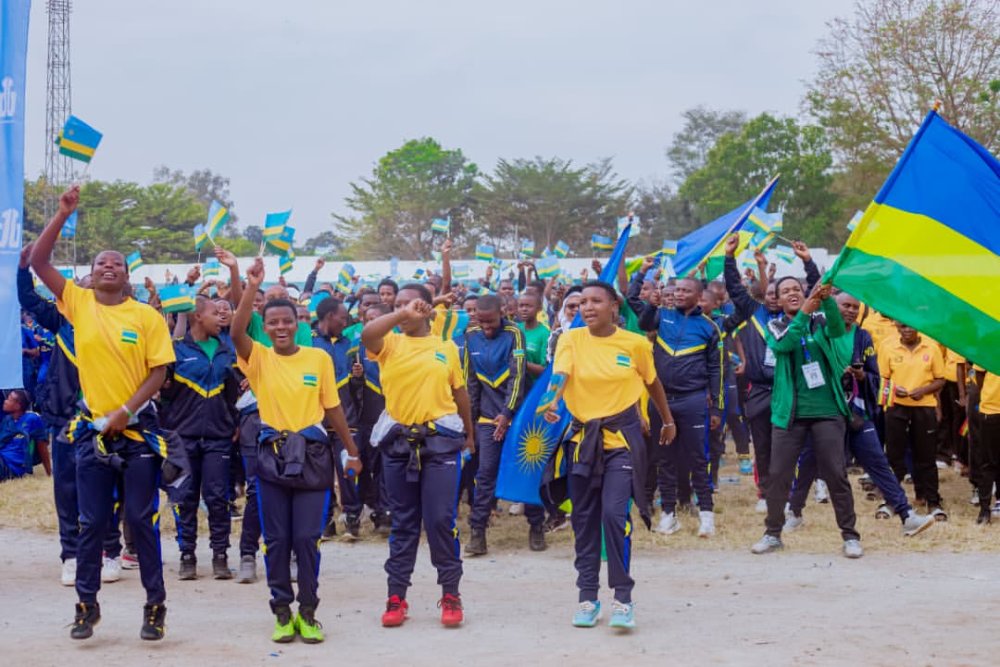
Rwanda was confirmed as the host of the 2027 edition during the closing ceremony of the 2026 FEASSA Games in Morogoro, Tanzania, which ran from August 12 to 22.Rwanda was among the five countries that participated in the 2026 FEASSA Games in Morogoro, Tanzania.
Huye hosted the FEASSA Games when Rwanda last hosted the competition in 2023.
The regional legislation, the EAC Pharmaceuticals Bill, championed at the East African Legislative Assembly (EALA) by Rwandan legislator Francine Rutazana, builds on years of technical work under the EAC Medicines Regulatory Harmonization (EAC-MRH) initiative. The proposed Act is designed to elevate non-binding regional guidelines into a legally binding framework governing essential human medicines, vaccines, and medical products across all eight EAC Partner States.
National stakeholder consultations were held across the member states from August 17 to 21, 2026, to refine key provisions ahead of the Bill's remaining legislative stages at EALA and its eventual submission to the EAC Summit of Heads of State for assent.
In each Partner State, stakeholders across the healthcare supply chain, including pharmaceutical manufacturers, public health policymakers, National Medicines Regulatory Authorities (NMRAs), academic institutions, traders, and industry players, met to identify provisions needed in the final text.
The consolidated country recommendations will be submitted to EALA for harmonization before the Bill undergoes formal readings.
The legislative push reinforces long-running EALA efforts to harmonize pharmaceutical regulation, improve market surveillance, and promote locally manufactured medical products within the Community. Rutazana previously introduced private member legislative motions aimed at encouraging regional manufacturing, enforcing Good Manufacturing Practice (GMP) standards, and establishing mutual recognition procedures for medicine registrations.
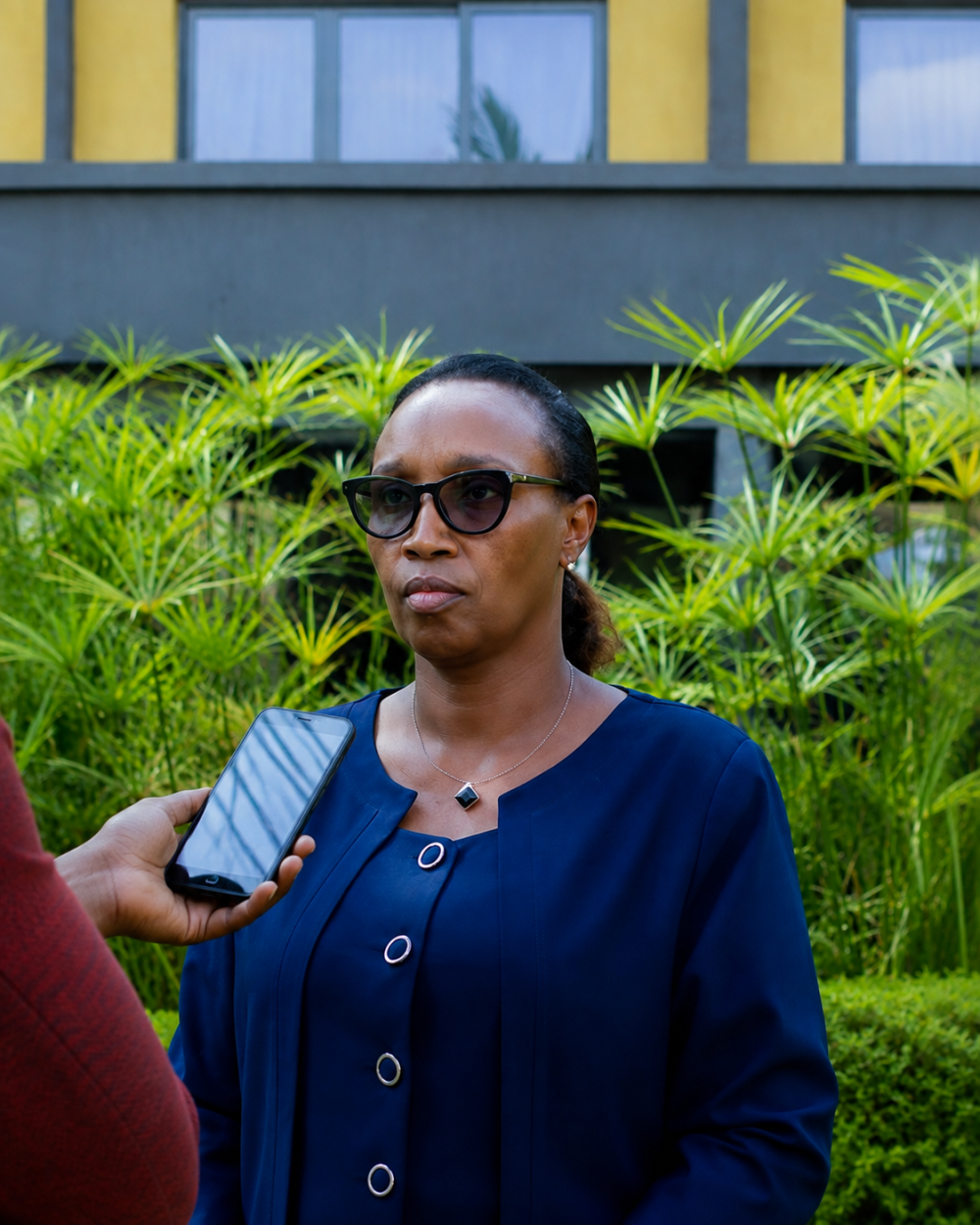
Speaking following consultations held in Rwanda from August 20 to 21, 2026, Rutazana noted that transitioning existing guidelines into statutory law will streamline operations among regulatory authorities across the region.
She cited National Medicines Regulatory Authorities as a primary example, noting that such institutions currently operate at varying levels of development across the bloc. While countries like Rwanda, Kenya, Uganda, and Tanzania have established national food and drug authorities, other Partner States are operating with developing frameworks or legacy systems.
Rutazana emphasized that these structural discrepancies make joint safety assessments and cross-border market surveillance difficult without a binding regional legal instrument.
The EAC Pharmaceuticals Bill also establishes unified requirements for local and international pharmaceutical manufacturers operating within the Community.
'Pharmaceutical manufacturers need a clear statutory framework to collaborate effectively, as variations in product quality standards impede cross-border trade,' she said.
'Harmonizing quality and safety compliance ensures that if a manufacturing facility operating in one Partner State is inspected and authorized, its products can trade across the bloc without facing redundant, country-by-country inspections.'
Rutazana added that a binding regional framework will expand the market footprint for EAC-produced essential medicines, allowing regional health systems to source quality-assured products locally rather than depending heavily on external imports.
Under EALA's legislative roadmap, the Bill is expected to complete its parliamentary stages by December 2026 before being presented to the EAC Summit of Heads of State in 2027 for final assent into law.
Mwesigye John Patrick, Director of the EAC Regional Centre of Excellence for Vaccines, Immunization and Health Supply Chain Management (EAC RCE-VIHSCM), told IGIHE that the Bill addresses long-standing enforcement gaps in regional health cooperation.
He explained that while the EAC has developed technical guidelines over the past decade, their non-binding nature creates legal uncertainty during supply chain disputes or enforcement actions.
'This law will provide statutory authority to existing regulatory frameworks. While technical guidelines remain operational, the law will take precedence in any legal or cross-border dispute,' Mwesigye said.
'Previously, there was no comprehensive regional law specifically protecting buyers, suppliers, or public health authorities in cases involving substandard or falsified medicines.'
Under the proposed statute, a standardized Mutual Recognition Procedure (MRP) and unified market authorization system will govern all human medicines entering EAC markets, whether produced locally or imported from outside the region.
The framework is structured to streamline trade barriers for compliant local manufacturers while maintaining rigorous oversight.
'Regulators in our respective Partner States will continue performing GMP inspections at manufacturing facilities to ensure strict adherence to safety and quality standards,' Mwesigye said.
'Once authorized, national procurement agencies, such as Rwanda Medical Supply, can integrate these approved products into their supply networks, allowing seamless distribution across borders without unnecessary administrative hurdles.'
The framework will also empower NMRAs to execute joint, region-wide product recalls whenever a safety or quality defect is identified in a pharmaceutical batch.
119 operational pharmaceutical facilities across the EAC
According to data cited by Mwesigye, the EAC currently hosts 119 licensed human pharmaceutical manufacturing facilities.
Kenya accounts for 30 plants, followed by Uganda (38), the Democratic Republic of the Congo (34), Tanzania (15), Rwanda (7), Burundi (2), and Somalia (1). South Sudan currently has no operational pharmaceutical manufacturing plant.
Together, these facilities satisfy approximately 30% of the human pharmaceutical demand within the EAC, though local production capacity varies widely between Partner States, falling below 1% in some countries. An estimated 50 additional pharmaceutical production plants are currently under development across the bloc.
Mwesigye cautioned that the 30% regional production figure does not equate to complete product coverage. A single manufacturing facility may produce only 20 active formulations, whereas national healthcare systems often require up to 4,000 distinct pharmaceutical lines, leaving the bloc reliant on external imports for 70% of its medical needs.
'The progressive establishment of new facilities has been encouraged by the regulatory guidelines developed under the EAC-MRH initiative over the years,' Mwesigye said. 'Enacting a full regional law will provide the long-term regulatory certainty needed to attract large-scale industrial investment.'
The legislative timeline aligns with the African Union's continent-wide mandate under the Partnerships for African Vaccine Manufacturing (PAVM), which targets 60% self-sufficiency in African vaccine production by 2040, up from less than 1%. Harmonized regulatory frameworks and regional procurement preferences are seen as vital foundations for achieving that target.
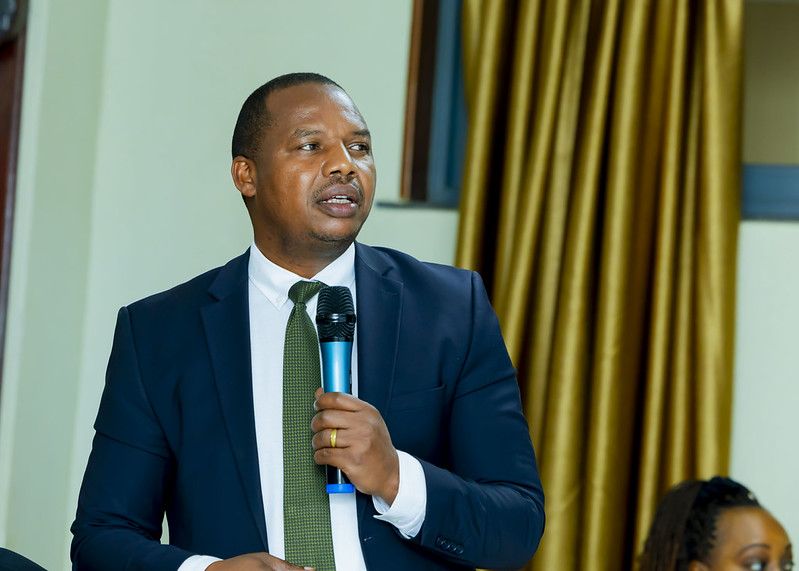
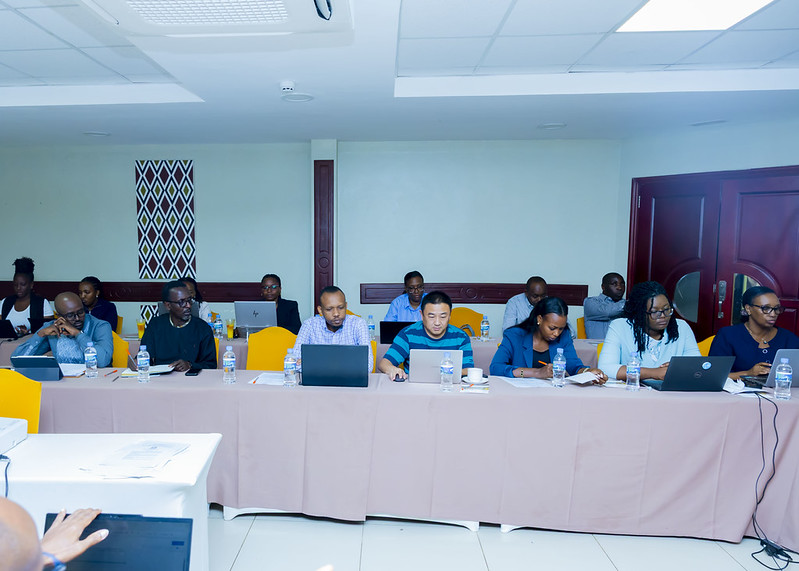
Rwanda healthcare stakeholders submit views on proposed EAC medicines law.Mwesigye John Patrick, Director of the EAC Regional Centre of Excellence for Vaccines, Immunization and Health Supply Chain Management (EAC RCE-VIHSCM), told IGIHE that the Bill addresses long-standing enforcement gaps in regional health cooperation.The regional legislation, the EAC Pharmaceuticals Bill, is being championed at the East African Legislative Assembly (EALA) by Rwandan legislator Francine Rutazana.
The robot, Tiangong Ultra, completed the 100-meter sprint in 9.39 seconds during the World Humanoid Robot Games in Beijing on Saturday. The time was 0.19 seconds faster than Bolt's human world record of 9.58 seconds, set at the 2009 World Athletics Championships in Berlin.
Tiangong Ultra, developed by the Beijing Humanoid Robot Innovation Center, initially fell behind during the race before overtaking Lightning, a humanoid robot produced by technology company Honor, in the final stretch. Lightning finished second in 9.47 seconds.
The performance came after an even faster preparation run by Lightning, which Chinese state media reported completed the distance in 9.32 seconds. The robot reached a peak speed of 14.5 meters per second during the run.
The robots' performances were a dramatic improvement from last year's competition. Tiangong Ultra completed the 100-meter race in 21.50 seconds during the inaugural World Humanoid Robot Games, meaning its latest official time represents a major gain in speed.
The race also demonstrated some of the challenges still facing humanoid robots. After crossing the finish line, Tiangong Ultra became unstable and veered to one side, forcing nearby spectators to move away. Lightning also fell after completing the race and had to be removed from the track on a stretcher.
The sprint was among 51 events being contested at this year's World Humanoid Robot Games at Beijing's National Speed Skating Oval. The competition features events including football, dance, long jump, weightlifting and industrial tasks.
More than 2,000 robots are taking part, with 2,056 robots from 666 teams representing 16 countries and six continents participating in this year's games. The number of participating teams has risen sharply from 280 in the first edition.
Robots are also making an impact in other athletic events. One humanoid robot cleared 2.88 meters in the standing high jump, exceeding Cuban athlete Javier Sotomayor's 2.45-meter human world record set in 1993.
Lightning also won the humanoid robot half marathon, finishing in 50 minutes and 26 seconds. The robot stands 1.69 meters tall, and researchers extended its leg length from 95 centimeters to 1.05 meters before the race in an effort to improve its performance.
The rapid progress comes as China continues to expand its position as a major producer of humanoid robots. The technology has also become a point of tension between Beijing and Washington. The Trump administration in July banned imports of humanoid robots into the United States, citing national security concerns.
China has rejected the U.S. restrictions. Foreign Ministry spokeswoman Mao Ning said Beijing opposed what she described as Washington's excessive use of national security arguments against Chinese companies, warning that protectionism could ultimately harm U.S. businesses and consumers.
The World Humanoid Robot Games will continue through Wednesday, as researchers and companies use the competition to showcase increasingly capable machines, and test how closely robots can replicate, and potentially surpass, human athletic performance.
The mission is part of the Expanded Joint Verification Mechanism Plus (EJVM+), whose operationalisation was highlighted in a joint statement issued August 21 following five days of talks in Switzerland between representatives of the DRC government and AFC/M23.
The parties said an EJVM+ reconnaissance mission had been conducted on August 20 with logistical support from the UN peacekeeping mission MONUSCO, ahead of the first ceasefire verification mission scheduled for Monday, August 24 in Minembwe.
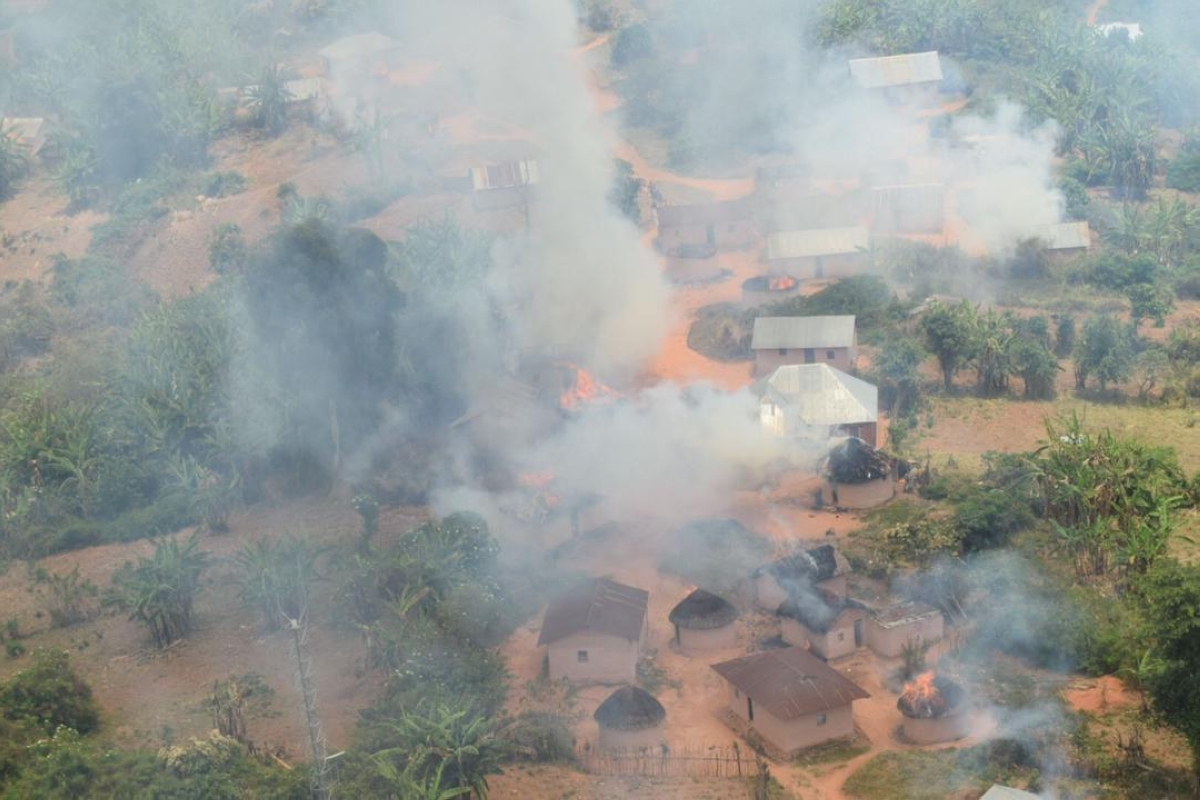
The announcement comes against a backdrop of continued violence in the highlands of South Kivu, where localised ceasefire arrangements have repeatedly come under strain.
The Minembwe mission is therefore likely to be closely watched as a test of whether the monitoring mechanism agreed to under the Doha peace process can establish facts on the ground, investigate allegations and help prevent further escalation.
Monitoring mechanism faces first major test
The DRC government and AFC/M23 agreed in Doha last year to establish a joint ceasefire monitoring and verification mechanism. The mechanism was designed to investigate violations and help the parties address incidents before they trigger renewed hostilities.
The latest joint statement says the parties have now made progress in putting the Expanded Joint Verification Mechanism Plus into operation, including establishing its secretariat and conducting the reconnaissance mission in Minembwe.
They also agreed on the need for a standardised method for reporting allegations of ceasefire violations.
That provision could prove particularly important in Minembwe, where the opposing sides have repeatedly issued competing accounts of attacks and casualties.
Fresh allegations of drone strikes
On August 22, AFC/M23 spokesperson Lawrence Kanyuka accused forces aligned with the Kinshasa government of carrying out drone strikes against populated areas of Mukoko and Nyamabuguma in the Minembwe axis.
The AFC/M23 insists that the people of Minembwe, in South Kivu, continue to be subjected to regular mortar and kamikaze drone attacks.
Kanyuka said the strikes occurred shortly after midnight, caused civilian deaths and damage to civilian infrastructure.
In a separate statement issued August 21, Kanyuka accused a coalition including the FARDC, FDLR, Wazalendo militias, foreign mercenaries and Burundi's military of continuing attacks against civilians. He cited repeated drone and other bombardments along the Minembwe axis.
Doha process sets broader roadmap
The Minembwe mission comes as the DRC government and AFC/M23 seek to advance negotiations under the Doha Framework for a Comprehensive Peace Agreement, signed in Doha on November 15, 2025.
During their August 17-21 meetings in Switzerland, the parties agreed to establish a mechanism to review progress and address challenges in implementing their obligations under the framework.
They also developed a roadmap setting out steps and timelines for negotiating the remaining protocols.
The parties stressed that the sequence in which the protocols are negotiated would not necessarily determine the sequence of their implementation, and reaffirmed their commitment to pursuing a comprehensive settlement.
'The Parties agreed that the order of negotiation of the protocols does not dictate the order of implementation of the protocols,' the joint statement reads.
Qatar, the United States, Togo, the African Union Commission and Switzerland participated in or supported the meetings.
A credibility test on the ground
For the Doha process, the Minembwe mission carries significance beyond a single verification exercise.
The August 24 mission is expected to provide an early test of whether the EJVM+ can move from an agreement on paper to an operational mechanism capable of monitoring events in one of South Kivu's most sensitive conflict zones.
Its findings could also shape confidence in the wider Doha process, particularly as mediators push to advance negotiations aimed at achieving a comprehensive peace agreement.
The DRC government and AFC/M23 agreed in Doha last year to establish a joint ceasefire monitoring and verification mechanism. The mechanism was designed to investigate violations and help the parties address incidents before they trigger renewed hostilities.
Rezaei, the secretary of Iran's Supreme National Security Council, made the remarks in an interview with state-run IRIB TV.
He said Iran would first negotiate with such countries and ask them to stay out of the conflict, but warned that if they refuse, Tehran will strike their interests, and that if surrounding countries choose to join the U.S. siege, Iran 'will not let even a single drop of oil be exported from the Strait of Hormuz.'
He noted that Iran has learned how to bypass U.S. sanctions and continue oil sales over the years.
Rezaei also repeated that the Hormuz Strait will remain closed unless the United States fulfills its commitments under the Iran-U.S. peace memorandum of understanding signed in June, adding that Washington must act first this time.
U.S. President Donald Trump said Wednesday that the United States would launch 'the most crushing economic operation ever' against Iran, describing it as an 'economic warfare and isolation on an unprecedented scale.'
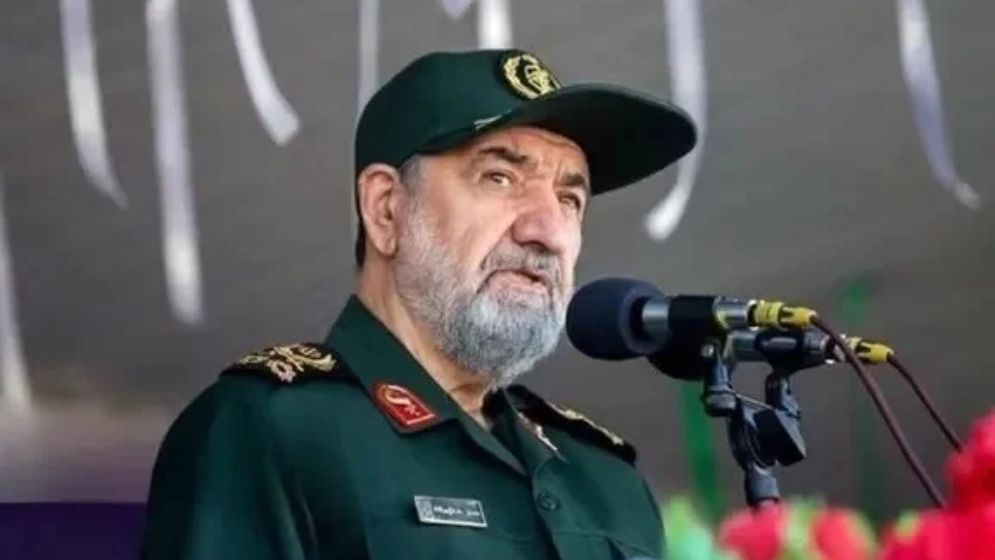
Iran's top security official Mohsen Rezaei warned Saturday that any country participating in the U.S. economic war against Iran will be considered an 'enemy' by Tehran.
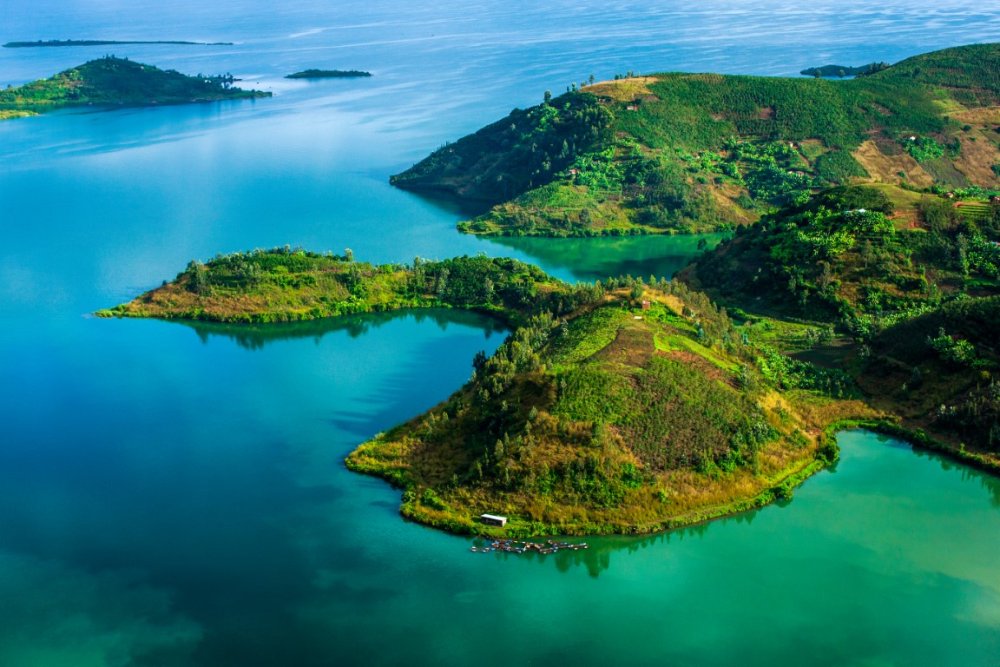
The Rwanda Development Board (RDB) has announced that more than 30 experts from different countries have begun studying how two proposed parks could be established: a national park covering islands on Lake Kivu and another encompassing the Rugezi Wetland and Lakes Burera and Ruhondo.
The development comes more than a year after RDB Deputy Chief Executive Officer Juliana Kangeli Muganza told senators that Rwanda planned to establish an island national park by 2028.
If the plans are implemented, Rwanda would have six national parks, adding the two proposed parks to Volcanoes National Park, Akagera National Park and Nyungwe National Park, as well as other protected and tourism areas.
The new parks could also contribute to Rwanda's ambition of increasing tourism revenues to $1.1 billion by 2029, up from $645 million generated in 2024.
Lake Kivu's islands
Lake Kivu has 113 islands, including 42 in Rutsiro District. Some of the islands have historical and cultural features that could attract tourists, while others are inhabited or used for activities such as agriculture.
Dr Deo Ruhagaze, Deputy Director of the Rwanda Wildlife Conservation Association (RWCA), said the organisation welcomed the government's plan to establish island parks and decided to support the feasibility study.
'These will be two separate parks: the Rugezi Wetland and the islands in Lakes Burera and Ruhondo, and the islands in Lake Kivu. Today, we have a team of more than 30 experts studying how the project could be implemented,' he said.
The team includes experts in business, biodiversity, community livelihoods and economics. They are working alongside representatives from the Rwanda Environment Management Authority (REMA), Rwanda Forestry Authority (RFA), Water and Sanitation Corporation (WASAC), RDB and Rwanda Water Resources Board (RWB).
Experts back the island park
Dr Ange Imanishimwe, founder of BIOCOOR, an organisation that has contributed to biodiversity conservation in Rwanda for 14 years, said some Lake Kivu islands have faced increasing human pressure because they lack a clear management framework.
He said designating them as a national park would establish clearer rules for their conservation and sustainable use.
'If the islands in Lake Kivu were brought together under a national park, they would be better protected because there would be clear regulations and a framework for how they could be sustainably used,' Imanishimwe said.
He added that the absence of a clear tourism framework means the country is not benefiting fully from visitors to the islands.
A national park designation, he said, would also help protect vegetation and trees on the islands, which could contribute to reducing greenhouse gas emissions.
Prof Elias Bizuru, a lecturer at the University of Rwanda and biodiversity expert, said research conducted on the Lake Kivu islands had identified species that are not found elsewhere.
'Lake Kivu has 28 fish species and also contains endemic species. Turning it into a national park would bring tourism benefits, biodiversity conservation benefits, benefits for communities and benefits for the country,' he told IGIHE.
Tourism operators also expect the designation to increase visitor numbers.
Niyomugabo Moise, head of a cooperative of 40 members offering tours on Lake Kivu, said they can receive about 1,000 tourists a month during peak periods, around 70% of them from outside Africa. During slower periods, the cooperative receives about 300 visitors a month.
He said tourists are interested in exploring Lake Kivu, its biodiversity and its islands.
'If the Lake Kivu islands become a national park, it would help us grow because, as we have seen elsewhere, parks work with communities. Designating the islands as a park would increase the number of visitors because they would receive greater promotion,' Niyomugabo said.
Do the proposed areas meet the requirements?
Establishing a new national park in Rwanda involves six stages.
The process begins with identifying an area that could qualify as a national park and formally notifying landowners of the proposal. This is followed by environmental and social impact assessments, consideration of any objections or appeals, establishment of the park's boundaries, and finally the formal designation and establishment of the park in accordance with Article 10 of Law Nº 14/2023 governing national parks and natural areas.
Frank Dushimimana, an RDB official in charge of wildlife conservation and protected areas, said the study of the proposed Lake Kivu island park began about four months ago.
'The study has started, and in the coming days they will also reach out to communities so that the study is guided by what is appropriate for residents,' he said.
The involvement of communities is expected to be an important part of determining how the proposed parks would be managed and how surrounding populations could benefit from conservation and tourism activities.
The uniqueness of Rugezi, Ruhondo and Burera
The second proposed national park would bring together Rugezi Wetland and Lakes Burera and Ruhondo.
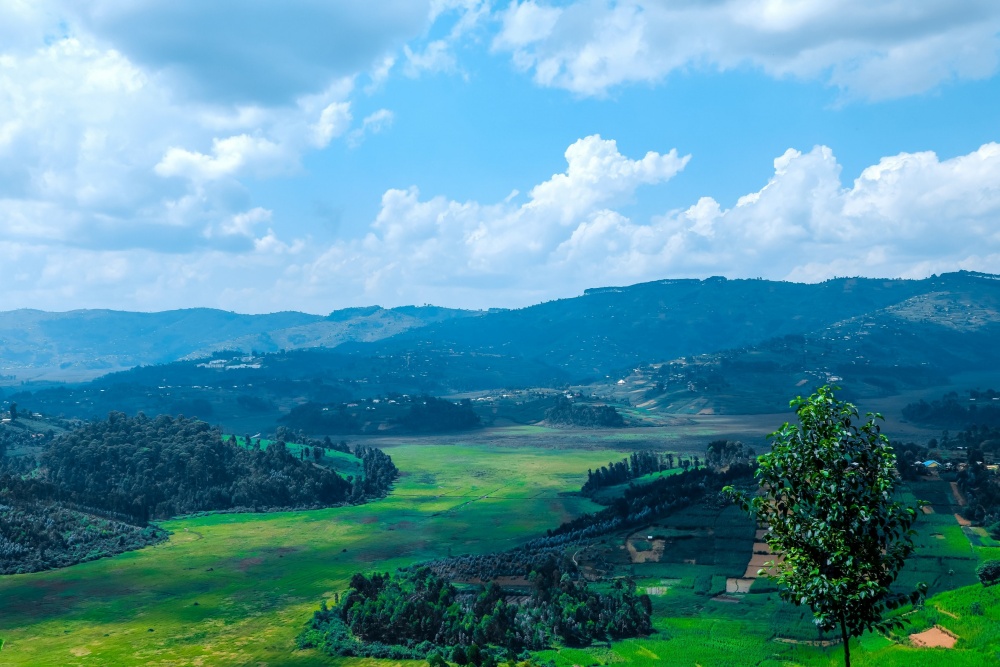
Rugezi is a large high-altitude wetland covering about 6,735 hectares in Burera and Gicumbi districts in northern Rwanda. It lies at an elevation of about 2,100 metres above sea level and is an important source of water flowing towards the Nile River.
The wetland is a major source of water for the Northern Province and also supplies water used by the Ntaruka hydropower plant.
Dr Ruhagaze said the proposed park would have a particular conservation value because Rugezi is home to about half of Rwanda's population of grey crowned cranes.
The cranes lay their eggs in protected areas of the wetland where there is limited human disturbance. Their population in Rugezi has increased significantly over the past decade, from 71 birds in 2015 to 378.
'If Rugezi, Burera and Ruhondo become a national park, it would contribute to conserving the biodiversity found in the wetland and particularly on the islands of Lakes Burera and Ruhondo, including the grey crowned cranes and the many reptiles found there,' Ruhagaze said.
Lake Burera and Lake Ruhondo, often described as twin lakes, are already among Rwanda's major natural attractions. Lake Burera alone has nine islands.
Rugezi is a large high-altitude wetland covering about 6,735 hectares in Burera and Gicumbi districts in northern Rwanda. Lake Kivu has 113 islands, including 42 in Rutsiro District.
Pezeshkian made the remarks at the 31st General Assembly of the Islamic Association of the Iranian Medical Society in the capital Tehran, where he stressed that the war with the United States must end at some point, according to a statement published on his office's website.
'It is better that we end the war today when we are in a position of power and dignity, and the entire world acknowledges our victory and emphasizes that the United States, in violation of all (international) regulations, has attacked our schools, hospitals, and infrastructure, and is hated in the world,' he said.
Pezeshkian described the peace memorandum of understanding (MoU) signed between Iran and the United States in June as 'honorable and valuable,' stressing that not a single provision of the MoU suggests surrender and that all obligations fall on the other party.
He noted that what was accomplished during the negotiations with the United States was a 'great achievement,' which was approved with 'unity and solidarity' in Iran's Supreme National Security Council, and all members of the council defended it decisively.
The president, however, emphasized that Iran will not surrender if attacked again, saying, 'We will under no circumstance bow to bullying, and there is no doubt about it.'
'We will stand against them until our last breath and will give them a crushing response,' he said, adding that Iran's military commanders and armed forces are 'wholeheartedly and selflessly' in full readiness to defend the country.
On June 18, Iran and the United States signed the MoU on ending their war in the region on all fronts. Under the MoU, the two countries were scheduled to hold negotiations within a period of 60 days, which ended on Monday, to reach a final agreement. However, the fate of the talks remains unclear following an escalation between the two countries last month.
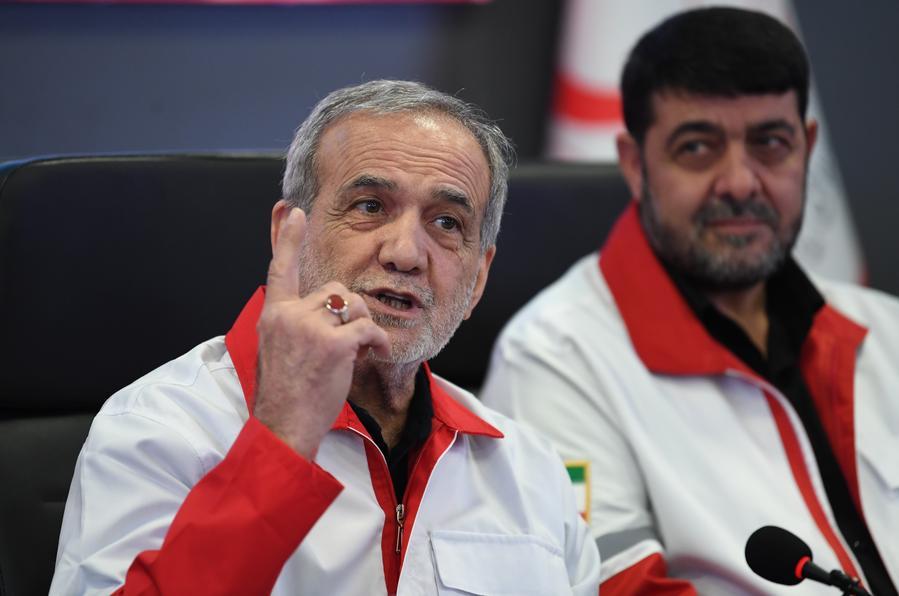
Iranian President Masoud Pezeshkian speaks during his visit to the headquarters of Iran's Red Crescent Society (IRCS) in Tehran, Iran, April 15, 2026. (Xinhua/Shadati)
As the war ended, defeated forces of the former Rwandan Armed Forces (Ex-FAR), Interahamwe militia members and others involved in planning and carrying out the genocide, together with civilian refugees, fled to neighbouring countries, particularly then-Zaire, now the Democratic Republic of Congo (DRC), and Burundi.
Among those who fled to Burundi were Burundian Hutu refugees who had previously been living in Rwanda. They joined others in the forests and, together with refugees from other countries, formed the armed movement FDD and its political wing, the CNDD, in September 1994.
Although some of those who formed FDD had been involved in the killings of Tutsi in southern Rwanda during the genocide, they initially lacked the military experience needed to challenge the government of Colonel Pierre Buyoya.
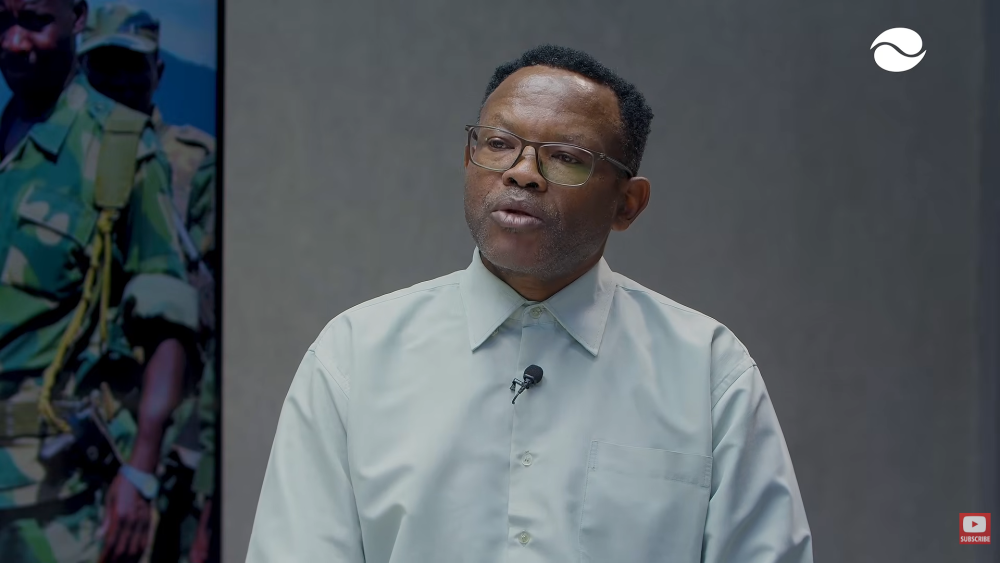
Maj (Rtd) Peter Kubwayo, a former FDLR leader, was among those who fled to Burundi after the RPA victory. Originally from Musange Sector in Nyamagabe District, Southern Province, Kubwayo told IGIHE that he and other refugees were taken to an area known as Gihunda when they arrived in Burundi, where they were assigned to train fighters belonging to the newly formed FDD.
Ex-FAR trains FDD fighters
In early 1995, FDD, led by Léonard Nyangoma, entered into a cooperation agreement with Ex-FAR, which was represented by its former Chief of Staff, Gen Augustin Bizimungu.
The agreement, signed in Bukavu, in South Kivu Province, stated that FDD and Ex-FAR shared common interests and should therefore cooperate financially and militarily in their efforts to mobilise and support Hutu refugees.
Kubwayo said the close relationship between Nyangoma and Ex-FAR commanders, including Gen Bizimungu, who had fled to Mugunga, west of Goma, helped facilitate the agreement.
'He requested assistance, and they provided officers to train officers and soldiers. An Ex-FAR team went to Burundi in March 1995, led by Lt Col Edouard Gasarabwe,' Kubwayo said.
Gasarabwe was accompanied by other Ex-FAR officers, including Maj Diogène Nkundimana, Lt Gaspard Muragijimana, Adjudant Chef Jean Ngerageze, Sgt Maj Jean Damascene Uzabakiriho and Cpl Faustin Sebutimbiri.
According to Kubwayo, the Ex-FAR officers trained FDD fighters at a military school in Musigati, in the former Bubanza Province, as well as at Gihunda. They remained there for about five months before returning to Zaire in August 1995.
Kubwayo said the cooperation was also rooted in the anti-Tutsi ideology shared by elements within FDD and Ex-FAR, both of which were predominantly composed of Hutu fighters.
He said the training covered military tactics, discipline and weapons use, but also included ethnic ideology.
'They taught them tactics, discipline and the use of weapons. But among the teachings was the ideology that 'We are Hutu, and we must fight the Tutsi to drive them out of Burundi. Once we take Burundi, we will go and take Rwanda as well,'' Kubwayo said.
Links extend into Congo
Kubwayo said the relationship between Burundian armed groups and former Rwandan military and militia networks continued to evolve after Laurent-Désiré Kabila's AFDL launched an offensive against Ex-FAR and Interahamwe forces in refugee camps in eastern Zaire.
Some Burundian refugees who had fled alongside Rwandans moved with them towards western parts of the country, including areas around Mbuji-Mayi.
After Kabila's relationship with Rwanda deteriorated, he sought alliances with groups opposed to the Rwandan government. This included reaching out to former Ex-FAR and Interahamwe leaders as part of efforts to challenge the Rwandan government.
Kubwayo said Burundian refugees who had been alongside Rwandans were also incorporated into military training programmes in Congo.
'Some Burundians had fled alongside the Rwandans and went with them. They met in places such as N'Sele and underwent training in different centres, while others met in Kananga at EFO. During the military training given to Interahamwe and Ex-FAR at those centres, the Burundians were also there,' he said.
Among those trained was Gen Maj Agricole Ntirampeba, who is now Burundi's ambassador to the DRC. At the time, Ntirampeba trained at EFO Kananga before continuing his studies at Rukango and receiving intelligence training in Mbuji-Mayi.
Kubwayo said the training was provided by Ex-FAR officers and Zimbabwean forces.
When FDD learned that Burundian refugees had received military training in Zaire, it requested that they be transferred to its ranks. Ntirampeba, who was then a Sous-Lieutenant, and other fighters subsequently went to Burundi, where Ntirampeba became one of the movement's commanders.
Kubwayo said the relationship between the Burundian fighters and those who had trained them continued even after the former entered government.
'From that time, they never stopped working with those who had trained them. Then, when they came into government, the cooperation continued. They would communicate by telephone,' he said.
From CNDD-FDD to the M23 conflict
The networks that emerged from these relationships have continued to feature in the region's successive conflicts, according to Kubwayo.
In 2023, Burundi deployed troops to North Kivu Province to support the Congolese army in fighting the M23 rebel movement. The deployment followed an agreement between Burundi and the DRC after the two countries expressed dissatisfaction with the performance of the East African Community regional force.
Kubwayo said that, during the deployment, Burundian troops worked alongside FDLR fighters in areas of Masisi Territory, including Bambiro, Rutobogo, Kinigi, Rusayo and Kanyaruchinya, north of Goma.
He said the two sides shared intelligence and equipment as they operated against M23.
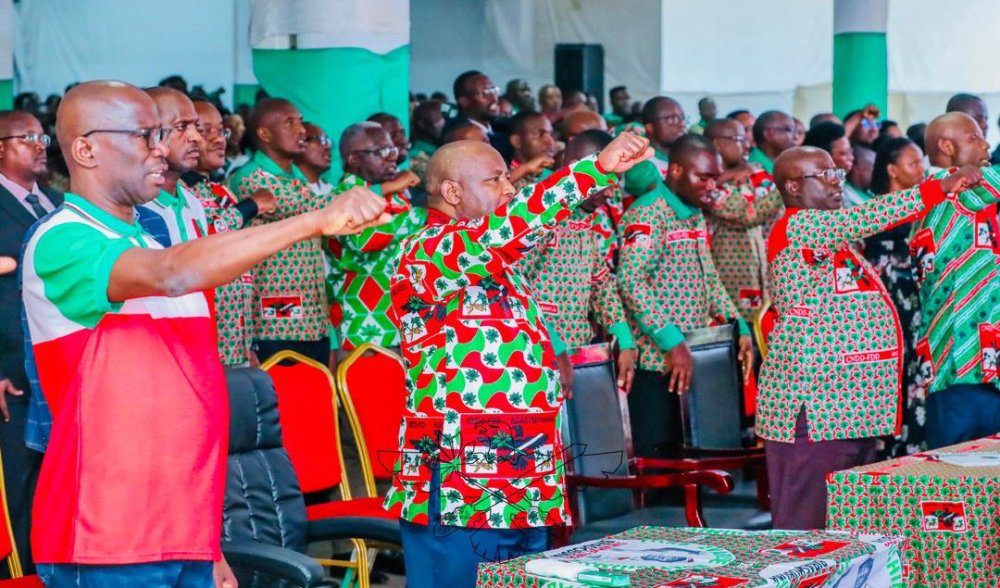
Maj (Rtd) Peter Kubwayo said the agreement signed by Nyangoma and Gen Bizimungu strengthened the FDD movement.The CNDD-FDD, the ruling party in Burundi, was formed in September 1995.
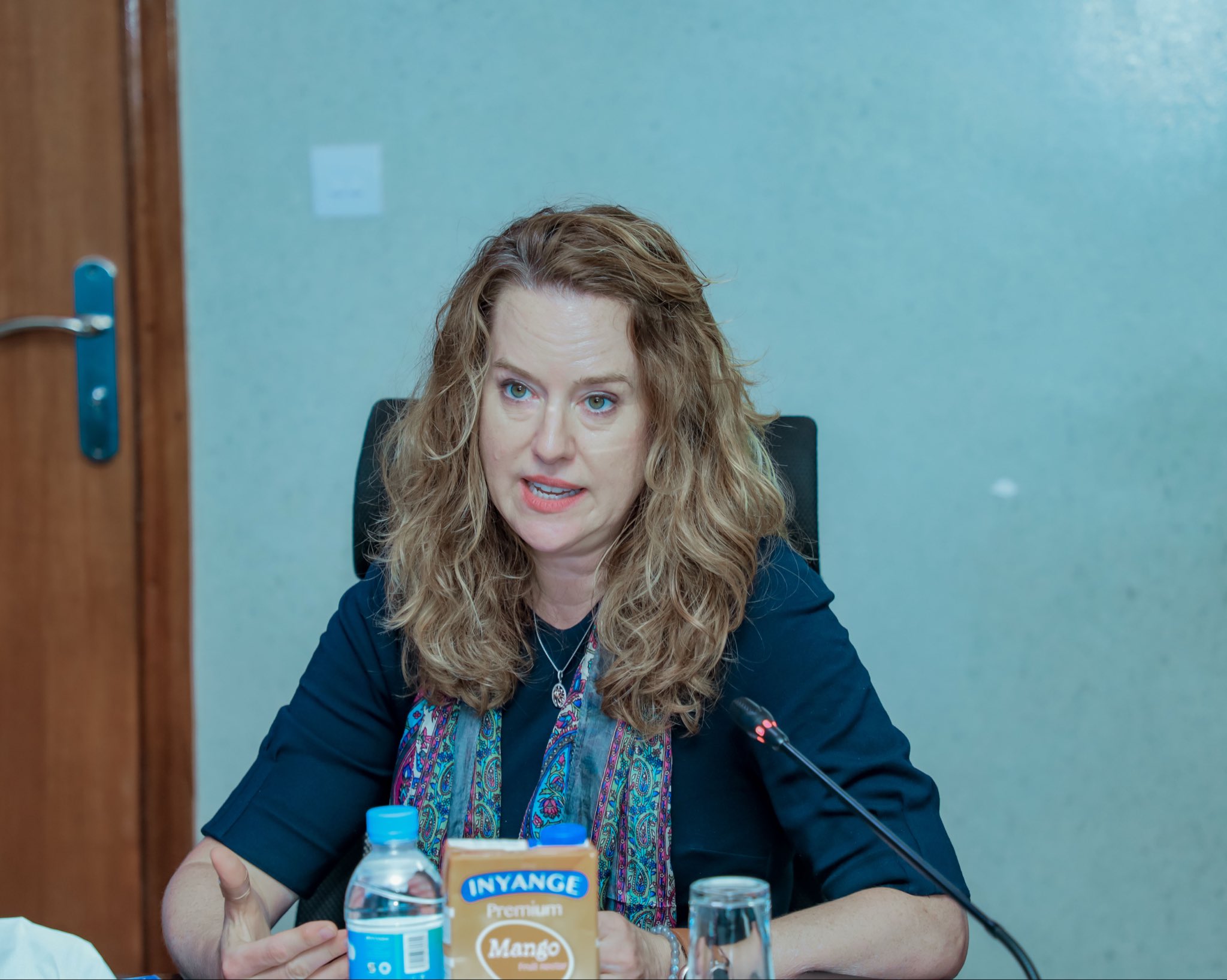
Pope made the remarks in an exclusive interview with IGIHE during her visit to Rwanda, which began on August 19 and concluded on August 21, 2026.
The DG said she had been impressed by the clarity of Rwanda's development vision and the alignment among government officials she met during the visit.
'I have to say I have been so impressed by the clarity and commitment to the vision of the president in this country,' Pope said, noting that the ministers she met were aligned around Rwanda's development goals and the role migration can play in achieving them.
She noted that IOM considers Rwanda a critical partner as governments around the world confront increasing displacement caused by conflict, climate change and demographic changes.
'Our number one objective is to make sure that we have the trust and engagement with our member states, and Rwanda is a critical one,' she said.
Pope revealed that IOM's engagement with Rwanda is aimed at helping the country and other governments anticipate migration-related challenges rather than responding only after crises emerge.
More people are being displaced by the effects of climate change than by any other factor, she noted, while conflicts and demographic changes are also reshaping migration patterns globally.
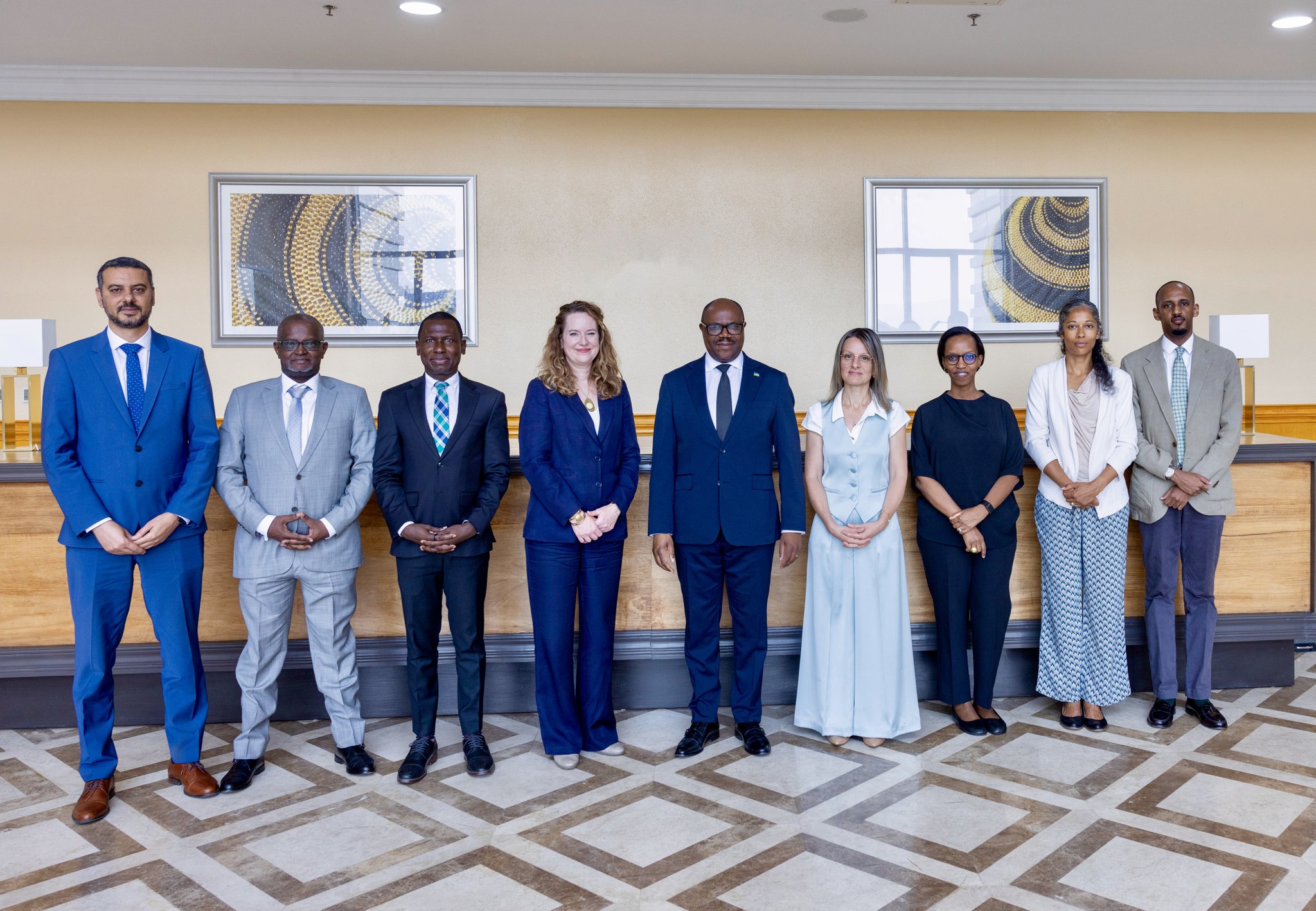
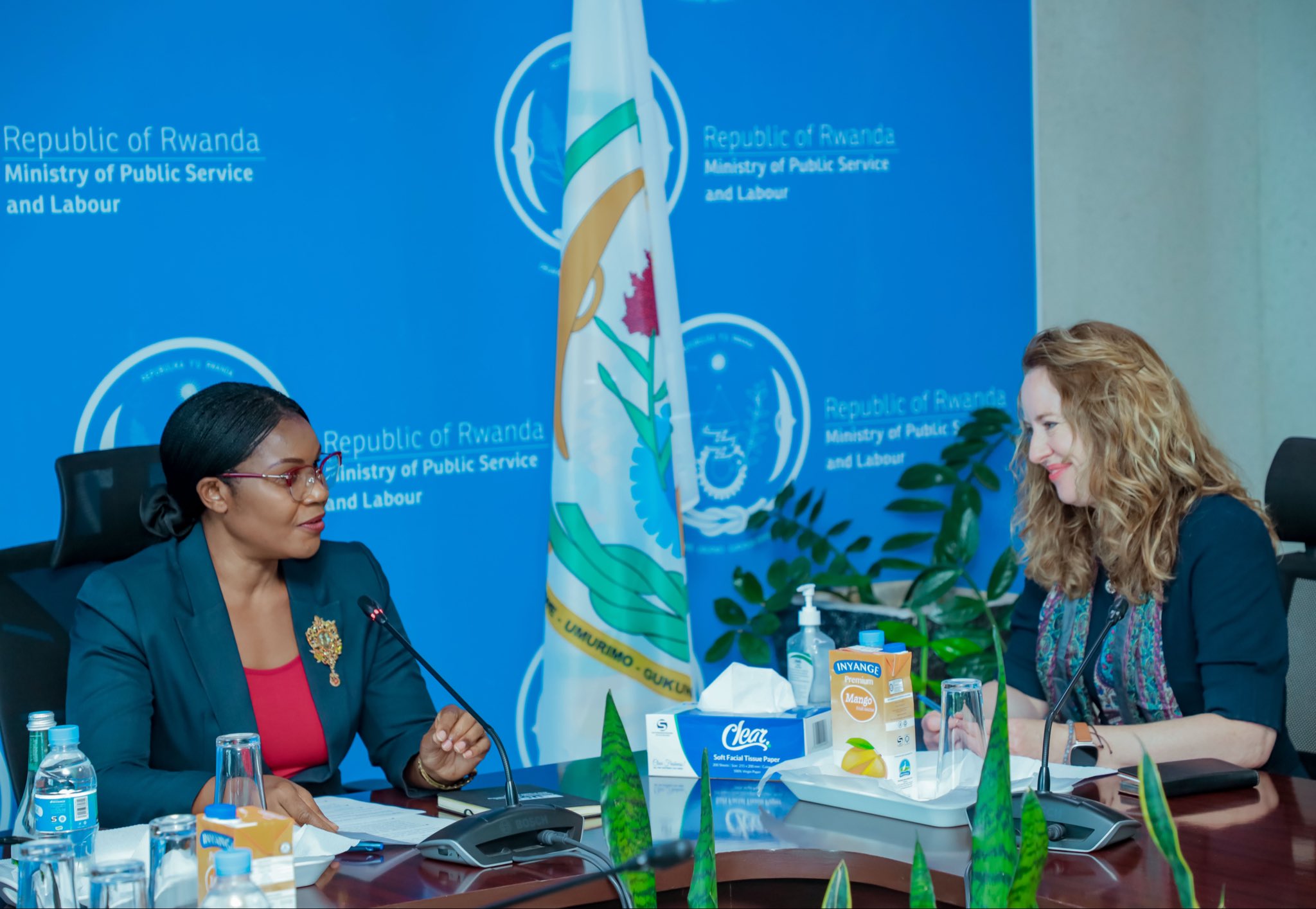
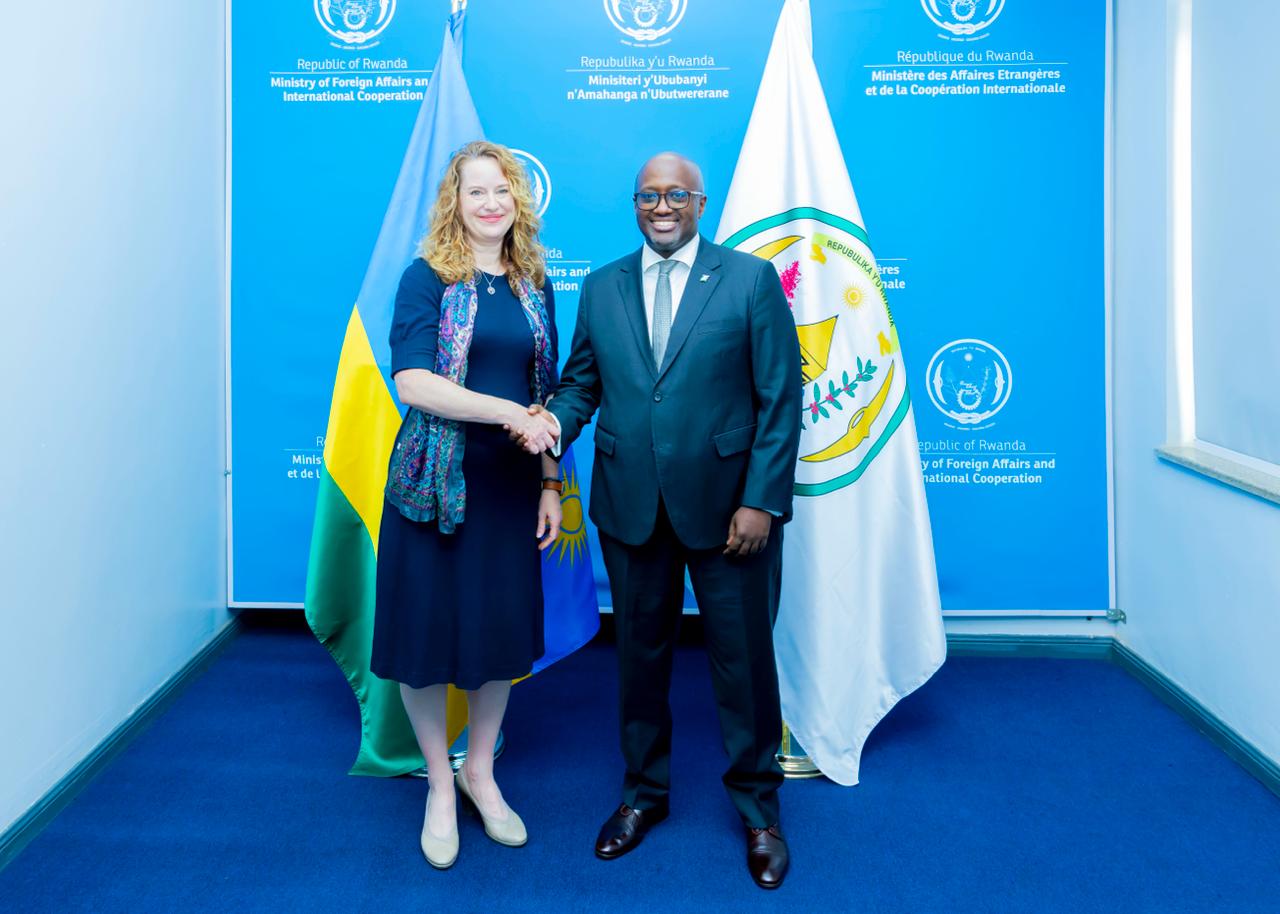
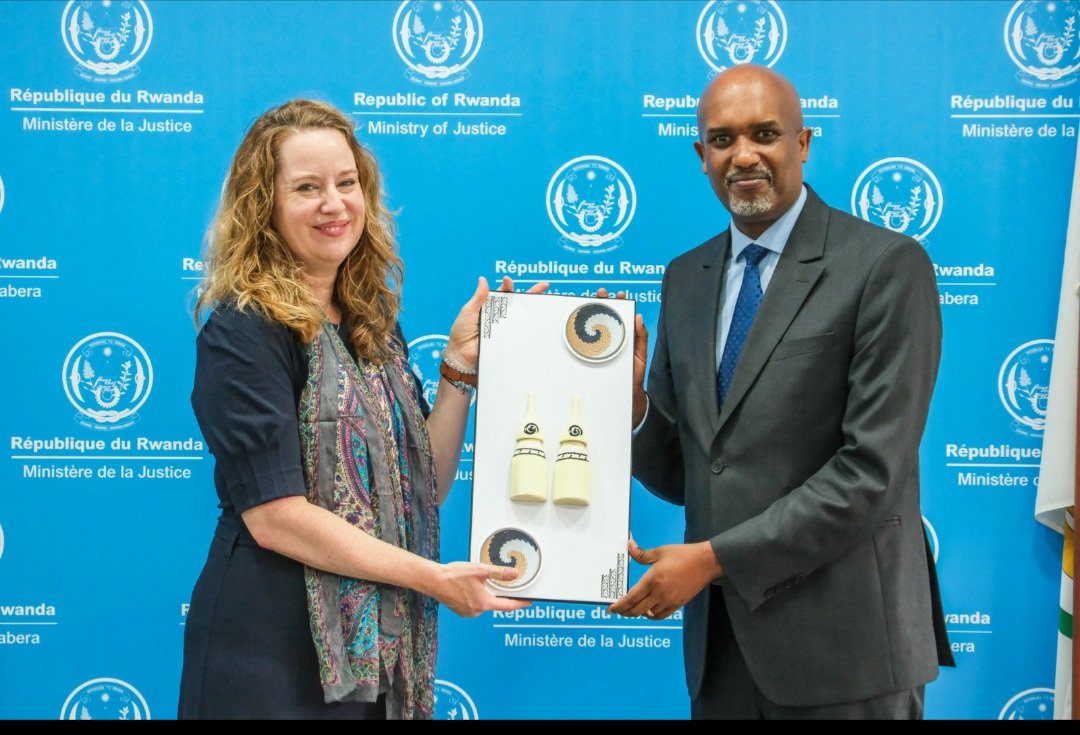
She held meetings with several Rwandan government officials, including Prime Minister Dr. Justin Nsengiyumva and ministers Olivier Nduhungirehe (Minister of Foreign Affairs and International Cooperation), Judith Uwizeye (Minister of Public Service and Labour), Dr. Emmanuel Ugirashebuja (Minister of Justice and Attorney General), and Maj. Gen. (Rtd) Albert Murasira (Minister of Emergency Management).
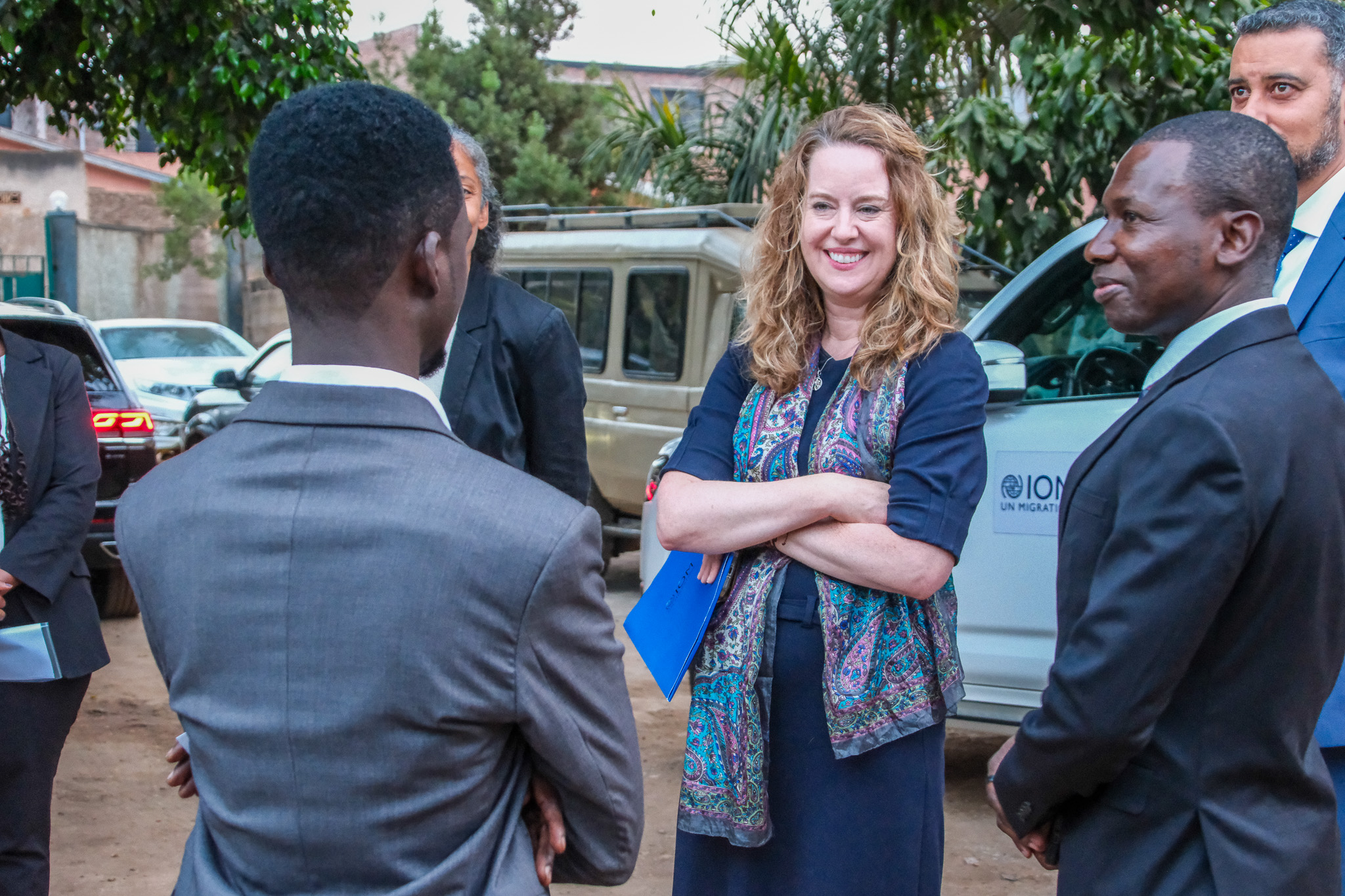
International Organization for Migration (IOM) Director General Amy Pope held meetings with several Rwandan government officials, including Prime Minister Dr. Justin Nsengiyumva.
Pope observed that the meetings demonstrated the importance of treating migration as a cross-cutting issue involving sectors including emergency response, foreign affairs, justice, immigration and internal affairs.
'Across the board, we're seeing a recognition that migration has to be brought into this overall conversation,' she noted.
Migration and Rwanda's development agenda
One of the discussions during Pope's visit focused on the connection between migration, investment and skills development.
Pope emphasised that if Rwanda wants to attract greater industrial investment, it needs a trained and skilled workforce capable of meeting the demands of investors.
She noted that labour mobility can contribute to that objective by allowing Rwandans to work abroad, acquire new skills and return home to apply their experience to Rwanda's development.
'Rwanda is a model for open migration policy,' Pope said.
The IOM chief also praised Rwanda for creating an environment in which migrants can integrate into society, describing the government's approach as welcoming.
She noted that migrants in Rwanda can access education and job opportunities and are treated fairly, which she said makes a significant difference in determining how migration can be managed and supported.
Rwanda's approach, she added, is consistent with a broader vision in which migration is incorporated into national development planning rather than being handled by a single institution or ministry.
'If you want migration to work well, having community engagement, recognizing the impact on education or health, recognizing the growth potential, recognizing the skills are needed, all of that has to be part of the approach,' Pope stressed.
She affirmed that Rwanda's approach is well aligned with Vision 2050 and creates opportunities both for Rwandans working abroad and for people who come to Rwanda seeking better opportunities.
The DG affirmed that Rwanda's approach aligns with Vision 2050 and creates opportunities for both Rwandans abroad and those seeking opportunities in Rwanda.
IOM faces funding constraints
Pope acknowledged that IOM, like other organisations working in the migration sector, is facing funding constraints.
She explained that the organisation has responded by seeking new partnerships, including with the private sector and development banks.
The private sector often relies on migration to meet its development objectives, while development banks can help finance efforts aimed at building skills and creating jobs, she added.
'We're working hard, very closely with the government here to find new ways to meet the demands, recognizing that, unfortunately, the resources that are needed still are not enough,' Pope said.
From crisis management to opportunity
Pope noted that one of the achievements she is most proud of since taking office in 2023 is IOM's shift in thinking about migration.
Rather than viewing migration primarily as a crisis that needs to be managed, she explained that the organisation is increasingly focused on how migration can produce better outcomes for individuals, communities and economies.
According to Pope, labour mobility is currently one of the fastest-growing areas of IOM's work.
The organisation is working to create opportunities for people to move safely, legally and with dignity so that they can benefit from employment opportunities in other countries. It also aims to reduce the number of people who are scammed, die during migration journeys, or fall victim to smugglers and traffickers.
She stressed that such opportunities require planning and cooperation between governments, businesses and other partners.
'That doesn't happen by accident,' Pope said. 'That happens because of planning, of strategic engagement, of partnerships with private sector, partnerships with the governments themselves, whether they're sending government or host government.'
IOM's post-visit statement similarly highlighted skills development, labour mobility, diaspora engagement and protection as areas where migration can contribute to jobs, economic growth and regional cooperation.
'No country can address migration challenges alone,' Pope said in the statement. 'Continued cooperation between governments, international partners and the private sector is essential to expanding opportunities and ensuring migration works for people and communities.'
The IOM chief during a meeting with Minister of Public Service and Labour Judith Uwizeye on Thursday, August, 20, 2026.
Rwanda's role in migration cooperation
Pope's comments come as Rwanda continues to position itself as a partner in international efforts to address migration challenges.
Currently, Rwanda hosts approximately 135,000 to 137,000 registered refugees and asylum seekers, according to United Nations High Commissioner for Refugees (UNHCR). The majority of this population originates from the Democratic Republic of the Congo and Burundi.
Rwanda has previously worked with international organisations through its Emergency Transit Mechanism (ETM) in Gashora, which temporarily hosts vulnerable asylum seekers and refugees evacuated from Libya while arrangements are made for their future.
The mechanism was established in 2019 in partnership with the UN Refugee Agency.
Rwanda's Government Spokesperson Yolande Makolo recently confirmed that Rwanda and Italy are holding discussions on a potential migration partnership, although she stressed that no agreement had been reached.
One idea under discussion is reportedly to build on the existing Gashora mechanism to provide a safe place for people fleeing conflict or persecution. Makolo explained that Rwanda's willingness to participate in migration partnerships is informed by the country's own history of displacement and return.
She also added that Rwanda wants to contribute to reducing the dangers faced by Africans undertaking irregular journeys across the Sahara and the Mediterranean.
'We don't want Africans making dangerous journeys across the desert and dying in the Mediterranean,' Makolo said during a recent interview with Royal FM.
The DG also held talks with Olivier Nduhungirehe, the Minister of Foreign Affairs and International Cooperation.IOM DG held talks with Dr. Emmanuel Ugirashebuja, Minister of Justice and Attorney General, on Thursday.
Pope revealed that IOM's engagement with Rwanda is aimed at helping the country and other governments anticipate migration-related challenges rather than responding only after crises emerge.
The study, published in the Journal of Hepato-Biliary-Pancreatic Sciences, examined 339 patients who underwent surgery for pancreatic ductal adenocarcinoma at Hiroshima University Hospital between 2014 and 2022.
All patients received dental examinations before surgery, during which researchers recorded their number of natural teeth and assessed the contact between their back teeth.
Researchers found a substantial difference in survival between patients with different numbers of natural teeth.
Those with 21 or more natural teeth had a median overall survival of 60.7 months, compared with 39.1 months among patients with 20 or fewer teeth.
The association remained statistically significant even after researchers adjusted for important factors that can influence pancreatic cancer outcomes, including tumour stage, lymph node metastasis, surgical margins, chemotherapy and nutritional status.
The researchers found that chewing function itself was not independently associated with survival. This suggests that tooth count may reflect more than a person's ability to chew.
Kenichiro Uemura, an associate professor at Hiroshima University and corresponding author of the study, said tooth loss may reflect the effects of long-term inflammation, frailty, nutritional condition, lifestyle factors and overall systemic vulnerability accumulated over many years.
The researchers therefore suggest that the number of natural teeth could serve as a simple marker of a person's broader health and resilience.
The researchers stress that the study does not prove that having more teeth directly improves survival.
It was conducted at a single medical centre and involved patients of Japanese ethnicity, meaning the findings need to be validated through larger, multicentre and international studies.
The team also plans to investigate the possible biological links between oral bacteria, chronic inflammation and pancreatic cancer progression.
Researchers hope that oral health assessments could eventually become part of personalized risk assessment and care for pancreatic cancer patients.
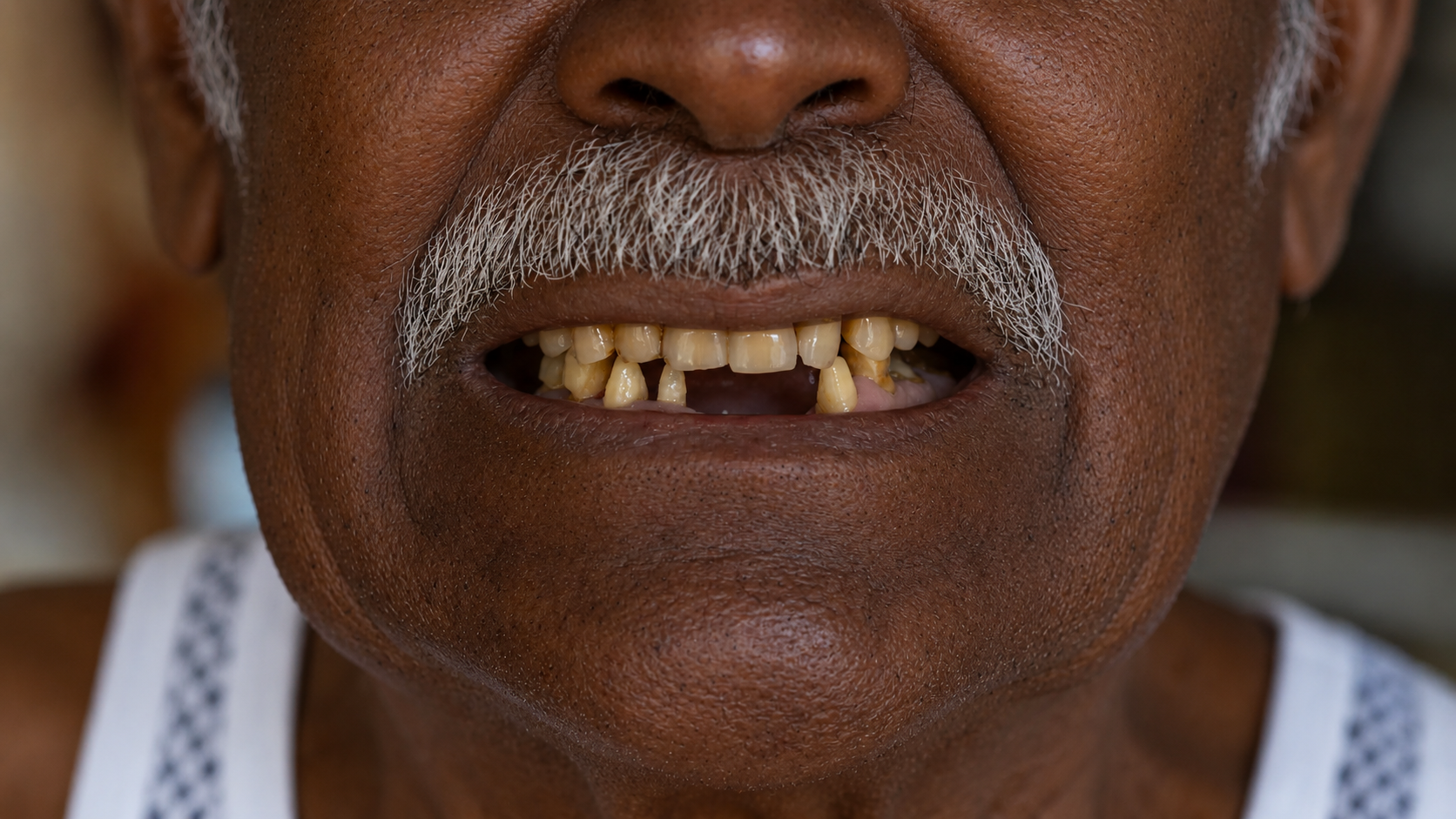
More natural teeth have been linked to longer survival after Pancreatic Cancer Surgery.