Before venturing into the creative industry, Dufatanye was a primary school teacher, where he taught English.
Speaking to IGIHE, he said he completed his education up to university level, where he trained as a teacher before joining the education sector.
When the Covid-19 pandemic disrupted economic activities and led to the loss of many jobs, Dufatanye was among those who were affected. Faced with the challenge of finding a new source of income, he began looking for a skill he could turn into a livelihood.
'I started by making face masks. I watched videos online to learn how they were made, then made them by hand. Fortunately, I found someone who ordered 1,000 masks from me at Rwf200 each. The money I earned from that work became the capital I used to start looking for something else to do,' he said.
She later turned to weaving, a skill he already had. Together with some of his relatives, she began making woven products from home and selling them to customers.
In 2021, Dufatanye established his own business, Izuba. He initially operated from premises used by other artisans before eventually seeking an independent workspace.
A major turning point came in 2026, when he secured financing from Numida Technologies, enabling him to establish a dedicated workplace and expand his operations.
'We met Numida when they found me where I was working. They explained their services to me, and I decided to give them a try. I took the loan and repaid it successfully. They later gave me another loan, which enabled me to move to this place and expand my business,' he said.
Today, Dufatanye has three permanent employees and works with about 30 casual workers whenever he receives large orders. All of them are women.
His ambition is to grow the business further and create more employment opportunities.
'Over the next five years, I hope to have the capacity to employ at least 300 women and to start exporting my products to international markets,' he said.
Numida supports small businesses
Hakizimana Cyprien, an employee of Numida Technologies, said the company provides financing to entrepreneurs at different stages of business development.
'At Numida, we provide loans to everyone, including men, women and young people who have businesses. We support businesses ranging from small and medium enterprises to those that are beginning to grow into larger businesses and want to expand further,' he said.
Numida Technologies was established in 2016. It expanded its operations to Uganda in 2023, entered Kenya in 2026 and began operating in Rwanda the same year.
The company provides loans ranging from Rwf100,000 to Rwf12 million, depending on the nature and stage of a borrower's business.
First-time borrowers, however, can access loans of up to Rwf2 million, according to the company.
For Dufatanye, what began as a search for an alternative source of income during a period of economic uncertainty has grown into a business with ambitions of employing hundreds of women and reaching international markets.
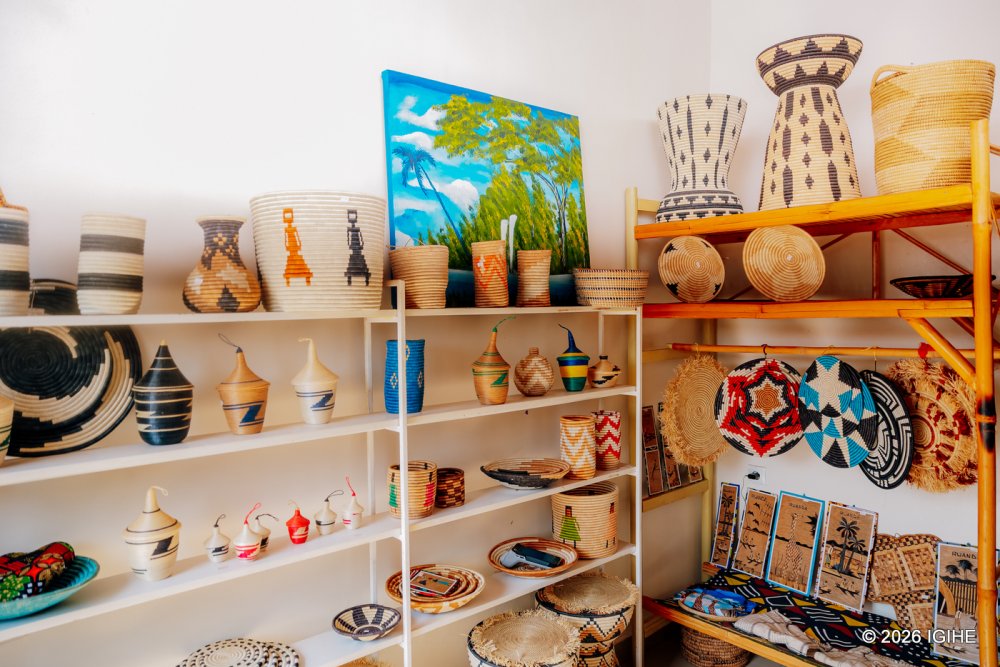
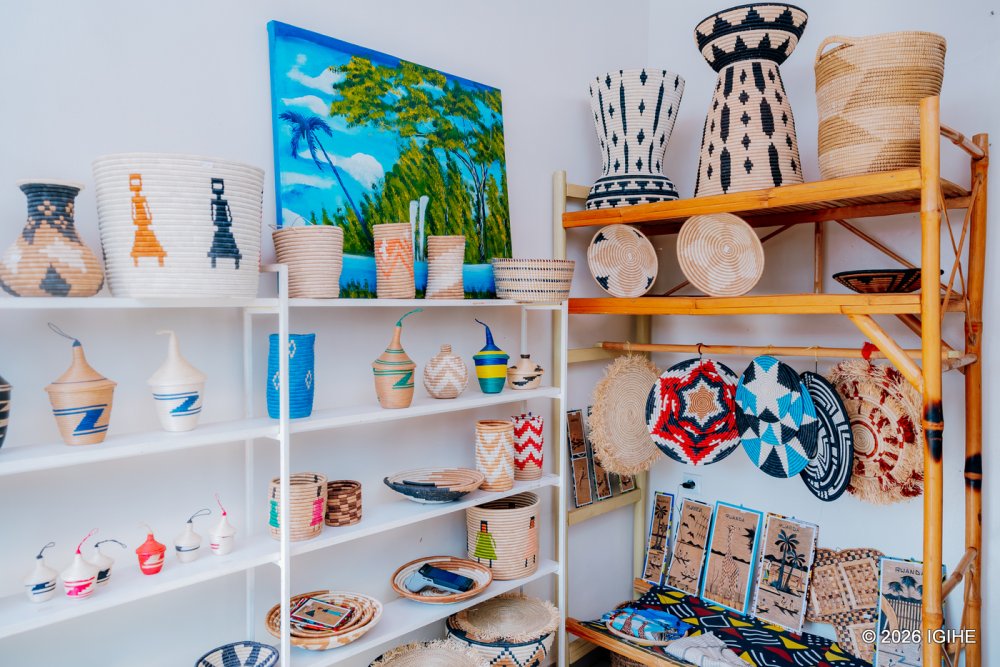
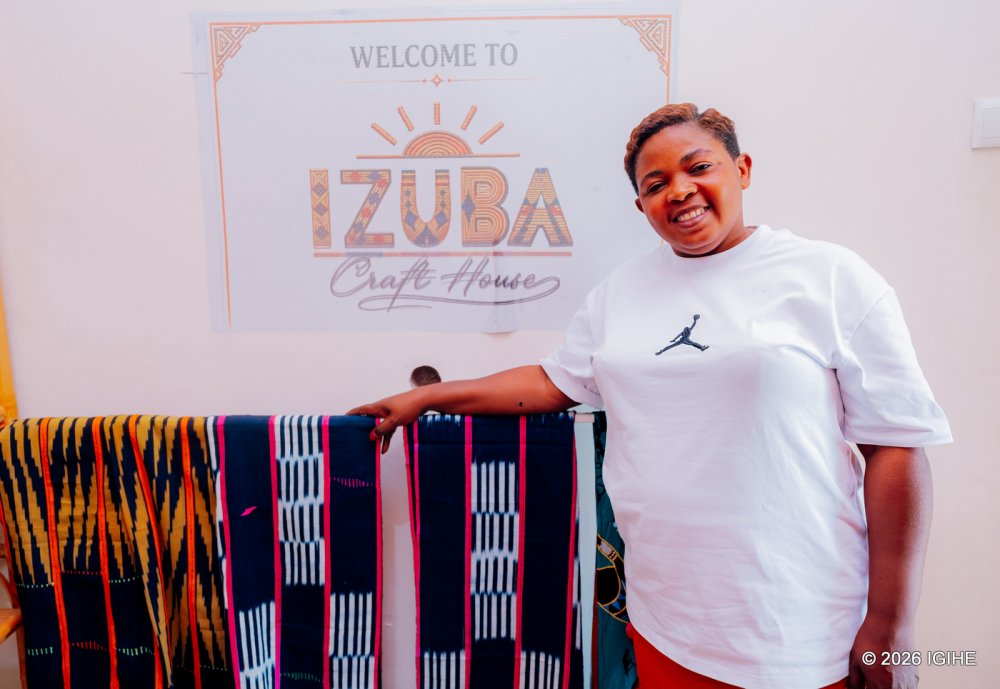
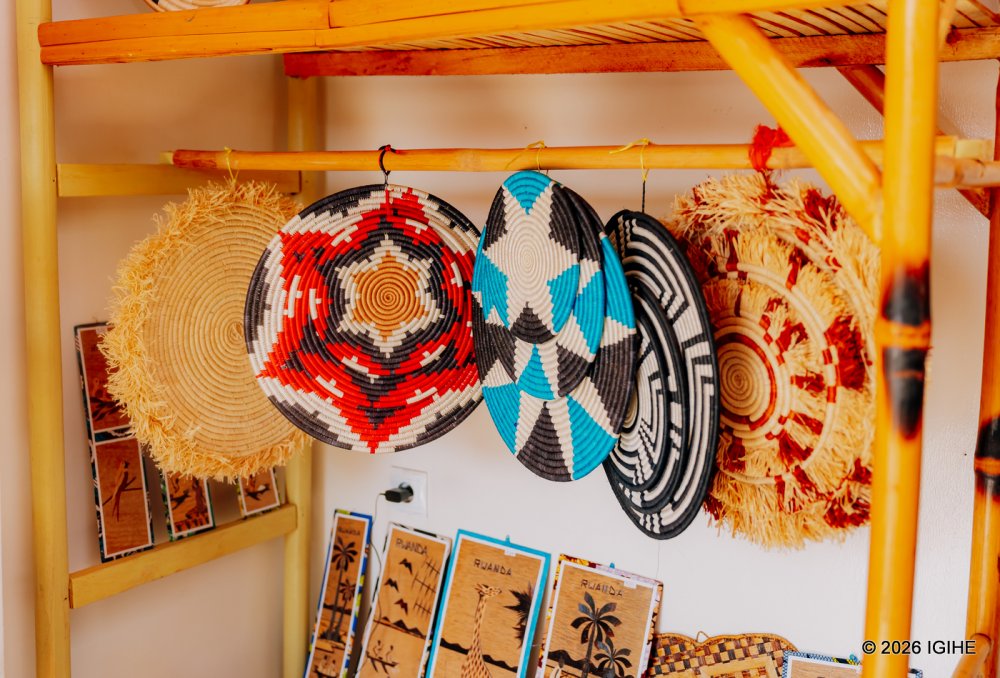
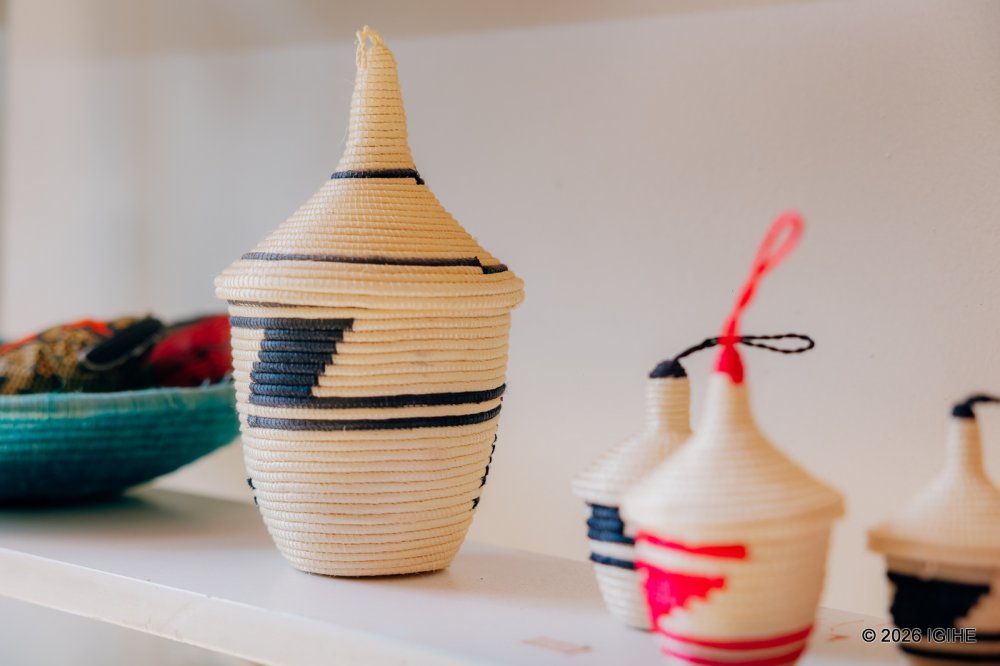
Izuba craft shop showcases a wide range of locally made products from Rwanda.Karitasi Dufatanye creates a variety of locally made products in Rwanda.Dufatanye says she can provide work for up to 30 women when she receives large orders.Covid-19 inspired Karitasi Dufatanye to establish Izuba, a homegrown crafts business.Dufatanye says additional capital would enable him to expand his clothing production.
In 2007, more than 100 million votes were cast in a global campaign to select seven modern wonders from a list of iconic landmarks around the world.
The campaign, organized by the New7Wonders Foundation, brought global attention to seven extraordinary sites: Christ the Redeemer in Brazil, Chichén Itzá in Mexico, the Colosseum in Italy, Petra in Jordan, Machu Picchu in Peru, the Great Wall of China and the Taj Mahal in India.
Each carries a unique story of human creativity, determination and cultural heritage.
Christ the Redeemer, Brazil : Rising above Rio de Janeiro, the iconic monument has become a global symbol of Brazil and Christian faith.
Christ the Redeemer, Brazil
Standing above Rio de Janeiro on Corcovado Mountain, Christ the Redeemer is among the world's most recognizable monuments.
The Art Deco statue of Jesus Christ stands about 30 metres tall, with its outstretched arms spanning approximately 28 metres.
Construction began in the 1920s and the monument was officially inaugurated in 1931. Its position high above Rio has made it one of Brazil's most important cultural and religious symbols.
The statue is also exposed to lightning because of its location, requiring regular maintenance to preserve the monument.
Chichén Itzá, Mexico: The ancient Maya city stands as a remarkable testament to the civilisation's architectural and astronomical achievements.
Chichén Itzá, Mexico
In Mexico's Yucatán Peninsula lies Chichén Itzá, one of the most important archaeological sites associated with the ancient Maya civilization.
Its most famous structure, El Castillo, also known as the Temple of Kukulcán, demonstrates the Maya's sophisticated understanding of architecture, mathematics and astronomy.
During the equinoxes, sunlight creates a striking shadow effect along the pyramid's staircase, producing an appearance associated with Kukulcán, the feathered serpent.
The phenomenon has helped make Chichén Itzá one of the world's most fascinating archaeological destinations.
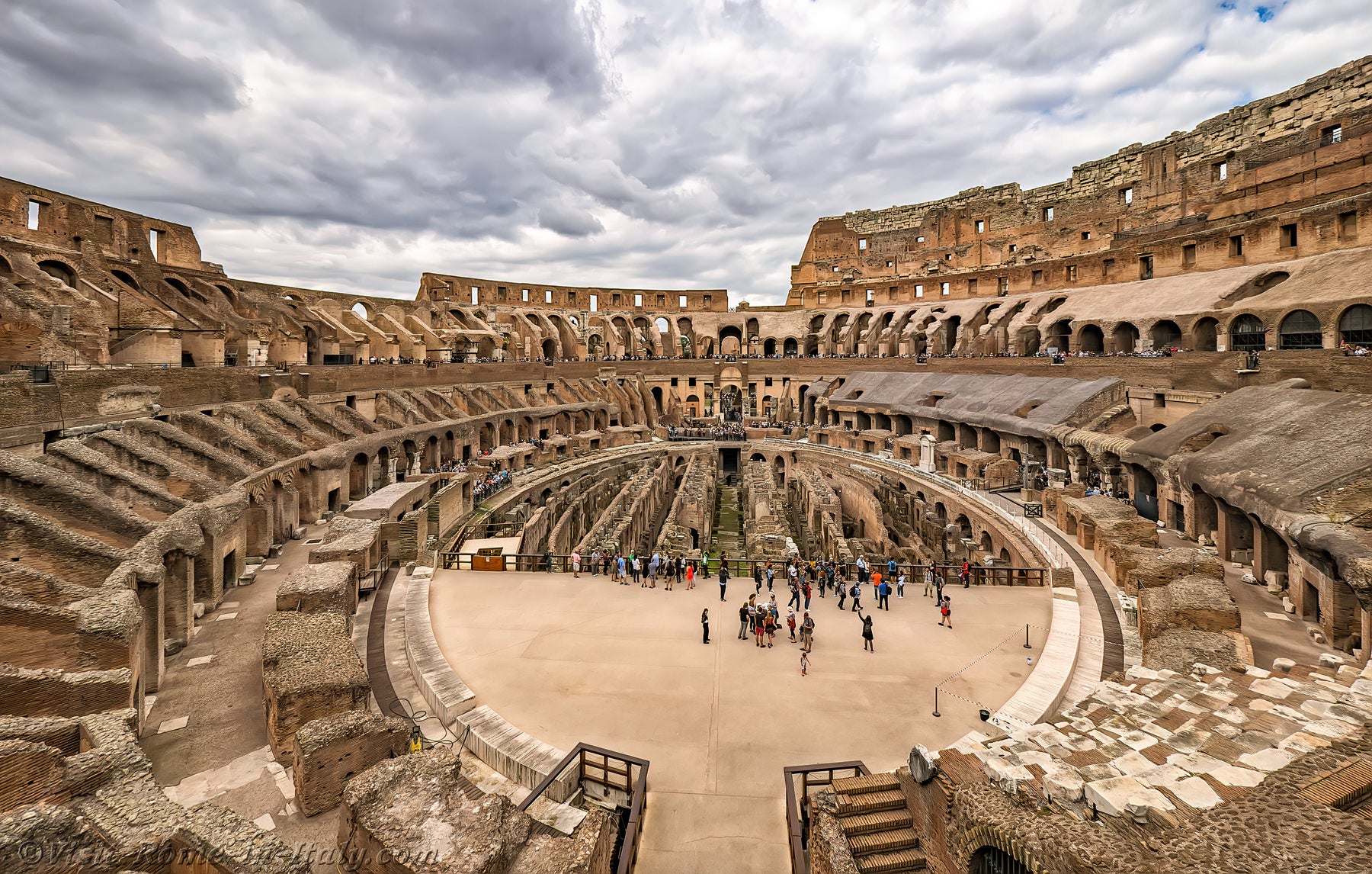
The Colosseum, Italy: Built nearly 2,000 years ago, the iconic amphitheatre remains a powerful reminder of ancient Rome's legacy.
The Colosseum, Italy
In the heart of Rome stands the Colosseum, a massive amphitheatre completed around AD 80 during the reign of Emperor Titus.
The structure could accommodate tens of thousands of spectators who gathered to watch gladiatorial contests, animal hunts and other public spectacles.
Beyond its entertainment history, the Colosseum demonstrates the engineering and architectural capabilities of ancient Rome.
Nearly 2,000 years later, its remains continue to attract visitors from around the world.
Petra, Jordan: Known as the Rose City, Petra captivates visitors with its extraordinary architecture carved into the surrounding sandstone mountains.
Petra, Jordan
Known for its spectacular rock-cut architecture, Petra was once a major trading centre of the Nabataean civilization.
The ancient city is located in a valley surrounded by mountains and is famously reached through the narrow Siq.
Among its most recognizable structures is Al-Khazneh, commonly known as the Treasury, which was carved directly into the sandstone.
Petra's dramatic landscape and architecture have earned it a reputation as one of the world's most extraordinary archaeological sites.
Machu Picchu, Peru: Perched high in the Andes, the ancient Inca citadel continues to amaze the world with its precision and remarkable setting.
Machu Picchu, Peru
High in the Andes Mountains of Peru lies Machu Picchu, the remarkable 15th-century Inca site that continues to attract historians, archaeologists and travellers.
The settlement contains temples, terraces and residential structures constructed with sophisticated stonework.
One of its most impressive features is the precision with which stones were fitted together, often without mortar.
Although Machu Picchu is sometimes described as a 'lost city', nearby Indigenous communities were aware of the site's existence long before it became internationally known.
Today, it stands as an important symbol of Inca civilization and engineering.
The Great Wall of China, China: Stretching across mountains and valleys, the historic fortification reflects centuries of engineering, defence and perseverance.
The Great Wall of China
Stretching across mountains, valleys and deserts, the Great Wall of China represents centuries of construction and military planning.
Rather than being one continuous wall built at one time, it consists of fortifications constructed, rebuilt and expanded by different Chinese dynasties over many centuries.
The total length of the various sections is estimated at more than 21,000 kilometres.
The wall was primarily constructed for defence and border control, although it also served purposes including communication and transportation.
One popular myth claims that the Great Wall can easily be seen from the Moon with the naked eye. Scientists have repeatedly explained that this is not the case.
Nevertheless, its enormous scale remains a powerful reminder of the resources and labour invested in its construction.
The Taj Mahal, India: Built in memory of Mumtaz Mahal, the magnificent monument remains one of the world's most enduring symbols of love and architectural beauty.
The Taj Mahal, India
The final wonder is the Taj Mahal in Agra, India, one of the world's most famous monuments to love.
Mughal Emperor Shah Jahan commissioned the white marble mausoleum in memory of his wife, Mumtaz Mahal, who died in 1631.
Construction began soon after her death and the principal mausoleum was completed in the 17th century, with additional work continuing later.
The monument is celebrated for its symmetrical design, large marble dome, intricate decoration and carefully designed gardens.
Beyond its architectural beauty, the Taj Mahal has become globally associated with Shah Jahan's devotion to Mumtaz Mahal.
A legacy of human achievement
The New Seven Wonders are more than famous tourist destinations. They represent different civilizations, historical periods and approaches to architecture and engineering.
From the stonework of Machu Picchu to the scale of the Great Wall and the symbolism of the Taj Mahal, each wonder demonstrates what human beings have achieved through creativity, knowledge and determination.
For millions of visitors, these landmarks are not simply places to see. They are reminders that some of humanity's greatest achievements can survive for centuries and continue inspiring generations.
According to the 2025 Rwanda Demographic and Health Survey (RDHS), 54% of unmarried women aged 15 to 49 use a contraceptive method.
The survey shows that 52% of unmarried women use modern contraceptive methods, while 2% rely on traditional methods.
The findings mean that more than half of unmarried women in the country are taking steps to prevent unintended pregnancies.
Although contraceptive use remains higher among married women, the difference between the two groups is relatively modest.
Among married women aged 15 to 49, 69% use contraception. Of these, 64% use modern methods, while 5% use traditional methods.
The figures suggest that family planning is no longer viewed solely as a concern for married couples. Unmarried women who are sexually active are also increasingly using contraceptive methods as part of efforts to prevent unintended pregnancies.
Condoms remain the most widely known method
The RDHS 2025 indicates that awareness of contraception is nearly universal among Rwandans aged 15 to 49.
About 99% of both women and men reported knowing at least one modern contraceptive method. Traditional methods were known by 94% of women and 89% of men.
Women generally demonstrated slightly higher levels of knowledge about contraceptive methods than men.
The male condom was the most widely known contraceptive method, with 98% of both women and men reporting that they were familiar with it.
Emergency contraception, which is used after unprotected sexual intercourse to reduce the risk of pregnancy, was the least widely known method among those included in the survey.
Nevertheless, awareness of emergency contraception remained relatively high, with 71% of women and 66% of men reporting that they knew about the method.
The findings provide an insight into changing attitudes and practices surrounding contraception in Rwanda, showing that awareness and use of family planning methods extend beyond married couples.
Unmarried women are increasingly turnig to family planning in Rwanda.
Gaps persist in reproductive health knowledge
Despite widespread awareness of contraception in Rwanda, the 2025 Rwanda Demographic and Health Survey (RDHS) shows that important gaps remain in women's understanding of reproductive health, particularly when it comes to fertility and the timing of ovulation.
Only 24% of women were able to correctly identify the period during the menstrual cycle when they are most likely to become pregnant. In other words, only about one in four women have an accurate understanding of their most fertile period.
The survey also identified misconceptions among women who rely on fertility awareness methods to prevent pregnancy. About 44% of users believed that the fertile period occurs after menstruation has ended, which is not correct.
Contraceptive use is particularly low among married adolescent girls. Only 38% of married women aged 15 to 19use a contraceptive method, representing the lowest rate among married women across all age groups.
When women aged 15 to 49 are considered regardless of marital status, adolescents aged 15 to 19 again record the lowest level of contraceptive use, at just 4.9%.
Among married women aged 20 to 24, 66.8% use at least one contraceptive method, while 65.8% use modern methods.
The highest level of contraceptive use is recorded among married women aged 25 to 29, with 74.6% using any contraceptive method and 73.1% using modern methods.
Among married women aged 30 to 34, 72.9% use any contraceptive method, while 70.3% use modern methods.
Women aged 35 to 39 record a contraceptive use rate of 74%, including 68.8% who use modern methods.
Among married women aged 40 to 44, 71.1% use contraception. The rate declines to 52.6% among those aged 45 to 49.
Implants remain the most popular method
Among married women who use modern contraceptive methods, implants are the most widely used option in Rwanda.
According to the survey, implants account for 34.3% of modern contraceptive use among married women, making them the leading modern method.
Injectable contraceptives rank second, accounting for 14.3%, followed by contraceptive pills at 6.6%.
Male condoms and intrauterine devices (IUDs) each account for 2.4% of modern contraceptive use among married women.
Implants are also the most commonly used contraceptive method among unmarried women, accounting for 25% of contraceptive use in this group.
Injectable methods account for 13.7%, while male condom use among unmarried women stands at 7.5%, significantly higher than the 2.4% recorded among married women.
Overall, 2% of women have undergone sterilisation as a permanent method of contraception. The average age of women who have undergone the procedure is 35.
The findings highlight both the progress Rwanda has made in expanding access to contraception and the need to strengthen accurate reproductive health information, particularly among adolescents and young women.
Implants are the most widely used contraceptive method in Rwanda.
Rwanda's three decades of progress in family planning
Rwanda has made significant progress in expanding access to family planning over the past three decades, with the latest figures showing a substantial increase in the use of modern contraceptive methods among married women.
The findings of the 2025 Rwanda Demographic and Health Survey (RDHS) come after more than 33 years of sustained efforts to strengthen family planning programmes and improve access to reproductive health services across the country.
The proportion of married women using modern contraceptive methods increased from 12.9% in 1992 to 64.2% in 2025, marking a major change in contraceptive uptake over the period.
The most significant increase occurred after 2000. At the time, only 5.7% of married women were using modern contraceptive methods.
By 2005, the figure had risen to 10.3%, before increasing sharply to 45.1% in 2010.
The rate continued to rise, reaching 47.5% in 2014–2015, 58.4% in 2019–2020, and 64.2% in 2025.
The progress has also been reflected in the decline in unmet need for family planning, referring to women who want to use contraception but are not accessing a method that meets their needs.
In 1992, the unmet need stood at 38%. By 2025, it had fallen to 9%, indicating a substantial improvement in access to family planning services.
Northern Province leads in modern contraceptive use
The Northern Province records the highest proportion of married women using modern contraceptive methods, at 72.1%, according to the survey.
The Eastern Province follows at 64%, while the Southern Province records 63.7%.
In Kigali City, modern contraceptive use among married women stands at 61.3%, while the Western Province records 61%.
The figures show that the use of modern contraception remains relatively high across all parts of the country, although the Northern Province records the highest rate.
Public health facilities remain the main source
Government health facilities continue to play a central role in providing family planning services in Rwanda.
Overall, 91% of users of modern contraceptive methods obtain their methods through public-sector facilities.
Public health centres account for the largest share, providing services to 67% of users, while district and provincial hospitals account for 13%.
Private medical facilities account for only 6% of users, while 3% obtain contraceptive methods from other sources.
The role of public facilities is particularly pronounced in the provision of long-acting and permanent contraceptive methods.
According to the survey, public facilities provide 99% of implants, 91% of injectable contraceptives, and 80% of IUDs used by women. They also account for 97% of permanent contraceptive procedures.
Among women who use contraceptive pills, 84% obtain them from public health facilities.
Male condoms, however, follow a different distribution pattern. About 40% are obtained from public-sector sources, while 18% come from private medical facilities and 42% are obtained from other sources.
Among condoms obtained outside health facilities, shops and bars account for approximately 40% of those sources.
Microgynon, Microlyte, Prudence and Love dominate commonly used brands
The survey also provides insight into the contraceptive brands most commonly used in Rwanda.
Among women who use contraceptive pills, 97% use either Microgynon or Microlyte, making the two brands the dominant choices in this category.
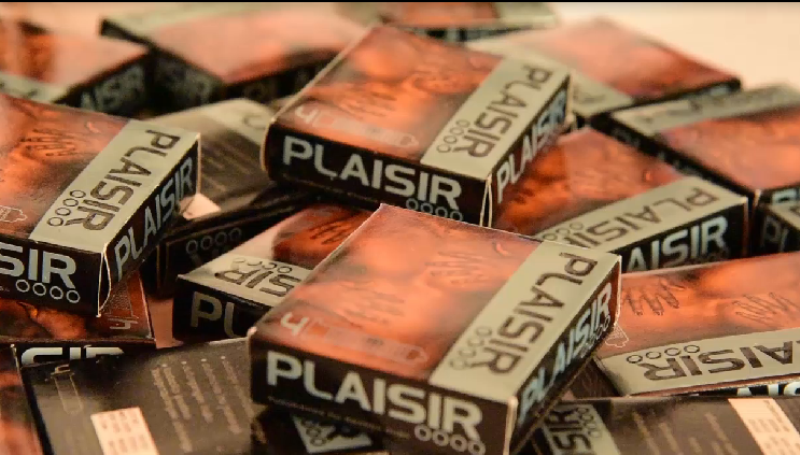
For male condoms, 92% of users report using Prudence, Plaisir or Love.
The figures reflect Rwanda's substantial progress in expanding access to modern family planning methods over more than three decades. They also show the continued importance of public health facilities, which remain the primary source of contraceptive services for the vast majority of users.
Plaisir condoms rank among the most widely used brands in Rwanda.
Emergency contraception remains limited
Overall, 3% of women aged 15 to 49 reported using emergency contraception during the 12 months preceding the survey.
Emergency contraception is used after unprotected sexual intercourse to reduce the risk of an unintended pregnancy.
Its use is most common among women living in Kigali City and those with education beyond secondary school.
The survey also examined why women discontinue contraceptive methods. The leading reason is the desire to have another child, accounting for 32% of women who stop using contraception.
Another 28% discontinue a method because of side effects or concerns about their health, while 15% stop because they want to switch to a method they consider more effective.
Radio remains a leading source of family planning information
The 2025 Rwanda Demographic and Health Survey examined a range of channels through which people receive information about family planning, including radio, television, newspapers, mobile phones, social media, community meetings, health facilities, schools, religious institutions and workplaces.
Among women, radio is the most widely reported source of family planning information, reaching 57%, compared with 67% among men.
Health facilities are another major source of information for women, reaching 55%.
Other important sources for women include information received at workplaces, from friends or family members, reaching 53%, while community meetings and activities reach 47%.
Among men, community meetings and other community-based activities are also an important source of information, reaching 60%.
Social media, however, has a relatively limited reach. Only 10% of women reported receiving family planning information through social media.
Mobile phones also recorded a low reach, with family planning messages reaching 7% of both women and men through this channel.
The survey further found that 20% of women and 14% of men had not been exposed to any family planning messages through any of the eight main communication channels assessed during the 12 months preceding the survey.
The findings highlight the continued importance of traditional communication platforms, particularly radio and health facilities, in delivering family planning information, while newer channels such as social media and mobile phones remain less widely used for this purpose.
Family planning continues to gain ground across Rwanda.
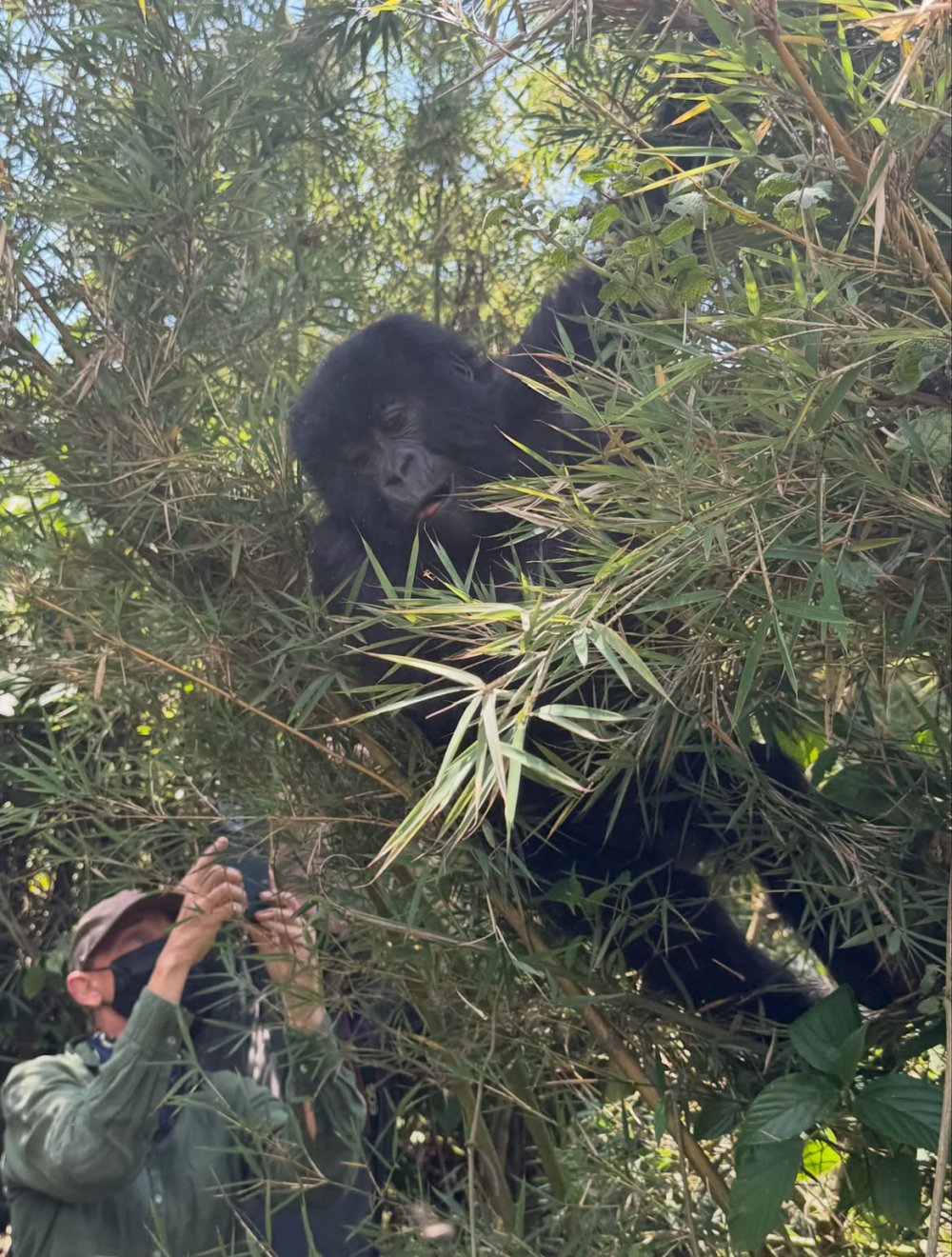
In an Instagram post, DeGeneres said she was pleased to be back in Rwanda and highlighted the growing number of visitors to the campus since it opened four years ago.
'Portia and I are in Rwanda. The Ellen DeGeneres Campus of the Dian Fossey Gorilla Fund has seen over 100,000 visitors since we opened four years ago,' she wrote.
DeGeneres said she had met many visitors from around the world who told her about their experiences at the campus.
'I've had so many people come up to me that are visiting here from all around the world talking about how incredible the campus is and how incredible it is to see gorillas so close up in their element,' she said.
She added that she was grateful to play a role in raising awareness about gorilla conservation.
The Ellen DeGeneres Campus of the Dian Fossey Gorilla Fund, located in Rwanda's Northern Province, was opened in 2022 as a permanent home for the organisation's conservation, research and education activities.
The campus has since become an important destination for visitors interested in mountain gorilla conservation and the work of the Dian Fossey Gorilla Fund.
DeGeneres, 68, is widely known as a comedian, television host and actress. She gained international recognition through The Ellen DeGeneres Show, which premiered in 2003 and featured celebrities and other prominent figures.
Produced by Telepictures and broadcast on NBC in the United States, the show became internationally popular and was aired in countries including Singapore, Indonesia, the Philippines, Myanmar, Malaysia, Thailand, Vietnam, India, the United Kingdom and South Africa.
DeGeneres has maintained a close connection with Rwanda through her involvement in mountain gorilla conservation.
Her foundation and the Dian Fossey Gorilla Fund have supported efforts to protect gorillas and advance research into their health and wellbeing.
In 2018, DeGeneres and de Rossi visited Rwanda, where they also met President Paul Kagame.
Ellen DeGeneres and Portia de Rossi are in Rwanda Ellen DeGeneres and her partner, Portia de Rossi, visited the Ellen DeGeneres Campus of the Dian Fossey Gorilla Fund.Ellen DeGeneres also took time to visit the mountain gorillas in Volcanoes National Park.
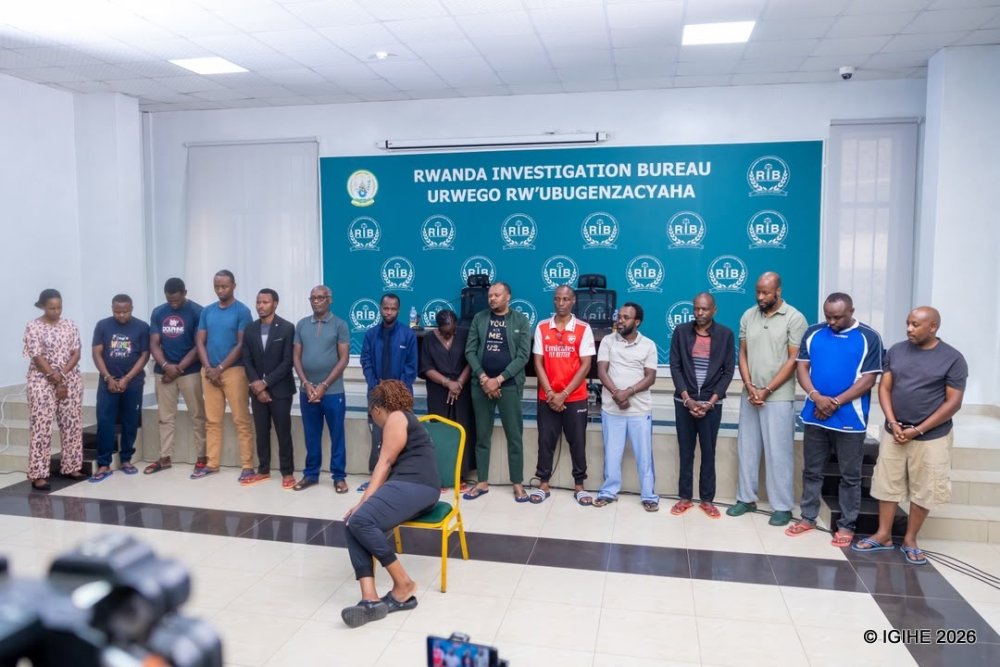
The development was confirmed to IGIHE by Rwanda Investigation Bureau (RIB) spokesperson Dr Murangira B. Thierry, who said the files concerning all 80 suspects were submitted to the prosecution on August 10, 2026.
Ntihanabayo, also known as Kazungu, was among 16 people arrested in Kigali and presented by RIB on August 8. He was arrested alongside two other employees of Ingufu Gin, including a quality control officer and a production officer.
Oluwatosin Ayayi, who is responsible for operations at Kerry Taste and Nutrition Rwanda, was also among those paraded by RIB in Kigali.
Other suspects included employees of various companies and industries, including Ebeneza Hub, Sakaza Fruit, Entreprise Urwibutso, African Buffalo, Piphany Company and Lotas Medical Group.
Since August 2, 2026, the Rwanda Food and Drugs Authority (Rwanda FDA) has closed 148 factories producing substandard alcoholic beverages and suspended production of their drinks.
The action followed inspections that found the factories were using inadequately processed ethanol in their beverages, which could pose health risks to consumers.
The 80 suspects are facing charges including giving another person a substance capable of causing death or serious harm to their health, an offence provided for under Article 115 of Law No. 68/2018 of August 30, 2018, relating to offences and penalties in general.
Under the law, a person who intentionally gives another person, without intending to kill them, a substance capable of causing death or, even if not fatal, capable of seriously damaging their health, commits an offence.
A conviction carries a prison sentence of between two and three years and a fine ranging from Rwf300,000 to Rwf500,000.
Where the substance causes an incurable disease, permanent incapacity to work or the complete loss of the use of a body organ, the law provides for a prison sentence of between 20 and 25 years and a fine ranging from Rwf500,000 to Rwf1 million.
The suspects are also charged with forging, altering or using forged documents, an offence provided for under Article 276 of Law No. 68/2018.
A person convicted of this offence faces between five and seven years in prison and a fine ranging from Rwf3 million to Rwf5 million, or one of these penalties.
They are further accused of resisting authority, an offence provided for under Article 230 of the same law.
A conviction for resisting authority carries a prison sentence of between six months and one year.
The case files of 80 suspects in substandard alcohol case including the owner of Ingufu Gin, have been sent to prosecution. Some of the suspects were paraded before the media on Saturday, August 8, 2026.
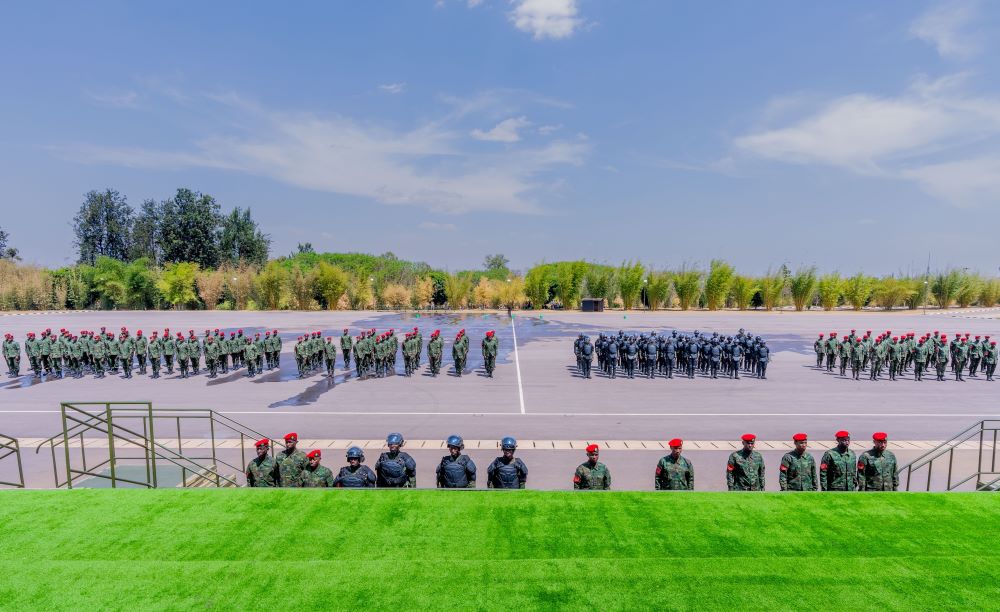
The ceremony was attended by the Ambassador of the State of Qatar to Rwanda, Mansoor Ali Al-Hajri, senior Qatari military officials, as well as RDF Generals and senior officers.
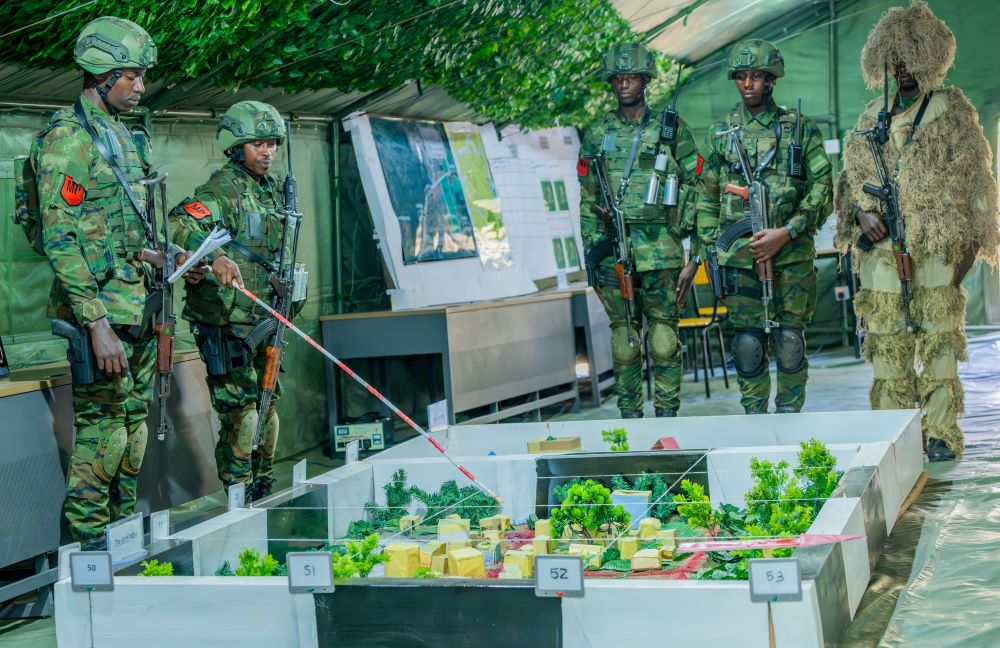
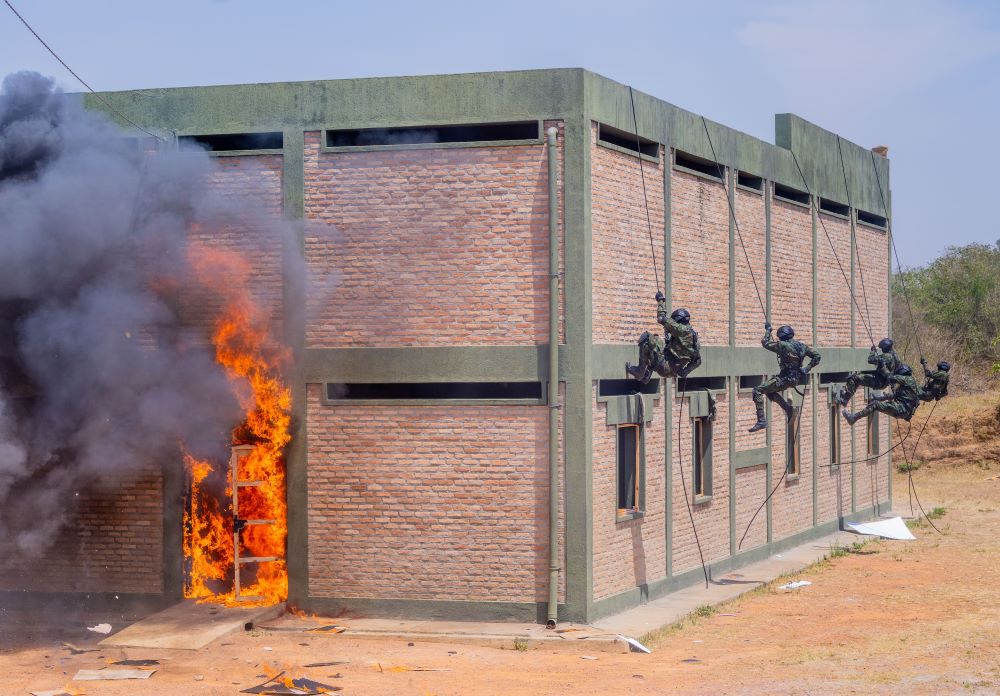
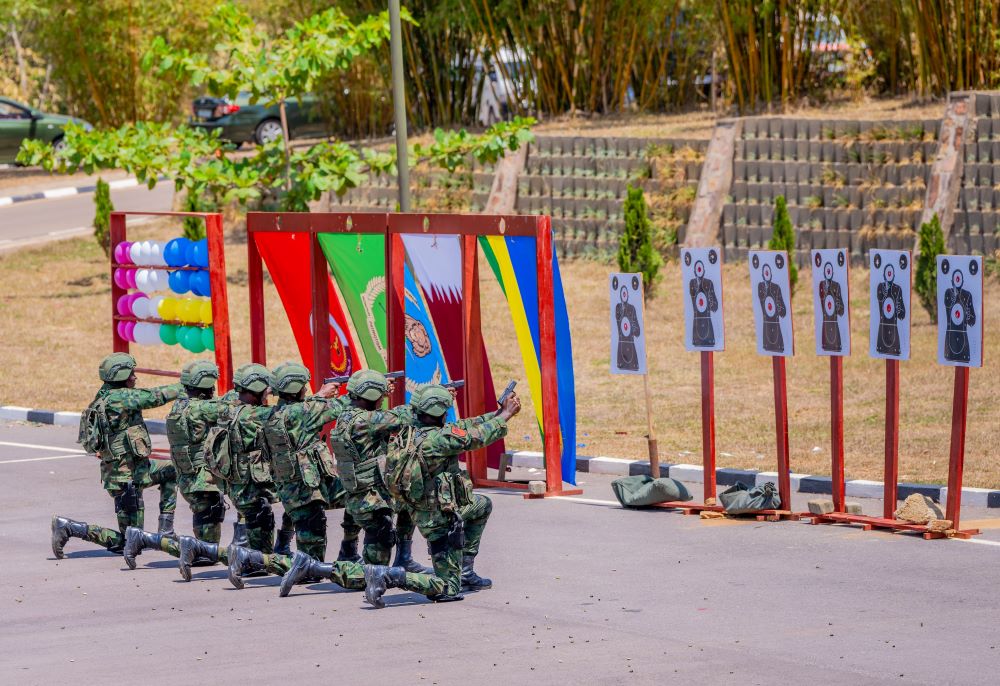
The training covered key areas of Military Police operations, including VIP protection, counter-terrorism, combat in built-up areas, and anti-riot operations.
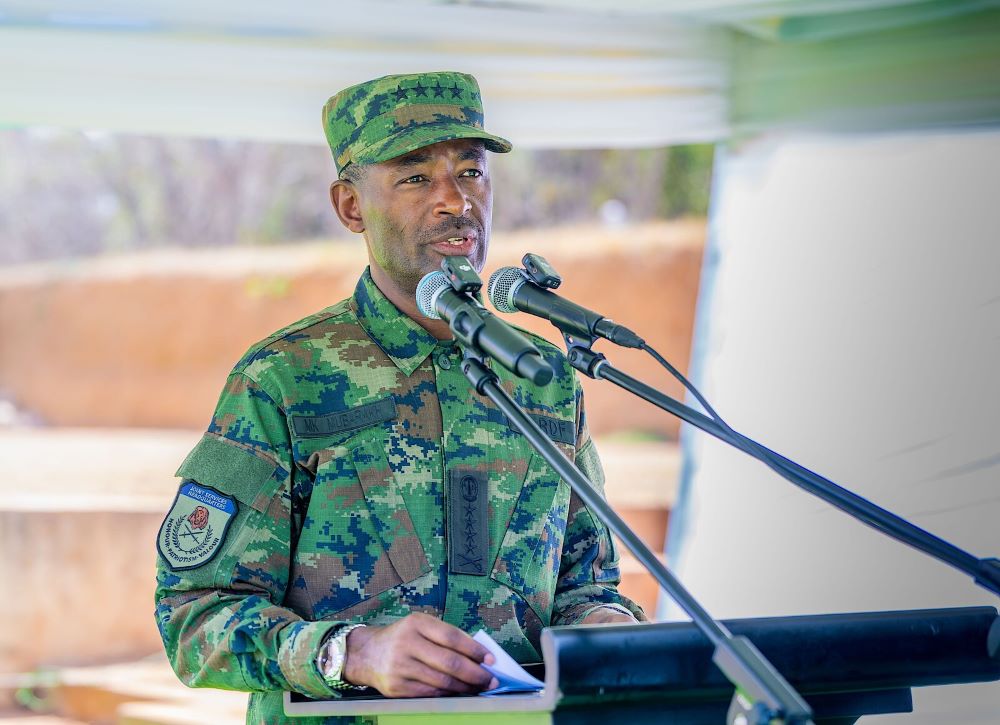
In a message delivered on behalf of the RDF Commander-in-Chief, the Chief of Defence Staff congratulated the graduates on successfully completing the training, commending their commitment, discipline, and hard work in acquiring the knowledge and skills required to effectively execute their duties.
He noted that the training had contributed to strengthening the professionalism and operational skills of the RDF Military Police. He urged the graduates to apply the knowledge and skills acquired during the courses and to share them with their colleagues in their respective formations.
The CDS also commended the Qatari Armed Forces instructors for their professionalism and their effective delivery of the training. He highlighted the importance of continued cooperation between the two armed forces, noting that the graduation marked another milestone in the growing partnership between the Qatari Armed Forces and the Rwanda Defence Force. He reaffirmed Rwanda's commitment to further strengthening the partnership through military training, professional exchanges, and other areas of mutual interest.
The Qatar Armed Forces Representative, expressed appreciation to the RDF leadership, for their support and facilitation throughout the training and commended the strong cooperation and partnership between the Rwanda Defence Force and the Qatar Armed Forces, which contributed to the successful completion of the courses.
The Rwanda Defence Force (RDF) Chief of Defence Staff, Gen MK MUBARAKH, presided over the graduation ceremony of 146 officers and other ranks who successfully completed 07 weeks of intensive Military Police TrainingThe training covered key areas of Military Police operations, including VIP protection, counter-terrorism, combat in built-up areas, and anti-riot operations. RDF officers and other ranks attended the graduation ceremony at Rwanda Military Academy Gako.
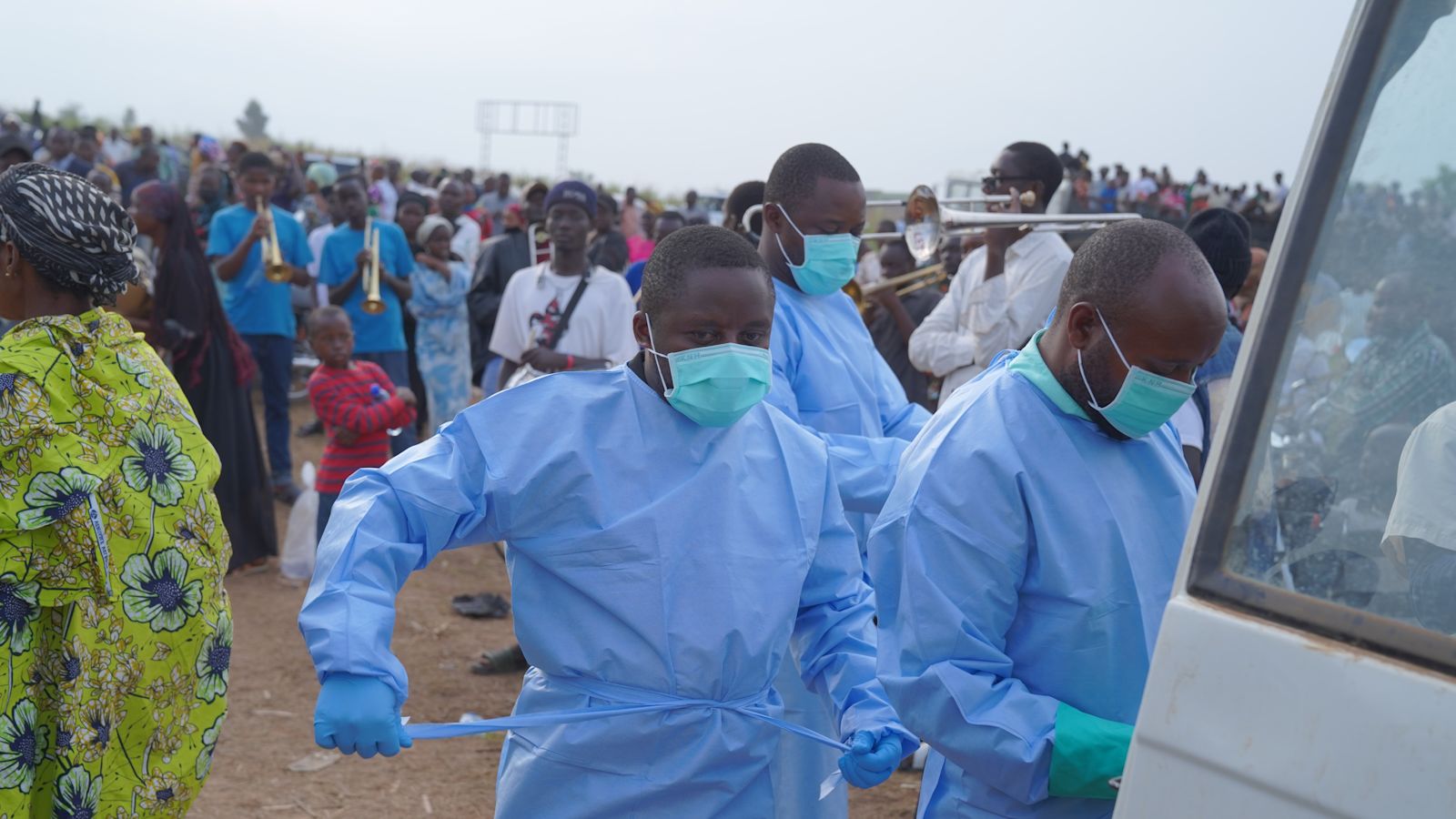
According to data from Congo's public health institute seen by Reuters, 2,011 people have died, while 4,381 confirmed cases have been recorded across five provinces.
The outbreak, Congo's 17th, is caused by the Bundibugyo species of Ebola, for which there are currently no approved vaccines or treatments.
Delayed detection, insecurity and strained health services have complicated efforts to trace contacts, isolate patients and contain transmission.
The World Health Organization has declared the outbreak, which has also spread to neighbouring Uganda, a public health emergency of international concern.
The speed of the outbreak has raised concern among health officials. Deaths doubled from 1,000 to more than 2,000 in less than a month, compared with more than 12 months during Congo's 2018–2020 outbreak.
Community mistrust and resistance have also complicated containment efforts.
A total of 2,011 people have died, while 4,381 confirmed cases have been recorded across five provinces in DRC.
RIB spokesperson Dr. Thierry B. Murangira confirmed to IGIHE that Shema was arrested on Tuesday, August 11, 2026.
He is currently being held at the RIB station in Kicukiro as investigations continue before his case file is submitted to the National Public Prosecution Authority.
Shema was elected FERWAFA president on August 30, 2025, alongside members of his executive committee during the federation's General Assembly. The team campaigned under the slogan 'Dream Team.'
After taking office, the former AS Kigali president unveiled an agenda aimed at reforming Rwandan football, with priorities including the development of women's football, youth football, sports infrastructure, and other areas of the game.
Although he serves as president of FERWAFA, Shema has not been receiving a salary. Instead, he pledged to donate the $200,000 he would have earned over his four-year term to support youth talent development.
Before taking over the leadership of FERWAFA, Shema spent six years as president of AS Kigali, helping guide the club to several major trophies, including the 2019 and 2022 Peace Cup titles and the 2022 Super Cup.
RIB spokesperson Dr. Thierry B. Murangira confirmed to IGIHE that Shema was arrested on Tuesday, August 11, 2026.
The initiative, launched in July 2026 under the LiftHerUp Mentorship Programme, gives women an opportunity to experience a realistic interview environment, receive direct feedback from senior executives and strengthen how they communicate their experience, achievements and career ambitions.
Participants in the first edition came from banking and financial services as well as telecommunications, education, technology, development organisations, communications and other industries.
The initiative is one practical response to evidence emerging from the landmark Women in Financial Services Rwanda 2025 study.
Based on responses from more than 50 financial institutions and over 1,500 professionals, the study found that while Rwanda has made significant progress in women's participation and representation, the leadership pipeline remains constrained.
Women's representation in executive committees and senior management remains below 40 percent, women account for 64 percent of exits at the non-managerial level, and women receive 30 percent fewer promotions overall than men.
The findings reinforce an important message: getting women into organisations is only the beginning. Attention must also be paid to how women progress, gain visibility, prepare for opportunities and move into leadership.
This challenge is not unique to Rwanda or to financial services.
McKinsey's latest Women in the Workplace research similarly points to the first steps into management as a critical point in the leadership pipeline. Its research has highlighted the importance of career development, mentorship, sponsorship, stretch opportunities and access to senior leaders in supporting women's progression.
The Gate Consulting Group-WIFR partnership therefore seeks to turn mentorship into practical experience.
Rather than encountering a high-stakes interview for the first time when an important promotion or career opportunity arises, women participating in the Mock Interview Experience are able to practise beforehand. They respond to questions from experienced executives, receive candid feedback, learn how employers evaluate candidates and reflect on how effectively they communicate their own leadership potential.
The July edition directly supported 31 women, many within their first seven years of professional experience. More than 70 additional women participated as observers, meaning over 100 women benefited from the first edition.
Participants represented organisations including I&M Bank, Development Bank of Rwanda, Bank of Kigali, TransAfrica Communications, Equity Bank, Education First, MTN Rwanda, BRALIRWA, Kepler, Urwego Finance, Irembo and NCBA Bank.
The cross-sector character of the programme was also reflected in its interview panels.
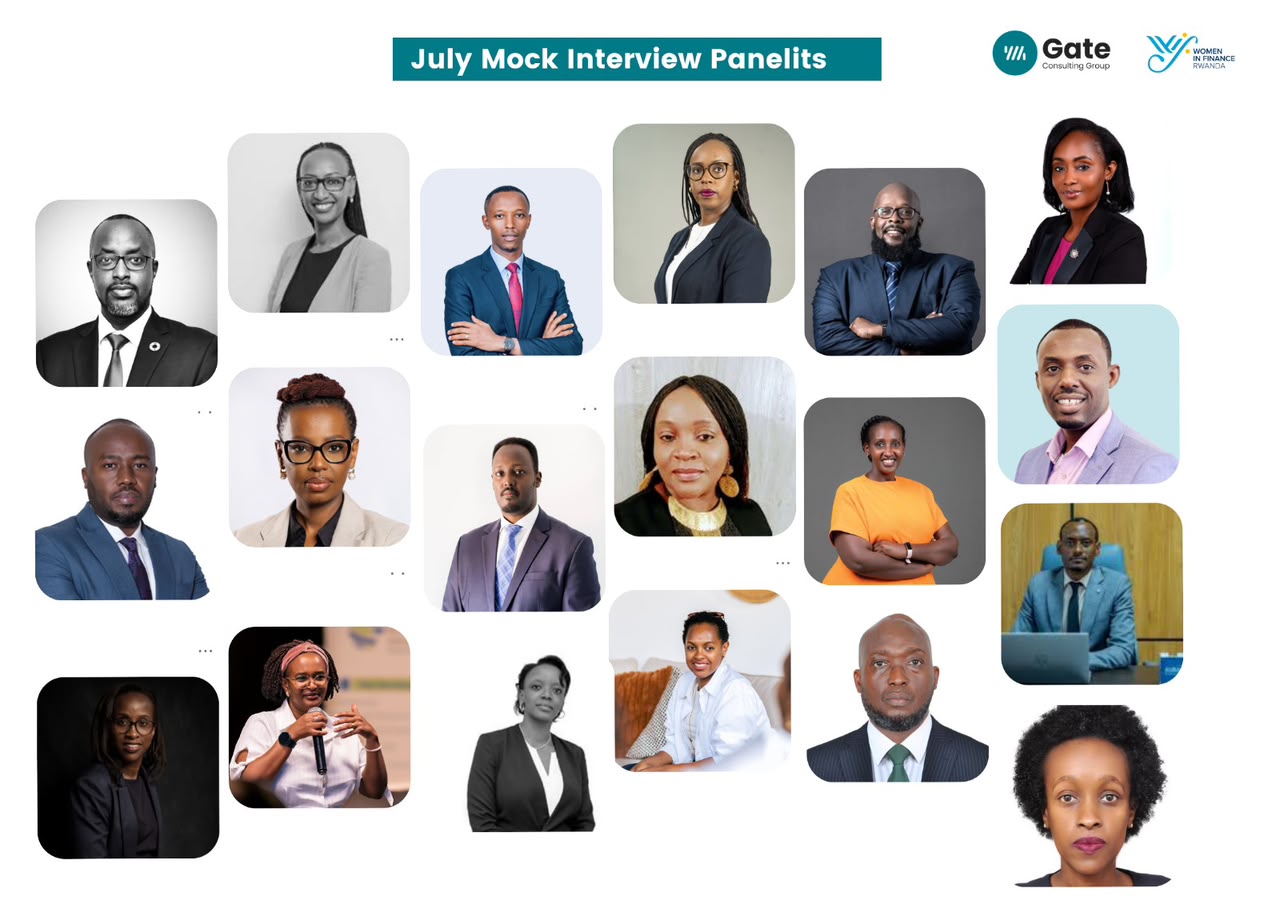
Senior leaders and professionals from One Acre Fund, I&M Bank, Ecobank, Bank of Kigali, MTN Rwanda, Mastercard Foundation, ZEP-RE, Airtel, BPR, GanzAfrica Foundation, Ishara Towers, African Management Institute, Equity Bank, iDebate Rwanda and UNICEF volunteered their time and expertise.
Many of these executives form part of the wider LiftHerUp mentorship community, creating an opportunity for mentorship to move beyond advice into exposure, practice and actionable feedback.
For participants, the experience produced immediate lessons.
Nancy Michaelle Gatete of BRALIRWA said the experience strengthened her confidence and helped her become more concise in communicating her experience. She also learnt to improve her CV by focusing more clearly on meaningful achievements and became more comfortable discussing salary expectations.
Olive Murekatete of Equity Bank said interaction with the panel helped her visualise the pathway towards her longer-term career ambition and encouraged her to set more deliberate goals and take intentional steps towards achieving them.
Professionals and senior leaders who participated in the LiftHerUp Mentorship Programme, supporting women's career growth and leadership development.
For Brenda Uwera Kayinamura of Education First, an important lesson was that identifying a career destination is not enough; women also need to deliberately build the experiences that will enable them to get there. Following the session, she began volunteering for presentations and other initiatives at work to strengthen her confidence, visibility and leadership experience.
Panelists saw a similar opportunity.
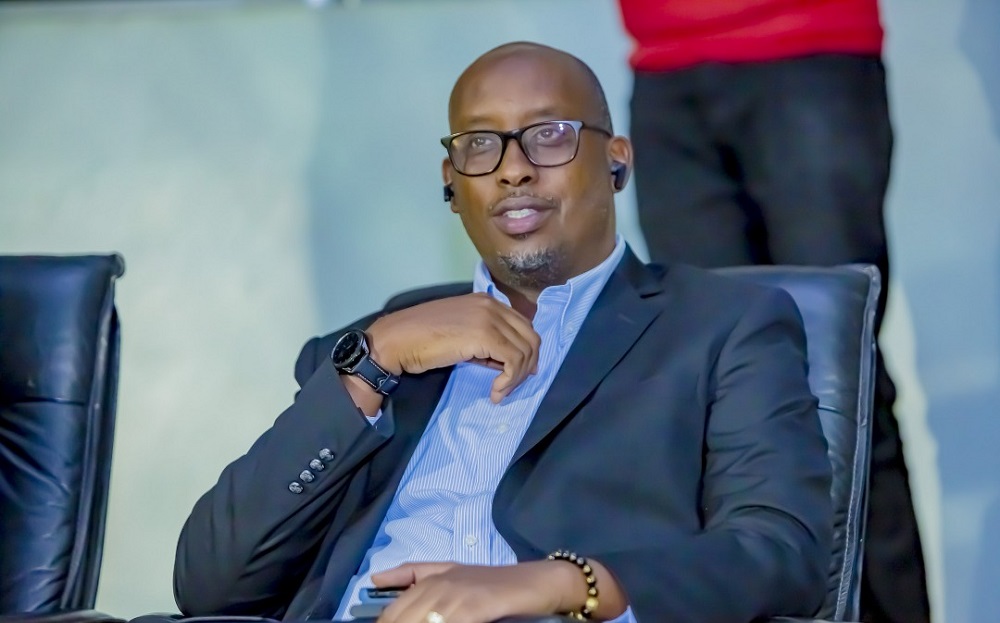
Serge Mukiza, Head of Risk Management at Bank of Kigali, observed that participants demonstrated strong technical knowledge and clear career aspirations, while confidence in presenting themselves remained an area where further development could make a significant difference.
Rose Karugu, an HR expert at Ishara Towers Rwanda, saw the intervention as an opportunity to use her HR and leadership experience to help women better understand what employers look for and prepare more effectively for future opportunities.
Leonard Gahonzi, Head of Premier Banking and Affluent Markets at Ecobank, highlighted the importance of giving young women a safe environment in which to practise, receive candid feedback and strengthen their communication skills.
The participation of senior executives from different sectors highlights that developing women leaders is a shared responsibility, where employers, mentors and institutions all have a role in creating opportunities for women to grow and advance.
For WIFR and Gate Consulting Group, the Mock Interview Experience demonstrates the value of partnership by combining mentorship, leadership development, and professional networks to support women across sectors.
The next edition is planned for November 2026, with the partnership aiming to reach more women and engage more senior leaders across Rwanda's economy.
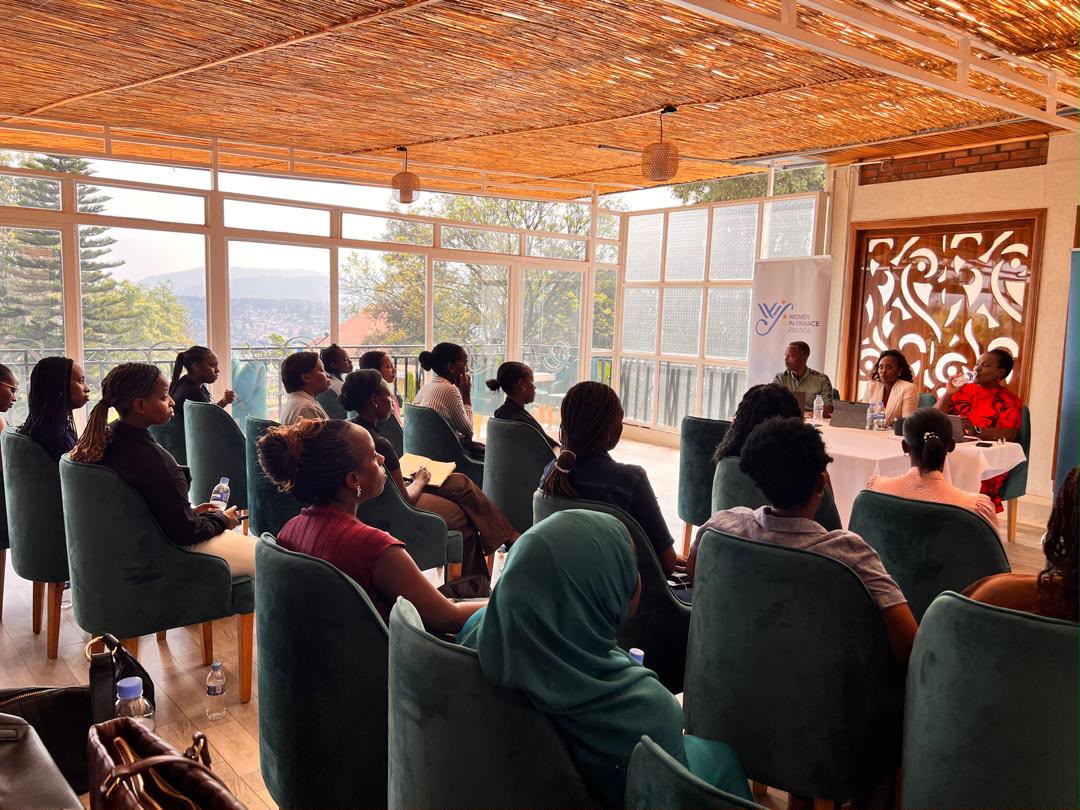
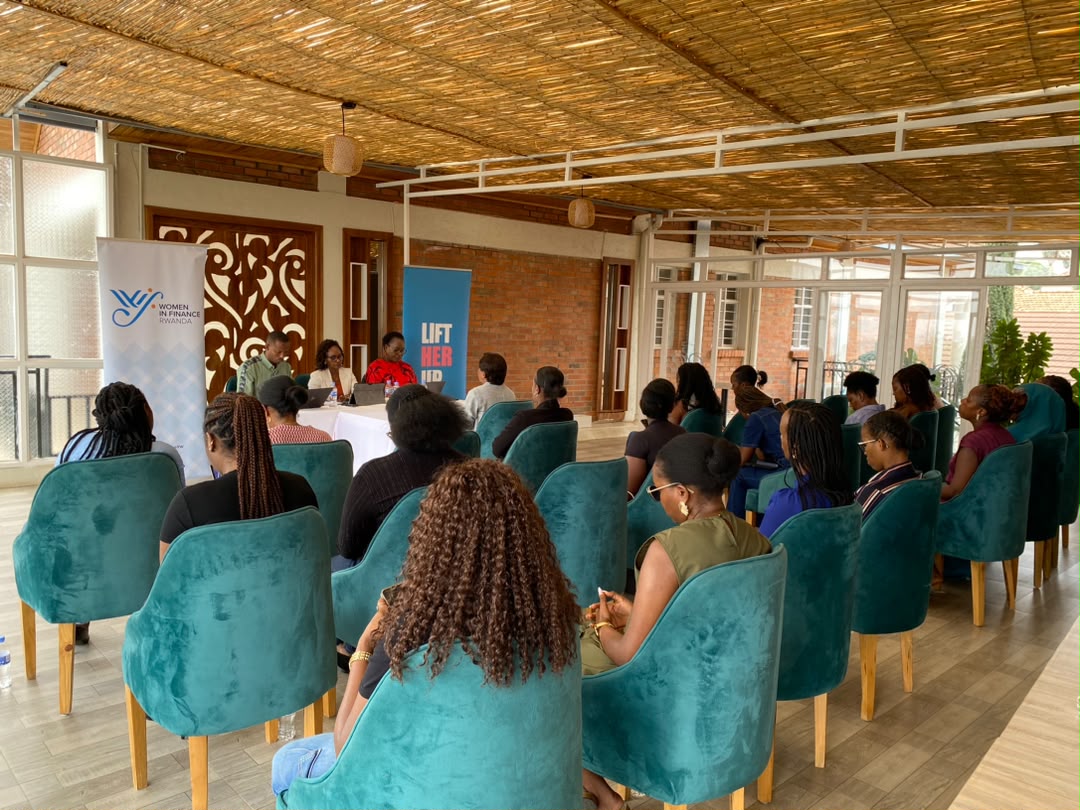
Senior professionals and mentors engage with participants during the LiftHerUp Mock Interview Experience organized by WIFR and Gate Consulting Group.The LiftHerUp Mock Interview Experience brought together women professionals and senior leaders to strengthen confidence, communication and career readiness.
The test, called MethylScan, analyses small pieces of DNA circulating in the bloodstream.
These fragments, known as cell-free DNA, can carry information about the tissues they come from, including changes linked to cancer and other diseases.
Researchers focused on chemical changes in DNA called methylation.
These patterns differ between tissues and can change when cells become diseased or cancerous.
By studying them, MethylScan can look for abnormal signals and potentially identify the tissue where they originated.
The researchers tested the technology using blood samples from 1,061 people, including patients with liver, lung, ovarian and stomach cancers, people with liver diseases, individuals with benign lung nodules and healthy participants.
Using machine learning, the team found that at 98% specificity, MethylScan detected about 63% of cancers across all stages. For cancers at an early stage, it detected around 55% of cases.
The test performed better among people at high risk of liver cancer. Among patients with liver cirrhosis or hepatitis B, it detected nearly 80% of liver cancer cases.
Researchers also found that the test could distinguish between different liver diseases, correctly classifying about 85% of patients with conditions including viral hepatitis and metabolic-associated liver disease.
However, MethylScan is still in the research stage and is not ready to replace existing cancer screening or diagnostic tests.
The researchers say larger studies are needed to determine how accurately the test performs in real-world screening.
If future research confirms the findings, the technology could eventually provide doctors with a simpler and less invasive way to detect cancer and identify where it started.
Scientists have developed a blood test that could help detect multiple types of cancer and identify where the disease began.