The event was the first total solar eclipse visible in Western Europe since 1999, attracting large crowds of residents, tourists and astronomy enthusiasts who travelled to locations along the path of totality.
In Spain, the eclipse crossed the northern part of the country before reaching the Balearic Islands.
Up to six million visitors were expected to gather at viewing locations, with authorities preparing extensive security and safety measures for the large crowds.
In Buitrago de Lozoya, north of Madrid, spectators watched as the sky darkened during the evening.
The eclipse reached the area at around 8:30 p.m., with totality lasting for nearly a minute. As the Moon completely covered the Sun, spectators applauded and reacted with excitement to the sudden darkness.
The event also attracted well-known figures, including Queen guitarist Brian May, who travelled to Spain to experience the eclipse.
Authorities had prepared for the large influx of visitors, particularly because the eclipse coincided with Spain's peak wildfire season.
Thousands of police officers and other emergency personnel were deployed to help manage crowds and traffic and respond to potential emergencies.
The eclipse provided an important boost for tourism, with visitors travelling to rural areas and lesser-known destinations to find a good view of the phenomenon.
Several locations had prepared special observation sites and activities for tourists and local residents.
Iceland was another major destination for eclipse watchers. Up to 80,000 visitors travelled to the country, particularly its western regions, where totality was visible.
However, cloud cover and rainy weather affected visibility in some areas.
Despite the challenges, crowds gathered in Reykjavik and other locations, with many people equipped with protective glasses and other eclipse-viewing equipment.
The eclipse was also visible as a partial solar eclipse across other parts of Europe, including the United Kingdom, France and Germany, allowing millions more people to observe the Moon covering part of the Sun.
A total solar eclipse occurs when the Moon completely blocks the Sun's visible disk. During totality, the sky becomes dark and the Sun's outer atmosphere, known as the corona, becomes visible.
For Spain, the 2026 eclipse is part of a rare sequence of major solar events.
The country is expected to experience another total solar eclipse in 2027, followed by an annular eclipse in 2028, forming what has been described as the 'Iberian Eclipse Trio.'
Rare total solar eclipse drew millions to Spain and Iceland
A study led by researchers from the Hebrew University of Jerusalem found that neurons in the human cortex can process information in remarkably sophisticated ways.
The findings suggest that individual brain cells function more like tiny biological computers than simple on and off switches.
For decades, scientists have focused largely on the number of neurons in the human brain and the vast networks connecting them when trying to understand human intelligence.
The new research suggests that the complexity of individual neurons may also play an important role in explaining abilities such as language, imagination, mathematics and invention.
The research was led by Professors Idan Segev and Mickey London, together with PhD students Ido Aizenbud and Daniela Yoeli at the Edmond and Lily Safra Center for Brain Sciences.
The team also collaborated with Professor Chris de Kock of the Free University in Amsterdam.
To measure the computing power of individual neurons, researchers developed a new approach combining computer modelling and artificial intelligence.
They examined how difficult it would be for an artificial neural network to reproduce the relationship between information entering a biological neuron and the response it produces.
The researchers found that human cortical neurons have highly complex branching structures known as dendritic trees, along with distinctive electrical properties that allow them to perform sophisticated computations.
These abilities enable individual neurons to process complex information, including visual signals.
The findings challenge the traditional view of neurons as relatively simple components whose main role is to transmit signals through the brain.
Instead, the researchers suggest that a single human cortical neuron can operate as a powerful computing unit, with capabilities comparable to those of a deep neural network.
Professor Segev said the findings show that a single human neuron is an 'extraordinarily sophisticated computing device,' highlighting how much processing power may exist within individual brain cells.
The discovery could also influence the development of artificial intelligence. Modern AI systems generally rely on simplified artificial units inspired by neurons.
The researchers suggest that future brain-inspired AI could instead use artificial units designed to reproduce some of the deeper computational abilities found in biological neurons.
The study, published in the Proceedings of the National Academy of Sciences, provides a new perspective on the biological foundations of human intelligence.
It also gives scientists a framework for studying how the physical structure of individual brain cells is connected to their ability to process information.
The researchers believe this approach could contribute to a better understanding of how the human brain produces thought, learning and other complex cognitive abilities.
Scientists have uncovered extraordinary computing power in individual human brain cells
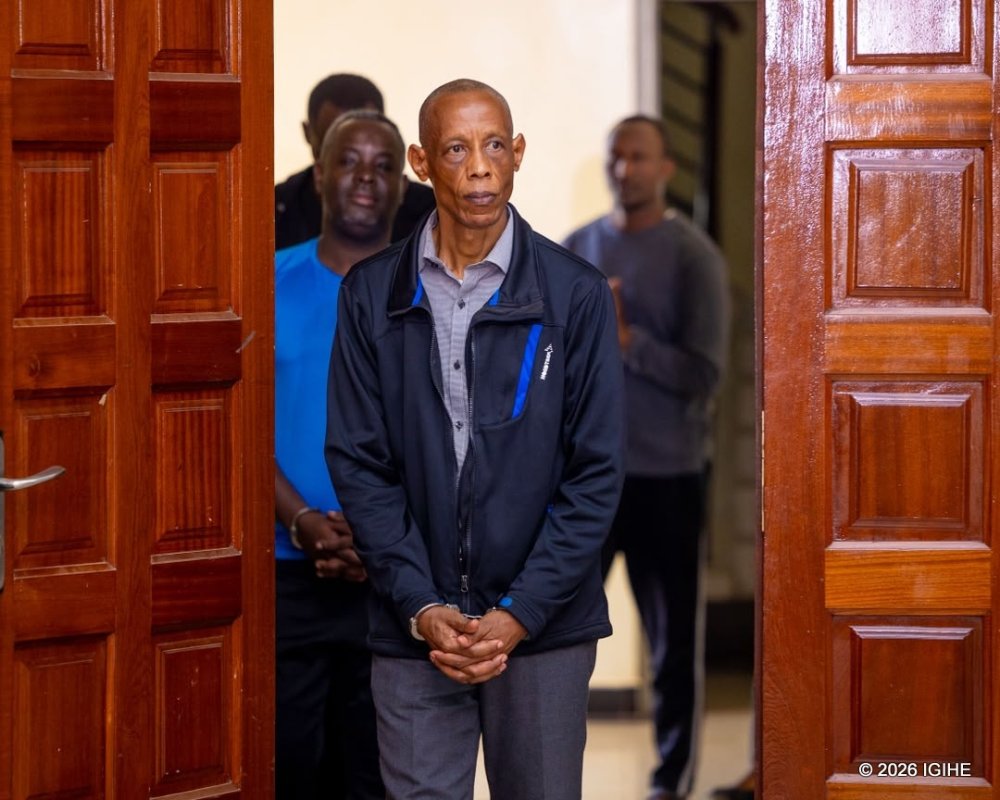
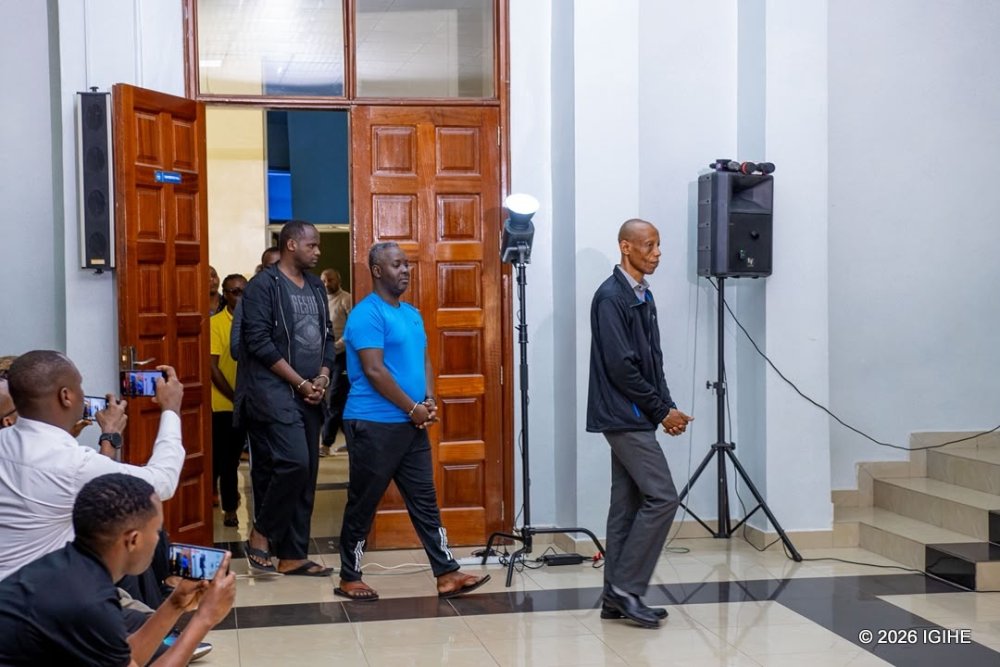
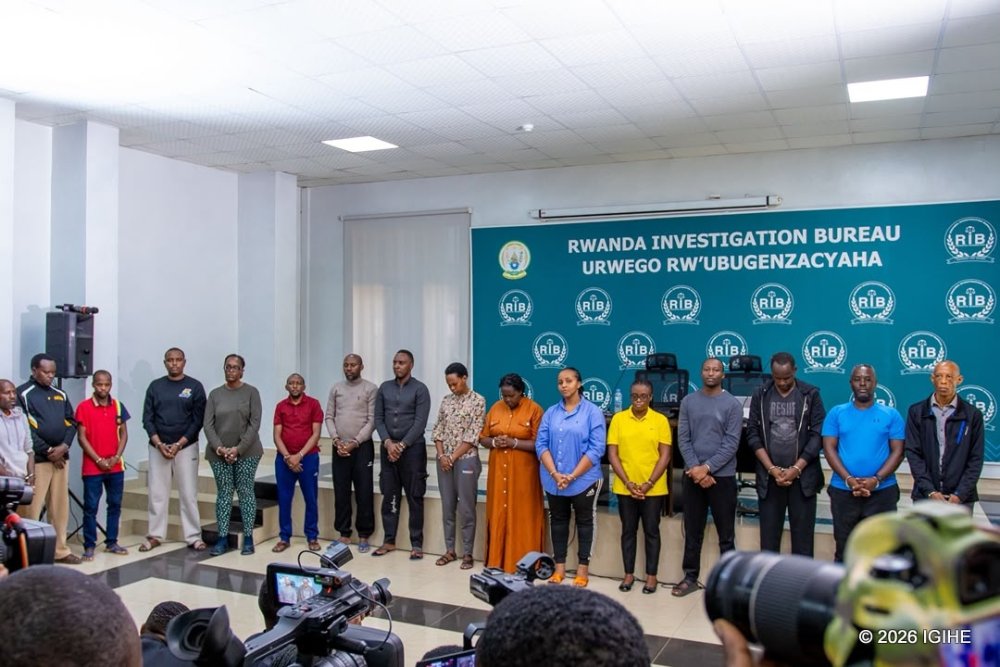
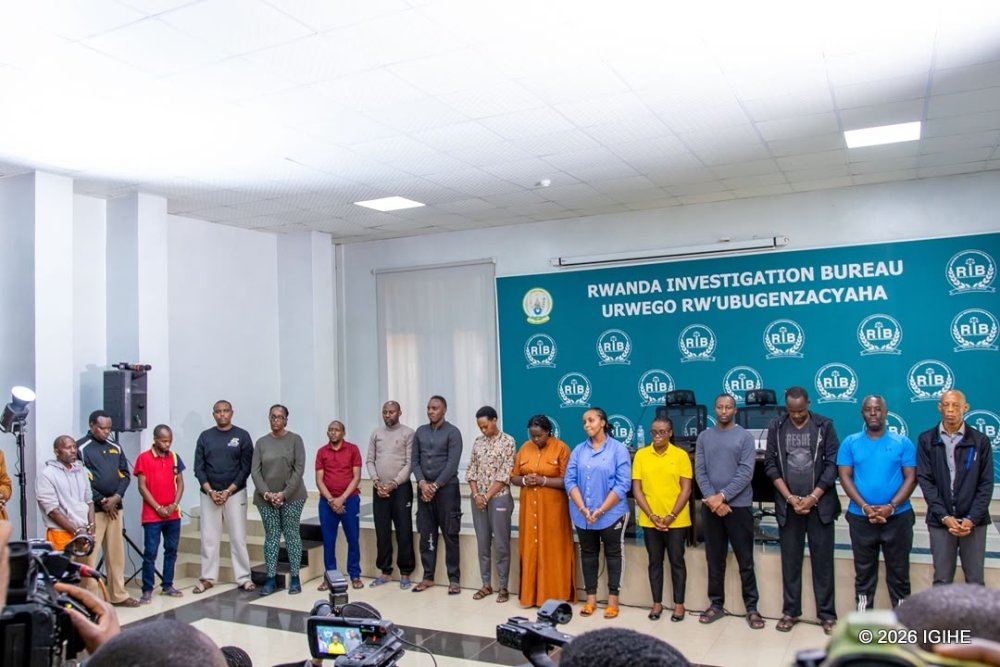
Prof. Emile Bienvenu was among those presented by RIB on August 13, 2026. All 18 are public servants, including 10 employees of Rwanda FDA.
Others include employees of the Rwanda Standards Board (RSB), as well as executive secretaries of cells and sectors.
RIB spokesperson Dr. Murangira B. Thierry said that since July 20, 2026, a total of 104 people have been arrested in connection with offences related to the production of substandard alcoholic beverages.
Of those arrested, 97 have had case files prepared and submitted to the prosecution.
Dr. Murangira said preliminary investigations had found that some documents had been issued without being based on the decisions of the Internal Technical Licensing Committee.
'The preliminary investigation established that he had issued some documents without relying on the decisions of the Internal Technical Licensing Committee. We clearly established that the committee's decision is what he was supposed to rely on,' he said.
The arrests come after more than 150 factories producing substandard alcoholic beverages were shut down across Rwanda.
More details to follow…
Prof. Emile Bienvenu the Director General of Rwanda FDA has been arrested.Prof. Emile Bienvenu (front) was paraded on August 1, 2026.18 individuals, including the Director General of Rwanda FDA (front right) have been paraded.
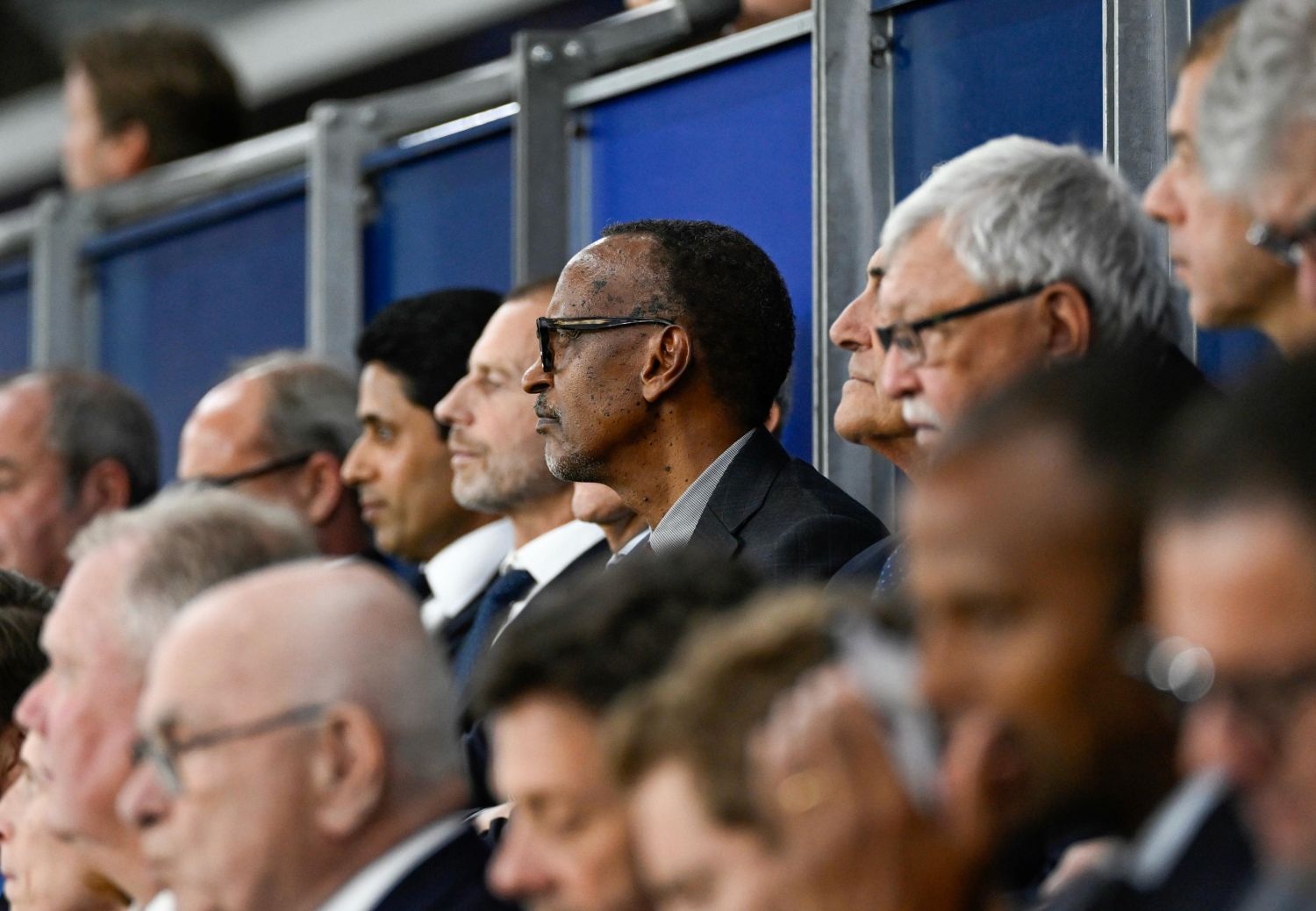
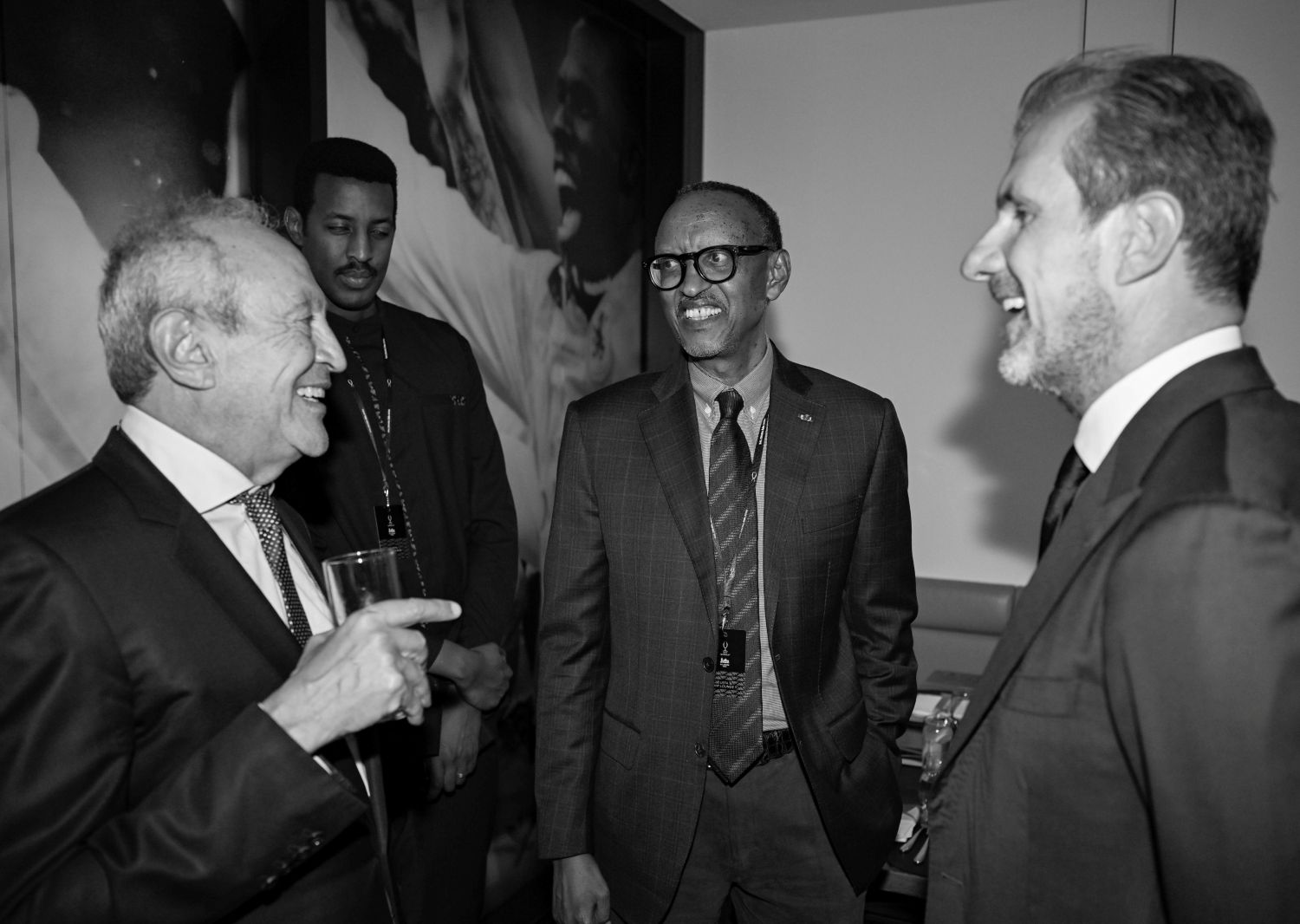
According to a post by the Office of the President on X, President Kagame attended the annual European season curtain-raiser, featuring PSG, the reigning UEFA Champions League winners, and Aston Villa, the UEFA Europa League winners and Visit Rwanda's newest football partner.
PSG emerged victorious, defeating Aston Villa 2-1 to retain the UEFA Super Cup for a second consecutive year.
Khvicha Kvaratskhelia opened the scoring for PSG in the 20th minute before Aston Villa equalised through 17-year-old Brian Madjo. Madjo, making his competitive debut for the English club, became the youngest player to start and score in a UEFA Super Cup final.
PSG restored their advantage in the 61st minute when Désiré Doué converted a pass from Ousmane Dembélé. The goal was initially ruled out for offside but was awarded following a video review after Aston Villa defender Matty Cash was judged to have marginally played Doué onside.
The victory gave PSG their second successive UEFA Super Cup title and marked the beginning of a season in which the French side could compete for as many as six trophies.
The match also highlighted the growing visibility of Visit Rwanda's partnerships with major international football clubs.
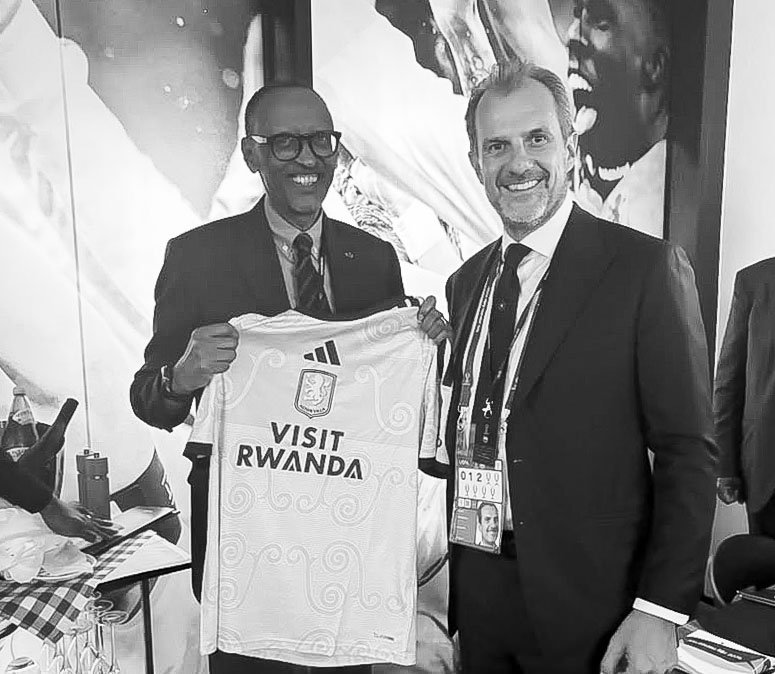
Rwanda announced its partnership with Aston Villa in July, naming Visit Rwanda the English club's Official Front-of-Shirt Partner, Official Tourism Partner and Official Coffee Provider. The agreement covers Aston Villa's men's, women's and youth teams, with the Visit Rwanda brand appearing on their shirts across domestic and European competitions.
The partnership is designed to promote Rwanda as a tourism, investment and business destination while using Aston Villa's international reach to expand the country's visibility in key global markets.
The agreement also includes international marketing campaigns, digital content, fan engagement initiatives and branding at Villa Park. Beyond commercial activities, the partnership provides for football development programmes, coach education, academy exchanges, charitable initiatives and leadership programmes in Rwanda.
The Aston Villa deal adds to Visit Rwanda's established sports partnerships, including its collaboration with PSG, as well as partnerships involving Atlético de Madrid, the Basketball Africa League, the Los Angeles Clippers and the Los Angeles Rams.
Rwanda has increasingly used international sport as a platform for tourism promotion and economic development. The country recorded 9.4 percent economic growth in 2025, while tourism and conference activities generated a record $685 million in revenues, according to figures from the Rwanda Development Board.
Rwanda is targeting $1.1 billion in annual tourism revenues and $4.6 billion in private investment by 2029, with officials positioning international sports partnerships as part of efforts to attract visitors, investors and business opportunities.
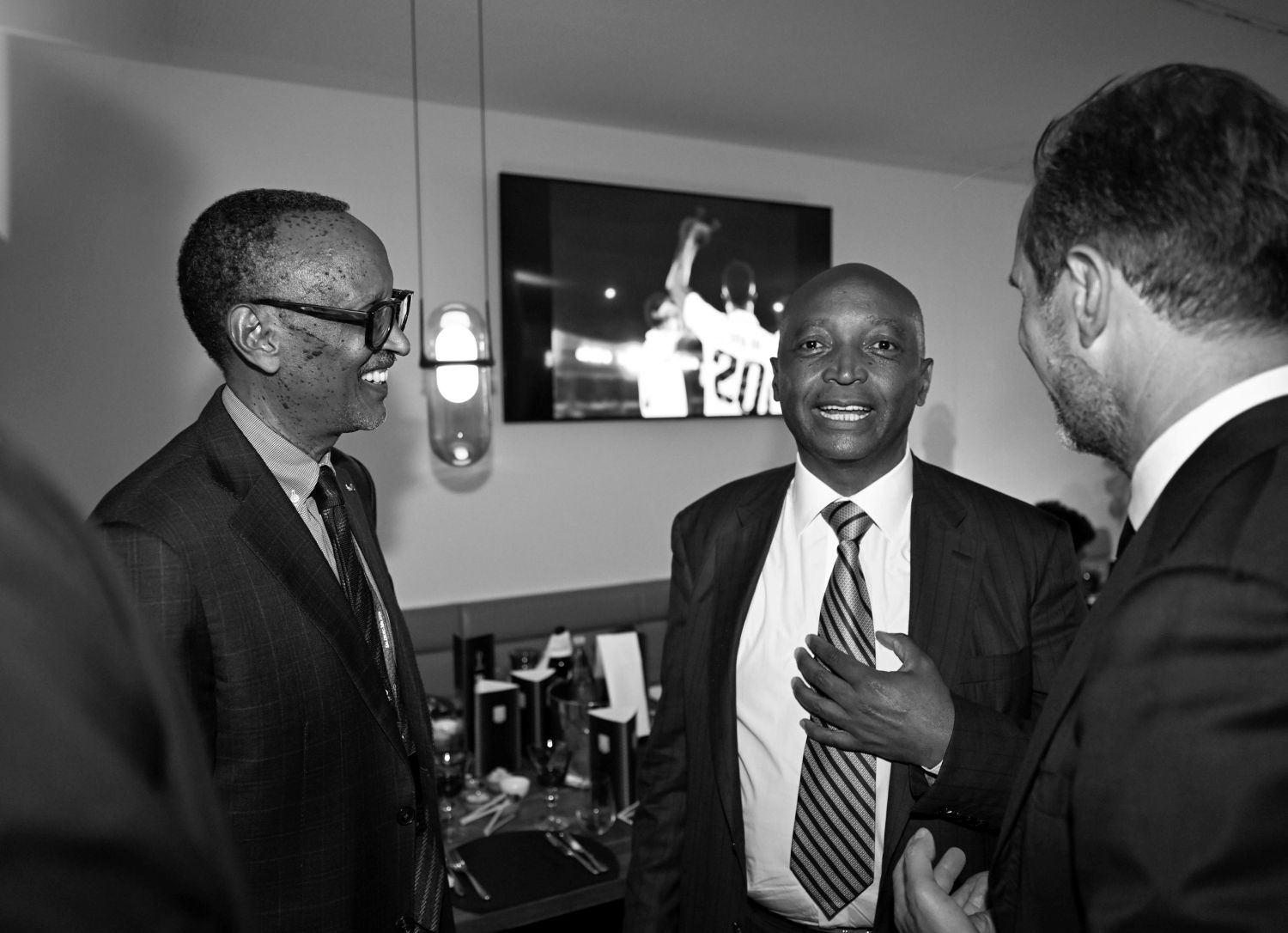
President Paul Kagame follows the 2026 UEFA Super Cup clash between PSG and Aston Villa in Salzburg.President Kagame with Patrice Motsepe, President of the Confederation of African Football (CAF).Aston Villa President of Business Operations Francesco Calvo with President Kagame.
Somali referee Omar Artan (center), who was denied entry to the United States and consequently missed the 2026 FIFA World Cup, officiated the match.PSG's Desire Doue scored the second goal against Aston Villa.PSG emerged victorious, defeating Aston Villa 2-1 to retain the UEFA Super Cup for a second consecutive year.
The figure represents a 24.3 percent increase from the previous financial year, highlighting Rwanda's continued efforts to strengthen the agricultural export sector, build resilience and expand access to international markets.
Agricultural and livestock exports generated $839.21 million in 2023/24, rising to $893 million in 2024/25 before exceeding $1.1 billion in 2025/26.
During the 2025/26 financial year, coffee, tea and pyrethrum generated $264.88 million in export revenues, while flowers, fruits and vegetables brought in $86.83 million.
Livestock products generated $204.79 million, while other agricultural and livestock-related products accounted for $554.28 million.
Rwanda exports agricultural and livestock products to markets including the United Arab Emirates, Qatar, China and other countries in Asia, as well as the United States, Europe and various African countries.
NAEB Director General Claude Bizimana told IGIHE that surpassing $1.1 billion was a reflection of the government's continued investment in developing agricultural exports.
'Generating $1.1 billion for the first time in history demonstrates the efforts the country continues to make to develop the agricultural and livestock export sector and expand international markets,' Bizimana said.
The achievement comes as Rwanda seeks to increase the contribution of agriculture to economic development by boosting production, developing infrastructure to maintain the quality of exports and strengthening compliance with international standards, all aimed at expanding access to global markets.
Infrastructure as a pillar of export growth
Bizimana said the milestone was achieved as the government continued to invest in infrastructure designed to address challenges facing the agricultural export sector.
'Through NAEB, the government has developed various infrastructure, including coffee and tea processing and testing facilities, as well as facilities for maintaining the quality of produce before export, including sorting and storage facilities,' he said.
Rwanda currently has a laboratory at NAEB that has received international accreditation, enabling it to conduct tests whose results are recognised internationally.
The country also has facilities for sorting and storing coffee, as well as facilities for processing and cold storage of fruits and vegetables.
Focus on quality and traceability
Quality and traceability are among the key requirements in international agricultural markets, with buyers increasingly seeking information about the quality and origin of products. NAEB says Rwanda has developed systems to maintain export quality and provide international buyers with information about the products being exported.
The government also supports the promotion of Rwanda's agricultural and livestock exports through international trade fairs and by connecting exporters with buyers, with NAEB playing a key role in facilitating these engagements.
As part of efforts to promote innovation and expand markets, NAEB has also introduced the annual Best of Rwanda coffee competition. Top-performing Rwandan coffees are sold through auctions, helping increase their value, expand markets and improve farmers' earning potential.
NAEB has also increased the use of digital systems to speed up service delivery and make it easier for exporters to conduct business.
Increasing production and strengthening farmers' capacity
One of the strategies for increasing foreign exchange earnings from agricultural and livestock exports is to increase both the volume and quality of production.
Bizimana said various programmes and projects have been introduced to support this goal, including helping farmers access high-quality seedlings that are resilient to climate change, providing technical support and conducting campaigns aimed at increasing productivity.
Rwanda is continuing efforts to meet the targets set under the second National Strategy for Transformation (NST2) and the fifth Strategic Plan for Agriculture Transformation (PSTA5).
NAEB says it is working with various partners to increase foreign exchange earnings from agricultural and livestock exports and expand Rwanda's presence in international markets.
The country aims to increase revenues from agricultural and livestock exports to $1.5 billion by 2029.
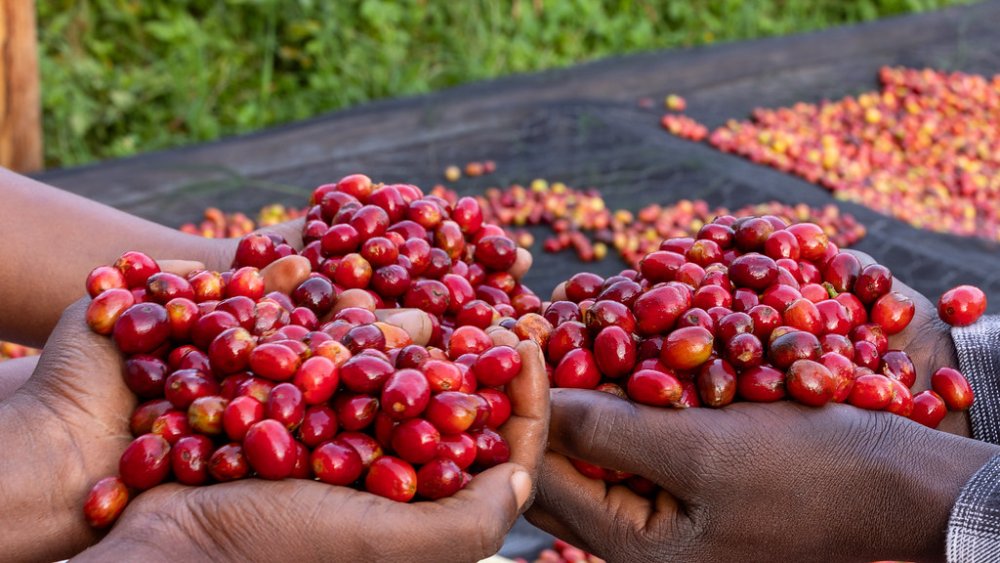
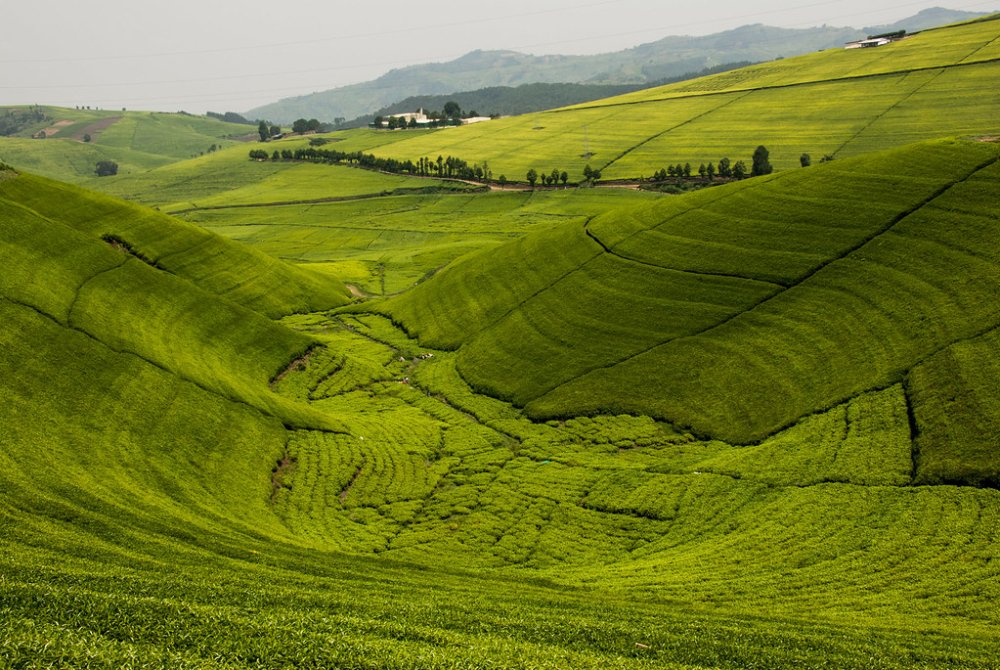
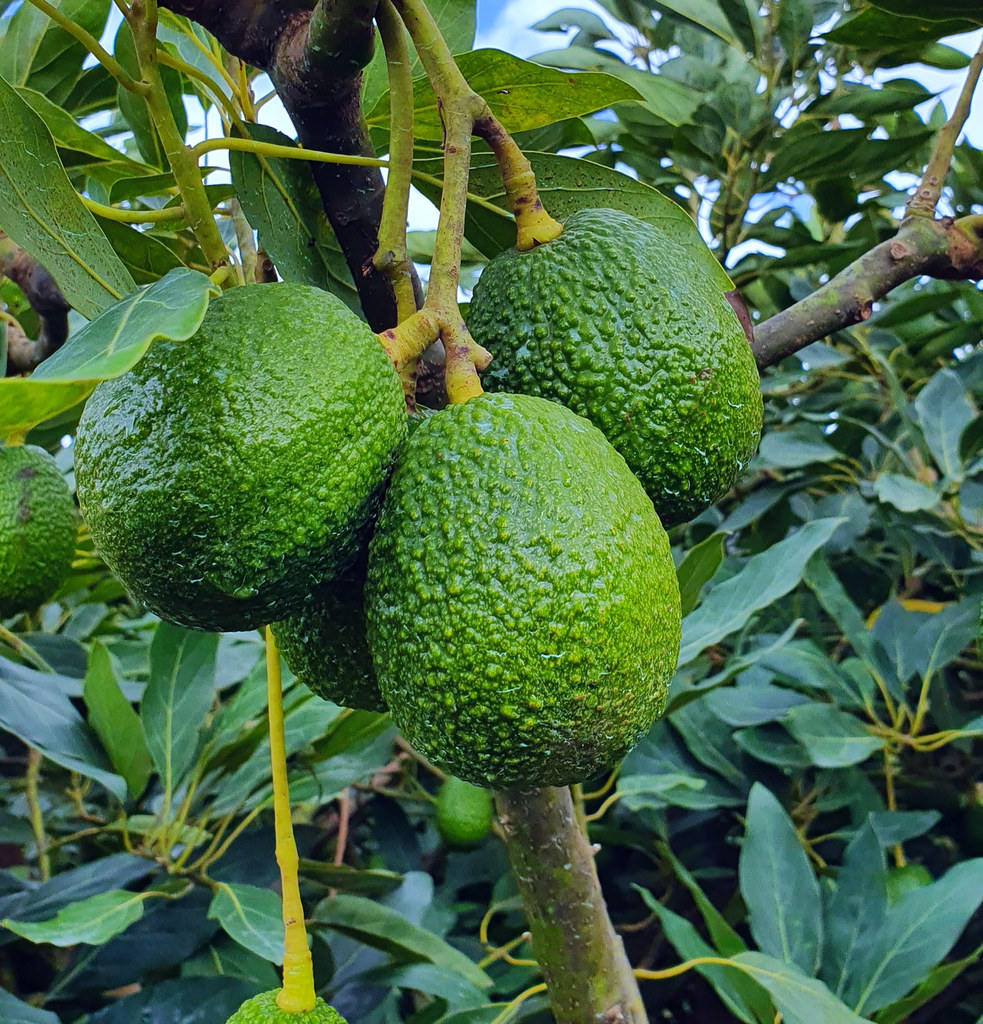
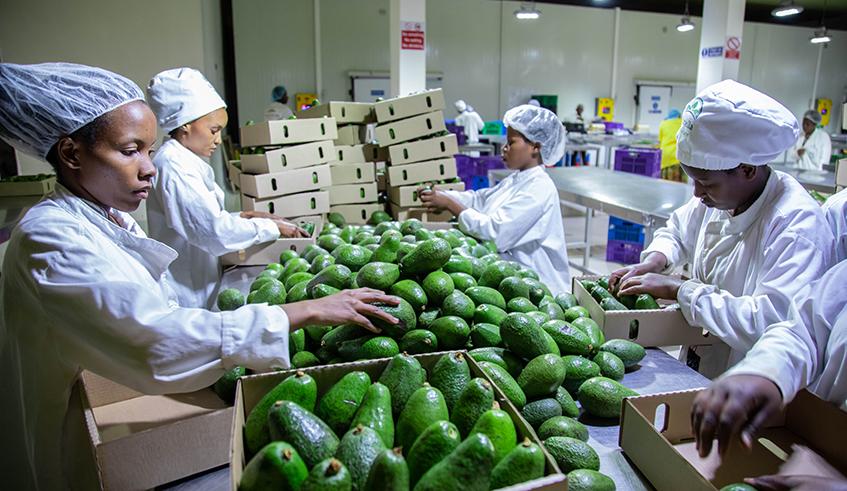
Coffee is one of Rwanda's top foreign exchange earners.Tea is among Rwanda's long-established export crops and remains a major source of export earnings.Fruit farming is becoming a lucrative venture for farmers.Rwanda has coffee tasting facilities that help ensure its coffee retains its distinctive flavour before export.Avocado farming is expanding in Rwanda.
'We see that the authorities of some countries, in violation of international maritime law, are trying to restrict the movement of our economic operators' vessels, peaceful vessels, I want to emphasize,' Putin said during the final stage of the Pacific Fleet's exercises.
Putin's remarks come against the backdrop of recent interceptions and inspections of 'shadow fleet' ships by European naval forces, including Italian-led European Union (EU) operations in the Mediterranean. At the end of July, the EU also adopted a port access ban on 41 more 'shadow fleet' vessels and introduced mandatory notification requirements for the sale of liquefied natural gas tankers to Russia.
Putin has also voiced his concern over increasing tensions in the Asia-Pacific region due to 'unprovoked' sanctions against Russia introduced by Japan. 'Unfortunately, we are seeing changes in positions, and I would like to emphasize that these changes were not provoked by anything on our part,' said Putin.
Russian President Vladimir Putin warned on Wednesday that Russia would respond in kind if Western countries seize its merchant ships.
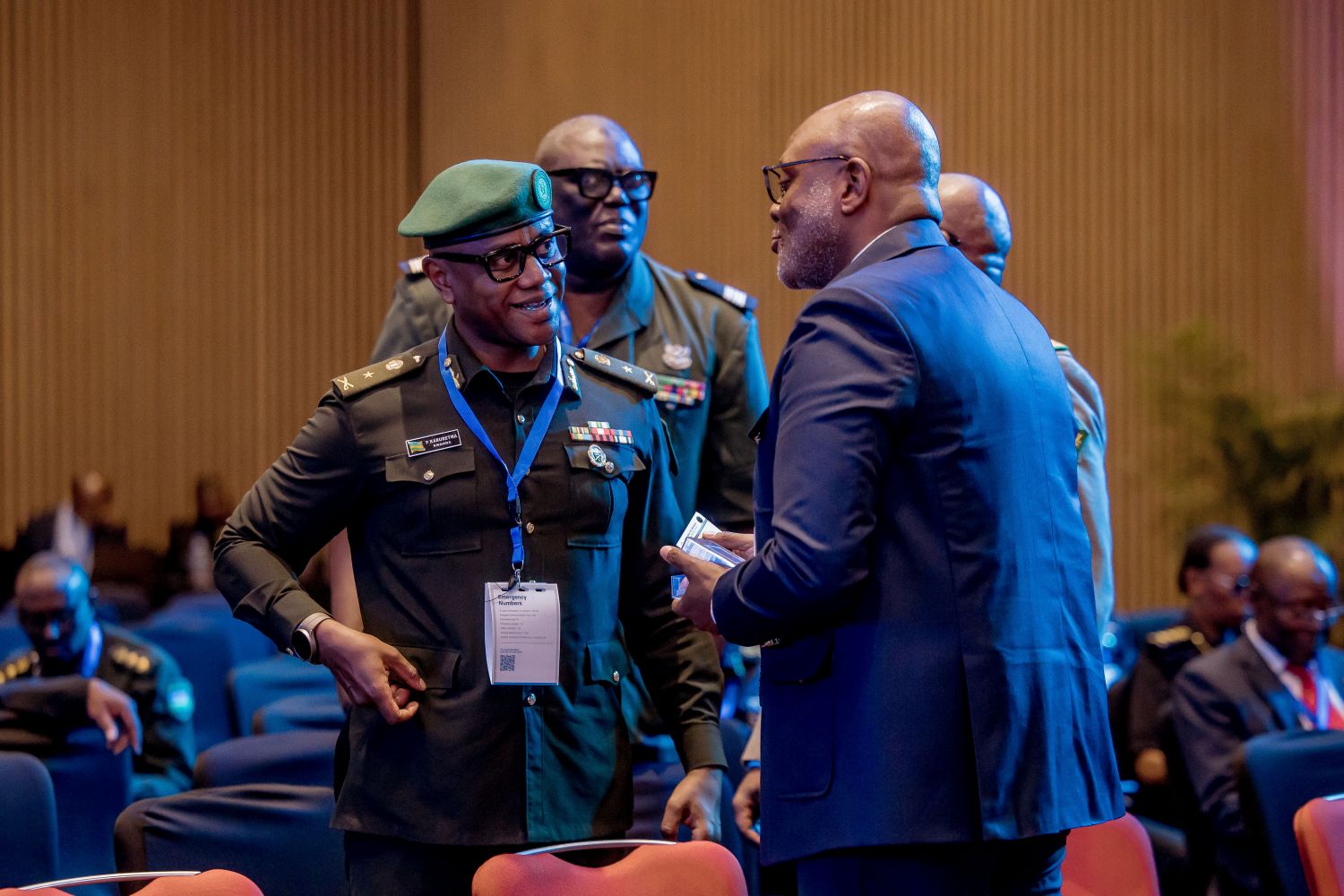
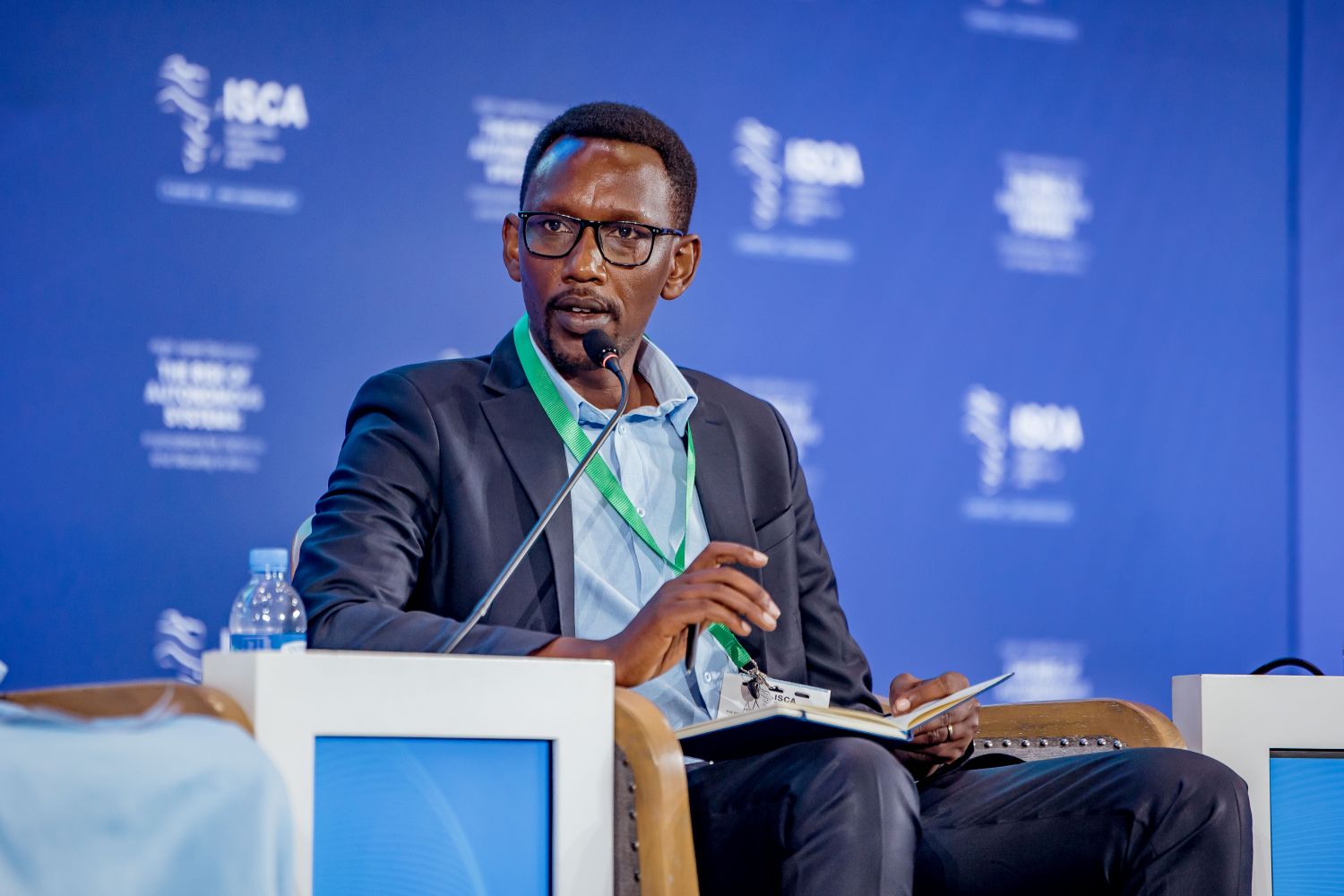
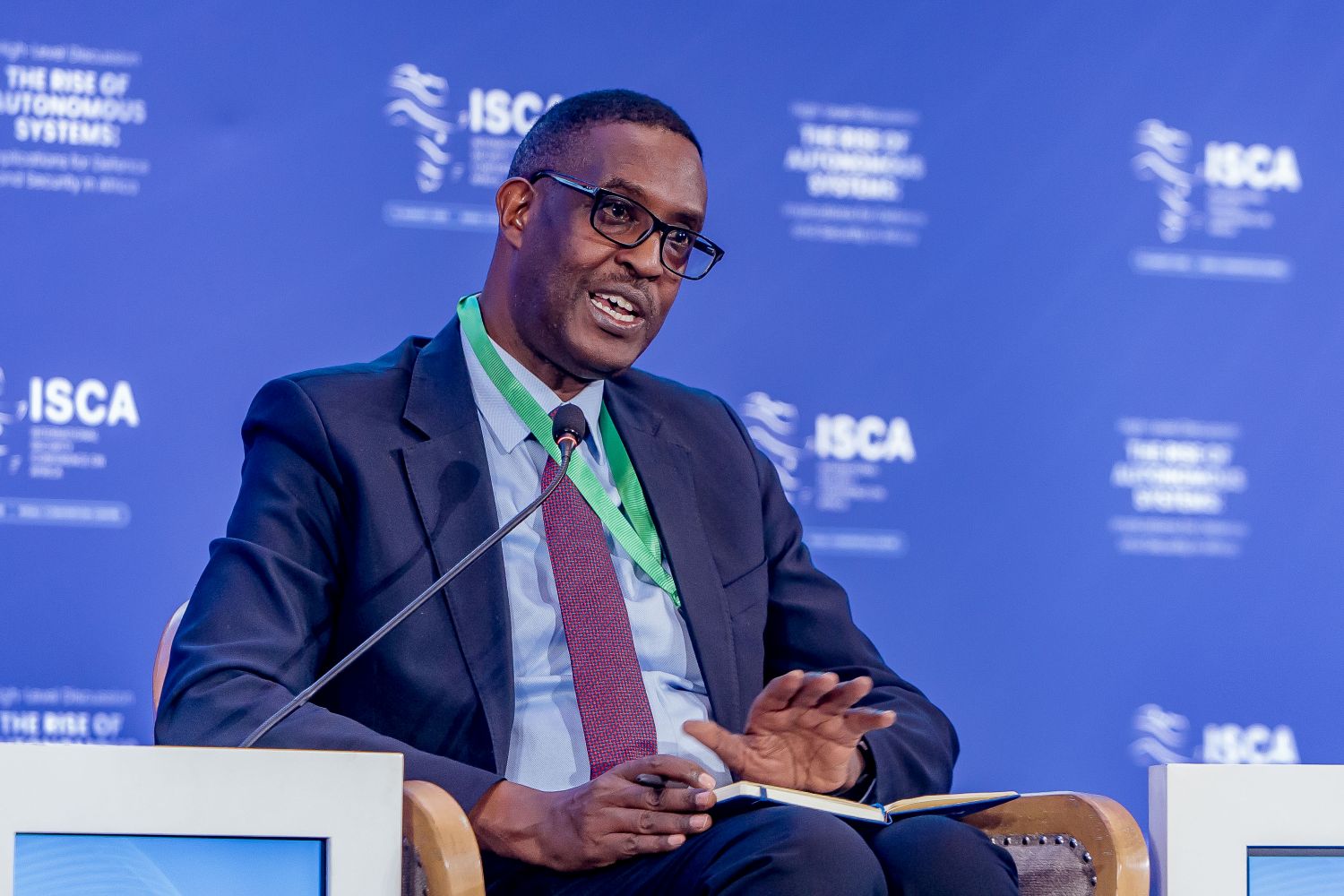
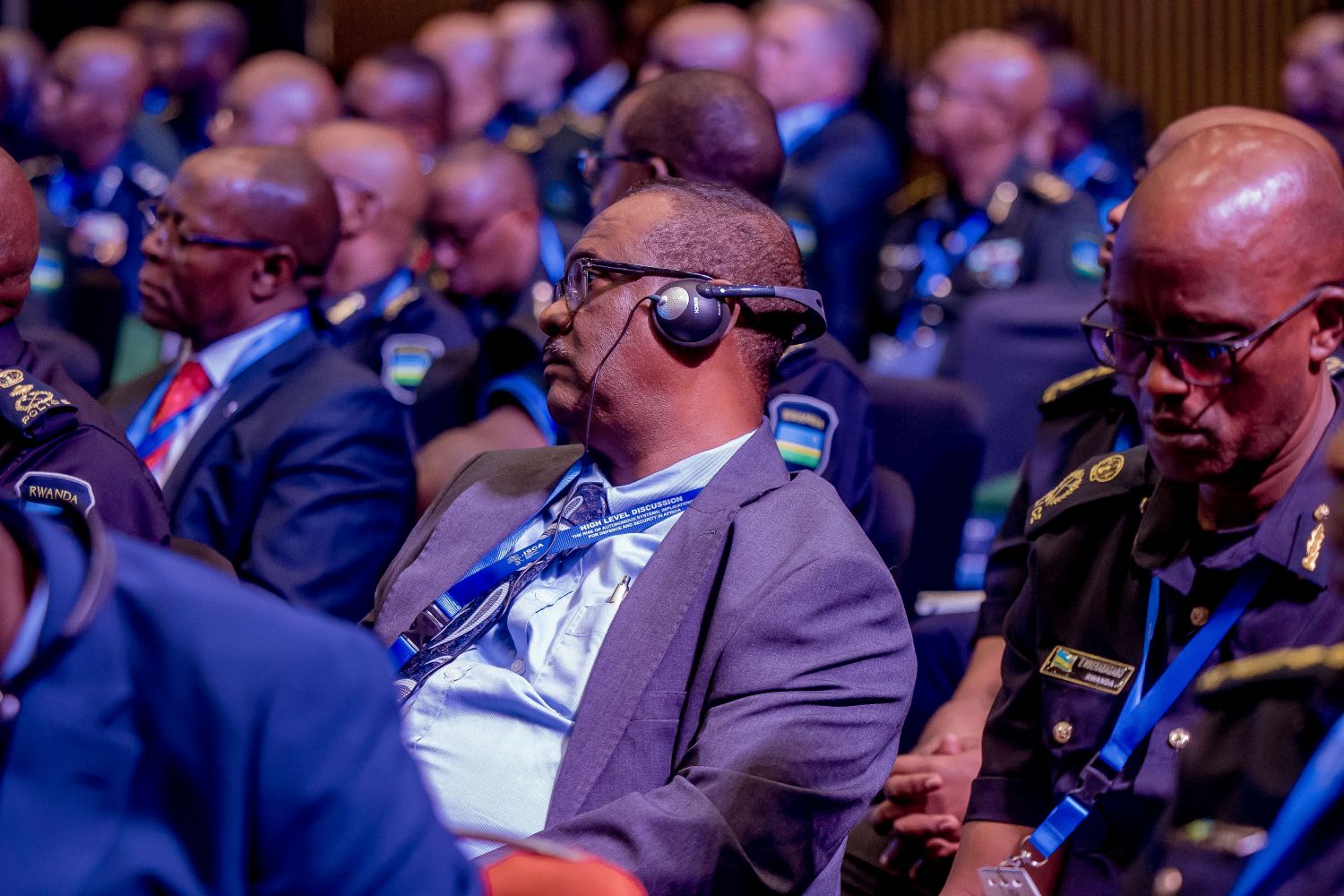
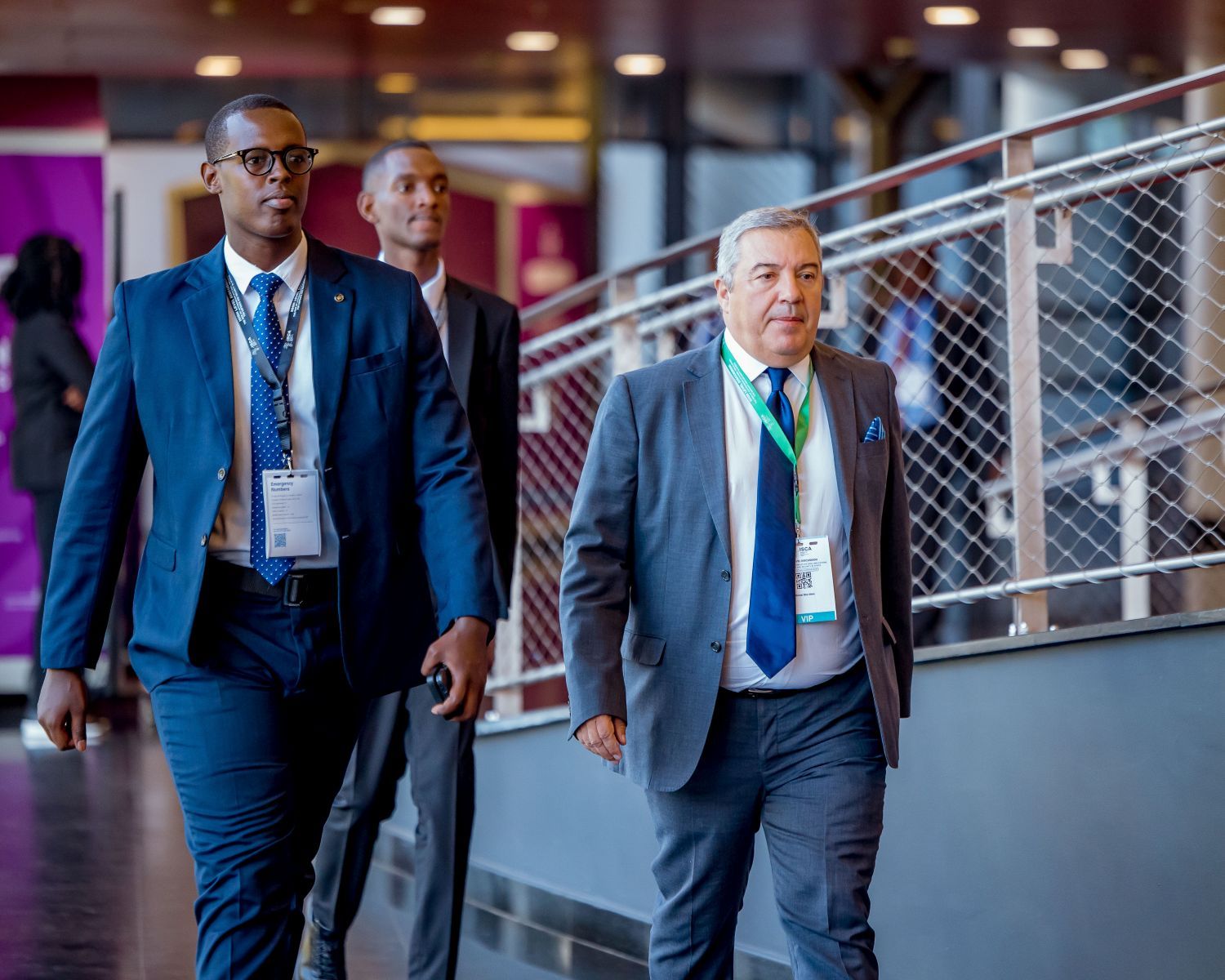
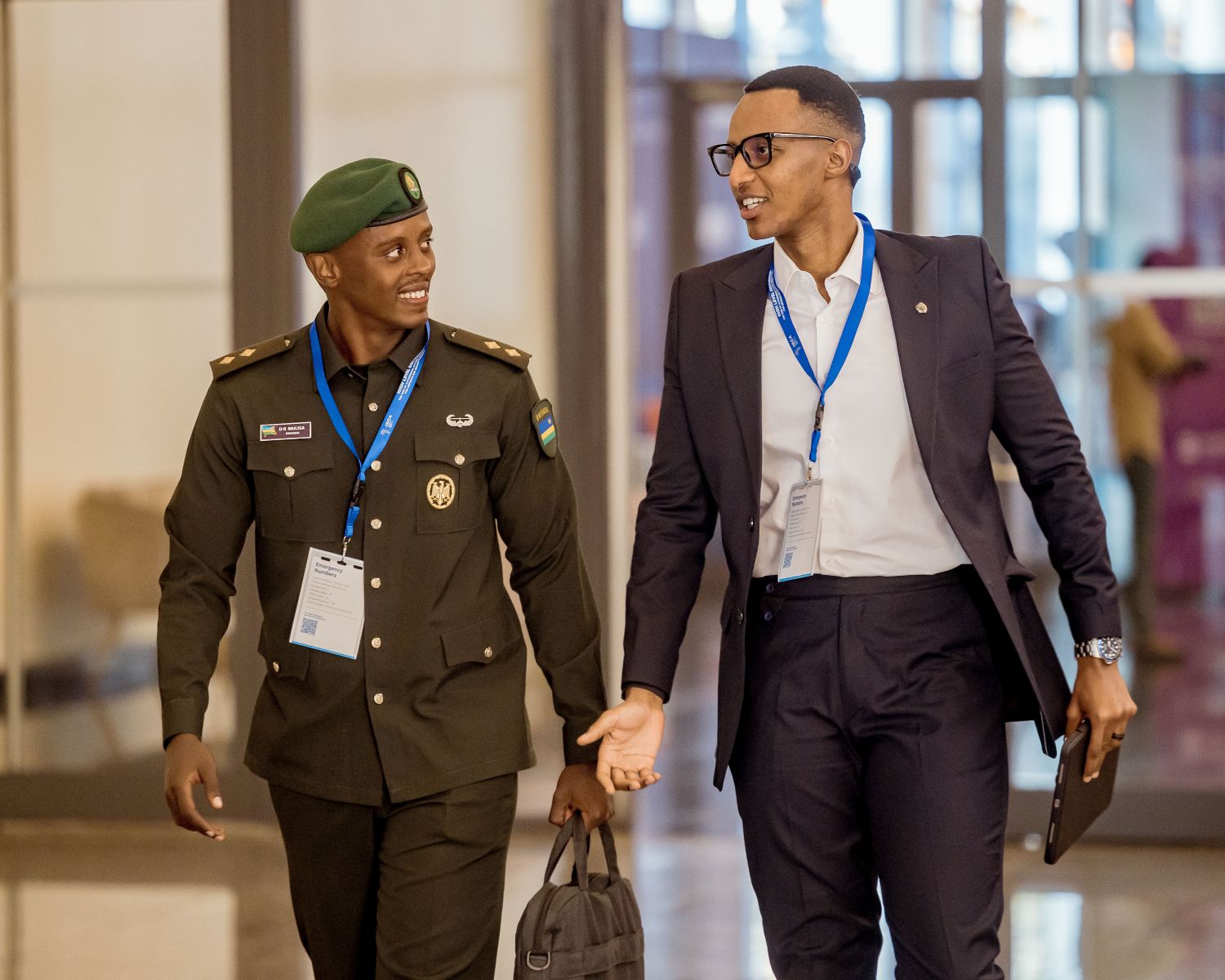
Speaking to journalists on the sidelines of the ISCA High-Level Discussion in Kigali on Wednesday, Dr. Ndushabandi said Rwanda's governance, security institutions, research capacity and investment in education give it an advantage as African countries confront a rapidly changing technological and security environment.
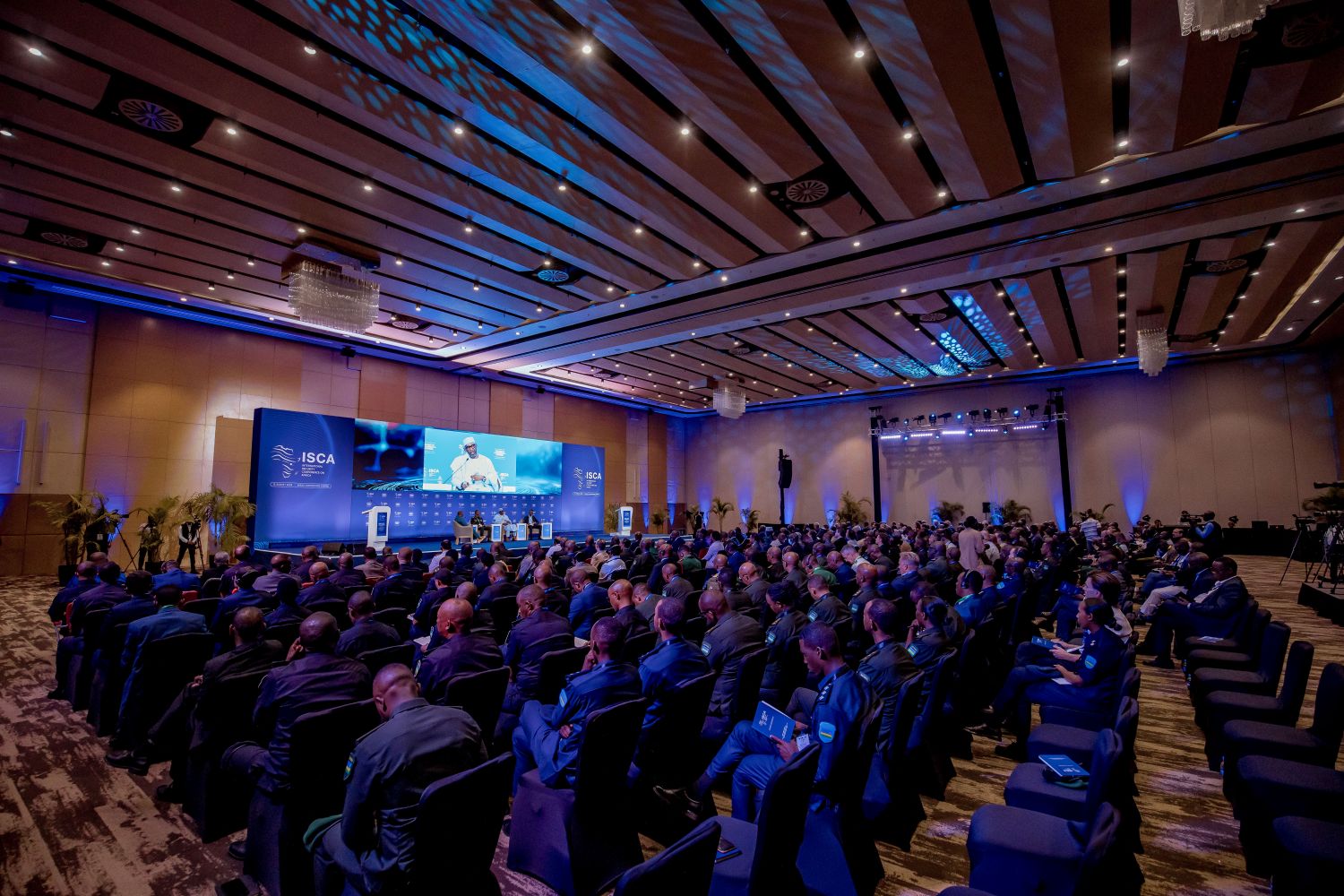
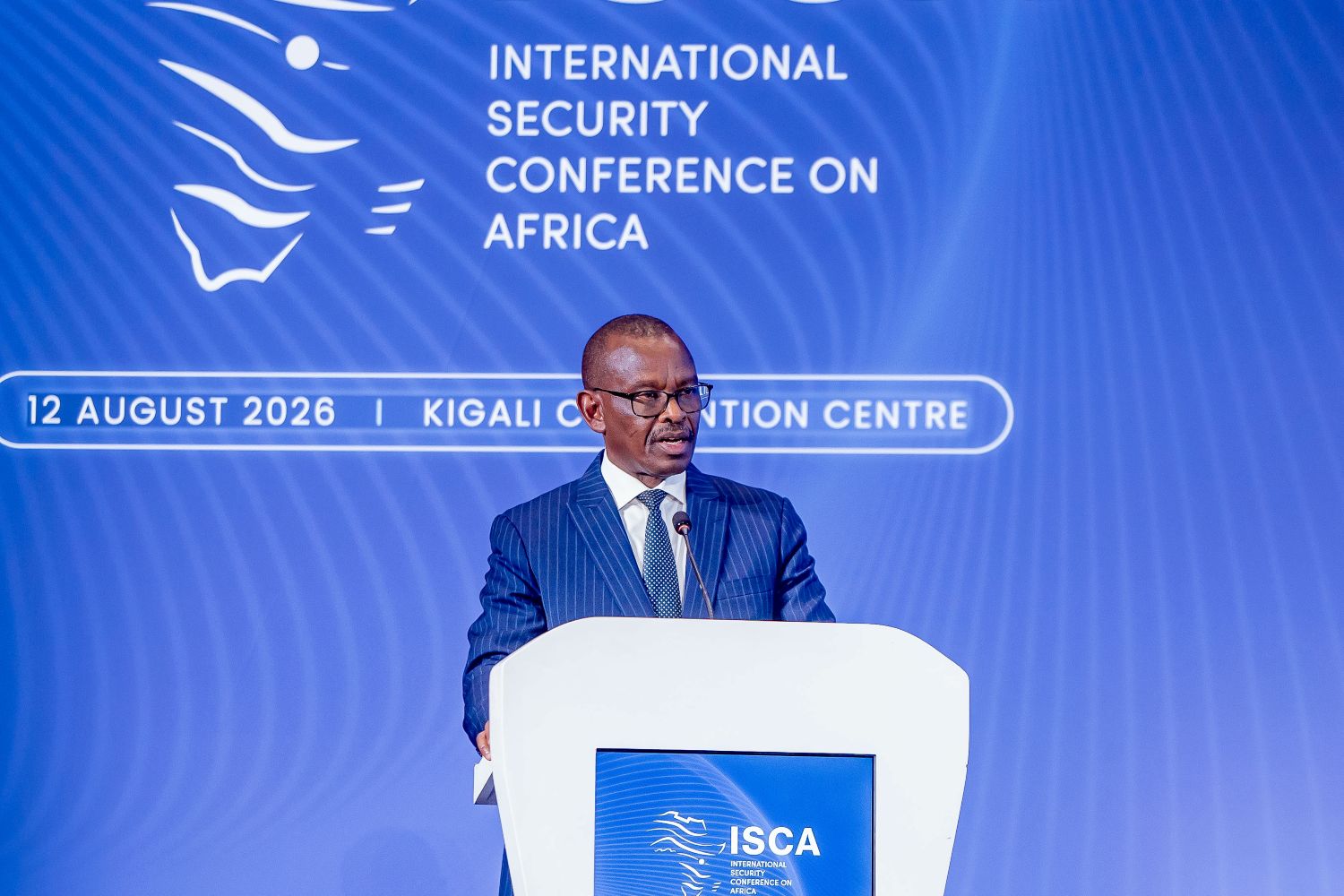
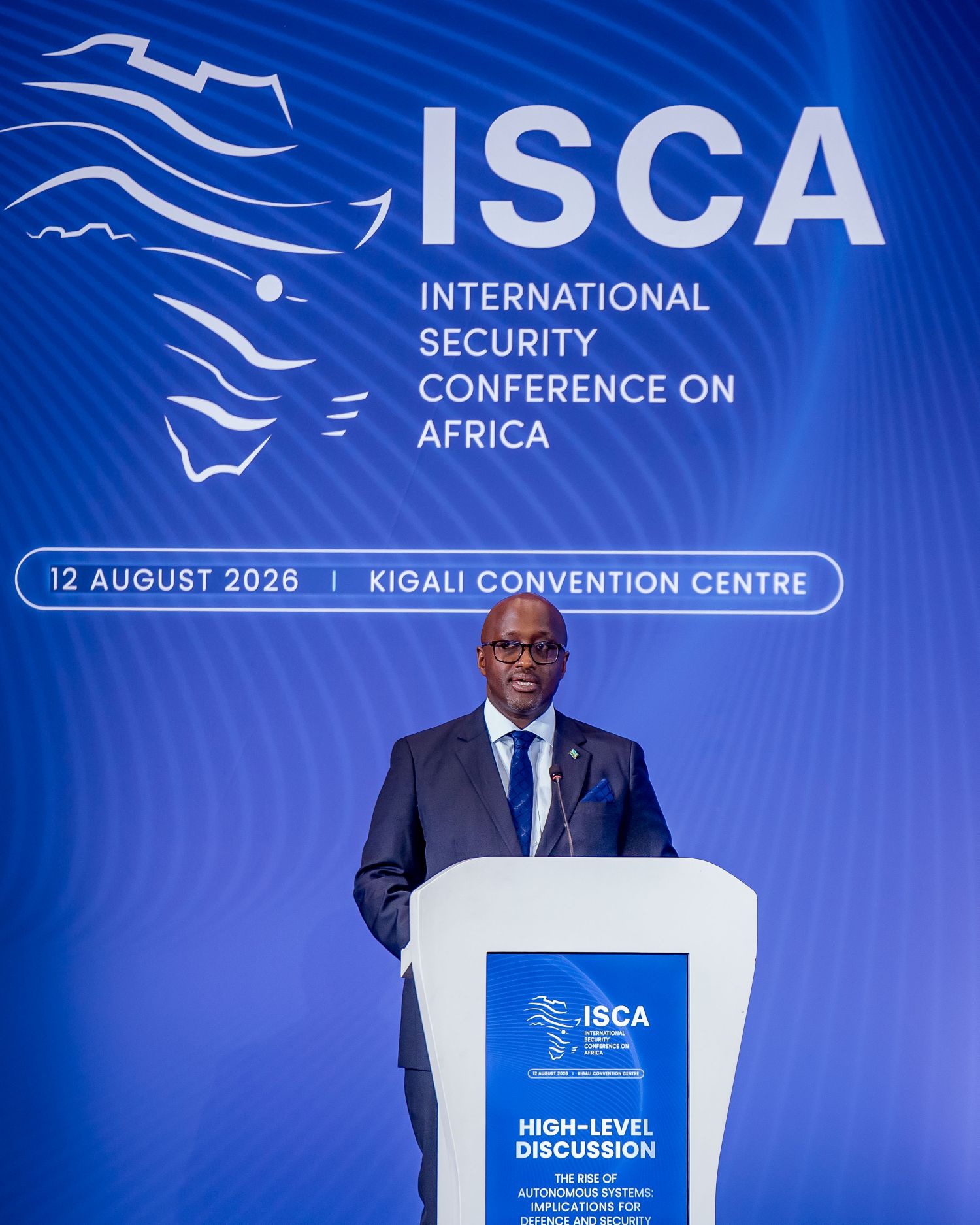
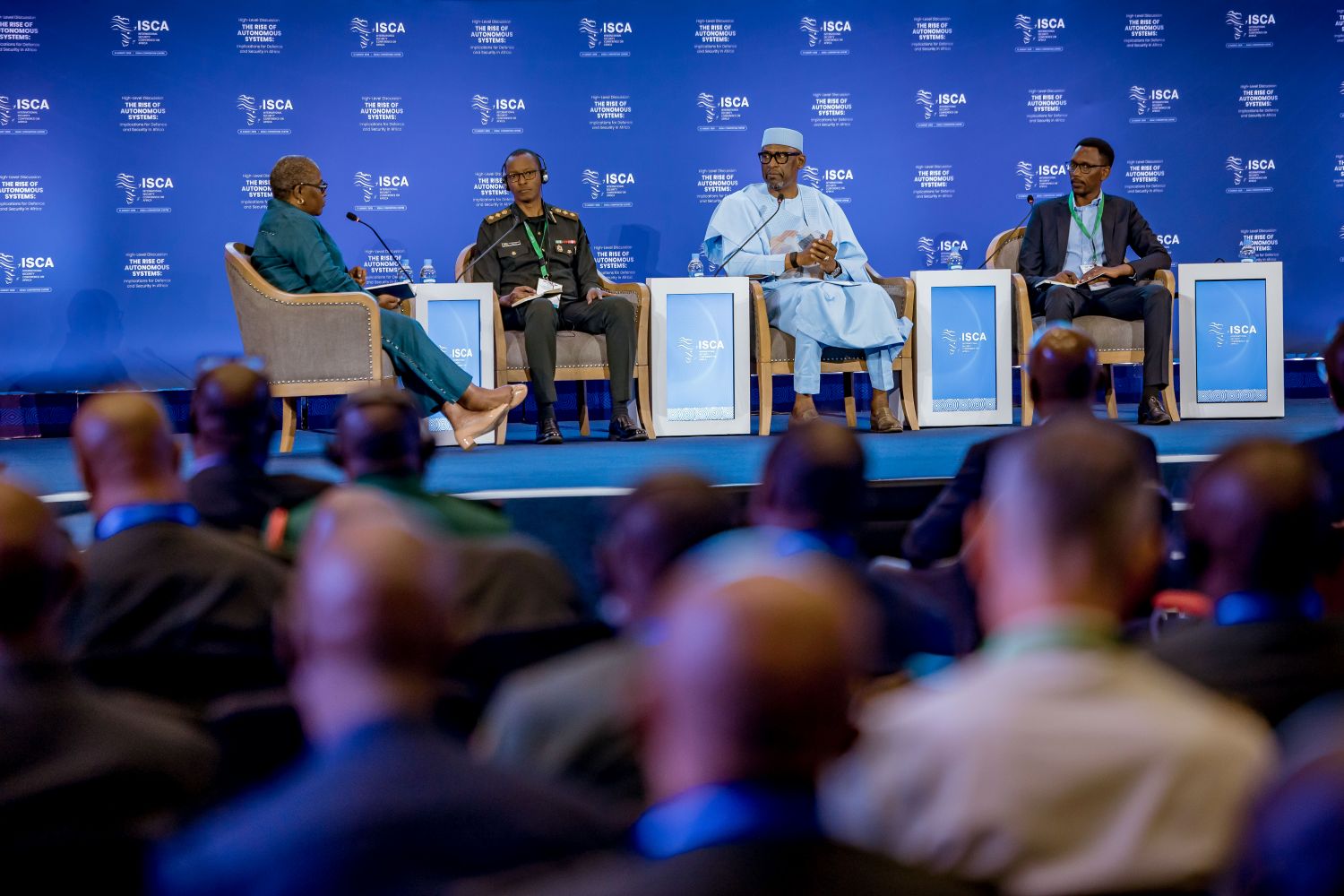
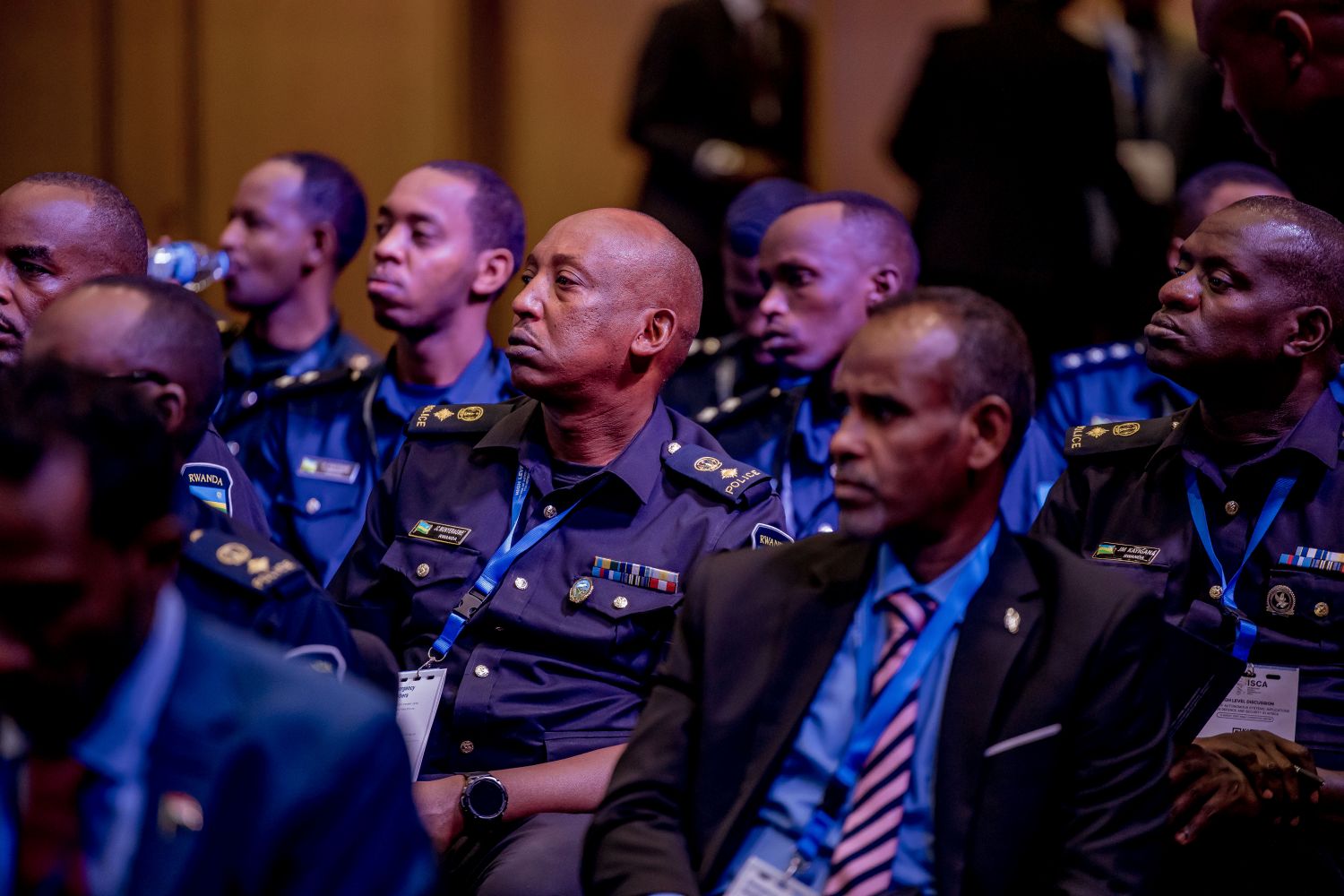
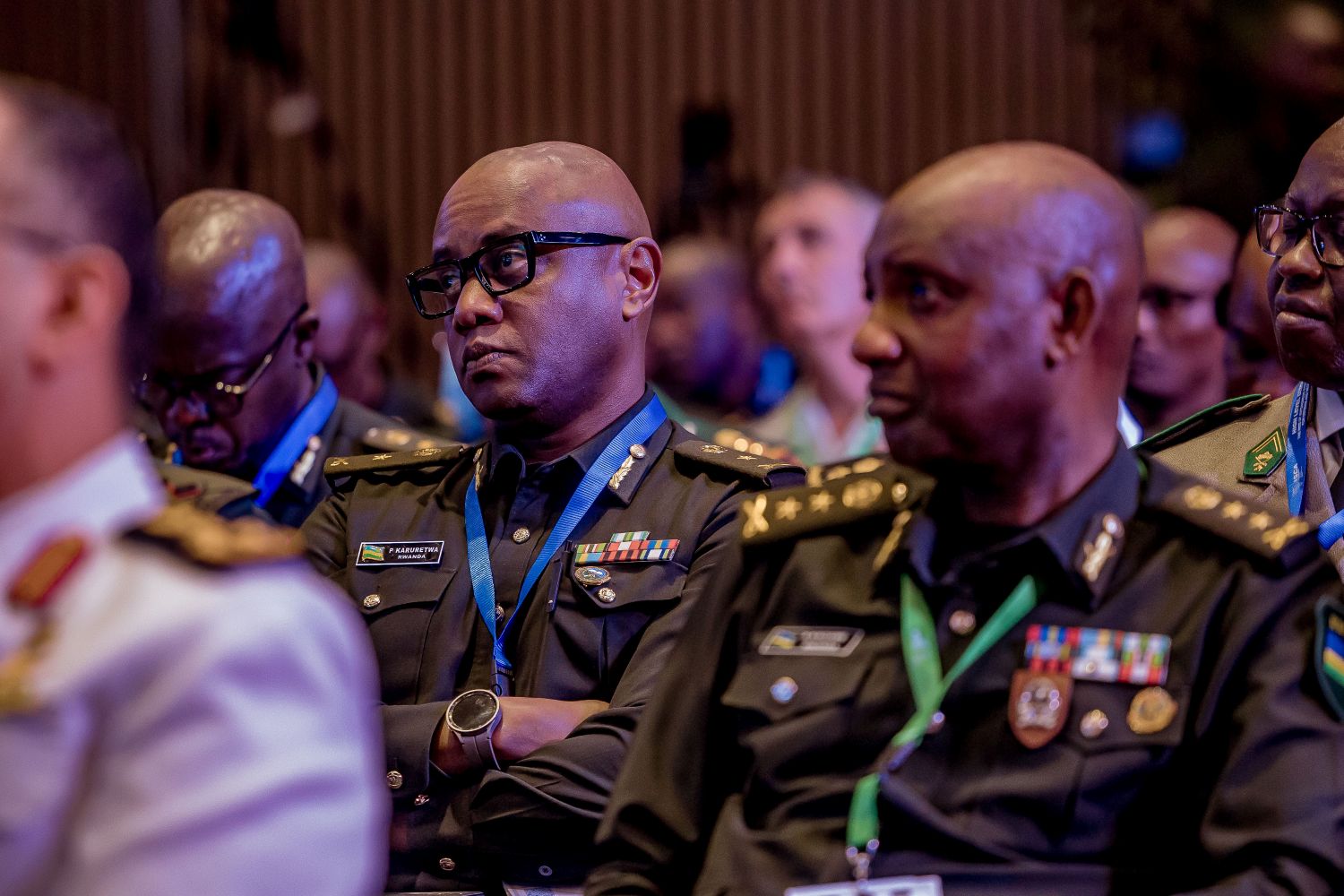
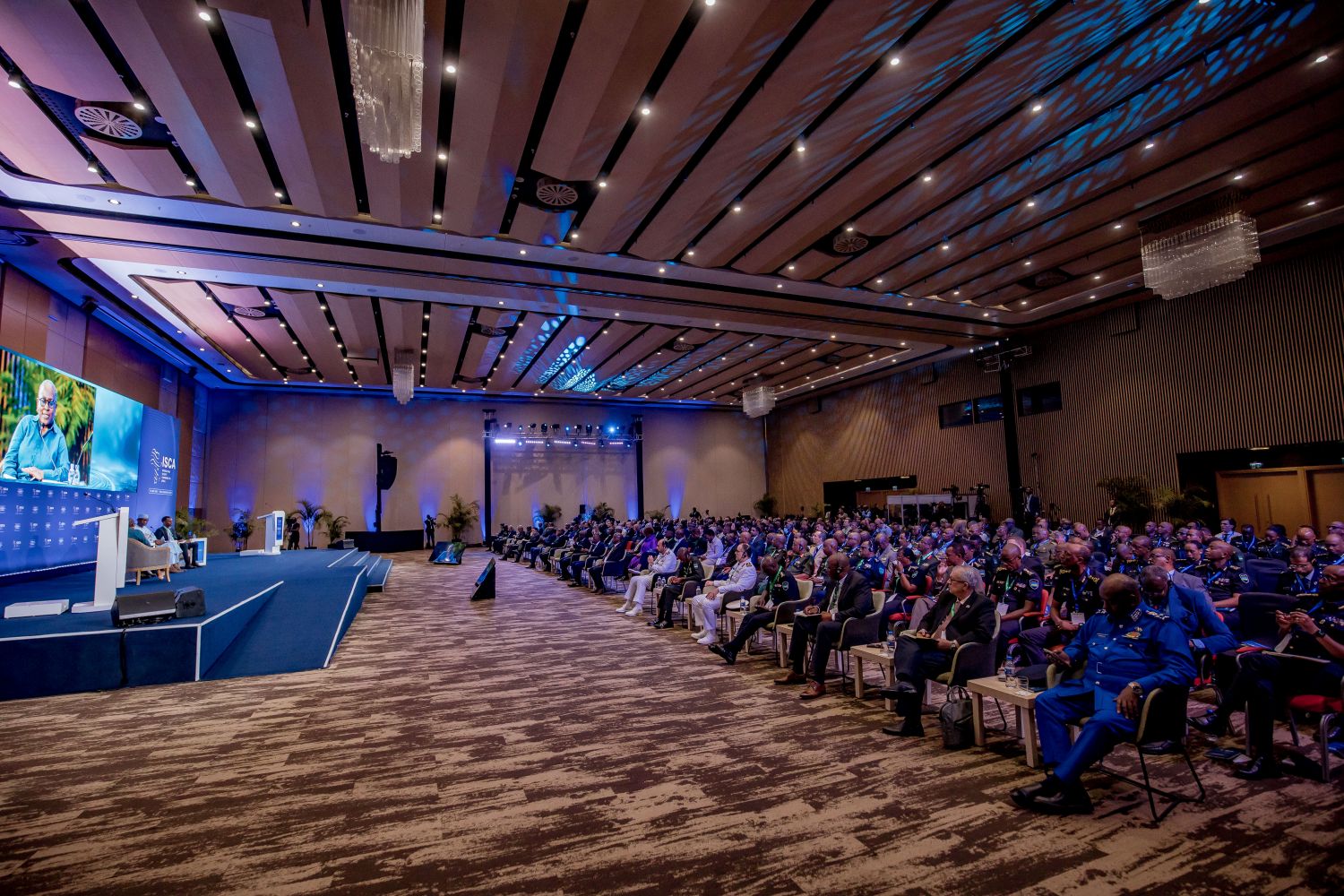
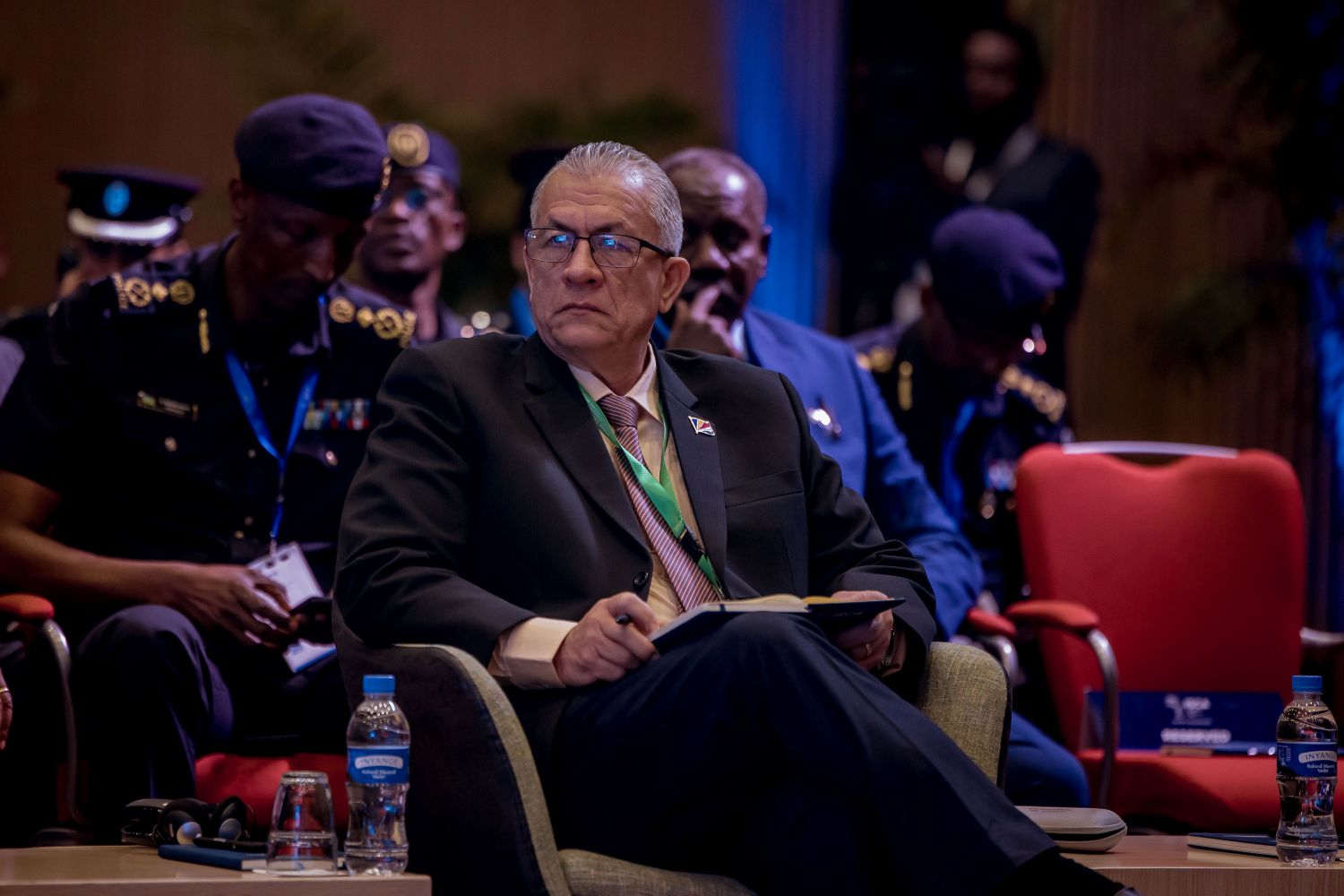
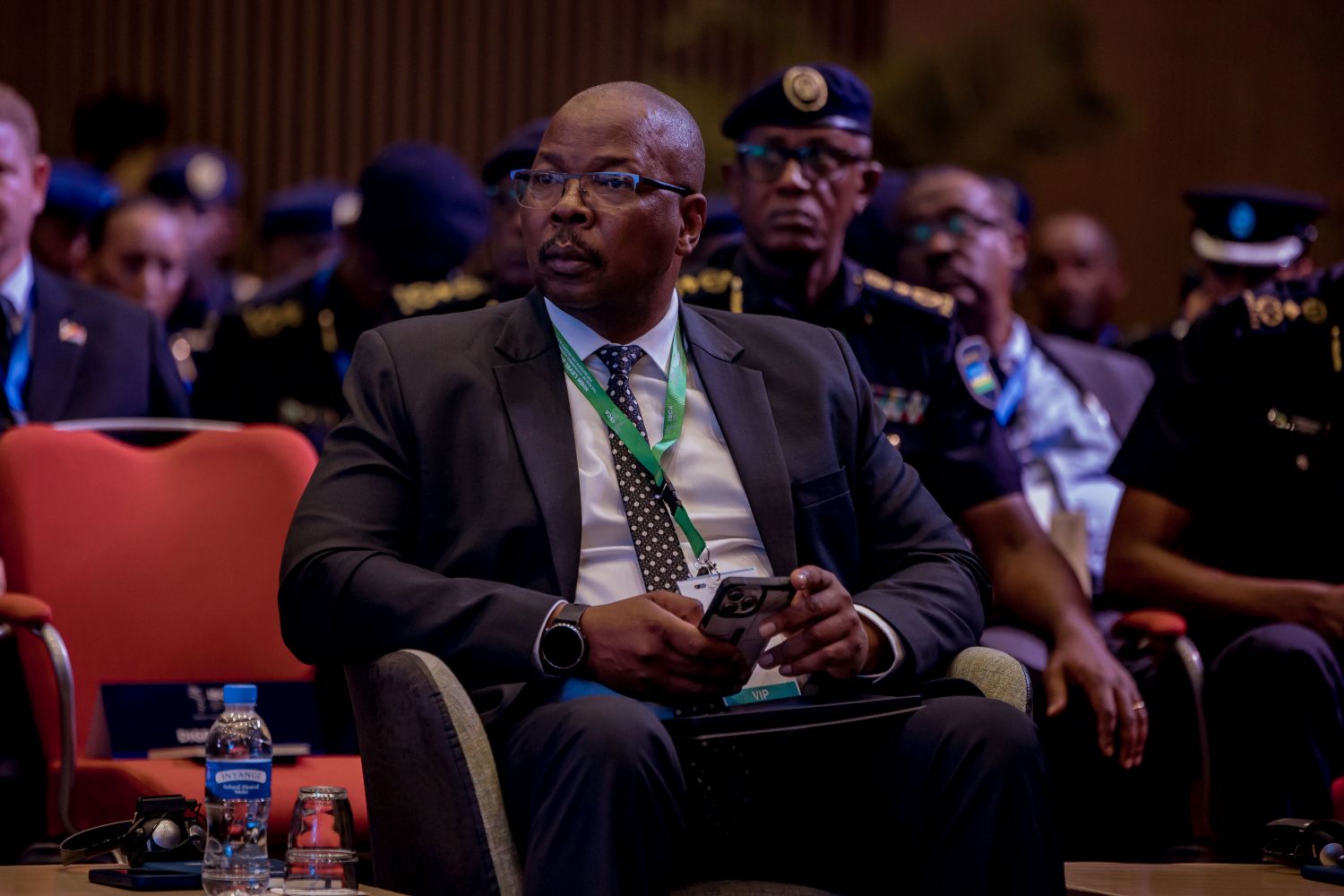
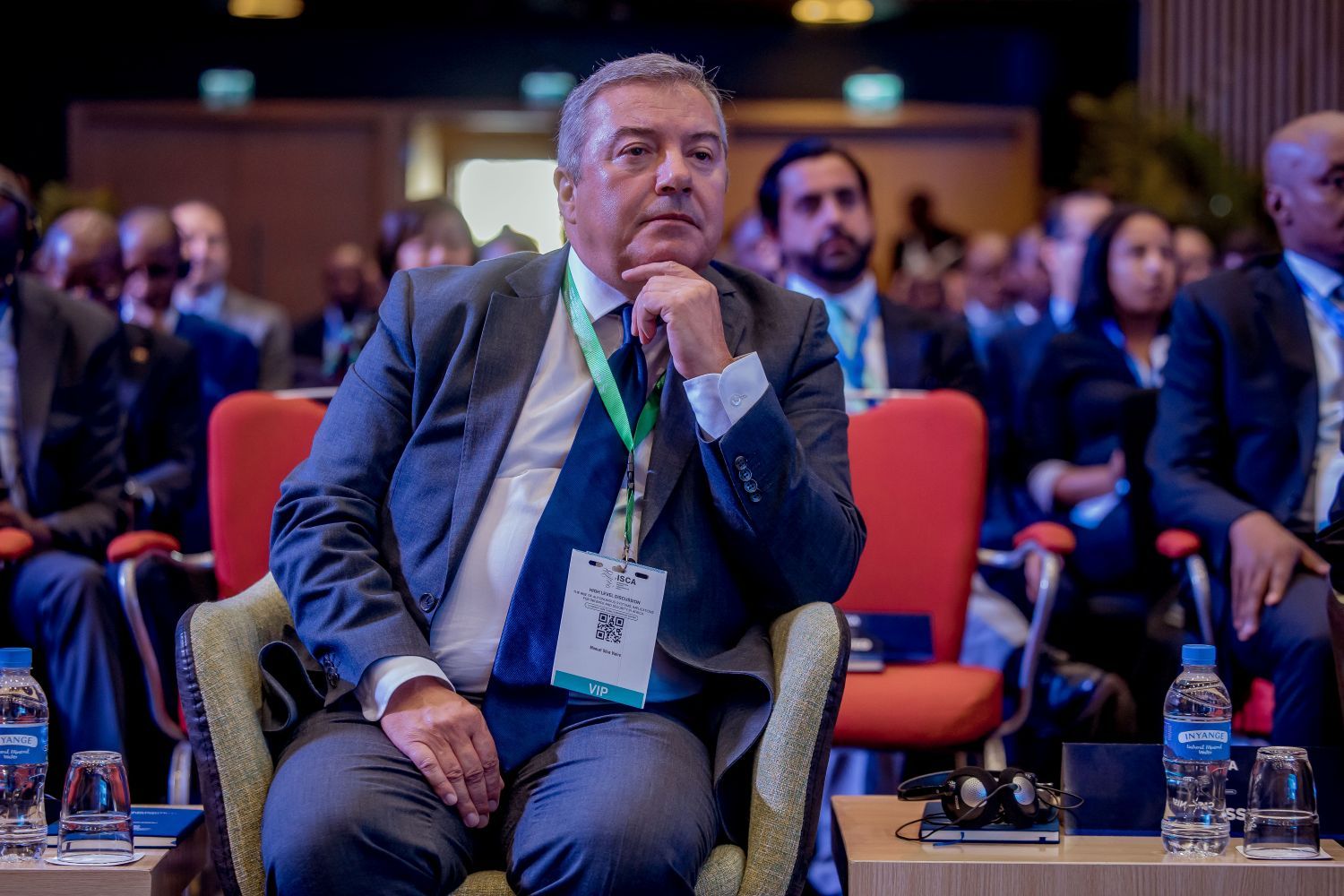
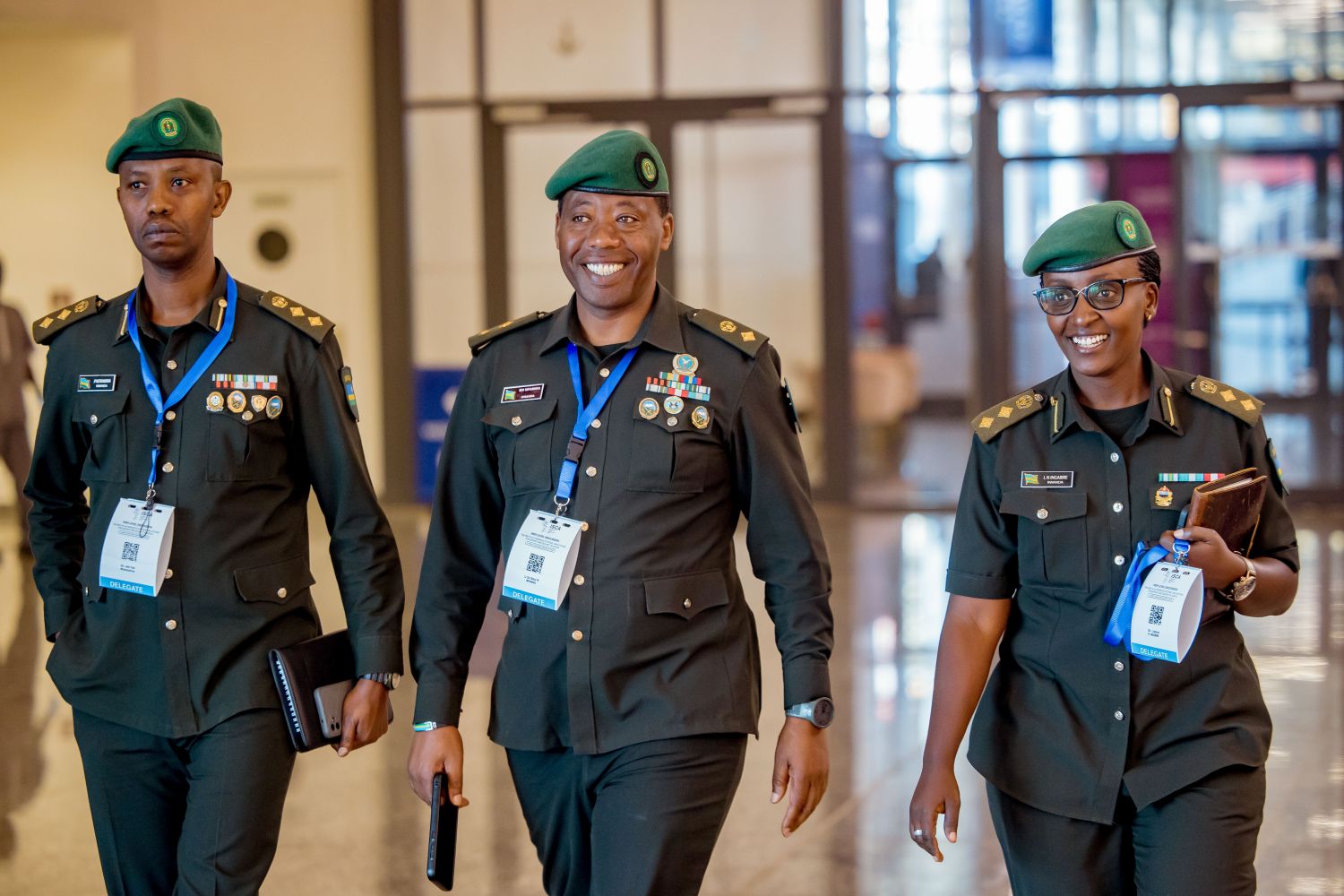
The high-level discussion, held at the Kigali Convention Centre under the theme 'The Rise of Autonomous Systems: Implications for Defence and Security in Africa,' brought together more than 300 delegates from 50 countries, including policymakers, defence and security officials, researchers, technology experts and international partners.
Dr. Ndushabandi said the discussions had demonstrated that autonomous systems are no longer a distant technological development but are already changing the nature of conflict and security across Africa.
'Something is happening. The conflict, the landscape is changing,' he said, summarising one of the key conclusions emerging from the discussions.
He said autonomous systems are reshaping issues ranging from border security and military operations to cybersecurity, cross-border crime and immigration management, forcing African states to reconsider their doctrines, institutions and capabilities.
Rwanda's advantage
According to Dr. Ndushabandi, Rwanda stands out in three key areas: governance and leadership, information and security capabilities, and human-centred development.
'From a research perspective, I could highlight three dimensions. The first one is governance and leadership,' he said, arguing that Rwanda's experience in institution-building, governance and security provides lessons that could be relevant to other African countries.
He pointed to Rwanda's participation in peace operations and counterterrorism efforts, including in Mozambique and the Central African Republic, as examples of the country's developing security and military capabilities.
He also highlighted Rwanda's ability to monitor and assess emerging security challenges, arguing that information capabilities will become increasingly important as autonomous technologies transform the security environment.
The third dimension, he said, is development, particularly education and the development of human capabilities.
'Capabilities goes with resources, capability, development of education systems,' Dr. Ndushabandi said, stressing that Africa's response to autonomous technologies cannot be separated from investment in people.
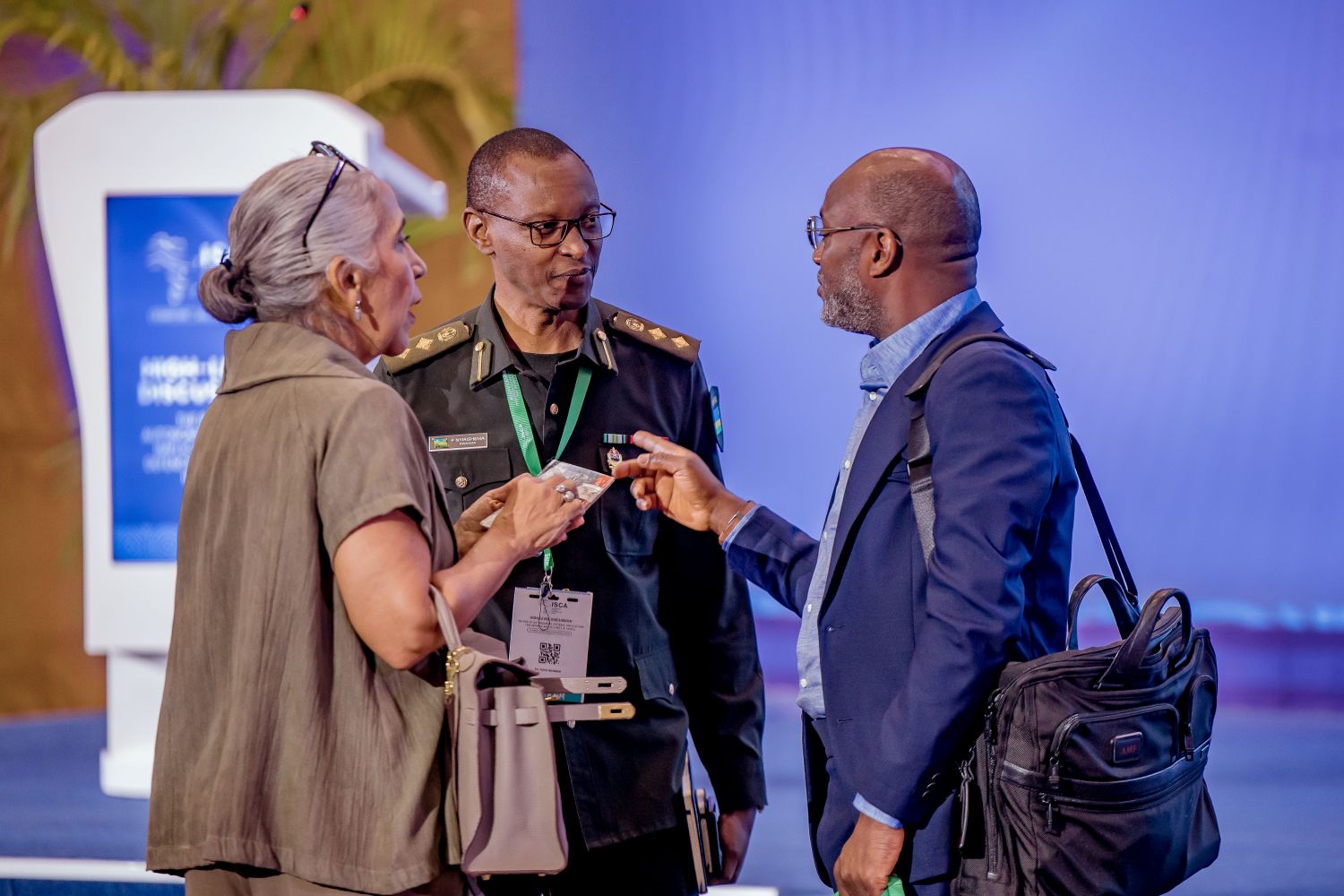
His assessment echoes comments made during the conference by Col. Patrick Nyirishema, Head of Defence Research and Development at the Rwanda Defence Force, who argued that Rwanda has a particular advantage because of its leadership's emphasis on anticipating future security challenges.
Nyirishema said Africa faces a fundamental choice: whether to remain primarily a consumer of technologies developed elsewhere or to build the capabilities needed to shape and adapt them.
For him, the starting point is talent.
'Build talent. Build talent. Build talent,' Nyirishema told the panel, arguing that African countries need to develop technology ecosystems extending beyond defence institutions to universities, private companies, young innovators and other parts of society.
From buying technology to building capability
The conference repeatedly stressed that autonomous systems cannot simply be treated as another procurement item.
Col. (Rtd) David Kanamugire, Chief Executive Officer of Rwanda's National Cyber Security Authority, said Africa could not 'buy autonomy' because effective autonomous capability depends on much more than acquiring equipment.
He identified data, computing power, talent and adaptable institutions as essential components of the technology ecosystem.
'Autonomous-ready means you control the entire technology stack,' Kanamugire said, highlighting the importance of controlling sensors, communications, cybersecurity and other supporting systems.
This concern was also central to Dr. Ndushabandi's assessment.
He said Africa should welcome technological opportunities coming from outside the continent, but should simultaneously develop the capacity to adapt and eventually develop technologies that respond to African needs.
'The objective is not simply going to be to regulate what comes from outside,' he said. 'It is about being open to and aware of the opportunities these technologies offer.'
However, he stressed that imported systems must be adapted to local cultures, institutions and security realities.
The African context matters
The conference heard that technologies developed elsewhere may not perform in exactly the same way when deployed in African environments.
Moise Busogi, Assistant Teaching Professor at CMU-Africa, gave the example of artificial intelligence models used for image recognition. A model trained in one country can perform differently when deployed in another environment because of differences in terrain, infrastructure and other local conditions.
That, he argued, makes contextualisation and local innovation essential.
Nyirishema said autonomous systems designed for desert environments would need to operate differently from those deployed in forests, mountainous terrain or other settings, underscoring the need for African countries to develop the talent and institutions required to adapt such technologies to local conditions.
Security risks are also increasing
While autonomous systems offer opportunities in border surveillance, agriculture, infrastructure protection, intelligence gathering and military operations, speakers warned that their increasing accessibility also creates new security risks.
Rwanda's Foreign Minister Olivier Nduhungirehe said autonomous systems and artificial intelligence are becoming increasingly accessible, including to non-state actors.
'Africa cannot afford to fall behind as these technologies continue to evolve,' Nduhungirehe said.
Dr. Ndushabandi similarly warned that autonomous technologies could become particularly problematic in countries affected by unresolved conflicts, weak governance or limited state control over territory.
He said the decreasing cost of autonomous systems could make them increasingly accessible to non-state groups, including armed groups, potentially intensifying existing conflicts.
Sovereignty and strategic autonomy
Another major concern emerging from the discussions was sovereignty.
Dr. Ndushabandi said autonomous systems can challenge traditional concepts of state sovereignty, particularly when systems operate across borders or when states become dependent on technologies, data or infrastructure controlled elsewhere.
The question for Africa, he said, is how to benefit from international technological cooperation while maintaining sufficient strategic autonomy.
Dr. Paul Simon Handy, Regional Director for East Africa and Representative of the African Union/Institute for Security Studies, argued that strategic autonomy should not mean that every African country manufactures every component of an autonomous system.
Instead, he said, it should mean having the knowledge and political freedom to understand, sustain and make decisions about the technologies countries acquire.
He also urged African states to rethink military doctrines rather than simply inserting new technologies into existing structures.
A continental opportunity
The discussions also pointed to greater cooperation between African countries.
Handy said no African state could independently develop the entire range of technologies required for autonomous systems, making regional cooperation and an intentional division of labour essential.
Dr. Ndushabandi said the ISCA platform had provided an opportunity for governments, security institutions, researchers, universities and international partners to begin developing such cooperation.
He noted that the discussions were also timely because technology is expected to feature prominently on the African Union agenda in 2027.
For Dr. Ndushabandi, Africa's preparedness will ultimately depend on whether governments can translate the current debate into practical policies, stronger institutions, education programmes and technological capabilities.
Dr. Ndushabandi also urged young Africans to use growing access to AI and other technologies to develop specialised skills rather than focusing primarily on entertainment. 'AI is giving opportunity for young people to access knowledge,' he said, stressing the importance of education and professionalisation as Africa prepares for the changing security and technological environment.
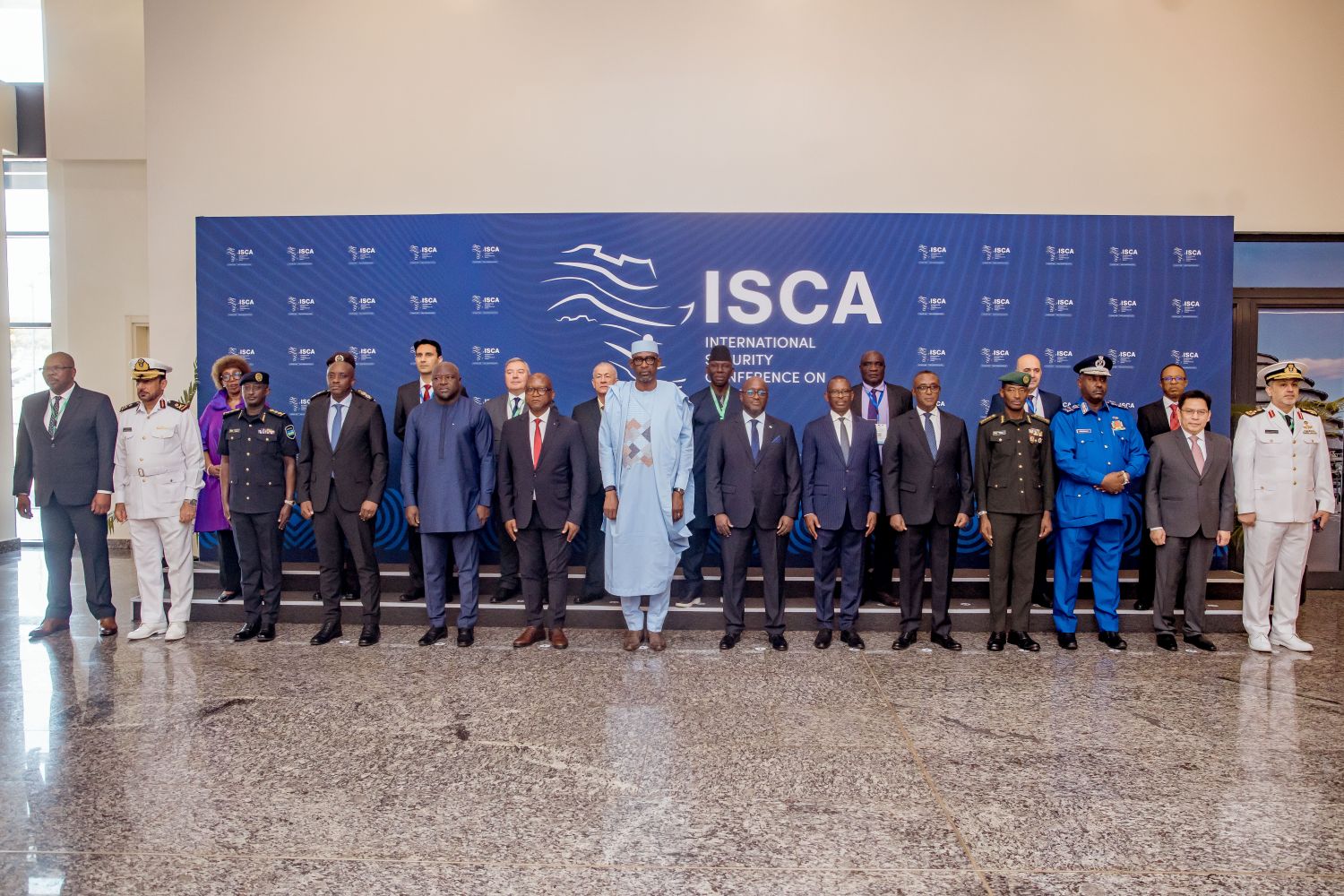
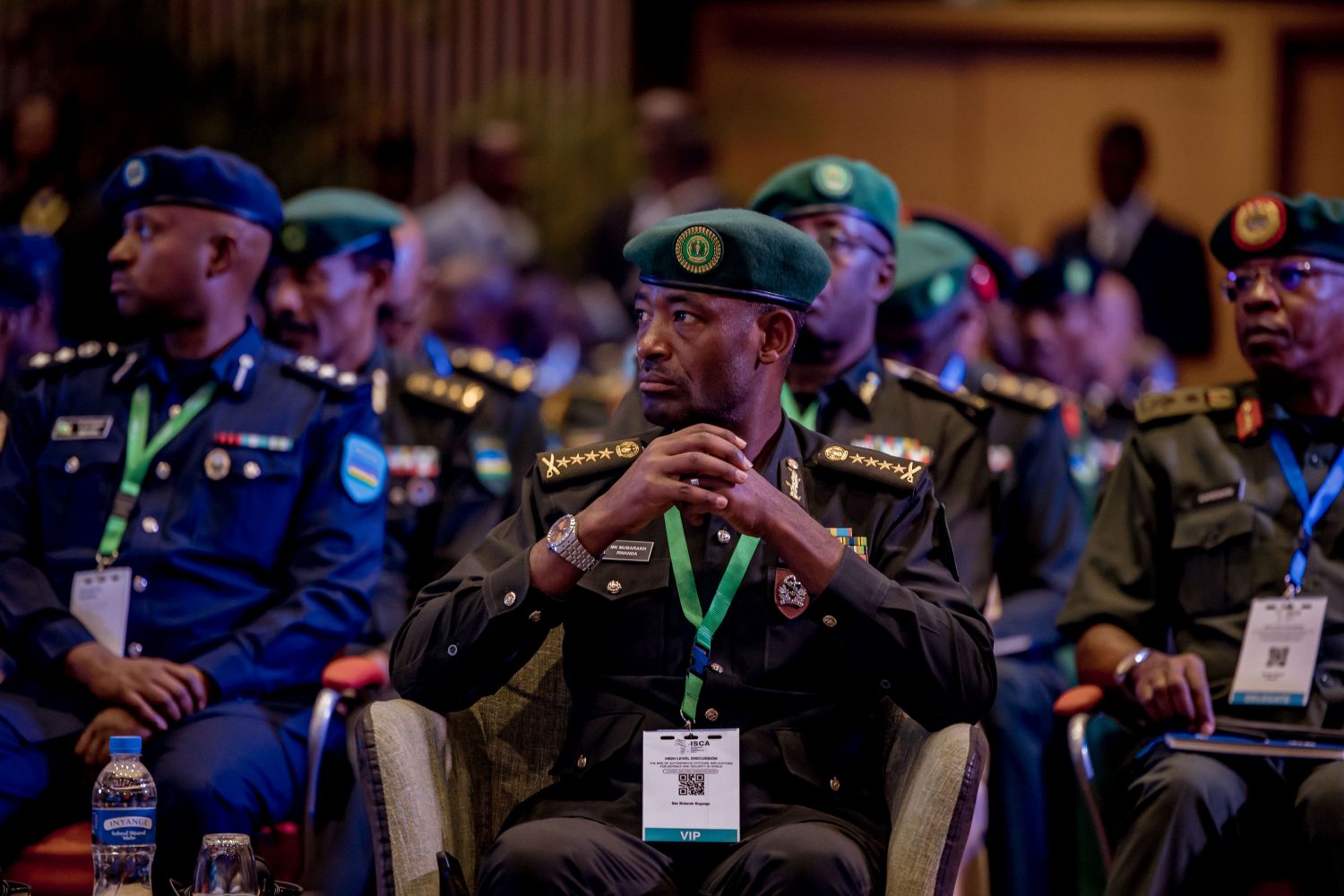
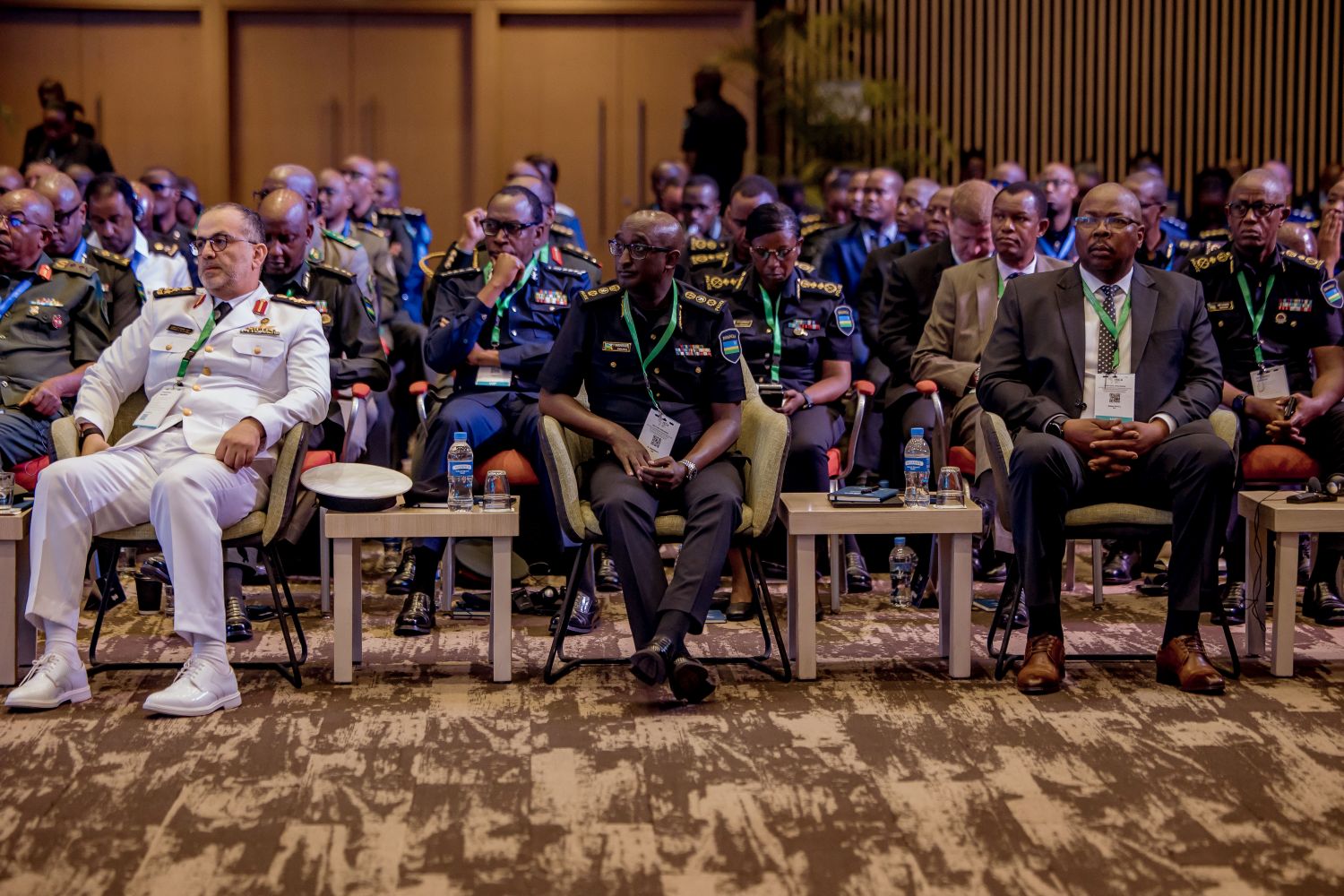
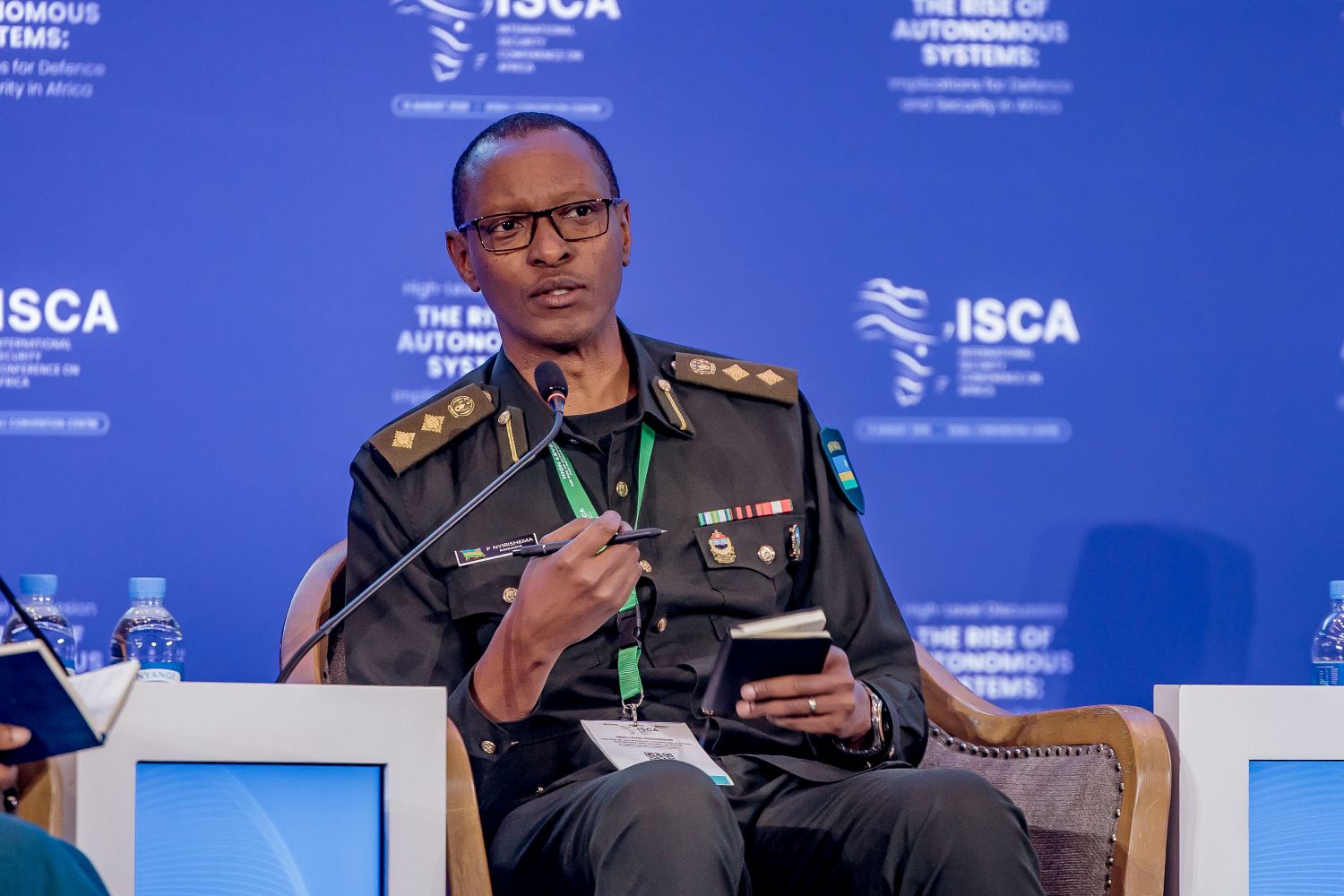
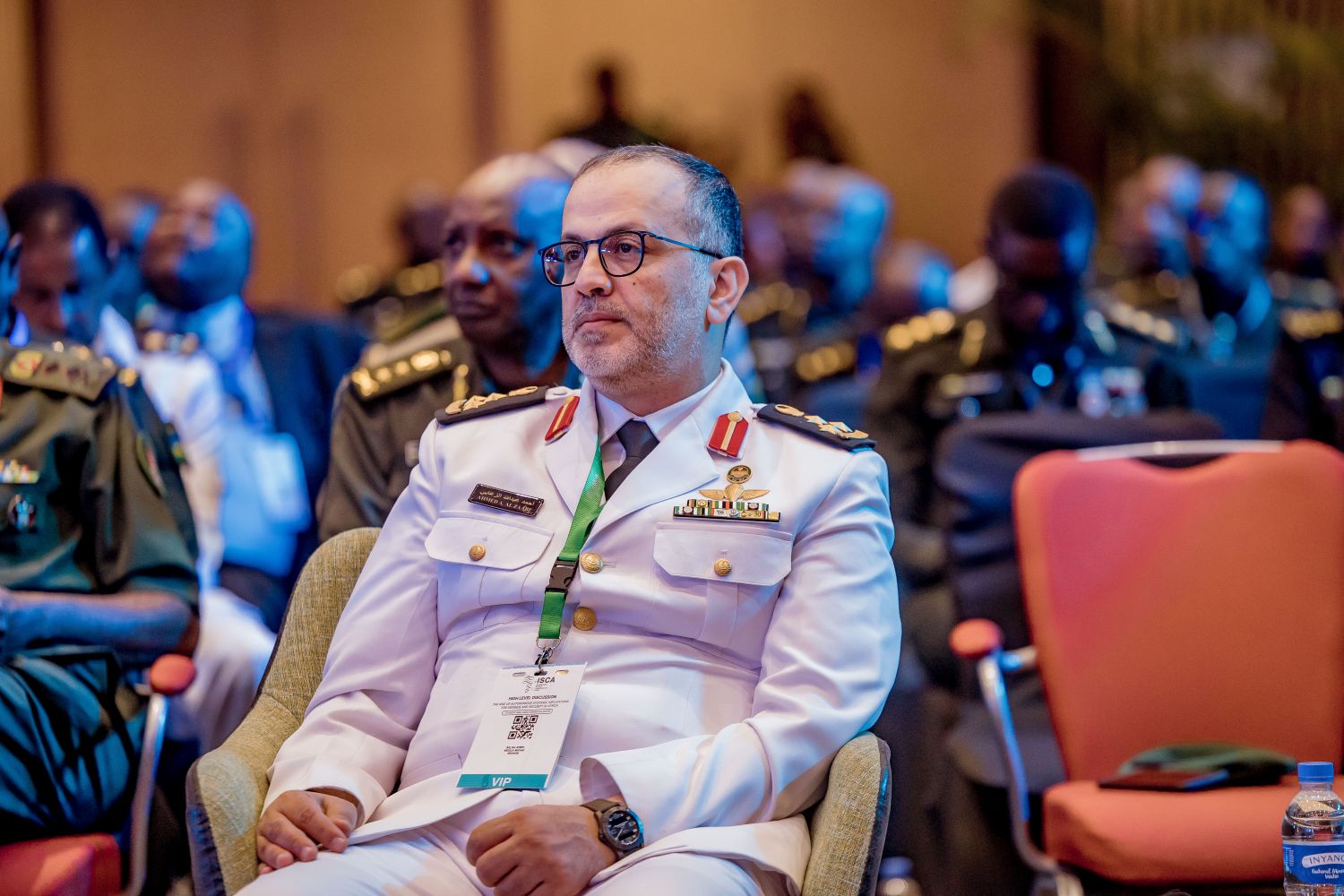
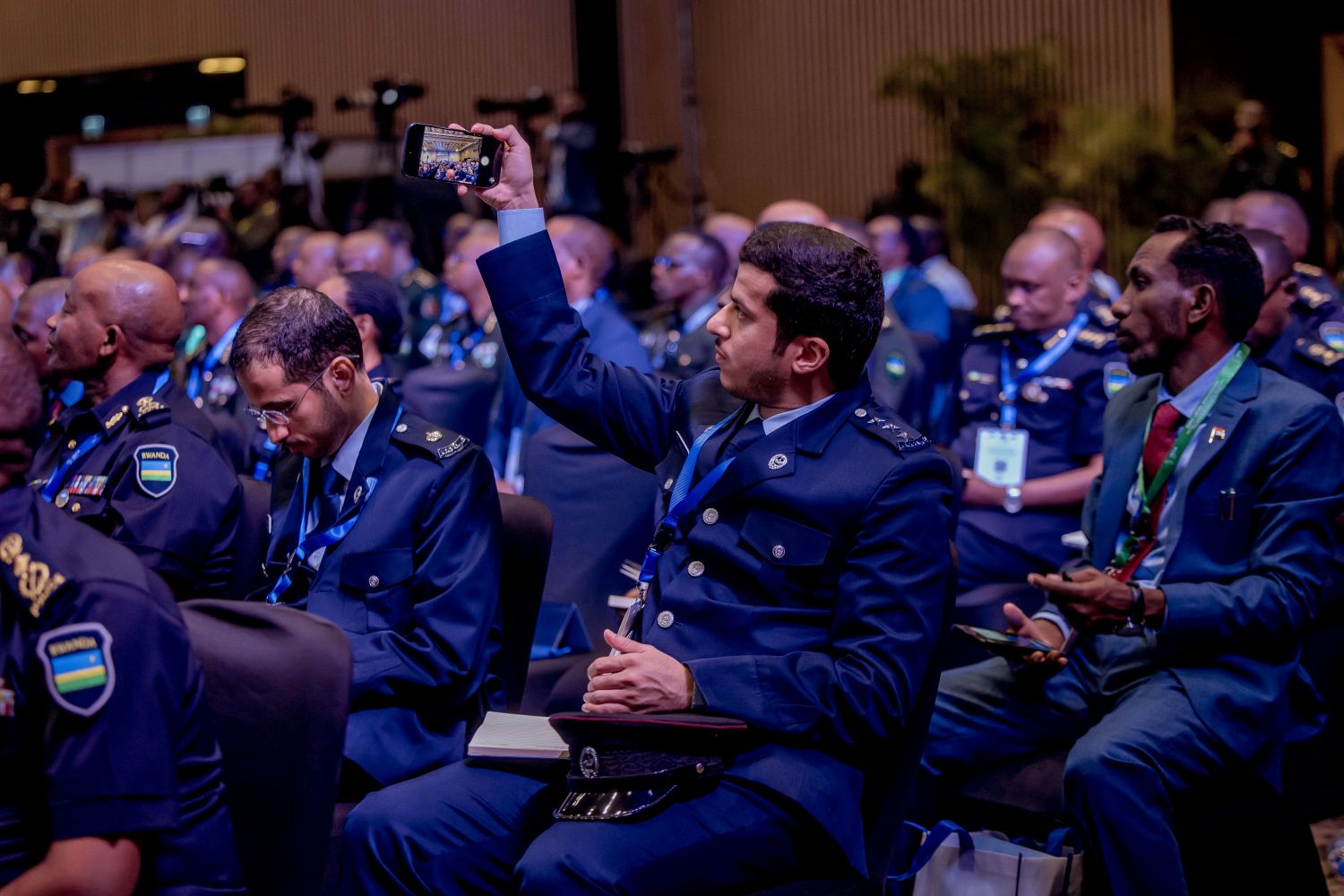
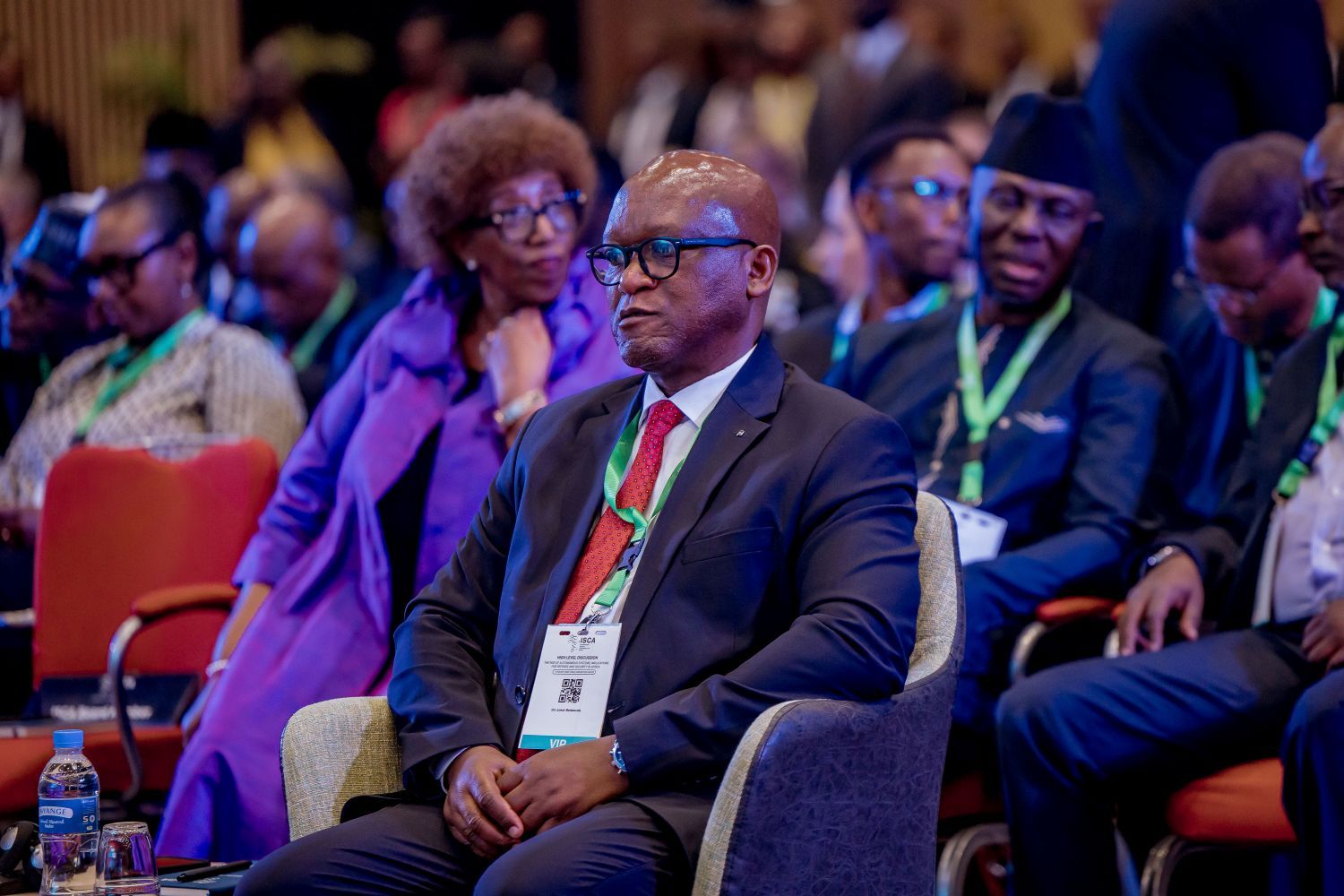
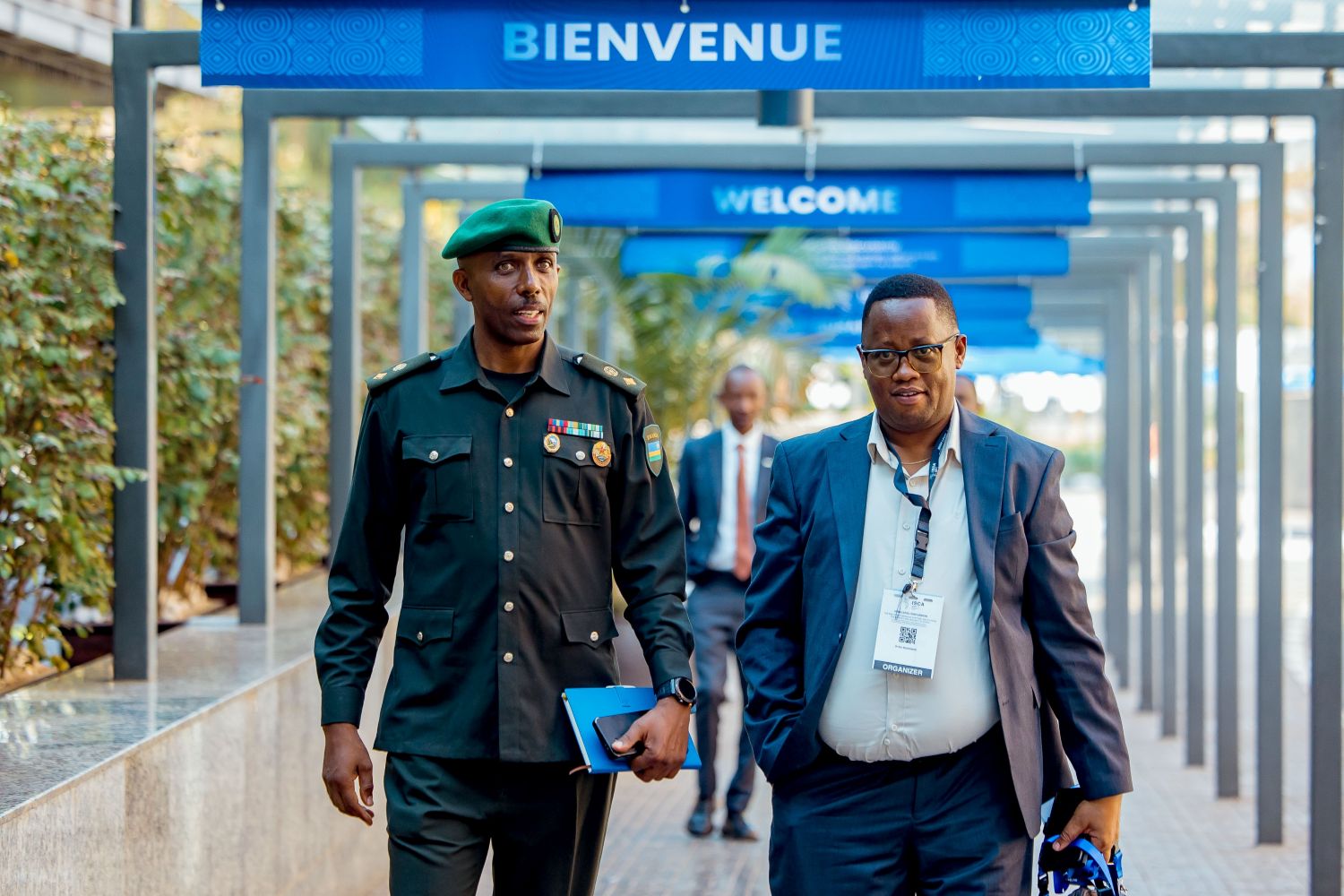
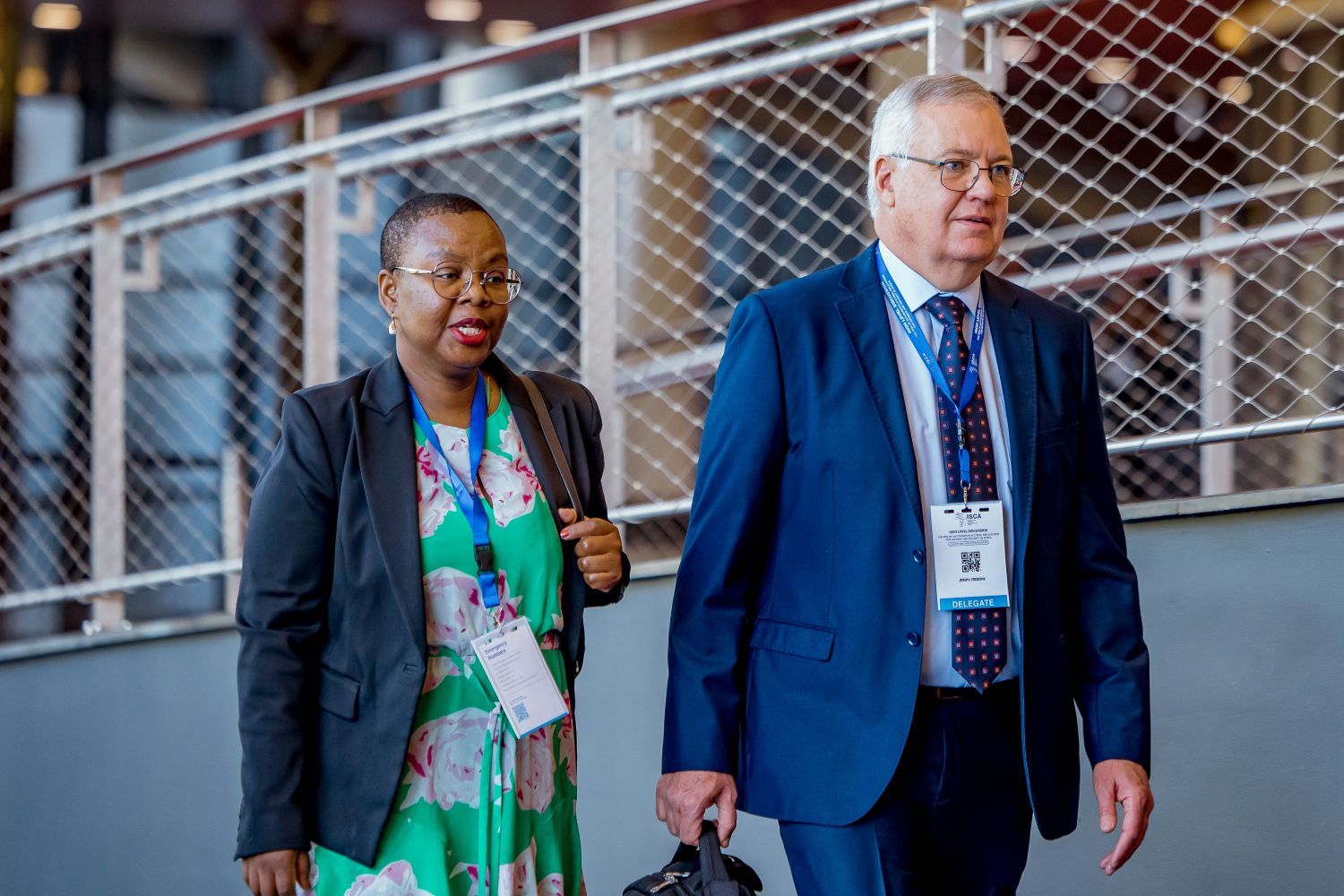
The high level convening brought together more than 300 delegates from 50 countries.Rwanda's Foreign Minister Olivier Nduhungirehe said autonomous systems and artificial intelligence are becoming increasingly accessible, including to non-state actors.Chief of Defence Staff (CDS) of the Rwanda Defence Force, General Mubarakh Muganga, follows the discussions. The conference repeatedly stressed that autonomous systems cannot simply be treated as another procurement item.Col. Patrick Nyirishema, Head of Defence Research and Development at the Rwanda Defence Force, argued that Rwanda has a particular advantage because of its leadership's emphasis on anticipating future security challenges.
Held under the theme 'The Rise of Autonomous Systems: Implications for Defence and Security in Africa,' the discussion brought together more than 300 delegates from 50 countries to examine how artificial intelligence and autonomous systems are changing warfare, border security and national defence.
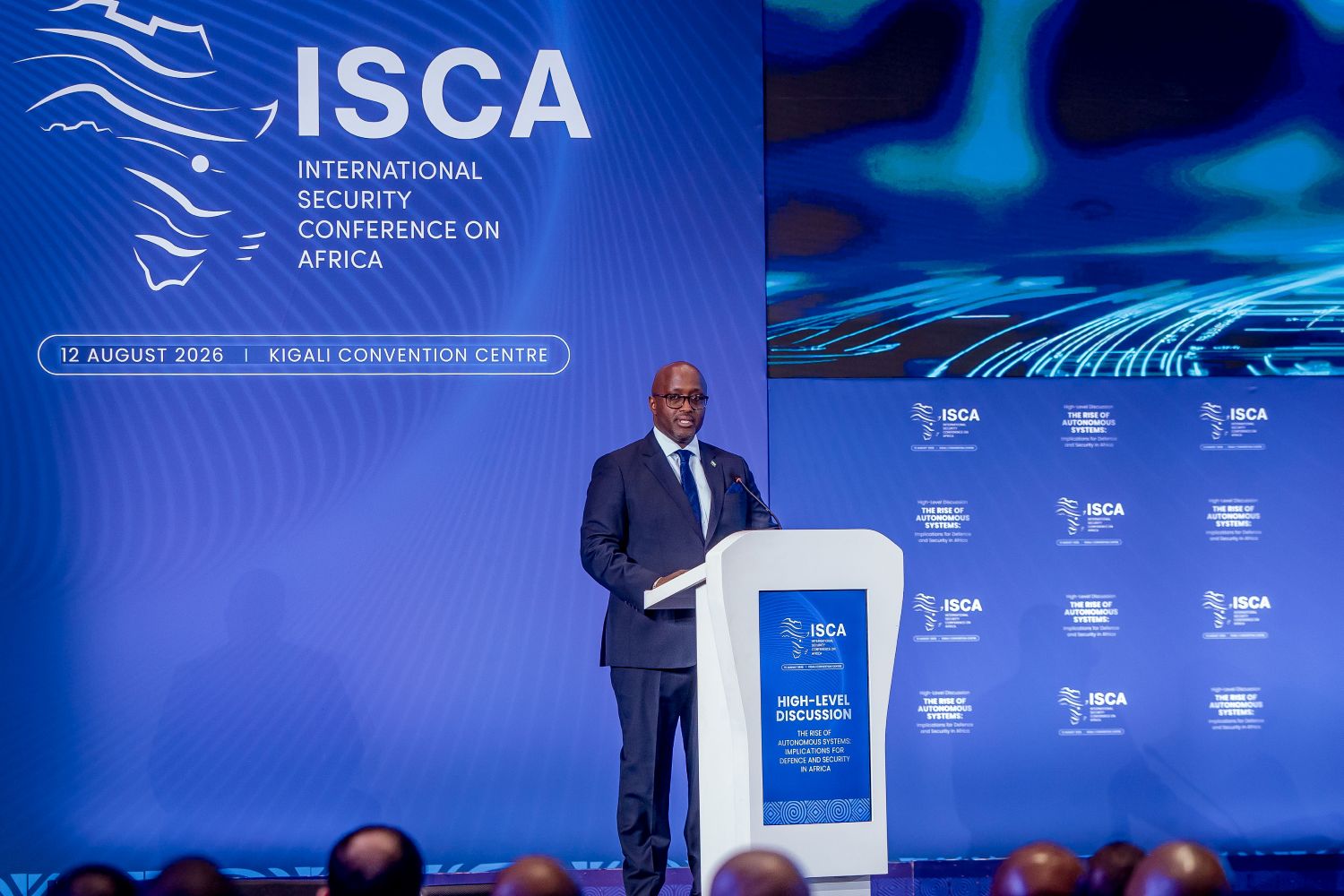
Opening the discussion, ISCA Executive Director Lt. Gen. (Rtd) Frank Mushyo Kamanzi noted that advances in artificial intelligence and autonomous aerial, maritime and ground systems are already reshaping warfare, border security, peace support operations and national defence.
He highlighted their potential to strengthen intelligence gathering, border surveillance, maritime security and protection of critical infrastructure, while raising concerns about human oversight, accountability and possible misuse by non-state actors.
'These questions demand collective leadership and cooperation,' Kamanzi maintained, urging African governments, regional organisations, research institutions, industry and international partners to develop policies and capabilities suited to the continent's security priorities.
The discussion brought together more than 300 delegates from 50 countries to examine how artificial intelligence and autonomous systems are changing warfare, border security and national defence.
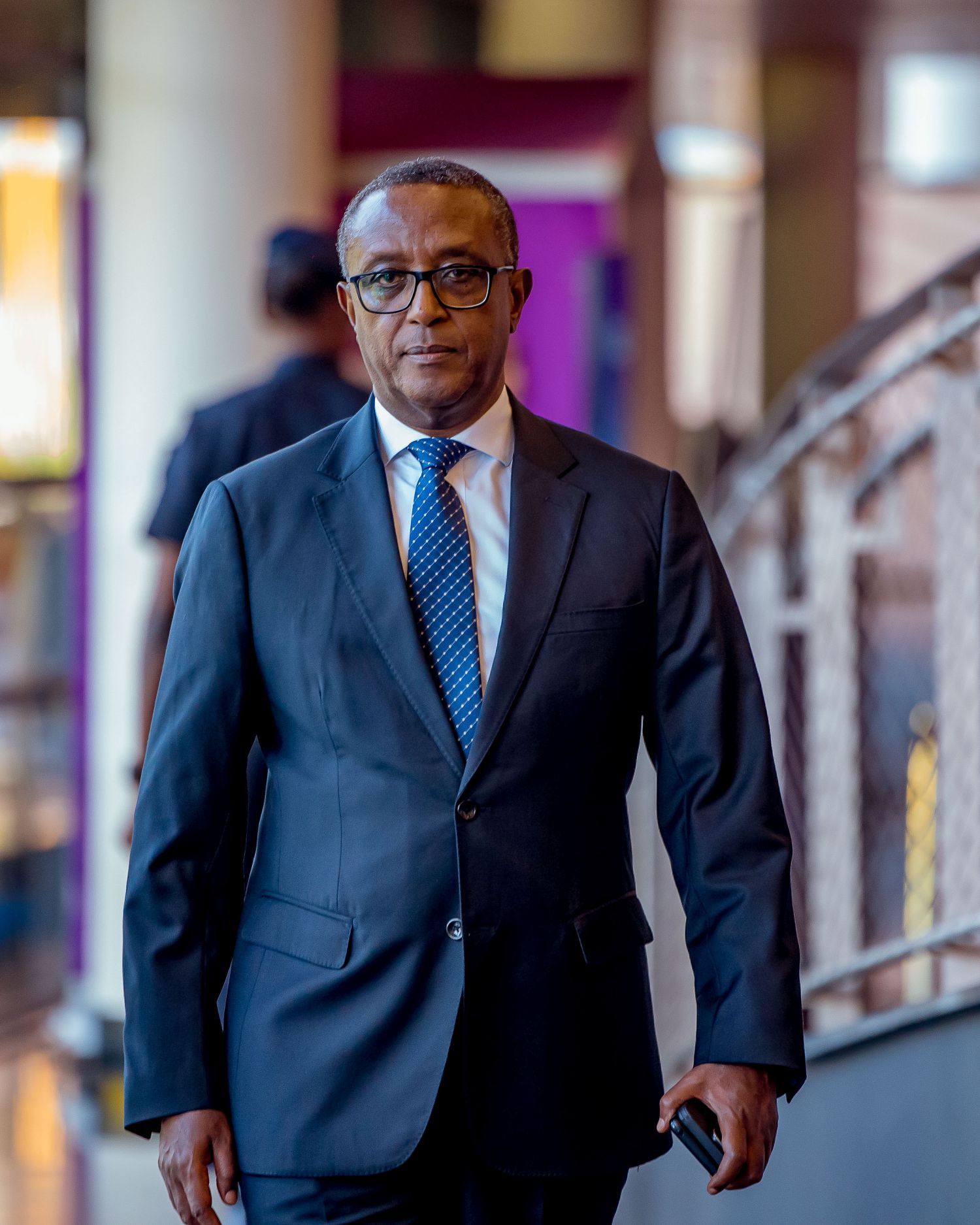
Rwanda's Foreign Affairs Minister Olivier Nduhungirehe warned that artificial intelligence and autonomous systems are becoming increasingly accessible, including to non-state actors.
'Africa cannot afford to fall behind as these technologies continue to evolve,' Nduhungirehe cautioned.
He called for greater investment in African skills, institutions and technological capacity while stressing the implications of autonomous systems for sovereignty and strategic autonomy.
Minister Nduhungirehe called for greater investment in African skills, institutions and technological capacity.
Mali's experience
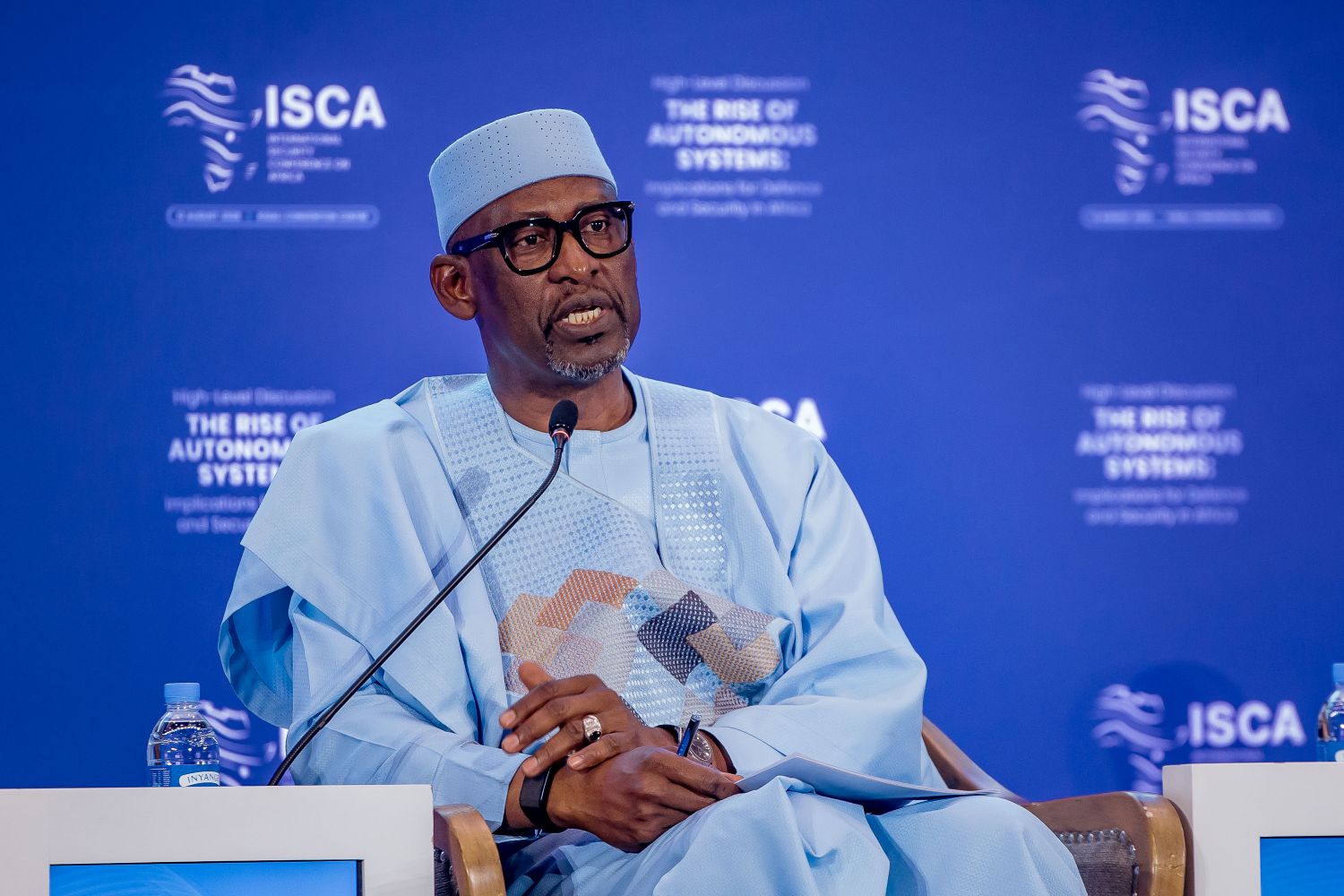
Mali's Foreign Affairs Minister Abdoulaye Diop placed the debate within the broader question of sovereignty and Africa's ability to provide for its own defence.
Mali, he noted, faces terrorism, separatism, inter-community conflicts and other threats across a territory of about 1.2 million square kilometres bordered by seven countries.
Diop explained that drones and other autonomous technologies have consequently become an increasingly important part of Mali's security architecture. Mali, he indicated, had almost no drones five years ago but now has dozens, approaching hundreds, operated by Malian defence and security personnel.
He stressed that training and technology transfer are essential if African countries are to avoid replacing one form of dependence with another.
'It is a bit like cutting the logic of dependence,' he remarked, describing Mali's efforts to strengthen its own defence capabilities.
Minister Diop revealed that drones and other autonomous technologies have consequently become an increasingly important part of Mali's security architecture.
Mali has incorporated training and technology transfer into defence agreements and established a national artificial intelligence centre where young people receive training for applications in defence, medicine, energy and other sectors.
But Diop also warned that autonomous technologies are increasingly available to terrorist groups, adding another layer to asymmetric threats.
'We are not only in an asymmetrical war, but the autonomous system also brings a level of asymmetry that competes with the state,' he observed.
From consumers to technology builders
Col. Patrick Nyirishema, Head of Defence Research and Development at the Rwanda Defence Force, argued that autonomous systems are changing the traditional understanding of military power.
'For centuries, military power was determined by who had more soldiers… But we've entered an era where machines can see. Machines can analyse. Machines can make decisions. And machines can act with diminishing human intervention,' he noted.
Col. Patrick Nyirishema, Head of Defence Research and Development at the Rwanda Defence Force, argued that autonomous systems are changing the traditional understanding of military power.
African countries now face a choice between remaining consumers of emerging technologies or investing in capabilities that allow them to shape them.
'The question is whether Africa can position itself so that this rise of autonomous systems and other related technologies and capabilities can be converted into a strategic advantage. Or whether it becomes a strategic vulnerability,' Nyirishema remarked.
He placed particular emphasis on talent.
'I think the starting point is talent. Build talent. Build talent,' he stressed, calling for national technology ecosystems in which young people can experiment, innovate and develop dual-use applications.
Such technologies, he noted, could support border surveillance, cross-border crime prevention, agriculture and other civilian activities in addition to defence.
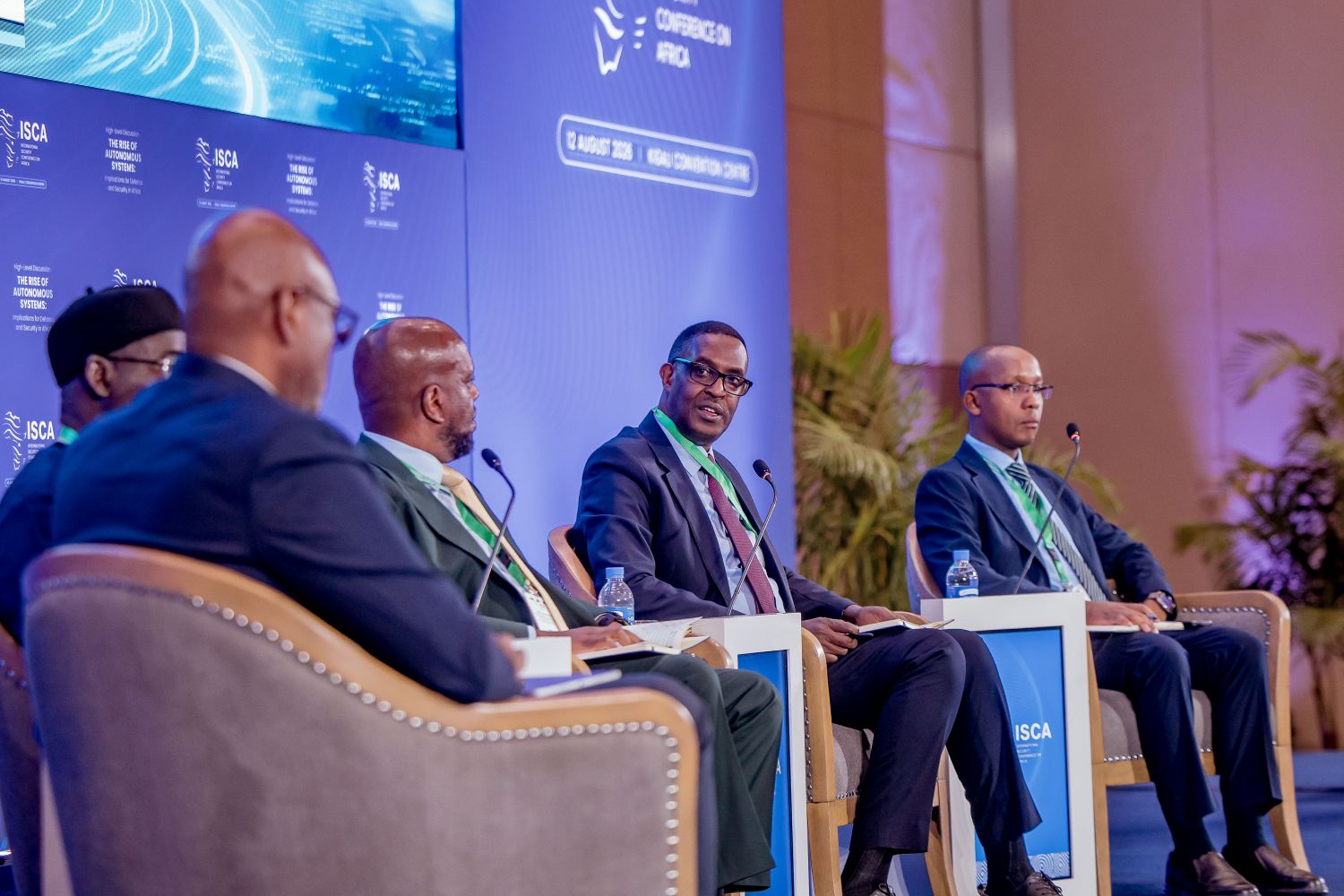
Panellists during a discussion focused on Africa's evolving security environment in autonomous defence and security systems.
Buratai praises Rwanda, urges African defence fund
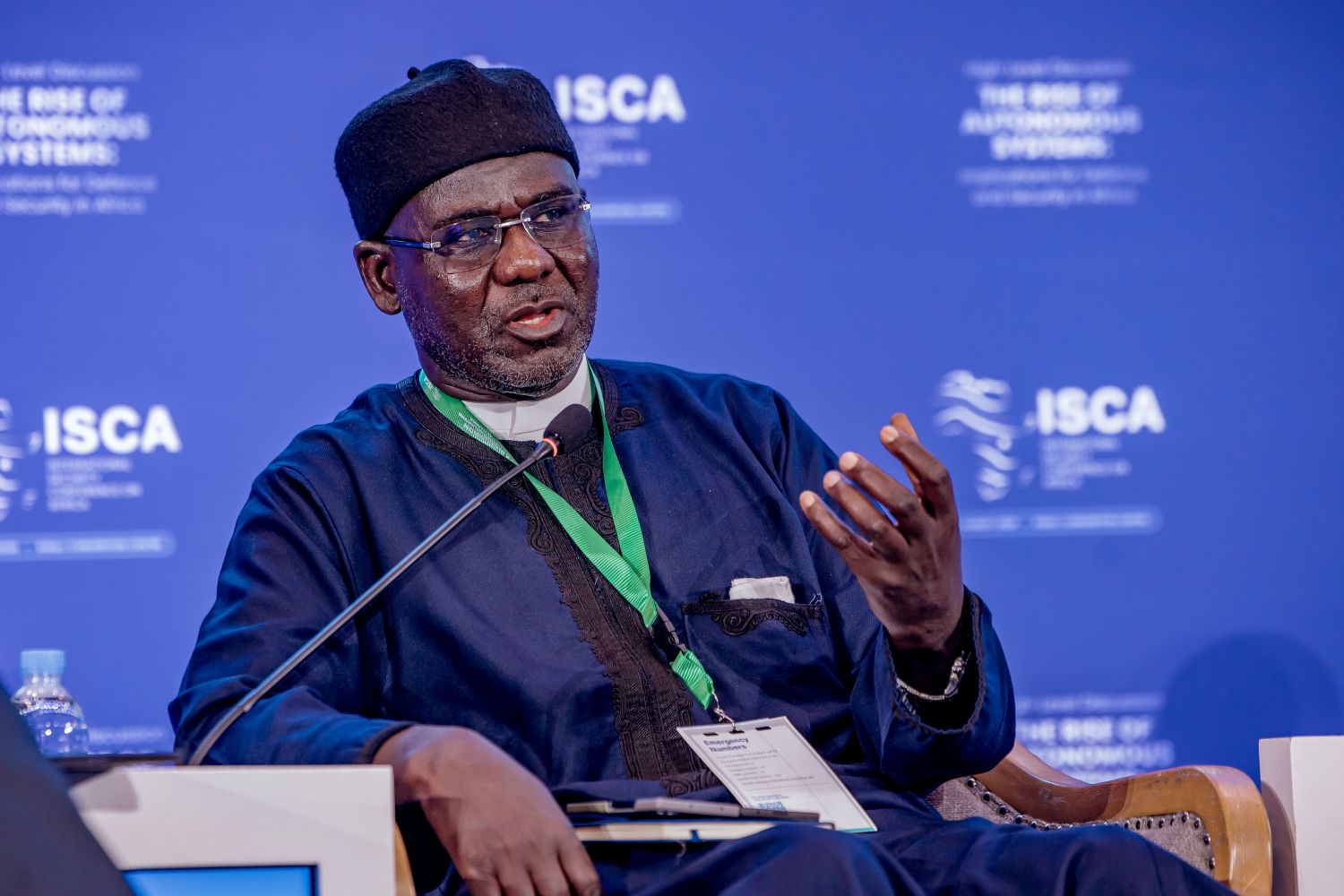
Former Nigerian Chief of Army Staff Lt. Gen. (Rtd) Tukur Yusuf Buratai linked autonomous systems to the wider questions of governance, independence and indigenous technological capacity.
Buratai praised Rwanda for its leadership in advancing African defence and security solutions, recalling his participation in the country's Armed Forces Commanders Conference the previous year.
'The Rwandan government has been in the forefront with projecting African defence and security solutions,' he noted, describing Rwanda's approach as evidence of leadership and commitment to African security knowledge.
Former Nigerian Chief of Army Staff Lt. Gen. (Rtd) Tukur Yusuf Buratai linked autonomous systems to the wider questions of governance, independence and indigenous technological capacity.
He argued that autonomous systems must be considered at the strategic level rather than simply as tactical military equipment, while emphasising the importance of indigenous technology and investment in Africa's young innovators.
Buratai also called for a dedicated African defence fund to help the continent respond to existing and emerging security threats.
Funding, he maintained, has been a longstanding challenge for the African Union and regional organisations, with external financing sometimes influencing African security priorities.
He further linked security to governance and socio-economic development, noting from Nigeria's experience that counter-insurgency efforts must be accompanied by measures addressing unemployment, education and other conditions that contribute to insecurity.
Technology must fit African realities
Moise Busogi, an Assistant Teaching Professor at CMU-Africa, cautioned that technologies developed elsewhere cannot automatically be expected to perform effectively in African environments.
'Many of these technologies are global, but usually the environment is very local,' Busogi noted.
Moise Busogi, an Assistant Teaching Professor at CMU-Africa, argued that technologies developed elsewhere cannot automatically be expected to perform effectively in African environments.
Drawing from his work in computer vision, he explained that AI models can perform differently when moved from one environment to another, making local expertise and contextualisation essential.
He also encouraged African institutions to give locally developed technologies greater opportunities to mature, arguing that African innovation cannot grow if funding and confidence consistently favour foreign products.
Rethinking doctrine and strategic autonomy
Dr. Paul-Simon Handy, Regional Director for East Africa and Representative to the African Union at the Institute for Security Studies, argued that autonomous systems should not simply be inserted into existing military structures.
'Adopting this technology is not just a matter of automating existing doctrines,' Handy maintained. 'Actually, we should rethink doctrines in light of this development.'
African states, he argued, need to identify the security problems they are trying to solve, determine which decisions can legitimately be delegated to machines and establish where meaningful human control must remain.
Handy also cautioned that countries should prepare to defend themselves against autonomous systems, not merely acquire them. A country that obtains drones without investing in counter-capabilities, he observed, may become more technologically equipped without necessarily becoming more secure.
He called for stronger regional cooperation, noting that no single African country can develop every component required for autonomous technologies. Strategic autonomy, he argued, does not mean manufacturing everything domestically but retaining sufficient knowledge, capacity and political freedom to understand and sustain critical systems.
Autonomy cannot simply be bought
Col. (Rtd) David Kanamugire, CEO of Rwanda's National Cyber Security Authority, warned against treating autonomous capability as a procurement exercise.
'We can't look at autonomy as a procurement problem. You can't buy autonomy. That's not possible,' Kanamugire stressed.
Col. (Rtd) David Kanamugire, CEO of Rwanda's National Cyber Security Authority, speaks during the second panel discussion, which focused on 'Africa's Strategic Response: Adaptation, Governance, and Development of Strategic Capabilities.
He identified data, computing power, talent and adaptable institutions as the foundations of genuine autonomous capability. Countries, he argued, need the ability to control and understand the wider technology stack, including sensors, communications and protection against cyber and electronic threats.
The discussions underscored that autonomous systems present Africa with both an opportunity and a growing security challenge. While they could strengthen surveillance, intelligence, border management, agriculture and other civilian services, they are also becoming accessible to non-state actors.
For the panellists, the central question is no longer whether autonomous technologies will transform African security, but whether African states will develop the talent, institutions, infrastructure and strategic cooperation required to shape that transformation on their own terms.
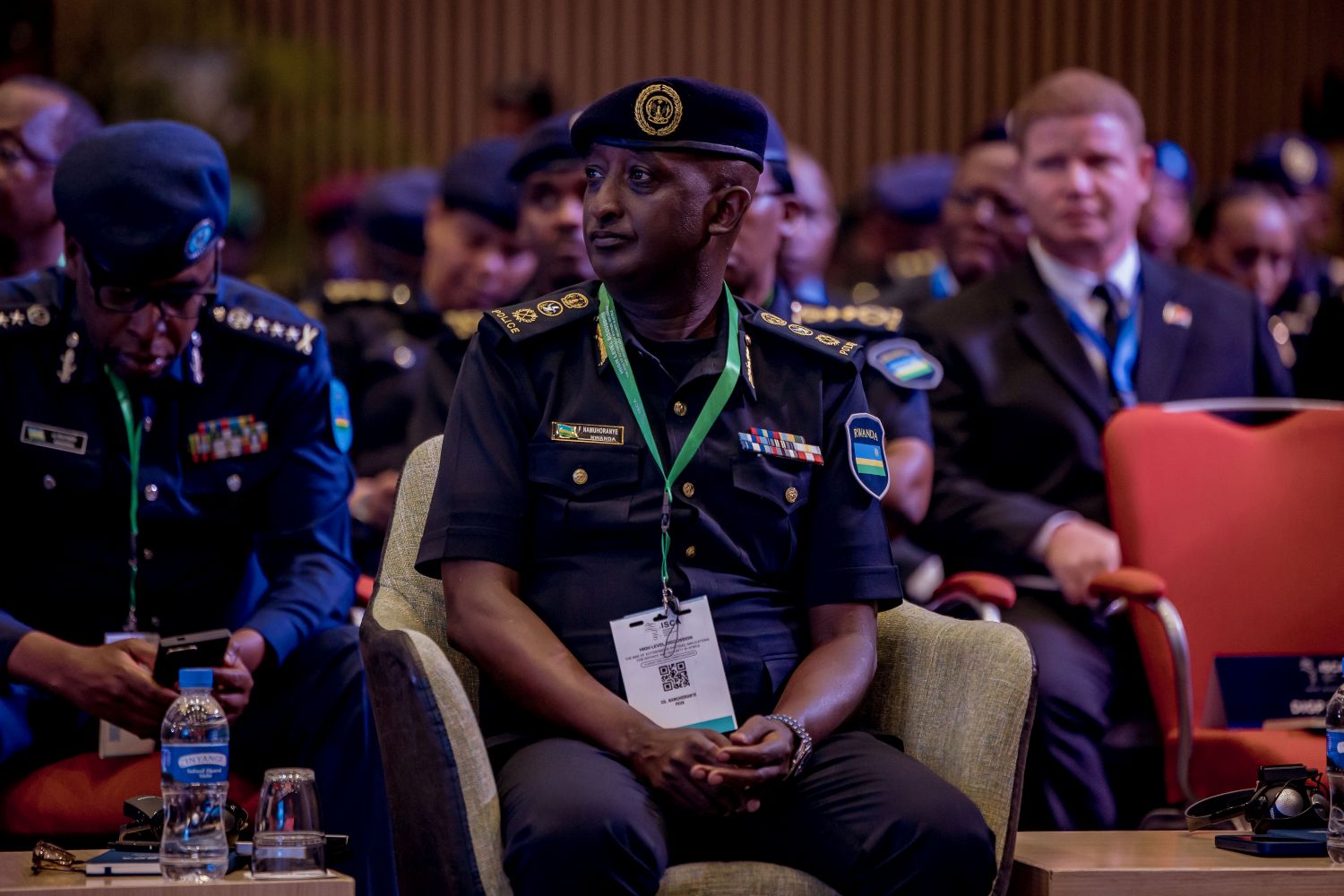
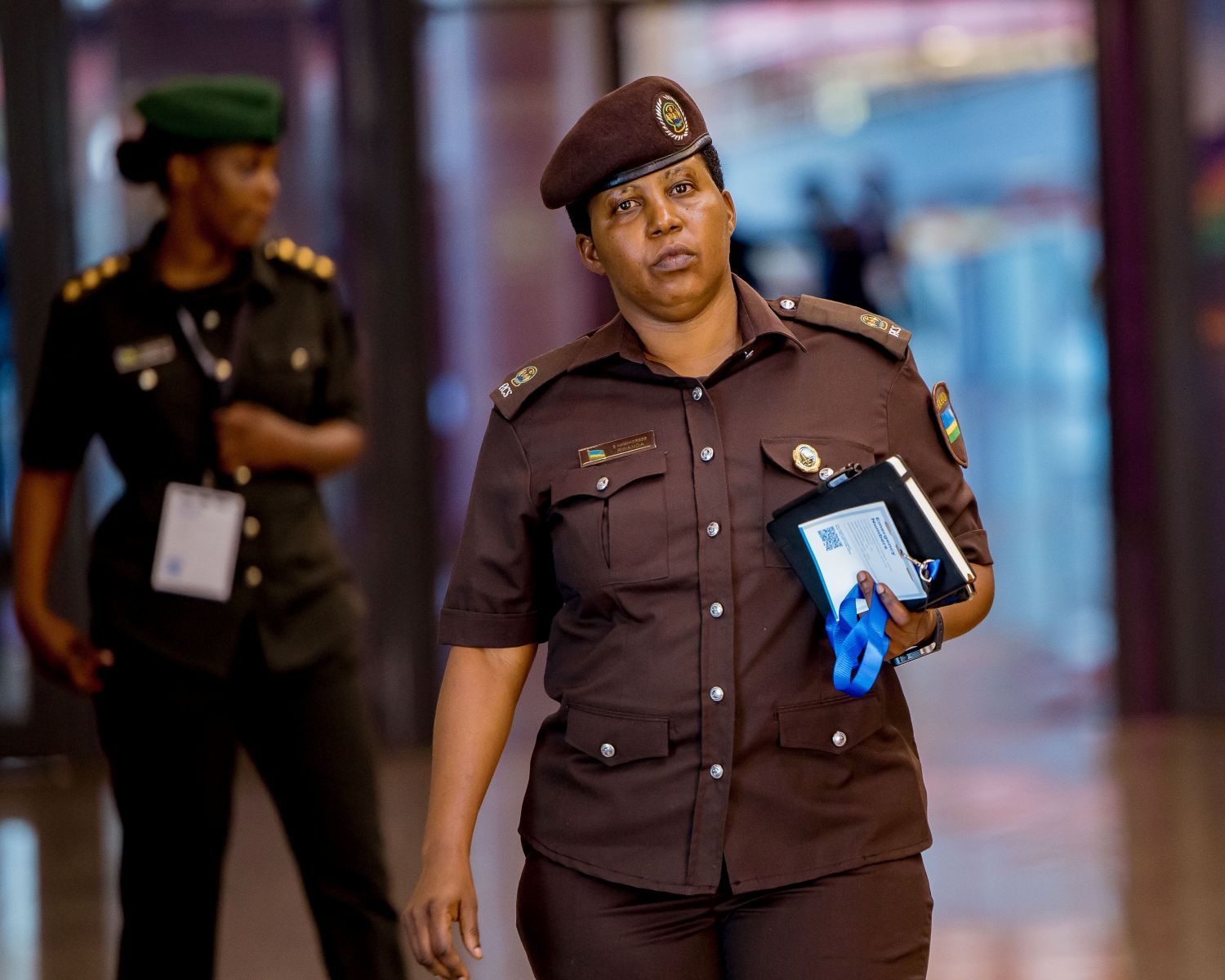
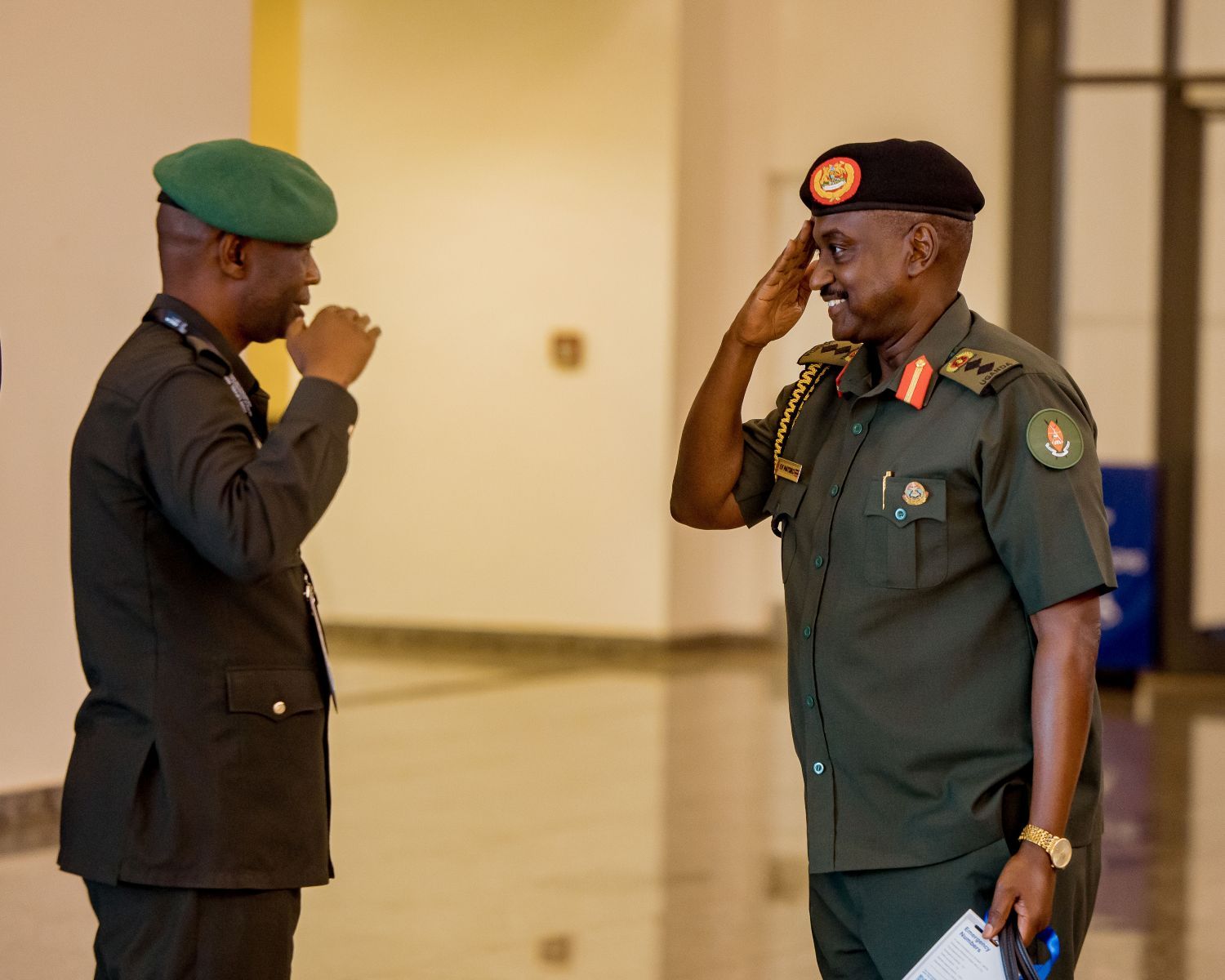
Rwanda's Foreign Affairs Minister Olivier Nduhungirehe warned that artificial intelligence and autonomous systems are becoming increasingly accessible, including to non-state actors.The event brought together more than 300 delegates from 50 countries to examine how artificial intelligence and autonomous systems are changing warfare, border security and national defence.Chief of Defence Staff (CDS) of the Rwanda Defence Force, General Mubarakh Muganga, follows the discussions.Inspector General of Police (IGP) Felix Namuhoranye also attended the event.Rwanda's Minister of Defence, Juvenal Marizamunda, follows the discussions.Rwanda's Minister of Interior, Dr. Vincent Biruta, attended the event.
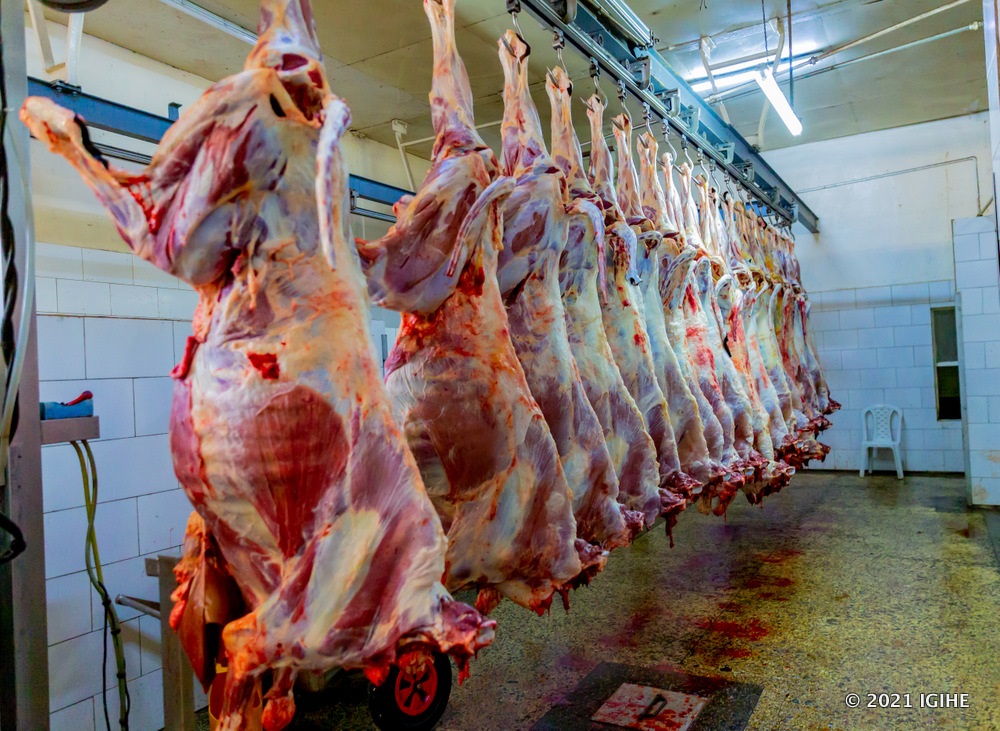
Minister of Agriculture and Animal Resources Dr Telesphore Ndabamenye said the government has put measures in place to restore the normal supply of livestock, particularly cattle, which is expected to ease pressure on meat prices.
He made the remarks during an interview with Rwanda Broadcasting Agency (RBA) on August 11, 2026, amid a sharp rise in meat prices over the past two months.
The increase followed an outbreak of livestock diseases affecting animals brought into Rwanda, including cattle, goats and sheep. In response, authorities imposed quarantines in different parts of the country to allow infected animals to be treated and others to be vaccinated.
The measures reduced the supply of meat on the market, pushing prices higher. In Kigali, the price of a kilogramme of beef has nearly doubled to about Rwf13,000.
The shortage has also contributed to higher prices of other types of meat, including chicken.
However, Dr. Ndabamenye said the situation is expected to improve as vaccinated animals develop immunity and livestock gradually returns to the market.
'Controlling livestock epidemics takes time, but after about one or two months, things return to normal,' he said.
The minister explained that all livestock targeted for vaccination have now been vaccinated, although animals require about one month to develop sufficient immunity after receiving the vaccine.
The nationwide vaccination campaign was conducted in June and July 2026. By the end of August, animals vaccinated later in the campaign will also have completed the required period for developing immunity.
Dr. Ndabamenye said the government is also looking beyond cattle to address the wider shortage of meat, including increasing the production of smaller livestock, particularly poultry.
He noted that chicken consumption has increased significantly in recent months, making increased poultry production an important part of efforts to boost the overall supply of meat.
'We have a programme to increase the number of small livestock, particularly chickens, because people have been consuming them heavily in recent days. Increasing their numbers would help supplement beef supply,' he said.
He added that the government plans to increase investment in livestock production to ensure that future disease-control measures do not result in meat shortages.
'People can be assured that the meat prices we are seeing today will gradually come down as livestock becomes available following the vaccination programme we have carried out,' he said.
The latest figures from the National Institute of Statistics of Rwanda (NISR) show that consumer prices increased by 0.9% in July 2026 compared with June 2026.
The increase was largely driven by a 1.5% rise in prices of food and non-alcoholic beverages and a 1.3% increase in transport-related costs.
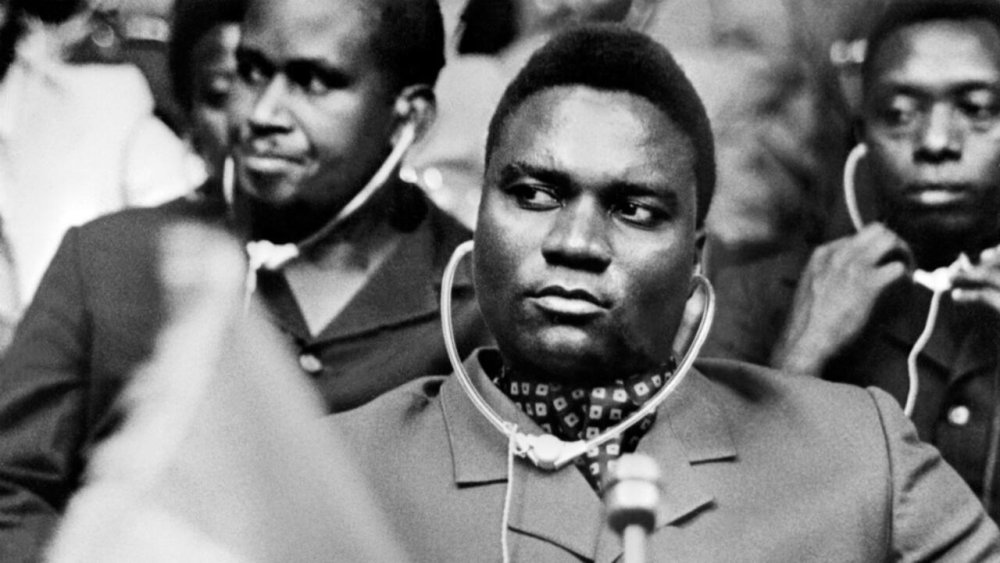
Amb. Ngarambe argues that Habyarimana's involvement in the ideology that ultimately contributed to the 1994 Genocide against the Tutsi began decades before the genocide itself.
Speaking to IGIHE, Amb. Ngarambe drew on his book, Le génocide contre les Tutsi au Rwanda en 1994. Conséquences inéluctables des politiques criminelles et des crimes politiques de 1959 à 1994, in which he examines the political developments and violence that preceded the genocide.
Habyarimana was born in 1937, nearly two decades before the publication of the document commonly known as the 'Hutu Manifesto.'
According to Amb. Ngarambe, the young Habyarimana grew up in an environment increasingly influenced by ideas promoted through the manifesto, which advocated for what its authors presented as Hutu interests.
Amb. Ngarambe said that in 1960, a year after the beginning of what became known as the 'Hutu Revolution,' Habyarimana joined the military through a programme associated with Belgian colonial official Colonel Guy Logiest.
He argues that Logiest was seeking to establish a predominantly Hutu military force and that Habyarimana was among the young recruits shaped by that environment.
'In this army, Logiest saw Habyarimana as someone who could represent this Hutu youth, which had been prepared to kill Tutsis without hesitation. He had been exposed to this ideology when he was around 20 years old, during his military training,' Amb. Ngarambe said.
From military service to political power
Amb. Ngarambe said that after completing his military training, Habyarimana became involved in military operations against attacks by forces known as the Inyenzi in 1962 and 1963.
He alleges that alongside military operations against the insurgents, Tutsi civilians were also killed in retaliatory violence.
Between 1963 and 1964, according to Amb. Ngarambe, Habyarimana rose to positions of increasing authority within the national army and security structures.
He argues that during this period, violence against Tutsis continued, with the support of the PARMEHUTU political movement.
'Generally speaking, we can say that the genocidal ideology in Habyarimana did not emerge in the 1990s or the 1980s. It began with the establishment of PARMEHUTU and the dissemination of the Hutu Manifesto,' Amb. Ngarambe said.
He added that while anti-Tutsi violence had already occurred during the government of President Grégoire Kayibanda, Habyarimana inherited and maintained elements of the political system and ideology that had emerged during that period.
Amb. Ngarambe also portrays Habyarimana as a politically ambitious young officer who sought power at an early age.
He said Habyarimana was only 26 when he became commander of Rwanda's armed forces and that he already had ambitions of eventually becoming Head of State.
'At the age of 26, when he became commander of Rwanda's army, he already had ambitions to become Head of State. From that point, he began to become deceptive and sought to control those around him, using lies to steer them in the direction he wanted,' Amb. Ngarambe said.
Consolidating power
Following the overthrow of Kayibanda in 1973, Habyarimana assumed power and established a new political order.
Amb. Ngarambe argues that after the coup and the subsequent killing of Kayibanda and politicians from southern Rwanda, Habyarimana sought to consolidate his support among Hutus from the region.
Although Colonel Théoneste Lizinde was later prosecuted by a military court in Ruhengeri in connection with the killing of politicians from southern Rwanda, Amb. Ngarambe maintains that the operation could not have taken place without Habyarimana's knowledge.
'Lizinde played a role, but his superior was Colonel Ntibitura, who supported Habyarimana and reported to him on a daily basis,' Amb. Ngarambe said.
He further linked the killings to the leadership of Ruhengeri Prefecture at the time, arguing that the political hierarchy made it unlikely that such actions could have occurred without the knowledge of senior authorities.
The rise of Hutu Power
Amb. Ngarambe said that the political mobilisation intensified particularly from 1993, as Habyarimana and his allies sought to strengthen what became known as Hutu Power.
According to him, mobilisation efforts extended to local administrative structures, where individuals were encouraged to portray Tutsis as a common enemy.
'He implemented a systematic and organised approach aimed at spreading genocidal ideology among Rwandans, particularly Hutus, preparing them from childhood and from primary school,' Amb. Ngarambe said.
The outbreak of war on October 1, 1990, when the Rwandan Patriotic Front (RPF) launched an armed invasion from Uganda, further transformed Rwanda's political environment.
Amb. Ngarambe argues that Habyarimana used the conflict to intensify calls for Hutu unity and anti-Tutsi mobilisation.
'When the war began, Habyarimana appeared to see it as an opportunity. He said, 'I am going to solve the problem now; I am going to unite the Hutus,'' Amb. Ngarambe said.
He described Habyarimana and his political allies as being at the centre of a campaign that increasingly portrayed the conflict with the RPF as a broader struggle between Hutus and Tutsis.
Amb. Ngarambe also identified Ferdinand Nahimana, Jean-Bosco Barayagwiza and others as key figures in the propaganda campaign that promoted anti-Tutsi narratives.
According to him, the messaging portrayed Rwanda as having been attacked by Inyenzi who had come from Uganda alongside Ugandans, encouraging Hutus to believe they needed to defend themselves against the perceived threat.
From decades of division to genocide
Habyarimana was killed on April 6, 1994, when the plane carrying him and Burundian President Cyprien Ntaryamira was shot down near Kigali.
The following day, organised killings began in Kigali and rapidly spread across the country.
Over approximately 100 days, more than one million Tutsis were killed.
The Genocide against the Tutsi remains one of the most devastating crimes against humanity of the 20th century.
Amb. Ngarambe's account places Habyarimana's political trajectory within a much longer history of ethnic discrimination, political violence and extremist mobilisation, arguing that the Genocide against the Tutsi in 1994 was not an isolated event but the culmination of years of ideological preparation, institutionalised discrimination and escalating violence.
Habyarimana was the first commander of Rwanda's army established under Belgian rule.