Naomie shared the news in a message posted on her social media accounts, saying she was preparing to welcome her first child in the coming days.
In the post, she wrote: 'My God is Yahweh. Jesus, thank You so much for making us parents. Thank You for keeping Your promise and blessing us with our precious little rainbow, already loved more than words could ever express.'
The message led some people to speculate that Naomie had already given birth. However, speaking to IGIHE, she clarified that she was expressing gratitude to God for blessing them with a child they are preparing to welcome soon.
Miss Naomie and Michael Tesfay officially tied the knot before the law in a civil wedding in Kigali on Friday, December 27, 2024.
Two days later, on Sunday, December 29, 2024, the couple held their traditional introduction ceremony at the Intare Conference Arena followed by a religious wedding at Women Foundation Ministries in Kimihurura.
In December last year, Miss Naomie also released a memoir titled More Than a Crown, which details different stages of her life, including her childhood, her experience in the Miss Rwanda pageant and her life after marriage.
Naomie shared the news in a message posted on her social media accounts, saying she was preparing to welcome her first child in the coming days.Miss Naomie is married to Michael Tesfay.
Once plagued by economic difficulties, the port has undergone a remarkable transformation through cooperation, demonstrating how such efforts can advance shared development — a principle frequently highlighted by Chinese President Xi Jinping in his diplomatic vision and engagements.
During his state visit to Greece in 2019, Xi toured the port and spoke highly of the cooperation project. He said China, in its external exchanges, upholds the right approach to justice and interests, adding that it was encouraging to see the project had helped local people through difficult times.
Greek Prime Minister Kyriakos Mitsotakis told Xi that Greece had gained a deeper understanding of the true meaning of friendship through cooperation on the Piraeus Port project with China.
The Piraeus Port project is one example of Xi's close attention to cooperation projects such as the Jakarta-Bandung High-Speed Railway and Chancay Port in Peru, which bring tangible benefits to local communities.
For Xi, the true value of cooperation is measured not only by economic gains, but also by how it improves people's lives.
During his visit to Tajikistan in September 2014, Xi attended a ceremony marking the commencement of a China-Tajikistan joint thermal power plant in Dushanbe. Seeing the difficulties faced by local people due to shortages of electricity and heating, Xi said he had experienced hardship himself and could empathize with them. Projects truly benefiting local people were the best ones, he added.
As Xi has said, 'Development is real only when all countries develop together. Prosperity and stability cannot be possible in a world where the rich become richer while the poor are made poorer. Every nation aspires for a better life, and modernization is not a privilege reserved for any single country.'
This file aerial photo taken on July 26, 2023 shows a view of Piraeus Port, Greece. (Piraeus Port Authority/Handout via Xinhua)
Xi's vision of common progress is taking root in regions like Africa, where countries are striving for faster development.
In 2013, Xi chose Africa for his first overseas visit after assuming the presidency. During the visit, he put forward the principles of China's Africa policy — sincerity, real results, amity and good faith, and pursuing the greater good and shared interests.
In his keynote address at the opening ceremony of the 2024 Beijing Summit of the Forum on China-Africa Cooperation, Xi said that 'on the path to modernization, no one, and no country, should be left behind.'
Over the years, China-Africa cooperation has expanded beyond economic sectors into areas closely related to people's livelihoods. In Kenya, the Mombasa-Nairobi Standard Gauge Railway has become a major transport link in East Africa, while China-supported water projects have helped millions of African people gain access to safe drinking water.
Cooperation has also extended to the public health sector, with the Africa Centres for Disease Control and Prevention headquarters, built with Chinese support, helping strengthen health capacity across the continent. This May, China further opened its market wider to African countries by fully implementing zero-tariff treatment to all 53 African countries with which it maintains diplomatic relations.
'The greatest good in China-Africa relations is to closely combine Africa's independent and sustainable development with China's own development,' Xi said. 'The ultimate goal is to realize win-win cooperation.'
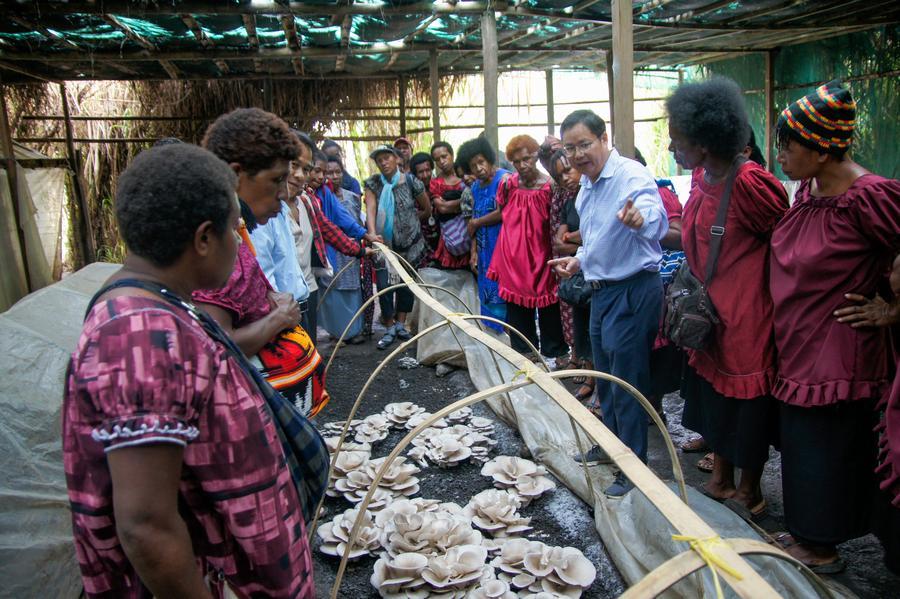
One example is Juncao technology, which Xi promoted while working in east China's Fujian Province more than two decades ago. He later introduced the technology to a visiting official from Papua New Guinea, paving the way for its overseas application.
Juncao technology, which uses a type of grass to cultivate edible mushrooms, feed livestock and prevent soil erosion, has become an effective tool for poverty reduction and sustainable development.
'I did go to Fujian Province. I met my then colleague, Governor Xi Jinping,' said Peti Lafanama, former governor of Papua New Guinea's Eastern Highlands Province. 'I think the President has a heart for the people.'
The vision of building a community with a shared future for humanity is also reflected in Xi's efforts in global climate governance. Xi has repeatedly called for global solidarity to address this pressing challenge, stressing that ecological protection concerns the well-being and future of all countries.
China played 'a decisive role' in the negotiation process of the Paris Agreement in December 2015, said former UN Secretary-General Ban Ki-moon, expressing his gratitude for China's contribution to accelerating the ratification process of the agreement.
'Had not been President Xi Jinping's initiative, we would not have the Paris Agreement on climate change even now,' said Ban.
A specialist (C) from China's Fujian Agriculture and Forestry University introduces a type of special grass, which could be used to cultivate edible and medicinal mushrooms and feed livestock, to local residents in the Eastern Highlands Province of Papua New Guinea, Dec. 19, 2019. (Photo by Hu Yingping/Xinhua)
In 2025, the 10th anniversary of the Paris Agreement, Xi announced China's 2035 Nationally Determined Contributions at the UN Climate Summit, a move that further demonstrated China's commitment and determination to advancing global green development.
'These targets represent China's best efforts based on the requirements of the Paris Agreement,' Xi said in his video remarks to the UN summit.
Through years of active participation in global climate governance and efforts to inspire younger generations to protect the planet, Xi has also called for building a community of all life on Earth in a bid to promote sustainable development for humanity.
'Our people hope to successfully realize national development, but they also hope to see all peoples of the world leading happy and peaceful lives,' Xi has said.
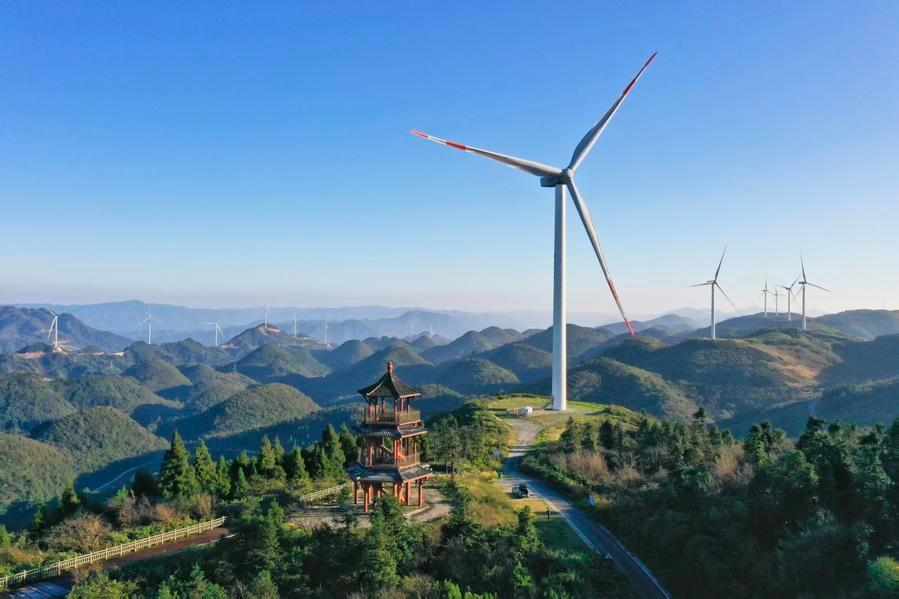
An aerial drone photo taken on Oct. 28, 2025 shows a wind power project in operation in Wolong County, Shizhu Tujia Autonomous County, southwest China's Chongqing. (Photo by Li Xiaofeng/Xinhua)A freight train is pictured at Port Reitz Station along the Mombasa-Nairobi Standard Gauge Railway (SGR) in Mombasa, Kenya, July 9, 2026. (Xinhua/Xie Jianfei)
The vessel was found about 3 miles (5km) off Mazara del Vallo at a depth of around 46 metres (151ft), according to Italian authorities. It measures approximately 21 metres (69ft) long and 6 metres (20ft) wide.
The discovery followed a tip-off from fishermen, prompting Italy's Carabinieri cultural heritage protection squad to send specialist divers to investigate the site using underwater cameras.
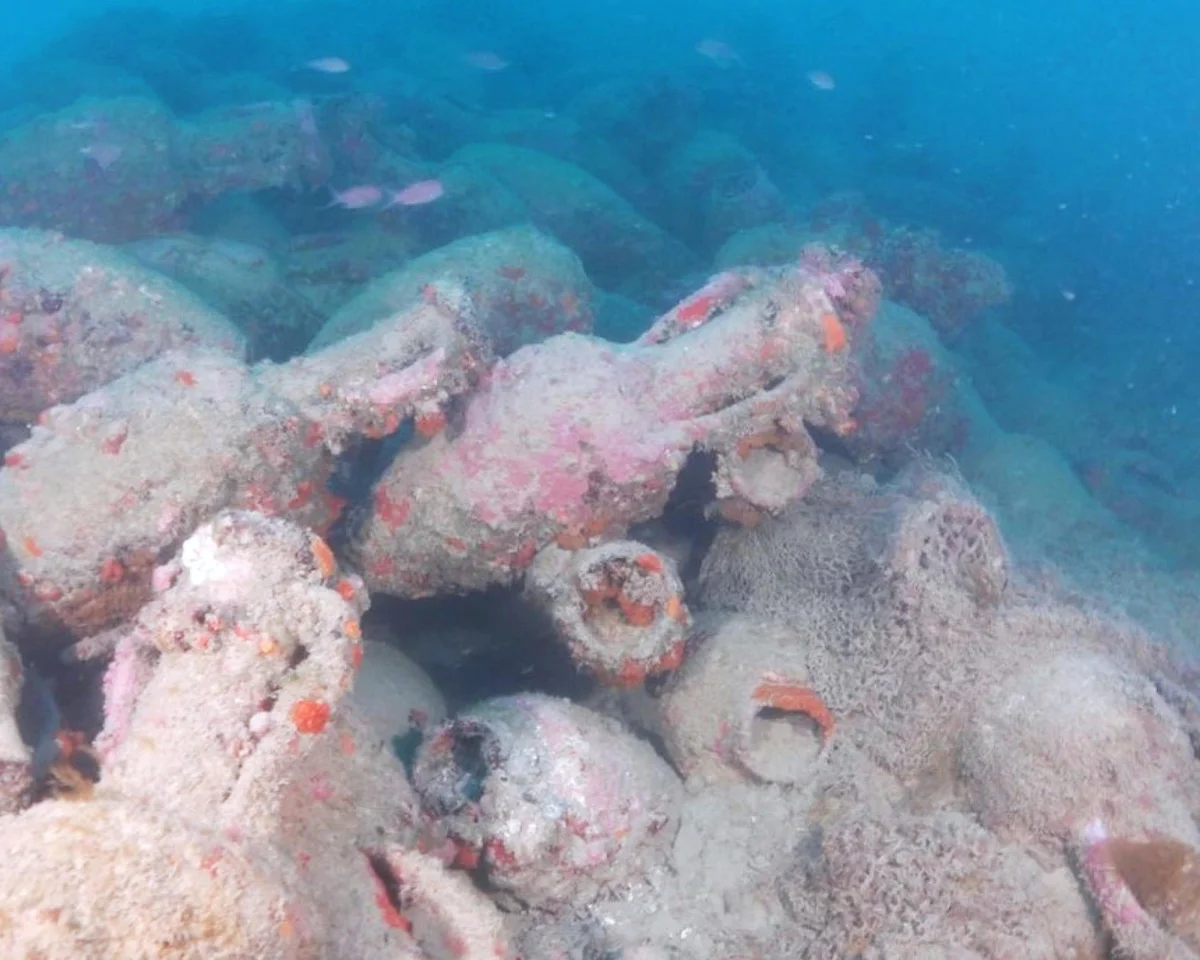
The wreck is believed to date from the second or first century BC and is loaded with hundreds of amphorae, ancient ceramic containers with narrow necks and two handles that were commonly used to transport goods across the Mediterranean.
Most of the cargo consists of Dressel 1A amphorae, which were widely used to transport wine. Archaeologists consider the containers particularly valuable because their distribution can help shed light on the commercial networks connecting Italy with other parts of the Mediterranean more than 2,000 years ago.
Italy's Culture Minister Alessandro Giuli described the discovery as 'one of the most important underwater archaeological discoveries of recent years'.
He said the wreck offered 'precious fragments of our history' and provided further evidence of the trade routes and exchanges that made the Mediterranean a 'crossroads of civilisations'.
Fisherman and free-diver Giacomo De Mola said he discovered the wreck while surveying the seabed near Mazara del Vallo. After noticing what appeared to be a large rock on his scanner, he decided to investigate.
'I get closer. And my heart stops. It wasn't a rock,' De Mola wrote on Instagram, describing the moment he saw a vast area covered with amphorae.
'This is, without a doubt, the most incredible discovery of my life,' he said, adding that it was difficult to describe the feeling of being among the first people in nearly 20 centuries to see the site.
Footage he shared showed eels, snappers and other marine life living around the ancient containers.
Authorities are now preparing further investigations to establish the precise date of the wreck, the origin and destination of its cargo and the condition of the surviving material. Measures will also be introduced to protect the site during the research.
The discovery adds to a growing list of ancient shipwrecks found in Italian waters. A Roman vessel carrying wine amphorae was discovered off Palermo in 2021, while another Roman ship dating from the second century BC was found off the coast of Liguria in 2013.
Sicily's strategic position along ancient maritime routes linking Europe, North Africa and the eastern Mediterranean has made its surrounding waters one of the region's richest areas for underwater archaeology.
A 2,100-year-old Roman shipwreck carrying about 500 ancient amphorae has been discovered off the coast of Sicily, in what Italy's culture minister has described as one of the most significant underwater archaeological finds in recent years.
The azure skies of Beijing soon became known as 'APEC blue,' though some viewed the phenomenon as a fleeting moment confined to the summit period.
At the welcoming banquet, Chinese President Xi Jinping directly addressed such doubts, expressing his hope and determination that 'with persistent efforts, the 'APEC blue' will be here to stay.'
More than a decade later, Xi's promise has been fulfilled through concrete action.
The results are visible in the air. Between 2013 and 2025, Beijing's average PM2.5 concentration fell by 69.8 percent. The United Nations Environment Programme has hailed the city's achievements in improving air quality as the 'Beijing Miracle.'
The story of 'APEC blue' reflects a cherished value passed down through generations of the Chinese people: promises must be honored through actions. This philosophy has also guided China's efforts to forge stronger connections with the world. 'He who has credibility connects the world,' Xi once quoted a saying from 'The Guanzi,' a collection of ancient Chinese writings, to underscore the importance of matching words.
Every autumn, the lights of the National Exhibition and Convention Center in Shanghai illuminate a global gathering, where products, technologies and ideas converge in the vibrant metropolis.
At the first China International Import Expo (CIIE) in 2018, Xi made a clear promise: 'The CIIE, which will be held on an annual basis, will feature good performance, fruitful results and continued success in the years to come.'
Eight years on, the CIIE has grown into a premier global platform for trade, investment and cultural exchanges, connecting businesses, innovators and consumers from around the world.
The expo, the world's first import-themed national-level exhibition, stands as a vivid reflection of Xi's commitment to China's high-level opening-up. Beyond the CIIE, this commitment has been put into practice through concrete measures, ranging from the launch of island-wide special customs operations at the Hainan Free Trade Port to the expansion of visa-free transit and entry policies.
In a world facing mounting uncertainty and fragmentation, these actions deliver a clear message: China will continue to open its door wider to the world.
Xi's commitment to delivering on promises is also reflected in long-term partnerships built on shared development.
More than half a century ago, Chinese engineers traveled to East Africa to help build the Tanzania-Zambia railway, a landmark project that stretched across the region.
In March 2013, standing before the cemetery of Chinese experts in Dar es Salaam, Tanzania, Xi paid tribute to those who sacrificed their lives during the construction of the railway, and called on the two countries to cherish the deep-rooted friendship between China and Africa.
Two years later, during talks with then Zambian President Edgar Lungu, Xi reaffirmed that China would collaborate with Zambia and Tanzania in the railway operations to 'promote the development and prosperity of the region along the line.'
In September 2024, Xi, together with Tanzanian President Samia Suluhu Hassan and Zambian President Hakainde Hichilema, witnessed in Beijing the signing of a memorandum of understanding on the railway revitalization project. In November 2025, the groundbreaking ceremony was held in Zambia. Once upgraded, the railway is expected to significantly improve regional connectivity, with annual freight capacity rising to at least 2.4 million tons and shipping times reduced by nearly two-thirds.
'China helped us build the railway in the past and is now helping us make it better and more modern. China has always kept its word,' said 74-year-old Solomon Mwakasanga, who joined the railway service in 1970 as a clerk and retired in 2005 as a senior station foreman.
Across Africa, China's efforts are transforming promises into progress, supporting the continent's modernization drive.
From fully implementing zero-tariff treatment to all 53 African countries that have diplomatic ties with China to advancing 'small but beautiful' livelihood projects such as Luban Workshops and Juncao technology, China's cooperation with Africa is increasingly focused on delivering tangible benefits.
As Paul Frimpong, executive director of the Africa-China Center for Policy and Advisory, a Ghana-based think tank, observed, 'China will always remain Africa's most reliable partner on its path to modernization.'
A promise kept in times of crisis matters greatly. When the COVID-19 pandemic swept across the world, Xi stressed China's firm determination to strengthen international cooperation as a responsible major country.
China was the first country to propose COVID-19 vaccines as a global public good and worked with developing nations to produce vaccines locally, mobilizing resources to help bridge the global 'immunity gap.'
Xi's commitment to honoring promises is also borne out by China's sustained efforts over the years to build a better future for all.
In September 2020, Xi announced that China would strive to peak carbon dioxide emissions before 2030 and achieve carbon neutrality before 2060.
Over the past years, China has taken solid steps to turn this vision into action. It has built the world's largest renewable energy system and developed the most comprehensive clean energy industrial chain, while continuing to improve energy efficiency and accelerate the global green transition.
'China has a reputation of doing what it says it's going to do,' said UN Climate Change Executive Secretary Simon Stiell. The leadership China has shown and the contributions it has made in terms of driving technological advancement and providing support to developing countries within the Global South can push other countries to step up, he added.
As Xi said, 'We Chinese people attach great importance to taking action to keep promises. We will do whatever it takes to honor our commitment.'
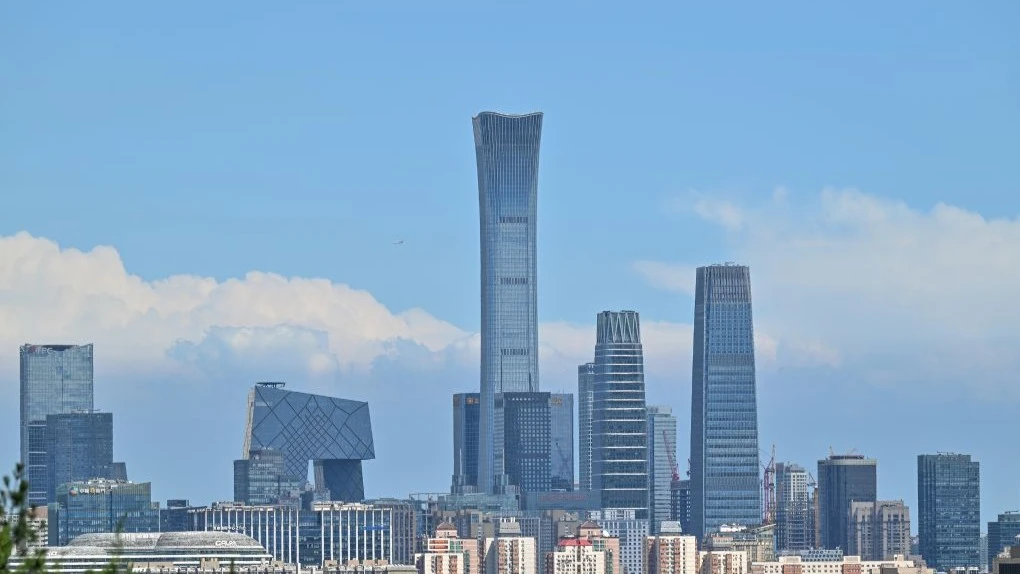
This photo taken from Jingshan Hill on Aug. 12, 2024 shows the skyscrapers of the central business district (CBD) on a sunny day in Beijing, capital of China.
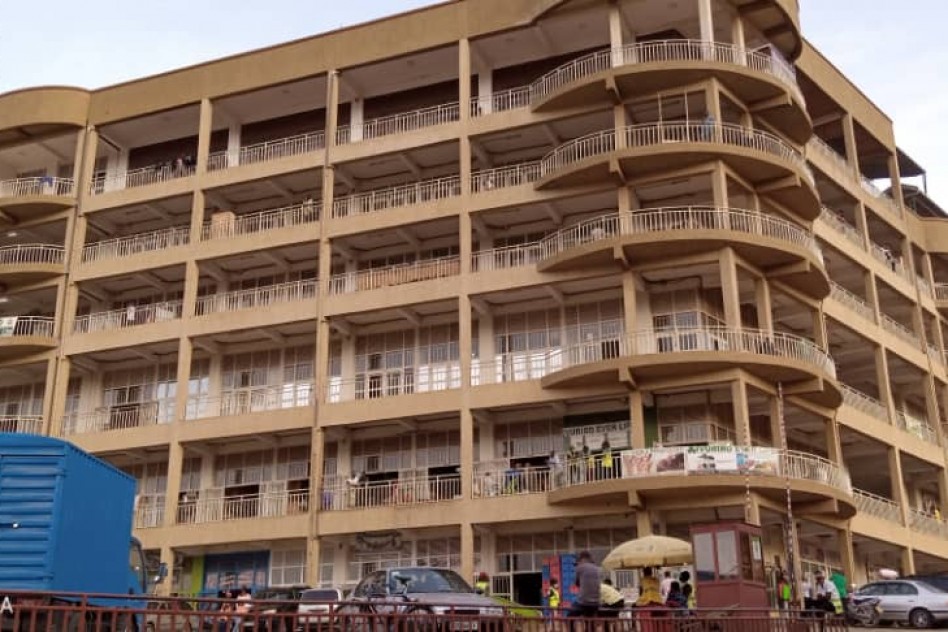
In a public notice issued on Tuesday, August 11, the City said the building had been reopened following the initial implementation of measures required to address sanitation concerns and improve the safety of people working there.
However, the reopening does not mean all corrective measures have been completed. The management of Inkundamahoro Building has been instructed to continue addressing outstanding requirements, including installing an appropriate wastewater treatment system, ensuring the daily collection and proper disposal of solid waste, carrying out necessary repairs and repainting, among other measures.
The reopening comes just days after the City temporarily closed the building over continued failure to comply with safety, sanitation and environmental requirements.
In a notice issued on August 8, the City said it had issued several directives and notices between May and August requiring the management to address deficiencies. Despite the interventions, key concerns remained unresolved, including the discharge of untreated wastewater from toilets directly into a wetland.
The City said the latest incident involving the discharge of untreated wastewater was confirmed on August 7, prompting the temporary closure. The City had warned that the building would remain closed until the required corrective measures were implemented and compliance verified by the relevant authorities.
Following the initial implementation of those measures, the City has now permitted the building to reopen while requiring management to complete the outstanding work.
The City also reminded people working in Inkundamahoro Building of their responsibility to maintain cleanliness and proper sanitation in their workplace.
At the same time, the warning extends beyond Inkundamahoro. The City reminded all building managers, particularly those managing buildings that accommodate large numbers of people, to comply with applicable sanitation, safety and environmental requirements.
'Those who fail to comply with these requirements or to implement corrective measures recommended following inspections will be held accountable,' the City said in its latest notice.
In a public notice issued on Tuesday, August 11, the City of Kigali said Inkundamahoro building had been reopened following the initial implementation of measures required to address sanitation concerns and improve the safety of people working there.
The ceremony will take place in Kinigi, near Volcanoes National Park, and will bring the total number of baby gorillas named since the initiative began in 2005 to 460.
Kwita Izina has become one of Rwanda's flagship conservation and tourism events, highlighting the country's efforts to protect its mountain gorillas and promote sustainable tourism.
Rwanda's tourism sector generated more than $685 million in revenue in 2025, up from $647 million the previous year, according to official figures. More than 1.49 million tourists visited the country during the year.
National parks also remained a major attraction, recording a combined 155,394 visitors in 2025.
The country's meetings and events sector contributed significantly to tourism earnings as well. Rwanda hosted 165 international conferences in 2025, attracting more than 61,000 delegates and generating $94.7 million in revenue.
The 2026 Kwita Izina ceremony is expected to bring together conservationists, tourism stakeholders and other guests to celebrate Rwanda's mountain gorilla conservation efforts.
The programme, led by the Rwanda Space Agency (RSA), is designed to support a wide range of national development activities across the country.
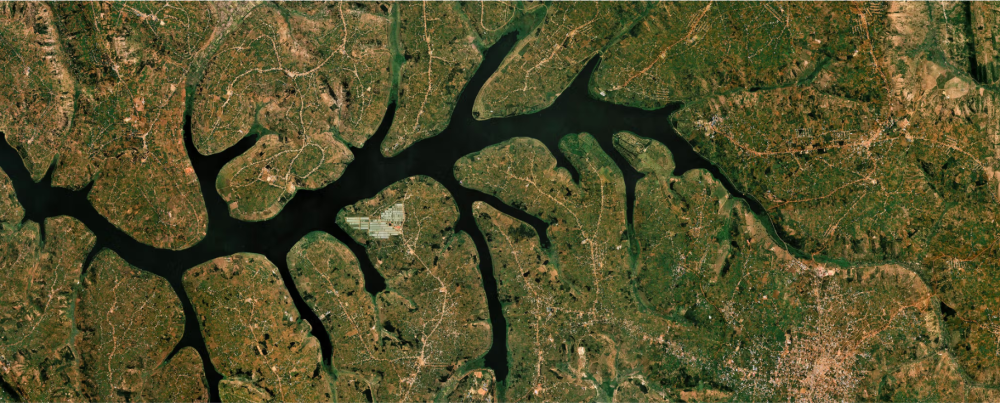
The partnership follows a pilot project implemented in Zanzibar with support from the Tony Blair Institute and the World Bank. It marks Planet's first national-scale satellite data partnership in Africa.
At government level, the programme will make high-resolution satellite imagery available to support policymaking and national planning.
The data will be used to monitor agriculture and food security, track forest health and resilience, improve urban planning and zoning, and support land-use management. It will also help strengthen disaster preparedness, prevention and response, including assessing and repairing damage caused by disasters.
The Rwanda Space Agency is working to make satellite imagery one of the key tools used by government institutions to inform decision-making at different levels.
The programme also includes an education component. Public universities in Rwanda will use Planet's imagery and data for teaching, developing new courses and advancing technology-driven research.
The partnership will also help build local capacity by equipping people with the skills and knowledge needed to analyse and use satellite data effectively.
Selected startups operating in key sectors of national development will also have access to Planet's near-daily data. They will use the information to develop new solutions and services, with the broader goal of promoting inclusive economic growth.
Planet Labs PBC is a U.S.-based Earth observation company founded in 2010 by three former NASA scientists. The company designs, builds and operates a large fleet of Earth-imaging satellites and provides satellite imagery, geospatial data and analytics to governments, businesses and research institutions.
Planet says its fleet of approximately 200 Earth-imaging satellites can capture imagery covering the world's landmass daily, making it possible to monitor changes on the ground at a much higher frequency than traditional satellite imagery.
Rwandan institutions are set to start using near-daily satellite imagery and data to support evidence-based decision-making, thanks to a new partnership with Planet.
The Fourth Criminal Court in Damascus also sentenced Assad's younger brother, Maher al-Assad, and his maternal cousin Atef Najib to death in connection with crimes committed during the conflict, which is estimated to have killed about half a million people.
Judge Fakhareddine al-Aryan said during a session broadcast on state television that Bashar al-Assad had used government institutions to carry out war crimes and crimes against humanity.
The verdict marks a significant moment for Syria, where the Assad family ruled for roughly five decades before Bashar al-Assad was ousted in December 2024 following a rapid rebel offensive.
Assad and Maher fled to Russia after the collapse of the government and were granted political asylum. Syria's new authorities have since called on Moscow to hand the two men over, but they remain outside the country and were sentenced in absentia.
Najib, a former Syrian army brigadier general, was present in court. He previously headed the Political Security Branch in Daraa province in southern Syria, where anti-government protests erupted in 2011.
His role in the crackdown on early demonstrations has made him one of the highest-ranking former regime officials to face trial. The unrest began after teenagers were arrested and tortured for writing anti-government graffiti on a school wall in Daraa. The incident helped trigger wider protests against Assad's government.
The demonstrations were met with a government crackdown and eventually developed into a prolonged civil war.
Najib had been sanctioned by the U.S. Treasury Department in April 2011. He was later detained by Syrian authorities and brought before the court.
Maher al-Assad previously commanded the Syrian military's 4th Armored Division. Syrian opposition activists have accused the unit and its leadership of killings, torture, extortion and drug trafficking, as well as operating detention facilities.
The death sentences represent the first such judgments against the former Syrian leadership since the end of Assad family rule.
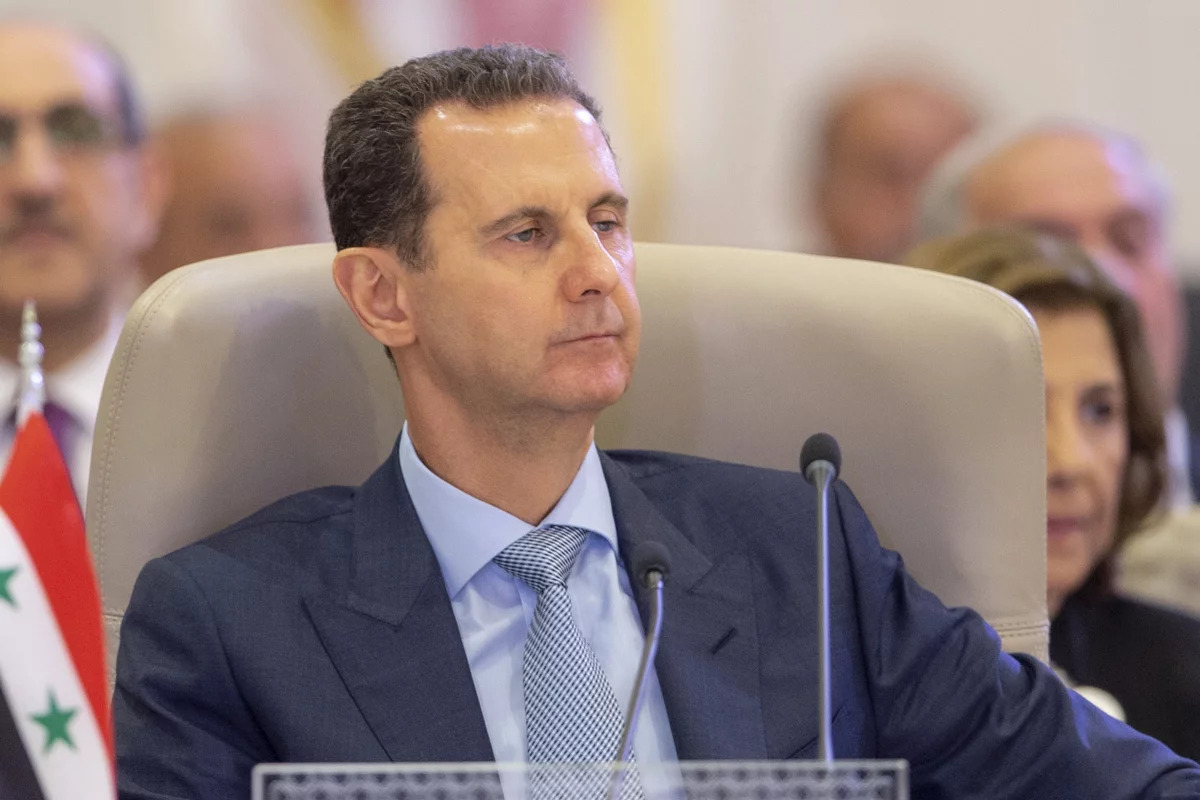
A Syrian court on Tuesday sentenced former President Bashar al-Assad to death in absentia for crimes against humanity and war crimes committed during the country's 14-year conflict, in the first major judicial verdict against the former leader or members of his inner circle since his regime fell.
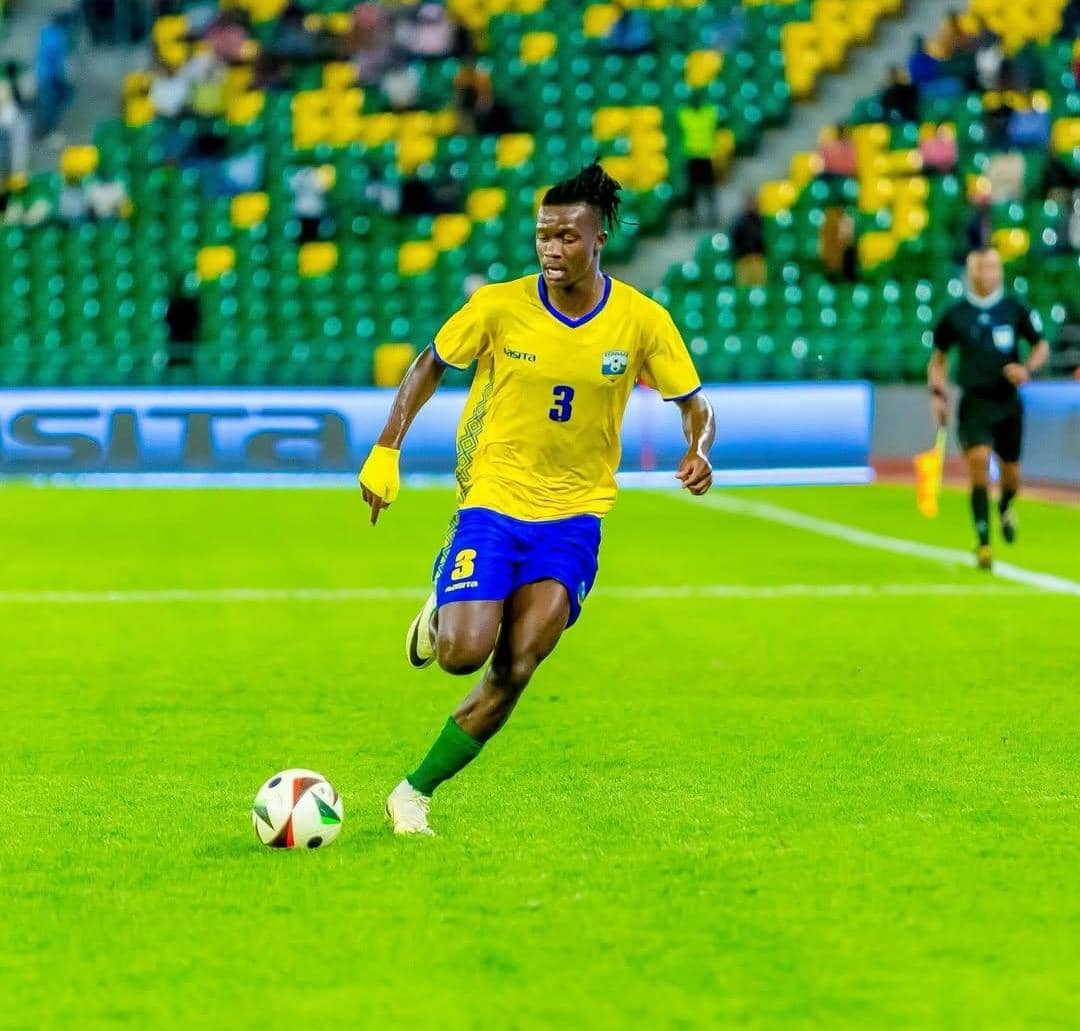
The 31-year-old Amavubi left-back arrives in India after two seasons with Cypriot top-flight club AEL Limassol, where he made 33 league appearances across the 2024-25 and 2025-26 campaigns. His experience and ability to operate in multiple defensive positions are expected to add further depth to Chennaiyin's backline.
Primarily a left-back, Imanishimwe can also play as a left-sided centre-back or wing-back. That versatility could give Chennaiyin head coach Clifford Miranda greater tactical flexibility, particularly when switching between defensive systems during matches.
Imanishimwe, or 'Mangwende' as he is popularly known, began his senior career with Rayon Sports during the 2014-15 season before moving to APR FC in 2016. He went on to spend five seasons with APR, establishing himself as one of Rwanda's prominent defenders while winning four Rwandan Premier League titles and a Peace Cup.
His performances also earned him opportunities in African continental competitions, including the CAF Champions League and CAF Confederation Cup. In 2021, he took the next step in his career by joining Moroccan club AS FAR Rabat.
The move proved successful, with Imanishimwe making more than 70 appearances across competitions during his three-season spell. He featured 24 times in the league during the 2022-23 campaign as AS FAR won the Botola Pro title with 67 points, ending a 15-year wait for the Moroccan championship. He also contributed three assists that season.
Imanishimwe moved to Europe in July 2024, joining AEL Limassol. During the 2025-26 season, he made 20 league appearances and played 1,622 minutes, maintaining a regular role in the Cypriot side's defensive setup.
His move to India now represents another chapter in a career spanning three different footballing environments.
For Chennaiyin, the Rwandan international offers more than defensive cover. His experience of playing in four-man and three-man defensive systems could allow Miranda to deploy him according to the demands of different opponents.
With foreign-player slots an important consideration in ISL squad building, Imanishimwe's ability to cover multiple positions could make his addition particularly valuable as Chennaiyin prepare for the new campaign.
The 31-year-old Amavubi left-back arrives in India after two seasons with Cypriot top-flight club AEL Limassol, where he made 33 league appearances across the 2024-25 and 2025-26 campaigns.
Titled A Great Book with Barack Obama, the series will premiere exclusively on Audible on September 24. It is being produced by Audible in collaboration with Higher Ground, the production company founded by Obama and former first lady Michelle Obama.
Each episode will focus on one of six books chosen by Obama, with the former president discussing the work with a guest. The guests have not yet been announced.
Obama's selections span a range of literary styles and subjects. They include Toni Morrison's Song of Solomon, James Baldwin's The Fire Next Time, Cormac McCarthy's All the Pretty Horses, Marilynne Robinson's Gilead, Robert Penn Warren's All the King's Men and John le Carré's Tinker Tailor Soldier Spy.
'Great books have always helped me figure out who I am and what I believe,' Obama said in announcing the series. He said the six books had remained with him throughout his life and each offered something to teach about the human experience.
The conversations will examine why the books have resonated with Obama, how literature can influence the way people understand themselves and others, and the continuing importance of reading.
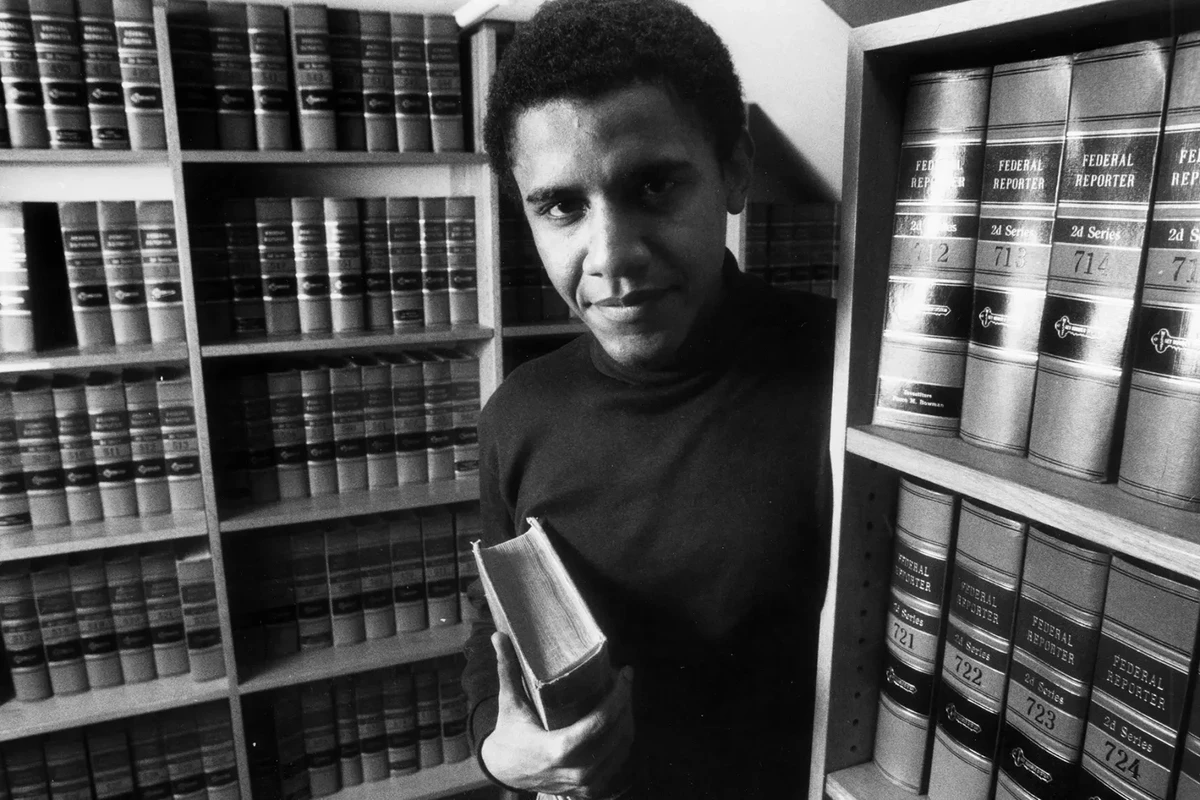
Barack Obama in the office of 'The Harvard Law Review,' on February 5, 1990.
The project is the latest in a series of creative ventures pursued by Obama since leaving the White House. Higher Ground has produced films, documentaries and podcasts, including the 2021 series Renegades: Born in the USA, which Obama co-hosted with musician Bruce Springsteen.
The new podcast also continues Obama's long-standing public interest in literature. He regularly shares reading recommendations, including annual summer and end-of-year book lists. His latest summer selections, published in July, included works by Tayari Jones, George Saunders, Elizabeth Strout, Ben Lerner and Colson Whitehead.
Unlike many of his recent recommendations, the books selected for A Great Book are largely older works. Five were published in the 20th century, while Robinson's Gilead was released in 2004.
The podcast marks the first Audible project in which Obama himself serves as host under Higher Ground's partnership with the platform.