The study marks a critical step in the development of the compound known as MMV371 and is the first Phase 1 trial of a malaria LAI to be conducted in Africa.
Provided that they prove to be safe and effective, LAIs could become an important addition to the malaria prevention toolbox, complementing existing interventions such as vector control measures, vaccines and preventive medicines.
Despite significant progress against malaria since the turn of the century, the disease remains a major public health challenge.
According to the World Health Organization, in 2024, malaria caused over 280 million cases and 600,000 deaths, 95% of which occurred in Africa.
The continued emergence of antimalarial drug resistance, changing disease patterns driven by climate change-related extreme weather events and fragile health systems highlight the need for sustained investment in R&D and continued innovation, coupled with greater access to malaria prevention and treatment tools.
Given these challenges, MMV is working with partners to develop the first LAI designed to provide extended protection against malaria.
The Phase 1b study builds on earlier clinical research conducted in the United Kingdom, which found that MMV371 was well tolerated in healthy adults and showed the potential to provide protection for approximately 3 months.
This next phase will evaluate its safety and tolerability in Rwandan adults and adolescents, explore its efficacy, and understand how the body absorbs and processes the compound.
'To eliminate malaria, we will need not only wider access to today's tools but also the next generation of prevention technologies,' said Dr. Martin Fitchet, Chief Executive Officer of MMV. '
Long-acting injectables have the potential to redefine how malaria prevention is delivered, providing sustained protection from a single administration and expanding the options available to communities at risk.'
Partnerships for malaria elimination
Partnerships are critical to the development of new malaria interventions. MMV has a strong track record of working with partners across industry, government and academia to bring new medicines to those who need them.
The collaboration with Rinda Ubuzima builds on this approach, reflecting a shared commitment to advancing innovation through locally led research, while strengthening scientific research capacity and generating the evidence needed to develop the next generation of malaria tools.
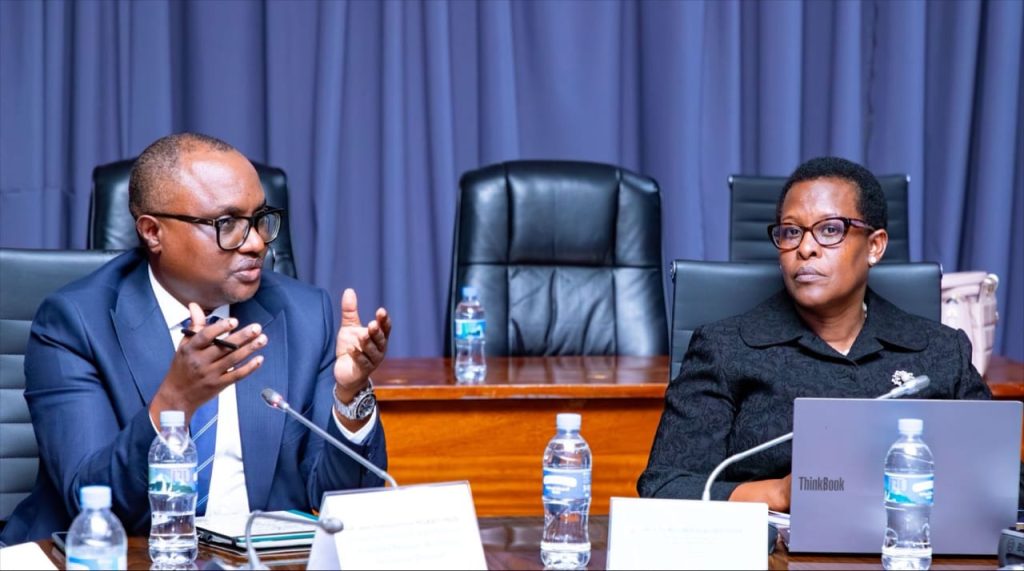
'Conducting this study in Rwanda demonstrates that partnerships such as this are essential to ensuring that African researchers and institutions are active contributors to the development of solutions for the communities and countries that need them most,' said Marie Michele Umulisa, Executive Director of Rinda Ubuzima. 'We are proud to contribute to research that could help shape the future of malaria prevention while strengthening locally led scientific innovation.'
As countries work towards ending malaria, collaborative efforts such as this clinical trial are helping to pave the way for new preventive approaches and expand the range of tools available to protect at-risk communities.
The study also reflects a broader shift towards conducting increasingly sophisticated early-stage clinical research in malaria-endemic countries and ensuring that the development of medicines is informed by the communities they are intended to serve earlier in the R&D process.
Malaria remains a major public health challenge, particularly in Africa, where 95% of the approximately 600,000 deaths recorded worldwide in 2024 occurred.
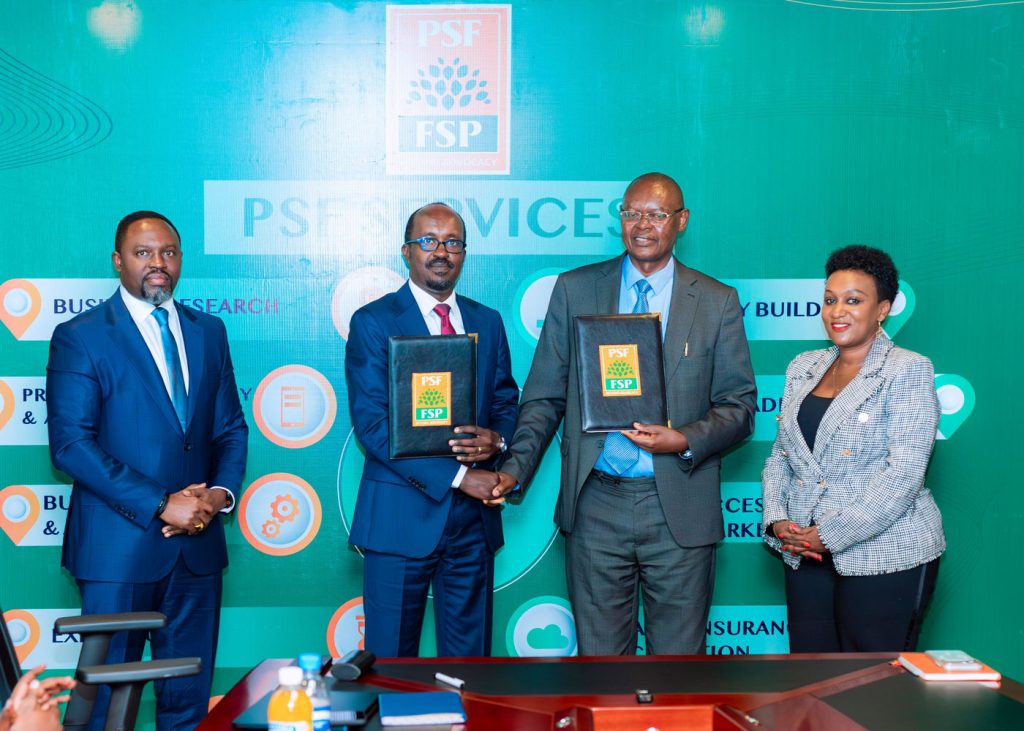
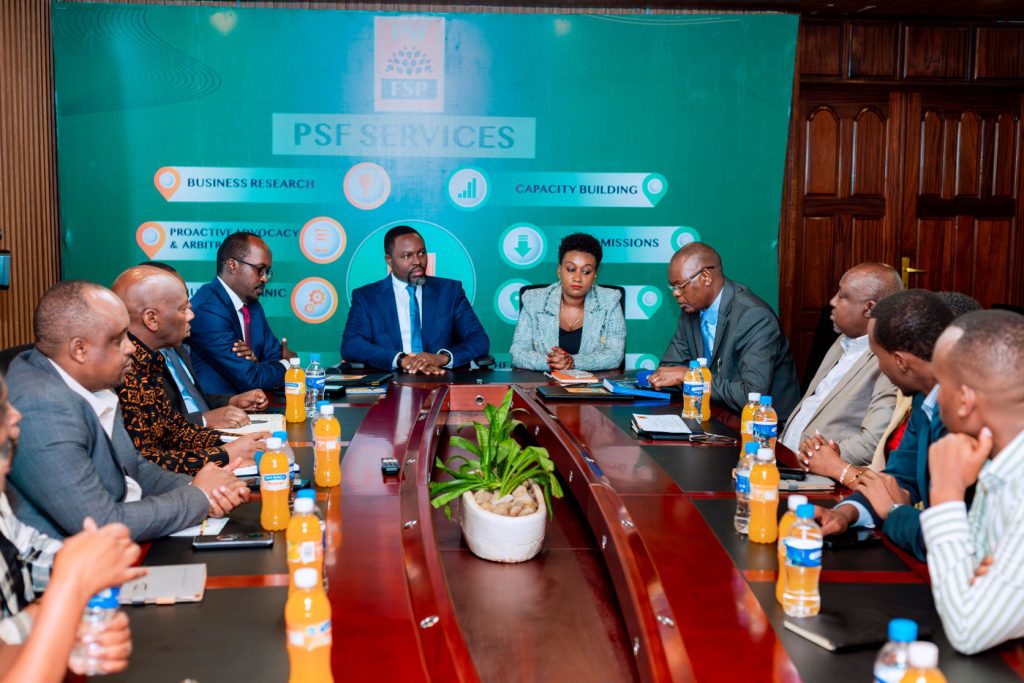
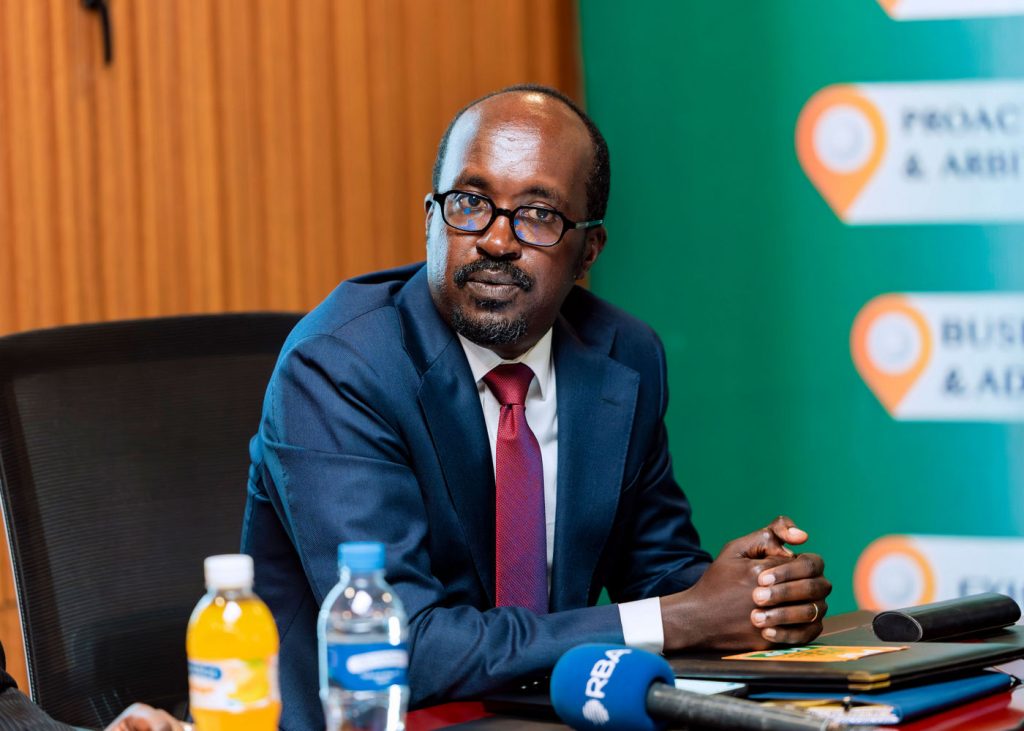
Uwajeneza will be deputised by André Gashugi. The two assumed their positions on November 3, 2026, during a handover ceremony held at the PSF headquarters. They will serve a five-year term.
Uwajeneza said his priorities include expanding market opportunities for businesses, strengthening the federation's capacity and improving the competitiveness of private companies.
'We will achieve this through delivering quality services and working with different institutions, collecting information and using it to make decisions and address various challenges. Another priority is to have a clear direction for what we do and how we do it,' he said.
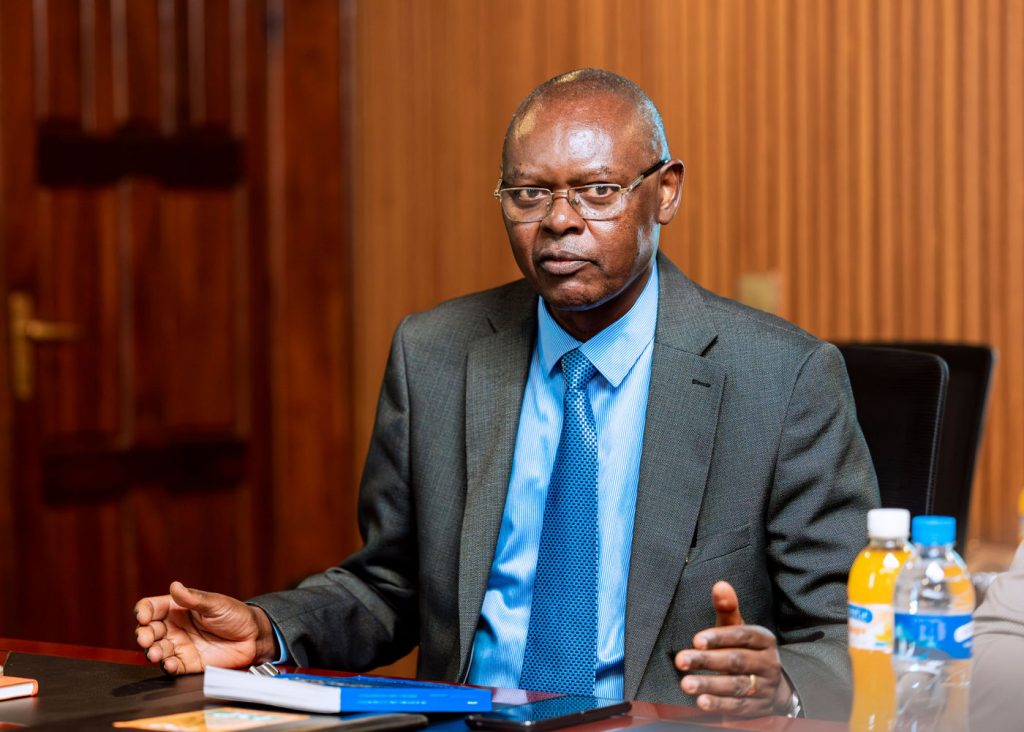
Meanwhile, Kanamugire said progress had been made in strengthening the private sector and improving the business environment, but acknowledged that more work remained.
He pledged to continue supporting the new leadership in initiatives aimed at advancing the federation.
Kanamugire cited reforms in the organisation of the private sector at different levels and improved cooperation between private sector institutions and government agencies as some of the achievements made during his tenure.
Uwajeneza brings experience in technology, corporate management and promoting digital transformation in organisations.
He previously served as Chief Operating Officer at NewGlobe, overseeing operations in six countries. He was also Chief Executive Officer of Irembo, held a management position at Andela Rwanda and served as Chairman of the ICT Chamber under PSF.
He holds a master's degree in Information Technology and Management from Polytech Montpellier in France.
He has also completed executive education programmes at Harvard Kennedy School and Stanford Graduate School of Business.
Clement Uwajeneza and André Gashugi will lead PSF for a five-year term.Callixte Kanamugire said collaboration is key to business growth.Clement Uwajeneza has been appointed Chairperson of PSF.
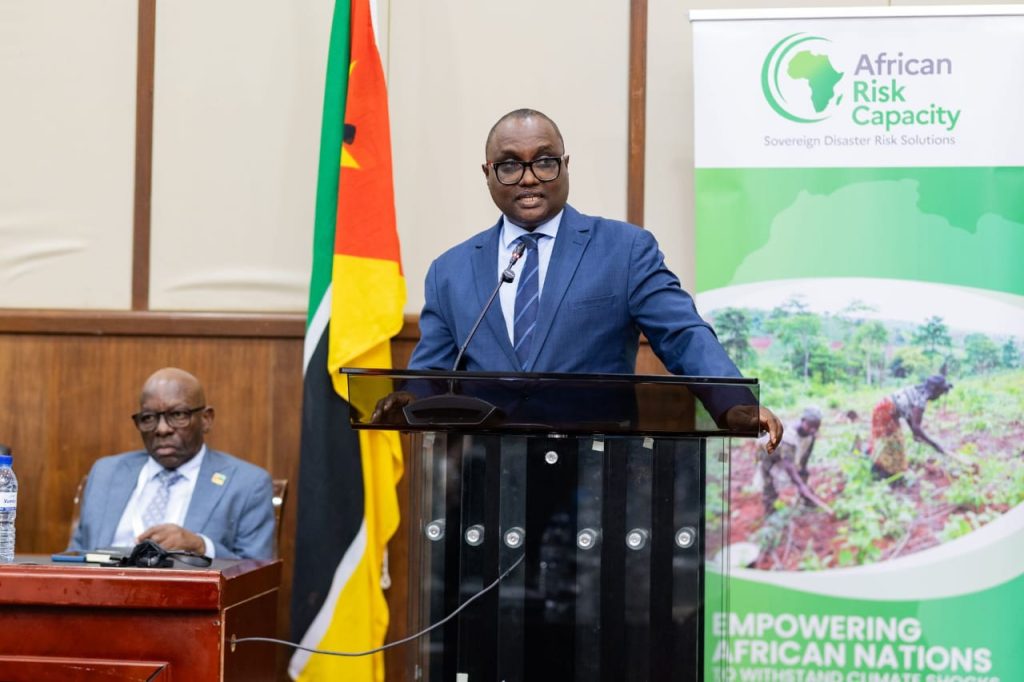
Ngabitsinze says governments must move beyond relying on emergency funding after disasters strike and instead put financing arrangements in place that allow them to respond earlier to droughts, floods and other climate-related emergencies.
He argues that financial protection must go hand in hand with investments that address the vulnerabilities facing farmers, including limited access to finance, agricultural inputs, infrastructure and markets.
ARC, a specialised agency of the African Union focusing on disaster risk management and financing, works with 39 member states to help them prepare for and respond to climate-related disasters.
Ngabitsinze, a former Rwanda Minister of Trade and Industry and Minister of State in the Ministry of Agriculture and Animal Resources, brings experience in agricultural policy and trade to the role.
Financing before disasters strike
African governments often face competing demands on public finances when disasters occur. They must provide emergency assistance while maintaining spending on infrastructure, health, education and other development priorities.
Arranging funds only after a disaster strikes can delay relief and put additional pressure on government budgets.
Dr Ngabitsinze Jean Chrysostome, Director General of the African Risk Capacity (ARC) Group, argues that financial protection must go hand in hand with investments that address the vulnerabilities facing farmers, including limited access to finance, agricultural inputs, infrastructure and markets.
Ngabitsinze sees pre-arranged financing, particularly parametric insurance, as an important way to address this challenge. The mechanism releases payments when predetermined conditions, such as rainfall levels or satellite-monitored weather indicators, reach agreed thresholds.
ARC has disbursed more than $170 million in parametric insurance payouts since its establishment, providing early response protection to over 26.4 million people across participating countries.
However, parametric insurance has limitations. One is basis risk, which occurs when an insurance payout does not adequately reflect the actual losses experienced on the ground.
Ngabitsinze says improving data quality and insurance design is essential to addressing this challenge. He also argues that insurance should complement other financing arrangements, including government reserves, contingency credit and social protection programmes.
The objective is to ensure that governments can access resources quickly when disasters occur, without having to divert funds from other essential development priorities.
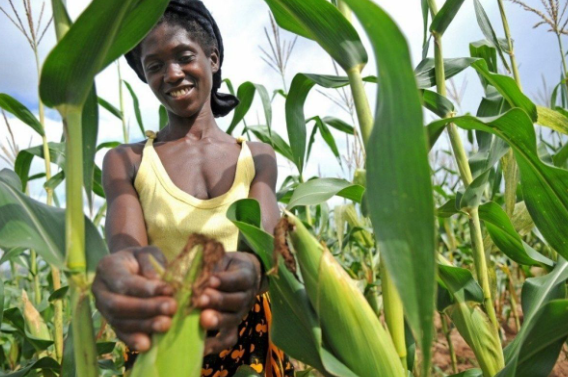
Agriculture remains particularly vulnerable to climate shocks, which can disrupt production and threaten farmers' livelihoods.
Making agriculture more resilient
The need for stronger financing is particularly important in agriculture, where climate shocks can disrupt production, reduce household incomes and undermine food security.
In Rwanda, agriculture accounts for nearly 25% of gross domestic product and engages approximately 65% of the labour force. Prolonged dry spells in eastern districts such as Bugesera and Kayonza, alongside destructive rainfall and landslides in other parts of the country, can therefore affect household incomes and wider economic activity.
Across Africa, smallholder farmers face several challenges beyond changing weather patterns. Limited access to finance, unreliable agricultural inputs, inadequate infrastructure, weak extension services and uncertain markets can make it difficult for them to sustain production or recover after a crisis. Women and young farmers may face additional barriers in accessing land and productive assets.
Ngabitsinze argues that improving agricultural resilience requires coordinated solutions. Farmers need access to finance and reliable inputs, alongside stronger agricultural advisory services, infrastructure and policies that allow them to plan ahead.
Producer organisations can also help farmers improve their bargaining power and reach wider markets. Higher productivity, he argues, should translate into better incomes and more secure livelihoods, rather than simply increased production.
To extend financial protection beyond national governments, ARC has partnered with micro-insurance schemes and organisations including the World Food Programme (WFP) and One Acre Fund through its ARC Replica framework.
Ngabitsinze argues that improving agricultural resilience requires coordinated solutions.
Building value beyond the farm
Strengthening agriculture also requires addressing weaknesses along the supply chain, where poor storage, limited processing facilities and weak market connections can reduce the value farmers receive from their produce.
Ngabitsinze sees opportunities in reducing post-harvest losses, expanding storage and cold-chain facilities, supporting local processing and improving access to markets.
These investments can increase farmers' earnings while creating employment and business opportunities in rural areas. Their success, however, depends on supporting infrastructure, including reliable energy and transport, quality standards and accessible finance.
He also points to the role of agricultural research in identifying ways to improve productivity, use resources more efficiently and expand market access. Researchers, policymakers, extension services and farmers need to work together to identify problems, test solutions and assess their results.
Progress, he argues, should be measured through changes in farm incomes, productivity, resilience and market participation. Programmes should also be adjusted when evidence shows they are not delivering the intended results.
Connecting national efforts through regional cooperation
Climate risks and food markets frequently cross national borders, making regional cooperation important to Africa's agricultural resilience.
Ngabitsinze says countries can strengthen their ability to manage shared risks by exchanging forecasting capabilities, improving risk models and coordinating disaster preparedness.
Regional risk pooling allows participating countries to spread their exposure to disasters, while cross-border trade can help move food from areas with available supplies to regions experiencing shortages.
He also calls for stronger coordination between finance, agriculture, environment and disaster-management institutions. Climate risks, he argues, should inform national budgets, agricultural policies and public investment decisions rather than being treated as separate concerns.
Ultimately, the challenge is to connect disaster financing with investments that help farmers withstand shocks, sustain production and access markets.
For ARC, success will depend not only on the financing countries secure before disasters strike, but also on whether that support reaches vulnerable communities and helps protect the agricultural livelihoods on which millions of people depend.
Ngabitsinze says governments must move beyond relying on emergency funding after disasters strike and instead put financing arrangements in place that allow them to respond earlier to droughts, floods and other climate-related emergencies.
Launched in 2004, Swift was the first-of-its-kind multiwavelength observatory designed to study gamma-ray bursts, some of the universe's most powerful explosions, using its three telescopes.
As of Monday, the U.S. Space Force predicted that the roughly 3,200-pound (1,450-kilogram) spacecraft would re-enter the atmosphere at around 3:30 a.m. Eastern Time (0830 GMT) Wednesday, with an uncertainty window of 11 hours.
NASA expects most of the spacecraft to burn up as it travels through the atmosphere, but some components are expected to survive re-entry.
Depending on the timing of re-entry, any surviving debris could land in areas between 20.6 degrees south and 20.6 degrees north, while the risk of harm to anyone on Earth is very low, estimated at approximately one in 2,100, according to NASA.
NASA had sought to extend Swift's operational life through a commercial spacecraft servicing mission, but the effort was scaled back to technology demonstrations after the servicing spacecraft encountered technical problems and ran low on fuel.
NASA said on Oct. 23 that Swift had ended its science mission as its orbit continued to decay.
Originally designed for a two-year prime mission, Swift went on to operate for more than two decades, serving as a multi-tool for exploring the universe, observing a wide range of light, rapidly pointing at short-lived outbursts, and sending alerts to other facilities to help coordinate follow-up observations, according to NASA.
NASA's Neil Gehrels Swift Observatory is expected to re-enter Earth's atmosphere on Wednesday
Iran's Foreign Ministry spokesman, Esmaeil Baghaei, said on Monday that Iran has reduced the period for implementing the seven-day plan proposed by Tehran in September to two days, in good faith.
He noted, 'We have announced that if Iran's demands are met, the possibility will exist to restore security to the Strait of Hormuz and start the negotiation process in a short period of time,' stressing that all these depend on the American side's decision on how to proceed regarding the future of the process.
In tandem with the ministry's announcement, Iran's President Masoud Pezeshkian said Monday that his administration is committed to resolving challenges through dialogue, noting that Supreme Leader Mojtaba Khamenei has granted the government certain authorities to pursue diplomatic solutions.
He stressed that no one benefits from war, adding that the 'enemies' will not be able to make Iran surrender.
Concurrently, Iran's Foreign Minister Seyed Abbas Araghchi said consultations mediated by Qatar and Pakistan have become 'extremely intensive,' involving frequent delegation visits, phone conversations and message exchanges.
Reaffirming Iran's readiness for both diplomacy and defense, Araghchi warned that any further military escalation by Washington would draw a 'far more bitter and severe' response.
Washington's mixed signals
The diplomatic maneuvers unfold amid mixed signals from Washington over its next move on Iran.
Tehran reportedly received a letter from U.S. Vice President JD Vance on Thursday, sent at Trump's direction, calling for the resumption of peace negotiations. Iran described the shift in Washington's tone reflected in the letter as 'a good sign.'
However, U.S. President Donald Trump on Sunday again threatened to resume military action against Iran 'at some point,' telling a campaign rally in Iowa that Washington would eventually have to 'give them the hammer.'
He was reportedly urged by Israeli Prime Minister Benjamin Netanyahu in a Saturday phone call to strike Iran 'immediately after the midterm elections.' U.S. news outlet Axios reported that Trump preferred to allow negotiations to continue, an approach that has raised concerns for Netanyahu.
Also on Monday, U.S. President Donald Trump said that Tehran wants to make a deal with Washington, and that an agreement could be reached. 'They want to make a deal, and that could happen,' said the U.S. president.
Burning fuse in the Strait
Underpinning the ongoing diplomatic maneuvers are concrete military preparations and escalating operational risks across the region.
A senior Iranian commander said on Monday that over 30 million Iranians are receiving general military training to defend the country if needed.
The military mobilization followed a Saturday statement from Iran's Supreme Leader Mojtaba Khamenei instructing senior military commanders to ensure that any threat from the 'enemies,' regardless of its nature or scale, would be met with an 'immediate and effective' response, without geographical limitations.
On the U.S. side, the Wall Street Journal reported that senior U.S. military officials briefed Trump on Thursday on possible options regarding Iran. The United States had also reportedly urged several Gulf countries to prepare for a possible brief but intense military campaign against Iran following the midterm elections.
Amid mounting military preparations, tensions in the Strait of Hormuz have escalated rapidly. The navy of Iran's Army announced Monday that a 'violating' oil tanker caught fire after hitting naval mines in a forbidden region east of the Strait of Hormuz, adding that the vessel had turned off its navigation systems.
Separately, the navy of the Islamic Revolution Guard Corps said 11 oil tankers have caught fire or sunk in the strait over the past nine days, following a 'demonstrative visit' to the strait by U.S. Central Command chief Brad Cooper on October 25.
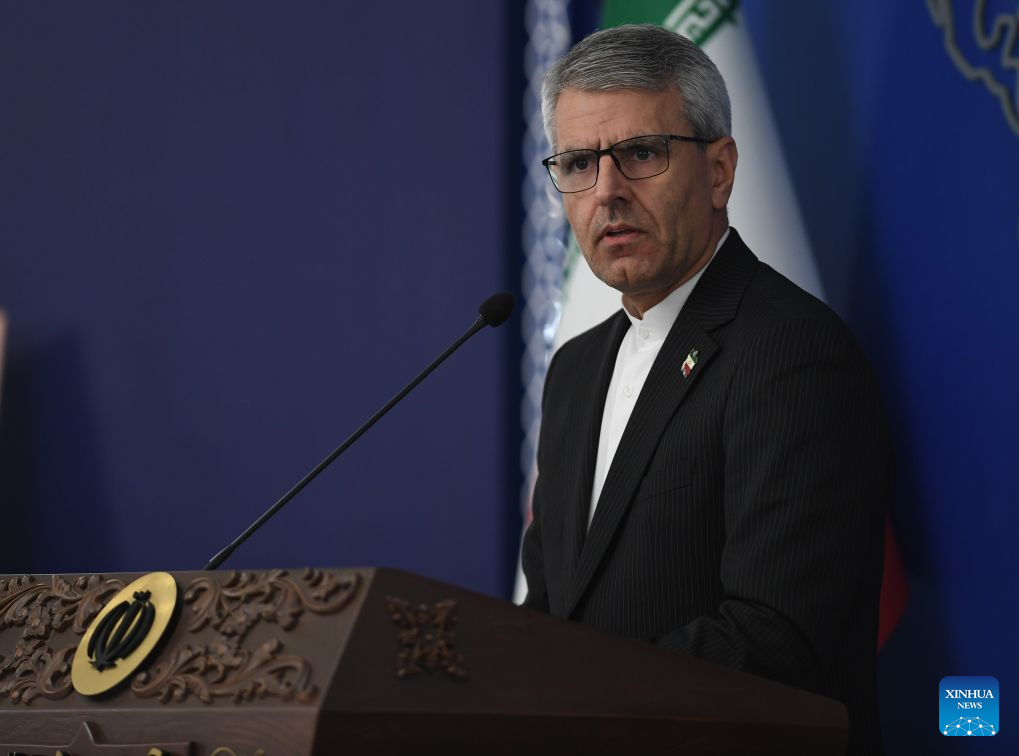
Iran's Foreign Ministry spokesman Esmaeil Baghaei attends a weekly press conference in Tehran, Iran, November 2, 2026. Baghaei said on Monday that if the United States meets Iran's 'legitimate' demands, it will be possible to reopen the Strait of Hormuz within two days.
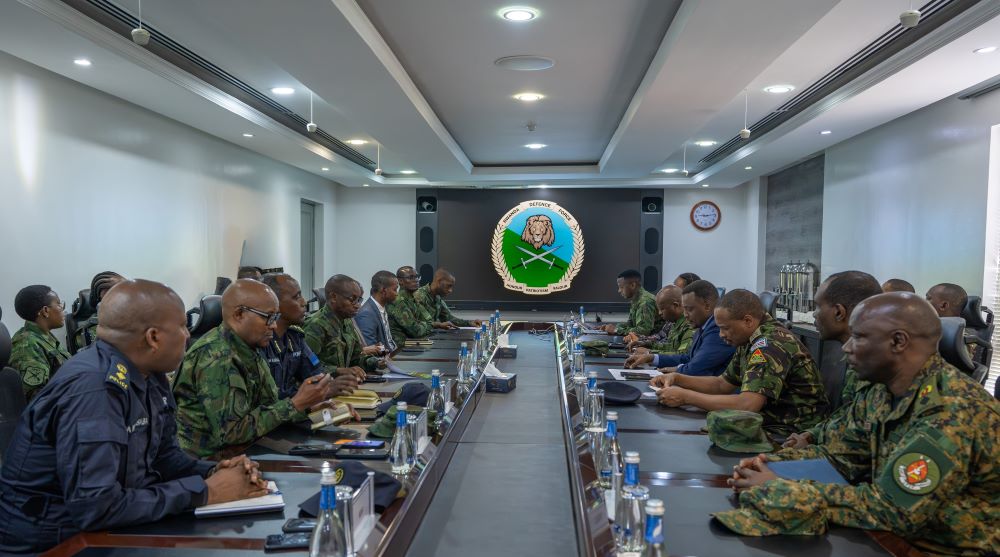
The exercise aims to assess and verify Rwanda's pledged military, police and civilian capabilities to ensure their readiness, operational effectiveness and ability to support regional peace and security operations whenever required.
During the official opening ceremony held at RDF Headquarters, Maj Gen Dr. Ephrem Rurangwa, Chief of Staff of the Military Health Service, welcomed the delegation on behalf of the RDF Chief of Defence Staff.
He emphasised that verification exercises are essential to translating member states' commitments into deployable capabilities. He further highlighted the importance of having trained, well-equipped, organised and adequately supported personnel ready for deployment.
In his remarks, the Head of Delegation, Brig Gen Ronald Rwivanga, Director of the Eastern Africa Standby Force, explained that the verification exercise forms part of EASF's routine assessment of capabilities pledged by each member state.
He noted that the exercise seeks to verify the readiness of military personnel and equipment, as well as the police component and civilian support structures, including the Ministry of Foreign Affairs.
Brig Gen Rwivanga expressed confidence in Rwanda's preparedness, stating that he had no doubt about the country's readiness to fulfil its commitments to the regional force.
During the six-day exercise, the delegation will assess the Army, Air Force and Military Health Service capabilities pledged by Rwanda, including personnel and equipment.
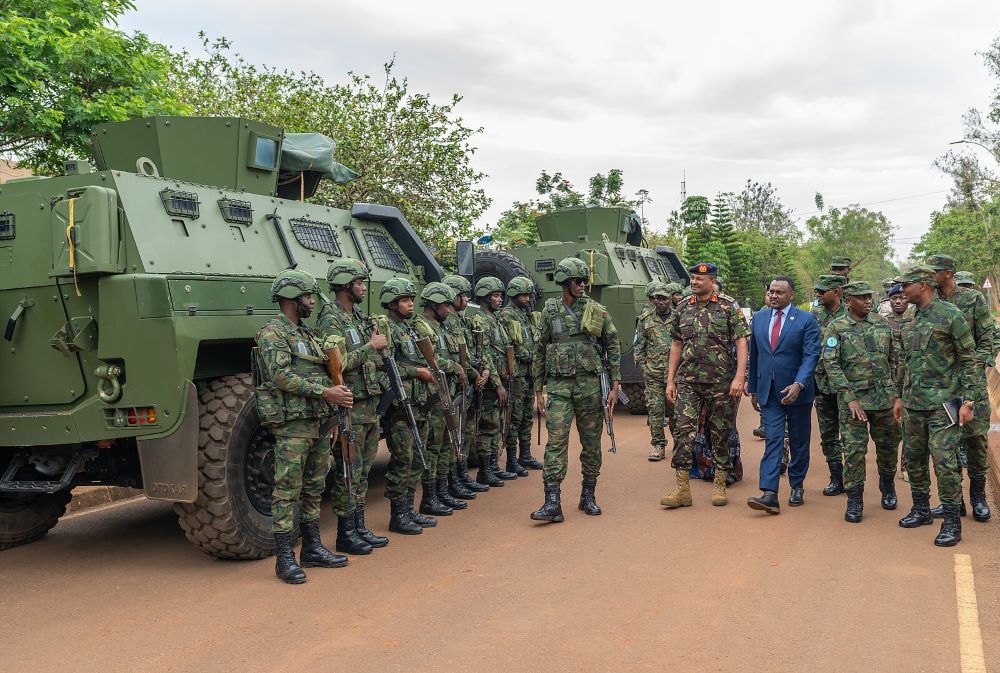
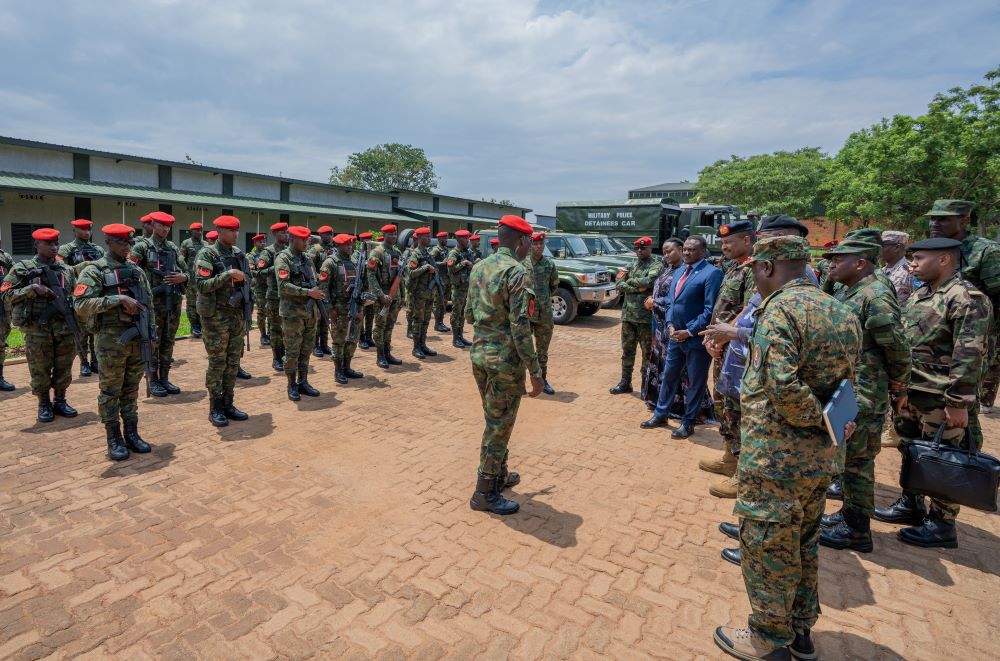
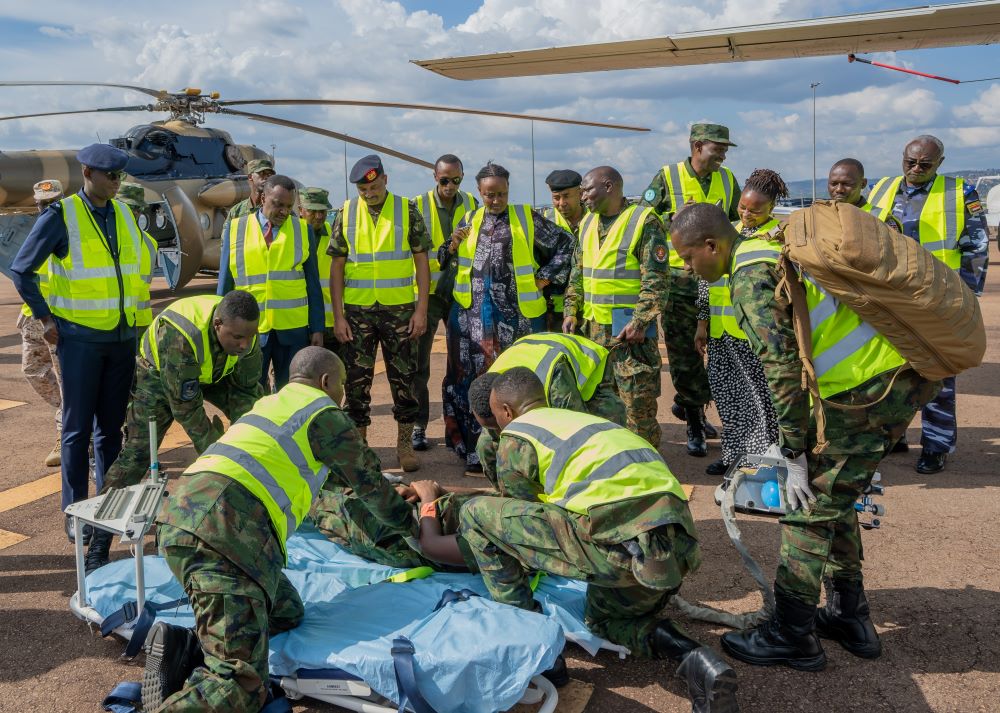
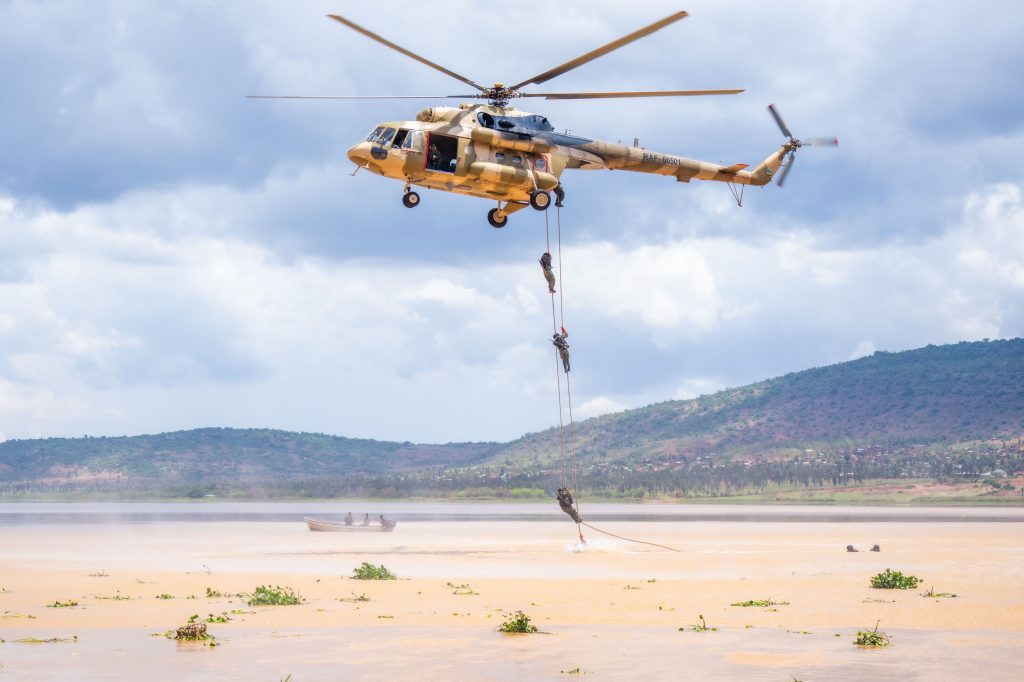
On the first day, the delegation inspected a Motorised Battalion, a Military Police Company and a Level 2 Medical Unit. The team also assessed Rwanda's pledged medical evacuation capabilities, including the Mi-17 helicopter and Caravan aircraft.
The delegation is also scheduled to inspect a Special Forces Squadron, a Light Infantry Battalion and the capabilities pledged by the Police Component.
The verification exercise marks an important step towards ensuring that Rwanda's pledged capabilities meet the required standards of the Eastern Africa Standby Force and remain ready for deployment in support of regional peace support operations.
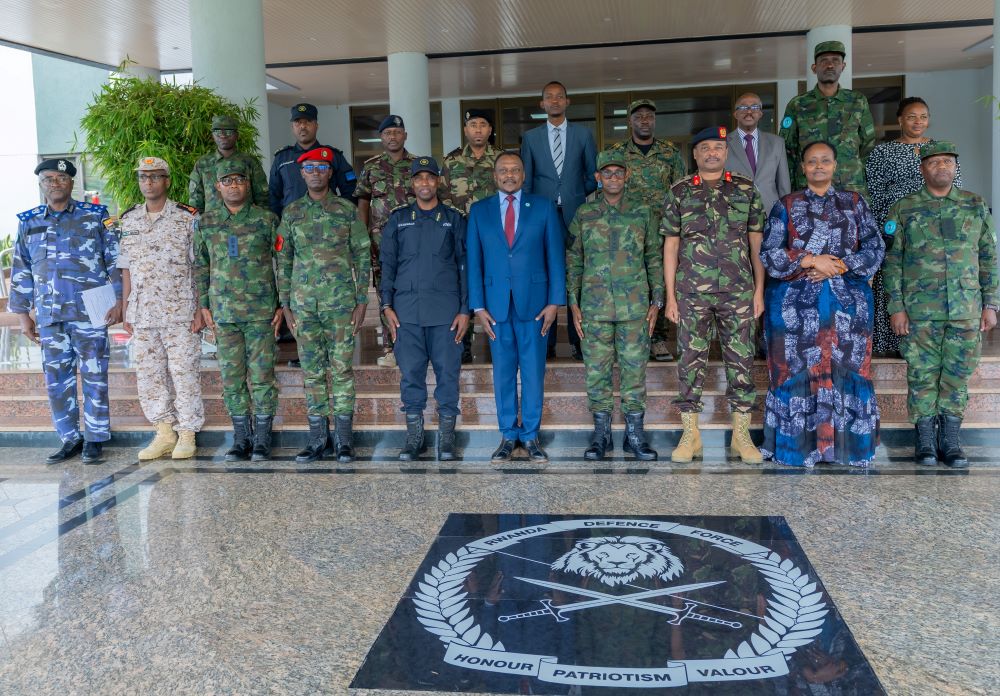
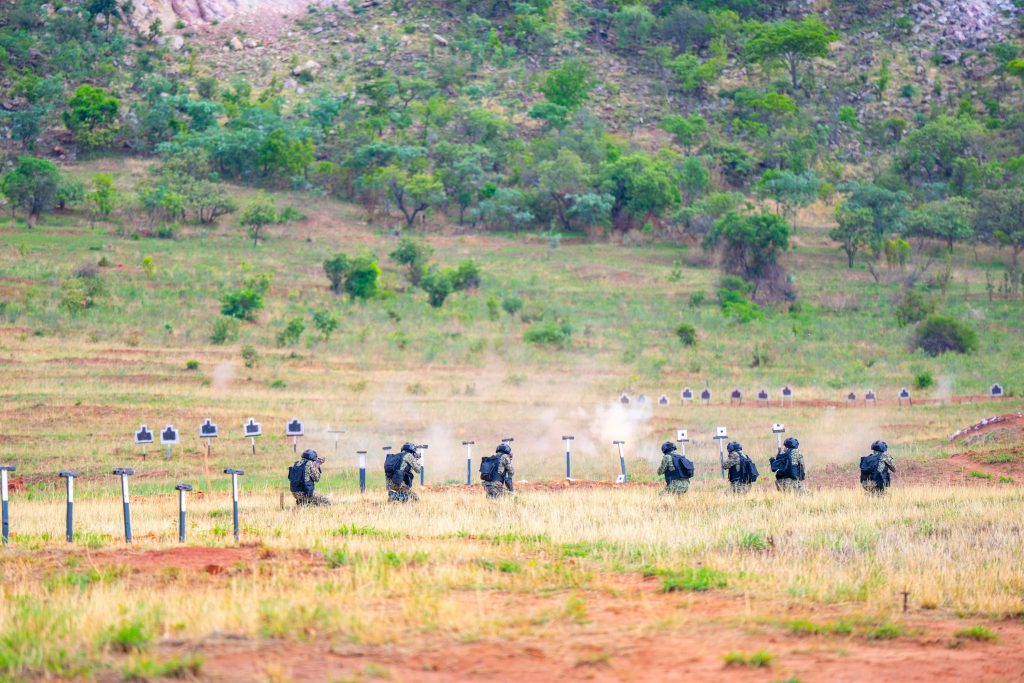
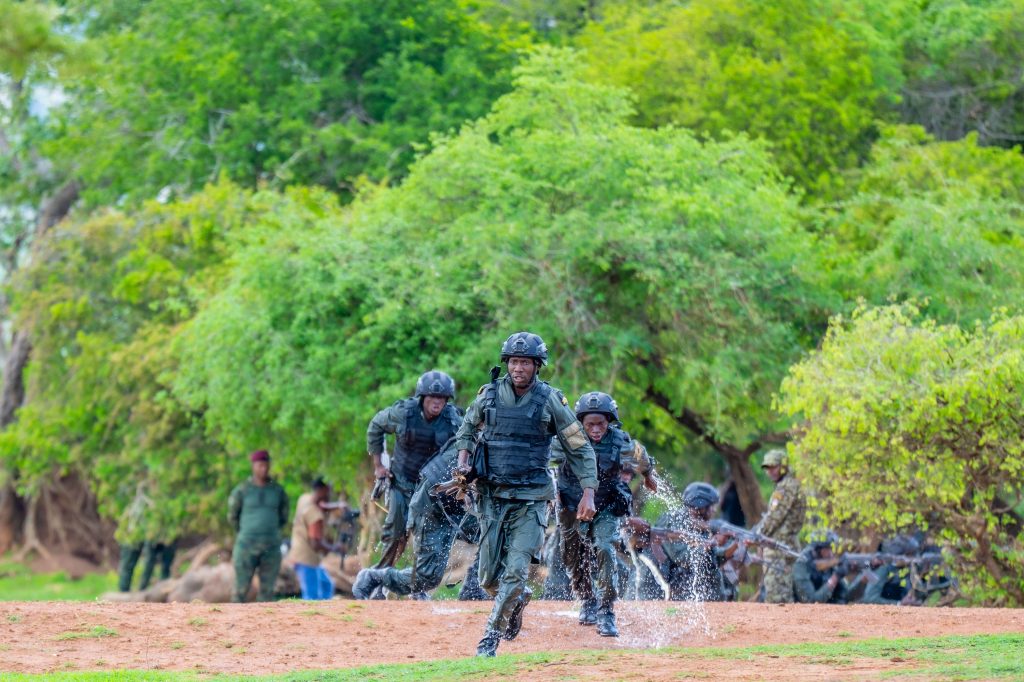
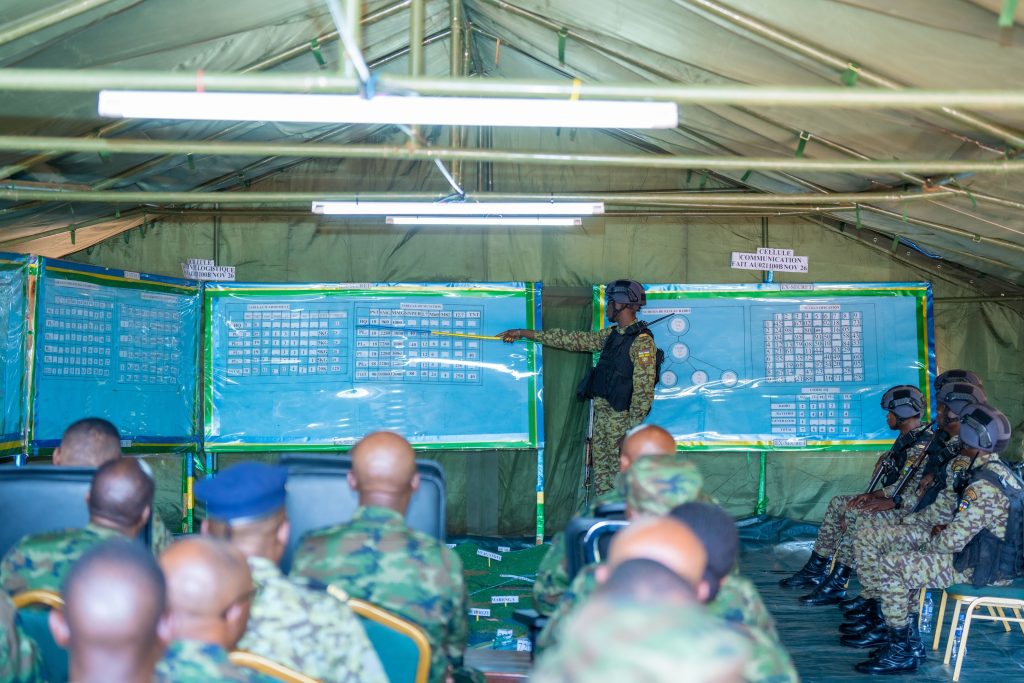
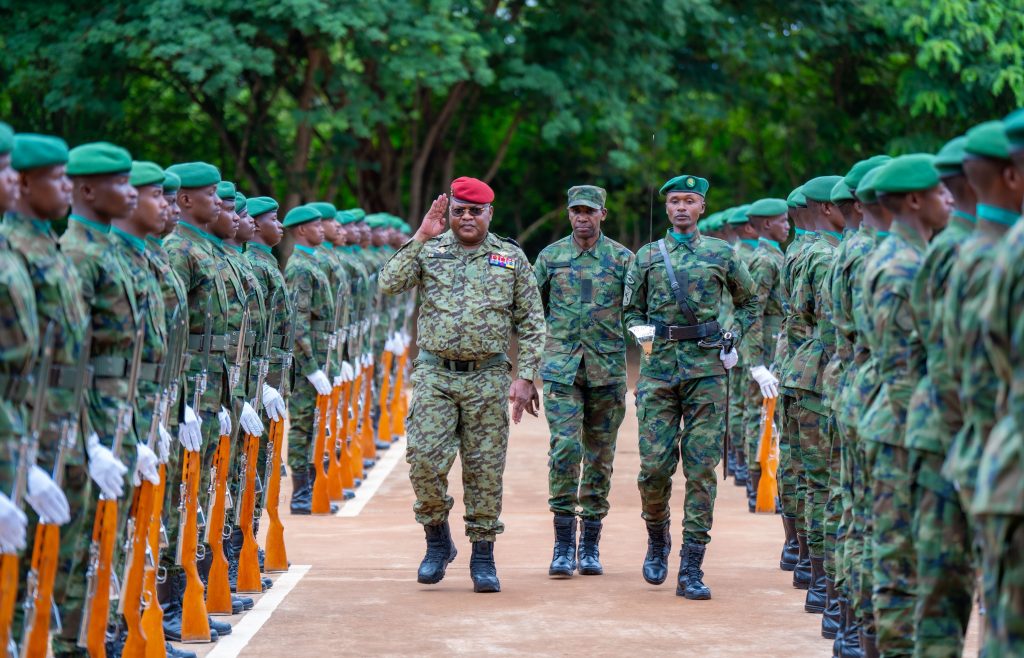
The delegation inspects a Motorised Battalion as part of the assessment of Rwanda's readiness to support regional peace operations.Members of the EASF delegation assess the capabilities of a Military Police Company during the verification exercise.Maj Gen Dr. Ephrem Rurangwa (right), Chief of Staff of the Military Health Service, welcomed the EASF delegation at RDF Headquarters.The delegation assessed Rwanda's medical evacuation capabilities, including the Mi-17 helicopter and Caravan aircraft.Rwanda Defence Force officials and members of the EASF delegation attended the opening ceremony of the six-day verification exercise.
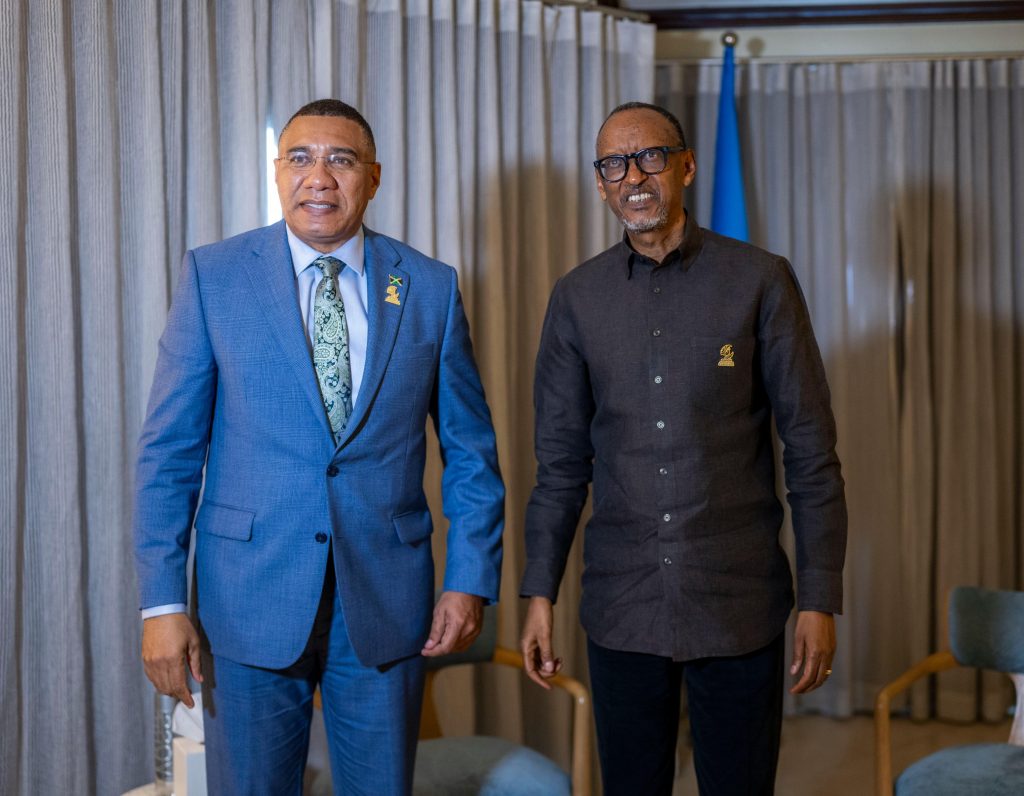
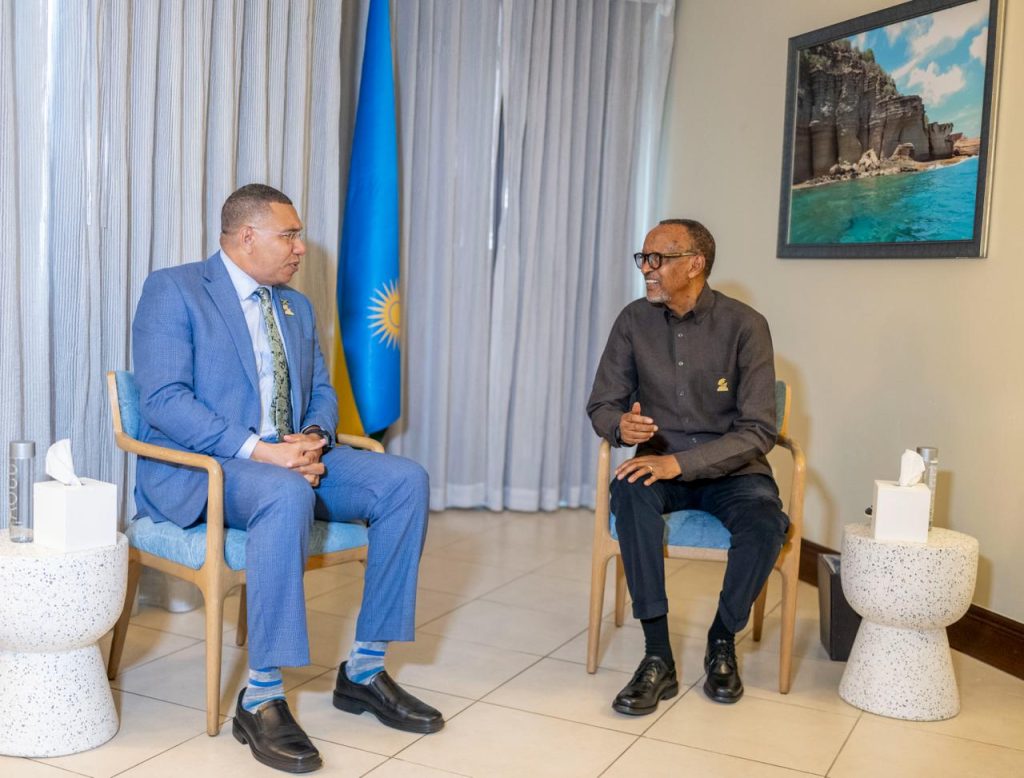
The two leaders met on the sidelines of the 28th Commonwealth Heads of Government Meeting (CHOGM) in St John's, Antigua and Barbuda.
According to a statement shared by the Office of the President on Monday night, the discussions focused on existing cooperation between the two countries and ways to expand collaboration in areas of mutual interest.
The meeting builds on efforts by Rwanda and Jamaica to strengthen ties across diplomatic, economic and financial sectors, particularly following Kagame's state visit to the Caribbean country in April 2022.
During the visit, the two governments signed memoranda of understanding establishing a Joint Commission on Cooperation and strengthening collaboration in tourism and product development.
The agreements provide a framework for cooperation in areas including political consultations, trade, investment, culture and industrial development.
The partnership has also extended to financial markets. In January 2026, the Rwanda Stock Exchange and the Jamaica Stock Exchange signed a memorandum of understanding to explore cross-border market development, exchange knowledge on digital trading systems and consider opportunities for companies to list on both exchanges.
The two countries have also pursued cooperation in aviation and technical assistance, reflecting their broader interest in strengthening connections between Africa and the Caribbean.
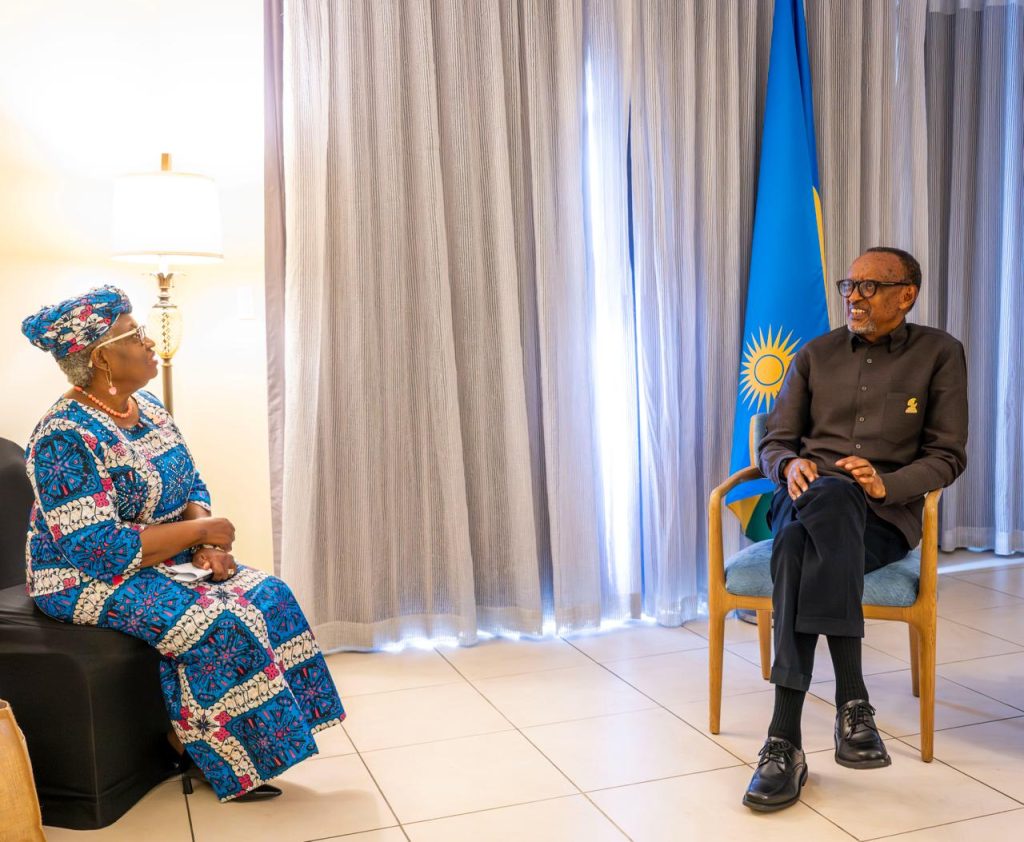
In a separate meeting on the sidelines of CHOGM, Kagame met World Trade Organization (WTO) Director-General Ngozi Okonjo-Iweala.
According to the Presidency, the two discussed Rwanda's ongoing partnership with the WTO and the importance of boosting regional trade and investment to achieve sustainable development.
The engagement comes as Rwanda continues to advocate for stronger regional market integration and greater participation in international trade.
At the summit, Kagame also called for a shift in how investors assess risks in developing countries, arguing that perceptions of higher investment risks in the Global South can discourage capital from reaching viable projects.
Speaking during a high-level panel alongside Holness and Samoa's Deputy Prime Minister Mulipola Anarosa Ale Molioʻo, Kagame said investment risks exist in all markets and should not discourage investors from considering opportunities in developing economies.
'There are risks everywhere, whatever investments you want to make. So, if we could encourage more cooperation and understanding that risks are to be found everywhere, but there are ways to mitigate those risks by putting resources together, coming together and working together, […] then there should be no obstacle to these investments,' he said.
He called for governments and the private sector to work together to address barriers that prevent viable projects from accessing the resources and inputs they need.
Kagame also urged investors to look beyond the size of individual countries and consider the wider regional markets in which projects operate.
'It is not just a small project in a small country, but rather a viable project in a growing market beyond the place where it is,' he said.
The 28th CHOGM is taking place in St John's, Antigua and Barbuda, from November 1 to 4 under the theme 'Accelerating Partnerships and Investment for a Prosperous Commonwealth'.
The summit brings together Commonwealth leaders and other stakeholders to discuss ways of strengthening cooperation, expanding trade and attracting investment across member countries.
President Paul Kagame and Jamaican Prime Minister Andrew Holness met on the sidelines of the 28th Commonwealth Heads of Government Meeting (CHOGM) in St John's, Antigua and Barbuda.The two leaders discussed expanding cooperation in health, defence and tourism as Rwanda and Jamaica seek to deepen longstanding bilateral relations.President Kagame met WTO chief Ngozi Okonjo-Iweala to discuss regional trade and investment at CHOGM.
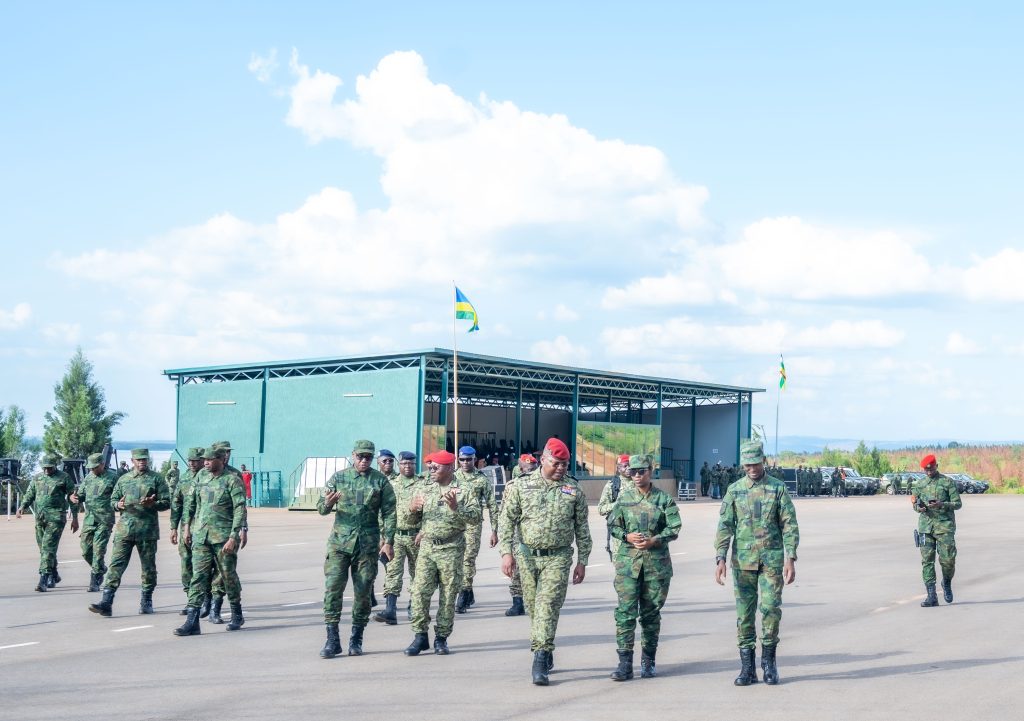
The graduation ceremony was presided over by the RDF Chief of Defence Staff, Gen MK Mubarakh, alongside the Chief of General Staff of the FACA, Gen Zephirin Mamadou. Generals and Senior officers from both forces attended the ceremony to witness this milestone.
The course aimed to enhance the operational capabilities of FACA personnel through intensive military training, equipping them with the skills, discipline and professional competence required to undertake special operations tasks and operate effectively in demanding operational environments.
The RDF Chief of Defence Staff congratulated the graduates on successfully completing the rigorous 06-month training course. He commended their commitment, discipline, resilience and determination throughout the training period.
He encouraged the graduates to uphold the professional standards they had acquired, serve their country with dedication and apply their newly acquired capabilities responsibly. He reaffirmed the RDF's commitment to sharing its experience and expertise with friendly armed forces as part of collective efforts to promote peace, security and stability across the African continent.
Gen Mamadou, the FACA Chief of General Staff, expressed his sincere appreciation to the Government of Rwanda, the RDF leadership and the instructors for their commitment, professionalism and dedication throughout the training period. He emphasised that the skills, discipline and knowledge acquired by their personnel would enhance their ability to fulfil their duties effectively and contribute to the security and stability of the Central African Republic.
Second Lieutenant Christ Ngboundourou, one of the graduates, reaffirmed his commitment to putting the skills acquired in Rwanda into practice to defend his country and the people of the Central African Republic.
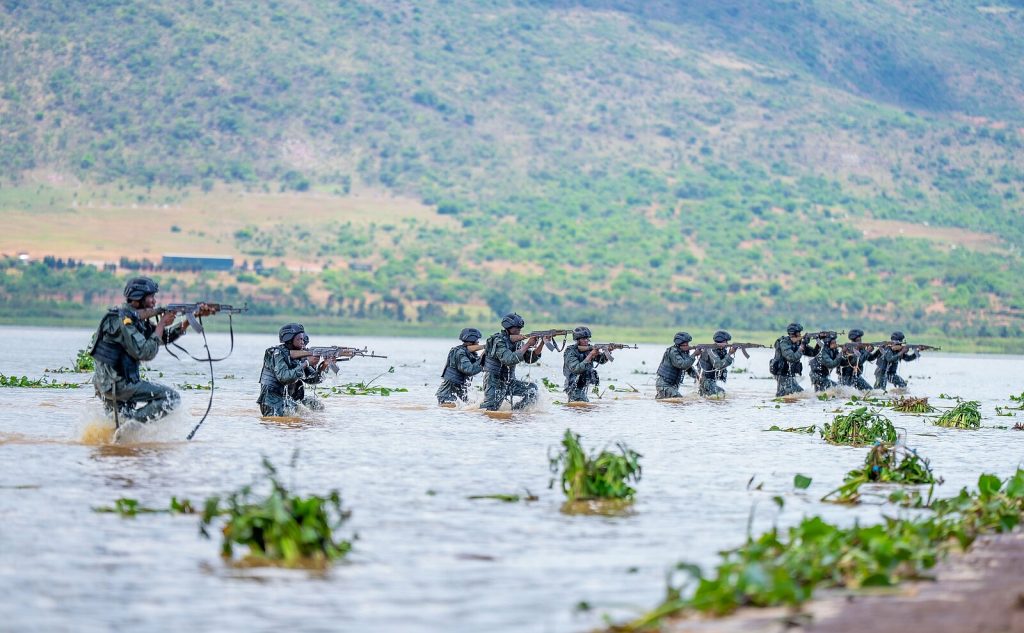
During the 06-month Basic Special Operations Force Training Course, the trainees acquired advanced tactical skills essential for special operations. These included marksmanship with small arms and support weapons, hand-to-hand combat, river and water crossing, military map reading and Heliborne operations, among other specialised skills.
The graduation marks an important milestone in the professional development of FACA personnel and underscores the longstanding defence cooperation between Rwanda and the Central African Republic, particularly in military training, capacity-building and professional development.
CAR soldiers demonstrate tactical combat skills acquired during their specialised military training in Rwanda.RDF Chief of Defence Staff, Gen MK Mubarakh, and FACA Chief of General Staff, Gen Zephirin Mamadou , preside over the graduation ceremony of 254 CAR military personnel in Nasho, Kirehe District.Graduates showcase their marksmanship skills acquired during the six-month Basic Special Operations Force Training Course.A total of 254 officers and Other Ranks of the Central African Republic Armed Forces graduated from the six-month Basic Special Operations Force Training Course in Rwanda.Graduates demonstrate their military field skills, including map reading and navigation, acquired during the six-month course.Senior military officers from Rwanda and the Central African Republic attend the graduation ceremony of the Basic Special Operations Force Training Course.
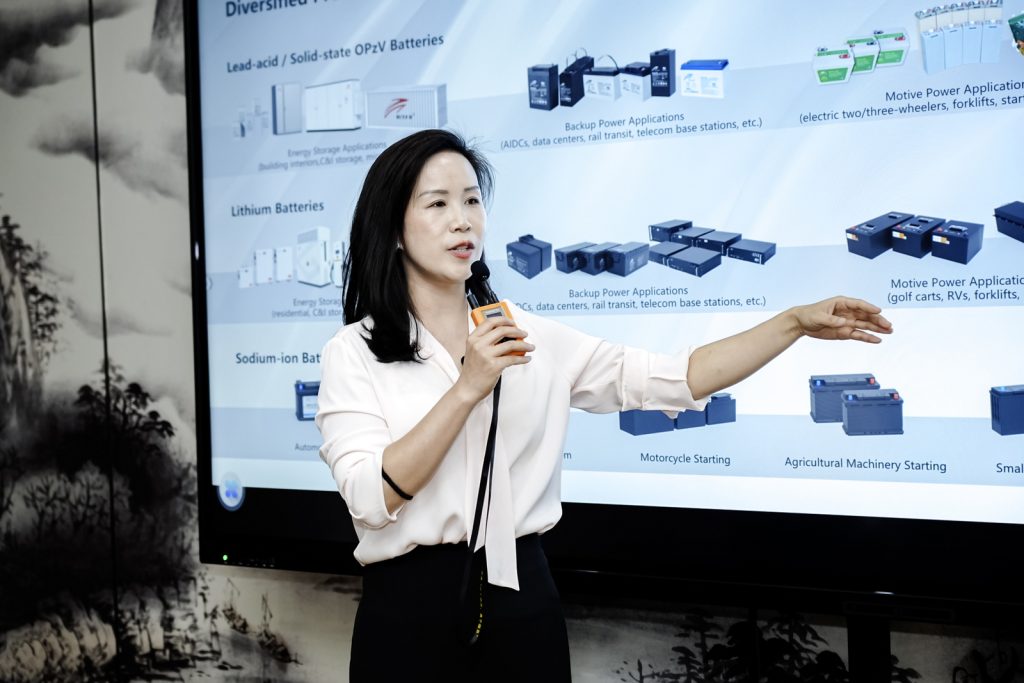
The company has supplied Rwanda through distributors, according to its Africa Business Director, Christina Liao, who told IGIHE that unmet electricity needs present opportunities for battery systems that store solar power for use after sunset.
Rwanda aims to increase electricity generation capacity to as much as 5,000 megawatts under Vision 2050. As the country develops renewable energy projects, battery storage could help make electricity generated during daylight hours available when demand rises in the evening.
Ritar's interest comes as Rwanda seeks investors for a proposed 200MW floating solar power plant on Lake Sake in Ngoma District, Eastern Province. The project includes an 800-megawatt-hour battery energy storage system and infrastructure connecting it to the national grid.
Rwanda's solar plans create demand for storage
Speaking at the Nuclear Energy Innovation Summit for Africa on June 30, 2025, then Prime Minister Edouard Ngirente said Rwanda would need up to five gigawatts of electricity generation capacity to achieve its Vision 2050 ambitions.
Prime Minister Justin Nsengiyumva told Parliament in July 2026 that installed generation capacity stood at 471MW, highlighting the scale of expansion required.
The proposed Lake Sake installation would combine solar generation with battery storage to help balance electricity supply and demand. At its rated capacity, an 800MWh battery system could theoretically deliver 200MW for four hours, although actual delivery would depend on operating limits, conversion losses and the final design.
Storage could help supply electricity during evening peak hours, regulate grid frequency and voltage, and reduce the need to curtail solar generation when production exceeds what the grid can accommodate.
The project would operate under an independent power producer arrangement, with the Energy Utility Corporation Limited purchasing electricity through a 25-year power purchase agreement.
Rwanda is also considering floating solar panels on the Nyabarongo II reservoir, with potential capacity of another 200MW.
'Nyabarongo II will provide 43.5MW of hydropower. Because Nyabarongo is a multipurpose project, the lake that will stretch until the Vunga area [in Gakenke District] will have floating solar panels installed on the water surface to generate 200MW,' Nsengiyumva told Parliament.
Together, the two proposed floating solar installations would have a combined rated capacity of 400MW. However, installed capacity does not represent continuous electricity output, which varies with weather and operating conditions.
Ritar has not confirmed any involvement in either project or secured a contract to supply batteries for them.
Ritar's business and African ambitions
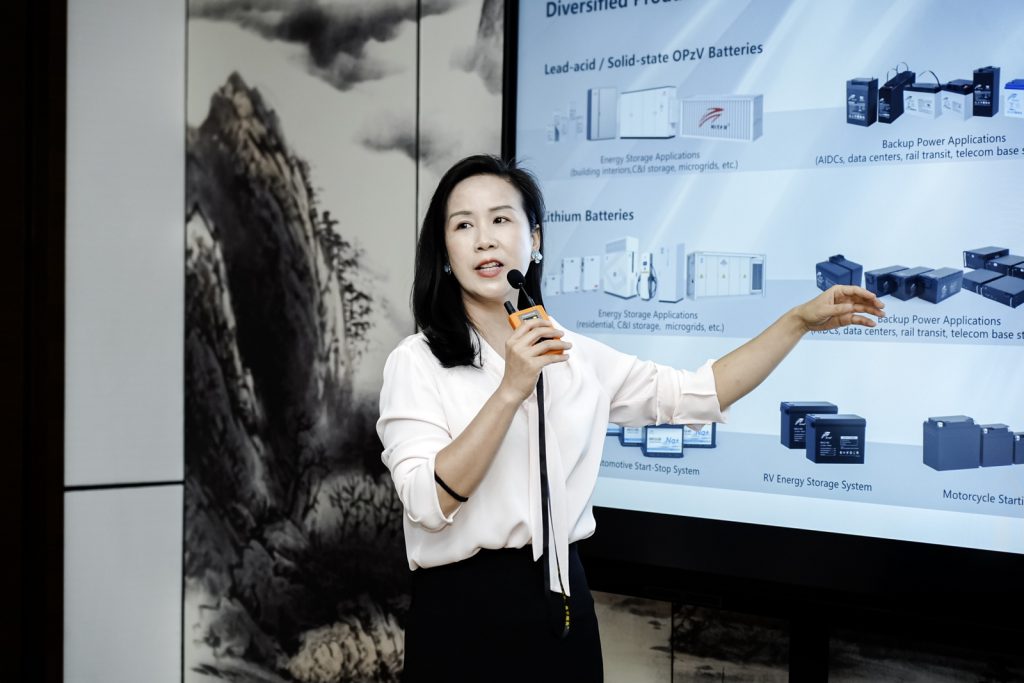
Liao said Ritar had supplied Rwanda through distributors for more than 15 years, offering lead-acid batteries rated at 12 volts and 100 or 200 amp-hours, alongside lithium batteries with storage capacities of 5kWh, 10kWh and 15kWh.
'You can connect to the solar and then to a small power system,' she said, describing how batteries can store electricity for household use.
A fully usable 5kWh battery could theoretically power a steady 500-watt load for 10 hours, although actual runtime would be shorter after accounting for conversion losses, discharge limits and variations in electricity demand.
Founded in 2002, Ritar is headquartered in Shenzhen, China. Its published company profile reports more than 6,500 employees, eight major production bases across China and Vietnam, and 11 international warehousing and logistics centres.
Company materials supplied for this story put investment in its Hengyang plant in Hunan Province at $150 million and investment in its Vietnam plant at $120 million.
Ritar's published profile reports more than 120 gigawatt-hours of cumulative global battery shipments. Liao put annual production capacity at 80GWh and annual group sales at more than $1.7 billion.
She said Africa accounted for approximately 30% of sales. Applying that proportion to $1.7 billion gives an indicative annual African sales value of about $510 million, although audited accounts confirming the figures were not provided.
Liao identified distributors in South Africa, Tanzania, Kenya, Nigeria and Zambia among the company's African customers. Separate company materials describe battery supplies to more than 30 African countries and identify energy storage projects in Zambia and South Africa.
A Rwanda factory remains a possibility
Liao said Ritar serves African markets through distributors rather than factories of its own on the continent. The company is seeking more distribution partners and has not ruled out manufacturing in Africa if suitable opportunities emerge.
'Maybe if we have the chance, we can build factories in African countries,' she said.
Asked specifically about Rwanda, she expressed conditional interest in visiting the country if the company developed plans for a factory.
'If we have the project or we have the schedule to build a factory, we will visit Rwanda,' she said.
Ritar's ambitions come as China continues to expand its solar industry. China's National Energy Administration reported approximately 1,200GW of installed photovoltaic capacity at the end of 2025, up 35% from a year earlier. Photovoltaic electricity generation reached about 1.17 trillion kilowatt-hours during the year, an increase of 40%.
For Rwanda, expanding electricity generation and integrating renewable energy into the grid could create opportunities for battery storage. For Ritar, the challenge is to turn that potential demand into business through its distribution network and possible future investments in Africa.
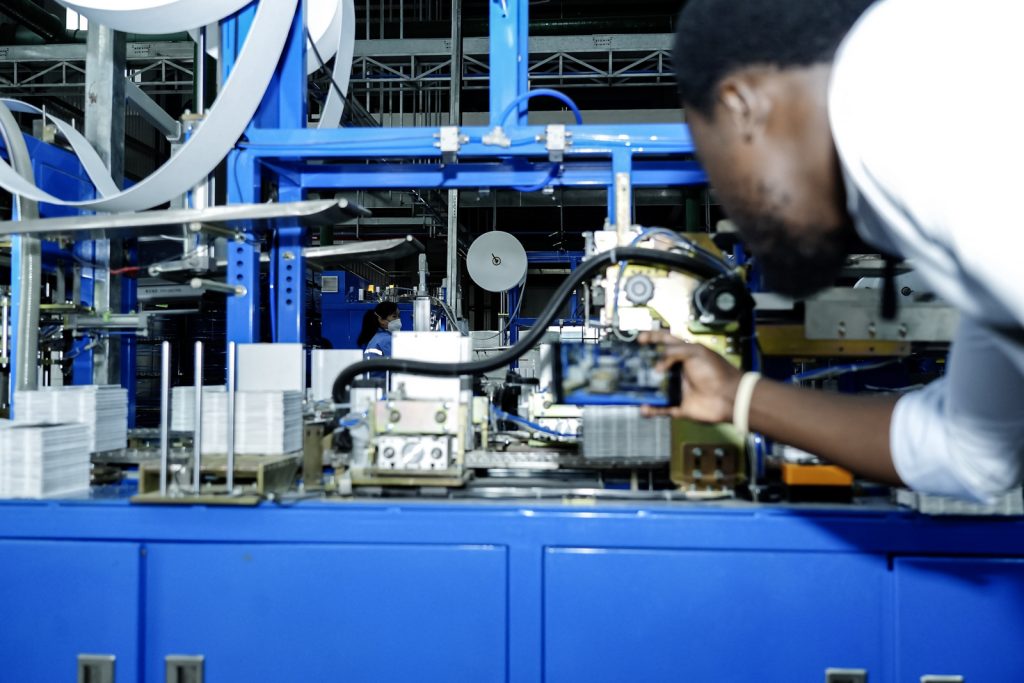
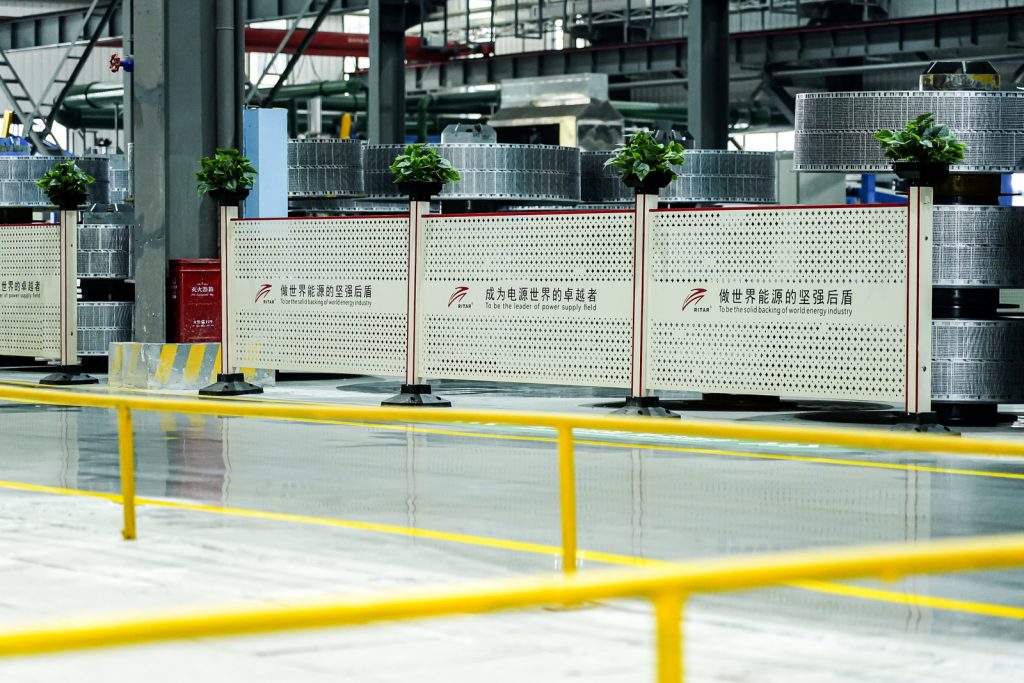
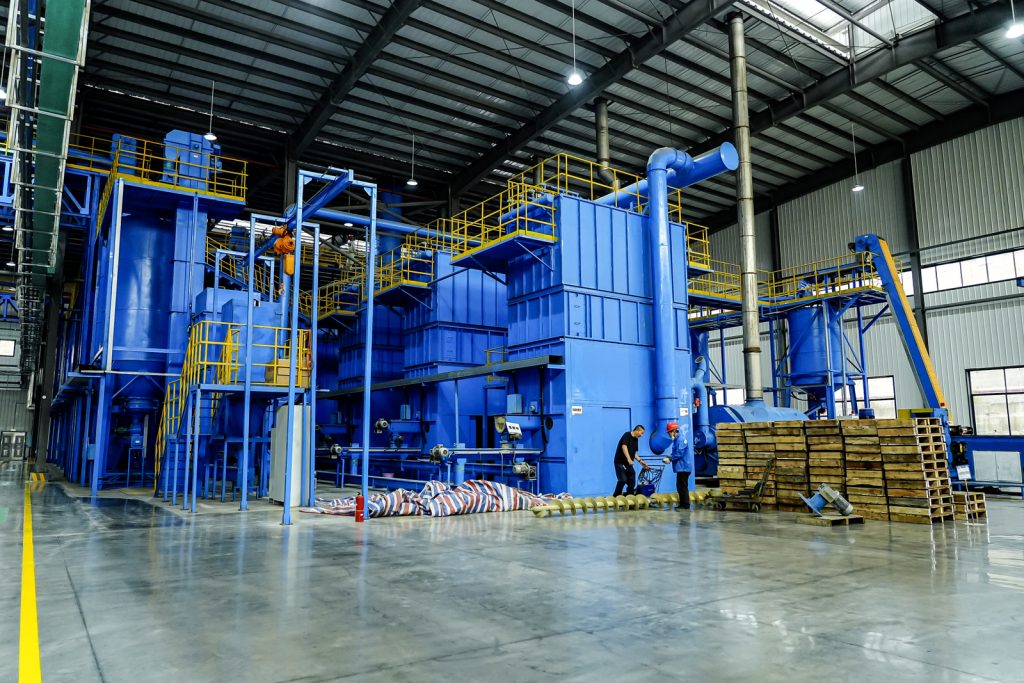
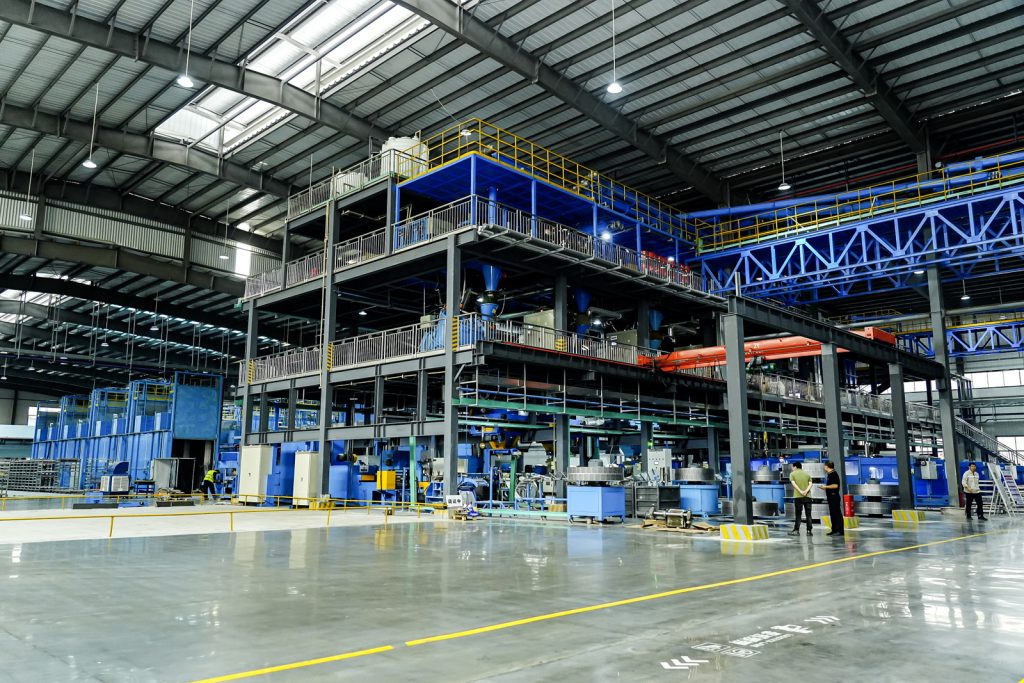
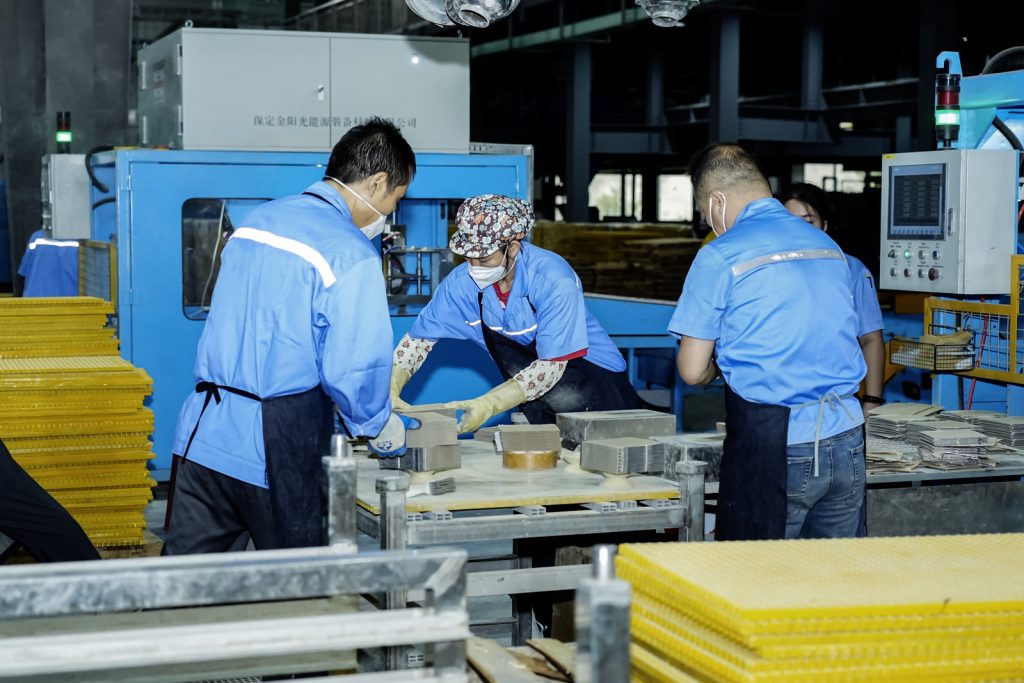
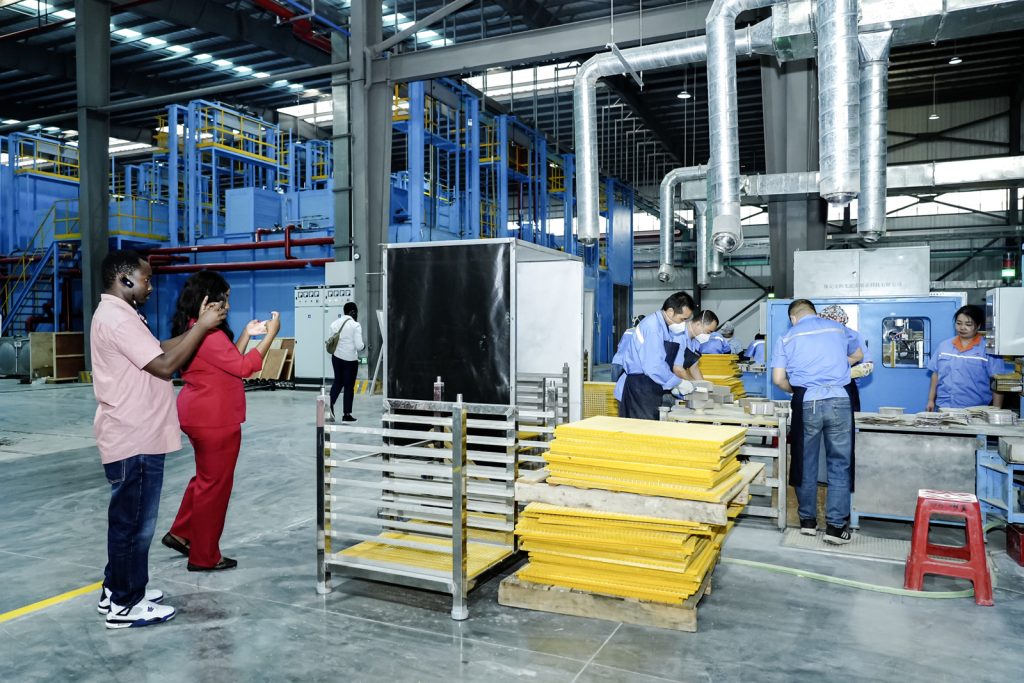
The Ritar logo displayed on a building at the company's Hunan facility.Christina Liao presents Ritar's range of batteries, including products for energy storage and backup power.A camera operator records machinery on the production floor at Hengyang Ritar Power Co., Ltd. in Hunan Province.Battery components move along a production line at Hengyang Ritar Power Co., Ltd.A production line at Hengyang Ritar Power Co., a Hunan-based subsidiary of Ritar.Battery components are stored inside Hengyang Ritar Power Co.'s factory in Hunan.Christina Liao, Africa Business Director at Hengyang Ritar Power Co., Ltd., explains the company's battery products and their applications.Production machinery inside Hengyang Ritar Power Co.'s factory.Workers handle battery components during production at Hengyang Ritar Power Co., LtdVisitors tour the production floor at Hengyang Ritar Power Co., Ltd.
The Producer Price Index (PPI) also rose by 2.9% compared with August 2026. The report attributes the monthly increase to a 3.3% rise in manufacturing prices, which offset a 1.5% decline in mining prices.
Mining and quarrying prices increased by 56.9% year on year, while manufacturing prices rose by 21.2%. Electricity, gas, steam and air conditioning supply prices rose by 34.8% year on year and contributed 1.6 percentage points to the annual increase in the General PPI.
Manufacturing carries the largest weight in the overall index, at 872 out of 1,000.
Food manufacturing prices rose by 26.4% annually and 6.6% monthly, contributing 9.1 percentage points to the annual increase in the General PPI. Beverage prices increased by 25.8% year on year, while chemical and chemical product prices rose by 20.2%.
Chemical manufacturing recorded a sharp monthly increase of 8.7%, while prices of paper and paper products declined by 3.2% compared with August.
The PPI measures changes in prices received by domestic producers for goods and services. It covers mining, manufacturing and utilities, and tracks prices at the point where products leave the factory.
Domestic producer prices rise 22.2%
The Local Producer Price Index, which tracks prices for products sold on the domestic market, increased by 22.2% year on year and 3.2% month on month in September.
Manufacturing prices in this category rose by 24.4% annually and 3.5% monthly.
Food product prices recorded a 33.8% annual increase and a 7.2% monthly rise, contributing 11.0 percentage points to the annual increase in the Local PPI.
Beverage prices increased by 25.8% compared with September 2025, while chemical and chemical product prices rose by 21.7%.
Domestic producer prices increased faster than the overall index, on both an annual and a monthly basis, reflecting the sharp rise in manufacturing prices, particularly food products.
Mining drives export producer-price growth
The Export Producer Price Index increased by 17.3% year on year in September, although the monthly rise was more modest at 0.3%.
The annual increase was driven by mining prices, which rose by 56.9%. Manufacturing prices for exported products, however, declined by 14.1% over the same period.
On a monthly basis, manufacturing prices for exports increased by 2.1%, while mining prices fell by 1.5%.
Food product prices in the export manufacturing category declined by 16.7% year on year, while chemical and chemical product prices increased by 3.3%.
Higher mining prices supported the overall export index despite the decline in prices for manufactured exports.
The PPI measures the average change over time in the prices domestic producers receive for their goods, recorded at the point where products leave the factory. Because it captures prices at the start of the supply chain, economists and policymakers watch it as an early indication of cost pressures that can later feed into consumer prices.
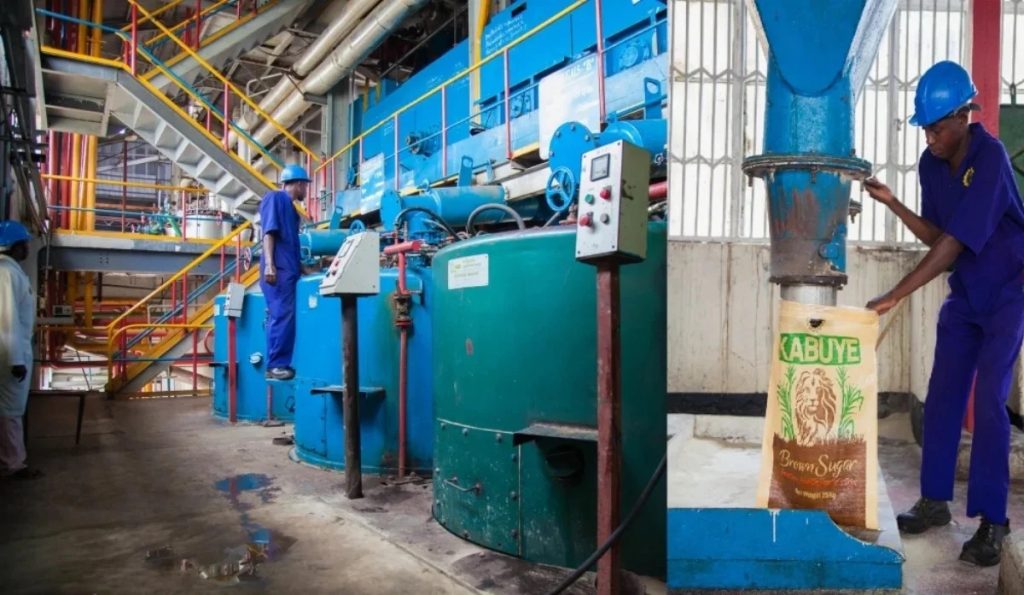
Workers at Kabuye sugar factory. Rwanda's producer prices increased by 21.5% in September 2026 compared with September 2025.