Tung died on September 8, 2026, according to a statement from his office. No cause of death was immediately given.
Born in Shanghai in 1937, Tung came from a prominent shipping family.
His father, Tung Chao-yung, founded the Orient Overseas Container Line, and Tung Chee-hwa later took over the family business.
Tung entered politics as Hong Kong approached the end of British colonial rule.
In December 1996, he was selected by a Beijing-aligned 400-member committee to become the territory's first Chief Executive.
He took office on July 1, 1997, when Hong Kong was handed back to China after more than 150 years of British rule.
His administration operated under the 'one country, two systems' framework, under which Hong Kong was promised a high degree of autonomy and the preservation of its way of life, legal system and economic freedoms.
However, Tung's time in office was marked by a series of serious challenges.
The Asian financial crisis hit Hong Kong soon after he took office, while the territory also faced an outbreak of bird flu and the SARS epidemic in 2003.
His government also faced growing public dissatisfaction over economic conditions, housing and political reforms.
One of the most controversial moments came in 2003, when his administration attempted to introduce legislation under Article 23 of Hong Kong's Basic Law.
The proposed legislation would have created offences related to national security, including treason and sedition, while giving authorities additional powers.
The proposal triggered a huge public demonstration, with about half a million people taking part.
Facing intense opposition, the government withdrew the legislation. The controversy further damaged Tung's popularity and contributed to growing tensions between Hong Kong's pro-democracy movement and Beijing.
Despite his declining popularity, Tung was re-elected unopposed in 2002. He resigned in March 2005, citing health reasons, midway through his second term.
After leaving office, Tung remained an influential figure in Chinese politics.
He became vice chairman of the Chinese People's Political Consultative Conference and continued to support closer ties between Hong Kong and mainland China.
In later years, he established the Our Hong Kong Foundation, a think tank that promoted policy ideas on issues including housing, technology and economic development.
Tung's political legacy remains contested. Supporters have credited him with helping guide Hong Kong through its historic transition to Chinese sovereignty and promoting closer economic integration with mainland China.
Critics, however, have pointed to his administration's economic difficulties, unpopular policies and the political tensions that emerged during his leadership.
His death comes nearly three decades after he became the first leader of Hong Kong under Chinese sovereignty, making him a central figure in one of the territory's most significant periods of modern history.
Tung Chee-hwa served as Hong Kong's first Chief Executive from 1997 to 2005
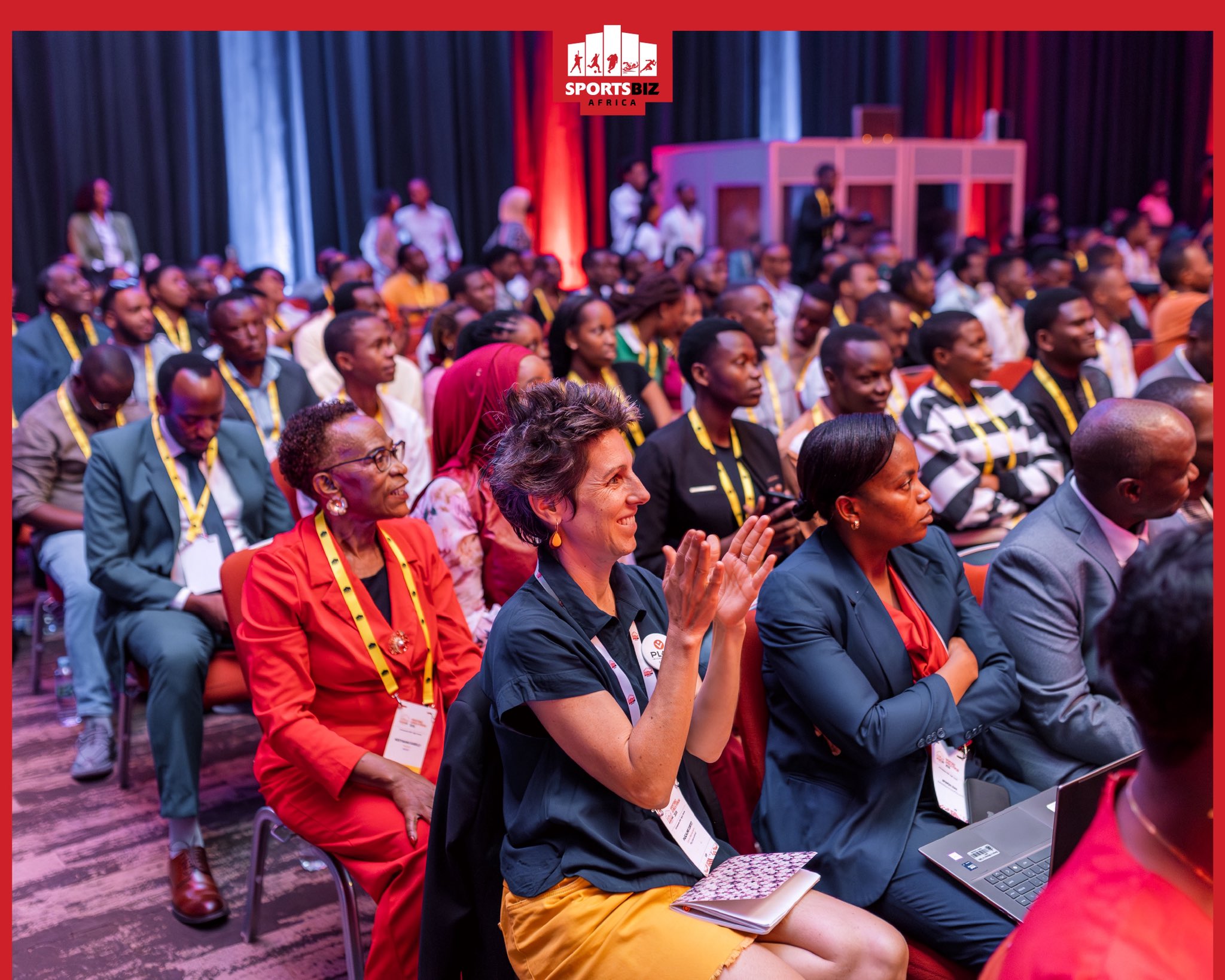
Opening the third SportsBiz Africa Forum in Kigali on September 10, Mukazayire noted that the global sports industry was valued at between $2.3 trillion and $2.65 trillion, while Africa accounted for only about 0.5% of the global market.
The gap, she argued, was difficult to ignore given the continent's youthful population and its long record of producing athletes whose talent has helped drive sports industries elsewhere.
'What are they doing that we are not doing?' Mukazayire asked as she outlined three areas she believes Africa must address to unlock more value from its sporting potential: data, people and the commercial side of sport.
The first is data.
Mukazayire argued that Africa needs to collect and use more data suited to African athletes, markets and conditions rather than relying entirely on research and systems developed elsewhere.
Science and technology, she explained, must also reflect the realities of African athletes, including factors such as altitude, climate and local environments.
The minister pointed to the limited availability of data on women in sport, noting that much of the research developed over the years has been based largely on men despite the growing participation and performance of women athletes across Africa.
'We need to discuss how we start looking at data, collecting data that is meant for African athletes and that is going to be created, put together by African companies, entrepreneurs and interpreted in that way,' she said.
The second priority is people.
Mukazayire stressed that African sports systems need to look beyond an athlete's natural ability and understand the wider factors that determine high performance and long-term success.
Health, mental wellbeing, nutrition, sleep, recovery and the environment surrounding athletes all require greater attention, she argued.
She also highlighted fan engagement as an increasingly important part of the sports economy. Sport, she noted, can create opportunities beyond competition by supporting entertainment, fashion, creative industries and other businesses.
The third priority is commercial value.
Mukazayire questioned who benefits from broadcasting rights, merchandising and other revenue streams generated by African sport, arguing that the continent needs to take a greater role in building businesses around its sporting assets.
She also called for a different approach to investment in sports infrastructure. Stadiums, pitches and arenas should not be viewed only as facilities for developing athletes, but as centres around which businesses and communities can grow.
'By building pitches you're creating community. By adding all those services you're creating value,' she told delegates.
Her message was echoed by Christian Gakwaya, Chief Executive Officer of Rwanda Events Group, who argued that Africa has spent years supplying talent to the global sports economy without capturing a proportionate share of the value created.
Africa has produced athletes, coaches and stories that have helped shape global sport, Gakwaya observed, but much of the economic value generated from those contributions has been captured elsewhere.
He urged the continent to move beyond measuring sporting success solely through participation, performance and trophies and instead confront questions around ownership.
'Who owns our media rights?' he asked. 'Who owns the intellectual property in the sports sector in the continent?'
Gakwaya also questioned who manufactures sports apparel and technologies used on the continent, manages African athletes, collects sports data and builds African sports brands.
For him, the next phase should focus on ensuring that more of the economic value generated by African sport remains in Africa.
The SportsBiz Africa Forum, now in its third edition, he announced, is evolving into the SportsBiz Africa Platform, a shift intended to move beyond periodic discussions towards investment facilitation, business development, market intelligence, entrepreneurship, policy engagement and talent development.
'A forum brings people together. A platform will help them to do something together,' Gakwaya said.
The call for stronger African participation in the global sports economy was also reinforced by Sir Paul J. Foster, President and Chief Executive Officer of the Global Esports Federation.
Foster described connectivity as a form of infrastructure capable of creating economic opportunity, particularly for young people, entrepreneurs and creators who can use technology to access global markets.
Rather than focusing on bringing the world to Africa, he argued that the continent should concentrate on connecting African talent, businesses, intellectual property and ideas directly to global opportunities.
'For too long, the conversation has been about bringing the world to Africa. I'm much more interested in the reverse. Africa to the world,' Foster told the forum, describing it not simply as a slogan but as an economic proposition.
He urged African governments, universities, entrepreneurs, investors and sports organisations to build the infrastructure, competitions, academies, investment pathways and commercial networks needed to support that ambition.
Foster noted that the global gaming industry had grown into a major economic force, placing esports at the intersection of technology, artificial intelligence, entertainment, media, education, commerce and youth.
The challenge, he suggested, was to build systems that allow young Africans to move from being players to developers, fans to creators, students to entrepreneurs, and local businesses to global companies.
Dr Decius Hikabwa Chipande, Coordinator and Head of the African Union Sports Council, similarly framed sport as a strategic sector for economic growth, youth empowerment, job creation and innovation.
He urged stronger partnerships between governments, the private sector, sports organisations, development partners and communities to unlock opportunities across the sports value chain.
The African Union, he noted, sees sport as more than recreation and competition, with potential to support entrepreneurship, employment, skills development and continental integration.
Félicité Rwemarika, an International Olympic Committee member, also emphasised that talent and passion alone would not be enough for Africa to realise its sporting potential.
The continent needs strong institutions, good governance, investment, skills and expertise, she conveyed in a message from IOC President Kirsty Coventry.
Investment in sport, the message argued, should ultimately be understood as an investment in people, creating opportunities for young people through education, skills development and employment.
Together, the speakers returned repeatedly to a similar question: how can Africa retain more of the value generated by its sporting talent?
For Mukazayire, the answer begins with understanding African athletes through African data, investing in the people around sport and building stronger commercial ecosystems capable of creating value at home.
The task now, she told delegates, is to move beyond recommendations and develop practical measures that can create jobs, businesses and investment for future generations.
'We have to be intentional in terms of what is the legacy we are leaving for the next generations,' she said.
The two-day SportsBiz Africa Forum brings together policymakers, investors, sports administrators, business leaders, entrepreneurs and athletes to discuss ways of strengthening Africa's sports economy through investment, innovation and collaboration.
Opening the third SportsBiz Africa Forum in Kigali on September 10, Mukazayire noted that the global sports industry was valued at between $2.3 trillion and $2.65 trillion, while Africa's share remained at about 0.5%.The two-day SportsBiz Africa Forum brings together policymakers, investors, sports leaders, entrepreneurs and athletes to explore ways to grow Africa's sports economy.
People who drink at least one sugar-sweetened beverage every day may face a substantially higher risk of developing stomach cancer, according to new research from the Mass General Brigham Cancer Institute.
The study, which analyzed data from 112,284 participants in the Nurses' Health Study and Health Professionals Follow-Up Study, found that people who consumed at least one serving of a sugar-sweetened beverage each day had 2.45 times the risk of developing gastric cancer compared with those who consumed less than one serving per month.
The researchers followed participants over several decades, collecting detailed information about their diets, lifestyles and health. During the follow-up period, 278 participants developed gastric cancer.
The association was observed in both men and women. Among women in the Nurses' Health Study, those who consumed more than one sugar-sweetened beverage per day had a 3.04-fold higher risk of gastric cancer compared with women who rarely consumed such drinks.
The study also found that higher overall consumption of fructose, the main sweetener in many sugar-sweetened beverages, was associated with a higher incidence of gastric cancer.
Researchers defined sugar-sweetened beverages as carbonated drinks, punch, lemonade and sports drinks.
By comparison, greater consumption of artificially sweetened beverages was not associated with an increased incidence of gastric cancer after accounting for other factors.
The researchers also examined whether infection with Helicobacter pylori, commonly known as H. pylori, could help explain the association.
The bacterium is a known risk factor for gastric cancer. However, among the 940 participants for whom H. pylori information was available, researchers found no association between sugar-sweetened beverage consumption and H. pylori infection.
Andrew T. Chan, a gastroenterologist and epidemiologist at the Mass General Brigham Cancer Institute and the study's senior author, said the research was the first to demonstrate an association between sugar-sweetened beverage consumption and gastric cancer in a US population.
However, the researchers stressed that the findings do not prove that sugary drinks directly cause stomach cancer.
The study was observational, meaning it identified an association rather than establishing a cause-and-effect relationship.
Other factors may have contributed to the higher cancer rates among people who consumed more sugar-sweetened beverages.
The researchers also noted limitations, including limited information about participants' H. pylori status and family histories of gastric cancer.
In addition, most participants were white, meaning the findings may not apply equally across all racial and ethnic groups.
Despite these limitations, the researchers said the study benefited from its large population and the detailed health, diet and lifestyle information collected over many years.
Daily consumption of sugary drinks was associated with a higher risk of stomach cancer in a long-term study.
Figures released on Thursday, September 2026, indicate that food and non-alcoholic beverages recorded a 16.3% annual increase in August and rose by 3.7% compared with July.
Housing, water, electricity, gas and other fuels increased by 20.4% year on year, while prices in the category rose by 0.2% on a monthly basis.
Transport prices increased by 24.2% annually and by 0.2% compared with the previous month.
Prices in restaurants and hotels rose by 15.6% year on year and increased by 2% on a monthly basis.
The data show that prices of local products increased by 17.4% year on year and by 2.1% month on month. Prices of imported products increased by 10.8% annually and by 0.7% monthly.
Fresh product prices increased by 20.9% year on year and by 5.8% compared with July.
Energy prices recorded the largest annual increase, rising by 45.4%, while increasing by 0.2% on a monthly basis.
Meanwhile, the general CPI excluding fresh products and energy increased by 11.5% year on year and by 0.7% month on month.
Transport prices rose by 24.2% year on year in August 2026, contributing to Rwanda's overall inflation rate of 15.7%.
The new genus, called Swiftiephylus, was announced in a study published on September 9 in the journal Insect Systematics and Evolution.
The study describes 12 newly identified species of Australian plant bugs, including four species whose scientific names pay tribute to Swift and her music.
The four species are Swiftiephylus taylorae, named after Taylor Swift, as well as Swiftiephylus amator, Swiftiephylus intrepidus and Swiftiephylus poetorum.
The latter three names are inspired by Swift's albums and music, referring to 'Lover,' 'Fearless' and 'The Tortured Poets Department,' respectively.
The insects belong to the Miridae family, the largest family of true bugs. The family contains about 11,000 described species worldwide and includes both plant-feeding and predatory insects.
Sarah Schroeder, a doctoral student in entomology at the University of California, Riverside and a co-author of the study, said she wanted to honor Swift while drawing attention to the large number of insect species that scientists have yet to discover.
Schroeder is a lifelong Swift fan and said the insects' appearance also helped inspire the tribute.
The insects are pale yellow with red markings and can camouflage themselves among Australian she-oaks.
Their coloration reminded Schroeder of Swift's recognizable blonde hair and red lipstick.
Beyond the connection to the singer, researchers said the naming highlights the importance of taxonomy, the scientific process of identifying and describing species.
Schroeder emphasized that documenting species is important for conservation because scientists cannot protect species they do not know exist.
The insects were collected in Australia between 1995 and 2004 by researchers from the American Museum of Natural History and Australian collaborators.
The collections produced more than 50,000 specimens, showing how much biological material can remain unidentified for years.
Scientists estimate that nearly 30 million insect species may still be undocumented, highlighting the enormous scale of insect diversity that remains to be studied.
The Swiftiephylus discovery is not the first time scientists have named a species after a celebrity.
In 2022, researchers at UC Riverside named a newly identified nematode species Tarantobelus jeffdanielsi after actor Jeff Daniels, whose character in the 1990 film Arachnophobia was associated with the tribute.
For Swift, the unusual honor adds her name to scientific records while also helping researchers draw public attention to insect diversity and the importance of conservation science.
Newly identified Australian plant bugs have been named after Taylor Swift and her albums.
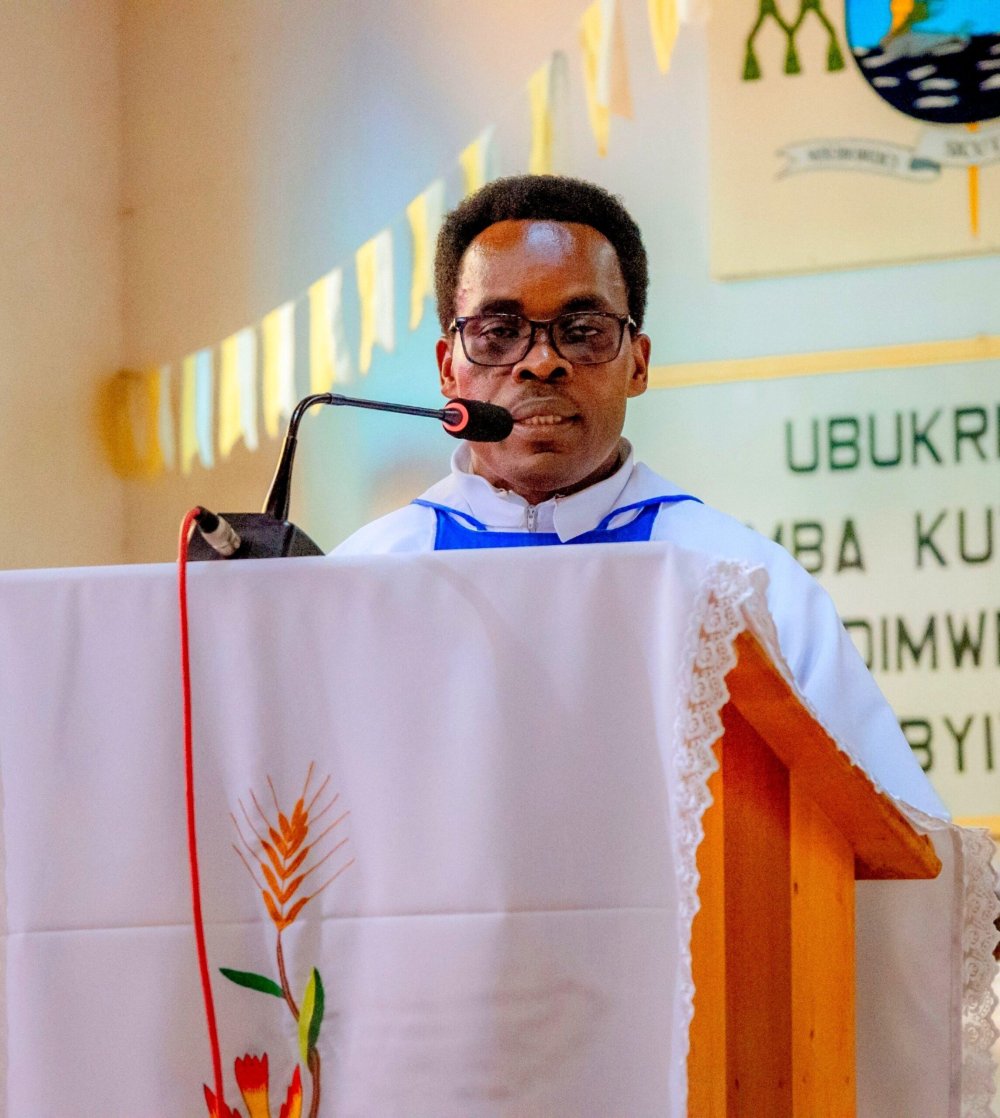
The appointment was announced in a statement signed by Bishop Mwumvaneza on September 8, 2026.
In the statement, Bishop Mwumvaneza said the appointment was made after considering the weight of the responsibilities involved in administering Nyundo Diocese and the abilities of the person selected to carry them out.
He cited Father Habarugira Karekezi's integrity, spiritual and intellectual abilities, theological knowledge and dedication to Church service.
'We appoint Father Léonidas Habarugira Karekezi as Vicar General of our Diocese of Nyundo,' Bishop Mwumvaneza said.
As Vicar General, Father Karekezi will oversee the ordinary administrative affairs of the diocese, except matters specifically reserved for the bishop or those requiring the bishop's prior authorization.
Bishop Mwumvaneza called on clerics and Catholics in Nyundo Diocese to welcome and support Monsignor Karekezi in his new responsibilities.
The appointment follows the death of Monsignor Nsengumuremyi, who had served as Vicar General of Nyundo Diocese since 2001. He continued serving in the position after Bishop Mwumvaneza became Bishop of Nyundo Diocese in 2016.
Monsignor Nsengumuremyi was ordained priest in 1977 and died on August 30, 2026, aged 76, succumbing to low blood pressure.
Father Léonidas Habarugira Karekezi has been appointed as the new Vicar General of Nyundo Diocese.
Trump campaigned for a second term as a president who would end foreign wars rather than start new ones.
However, his administration is now deeply involved in a conflict with Iran that analysts say risks becoming a new 'forever war.'
The US launched 'Operation Epic Fury' alongside Israel on February 28, targeting Iran's military and nuclear capabilities.
The campaign has relied heavily on US air and naval power rather than a large-scale deployment of American ground troops.
Despite inflicting significant economic and military damage on Iran, the campaign has not achieved all of the objectives critics say Trump set out to accomplish, including dismantling Iran's nuclear programme or triggering a change in the Iranian government.
The conflict has also created economic pressure beyond the battlefield. Iran's disruption of oil shipments through the Strait of Hormuz has contributed to higher US gasoline prices and pushed global oil prices higher.
The economic impact has added to political pressure on Trump and strained relations with some US allies.
Analysts say the conflict reflects some of the problems that complicated the wars in Afghanistan and Iraq, including difficulties in defeating an entrenched opponent and establishing a clear path to ending military operations.
Sina Toossi of the Center for International Policy said Trump had broken a post-Iraq and Afghanistan reluctance in Washington to launch another major, potentially open-ended war in the Middle East.
The comparison comes as the United States approaches the 25th anniversary of the September 11 attacks, which killed nearly 3,000 people and led to the US invasion of Afghanistan, followed by the 2003 invasion of Iraq.
The Iraq war was launched partly on intelligence that Iraq possessed weapons of mass destruction, but those weapons were never found.
The conflicts in Afghanistan and Iraq became lengthy and costly, while contributing to instability across the Middle East.
Trump's political rise was partly fueled by public frustration with the consequences of those wars.
During his 2024 campaign, he promised to avoid military adventurism and focus more heavily on Americans' economic concerns.
Critics now argue that his Iran strategy risks repeating some of the mistakes of the post-9/11 era, including underestimating an adversary's resilience and failing to establish a clear exit strategy.
The White House has defended the campaign. Spokeswoman Anna Kelly said Trump had the courage to confront Iran over its nuclear programme and argued that his administration had achieved its objectives, while sanctions and a US maritime blockade were putting further pressure on Iran's economy.
For now, however, the conflict remains unresolved. With rising energy costs, political pressure at home and concerns over its wider regional consequences, the war is increasingly becoming a test of whether Washington can avoid repeating the experience of the post-9/11 'forever wars.'
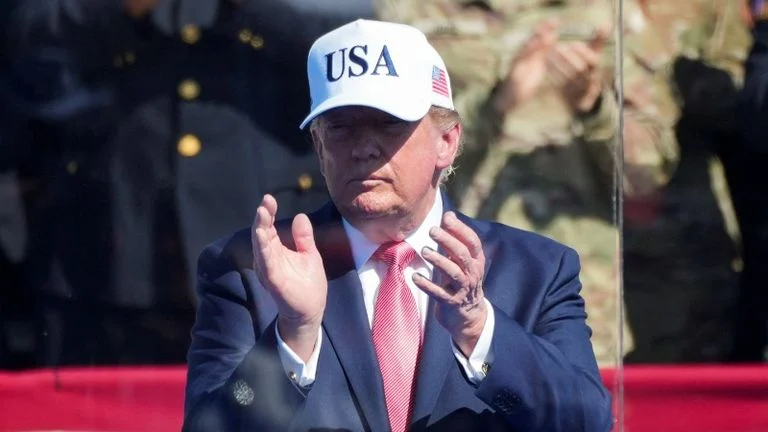
US President Donald Trump faces growing scrutiny over the ongoing conflict with Iran.
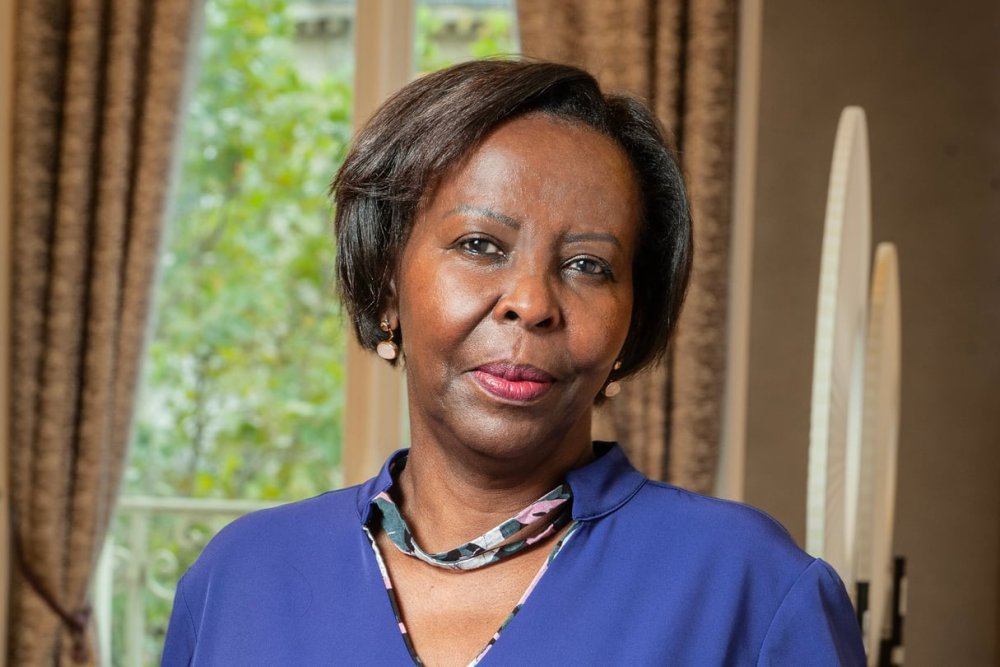
Mushikiwabo was elected Secretary General of the OIF in 2018 and took office in January 2019. She was re-elected for a second term in 2022 in Djerba, Tunisia, with the support of all member states, becoming the first African woman to lead the organisation.
The OIF currently brings together 90 states and governments representing more than 396 million French speakers worldwide.
As Mushikiwabo's second term approaches its end, she is seeking a third mandate in an election that also features candidates from the Democratic Republic of Congo, Mauritania and Romania.
It is also a moment to look at what her seven years at the helm have delivered, with the figures highlighting programmes and reforms that have strengthened the OIF's existing foundations and continue to shape its future priorities.
Since 2019, the OIF says it has mobilised €336 million, with 97% of its activities implemented.
During the same period, the organisation introduced annual financial audits conducted by an independent external body as part of efforts to strengthen transparency and accountability in its financial management.
Women's economic empowerment has been another major area of activity. In 2020, amid the Covid-19 pandemic, the OIF launched the 'La Francophonie avec Elles' fund to support women's economic independence.
The programme has since reached nearly 100,000 women through 354 projects implemented in 36 countries. According to the OIF, the average income of women benefiting from the initiatives has tripled.
The organisation has also increased its engagement with young people. Through 'La Francophonie de l'avenir', more than 10,000 young people in 134 countries were consulted on the priorities they want the OIF to address in the coming years.
The Covid-19 pandemic also prompted the organisation to create initiatives connecting young people and supporting technology-based responses to challenges created by the crisis. Within two weeks, about 60 youth-led projects were identified, including initiatives focused on transport, food delivery and access to medicines.
Digital skills have since become a central area of the OIF's work through the D-CLIC programme, which aims to increase the number of young people receiving technology-related training from 20,000 to 100,000.
The organisation has also launched CAP Innovation to support young entrepreneurs in Francophone countries as they develop innovation-based projects. Artificial intelligence has emerged as another area of focus as the OIF considers technologies likely to shape the future of French-speaking countries.
Education and language have also featured prominently in its programmes. Through ELAN, the OIF has reached 12 million students, using 46 African languages and working with about 230,000 teachers. The programme promotes early literacy and learning in children's mother tongues before they transition to French.
The focus on Africa is particularly significant for the OIF, with projections indicating that by 2050, the majority of French speakers worldwide will be on the continent.
Mushikiwabo's seven years at the OIF have also brought changes to the way its Secretary General is elected. The organisation previously relied heavily on consensus among member states, while the revised system gives each country one vote and allows candidates to compete more openly.
The new system will be applied in the 2026 election. On June 30, all four candidates appeared before foreign ministers of OIF member states to present their visions and answer questions, an exercise that had not previously taken place in the organisation's 56-year history.
Mushikiwabo is competing against Juliana Amato Lumumba of the Democratic Republic of Congo, Mauritanian candidate Coumba Ba and former Romanian Prime Minister Dacian Cioloș.
Her bid for a third term has attracted support from many countries. At the Francophonie Ministerial Conference held in Kigali in November 2025, the call for her to seek another mandate initially came from two countries before the number of countries expressing support rose to more than 15 by the end of the meeting.
Rwanda has also stepped up efforts to rally support for her candidacy, with senior officials travelling to Francophonie member states, carrying messages from President Paul Kagame to heads of state.
Louise Mushikiwabo was elected OIF Secretary General in 2018 and took office in January 2019, becoming the first African woman to lead the organisation.
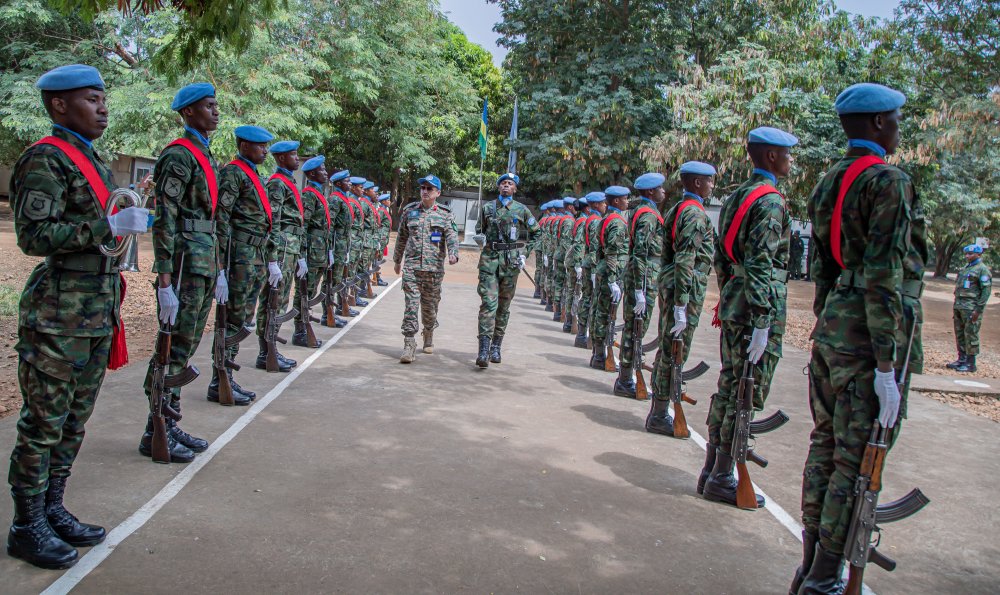
Brigadier General Bhardwag made the remarks during his visit on September 8, 2026, to RWANBATT-3 at the UNMISS Durupi Camp in Juba, where he was welcomed by the Contingent Commander, Colonel Innocent Rwaka Muhirwe.
The Sector South Commander described RWANBATT-3 as the exemplary contingent in Sector South, praising its resilience, teamwork, coordination, and commitment to duty.
'You have distinguished yourself as an exemplary contingent in Sector South. You are demonstrating resilience, professionalism, effective coordination, a strong spirit of teamwork, and dedication to implement the UNMISS mandate,' Brig Gen Bhardwag stated.
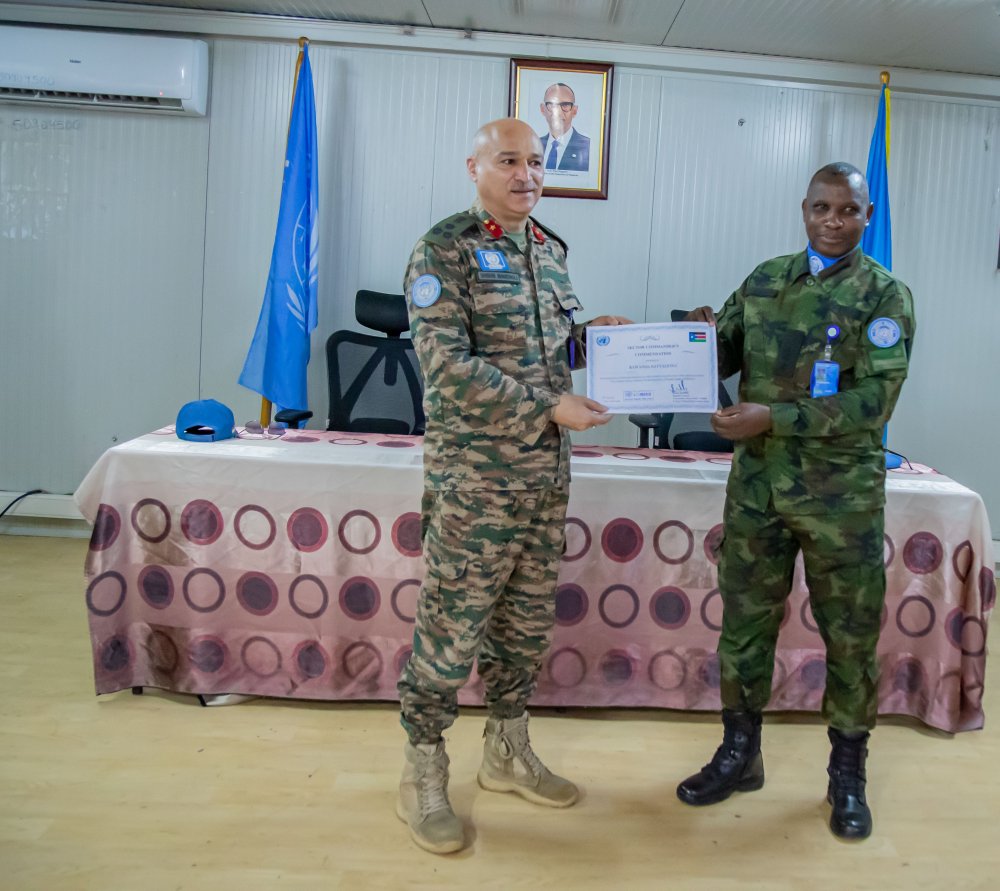
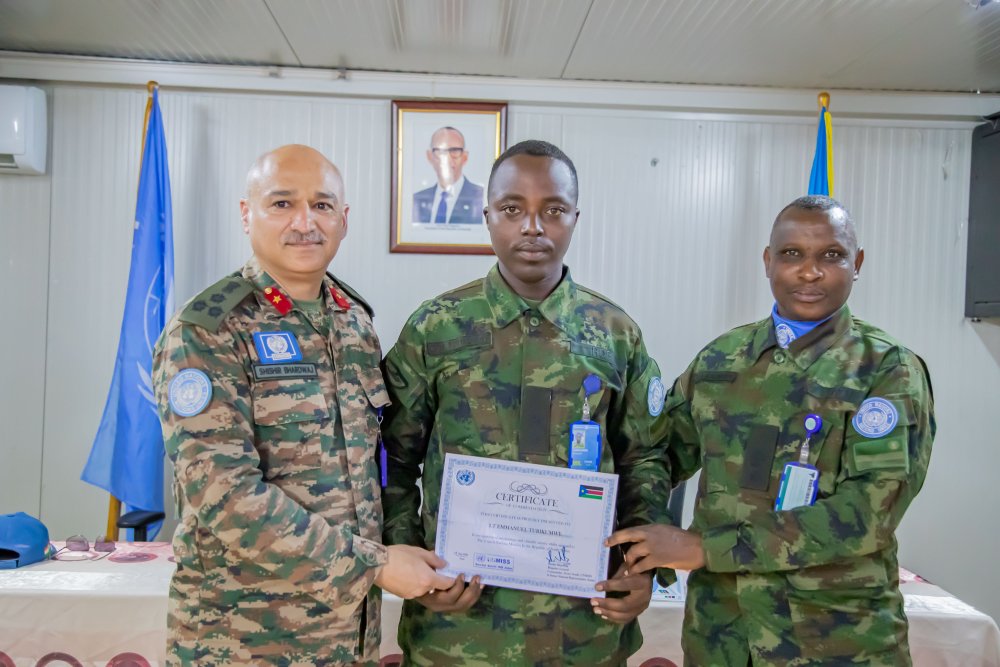
In recognition of their dedication and service, Brigadier General Bhardwag presented certificates of commendation to the Contingent Commander, selected officers, and other ranks.
He emphasized that the recipients represented the collective achievements of the entire contingent and its contribution to the success of the UNMISS mandate.
He also commended Colonel Muhirwe for his strong leadership and efforts to maintain discipline, cohesion, morale, and operational effectiveness within the contingent.
Colonel Muhirwe expressed appreciation for the continued support and guidance from the Sector South leadership, noting that it had contributed to RWANBATT-3's ability to carry out its responsibilities despite operational challenges.
Brig Gen Bhardwag honours RWANBATT-3 personnel for their dedication and professionalism.UNMISS Sector South Commander Brigadier General Shishir Bhardwag presents a certificate of commendation to a Rwandan peacekeeper serving with RWANBATT-3 during his visit to the contingent at UNMISS Durupi Camp in Juba on September 8, 2026.Rwandan peacekeepers receiveD recognition for their outstanding service with UNMISS.Brigadier General Bhardwag visited RWANBATT-3 on September 8, 2026.
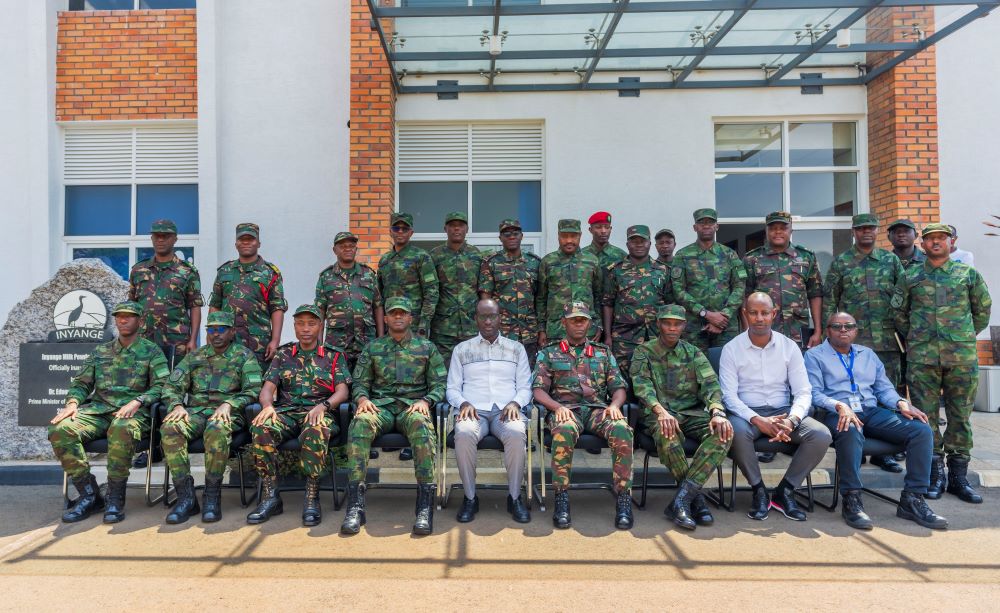
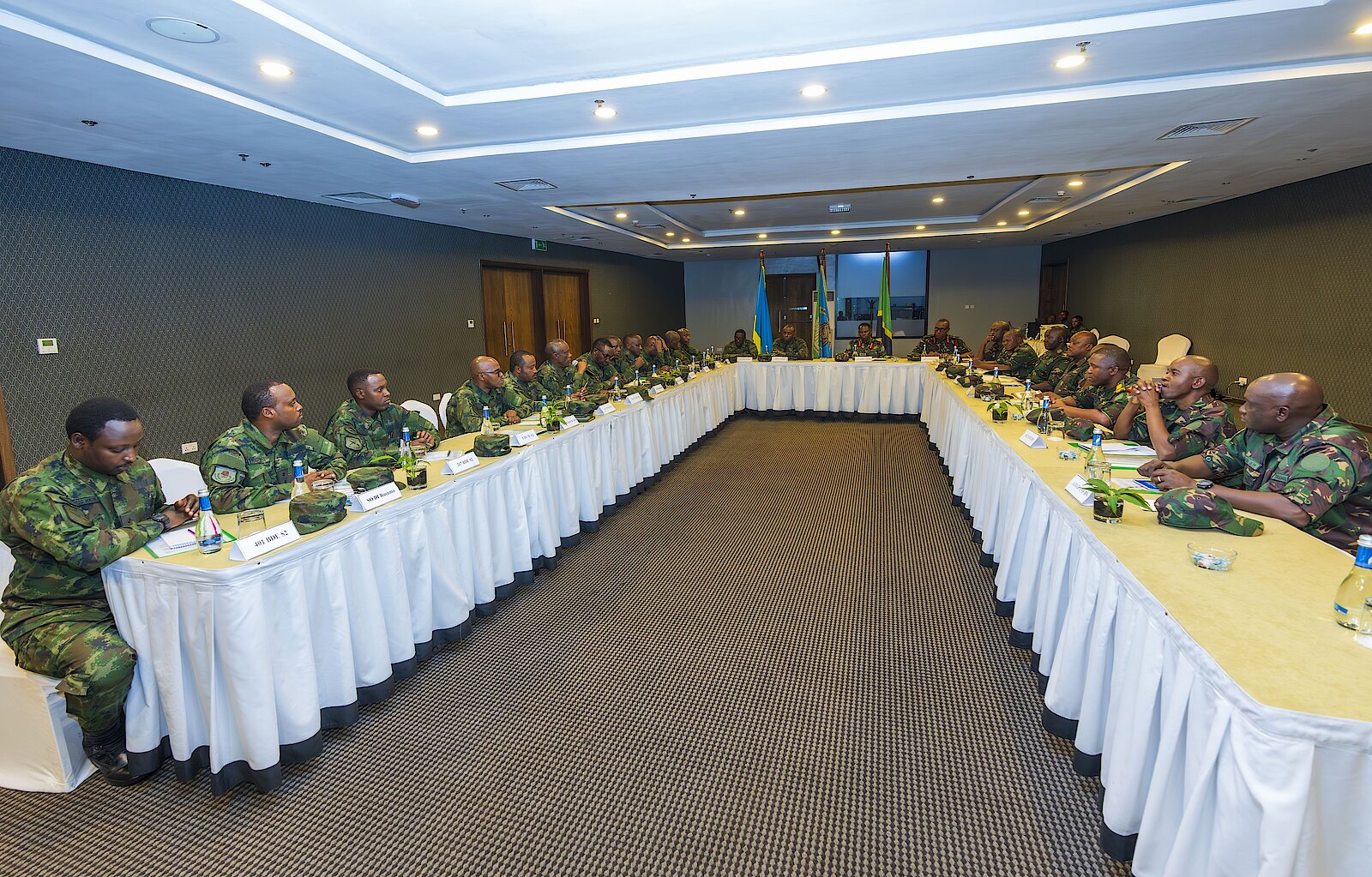
The meeting brings together military commanders from both countries who are deployed along the shared border to discuss security issues and strengthen cross-border cooperation.
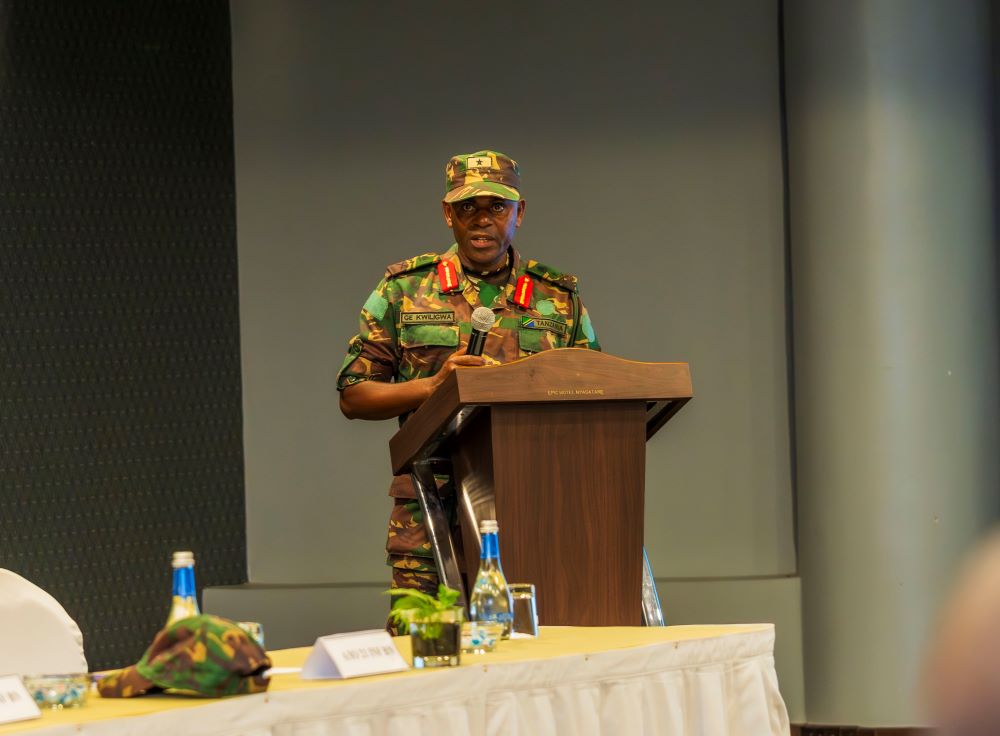
The TPDF delegation is led by Brigadier General Gabriel Elias Kwiligwa, Commander of the TPDF 202 Infantry Brigade, who was received by Major General Ruki Karusisi, Commander of the RDF 5 Infantry Division.
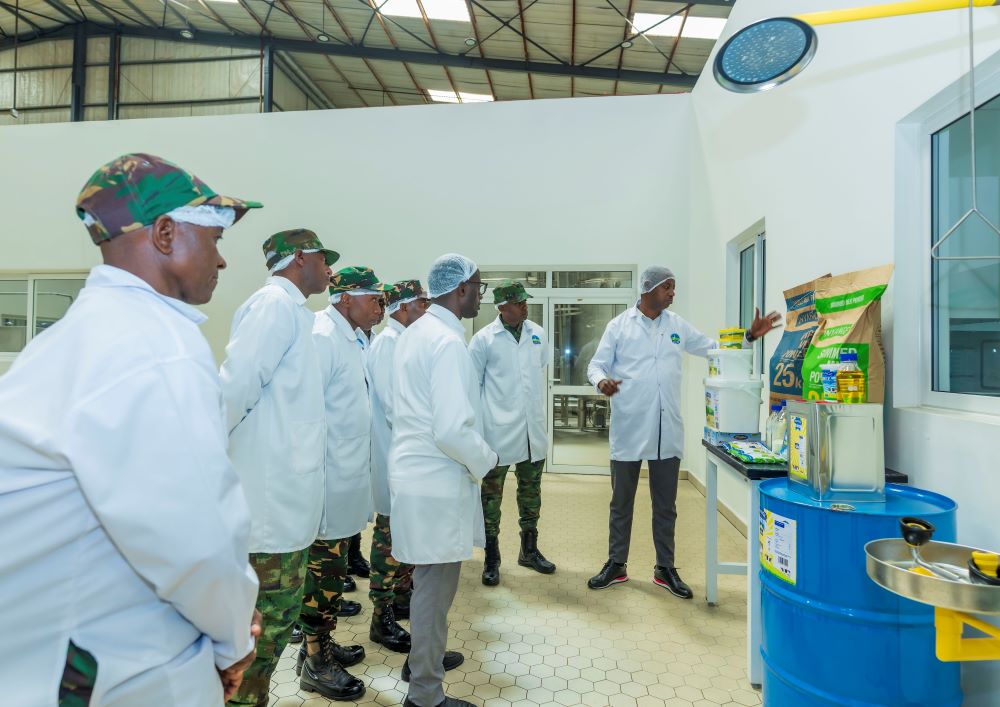
Upon arrival, the TPDF delegation visited the Inyange Milk Powder Plant in Nyagatare District. They were welcomed by the Mayor of Nyagatare District, Henry Kakooza, who briefed them on the plant's operations, market distribution, and its contribution to the local community and the country.
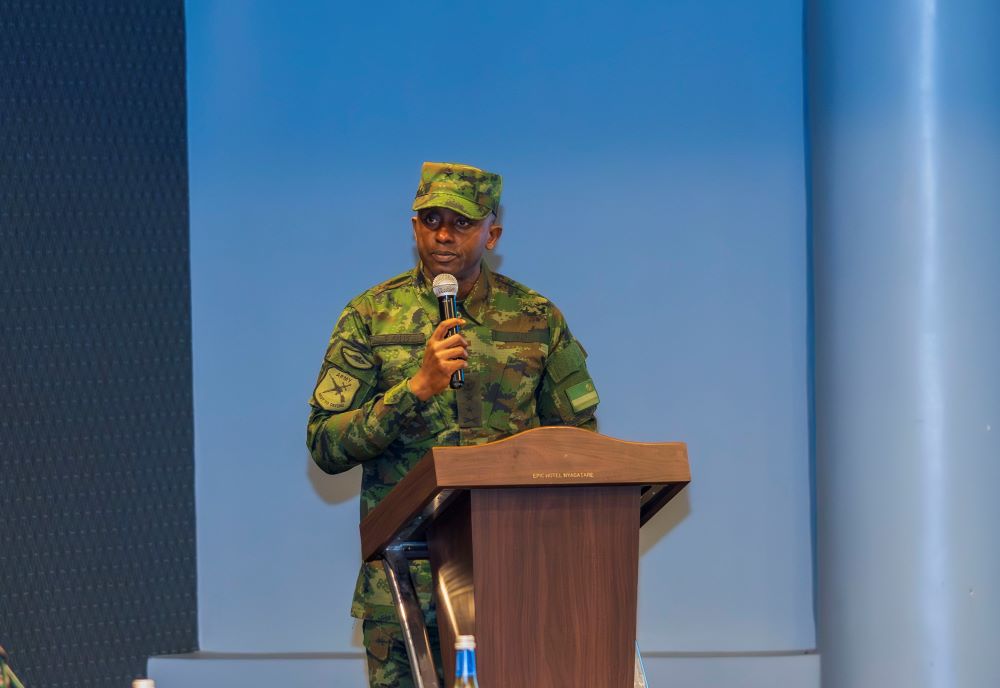
In his remarks, Major General Ruki Karusisi welcomed Brigadier General Kwiligwa and his delegation, noting that the meeting reflects the strong friendship, trust, and good relations between Rwanda and Tanzania.
He emphasized that geographical proximity provides an important opportunity to strengthen communication, regional peace, and border security.
He also called for stronger personal relationships, joint training, and direct communication among commanders to address emerging security challenges.
Brig Gen Gabriel Elias Kwiligwa thanked the hosts for the warm reception and hospitality extended to his delegation since their arrival in Rwanda.
He noted that the Proximity Commanders' Meeting demonstrates the strong military trust between the two countries and the progress made in implementing previous agreements on shared border security challenges.
Both sides expressed their commitment to strengthening border security, deepening defence cooperation, and protecting communities living along the shared border.
The discussions are expected to produce practical measures to address common security concerns and further strengthen the existing relations between the two nations.
RDF and TPDF delegations pose for a group photo during the 16th proximity commanders' security meeting in Nyagatare District.Brigadier General Gabriel Elias Kwiligwa led the TPDF delegation at the 16th proximity commanders' meeting in Nyagatare.Major General Ruki Karusisi welcomed Brigadier General Gabriel Elias Kwiligwa and his delegation during the 16th proximity commanders' meeting.TPDF delegation members tour the Inyange Milk Powder Plant in Nyagatare during their visit to Rwanda for the 16th proximity commanders' meeting.RDF and TPDF commanders meet in Nyagatare to discuss shared border security concerns.